Author: get back, laurettadimmick
Happy days are here again!
This weekend, Tuscany relaxed the rules we’ve been following since the lock-down began. For the first time in 2 months, we can legally go outside and walk or bike for exercise. That means I can see the city again for the first time since March 12. Wow! I have missed my home town!
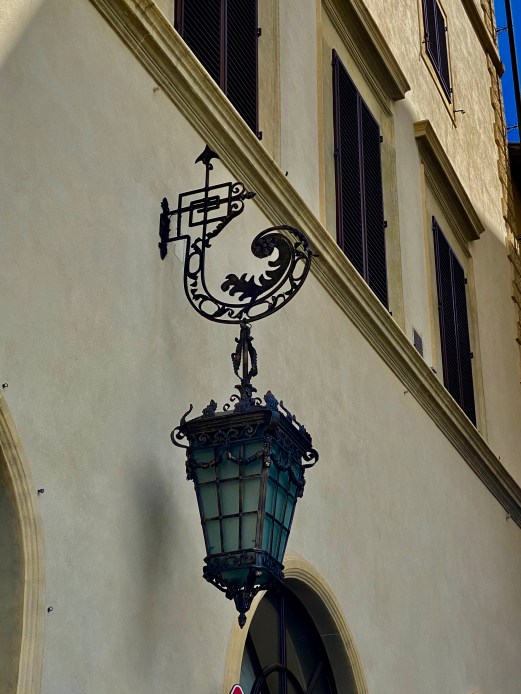
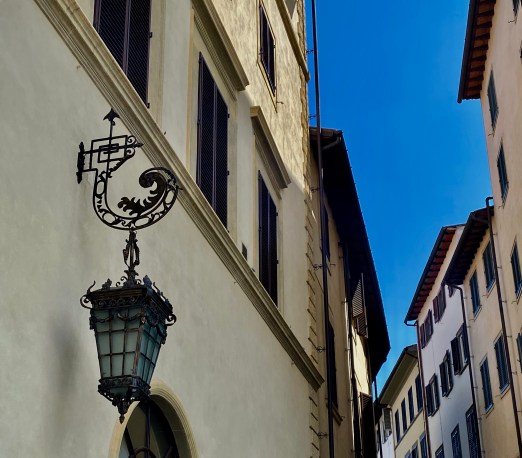
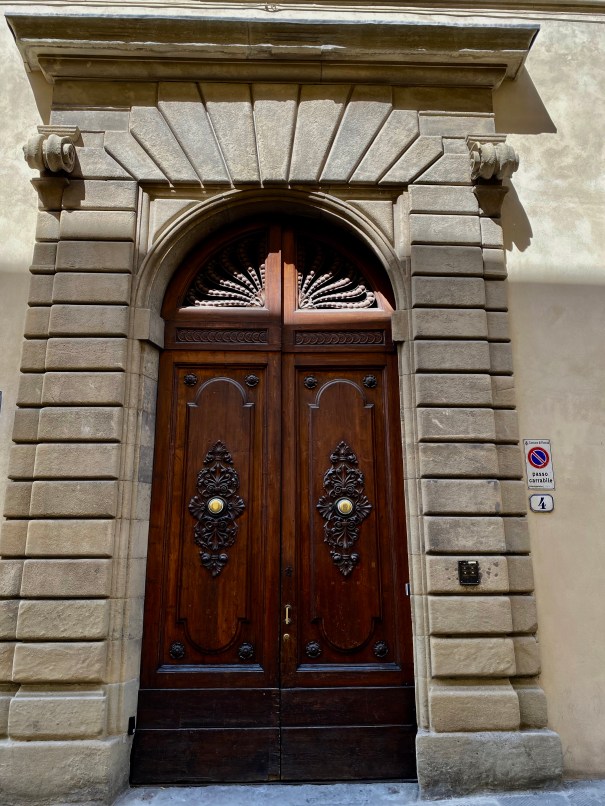
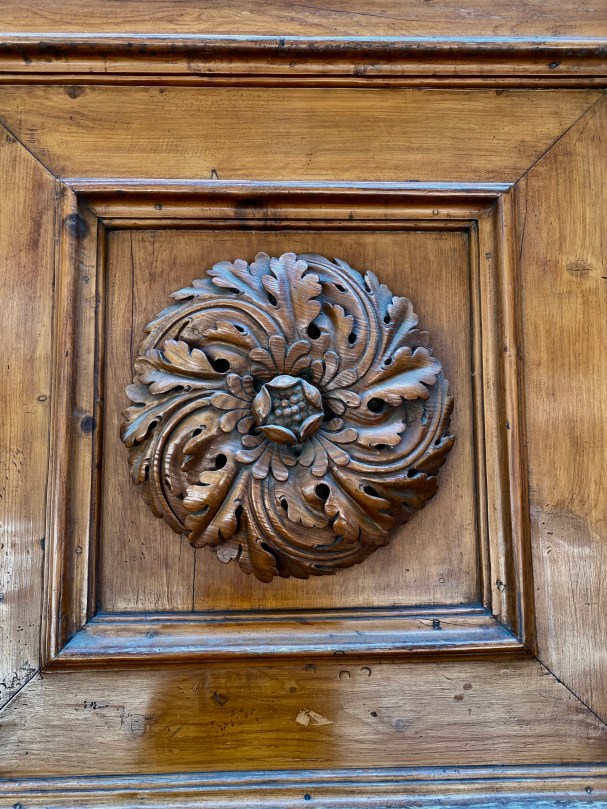
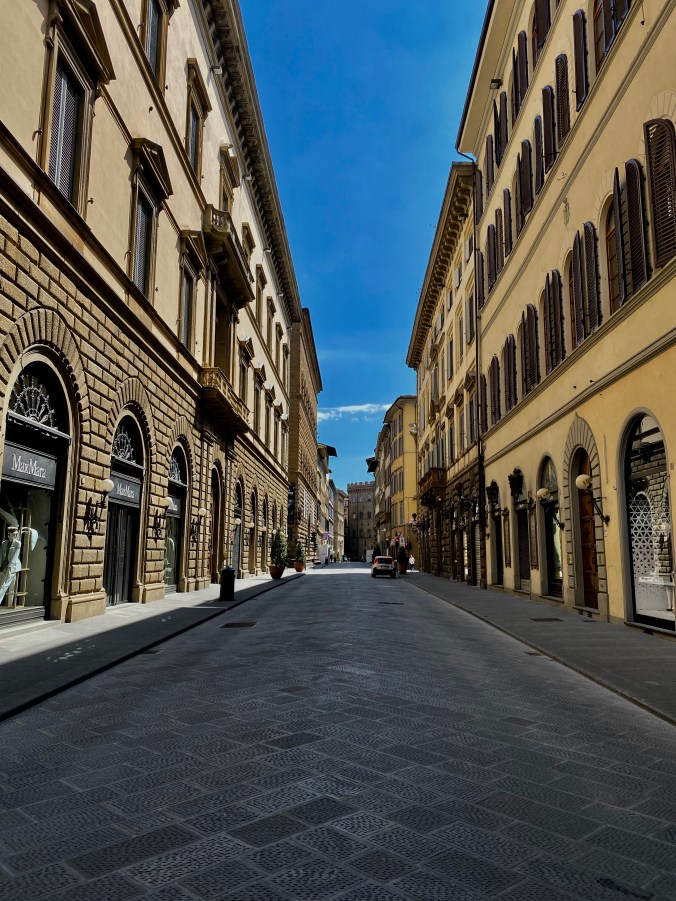
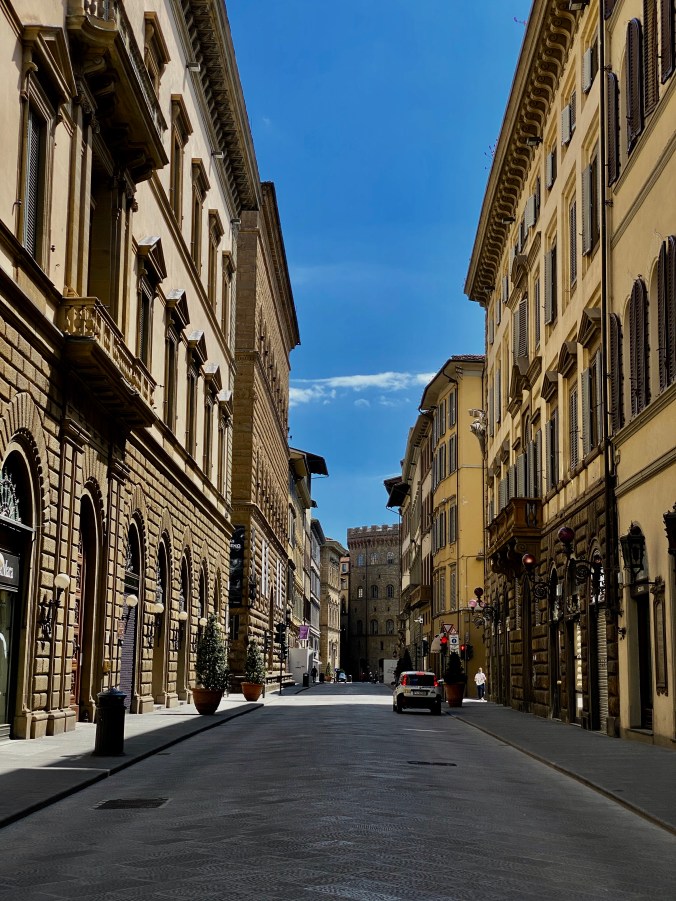
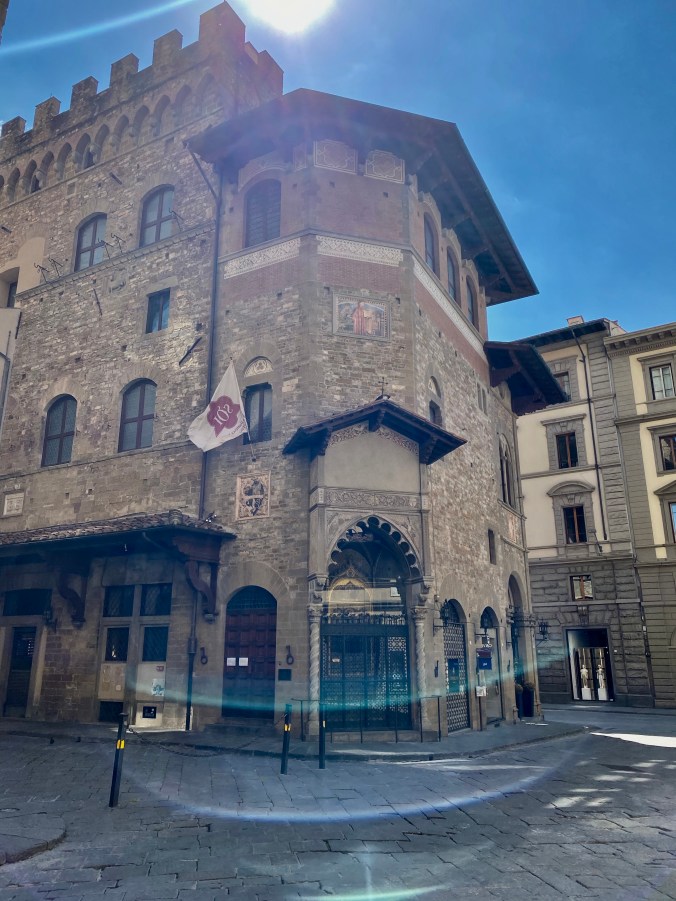
On this, my first day out, here are some beautiful things I noticed:







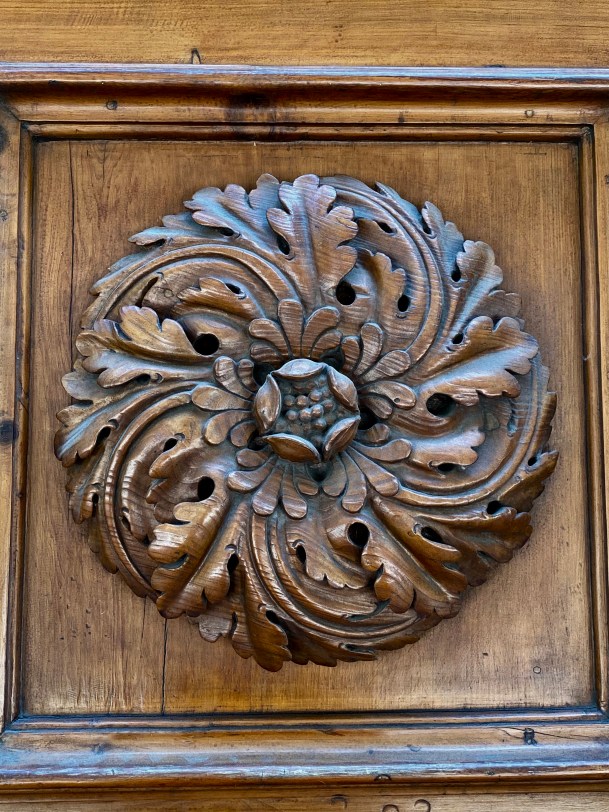
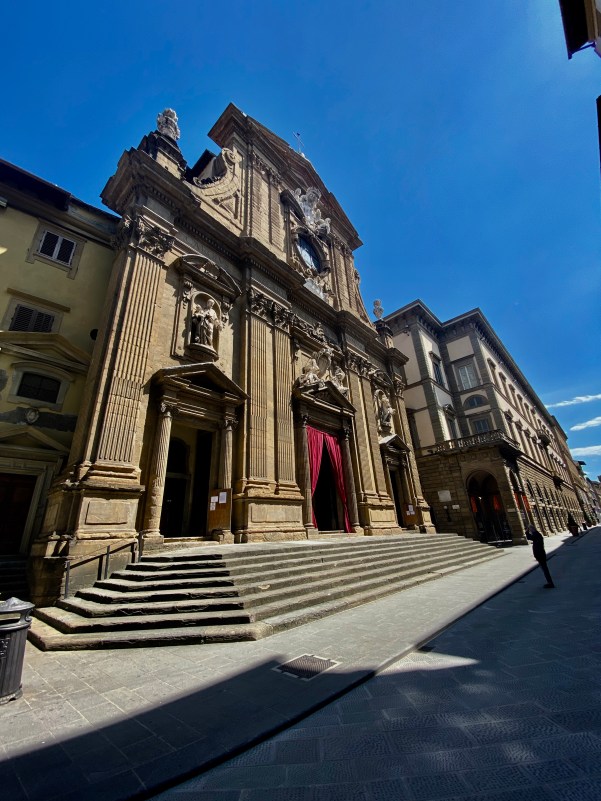
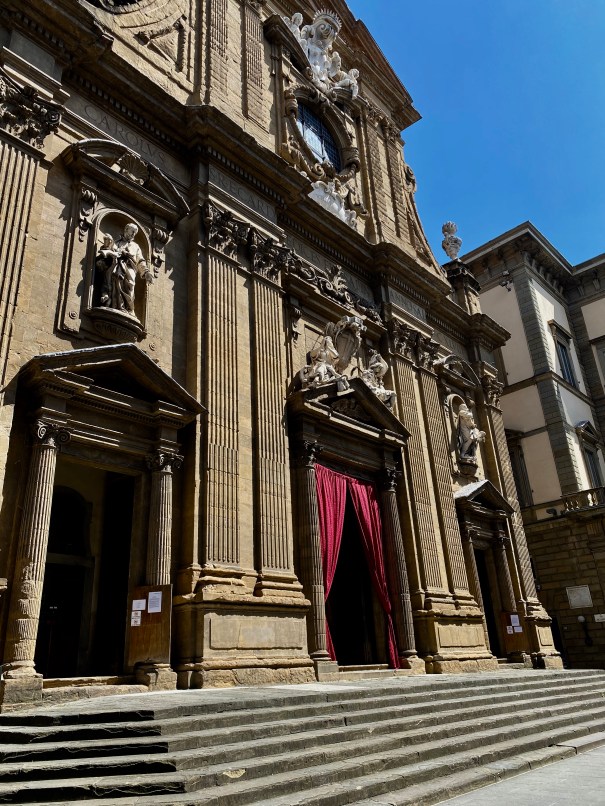
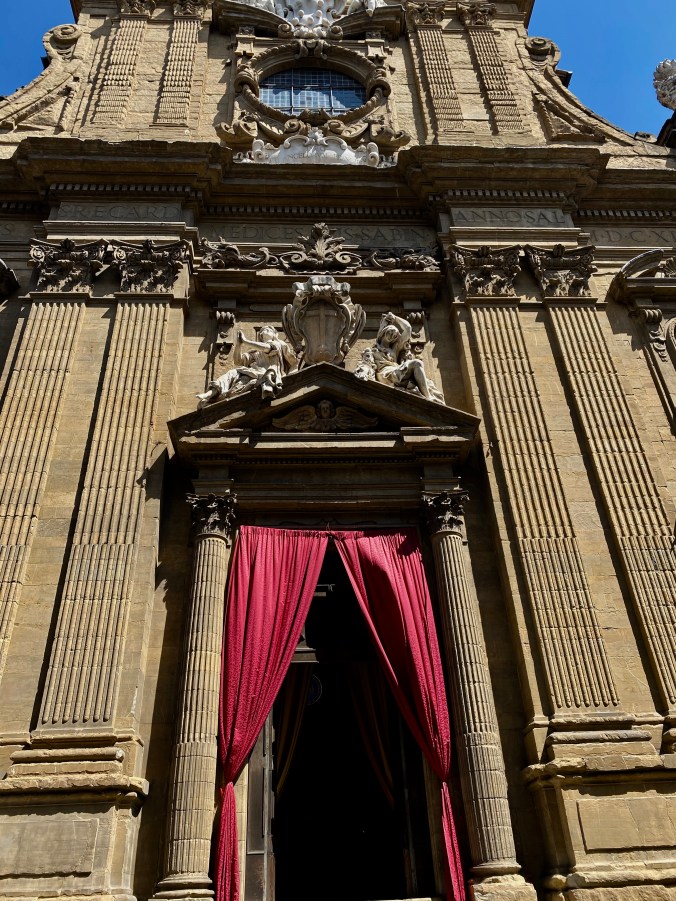
A great lecture to hear on Pza Santissima Annunziata, Florence
I survived the pandemic
At least, so far!

Today was a beautiful day in old Firenze! It is glorious to be able to enjoy the city again, especially with no tourists blocking all the old familiar places. No museums or gardens are yet open, but this city is an open air museum, which I am enjoying to the hilt. Never again will I take walking the city for granted.


Sunday morning at church
Japan in bloom
Get back, Lauretta
This is my very last Corona Virus post for the period leading up to May 1, 2020. Here’s hoping I don’t have reason to post about it again later on!

Calendimaggio, May Day
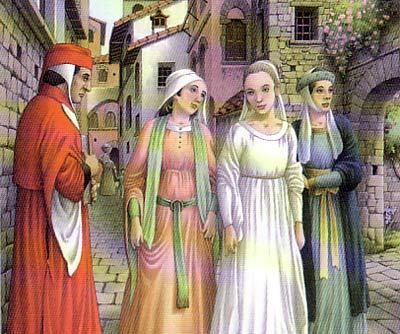
One of the oldest Florentine customs, well-known during the Renaissance, was the annual Calendimaggio Festival. On this day, young men got up early and decorated their sweethearts’ doors with branches of flowering shrubs, decorated with ribbons and sugared nuts. The girls, wearing pretty frocks and carrying flowers and leaves, danced to the music of lutes in the very elegant Piazza Santa Trinita.
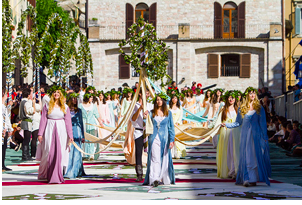
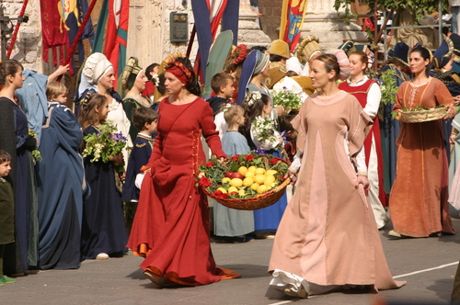

According to Wikipedia:
“In Italy it is called Calendimaggio or cantar maggio a seasonal feast held to celebrate the arrival of spring. The event takes its name from the period in which it takes place, that is, the beginning of May, from the Latin calenda maia. The Calendimaggio is a tradition still alive today in many regions of Italy as an allegory of the return to life and rebirth: among these Piedmont, Liguria, Lombardy, Emilia-Romagna (for example, is celebrated in the area of the Quattro Province or Piacenza, Pavia, Alessandria and Genoa), Tuscany and Umbria.
This magical-propitiatory ritual is often performed during an almsgiving in which, in exchange for gifts (traditionally eggs, wine, food or sweets), the Maggi (or maggerini) sing auspicious verses to the inhabitants of the houses they visit. Throughout the Italian peninsula these Il Maggio couplets are very diverse—most are love songs with a strong romantic theme, that young people sang to celebrate the arrival of spring.
Symbols of spring revival are the trees (alder, golden rain) and flowers (violets, roses), mentioned in the verses of the songs, and with which the maggerini adorn themselves. In particular the plant alder, which grows along the rivers, is considered the symbol of life and that’s why it is often present in the ritual.
Calendimaggio can be historically noted in Tuscany as a mythical character who had a predominant role and met many of the attributes of the god Belenus. In Lucania, the Maggi have a clear auspicious character of pagan origin. In Syracuse, Sicily, the Albero della Cuccagna (cf. “Greasy pole“) is held during the month of May, a feast celebrated to commemorate the victory over the Athenians led by Nicias. However, Angelo de Gubernatis, in his work Mythology of Plants, believes that without doubt the festival was previous to that of said victory.”
 get back, lauretta!
You must be logged in to post a comment.