The Rodin Museum, Paris

nOGdS7h%QMCRbsWHnbpDmw

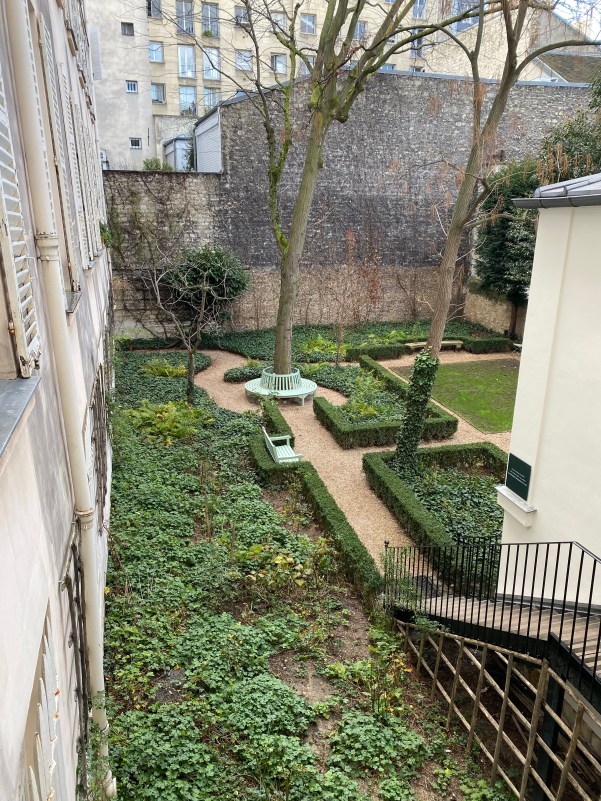
What a glorious place in Paris!

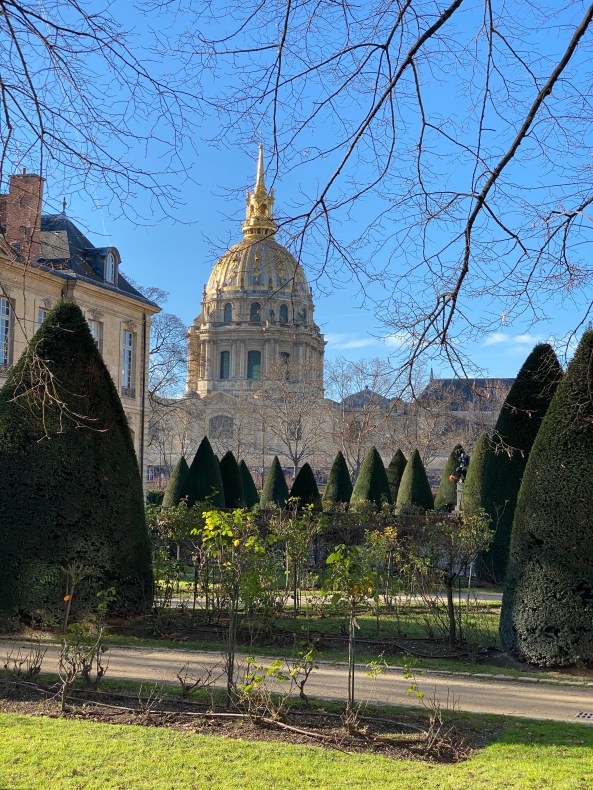
What a glorious winter afternoon! January 2020. So glad I came to Paris, despite the record breaking long strikes of the Metro system and other things.

Oh0%SAVETIWyOVd0JSQ00Q


8lXqi8BVSnW7Y9AL4l2eWw


gF67gDb9SauqUBz%CpvmfQ


P%YdRlBsRSyN+AI1A9b6kg


zdauWaysQKGOyGI6lVM%tQ


tRnxVlwgTKmWygfkbA9sag


1aI6dedMTpyKjHeUhO4TpQ


What a glorious city!

A2aegAchT3ejLAByyWBS%w


fB182c22Tla81fOdEj6ExQ


piZCWAUcQhejuwRm4vvVfA


y0tSsFVXSZ61ZDhnbmM4Jw


AgeUrGTgTAadh4tEbJNGkg


3juiBDr5QnWXczicuxbH7w


RPZaCi4aSbekAo6G0tKY4Q


fullsizeoutput_2bc8


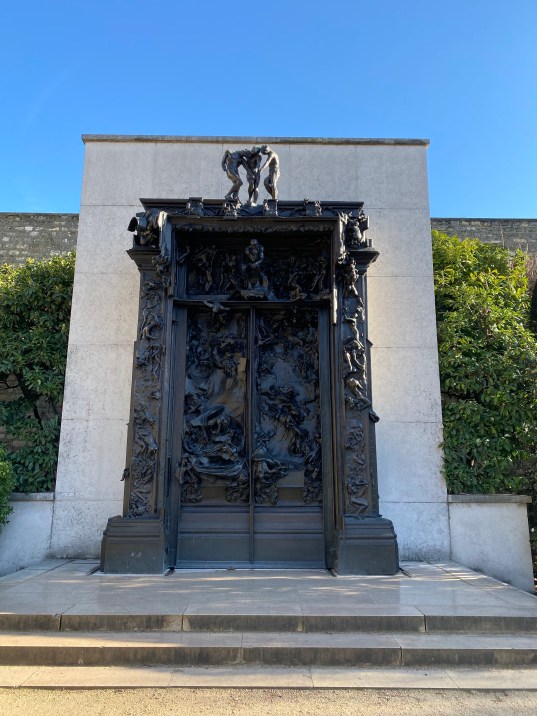
The Gates of Hell:

U7Q4ZmwRTY+MSJ3dSjYuow


Rs4AW5QtRpKTlMqBJpBAzQ


st3HeLDLRWOfAMHc6C9bJA


fullsizeoutput_2bab


o3I1%TN2Ps2yWIFkiAQ


Kl0axjVQTlmJqVS6JZc0AA


5yiErOnDREmKF9VjETMF5g


pmb34btcQHKb4pte6ebK8g


JVu4mBsCQ0WSqoXJmG5feQ


BTt0%HYFT0KFNwRiOKvo7Q


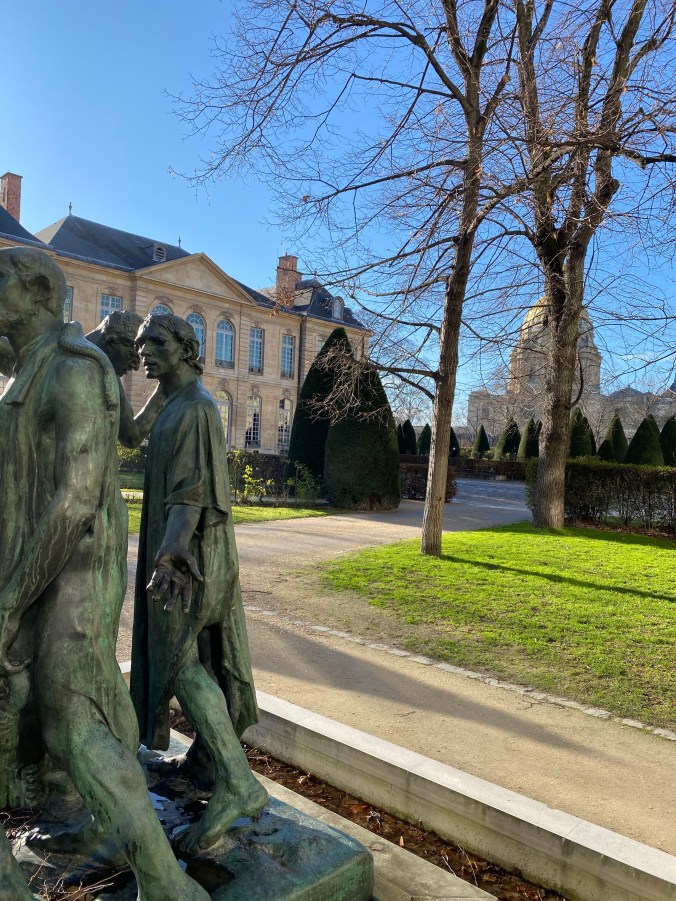
The Burghers of Calais:

gjythzPpTbGCm9VzAmU9Hg


GoFNvWkTRS+gc5RLyjiY5Q


Fk2ZXzCPSkyfyq39ToIzgA


Ucvv1kUpR2+IaVVklI8Xxw


Yna8ZQpnSOuYLitlKMdWwA


h9QVsBjeSaC+zOPVYTt8zA


6ohU54BTQbyf2p9qOzXgrw


xKKuuDGLQsi6zmTc1X8RzQ


j%5ZGQTdTSq4p+xqIMcGMw


6DW41FDRTCuCP3CmBJwjYA


FHIdExnRTMaJJrMm%kGG1w


OrSHrqeLS0mkOQjWYX6jfA


oO85tI87Sh+8jbaOcLIlLw


66J3YV9LS5+oFdWfNNw64Q


sGoNNzhMQ4ys1SIvJg%r1g


tVSTnaTFQ3yC+3%m6F4Qiw


4a46D80BRFu1Ar6yZqOOvg

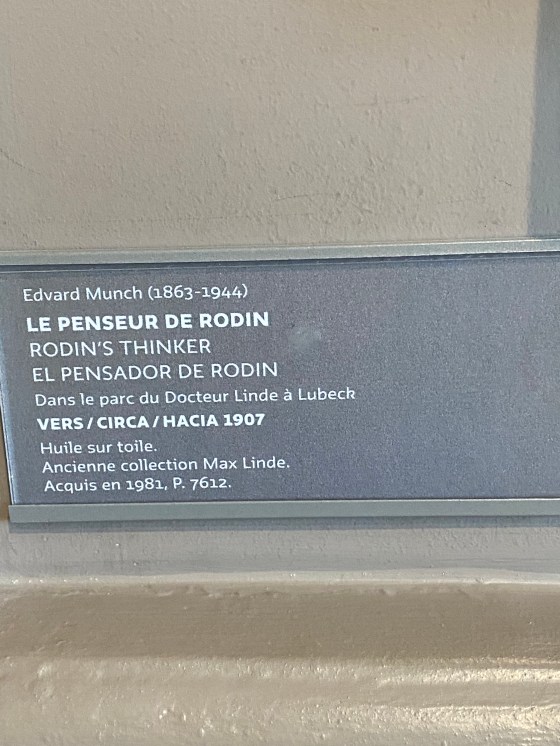
The Musée Rodin was opened in 1919, primarily dedicated to the works of the French sculptor Auguste Rodin. It has two sites: the Hôtel Biron and surrounding grounds in central Paris, as well as just outside Paris at Rodin’s old home, the Villa des Brillants at Meudon, Hauts-de-Seine. The collection includes 6,600 sculptures, 8,000 drawings, 8,000 old photographs and 7,000 objets d’art. The museum receives 700,000 visitors annually.

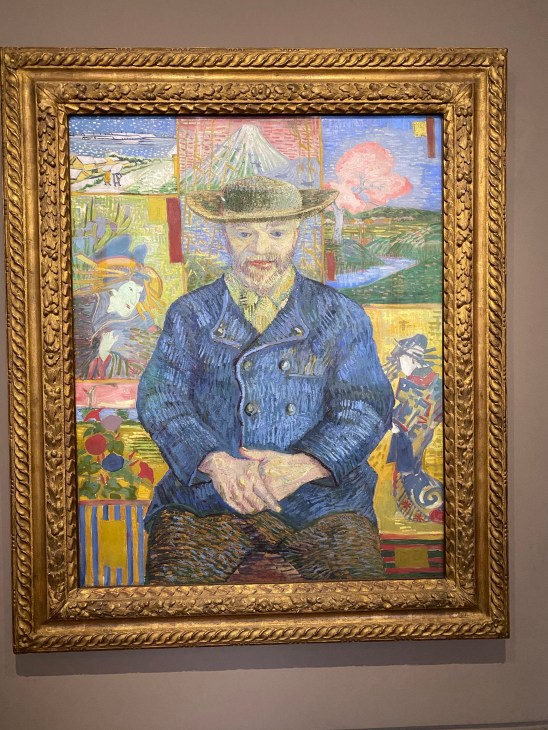
From 1908, while living in the Villa des Brillants, Rodin used the Hôtel Biron as his workshop.  He subsequently donated his entire collection of sculptures – along with paintings  that he owned by Vincent van Gogh, Claude Monet and Pierre-Auguste Renoir to the French State on the condition that they turn the buildings into a museum dedicated to his works.

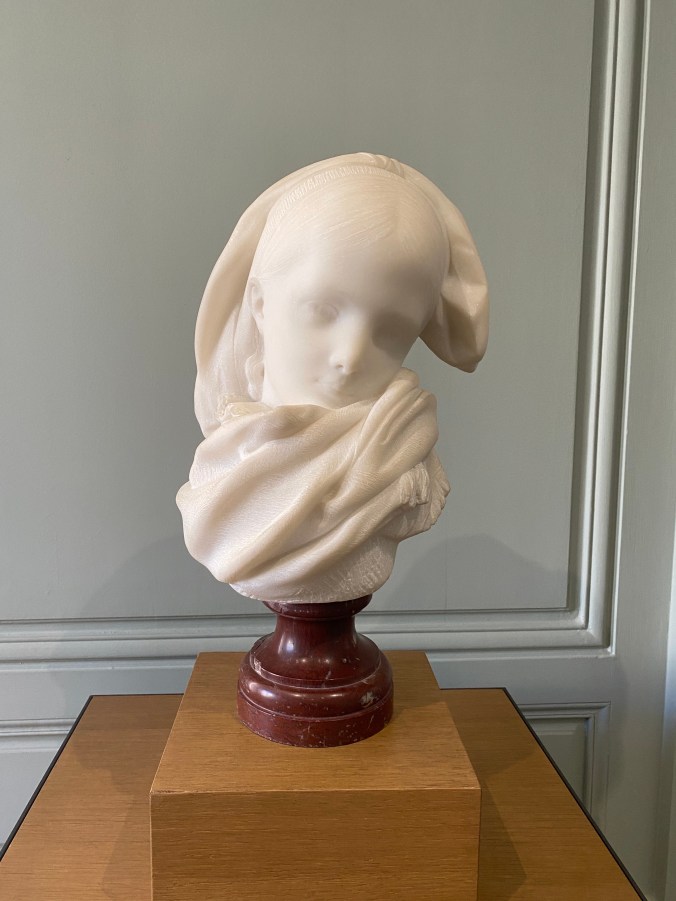
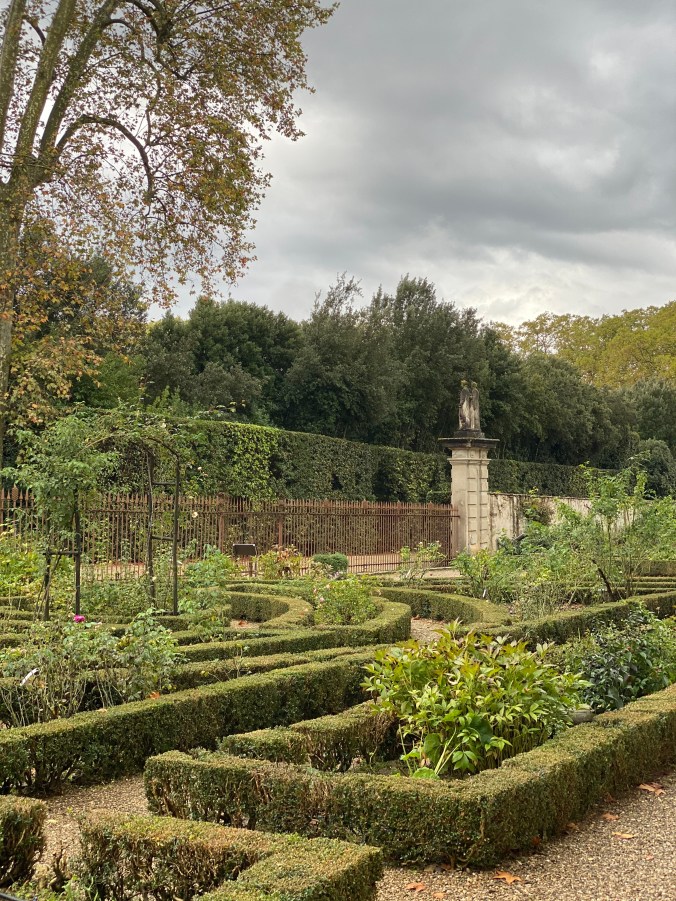
The Musée Rodin contains most of Rodin’s significant creations. Many of his sculptures are displayed in the museum’s extensive garden. The museum includes a room dedicated to the works of Camille Claudel and one of her two castings of The Mature Age.

The gardens around the museum building contain many of the famous sculptures in natural settings. Behind the museum building are a small lake and casual restaurant. Additionally, the nearby Métro stop, Varenne, features some of Rodin’s sculptures on the platform.
Palazzo di Brera, Milano

Milano’s beautiful Palazzo di Brera was created along with the Accademia di Belle Arti in 1776 to serve the students studying at the University.

The Jesuits built the Baroque palace at the end of the 17th century as a convent (the word convent is used for monasteries in Italy). After they were unceremoniously expelled, the  Palazzo Brera was remodeled in the neoclassical style.

Napoleon took control of Italy and declared Milan the capital.  He filled the Brera with works from across the territory. As a result, it is one of the few museums in Italy that wasn’t formed from private collections, but rather by the Italian state.

When the Palazzo di Brera was taken away from the Jesuits by Queen Maria Teresa of Austria, it was meant to become one of the most advanced cultural institutions in Milan. It still lives up to that status today. Besides the Academy and the beautiful Art Gallery, the palazzo holds the Lombard Institute of Science and Literature, the Braidense National Library, the Astronomical Observatory and a Botanical Garden maintained since he 1700s.


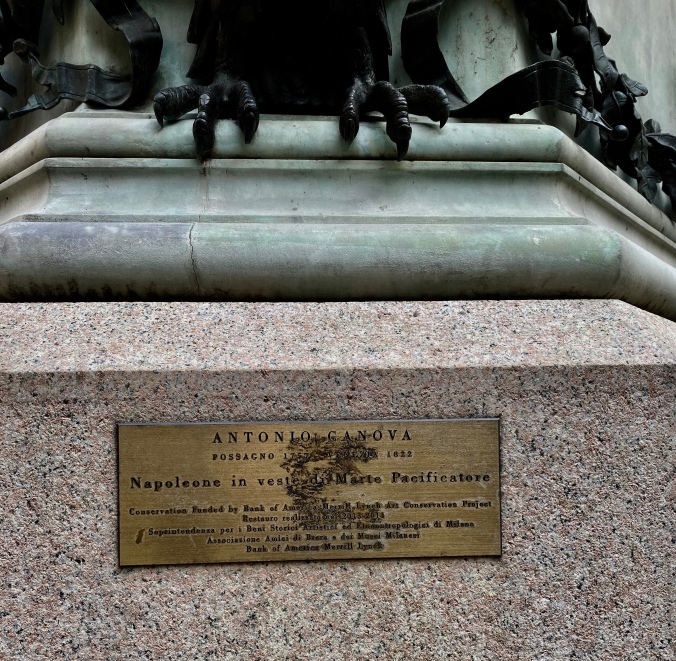
Inside the cortile, Canova’s heroic statue of Napoleon:


The entrance to the palazzo:


img_2739-1


There is a garden at the back of the palazzo.  The fortified walls and turrets of the building complex seen back here are massive and medieval, and very unlike the sophisticated facade of the palazzo. This Orto Botanico comprises a tiny corner of the hectic city has aromatic herbs, wildflowers and a small vegetable garden for research.


The Palazzo di Brera started life as a Jesuit college built on green land just outside the old city walls and its name reflects the location. In fact, the district, palace, and gallery all take their names directly from their locale as the Medieval dialect. The word “brayda” means “grassy clearing”. The word slowly evolved into “brera” or “bra;” it is also the root word of Vernona’s Piazza Bra.

Inside the Palazzo di Brera resides the beautiful Biblioteca Braidense:


More about Canova’s statue of Napoleon:


The plaster model for the bronze statue:

img_2746


What caught my eye at the Brera?  These works:


Andrea Solario, Madonna of the Carnations:

img_2749


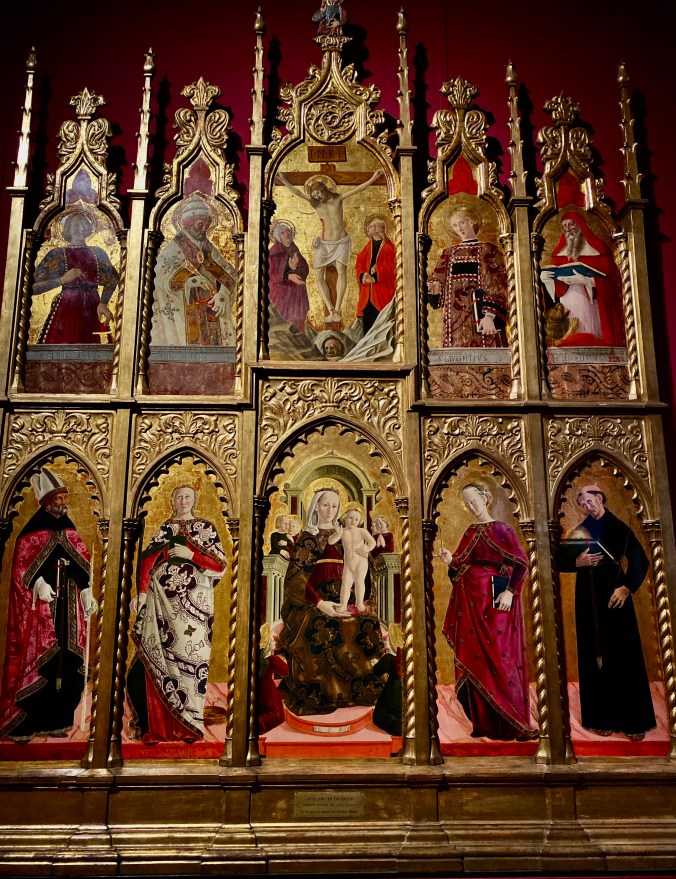
I loved Carlo Crivelli’s amazing panel paintings, which are actually somewhat 3-d.  I’ve not seen that before in paintings of these kinds:


Another luscious work by Carlo Crivelli: Madonna and Child.

img_2755


Some of the altarpieces in the Brera collection are sumptuously beautiful; breathtaking, actually.

img_2759


This random lion caught my eye and I don’t even remember from what painting!  I was a bit agog at the Brera. I started feeling the Stendhal syndrome, big time.


Raphael:


Piero della Francesca:


A ubiquitous scene, all over Europe:


Florence’s Protestant Cemetery, also called the English Cemetery

There’s an interesting place in Florence that was, when it was founded in 1828, an extremely bucolic locale.

IMG_2385 2

Today, it stands isolated as an island (Piazzale Donatello) in a ring road system, which is really too bad.  Nevertheless, knowing how land development works all over the world, it is a comfort that the place still survives.


IMG_2397

IMG_2387 2

IMG_2388 2

The cemetery was founded to provide a solution to a very real problem. Before 1827, non-Catholics who died in Florence had to be buried in Livorno. The cemetery acquired the name ‘English’ because Protestants, most of whom were English, had to be buried outside the medieval city walls.

IMG_2392

IMG_2391

IMG_2393

IMG_2390

IMG_2386 2

IMG_2384 2


The English Cemetery was officially closed in 1877, when the medieval walls of Florence came down, making burials within the city boundary illegal, and for a century and a quarter the mini-necropolis remained locked and neglected.

Fortunately, Julia Bolton Holloway, a literary scholar specialising in the works of Elizabeth Barrett Browning – whose Penguin Classic Anthology she co-edited – took on responsibility for the cemetery. It was reopened to the public in 2003 for the reception of ashes but not bodies, and Holloway is actively raising restoration funds.


Ted Jones, wrote the following in his book, Florence and Tuscany: A Literary Guide for Travellers:

When I called, she [Julia Bolton Holloway] was re-lettering a gravestone, and she has set up a number of charitable institutions to ensure its future maintenance. Today, with the gardens replanted and well-maintained and the memorials inscribed and re-erected, it is a pleasure to visit, and well worth the slalom through the traffic – safe in the knowledge that if you don’t make it to the cemetery, there is a hospital next door.


Brenta Canal, Part 3

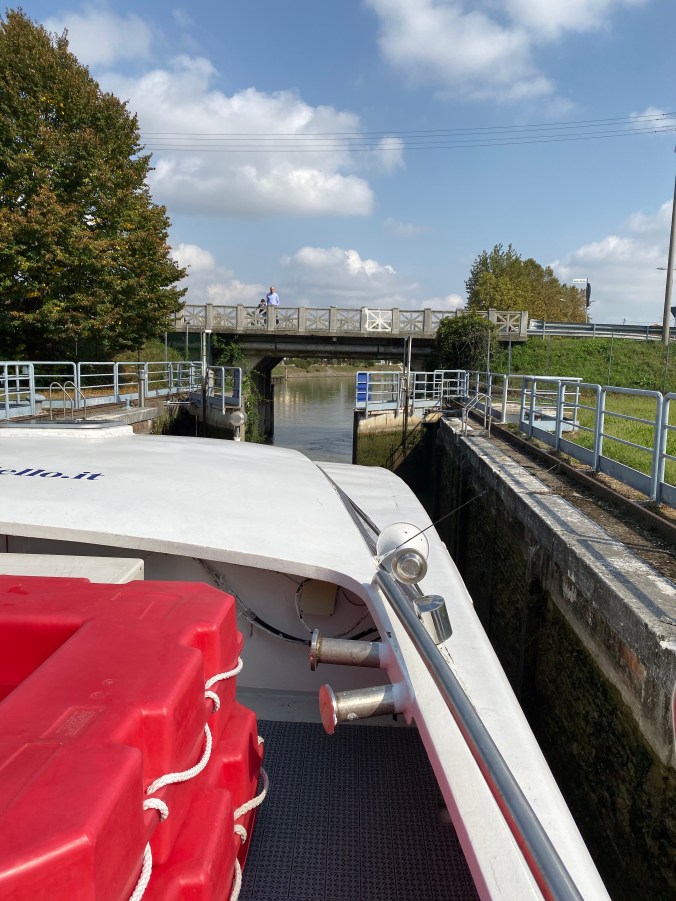
Back onboard the Burchiello, my cruise continued toward Venice from Stra.  First we had to sail through the Dolo Locks.

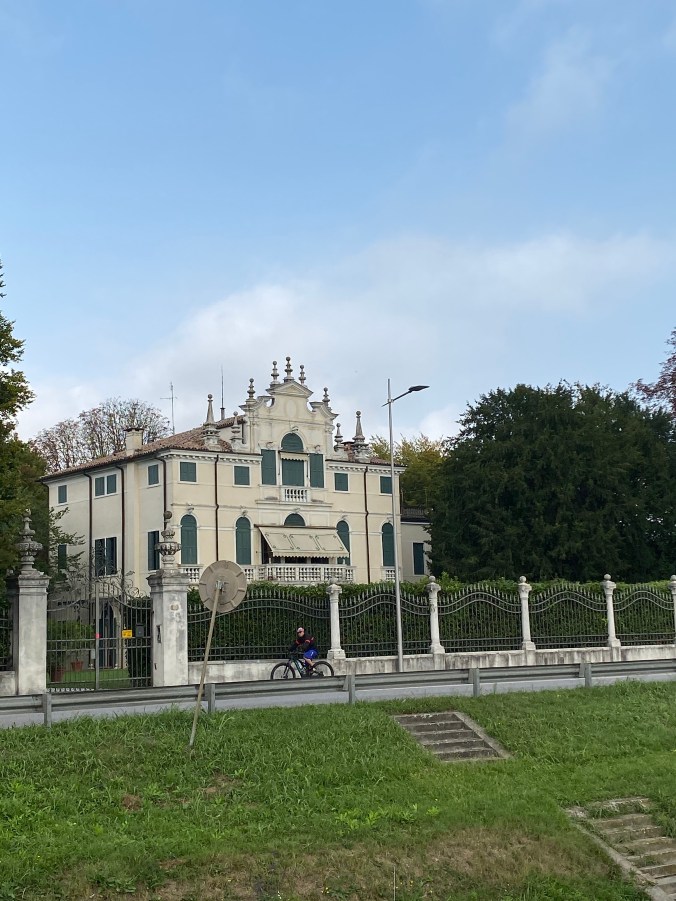
Soon we were passing many amazing ville, visible on the left and right banks of the canal.  This area is around Mira, and has a high percentage of villas per square mile!  We also passed very beautiful sections of the canals, with willow trees skimming the water and many fisherman catching their Sunday lunch.

It was smooth sailing and I had one of the best seats on the boat.

qCdsxDkTST+ewSW0mrRntg


E1qBchz0Qme3RCV9V9UQXgRziUQefASJCUjOMdLr2x+wysSqgfYdSkKo+52jHASEfQkQ59y8gMTVqv9Y9pCsCEeQxqEsgEfuSX2wp+vYcJS9ew9BlrMoZbRf6jXrV1p%BpEgonFd2+jfTfK72jzjk2L+2gnpxa1VXDQSC4EDu6C43cYgpm9E%h3xTjGNRFR2GS0pxg


%zDTEYc1S6SI2SNXodqUKwCk8pLXrkSwC5iEeoyJ26Qw+XC%cq3MTUapEK+S4%jVfgfcQluc6JS5CXWZm6ThihmQC8BoQukJTHmOUKopP5O73g8SgTHDF+QPWaQZtDHN0JfAhg5W8ds9Qau1CVkfnfTEFg


cNujEjfDTRyUNu8NSbL++QLK82liNpS4qSwr0JP9ZoTA2%JORJKEREGNZzXLZSx64Q


qQ1BRVMZRha+PxeSWCCmfAz4KzmFskTtmp5HCMSPuA0wfeQix3FwTjeZUp4z1TvbRQSb9L0V7qQ6ui9Av5yz3kaQ


vGh6Nic9Qs67DpmX7r+aTgtOQuHRD6RI+1x5U9HN2wOA


Next we passed through the Mira Locks.

zuUbGvReT9mKmWpq6YCuvQQfods%9JQ3uX5f4M0yvebwAIpa4dZsR7GKpA+HSOkCRgFs6WMwqbS0OAQiGgHZLaewnaJ9dCc8SgGvYON2Oih5ew


We stopped at Villa Widmann, said to be a typical 18th century residence (that is if you were a part of the aristocracy!).  It houses luscious frescoes and has lovely gardens.


Fs6WMwqbS0OAQiGgHZLaewnaJ9dCc8SgGvYON2Oih5ewrXfCcPy0RyOG9z3USAiBfwrv1VGMXhRFedy8xfY5Z0aA8EXJeRr6FOR+YaWFUVg%TS1vcUXTr6X6Sgca098TwXWRaBfCVRvWxVaJS0m46CABDbv5tz5SGKhYwWZ1LSLLAVknHqjFYQreYMkJ0Y79apAFLM0kuRMR%u8HDuq%uNwwAK%tbDrEnQLyPKeMoT6nrfQ+VOA3RieI2xNLOmxBRQ

A6MOQZ4rTumWpiQU3V2JzwqaRms5bzSZKAaGtIe329PAovE+z%iNR+2F71ClBVCKYw+z%GMxkTQfqzl4ehvehLAQn3r4tjrSSDir43ZA3%LV8wMr35uFUsQHKHGrbRS+LgOAGwQRAeo9QwO+5v1T%K%Nig3XEsJ1UpTxSdBt0ypWU4ggxluRsylOTROqDEJ6m2f5Ow4zr7Oe9PSOGZzZ6ZKuBupAkmdkmAuGSfamBEnyAkg9cgrNuQ0IxrScqIUM5Yc58Qfg


To be continued.