
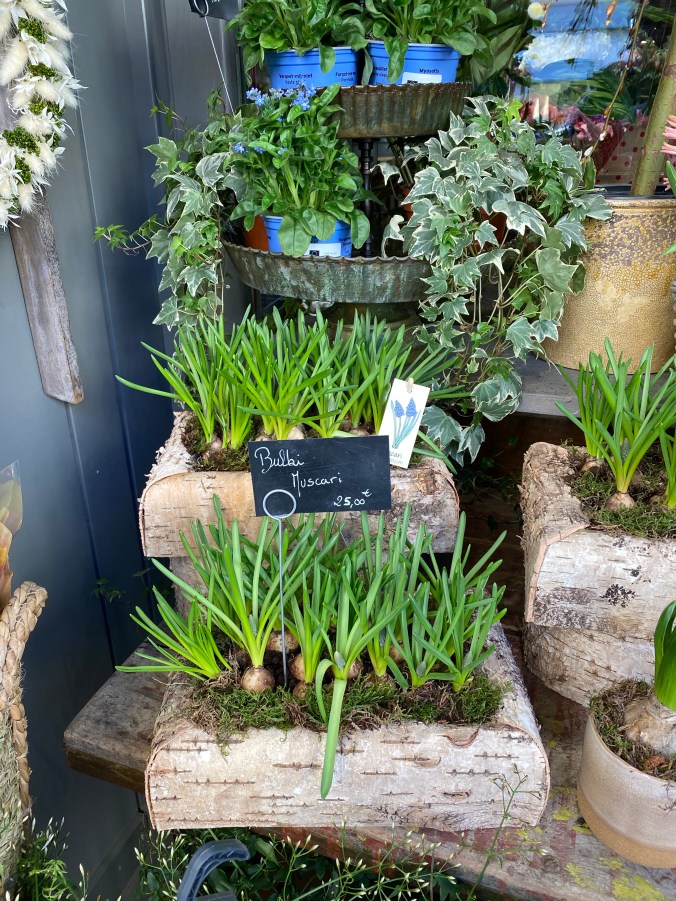
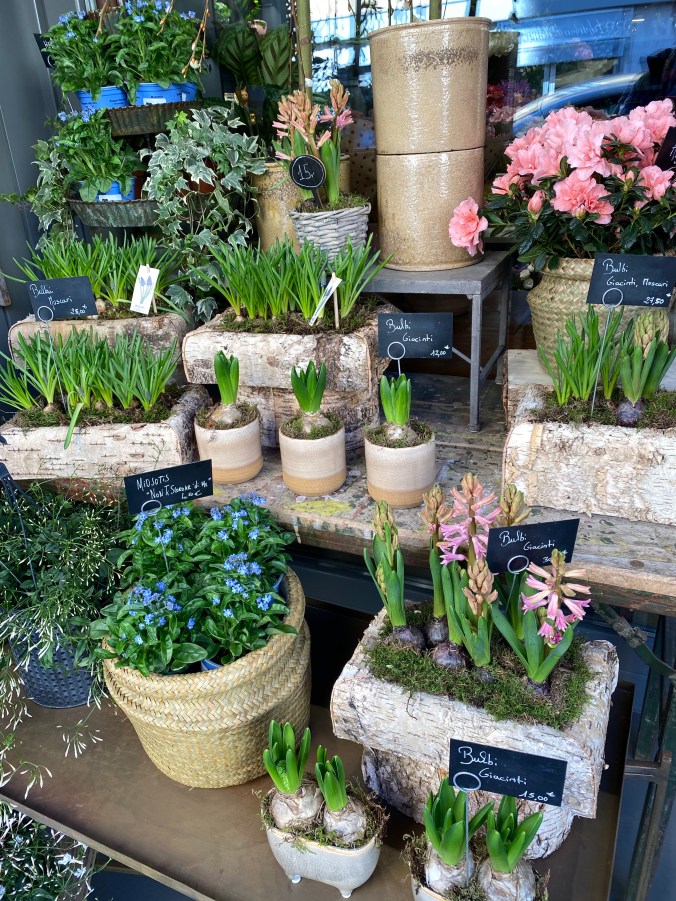
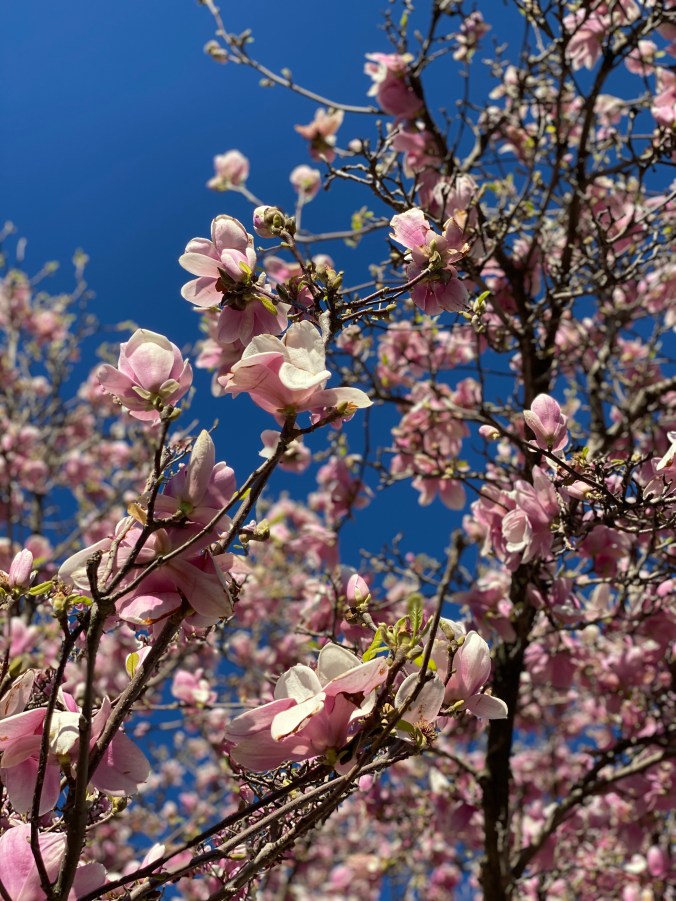
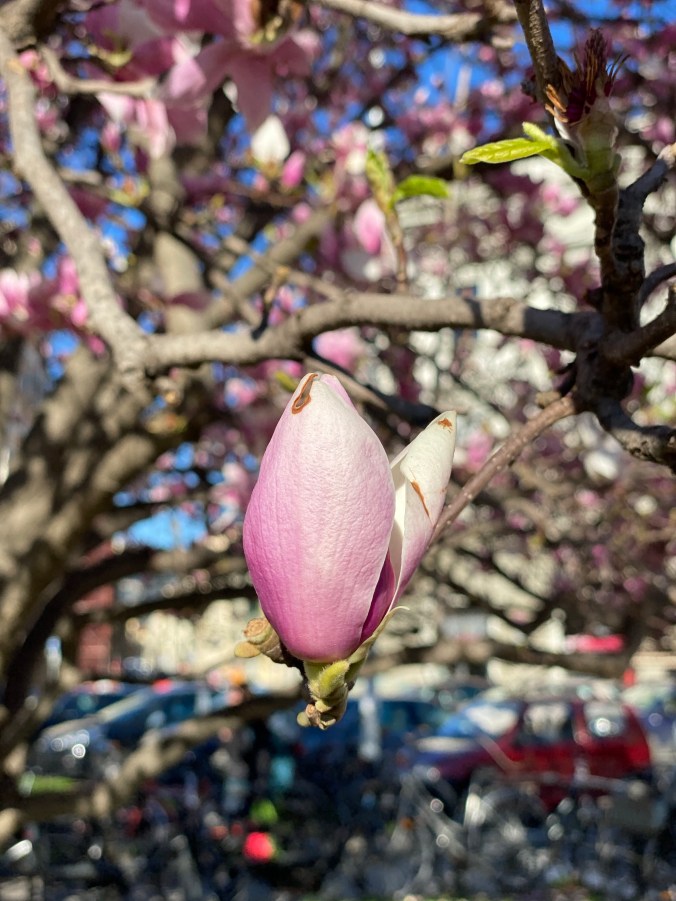
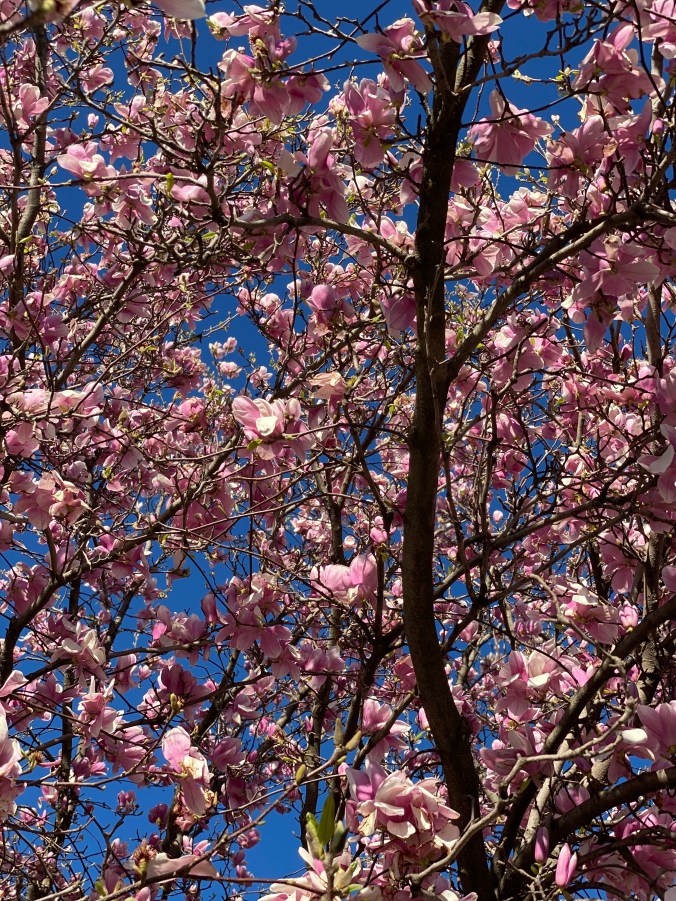
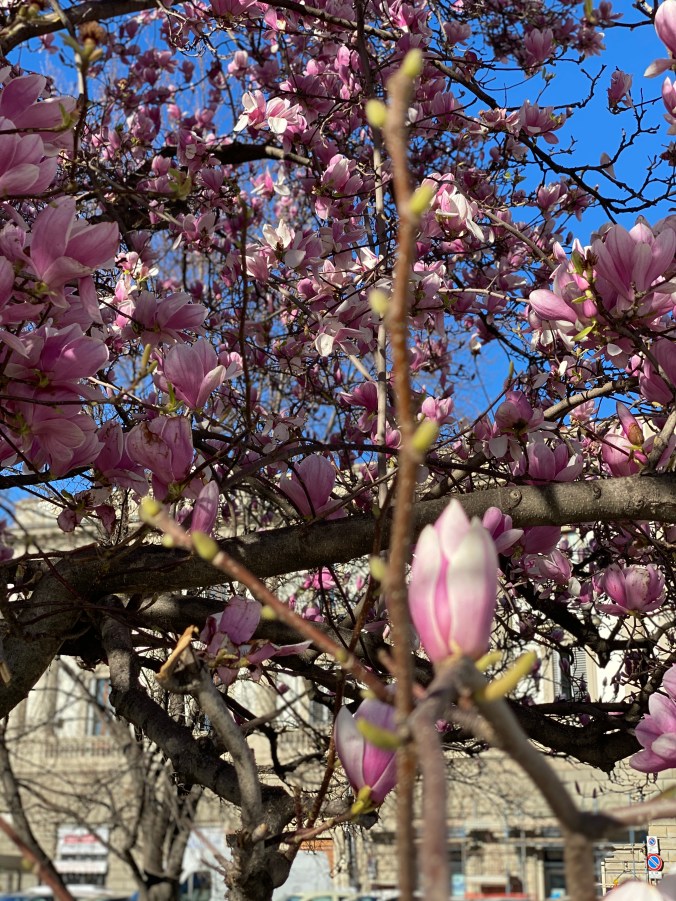
The honeybees are already at work in the blossoms!
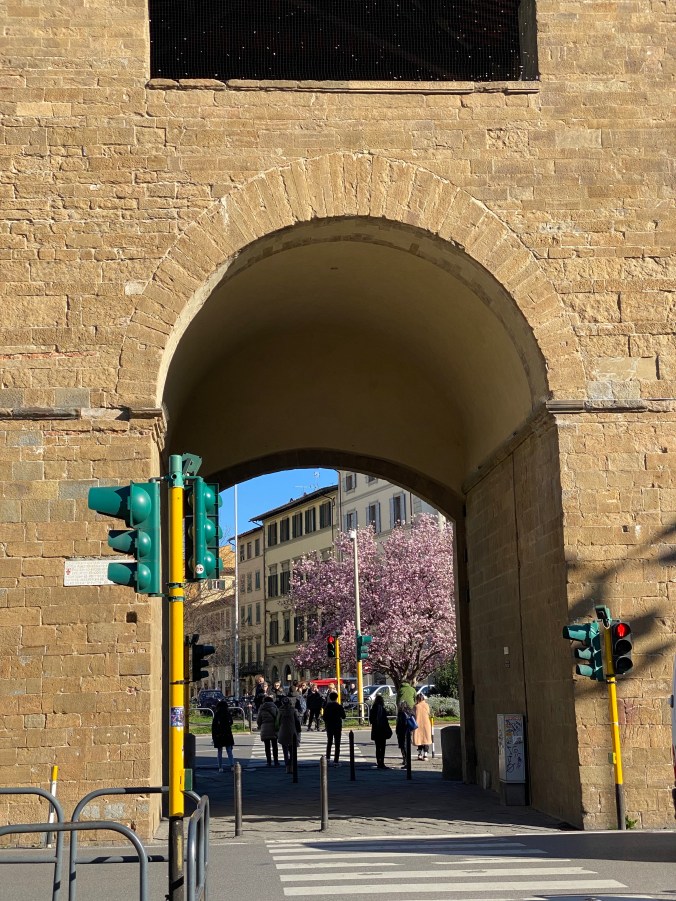
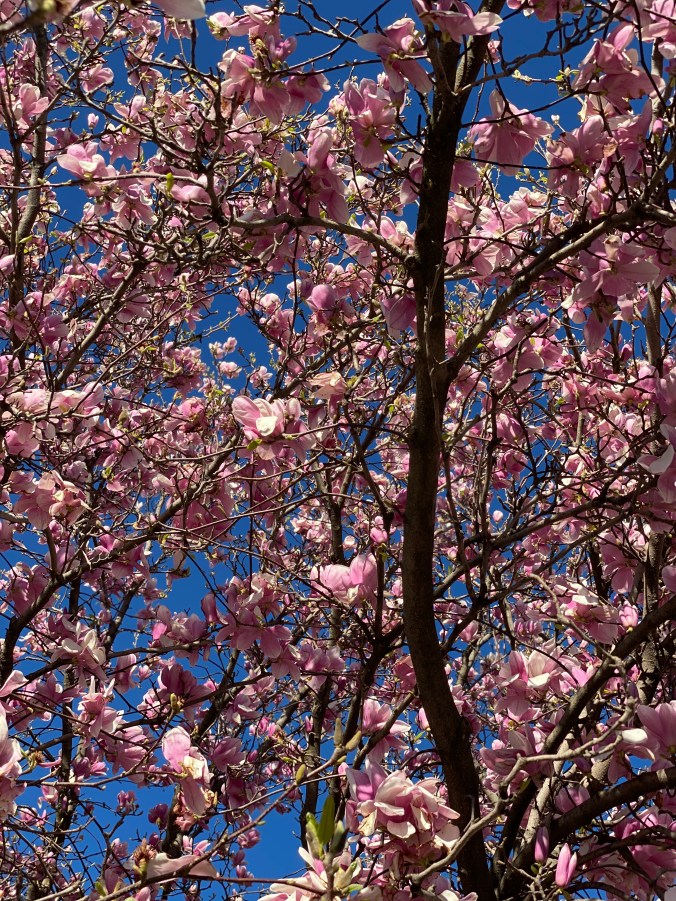
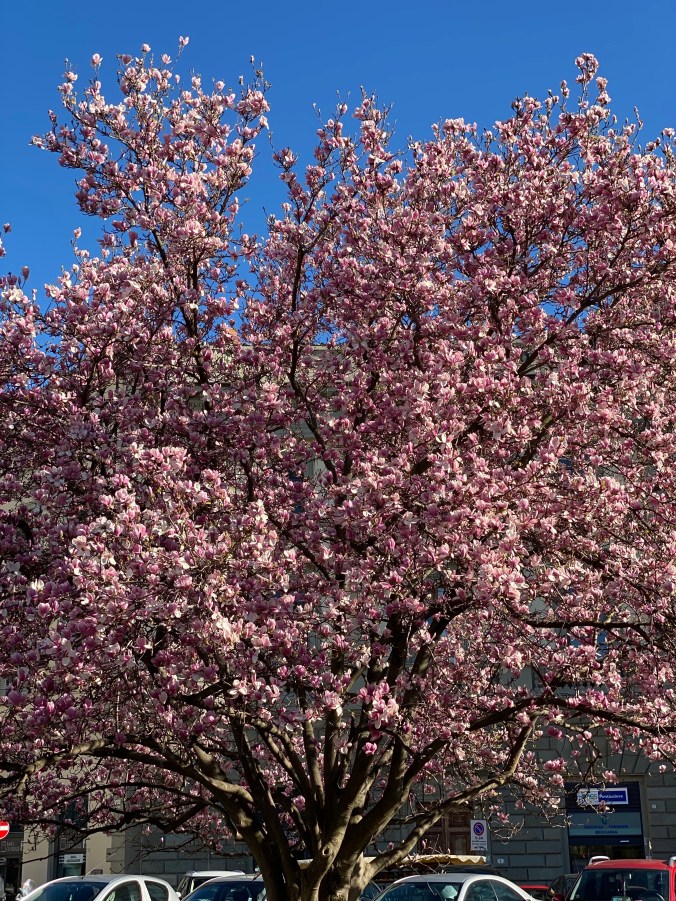
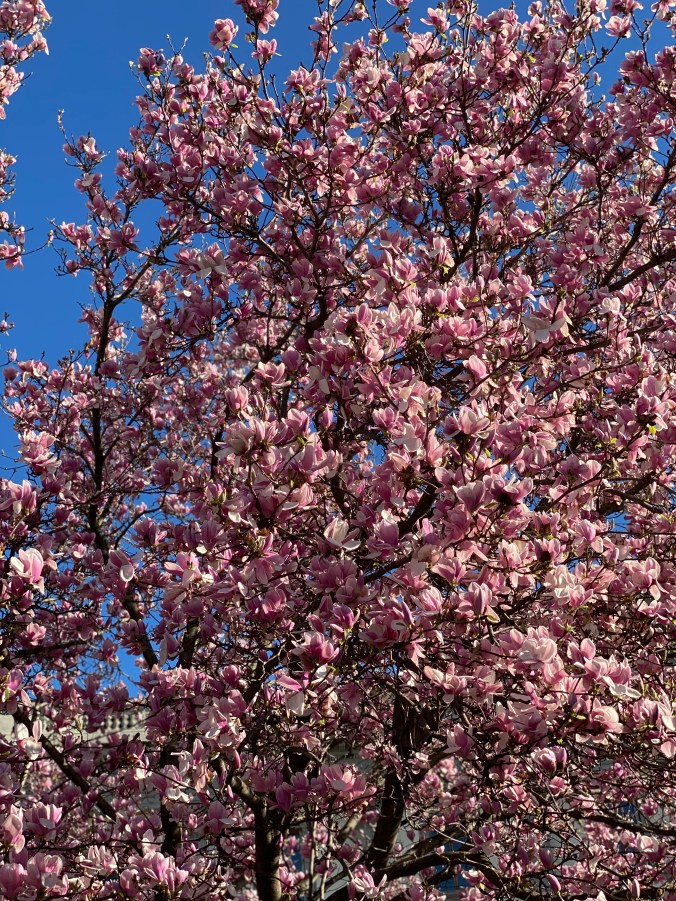
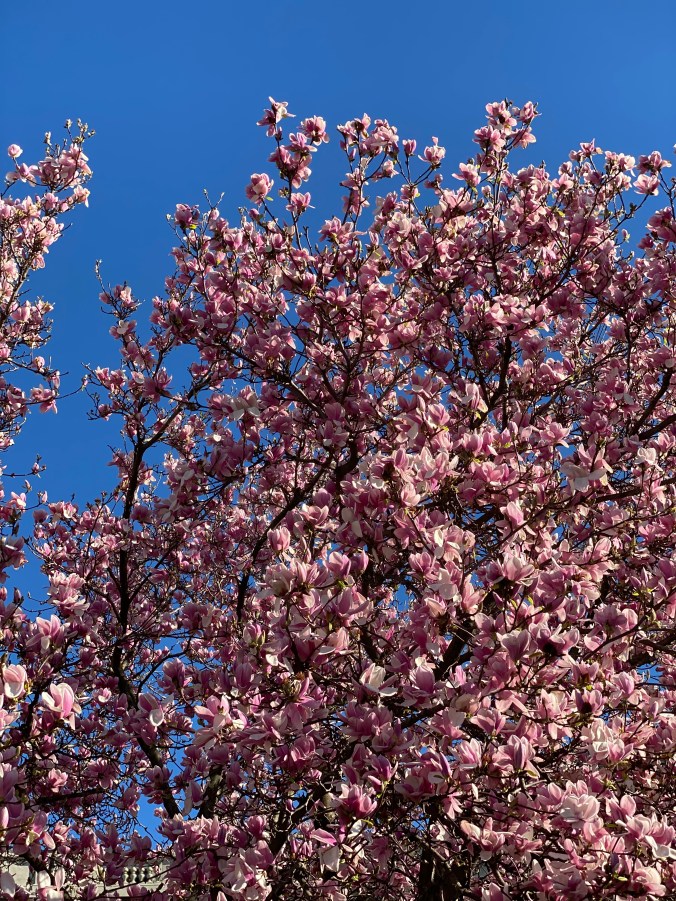
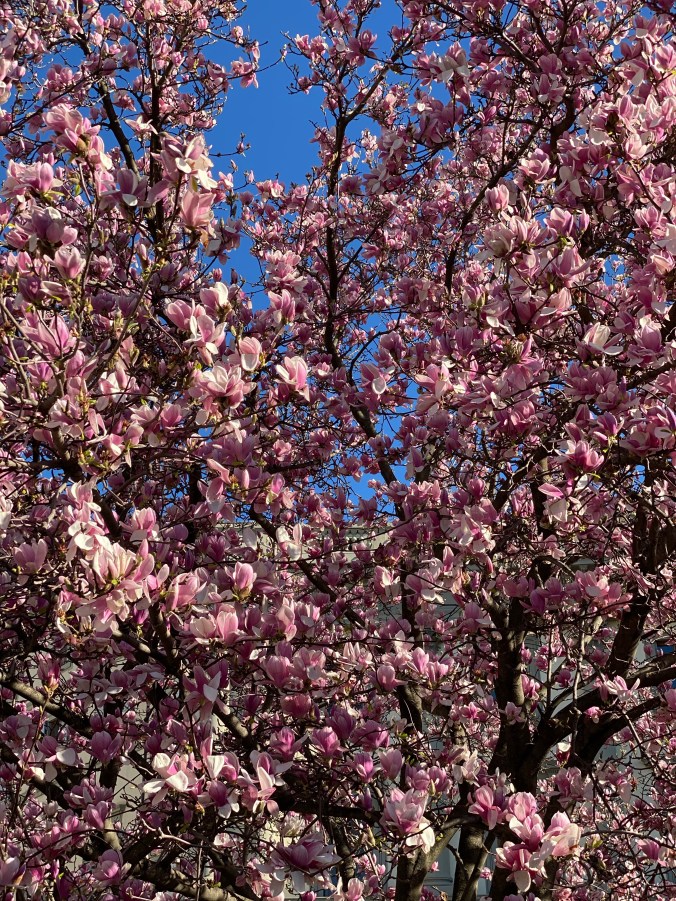
Piazza Beccaria, Florence, has one of the most beautiful magnolia trees! I love it every spring!



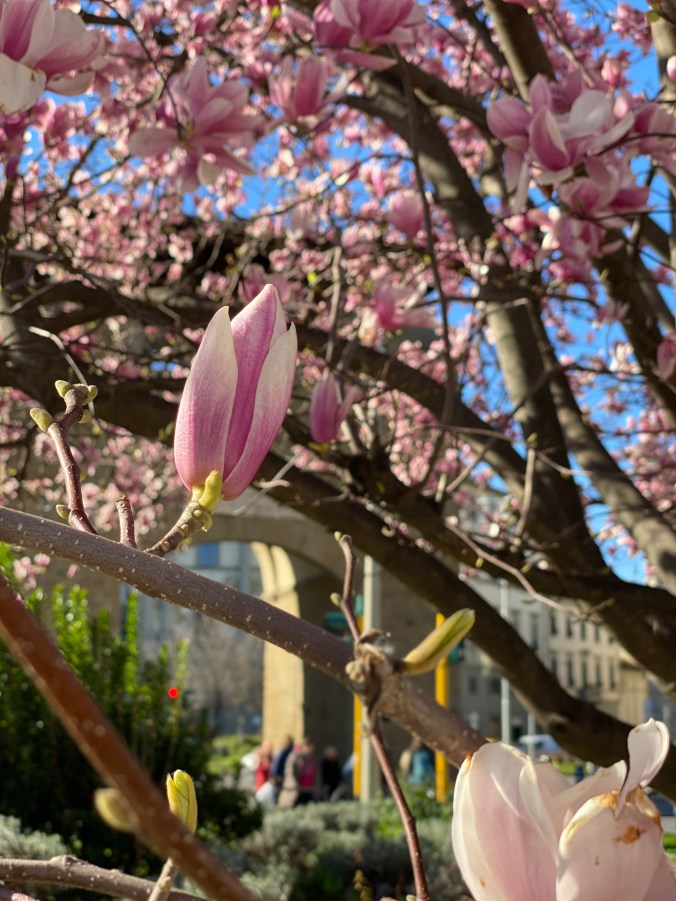
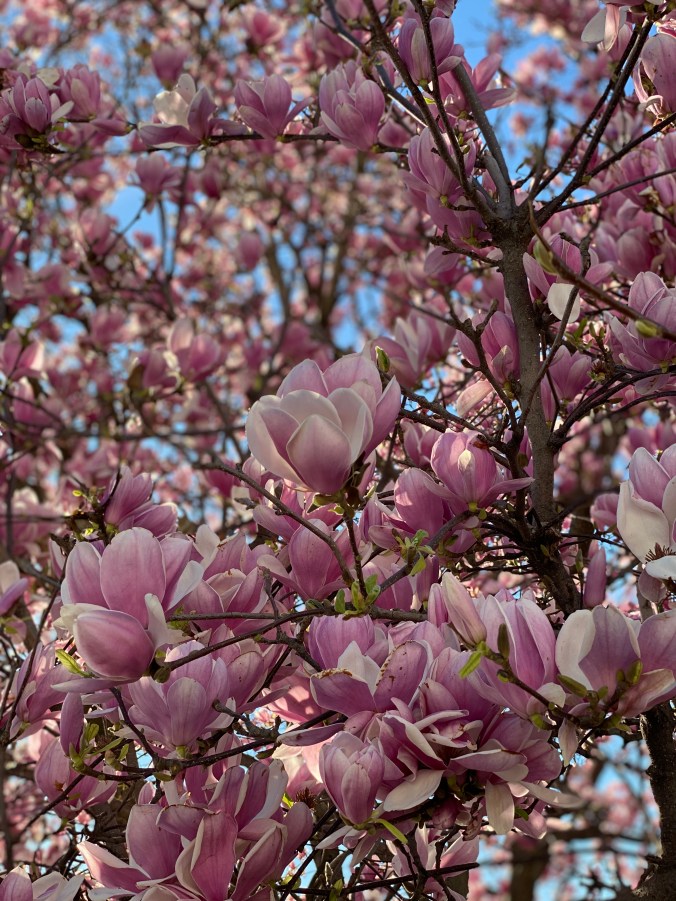
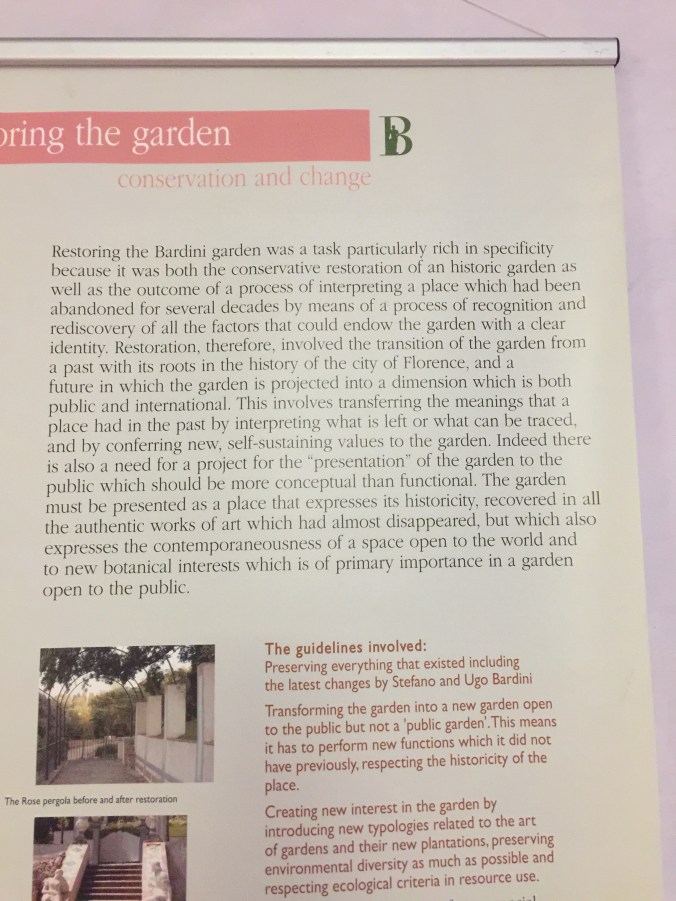
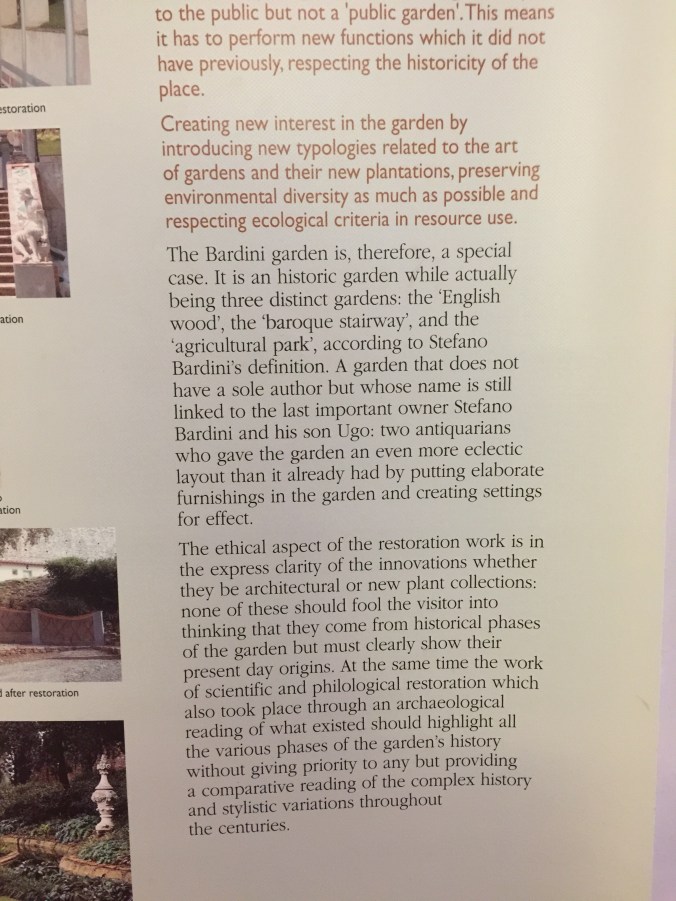
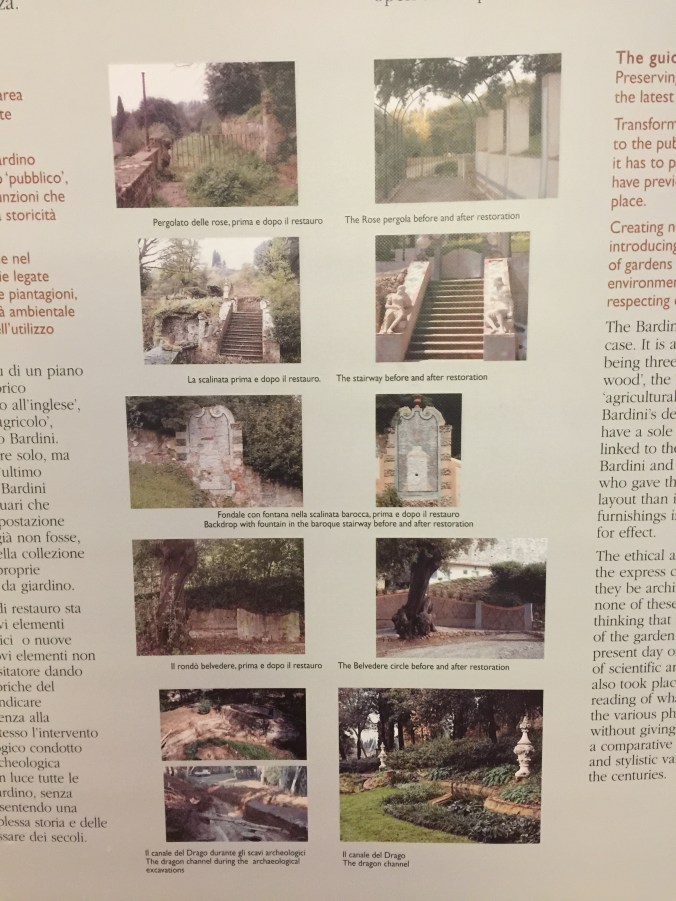
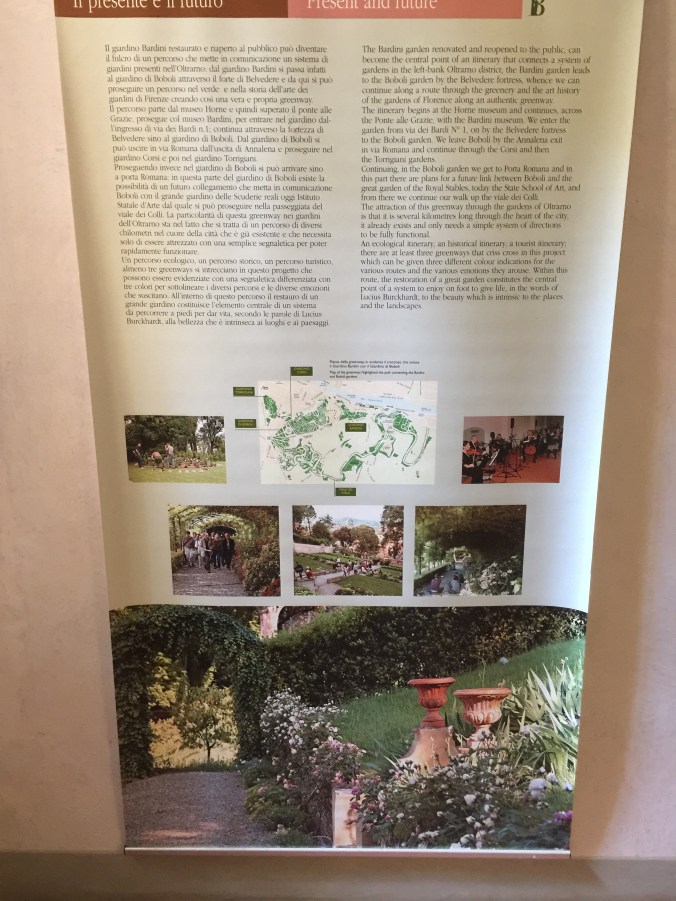
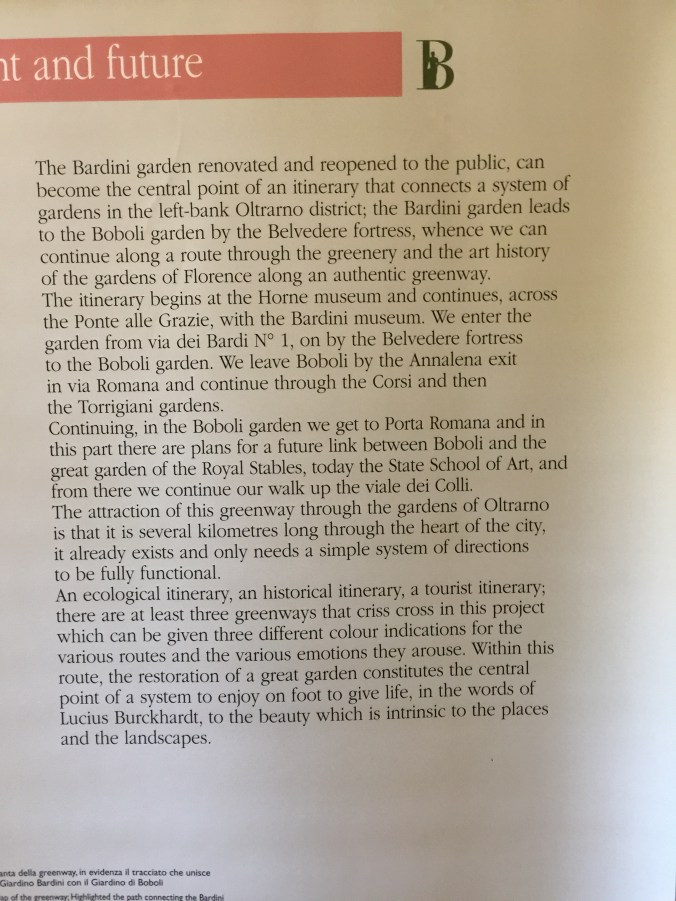
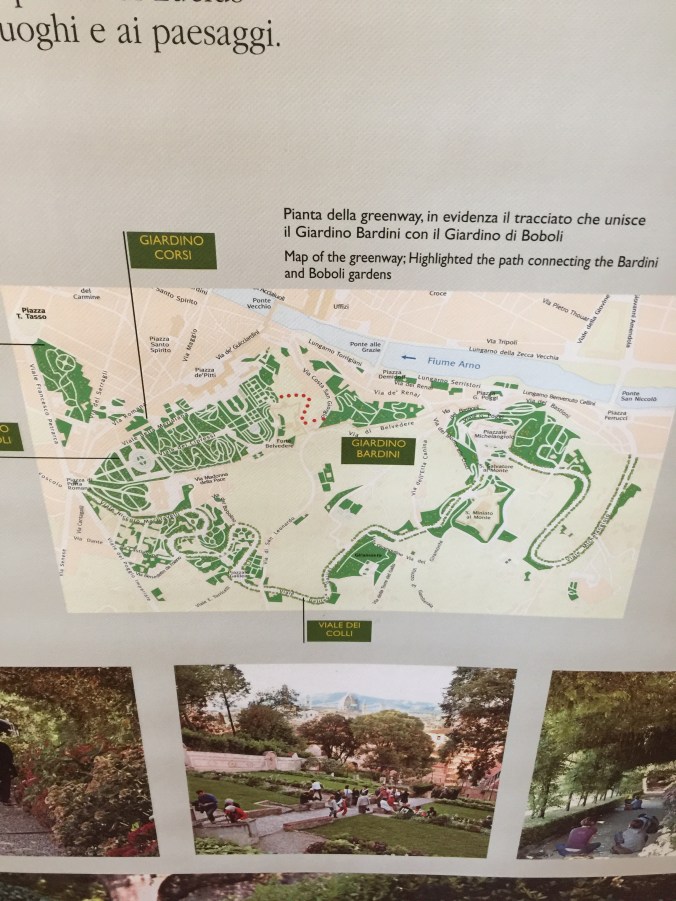
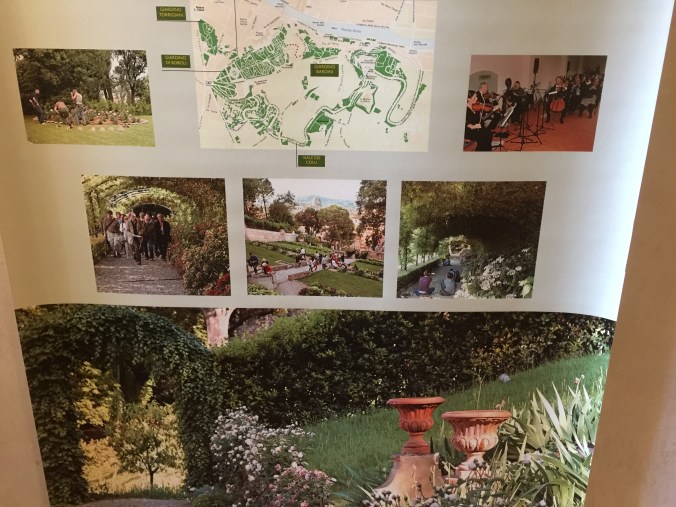
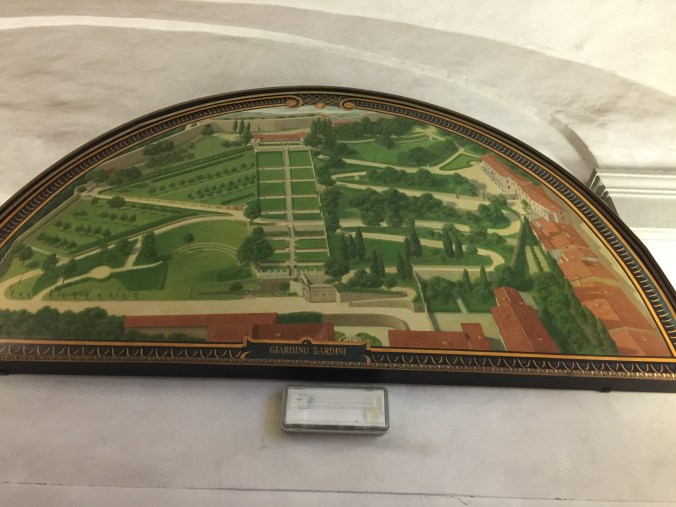
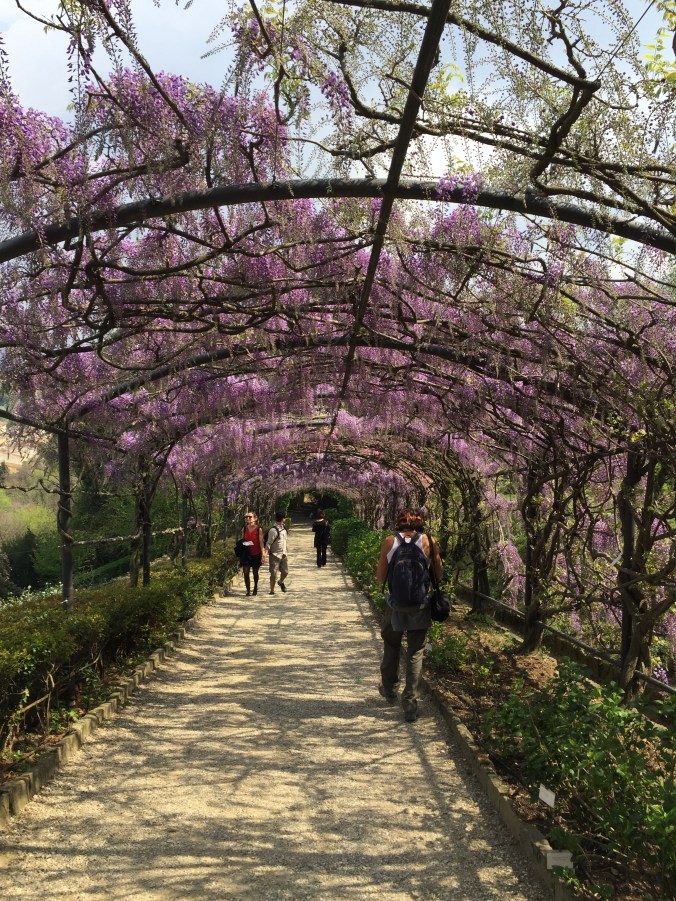
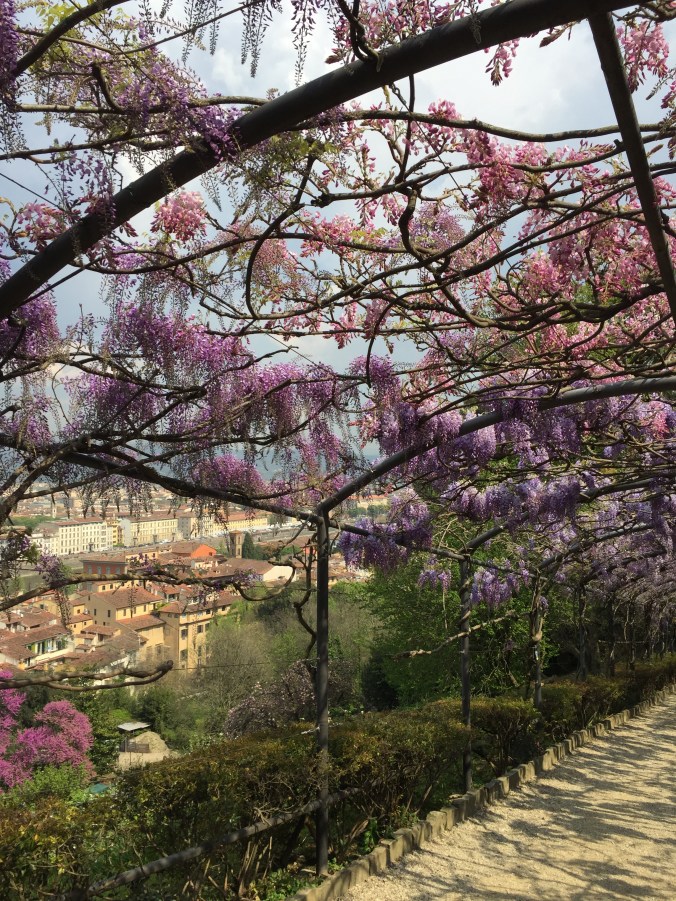
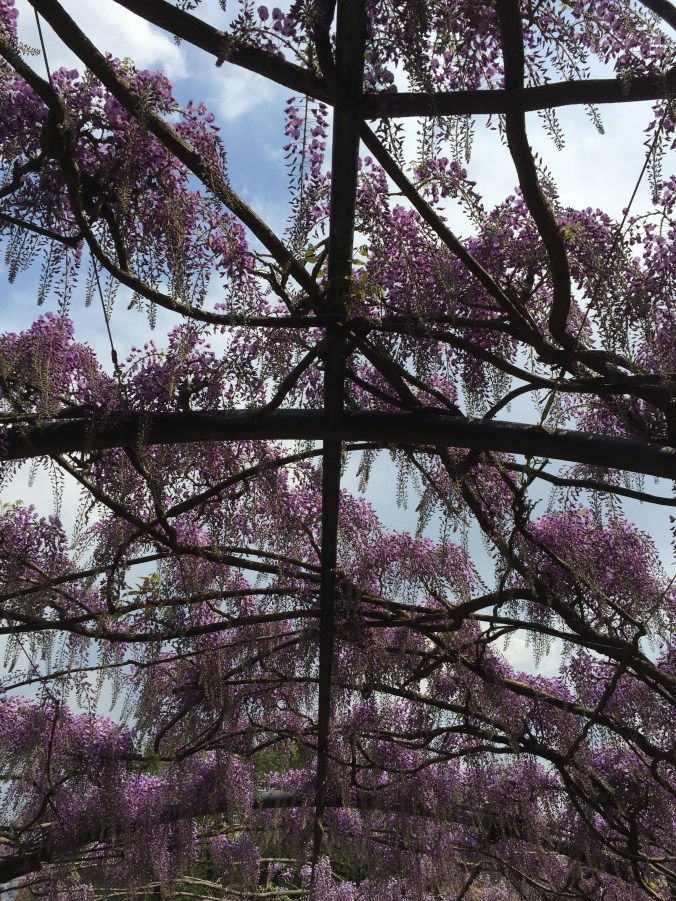
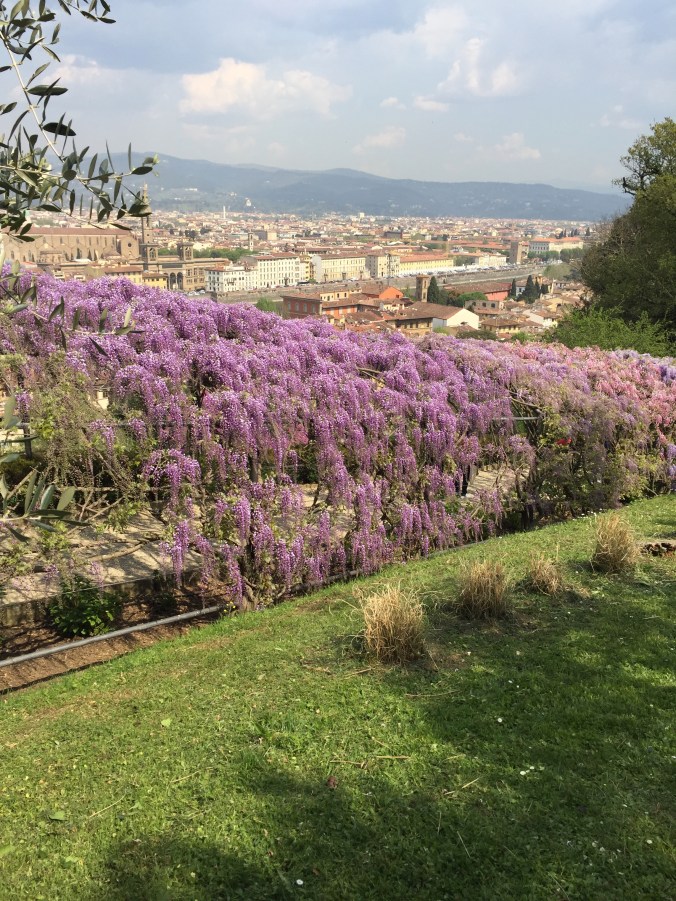
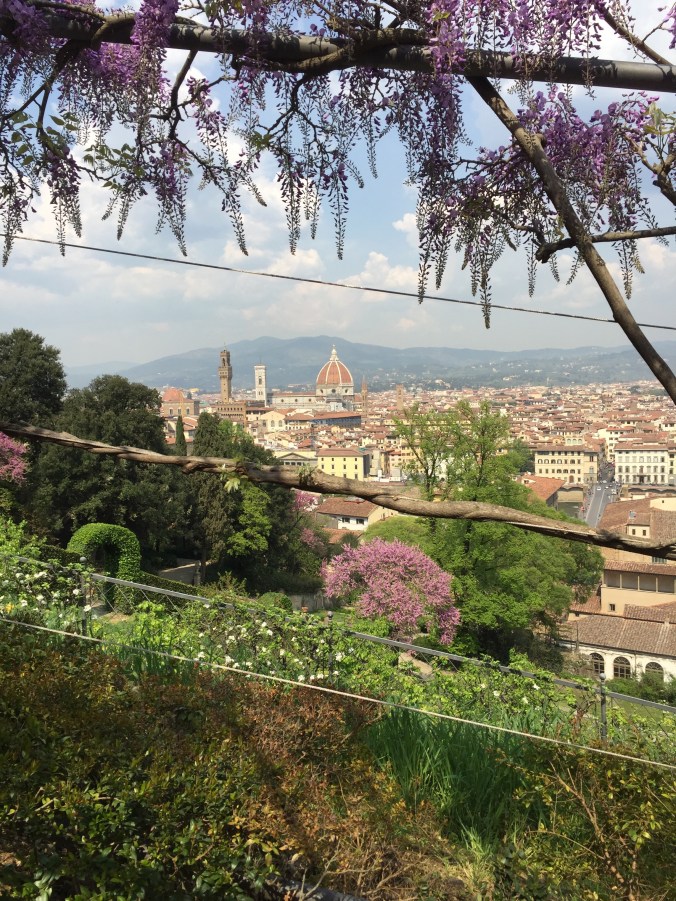
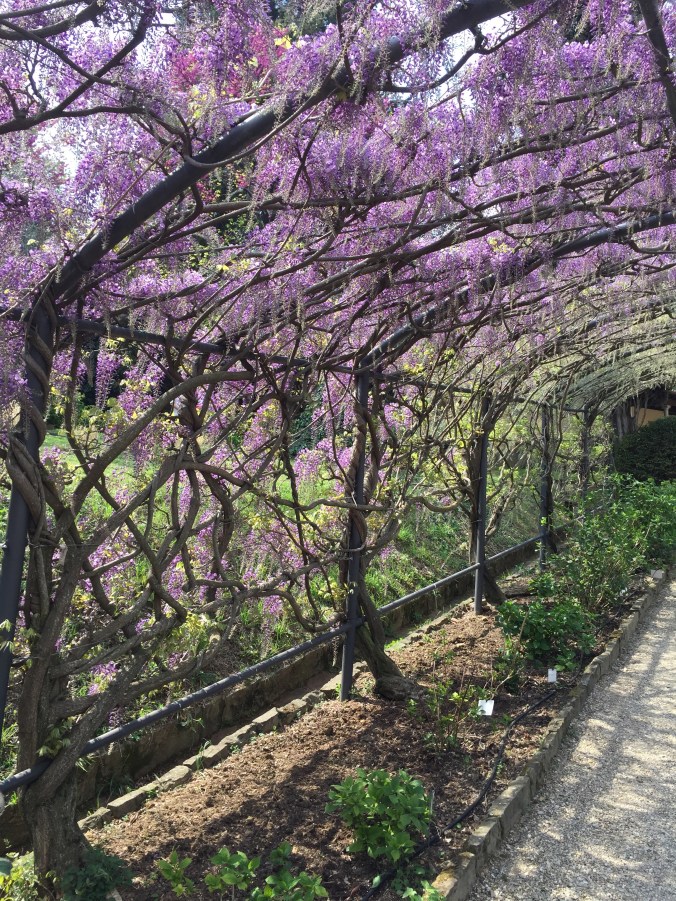
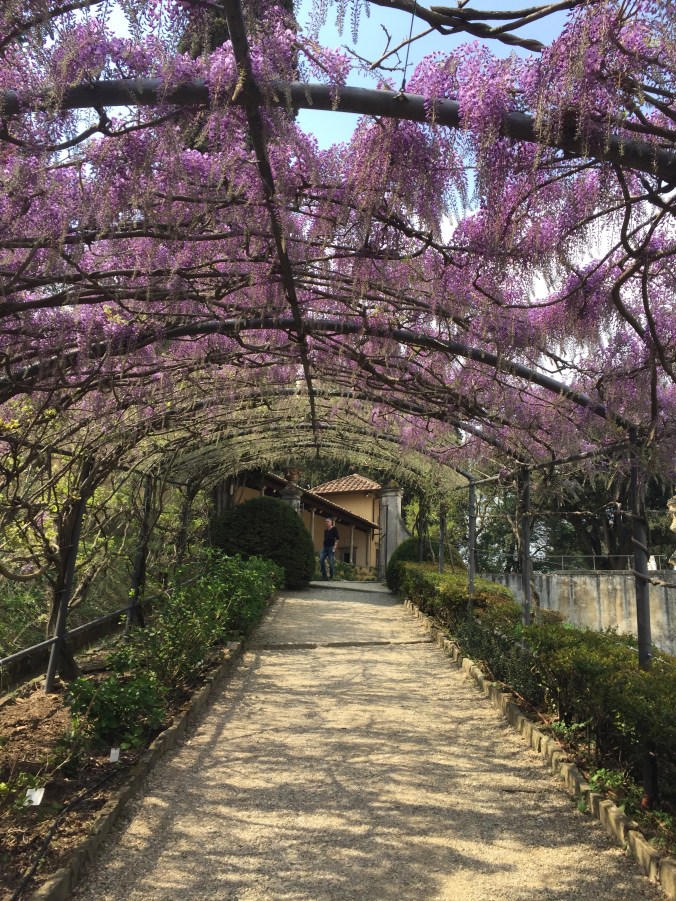
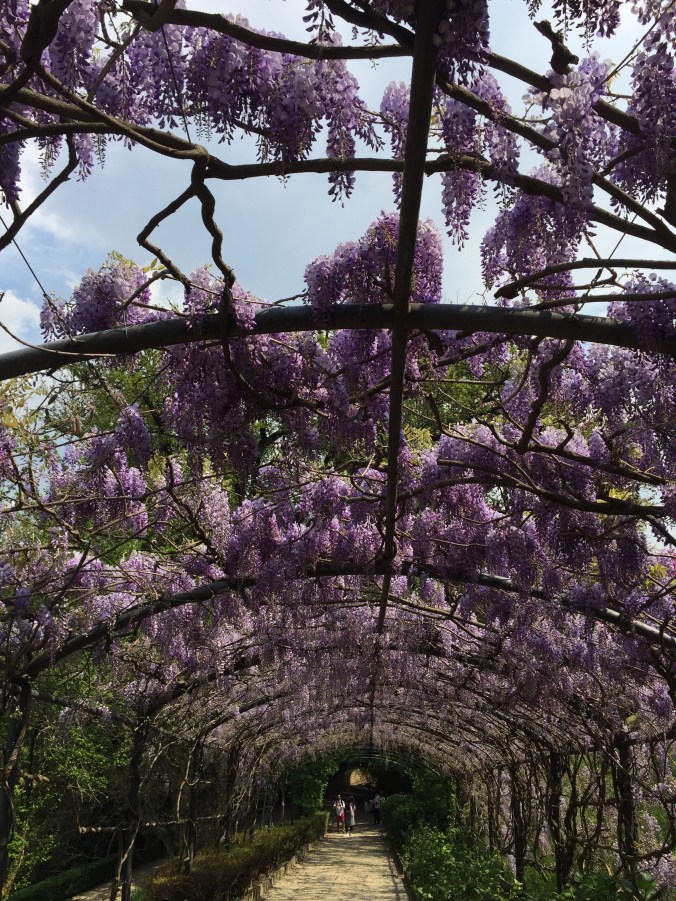
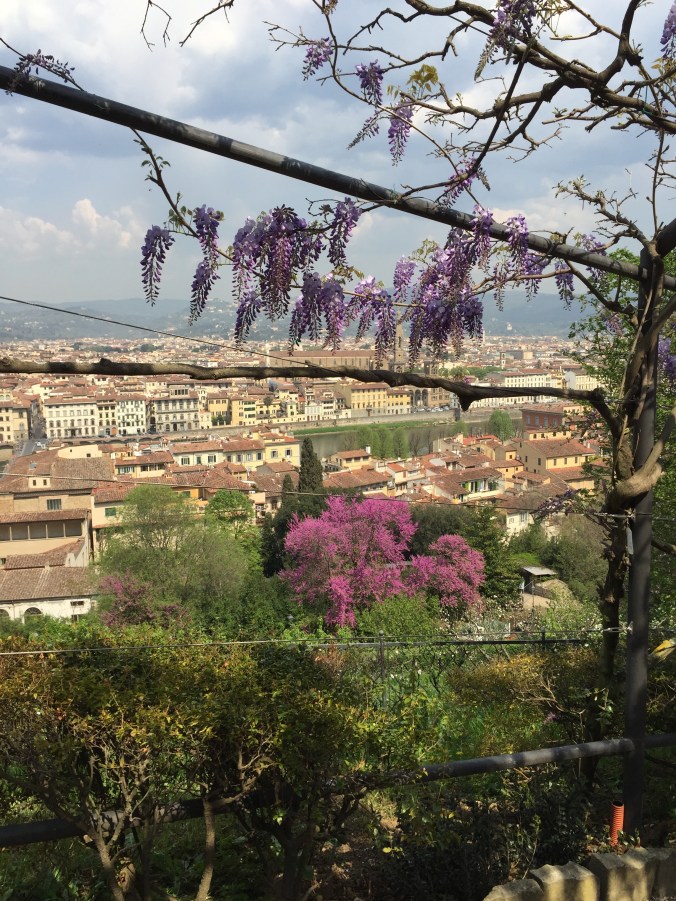
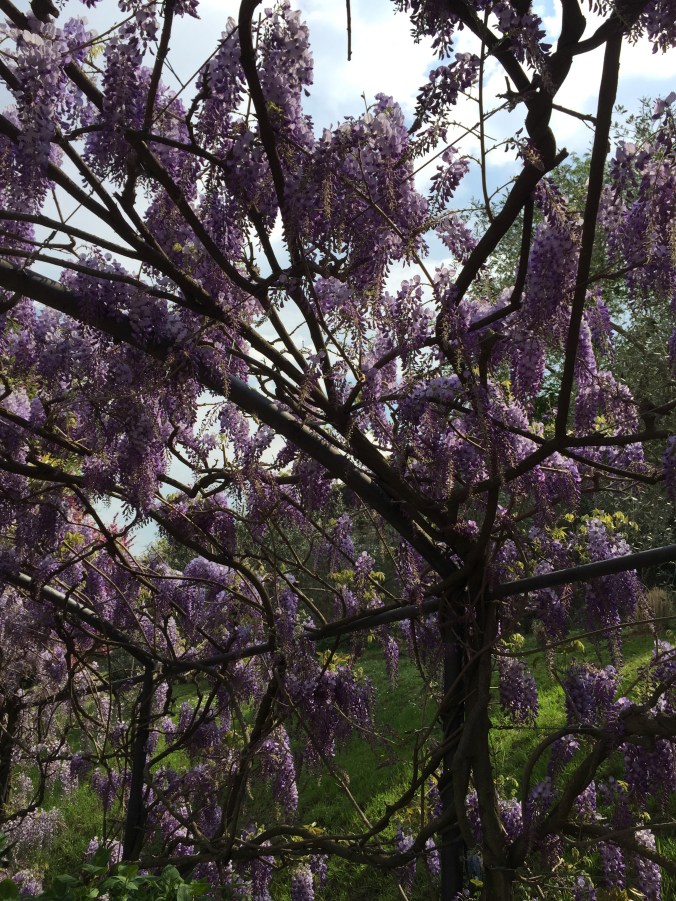
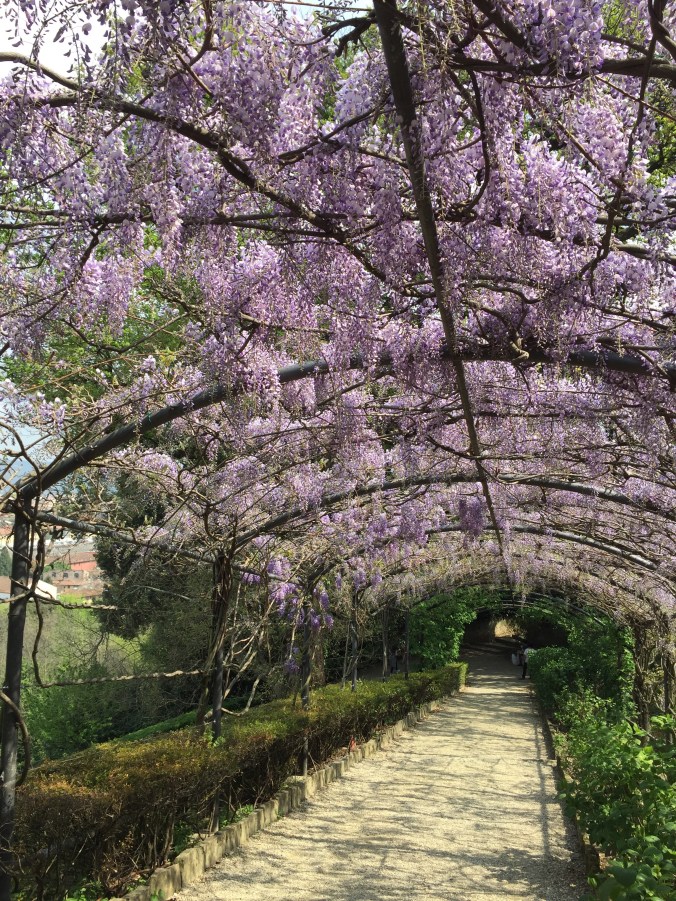
It’s winter, but I’m thinking about one of my favorite gardens in my favorite season: the Bardini in spring. Fortunately, I have my pictures of the garden from last spring.
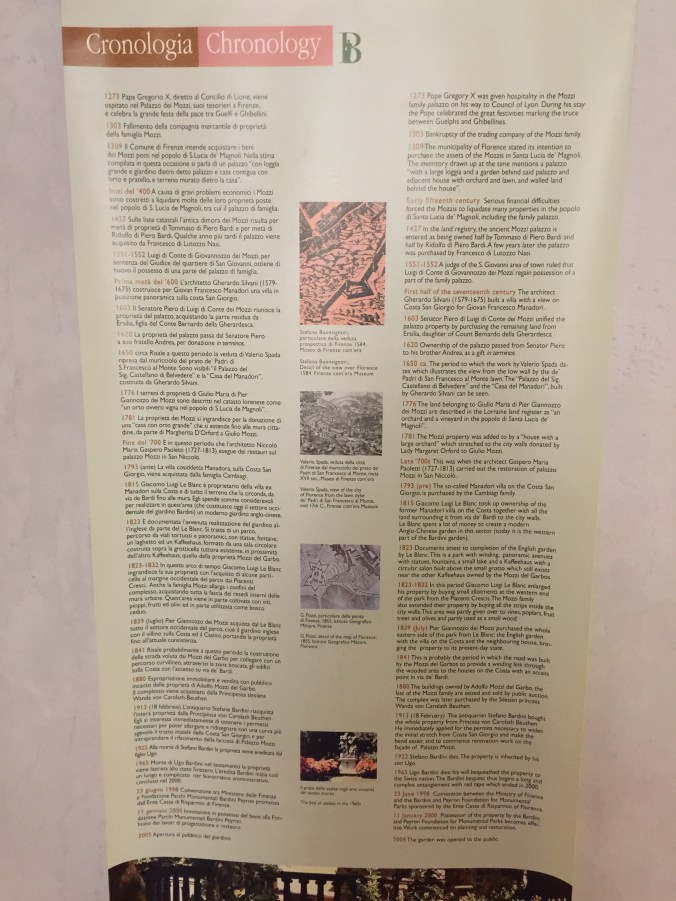
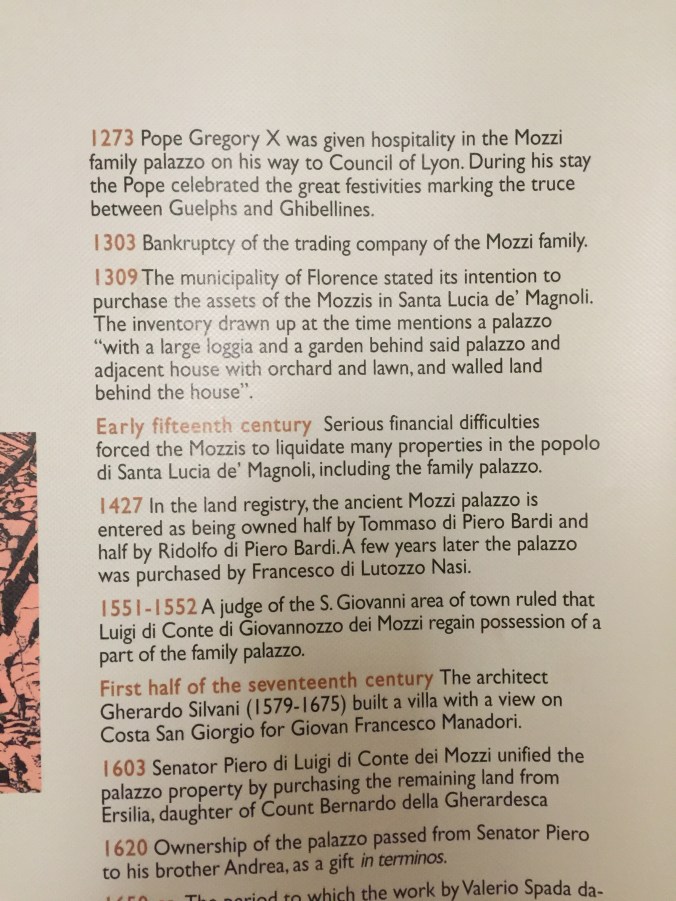
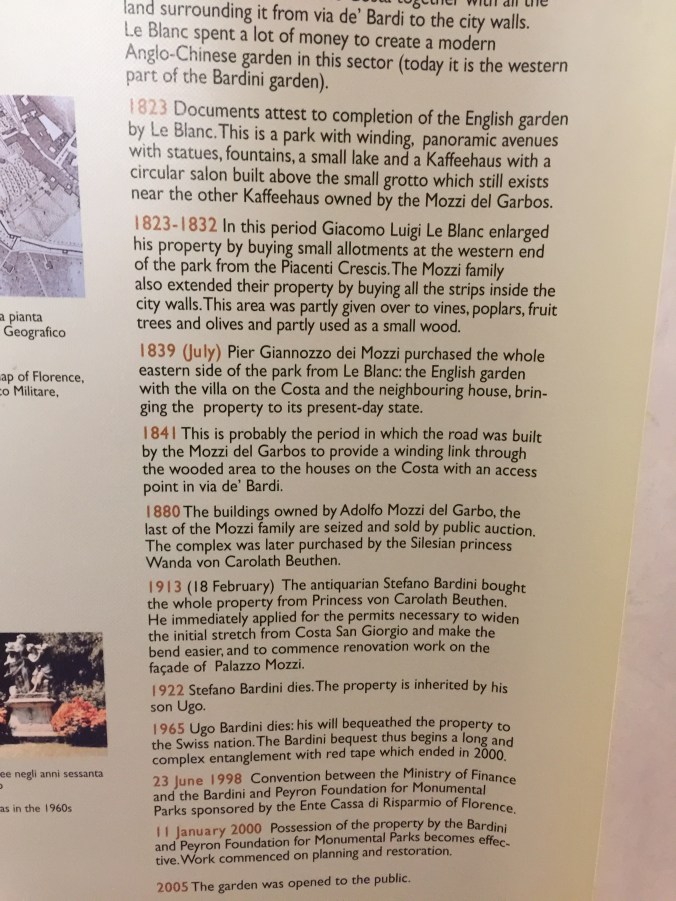
First the facts, then, the flowers. Keep scrolling down for the pretty pictures.




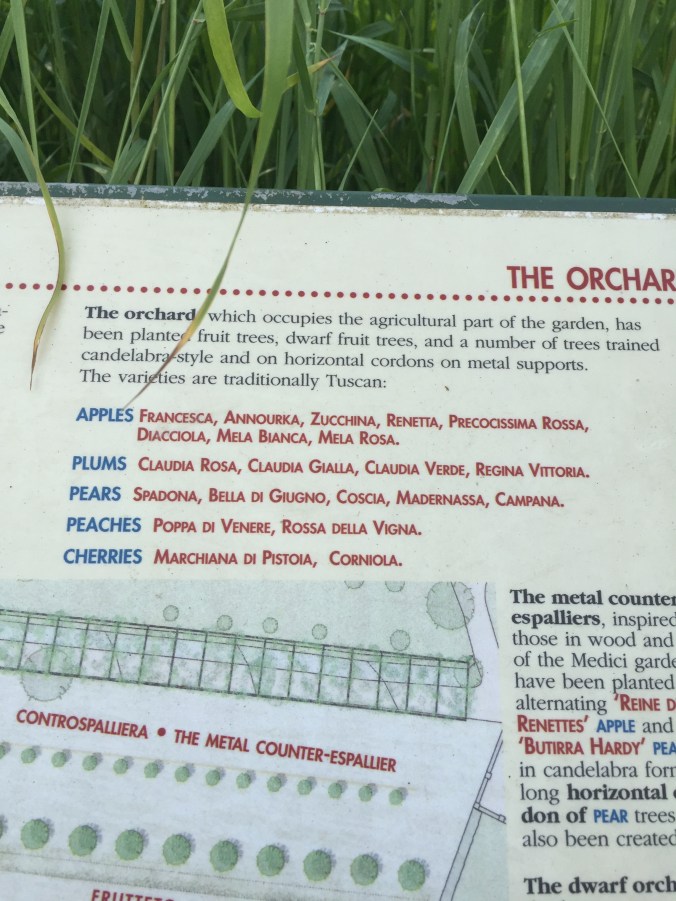
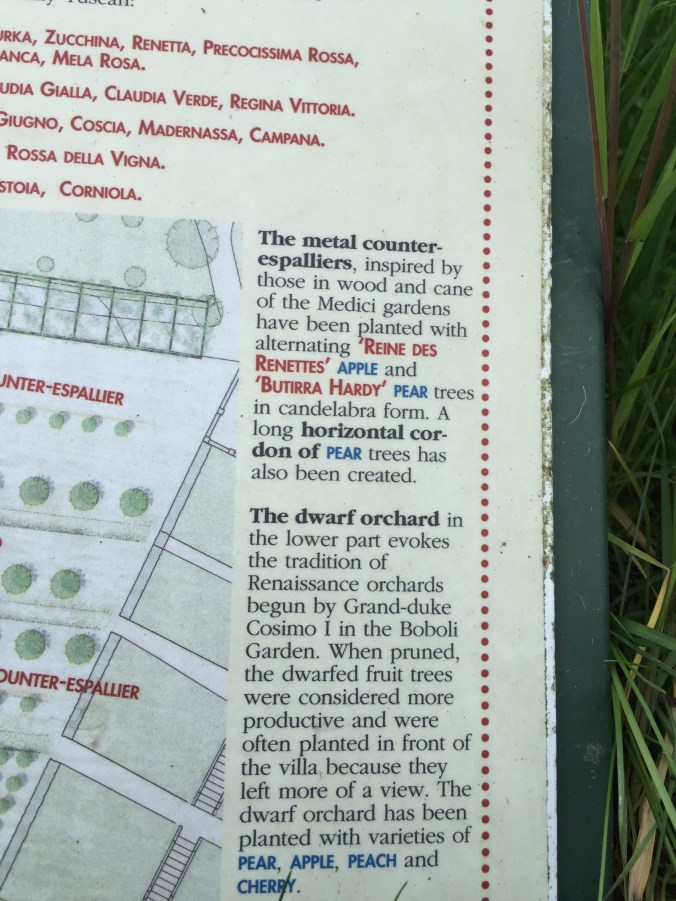
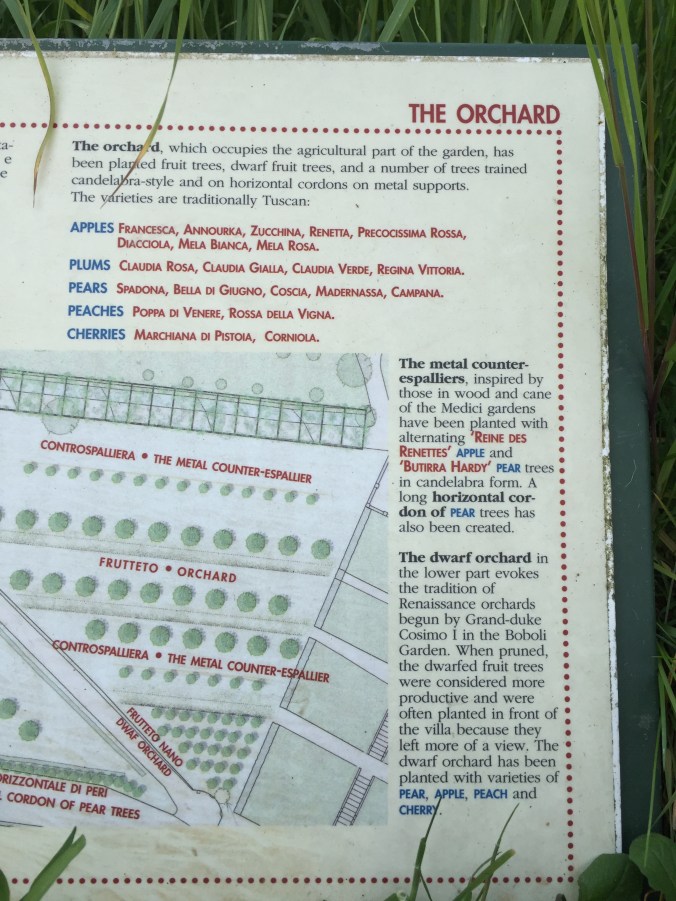

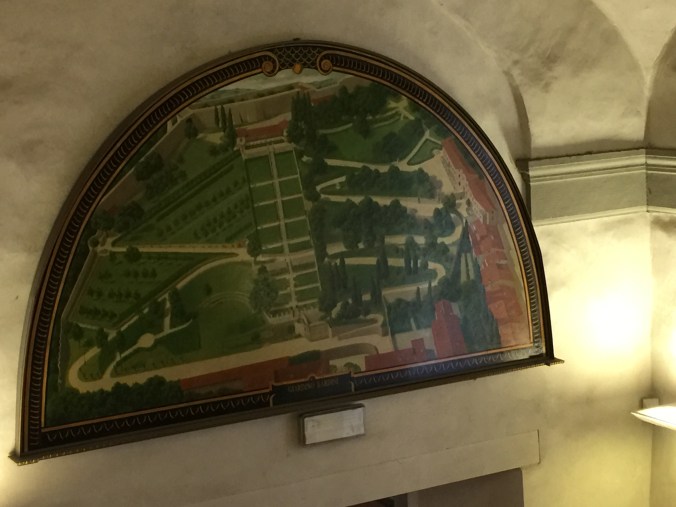




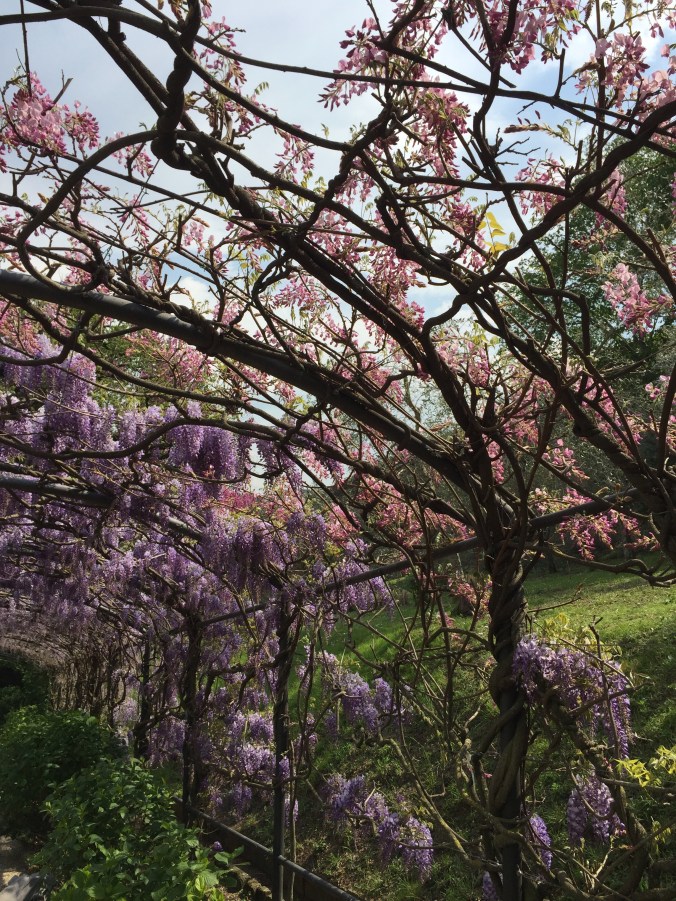
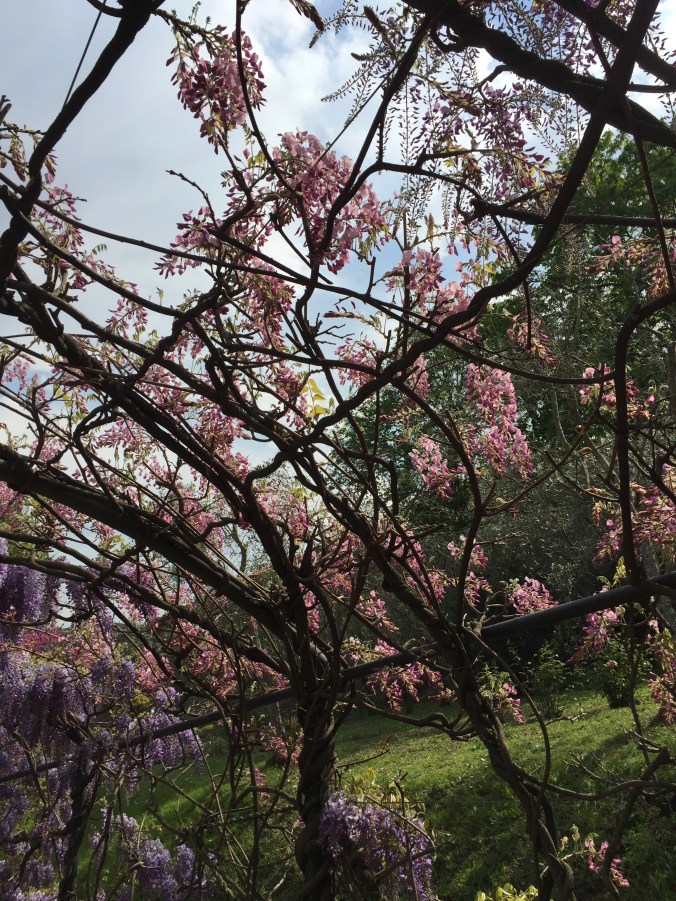


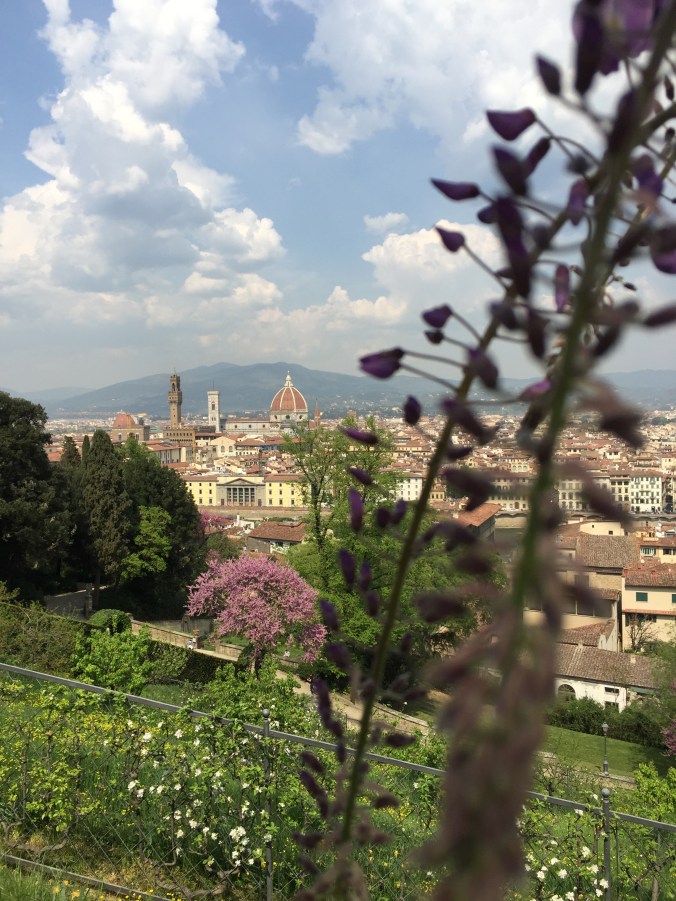
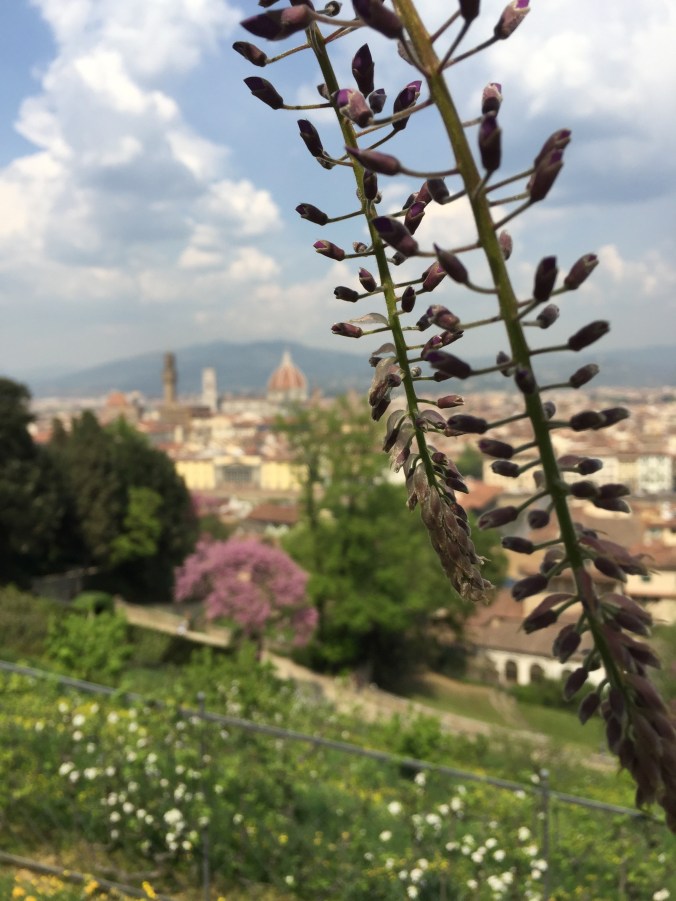


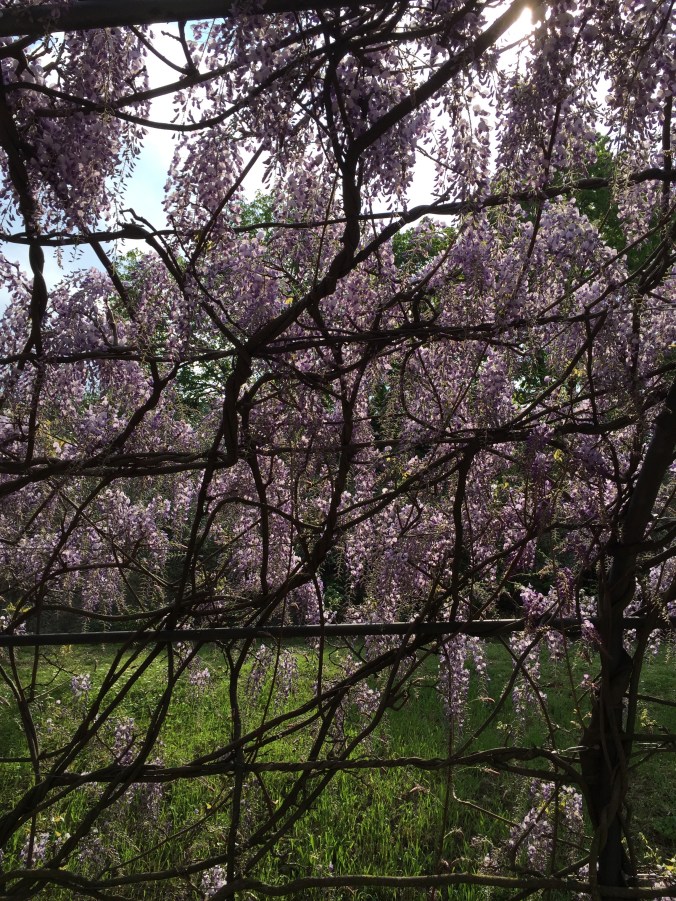
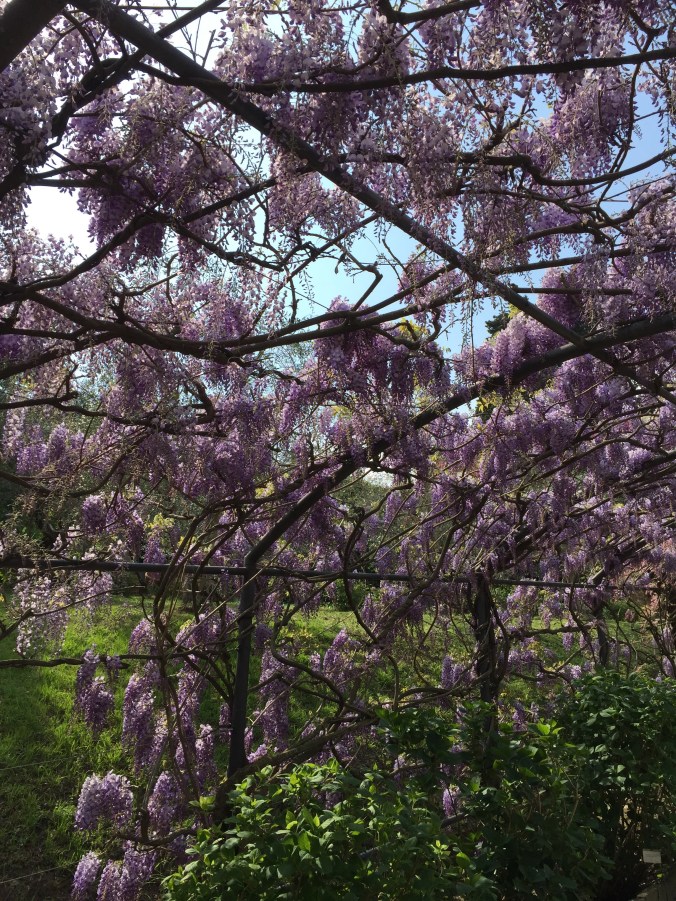
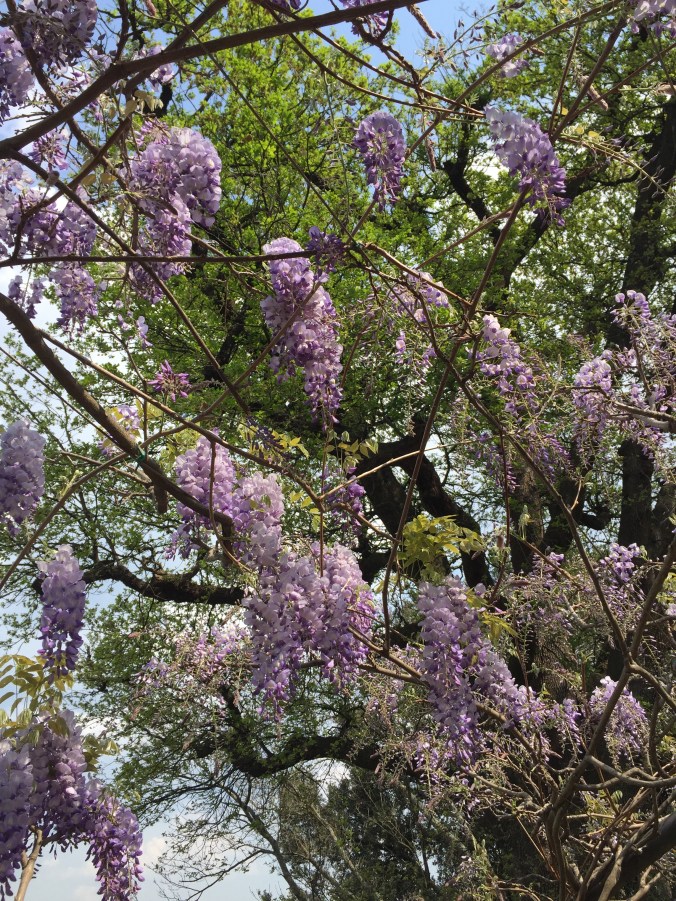
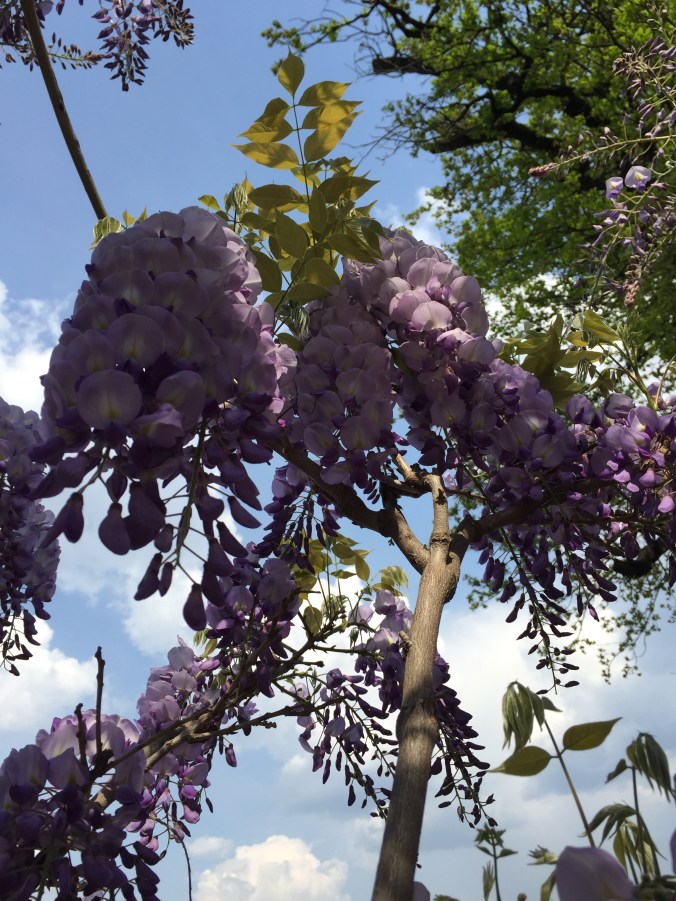

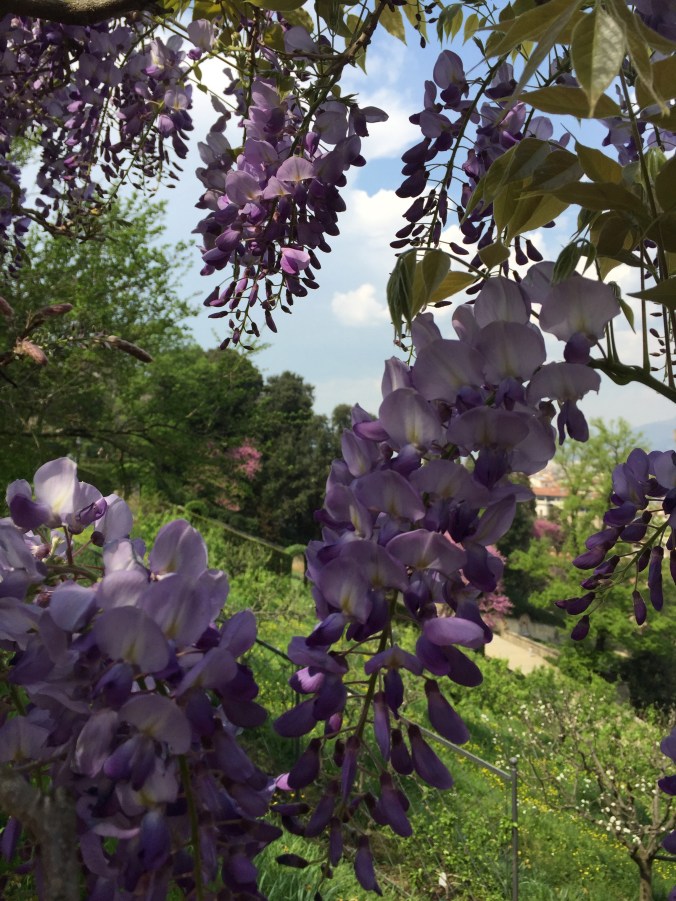
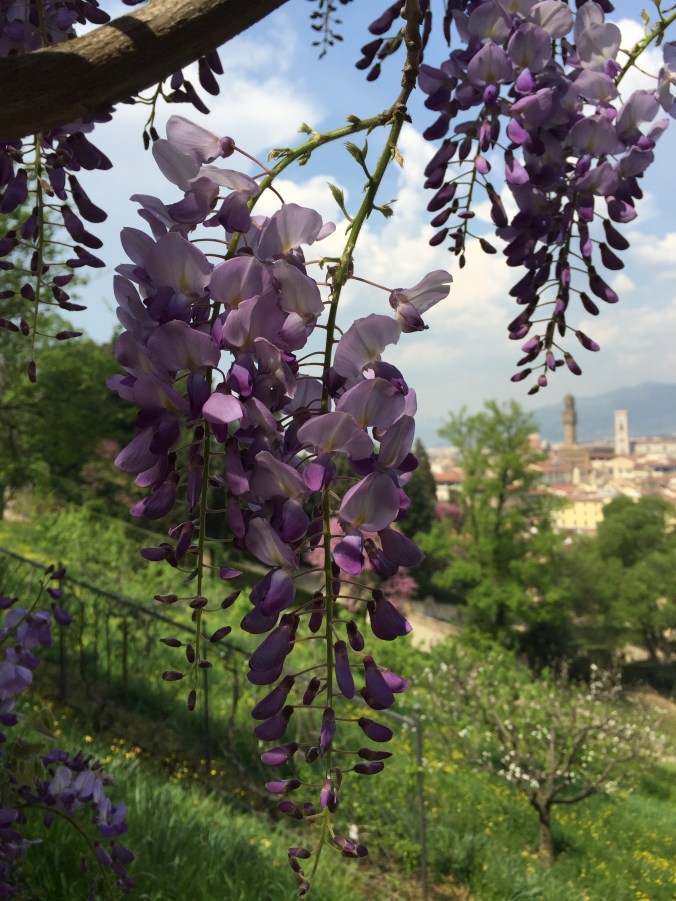
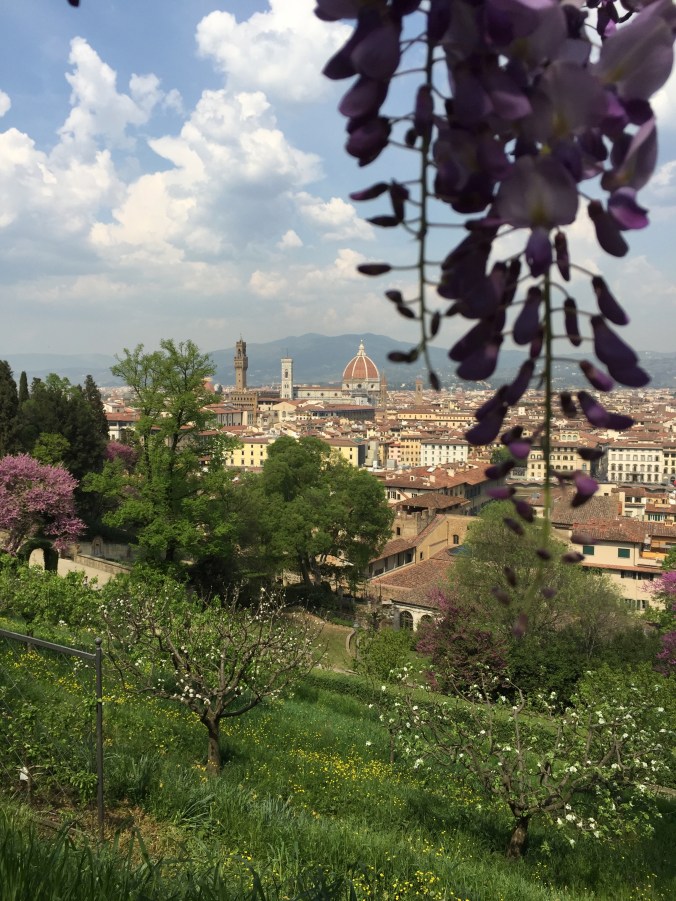

As I sit in Denver on a very cold February morning, my mind wanders back to Tuscany and warm weather. I’m almost always behind in my posts and so I take this moment to post about Villa Demidoff.
In 1568, Francesco I de’ Medici, Grand Duke of Tuscany, purchased a great estate in the hills outside of Florence and commissioned the famous architect, Buontalenti, to build a splendid villa as a residence for Bianca Cappello. Bianca was the Grand Duke’s Venetian mistress. The villa was built between 1569 and 1581, set inside a forest of fir trees.

While very little of Buontalenti’s villa survives, at least we still have this fabulous and very large statue of Il Gigante, set facing a pond filled with water lilies.
The lilies are absolutely gorgeous in late August. I had never seen anything as magnificent as the first time I saw this lake of waterlilies in bloom! And, the statue ain’t bad either.


OK, ripping my eyes away from the pink flowers, I walked around towards the back of the statue:
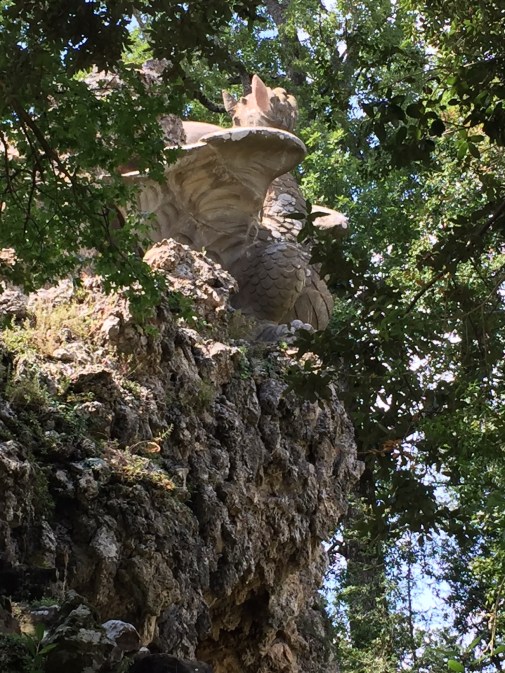


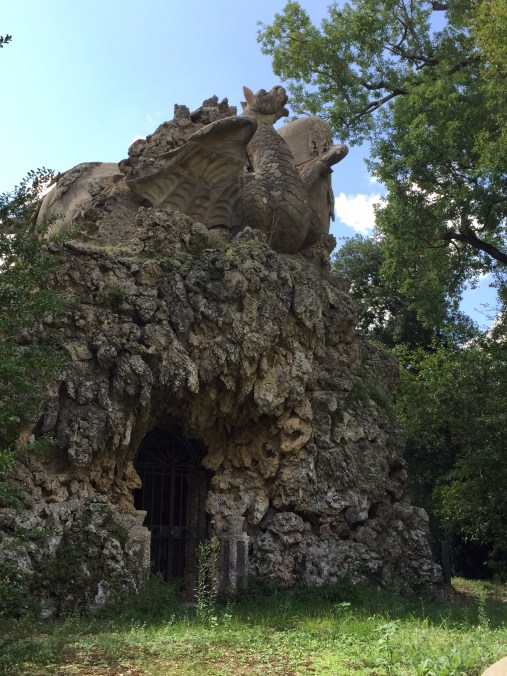
Giambologna was the creator of this amazing sculpture:


Il Gigante, also known as “the Colossus of the Apennines,” is an astounding work of art. Giambologna designed the lower part as a hexagon-shaped cave from which one can access, through a ladder, to the compartment in the upper part of the body and into the head. The cavity is filled with light that enters from the eye holes in the head.
The exterior of the statue is covered with sponges and limestone pieces, over which water pours into the pool below.
We know that originally, behind the statue, there was the large labyrinth made from laurel bushes. At the front of the giant was a large lawn, adorned with 26 ancient sculptures at the sides.
Later, many of the antique statues were transferred to the Boboli Gardens, and the park became a hunting reserve. As a part of the Pratolino estate, it was abandoned until 1819, when the Grand Duke Ferdinando III of Lorena changed the splendid Italian garden in the English garden, by the Bohemian engineer Joseph Fritsch. The part was increased from 20 to 78 hectares.
The park, which had been owned by Leopoldo II since 1837, was sold upon his death to Paul Demidoff, who redeveloped the property. Demidoff’s last descendant bequeathed the property to Florence’s provincial authorities.
And I feel better already. I can feel my cold, clenched muscles relax under the spell of the Tuscan sunshine. Soon I will be there again.
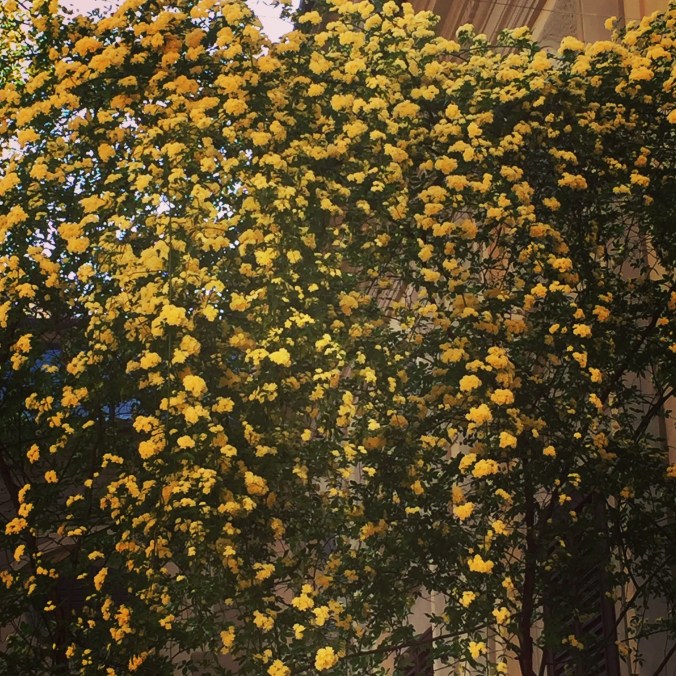
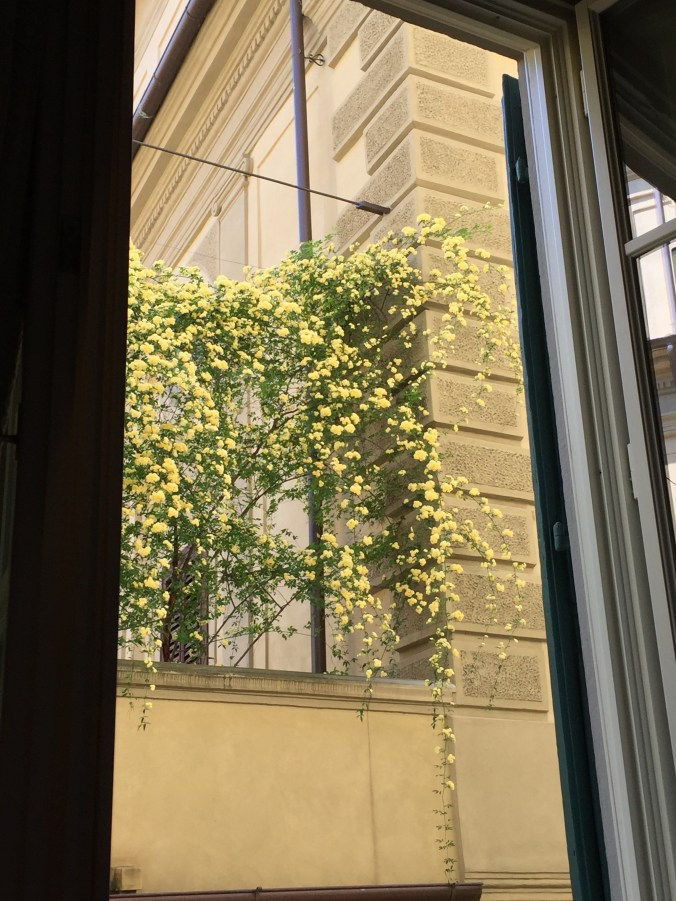
During the late winter/early spring of 2017, I lived for a couple of months on Via Stufa near San Lorenzo. My 2 bedroom, 2 bath apartment was lovely and had this view out the soggiorno windows:



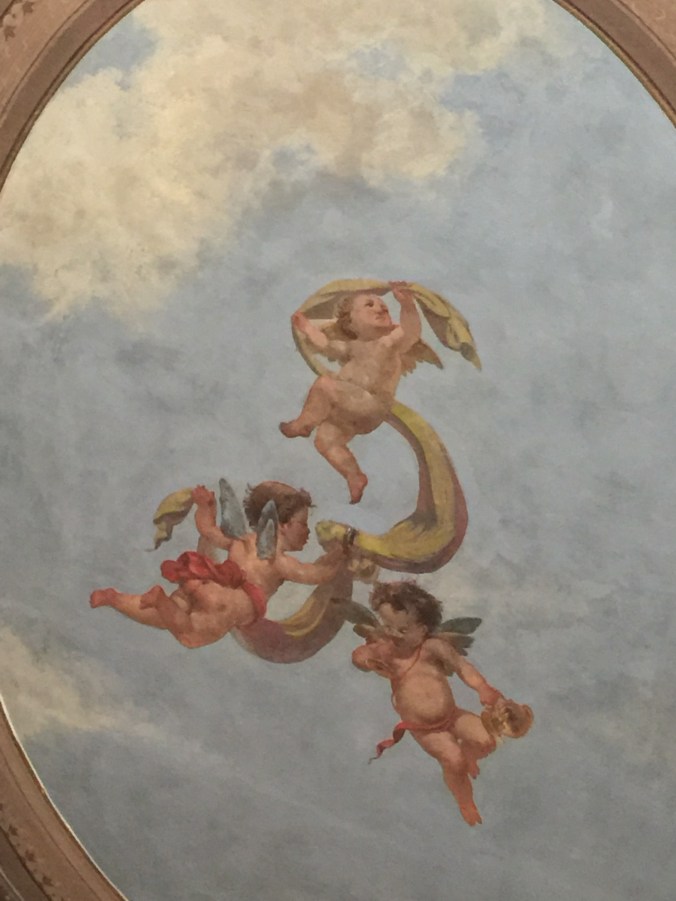
Plus, the ceiling of my soggiorno was also quite beautiful. It was a dreamy atmosphere that spring!
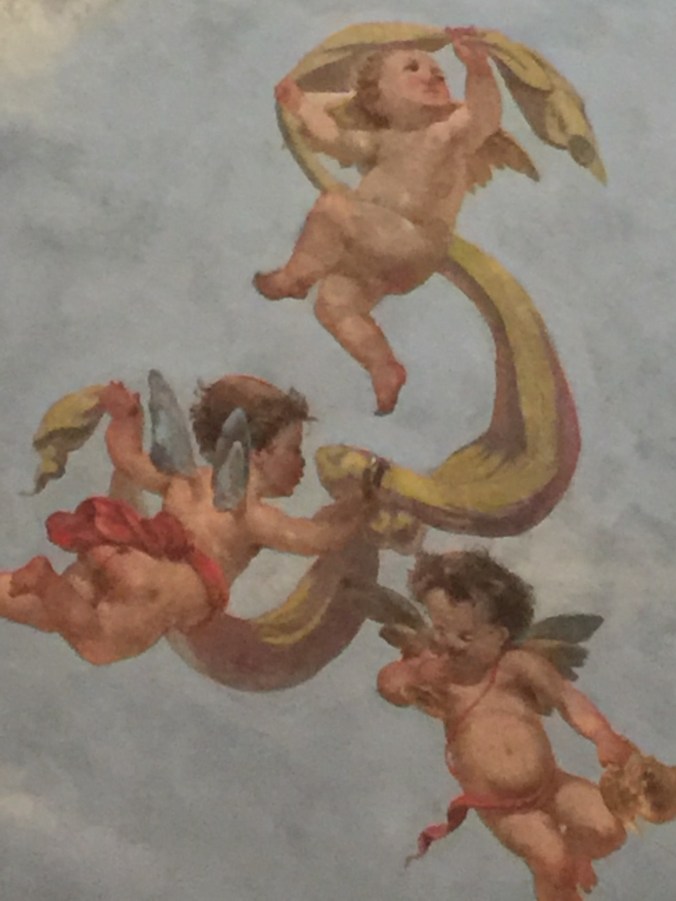

What a glorious place in Paris!
What a glorious winter afternoon! January 2020. So glad I came to Paris, despite the record breaking long strikes of the Metro system and other things.


What a glorious city!




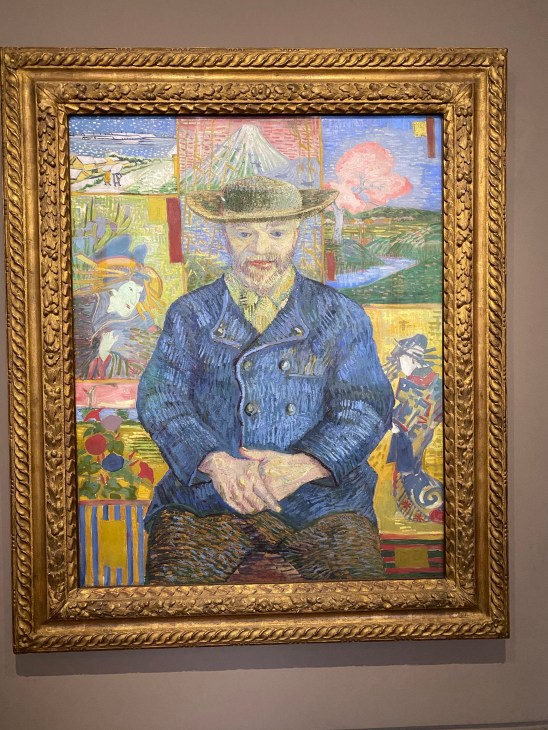


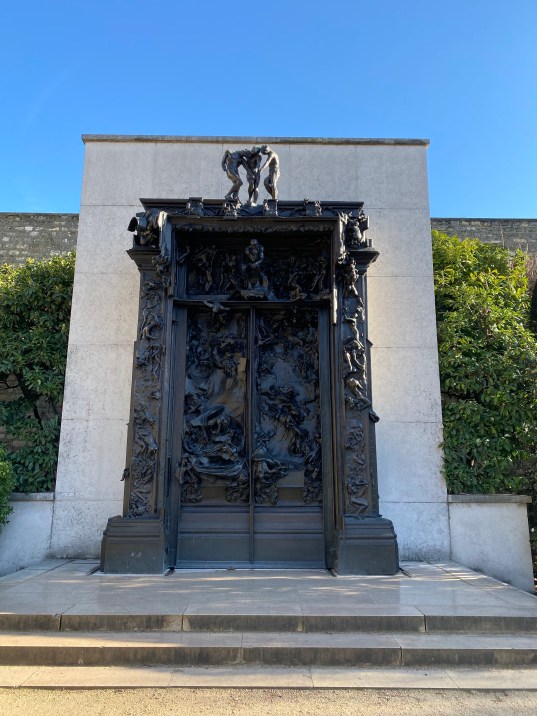
The Gates of Hell:


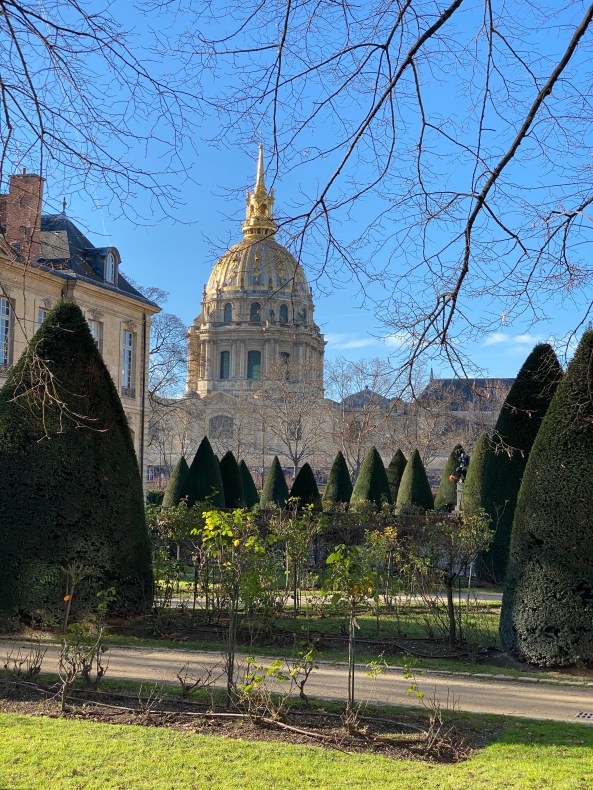
The Burghers of Calais:


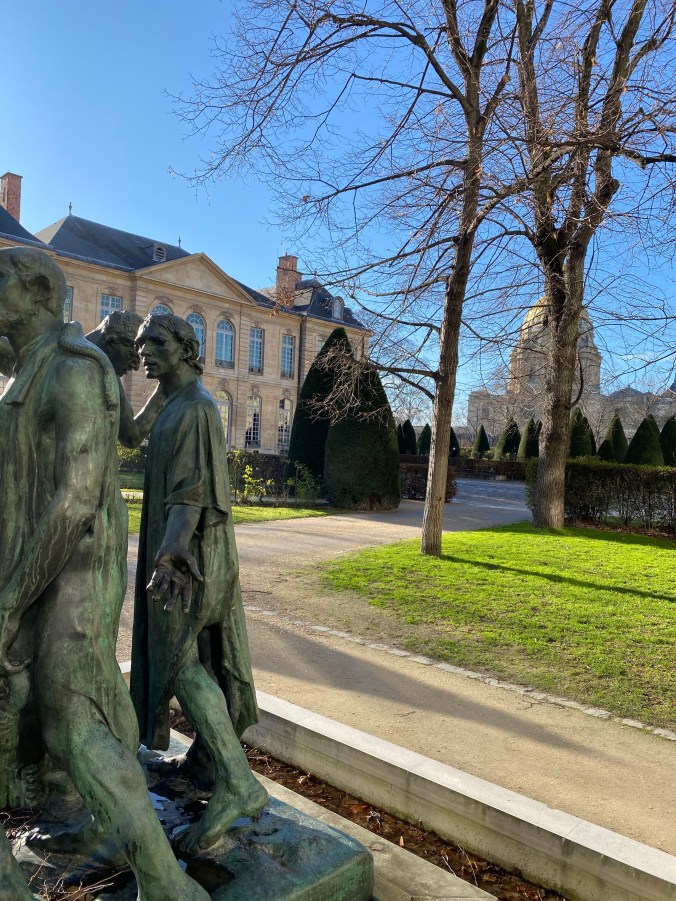


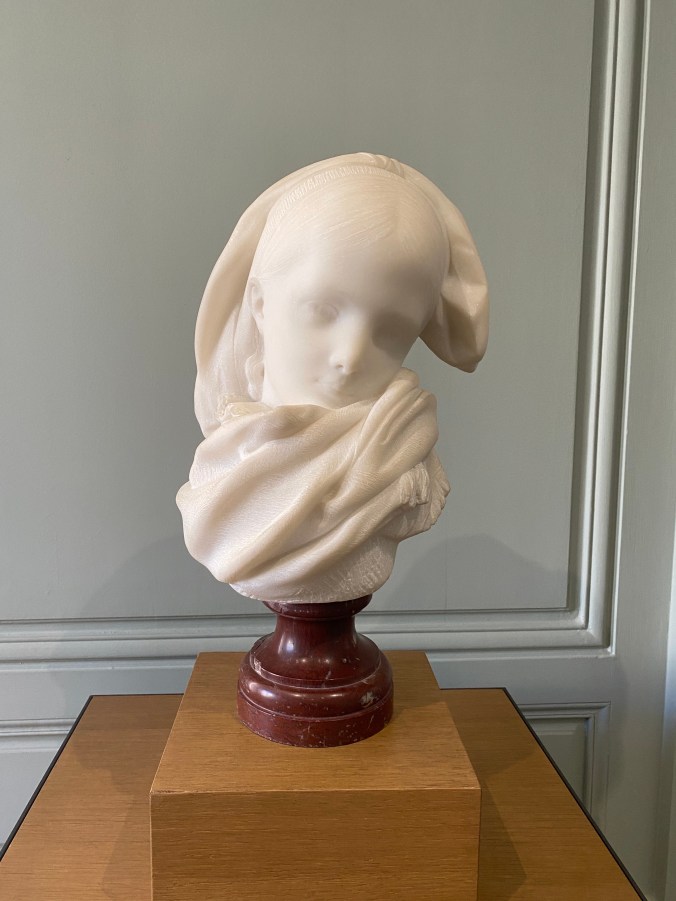


The Musée Rodin was opened in 1919, primarily dedicated to the works of the French sculptor Auguste Rodin. It has two sites: the Hôtel Biron and surrounding grounds in central Paris, as well as just outside Paris at Rodin’s old home, the Villa des Brillants at Meudon, Hauts-de-Seine. The collection includes 6,600 sculptures, 8,000 drawings, 8,000 old photographs and 7,000 objets d’art. The museum receives 700,000 visitors annually.
From 1908, while living in the Villa des Brillants, Rodin used the Hôtel Biron as his workshop. He subsequently donated his entire collection of sculptures – along with paintings that he owned by Vincent van Gogh, Claude Monet and Pierre-Auguste Renoir to the French State on the condition that they turn the buildings into a museum dedicated to his works.
The Musée Rodin contains most of Rodin’s significant creations. Many of his sculptures are displayed in the museum’s extensive garden. The museum includes a room dedicated to the works of Camille Claudel and one of her two castings of The Mature Age.
The gardens around the museum building contain many of the famous sculptures in natural settings. Behind the museum building are a small lake and casual restaurant. Additionally, the nearby Métro stop, Varenne, features some of Rodin’s sculptures on the platform.
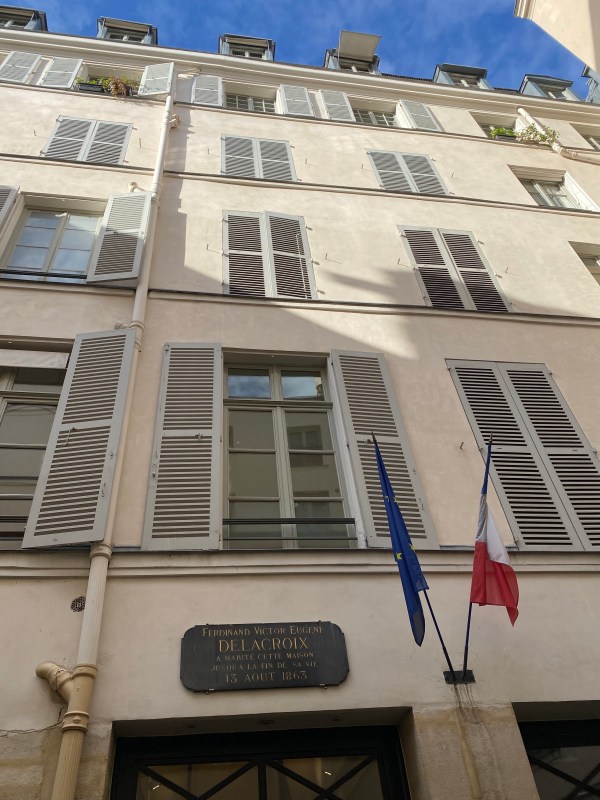
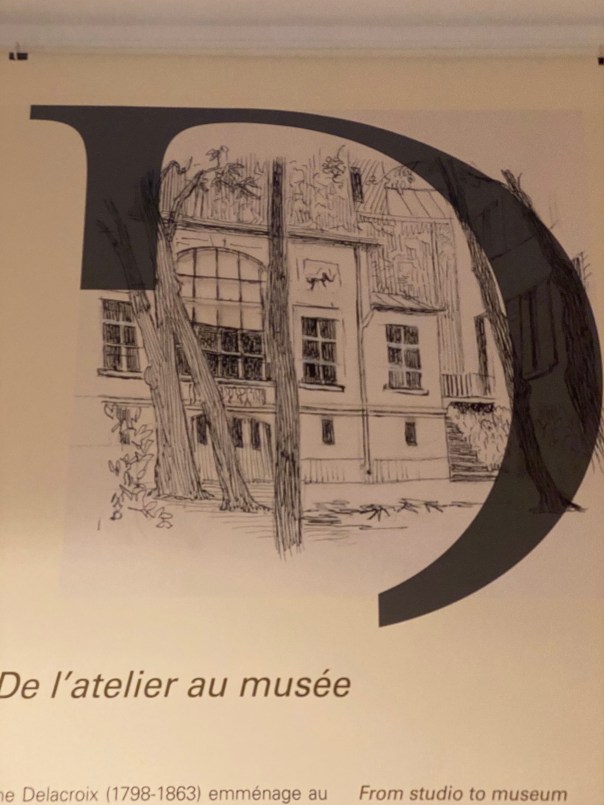
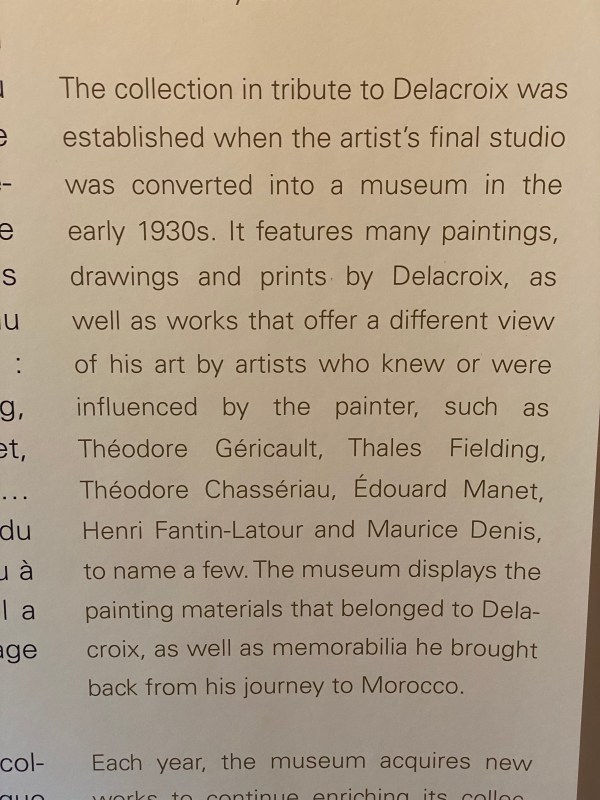
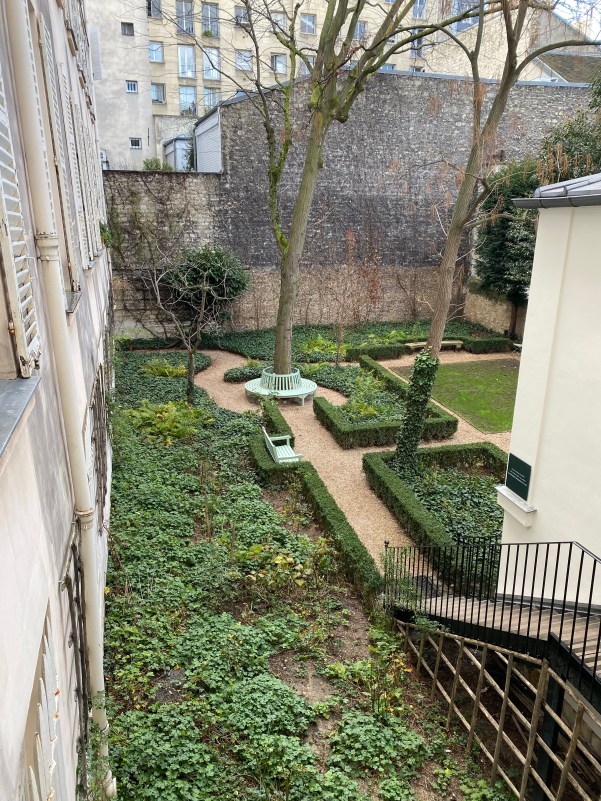
For a long time I have wanted to visit this small, but excellent museum. Last week I got my chance. I enjoyed it a lot and the lovely hidden garden was a delight to discover! This left bank artist home is well worth a visit.



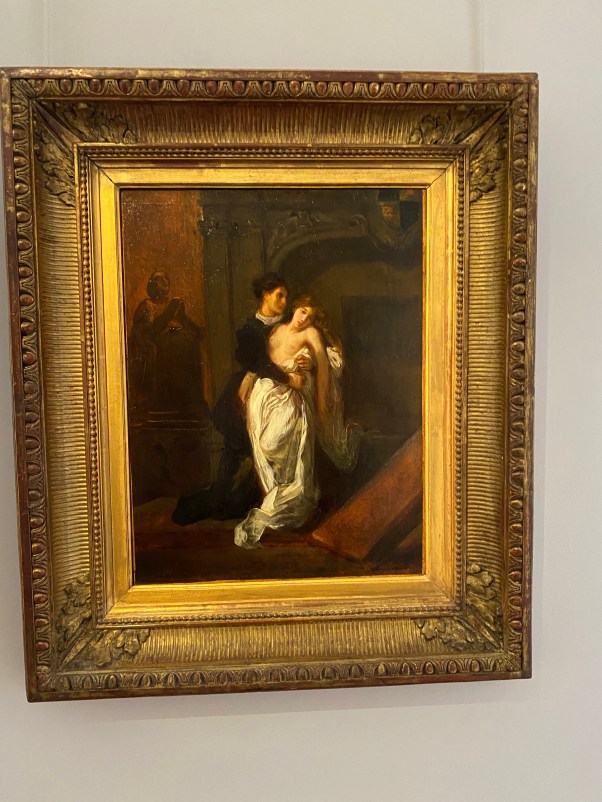
Milano’s beautiful Palazzo di Brera was created along with the Accademia di Belle Arti in 1776 to serve the students studying at the University.
The Jesuits built the Baroque palace at the end of the 17th century as a convent (the word convent is used for monasteries in Italy). After they were unceremoniously expelled, the Palazzo Brera was remodeled in the neoclassical style.
Napoleon took control of Italy and declared Milan the capital. He filled the Brera with works from across the territory. As a result, it is one of the few museums in Italy that wasn’t formed from private collections, but rather by the Italian state.


When the Palazzo di Brera was taken away from the Jesuits by Queen Maria Teresa of Austria, it was meant to become one of the most advanced cultural institutions in Milan. It still lives up to that status today. Besides the Academy and the beautiful Art Gallery, the palazzo holds the Lombard Institute of Science and Literature, the Braidense National Library, the Astronomical Observatory and a Botanical Garden maintained since he 1700s.
Inside the cortile, Canova’s heroic statue of Napoleon:

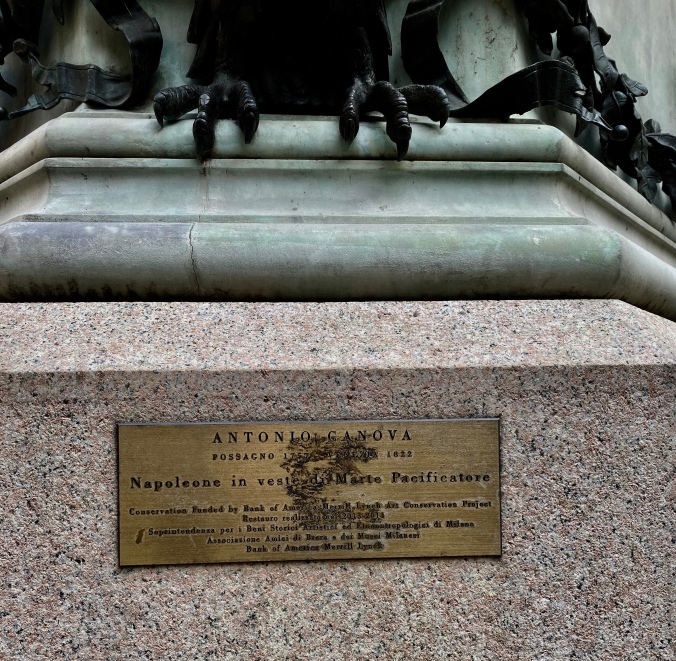

The entrance to the palazzo:


There is a garden at the back of the palazzo. The fortified walls and turrets of the building complex seen back here are massive and medieval, and very unlike the sophisticated facade of the palazzo. This Orto Botanico comprises a tiny corner of the hectic city has aromatic herbs, wildflowers and a small vegetable garden for research.


The Palazzo di Brera started life as a Jesuit college built on green land just outside the old city walls and its name reflects the location. In fact, the district, palace, and gallery all take their names directly from their locale as the Medieval dialect. The word “brayda” means “grassy clearing”. The word slowly evolved into “brera” or “bra;” it is also the root word of Vernona’s Piazza Bra.
Inside the Palazzo di Brera resides the beautiful Biblioteca Braidense:


More about Canova’s statue of Napoleon:

The plaster model for the bronze statue:


What caught my eye at the Brera? These works:
Andrea Solario, Madonna of the Carnations:


I loved Carlo Crivelli’s amazing panel paintings, which are actually somewhat 3-d. I’ve not seen that before in paintings of these kinds:


Another luscious work by Carlo Crivelli: Madonna and Child.


Some of the altarpieces in the Brera collection are sumptuously beautiful; breathtaking, actually.
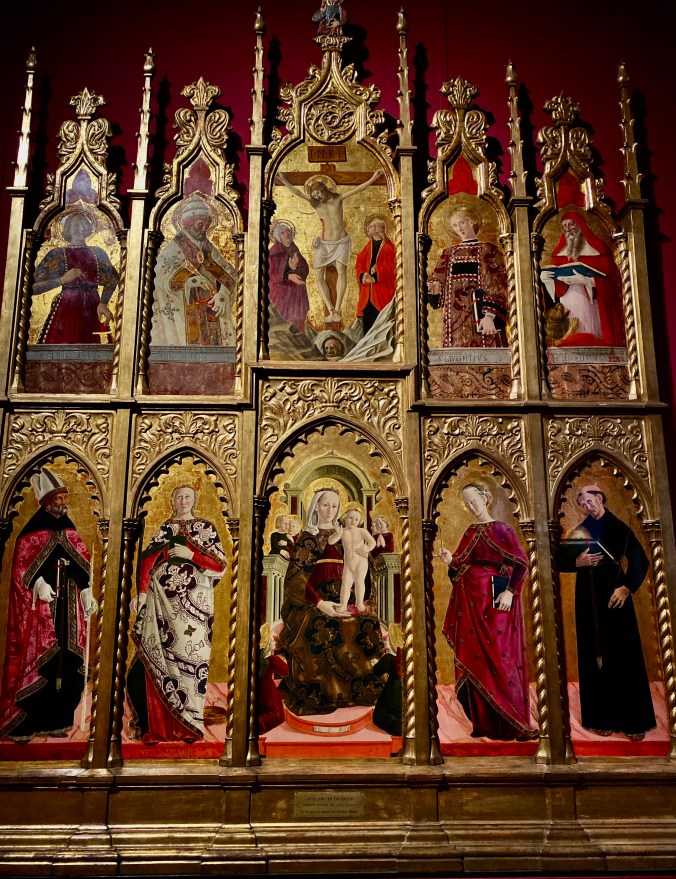

This random lion caught my eye and I don’t even remember from what painting! I was a bit agog at the Brera. I started feeling the Stendhal syndrome, big time.

Raphael:


Piero della Francesca:


A ubiquitous scene, all over Europe:








 get back, lauretta!
You must be logged in to post a comment.