I paid a visit to the Museo Horne in Florence today and among the treasures housed there is this ornate rocking baby bed.
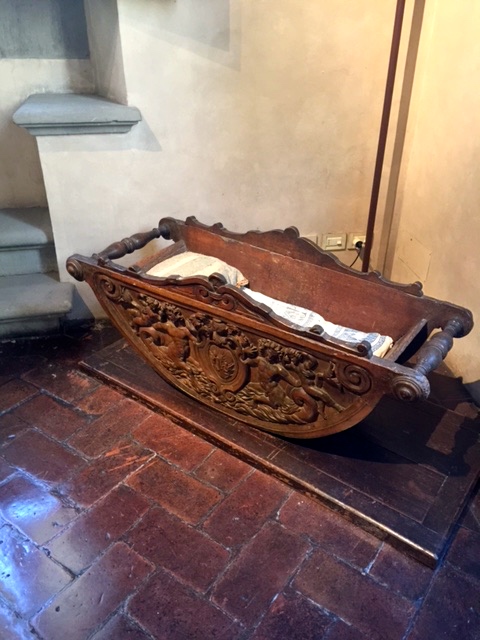
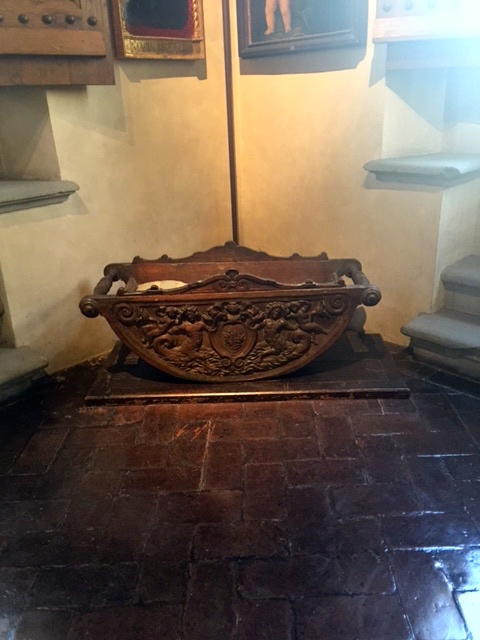
Can’t you just imagine all of the happy babies who were once cradled in this lovely objet?
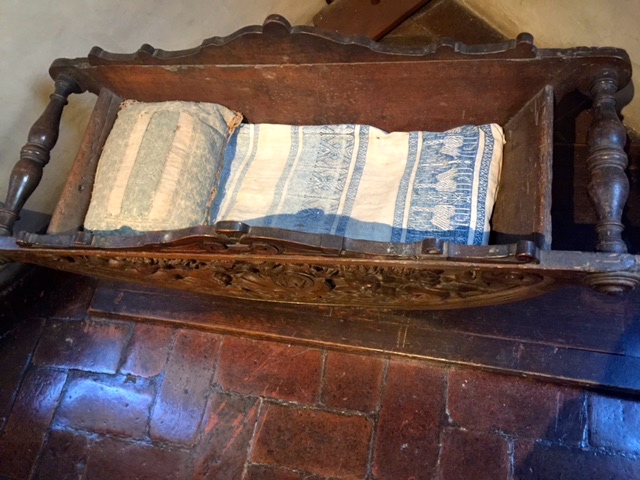
I paid a visit to the Museo Horne in Florence today and among the treasures housed there is this ornate rocking baby bed.
Can’t you just imagine all of the happy babies who were once cradled in this lovely objet?
The Saracen joust of Arezzo (Giostra del Saracino, Giostra ad burattum) is an ancient game of chivalry, dating back to the Middle Ages and born as an exercise for military training.
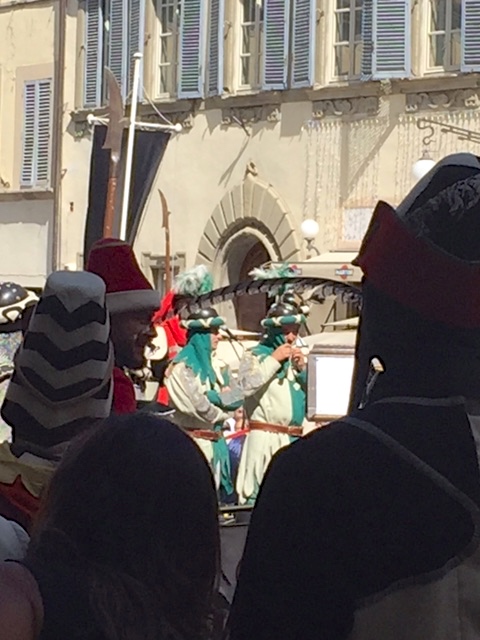
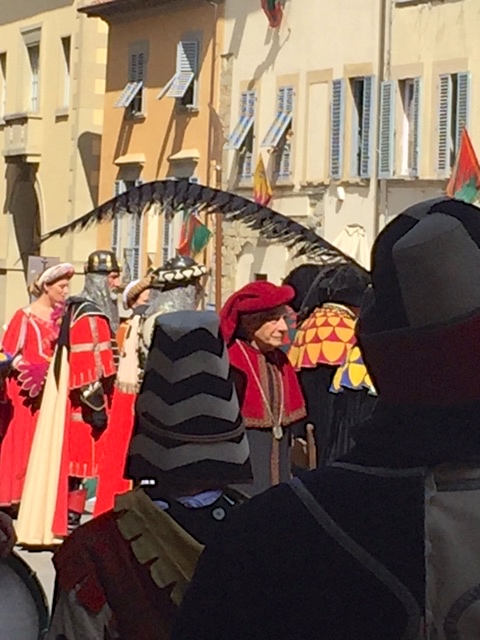
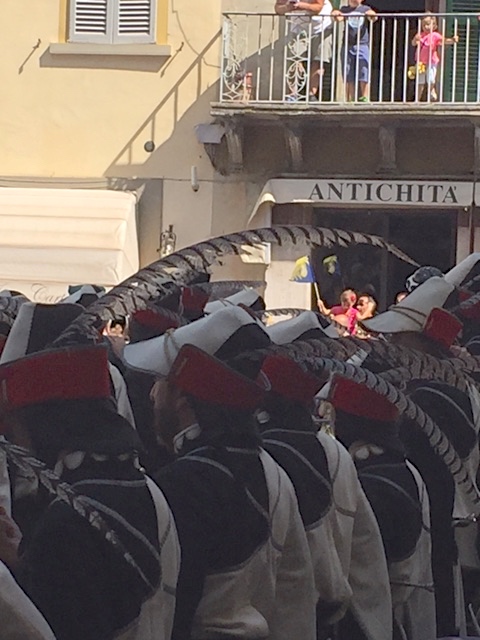
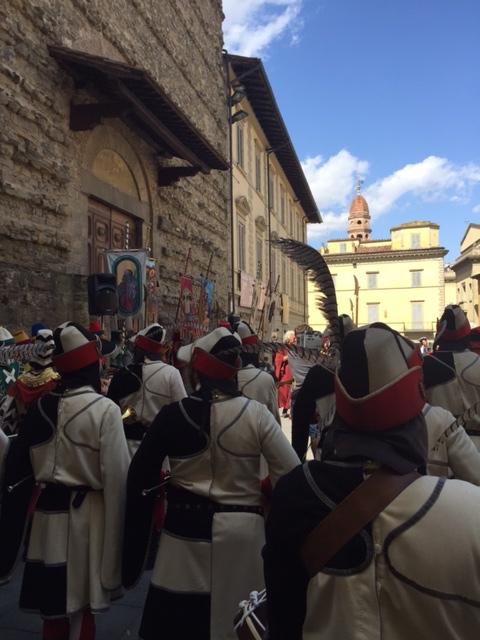
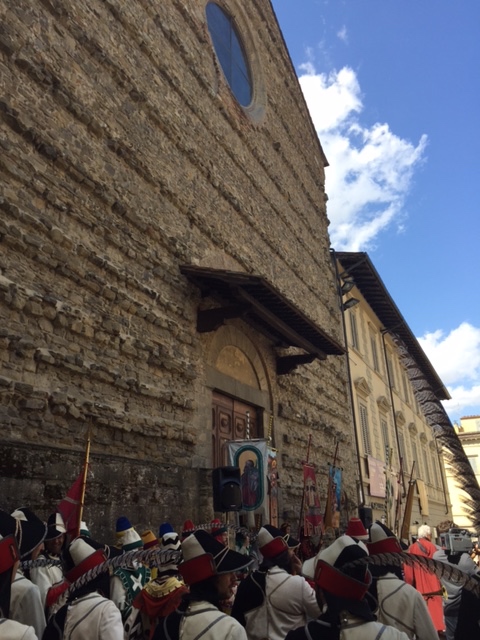
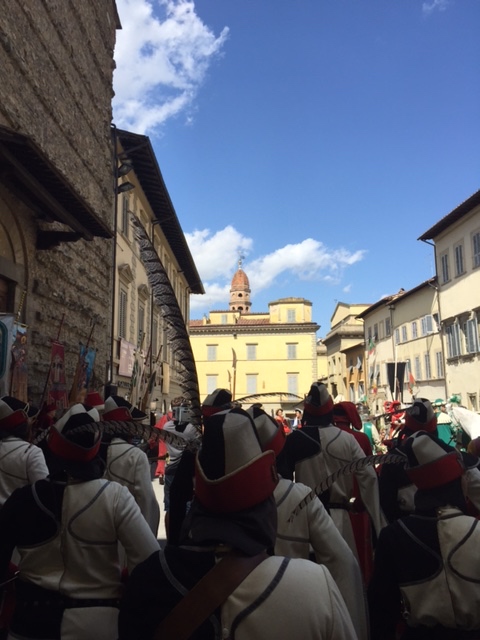
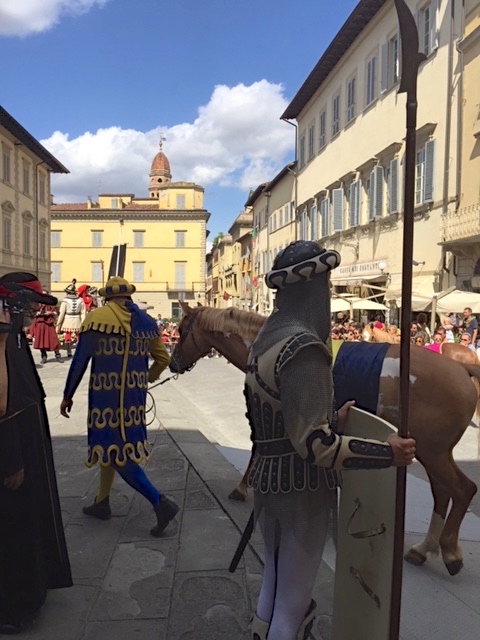
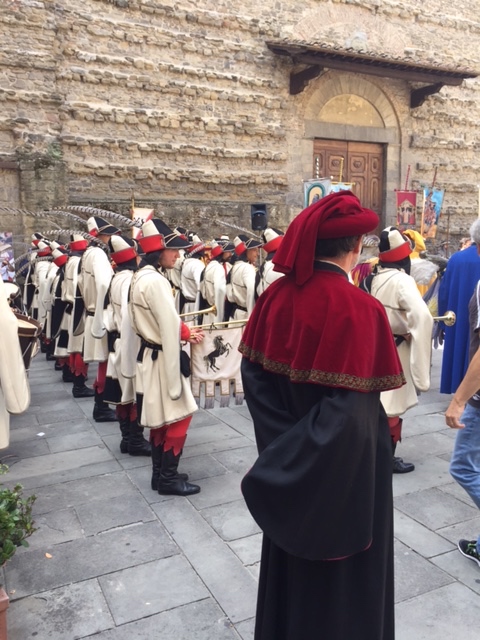
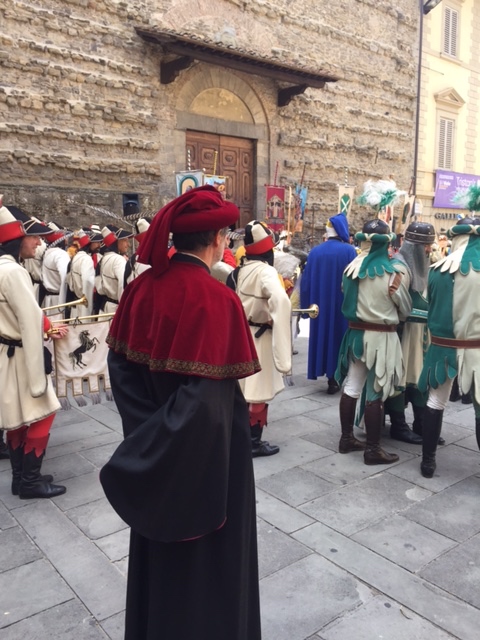
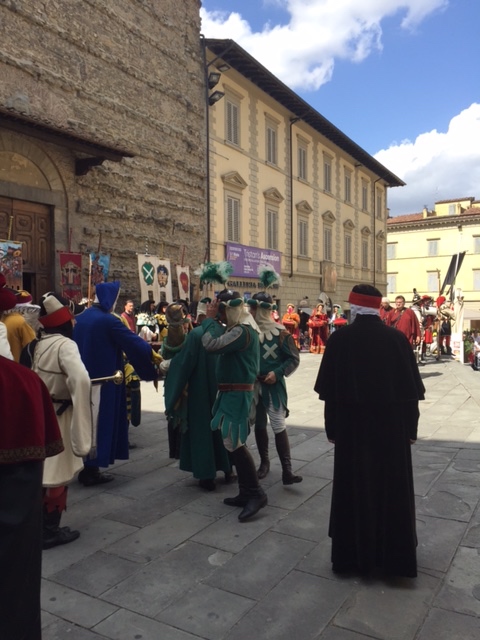
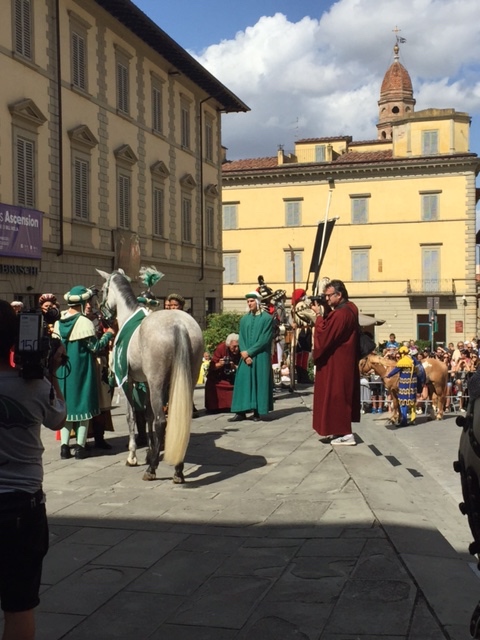
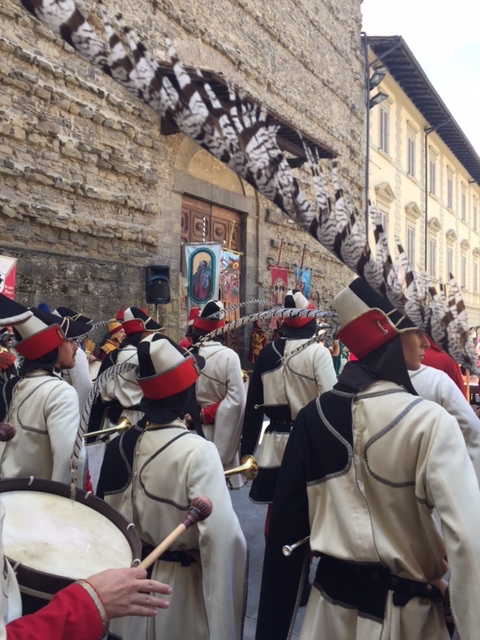
The game acquired an important social function within the urban community: it was used to commemorate great public events, such as during the visit of important sovereigns or princes, and was also used to make certain civil feasts more solemn (carnivals and local aristocratic weddings).
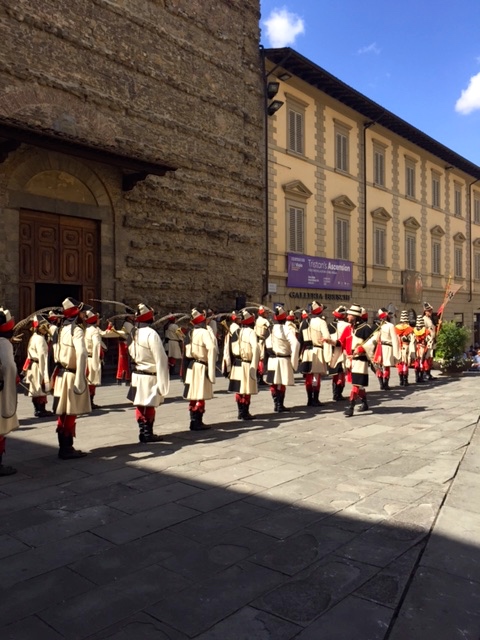
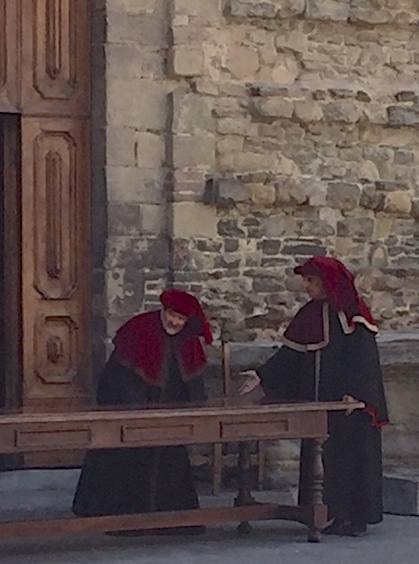
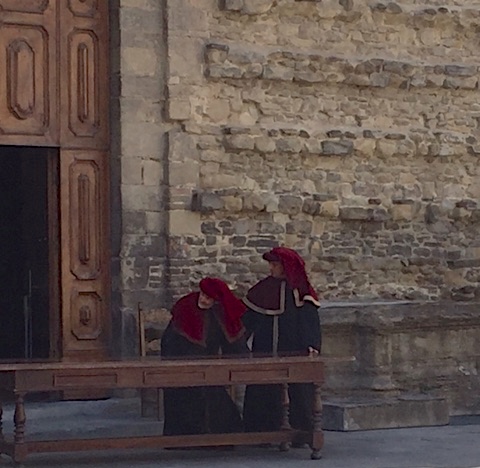
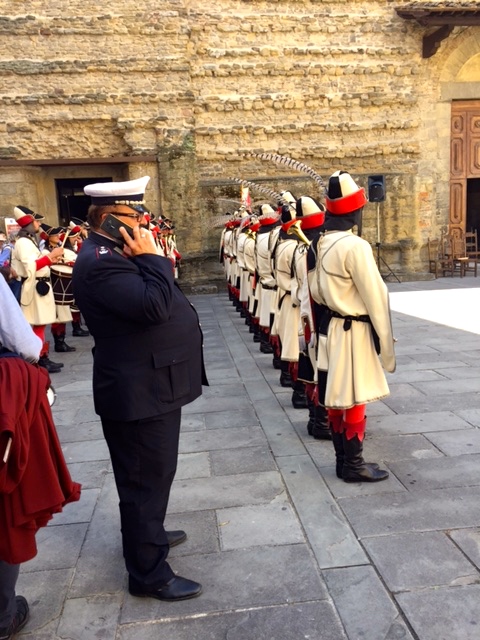
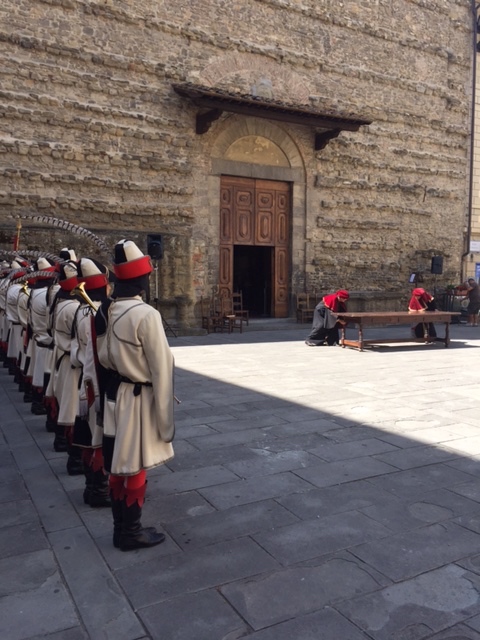
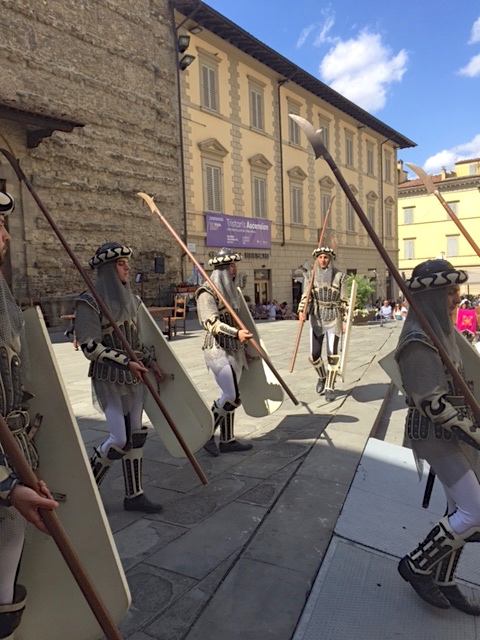
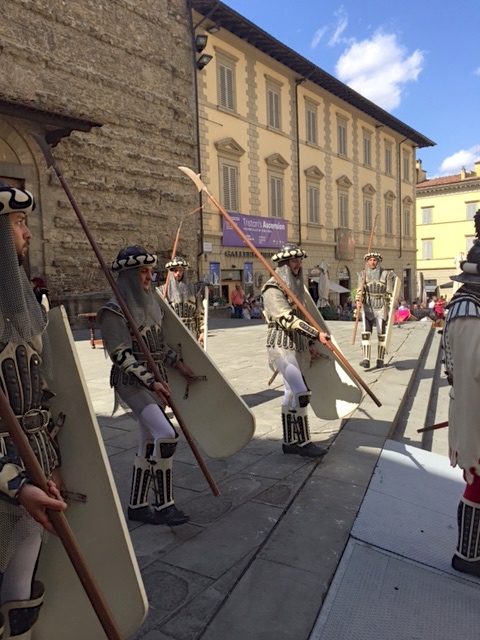
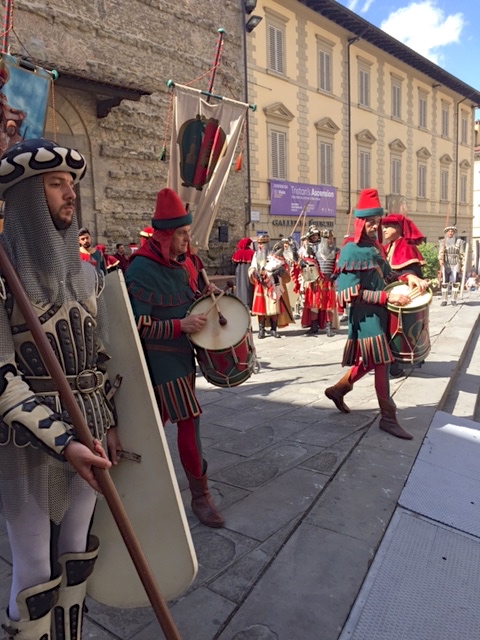
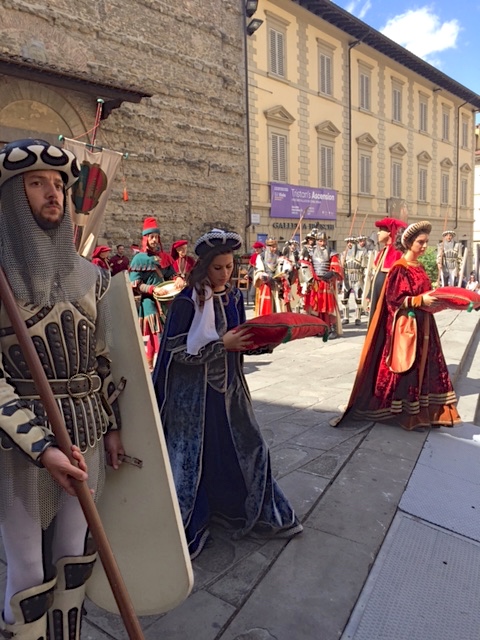
The joust – which became a typical tradition of Arezzo at the beginning of the 17th century – declined progressively during the 18th century and eventually disappeared, at least in its “noble” version. After a brief popular revival between the 18th and 19th century, the joust was interrupted after 1810 to reappear only in 1904 in the wake of the Middle Ages reappraisal. The joust was restored in 1931 as a form of historical re-enactment set in the 14th century, and quickly acquired a competitive character.
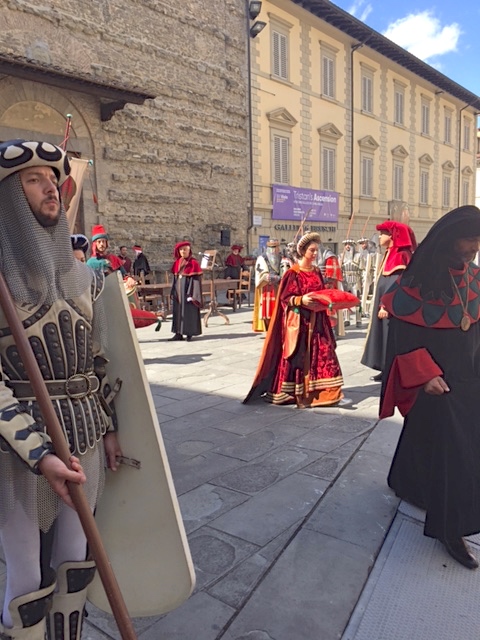
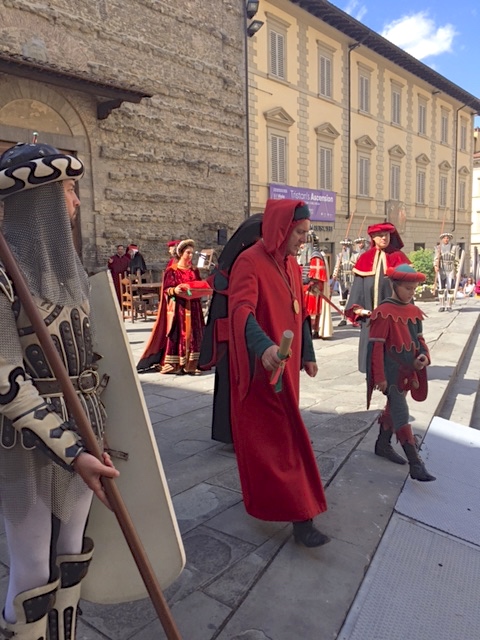
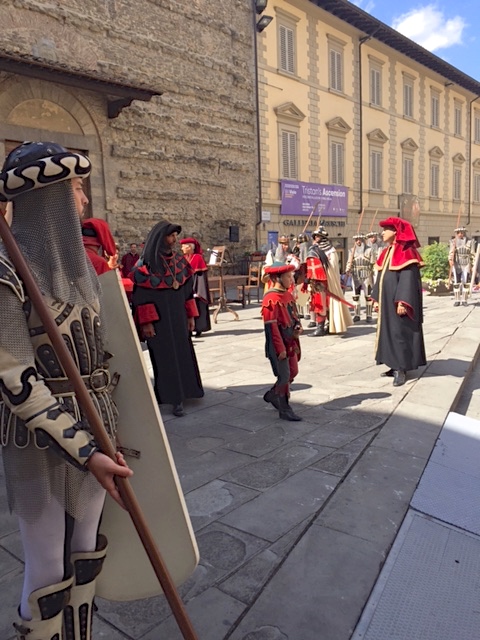
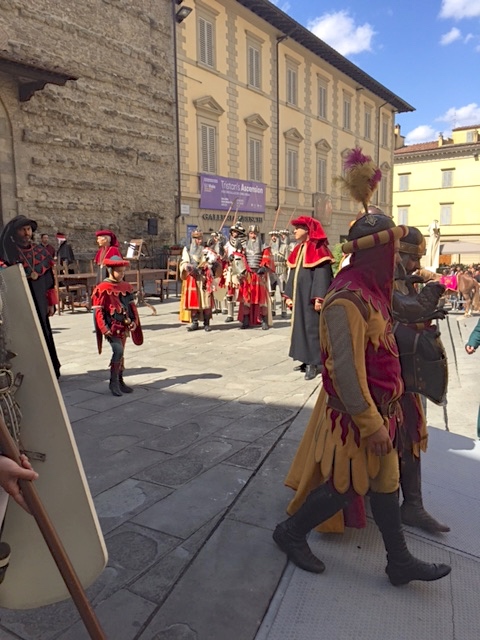
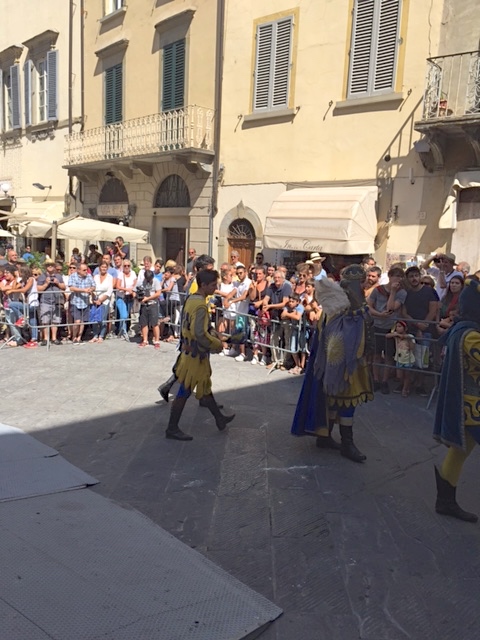
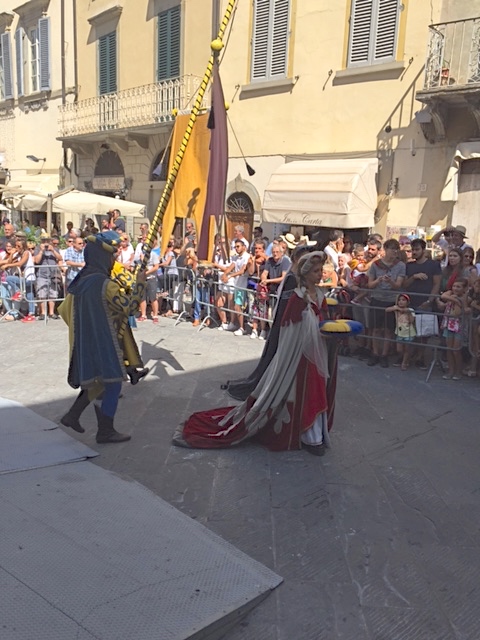
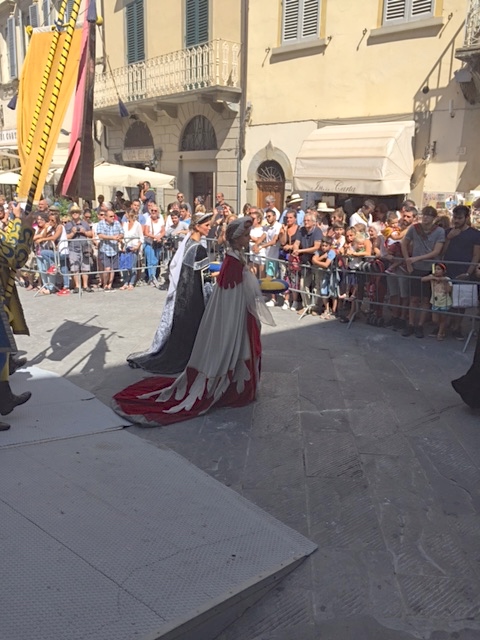
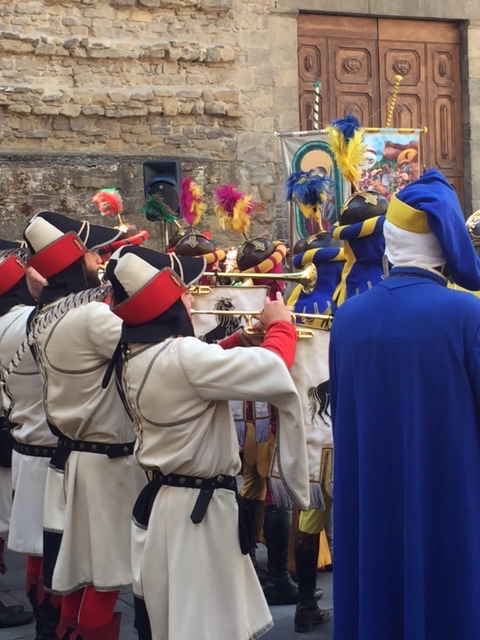
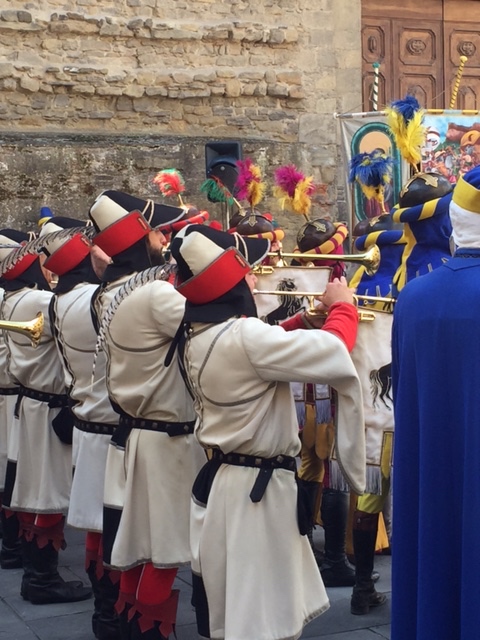
The historical reenactment takes place every year in Arezzo on one Saturday night in June (the so-called San Donato Joust, dedicated to the patron saint of the town) and on the afternoon of the first Sunday of September.
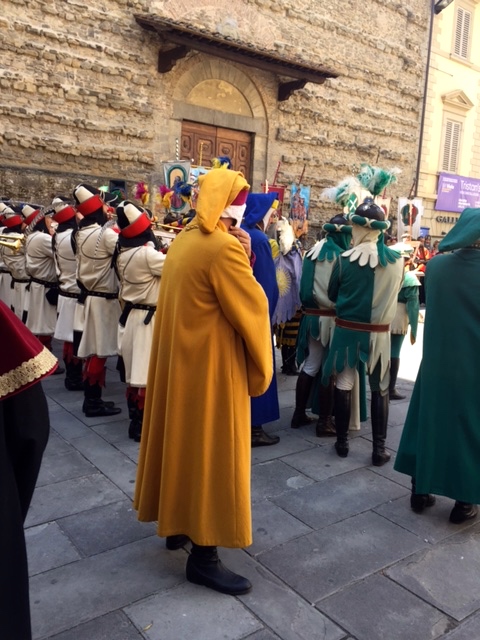
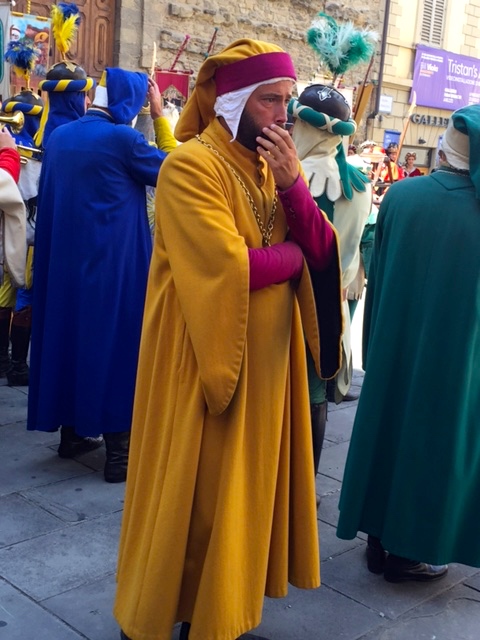
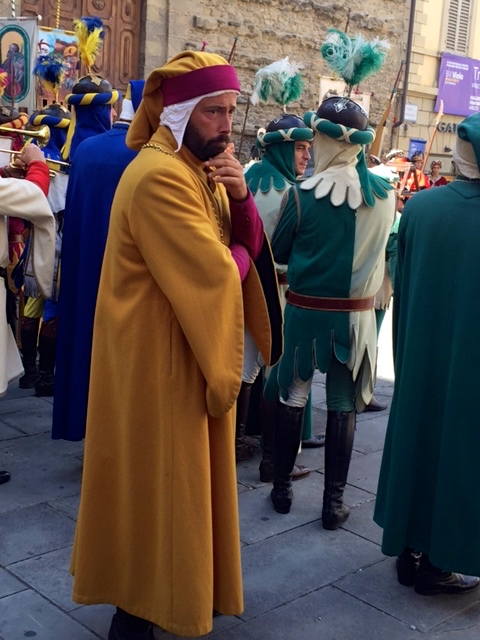
The teams in the event are the four quarters of the town of Arezzo:
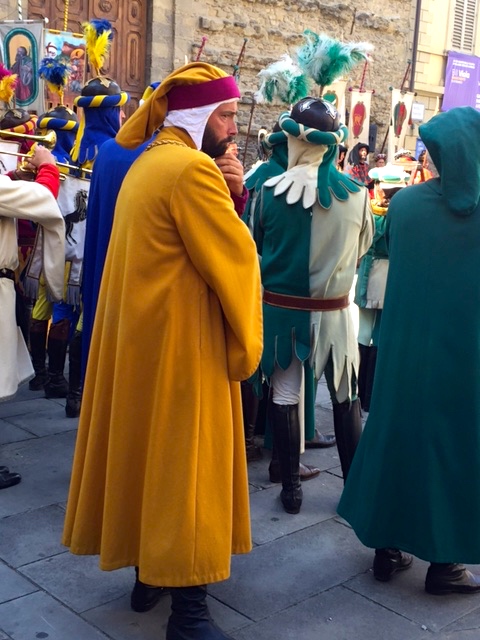
The jousting day starts in the morning, when the town’s Herald reads the proclamation of the joust challenge, and then continues with a colorful procession of 350 costume characters and 27 horses parading along the streets of Arezzo. The highlight of the parade, which is given by the Bishop of Arezzo and takes place on the steps of the Duomo, is the blessing of the men-at-arms and their horses.
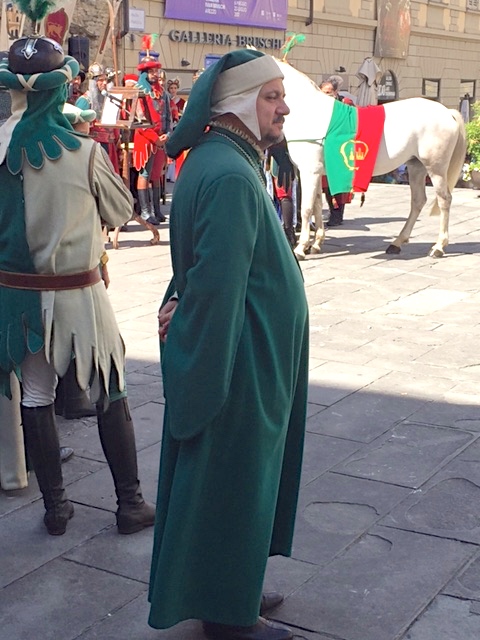
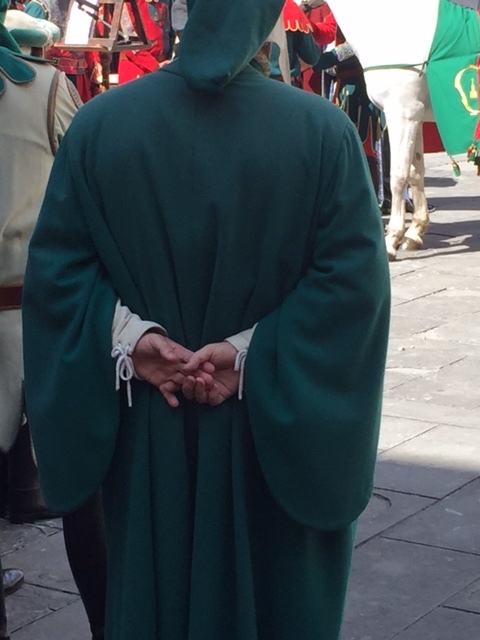
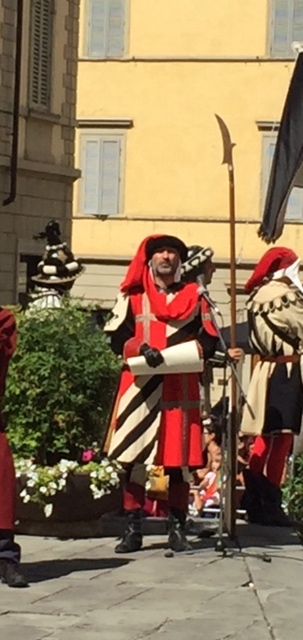
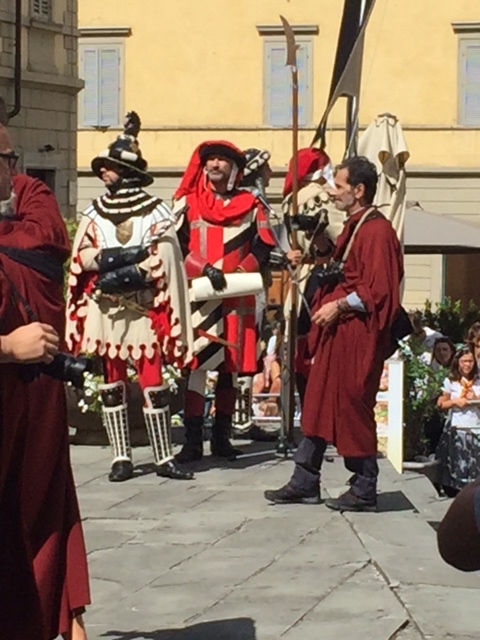
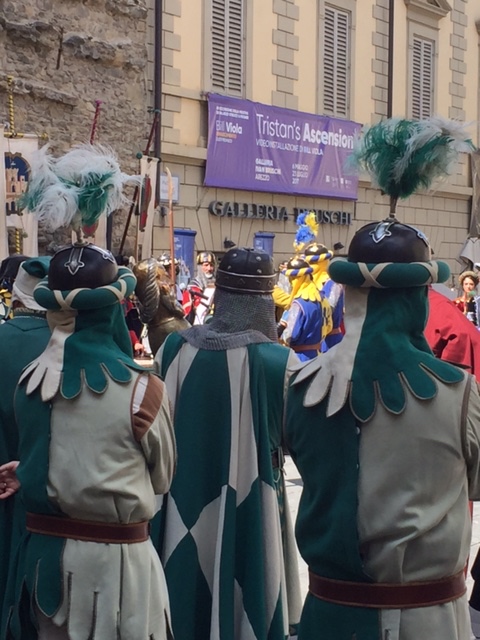
The knights’ tournament is held in the Piazza Grande, guided by the Maestro di Campo and preceded by the costumed characters and the town’s ancient banners entering the square, accompanied by the sound of trumpets and drums. The highest authorities of the Joust enter the square (the magistrates, the Jury, the quarters’ presidents), the performance of flag-wavers, the jousters galloping into the racing field, each knight representing an ancient noble family of Arezzo, the knights’ arrangement on the lizza (jousting track), the Herald reading the Challenge of Buratto (a poetic composition written in octaves in the 17th century), the crossbowmen and the soldiers greeting the crowd shouting “Arezzo!”, the magistrates’ authorization to run the joust and finally the Joust’s musicians playing the Saracen Hymn, composed by Giuseppe Pietri (1886–1946).
Then, the real competition starts. The jousters of the four gates gallop their horses with lance in rest against the Saracen, an armor-plated dummy representing a Saracen (“Buratto, King of the Indies”) holding a cat-o’-9-tails. The sequence of charges is drawn on the week preceding the joust during a costumed ceremony in Piazza del Comune. It’s almost impossible to foresee the result of the joust will be: it depends on the ability, the courage and the good-luck of the eight jousters who alternate on the packed-earth sloping track (the lizza) that runs transversally across Piazza Grande.
The competition is won by the couple of knights who hit the Saracen’s shield obtaining the higher scores. The quarter associated to the winning knight receives the coveted golden lance. In the event of a draw between two or more quarters after the standard number of charges (two sets of charges for each jouster), the prize is assigned with one or more deciding charges. At the end of the joust, mortar shots hail the winning quarter.
The rules of the tournament are contained in technical regulations that repeat – virtually unchanged – the Chapters for the Buratto Joust dating back to 1677. They are easy to understand, and yet worded in such a way as to guarantee a long-lasting suspense. The outcome of the fight between the Christian knights and the “Infidel” is undecided until the very last moment due to dramatic turns of events. For instance, jousters may be disqualified if they ride accidentally off the jousting track, or their scores may be doubled if their lance breaks after violently hitting the Saracen.
“But the Italian knows that nothing can or will be done in his country, and that if it is done it certainly will not be done quickly.
This is his experience. After all, with all the shifting coalitions and merry-go-round of prime ministers, most people here haven’t seen a real change of government in their lifetime.
Thus an Italian’s satisfaction, when he talks about politics, will lie in feeling that he has analyzed the situation accurately, appreciated its ironies, seen the pros and the cons, absorbed the subtleties, and above all gone beyond the crude simplicity of foreigners who talk in ingenuous terms about changing things.
Parks, Tim. Italian Neighbors (Kindle Locations 1400-1405). Grove/Atlantic, Inc.. Kindle Edition.
“The role of the table in Italian life is relentlessly emphasized in advertising of all kinds and even reflected in the grammar of the language.
Il tavolo is the word for the physical object, whereas la tavola— the same word but in the feminine— is untranslatable into English.
Its connotations encompass the meal and its preparation, quality, consumption and— most important— enjoyment.
Il tavolo is a piece of furniture on which to rest plates and cutlery.
La tavola signifies an experience in which china and glass, knives and forks play only a very small and functional part. When, for example, Italians want to describe the joys of good eating and drinking, they talk of i piaceri della tavola.
Hooper, John. The Italians (pp. 96-97). Penguin Publishing Group. Kindle Edition.
Every year many Italians observe Assumption Day, also known as Ferragosto, on August 15. This national holiday celebrates the Catholic belief that God took the body of Jesus’ mother Mary into heaven at her death.
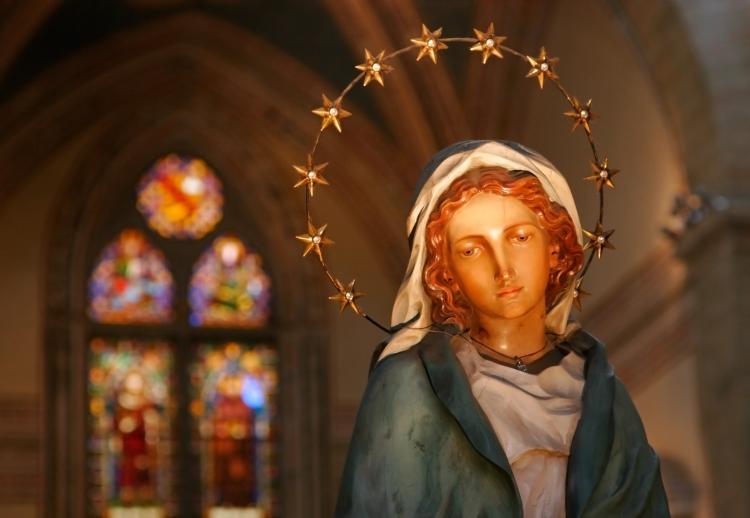
Ferragosto is a widely celebrated national holiday in Italy during the summer. It involves processions of people carrying the statue of Jesus’ mother Mary in many towns and cities.
One of the days of the Palio di Siena, or Il Palio in the city of Siena in Tuscany is held on August 16, coinciding with Assumption Day. This event involves a horse race around the Piazza in the city. Firework celebrations also take place on evening of Assumption Day.
For many years, many Catholic churches in Italy celebrate Ferragosto, or the feast day of the Assumption of Mary. Many churches in Italy believe that August 15 is the day that God assumed the Virgin Mary into Heaven at the end of her life.
However, its origins date further back to pre-Christian times when August 15 was a Pagan holiday. The Catholic church later adopted this date to commemorate the belief of Mary’s assumption into heaven.
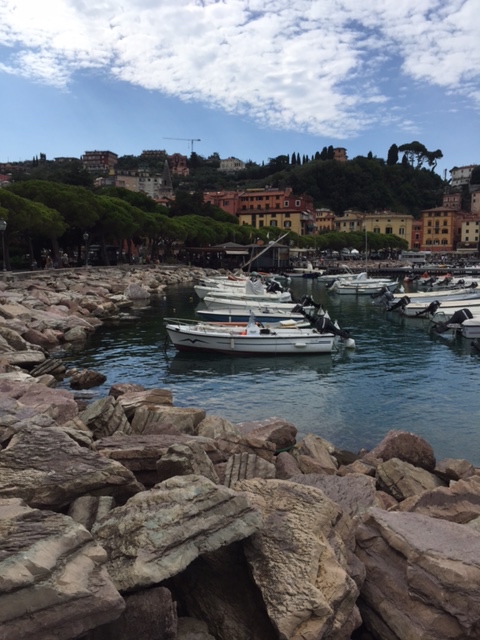
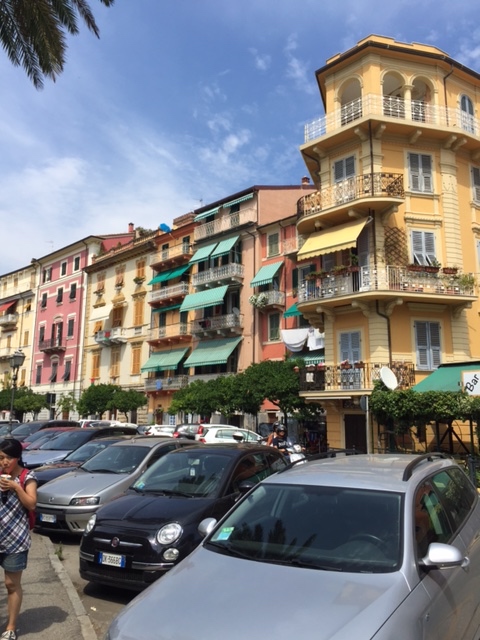
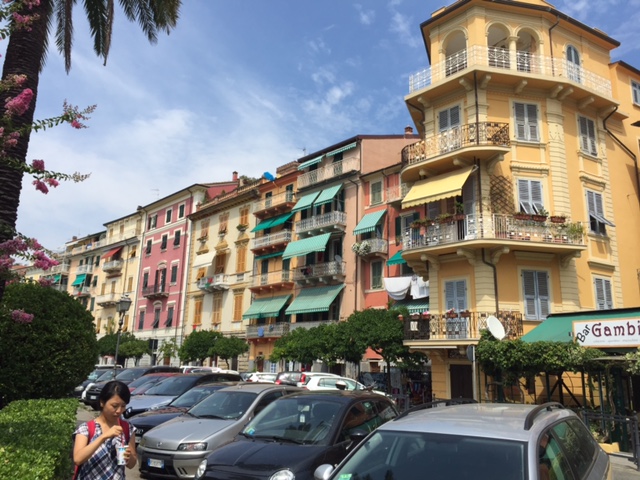
On the Via della Pace in Tellaro on the Italian Riviera, 6 Agosto 2017. Charmed.
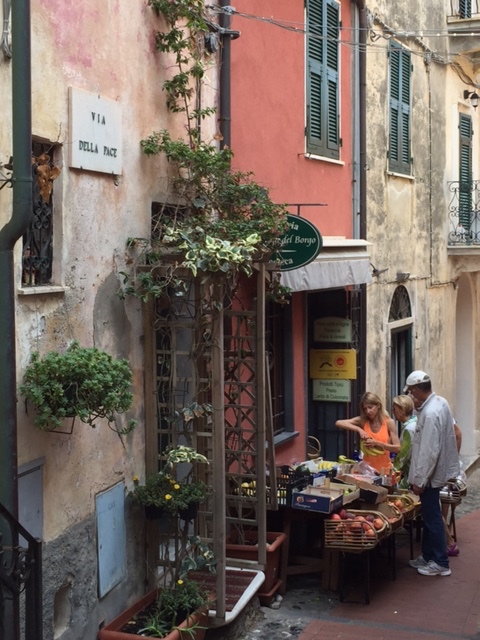
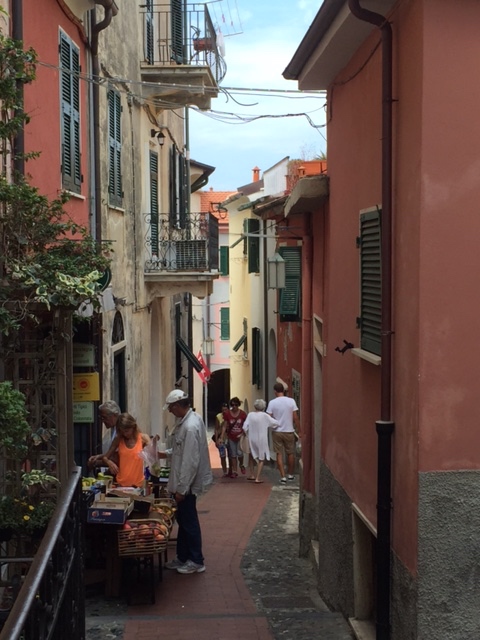
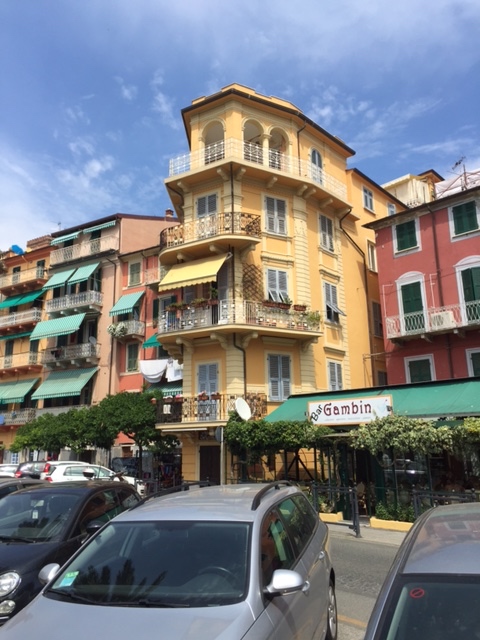
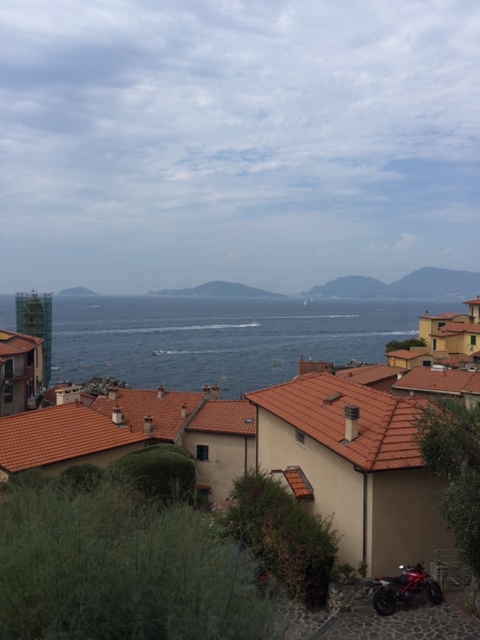
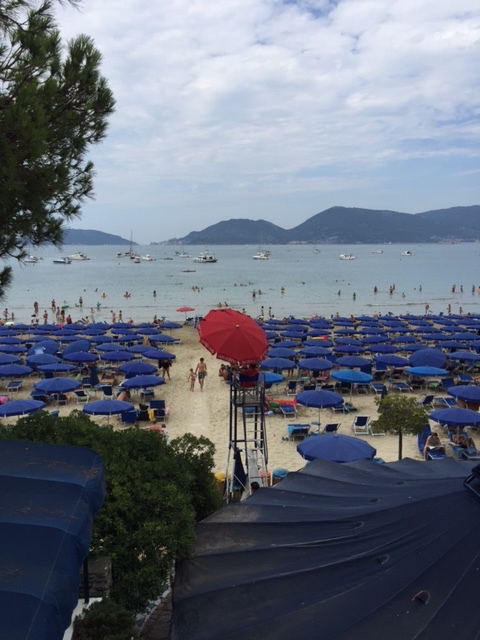
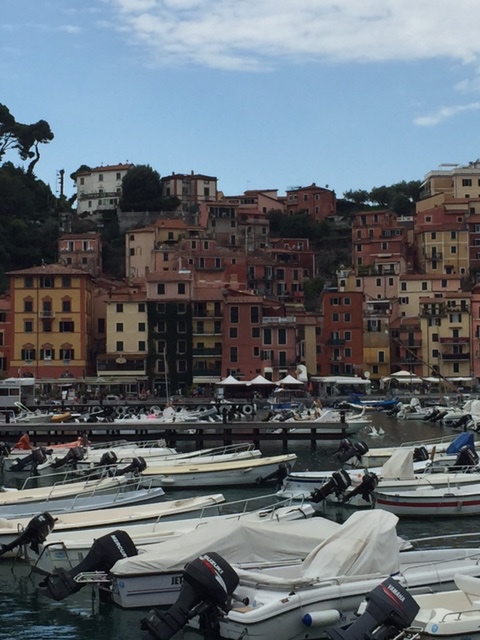
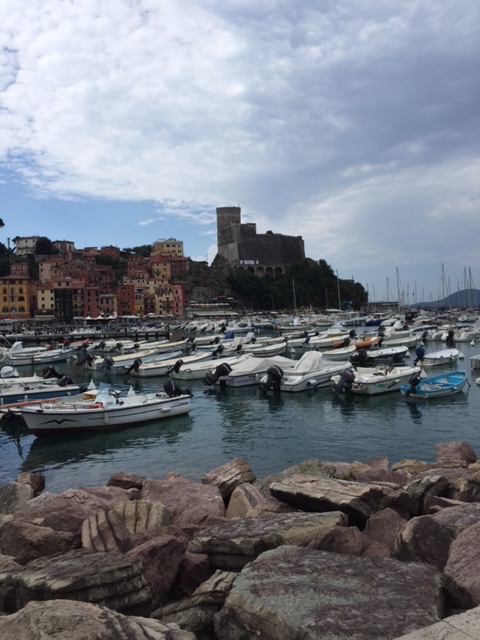
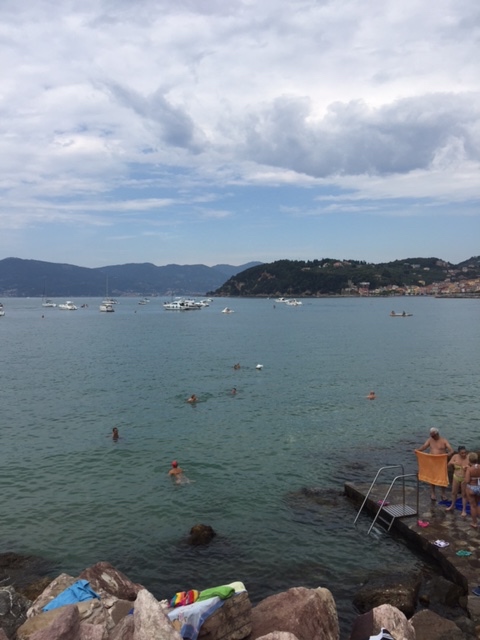
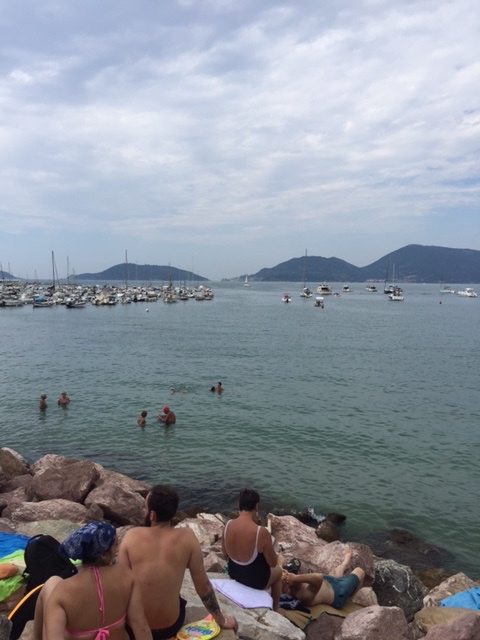
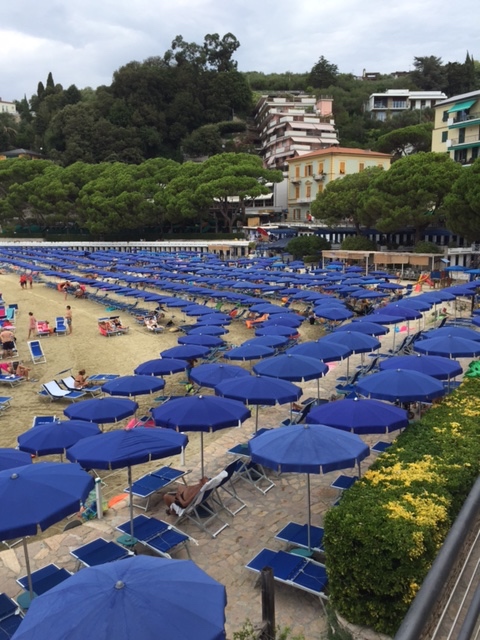
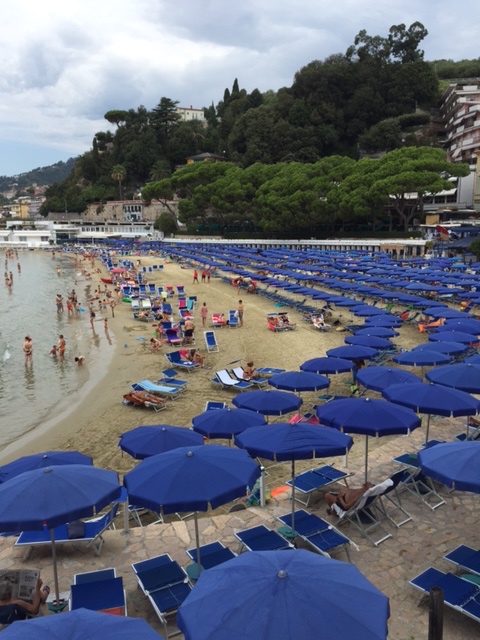
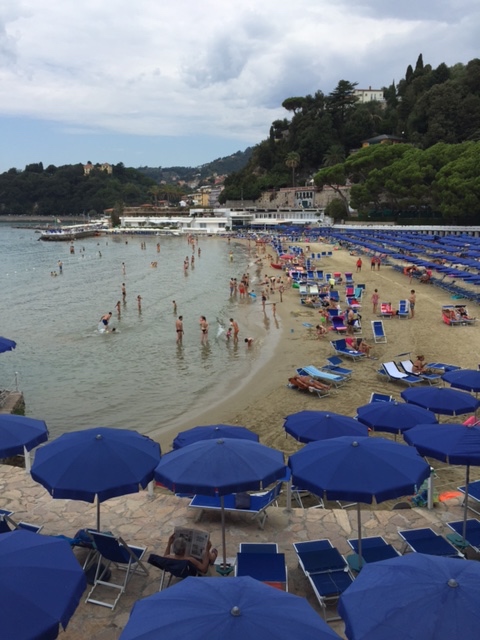
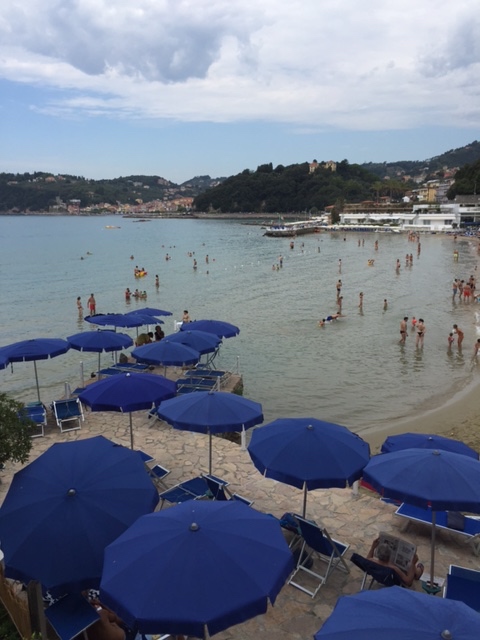
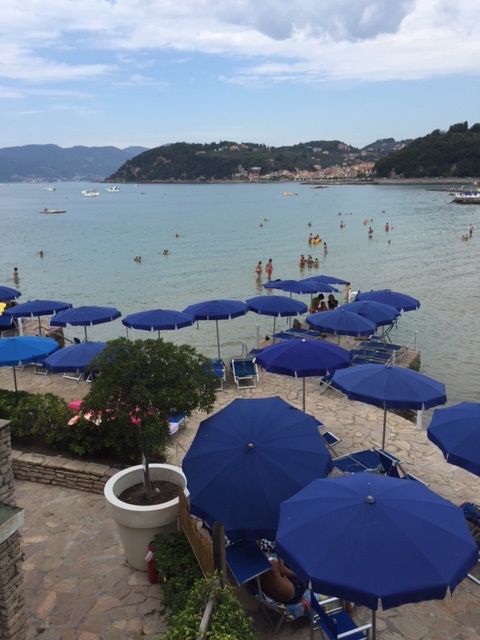
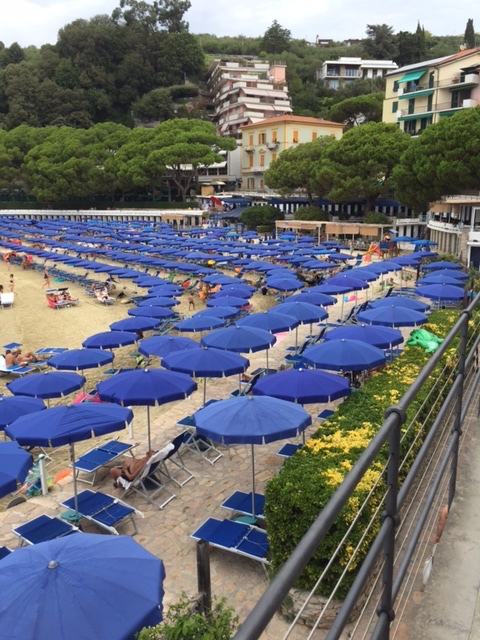
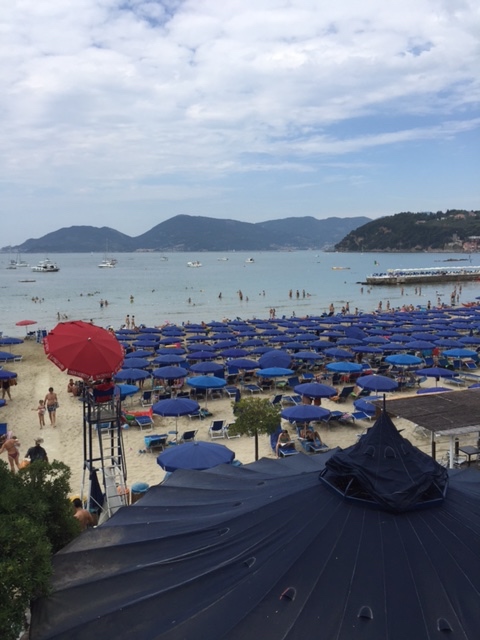
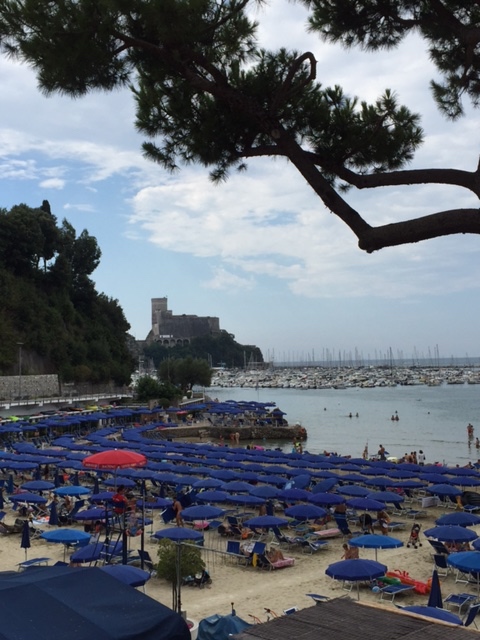
During Lucifer, the so-called heat wave that is burning up Europe, or during any summer season, Italians flock to il mare. It’s relatively easy to do, since the long, narrow bel paese is surrounded by water.
I was on the Italian riviera myself over the weekend, seeking cooler air and beautiful vistas, and I was very entertained by the “let it all spill out” attitude on view. See for yourself!
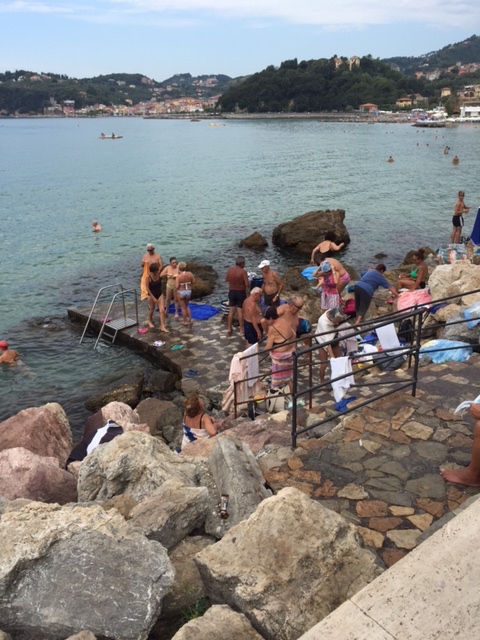
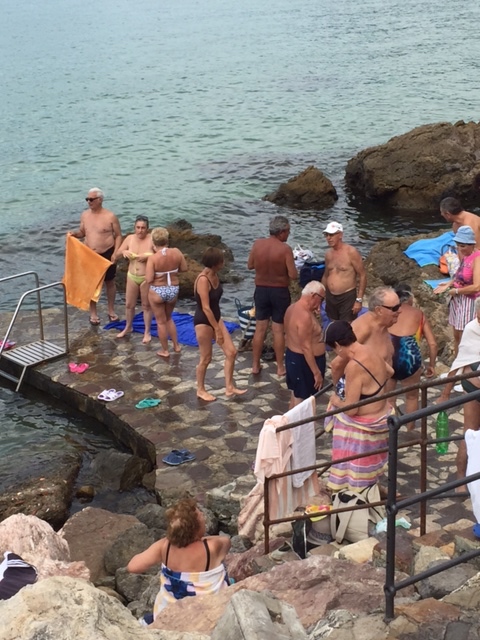
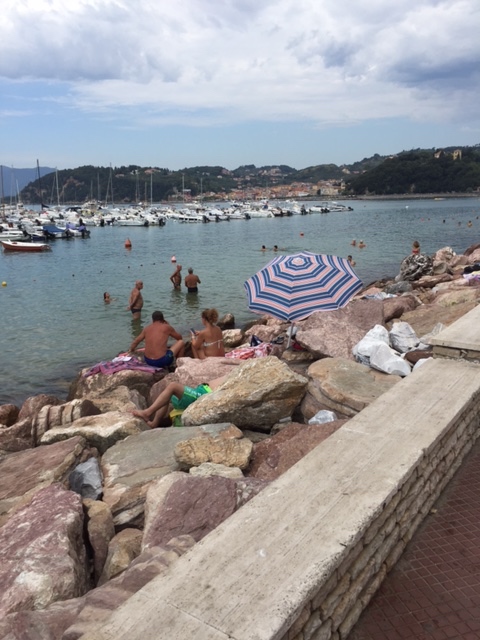
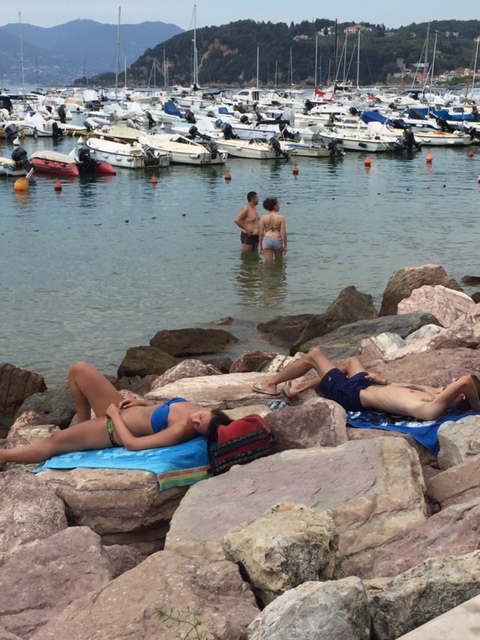
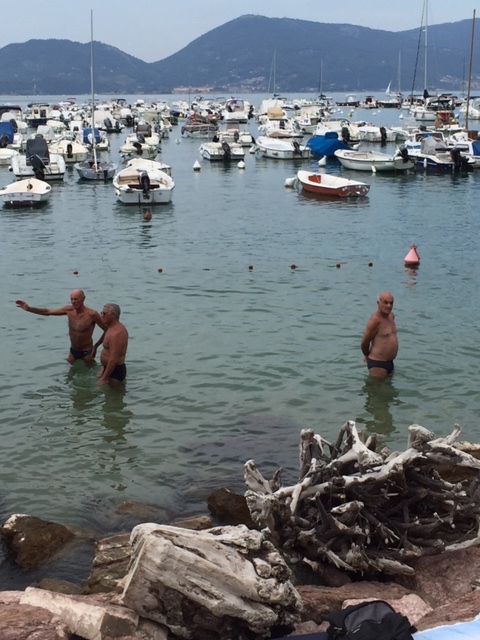


My friend and I dined in a lovely seaside restaurant, feasting on shrimp, calamari and clams, and were mightily entertained by the casual dress– and lack thereof– on display. I was confronted with more bare skin from more usually unbared areas of more bodies past their prime than I want to remember!
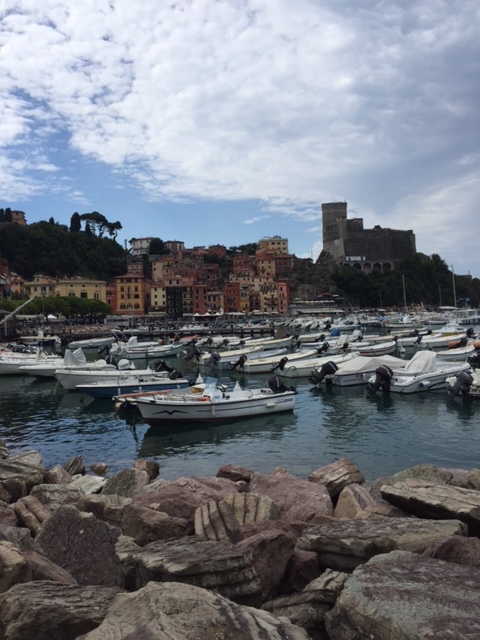
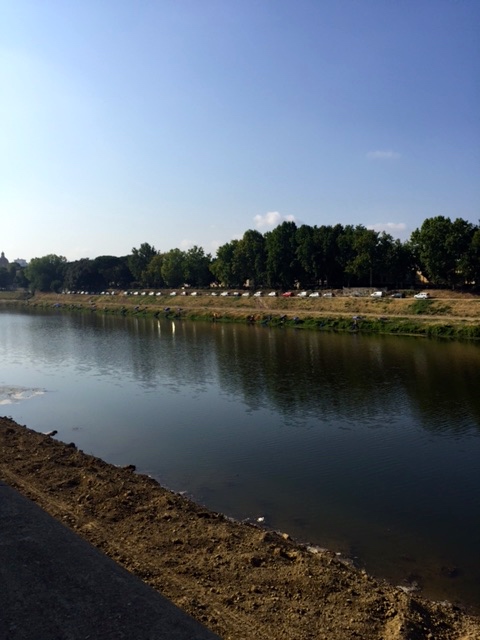
See that line of parked cars along the south bank of the River Arno? I was walking along the Lungarno on Sunday morning, very early, to beat the heat. I was amazed to see this long line of cars only because down by the river there was a matching row of fishermen!
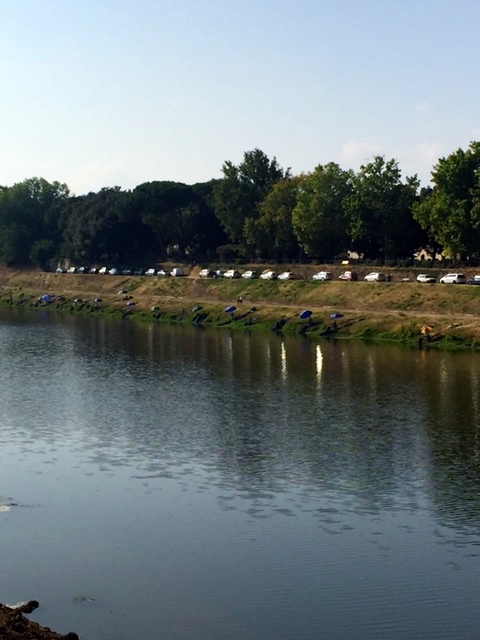
At least for every car, there was one fisher person. They were seated on platforms along the Arno, with really long poles. I have no idea what fish they catch, but it must be worthwhile.
Fishing in the city!
You may look at the photo below and think, that’s not the best shot of Giotto’s Campanile that she’s posted recently.
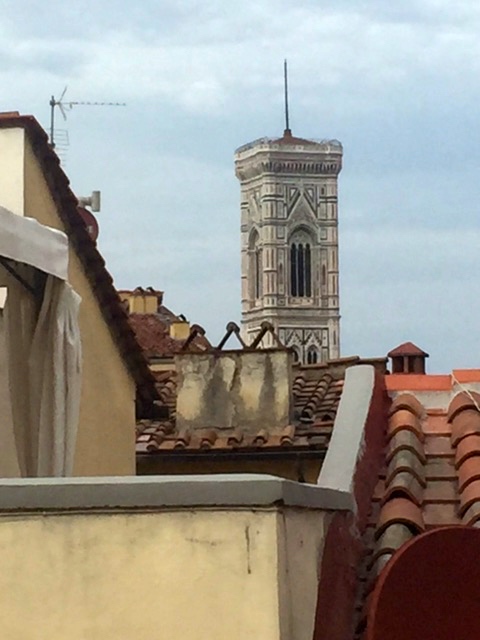
And you’d be right! It isn’t! But, what I’m trying to focus on is the terra cotta chimney topper on the chimney in the middle of the picture. See it?
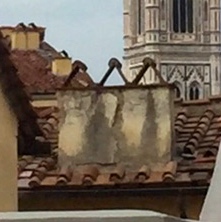
This thing. I’m talking about this chimney topper of 3 upside down V’s.
What I’ve noticed about living up high above historic Florence is that there are all manner of interesting and artistic chimney toppers. I love looking at them.
For example, there’s also this one:
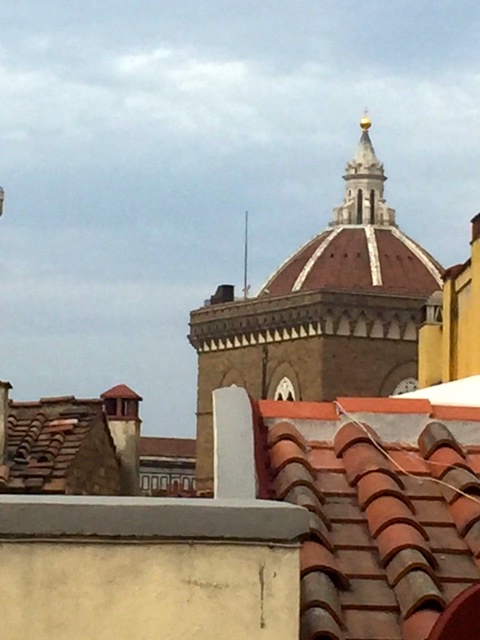
I know, you’re probably looking at the Duomo dome. But I’m focusing right now on this thing:
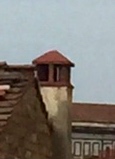
It’s another cool terra cotta chimney topper and it looks like a little Roman temple!
Then there’s this:
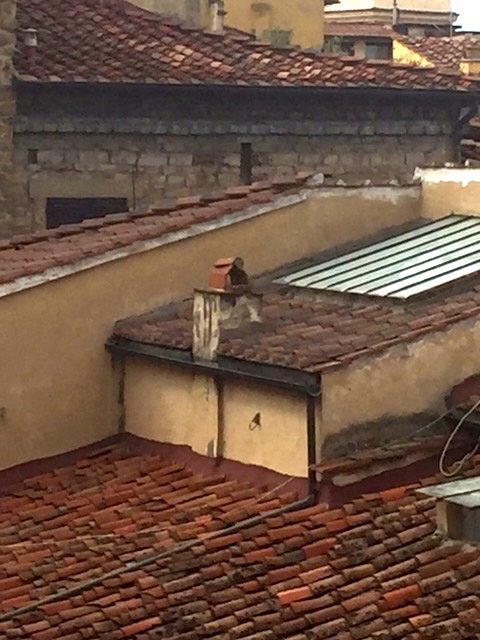
I’m sure that by now your eye is trained and you can focus right on the chimney topper. This one looks like a little barn with a rolled top.
I’ve yet to see any two chimney toppers alike!
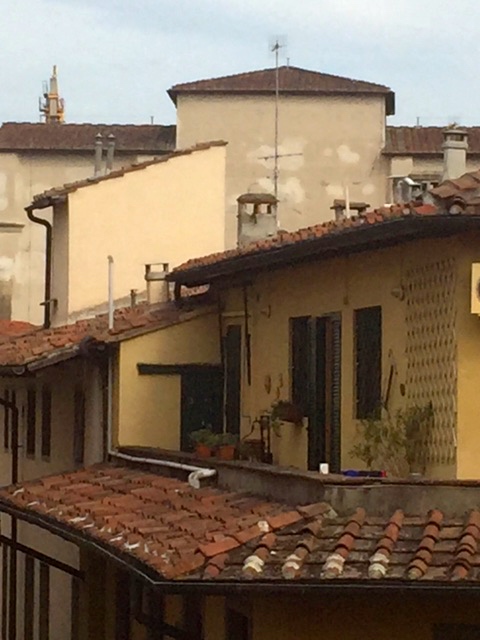
I mean, just look at all the types in any one view! It’s rather amazing.
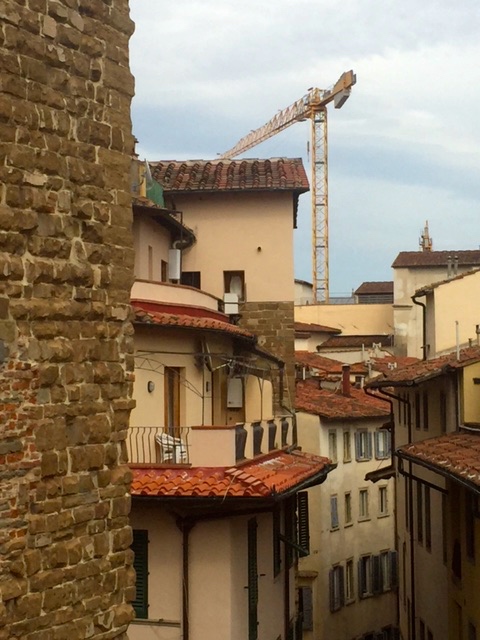
And then I start noticing how people up at this level like to decorate their terraces. Check out the line of matching ceramic pots in the picture above. See them?
There. You got it!
 get back, lauretta!
You must be logged in to post a comment.