There’s an interesting place in Florence that was, when it was founded in 1828, an extremely bucolic locale.
Today, it stands isolated as an island (Piazzale Donatello) in a ring road system, which is really too bad. Nevertheless, knowing how land development works all over the world, it is a comfort that the place still survives.
The cemetery was founded to provide a solution to a very real problem. Before 1827, non-Catholics who died in Florence had to be buried in Livorno. The cemetery acquired the name ‘English’ because Protestants, most of whom were English, had to be buried outside the medieval city walls.
The English Cemetery was officially closed in 1877, when the medieval walls of Florence came down, making burials within the city boundary illegal, and for a century and a quarter the mini-necropolis remained locked and neglected.
Fortunately, Julia Bolton Holloway, a literary scholar specialising in the works of Elizabeth Barrett Browning – whose Penguin Classic Anthology she co-edited – took on responsibility for the cemetery. It was reopened to the public in 2003 for the reception of ashes but not bodies, and Holloway is actively raising restoration funds.
Ted Jones, wrote the following in his book, Florence and Tuscany: A Literary Guide for Travellers:
When I called, she [Julia Bolton Holloway] was re-lettering a gravestone, and she has set up a number of charitable institutions to ensure its future maintenance. Today, with the gardens replanted and well-maintained and the memorials inscribed and re-erected, it is a pleasure to visit, and well worth the slalom through the traffic – safe in the knowledge that if you don’t make it to the cemetery, there is a hospital next door.
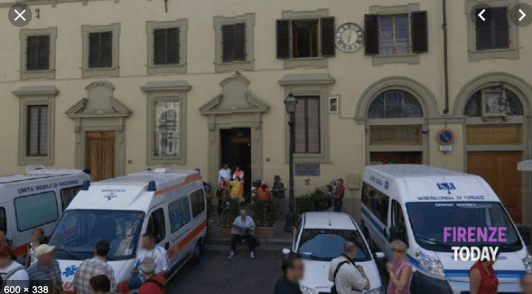
The Venerabile Arciconfraternita della Misericordia di Firenze (La Misericordia) is a lay confraternity founded in Florence in the 13th century by St. Peter Martyr (St. Peter of Verona) with the aim of extending evangelical mercy to the needy.
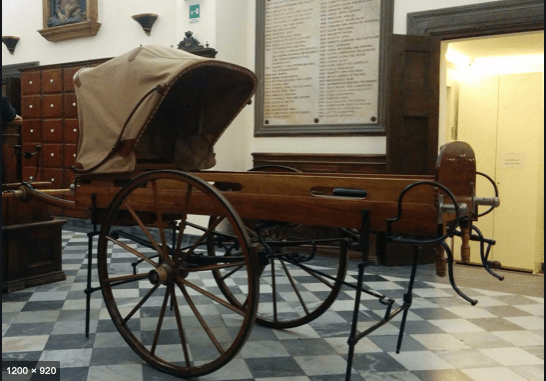
It is the oldest Brotherhood in Florence dedicated to caring for the sick and, in general, the oldest private voluntary institution in the world still active since its foundation (1244). Its lay members, called brothers, still continue to provide part of the transport of the infirm in the city.
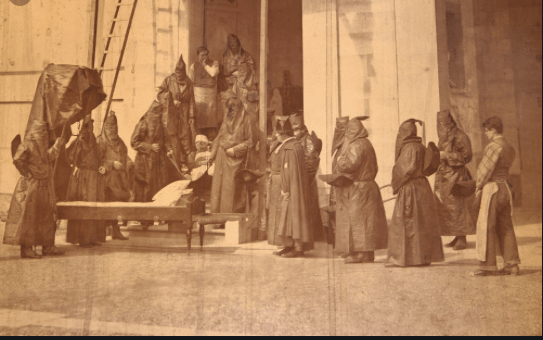
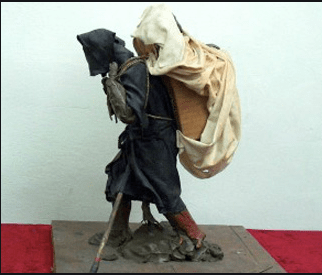
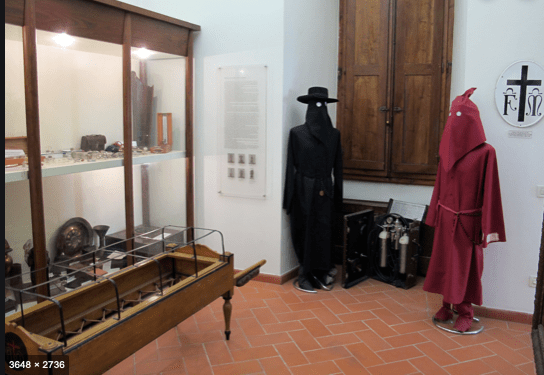
To preserve the egalitarian spirit of the company, all of its members wore long black robes (during the Middle Ages the garments were red) and black peaked hoods that cover the face with two holes for the eyes. With this disguise patients never knew if they were being carried to the hospital by a count or a cobbler. It was only in 2006 that the traditional black dress was relegated for use only in ceremonies, due to national regulations.
For a century or so, the confraternity shared space with the Compagnia del Bigallo. In 1525, the Misericordia moved elsewhere; but in 1576 it moved to the corner of Via Calzaiuoli, where it has remained ever since.
The Venerable Archconfraternity of Mercy, which has never known a single break in its charity work since its foundation, was established “for the purpose of assisting and accompanying the sick and the accident-prone to hospital and removing bodies from the street”. The latter role was crucial during such disasters as flooding or the plague. The company also collected alms to help poor girls marry and to the bury the dead.
When the association was founded in the 13th century, it was a time when family feuds and plagues were leaving a high number of disabled and dying people in the streets. This group of volunteers banded together to carry the wounded to hospitals and the dead to cemeteries.
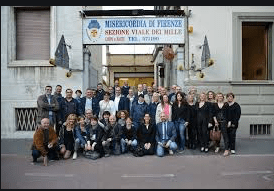
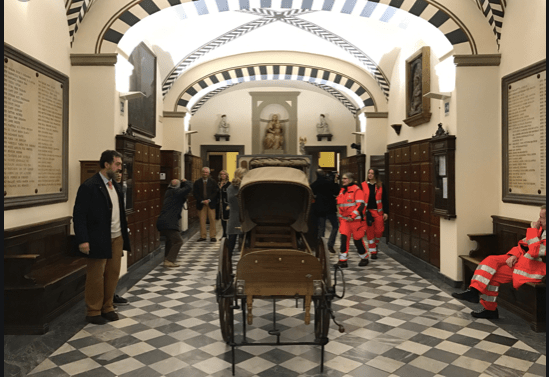
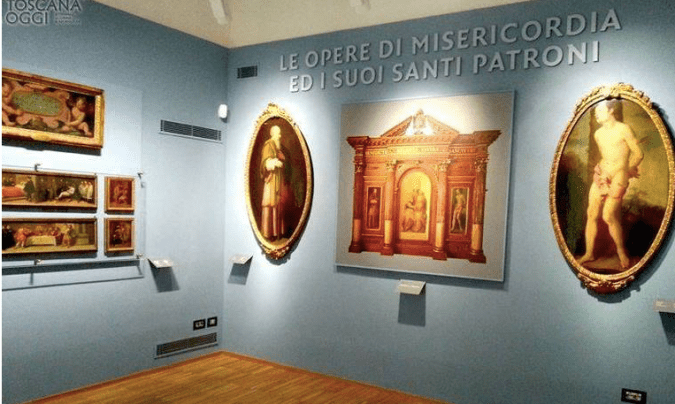
The headquarters for the Misericordia is in Piazza del Duomo 20 across the street and to the right of the Cathedral. Even if you’re not in need of any medical attention, you’re welcome to visit the headquarters and the church. It’s customary to leave a small donation. But, whatever you do, don’t fail to visit the museum. It’s hardly known and here, in the heart of Florence, where the hordes of tourists congest the city, you’ll be almost alone.
I highly recommend a visit of at least an hour to this interesting place; you will learn all kinds of things about the history of Florence and medicine here.
Ask anybody who visits Florence: is gelato important there?
Why, certo! Gelato plays a key role in Florence’s history. In the 16th century, a man named Ruggeri, a Florentine poultry seller, who liked to cook as a hobby, took part in a competition put on by the Medici between the best chefs of Tuscany for the “most original dish ever seen.” His “sorbet” ended up winning over all the judges and he and his recipe gained instant great fame.
Also in 16th-century Florence, Bernardo Buontalenti, a famous architect, sculptor, and painter, who also loved cooking, was asked to prepare lavish banquets. His delicious zabaglione cream and fruit were an enormous hit, the start of the famous “crema fiorentina” and “gelato buontalenti” still around to be enjoyed in all of Florence’s top gelato spots.
Venchi (via dei Calzaiuoli, 65/R): a gelato made with select ingredients, like hazelnut (exclusively from I.G.P. Piedmont hazelnuts) and the famous “Venchi” chocolate they make themselves.
Vivoli (via dell’Isola delle Stinche, 7/R): Florence’s oldest gelateria, featuring sophisticated combinations as well as gluten-free options.
Dei Neri (via dei Neri, 9/11): a great variety of flavors, including some original ones, and gelato-based creative pastries.
La Carraia (piazza Nazario Sauro, 25/R): a secret, exclusive recipe, all natural, makes its gelato one of Florence’s most famous.
Grom (via del Campanile, 2): fresh fruit only, from the farm of the owner, uses no dyes, flavorings, preservatives, or emulsifiers for a gelato like “the days of yore.”
And, hand’s down, my favorite ice cream in Florence is “Buontalenti” from Badiani. It is second to none.
Dateline: Florence, Tuesday evening around 8 p.m., in my favorite Florentine piazza, Santa Trinita. How this lovely woman can master this space with her voice, while cars and Vespas are whizzing by, is a marvel to me.
In Maremma no one picks olives before November 2 (All Souls’ Day), by which point the green has begun mottling into black. This is why Tuscan olive oil is so justly famous; Umbrians and Apulians, by contrast, wait for the fruit to fall before they gather it, which makes their oil more acidic.
Usually it took us about three weeks, working six hours a day, to harvest our olives (from 38 trees). Once we were done, we’d pack them in plastic crates and haul them to one of the two frantoi (olive presses), this one located in a warehouse behind the consorzio agrario.
In the room through which you entered, tons of olives, either loose or in burlap bags through which a little moisture was already seeping, waited to be weighed and pressed. There would be at least one truck parked outside, bearing the immense crop of one of the larger aziende, a thousand kilos in comparison to which our five crates seemed meager.
Still, we gave them to the frantoiano to weigh, and he told us to how much oil we were entitled, using as the basis for his calculations a mysterious algorithm that took into account not only the quantity of olives but their relative oiliness in comparison to other years (on average, about twenty percent of the weight of the fruit). We’d nod acceptance of his terms.
Then he’d take our olives and throw them onto the pile with all the others, for generally speaking only huge crops were pressed individually; in the case of small harvests, the olives of several different families would be mixed together, which meant that one could never say truthfully, “This oil is mine,” though of course everyone said it anyway. Having deposited our olives, we followed the frantoiano into the next room, where the machinery itself was located.
This consisted of a huge tub and a stone grinding wheel, operated not by hand, as in the last century, but by a sophisticated system of gears. For sheer scale, it was daunting. The wheel was easily twice the size of the Bocca della Verità in Rome.
As for the tub: if you fell into it you would certainly be crushed in a matter of seconds. At the bottom, a muddy sludge of olive residue shifted and churned, while from its side a stainless steel pipe led to a series of distillation tubes and then to a tap from which a stream of oil was always pouring.
The oil was such a deep shade of green that you could not see light through it unless you held the bottle up to the sun. It gave off a slightly mulchy odor. This was the cold-pressed “extra virgin” oil for which Tuscany is famous. Later, the pulp would be pressed a second time, producing a paler oil; later still, the crumbly residue, by now the texture and color of potting soil, would be forced, thanks to the addition of certain chemicals, to yield yeta third grade of oil, almost colorless and used chiefly for deep frying.
Next the frantoiano—Paolo) who in the summer worked at the Bar Sport, and in the spring did construction at the Terme—asked us if we wanted to take our oil then or wait until “our” olives were pressed. We told him that now would be fine, at which point he began to fill our thirty-liter stainless steel oil urn.
One of our neighbors, a farmer with a lot of land, walked in and greeted us. We would have felt intimidated by his bigger harvest (this is the curse of masculinity) had not a tiny old man followed him in. In his right hand he held a straw basket containing at most twenty olives, in his left a biberon—a baby bottle.
Leavitt, David. In Maremma: Life and a House in Southern Tuscany (pp. 131-132). Counterpoint. Kindle Edition.
Leavitt, David. In Maremma: Life and a House in Southern Tuscany (p. 130). Counterpoint. Kindle Edition.
Leavitt, David. In Maremma: Life and a House in Southern Tuscany (p. 130). Counterpoint. Kindle Edition.
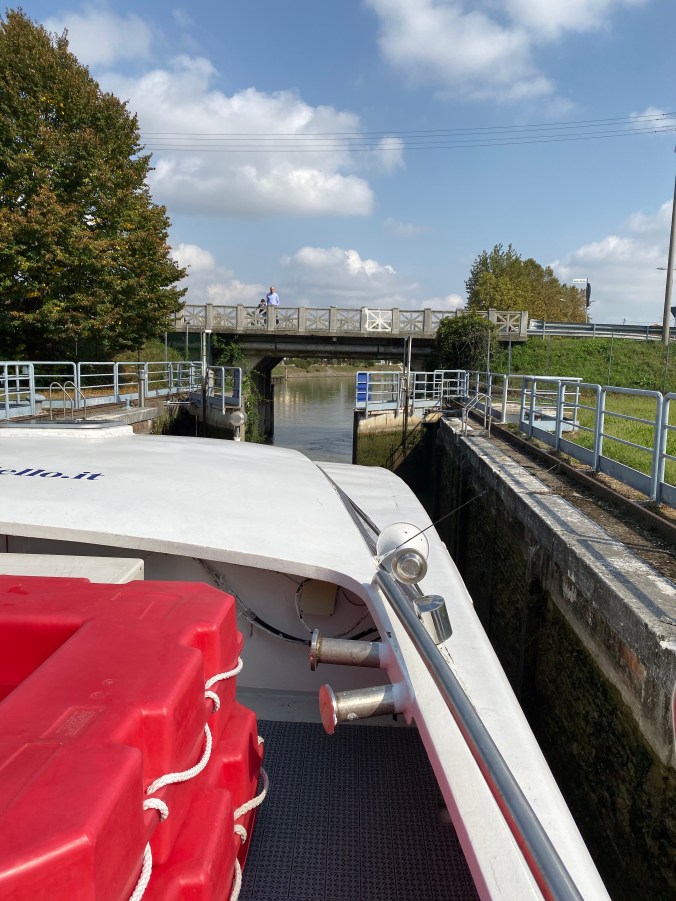
Back onboard the Burchiello, my cruise continued toward Venice from Stra. First we had to sail through the Dolo Locks.
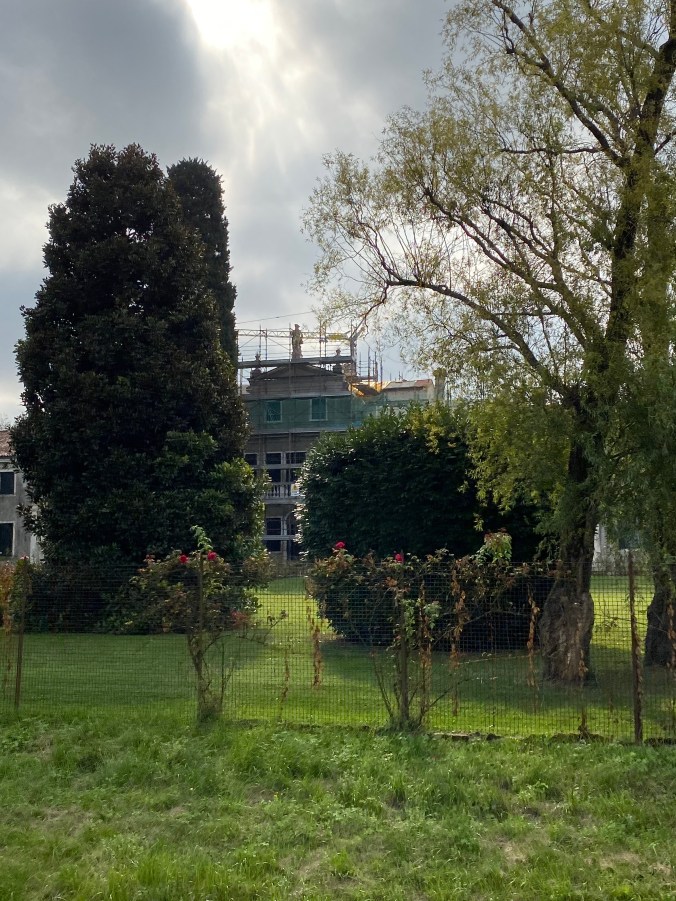
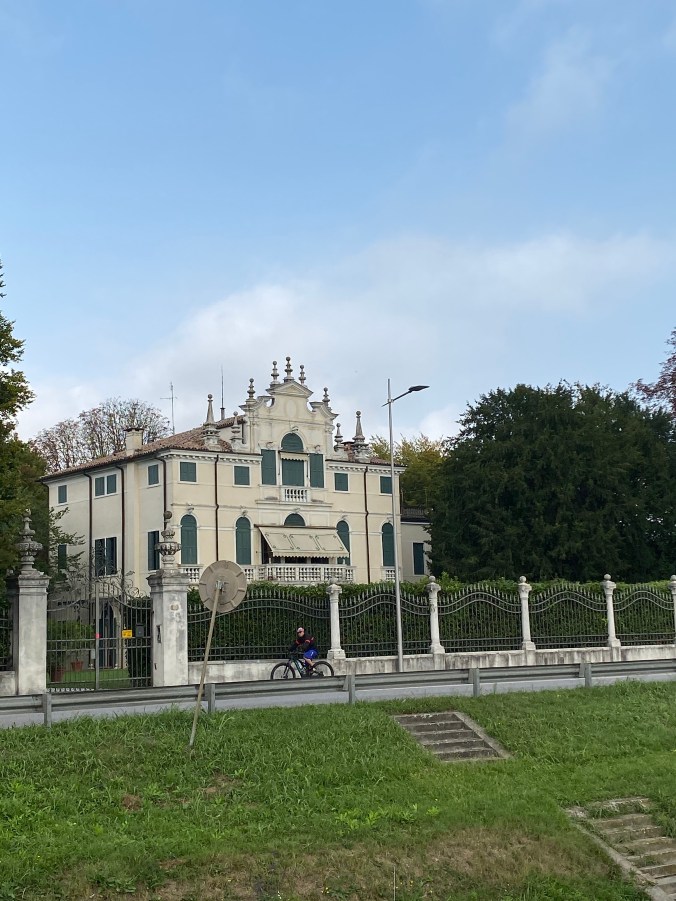
Soon we were passing many amazing ville, visible on the left and right banks of the canal. This area is around Mira, and has a high percentage of villas per square mile! We also passed very beautiful sections of the canals, with willow trees skimming the water and many fisherman catching their Sunday lunch.
It was smooth sailing and I had one of the best seats on the boat.
Next we passed through the Mira Locks.
We stopped at Villa Widmann, said to be a typical 18th century residence (that is if you were a part of the aristocracy!). It houses luscious frescoes and has lovely gardens.
1. Italy is only slightly larger than the state of Arizona
2. Italy’s population is about 58 million
3. About one-fifth of Italy’s population is over the age of 65
4. The average life expectancy of an Italian is 79.54 years, slightly higher than the U.S.’s 78.2-year average
5. The pizza was invented in Naples
6. The average Italian loves his bread! They eat about a half-pound a day!
7. The average Italian consumes 26 gallons of wine each year
8. Italy is the fourth most-visited country in the world, with about 5 million visitors annually
9. Italy has more hotel rooms than any other country in Europe
10. More than 75 percent of Italy is classified as either hilly or mountainous
11. Italy did not become a “united” country until 1861
12. Ice cream cones were invented in Italy, and so were eyeglasses!
13. Italy has more masterpieces per square mile than any other country, reflecting the country’s love for great art
14. The wolf is Italy’s unofficial national animal
15. The University of Rome is the largest in Europe, enrolling about 150,000 students at any given time
16. Italians suffer and have suffered more earthquakes than any other country’s people
17. The most common Italian surname is Russo
18. Each night, most Italians take a pre-dinner stroll known as a passeggiata
19. About 85 percent of Italians are Roman Catholic
20. In Italy, soccer fans are known as tifosi, carriers of typhus, due to their rowdy behavior
21. Italy boasts the world’s longest land tunnel, the 22-mile-long Lötschberg Base Tunnel, a railway link between Italy and Switzerland
22. Italians must be 18 years old to vote for the lower house of the parliament but cannot vote for the upper house – the Senate – until they are 25
23. The world’s first operas were composed in Italy and the country is still considered the opera capital of the world
24. There are two independent states that sit within Italy’s borders: San Marino and Vatican City
25. Every day, about 3,000 Euro are tossed into Rome’s famed Trevi Fountain. The money is used to subsidize a market for Rome’s needy.
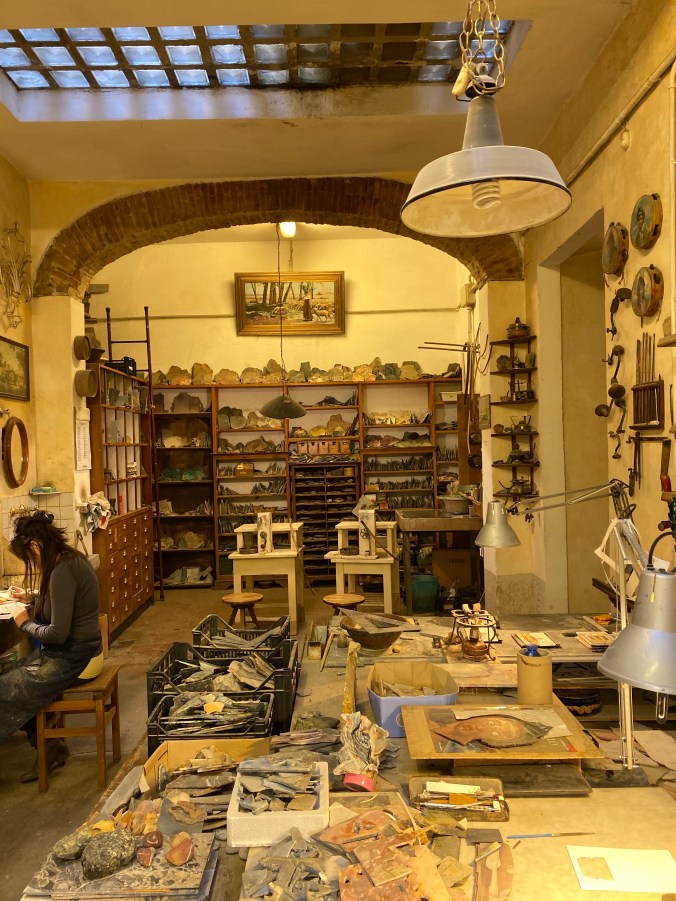
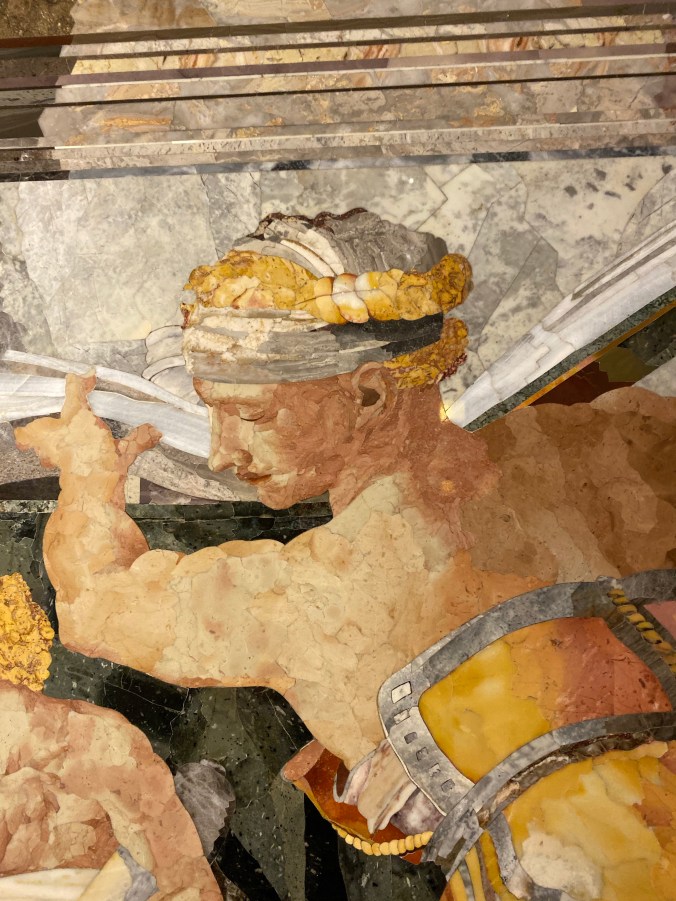
I just discovered an artisanal workshop last week in Florence. The shop is old and has an excellent pedigree. I’ve never had a big interest in the art of mosaics or pietre dure, so I’ve never sought out the shops.
But, I’ve always remembered that no less an expert than Giorgio Vasari described the finished works as “eternal paintings.”
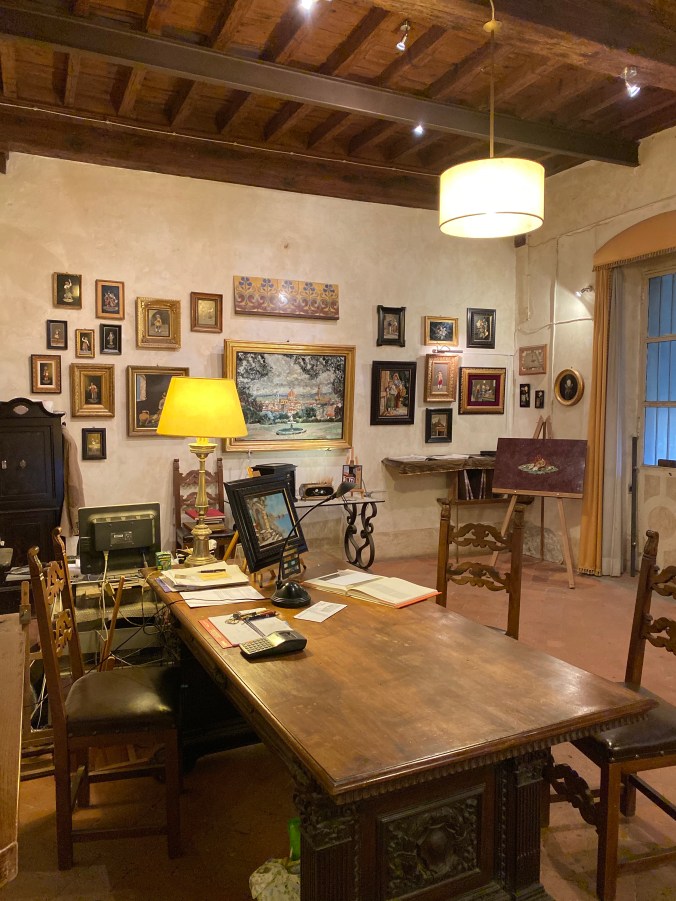
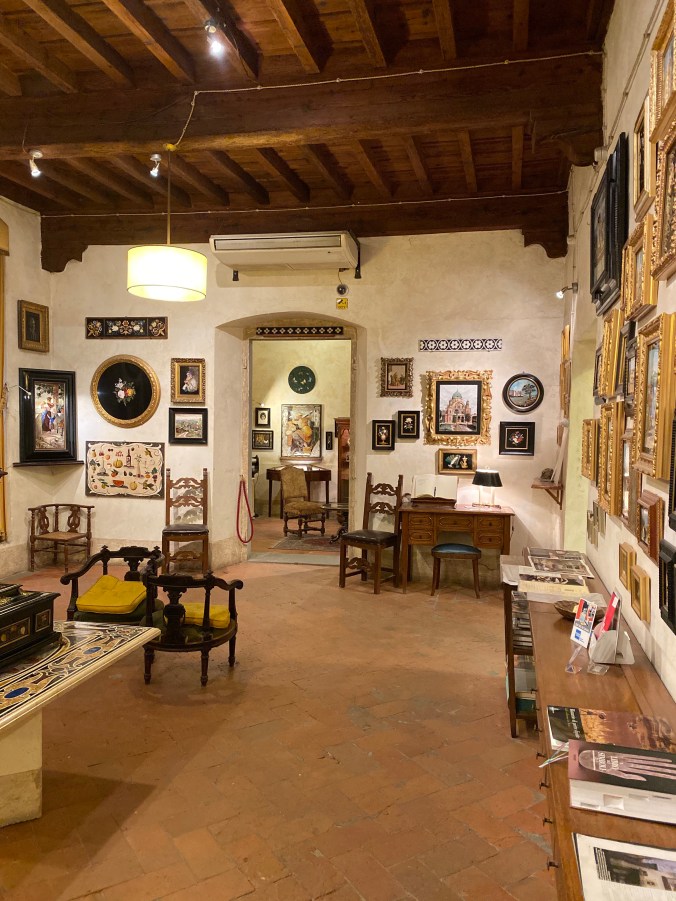
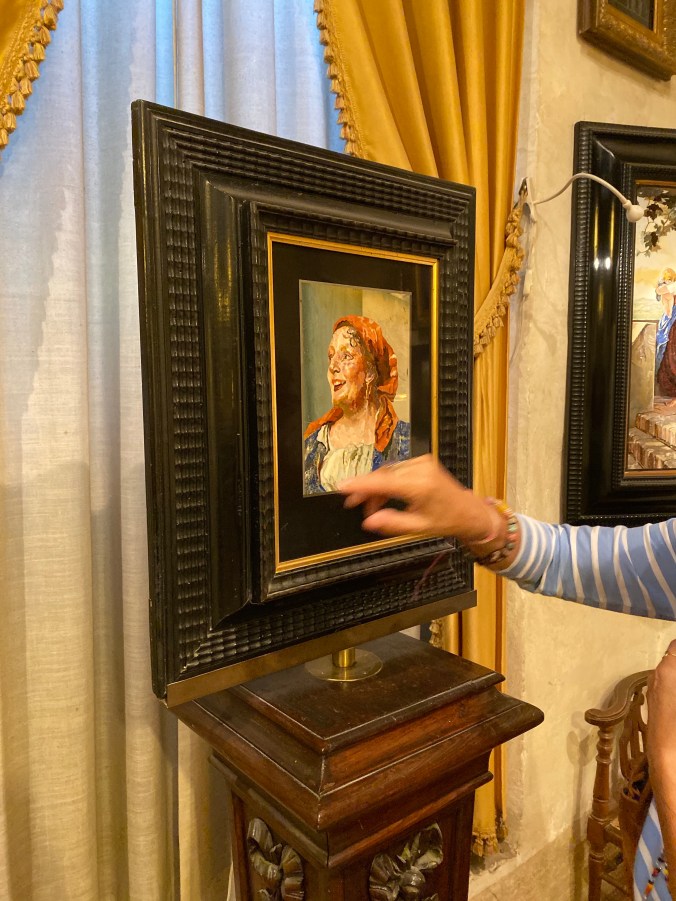
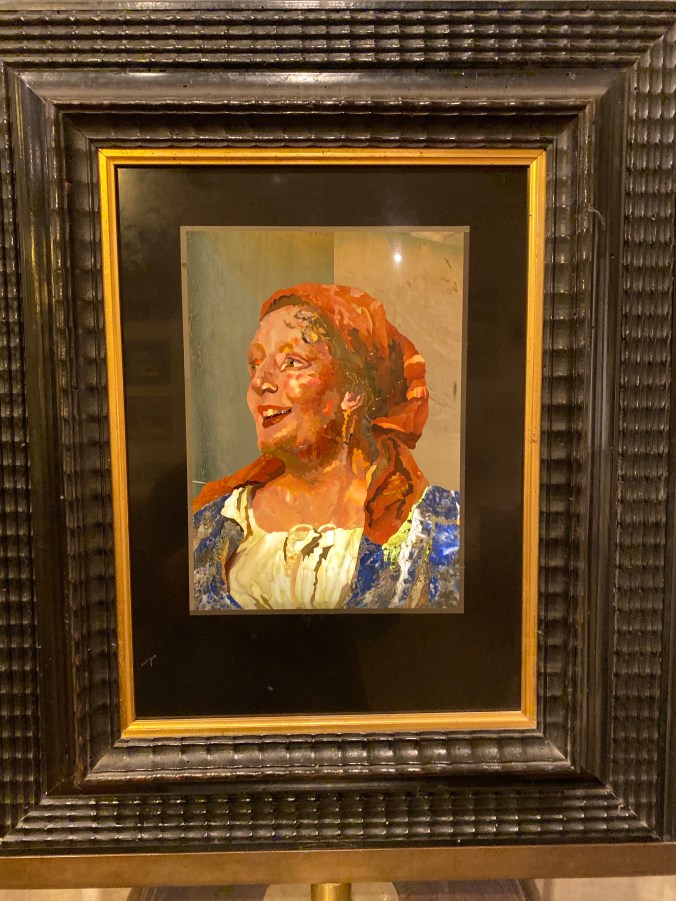
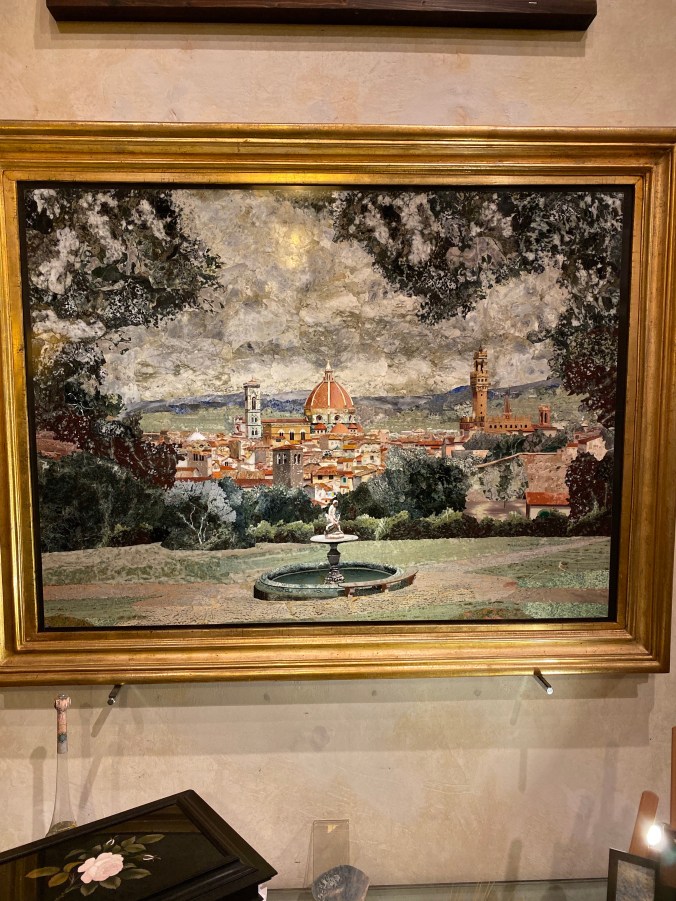
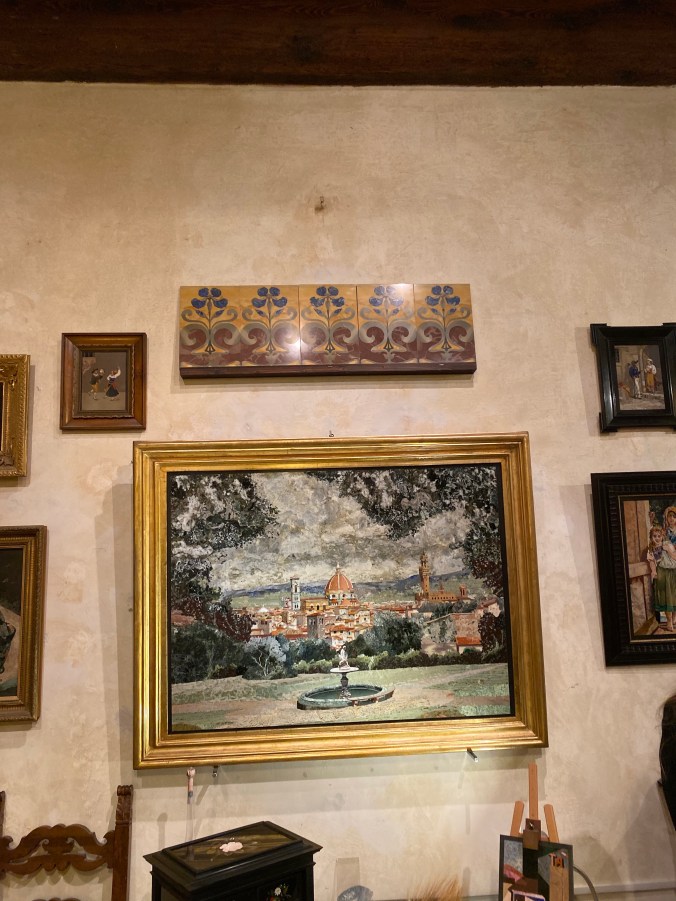
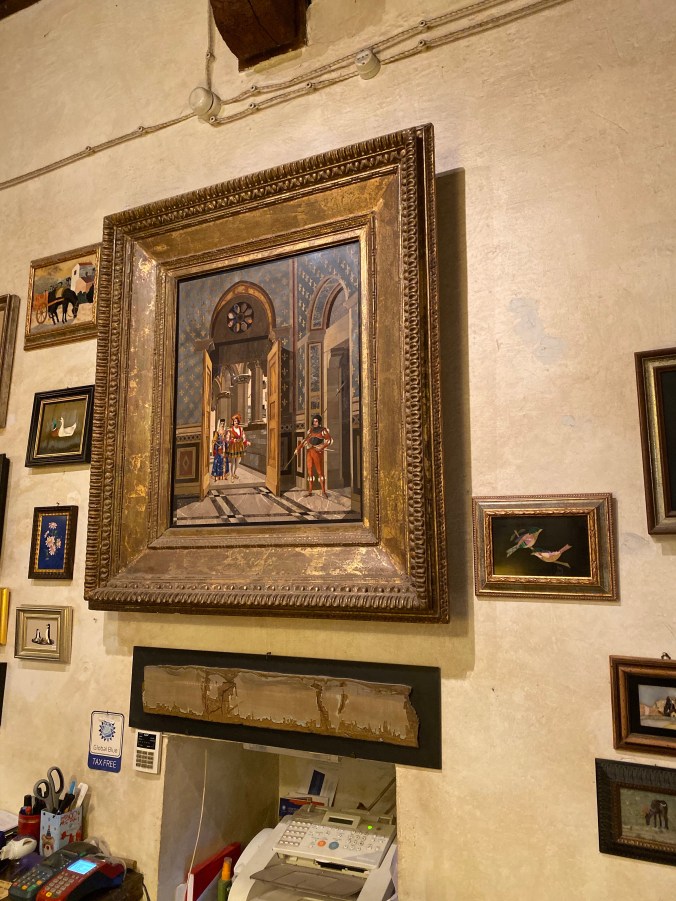
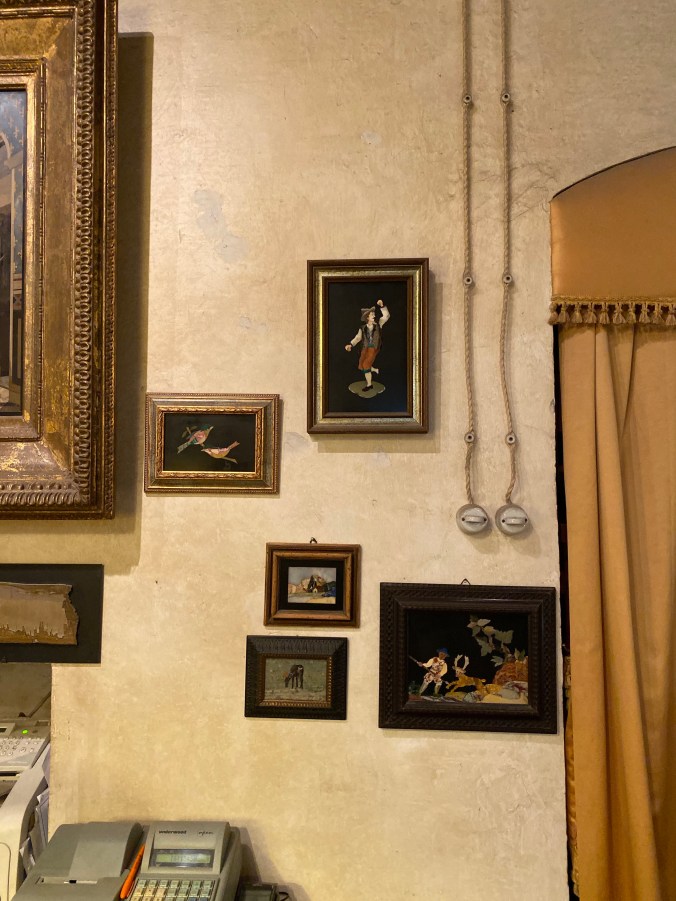
And, I found out that the art form is more appealing to me than I had earlier realized. Just check out, in particular, this great studio and their artworks.
First, the location: the studio is housed within this important old palazzo, which is reason enough to pay them a visit. It is housed within:
From the Lastrucci website:
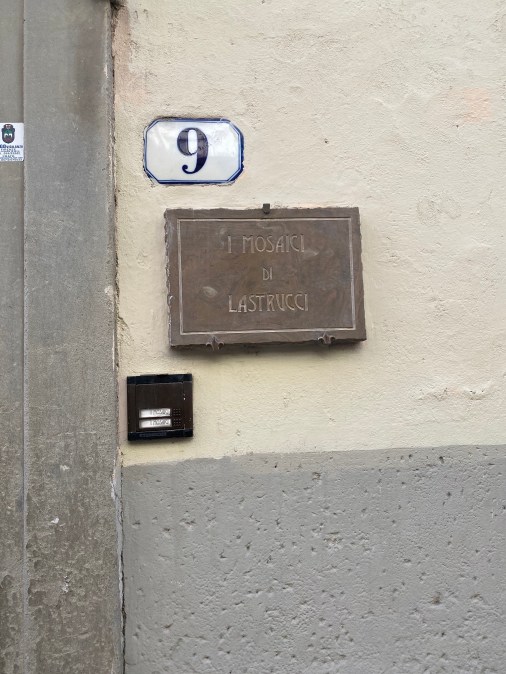
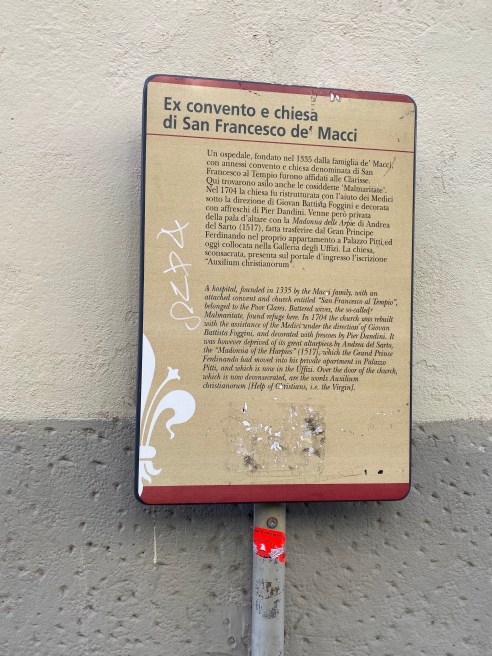
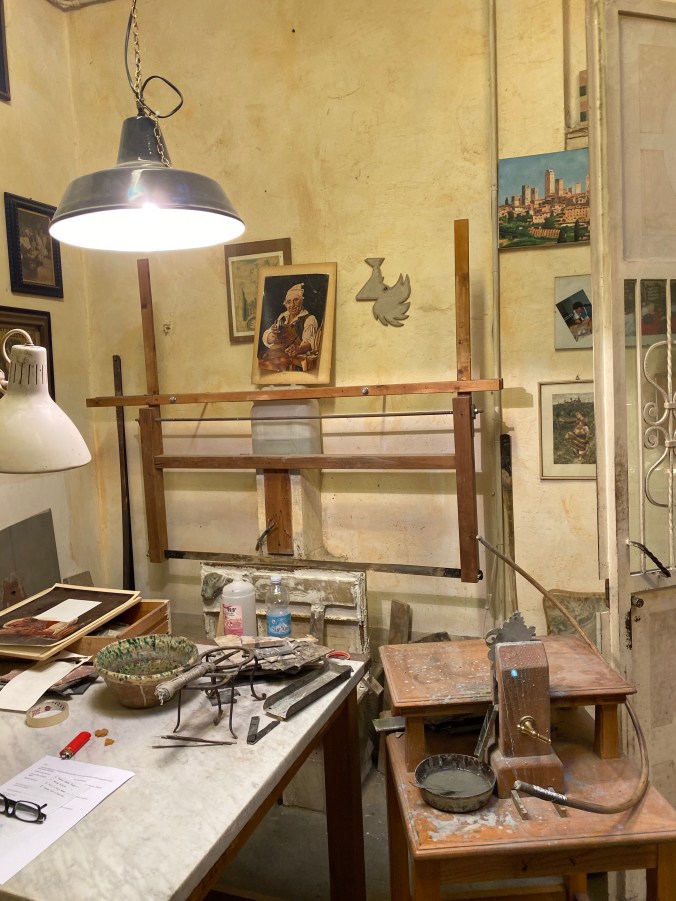
The artistic studio of the Masters Jacopo and Bruno Lastrucci is situated in the ancient Spedale di San Francesco de’ Macci in Florence, in the street of the same name, just a few steps from the celebrated Basilica di Santa Croce.
The medieval building dates back to 1335 and for several centuries housed the famous “Madonna of Harpies,” a painting by Andrea del Sarto now in the collection of the Uffizi Gallery.
A visit to these historical rooms, which today form the headquarters of the Studio Musivo Lastrucci, is certainly an unforgettable experience.
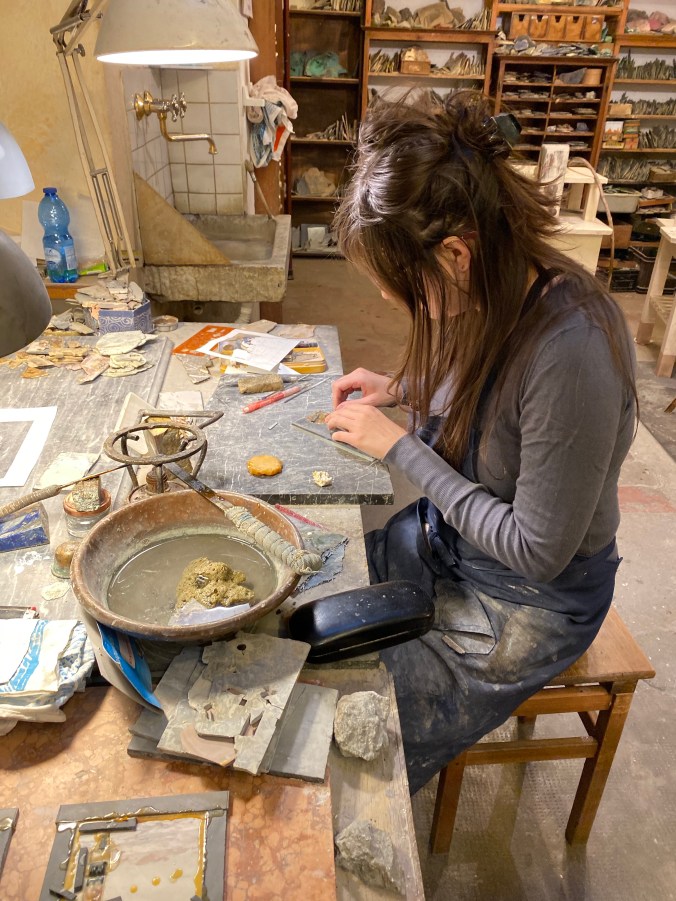
All of the mosaics are entirely produced in the according to the original techniques dating back to the 16th century, which highlight the natural color of every stone.
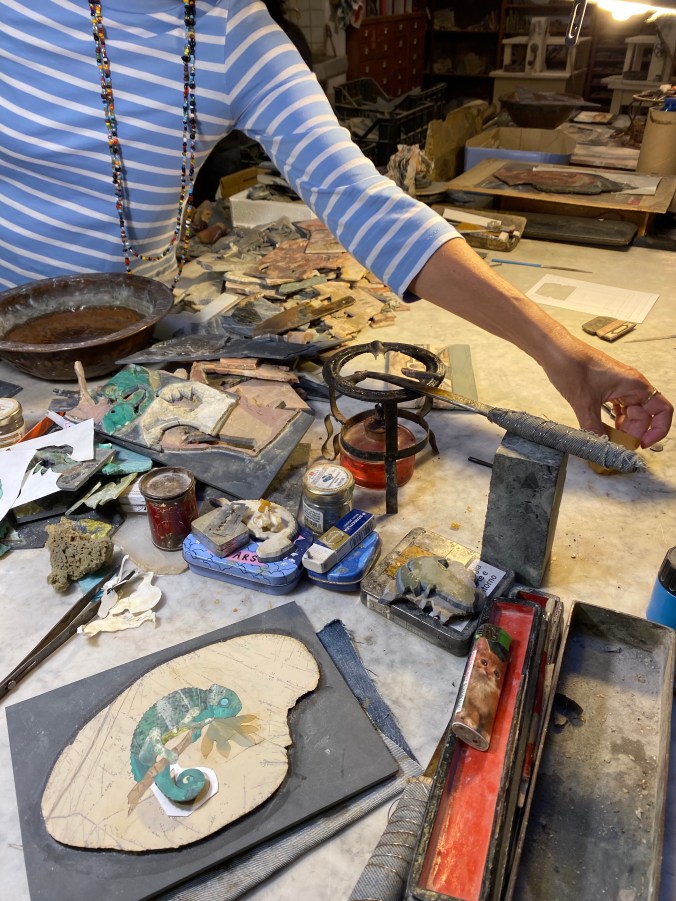
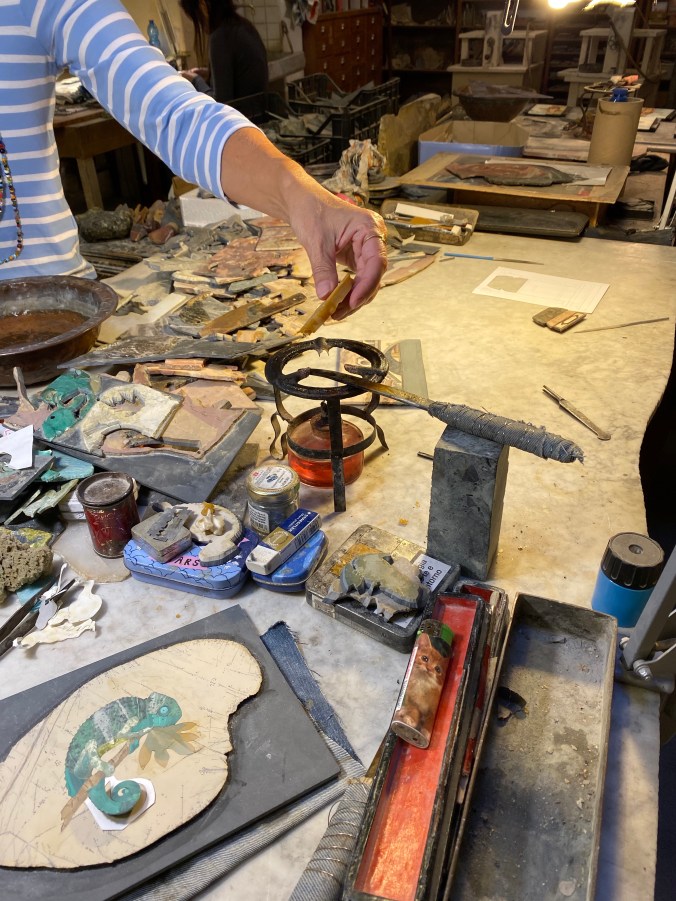
As in the 16th century, every piece is cut with a simple saw made of a tree branch bent in the form of a bow with an iron wire stretched from end to end and covered with water and emery powder; the pieces are then glued together with a mixture of virgin wax and pine resin.
The tools used are of ancient origin; progress and technology have not been able to create suitable substitutes for them, because the original tools were crafted for recreating a sense of beauty that modern technology is unable to reproduce.
The artists personally follow the whole creative process and all mosaics are entirely produced in the studio of the Masters Iacopo and Bruno Lastrucci, situated in Via de’ Macci 9 and annexed to the Galleria Musiva, selling Florentine mosaics of their own production.
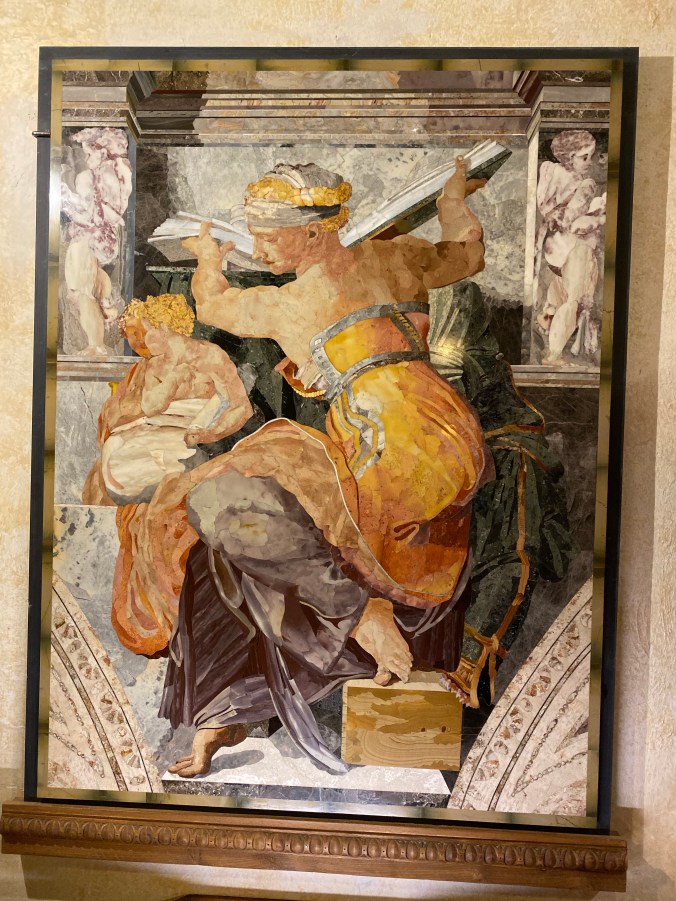
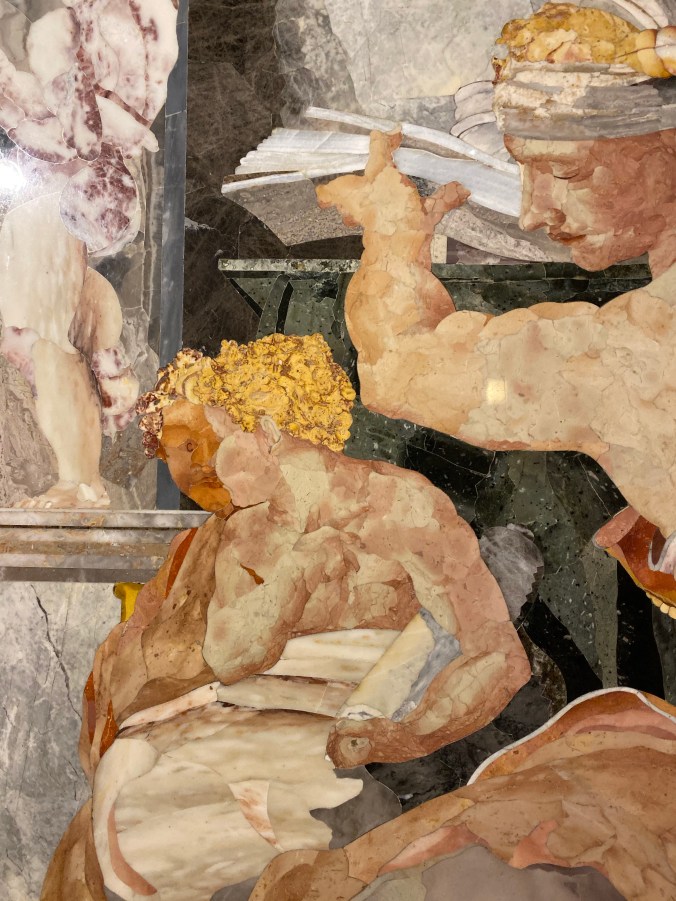
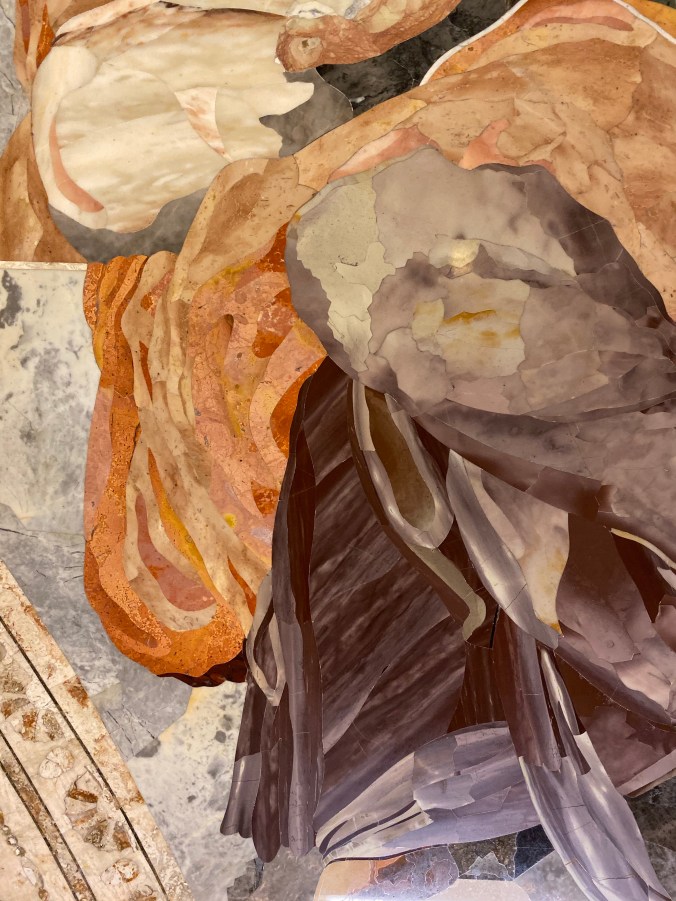
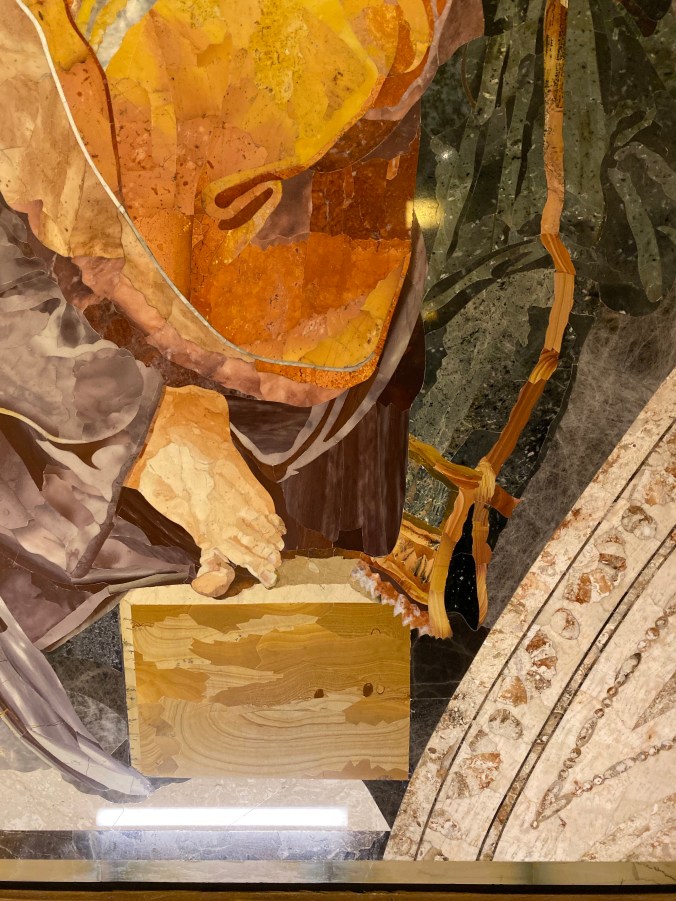
Something I want to clear up in case you, like me, were/are confused about the art form known as commesso Fiorentina. I thought the name commesso Fiorentina referred to some sort of Florentine commission, or office, or something official promoting the artisanal artworks of Florence. In fact, it is the (kind of inexact, if you ask me) name given to the fine art of making pictures with stone inlay. Put another way, this ain’t your grandma’s mosaic.
I was happy to read online that in appreciating commesso Fiorentina, I’m not the only one who confused it with regular mosaics. I always thought a mosaic is a mosaic is a mosaic. Ho hum. But commesso Fiorentina is in fact is a very separate (and elevated) technique, that just happened to have been created and developed in Tuscany.
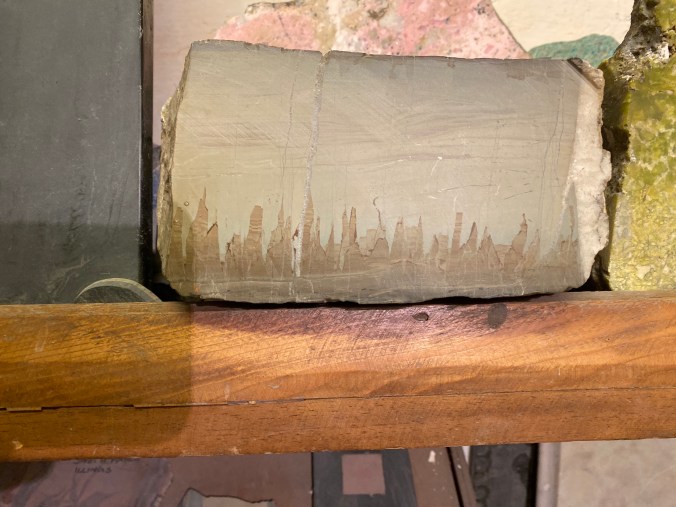
Here’s an example:
Perhaps you won’t be surprised to learn that the Medici family was the first to recognize qualities of this technique and they played a big role in promoting it. Cosimo I had a strong interest in ancient precious marbles, and his interest extended to a new experimentation with precious stones.
Francesco I lured stone artists to Florence and Ferdinando I started the construction of the family mausoleum in San Lorenzo, adopting this artistic technique.
Here are the stages of a production in stone:
The idea comes to life in a preparatory drawing and then continues with the choice of the stones that will be used in the execution of the work – porphyry, lapis lazuli, granite or other precious stones.
Then the stones are cut, but they are not cut geometrically like mosaics. This, in fact, is one of the enormous differences as compared to mosaic. There is a particular and age-old way of cutting the stones in commesso Fiorentina. The stone cutting and the impeccable finishing and polishing work that follows, are part of what makes this technique exceptional.
The Studio Lastrucci was awarded the 2010 special Prize of Bottega Artigiana Fiorentina (under the patronage of UNESCO).
After working for years as artistic director of the most famous Florentine mosaic studio and workshop, in 2011, master Bruno, along with his son, decided to work exclusively on his own creations in the art studio in Via de ‘ Macci 9.
Bruno began his studies in this ancient art at the tender age of eight. Once he finished primary school, he spent all of his time in the mosaic workshop of Montici, owned by an American artist, Richard Almond Blow. The Montici school produced collaborations with some international contemporary painters.
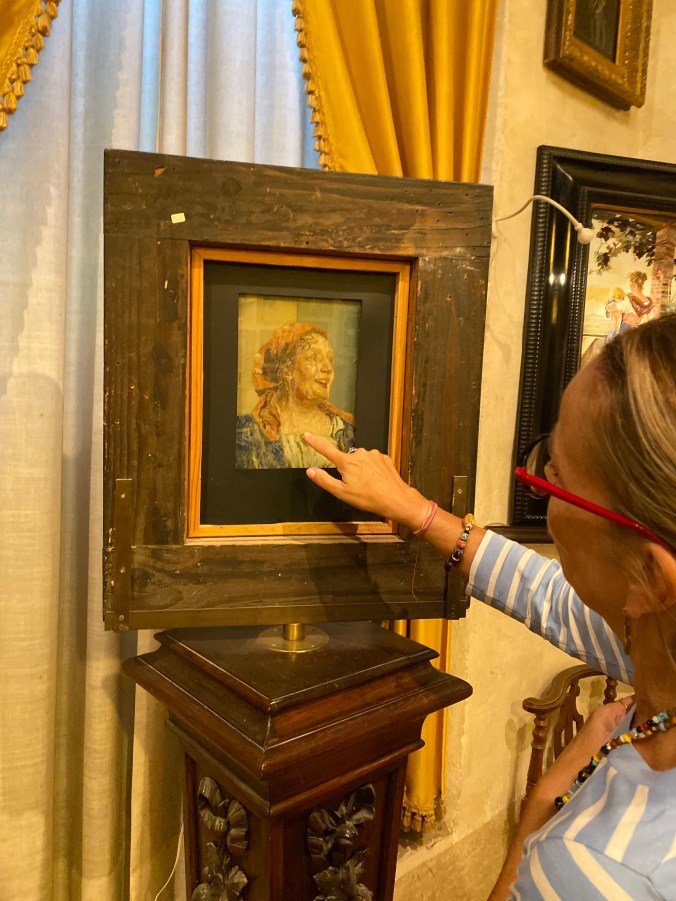
Bruno Lastrucci is a craftsman and visionary artist engaged in the technique of commesso fiorentina and he uses only the traditional tools and techniques. He focuses mainly on portraiture; his celebrated portrait of Joseph Lancaster is in the collection of the Lizzadro Lapidary Art Museum, and other important works of art are in prestigious private collections.
His passion and dedication was transmitted to son Iacopo, who was also apprenticed in the art.
The masters Jacopo and Bruno Lastrucci perform the artisan work of the Florentine technique known as Commesso Fiorentino. This technique entails the use of hot glues (beeswax primarily) and uses only natural colored stones. The technique dates back to the Medici period, and the Medici family was a great patron of it. The technique, of course, dates back to the classic mosaic artistry of the Roman era, using the artistic inlay of stones, with the creation of very realistic pictures, similar to paintings.
Although the working of hard stones has ancient origins, it was thanks to the support of the Medici that the work was perfected, to the point to that a specifically established entity, the Opificio delle Pietre Dure, still exists today.
The largest number of works made to order are kept at the Opificio delle Pietre Dure, a renowned institute in the field of restoration.
The ancient factory was founded by Ferdinando I, who needed to train the workers needed to carry out the ambitious project of the Chapel of the Princes in San Lorenzo.
This first reality merged then, at the beginning of the 20th century, with the birth of the first modern restoration laboratory in Italy.
On the occasion of the tragic flood of 1966, the factory was confirmed as the excellence that it had already demonstrated to be, bringing back to light some extraordinary masterpieces that could have disappeared forever.
Examples of committed works can be found right inside the Chapel of the Princes.
Given the funeral tone of the work, more muted and dark colors were chosen with porphyry and granite for the upper part of the structure; in the wainscot instead, the colors become more vivid, to reproduce the coats of arms of the families loyal to the Medici . In the niches the statues of the Grand Dukes should have entered, also these in the order, the work turned out however too ambitious and only two were realized.
The salesman is a small jewel belonging to the city of Florence , still made today and a great treasure to be preserved, preserved and admired.
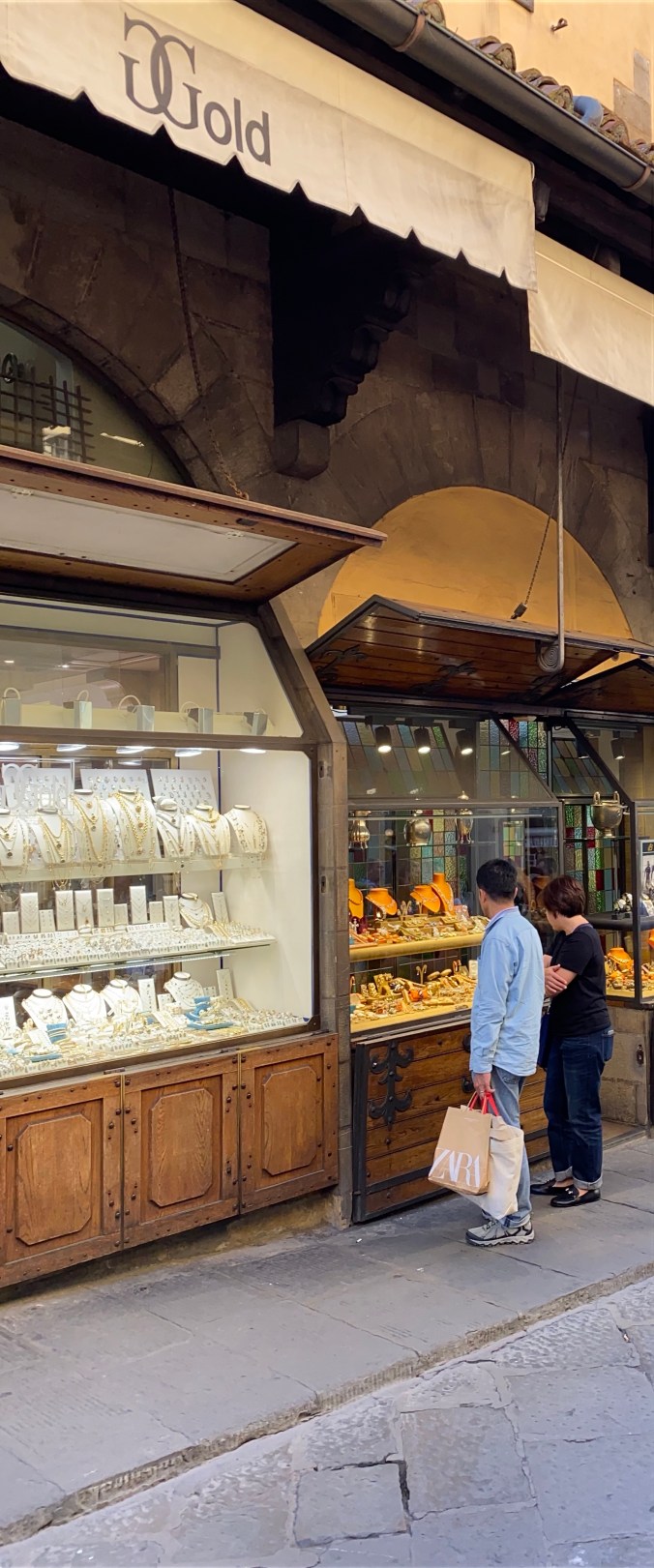
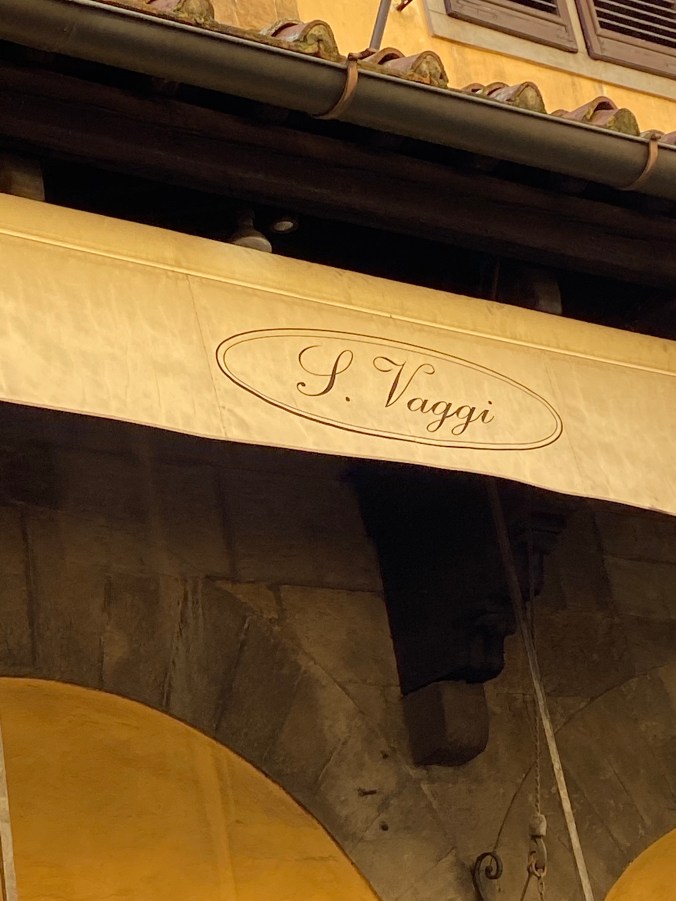
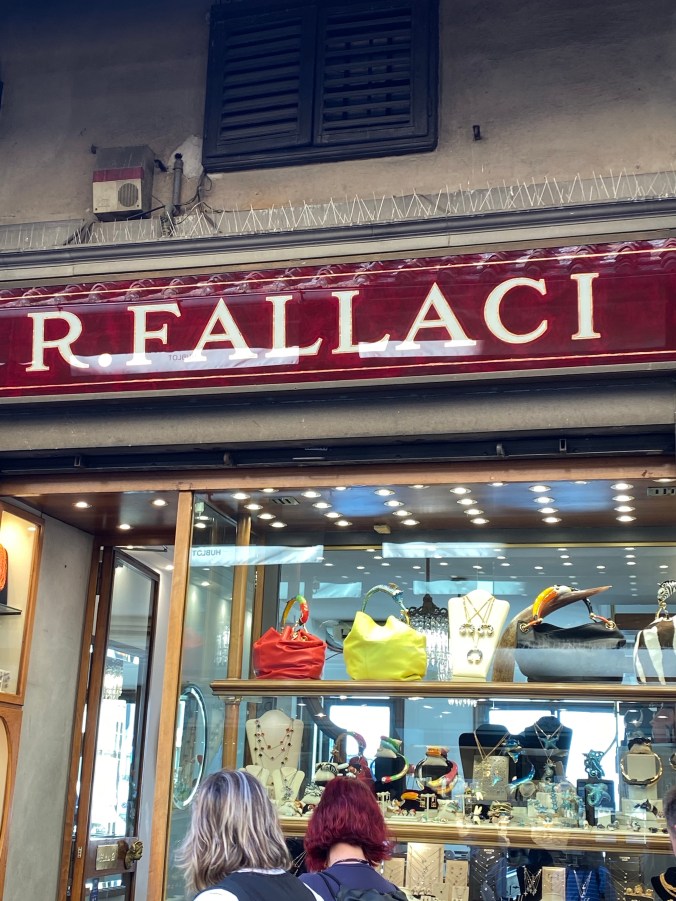
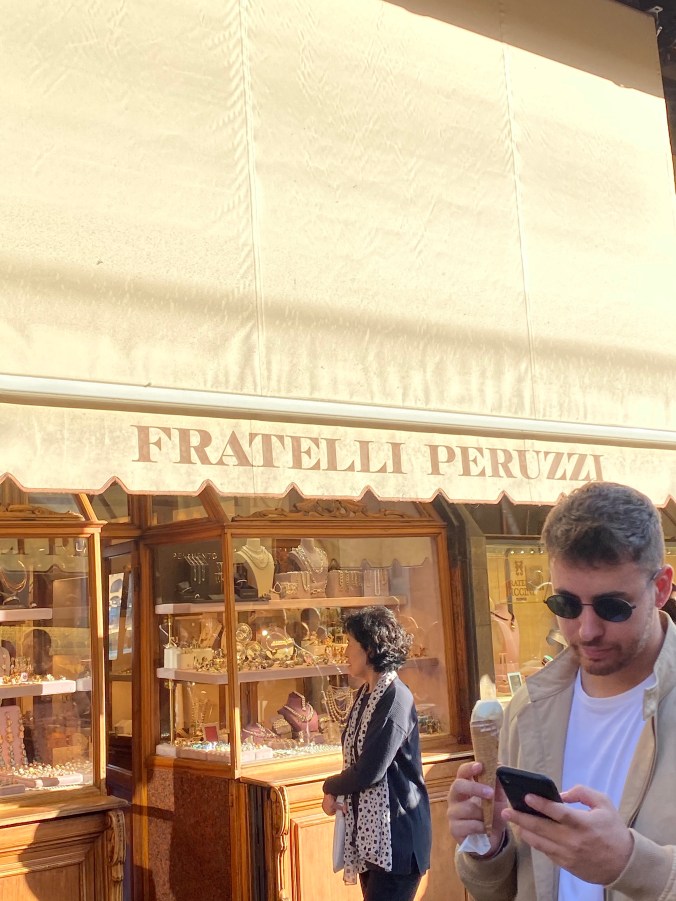
I’ve been going to and from the Ponte Vecchio for decades. I’ve watched some of the shops change over the years (as indeed Florence has changed). I am no expert on the jewelry shops that line the famous bridge, but I am informed by knowledgeable persons that these shops pictured below are some of the oldest and have the finest reputations. Just my public service to my reader. :-))










 get back, lauretta!
You must be logged in to post a comment.