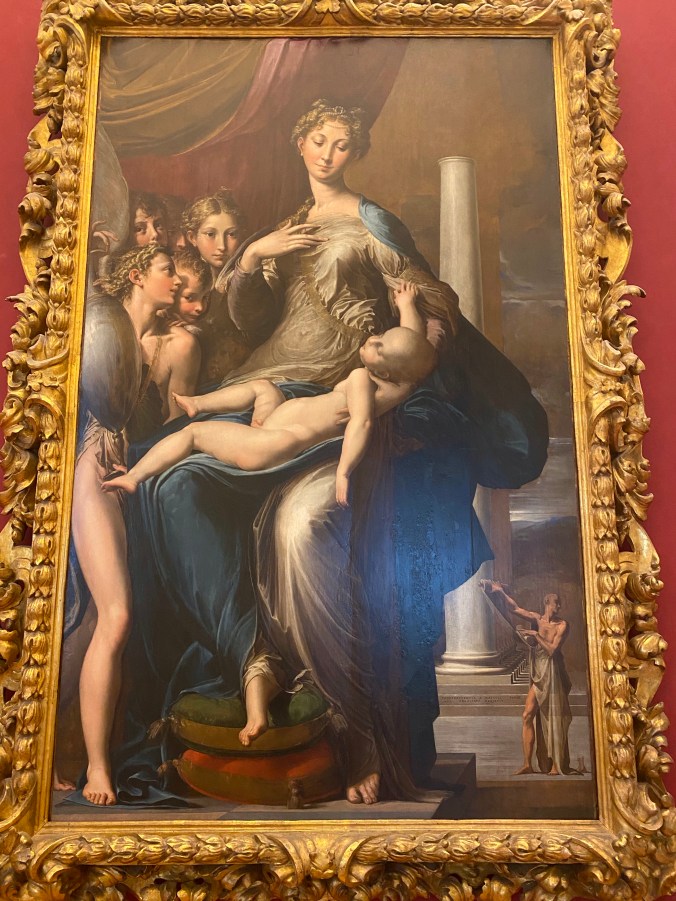
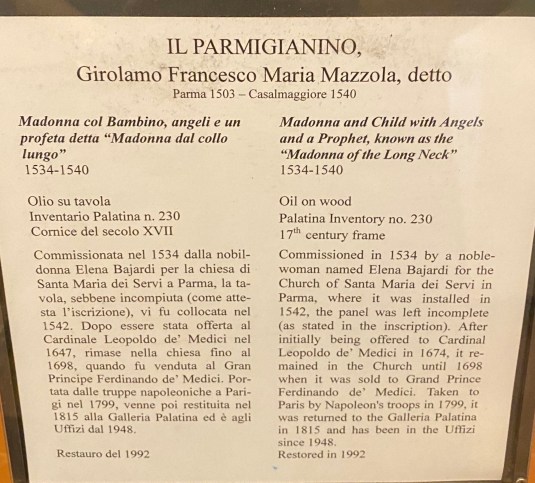
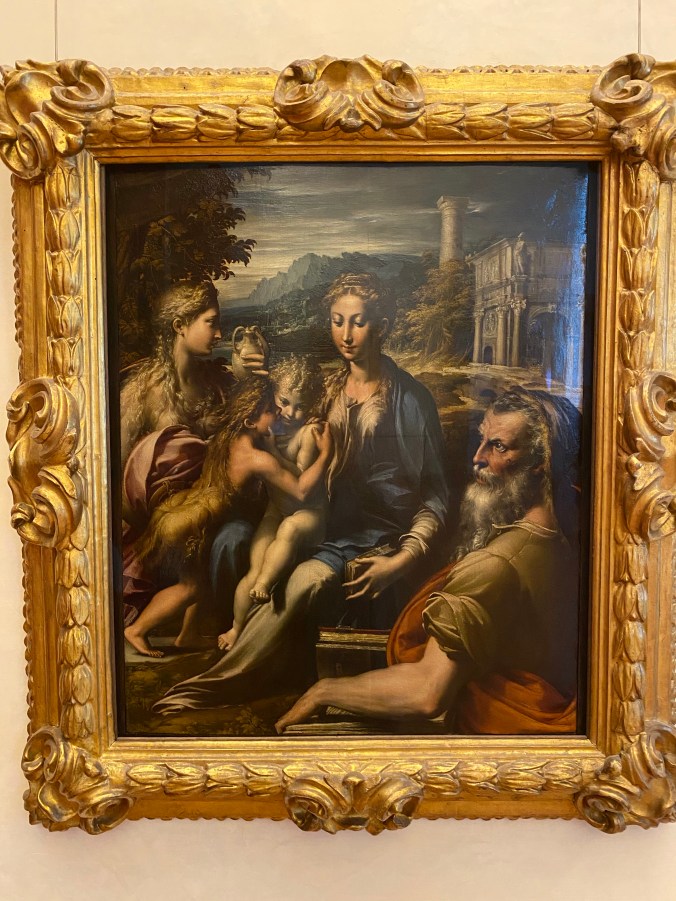
I’m crazy for Mannerist art. Cannot get enough. Here are some treasures from my recent visit to the Uffizi. The labels follow each picture.

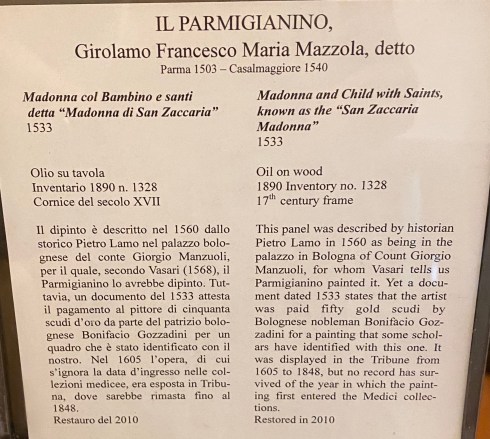
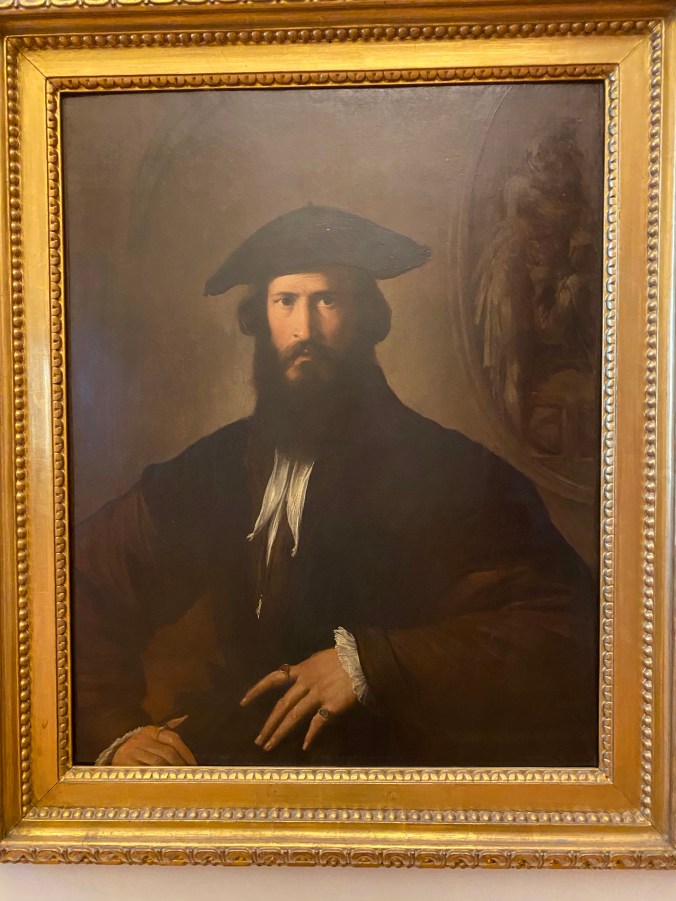
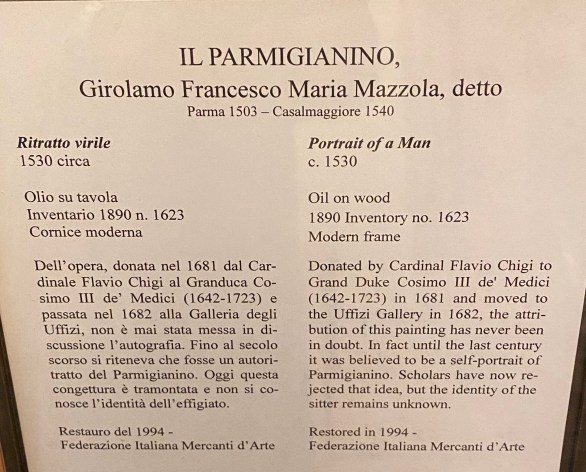
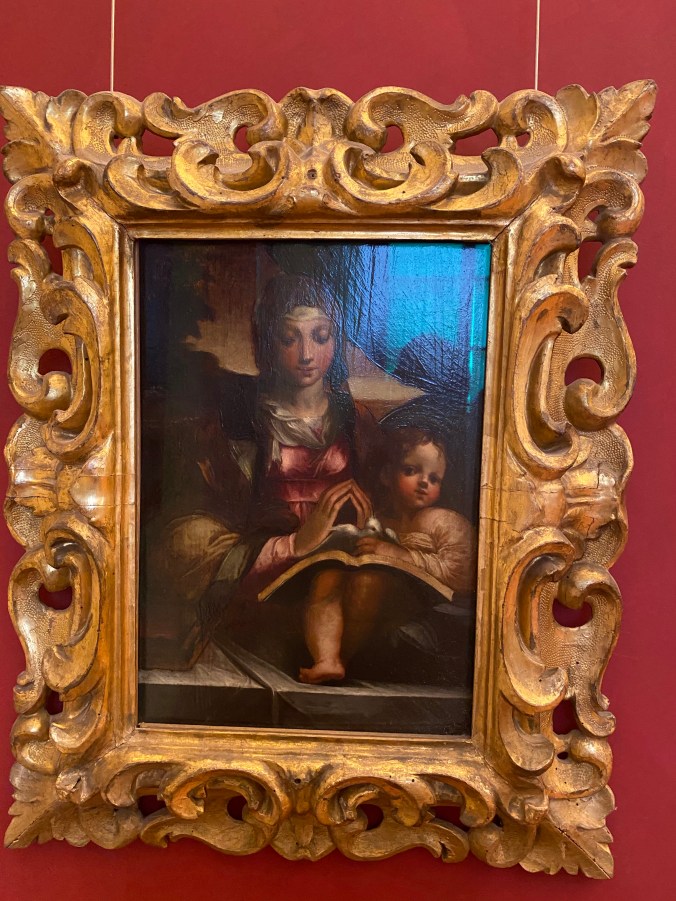

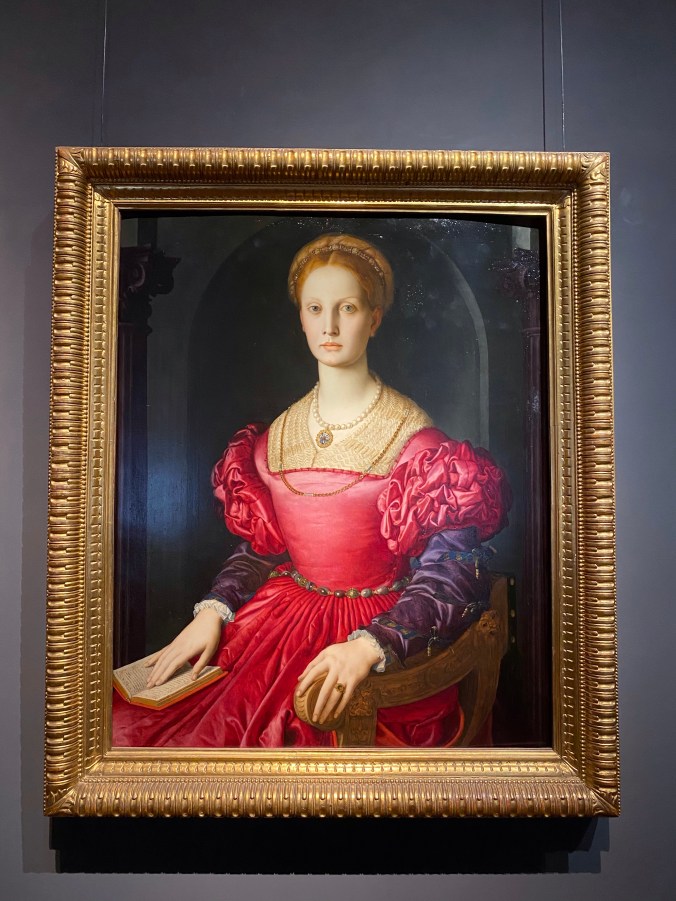

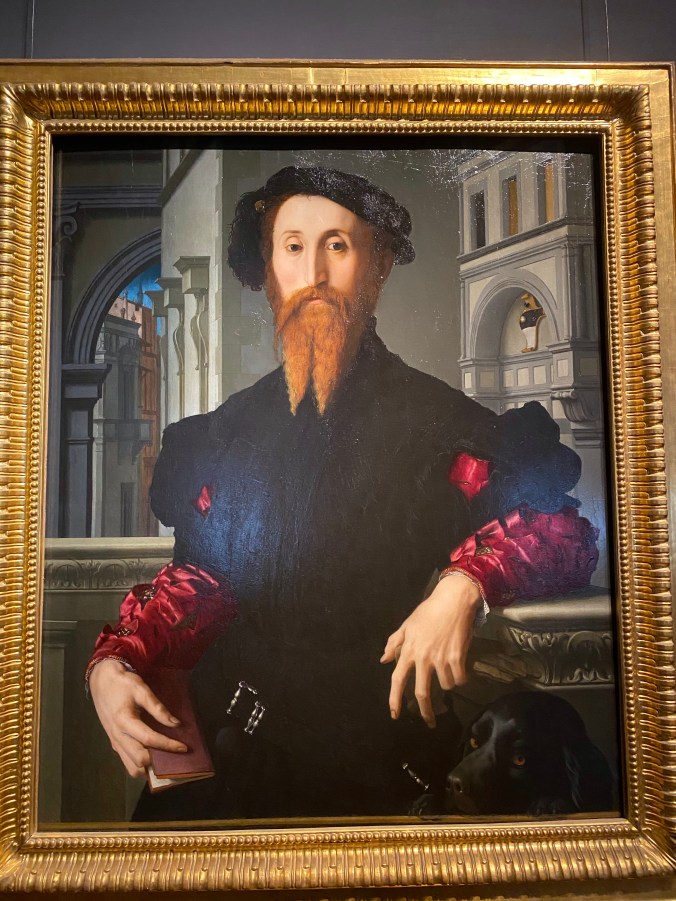
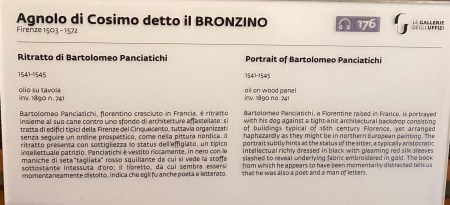
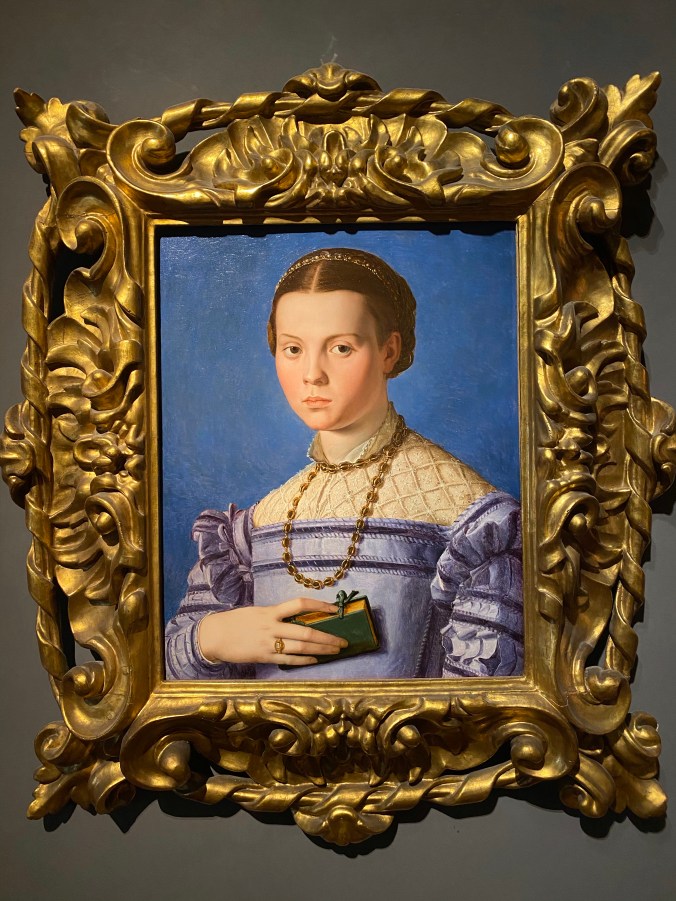
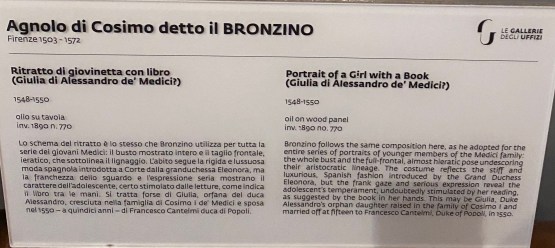
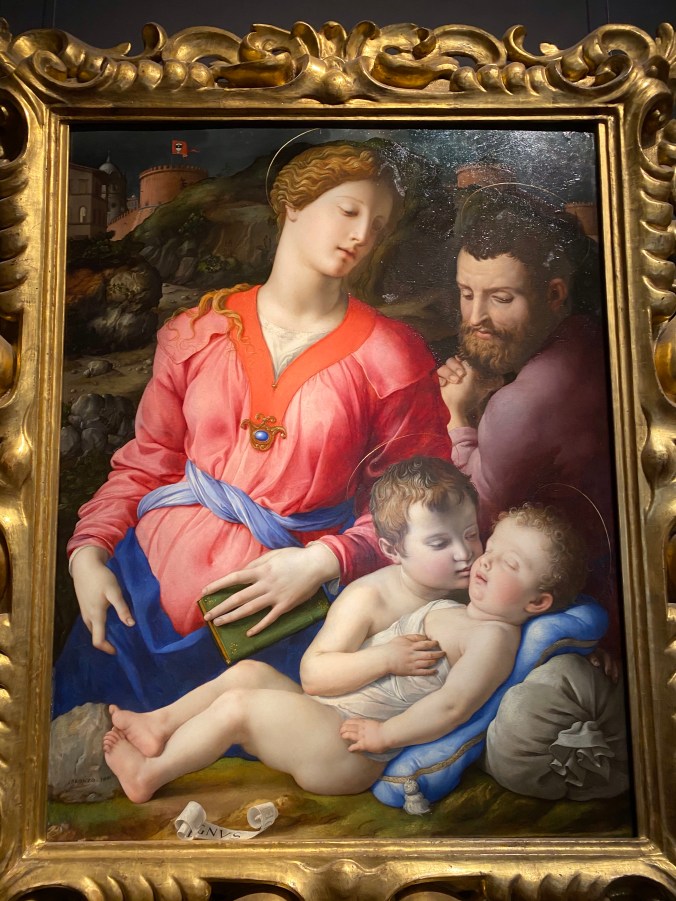
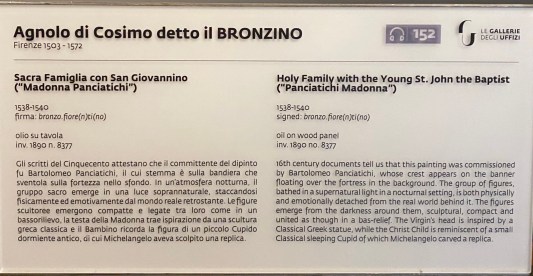
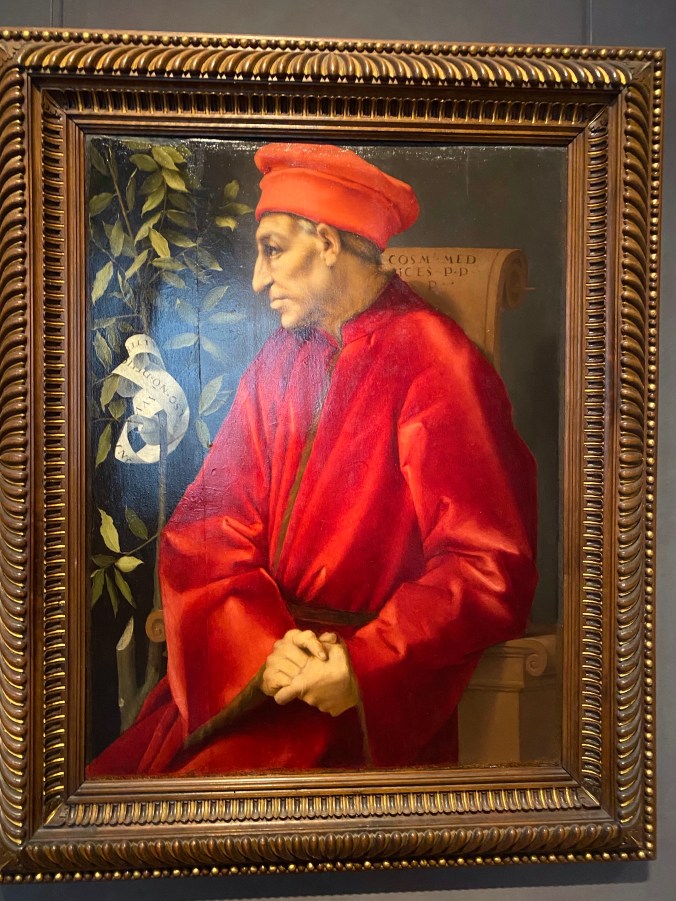
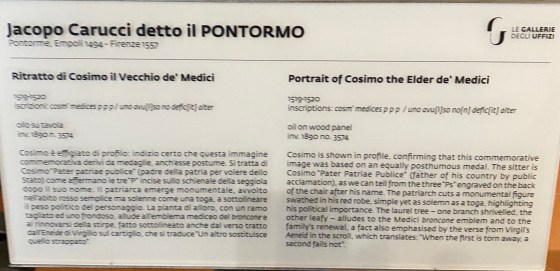
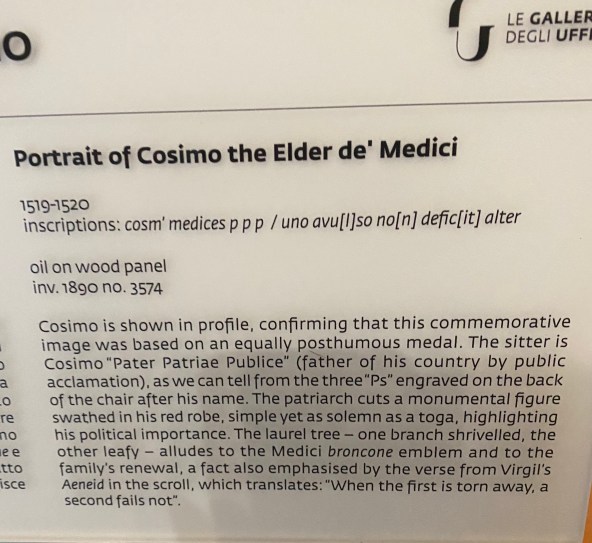
I’m crazy for Mannerist art. Cannot get enough. Here are some treasures from my recent visit to the Uffizi. The labels follow each picture.
A stroll through the almost empty galleries in late June 2020 afforded me a slow and enjoyable experience with some fabulous artworks in Florence. Here’s what else (along with Michelangelo and Leonardo) caught my eye.
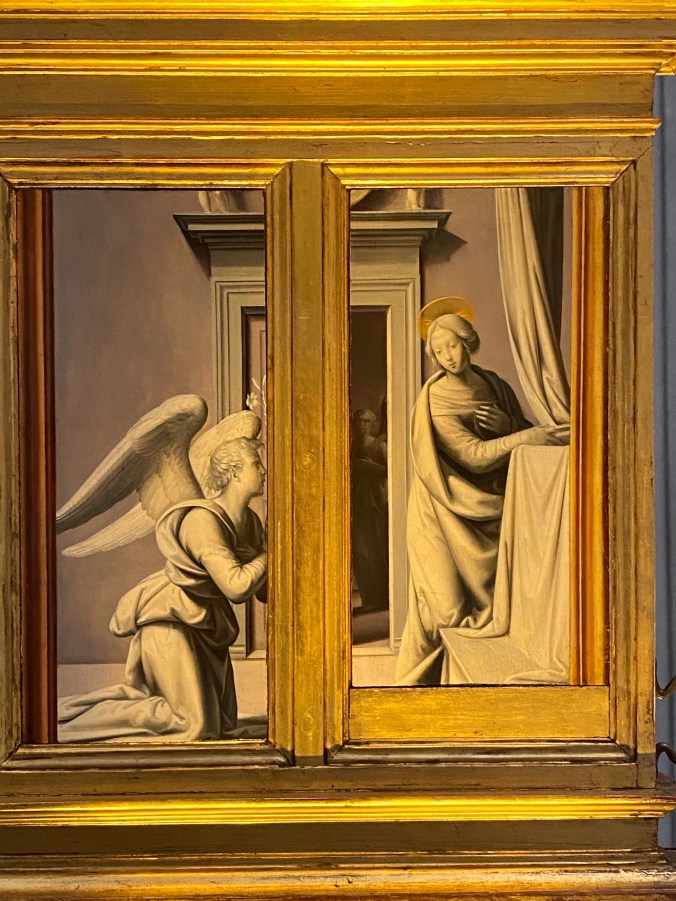

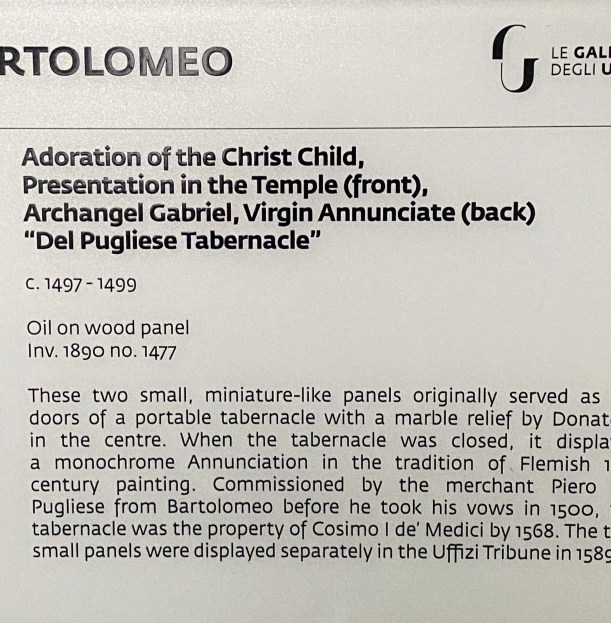
Looking left:
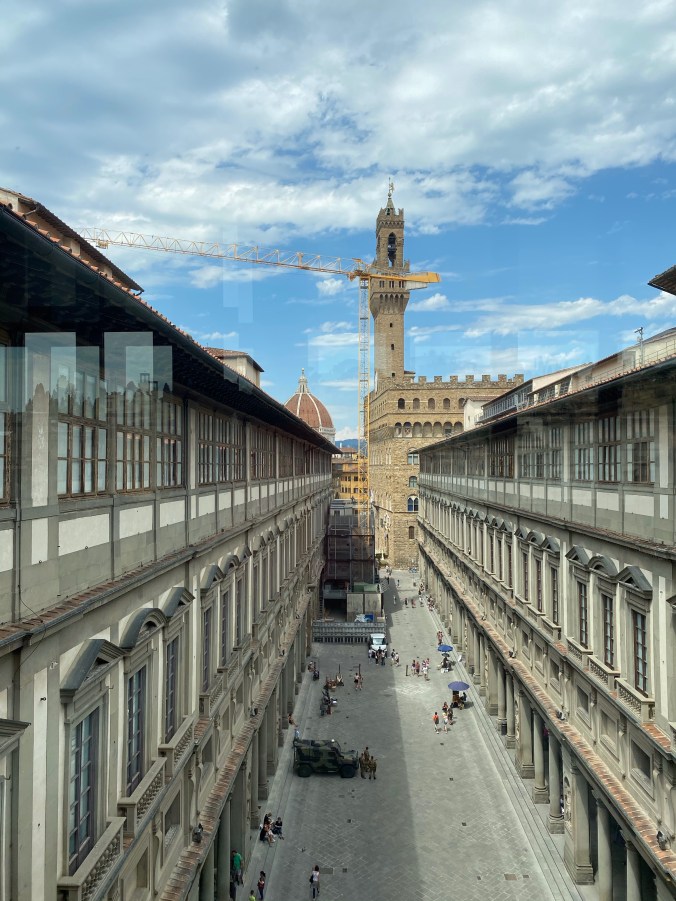
Looking right:
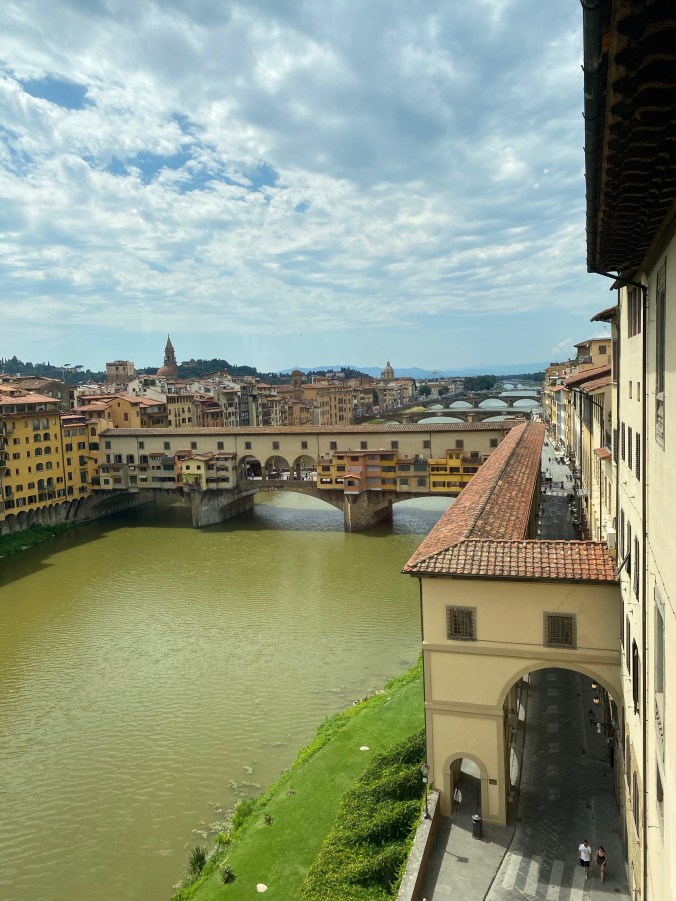
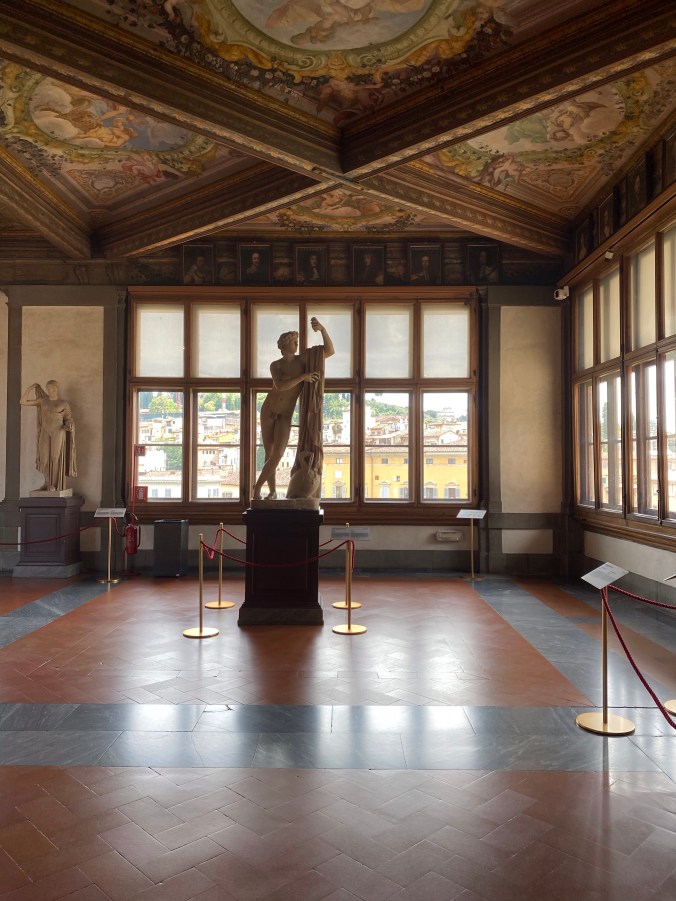
Looking center. I want this space to be my permanent home:
I’m a fan of Ghirlandaio:
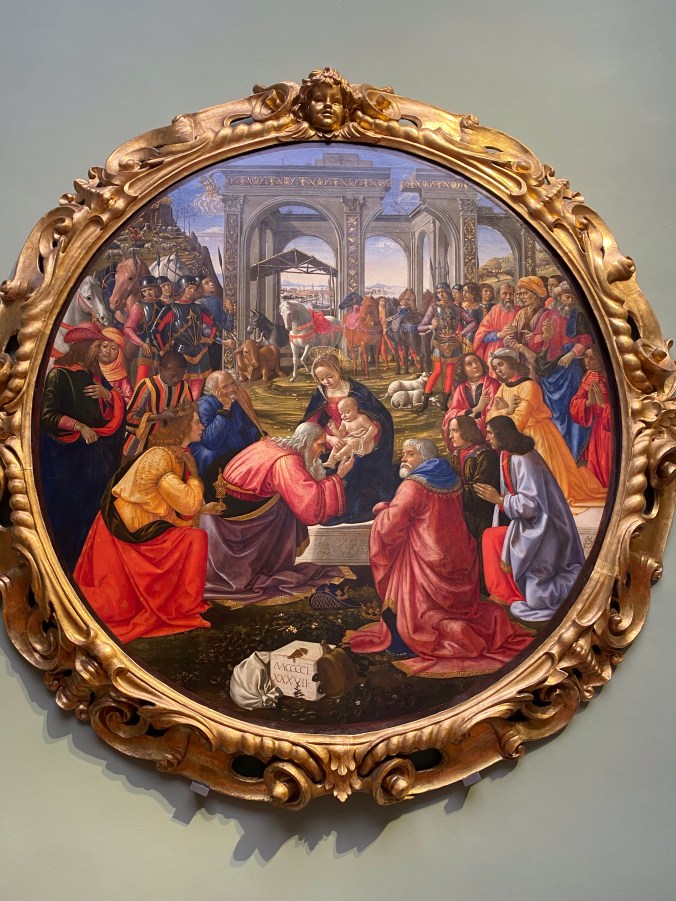

Another Ghirlandaio:

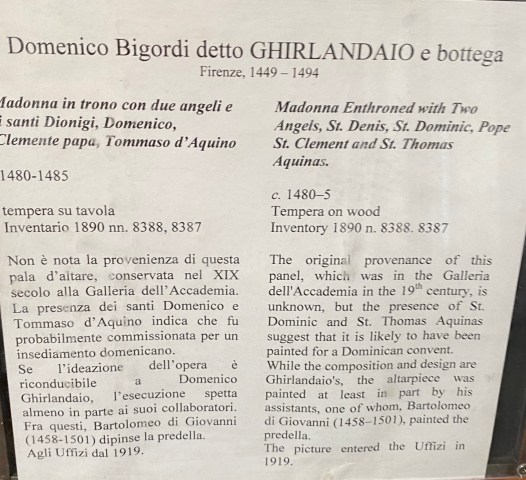
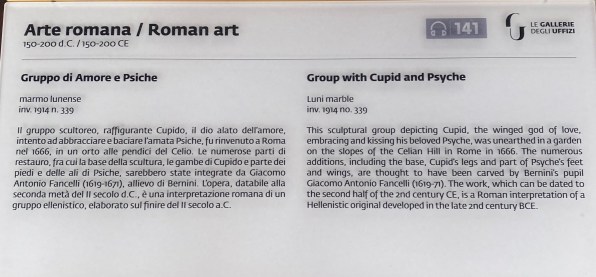
I cut my teeth as an art historian in the study of classical art, as seen through Neo-Classical eyes, like Canova and Thorvaldsen. I’m always a sucker for these appealing classical sculptures:

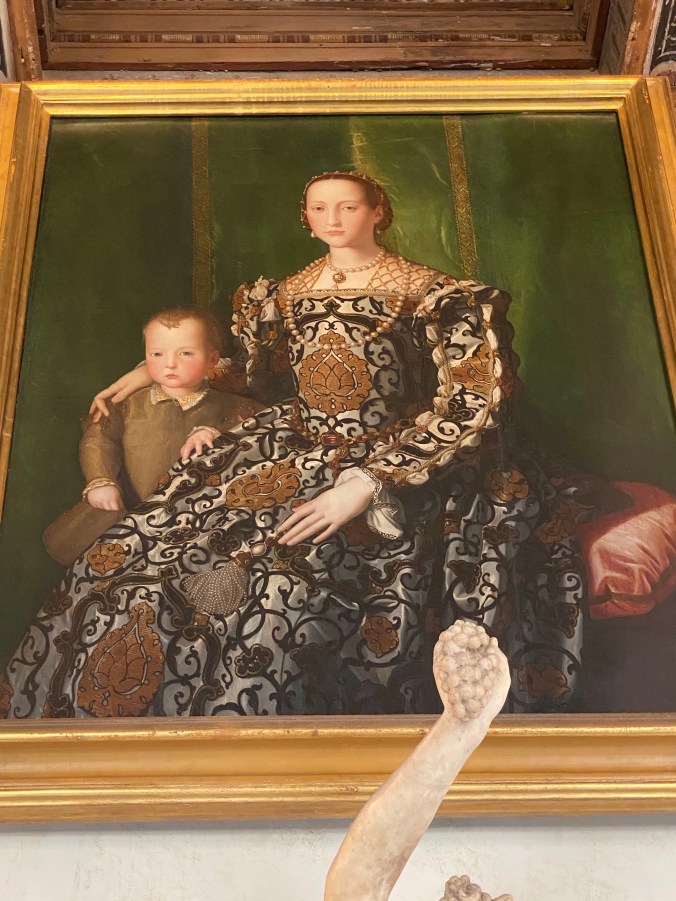
Hey, is that a Bronzino I see way up there? I think it’s a copy of the real thing, which is hanging in a gallery.
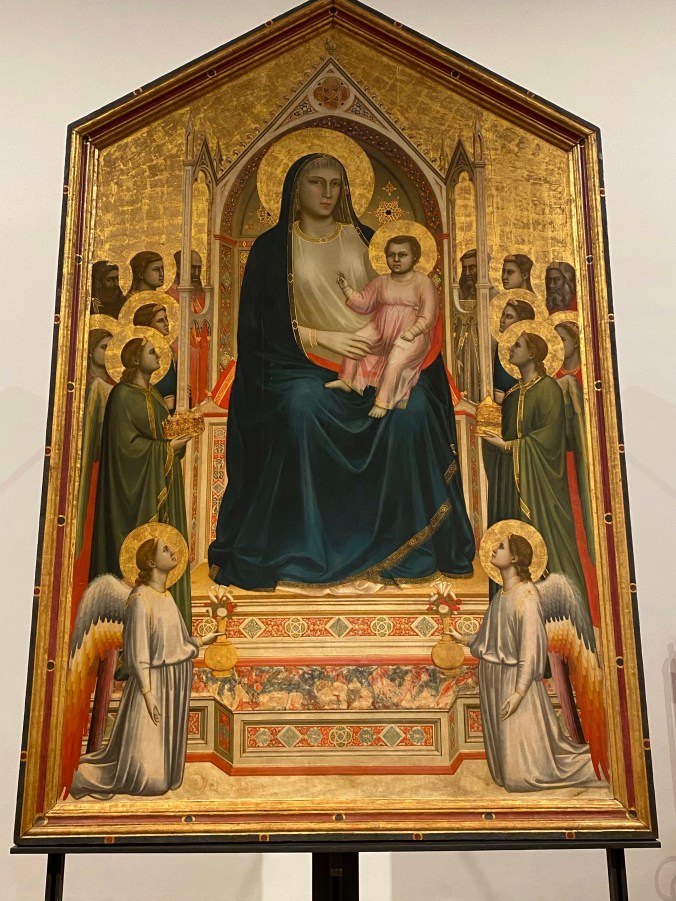
Oh, Giotto. I’ve missed you so.
And Rosso Fiorentino, how lovely you are still:
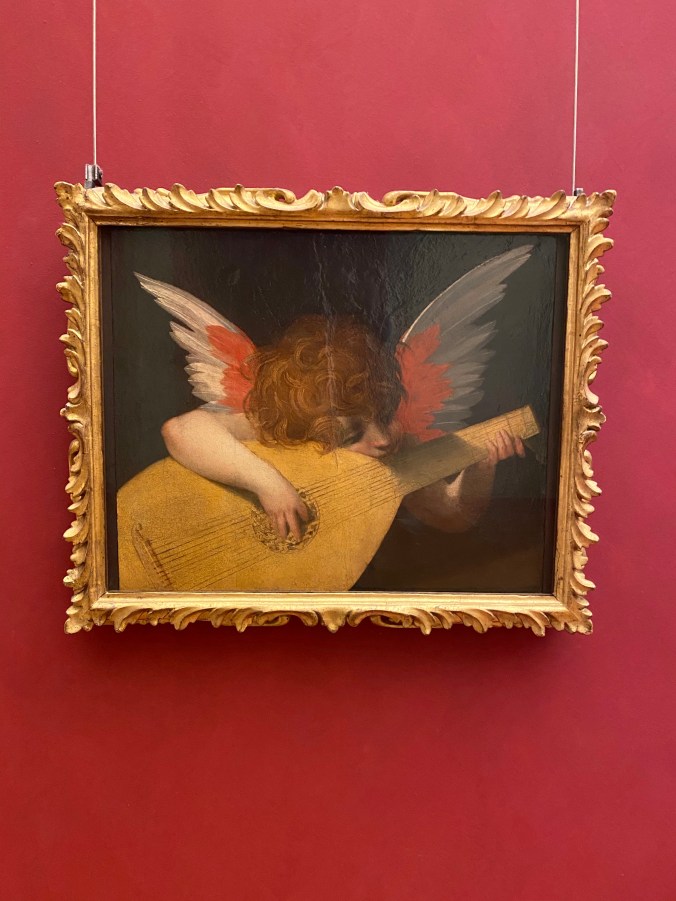
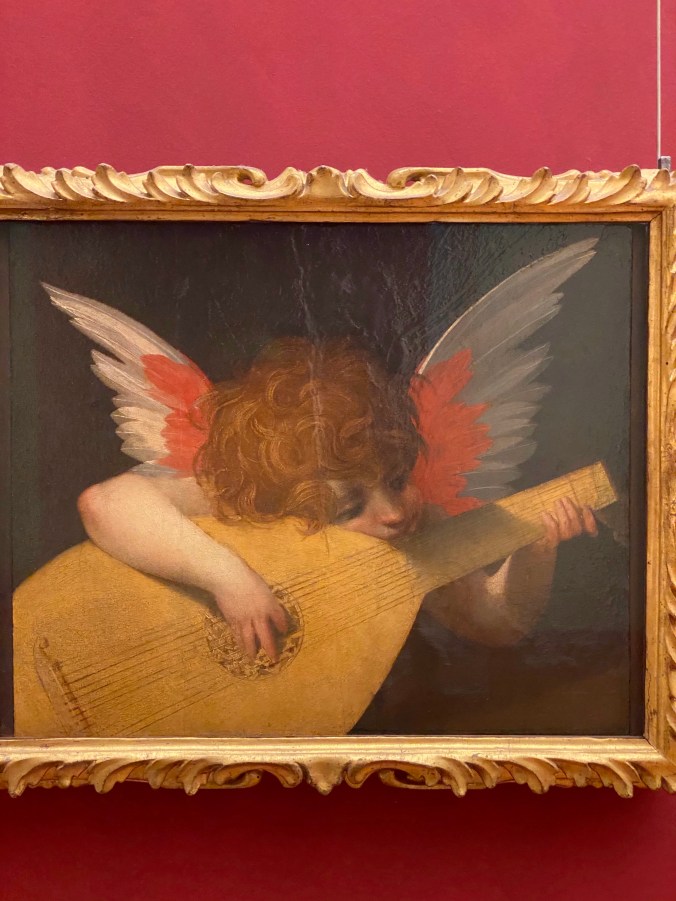
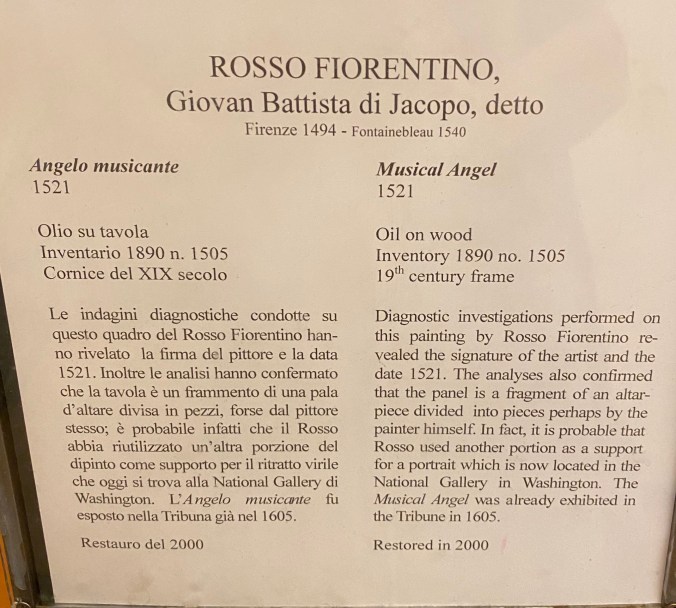
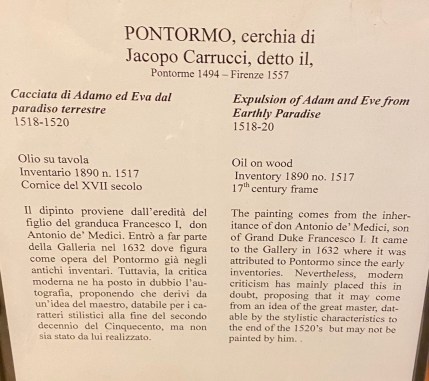
Pontormo had his own distinct ideas about how (everything) the Expulsion from the Garden of Eden must have appeared:

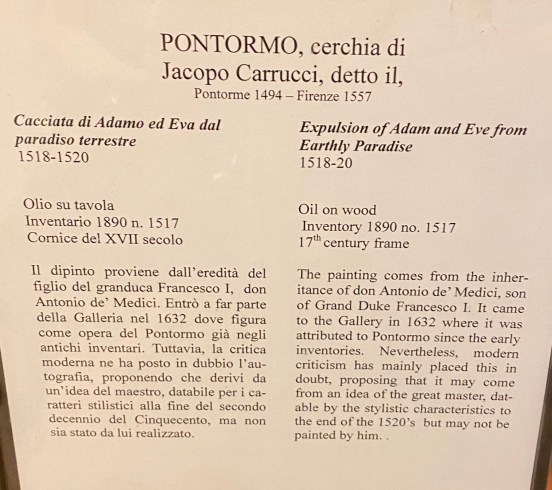
Still more to come.
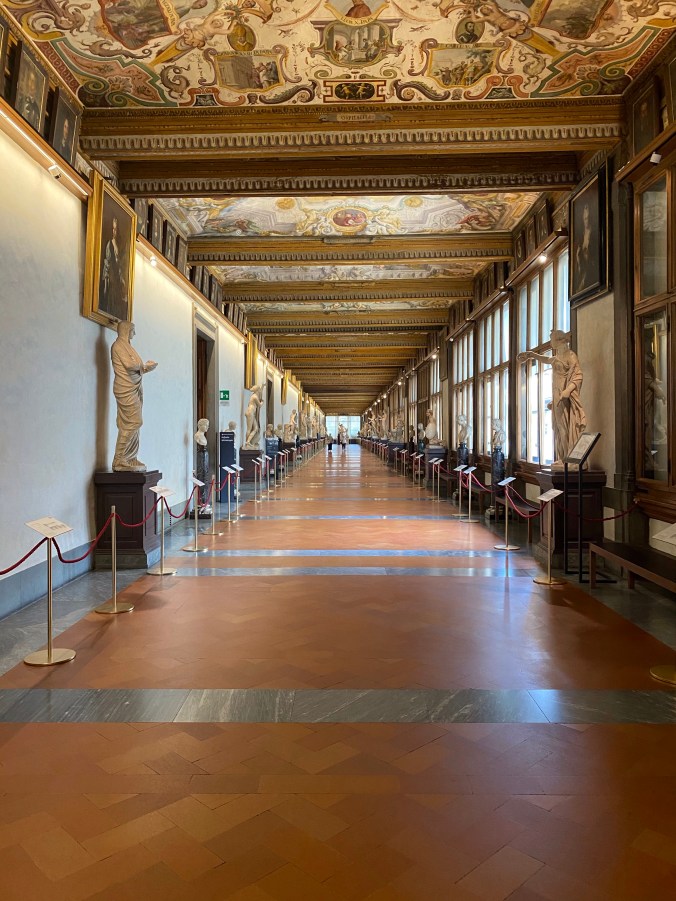
My recent first trip back to the Uffizi allowed me to enjoy the famed museum without the usual crowds. This is my idea of heaven. Just look:
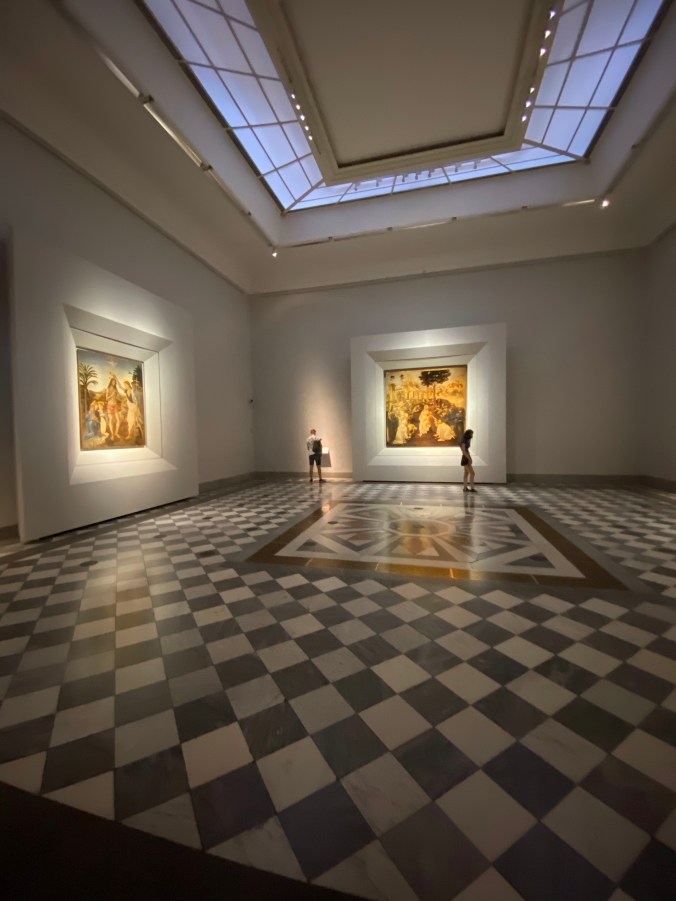
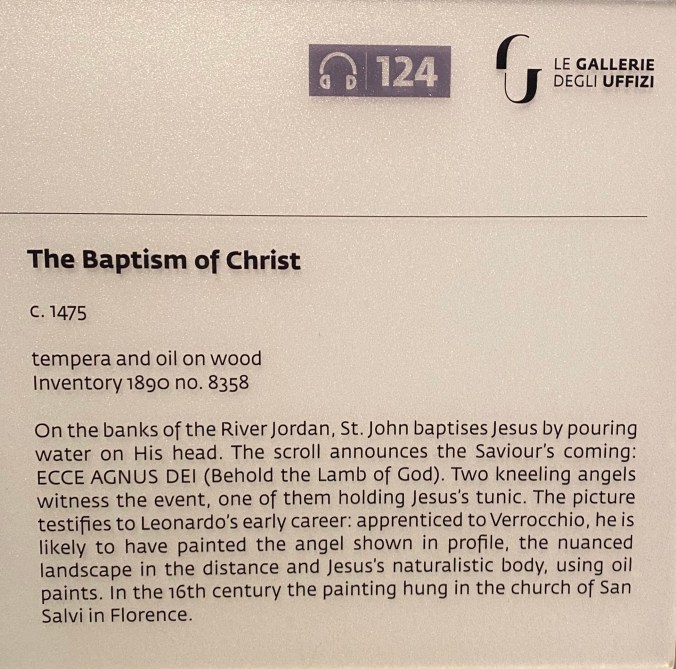
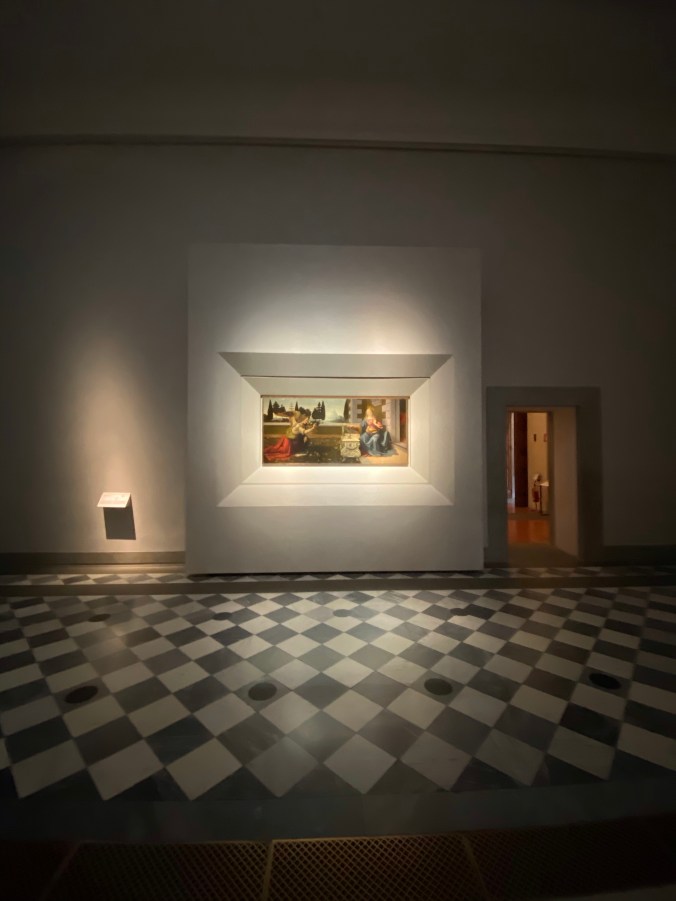
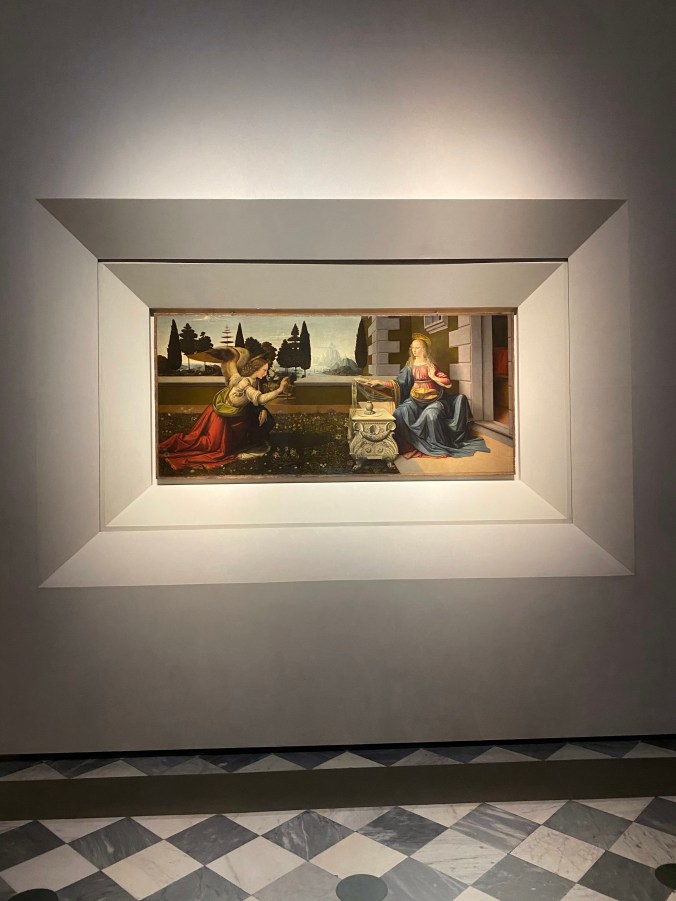
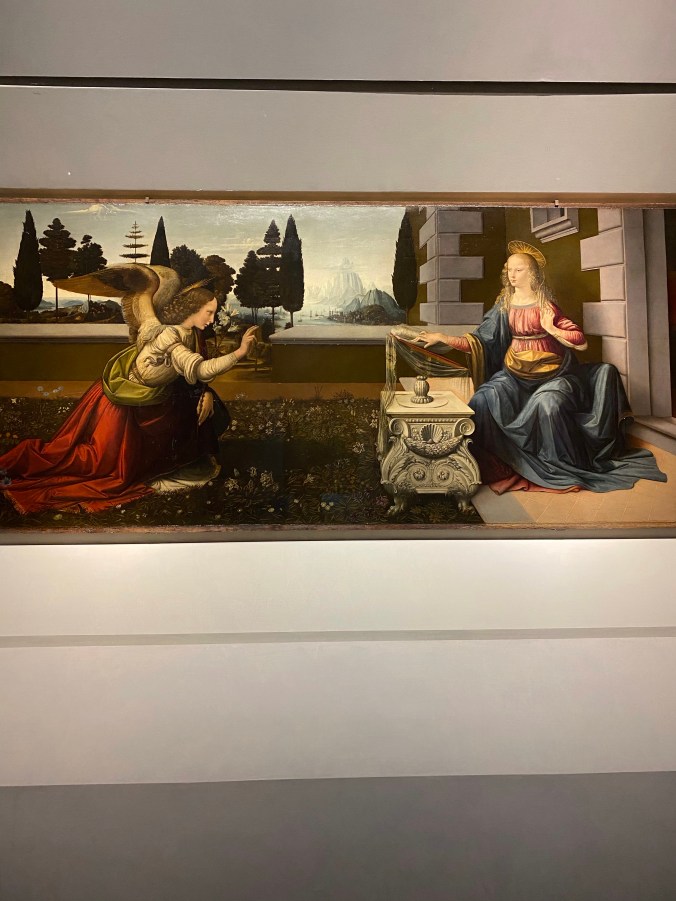
Come with me into the new Leonardo da Vinci and Andrea del Verrochio gallery. Look at the blissful moment capture below, during which I had the gallery almost to myself.

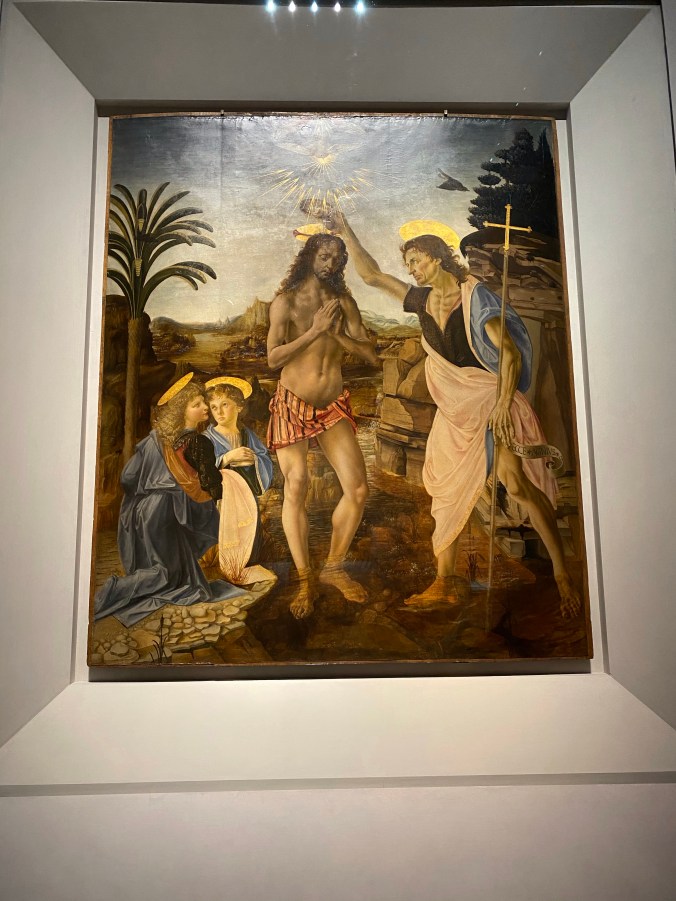
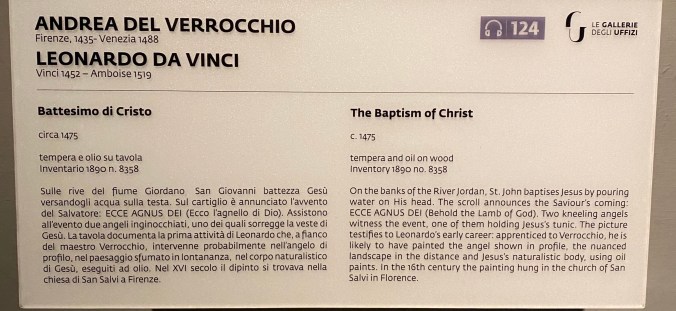
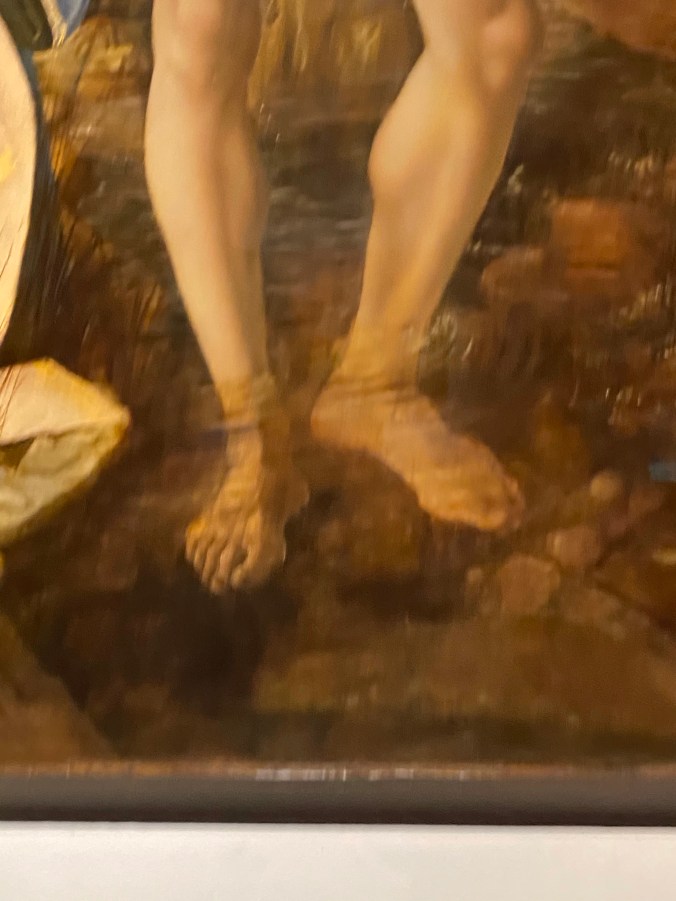
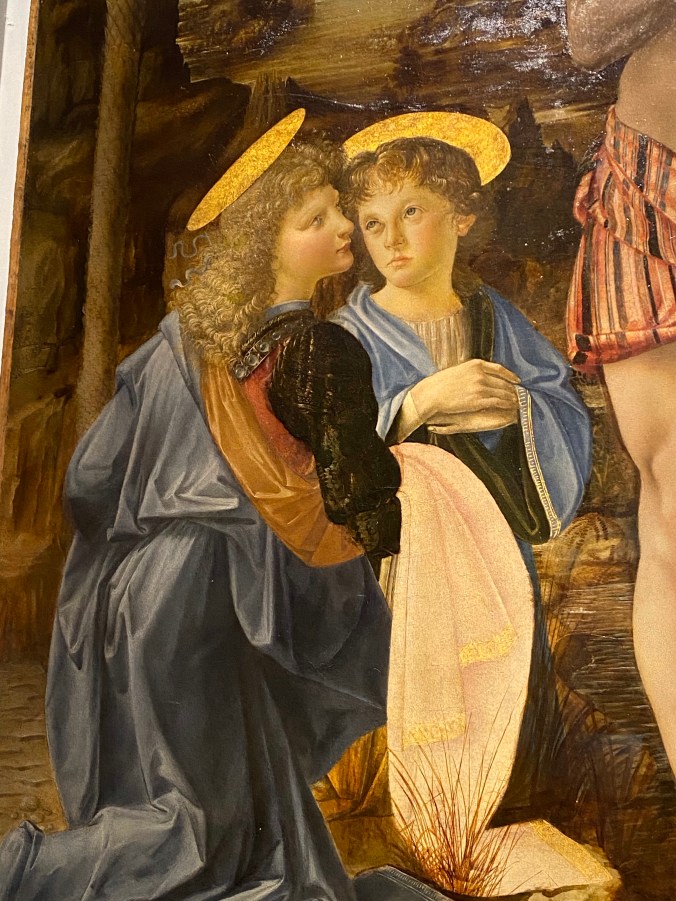
Andrea del Verrochio’s painting of the Baptism of Christ. Verrochio’s student, Leonardo da Vinci, assisted in painting. Most notably, the far left angel.
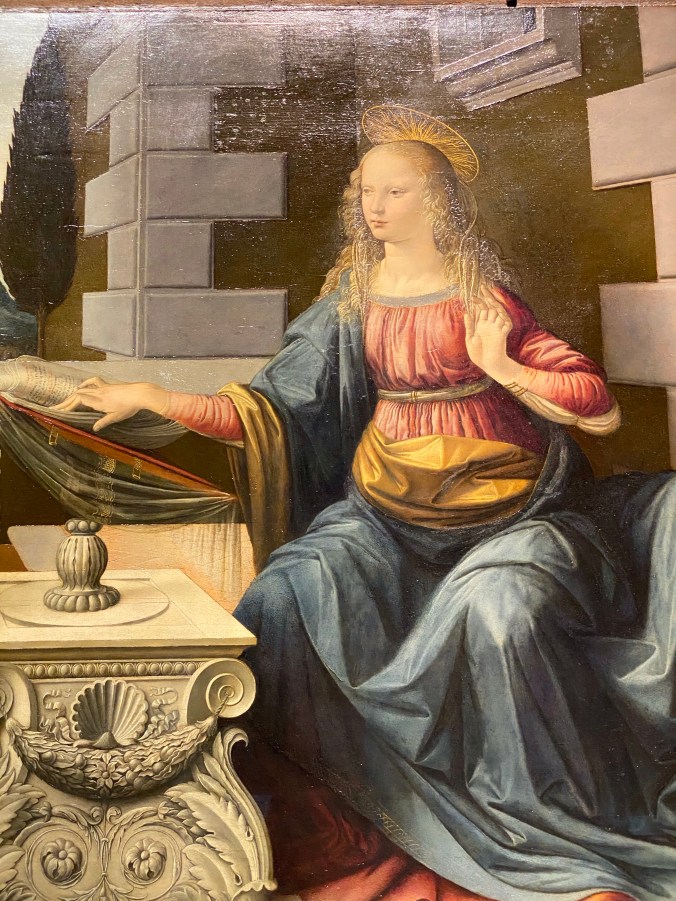
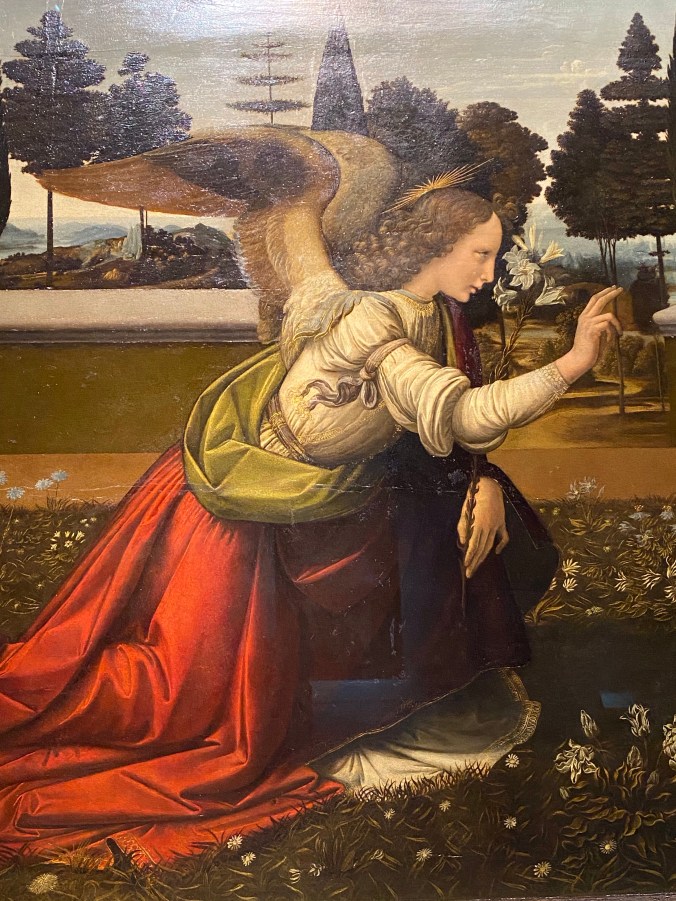
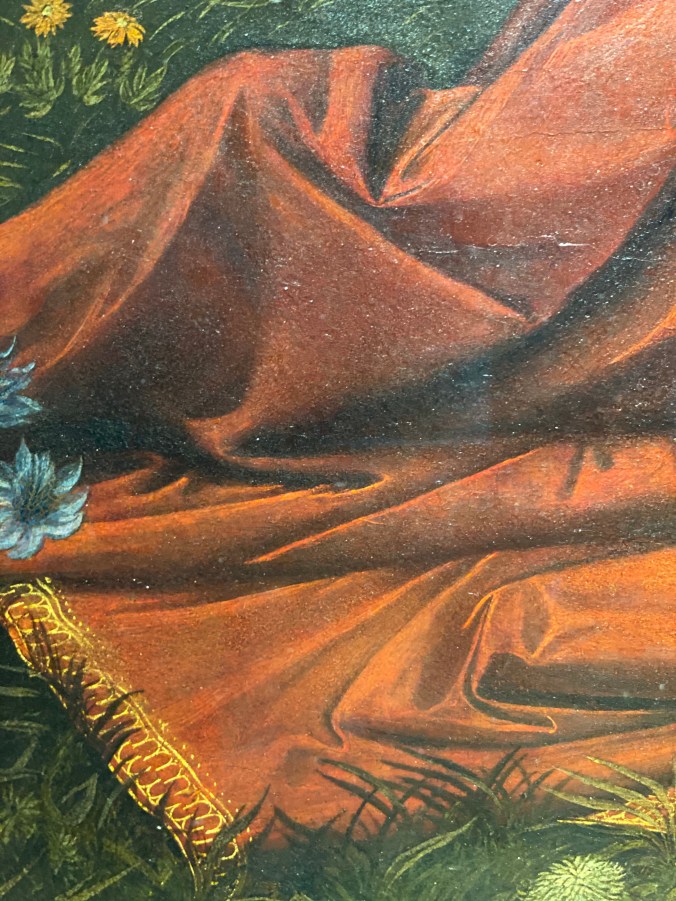
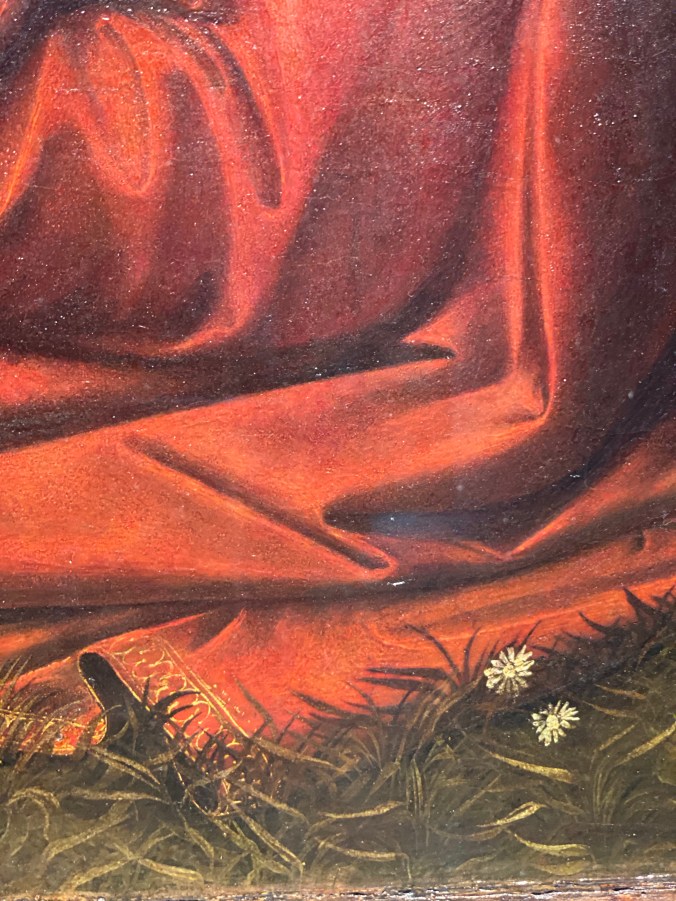
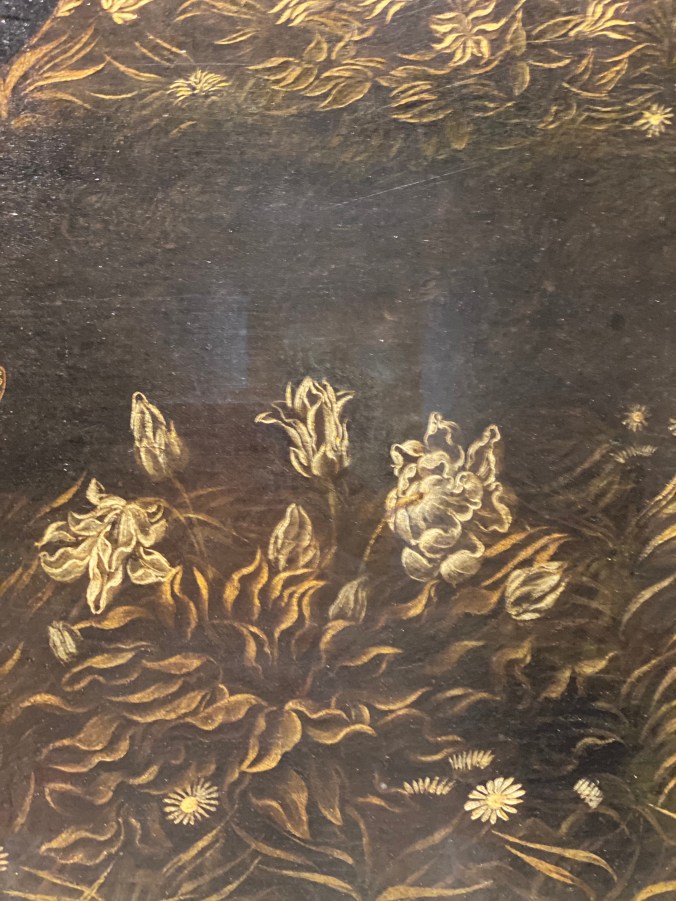
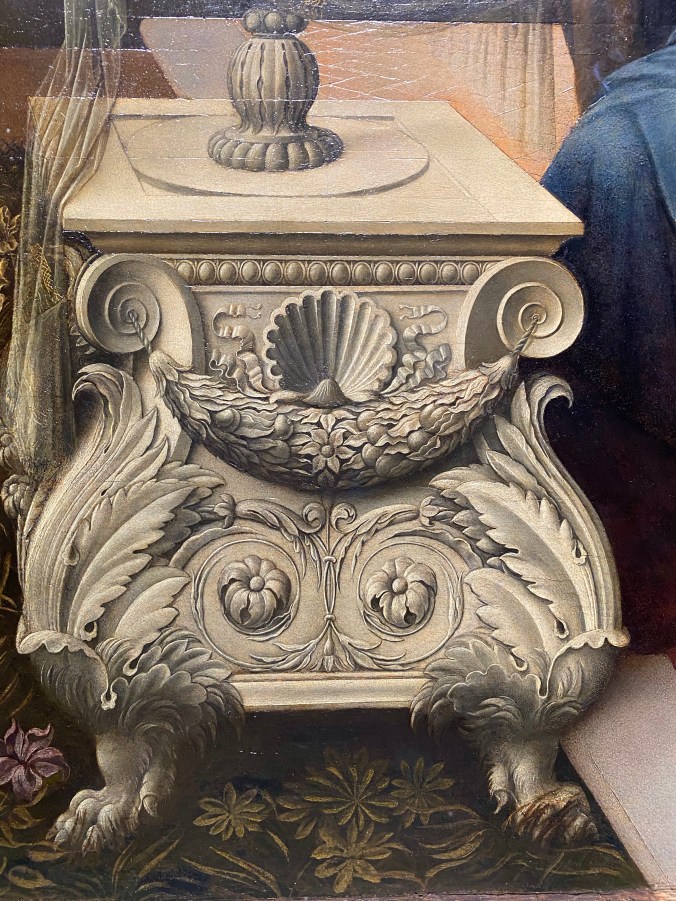
Leonardo’s Annunciation in a virtually empty gallery. My idea of heaven.
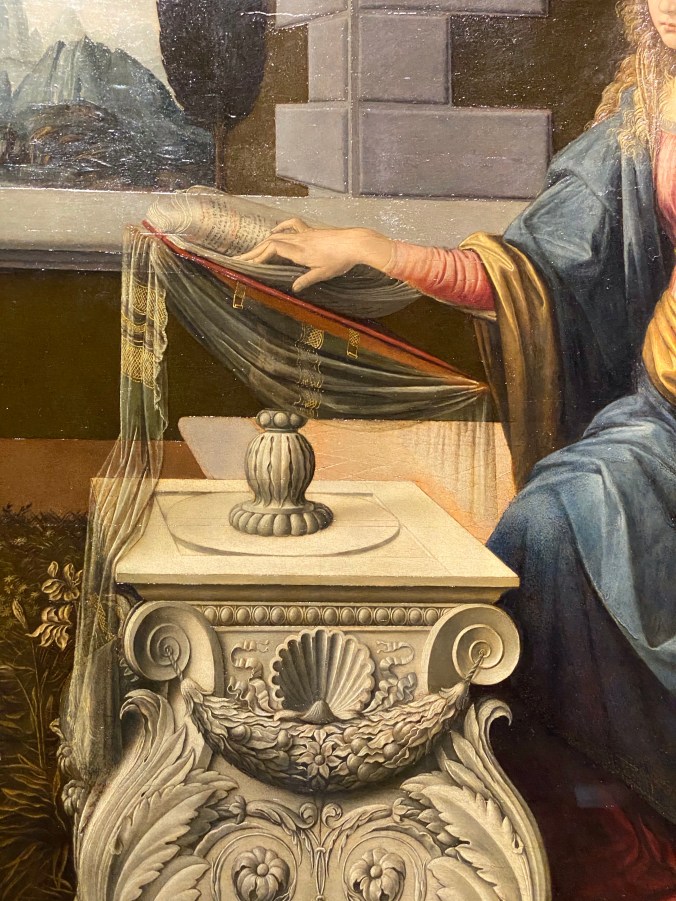
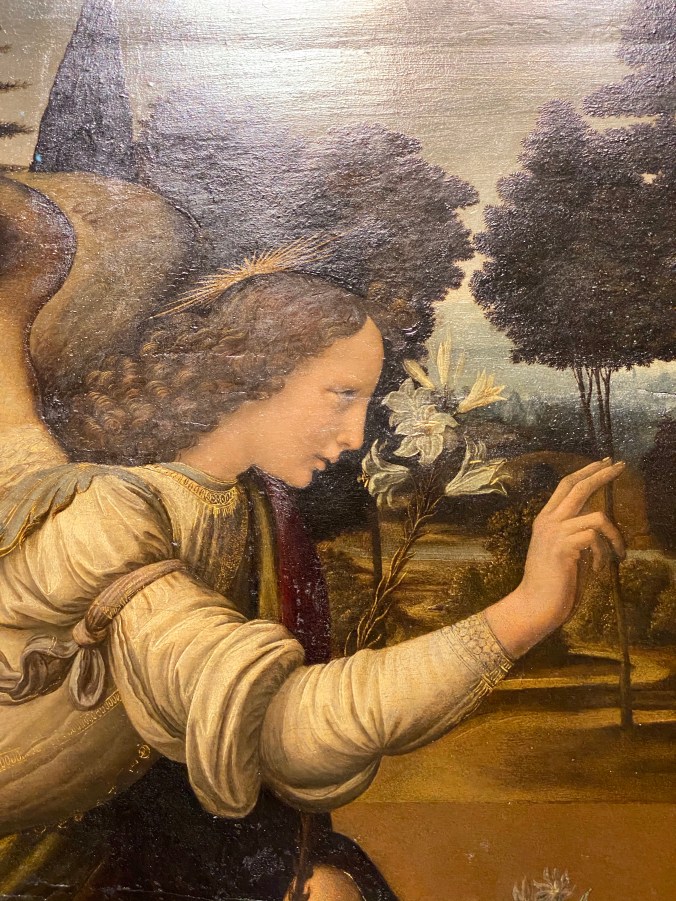
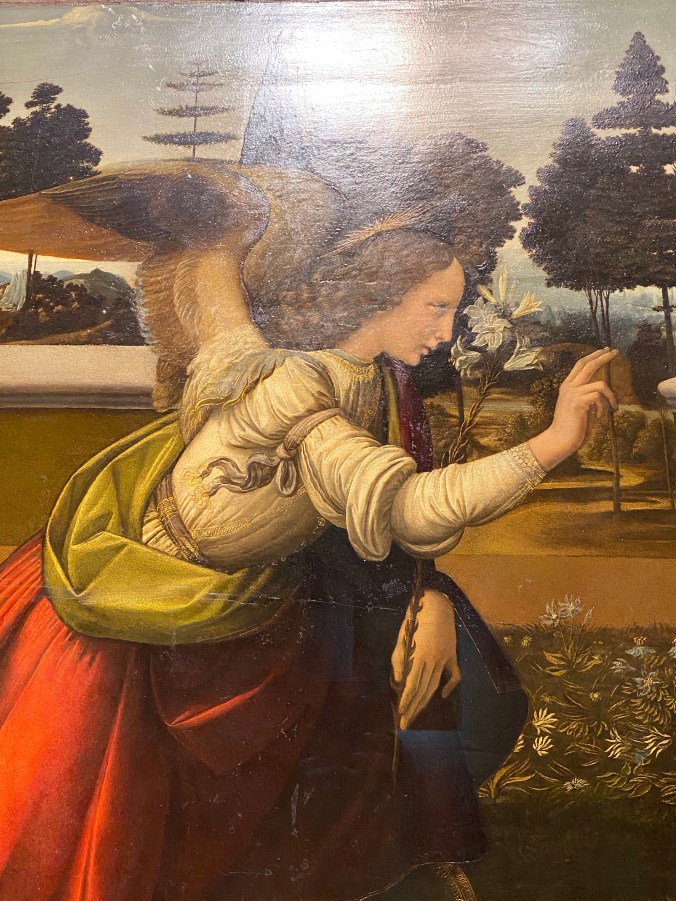

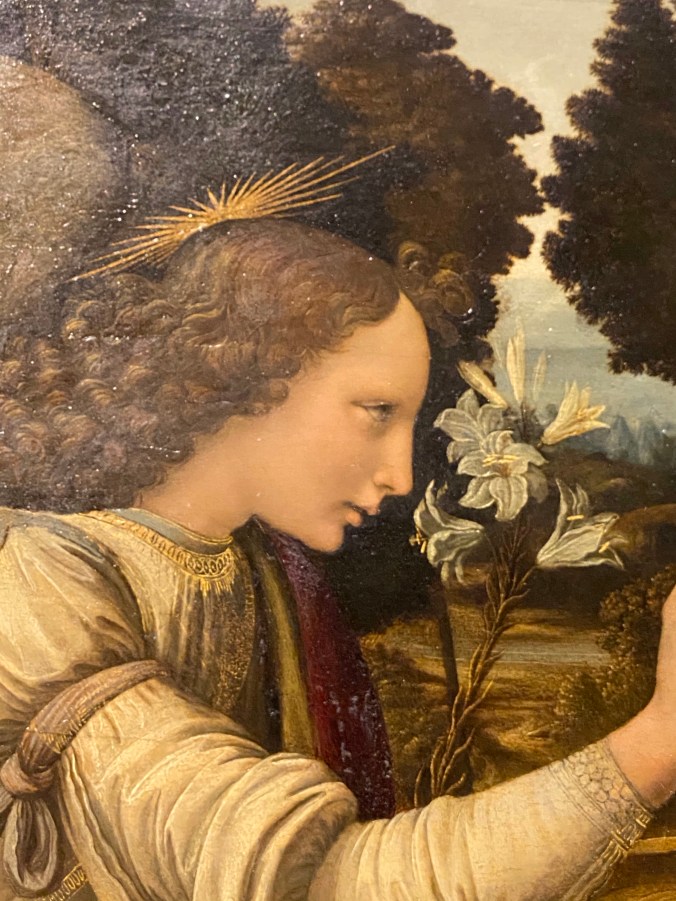
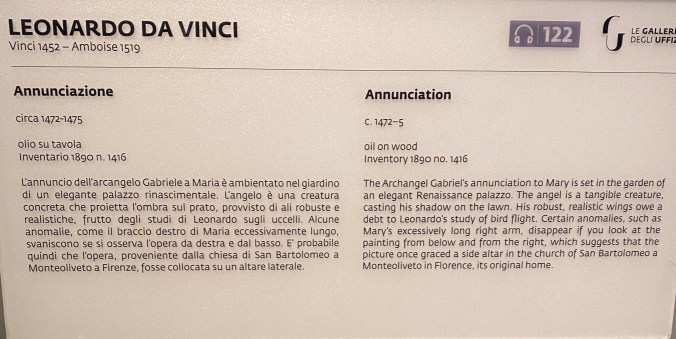
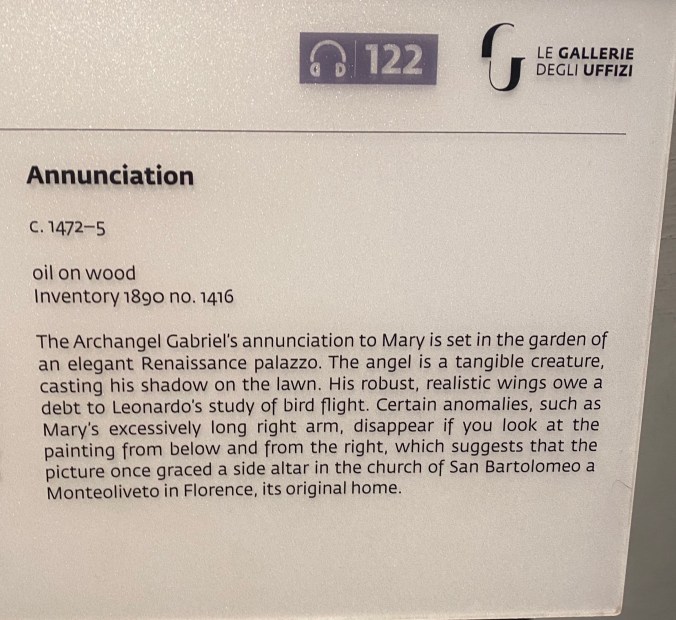
More to come from my June 25, 2020 visit.
What a joy to return to this wonderful museum. Despite the fact that Americans still can’t travel to Italy because of the Covid 19, I was surprised by the line outside the Uffizi. Once inside, however, the crowds thinned out after the first few galleries.
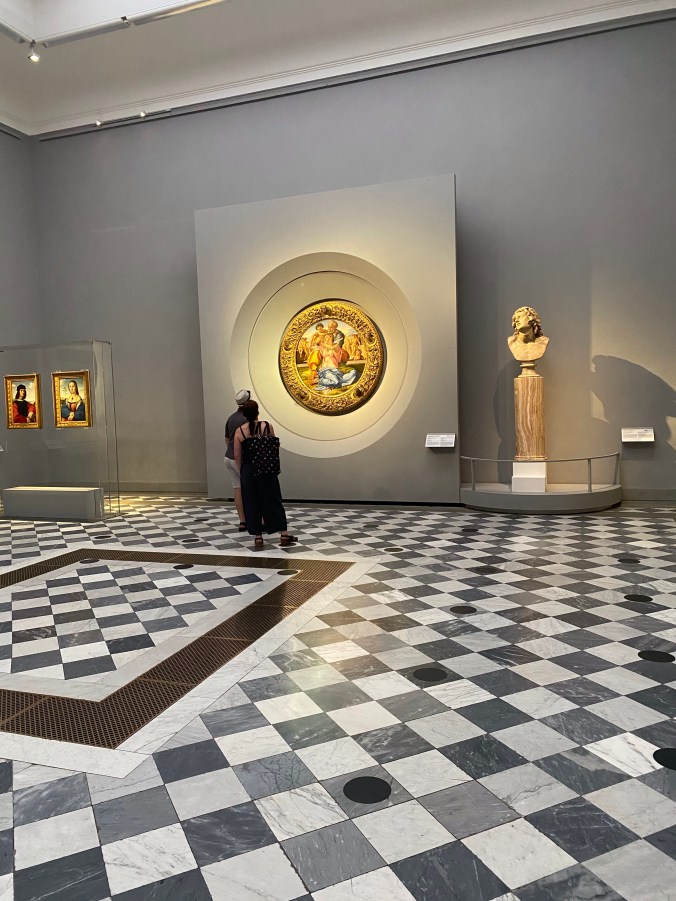
I had the new Michelangelo and Raphael gallery virtually to myself. Speaking of joy. It was so meaningful to me to be able to get up close and personal again with these amazing works of art.
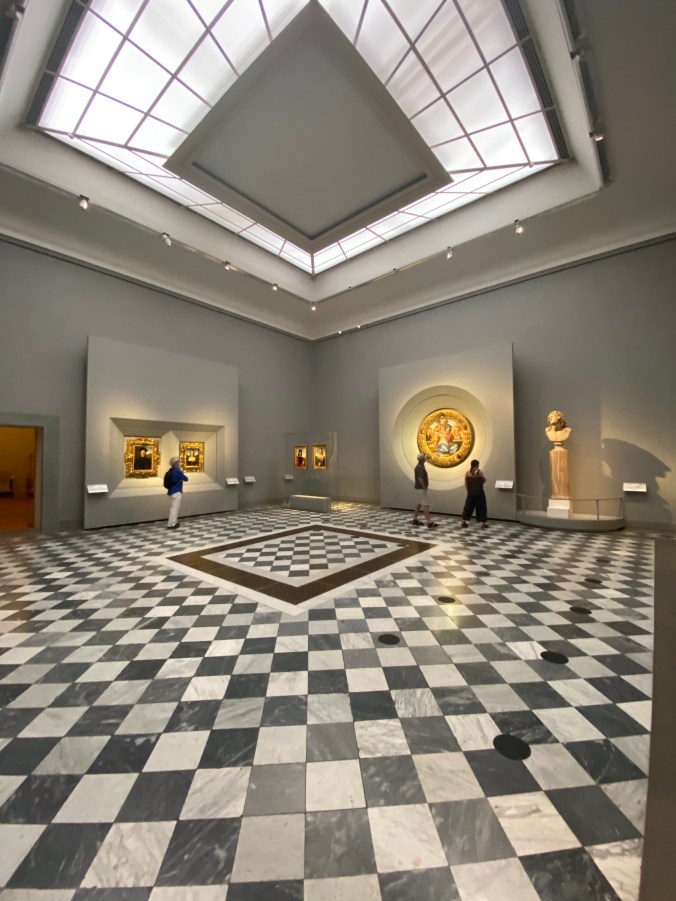
Michelangelo’s Doni Tondo:
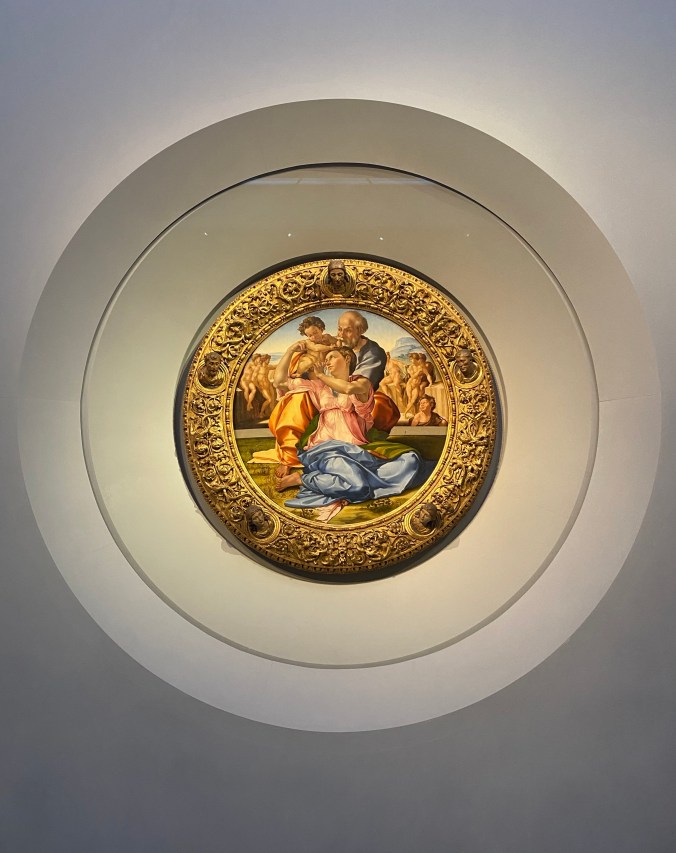

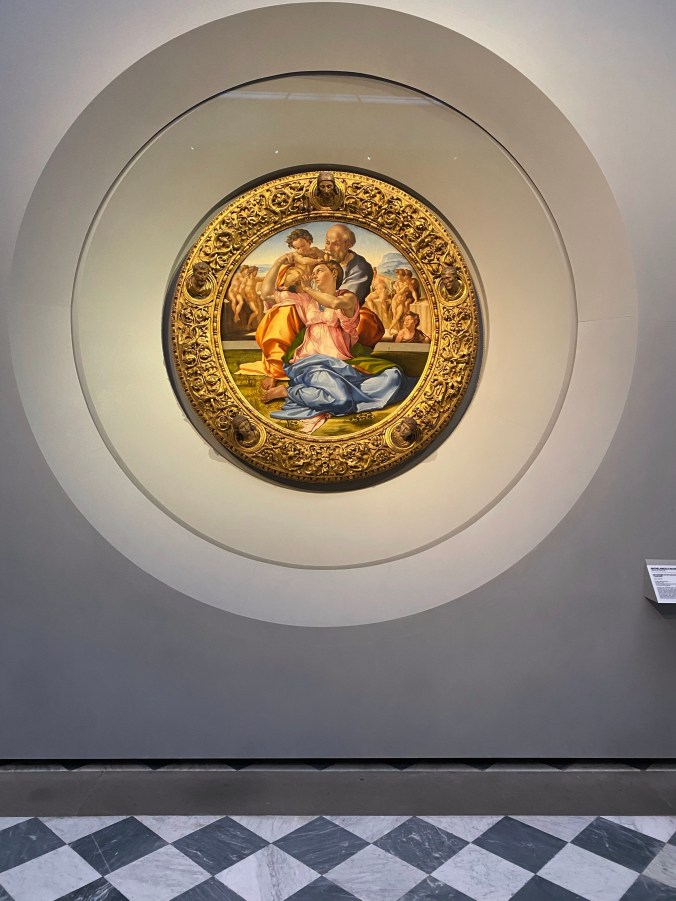
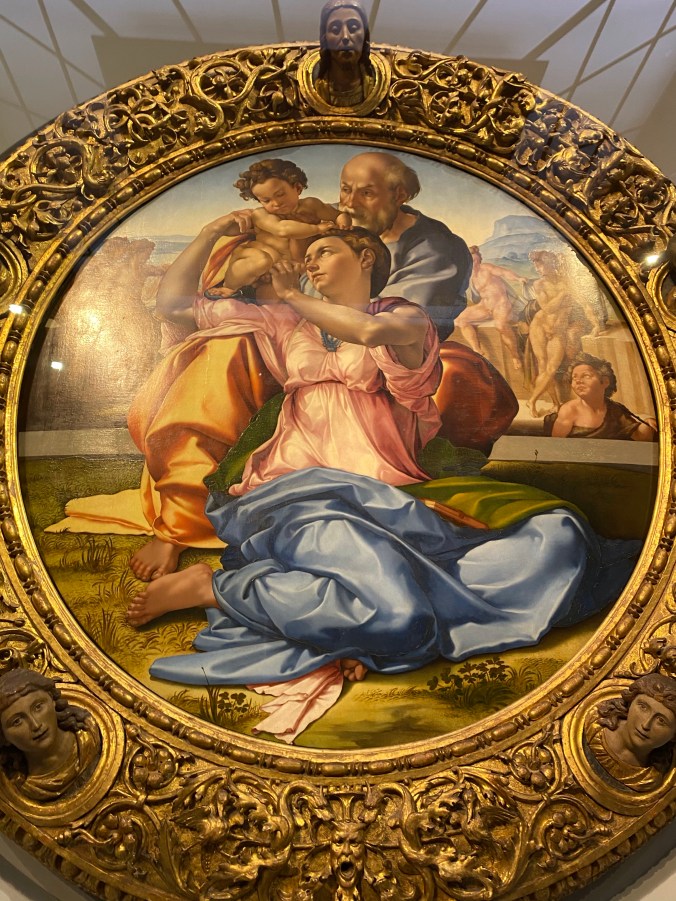
The Uffizi says of this painting:
This painting dates to when Michelangelo returned to Florence after his first stay in Rome, the same period when the great artist sculpted the famous David.
The work (c. 1506-1508) is the only painting by Michelangelo in Florence and is one of the masterpieces of the 16th century Italian art.
During the Renaissance, the “tondo” was a typical work for private clients. This tondo was commissioned by the wealthy banker Agnolo Doni, probably at the time of his marriage to Maddalena, member of the very important Strozzi family.
The figures of Mary, Joseph and the Child, are grouped in a single volume in which the rotation of the Madonna gives the composition a spiral movement that will later be used by many artists. In the background a group of young nudes brings to mind a classic theme, symbolizing the pagan humanity still ignorant of Christian doctrine. It is also interesting to notice the beautiful carved wooden frame, designed by Michelangelo himself.
From the artistic point of view, the Tondo Doni laid the foundations of the so-called Mannerism, the style of painting that preferred bizarre, unnatural poses and iridescent colors to the composed painting of the XV century.
The Tondo Doni is therefore a very important work of art because it is one of the few examples of Michelangelo’s painting, together with the magnificent frescoes in the Vatican’s Sistine Chapel.
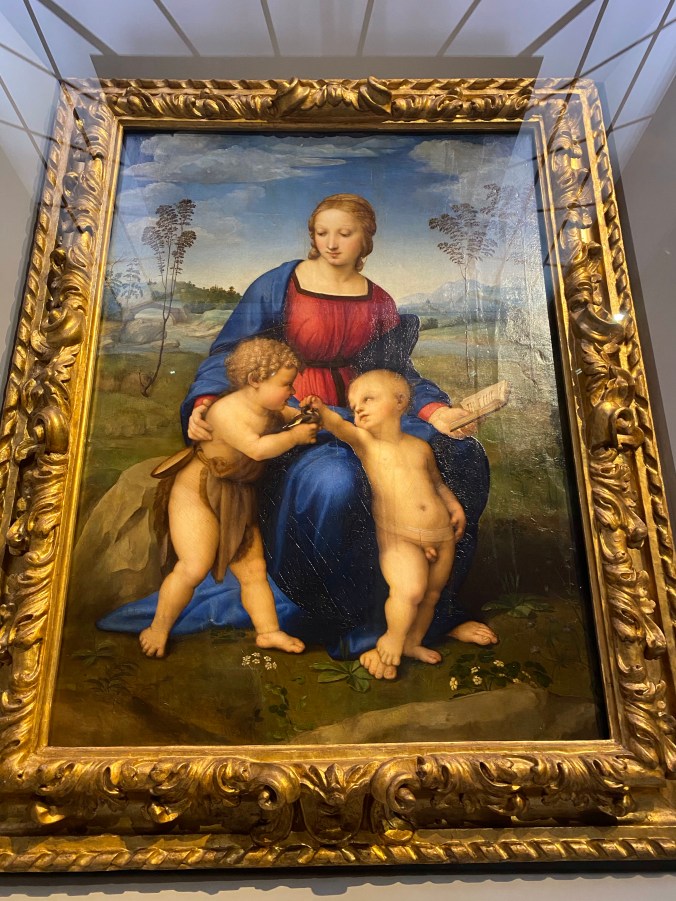
Raphael’s Madonna of the Goldfinch:
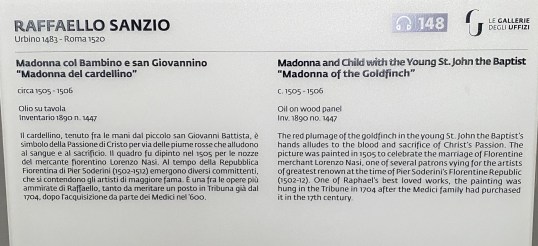
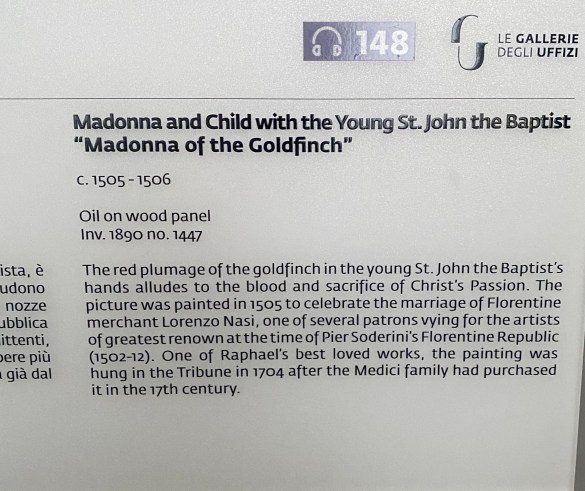
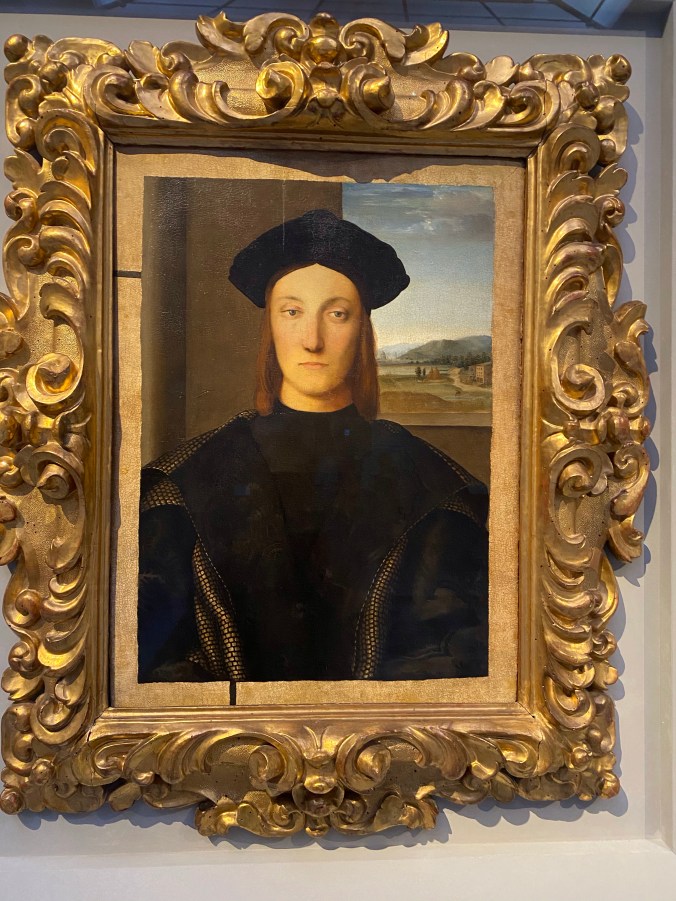
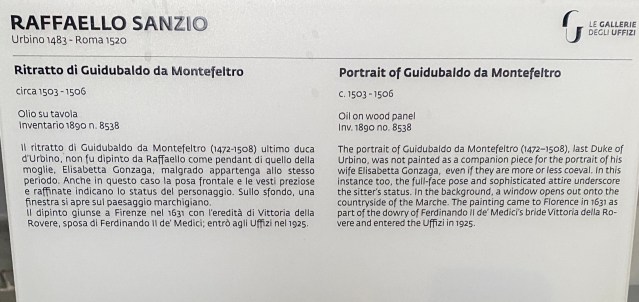
Raphael’s portrait of Guidobaldo da Montefeltro, 1503-06:
Raphael: Portrait of Elisabetta Gonzaga, 1503-06.
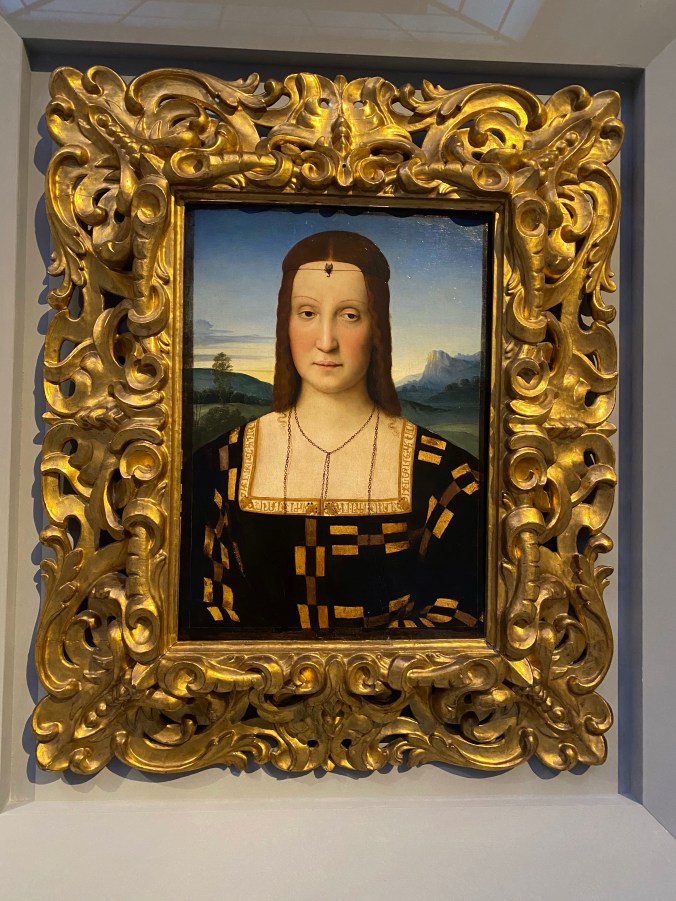
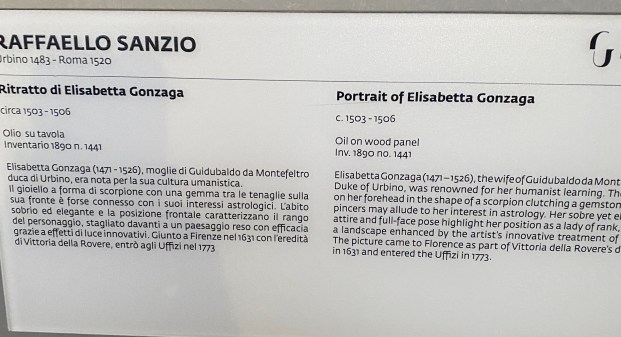
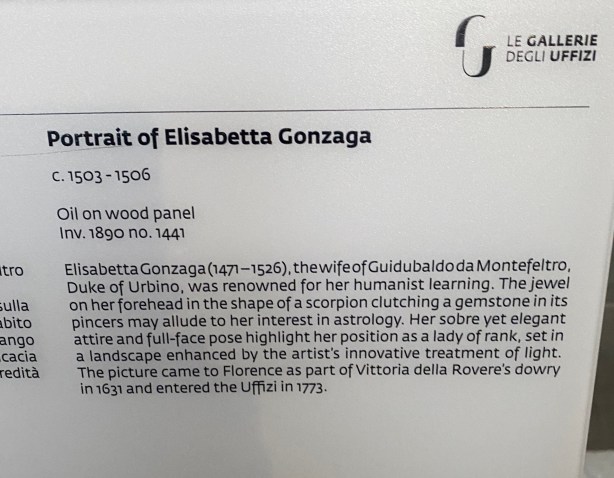
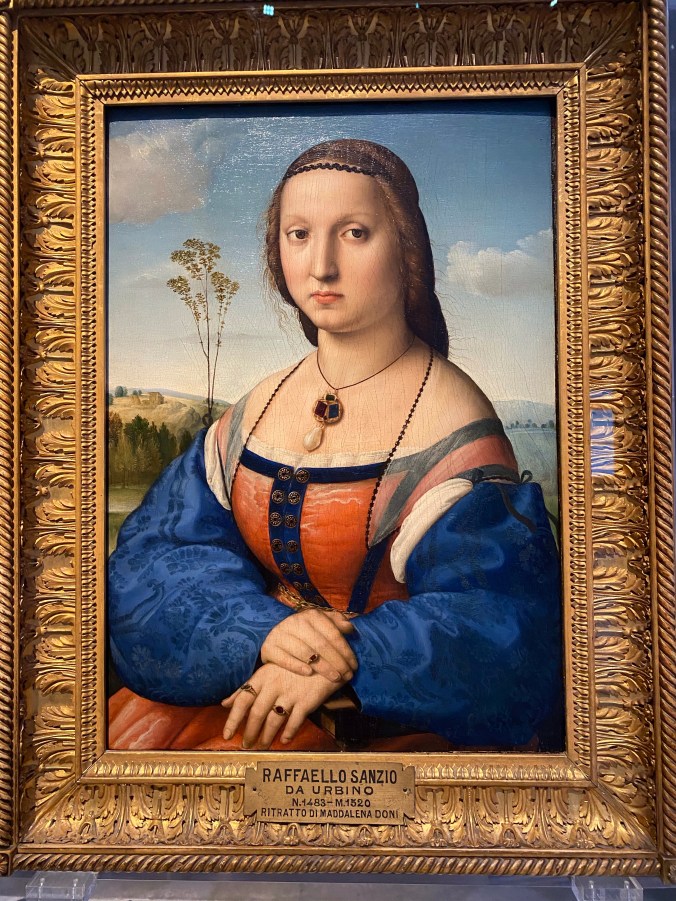
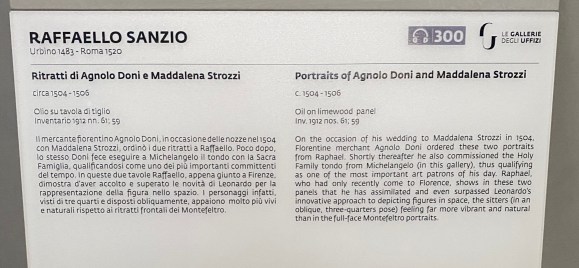
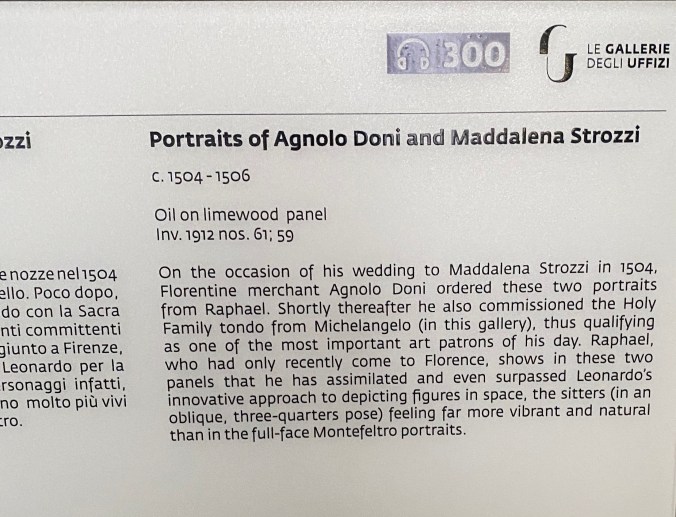
Raphael: Portraits of Agnolo Doni and Maddalena Strozzi, 1504-06/
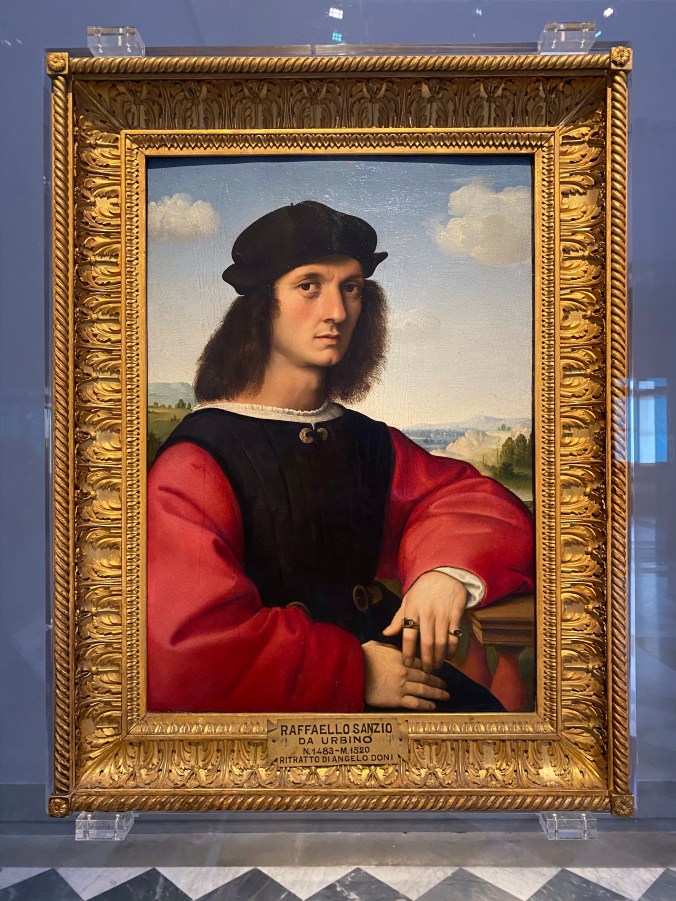
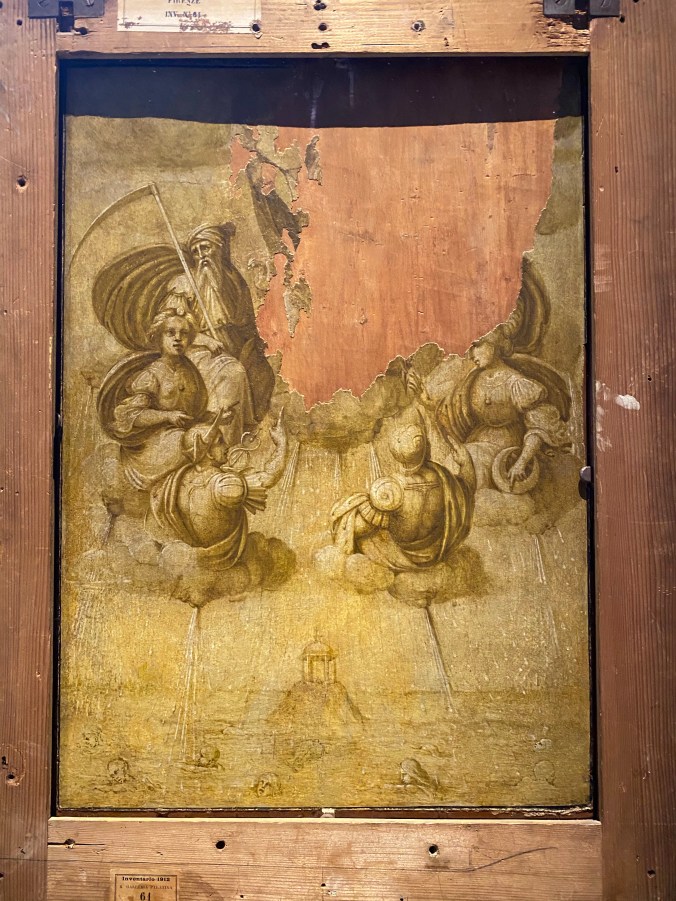
The Uffizi has hung the Doni portraits in a manner allowing us to see the very interesting backs of the paintings:
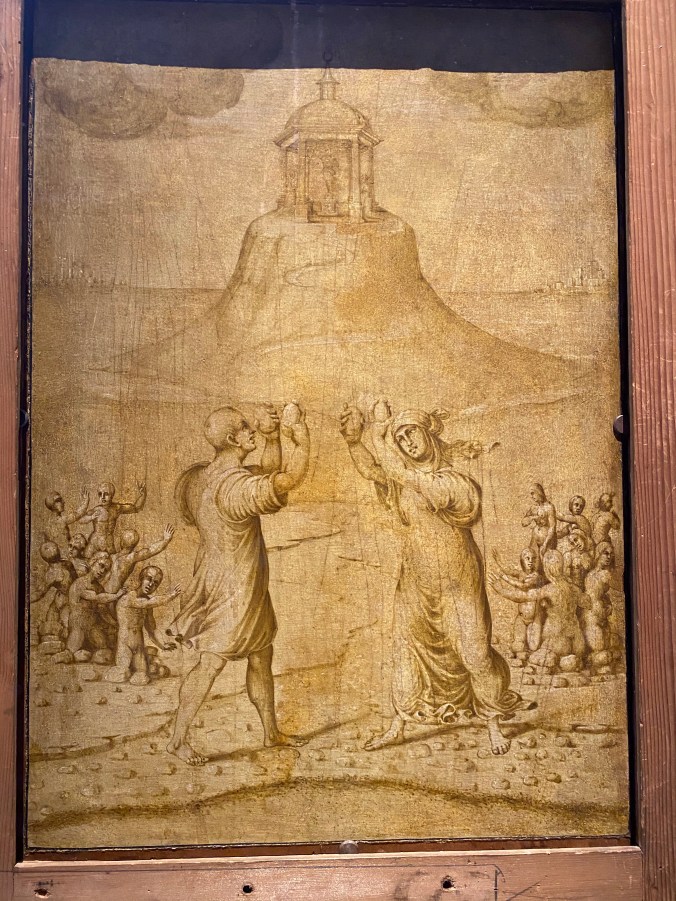
Today (June 25, 2020) was a great day in Florence!
And I paid a visit. It was not like the old days, where you could wander at will, which is very sad. Now they have a “percorso” or path, which you have to follow and they have guards in every room watching you like a hawk. It didn’t feel like they were watching out for Covid. It felt like they thought I was going to damage or steal the art. I didn’t care for it. Plus, I was one of 3 visitors. I mean, really?
Despite my complaints, the museum is still a wonderful place with a fascinating collection. It is one of my favorite museums in Florence. Here are a few of my favorite things:


The unusual sculpture above, showing a woman breast feeding 2 children at once, is explained in the label above.


Here’s some info about the collector for whom the museum is named:


And here are some of his eclectic objets:

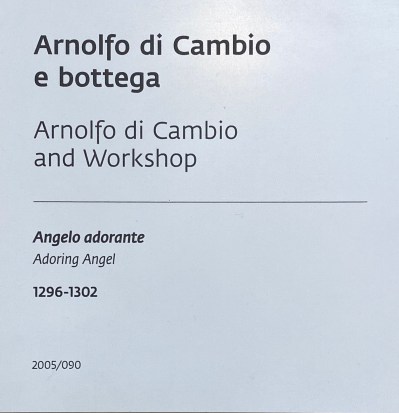
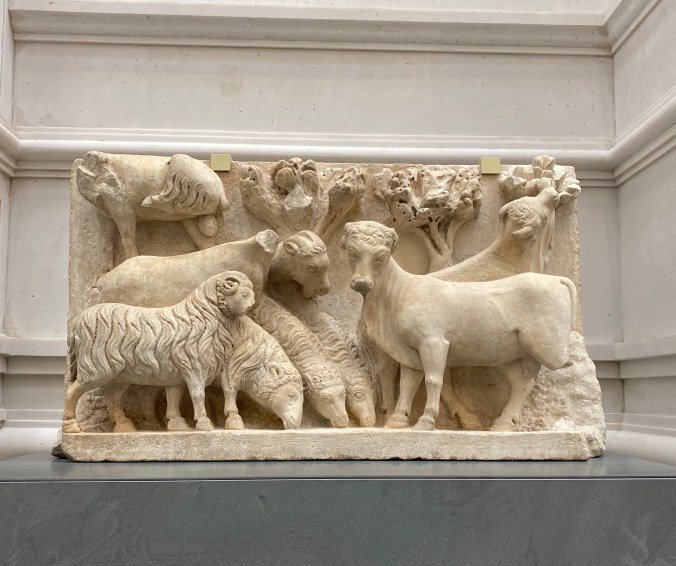
It’s official. My new favorite art form is medieval sculpture. I mean, look at the examples above and below. Did you ever see a sweeter angel above?

And, above, check out the lion caryatid figure. Notice that he has a poor ram pinned below his feet, for all eternity. The poor ram. I love the primitive charm of these sculptures!
When I backtracked to take a picture of this gorgeous Renaissance doorway was when I knew my visit yesterday was not going to be the carefree affair of the olden days. A mean, older woman reprimanded me for taking a few steps back towards where I had come from (although how you would notice the far side of the doorway you are walking through is beyond me), cackling at me that you must follow the path forward (I saw no signs showing me the path ahead either).
But, forget about her…look at the sumptuous doorway. Wow. What it must have felt like to use such casings.

Going upstairs, like a good girl, I arrived in the room for which I had come. I could spend hours in this gallery, if they would turn on all of the lights and get rid of the guards acting like I was going to damage the artworks.


Donatello’s Madonna and Child with the Apple


Donatello’s Madonna and Child, known as the Madonna and the Ropemakers:


And then there are the cassone, or the wooden chests (like a hope chest for an aristocratic Italian woman), that Bardini collected. If they would turn on the lights in the gallery and let me get close to the works, I would be in heaven. As it is, I’m halfway to heaven, just looking at the furniture and thinking about the girls/women whose lives they represent.


And then there are the cornice: the incredible frames that Bardini collected. Any American art museum would give eye teeth for one of these marvelous frames.

Moving into another gallery, I pass through another sumptuous doorway casing:

Beautiful painted crucifixes were also collected by Bardini. Below them, more cassone.


I could spend a day in this museum just studying the ceilings:


Or the Sienese sculpture:


Below, you might think you are looking at a rug on a floor, but it is a ceiling:

Upon leaving my favorite galleries, I go down this stairway, lined with rugs hung on walls. Very effective.

What a collection. Despite the guards, I love this museum!
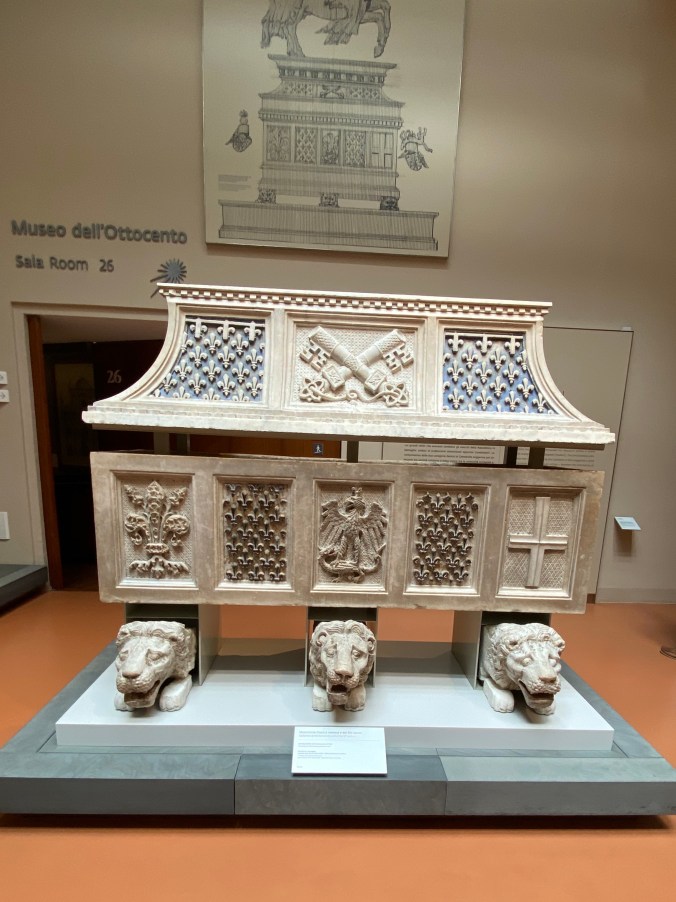
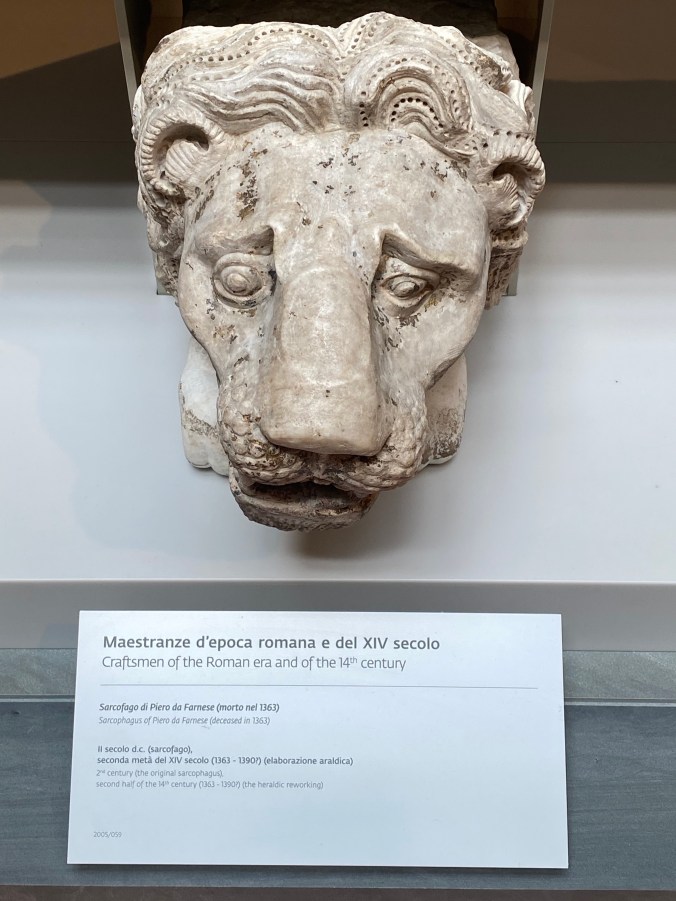
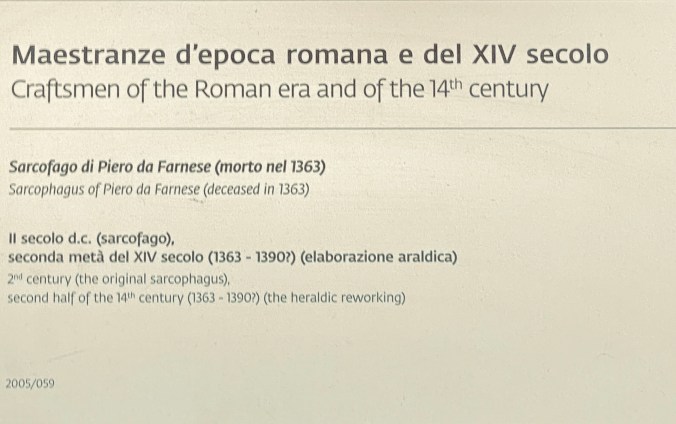
Prepare yourself for a huge jump from the Roman and Renaissance eras to the 19th century! The paintings below are from the facade of the duomo, which was erected in the late 19th century.
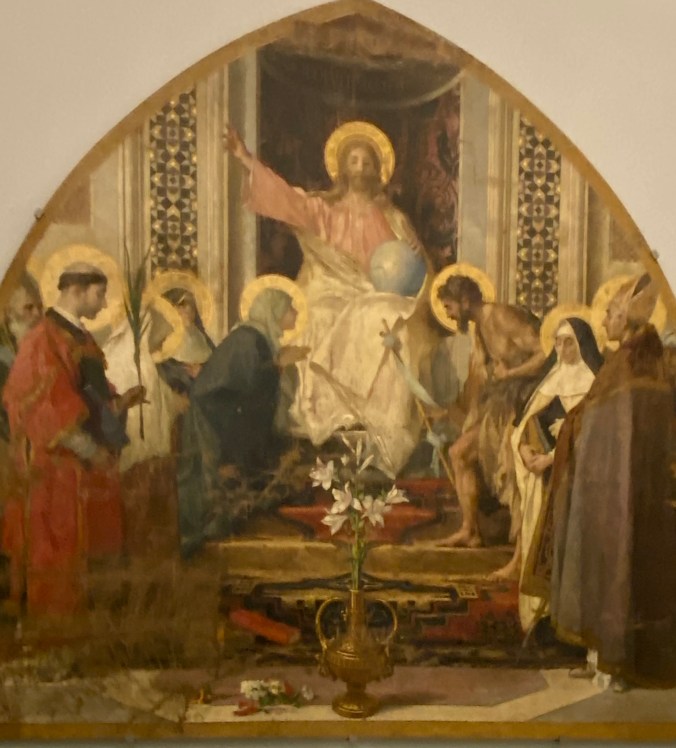

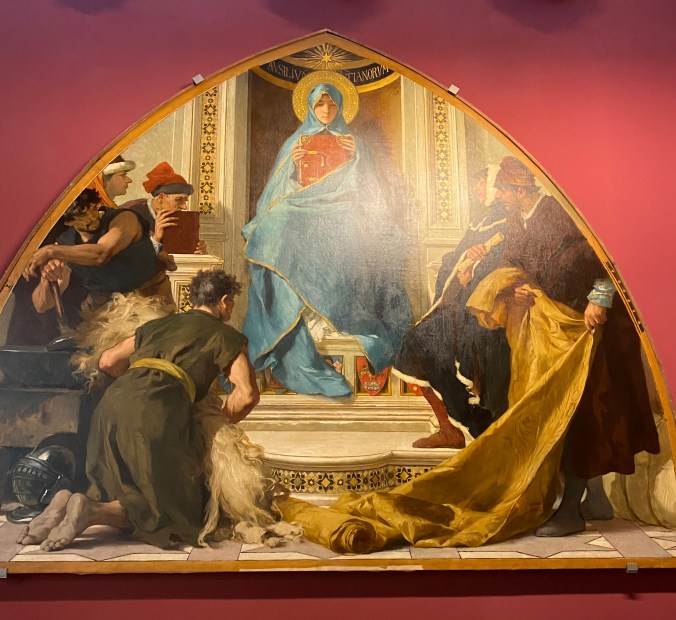
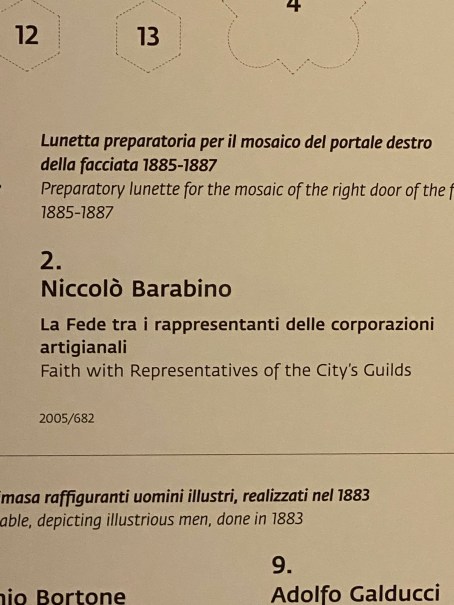
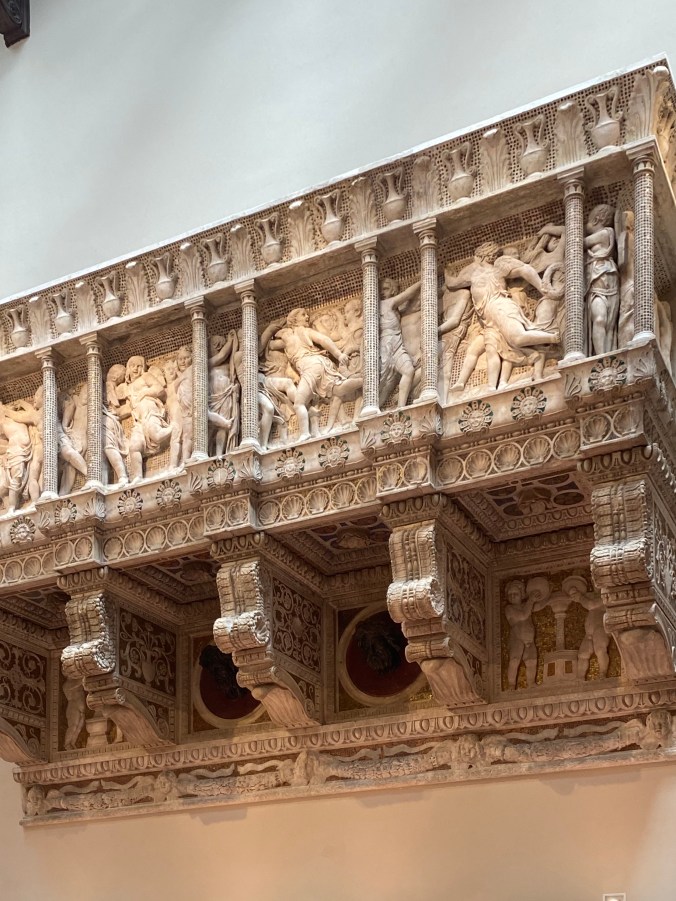
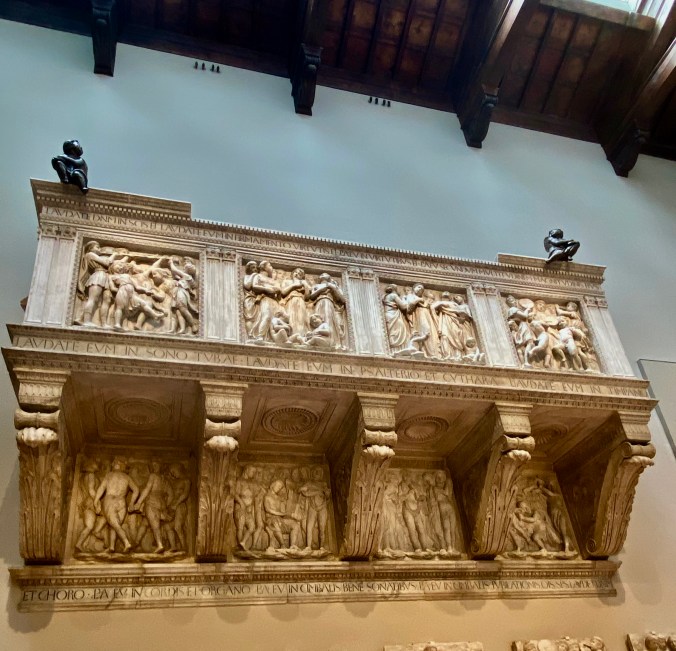
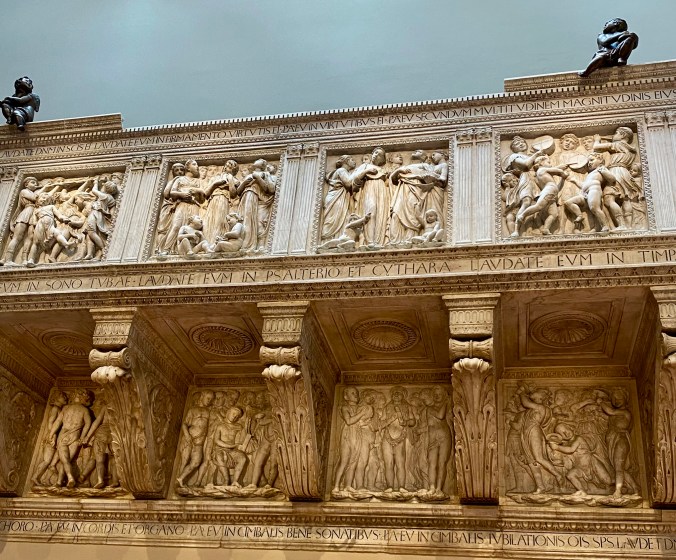
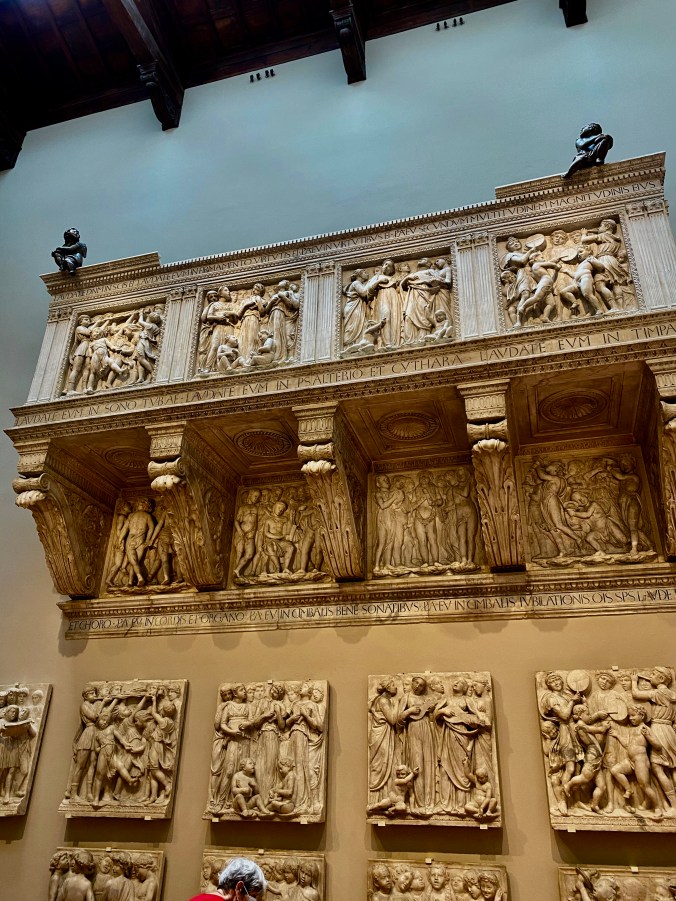
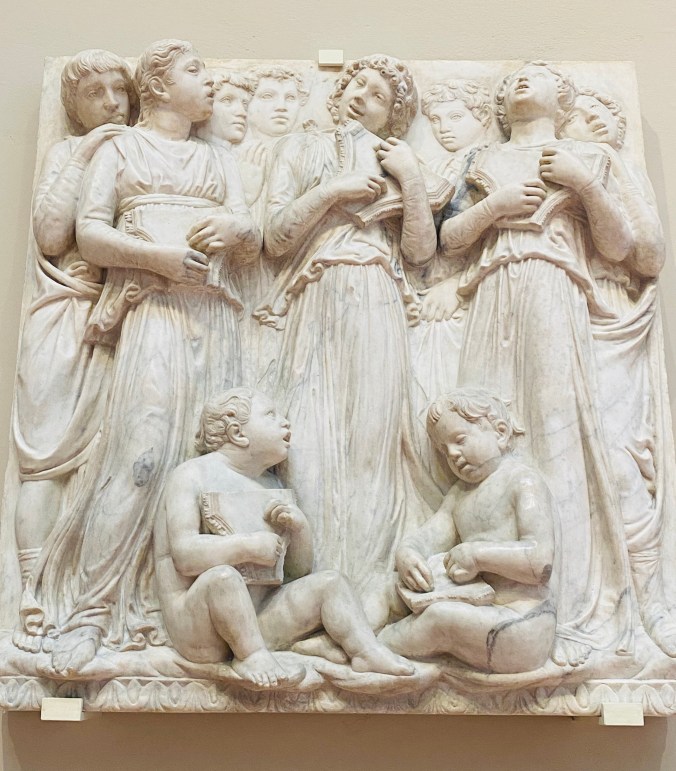
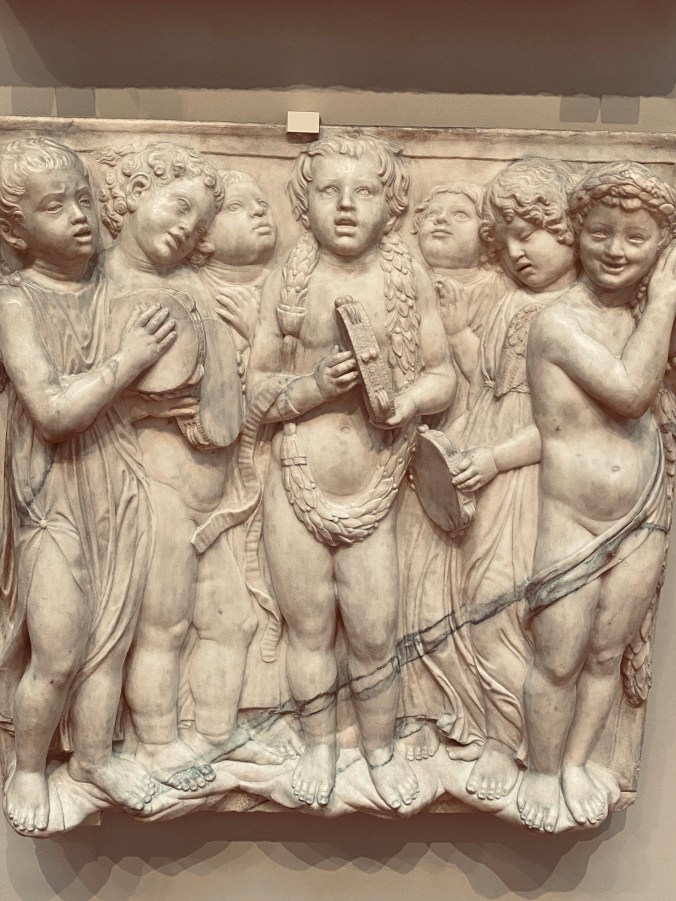
For me the highlight of the opera’s collection are the 2 exquisite cantorie by Donatello and Luca della Robbia. Originally a part of the duomo, these beauties are preserved in the museum where they are exhibited up high as they would have appeared in the cathedral. I am in their thrall.
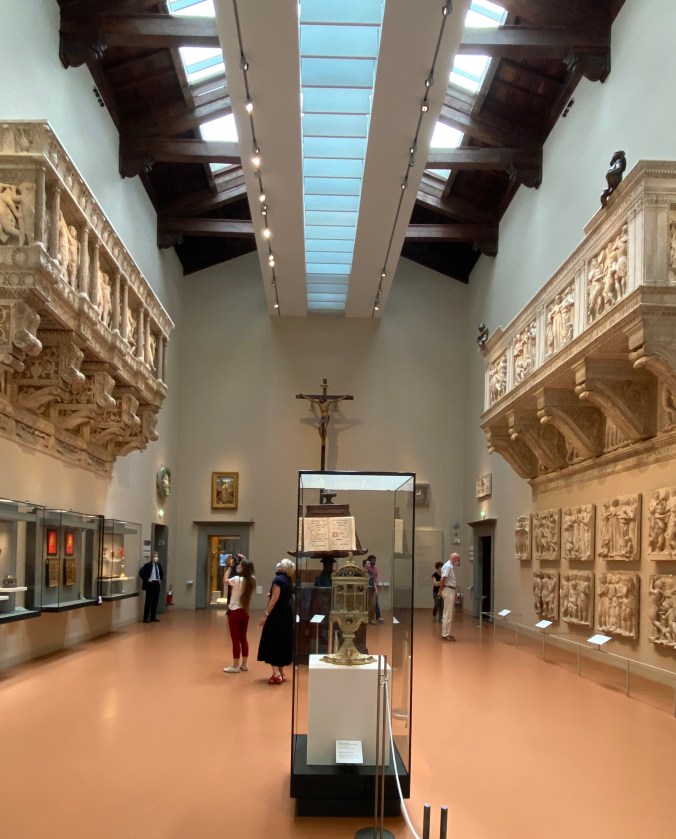
First up, the Donatello:
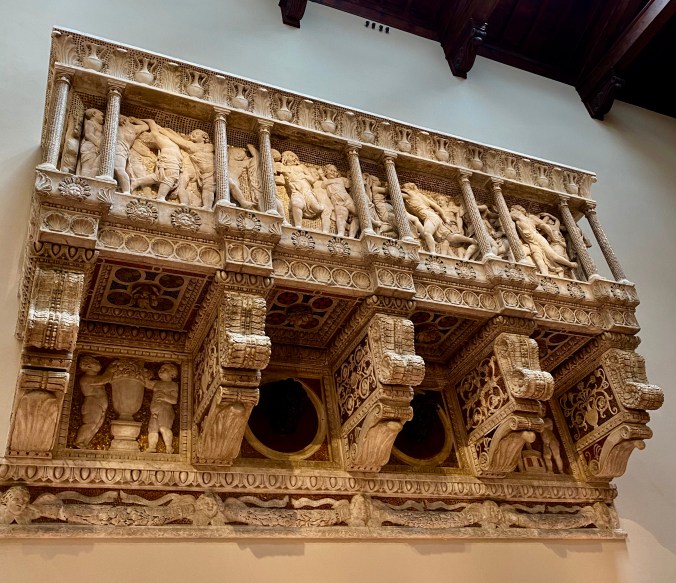
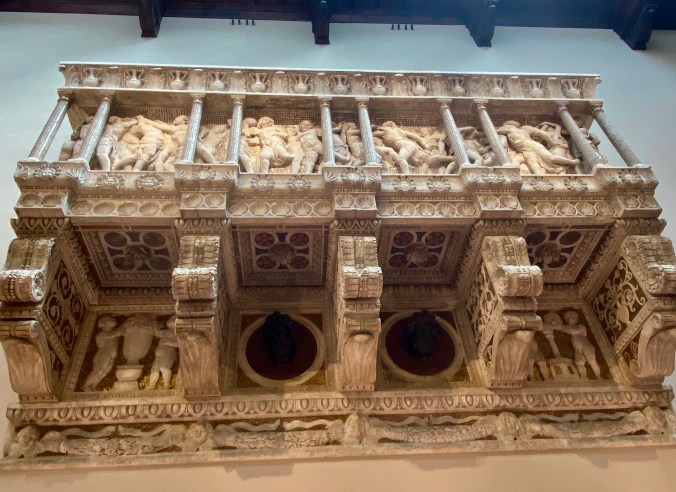
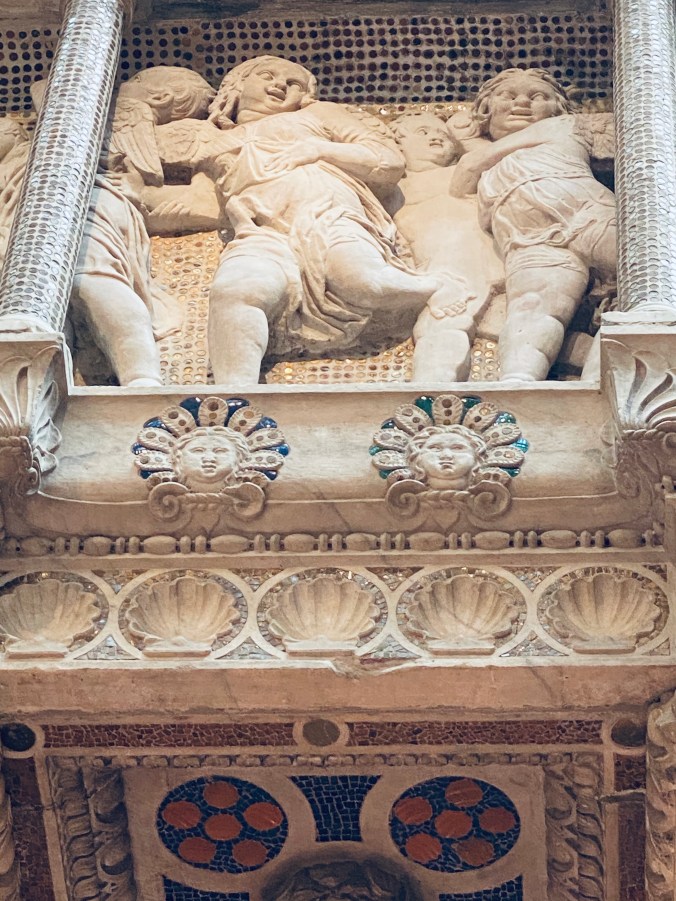
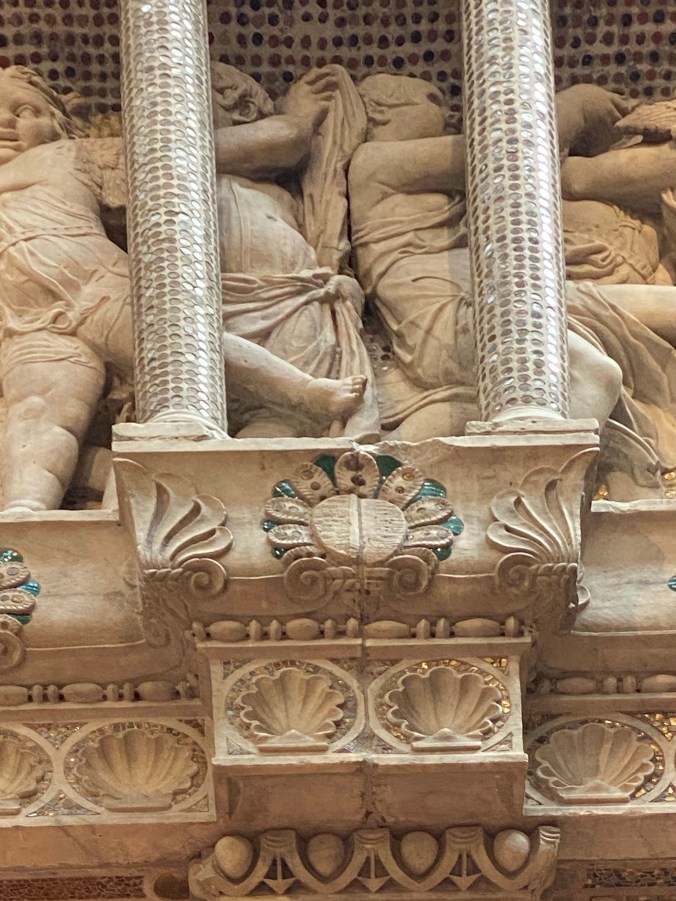
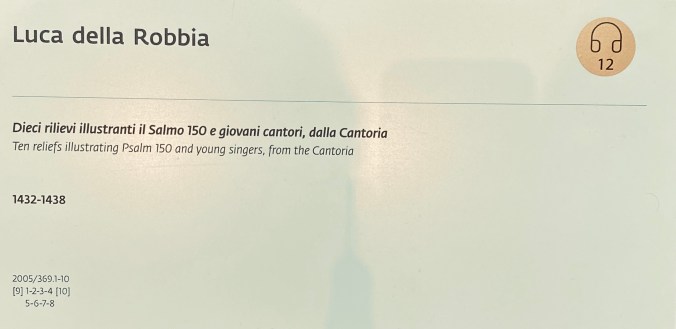
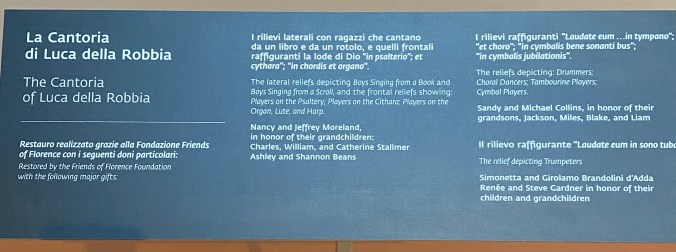
Now, moving across the room to the Luca della Robbia masterwork:
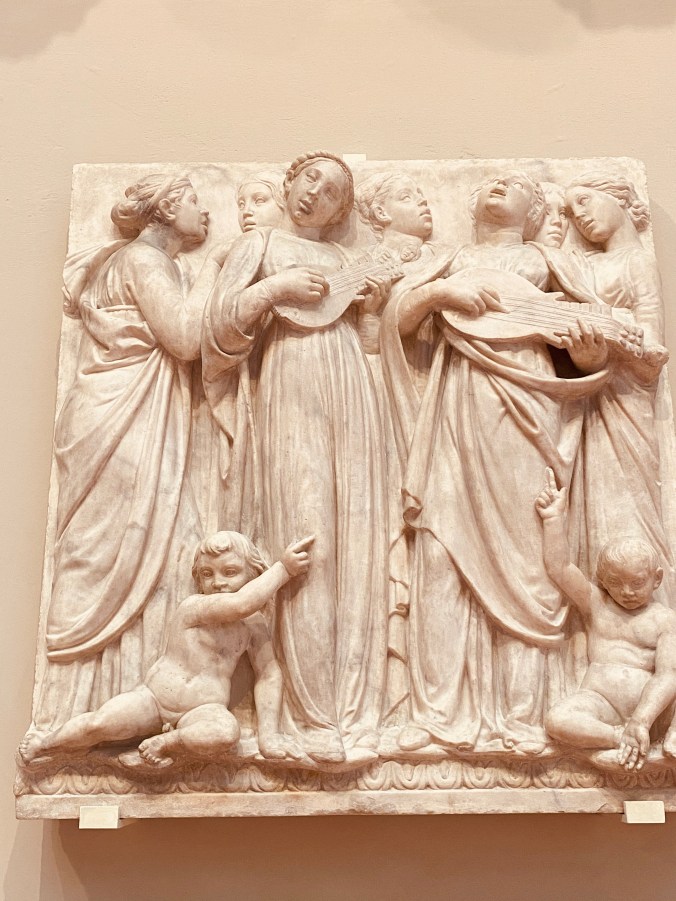

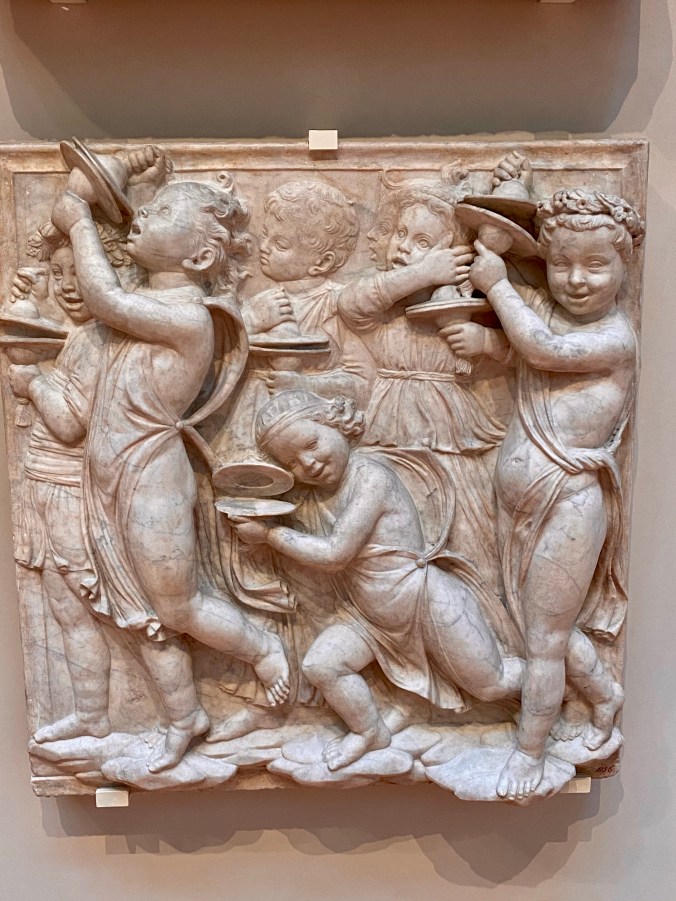
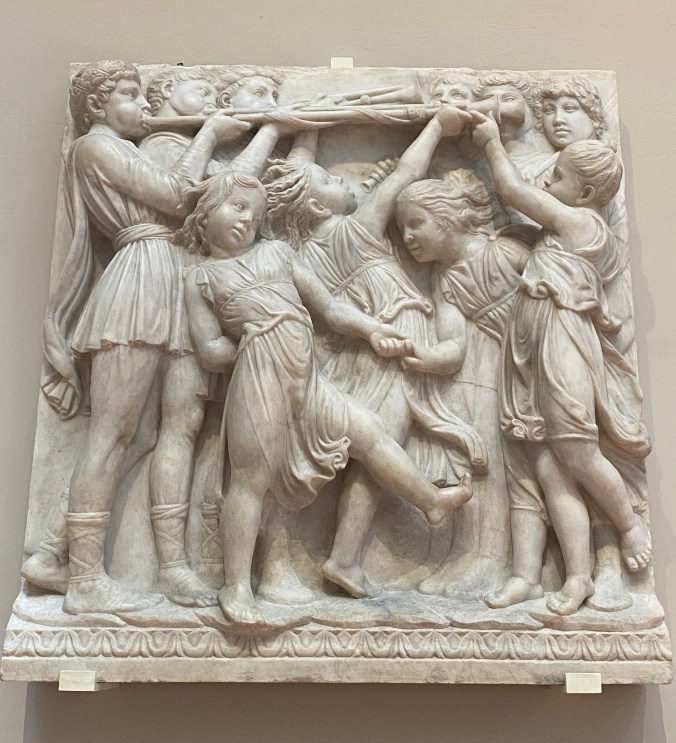
The extraordinary riches in this museum require many posts! Here is part 3 of my recent visit.
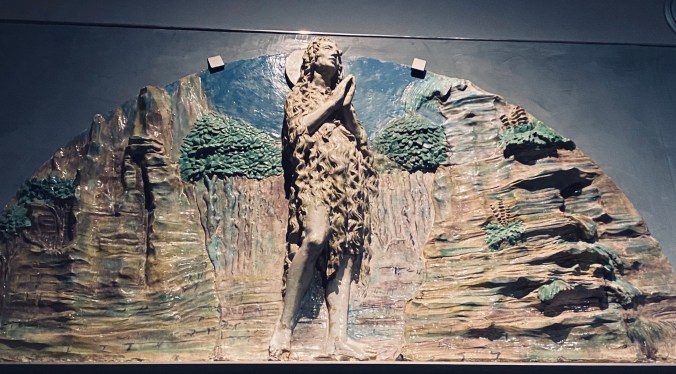
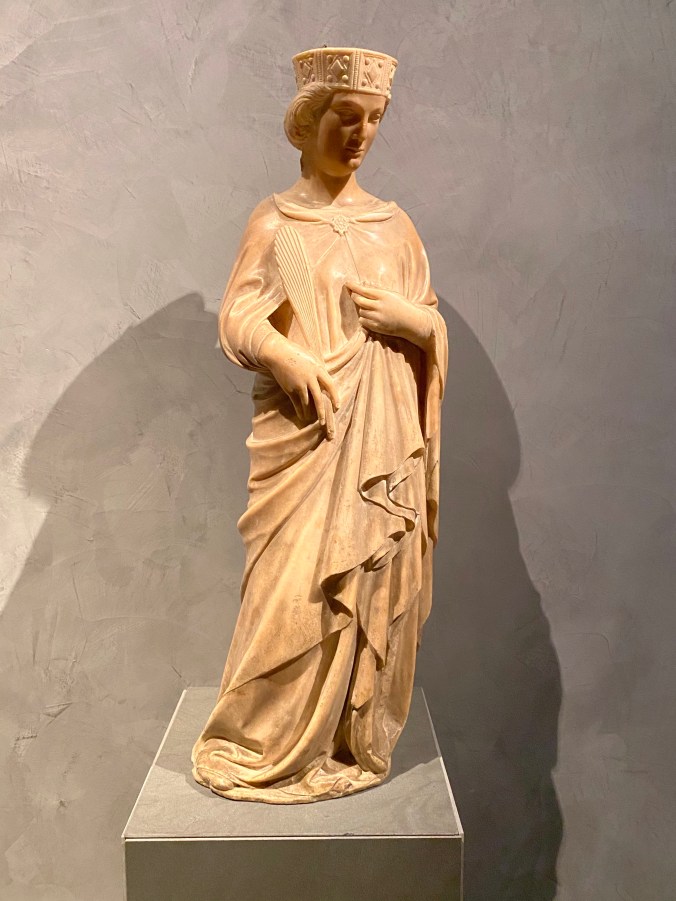
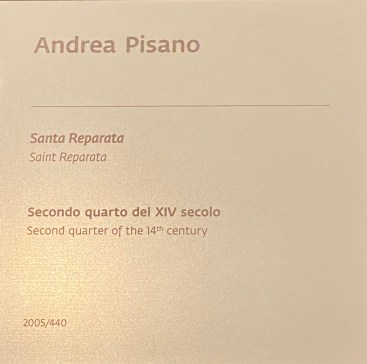
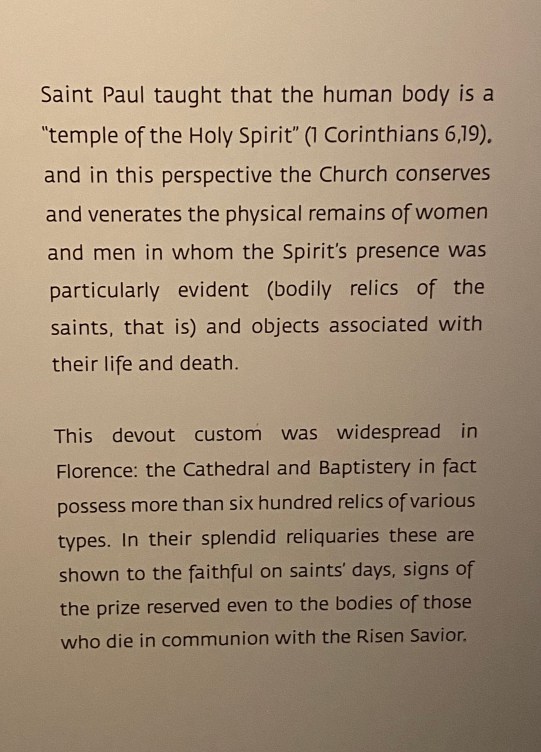
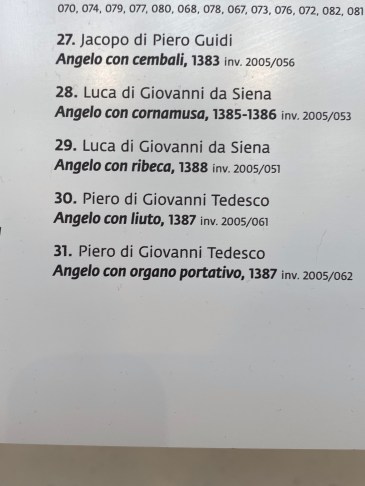
The next 2 labels deal with the custom of collecting relics some of the ones preserved in Florence:
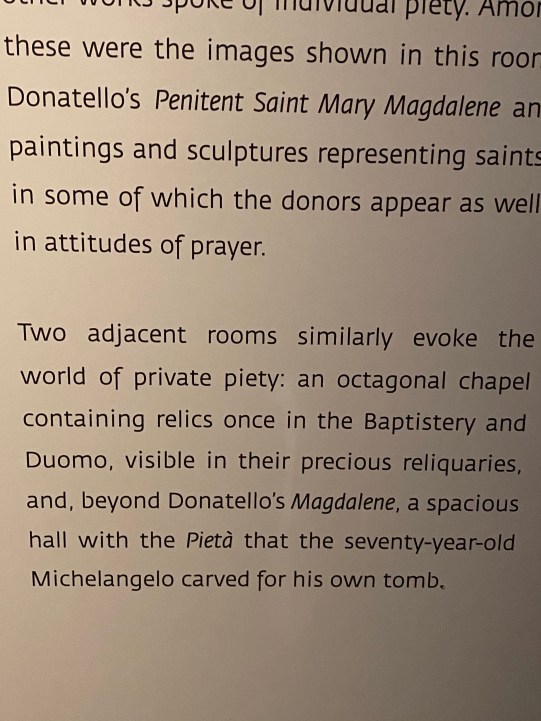
Now on to the amazing bell tower in the duomo complex.
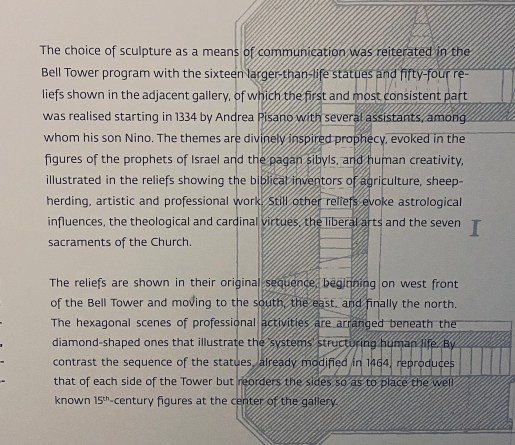
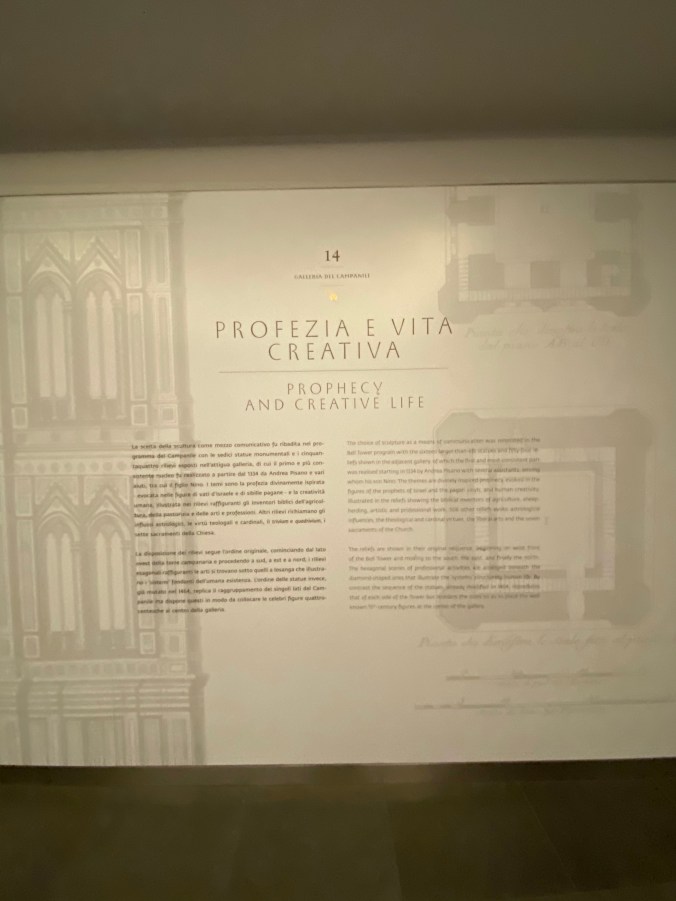

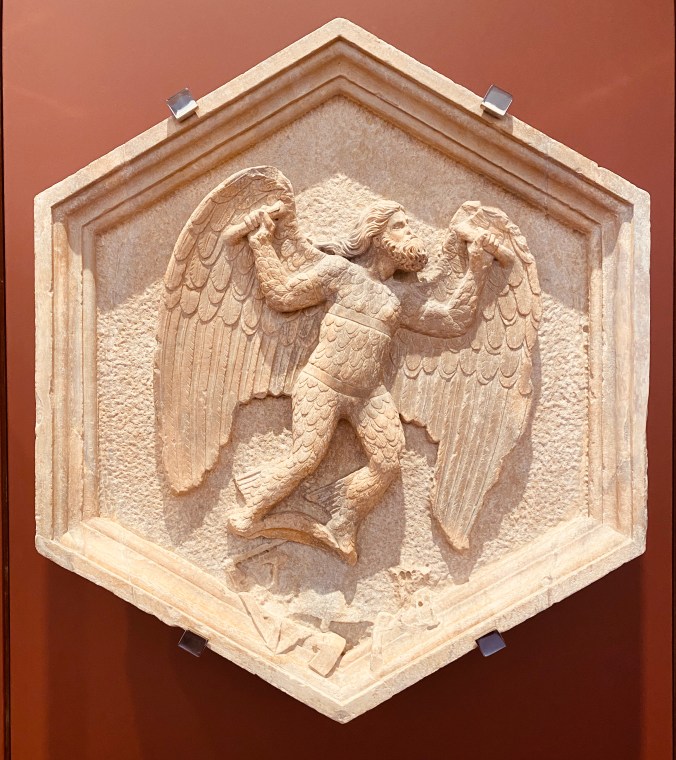

For more of these relief sculptures that form the program on the bell tower, see my earlier post:https://laurettadimmick.com/2020/05/25/charmed-by-the-late-medieval-carvings-at-the-museo-dellopera-di-duomo-firenze/
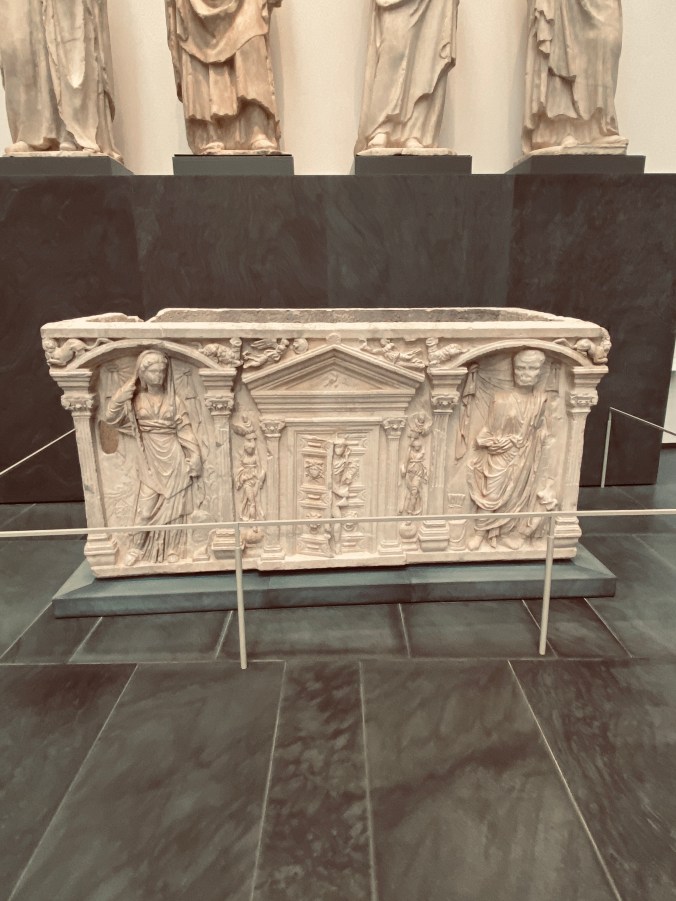
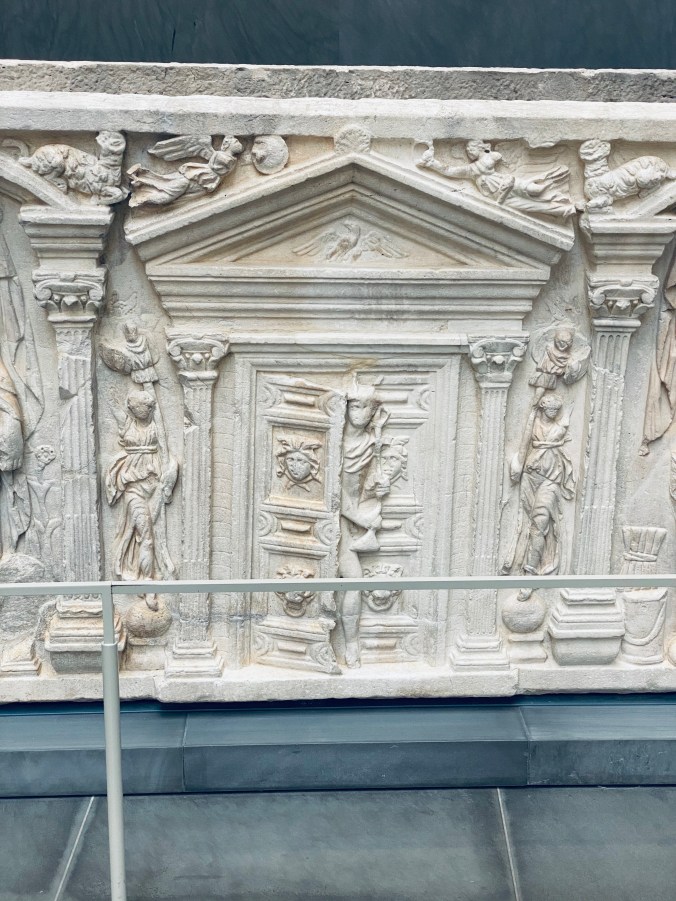
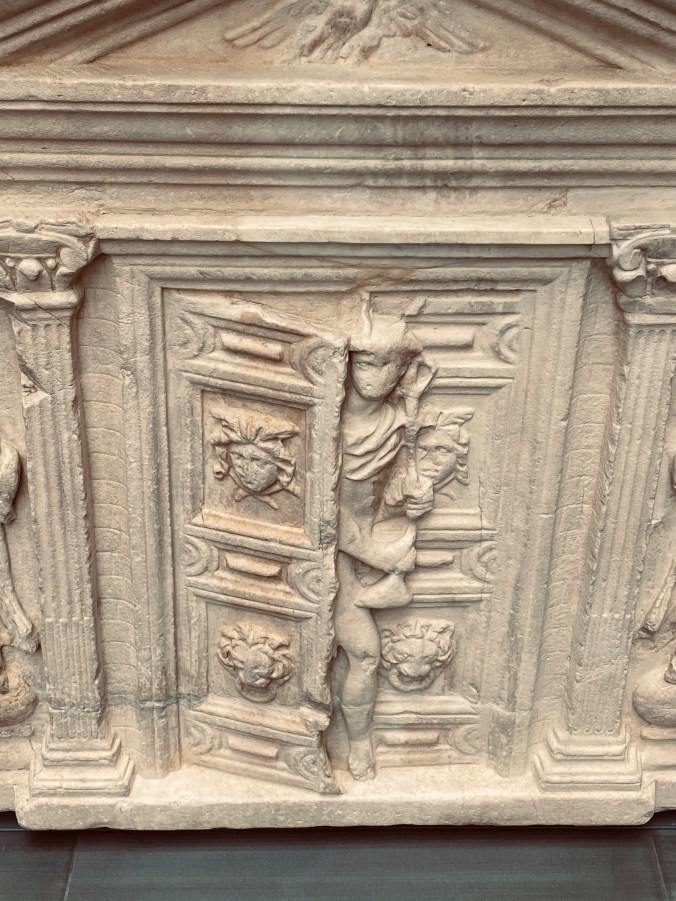
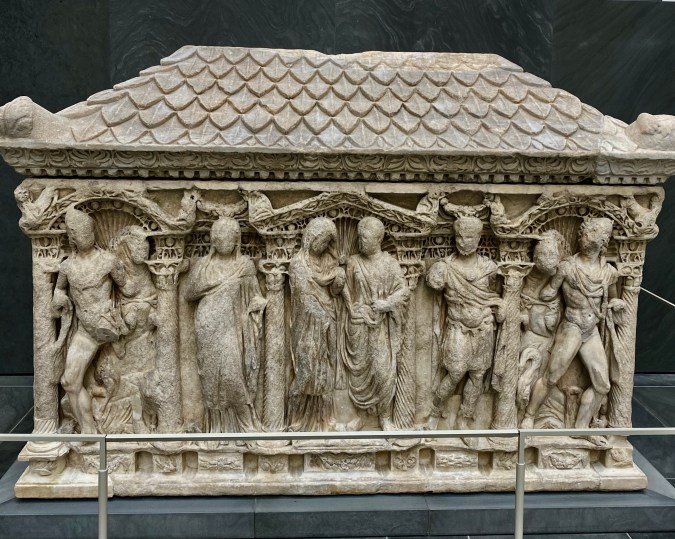
More artworks from my continuing visits of the art museum last week. First up, some Roman art that was to be found in Florence during the Renaissance. Always a source and inspiration for new artists.
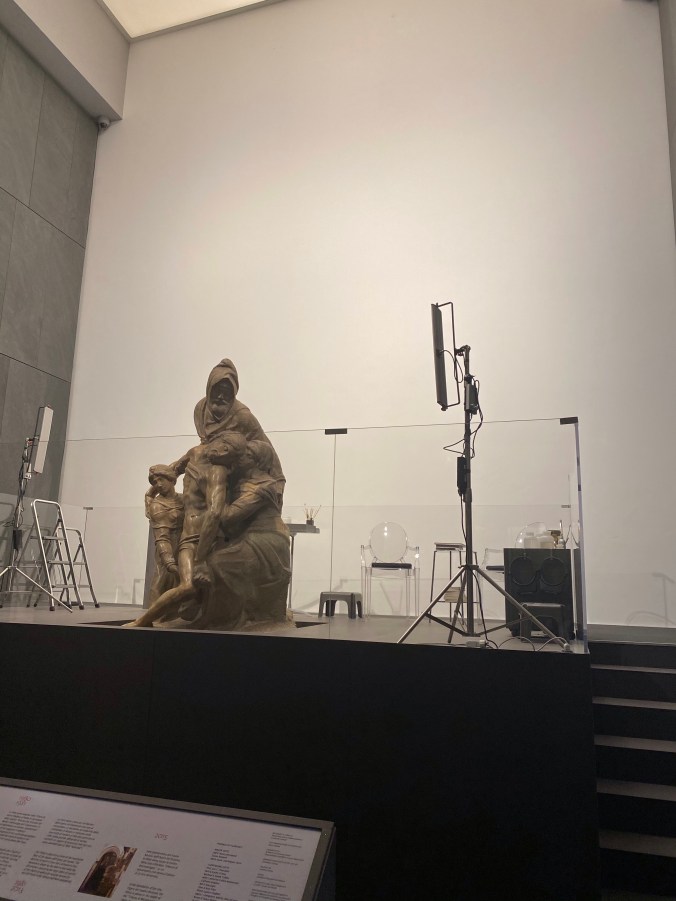
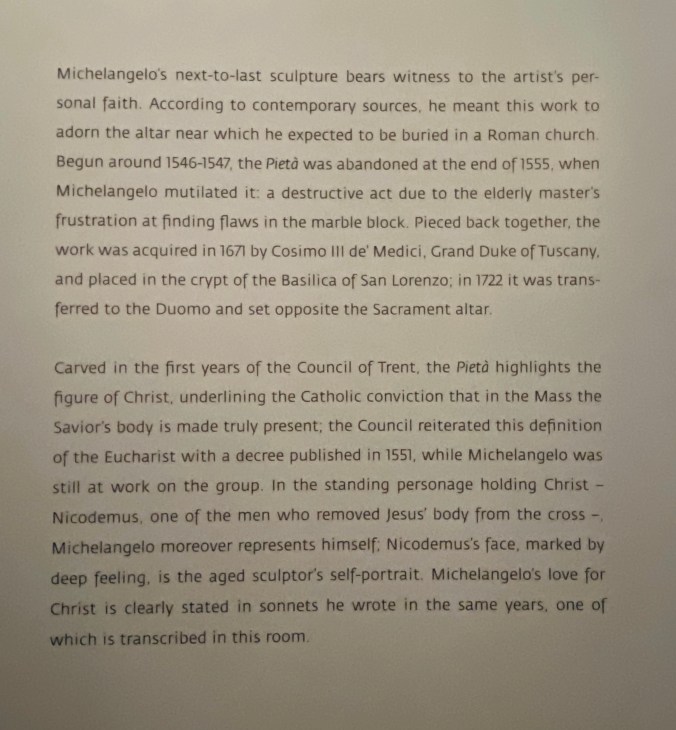
Michelangelo’s late Pieta is now undergoing restoration in the museum:

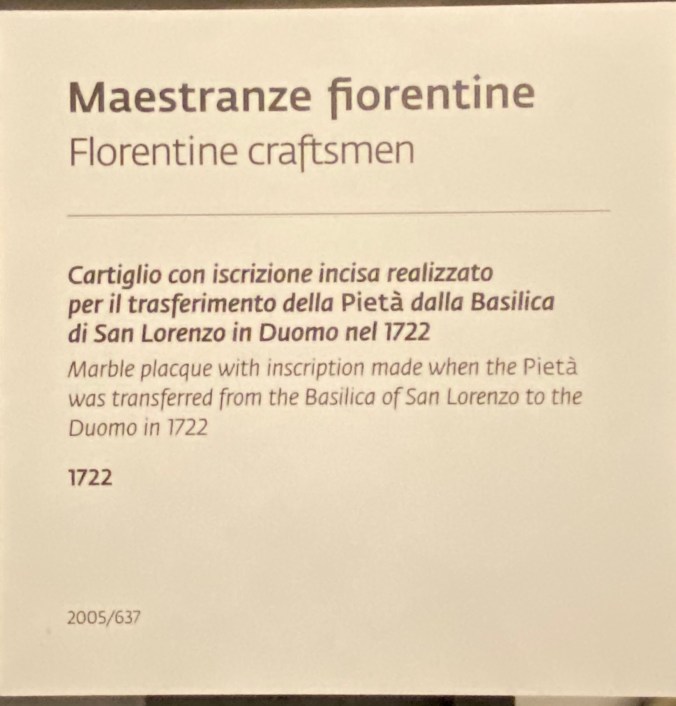
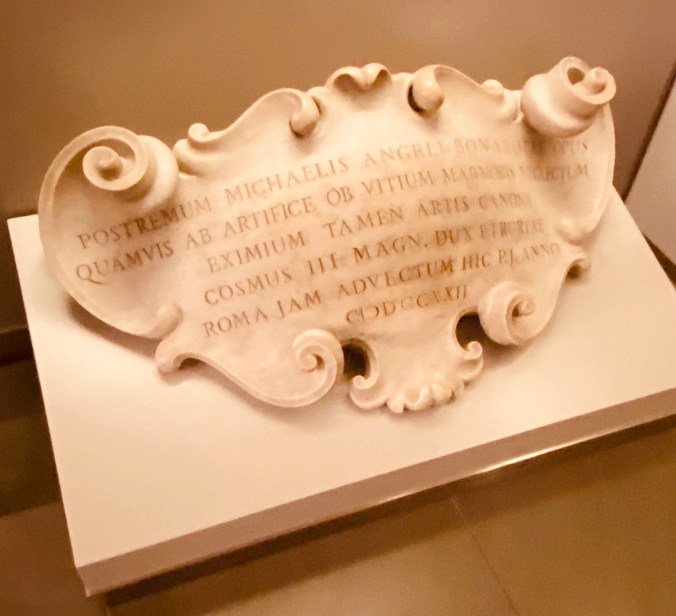
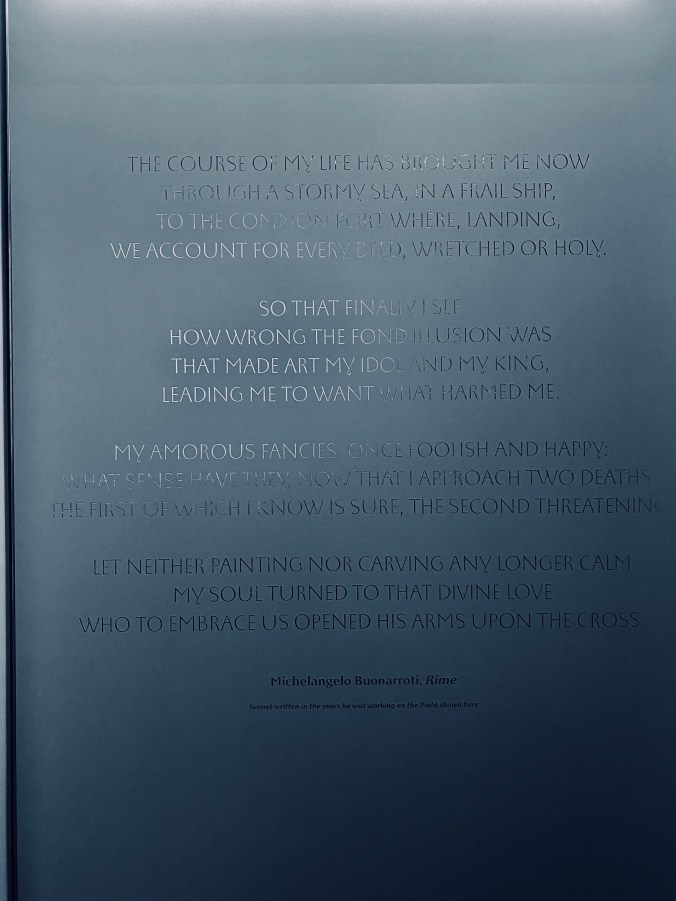
Some Medieval paintings in the museum:
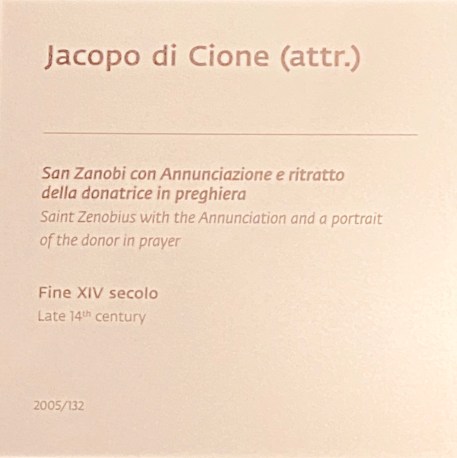
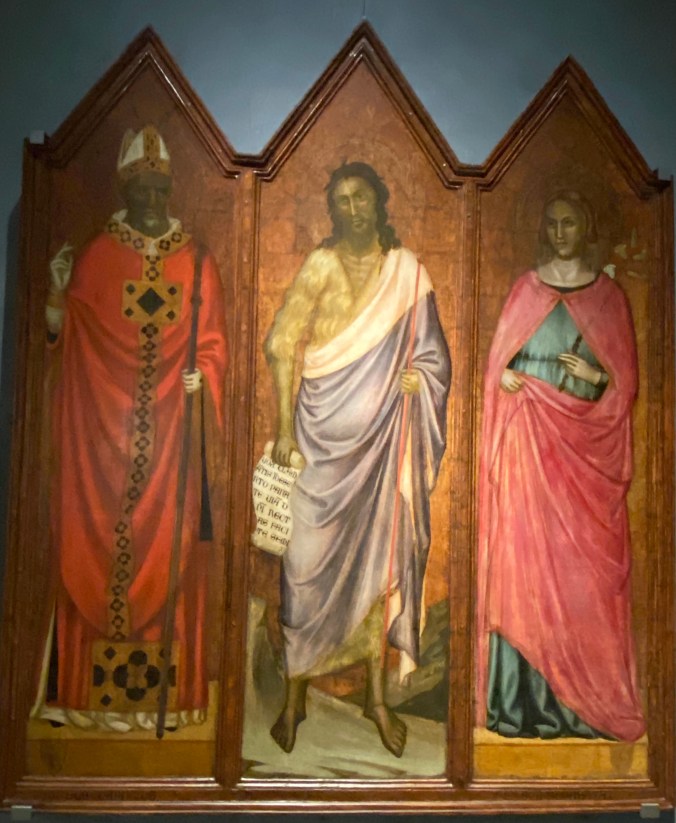
San Zanobi:
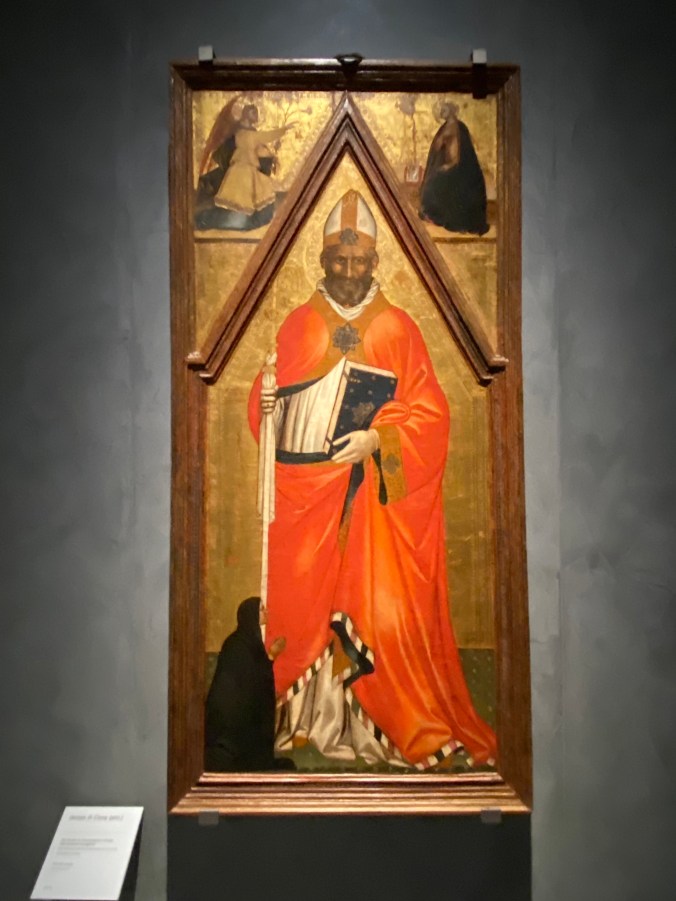
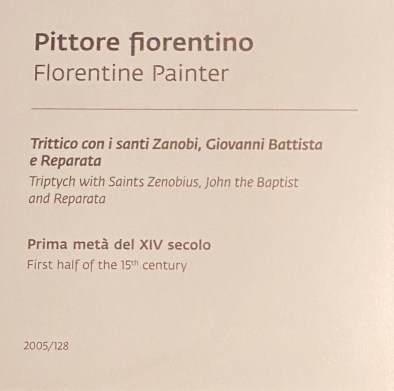
3 of Florence’s special saints: Reparata, San Zanobi, and St. John the Baptist:
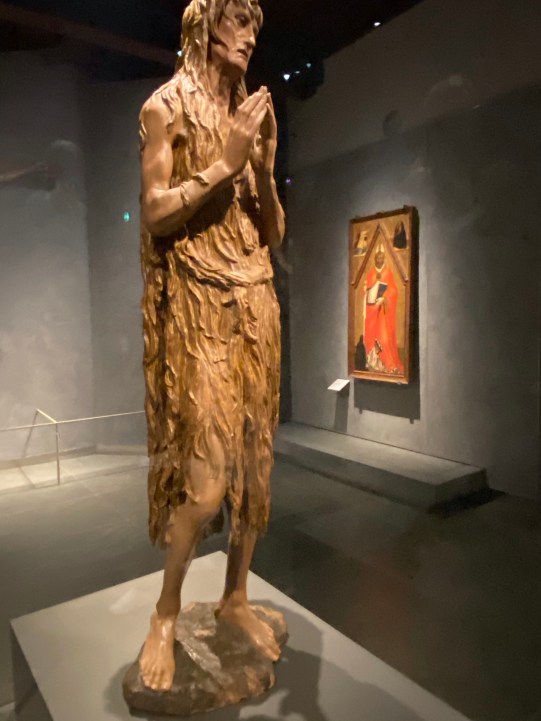
One of Donatello’s masterpieces: the Mary Magdalene:
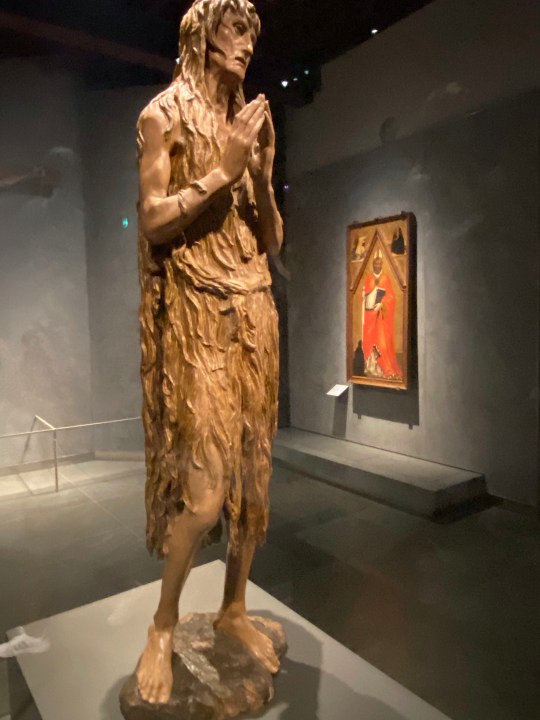
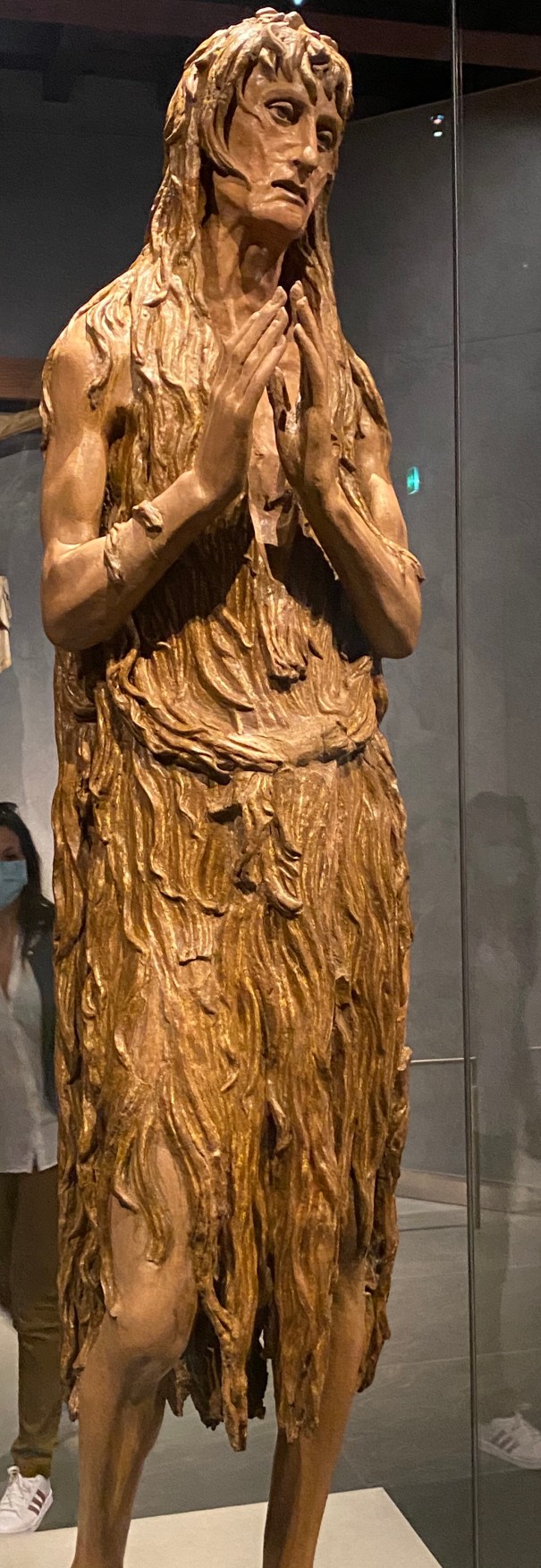
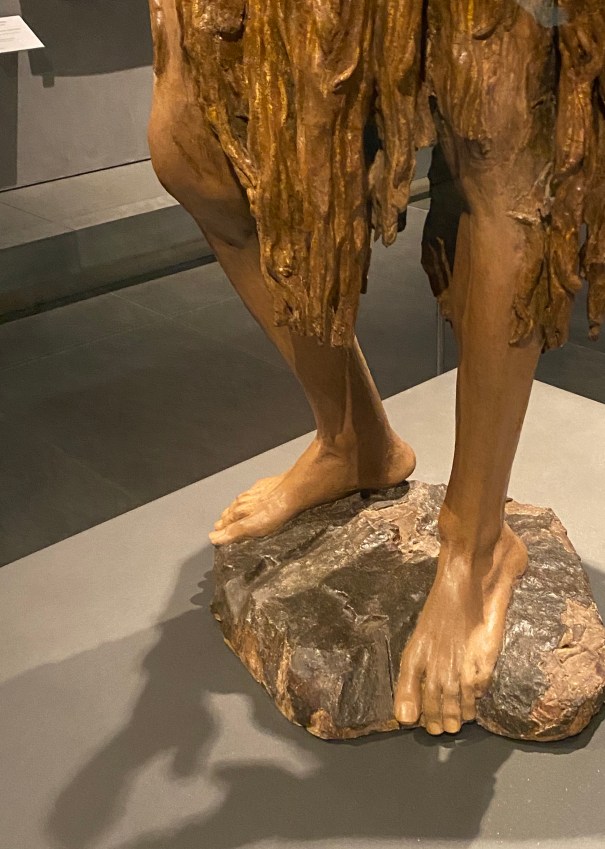
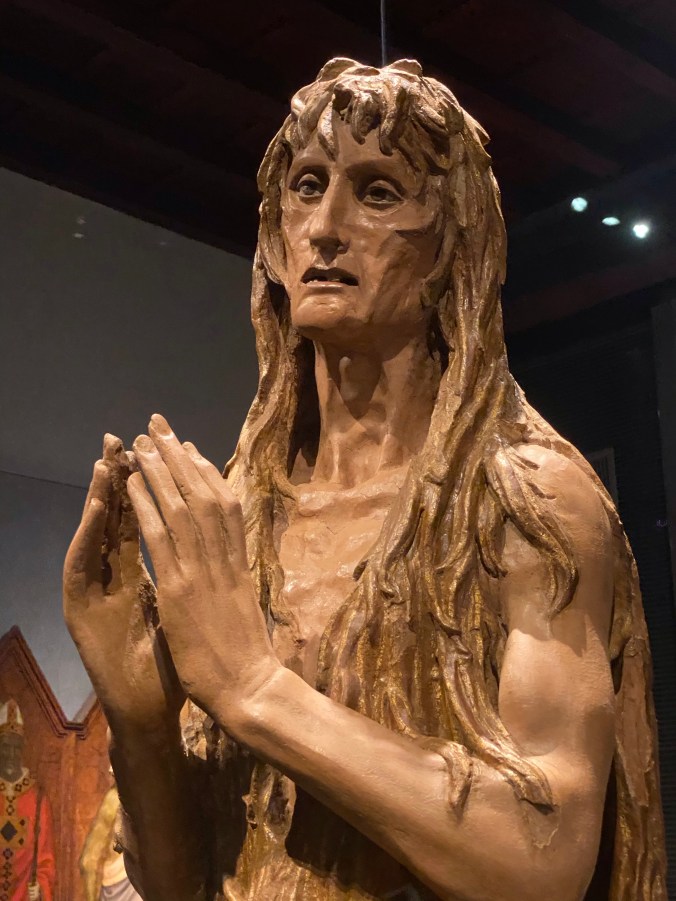

There is a lot to absorb in this incredibly rich museum and I decided to take it in chunks this week. After two great visits, I still need to go back to take in more. Soon.
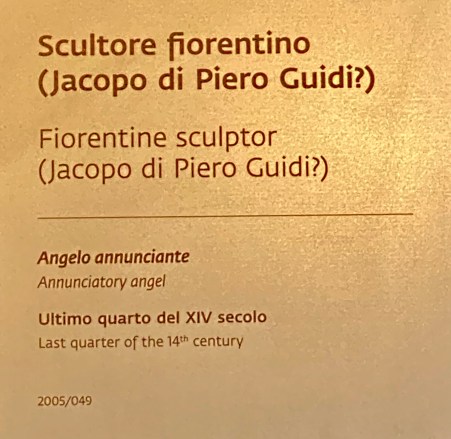
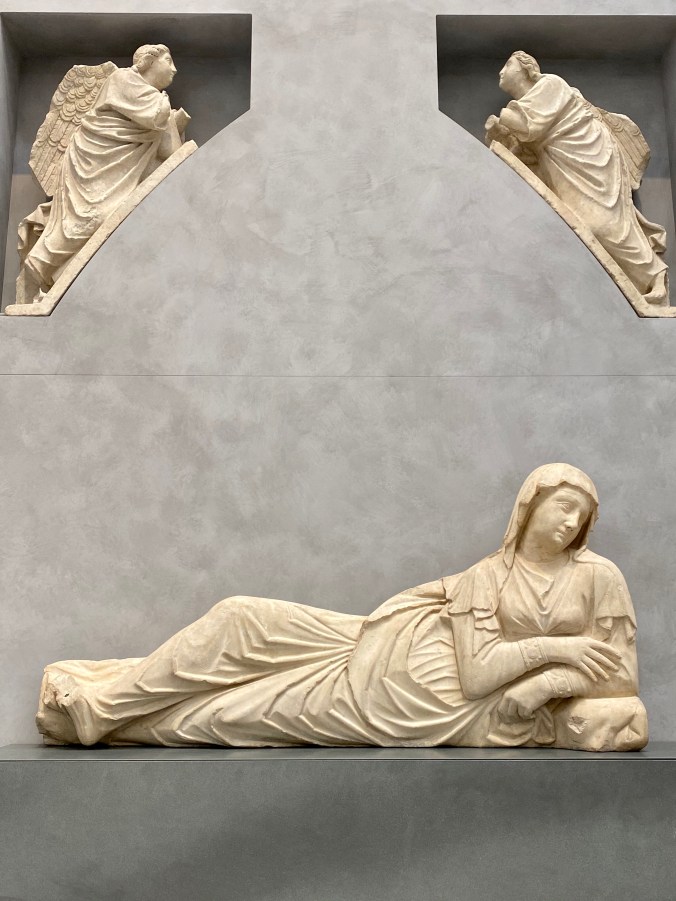
An elegant, Gothic period, sculptural pas de deux of The Annunciation. It has always been my favorite episode represented in Christian art.
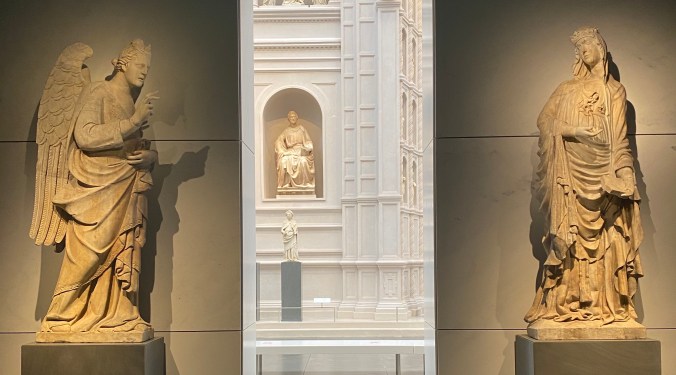
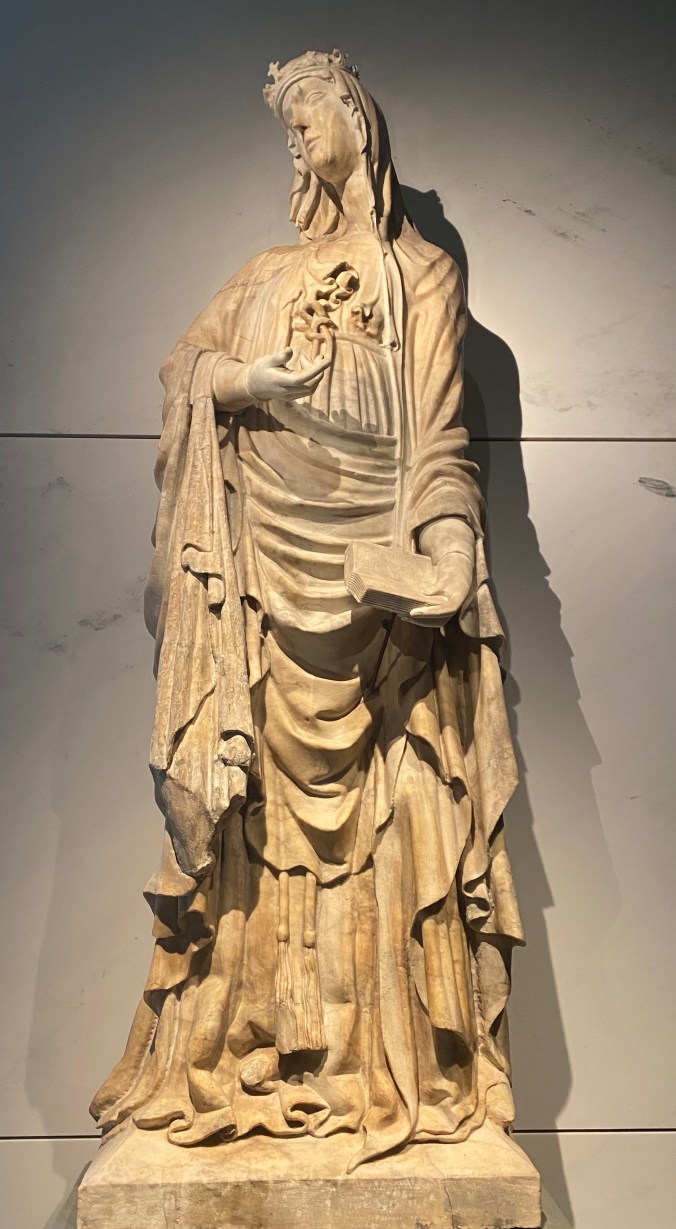

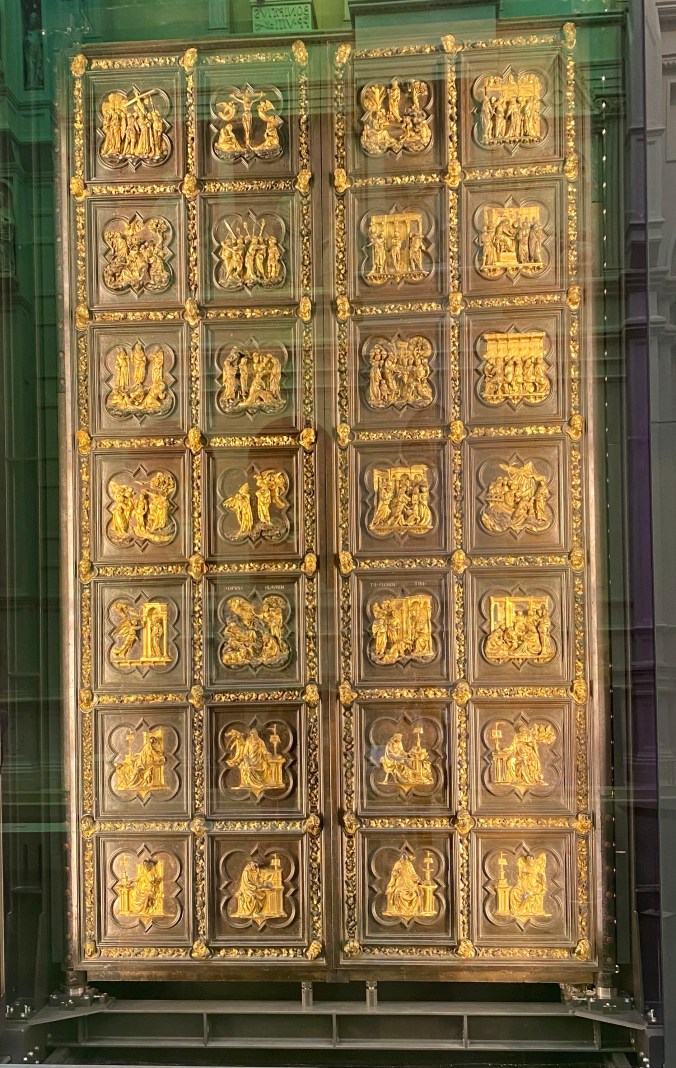
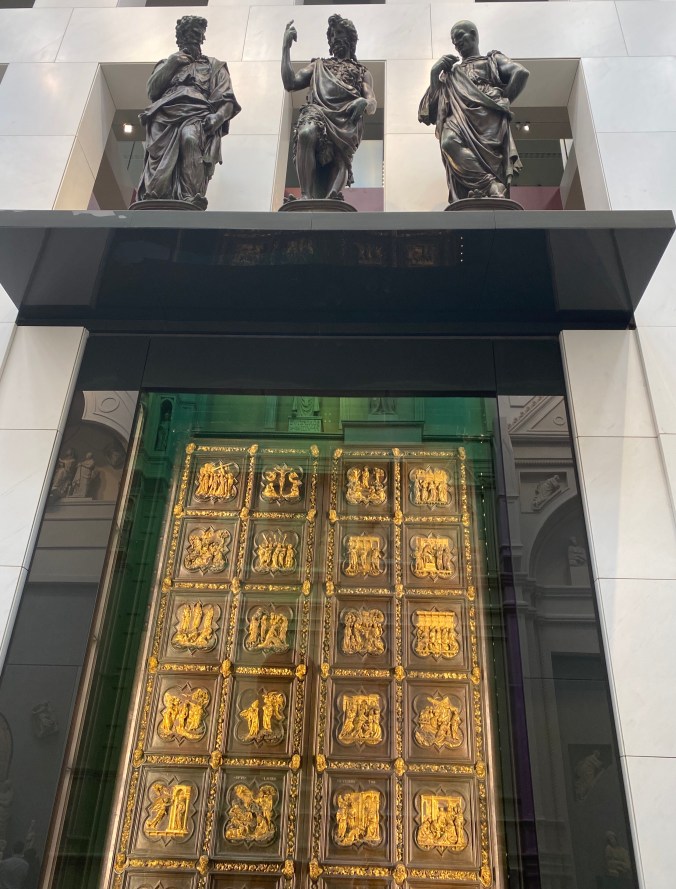
The museum has ingeniously set up the famous bronze doors of the Baptistery so that both the front and back sides can be viewed.
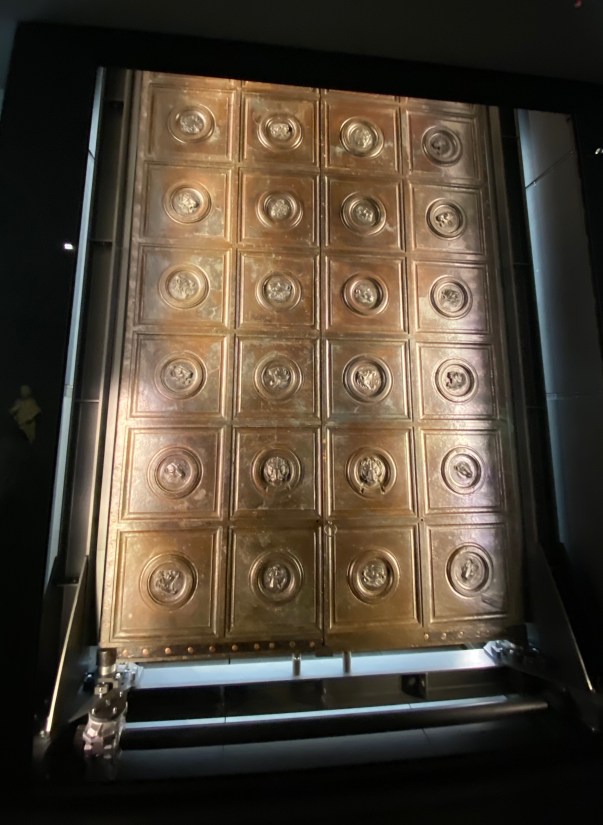
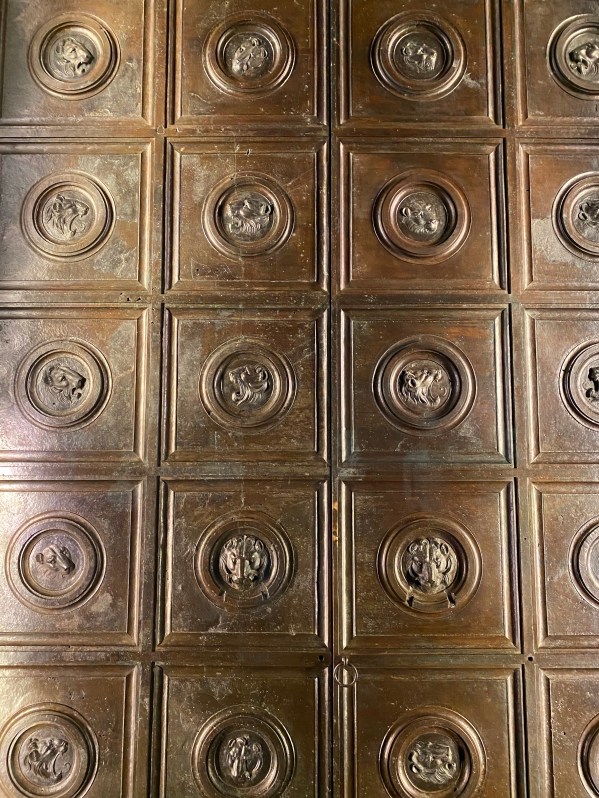
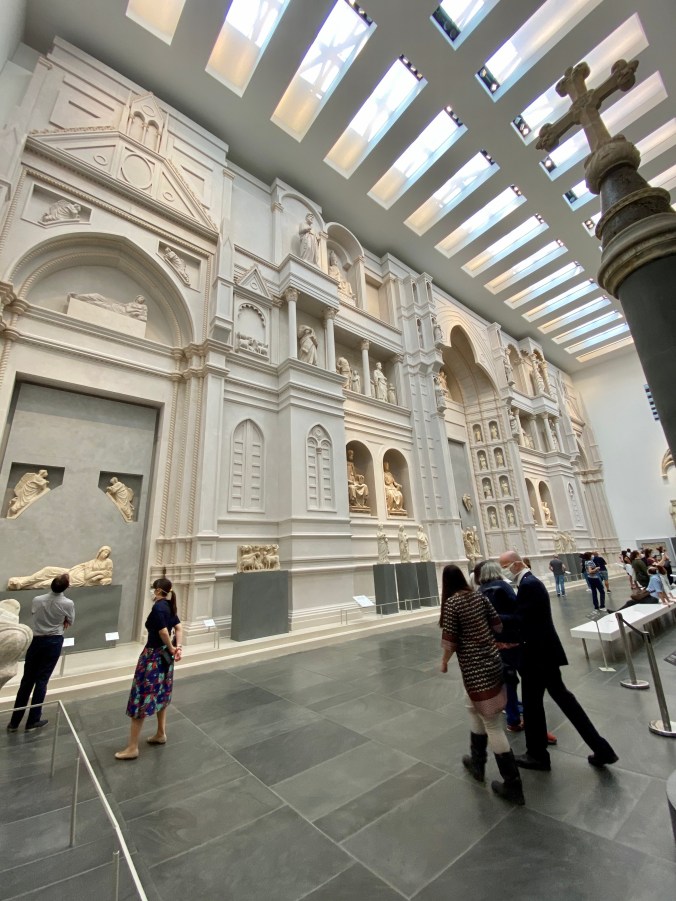
Entering the room that sets up the original, 15th century appearance of the duomo’s facade. Such an impressive feat for a museum.
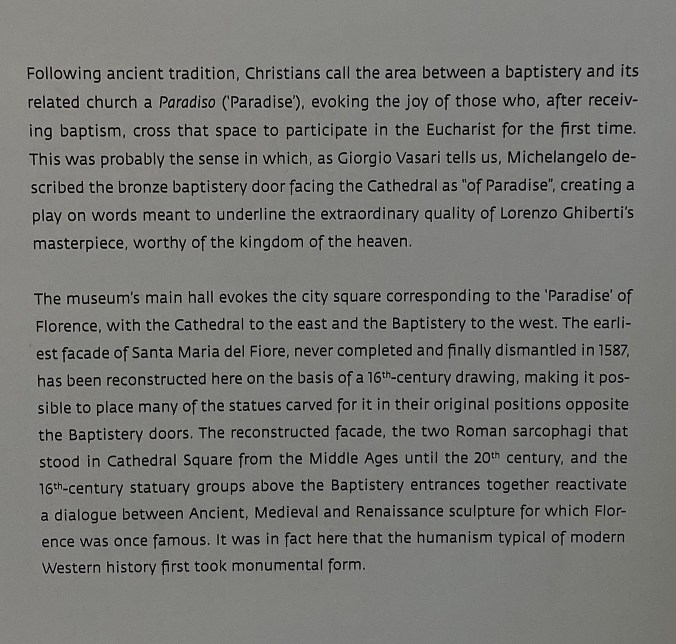
Great museum labeling provides context. Below, it is explained how the area between the baptistery and the facade of a church was traditionally called a “paradise.” Therefore, Ghiberti’s “Doors of Paradise” so-named by Michelangelo, can be understood in situ.
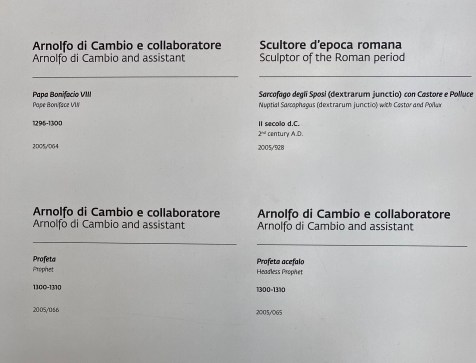
Below, Pope Boniface VIII by Arnolfo di Cambio, the duomo’s architect.

A reconstruction of the facade:
A plan of the facade:

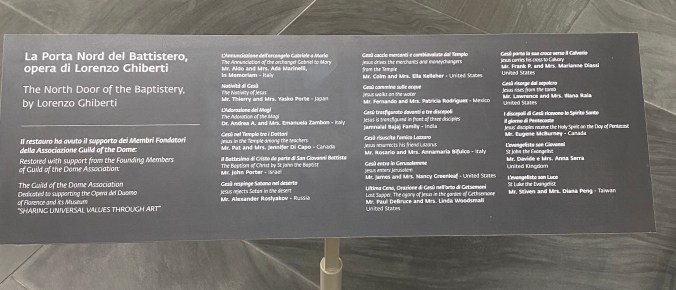
And now, the second set of doors, for the north side of the Baptistery by Ghiberti:
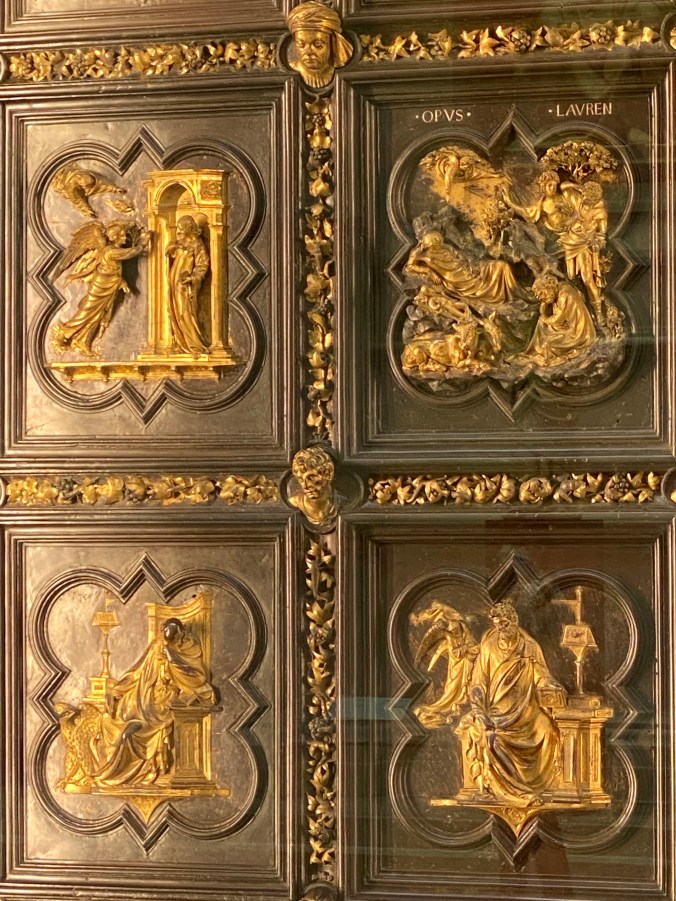
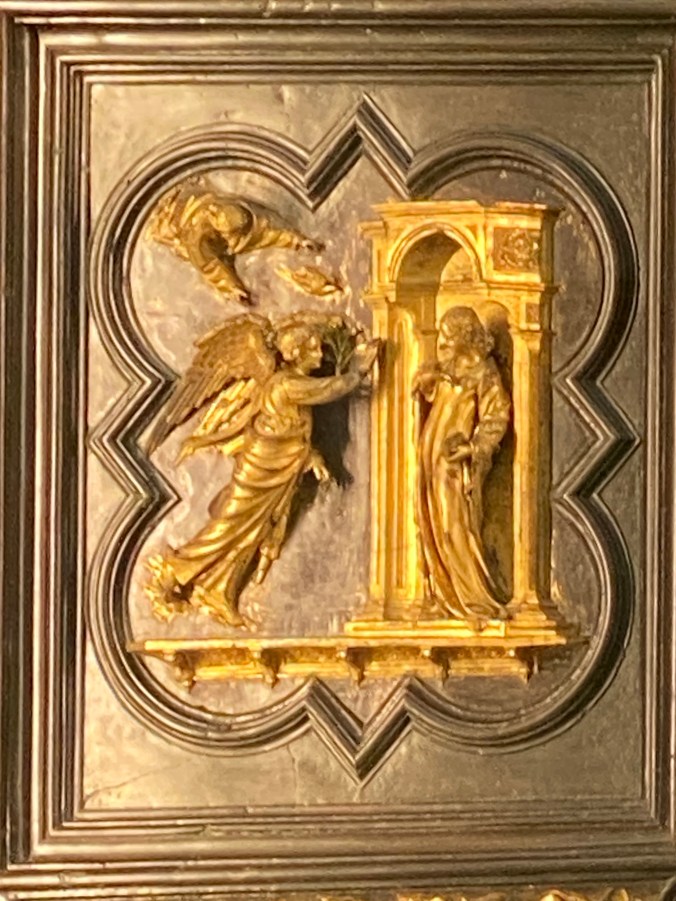
Above and below, the Annunciation by Ghiberti:
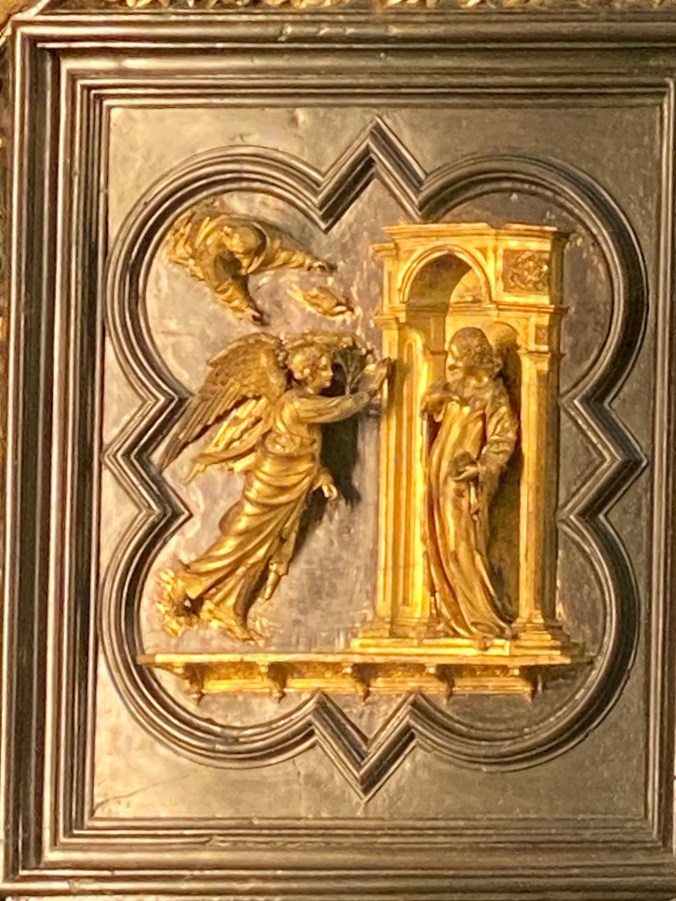
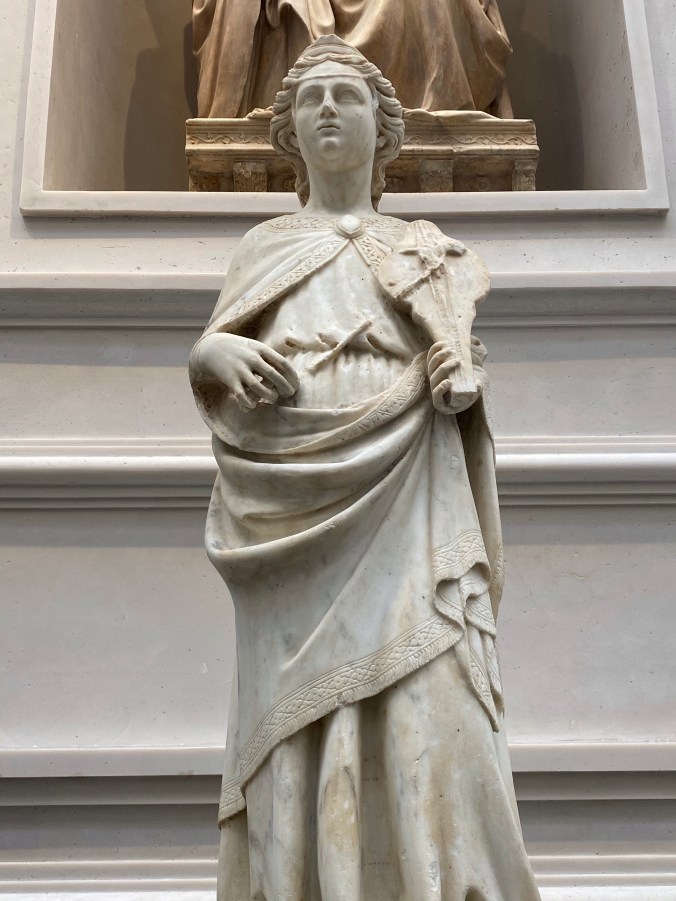
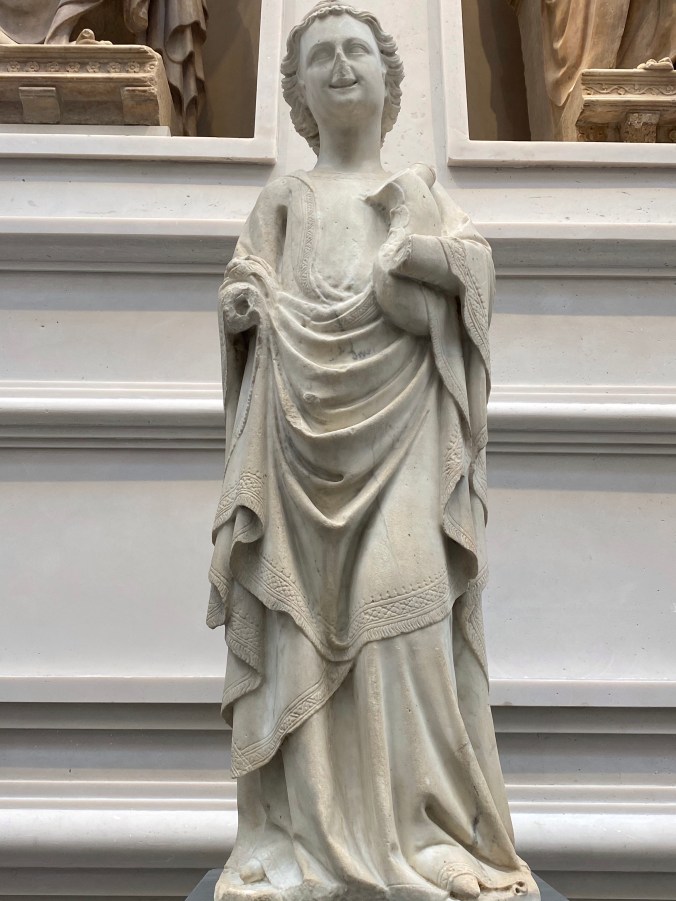
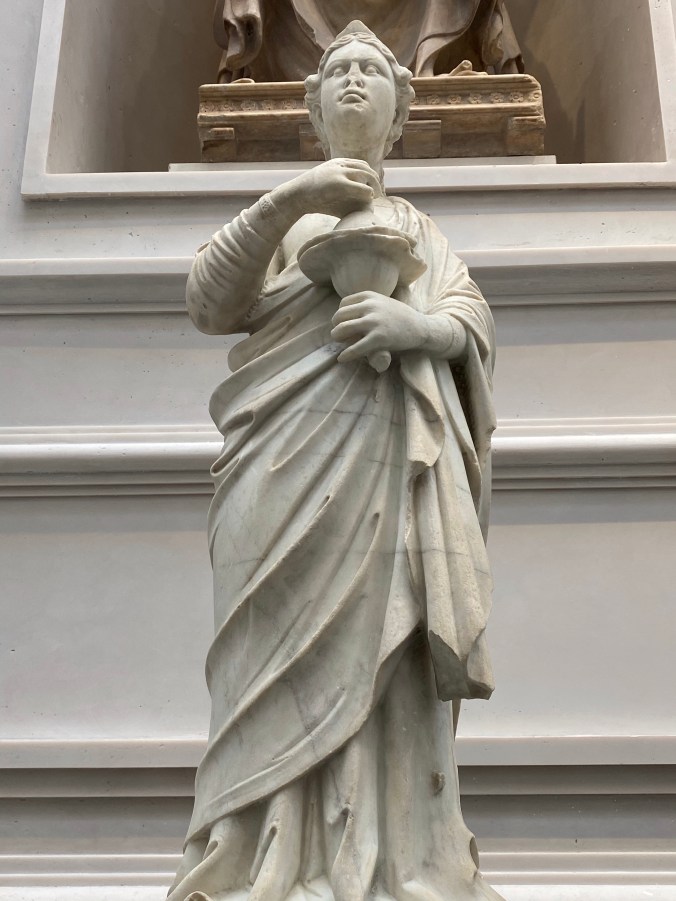
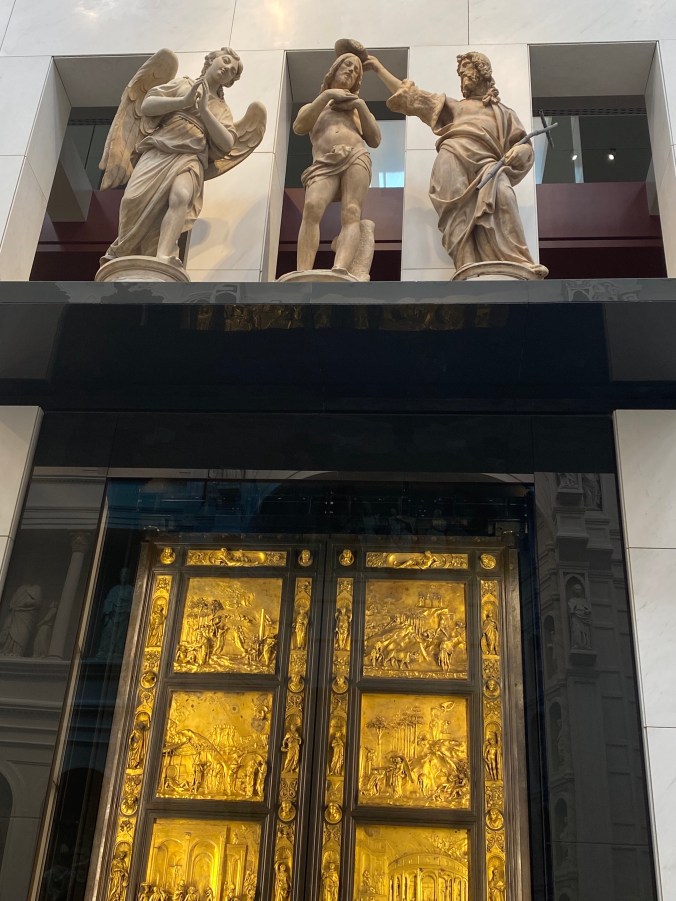
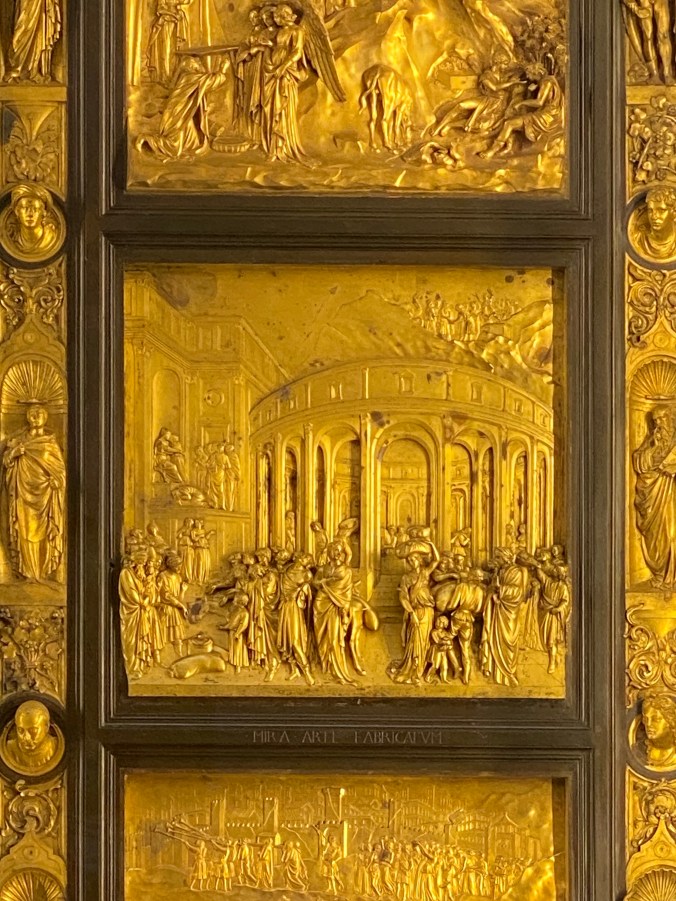
The Gates of Paradise by Ghiberti:

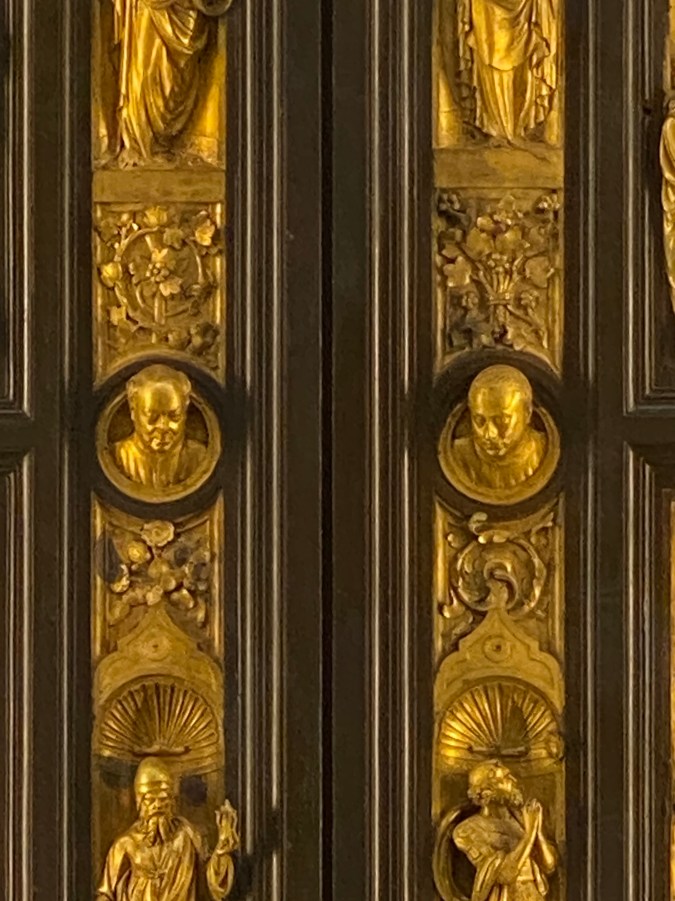
Above you see Ghiberti’s self-portrait in the bust that extend:
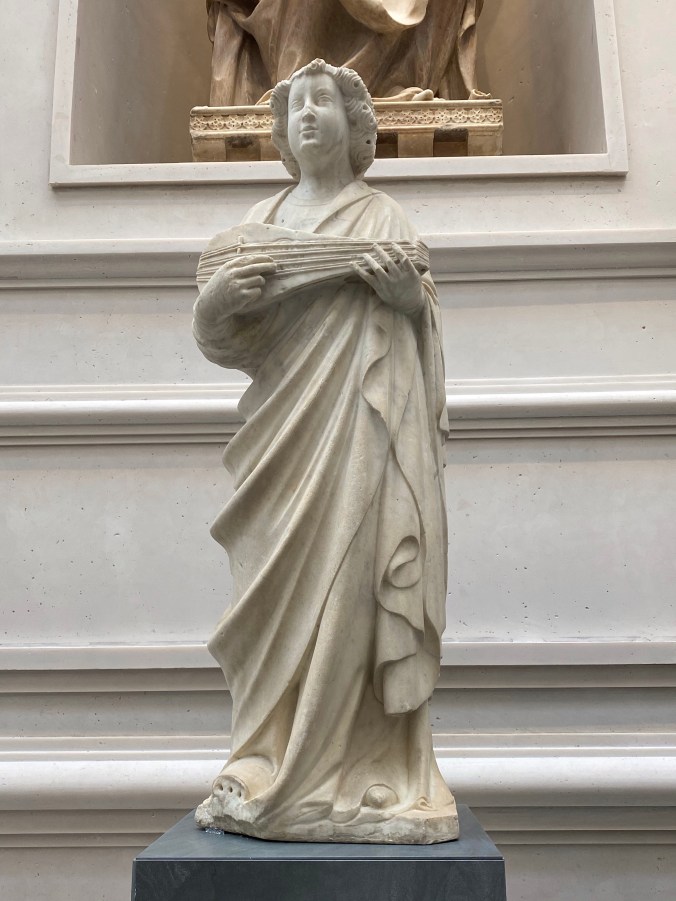

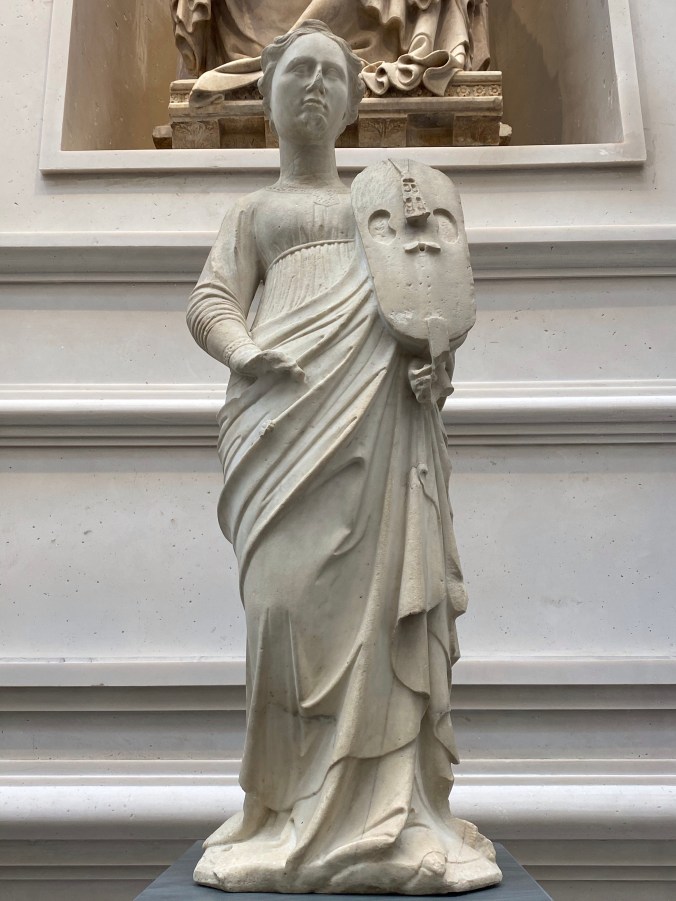
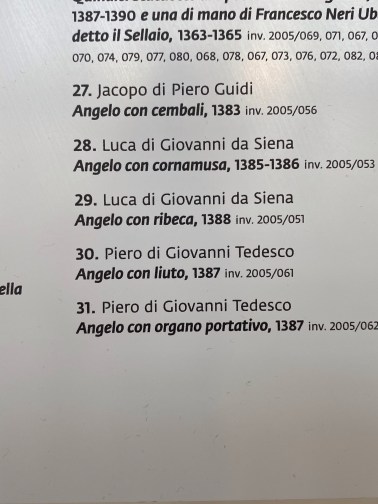
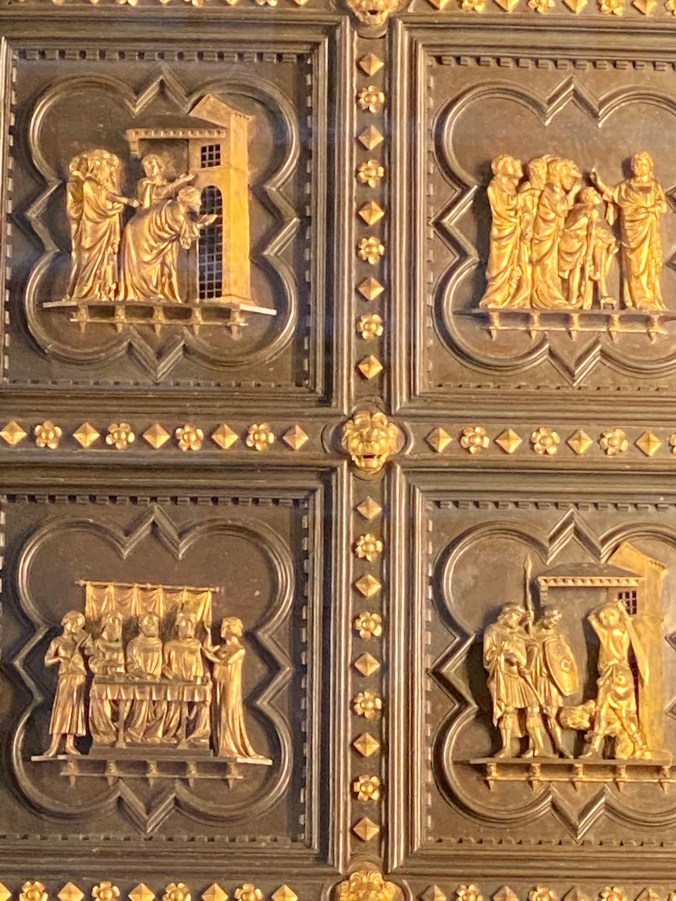
The doors by Andrea Pisano for south side of the Baptistery. There were the first of the 3 sets to be done.

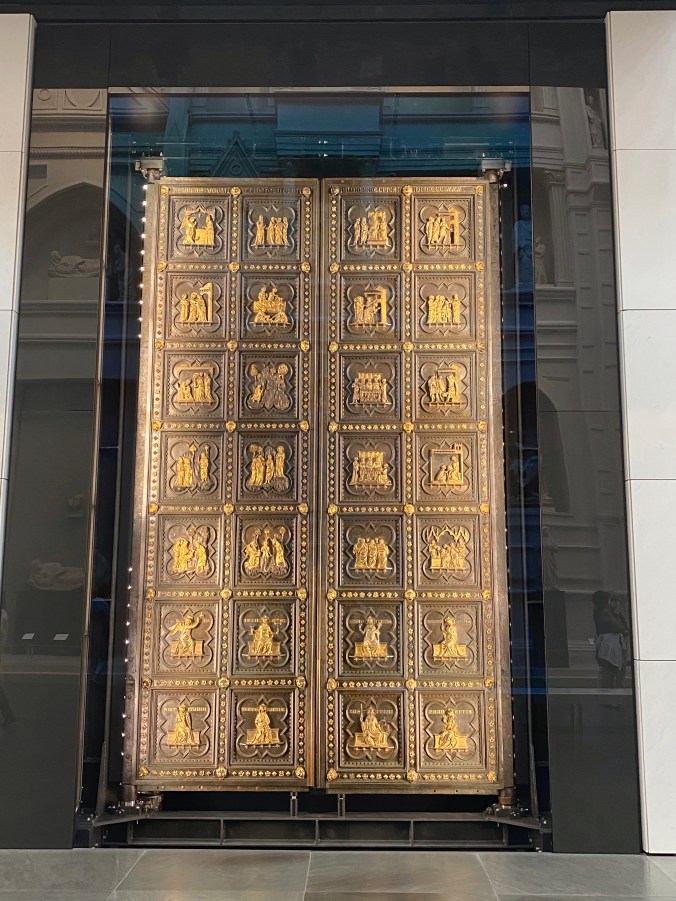
A view of the 3 sets of doors as displayed in the museum.

 get back, lauretta!
You must be logged in to post a comment.