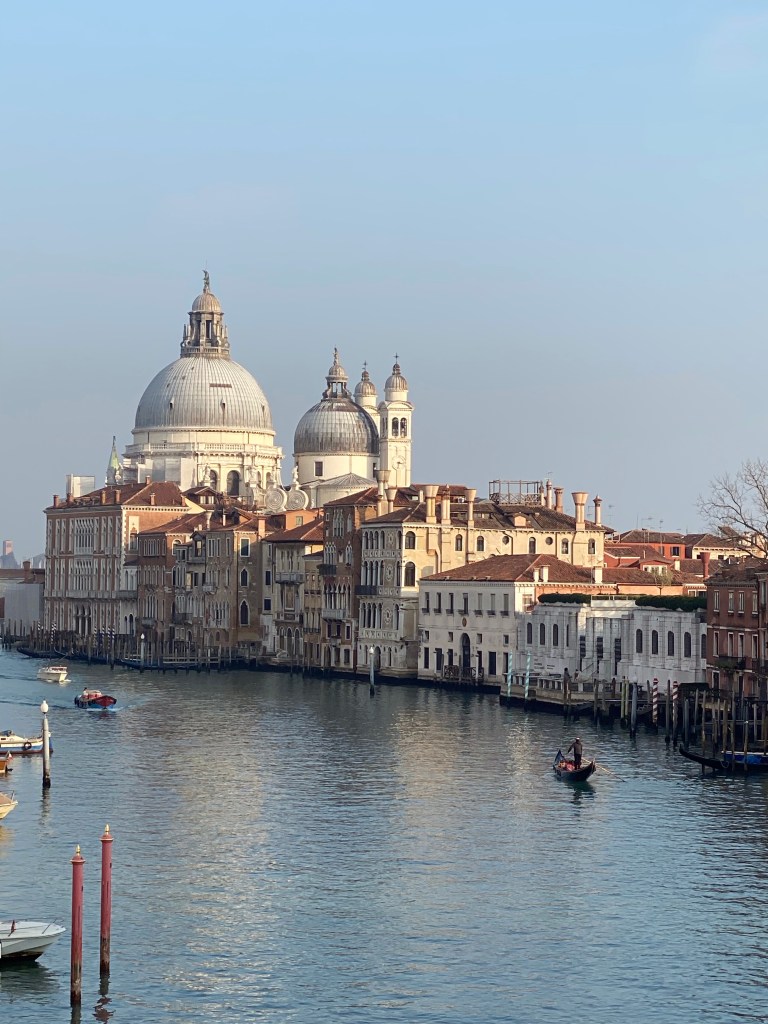
You might think, as I tend to, that the gondoliers of Venice must be becoming a thing of the past.
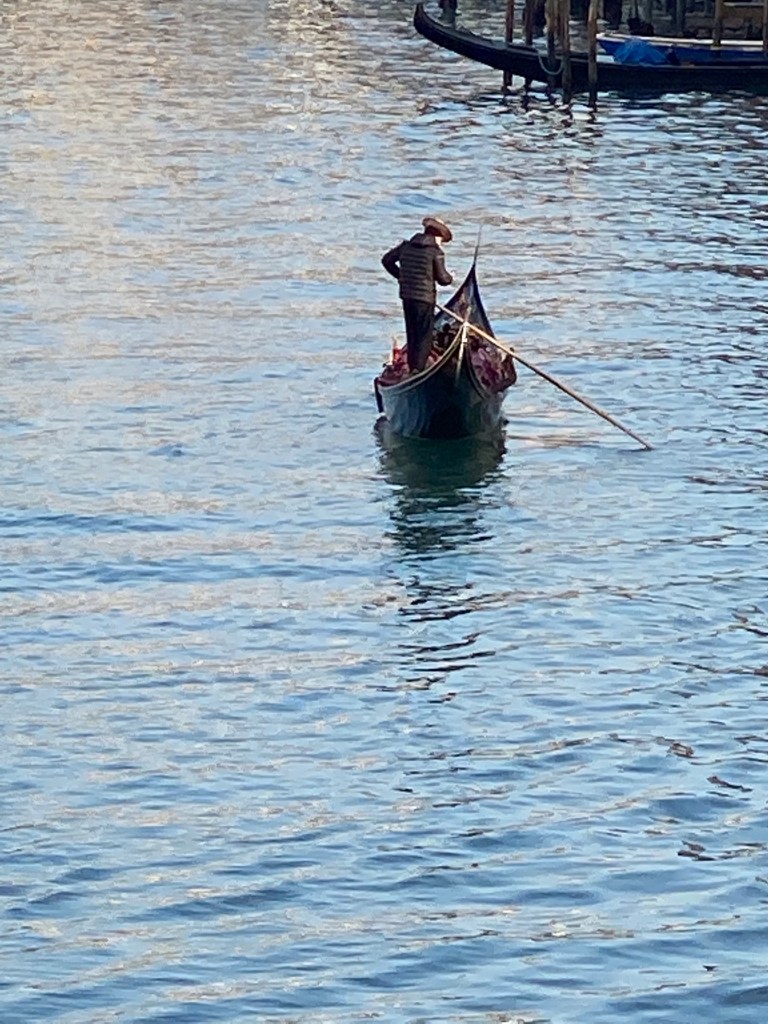
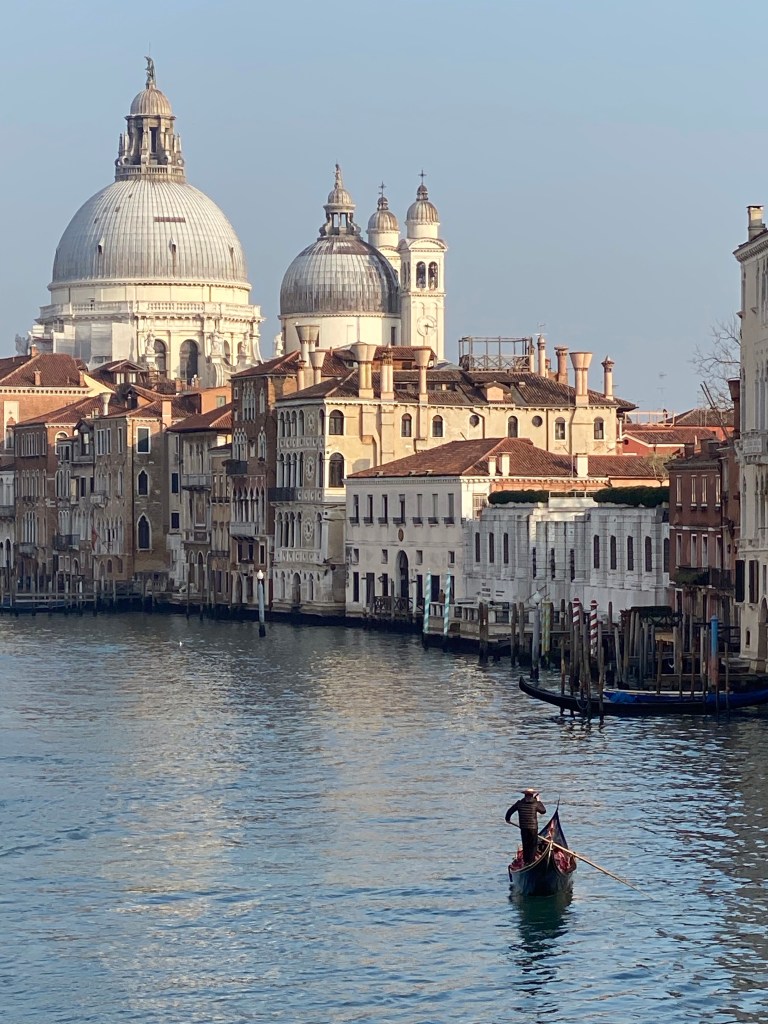
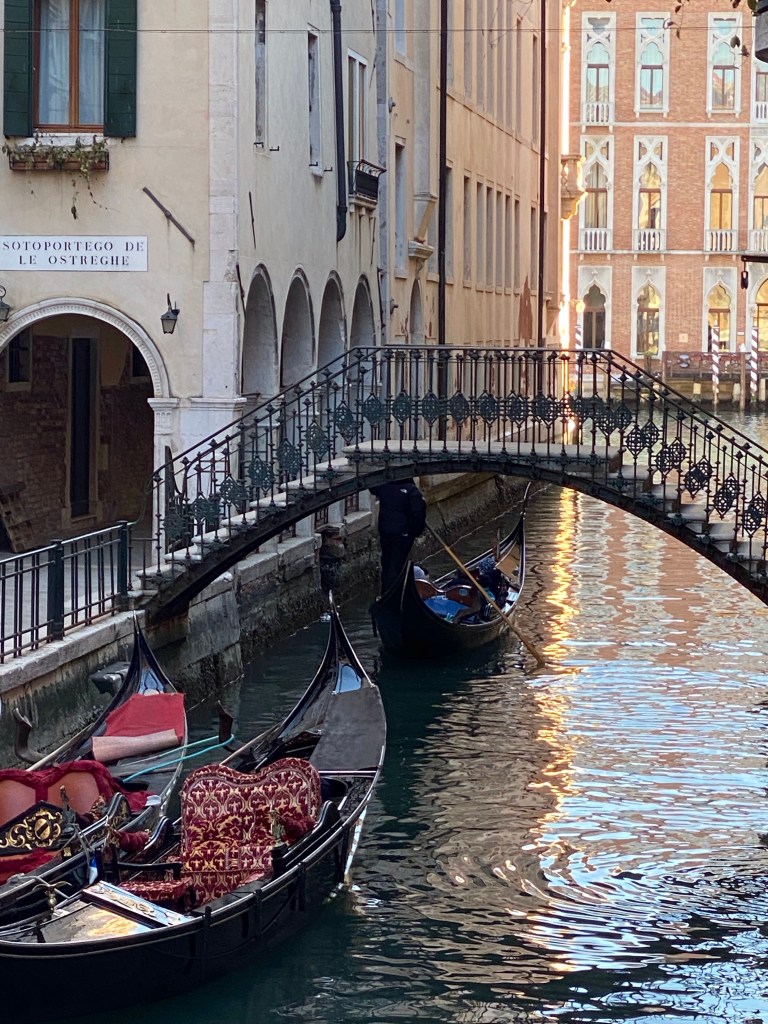
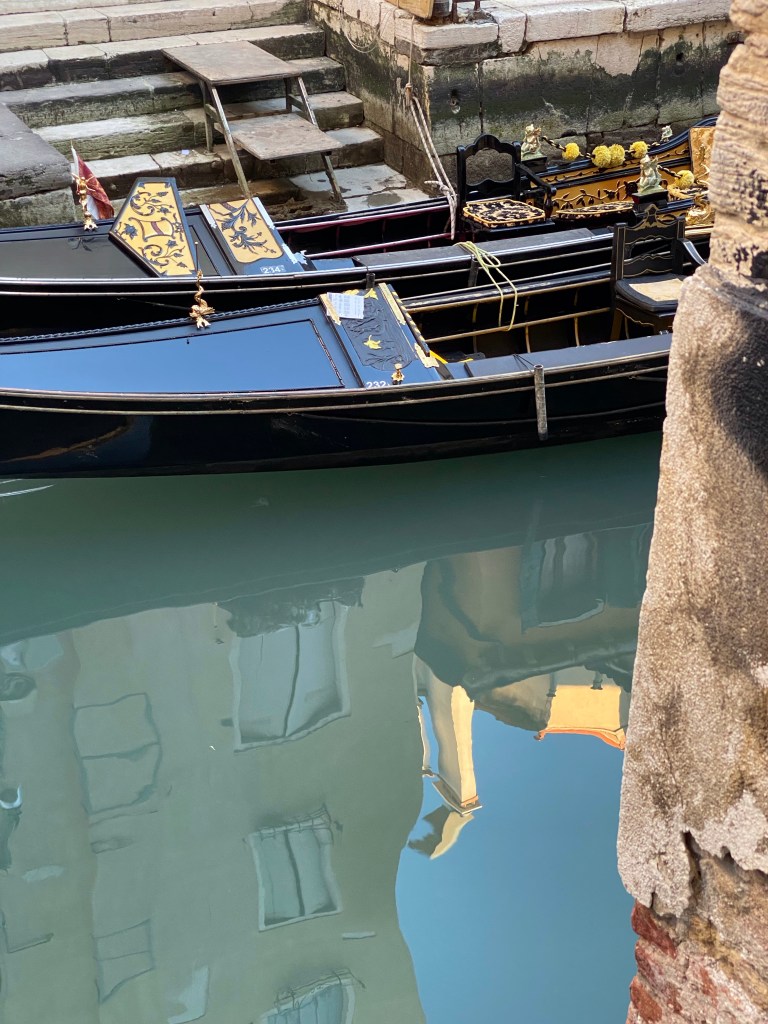
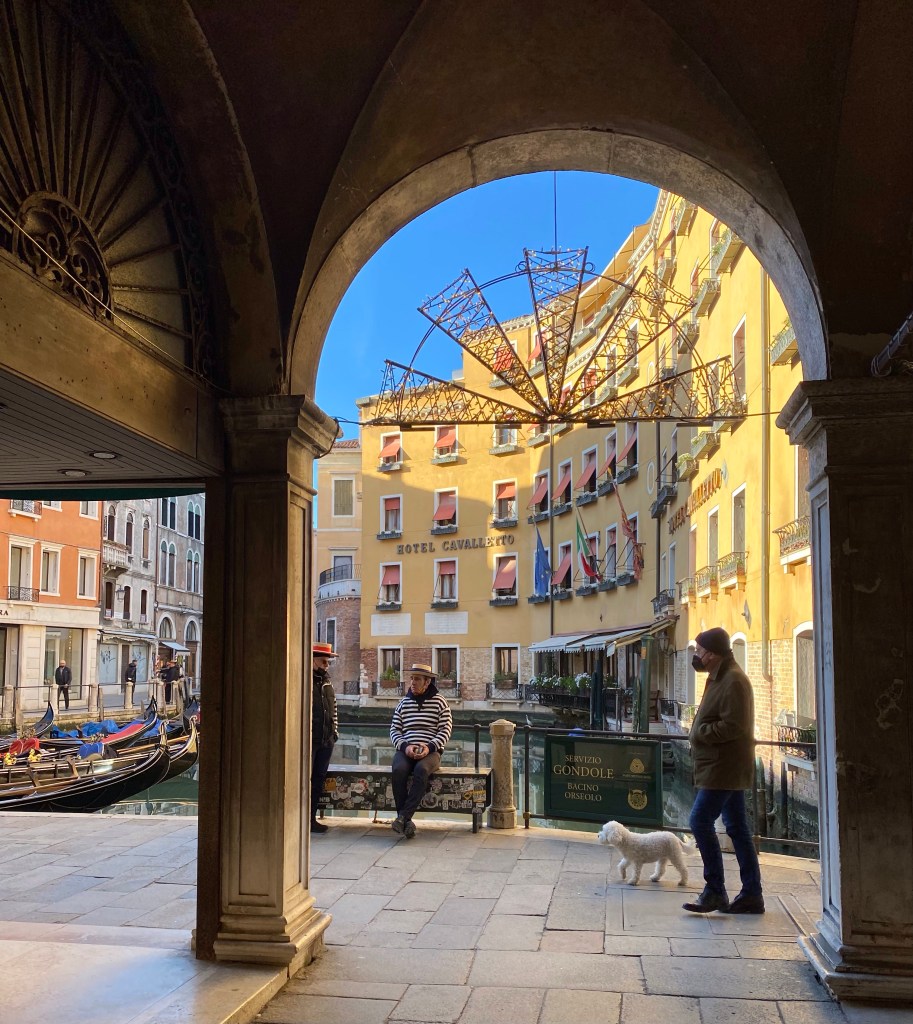
Well, we’d both be very mistaken! I was in Venice for a week last week and there were more gondoliers per capita than other people! They were everywhere!
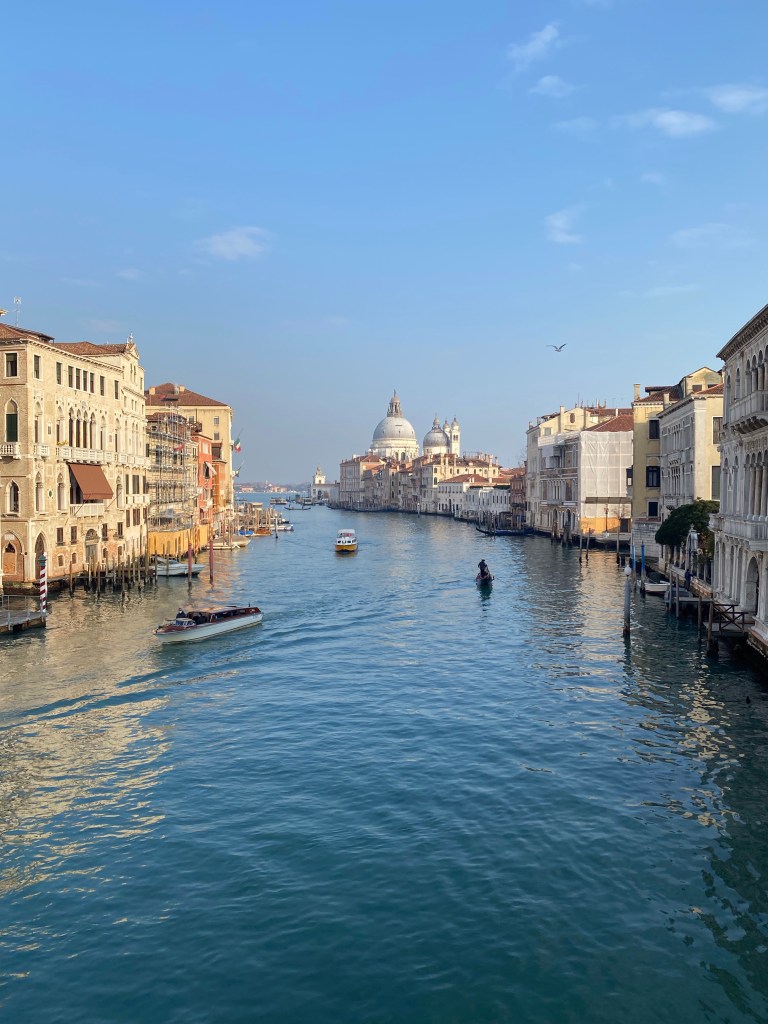
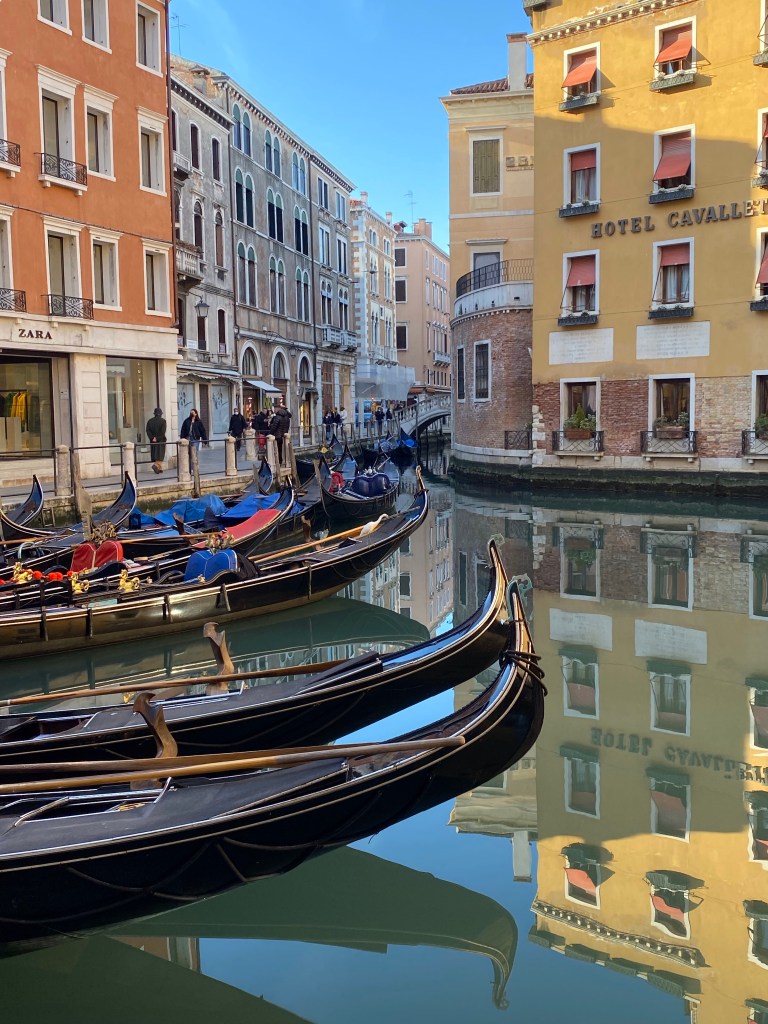
They were all over the Grand Canal!
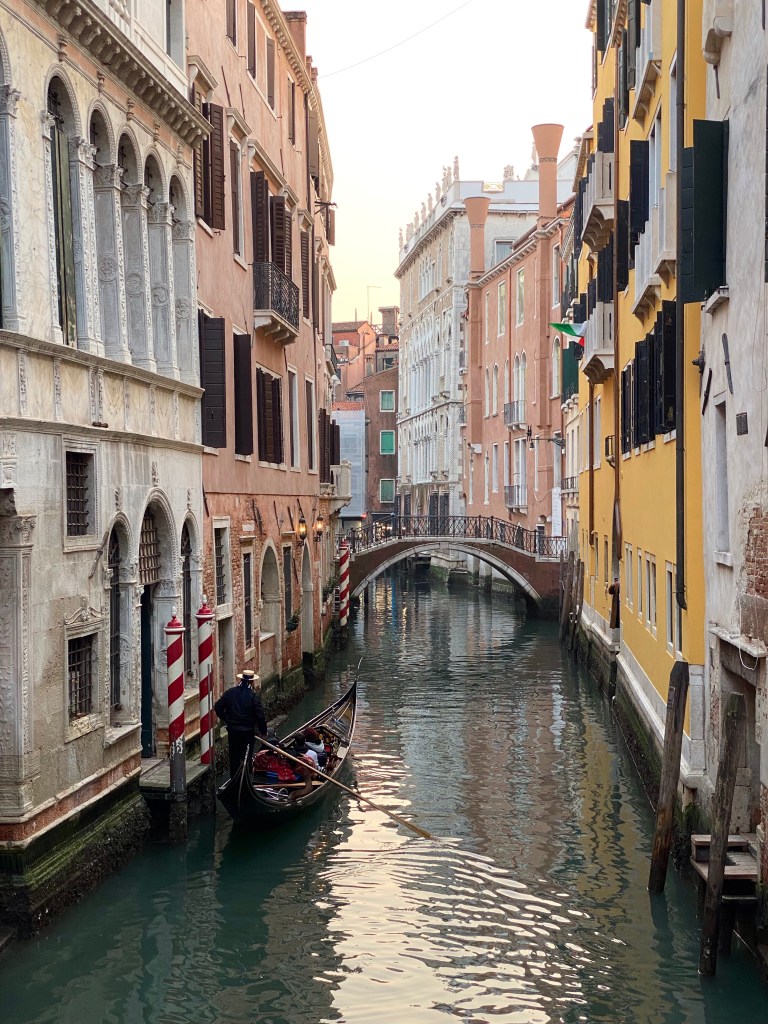
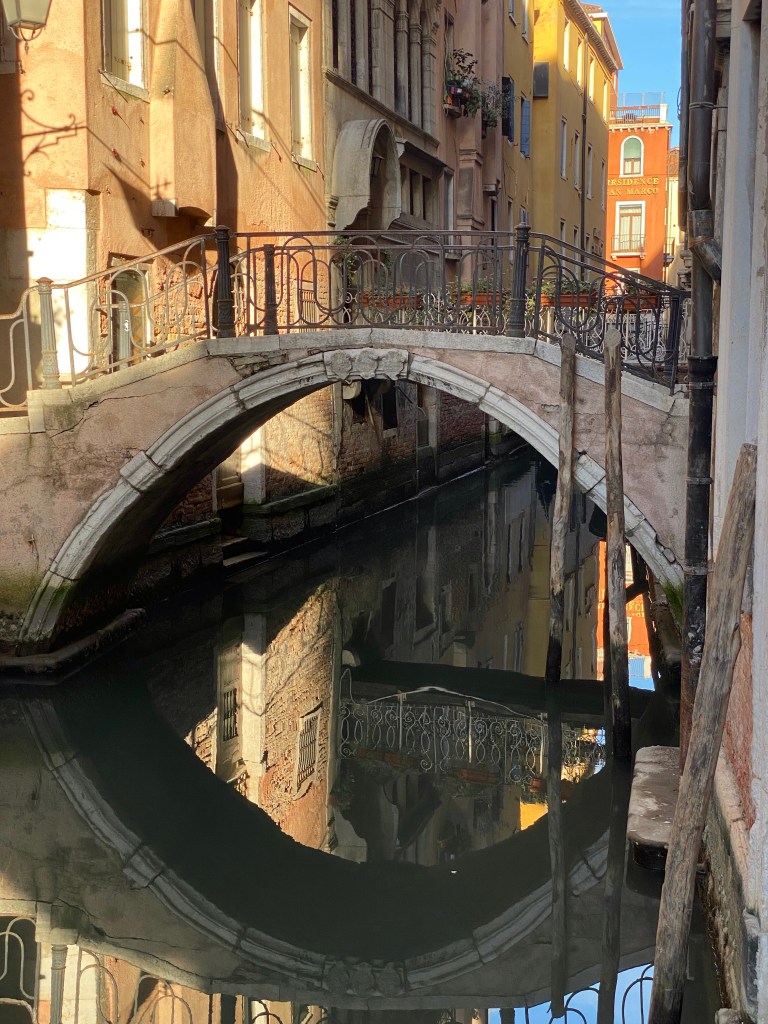
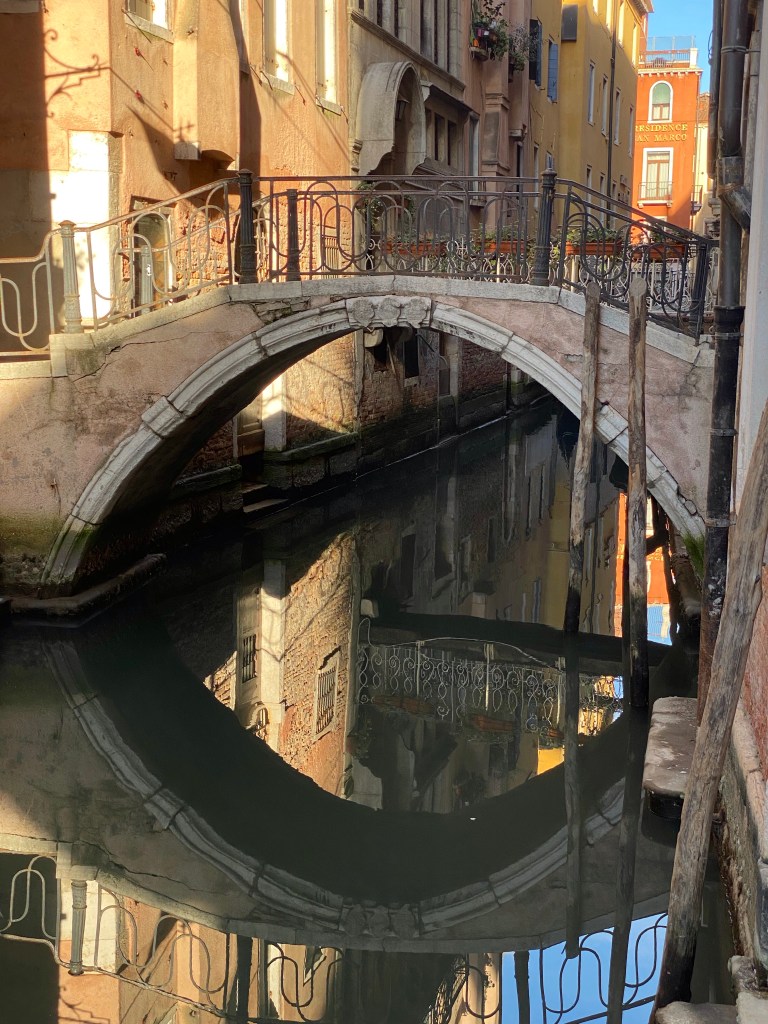
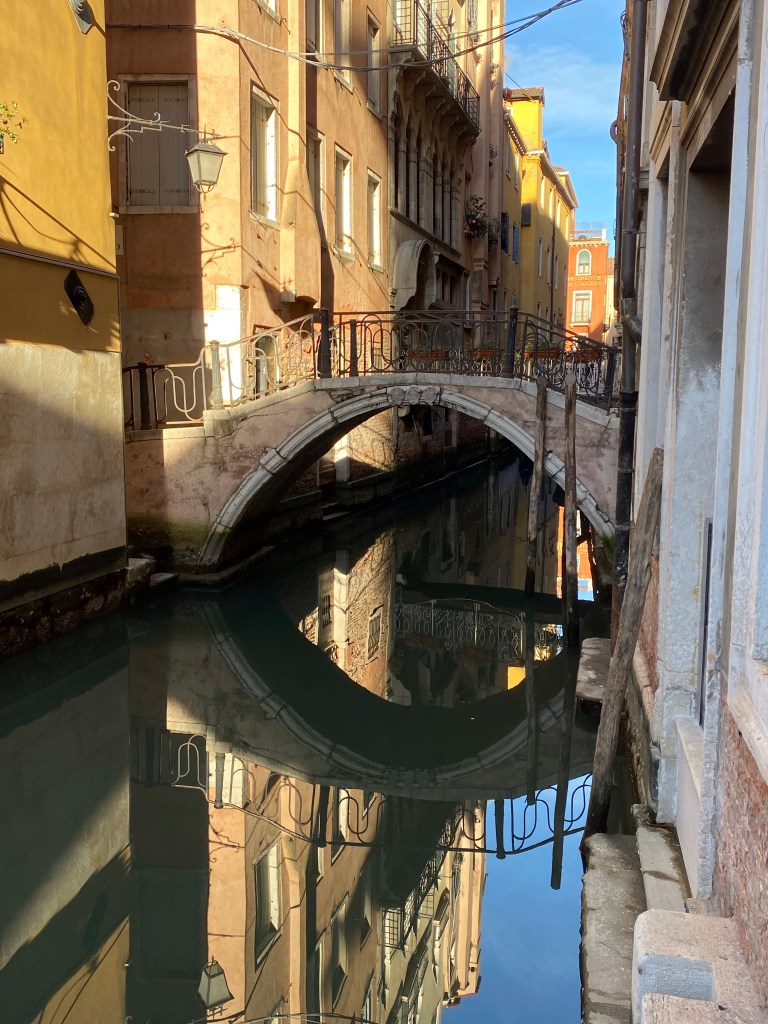
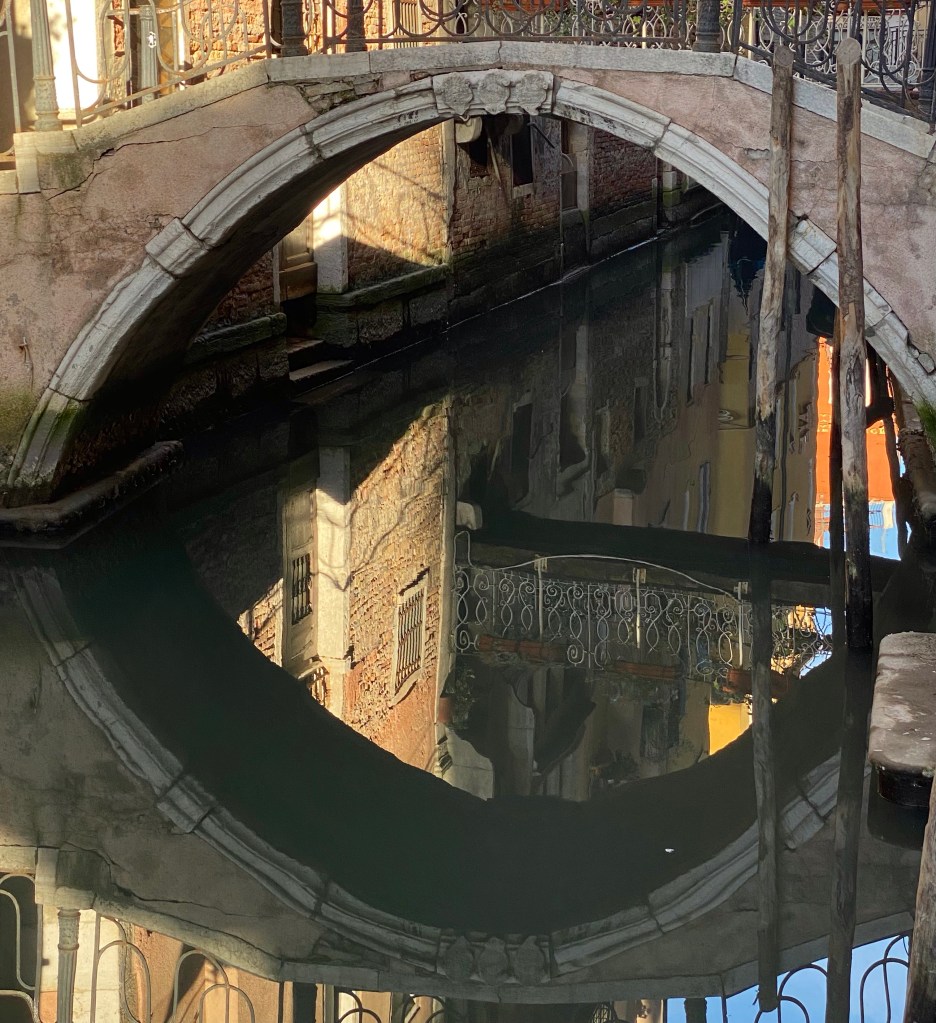
And they were all over the small canals that run through this city of water!
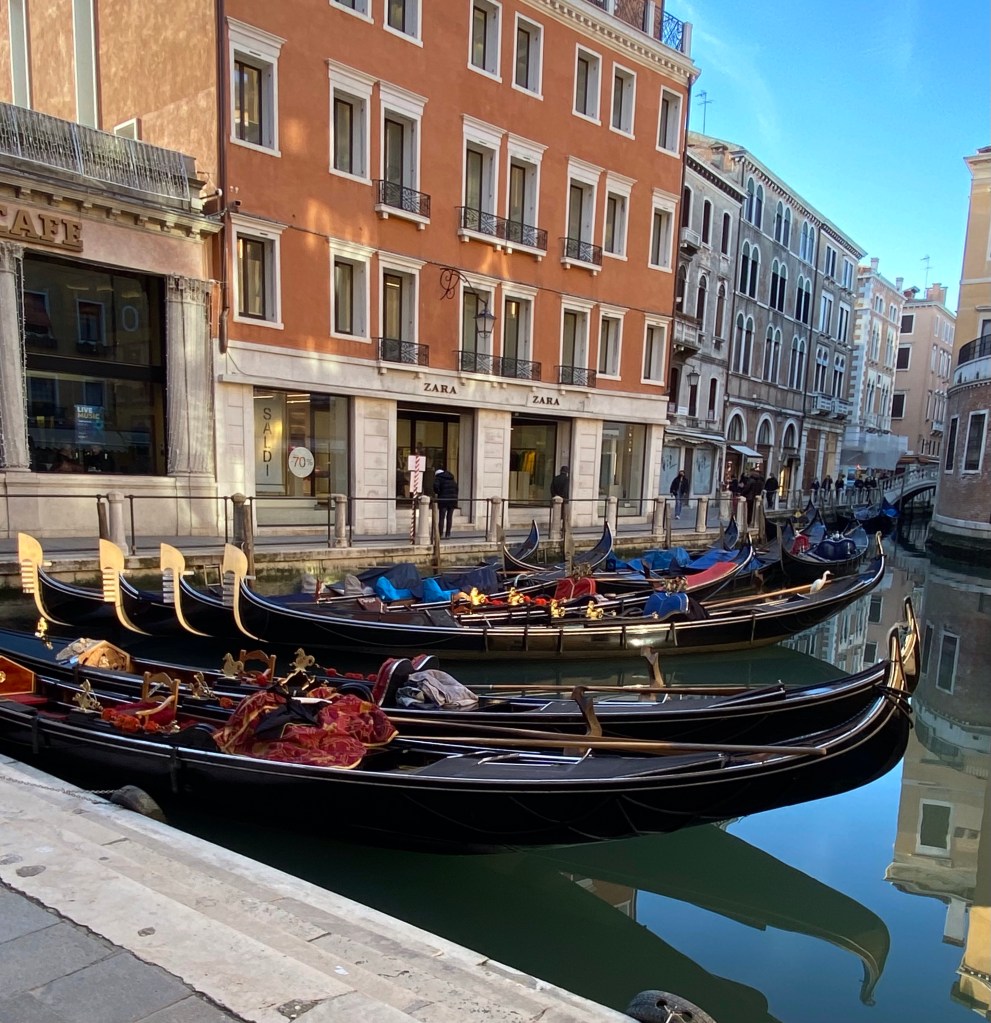
Yes, they were on the water!
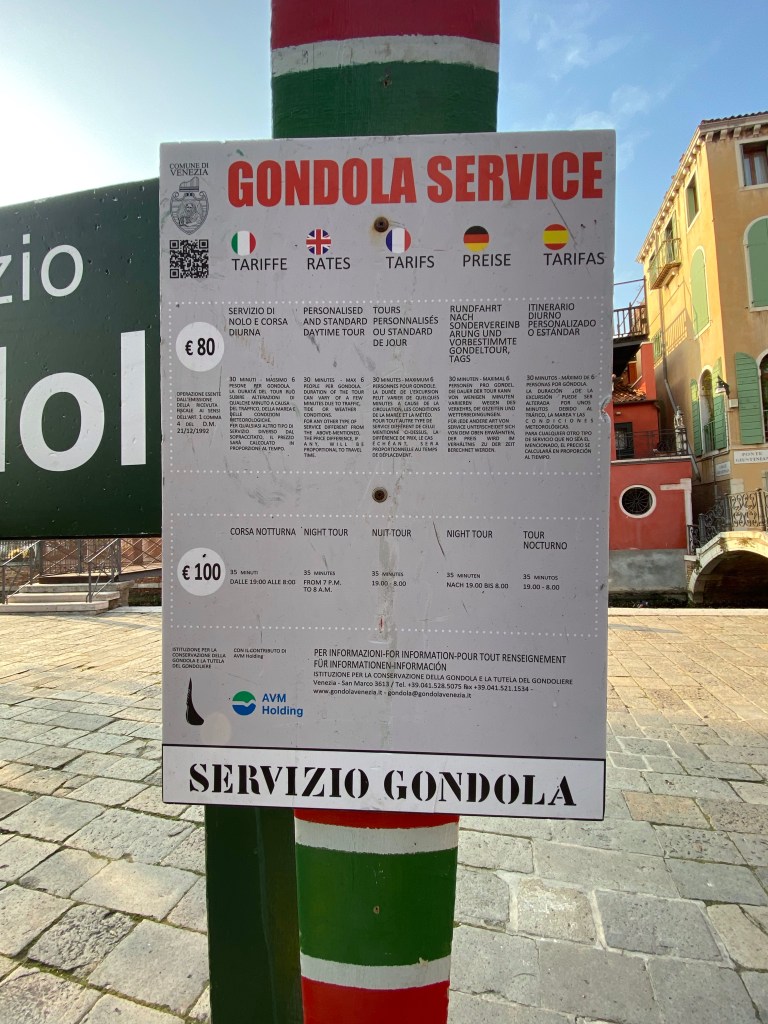
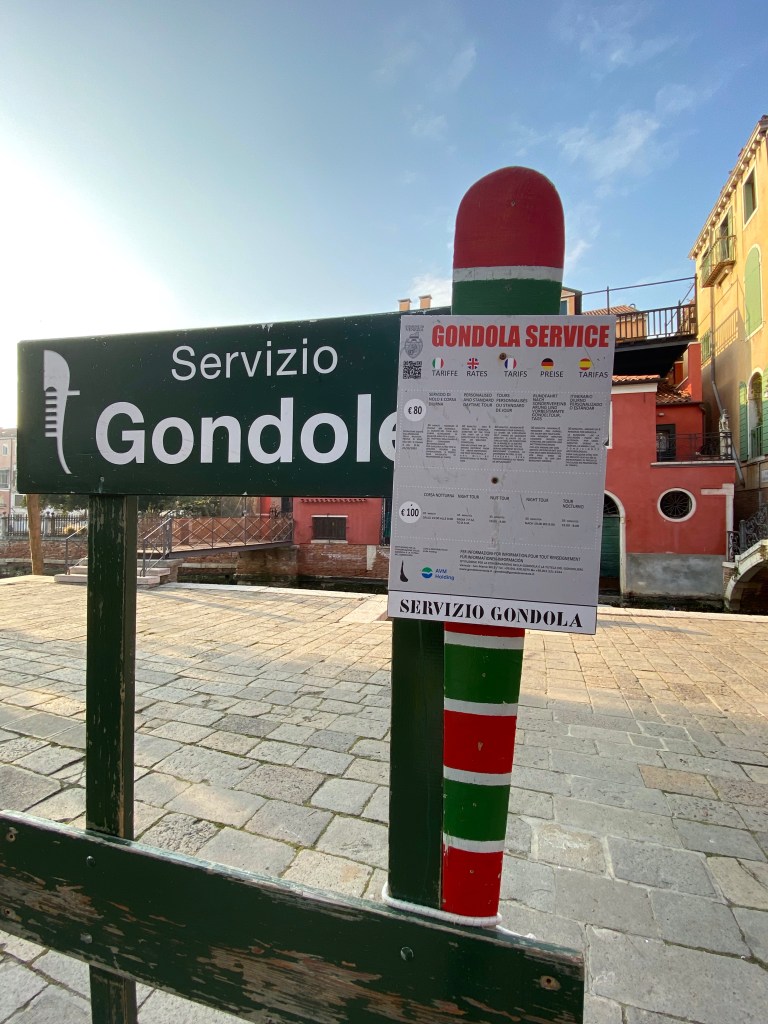
As you can see from the signs, it cost 80 Euro per 30 minutes during the day for up to 6 people (where’s the romance in that number of persons?)And 100 Euro per 30 minutes throughout the evening, night and wee hours!
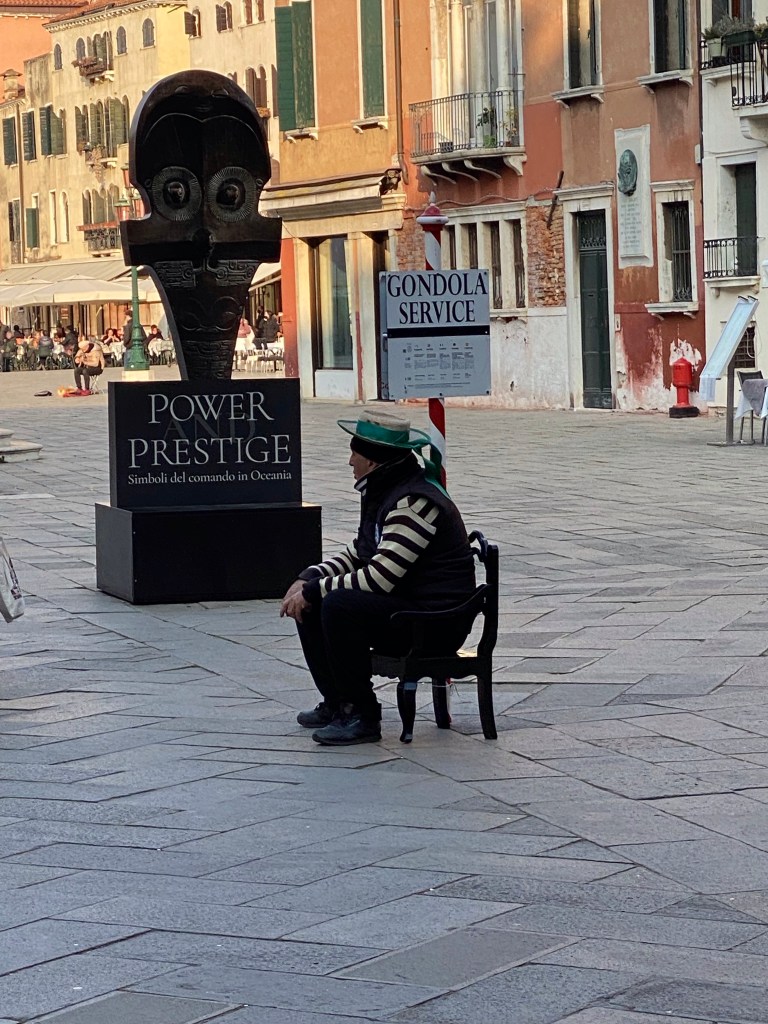
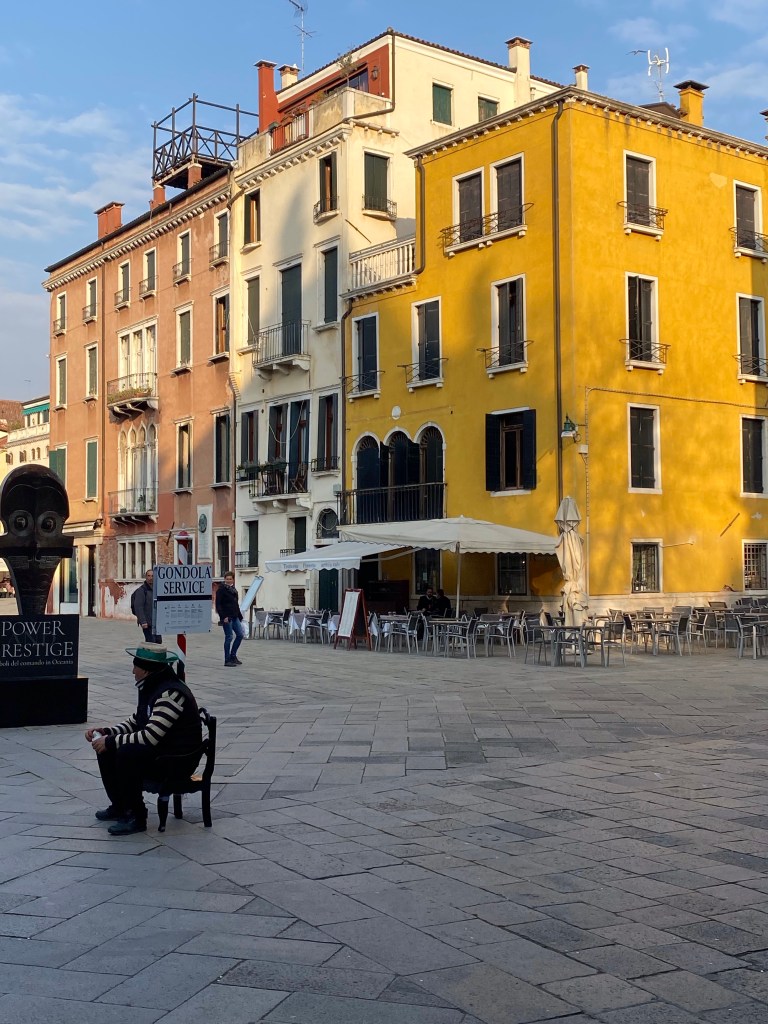
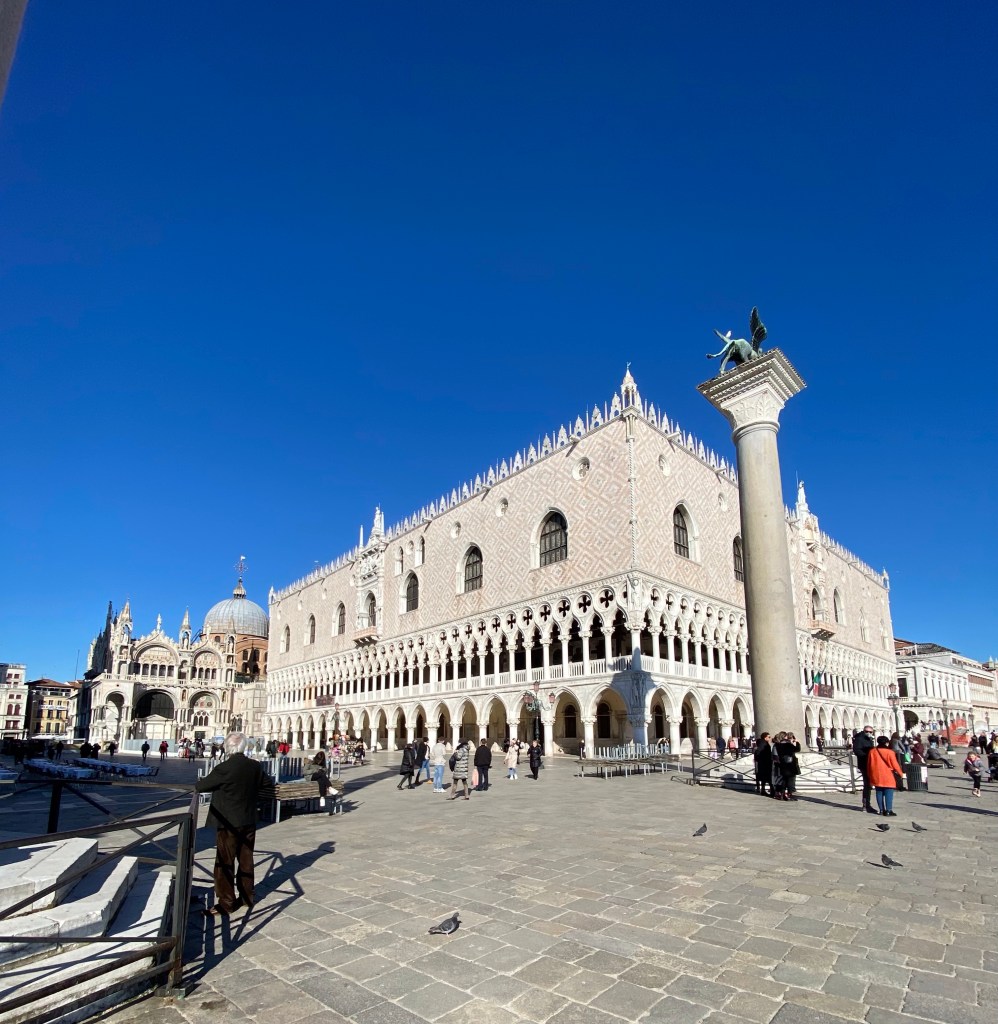
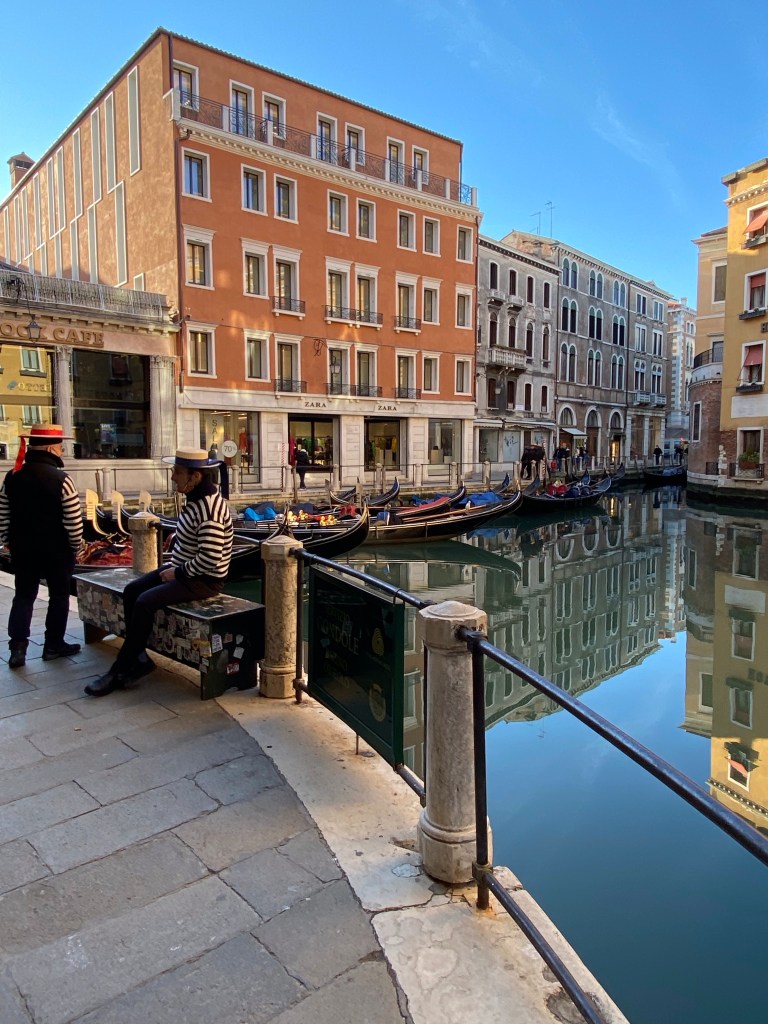
And, on the land!
Fortunately, the gondoliers still wear their distinctive striped shirtsAnd straw hats
Always as distinctively Venetian, always as beautiful upon the water! Although I didn’t hear a single one singing, as I enjoyed in the late 1980s when I was a guest of the Italian government, staying in the Hotel Danieli on the Grand Canal and these men floated under my window from morning til dawn, singing all the standards: “O sole mio!” etc. ad infinitum.
Ah, Venice! You bewitching, beguiling, beautifully impossible place! Ti adoro!
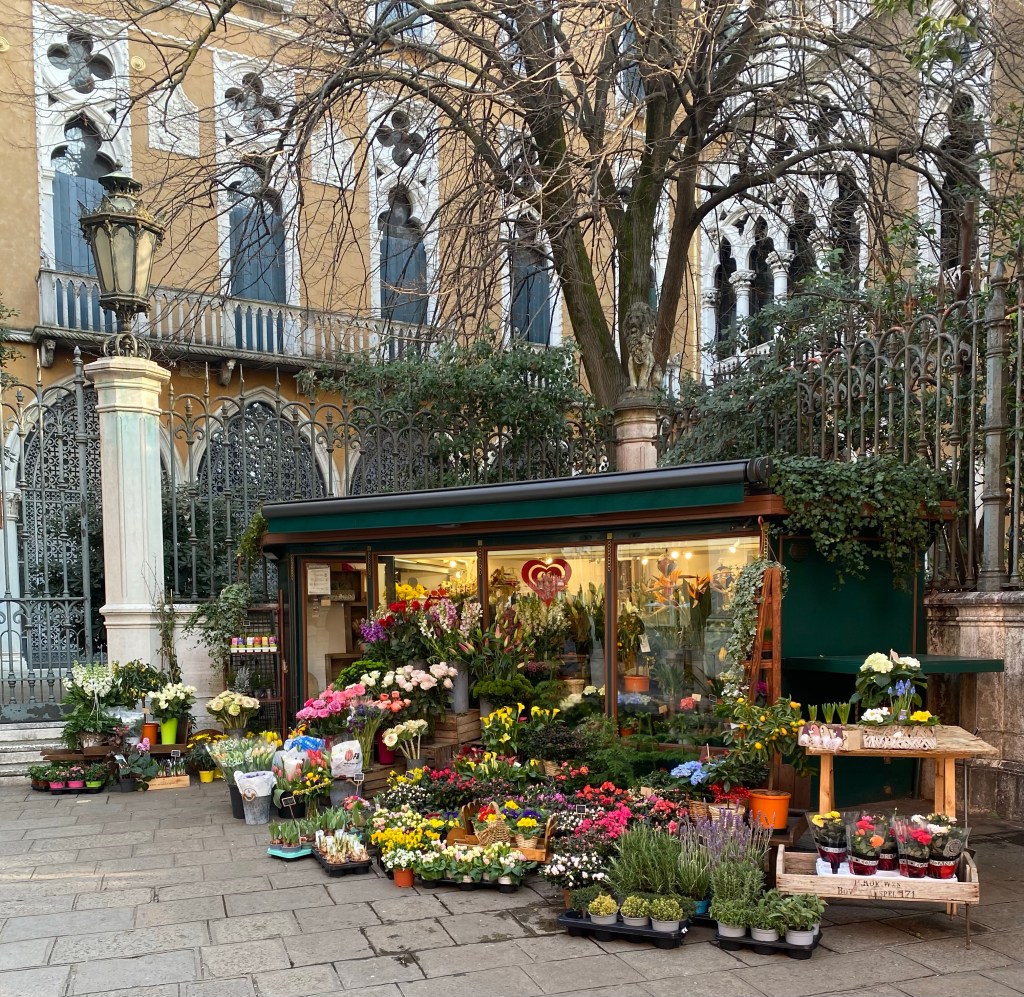
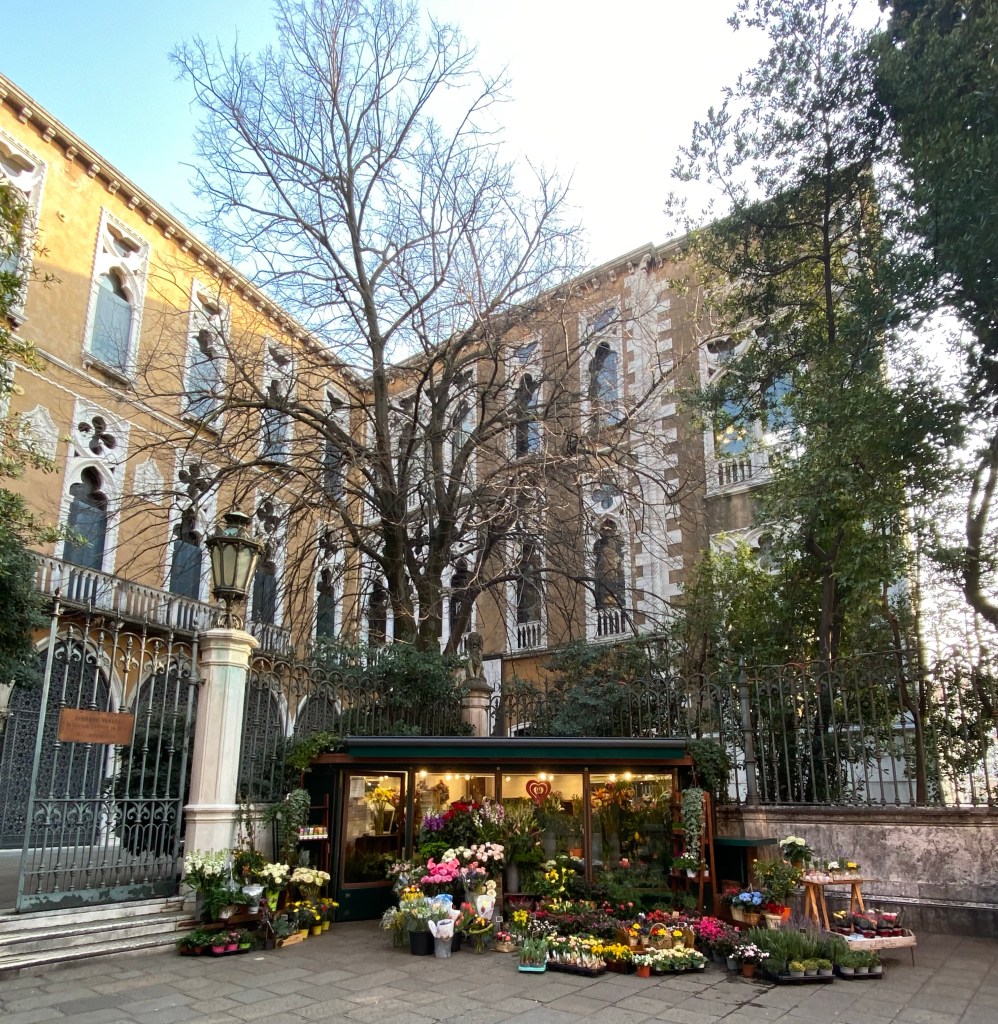
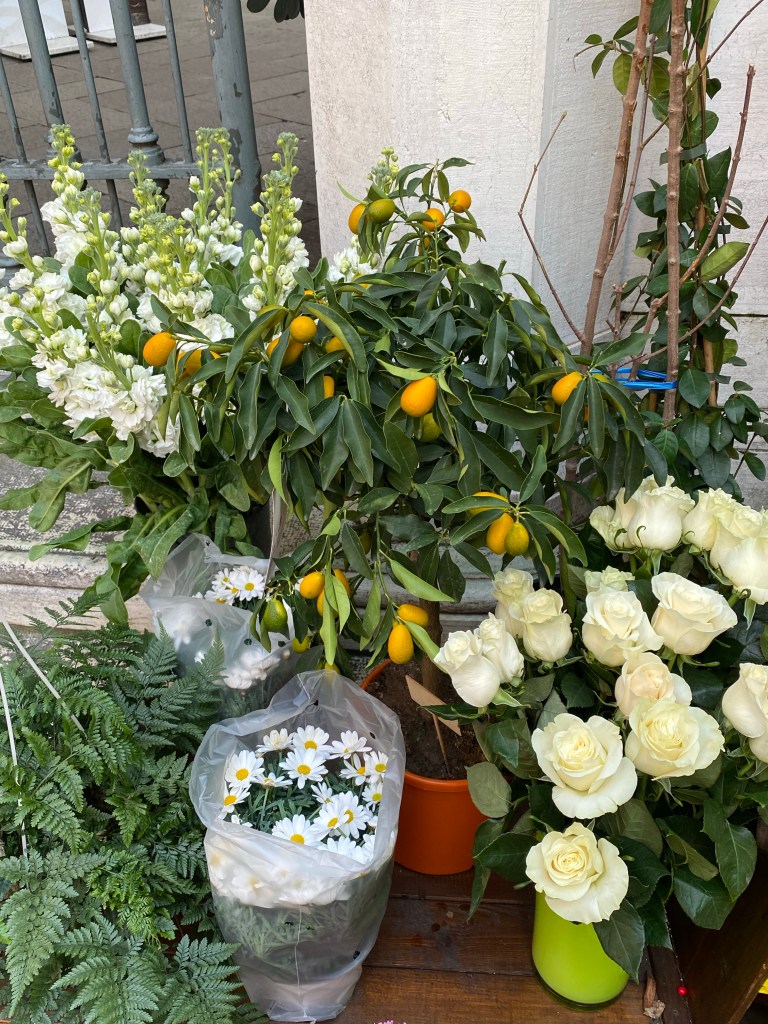
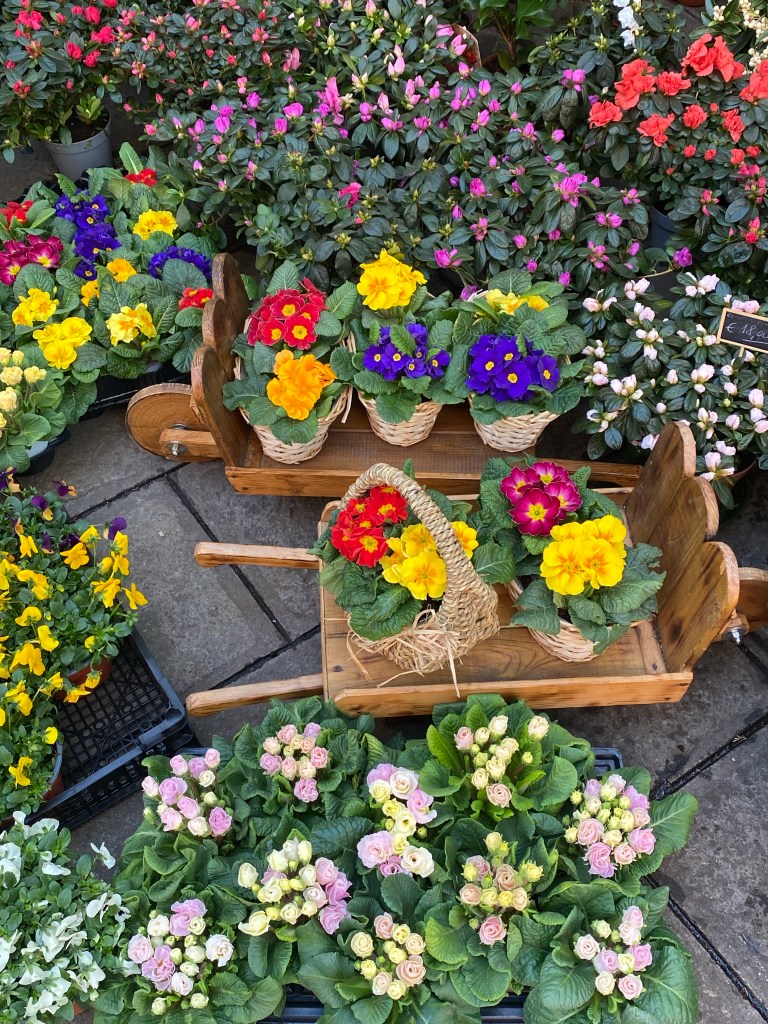
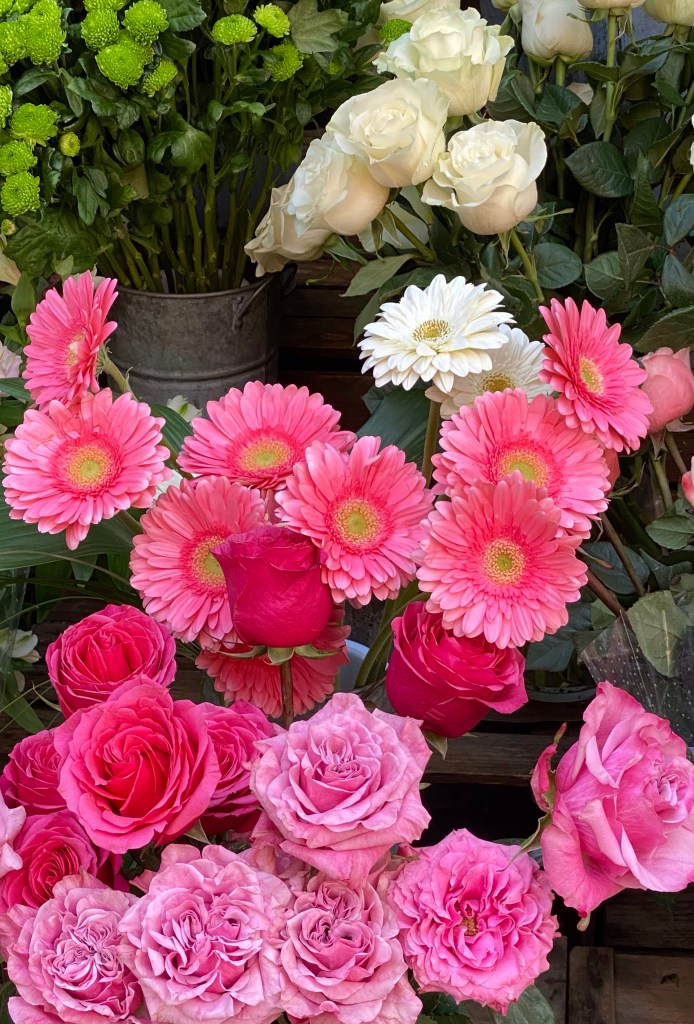
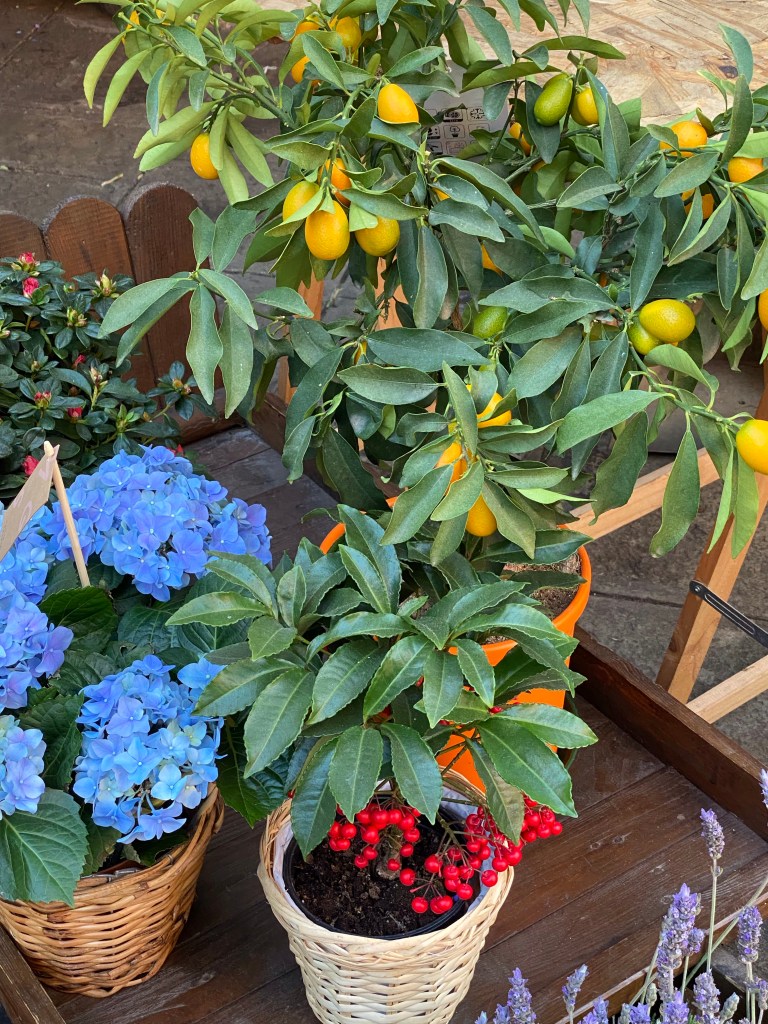
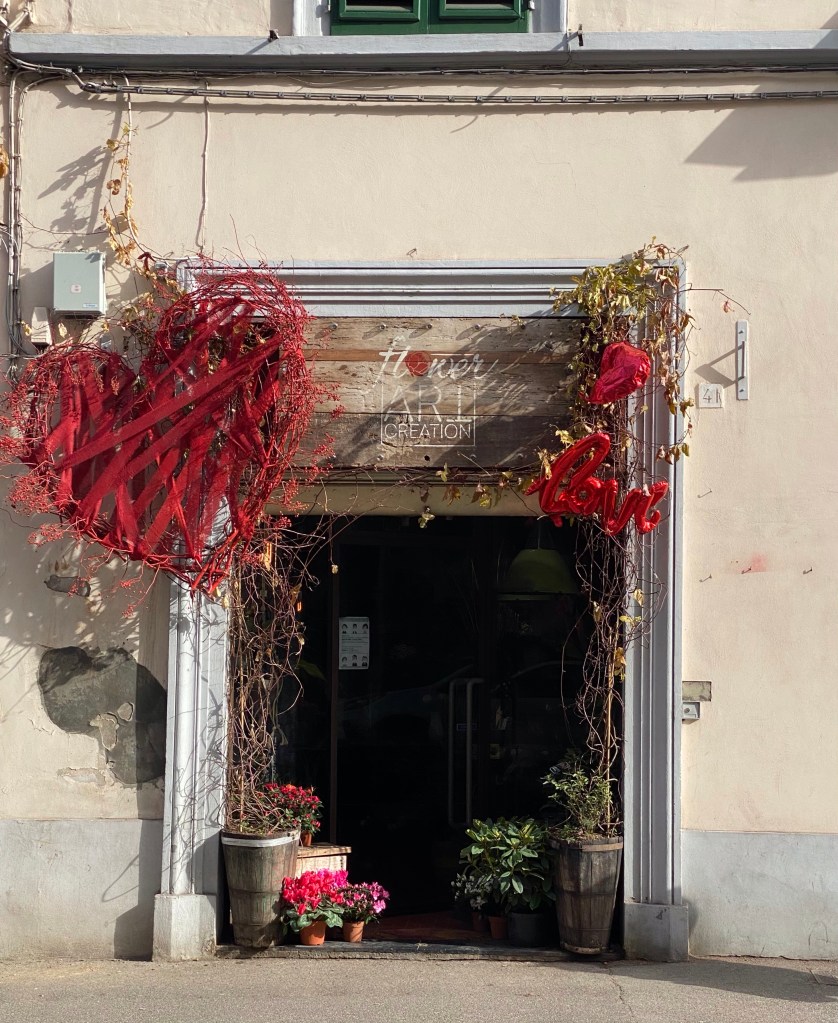
In a city of stone, you don’t find much plant life, so this flower stall stood in relief more than in other cities with big parks.
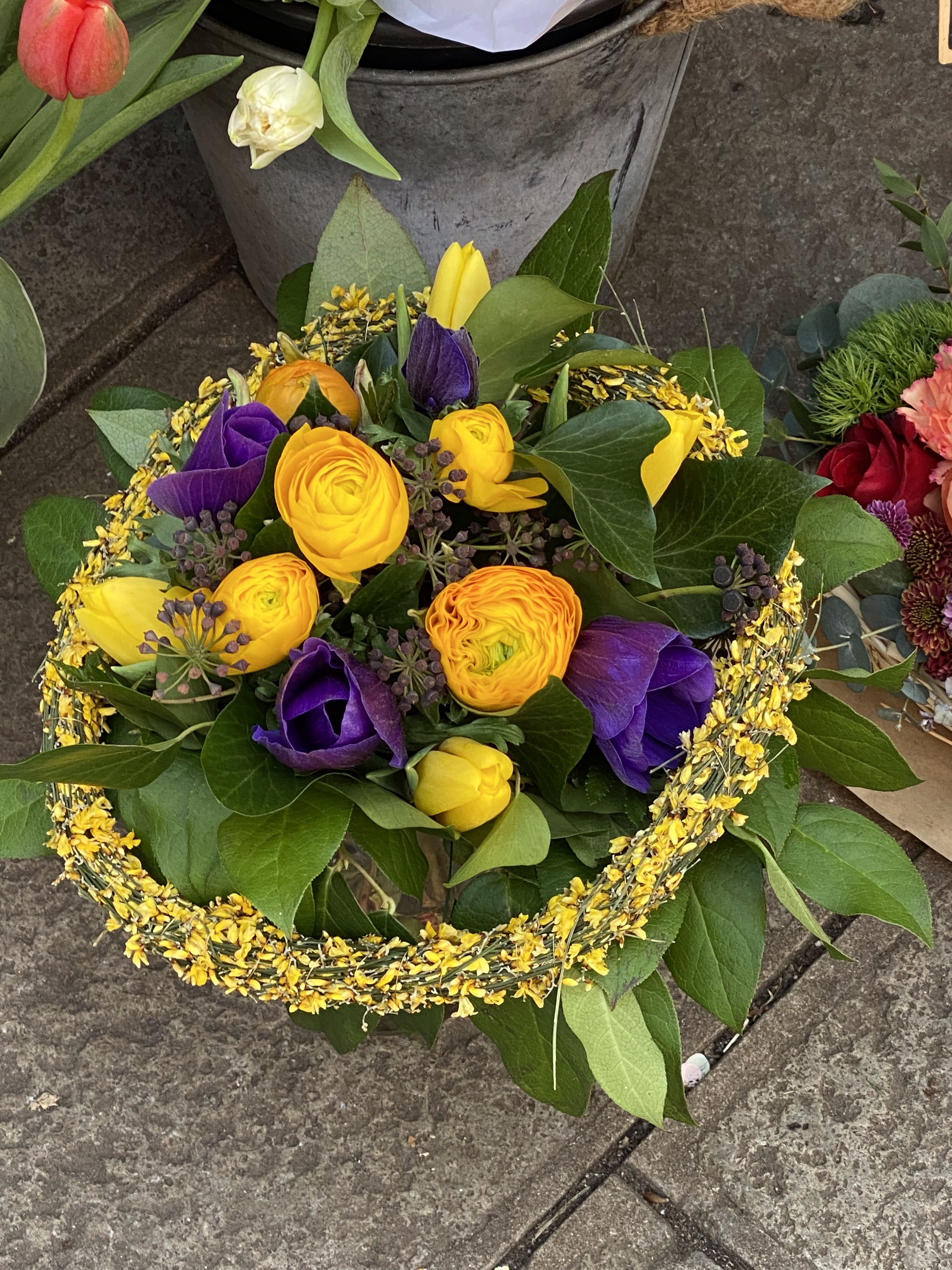
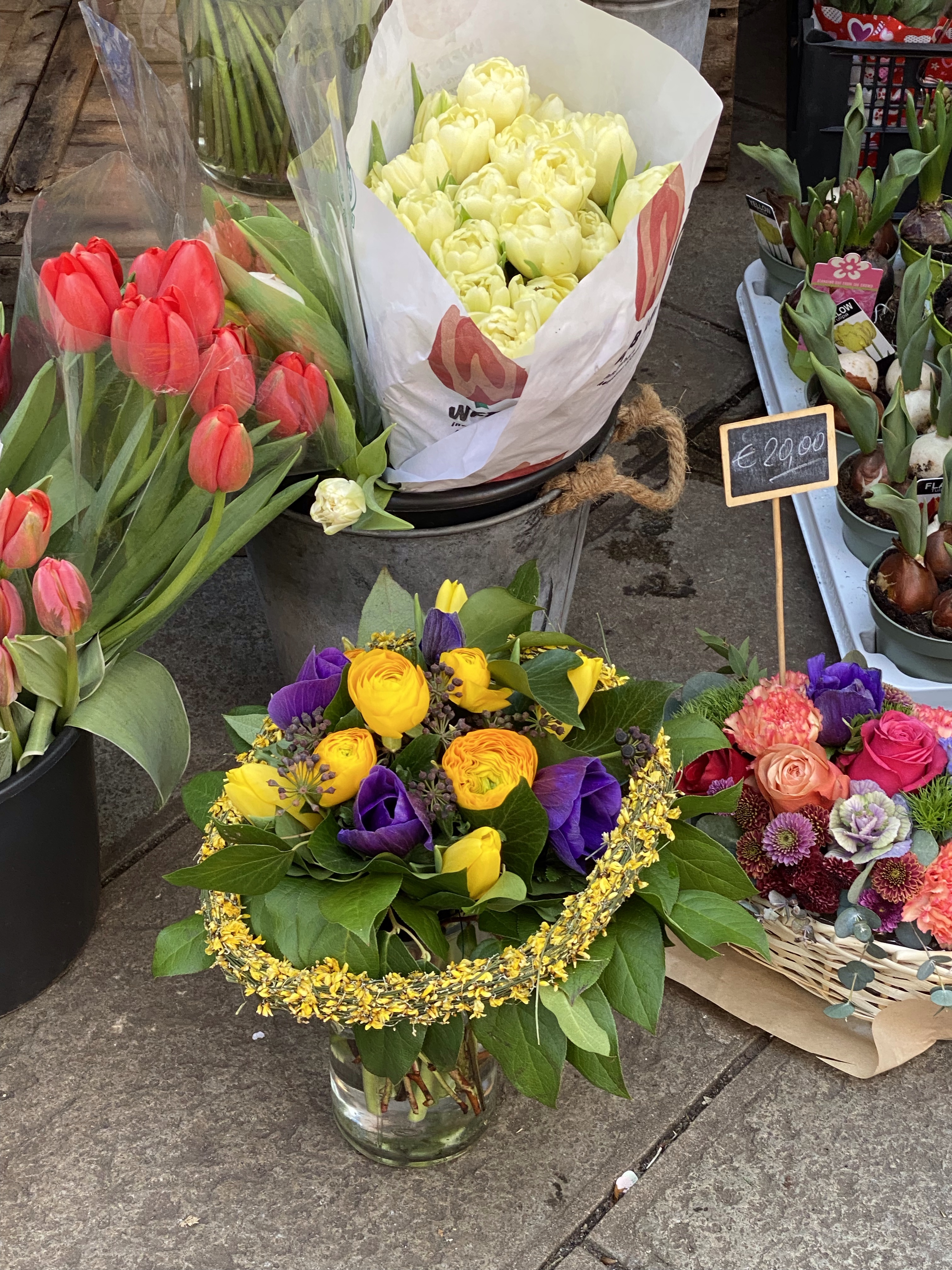
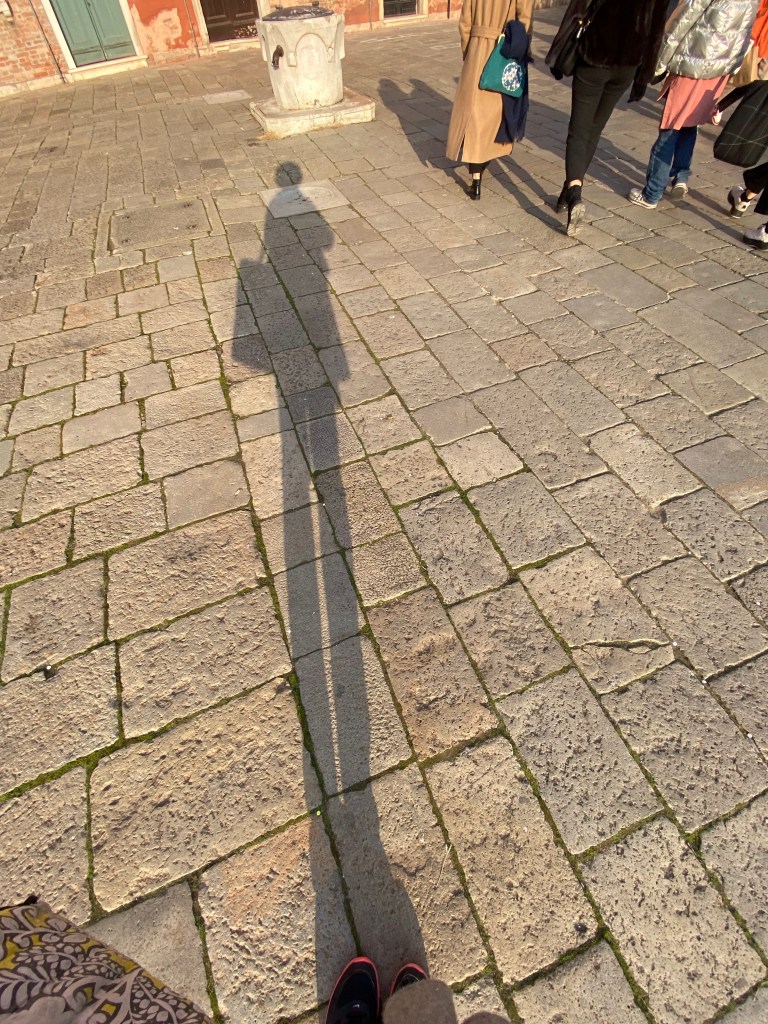
What an unusual arrangement this one is!I’ve never seen anything like it!And then, I turned around and found my winter legs had grown very very long indeed!
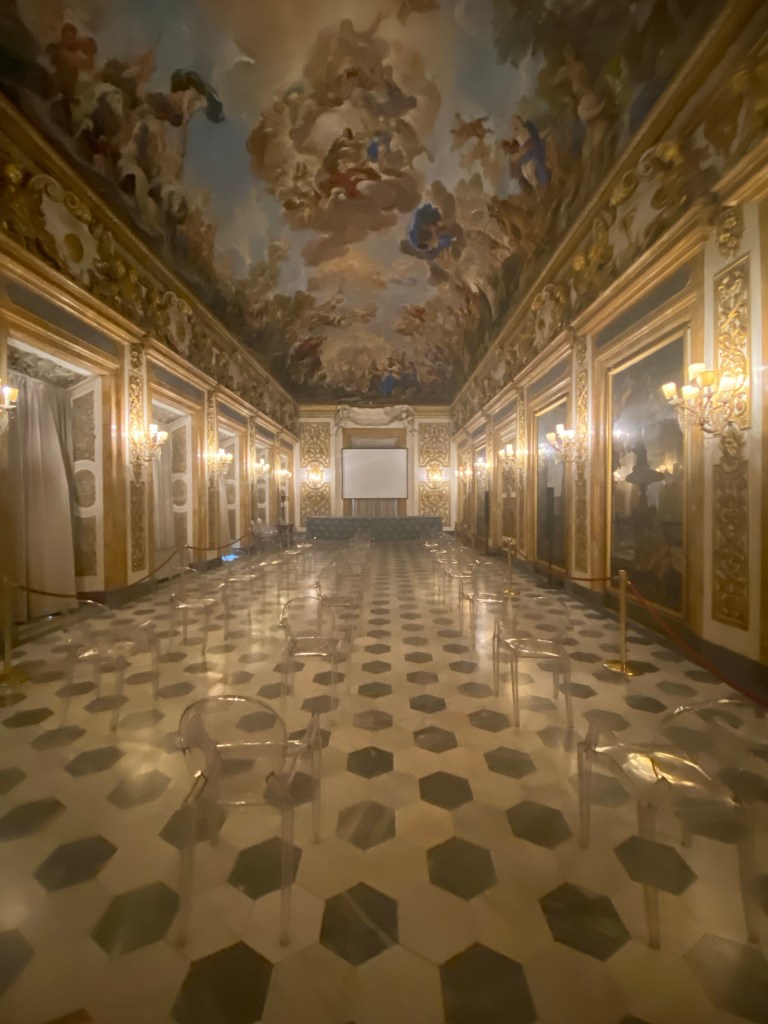
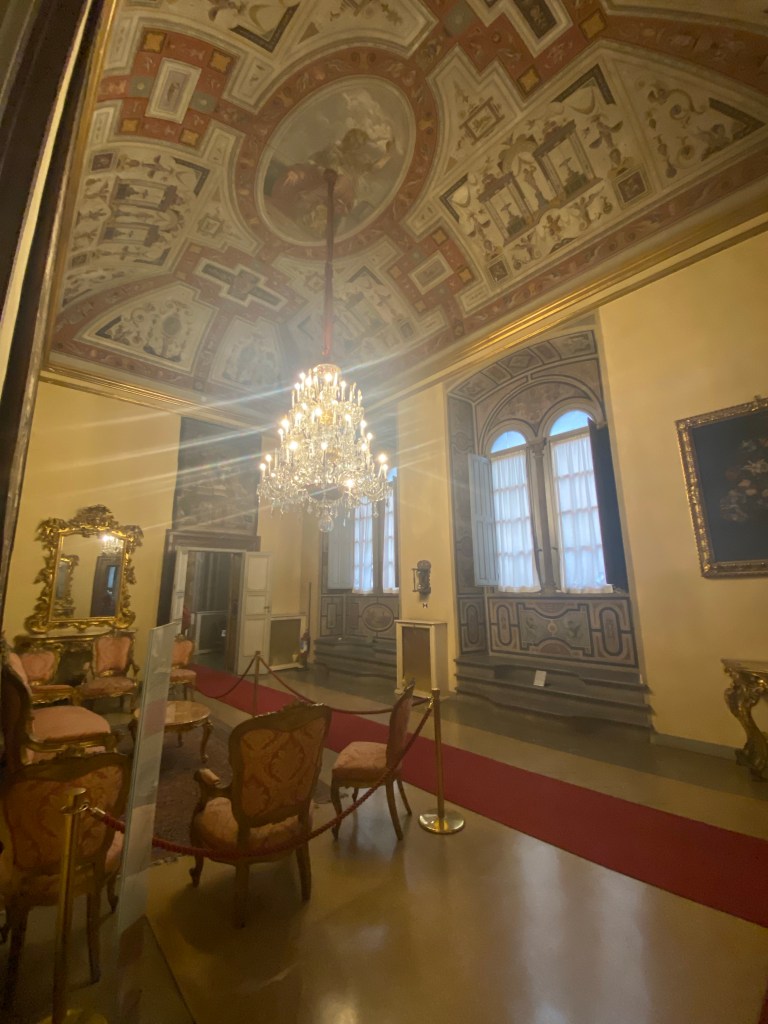
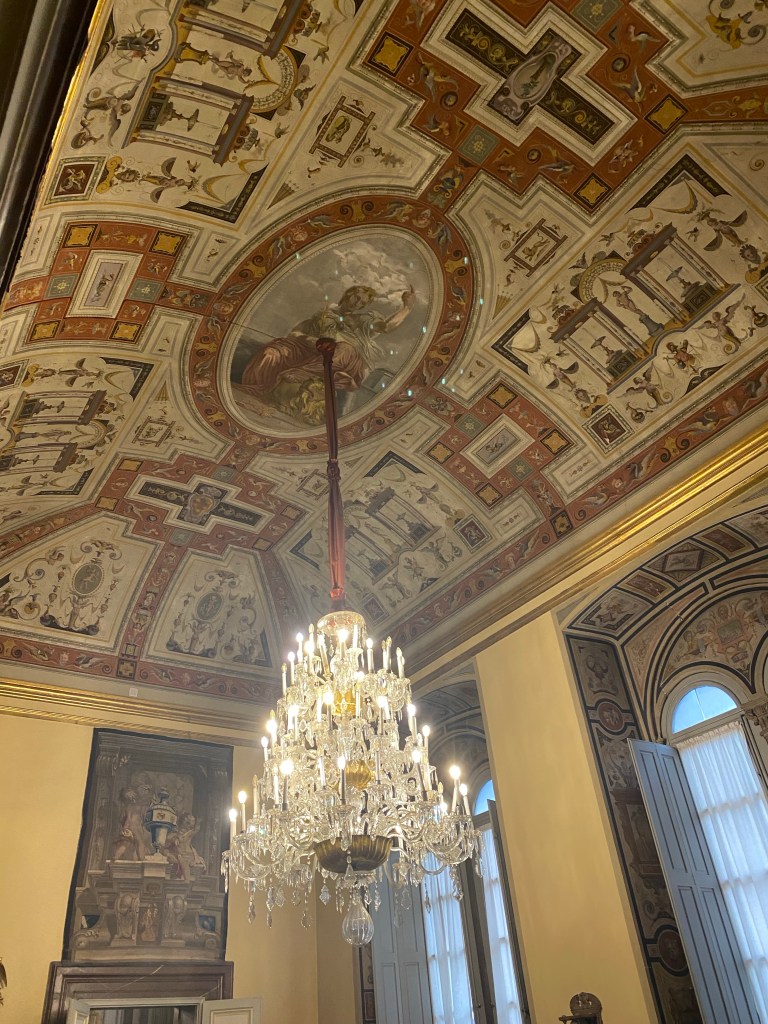
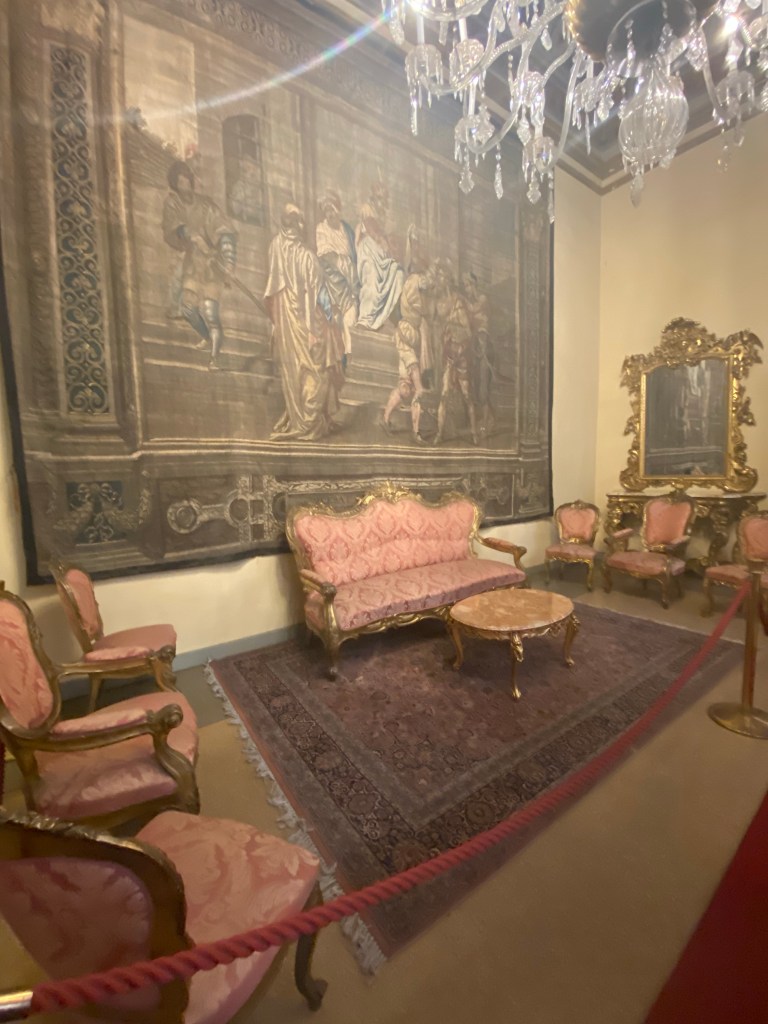
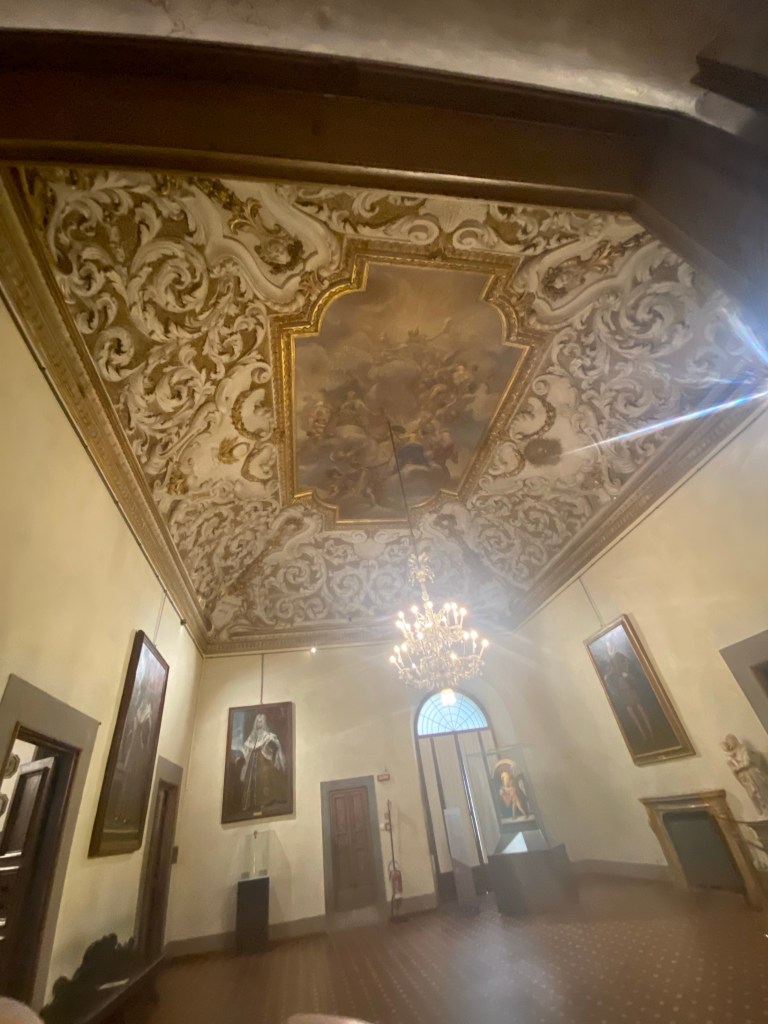
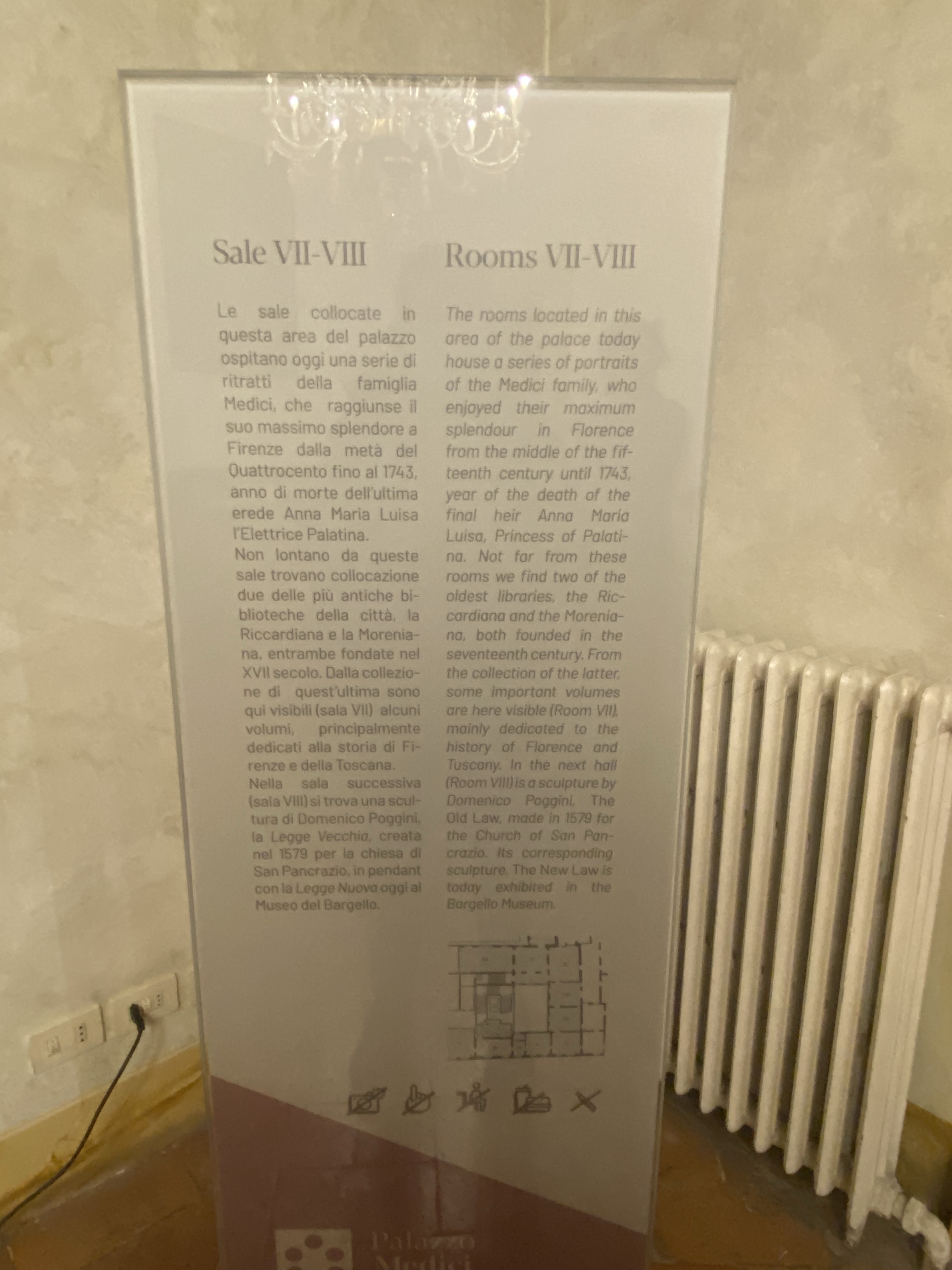
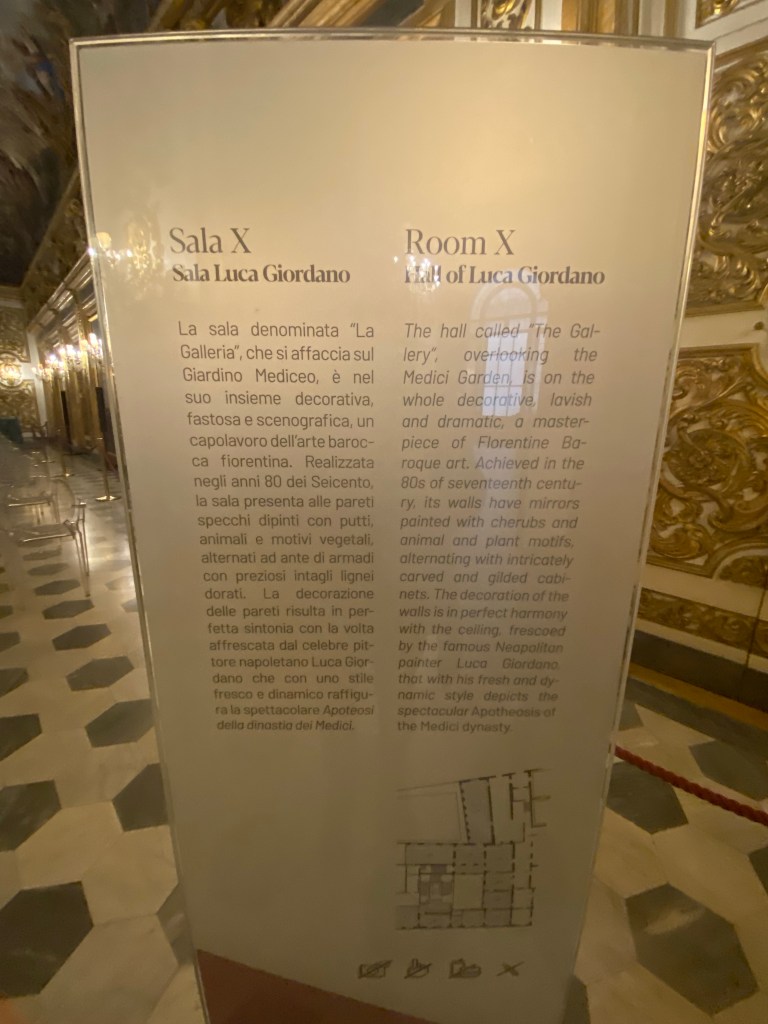
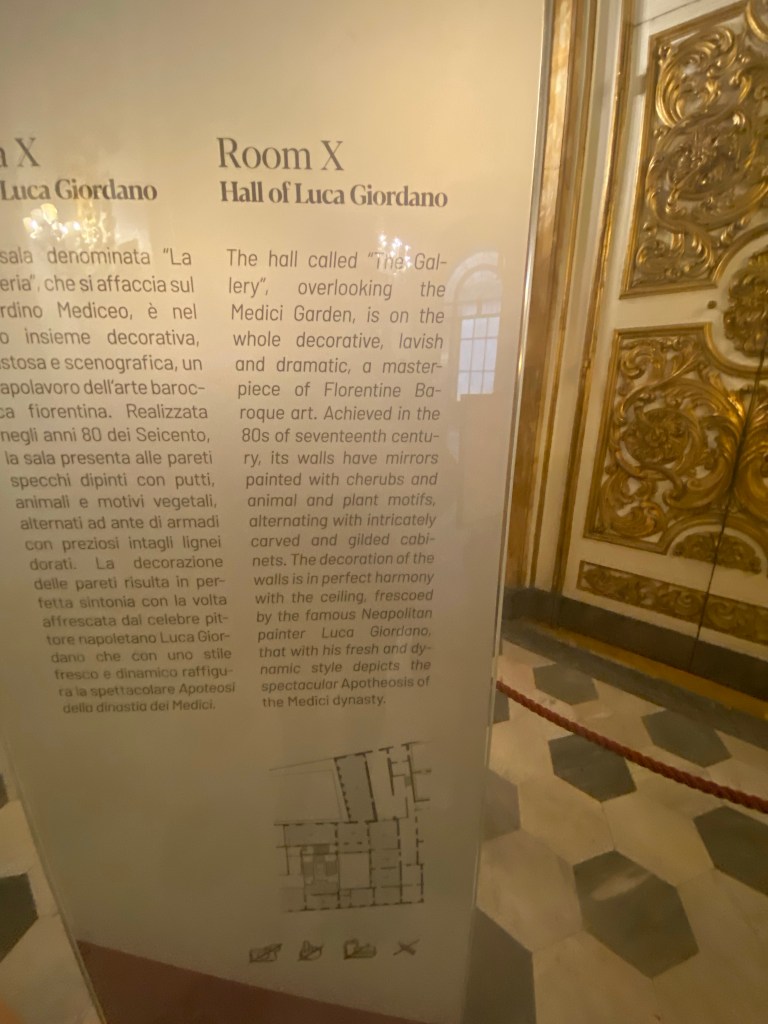
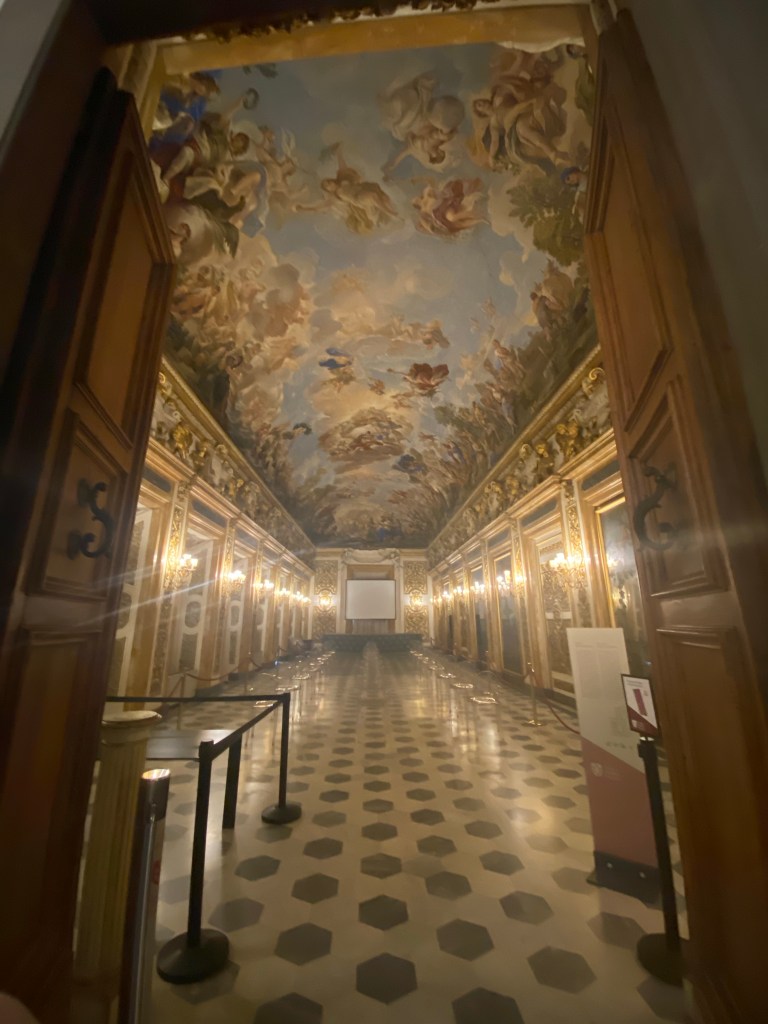
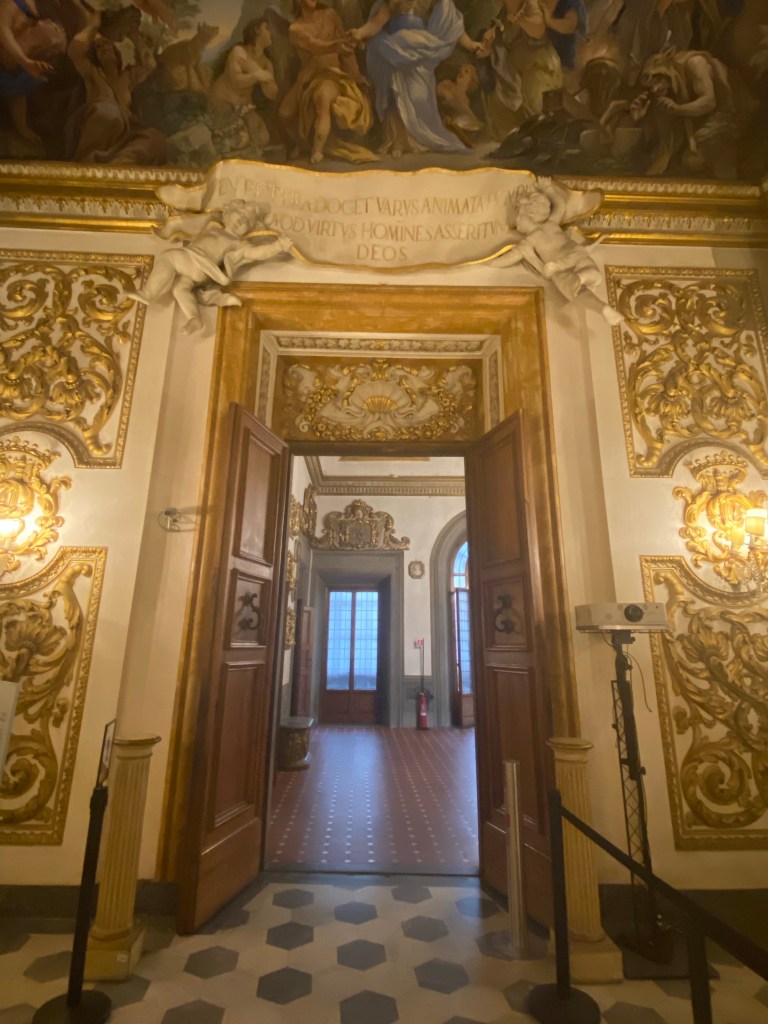
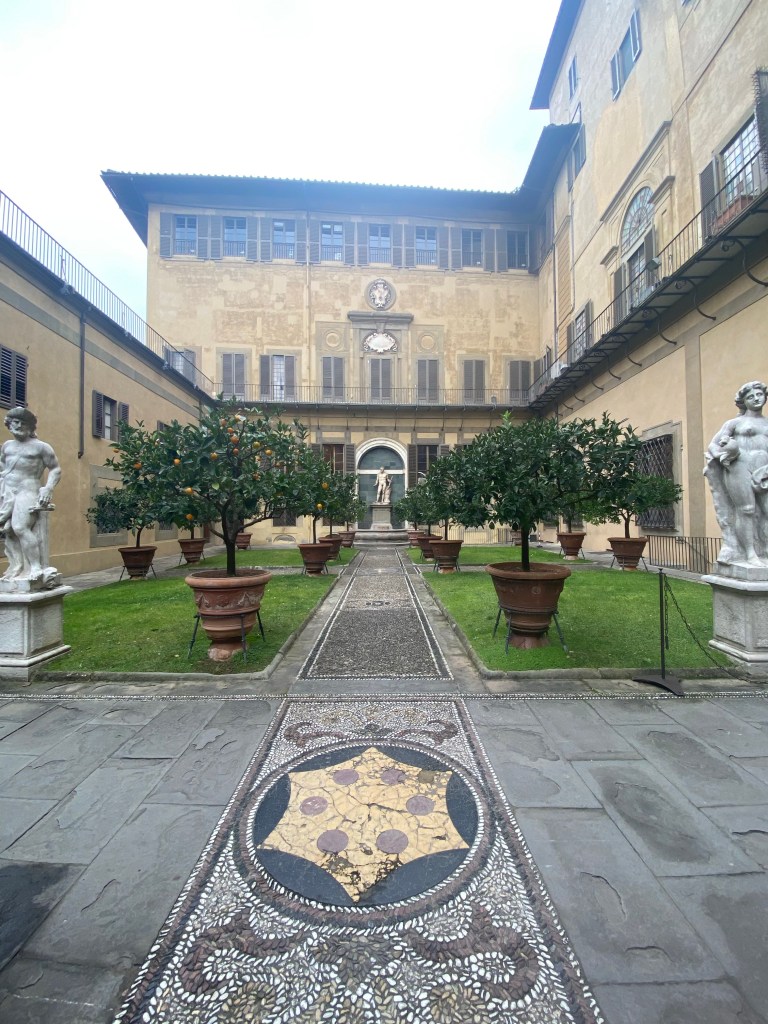
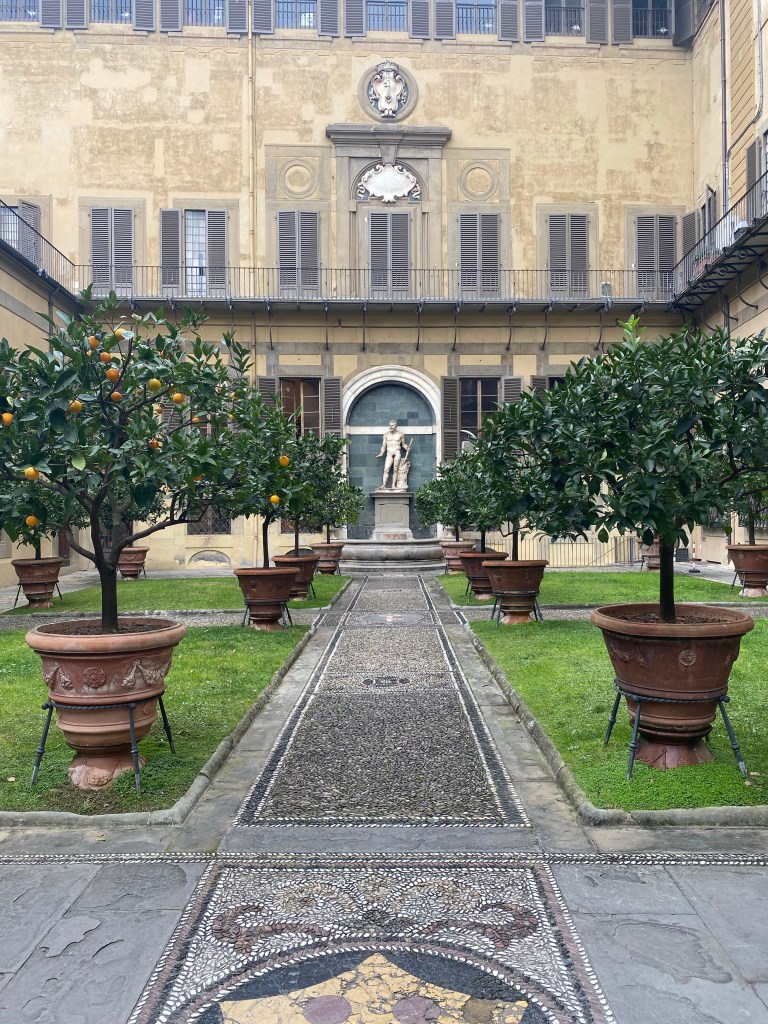
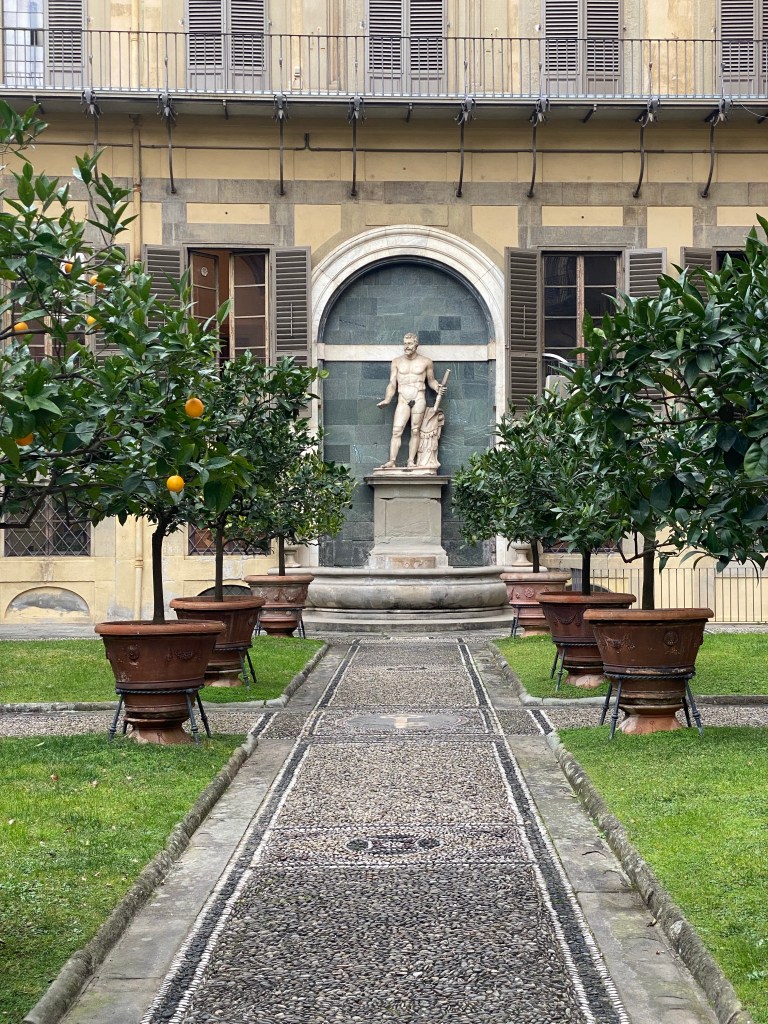
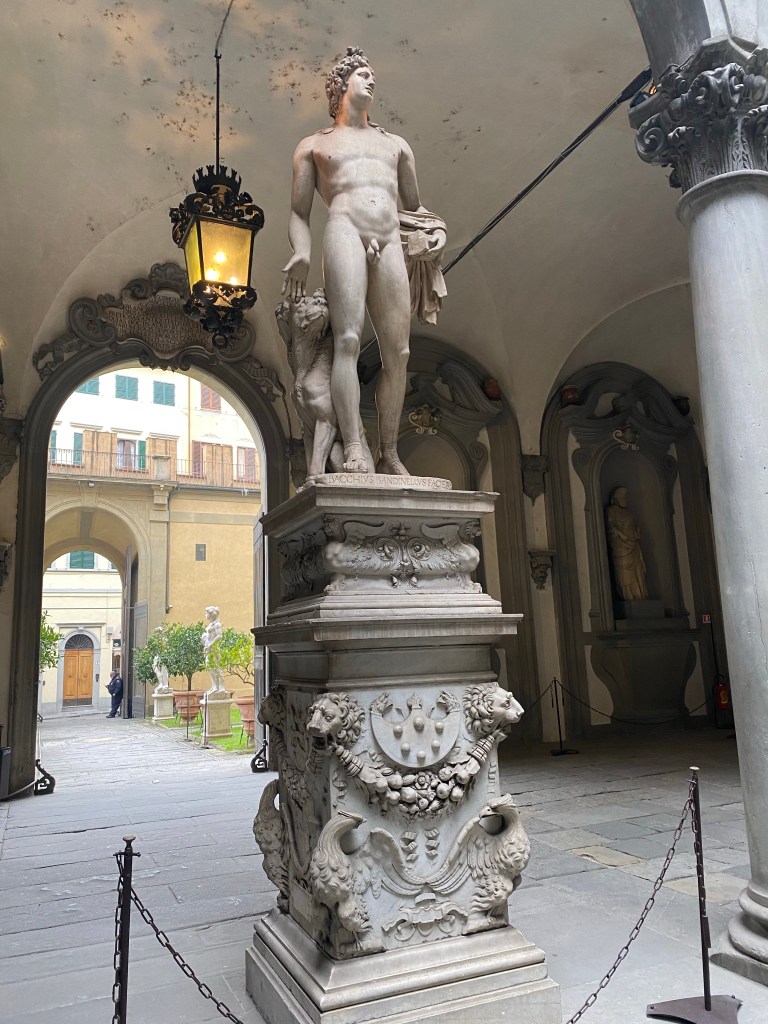
Fortunately, some things on earth remain constant. The beauty of the Palazzo Medici is one thing you can count on!
On an early Friday afternoon in February, I paid a visit to this lovely spot. It has never let me down. It was even richer this time, because there is a current exhibition on Benozzo Gozzoli, which I will post about later. It’s a great show. Gozzoli is one of my favorite artists of all times!
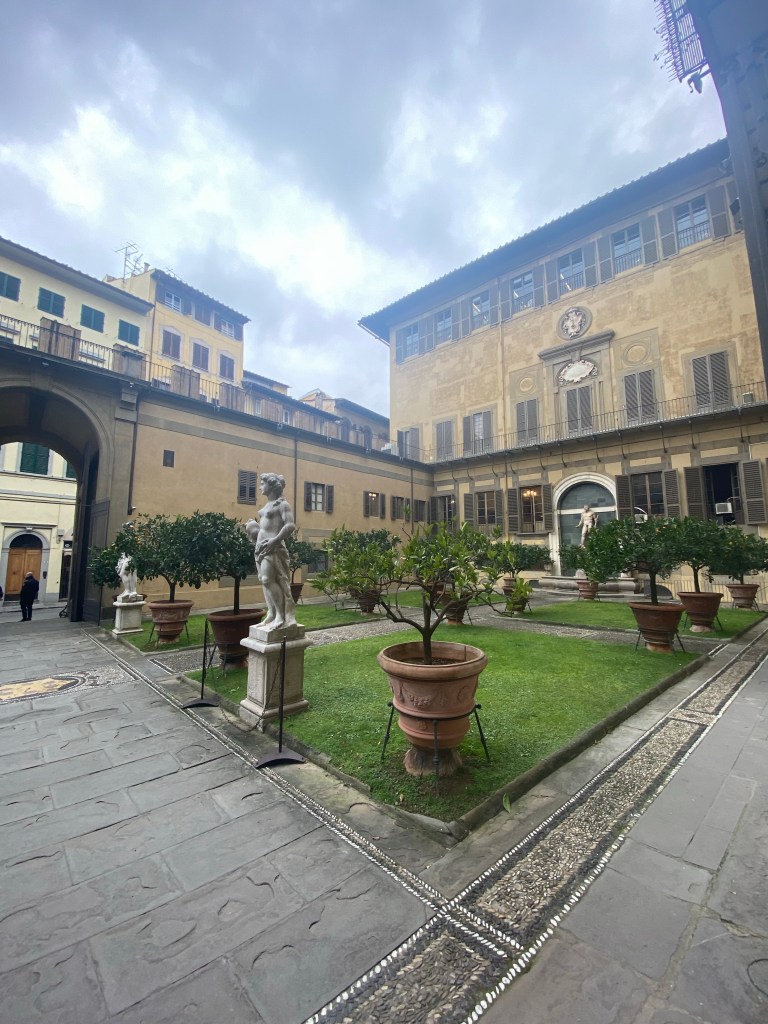
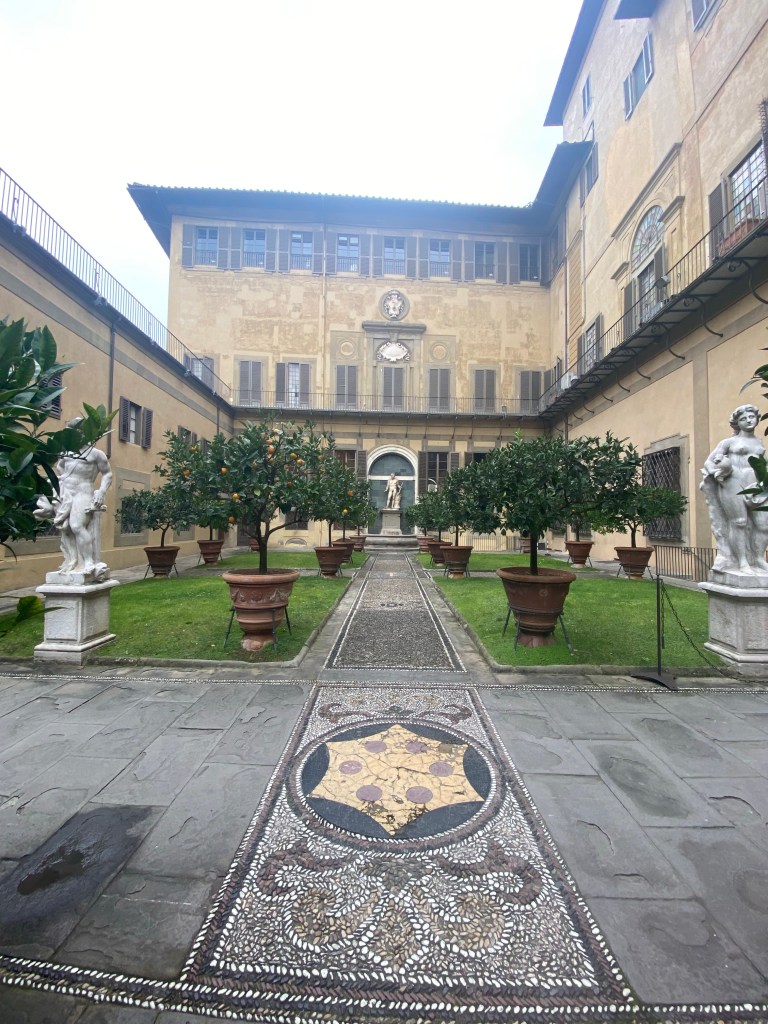
First, the glorious garden:
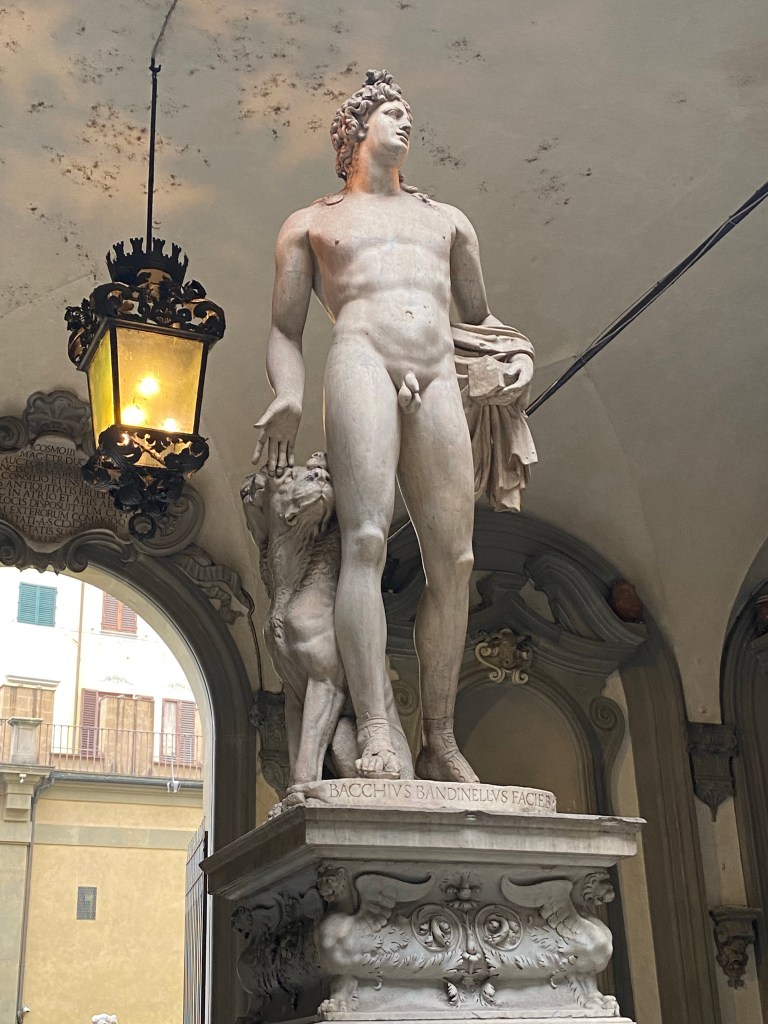
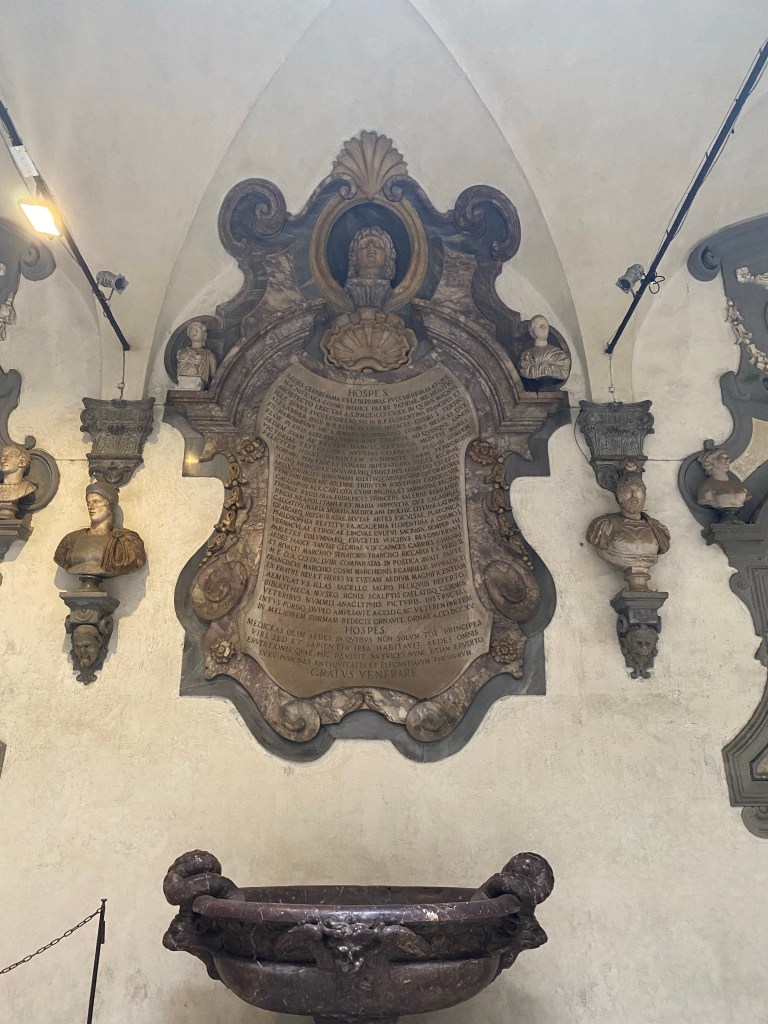
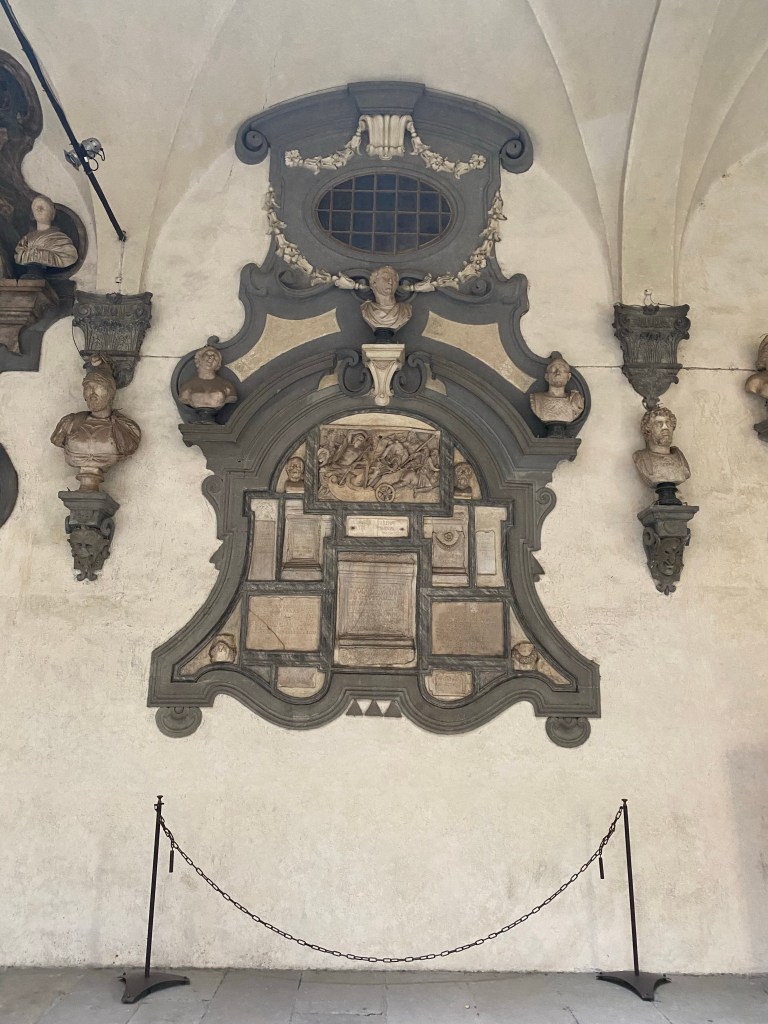
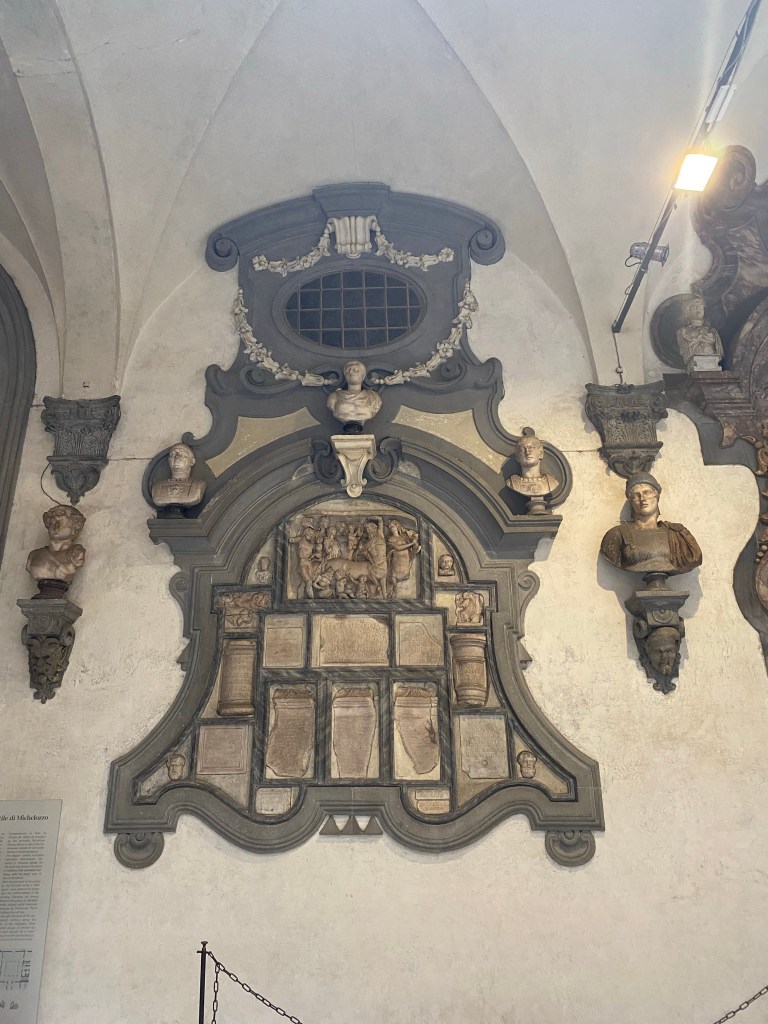
Next, the incomparable courtyard by Michelozzo, with further decorations added over following centuries:
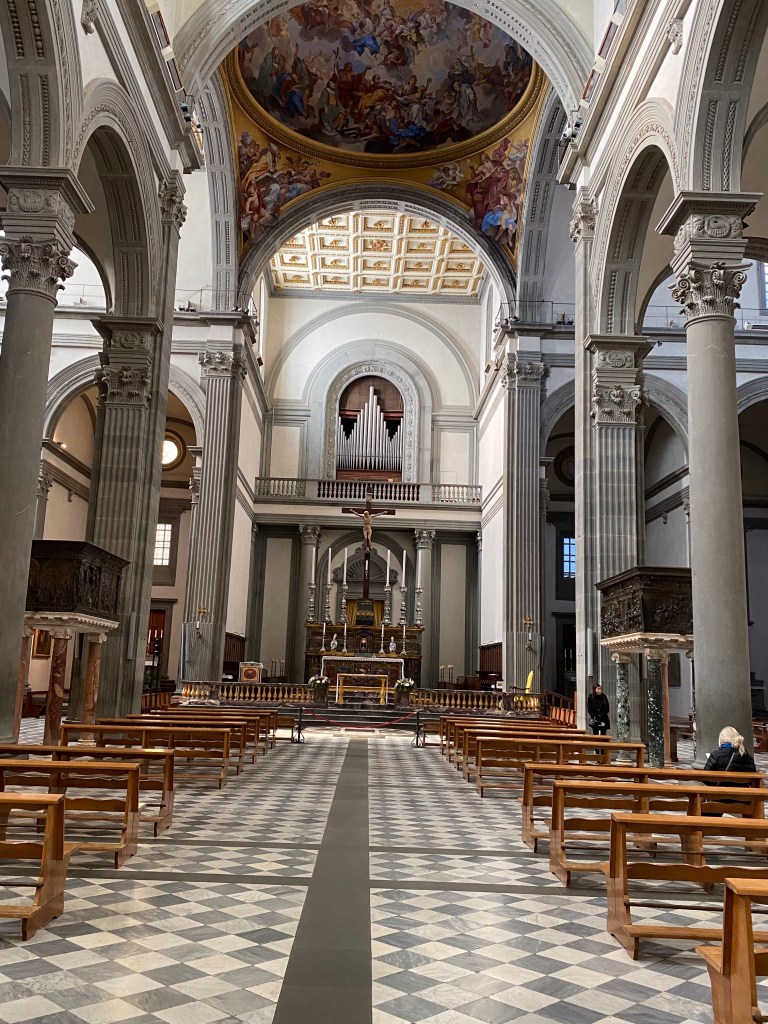
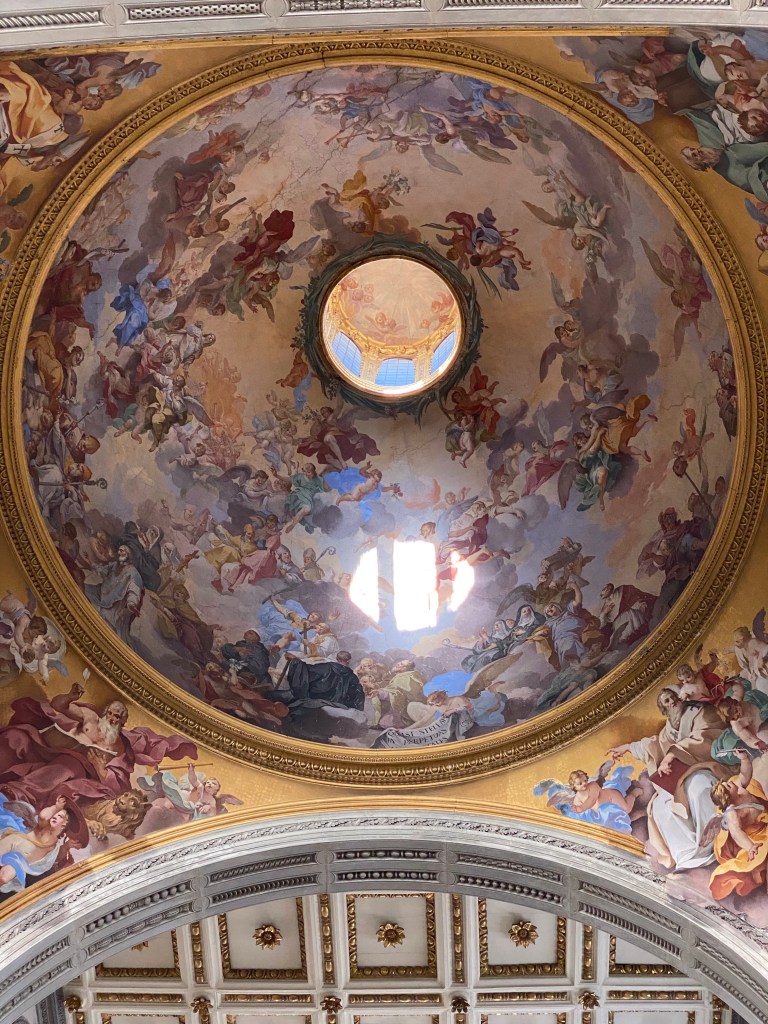
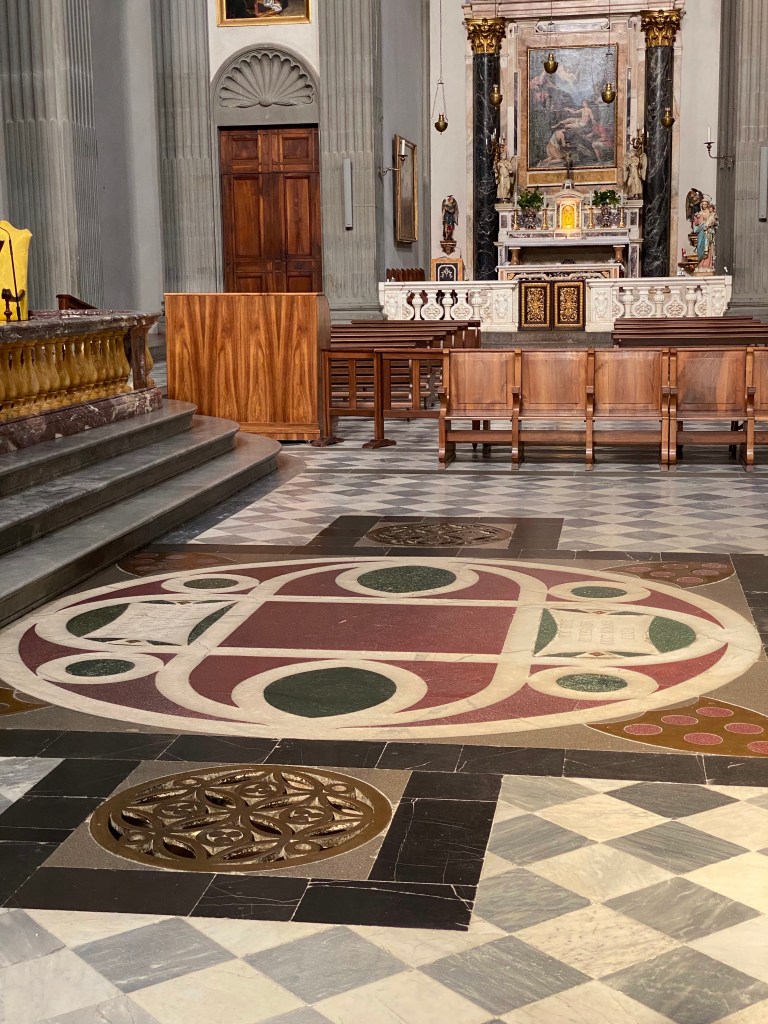
In terms of hallowed ground in Florence, it doesn’t get much better than this. This fine Renaissance basilica, designed by Brunelleschi, is at least the 2nd church to occupy this spot.
It is situated at the center of the city’s main market district, and is the burial place of all the principal members of the Medici family from the founder of the Renaissance family, Giovanni di Bicci de’ Medici, to Cosimo il Vecchio, to Cosimo III.
It is one of several churches that claim to be the oldest in Florence, having been consecrated in 393, at which time it stood outside the city walls. For 300 years it was the city’s cathedral before the official seat of the bishop was transferred to Santa Reparata.
San Lorenzo was the parish church of the Medici family. In 1419, Giovanni di Bicci de’ Medici offered to finance a new church to replace the 11th-century Romanesque rebuilding. Filippo Brunelleschi, the leading Renaissance architect of the first half of the 15th century, was commissioned to design it, but the building, with alterations, was not completed until after his death.
The church is part of a larger monastic complex that contains other important architectural and artistic works: the Old Sacristy by Brunelleschi, with interior decoration and sculpture by Donatello; the Laurentian Library by Michelangelo; the New Sacristy based on Michelangelo’s designs; and the Medici Chapels by Matteo Nigetti. I’ll be posting on some of these other aspects of San Lorenzo soon.
By the time the building was done, aspects of its layout and detailing no longer corresponded to the original plan. The principal difference is that Brunelleschi had envisioned the chapels along the side aisles to be deeper, and to be much like the chapels in the transept, the only part of the building that is known to have been completed to Brunelleschi’s design.
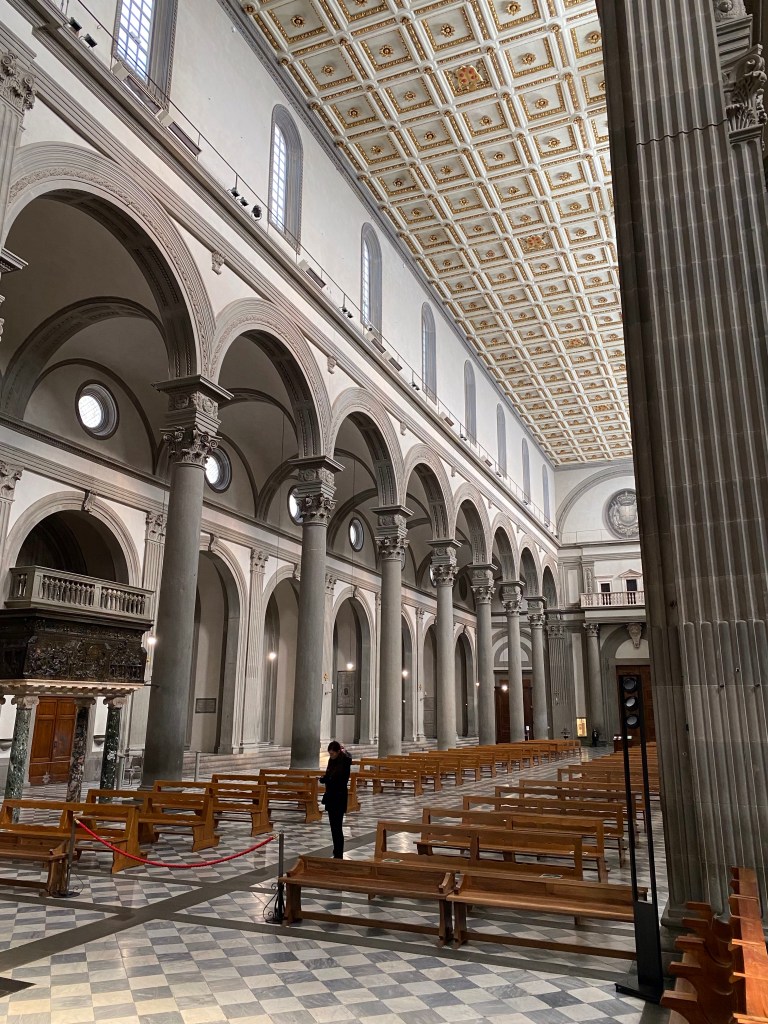
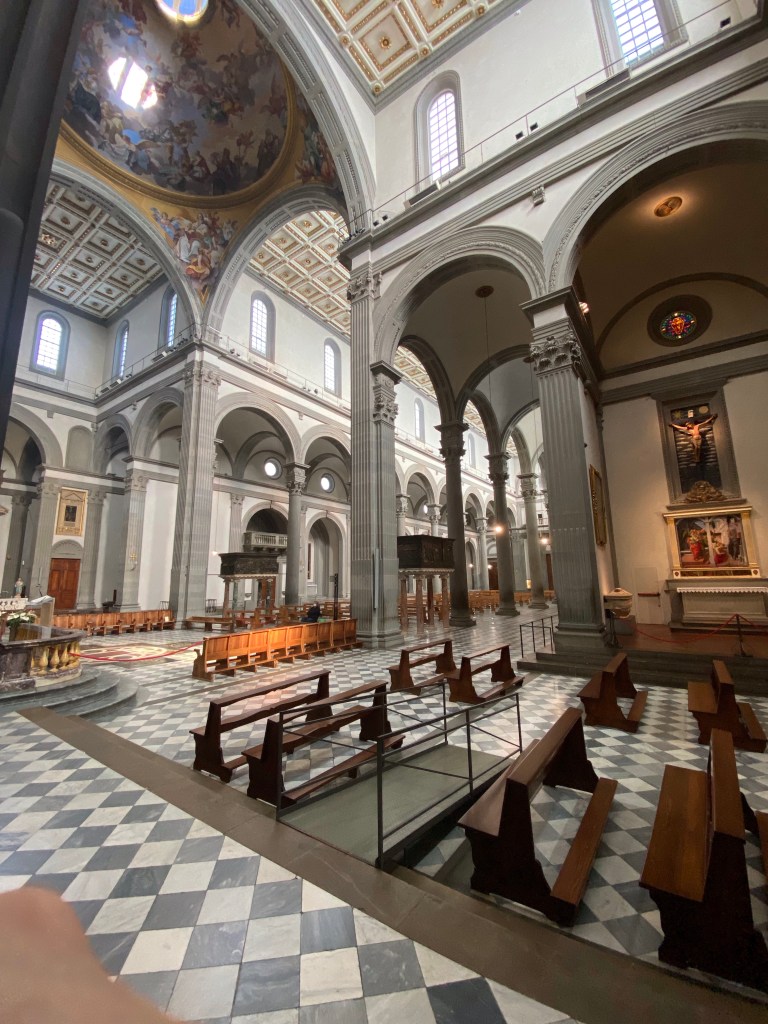
The Basilica of San Lorenzo demonstrates many innovative features of the developing style of Renaissance architecture.
-a simple mathematical proportional relationship using the square aisle bay as a module and the nave bays in a 2×1 ratio. -the use of an integrated system of column, arches, and entablatures, based on Roman Classical models -the use of Classical proportions for the height of the columns -a clear relationship between column and pilaster, the latter meant to be read as a type of embedded pier. -the use of spherical segments in the vaults of the side aisles. -the articulation of the structure in pietra serena (Italian “serene stone”).
According to one scholar, features such as the interior’s Corinthian arcades and ceiling’s flat panels mark “a departure from the Gothic and a return to the Romanesque Proto-Renaissance.”[3]
The design of San Lorenzo has at times met with criticism, particularly when compared with Santo Spirito, also in Florence and which is considered to have been constructed more or less in conformity with Brunelleschi’s ideas, even though he died before most of it was built. By the 16th century, Giorgio Vasari commented that the columns along the nave should have been elevated on plinths.[4] The steps along the aisles, supporting the pilasters, have also been considered to deviate from Classical ideals.
According to one scholar, features such as the interior’s Corinthian arcades and ceiling’s flat panels mark “a departure from the Gothic and a return to the Romanesque Proto-Renaissance.”
The design of San Lorenzo has at times met with criticism, particularly when compared with Santo Spirito, also in Florence, and which is considered to have been constructed more or less in conformity with Brunelleschi’s ideas, even though he died before most of it was built.
By the 16th century, Giorgio Vasari commented that the columns along the nave should have been elevated on plinths. The steps along the aisles, supporting the pilasters, have also been considered to deviate from Classical ideals.
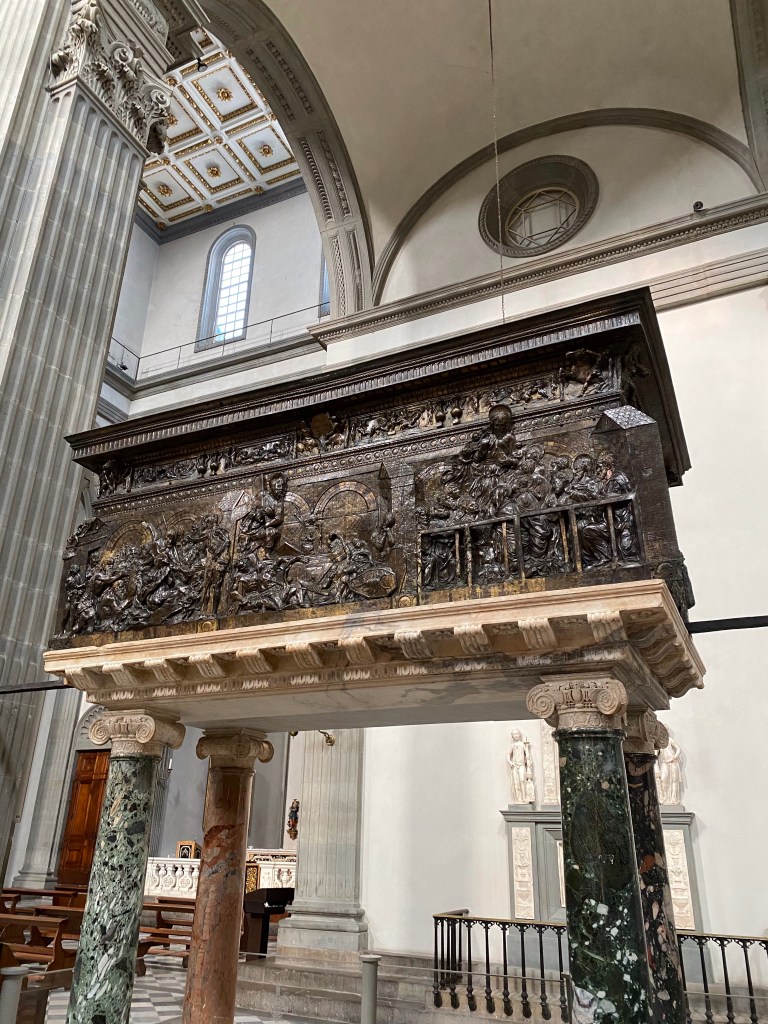
I’ll be posting separately about the Donatello pulpits (see below) and other art works found in the basilica.




















You must be logged in to post a comment.