
Uncategorized
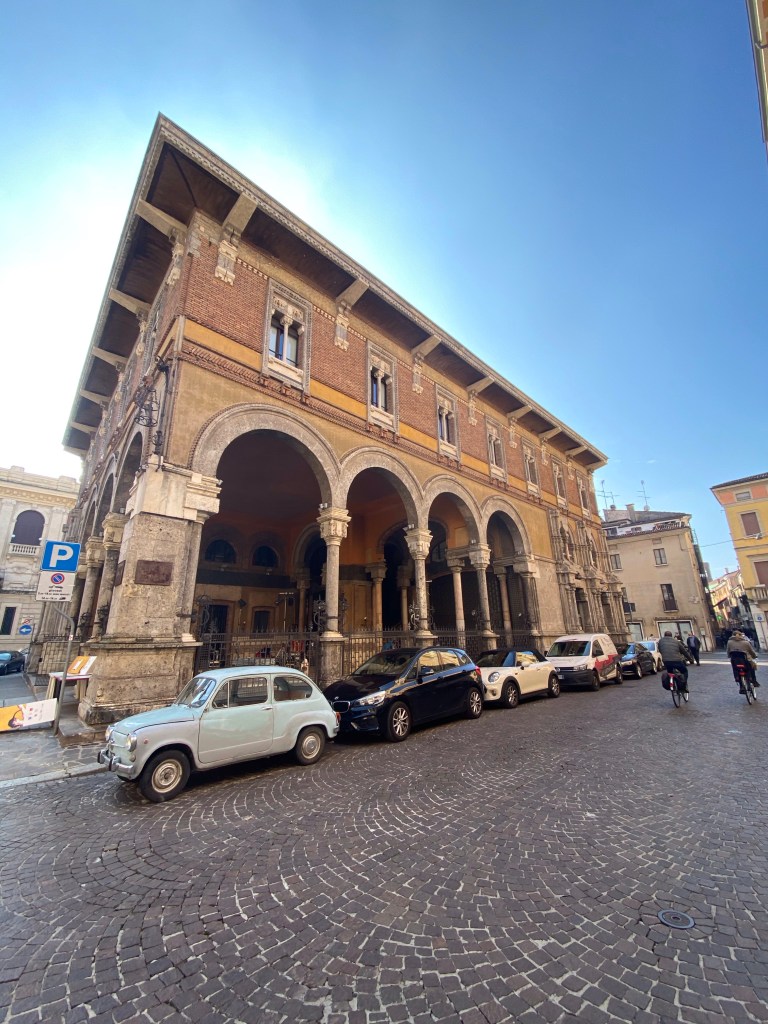
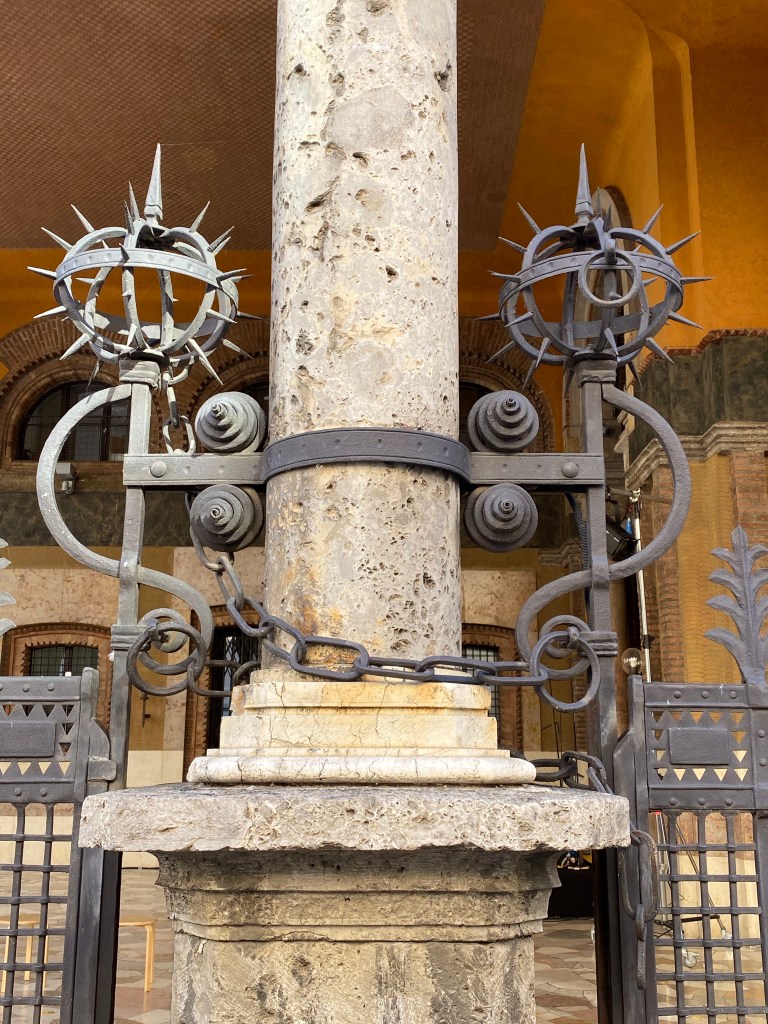
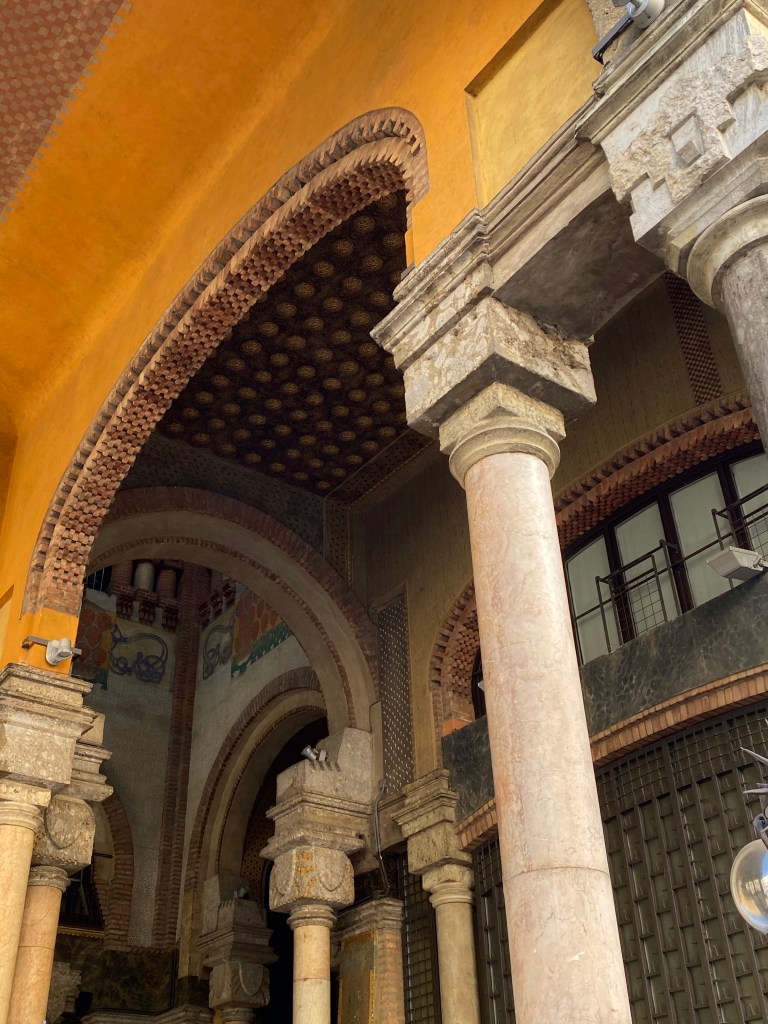
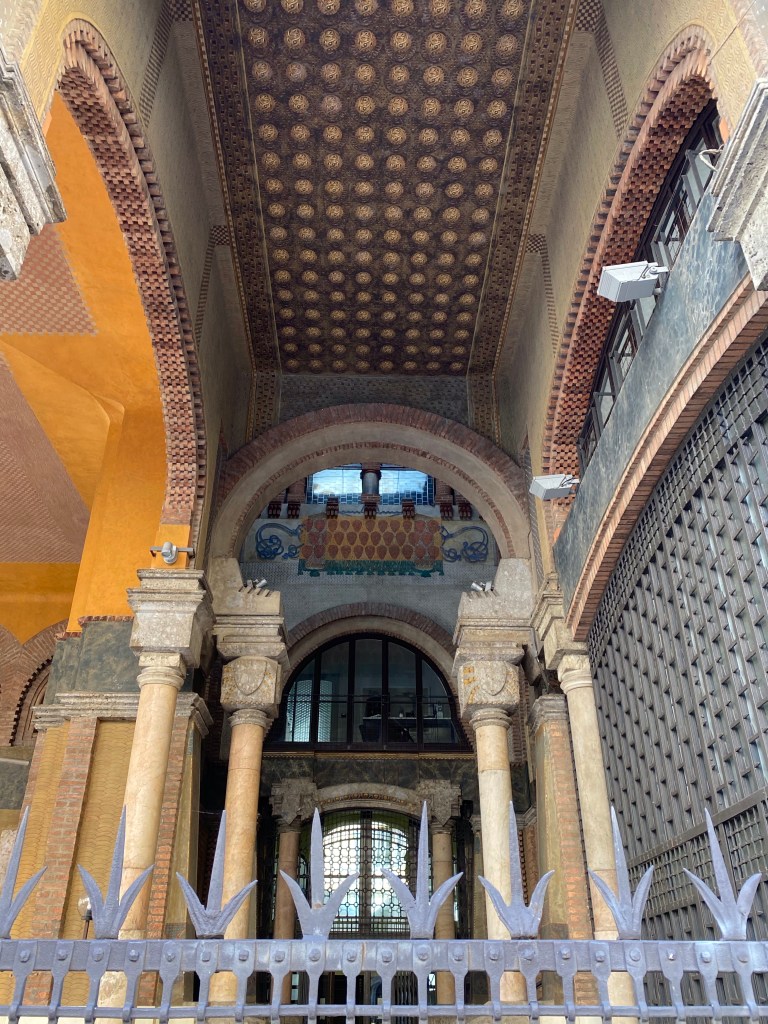
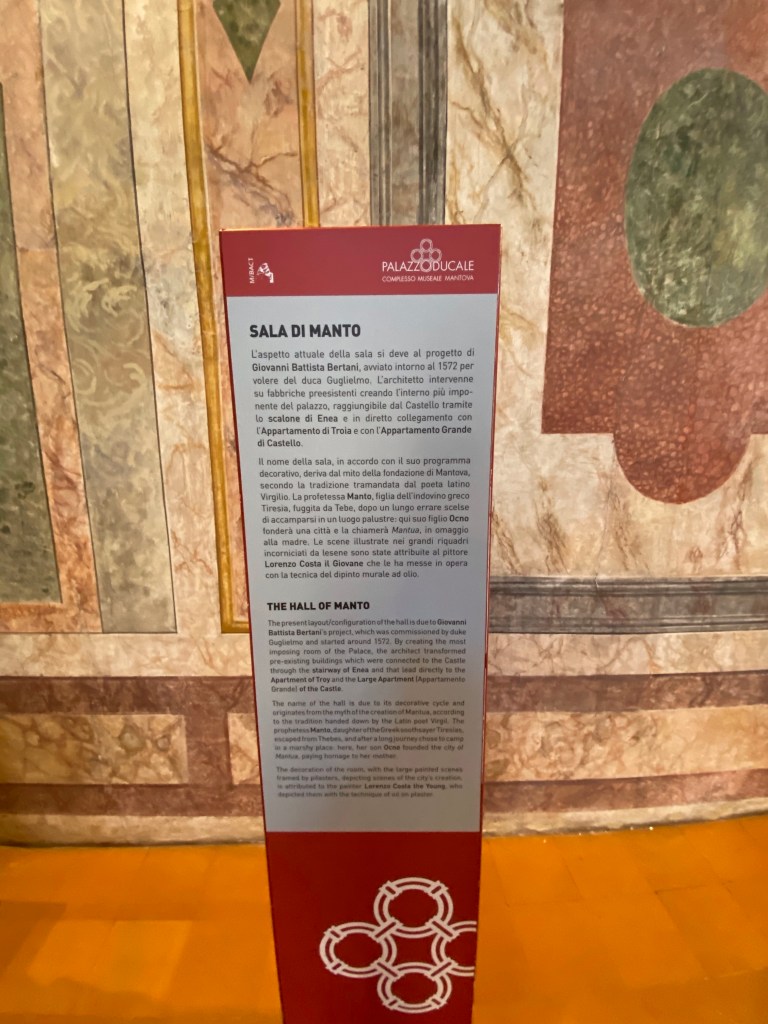
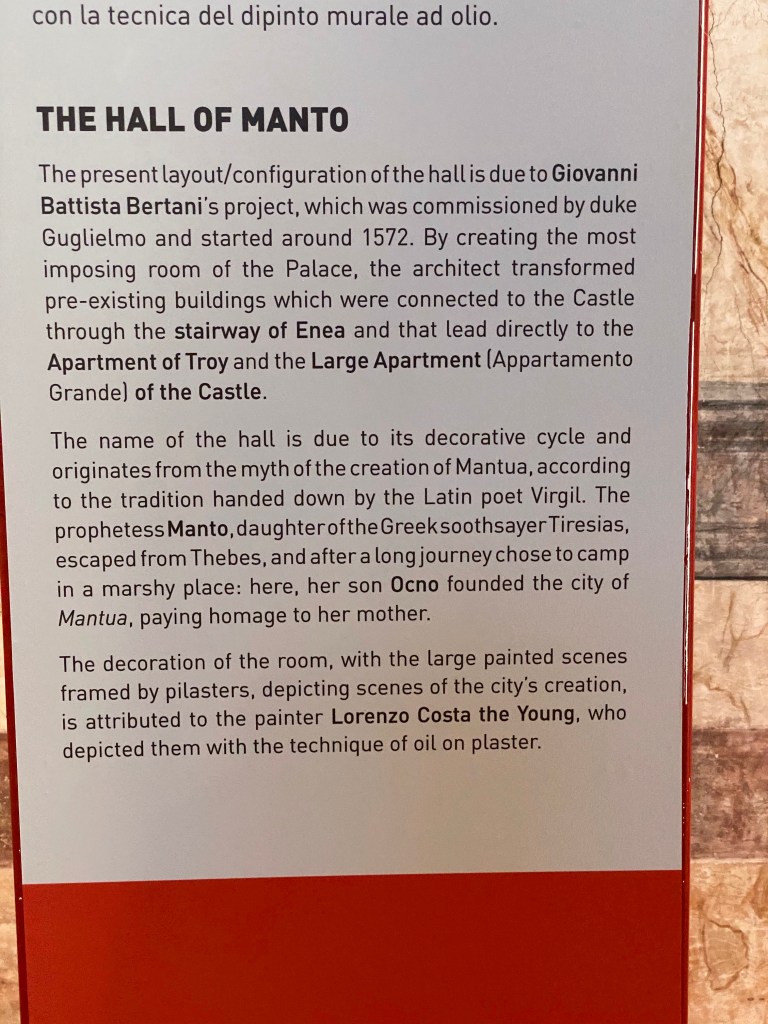
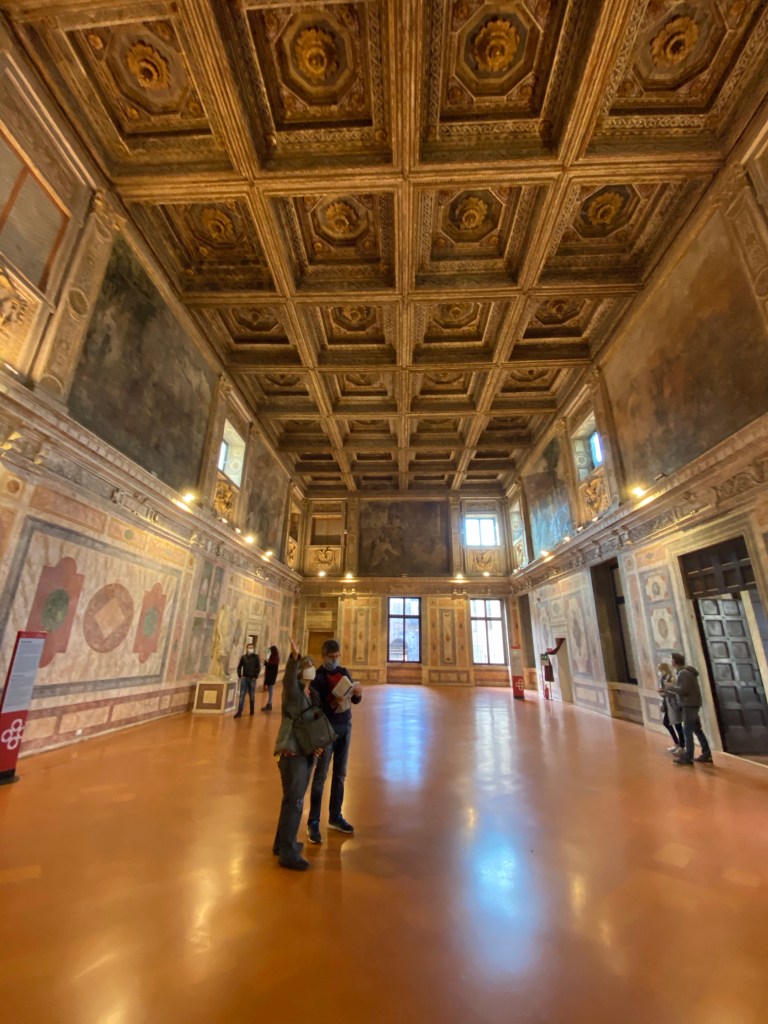
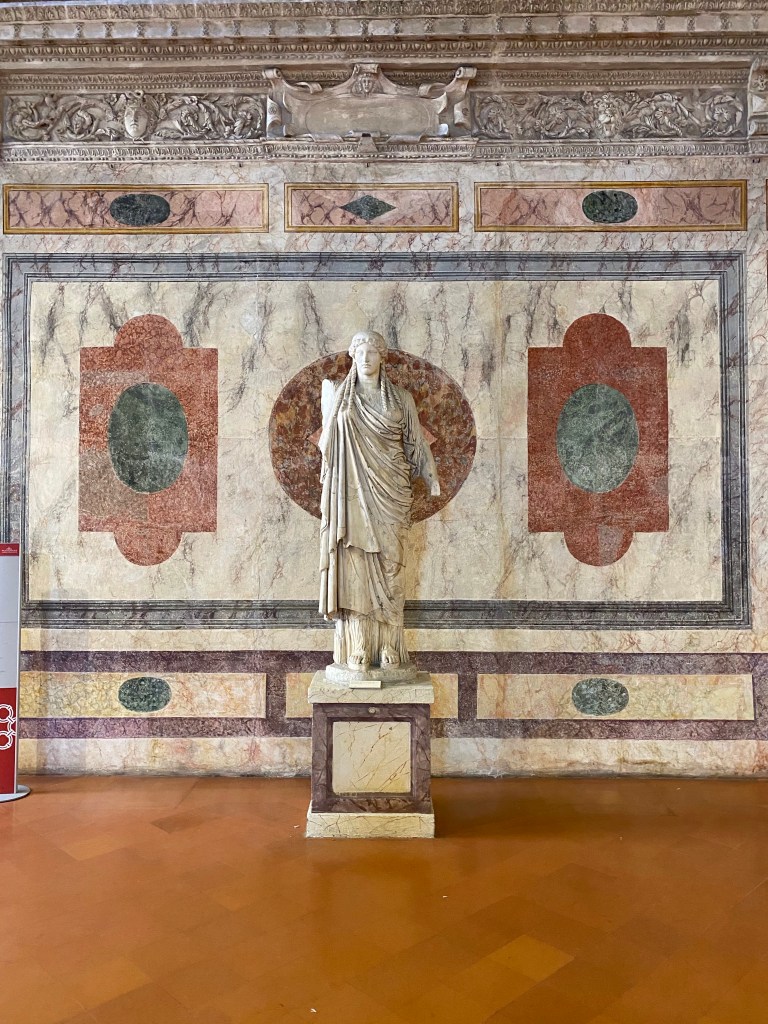
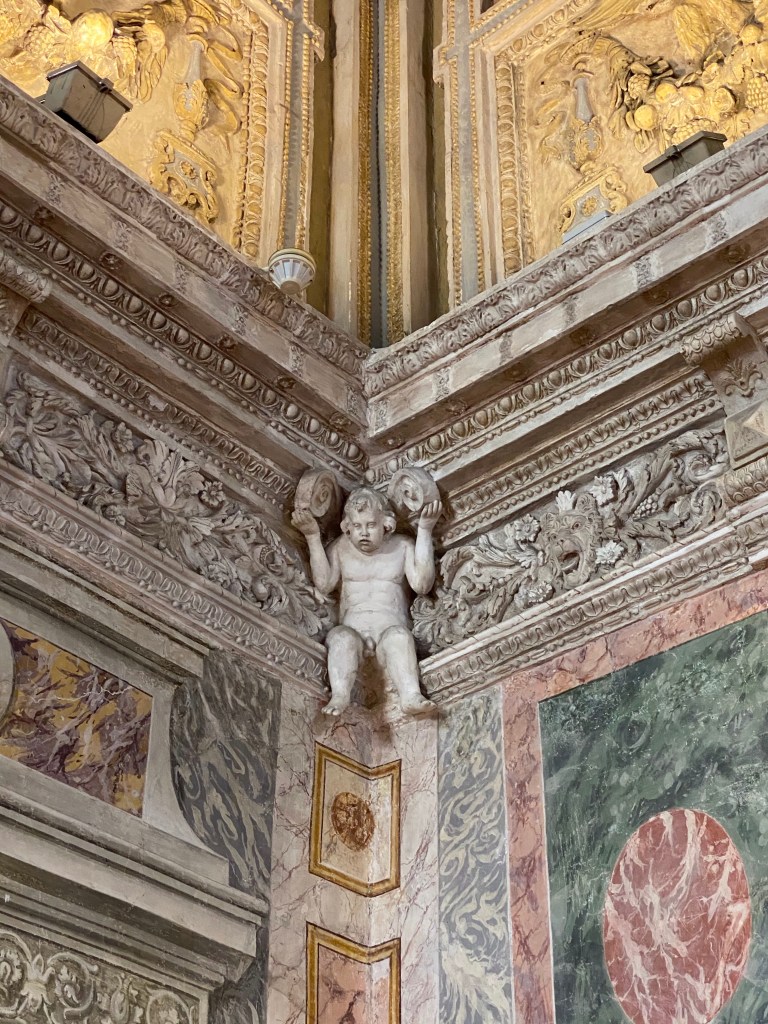
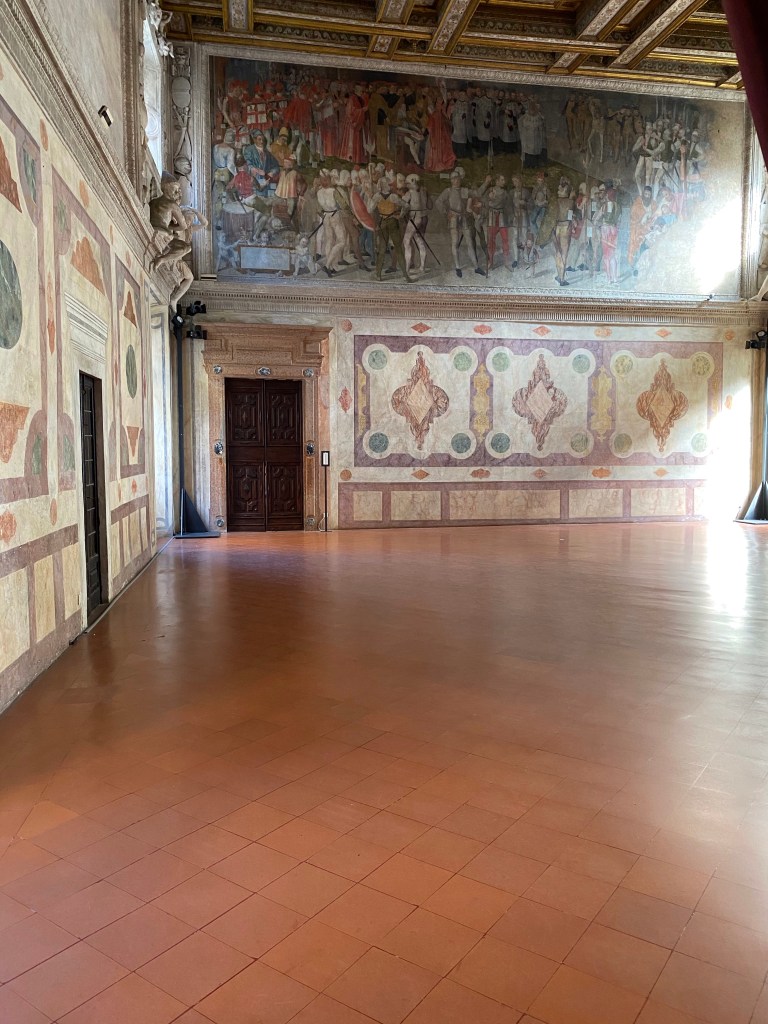
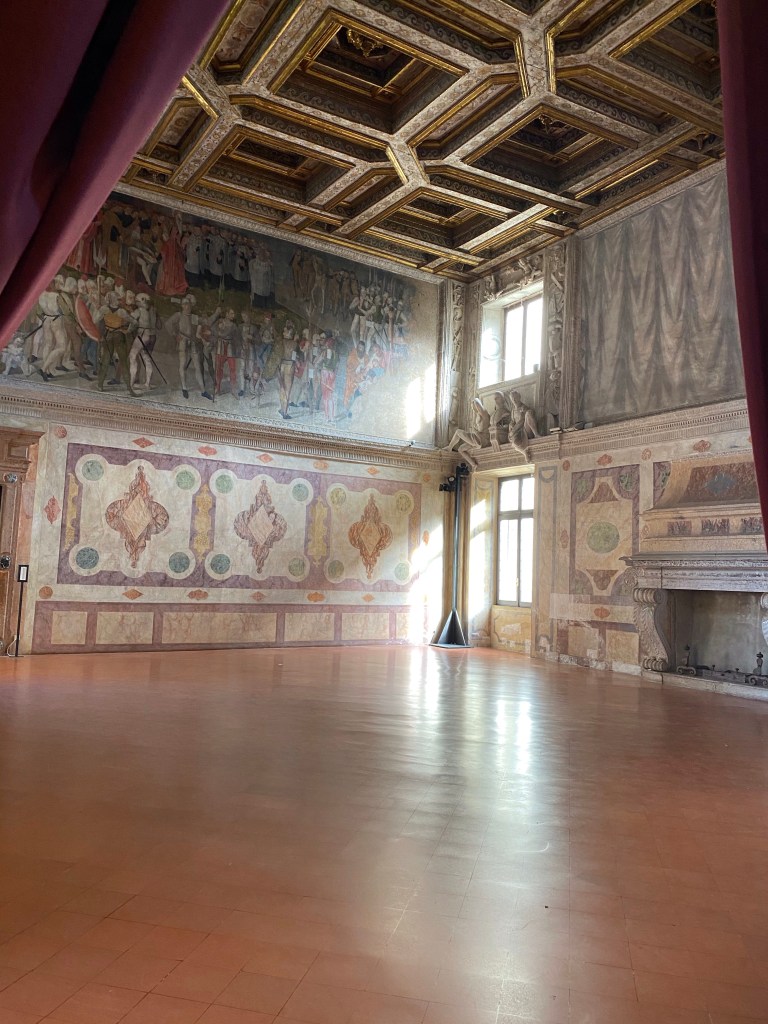
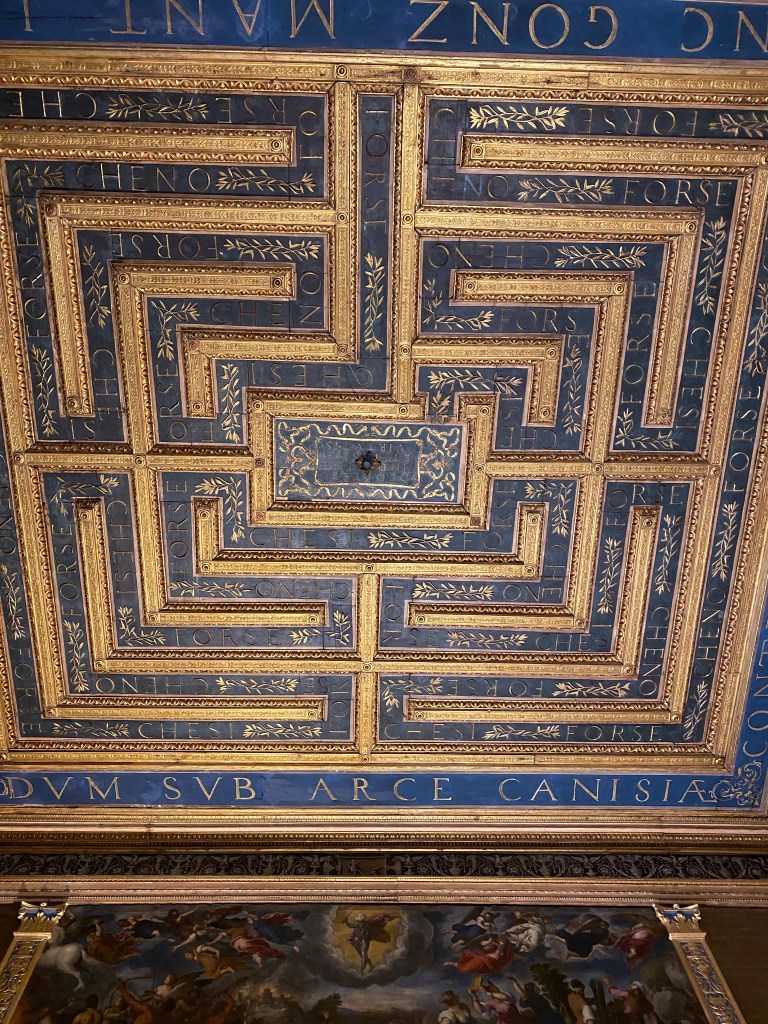
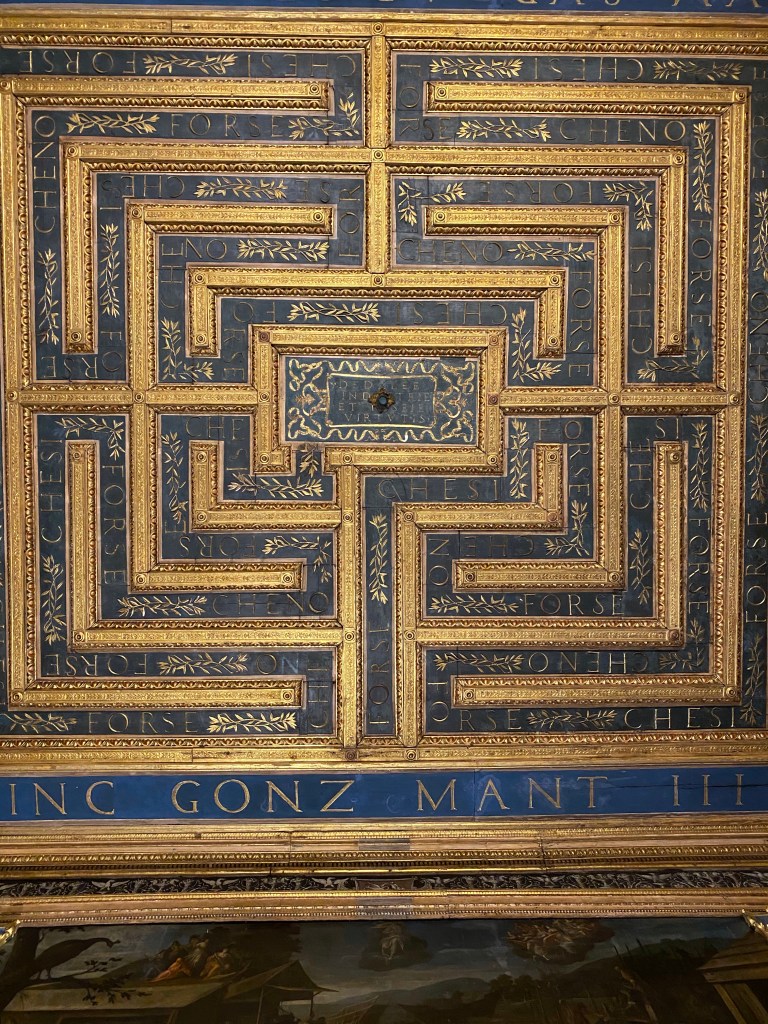
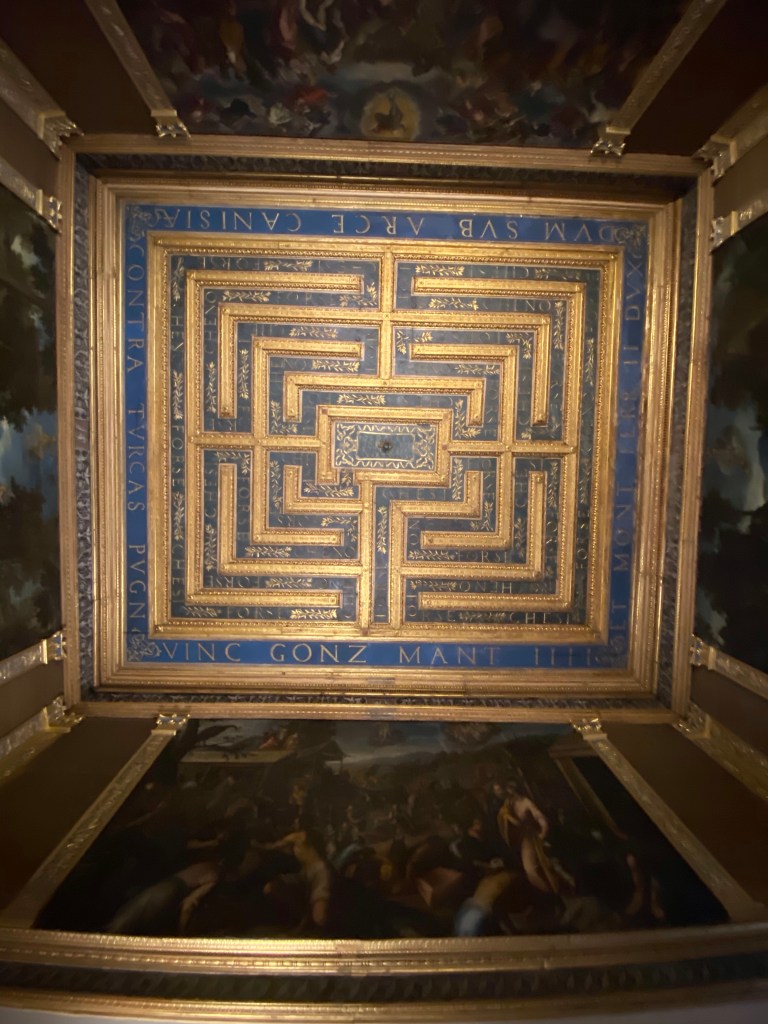
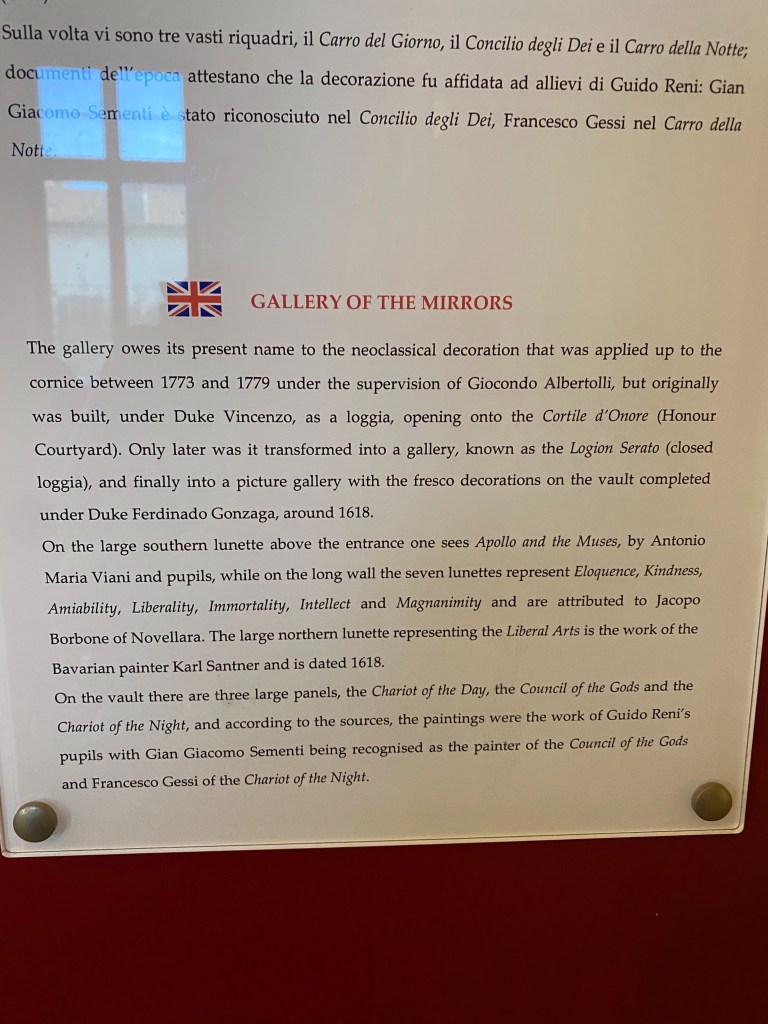
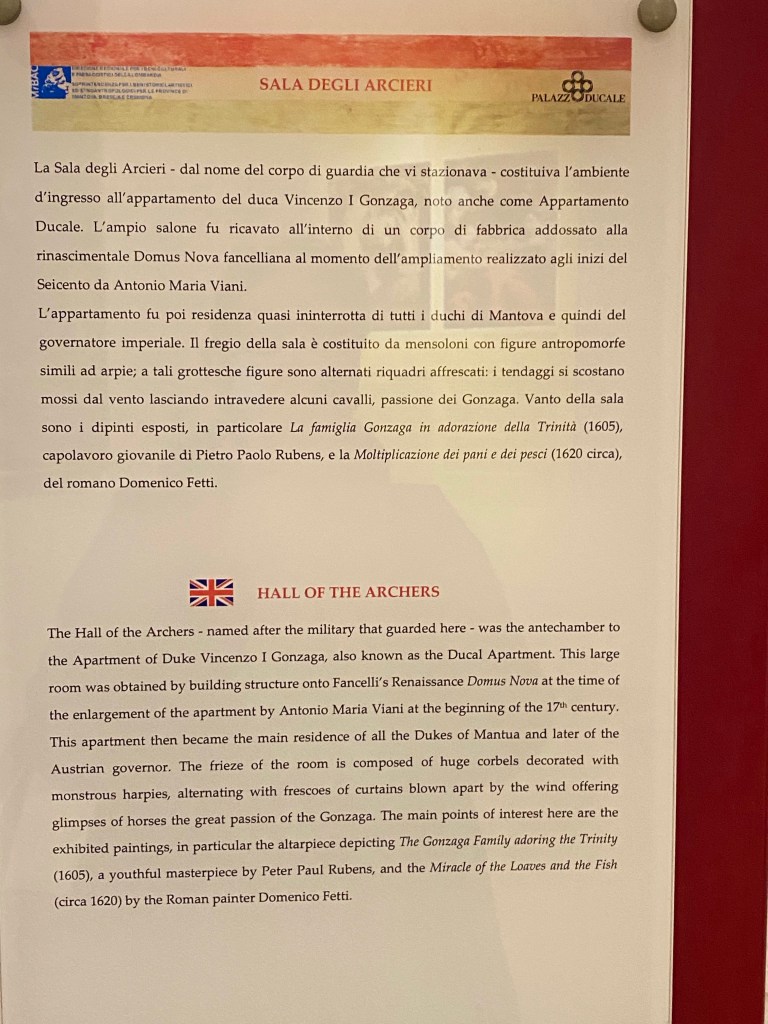
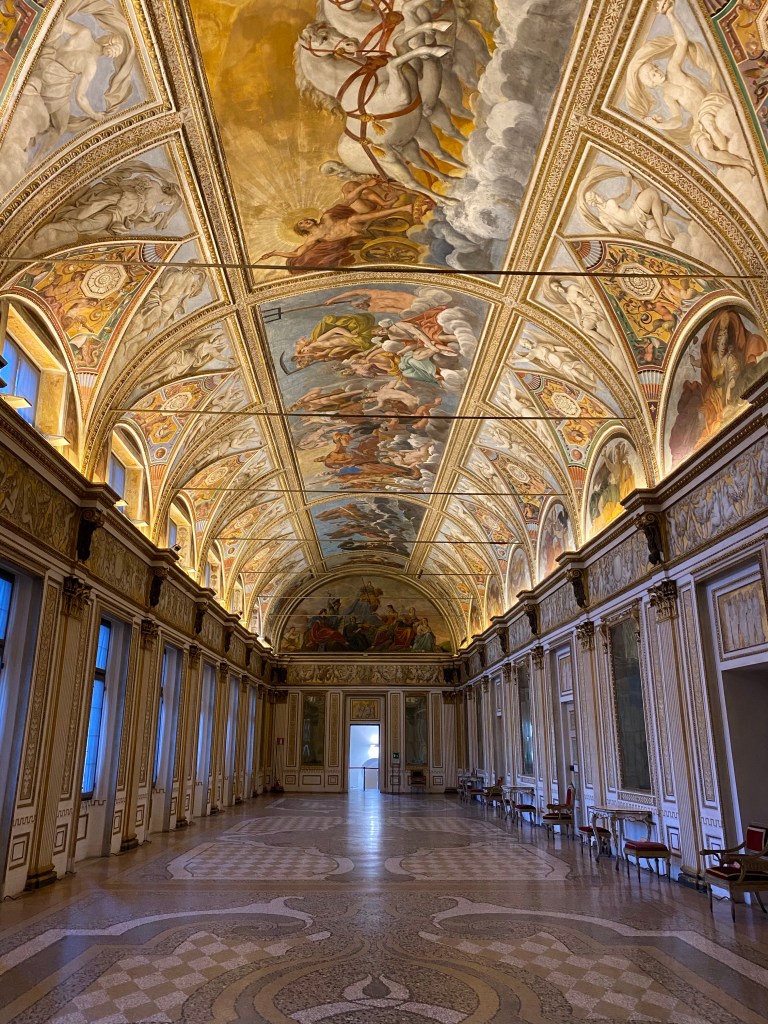
Palazzo Ducale, Mantova
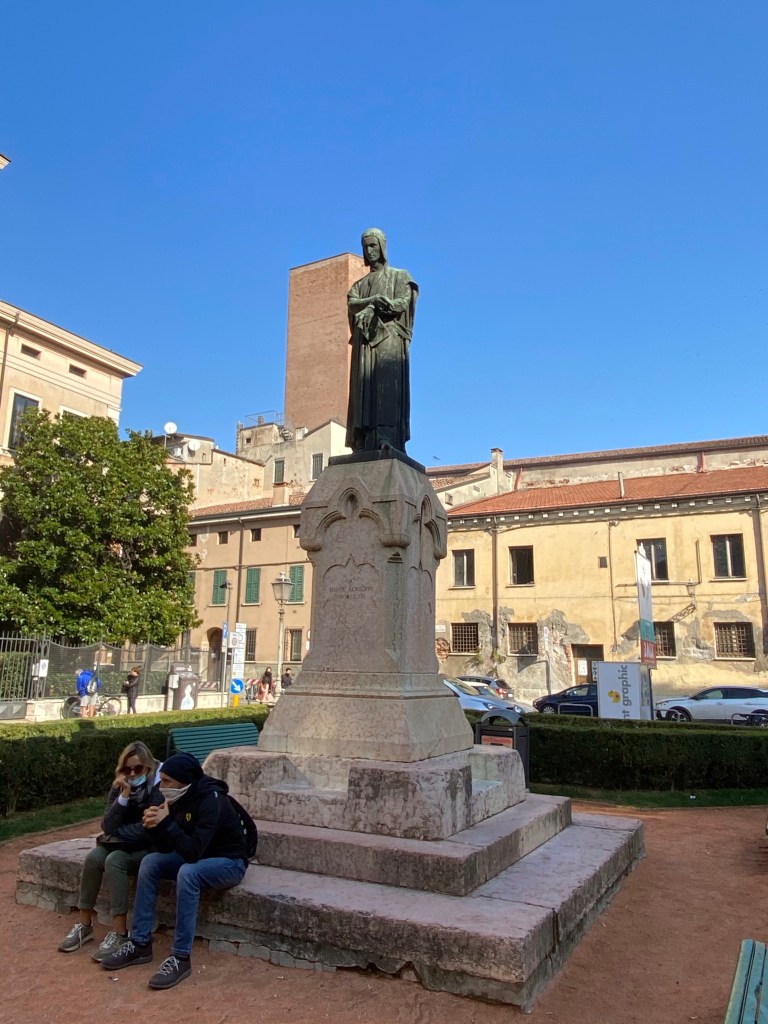
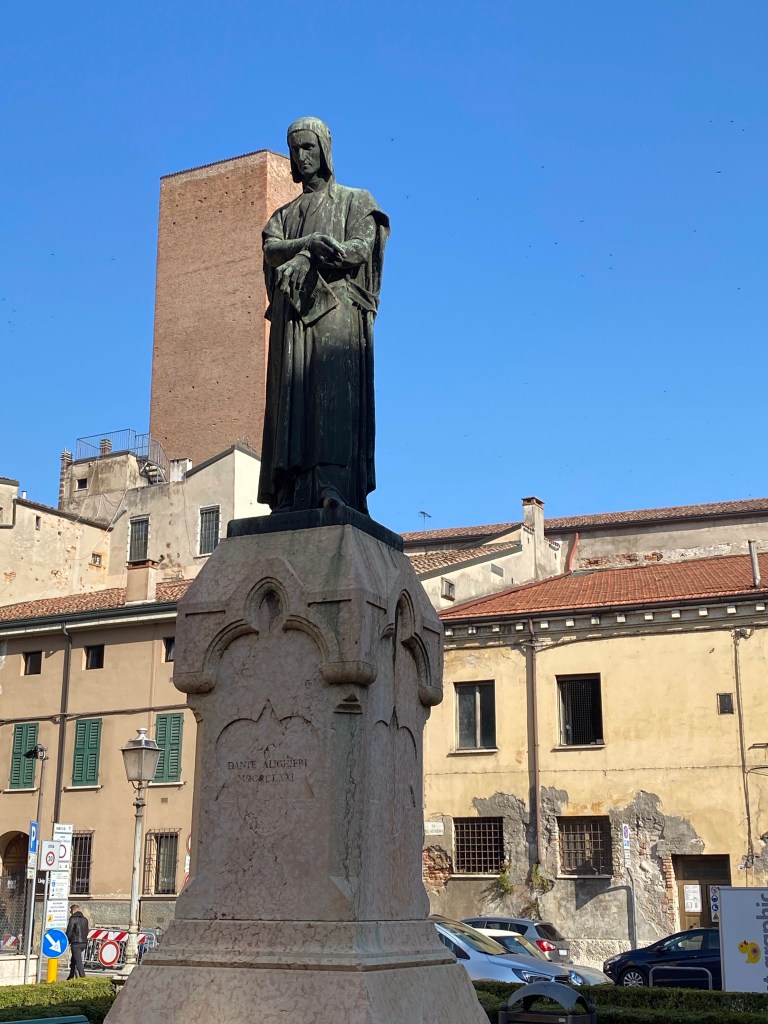
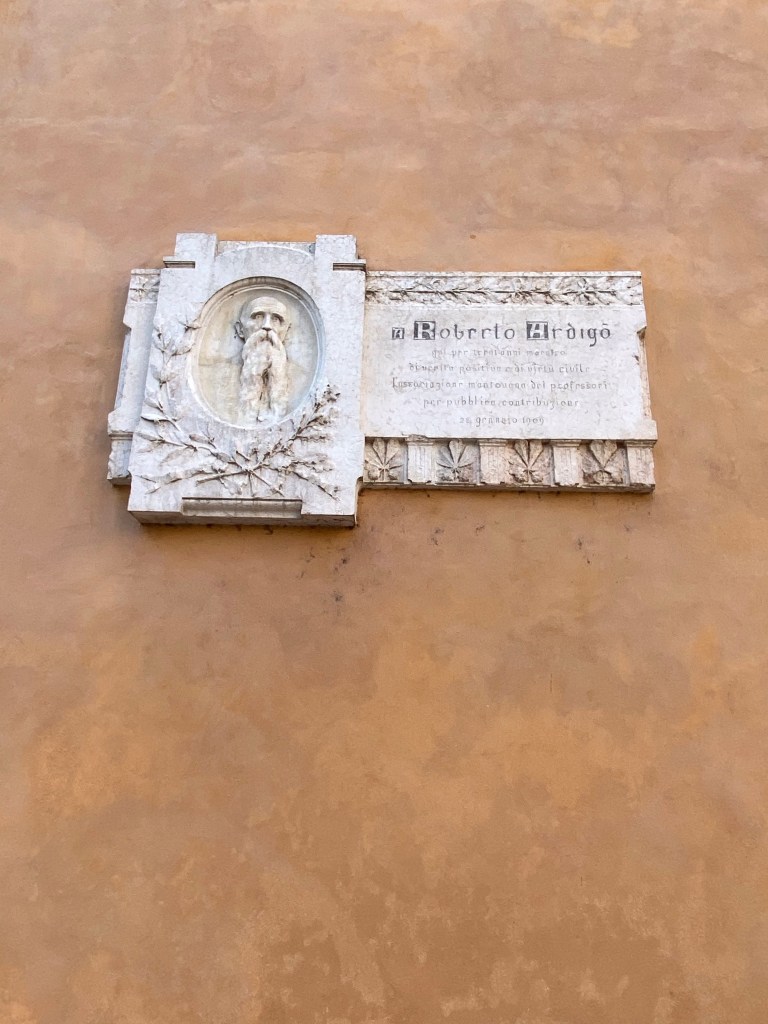
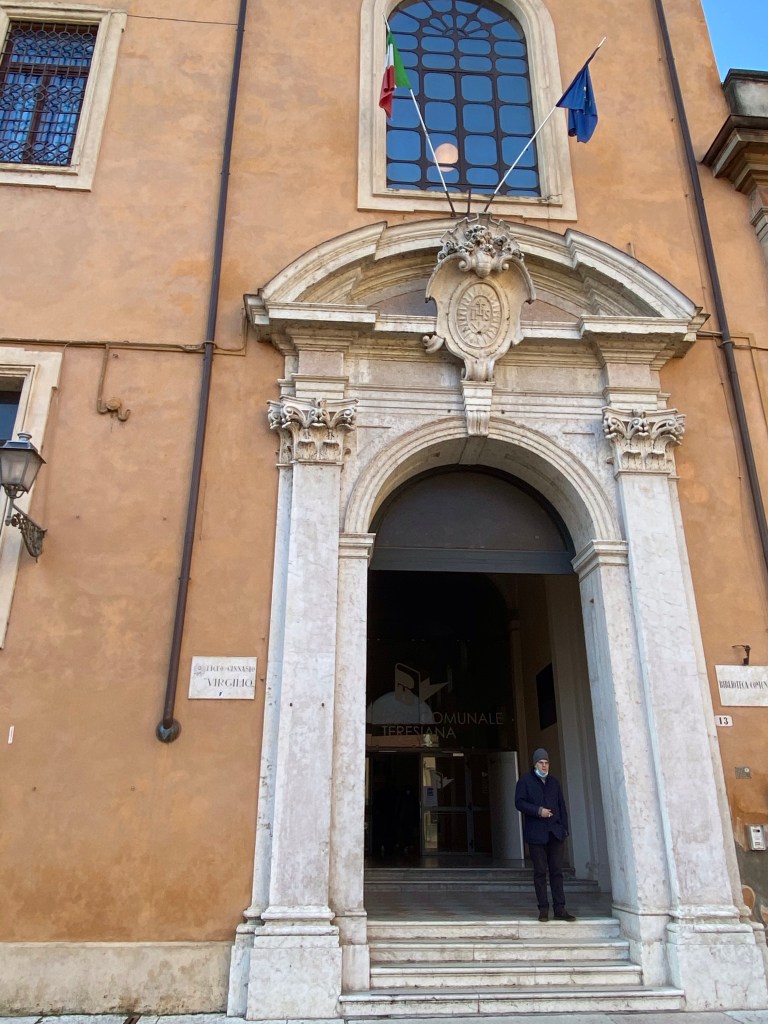
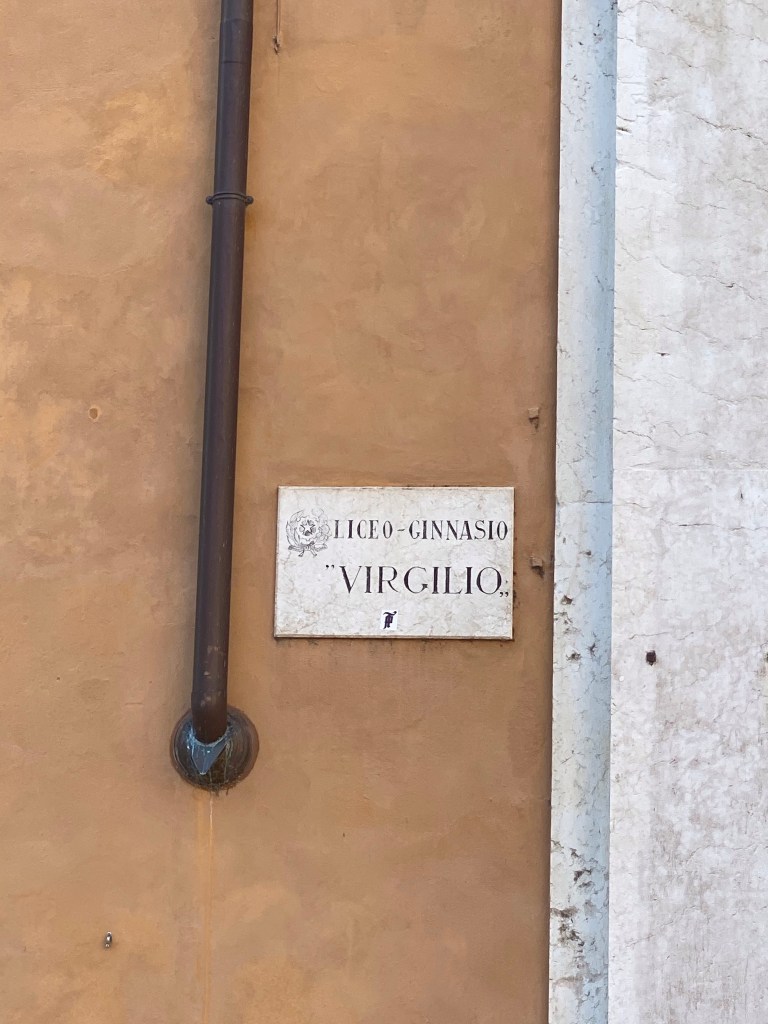
In October of 2020 I had the pleasure of spending several days in Mantova. I love this city! It is sweet to look back, especially when winter is upon us.
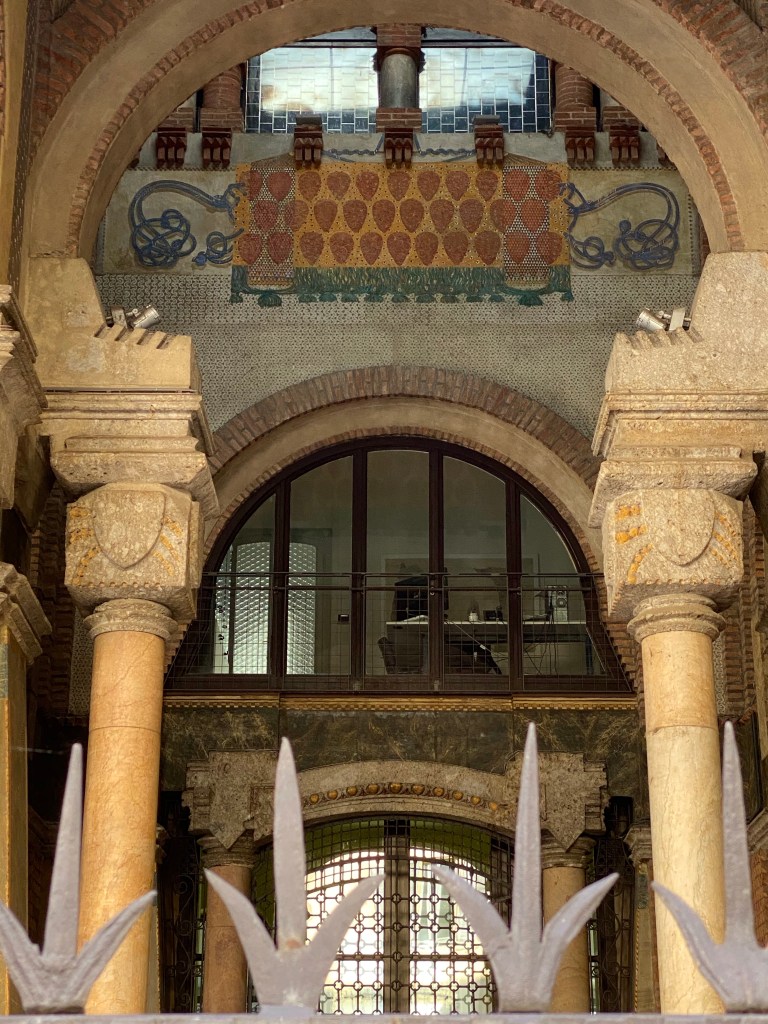
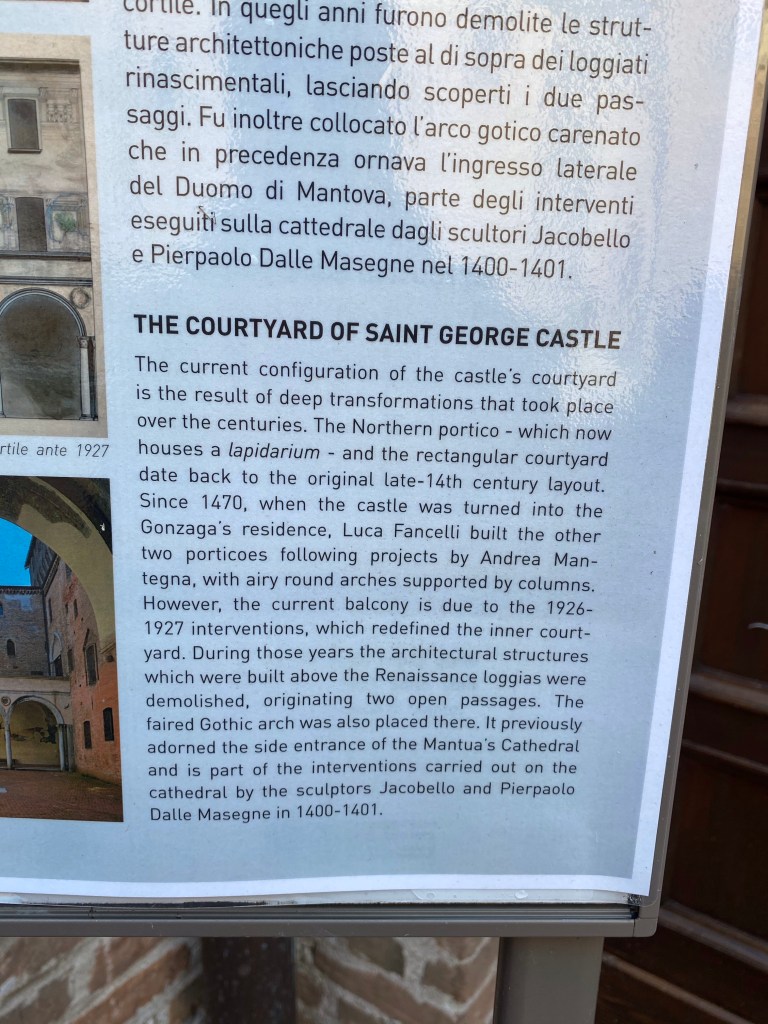
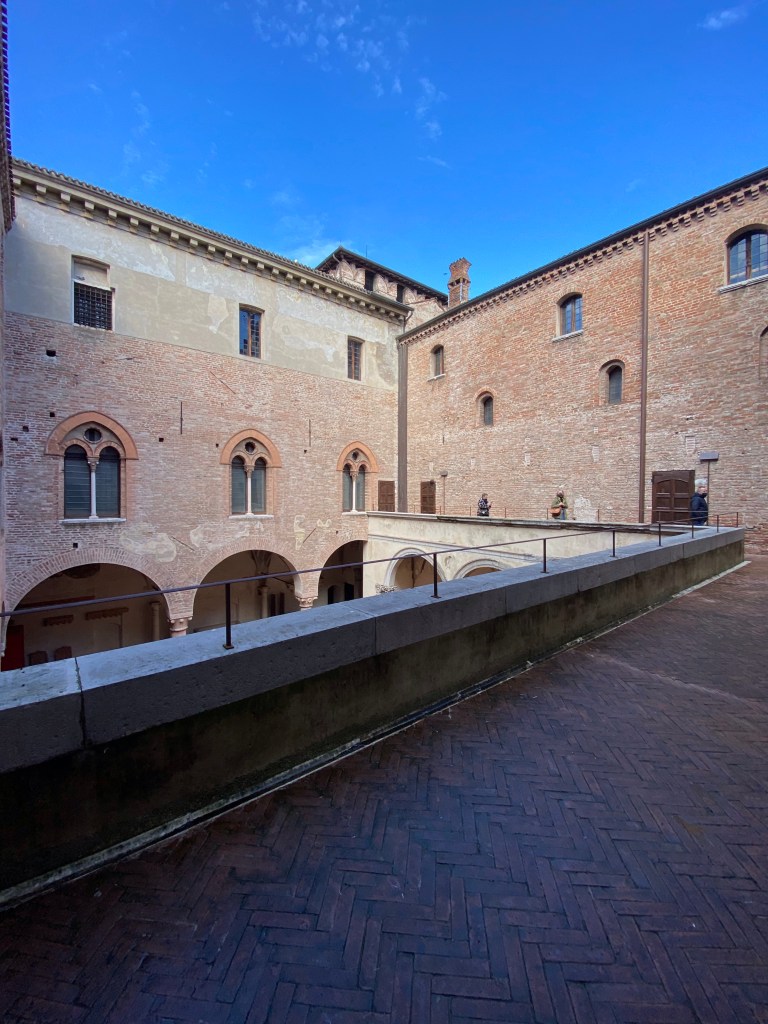
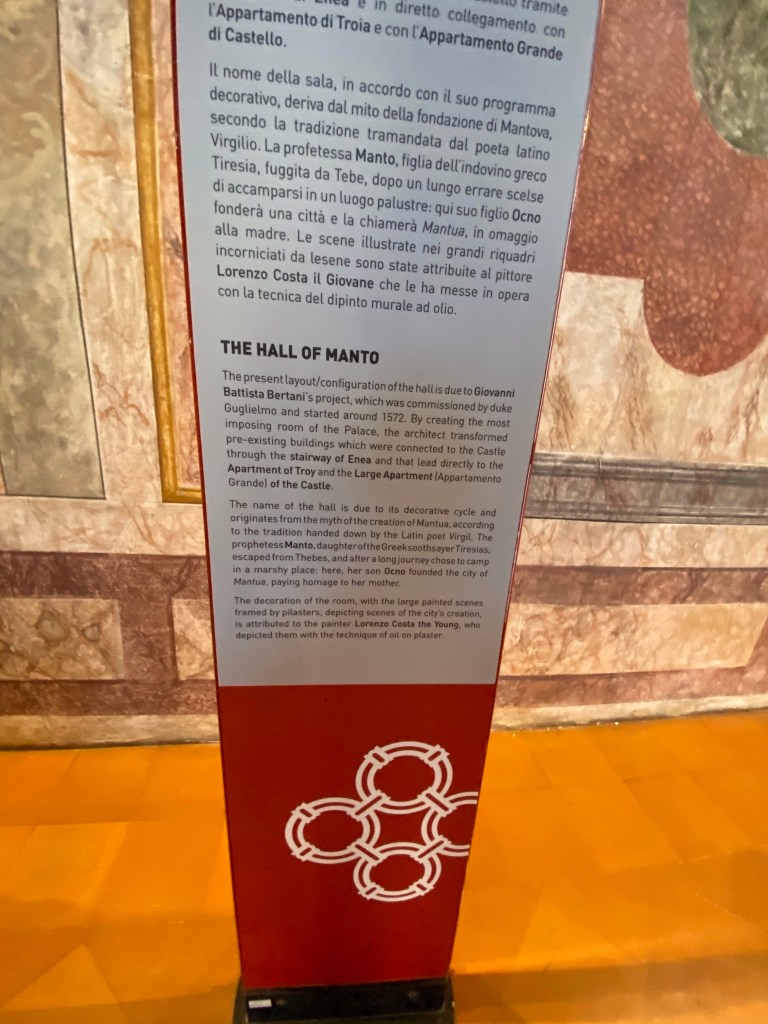
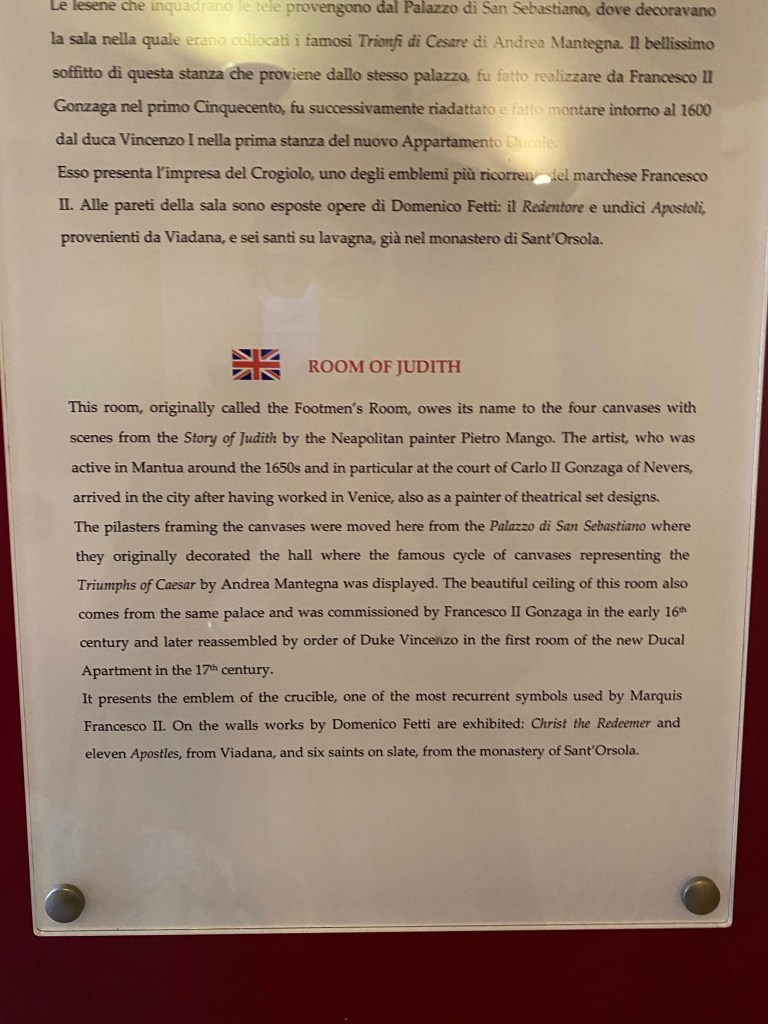
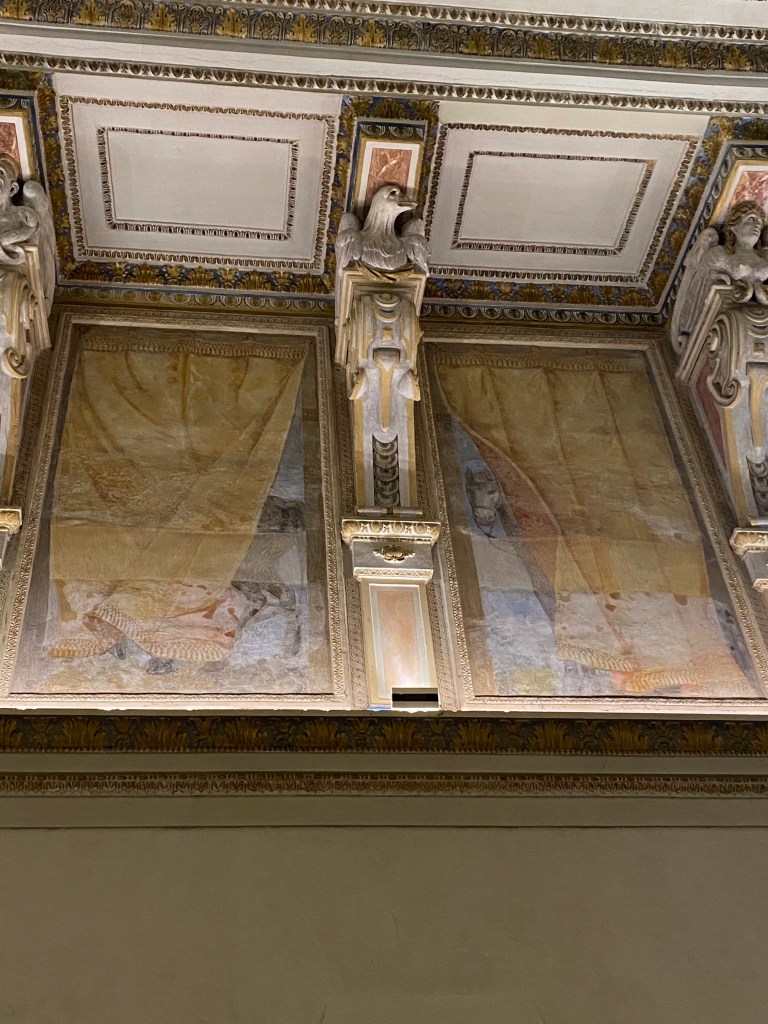
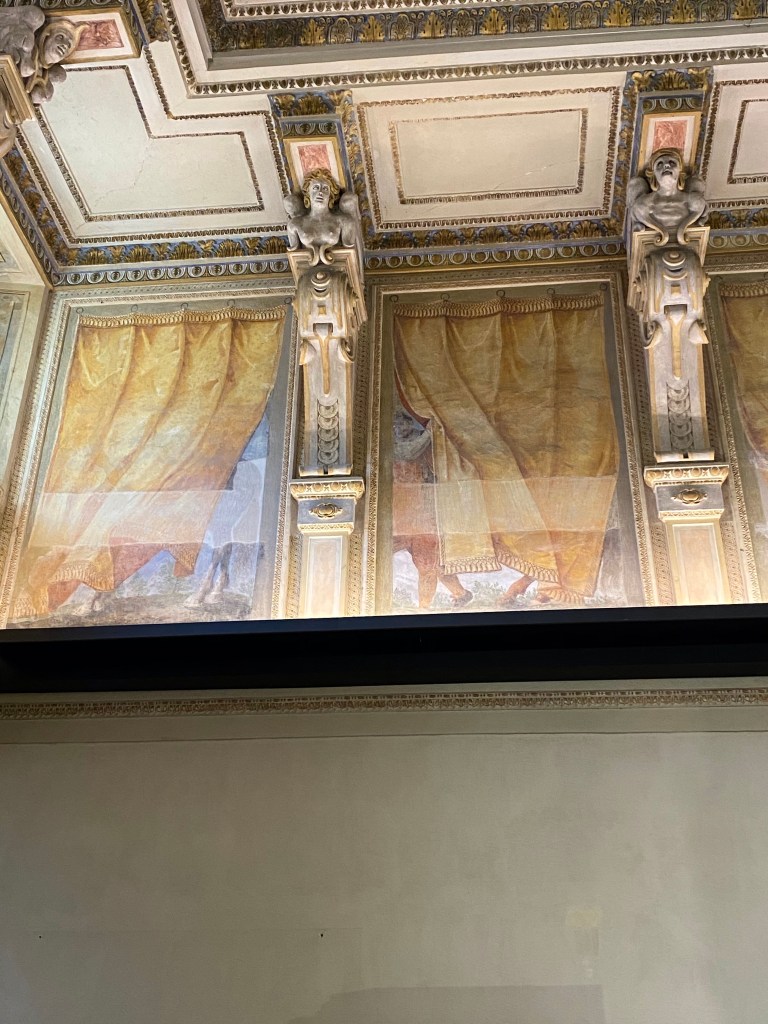
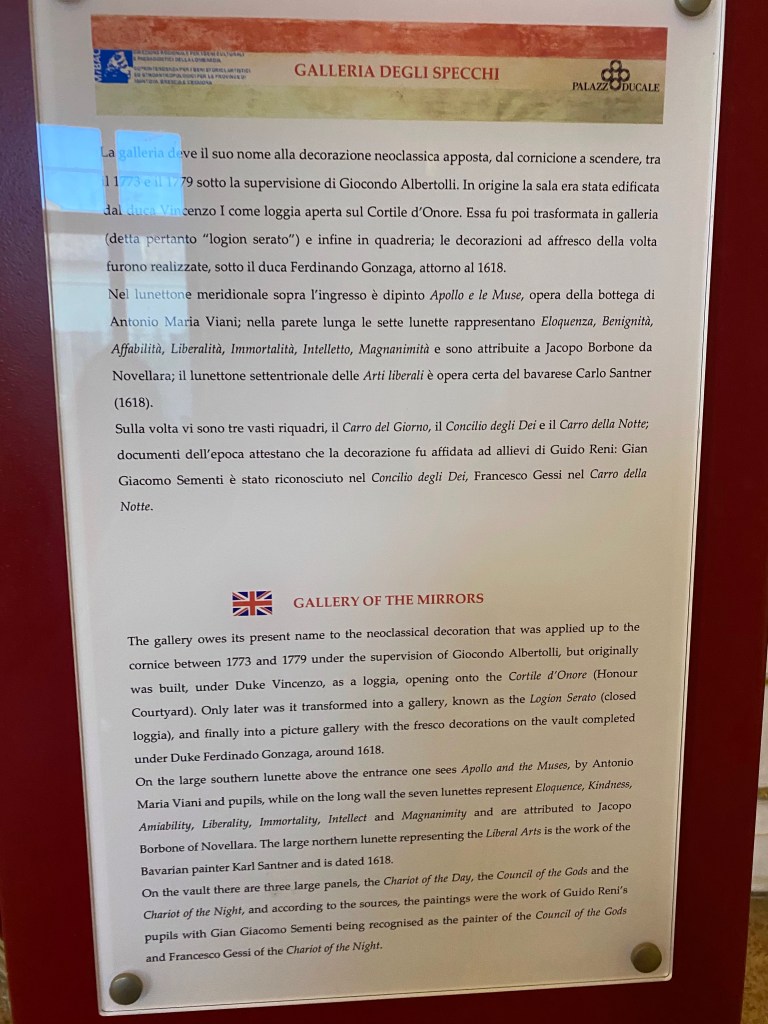
The Palazzo Ducale is splendid and requires at least a day to see all of it.


Cc


Doesn’t the architecture below look like London? To me, it does.


The Palazzo Ducale goes on forever and is bordered by a moat, then a viale, then a lake. It was well defended by water when it was built.

A detail of a moat.


One of the many foods for which Mantua is faros is the sbisolana. I tried it and liked it. It is a sweet confection. Somehow I am missing pictures of mine. Weird.


Below, we are back at Piazza delle Erbe.


The famous Rotondo di San Lorenzo.
The Rinascente department store in Florence never disappoints, despite Covid et al!


Florentine Christmas, 2020
It’s different this year. Of course. But, the tree is up at the duomo, and it is a sparkling, lovely version!
The duomo makes a beautiful backdrop, above, but so does the baptistry, below:
Christmas trees for sale in Florence
You see them in the supermarkets as well as the neighborhood markets. A sure sign of the season!
Blood oranges, one of the best things about this season
I crossed the Strait of Messina to Sicily, where the best blood oranges in the world grow in the shadow of Mount Etna on the eastern side of the island.
It was only two o’clock when I arrived in Catania on that winter afternoon, but the sky was so cloudy that lights were already coming on in the narrow streets. Caught in their glow I saw a pile of oranges. Some were split in half, their flesh the colour of blood, of garnets or old crushed velvet, and I recognized the fruit that Italian writer Carlo Emilio Gadda described as arance imbibite di tramonti, ‘oranges soaked in sunsets’. 2 Looking back, I know the fruit must have been a variety called Moro, the bloodiest of the blood oranges produced on the volcanic plain surrounding Mount Etna, or, more specifically, on the triangle of land between Palagonia, Francoforte and Scordia, names that beg to be combined in a poem with Tarocco, Moro and Sanguinello, the varieties of arancie rosse growing there. Etna itself is often shrouded in mist, but when the weather is clear, its vast, snow-covered peak dominates every view and fills the windscreen of your car as
The arancia rossa is a prince among oranges. The first written record of its presence in Italy comes from Giovanni Battista Ferrari in Hesperides (1646). He believed that a Genoese missionary had brought an orange to Sicily from China that tasted strangely like a grape and he remarked on its ‘purple’ flesh. This distinctive colouring is due to the blood-coloured pigments called anthocyanins that are also found in red, purple and blue ‘super fruits’ such as blueberries. The development of anthocyanin pigments in oranges is only triggered by a difference of at least ten degrees Celsius between day- and night-time temperatures while the fruit is ripening in the autumn and winter. In the shadow of Mount Etna it can be twenty degrees Celsius on a winter’s day, but at night there is always a sharp drop in temperature. So it’s cold, not warmth, that sets blood oranges on fire on the Etna plain. When they are grown in other places, such as Brazil or Florida, the contrast between daytime and night-time temperatures is unreliable, and coloration is often weak or altogether absent. This has made Sicily the most reliable source of blood oranges in the world. Anthocyanins are good for us in a variety of different ways:
experiments have shown that the anthocyanin content of blood oranges underpins high antioxidant activity, so that their juice, which is rich in Vitamin C, gives protection from certain kinds of cancer, increases insulin production, lowers the risk of heart disease and stroke, and improves circulation. 3 Plants use anthocyanins like a sunscreen, to protect themselves against ultraviolet light, and by eating plants or fruit rich in anthocyanins, we benefit in the same way. 4 An ongoing investigation into the benefits of blood orange juice is being carried out at CRA-ACM (Consiglio per la Ricerca e la Sperimentazione in Agricoltura, Research Centre for Citri-culture
In Italy blood oranges have become something of a symbol for healthy eating. This is due in part to the invention of a brilliant scheme by Princess Borghese at Il Biviere, an organic citrus-growing estate near Lentini, about thirty minutes’ drive south of Catania. Today the farm is in an area that offers the best conditions in the world for producing blood oranges, and yet when Miki and her husband, Prince Scipione Borghese, first arrived in 1968, it was a godforsaken spot with a long history of suffering.
…yard and he trotted at my side. There were caves in the hillside above where the Siculi, prehistoric inhabitants of eastern Sicily, used to live, and on the steep ground rocks lay exposed, as if the island’s ancient bones were breaking out through the thin soil. That’s the soil the Tarocco loves, the soil it gathers to itself, so that Sicilians believe a Tarocco orange is steeped in the flavour of this mysterious, ancient place. Even if the attempt to engineer the gene responsible for the pigmentation of blood oranges succeeds, it seems impossible that the new generation of fruit could have the same unforgettable taste.
Attlee, Helena (2015-01-05). The Land Where Lemons Grow: The Story of Italy and Its Citrus Fruit, Countryman Press. Kindle Edition.
Siena’s cathedral, some interesting details
There are so many things about Siena’s cathedral to admire, it is sometimes difficult to zero in one what would be main attractions in any other church.


The season of rain
I’m happy to say that I am just beginning my 5th year of living in Florence! Hip hip! It’s an accomplishment in so many ways! And a pleasure.
This is my 5th (or 6th really, because I spent another December in 2014 here as well) December in Florence and if there is one thing I know, late November and December is the time of rain.
This year is has been extra dreary because of the Covid lockdown. Until 2 days ago, we were in the Red zone, which meant you were not allowed to go out for extraneous activities and you had to carry a document with all the details of your venture out of your house, in case the authorities stopped you.
But 2 days ago we were switched back to the Orange zone, which means we can walk about as desired. Despite the rain, I needed to get out of the house and so I decided to trace the Mugnone torrente, that flows in front of my apartment, to its confluence with the Arno River. It was about a 4 mile walk and it was partly cloudy, terrifically rainy and windy, and finally, sunny. I got wet, my umbrella turned inside out, and I was tired, but it was a great day despite all of that.
My video shows the end of the long, long torrente Mugnone, just before it joins the Arno at the Ponte all’ Indiano.
The picture above is taken from the bridge you saw in the video. That’s the Mugnone on the left, as it flows into the Arno, at the western most end of the Cascine Park.

And again, a little further backwards.


This being Italy, the street artists were sure to snap up the space of the bridge supports to use for art.

A detail of the right side above.

A detail of the left side above.

Above: Looking down the Arno from the bridge, as it flows off towards Pisa.
This is the Arno River today! Wow!
Pomegranate street, Florence
There’s a short street in the historic center of Florence with the very interesting name of Via del Melarancio, or the street of the pomegranate. I love this fruit and drink a freshly squeezed glass of it whenever I am in the center of Florence. Not all bars serve it, but I have my favorites!


You must be logged in to post a comment.