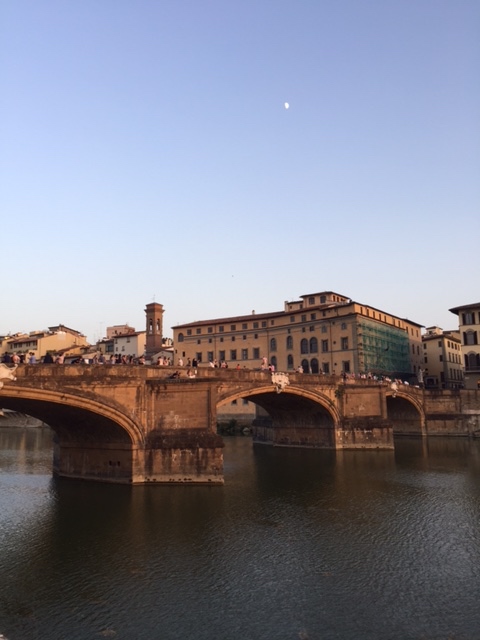
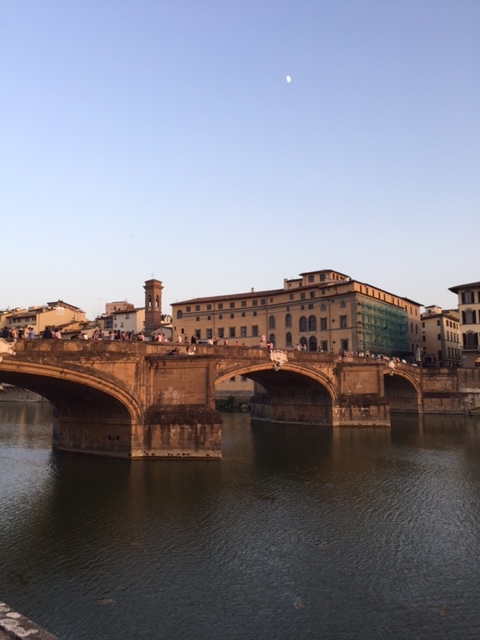
See the moon above the gorgeous Ponte Santa Trinita?
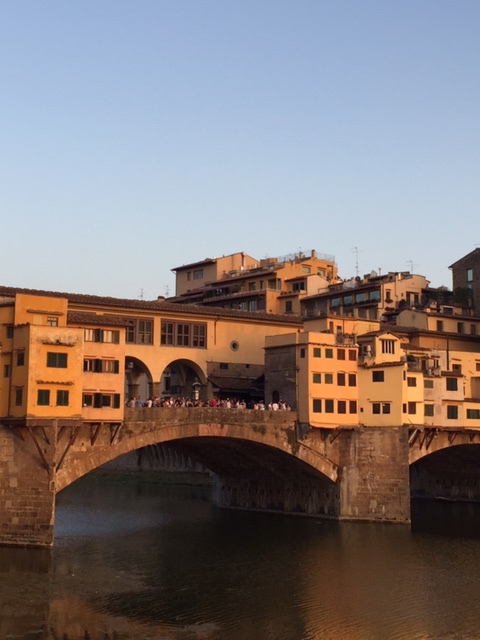
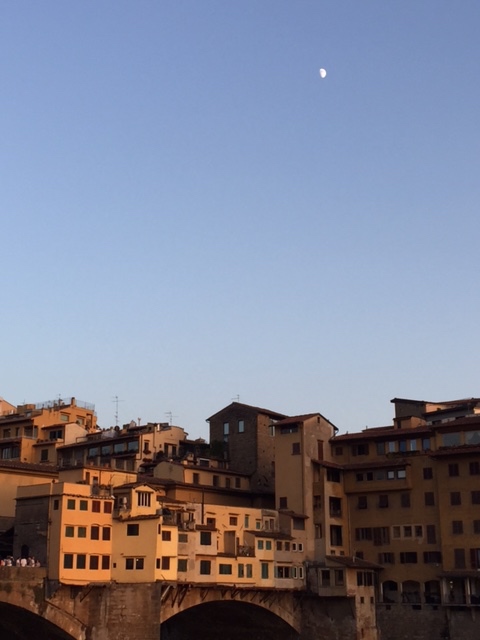
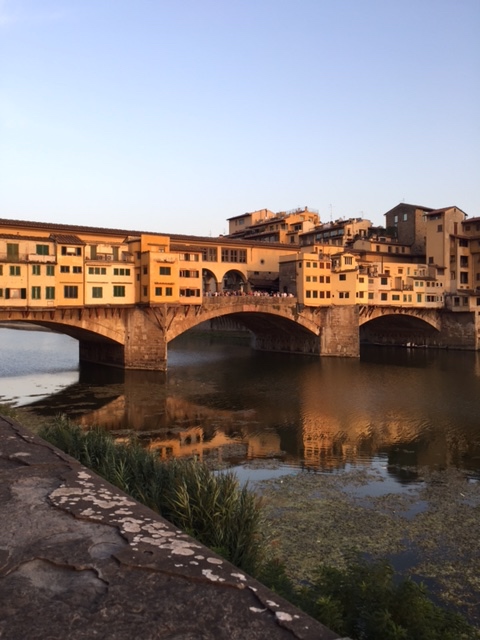
The moon over the Ponte Vecchio.
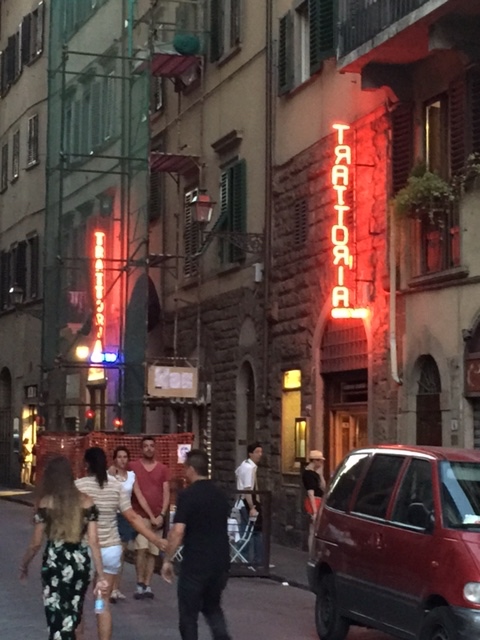
Random street shot. I love any neon sign registering “trattoria.” You know good things are on offer inside.
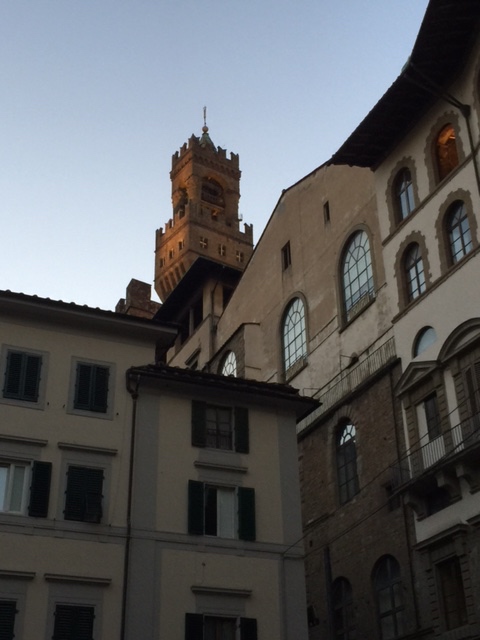
Ciao, Palazzo Vecchio!
See the moon above the gorgeous Ponte Santa Trinita?
The moon over the Ponte Vecchio.
Random street shot. I love any neon sign registering “trattoria.” You know good things are on offer inside.
Ciao, Palazzo Vecchio!
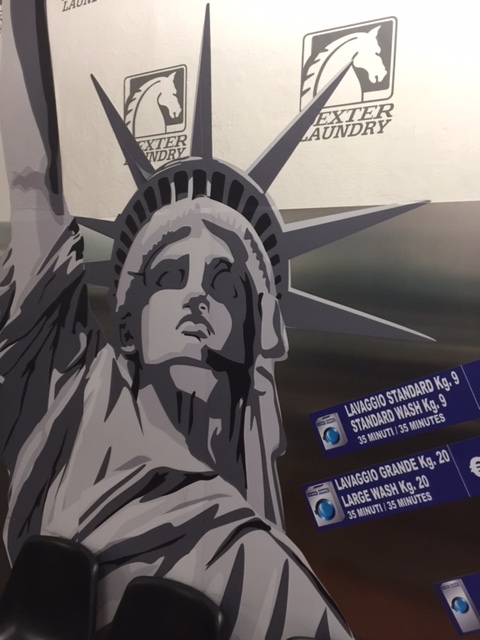
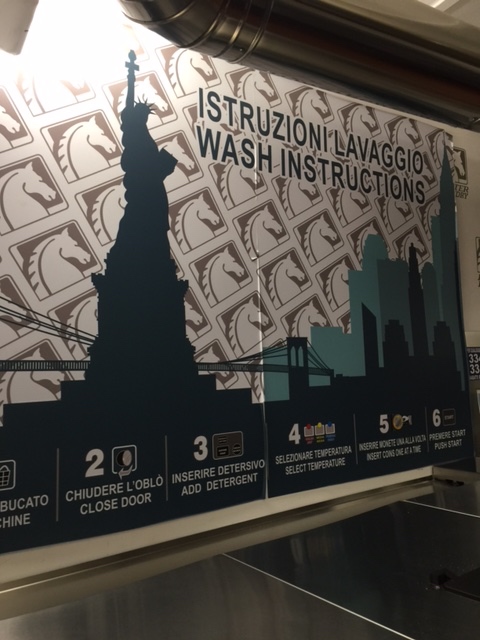
In my evening sojourn last night (at sunset, to beat the heat, when it is only 100 degrees F), I wandered by this modern, clean laundromat in Florence. It’s funny to me that they use Statue of Liberty imagery to promote their laundry. Is NYC known for its cleanliness? I think not!

See this rather formidable looking building? It is one of most important libraries in Europe. Once housed inside the Uffizi, since 1935 has been located in this building designed around 1911 by Cesare Bazzani and later enlarged by V. Mazzei. It is located along the Arno River in the quarter of Santa Croce.

Sometime very soon, (more or less) armed with my newly (more or less) acquired Italian language skills , I’ll be entering this august archive to start my research on Florence after WWII.
Wish me a lot of luck: this place has a reputation for being formidable and working hard to keep people out.

I’m not afraid to admit that I’m a bit intimidated!


You may take a virtual tour of the library’s exterior here: http://arno66-archive.netseven.it/vt/index.htm


Ah, what mysteries are held inside!
Here’s some formal data on the library, from Wikipedia:
The library was founded in 1714 when scholar Antonio Magliabechi bequeathed his entire collection of approximately 30,000 volumes to the city of Florence. By 1743, it was required that a copy of every work published in Tuscany be submitted to the library.
Originally known as the Magliabechiana, the library was opened to the public in 1747. Its holdings were combined with those of the Biblioteca Palatina (Firenze) in 1861, and by 1885, the library had been renamed as the National Central Library of Florence, or the BNCF. Since 1870, the library has collected copies of all Italian publications.
The National Library System (SBN), located in the BNCF, is responsible for the automation of library services and the indexing of national holdings.
Unfortunately, a major flood of the Arno River in 1966 damaged nearly one-third of the library’s holdings, most notably its periodicals and Palatine and Magliabechi collections. The Restoration Center was subsequently established and may be credited with saving many of these priceless artifacts. However, much work remains to be done and some items were forever lost.




your Italian language textbook warns you that:
I verbi che hanno il passato remoto irregolare sono moltissimi: quasi tutti i verbi di uso comune. I verbi irregolari sono quasi tutti della II coniugazione in -ERE. E’ molto difficile dare delle regole per classificare i verbi irregolari che si possono imparare solo con la pratica. Molte grammatiche cercano inutilmente di riunirli in moltissimi gruppi. Noi ci limitiamo a QUATTRO GRUPPI.
Roughly translated, that says:
The verbs that are irregular in the past remote are many (the most): almost all of the verbs commonly used. The irregular verbs are almost all in the type 2 conjugation, that is, those ending in ERE. It is very difficult to give the rules of classification for the irregular verbs which you can really only learn with practice. Many grammatical errors are found in this pesky group. We will limit our studies to 4 groups.
OMG, when the book says, good luck, it’s too complicated: I know I’m in bigissimo trouble!!
So, go ahead and memorize this short list of irregular verbs and their sometimes stems in an afternoon.
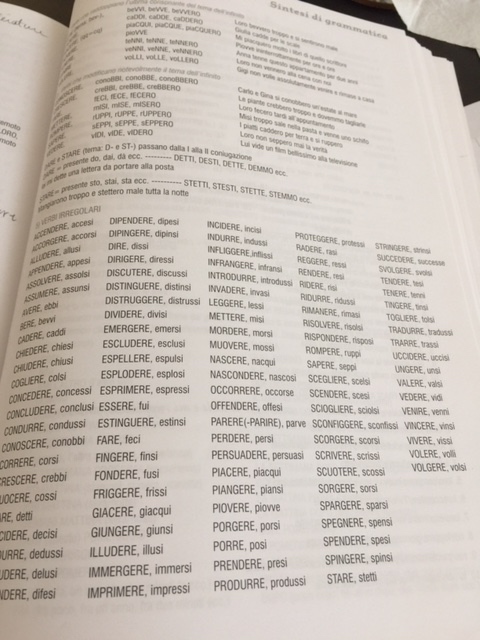
In bocca al lupo!
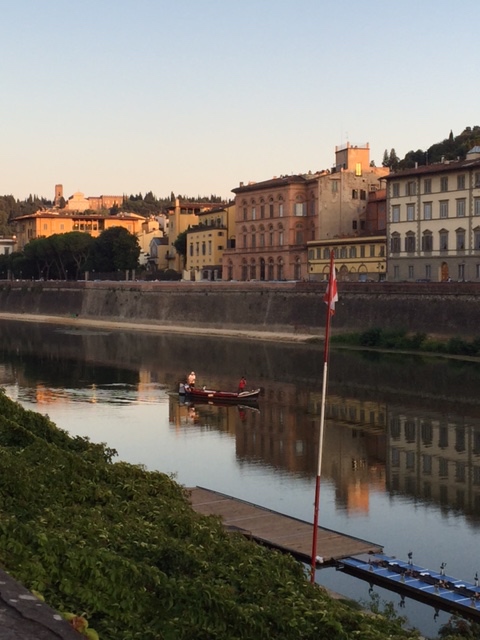
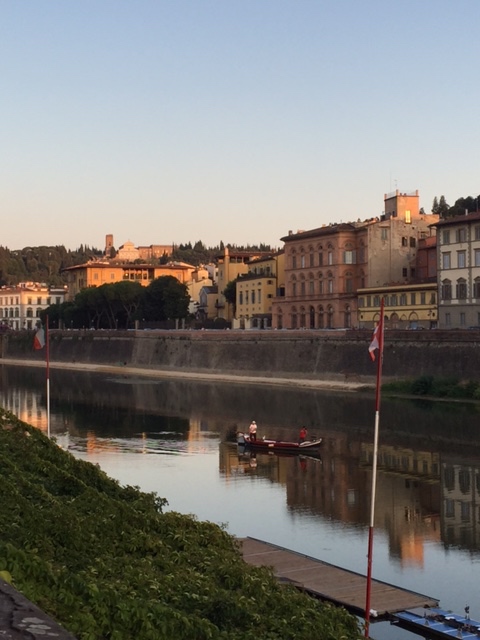
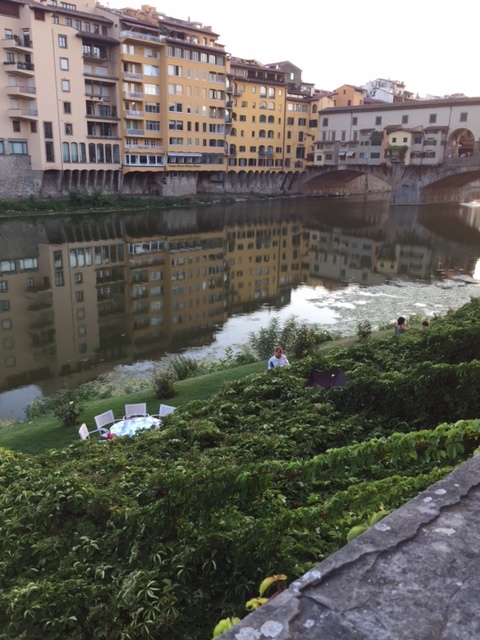
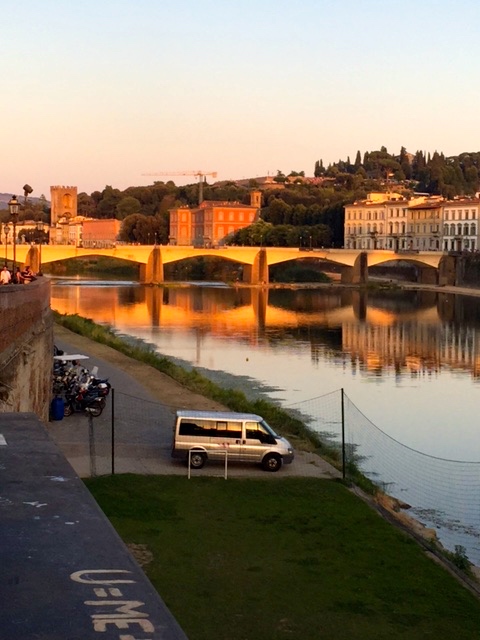
Random shots from this evening.



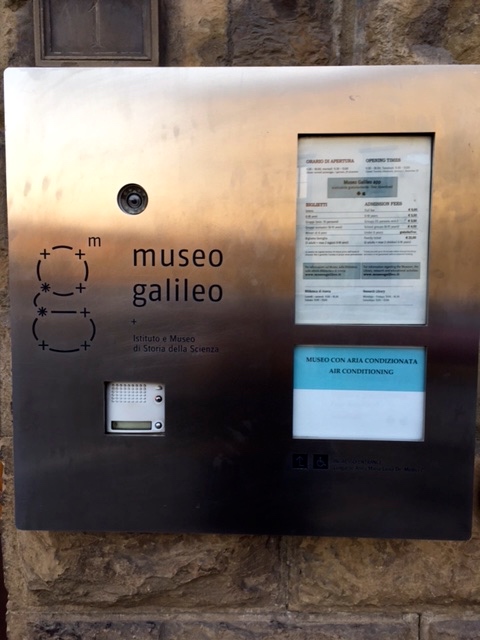
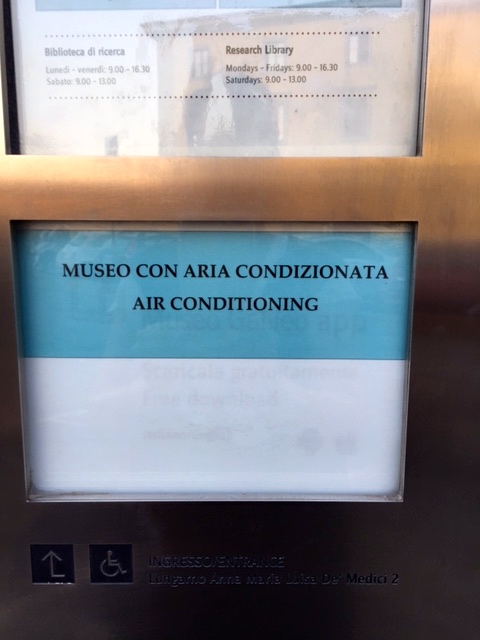
How many American museums promote themselves by advertising their a/c? None that I know of. But, tomorrow, in Florence (when it will be over 100 degrees F), I’ll be checking it out. I’m not much of a science person, but it has AC!!


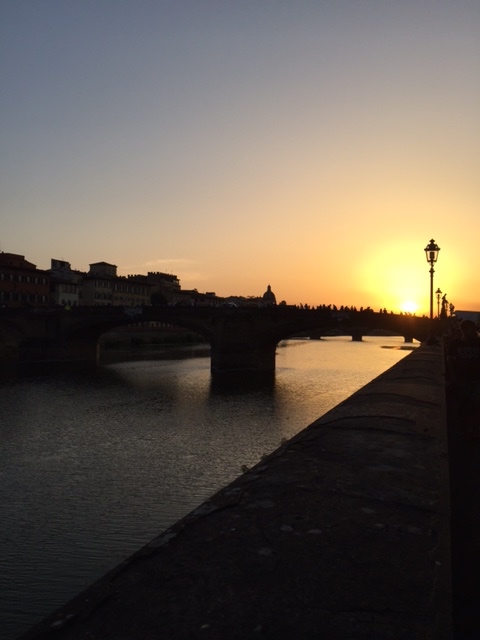
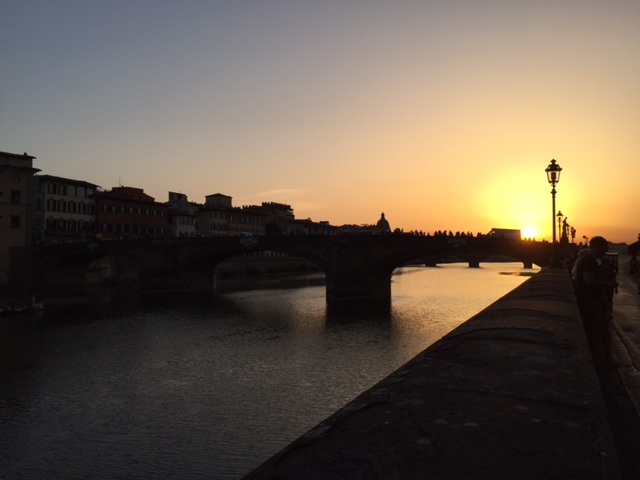
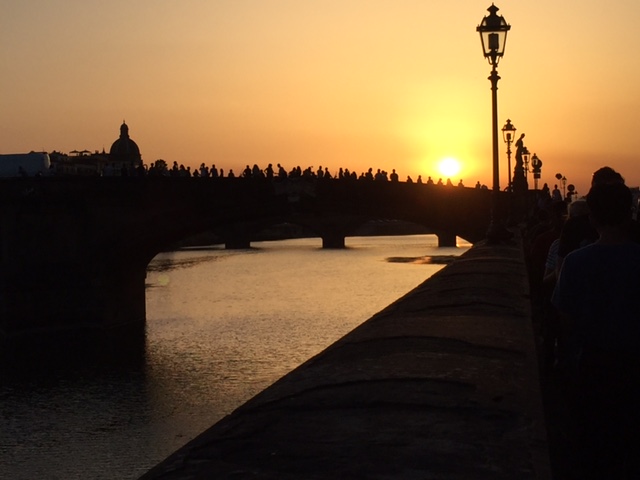
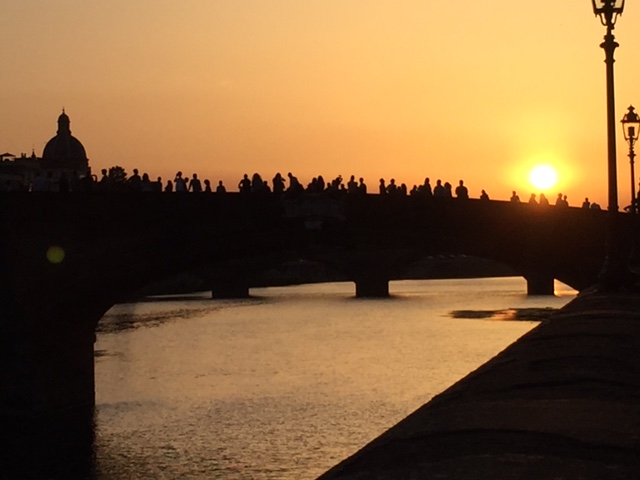
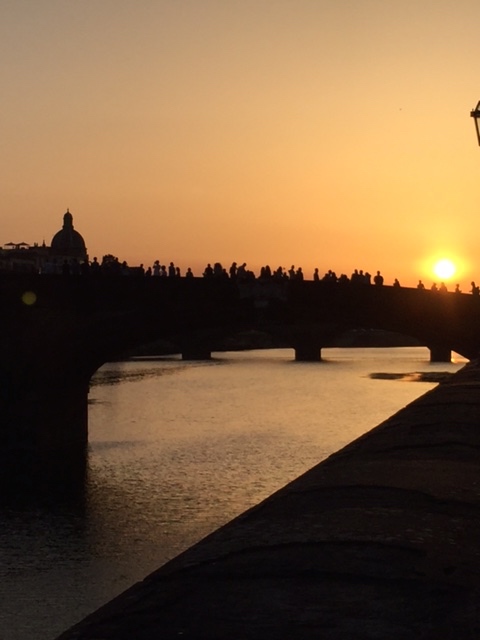
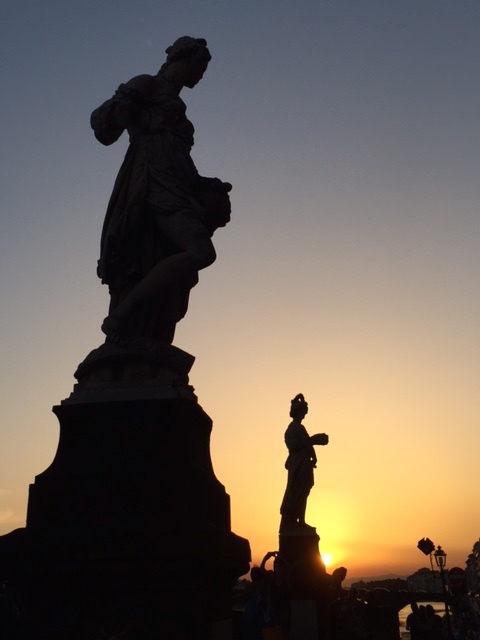
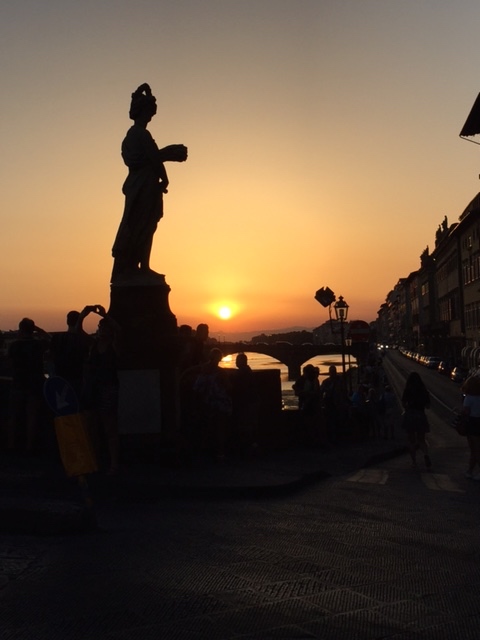
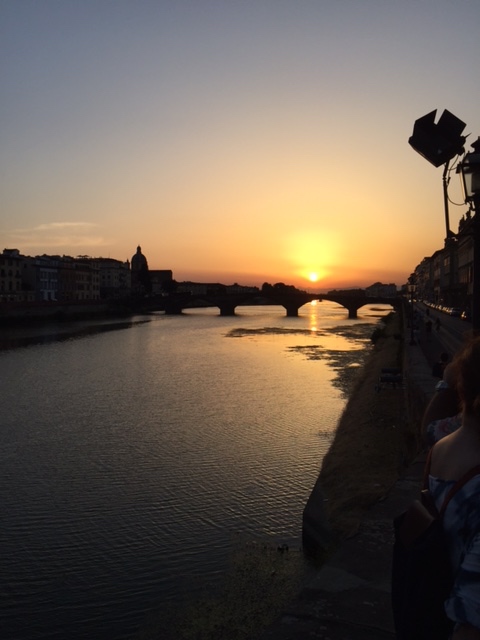
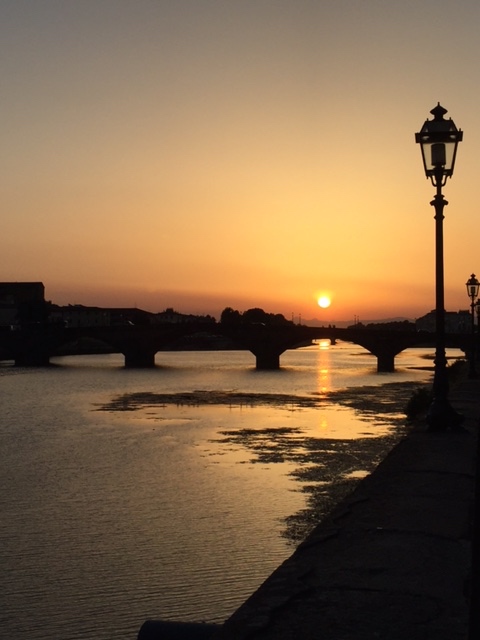
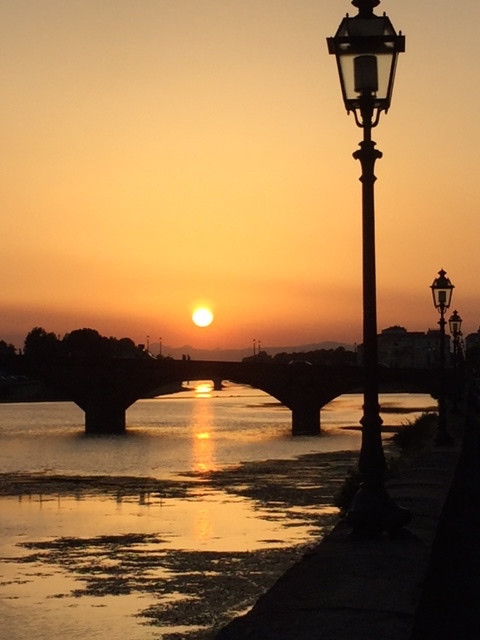
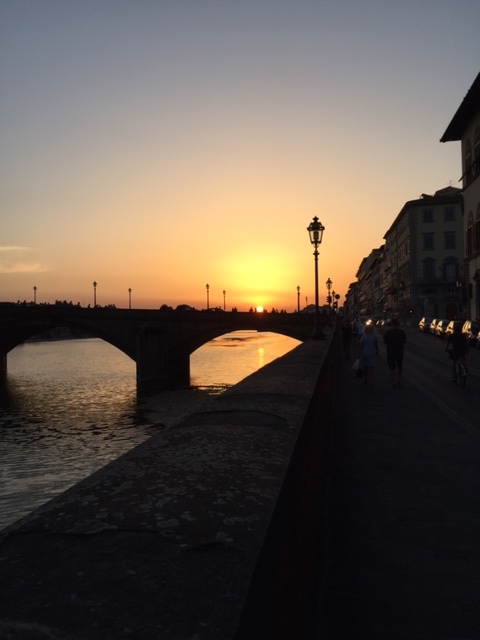
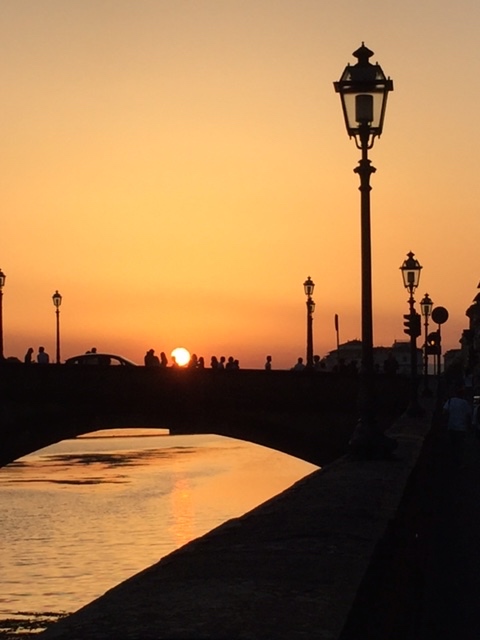
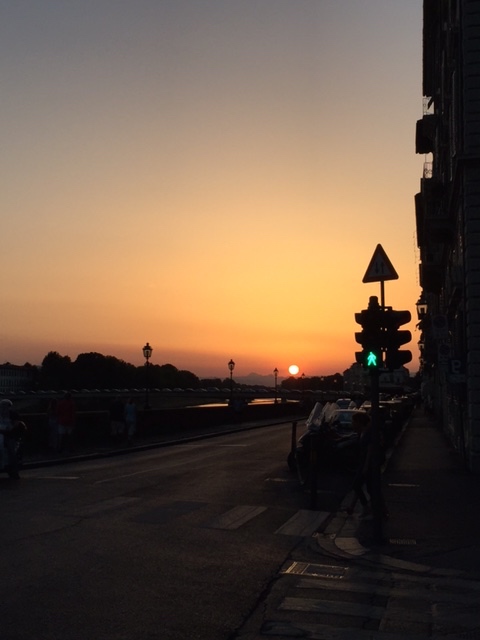
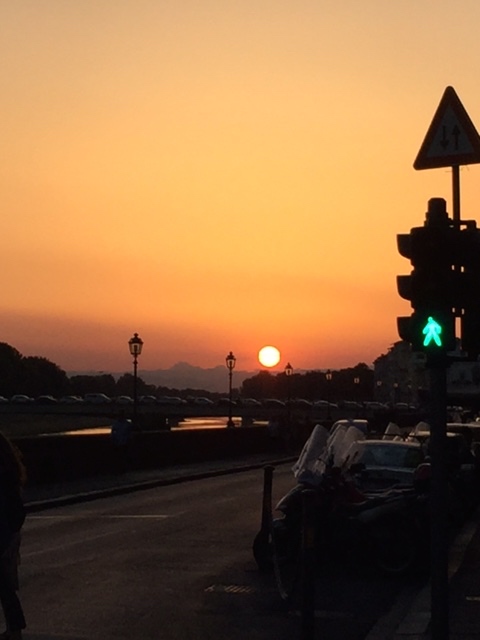
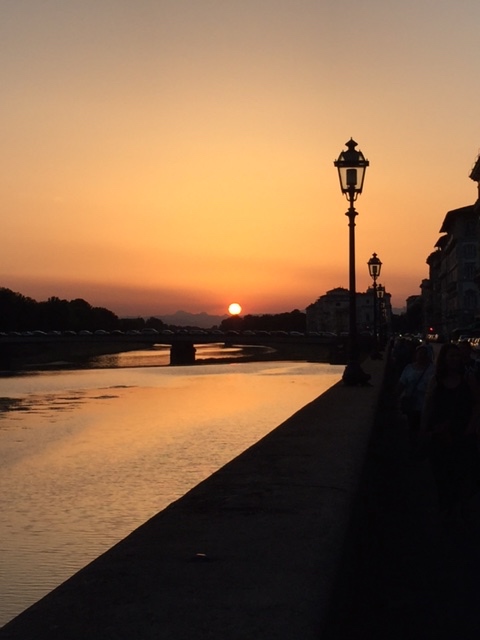
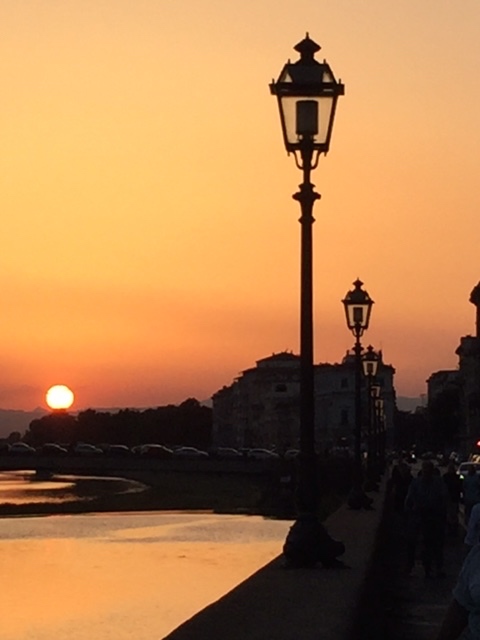
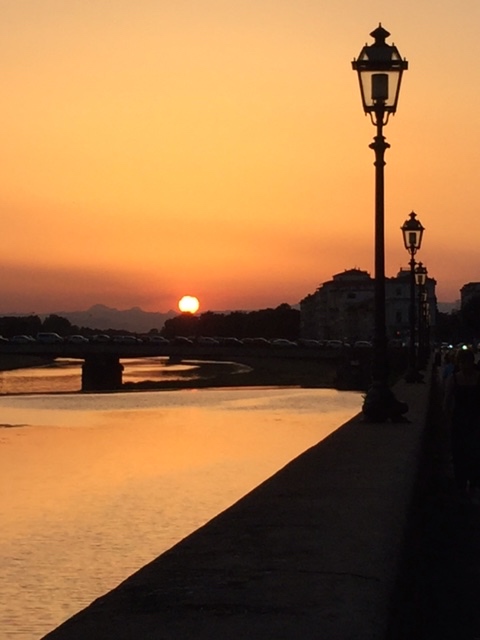
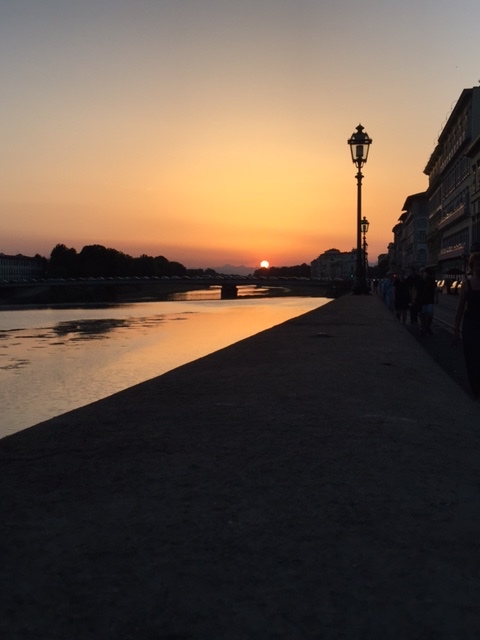
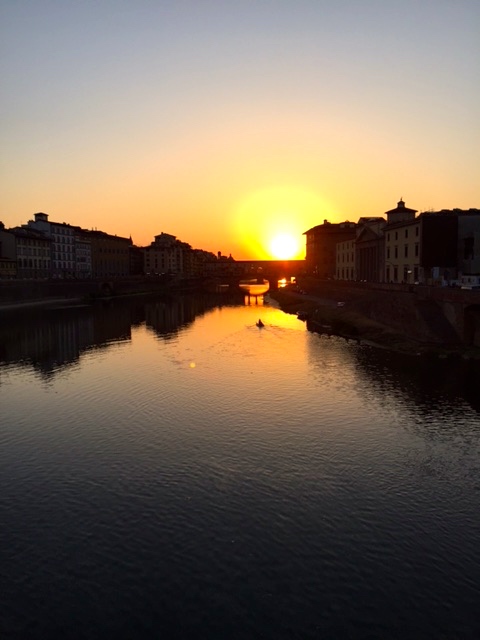
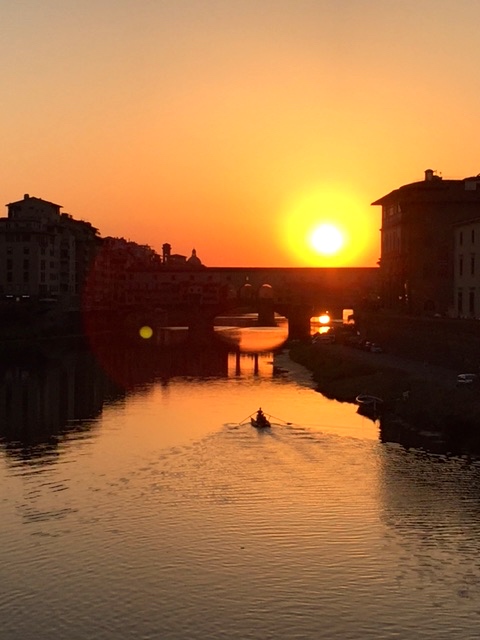
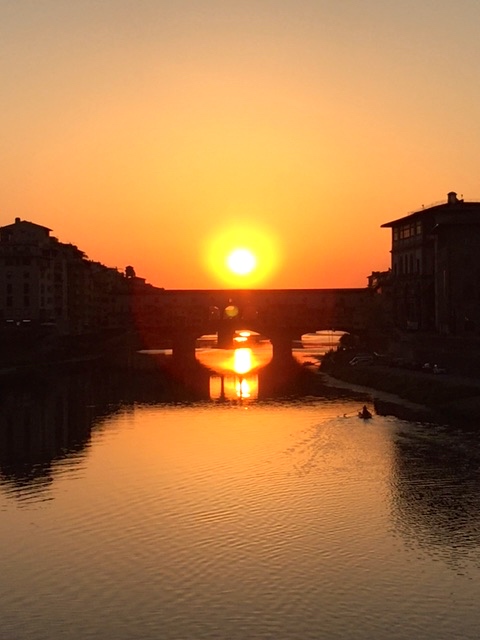
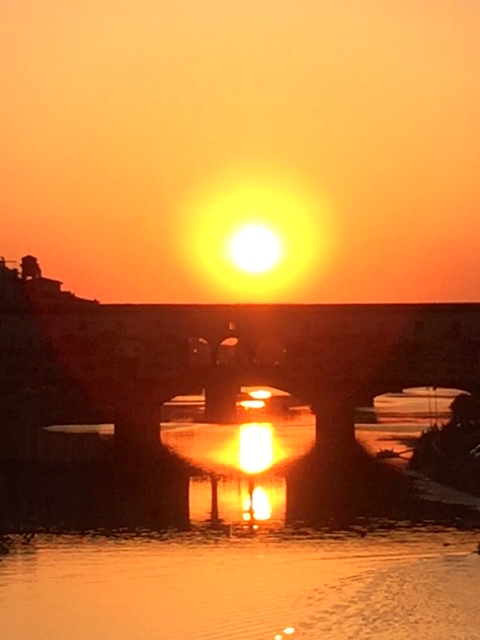
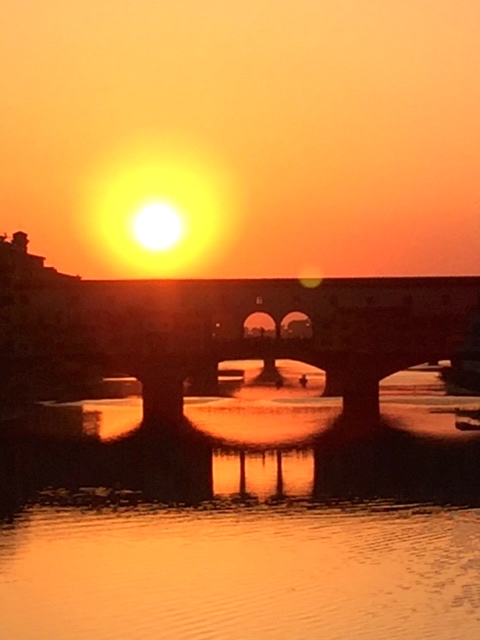
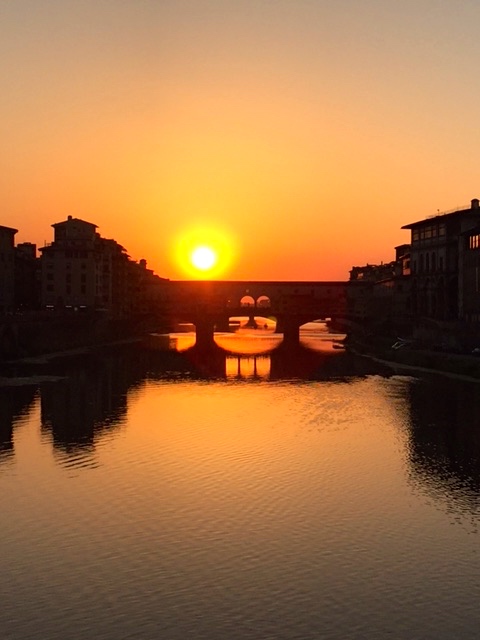
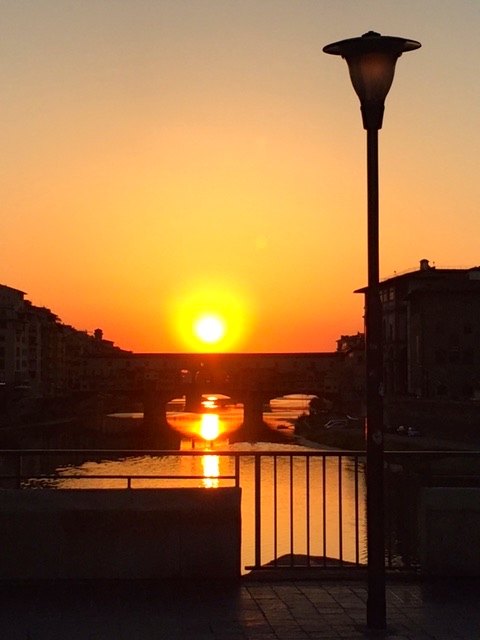
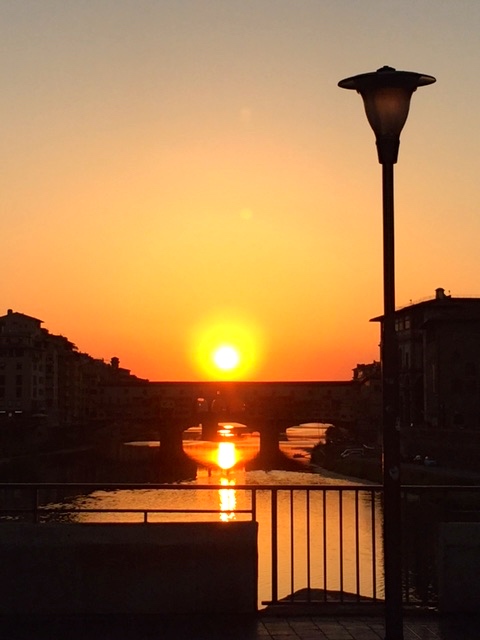
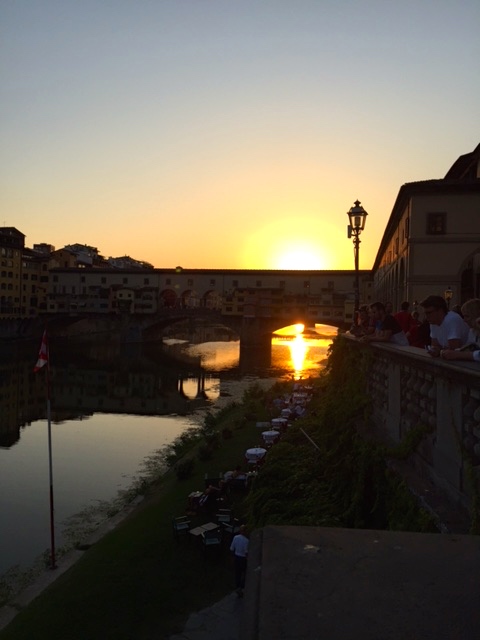
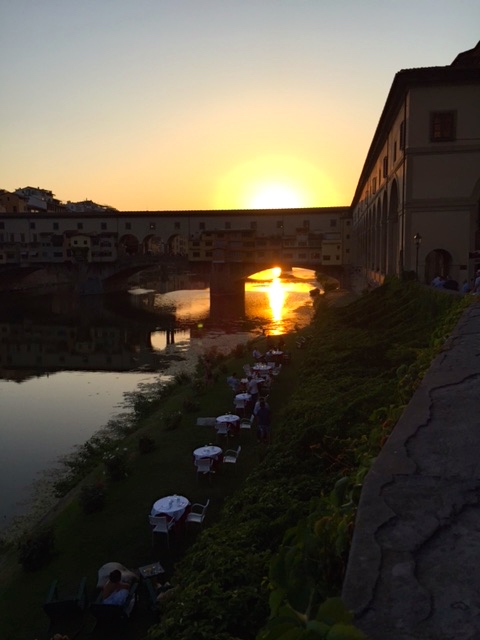
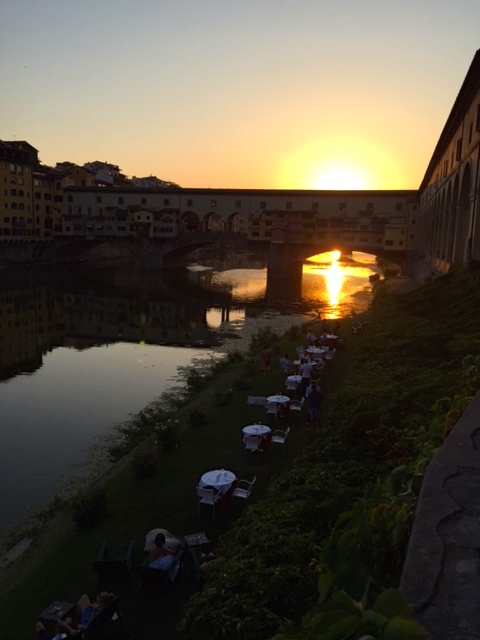
I can’t choose, so you get them all. Tonight; 8 p.m.; 35 degrees C.


You must be logged in to post a comment.