Dateline: Florence, August 4, 1944

In liberated Florence, war correspondent Martha Gellhorn—Mrs. Ernest Hemingway—filed this heartbreaking report:

“The botanical gardens are now a graveyard and they are the most frightening place in Florence. The Germans had taken all the hearses; the cemeteries of Florence lie to the north of the city and are in German hands, and there is no wood for coffins. Add to these basic facts the daily normal deaths in a city of three hundred thousand and the daily deaths resulting from mines, mortars, shells and snipers and you have the ghastly problem of Florence. Dead had been left unburied by the Germans, and it was not always possible to retrieve bodies. For instance, one body lay for days on the stumps of Alle Grazie Bridge. No one could reach it, first because of snipers and then because of mines. So trenches are dug in the botanical gardens and the uncasketed bodies are laid in them.”

Even after Allied forces gained control of the north side of the Arno, life remained miserable for Florentines. People accessed the north and south sides of the city by walking across the broken remains of the other shattered bridges. Few buildings had intact windowpanes.

Stretches of what had once been one of the world’s most cultivated city centers had been replaced with piles of rubble thirty to forty feet high along sections of both sides of the Arno.

Women picked through the pieces searching for heirlooms. Men, armed with picks and shovels, hacked away at the remnants of their beaten city to clear paths for workers and begin the process of rebuilding. Gaunt faces conveyed the hardship endured by the Florentines.

Barefoot women, standing shoulder to shoulder, prepared spartan meals on outdoor stoves in the Boboli Gardens. Others hunched over on their knees along the banks of the Arno, using its dirty water to scrub even dirtier clothes on pieces of stone debris created by the blasts. Despite the filth, thousands of people sought relief from the heat and dust by swimming in the muck.

No one indulged in vanity. Young, dark-haired women looked thirty years older, with their once-well-coifed hair standing on end, caked with grayish dust. Men patched and repatched their ragged clothes. A cluster of people usually indicated the location of one of the city’s temporary clean-water supplies. Such oases were fairly easy to find; just follow someone carrying straw-covered wine jugs or gasoline cans in each hand. The children of Florence sat in circles on the ground, devouring meager suppers.

It was a desperate moment in the city’s storied history.

Here’s a diagram of what was destroyed in Florence on that fateful day:
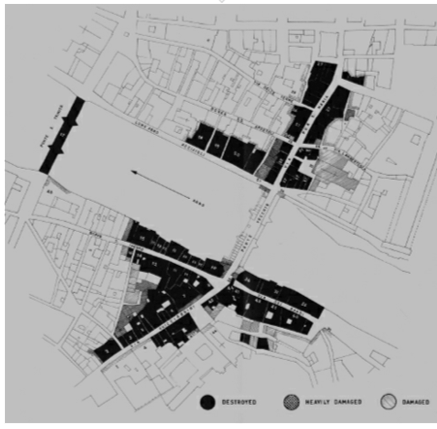
Screen Shot 2017-07-23 at 1.07.14 PM

The Ponte Vecchio is in the middle of the image, Ponte Santa Trinita  to the upper left.


Edsel, Robert M.. Saving Italy: The Race to Rescue a Nation’s Treasures from the Nazis (p. 189). W. W. Norton & Company. Kindle Edition.
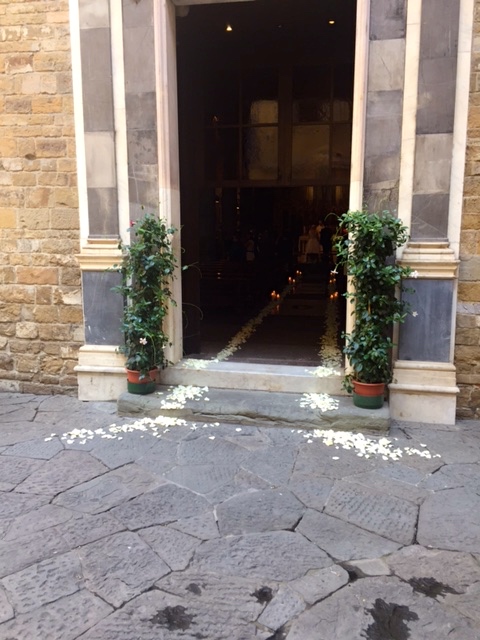
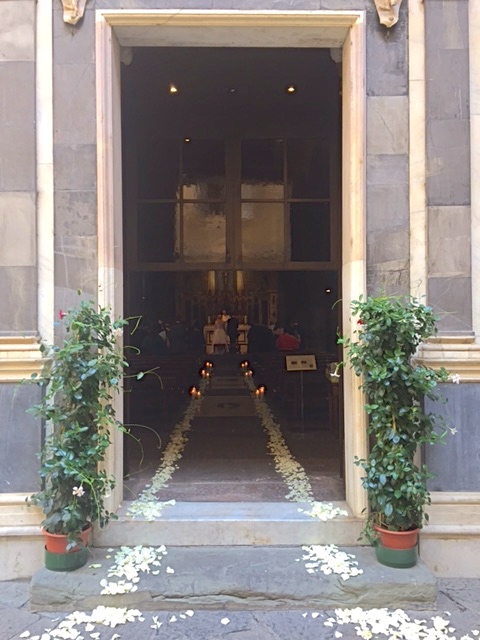
Somebody’s wedding

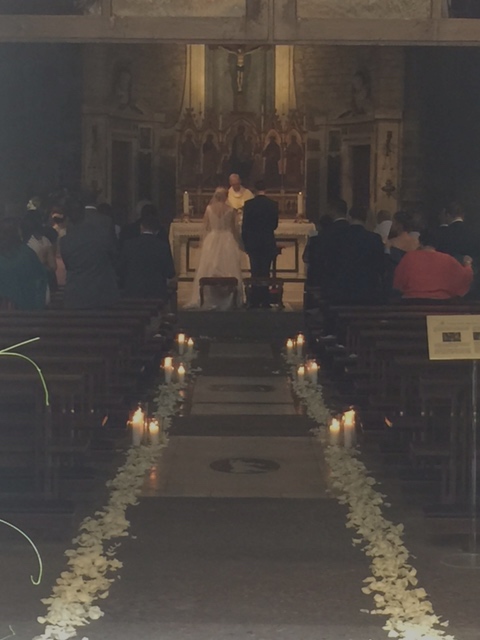
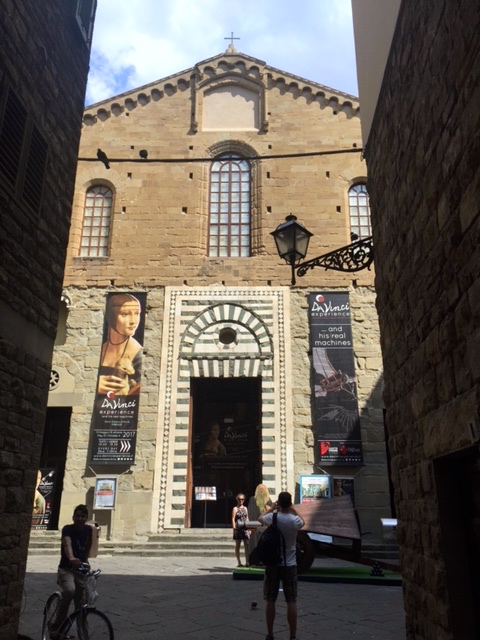
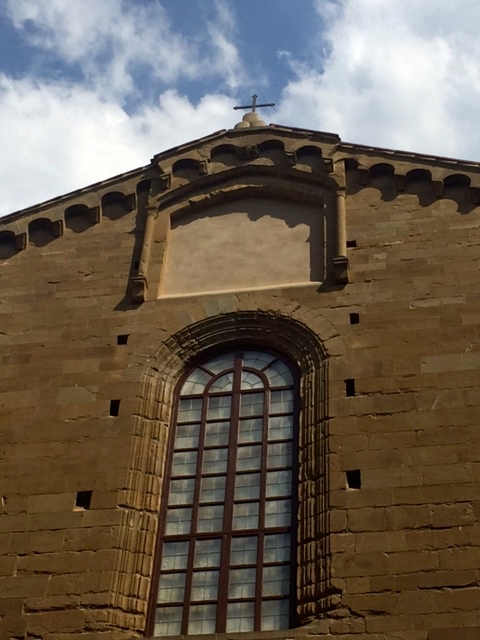
Outside the ancient church of Santi Apostoli, just down the street from my apartment, I happened upon a wedding today.  It was about 3 pm and hotter than hades.  All the guests in the church were fanning themselves with their programs.


IMG_4134

IMG_4135

IMG_4136


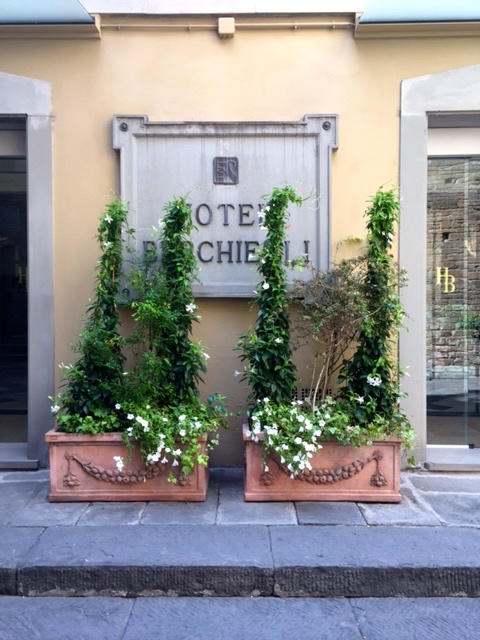
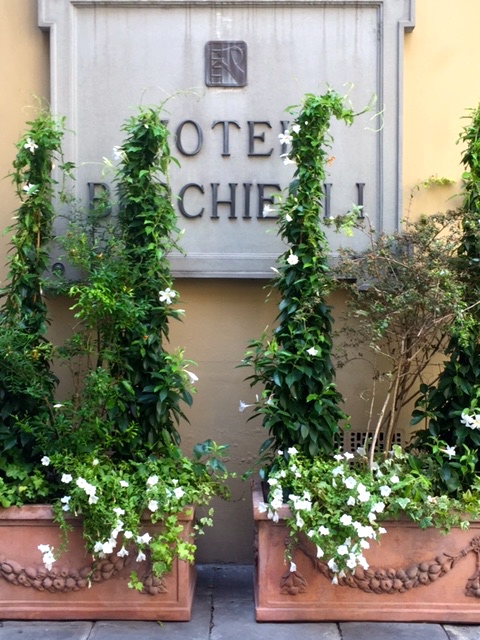
Across the Piazza del Limbo from the church, Hotel Berchielli seemed adorned in white as well.  Very pretty!

IMG_4137IMG_4138

Florence in late summer, 1944

Mid-August–October 1944

New York Times reporter Herbert Matthews observed that “Florence is no longer the Florence that the world has known for 400 years. . . . the heart of Florence is gone.” Of its six bridges—San Niccolò, alle Grazie, Vecchio, Santa Trinita, alla Carraia, and alla Vittoria, only the Ponte Vecchio survived. In fact, the Germans had rigged it with demolition charges as well. Some among the Allies theorized that the Germans had changed their plans at the last minute, perhaps concerned that the debris caused by the destruction of the two-story bridge would actually have facilitated an Allied crossing by providing enough rubble to form a new foundation in the low water of late summer.

[American Monumnet’s Man, Frederick Hartt described the horrifying scenes during the initial days of liberation:]

In the city there was no water, no light. . . . the mosquitoes came in clouds from the stagnant Arno, the heat was intense and the air suffocating with the odors from the broken sewers and gas mains, the unflushable closets [toilets], and the corpses still buried under the ruins along the Arno.

Fascist snipers from windows all over the town picked off civilians at random. During this period nearly four hundred persons, mostly civilians, were killed by the German batteries which continued to shell the town sporadically from Fiesole.

Edsel, Robert M.. Saving Italy: The Race to Rescue a Nation’s Treasures from the Nazis (pp. 188-189). W. W. Norton & Company. Kindle Edition.
How Italian treasures survived WWII

De Rinaldis informed Cott that most of the works of art in Rome had been safely stored in the Vatican….the Vatican [itself] possessed one of the greatest collections of art in the world. [During the early 1940s, however, it housed as well] the temporary addition of works from the Brera Picture Gallery in Milan, Accademia in Venice, Borghese Gallery in Rome, Museo Nazionale in Naples, the holdings of dozens of less prominent museums, and many priceless riches from the nation’s churches, it now had few, if any, rivals anywhere on earth. Joining its remarkable collection were—to name just a few—the Caravaggios from Santa Maria del Popolo and San Luigi dei Francesi, and oversize canvases by Titian, Veronese, Tintoretto, and Tiepolo from Venice. Never before or again would the results of such creative genius be gathered in one place.

Edsel, Robert M.. Saving Italy: The Race to Rescue a Nation’s Treasures from the Nazis (p. 138). W. W. Norton & Company. Kindle Edition.
How to choose a ripe avocado in Italy

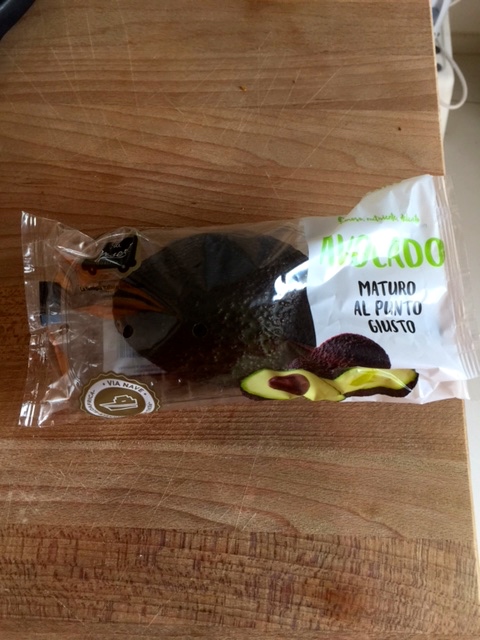
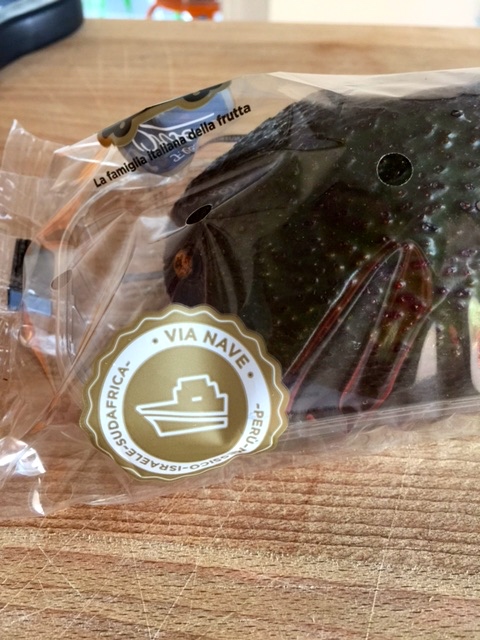
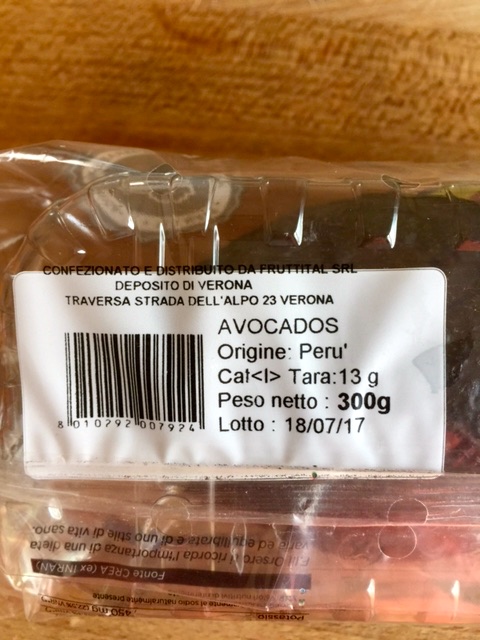
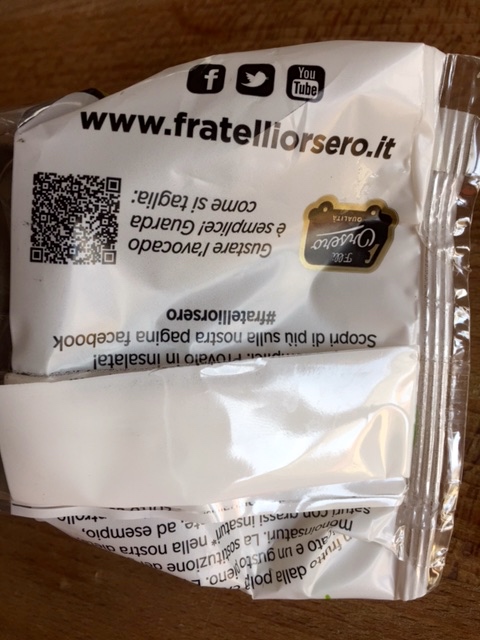
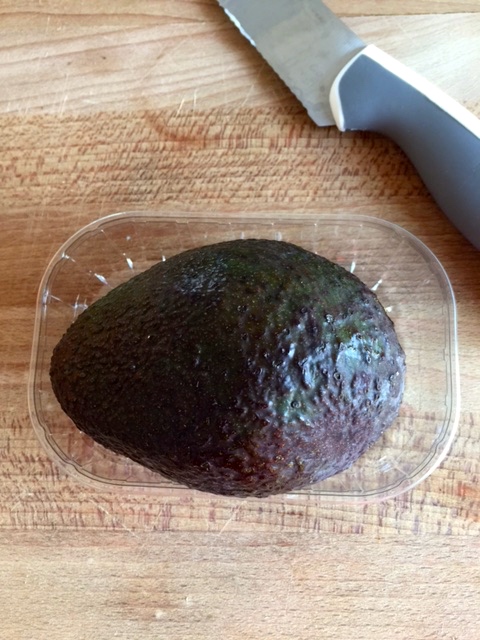
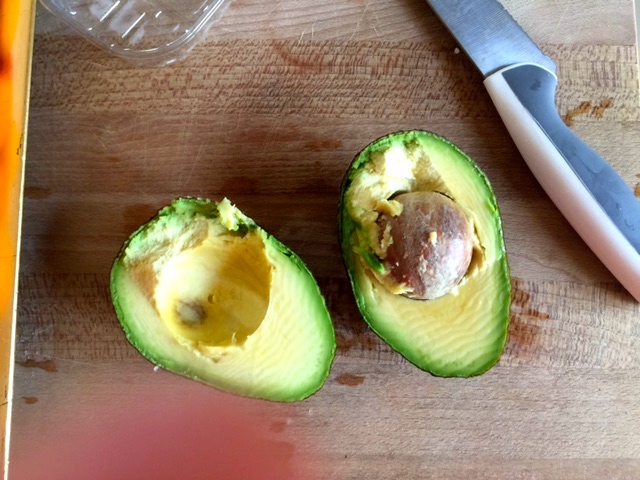
You never have to guess which avocado is ready to devour!  You buy a big, beautiful Peruvian avocado, shipped by ship via South Africa (according to the label), in its own package.

The label assures you the avocado is ready to eat.  And, in my experience, it is!


IMG_4105IMG_4106IMG_4107IMG_4108IMG_4109

Perfectly ripe.

IMG_4110

IMG_4111


They aren’t inexpensive, but a good avocado is a thing of beauty!