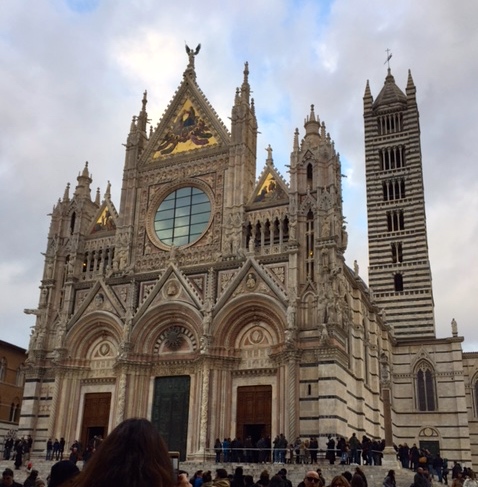
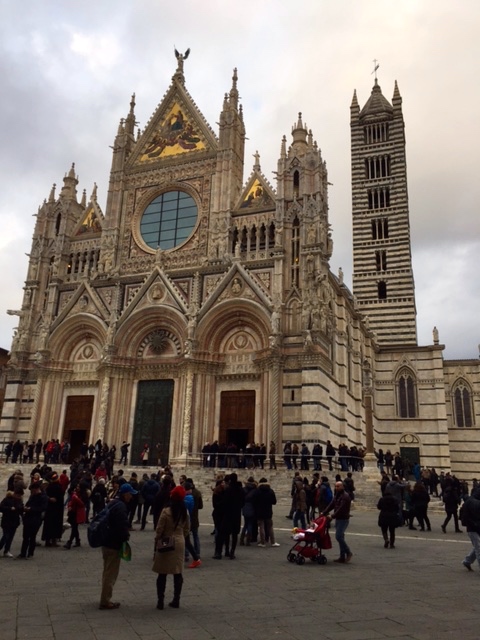
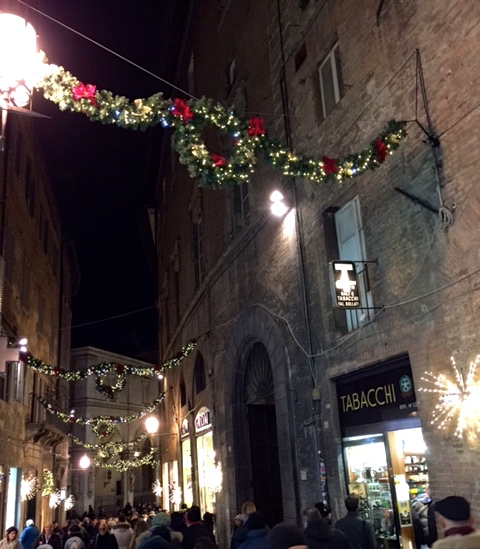
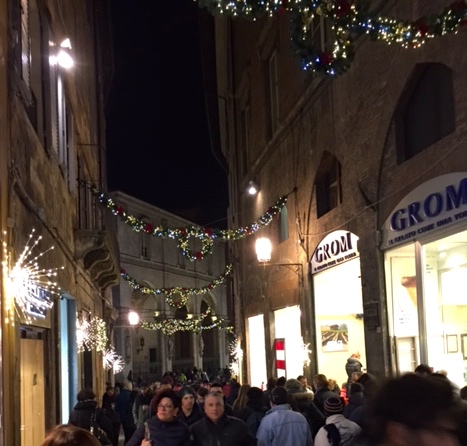
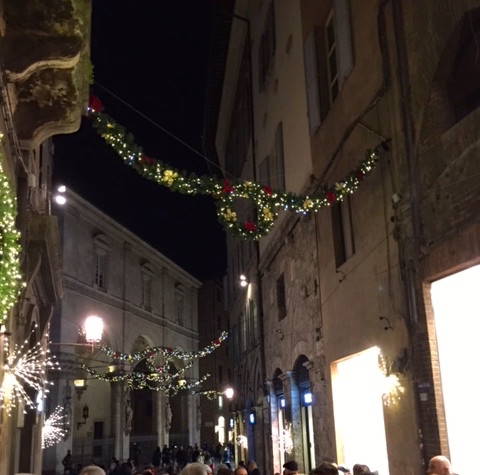
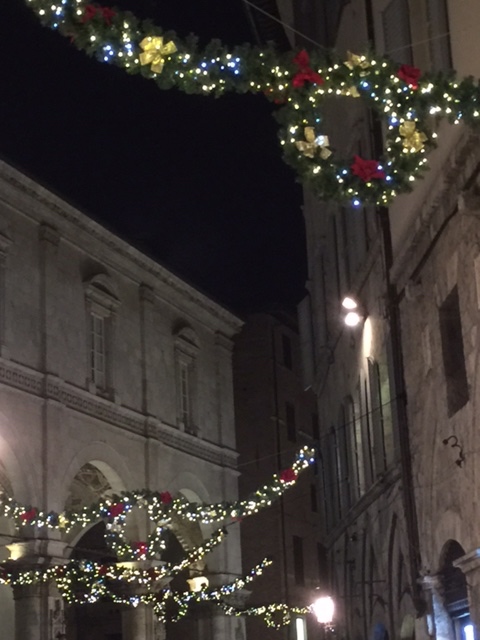
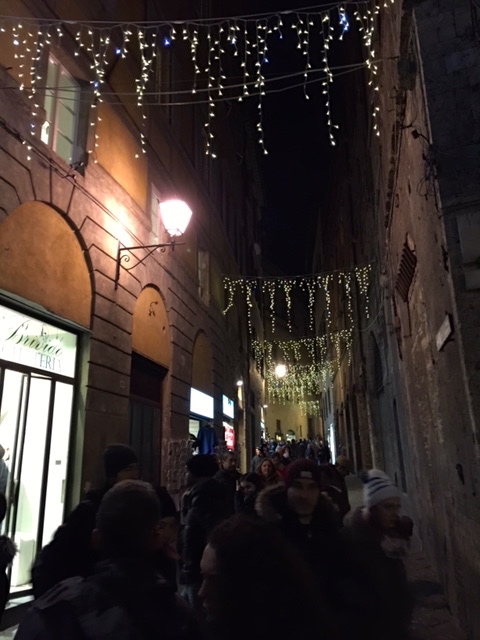
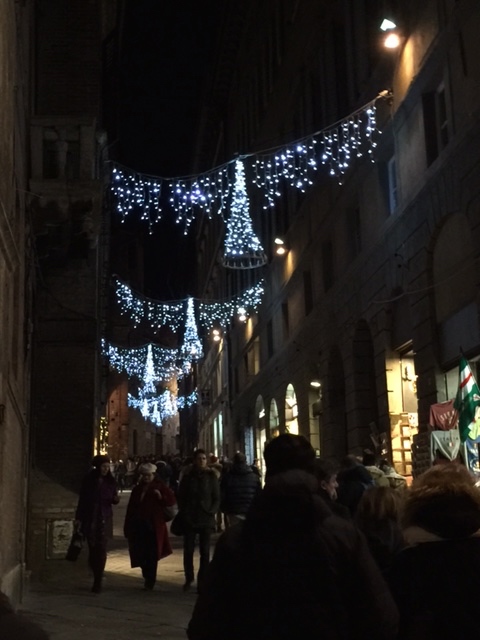
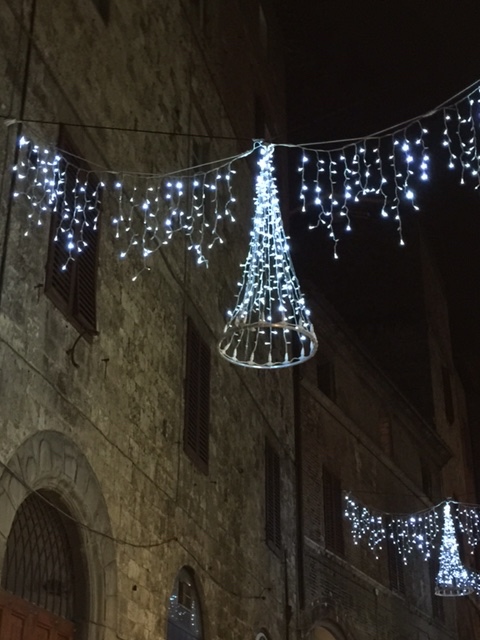
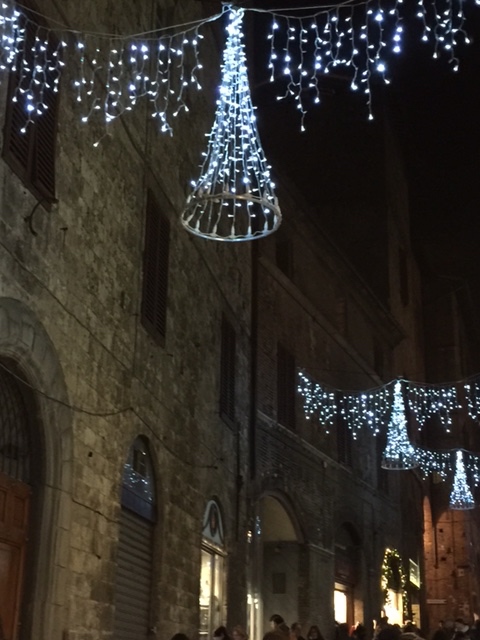
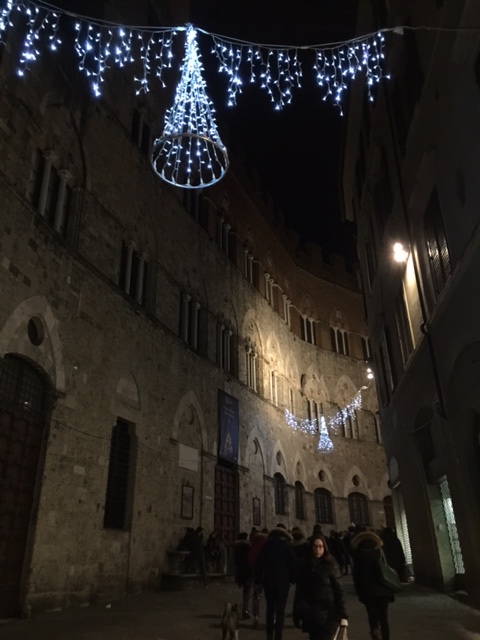
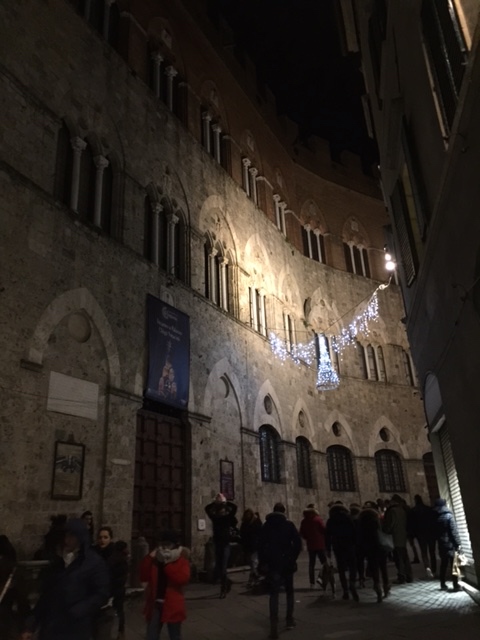
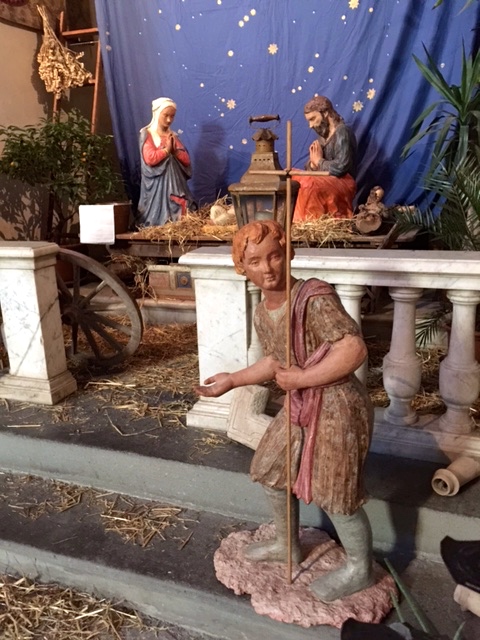
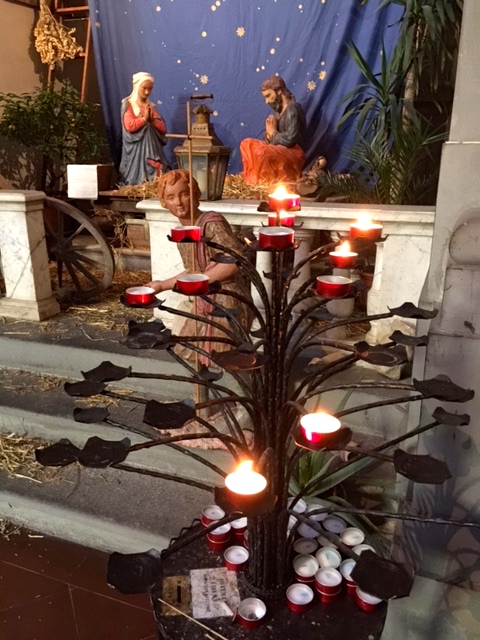
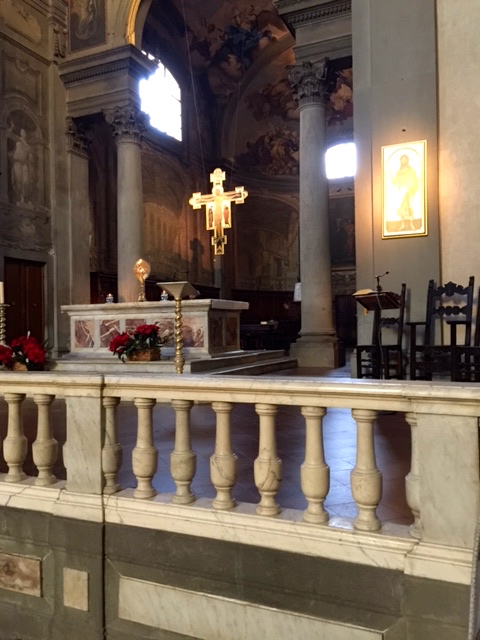
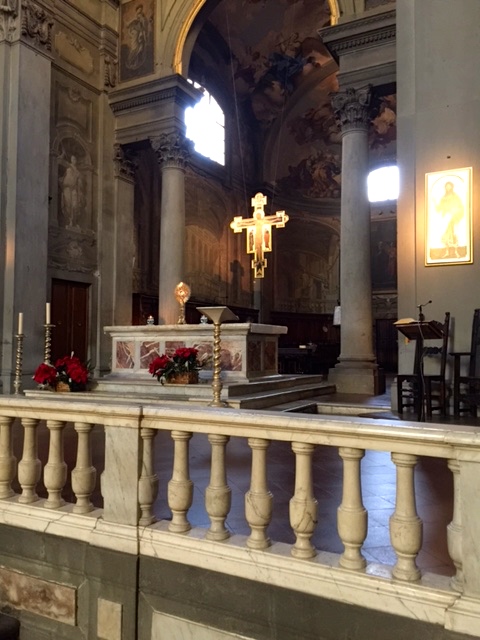
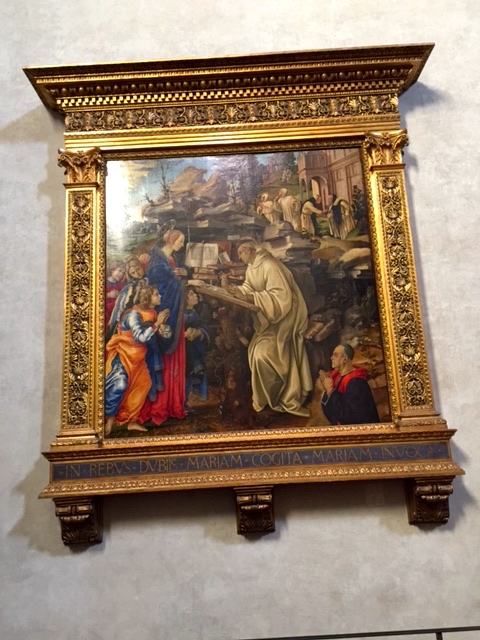
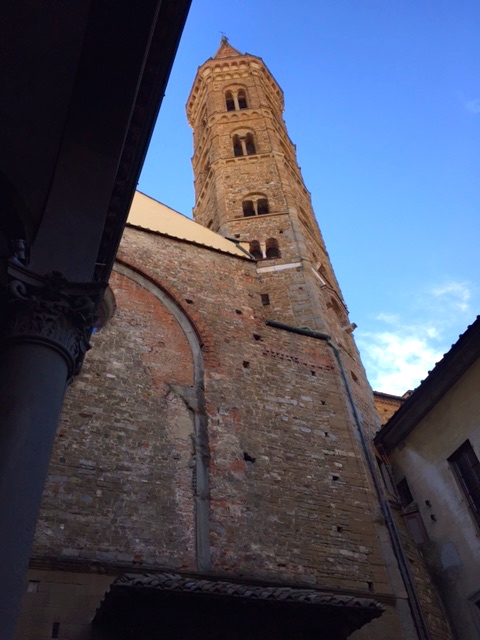
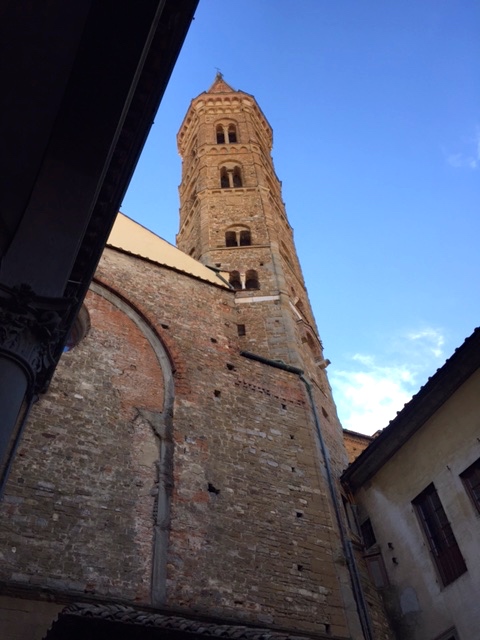
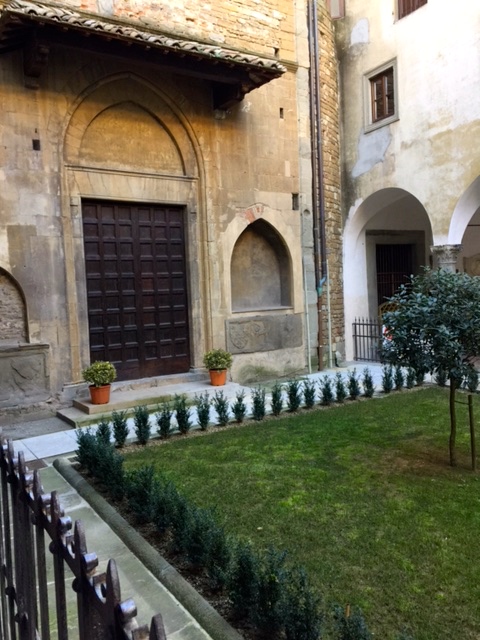
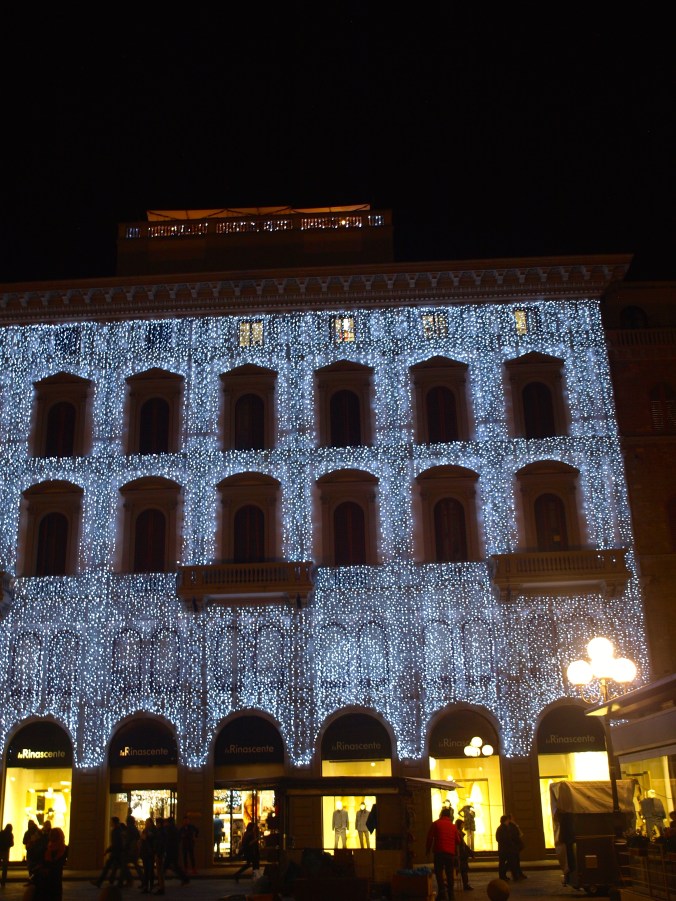
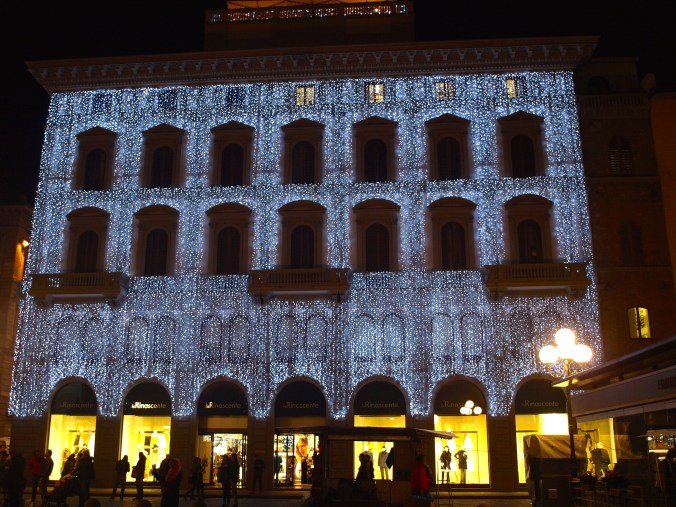
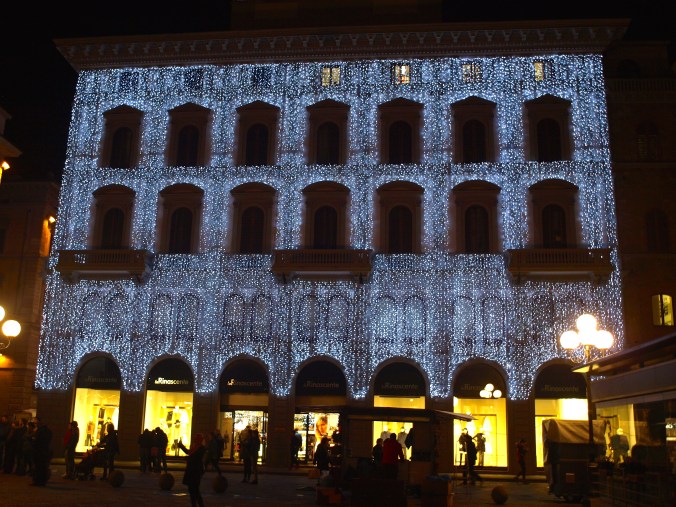
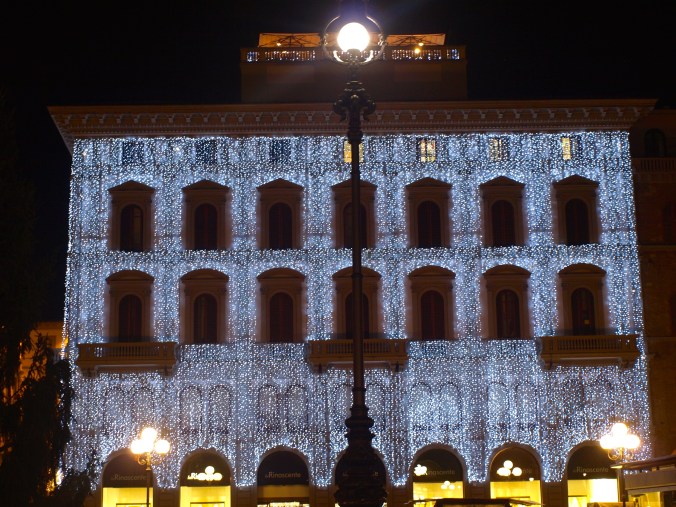
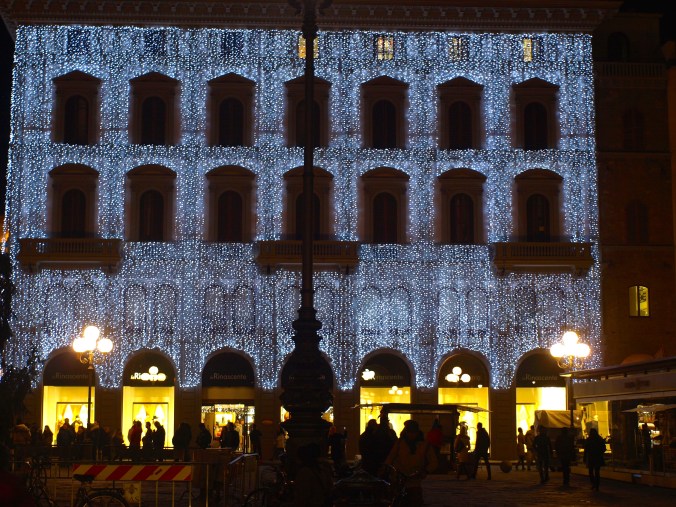
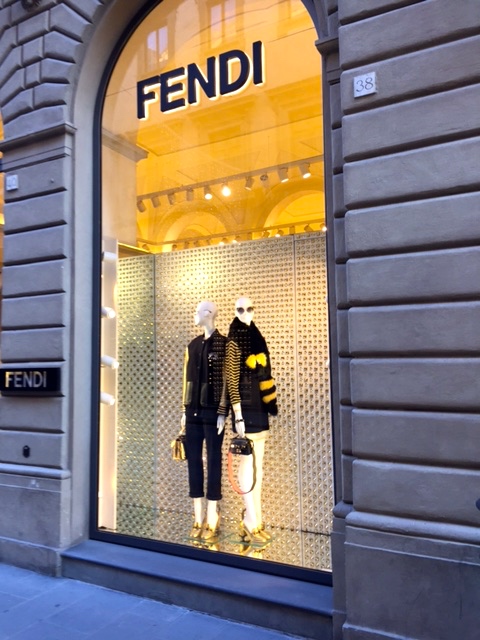
This is my view as I dress each a.m. Amazing!


This is my view as I dress each a.m. Amazing!


Very lovely.
Lovelissima!
http://icebergproject.co/italian/wp-content/uploads/sites/2/2015/12/xmastreelighting2014.mp4?_=1
The tree at dusk.

And in the daytime


The talented baristas in Florence’s famous coffee houses don’t bother to draw hearts or Christmas trees in the foam on the top your cap. They are too busy for such nonsense, and anyway…

they don’t need to. The coffee is sublime just the way they make it.


And the customers agree, scraping every drop of the liquid caffeine out of the cup.

Eat your heart out, Starbucks!

It’s an eye catcher

A little bizarre

Not my taste, but whatever…

OLYMPUS DIGITAL CAMERA

OLYMPUS DIGITAL CAMERA
No, no, no, in Florence, they can be red numbers or black numbers too!
I recently posted a long digression on Florence’s address system but if you are like me, you need additional study guides for remembering all this information. Here’s a great commentary on Florence’s idiosyncratic address system. The source follows at the end.
During the RISORGIMENTO, or “resurgence,” the political and social process that unified Italy during the nineteenth century, the city of Florence experienced massive urban renewal. It had become apparent that businesses that were once simply people selling from carts, market stalls, or out of ground floors of family homes were now evolving into the kinds of operations we know today— large and small shops separate from street and home. This posed a distinct municipal problem: how to distinguish business addresses from home addresses. Since it would have been impossible to renumber the entire city, a unique numbering classification was born. As a result, to the dismay and confusion of today’s visitors, buildings in Florence operate on two numbering systems. Buildings housing commercial businesses have red numbers, meaning that the number listed in the address is followed by an r for rosso. The red number on the facade of the building tends to be engraved into a square marble slab, and, with age, appears to be anything but red. Residential numbers are indicated in black, even though the numbers on the buildings are actually blue, on a white ceramic plate.
While the addresses in this guide are shops and hence should be red, this is not always the case. The red and black numbers do not necessarily correspond (i.e., number 57r can be directly across the street from, say, 100r, and next to a black 31). Moreover, examples of “red” numbers styled in black (see below), and vice-versa, are apt to crop up every now and then. When all else fails, consult the map at the beginning of each walk. Should you become completely frustrated, a stop at a gelateria or wine bar (also indicated on the map) is a highly
Fili, Louise; Apatoff, Lise (2015-03-17). The Cognoscenti’s Guide to Florence: Shop and Eat like a Florentine (Kindle Locations 106-110). Princeton Architectural Press. Kindle Edition.
And for people who like their information via video, I give you this!
Let’s say you’ve been in Florence for a while and you can find all the major sights without a problem.
Let’s say you are now living in Florence and begin to make the connections that one makes when living someplace new.
Let’s say, for example, that you have an appointment in a professional office at 10 a.m. tomorrow and you Google Maps the address and feel confident you know where you’re going.

And, let’s say you get to the right street, which can be a Via, a Borgo, a Viale, a Strada, or even a Viccolo. Or, it could be that designation known as a “Lungarno.” And there’s even something called a “sdrucciolo” (a slip) such as in sdrucciolo dei Pitti, for example.
OK, let’s recap: you know the address you want and you are on the right street. You hope.
Will you be at your appointment on time?
Maybe. Maybe not. It will all depend.

Let’s approach this problem slowly. Piano, piano, as Italians say to me constantly.
Addresses all over Italy are usually pretty straightforward. Street numbers on one street are arranged from the lowest to the highest, normally with even and uneven numbers on opposite sides of the road.
Florence, however, is one of the two only towns in Italy (the other is Genoa) with a distinction between red numbers and black numbers for addresses. Red numbers usually indicate a business, whereas black numbers in theory designate a private residence or a hotel.
Supposedly, you can discern immediately if you have arrived at a shop, office or business or a home, just by the color of the street number. It should be red or black.
Ha ha!
Sometimes the street numbers are red and black, but they can also be green or blue or some color that cannot be deciphered. Trust me, I’ve seen that!
So, since I presume I am not the only person confused by this changing color system, somebody smart tried to make finding addresses easier by adding the suffix R, for red, after the red address numbers. Sometimes this designation will be given to you as “24 rosso” or “24/r” so you must be on your toes!
So, sometimes, but not always, the street address will give you a further clue.
In addition to having a possible clue, you need to understand that each set of address numbers, red or black (you still with me?) follows its own system, so it is not uncommon for two numbers, such as 6 and 6r, to be located several metres away from each other in the same street. That’s if you’re lucky!
Remember also that Google Maps, and many other GPS devices, don’t acknowledge the difference between red and black numbers. So, if you are counting on the map you sent to yourself on your smart phone, and if you have internet service at the moment you’d like to be consulting that map, you still might not be at the right address!
Or, as I read in a book recently, I swear to god: “It could thus be hard to find an address just by strictly following directions.”
You fool, you! You thought you could find an address just by following directions! Ha ha!
If you, like I, find yourself asking “where did this insane system originate?” the simple answer is it was devised by the local authorities in the early 20th century to help unfortunate people who were not born and bred in Florence find their way around the city. The city council hoped to simplify the previous and much more complicated system. OMG, can you imagine what that would have been?!
To master the material I have just introduced to you, I suggest you read this succinct appraisal of the system from this nice source: http://yourcontactinflorence.com/how-to-find-an-address-in-florence-italy/
Oh, and one last good thing to know: Nowadays this dual color numbering system is only present in the Florence’s historic center and in nearby areas, whereas newer neighborhoods have adopted the standard Italian system with only one set of numbers.
Oh, and p.s.: I still can’t find a certain yoga studio I’m looking for. I’ve followed directions to the location, but haven’t spotted the studio yet. Soon, I hope. :-) I did find my doctor’s office recently, after 3 tries, so I am making good progress!
I don’t pretend to understand all the issues at stake. But, here is a NYT article that breaks the banking part down. It was written before the recent “No” vote that caused Matteo Renzi to resign. Some key parts I’ve highlighted below the article.
A recession that lasted seven years wiped out nearly a quarter of Italian industry. The unemployment rate sits above 11 percent. The population is aging, and too few women are working, limiting spending power. Too many Italian businesses are small operations that are especially vulnerable to globalization. Family-run craft and apparel makers have been destroyed by low-cost competition from China. Negative interest rates maintained by the European Central Bank to encourage lending have cut into bank profit margins.
Italy’s banking pain is a symptom of an Italian business style that has traditionally favored relationships and community ties over a dispassionate analysis of the bottom line — a perception the nation is eager to alter. To visit senior Italian officials in their offices decked out like personal versions of the Sistine Chapel is to hear a recitation of complaints that reforms have gone underappreciated. They betray resentment that Italy continues to be caricatured as the reckless debacle at the center of European economic decline.
The comically ineffectual former prime minister Silvio Berlusconi — a fiercely tanned media magnate — has been dispatched to history. At the controls today is the young technocrat Matteo Renzi, who has delivered a spate of politically perilous reforms long sought by solemn-faced officials in Brussels.
Under Mr. Renzi’s direction, Italy has made it easier to fire workers. This has somewhat diminished a major disincentive to giving people jobs — the not-irrational fear that problem hires will stick around forever, like grown children tethered to the refrigerator. Italy has also sped up civil processes in its notoriously inefficient courts.
The prime minister is now seeking a constitutional change that would refashion the entire legislative process in an effort to break a logjam in the upper chamber of Parliament. He argues it would eliminate obstructions to further pro-growth measures.


The view from my bedroom window. Amidei Tower in foreground. :-)) Amazing.


The view from my terrace.


I almost cannot believe it.


You must be logged in to post a comment.