Palazzo Reale, Naples

The Royal Palace of Naples is a palace and now a museum. It was one of the 4 residences near Naples used by the House of Bourbon during their rule of the Kingdom of Naples (1735–1816) and later the Kingdom of the Two Sicilies (1816-1861). The others were the palaces of Caserta, Capodimonte overlooking Naples and Portici on the slopes of Vesuvius.




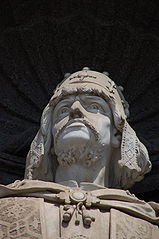
Statues of kings of Naples
In 1888, King Umberto I of Savoy made changes to the western façade side of the building (fronting on Piazza del Plebiscito), by displaying in niches a series of statues of prominent rulers of Naples since the foundation of the Kingdom of Naples in the 12th century. The statues are displayed in chronological order, based on the separate dynasty of each ruler.
The series starts with Roger the Norman, and ends with Vittorio Emanuele II, the tallest statue and the last to be added. The other figures represent:
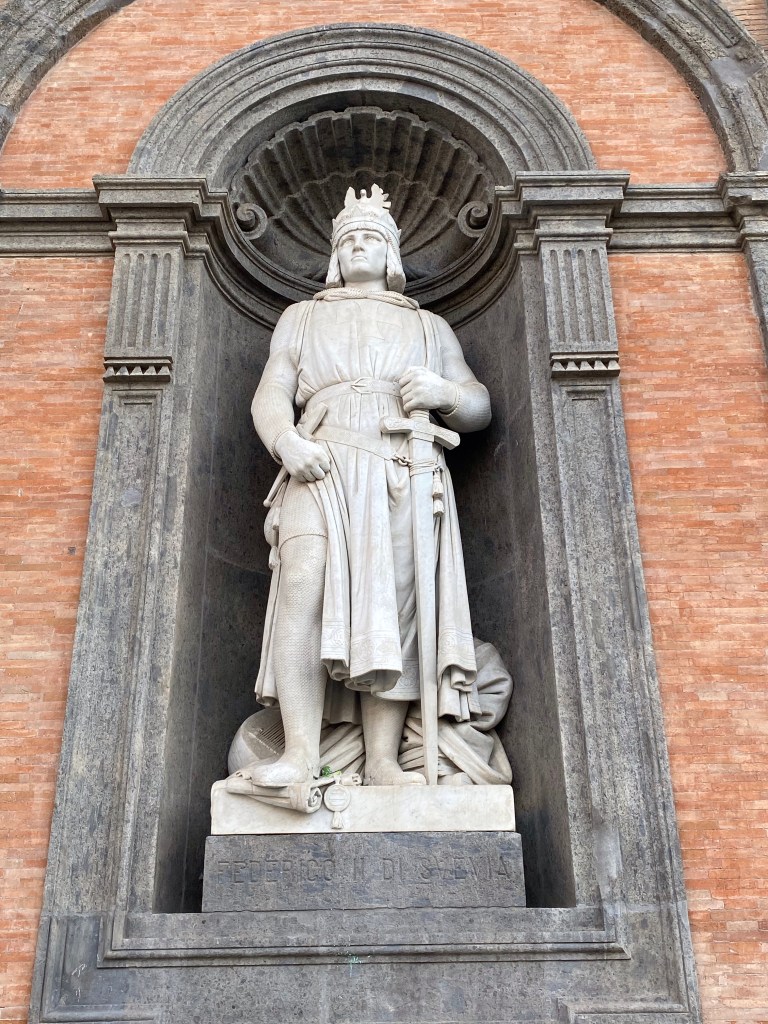
Frederick II Hohenstaufen (by Emanuele Caggiano)
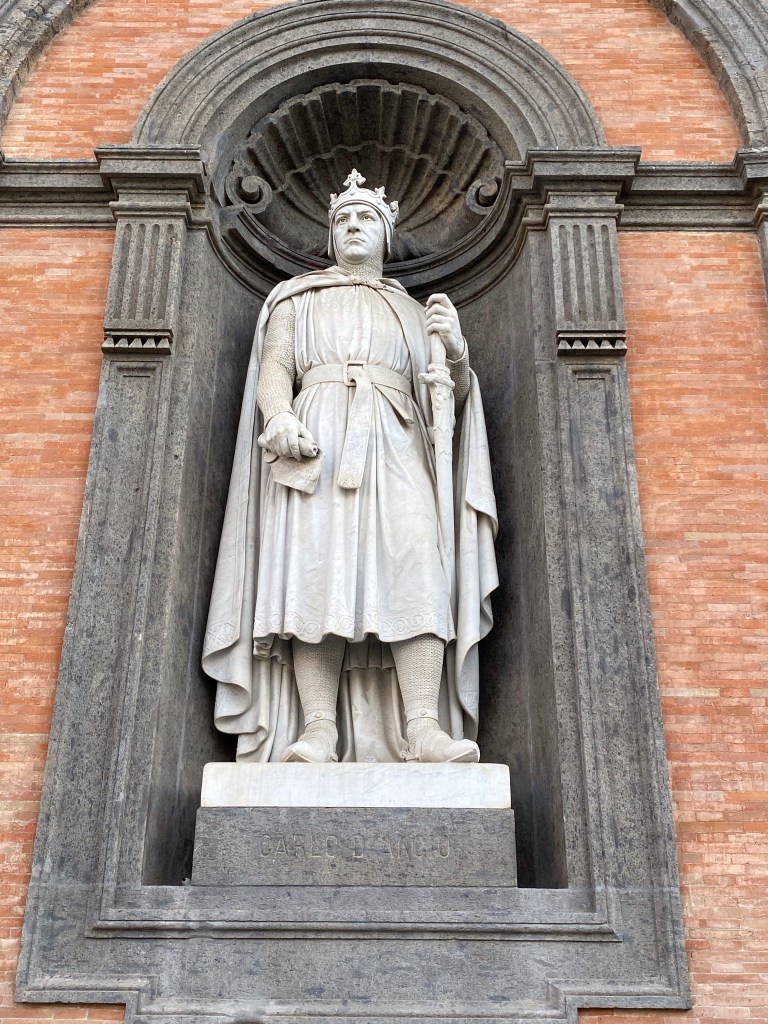
Charles I of Anjou (sculpted by Tommaso Solari)Alfonse of Aragon (sculpted by Achille D’Orsi)
Emperor Charles V (sculpted by Vincenzo Groan)
Charles III of Spain (sculpted by Raffaele Belliazzi)
Joachim Murat (sculpted by Giovanni Battista Amendola)
None of the statues refers to the Bourbon dynasty, not even Charles of Bourbon, who is actually engraved with the name of Charles III.
Frederick II (Holy Roman Emperor)
Charles I of Anjou

Alfonso V of Aragon (Alfonso I of Naples)


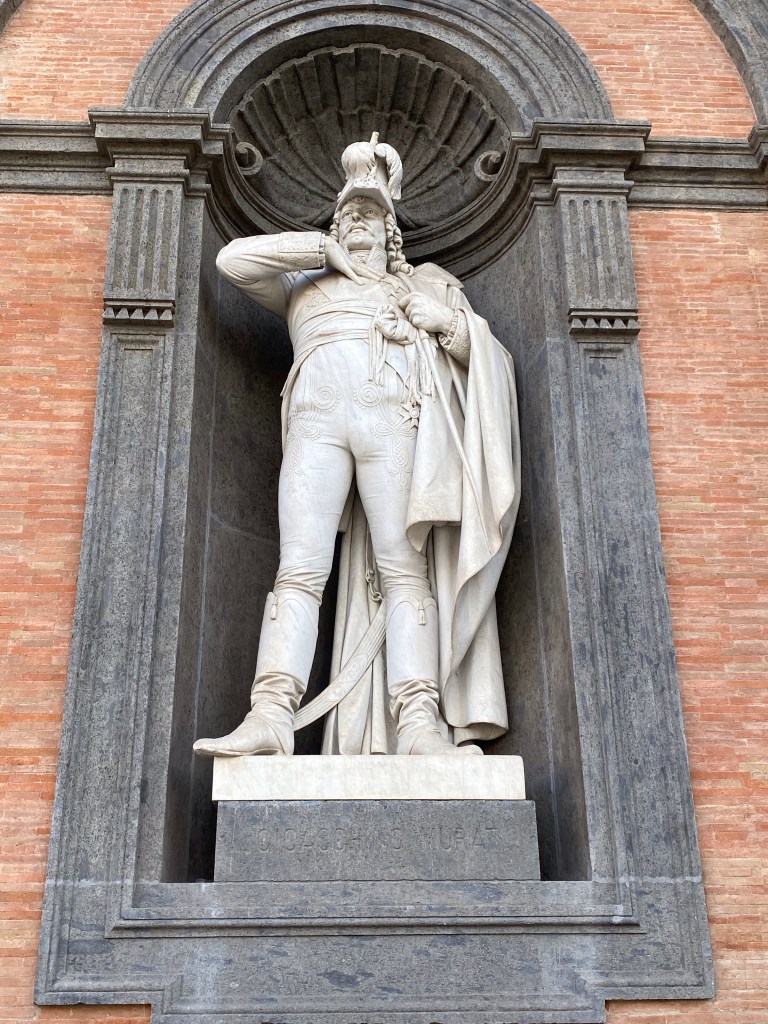
Gioacchino Murat

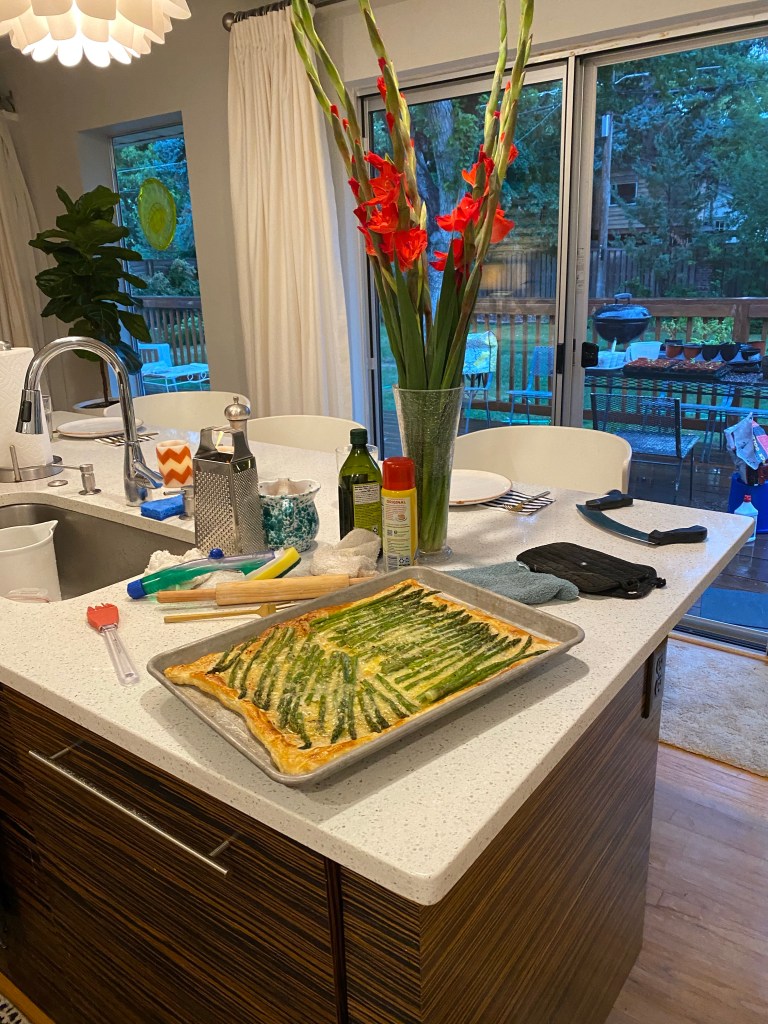
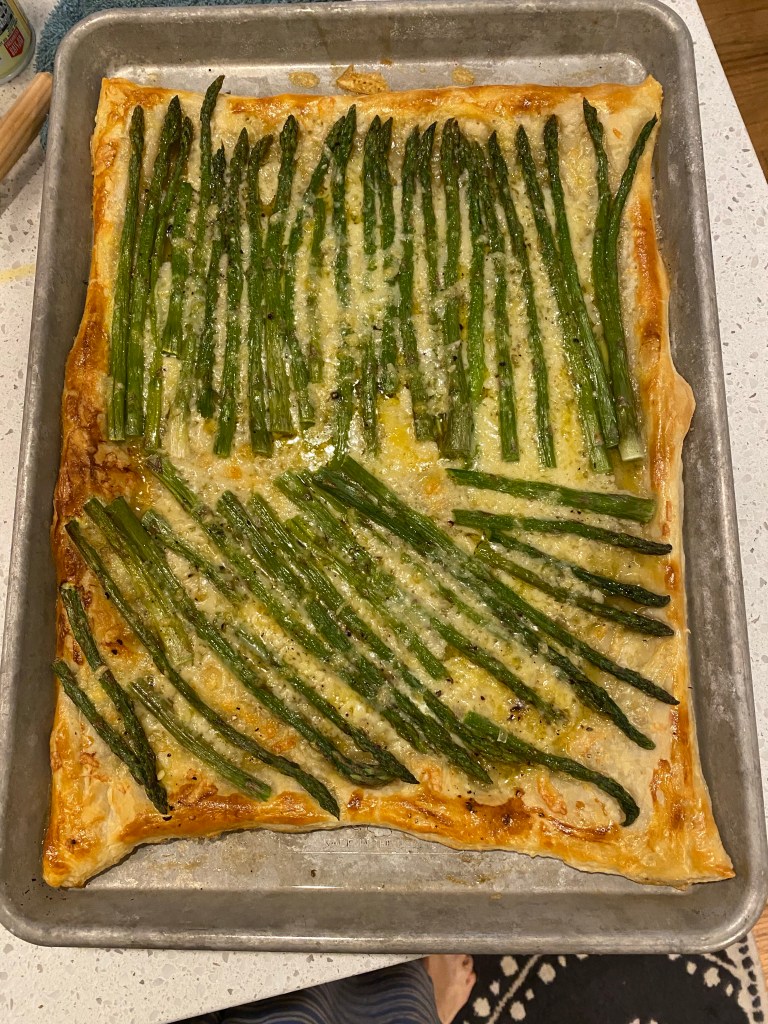
Rainy day cooking in August
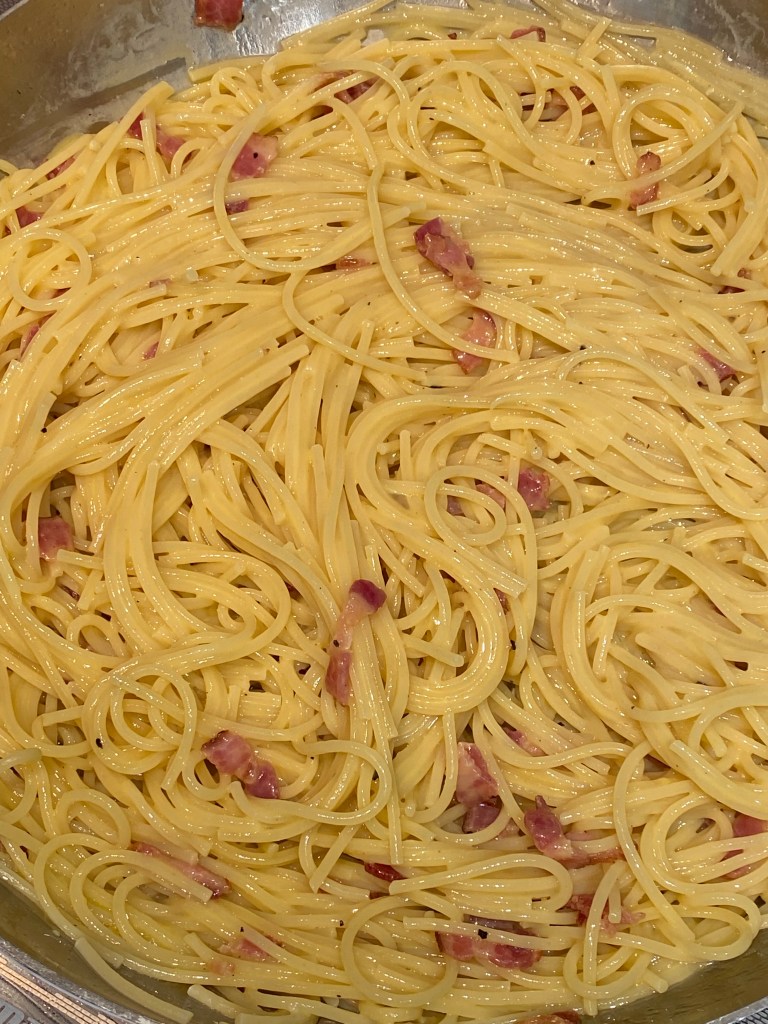
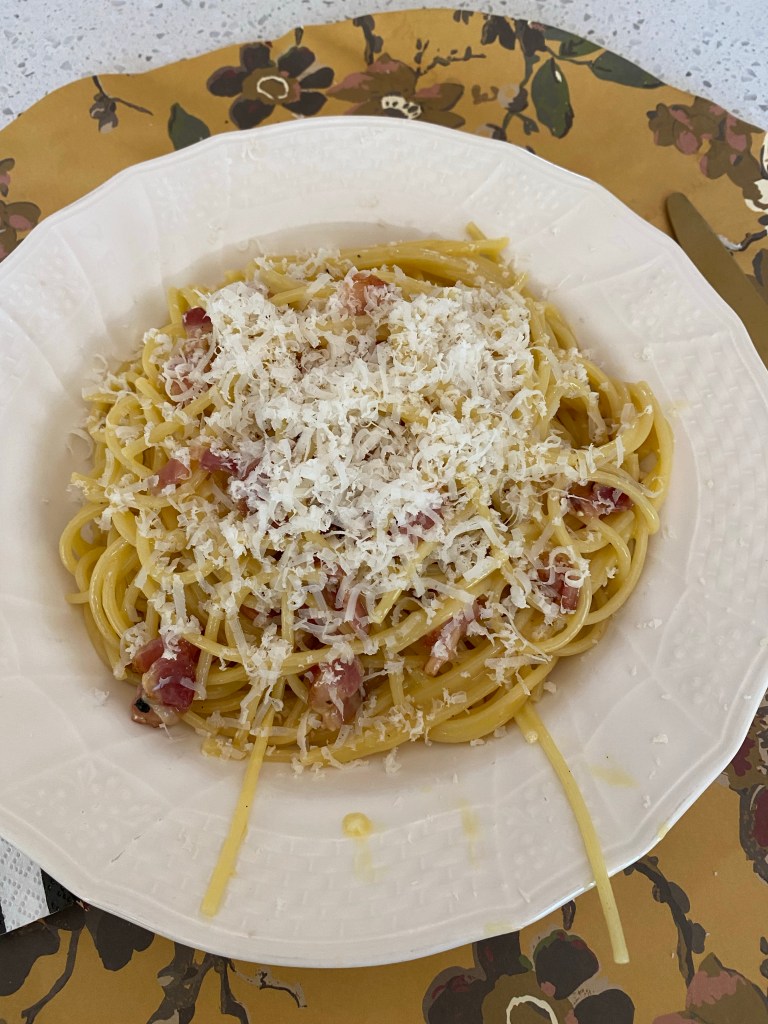
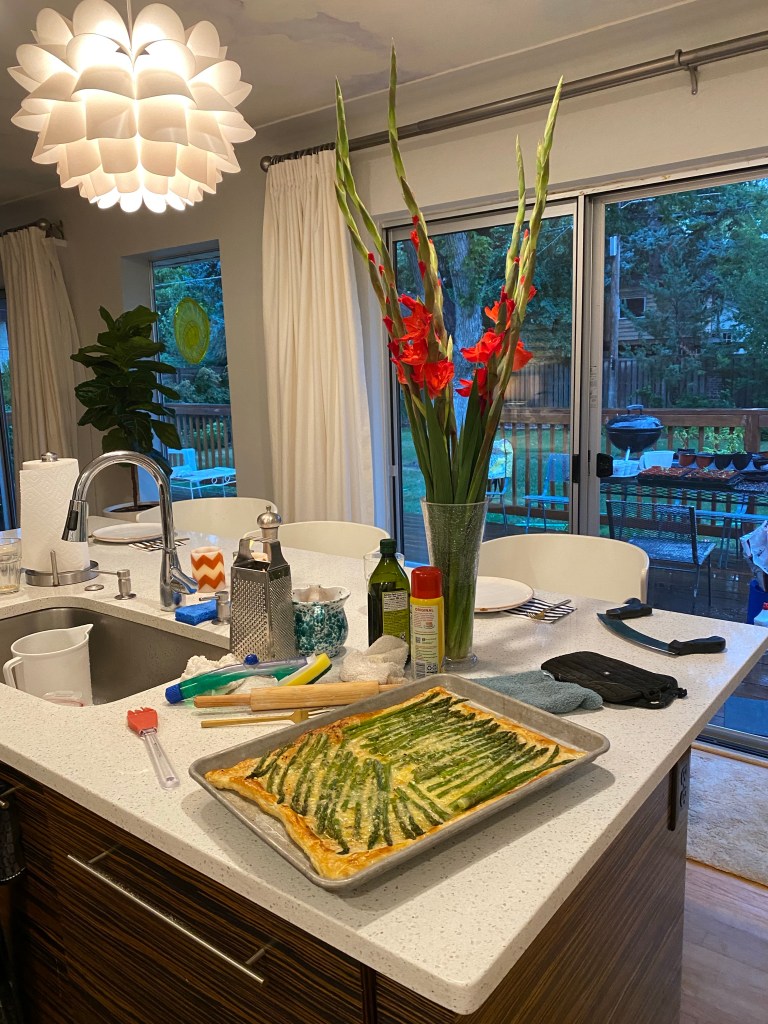
My houseguest from Florence made spaghetti carbonara and I baked a Gruyère and asparagus tart. Nothing like a few carbs to chase the blues away!


Andiamo a Napoli! Let’s go to Naples!
Cenacolo di Sant’ Apollonia, Florence
The Last Supper by Andrea del Castagno, 1447

The Cherry Creek neighborhood in Denver
Gliding over the waters of Venice
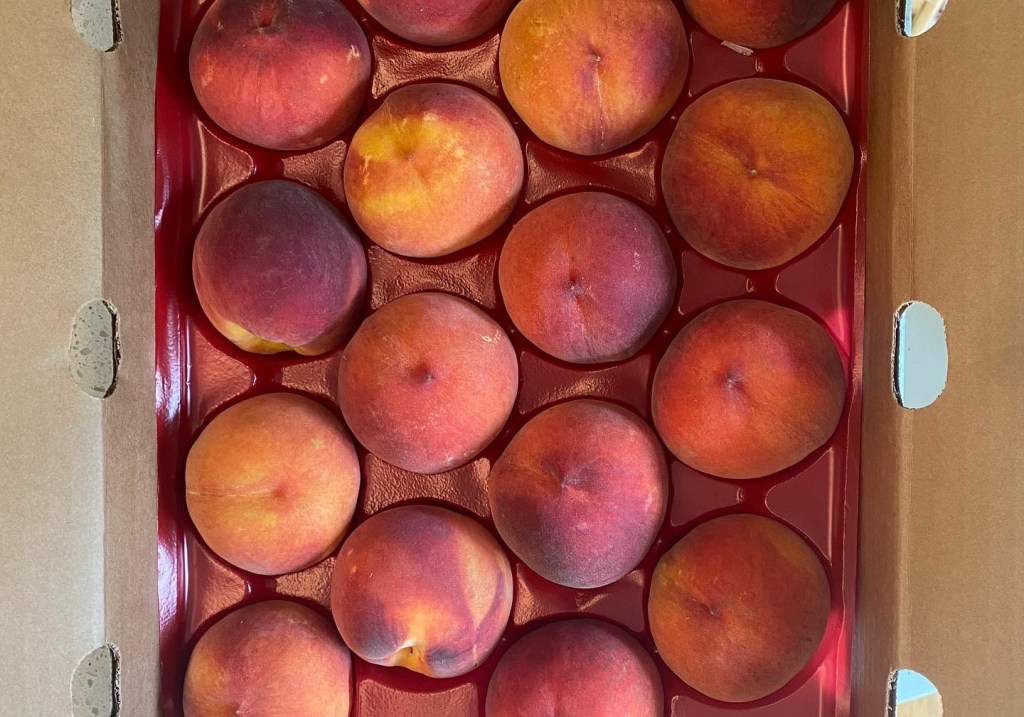
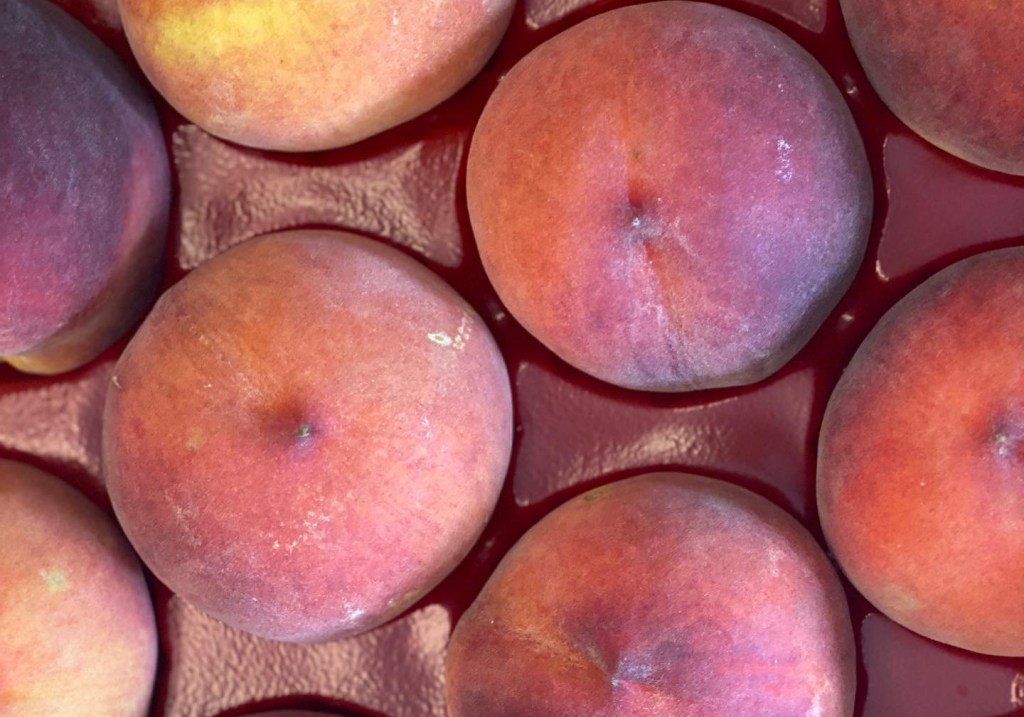
Colorado’s Palisade peaches
Every region has its blessings. One of Colorado’s are these incredible peaches! what a great time of year!






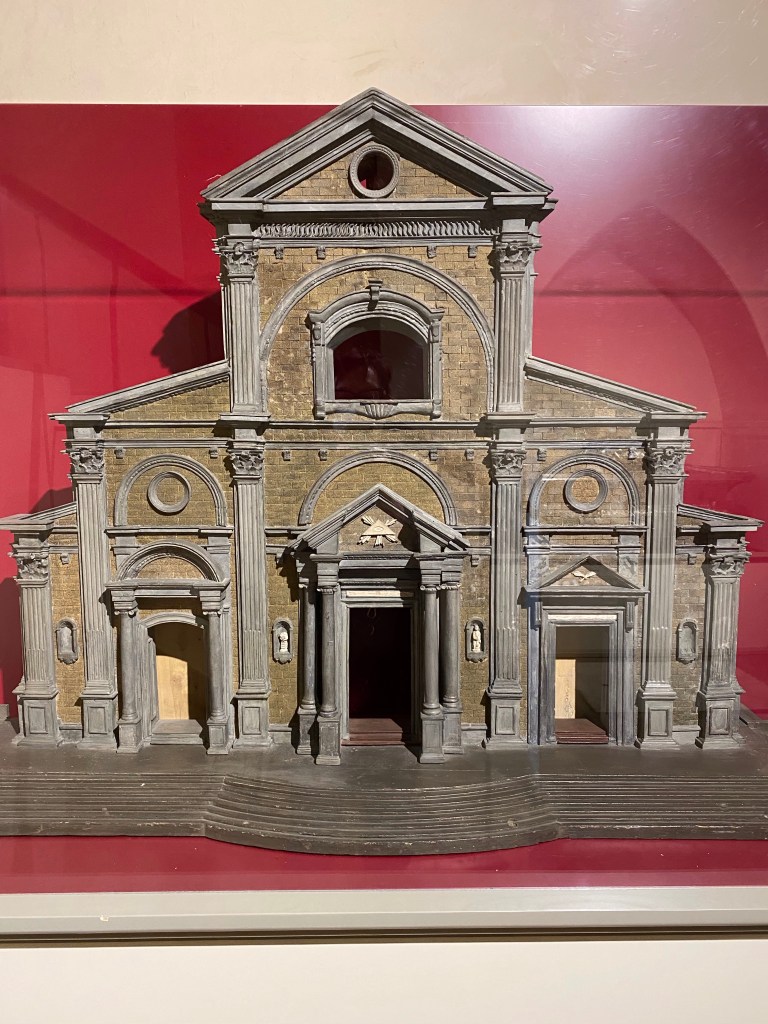
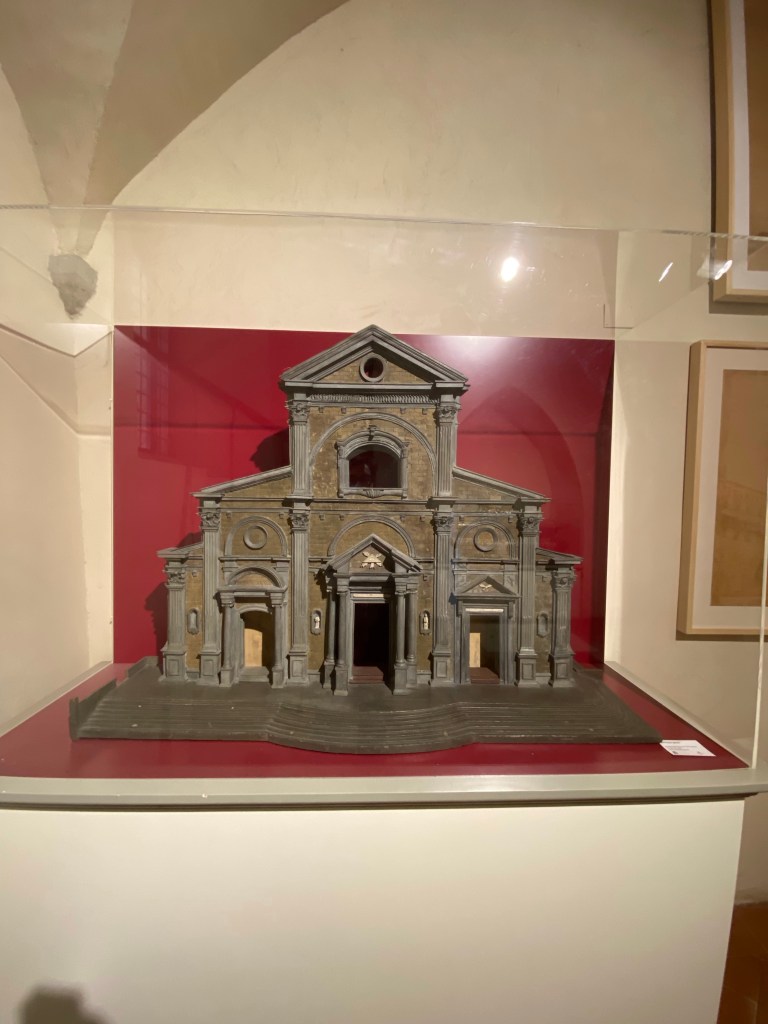
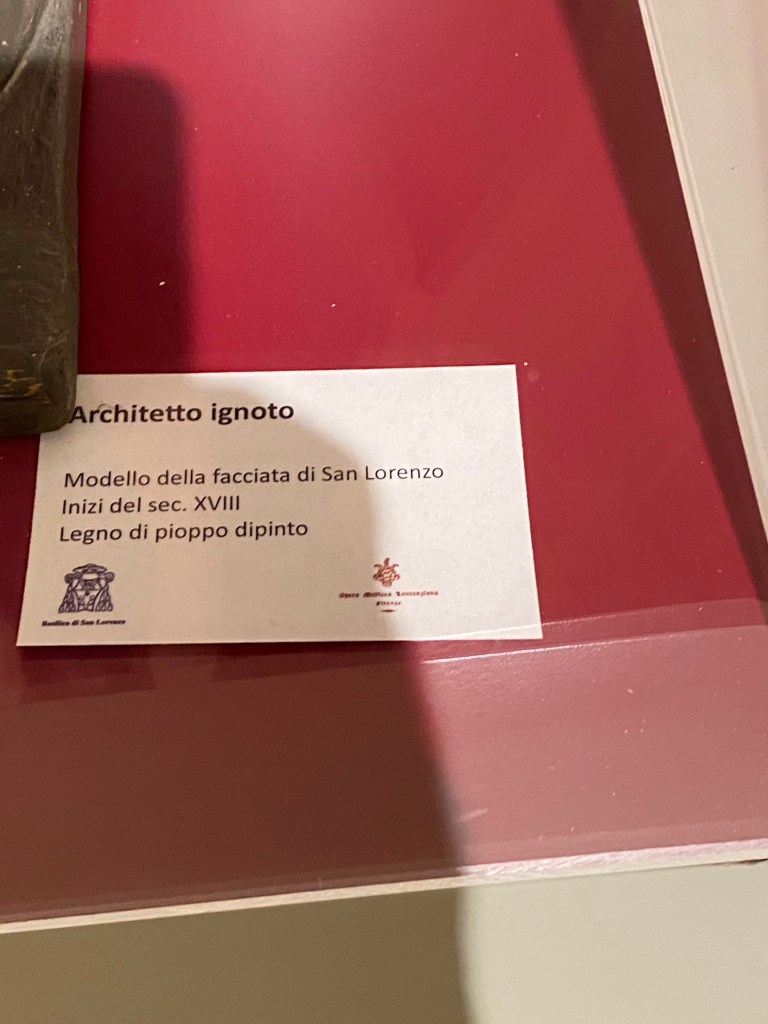
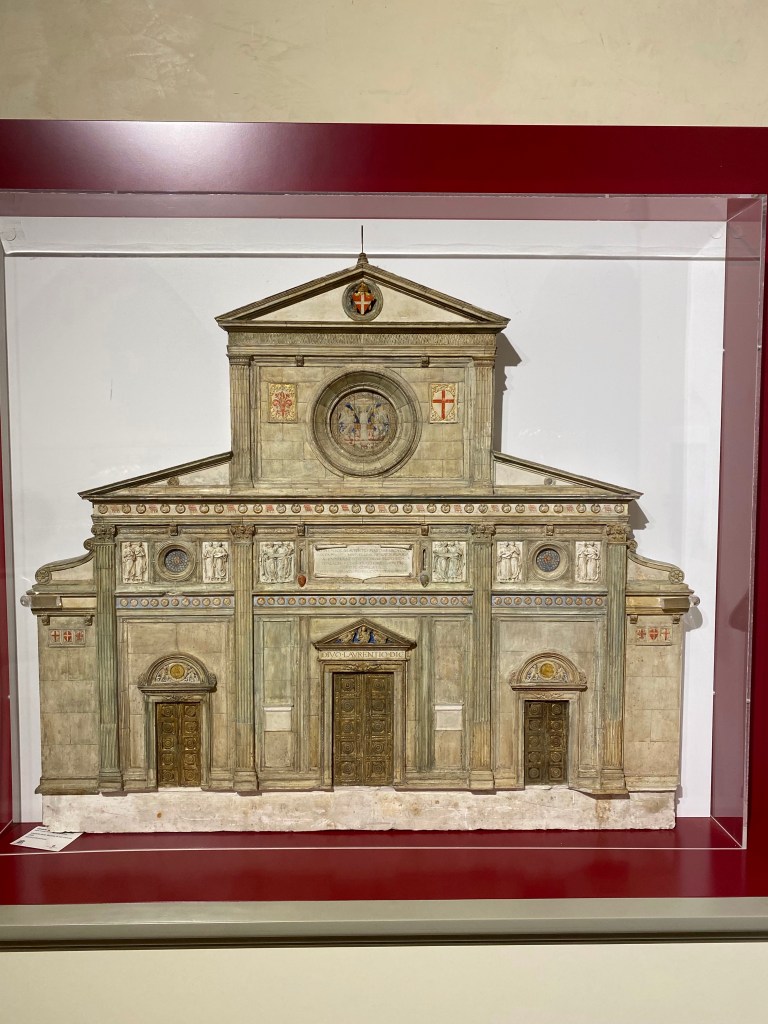
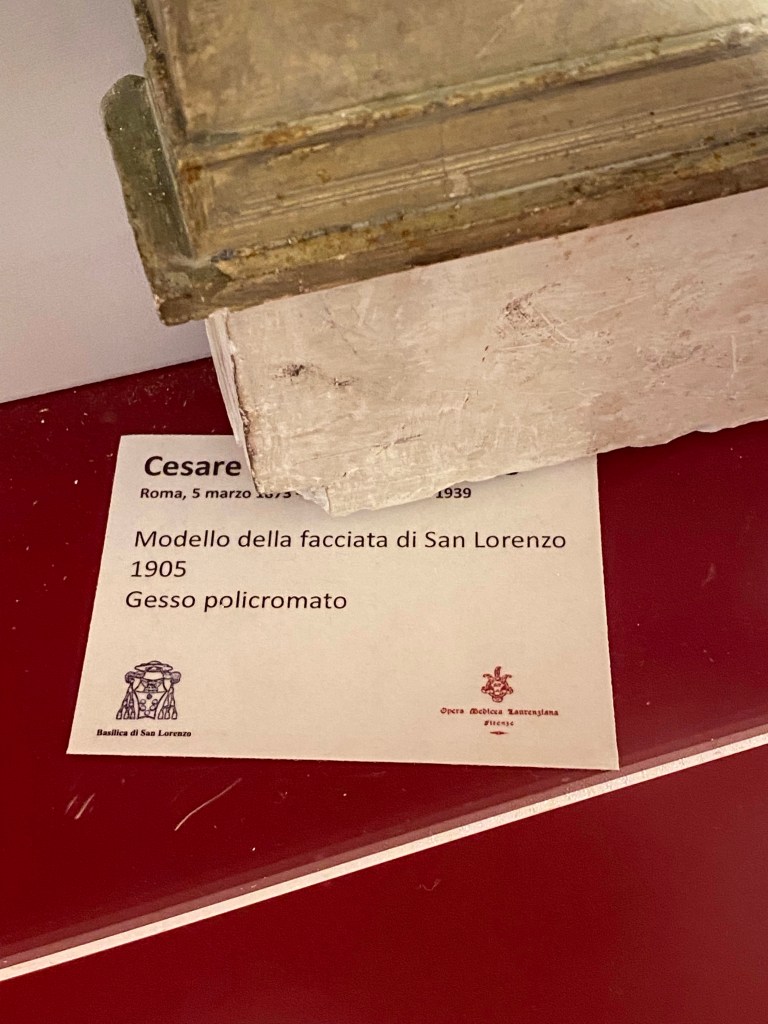
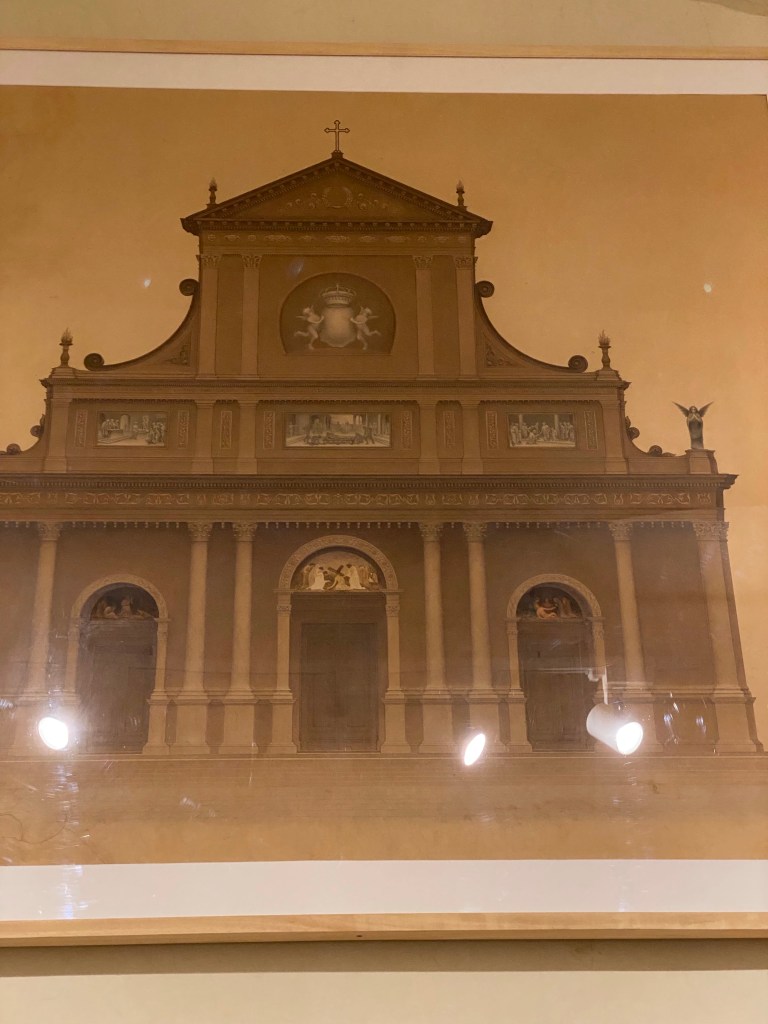
The facade of San Lorenzo, Florence
The Medici Pope Leo X gave Michelangelo the commission to design a façade in white Carrara marble in 1518. Michelangelo made a wooden model, which shows how he adjusted the classical proportions of the facade, drawn to scale, after the ideal proportions of the human body, to the greater height of the nave. The work remained unbuilt. Michelangelo did, however, design and build the internal facade, seen from the nave looking back toward the entrances. It comprises three doors between two pilasters with garlands of oak and laurel and a balcony on two Corinthian columns.
In recent years, the association of “Friends of the Elettrice Palatina” and the Comune of Florence re-visited the question of completing the outer facade according to Michelangelo’s designs. To assist with the public debate, a computerized reconstruction was projected onto the plain brick facade in February 2007. As yet, no decision has been made on the project.[5]
The campanile dates from 1740.
The Paris metro, the only way to get around Paris
From my station at Passy
This is my reward for using the metro from Passy!


You must be logged in to post a comment.