To humans, from Florence
Phase 2 is announced in Italy!
Woo hoo! After the world’s longest lock down for corona virus (to date, anyway), come May 4, we can go out and take a walk through the parks again! I cannot wait for May 4!
Of course, there are some funny items to go with the new phase:

Above it says, from PM Conte, “you must lose weight.” Ain’t it the truth!

My problem exactly
Yesterday’s walk through the outskirts of Florence


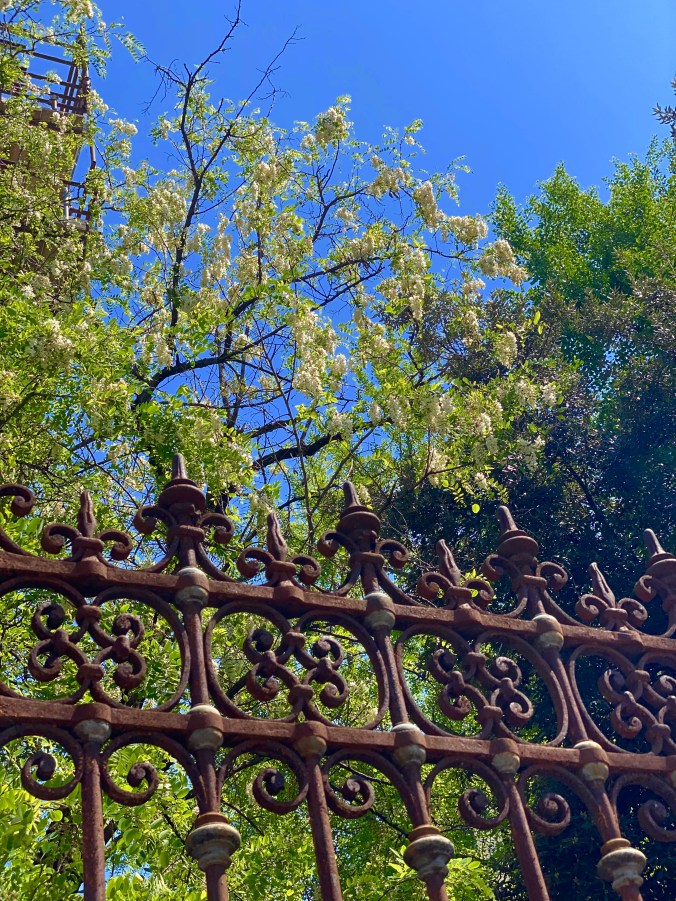


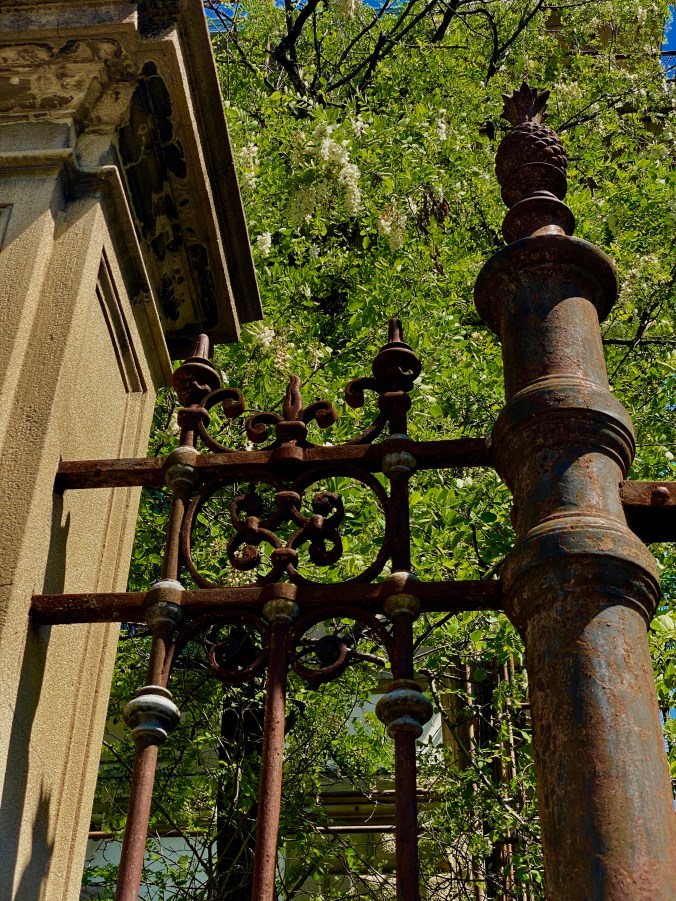

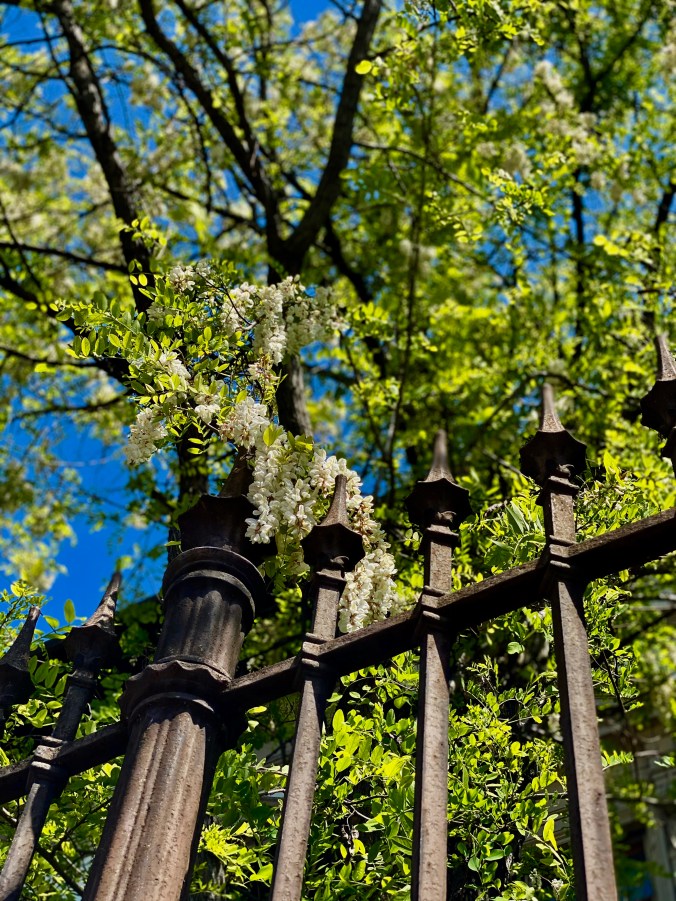


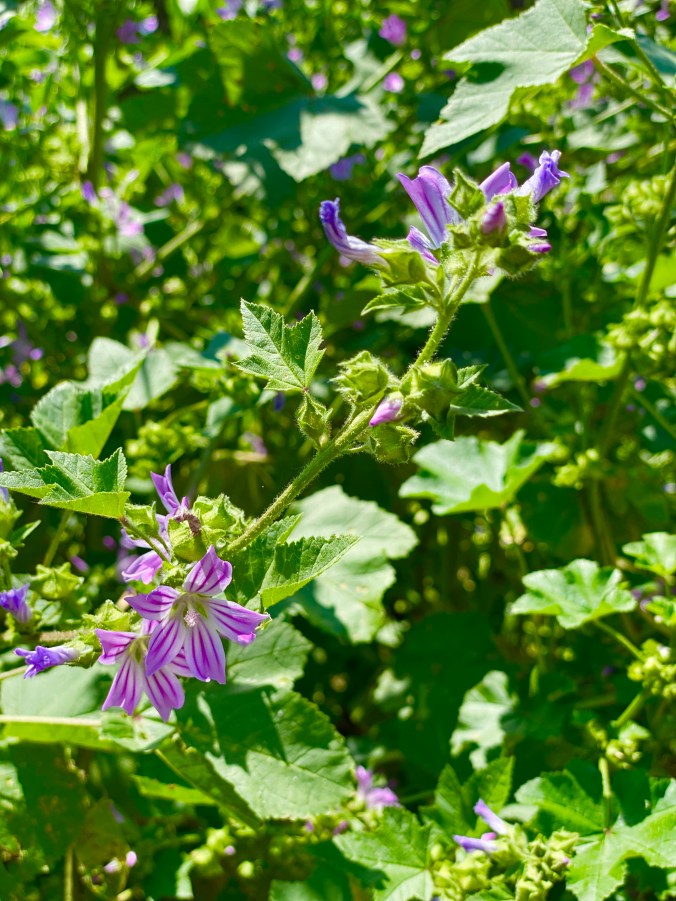


Buongiorno principessa!
Roundup
This roundup is winding down...la quarantena estrema will soon be (forever, we hope) a thing of the past….And, grazie a dio, I’ll be moving on to better content.


The Quarantine and me
I don’t usually write my dark thoughts on my blog. I try to keep it light and filled with beauty.
But the dark side is there and the quarantine has allowed it to fester. I’m attaching a letter I wrote this week to a friend about these past 6 weeks.
*******
Hi, thanks for checking in. We are still staying at home although last week bookstores as well as children’s clothing stores were allowed to reopen in addition to pharmacies and grocery stores. Some outdoor food markets and small milk stores (yes, we have them!) and bakeries are also open.
I go out about once a week to take out the trash and then go get supplies. Last week I ventured downtown to a small market where I can buy corn tortillas (the strange things one misses as an expat…I could write a book), and didn’t get stopped by the authorities so I went to a fav grocery in the center to buy cheddar cheese. Then, I was close to the Duomo, so I decided to have a look. I felt like an outlaw and so I was afraid to snap even a picture. Can I just tell you, the duomo looked smaller than I remembered it! Isn’t that crazy! It was a wild afternoon, to be set free temporarily!
I’m doing ok. I teach almost everyday in China and see my local friends on Zoom meets. I do my studies (Italian, art history, gardens) when I can. I try to do yoga. I make plans for what I’ll do when we are released.
We are hopeful that we will have more mobility by early May. I doubt we will be able to travel out of Florence for months to come. So fortunate to live in a place that has a lifetime of things to do and see. I know I’ll be darkening the entrances of museums and churches in a new way the day freedom comes! The quarantine has made me realize that I don’t take nearly enough advantage of the sights in my own home town. I’ve been spoiled. I will approach things with a new attitude after the quarantine ends.
Italian have, by and large, followed the rules. Rather surprisingly! I’m proud of this country and the way the pandemic has been handled here. There are no idiots protesting the stay at home rules as in the states.
What’s the climate like in **** in terms of the lock down? I saw that the fake prez wants to open some states. My lowest moment in this whole last 6 weeks happened a couple of weekends ago. I made the mistake of watching one of his press shows, which happen about 11 pm here, and then cried myself to sleep afterwards. Not from fear, cause I’m pretty much over that worry now, but from the state of affairs at the head of our government. It is a tragedy.
*****
That was my letter, and to it I want to add this article from the New York Times, because it captures in part my incredible sadness for the loss of the American I know and love.
and there was also this article, which also reflects the feelings I have:
Sorry to be a downer today. But, life isn’t only or always filled with beauty.
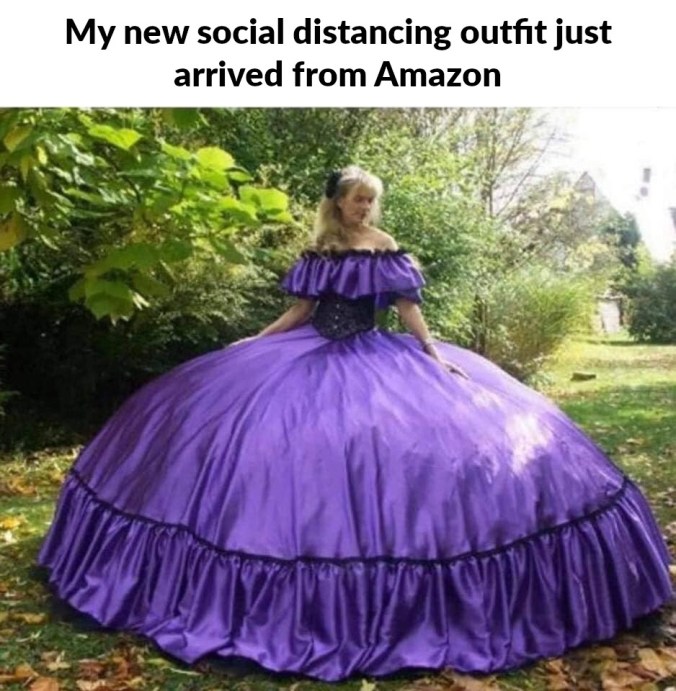
Social distancing
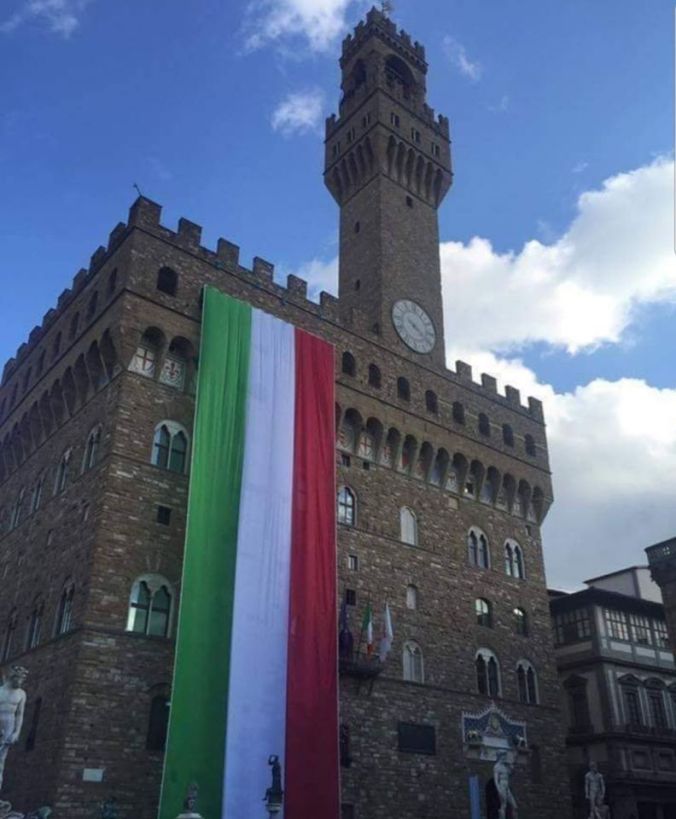
Bella Ciao for Italian Liberation Day
April 25, the day that honors the end of the Nazi Occupation of Italy.


You must be logged in to post a comment.