This old photo dates to the famous snowstorm in Florence of February, 1956. Shot near Ponte Santa Trinita.

This old photo dates to the famous snowstorm in Florence of February, 1956. Shot near Ponte Santa Trinita.
In ancient times, the Carnevale of Florence was among the most brilliant and noisy on the Italian peninsula. From the Medici times forward, members of the same noble families wore the same kind of masks and went through the city until all hours, singing and carrying so many torches it was “as if it were full day.”
The carriages courses had not yet been invented, but the revelry and the noise that was made in the streets in those days made Florence the most carefree and gay city in the world.
Carnival goers would go to the Mercato Nuovo (where the silk merchants and drapery shops were located) with flasks, and also to the Mercato Vecchio, between ferrivecchi and pannilani sellers. The young of all the leading families all took part in this gazzarra of the ball, going around disguised in creative ways and playing pranks on the unsuspecting.
More than anything, however, they tried to throw big balls into the shops so that the merchants were forced to close and send their workers out to have fun too. As long as the matter remained within these limits, people enjoyed at it, especially when in the Old Market they were throwing a ball into the workshop of a iron smith, bringing down pans, tripods and jugs, with a deafening noise.
But, over time, the revelry became excessive and caused riots. When the young nobles threw out balloons that had been soaked in mota, they ruined the fabrics and drapes of the merchants, creating great economic damages.
Hence, quarrels arose and the people objected. If the nobles were creating such problems, the plebs wanted to give them a taste of their own medicine. The commoners used bunches of rags that were drenched in pools and rivulets. These filthy bundles dirtied everything. Violence ensued in retribution.
After hundreds of arrests, the Eight of Guardia and Balìa issued a ban ordering, with the threat of severe penalties, that no one could get out with the ball before 10 pm and before the trumpets of the City had gone on the streets playing the trumpets to warn the merchants.
(Taken from Old Florence by Giuseppe Conti).
I’ve got so many great pictures from my trip to Paris in January of 2020, and some of them don’t fit neat categories. So, here, at random, are some of them:


Shots taken from the terrace above the Galleries Lafayette


The Place de la Bastille:


These plaques are all around Paris, marking key places of WWII. I hope I am not the only person who stops to notice them.

A wallpaper store with absolutely gorgeous wallpapers!


The doorways, oh, the beautiful doorways of Paris…

But, I’ve never seen a boar as the key motif! Would love to know the genesis of this!

But, then again the motif below is a bat. Weird!


I love seeing the architects and sculptors signatures inscribed in the stone on the facades of beautiful buildings.


What the flower?


I’d never hear of the Bataclan until the hideous terrorist attack a few years back. It is quite a theater.


Winter is a great time to view the architecture.

 ‘


Another WWII plaque:

During the late winter/early spring of 2017, I lived for a couple of months on Via Stufa near San Lorenzo. My 2 bedroom, 2 bath apartment was lovely and had this view out the soggiorno windows:

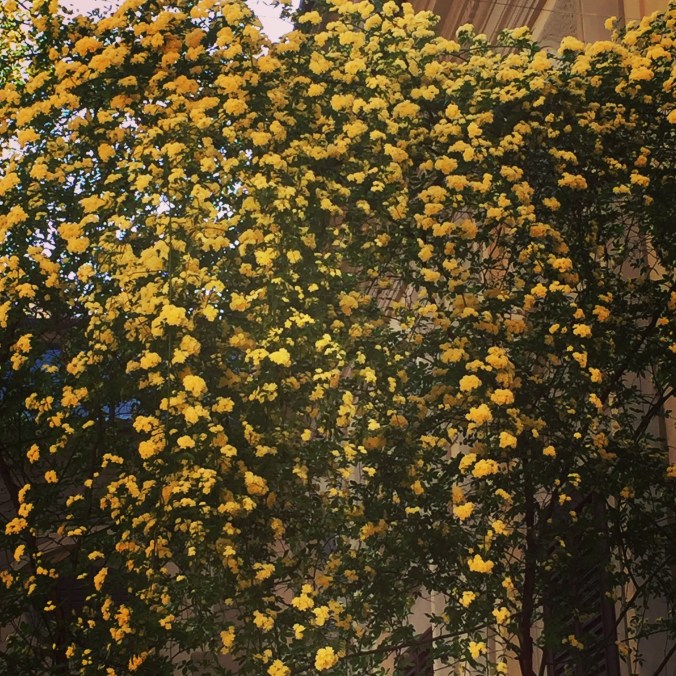


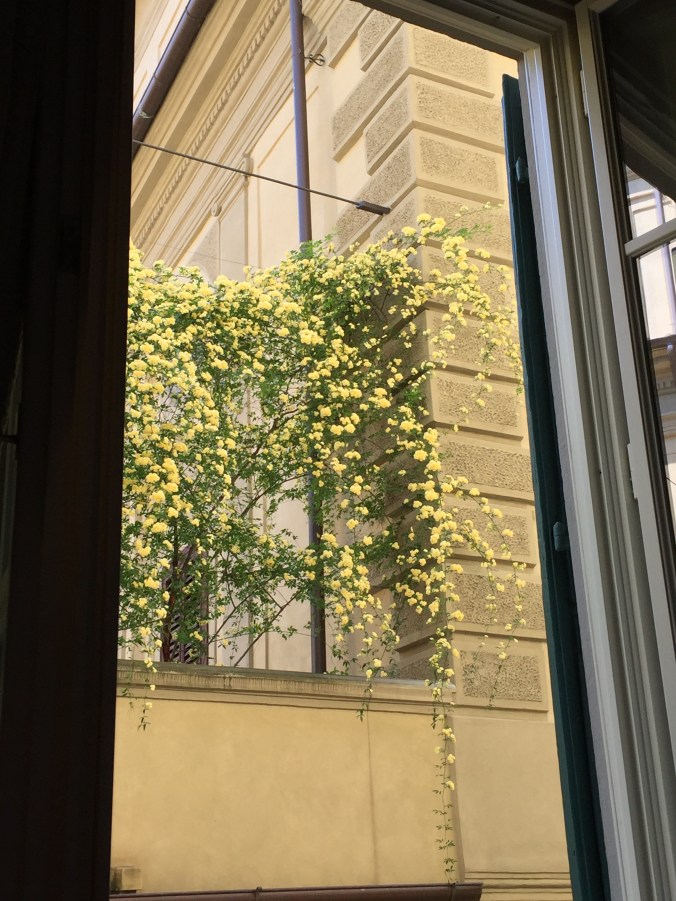
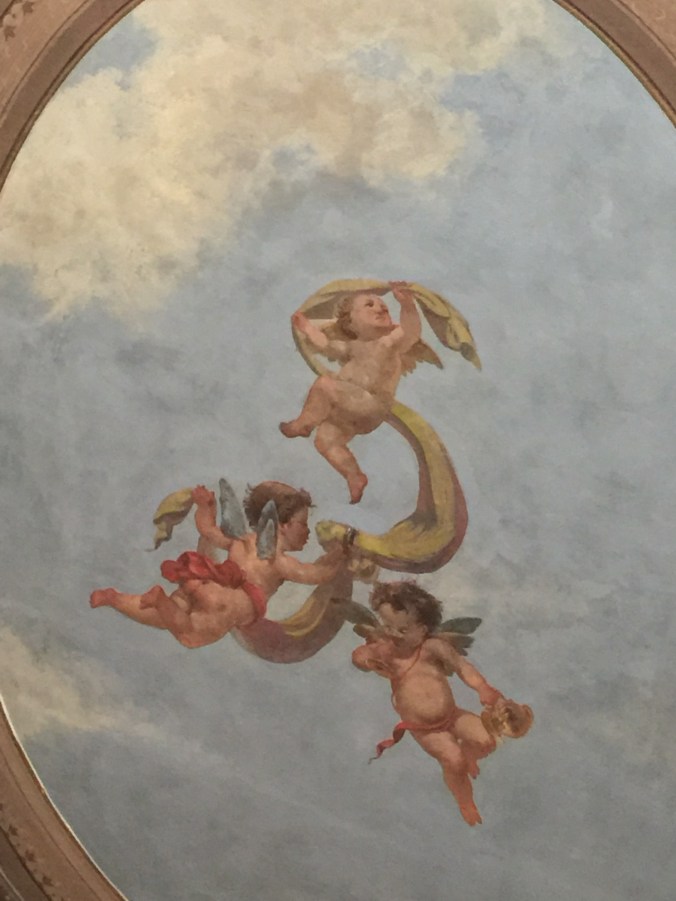
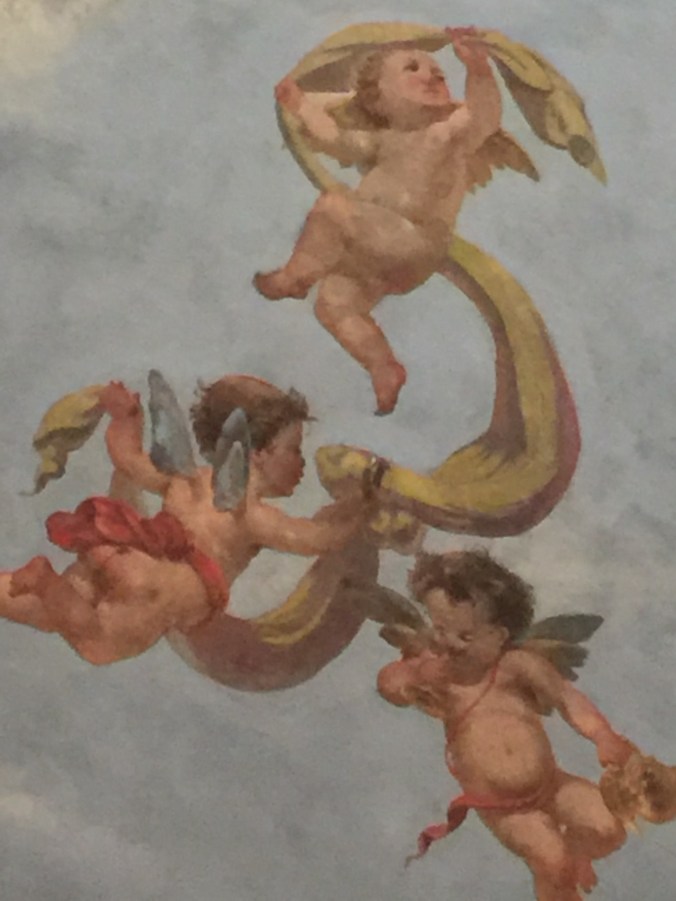
Plus, the ceiling of my soggiorno was also quite beautiful. It was a dreamy atmosphere that spring!

What a glorious place in Paris!
What a glorious winter afternoon! January 2020. So glad I came to Paris, despite the record breaking long strikes of the Metro system and other things.


What a glorious city!






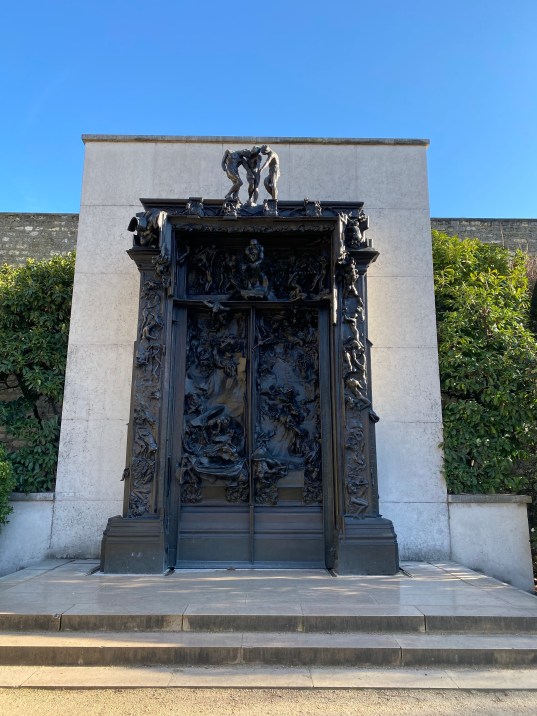
The Gates of Hell:


The Burghers of Calais:


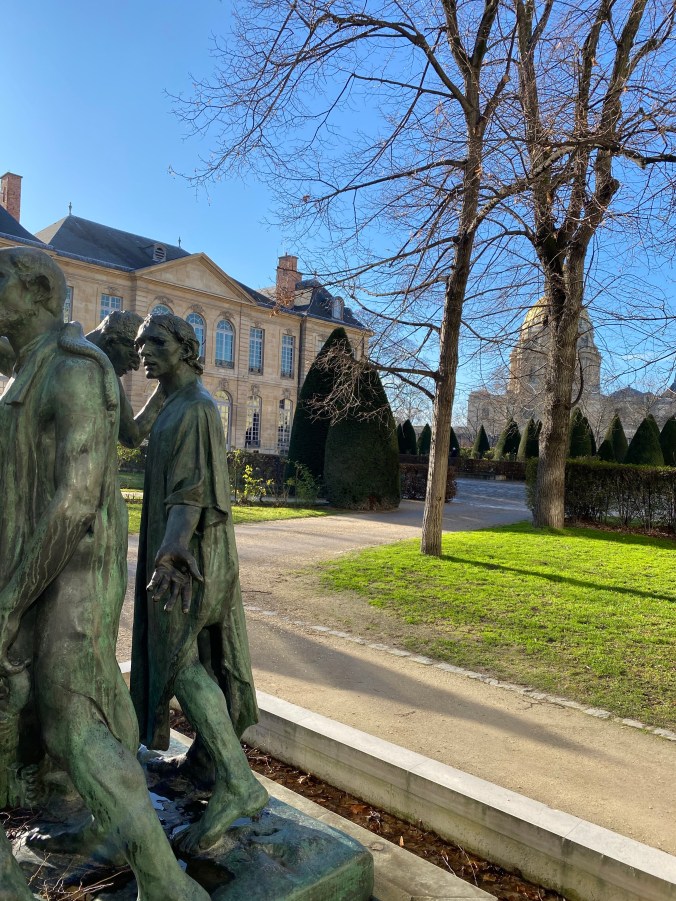


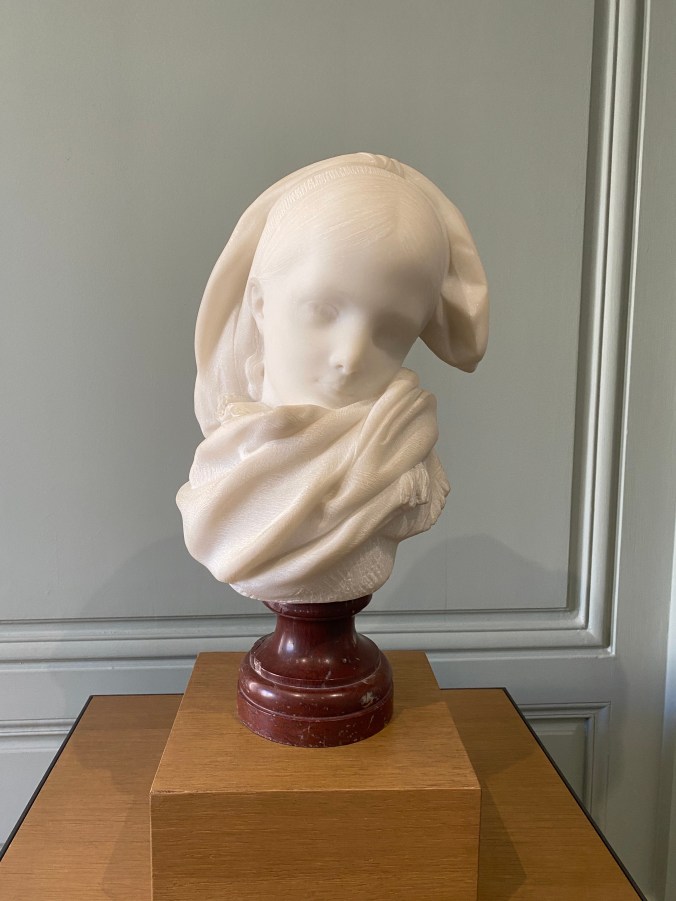


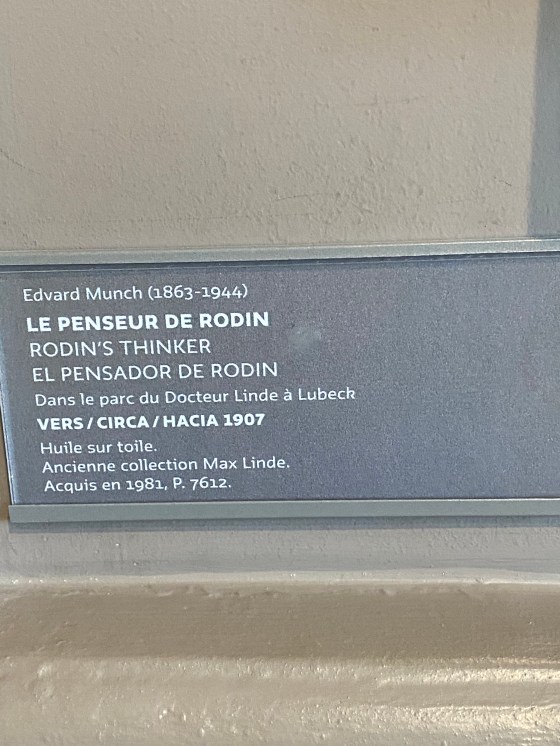
The Musée Rodin was opened in 1919, primarily dedicated to the works of the French sculptor Auguste Rodin. It has two sites: the Hôtel Biron and surrounding grounds in central Paris, as well as just outside Paris at Rodin’s old home, the Villa des Brillants at Meudon, Hauts-de-Seine. The collection includes 6,600 sculptures, 8,000 drawings, 8,000 old photographs and 7,000 objets d’art. The museum receives 700,000 visitors annually.
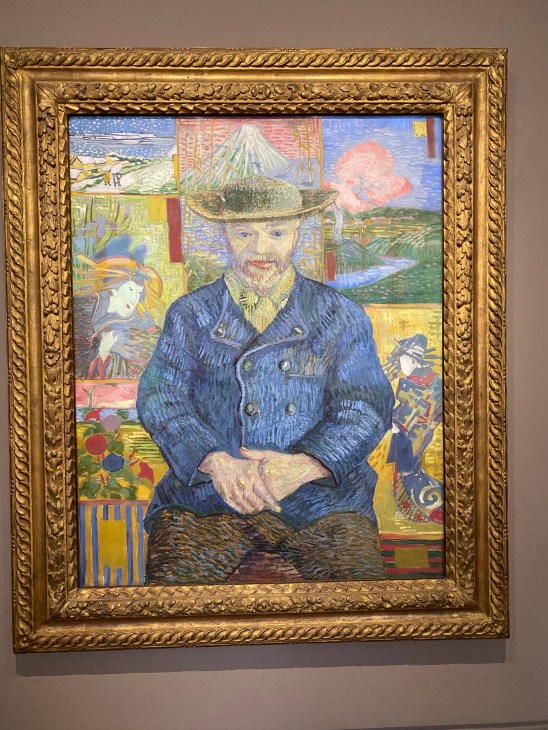
From 1908, while living in the Villa des Brillants, Rodin used the Hôtel Biron as his workshop. He subsequently donated his entire collection of sculptures – along with paintings that he owned by Vincent van Gogh, Claude Monet and Pierre-Auguste Renoir to the French State on the condition that they turn the buildings into a museum dedicated to his works.
The Musée Rodin contains most of Rodin’s significant creations. Many of his sculptures are displayed in the museum’s extensive garden. The museum includes a room dedicated to the works of Camille Claudel and one of her two castings of The Mature Age.
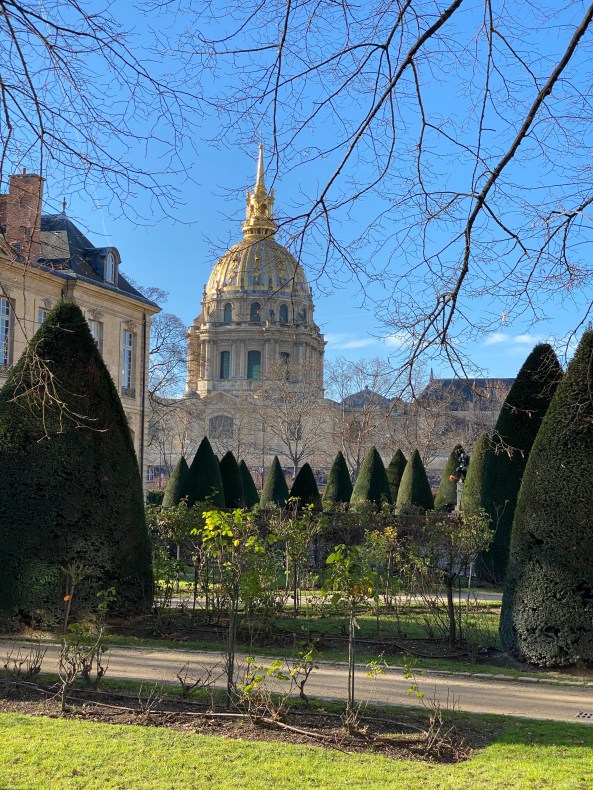
The gardens around the museum building contain many of the famous sculptures in natural settings. Behind the museum building are a small lake and casual restaurant. Additionally, the nearby Métro stop, Varenne, features some of Rodin’s sculptures on the platform.
Pictures of a random selection taken in one afternoon in the Rive Gauche:

The serpent above is my all-time favorite.


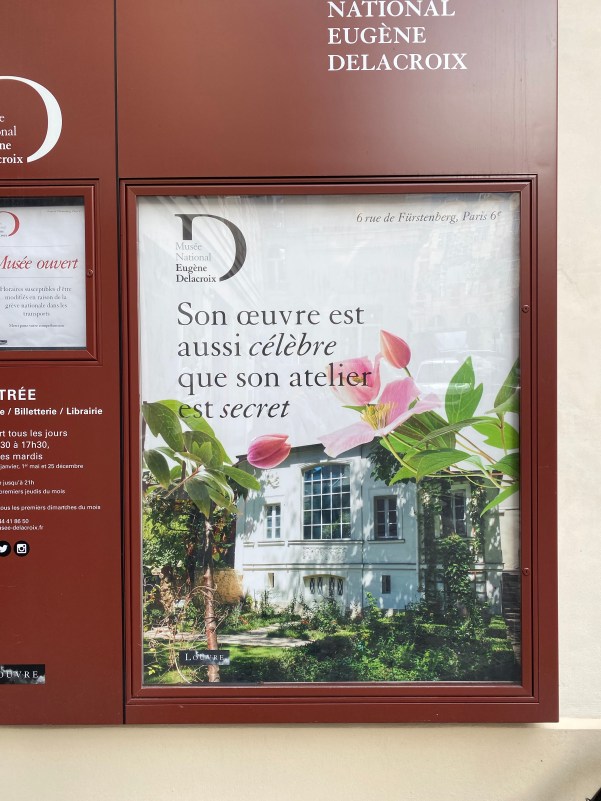
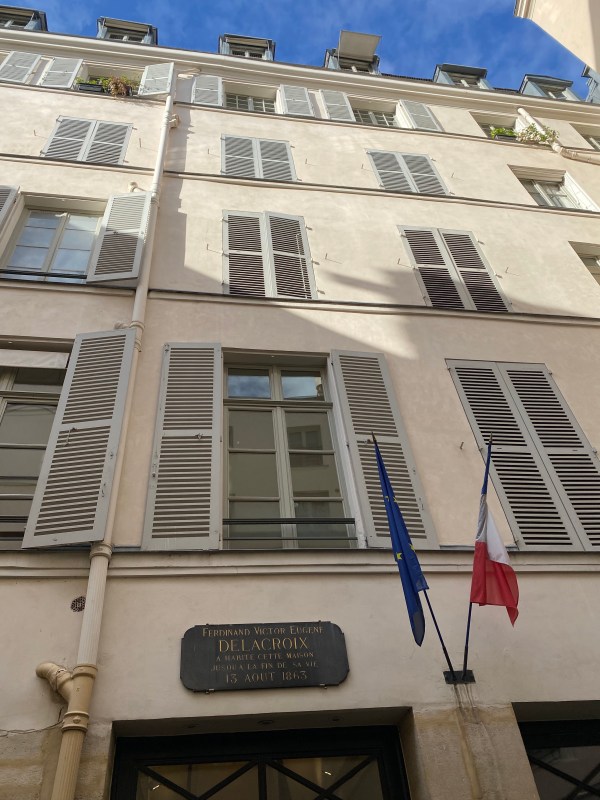
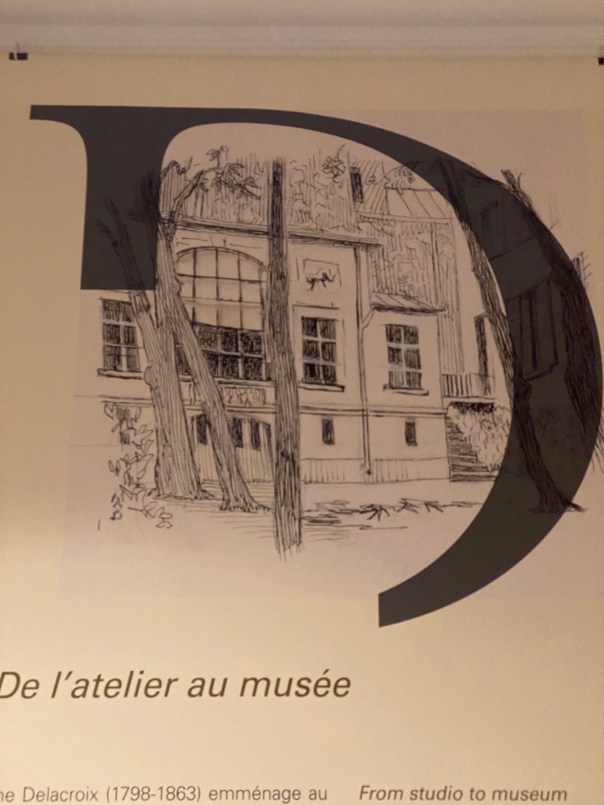
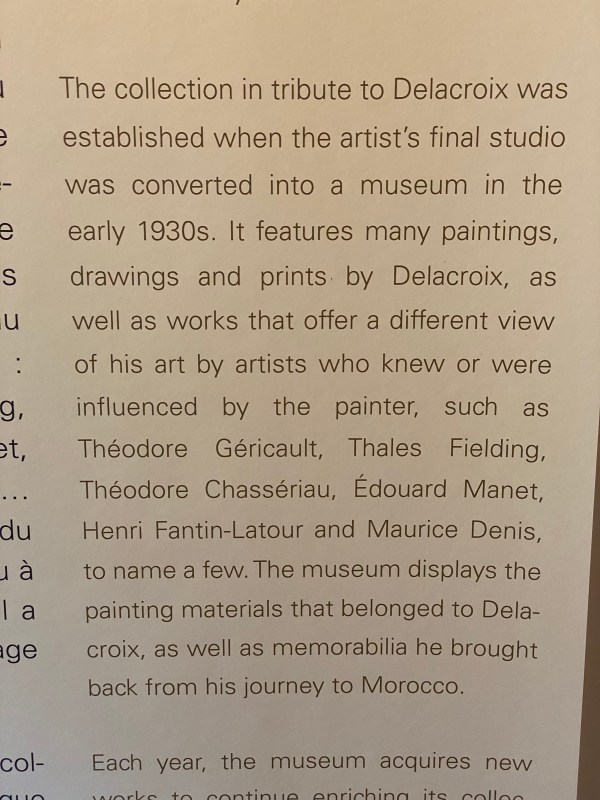
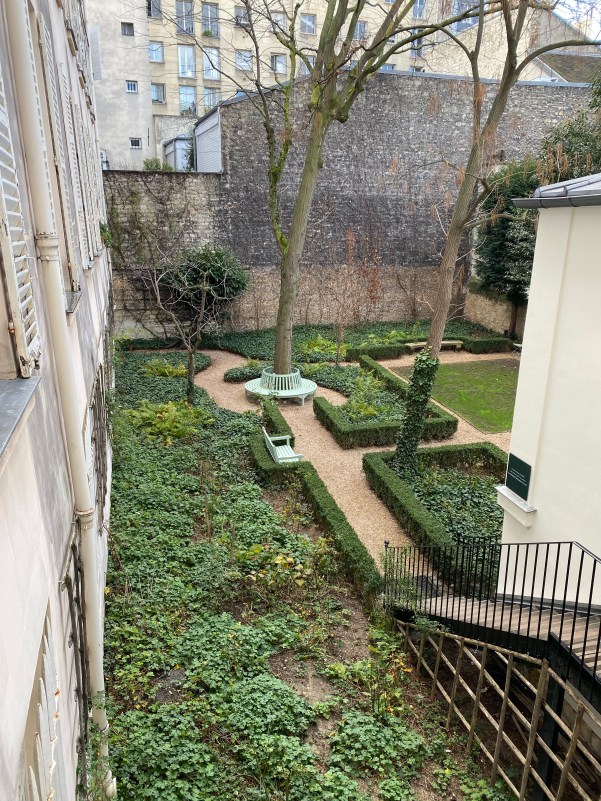
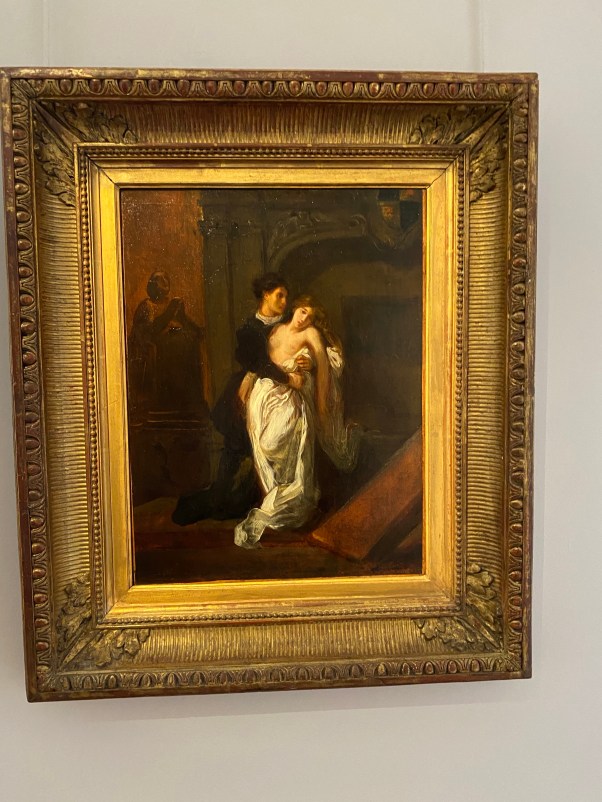
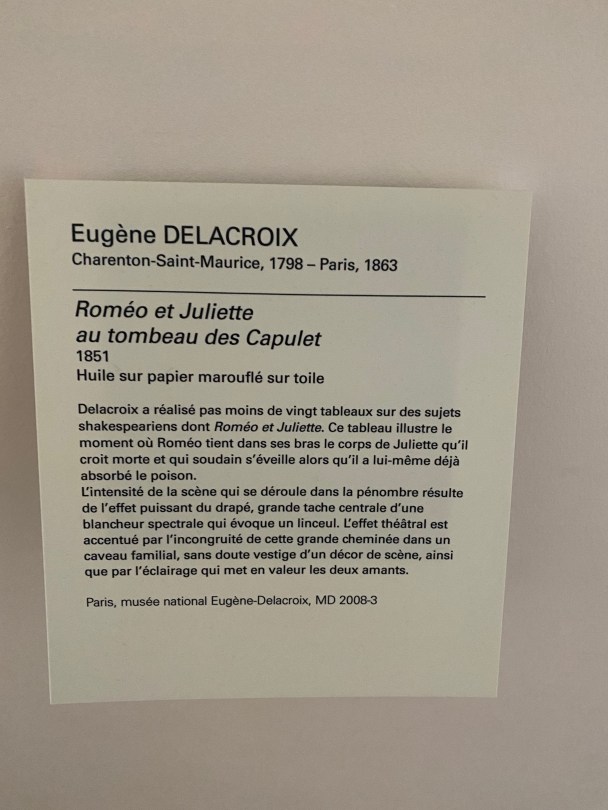
For a long time I have wanted to visit this small, but excellent museum. Last week I got my chance. I enjoyed it a lot and the lovely hidden garden was a delight to discover! This left bank artist home is well worth a visit.



When the outdoors are dressed up like a living room, it’s a sure sign something fun is up:

For more, see: https://www.architonic.com/en/fair-edition/pdo-paris-deco-off-pdo-paris-deco-off-2020/20076520


You must be logged in to post a comment.