April fools
Why are zebras striped?
I have honest to goodness thought about and wondered this my whole life. Now we know: sickness bearing flies.
Now, if someone could explain why giraffes have those beautiful checks?!
Burning questions, desperately seeking answers.
Giardino Torrigiani, Firenze
Mount Rushmore, SD, 1932

1932 photo, Gutzon Borglum and supt. inspecting work on face [nose] of Washington, Mt. Rushmore, S.D.
Virtual tour of a rich Roman era home
The 60s in Florence
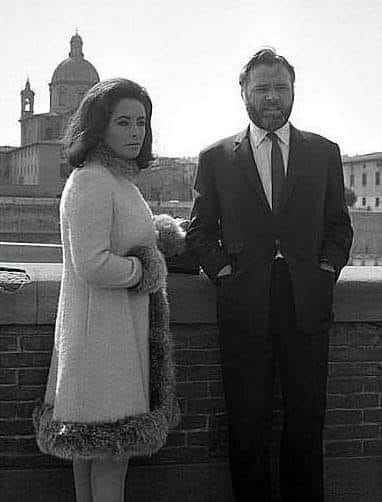
Liz Taylor e Richard Burton a Firenze negli anni ’60
Taylor and Burton along the Lungarno; they were staying at the nearby Excelsior Hotel, according to local sources
A short note on Pietrasanta and the artist Romano Cosci
Yesterday I had the chance to see the Carnevale parade in Pietrasanta. I want to add a short note on the town itself.

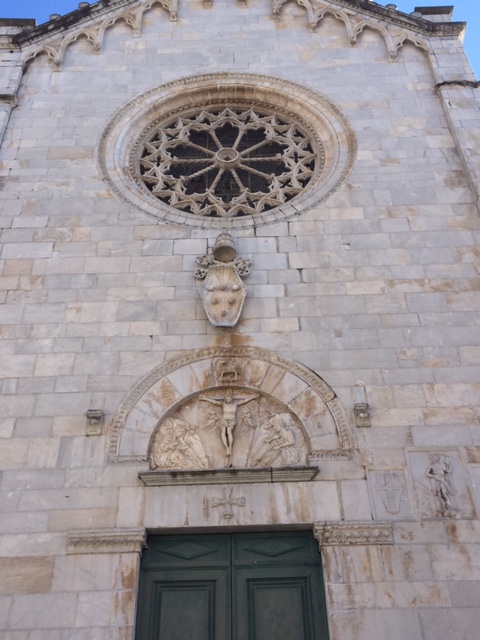
Above and below are picture of Pietrosanta’s duomo. A service was ongoing when I stopped inside. It is actually a pretty rare event that I find a service going on in the many churches I visit throughout this country. Who’d a thunk it?
It was nice to observe. And, il duomo is quite wonderful, filled with interesting paintings and sculptures.



As ever, the simple local bars serve cappuccino to die for. Starbucks, eat your heart out.


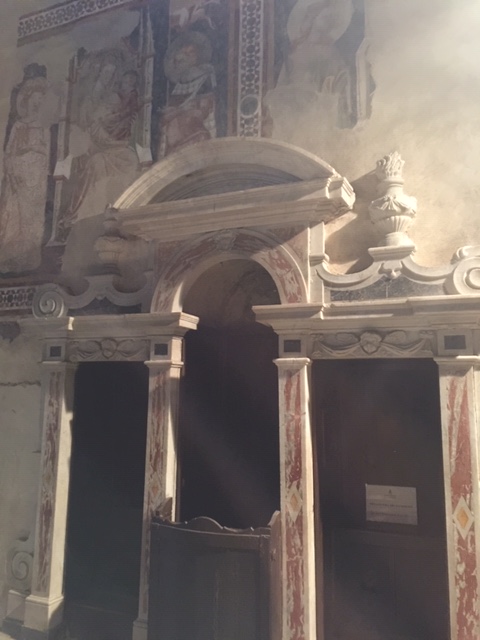
The deconsecrated church of Sant’ Agostino today serves Pietrasanta and environs as a beautiful exhibition space for local artists. I first had the pleasure of joining my dear friend, Grayce Murabito and her friend, the actor Eddie Albert (was in Roman Holiday), in viewing an exhibition there about 35 years ago. I hadn’t been back until yesterday. Somewhere I have photos of lovely Grayce standing in front of the sign advertising the exhibition of her husband’s works: the painter and sculptor, Rosario Murabito.
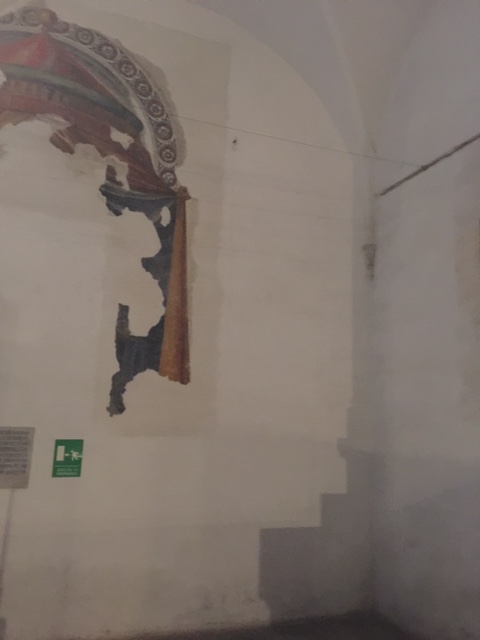
(The church itself is fascinating: Built in the 14th century, it was annexed to the convent and the ospedale dei Mercanti. The façade recalls architectural and sculptural decoration of the Cathedral of San Martino di Lucca. There are numerous tombstones on the floor and sections of fresco cycles from the 14th-15th centuries. The former church was deconsecrated before the mid 1980s, and has subsequently been used for temporary exhibitions, especially in the summer months. For information you can contact the “Russo” cultural center, in via sant’Agostino 1, call 0584.795500 or visit the website http://www.museodeibozzetti.it. See also www.comune.pietrasanta.lu.it and official page http://www.facebook.com/comunedi.pietrasanta?fref=ts )

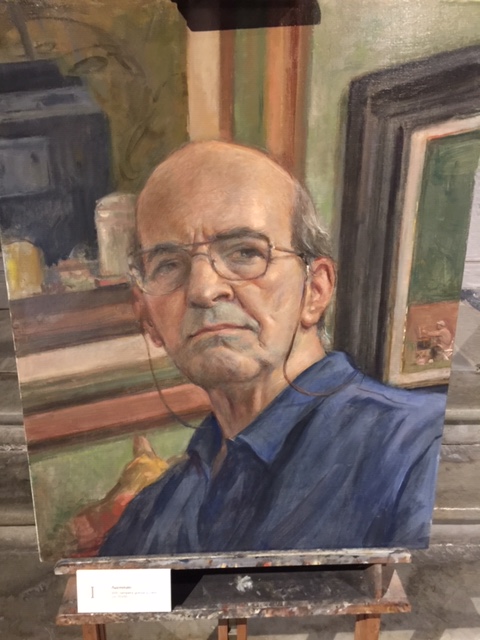
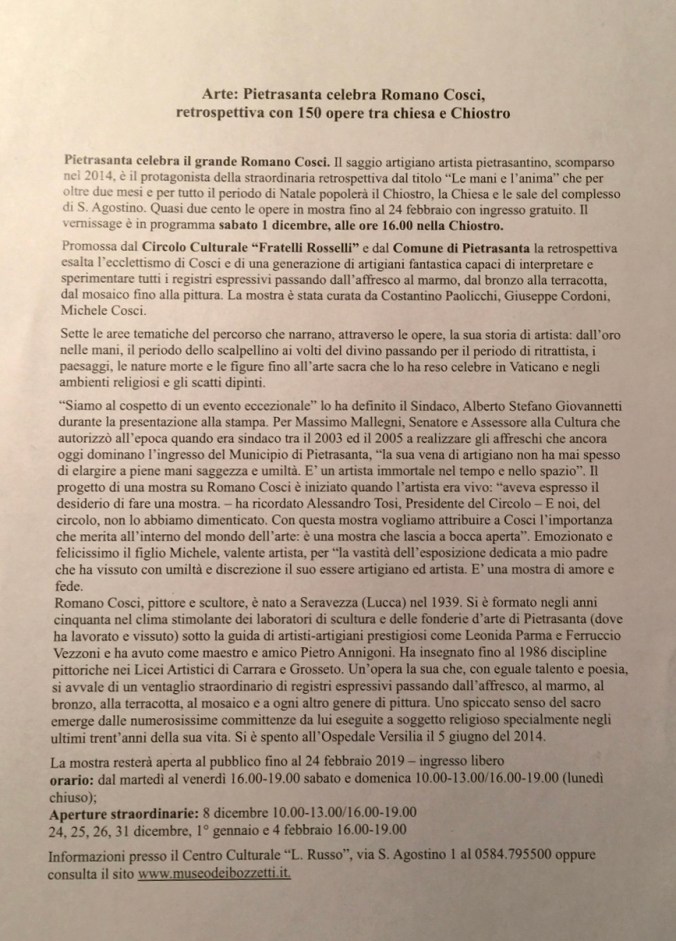
Romano Cosci, painter and sculptor, was born near Lucca in 1939. He was trained in the fifties in the stimulating atmosphere of the sculpture workshops and the art foundries of Pietrasanta (where he worked and lived) under the guidance of artists – prestigious artisans like Leonida Parma and Ferruccio Vezzoni and had as a teacher and friend Pietro Annigoni. Until 1986 he taught pictorial disciplines in the artistic high schools of Carrara and Grosseto. His work, with equal parts of talent and poetry, make use of an extraordinary range of expressive media, passing through fresco, marble, bronze, terracotta, mosaic and every other kind of 2-d design. He died in 2014.
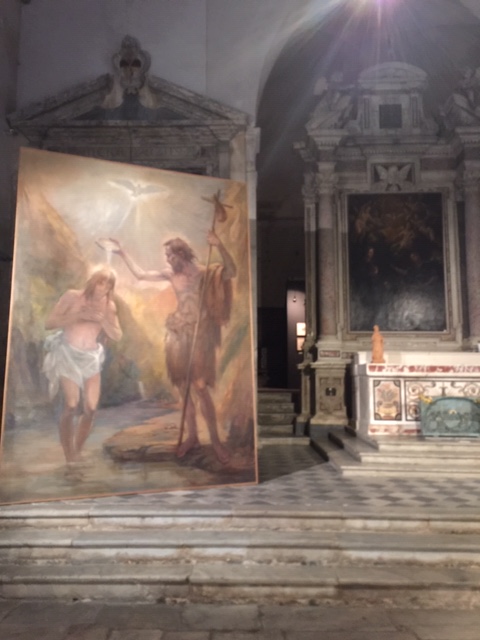


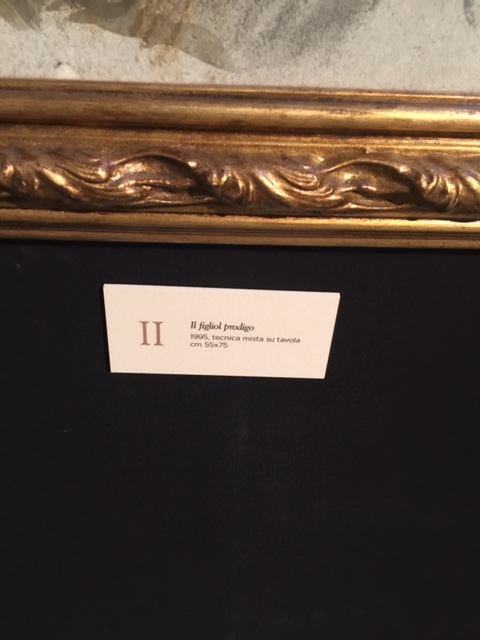



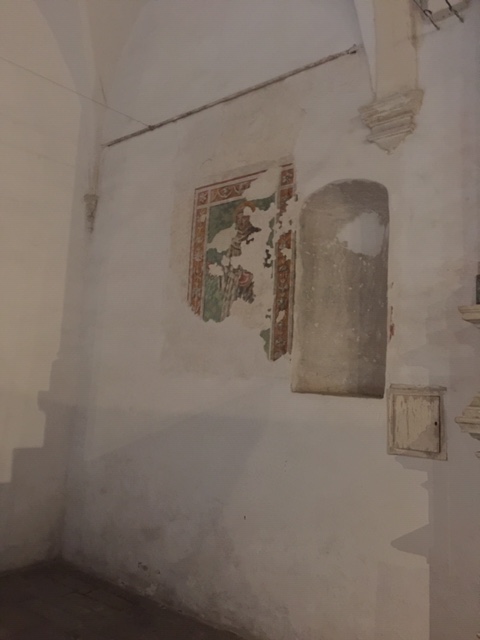

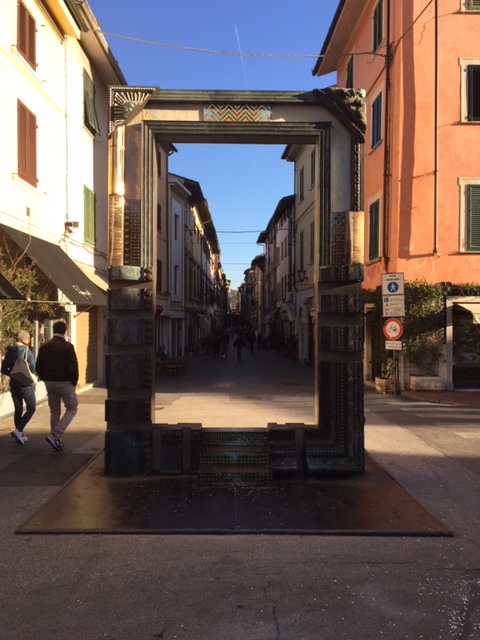
A couple other views of lovely Pietrasanta:


Carnevale in Pietrasanta!
Think of Carnevale in Italy and you are sure to think first of Venice. I know I do!
But the season is alive throughout the peninsula and the small ones have a charm that Venice, for all its glory, lacks.

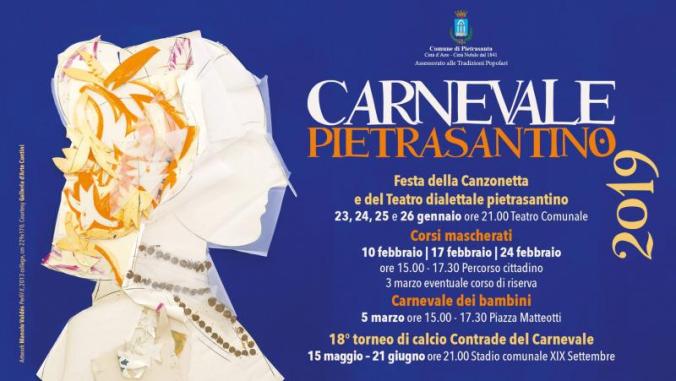
Yesterday I had my first taste of a smaller, home-grown version of the Carnevale parade in the lovely little artsy town of Pietrasanta. This small town is part of Versilia on the coast of northern Tuscany, about 20 miles north of Pisa and 15 miles south of Carrara. Only 2 miles from the coast, you can quickly reach the beach of Marina di Pietrasanta and the fashionable Forte dei Marmi. But those two places are best reserved for a warmer time of year.
The Carnevale in Pietrasanta is composed of locals, young and old, and devoid of pretension.

That’s what I liked most about it!
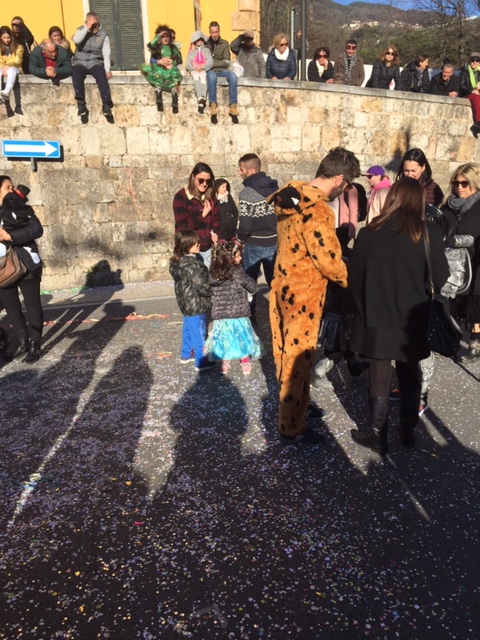
Of course it didn’t hurt that it was a beautiful, almost spring-like day with cerulean skies and puffy white clouds.
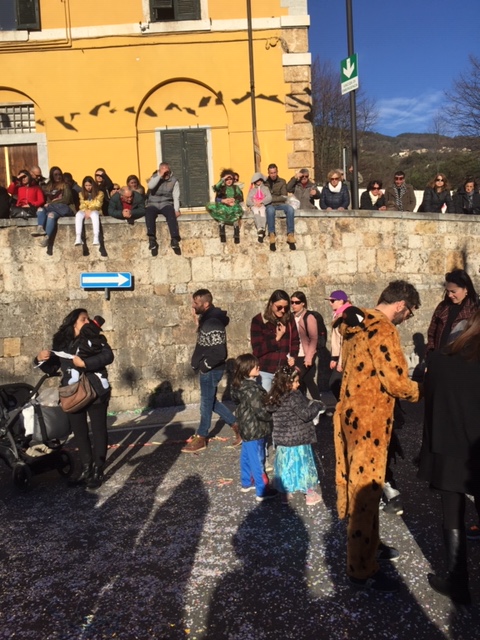
Now, here’s the thing: I don’t know what I was expecting, but the Pietrasanta parade was made up of about 6 major floats with companies of participants associated with each float. The floats ranged in subject matter from the Moulin Rouge, to Dr. Spock, to Michael Jackson’s Killer.

To me, it felt more like a Halloween parade than a celebration of a religious matter.
But, it was unabashed, and I loved it for that. It reminded me of my home town, way across the pond in the prairie states of the US.
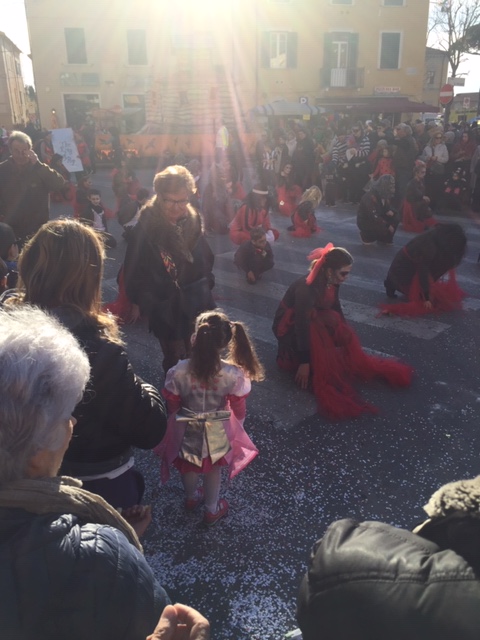
A fun time was had by all!
New York, New York

📷@killianmoore


You must be logged in to post a comment.