
The statue of Dovizia, Firenze
I love to let my mind wander into the distant past, trying to picture the way things might have been.
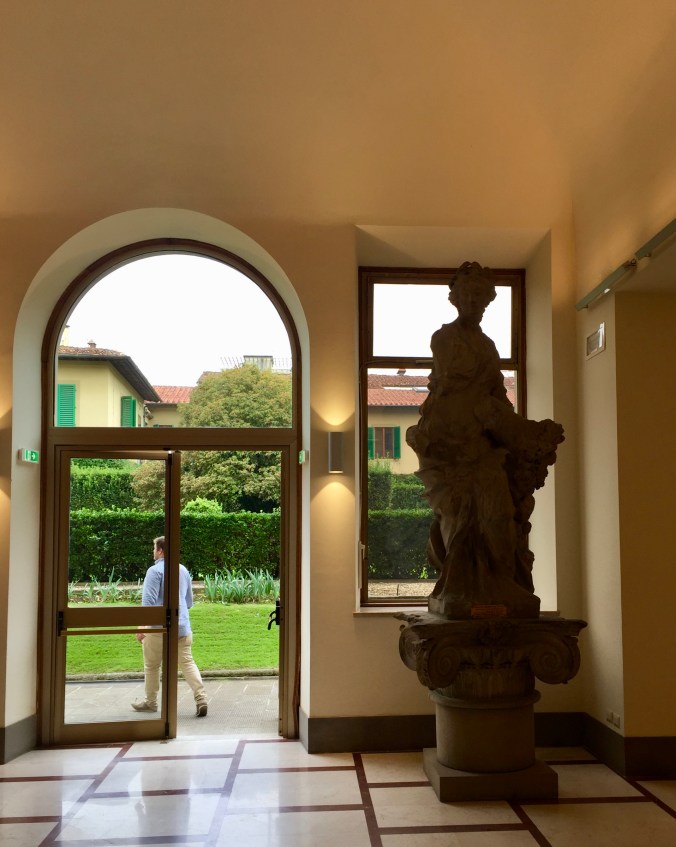
Last week I was invited to visit a show in the beautiful exhibition space of the Fondazione Cassa di Risparmio di Firenze on via Bufalini. There I bumped into a heroically-sized statue of a somewhat recognisable woman. “Hey, I know you!” I thought to myself.
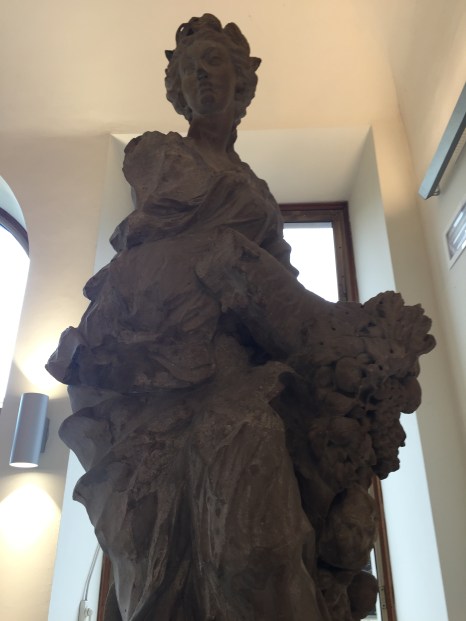
She certainly looked familiar. I wondered if she was related to one of the four allegorical statues of the seasons occupying the corners of the Ponte Santa Trinita. (Those four statues were done by Pietro Francavilla [Spring], Taddeo Landini [Winter] and Giovanni Caccini [Summer and Autumn] and placed on the bridge in 1608.)
Fortunately, a label attached to the statue revealed the figure and the sculptor: La Dovizia (Abundance) by Giovan Battista Foggini:
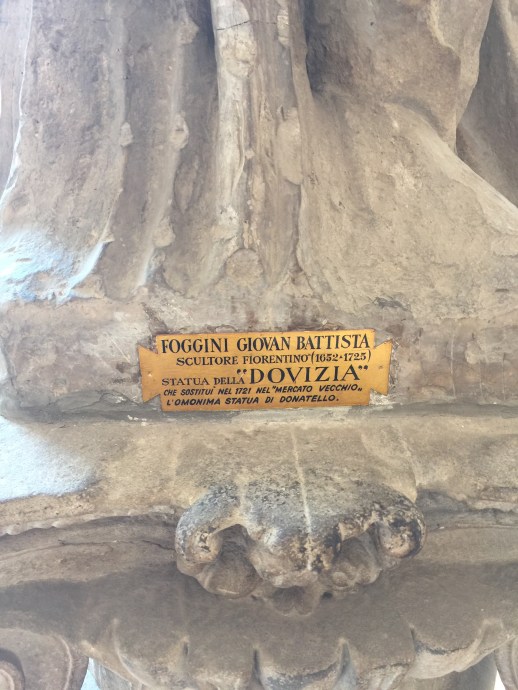
Ah ha! I now knew exactly what I was looking at! My mind zinged back into two places almost simultaneously, first to the camp and later the Forum of Roman Florence. and then to the Renaissance placement of a statue of Abundance by Donatello.
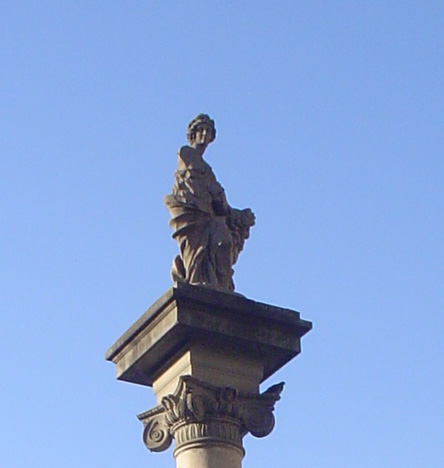
Both of these past moments happened in the space now occupied by the Piazza della Repubblica in Florence. The giant woman I encountered last week on the Via Bufalini was the statue of Abundance that replaced Donatello’s (now lost) figure on the same column, a replacement which occurred in 1721 (according to the label).
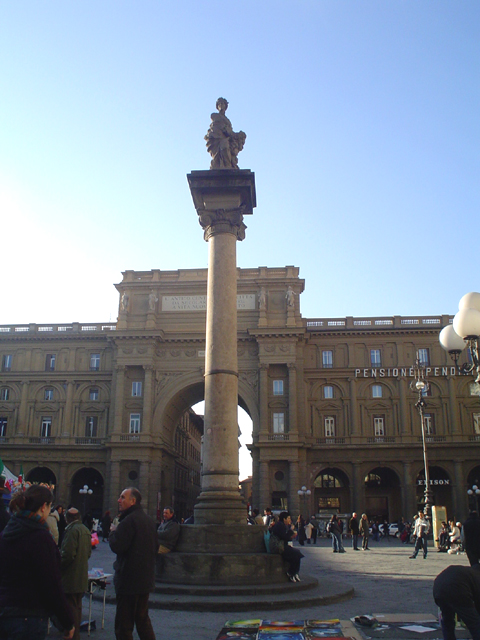
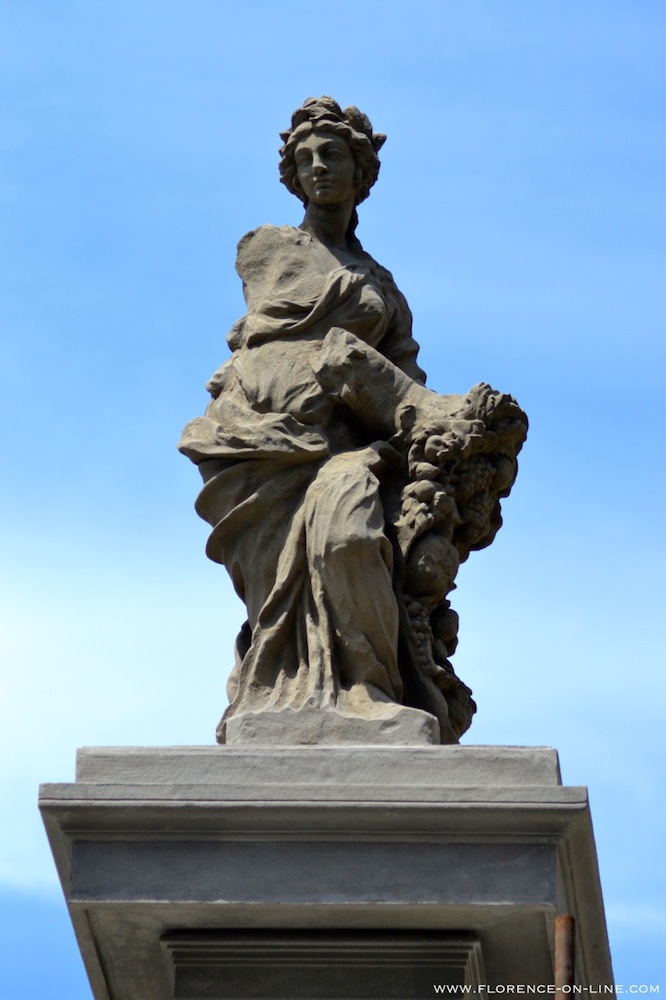
The column, still topped by a statue, sits at the exact point where the two Roman roads intersected in ancient Florence, the cardo (now via Roma and via Calimala) and decumanus (now via degli Strozzi, via degli Speziali, and via del Corso).
Now I needed to find out more about Giovanni Battista (Giambattista) Foggini, to satisfy my curiosity. He was an artist in Florence (1652 – 1725) who became, in 1676, the court sculptor for Cosimo III. He went on to become the Medici’s Architetto Primario e Primo scultore della Casa Serenissima as well as Soprintendente dei Lavori (1687–1725).
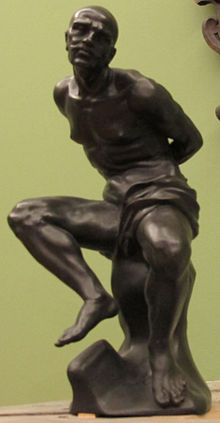
Foggini is best known today as the creator of many small bronze statuary figures and groups. In 1687, Foggini acquired the foundry in Borgo Pinti that had once belonged to the sculptor Giambologna. This allowed him to specialise in small bronzes, produced mainly and profitably for export. His adaptation of Pietro Tacca’s Moors was, for example, the basis of the bronze and ceramic reproductions for the connoisseur market well into the 18th century.
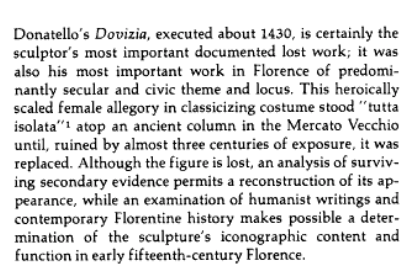
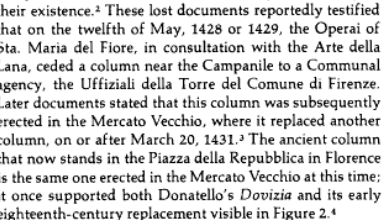
One of my grad school professors published an article on the Donatello Abundance (“Donatello’s Lost Dovizia for the Mercato Vecchio: Wealth and Charity as Florentine Civic Virtues by David G. Wilkins). Here are couple of excerpts from that scholarly publication:
Here is an image of what Donatello’s lost sculpture might have looked like: 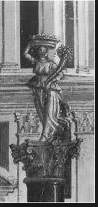
You just never know who or what you will bump into in this fascinating city of Florence.

Consciousness raising? 1960s America
Did you know? Florence
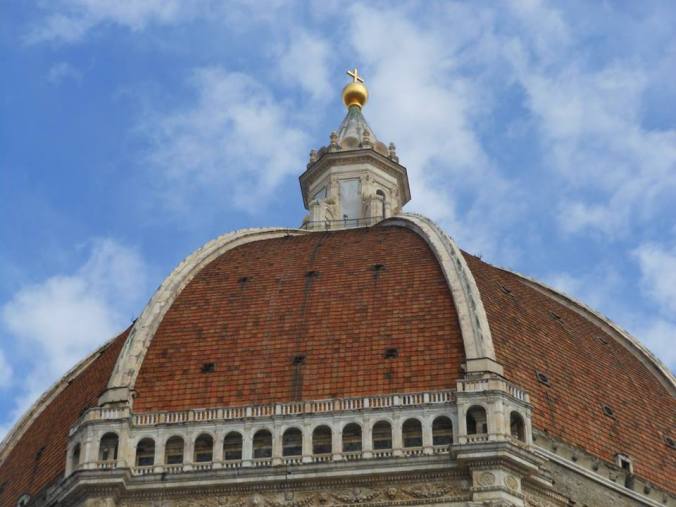
Did you know that the huge gold ball that sits on top of the Cathedral in Florence once fell off? It gathered pace as it rolled down Brunelleschi’s dome and crashed into the piazza below. Next time you are in Florence, search for the gold cross that marks the spot.
(Thanks to the Facebook page of Florence Immersion for this info.)
UPDATE: 28 OTTOBRE 2018
It is said that Michelangelo, before leaving for his trip to Rome, turned towards il Duomo (as it is called by the Florentines) and said the following about the dome of St. Peter’s, which he would soon begin to build: «I go in Rome to make your sister bigger but not more beautiful>>.
Florence’s Cupolone, aka il Duomo, is the largest dome ever built without the use of ribs to support the masonry. When the great work was finished, only the golden copper ball surmounted by a cross was missing. This was then made by Verrocchio, weighing 4368 pounds. Luca Landucci, a contemporary historian relates in his “Florentine Diary: that on 27 May 1471, the golden copper ball was raised up onto the top of the lantern of the dome of Santa Maria del Fiore. And on the 30th, they put the cross in on the ball.
The contract with Verrocchio specifically provided that the ball was to be made of eight pieces. To buy the best copper, which came from Cyprus or Central Europe, the artist spent a few months in Venice, awaiting the arrival of the correct cargo. Six pieces of copper were then sent to Florence on a wagon, going through Bologna, in August of 1469. The final two pieces arrived in Florence in October.
The finished ball and cross were installed and everything went well until April 5, 1492, when a thunderbolt crashed into them and more than the third of the lantern fell to the ground.
The damages were repaired, but in 1601, on a stormy night between the 26th and 27th of January, another thunderbolt hit the golden bronze ball and its cross. All of them crashed off the top of the dome, even bringing down pieces of marble from Manetti’s lantern. Amazingly, despite the violence and weight of the falling structures, no one was killed or even hurt. Many of the fragments ended up in the middle of via de’ Servi, and many Florentines rushed to the Piazza del Duomo, frightened by the loud noise.
Ferdinand II, Grand Duke of Florence, immediately started the reconstruction and called upon the greatest Florentine architects, as we can see from the ancient documents. The ball with the cross was restored and put back in its place in 1602 but, as reported by the documents in the Opera del Duomo, Ferdinand concluded that the best way to defend the Duomo from what were believed to be attacks by the devil (who was said to have made the lightening) was through religion, which he quickly embraced.
Thus, at the behest of the Grand Duke and the archbishop, 2 lead cases were made to go inside the new golden copper orb. Inside were some Agnus Dei – wax medallions with the image of the Lamb, blessed in the week of Easter – and relics of saints. These objects were supposed to protect the cathedral from the thunderbolts and Latin inscriptions on the cases confirmed the contents.
The ruinous fall of the orb and cross caused so much fear that the leaders of the Florentine Republic decided to install a round, white marble slab, to show the exact point where the bronze ball crashed to the ground on the pavement behind the cathedral in front in via dell’Oriuolo.
Source: Secret Florence.
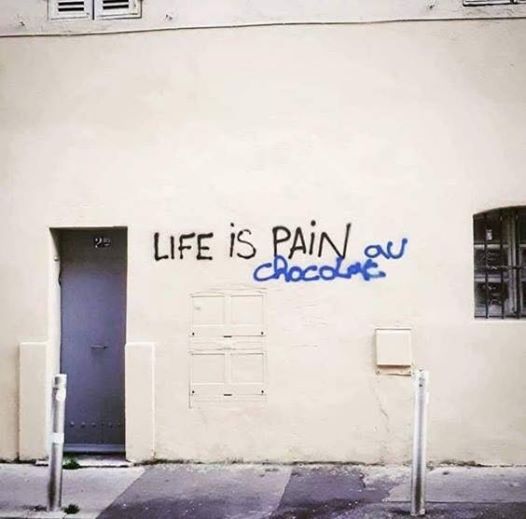
Life is pain…
Anthropology: the Italian male in his natural habitat
Based upon my scientific observations, this species appears to travel in pairs or in small groups. More study is needed.
Autumn, who portrayed it better than Winslow Homer? No one.
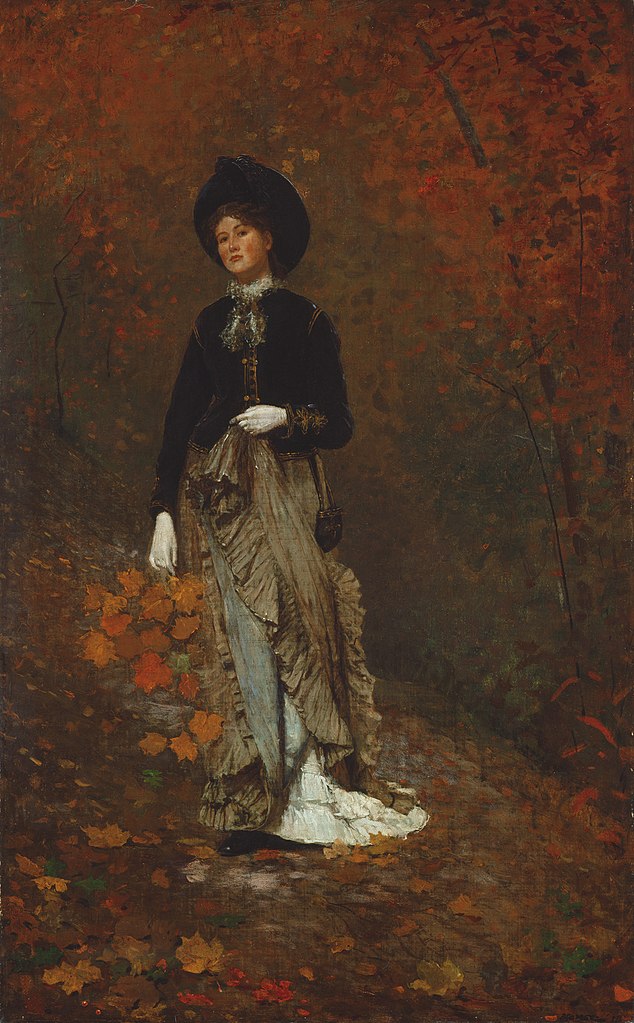
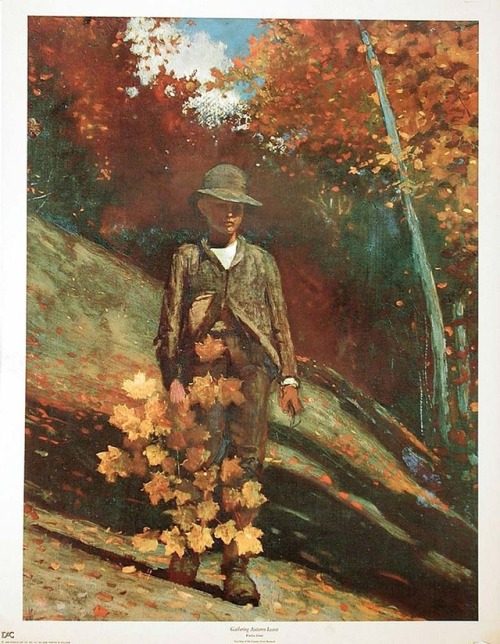
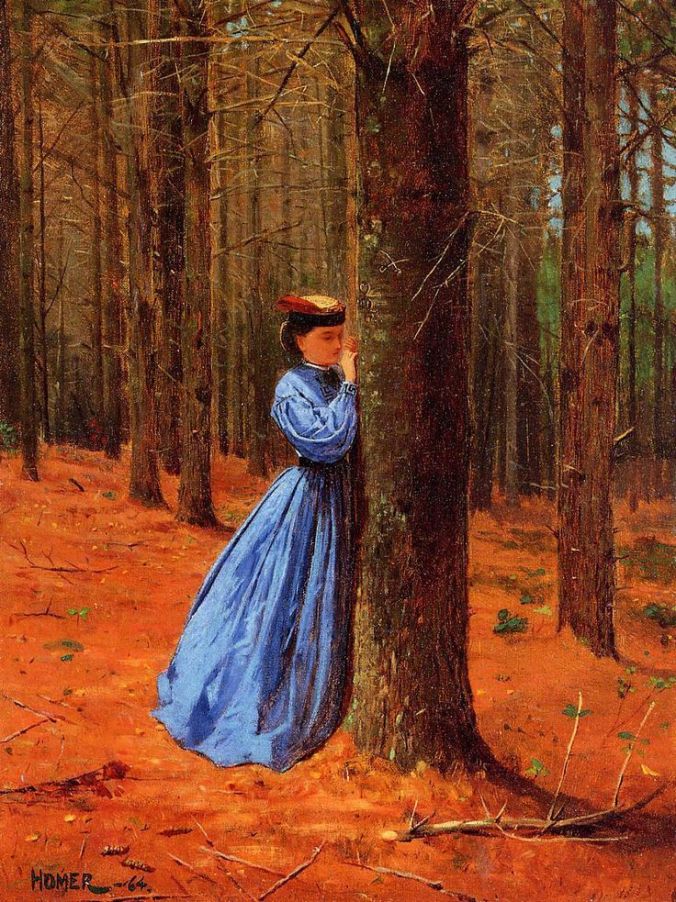
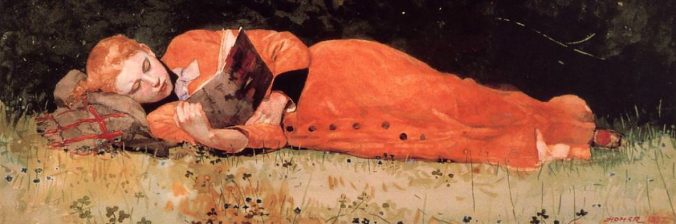
And, my all-time favorite:
Native American motifs in Italy?
Yes, surprising as it seems, from time to time I see them. It is always a surprise and a pleasure!
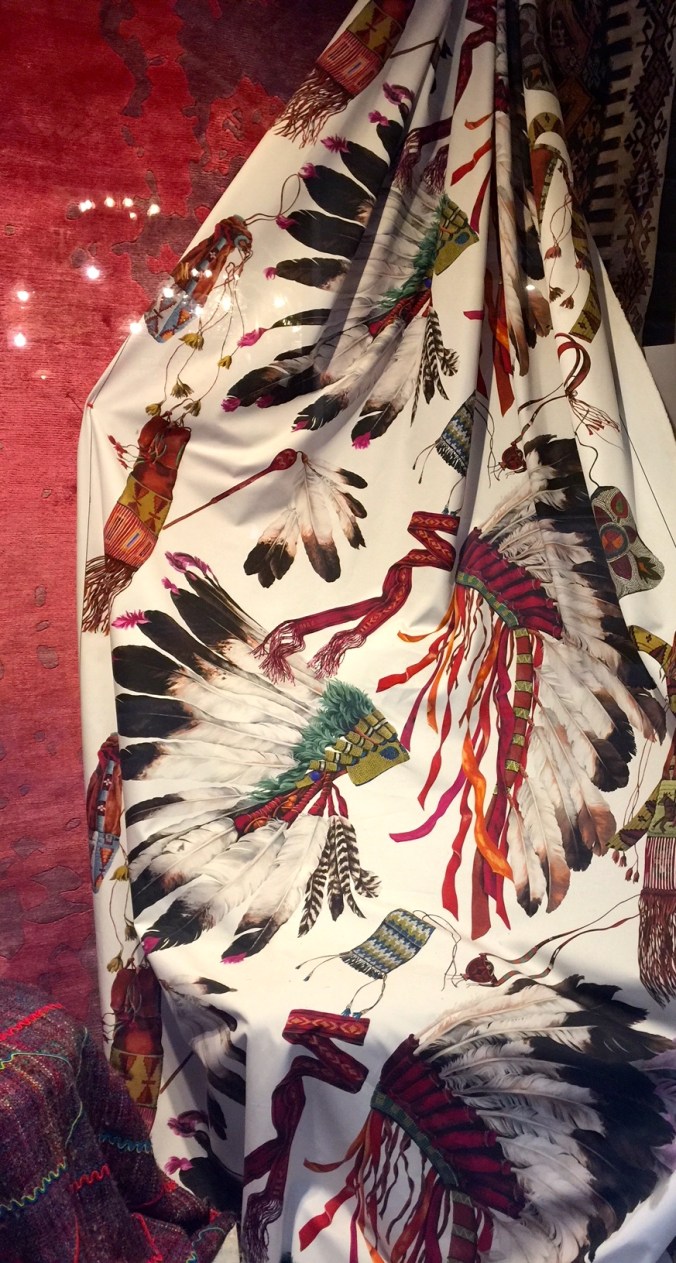
This beautiful textile is on display in an upholstery/fabric shop window in Florence. I am curious as to who would buy it for their Italian home and how they would use it. I will never know!
Fare-thee-well to Jane Fortune, proponent of women artists in Italy and citizen of Florence
Florentine haute couture, c. 1950
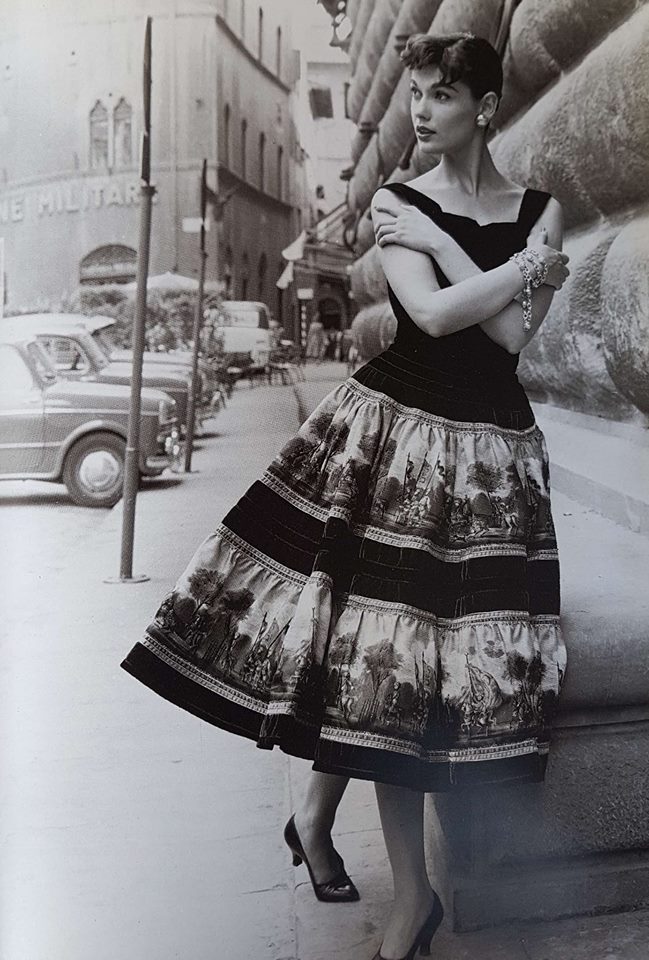
Photo taken by the Palazzo Strozzi.


You must be logged in to post a comment.