
The long history of dried pasta in Italy

Pasta has long been a part of Italian cuisine, but only quite recently acquired the dominant, pervasive role it plays now.
The oldest form is thought to be lasagna, which is known to have been cooked in ancient Rome, though not quite in the way it is today.
Dried pasta seems to have been invented quite separately, in North Africa, as expedition food for desert caravans. It was probably brought to Sicily by the island’s Muslim conquerors. In a codex published in 1154, a Moroccan geographer and botanist known as al-Idrisi described a thriving pasta manufacturing industry near Palermo, which exported its products to Muslim and Christian countries alike. Among them was a stringlike pasta then known by the name itrija.
Dried pasta had the same advantages for seafarers as it did for camel drivers, so it is hardly surprising that it next appears in Genoa.
It is mentioned in a document written in 1279, and production of vermicelli, which was to remain a Genoese specialty, had begun by the fourteenth century.
The consumption of pasta continued nevertheless to be associated with Sicilians until in the 18th century the nickname of mangiamaccheroni gradually came to be bestowed on the Neapolitans. By 1785, Naples had 280 pasta shops.
Hooper, John. The Italians (pp. 99-100). Penguin Publishing Group. Kindle Edition.
The glorious Duomo di Firenze in the late October sunlight.
Glorious!
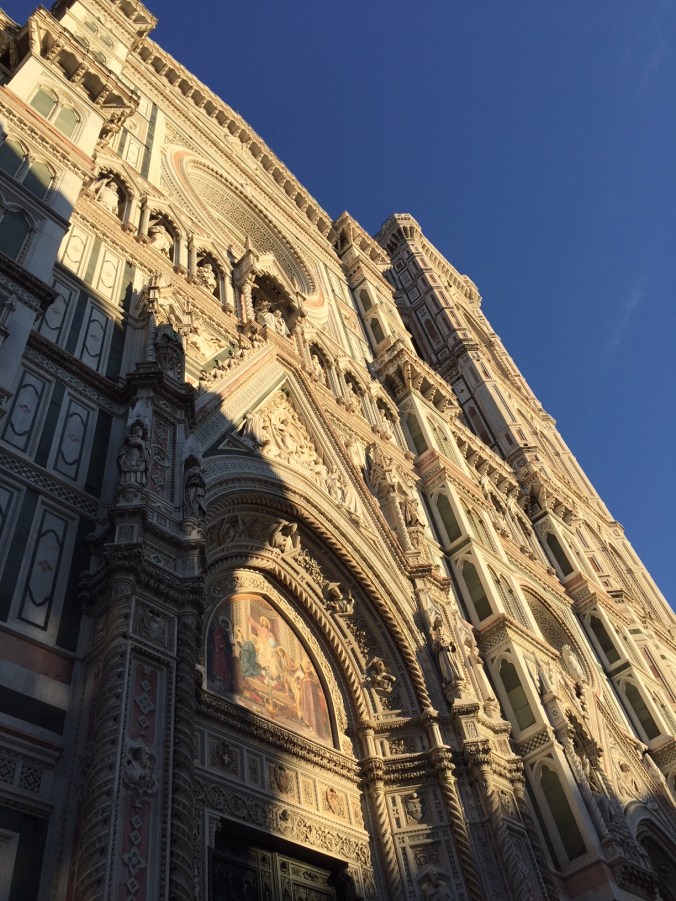
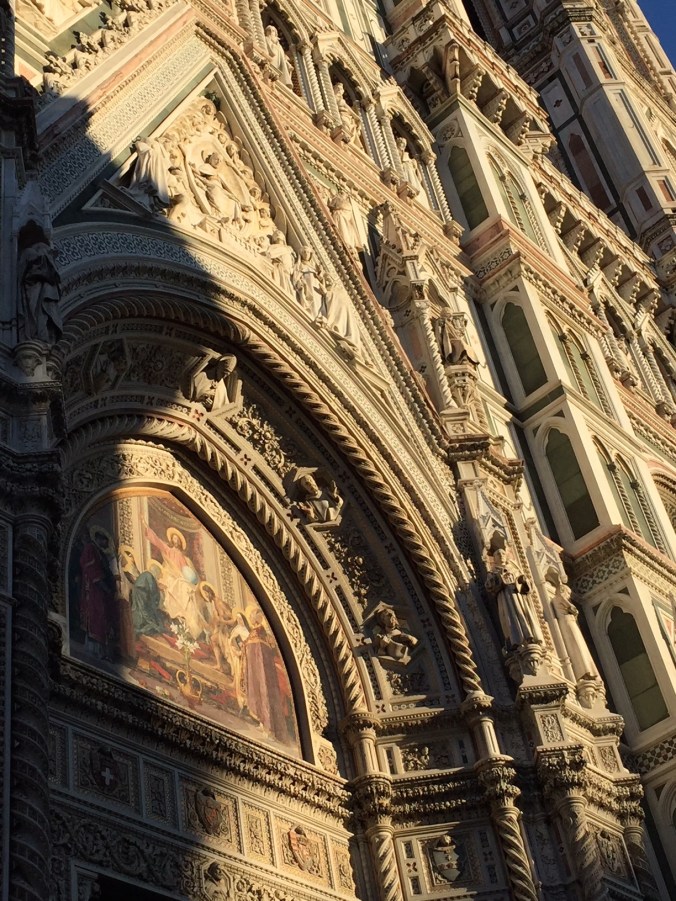
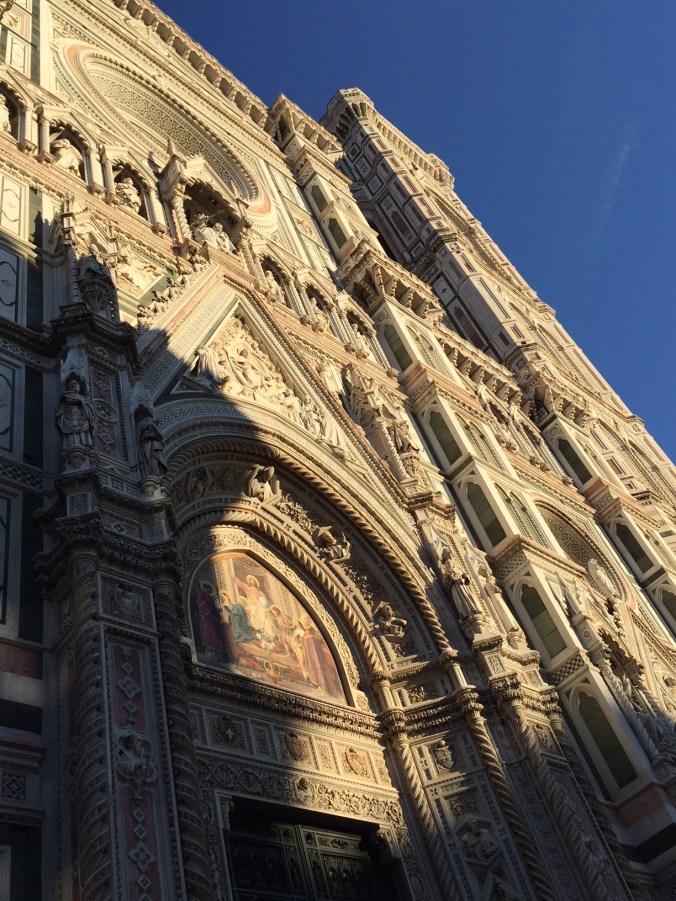
The highlights and shadows on the facade are truly stunning!
Gustala ghiacciata! = Enjoy it iced.

“Enjoy it iced!” There is nothing like a Coca-Cola!
High hopes for the Teatro del Maggio Musicale Fiorentino
Colombo believes, however, that the building has “enormous potential, enabling us to alternate operas in rapid succession and involve even casual passersby with video projections of rehearsals in the outdoor amphitheater. I feel the house could well become the focal point of a new Florentine Renaissance in the twenty-first century.”
In Florence, there is indeed a feeling that anything can happen, and the great Renaissance of the fourteenth, fifteenth and sixteenth centuries still envelops even the most distracted of visitors.
If one prowls the narrower streets late at night or crosses the Piazza della Signoria as morning rises, one has a real feeling of history still interacting mysteriously with the present.
This was certainly the case for Franco Zeffirelli, who attributes much of the underlying inspiration for his work in the opera house to his upbringing and training in this city haunted by ghosts of the distant past.
Seasonal treats
It’s autumn, obviously, so what do you expect in the bakery here?
How about
Schiacciata con uve?

And if that doesn’t float your boat, how about
Schiacciata con fichi e noci?

Delizioso!
Let’s discuss
Here’s how an architect in Florence advertises her office. Pretty beautiful, no?

It’s clearly a class act!!
Wrapping purchases
The time and care expended by shop assistants in Italy on the wrapping of gifts can be astonishing.

The cost of the purchase is irrelevant. The same care will be taken in wrapping a discounted paperback book or a pair of diamond earrings.

Blithely indifferent to the queue building up behind you, the assistant will patiently fold over corners to form perfect isosceles triangles, use different-colored (but always exquisitely contrasting) wrapping paper to create diagonal stripes across the package, and then tie it with a length of ribbon that is made to end in delicate spirals.
The finished package will then be handed to you with aplomb.
Hooper, John. The Italians (pp. 77-78). Penguin Publishing Group. Kindle Edition.
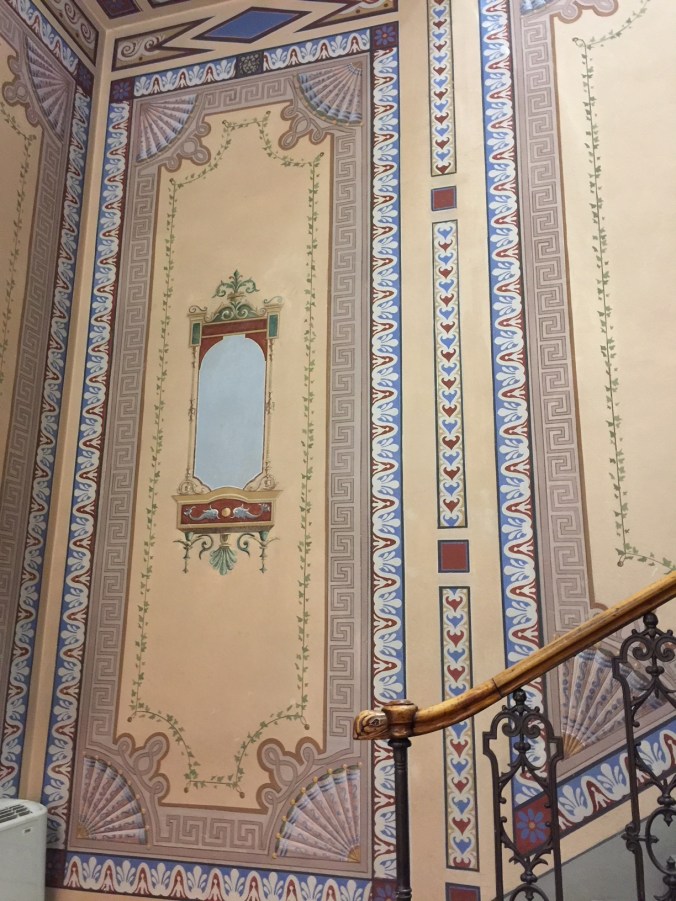
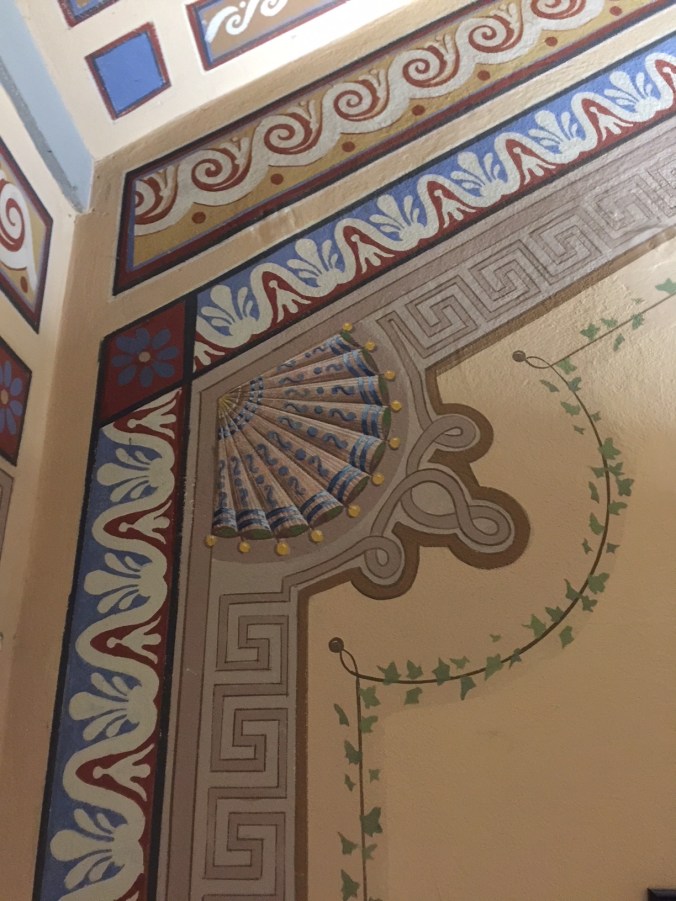
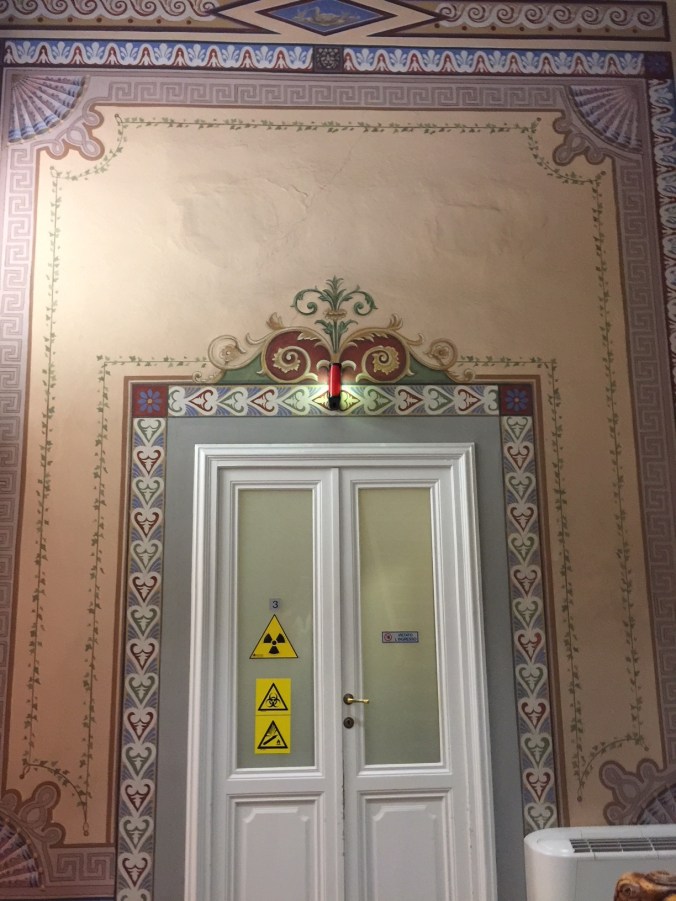
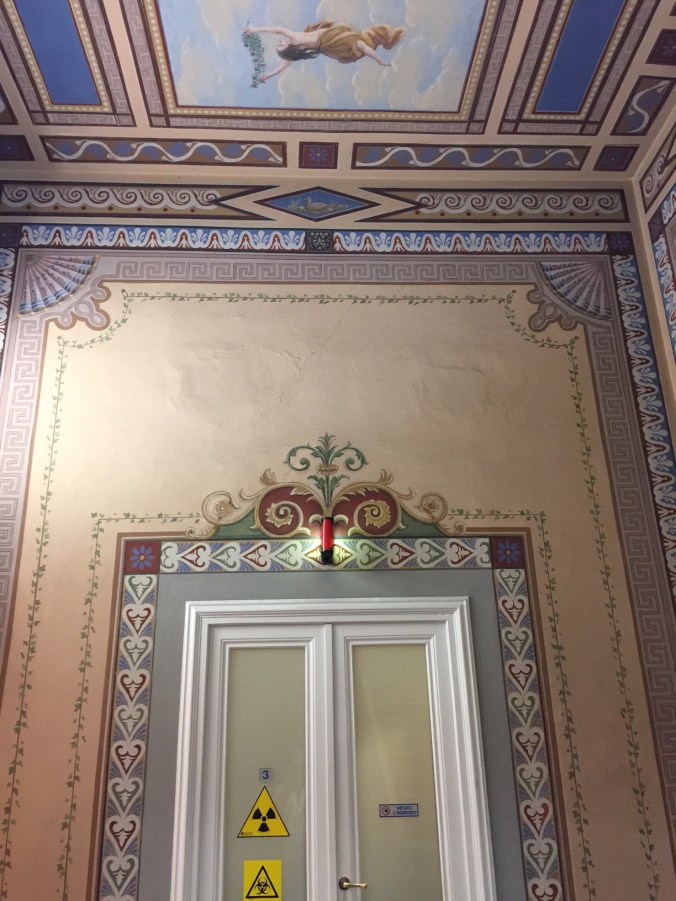
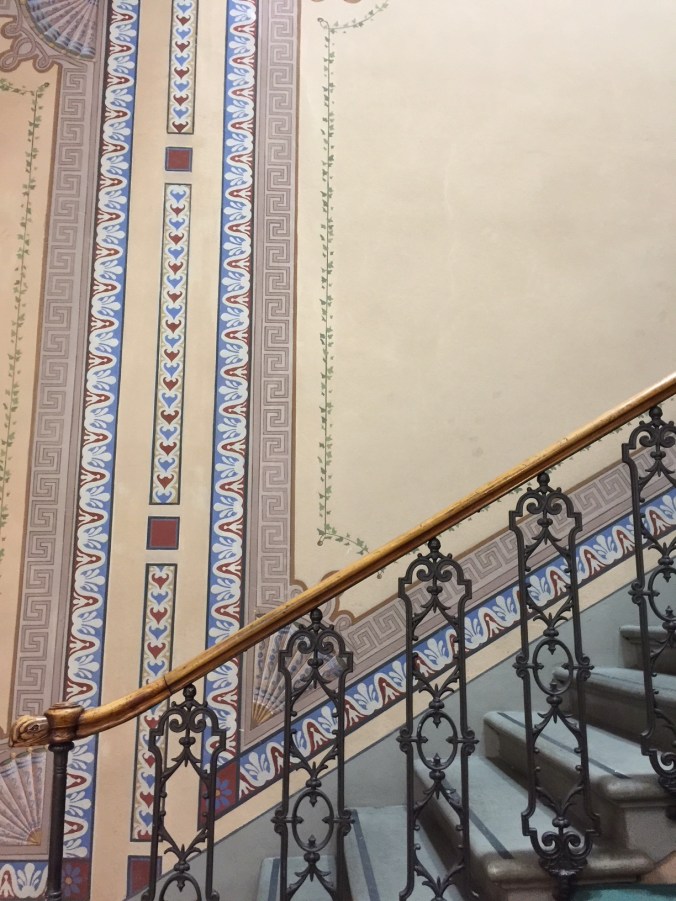
The everyday is beautiful here
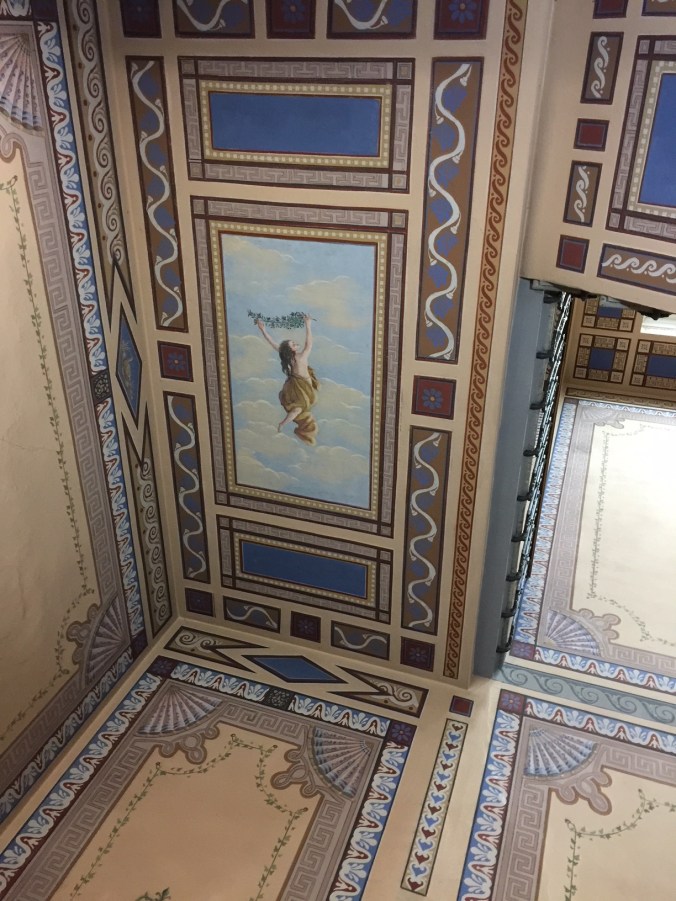
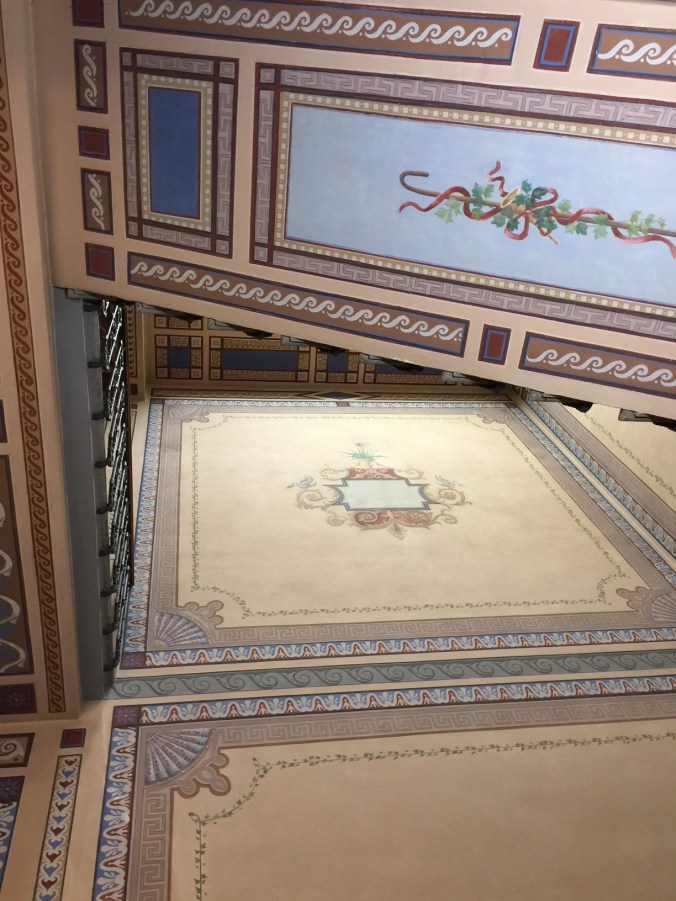
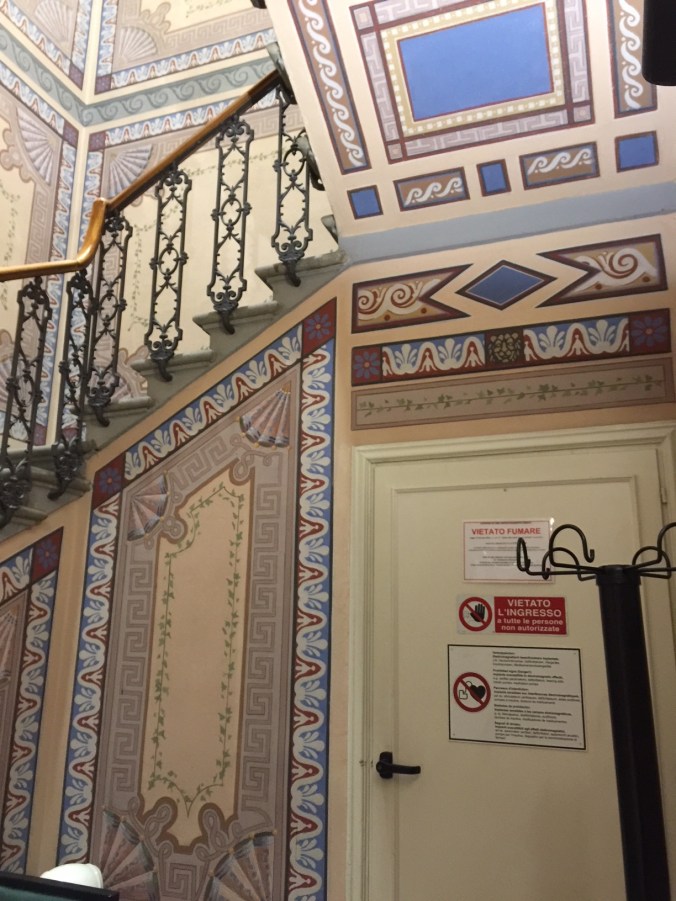
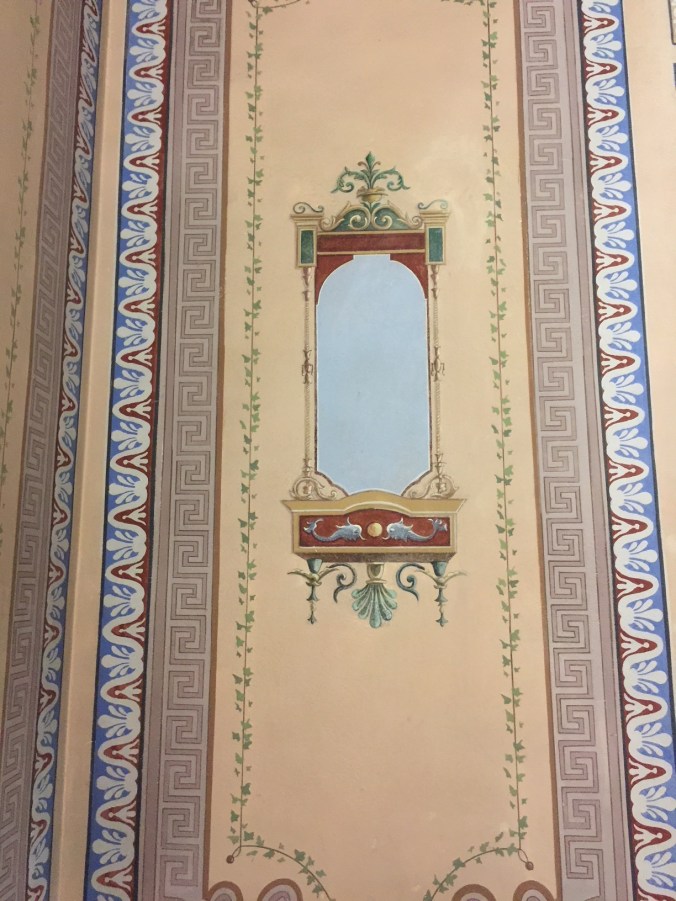
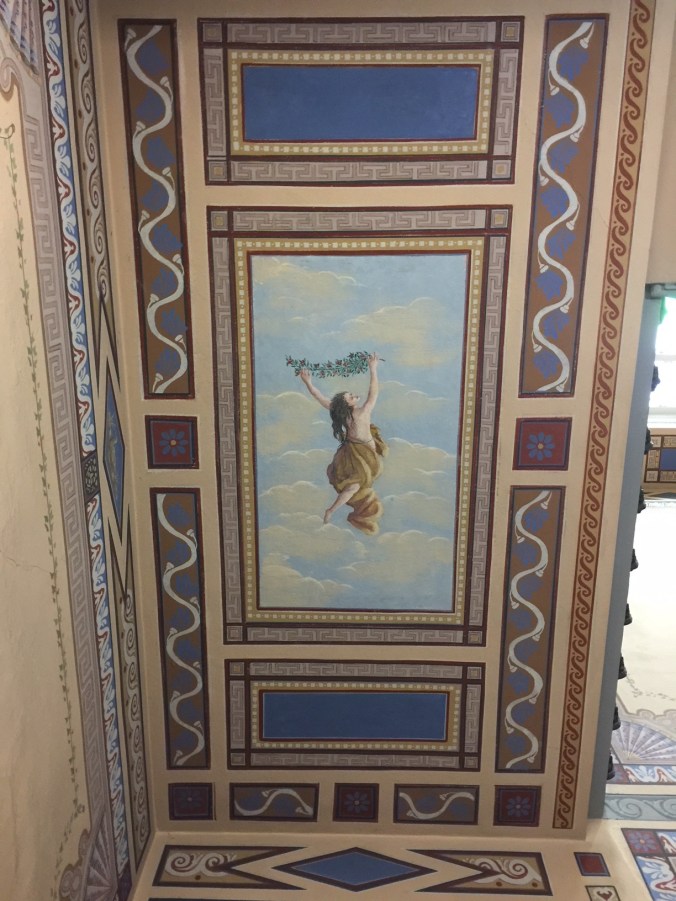
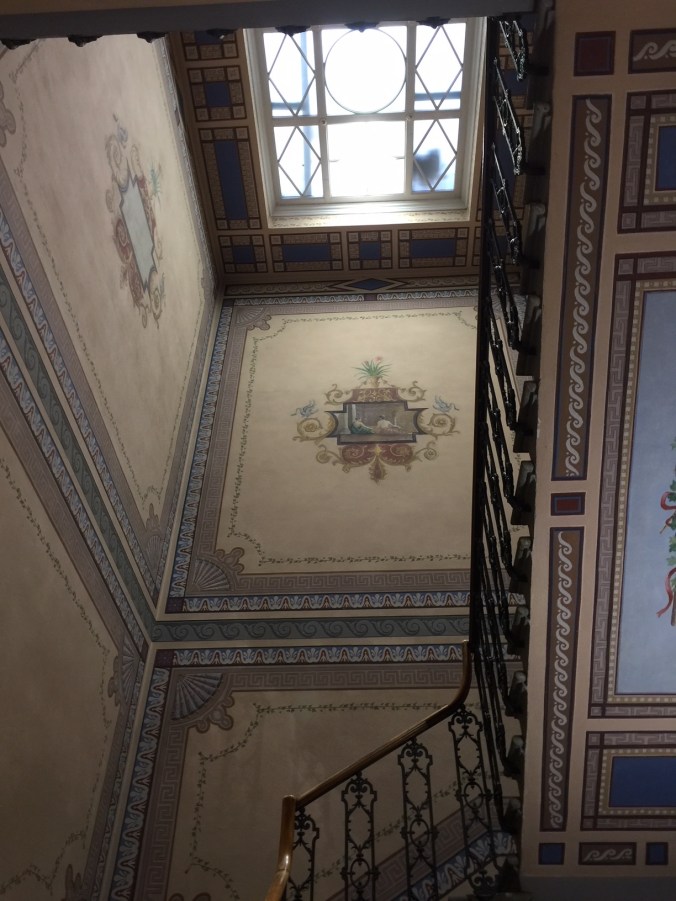
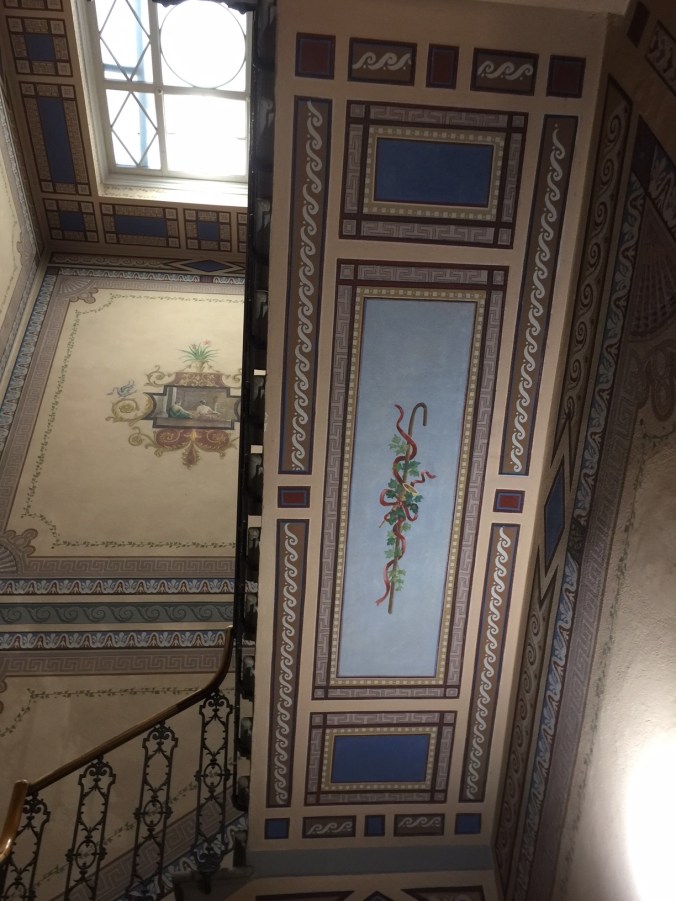
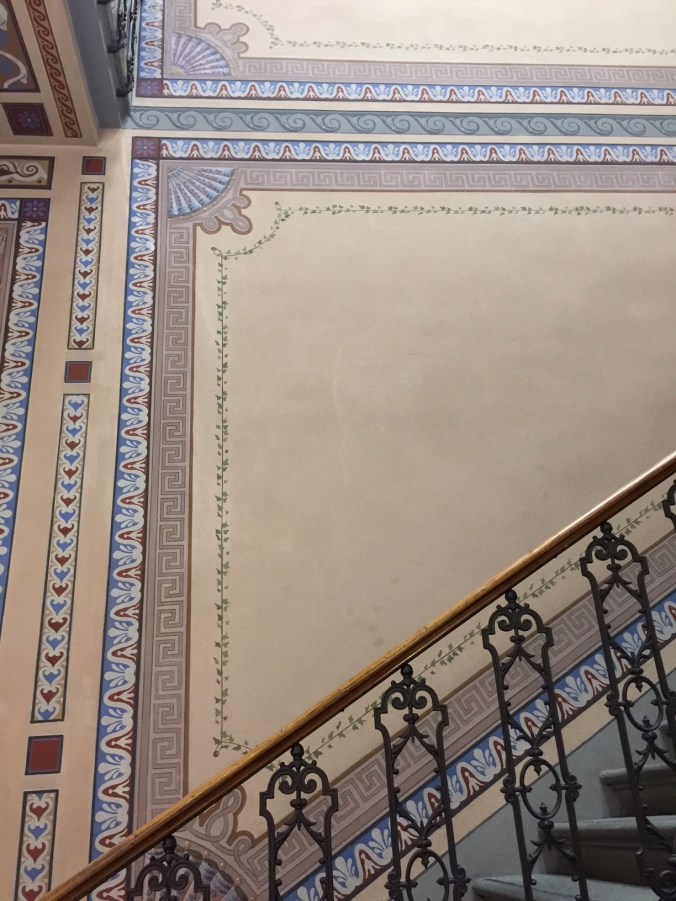
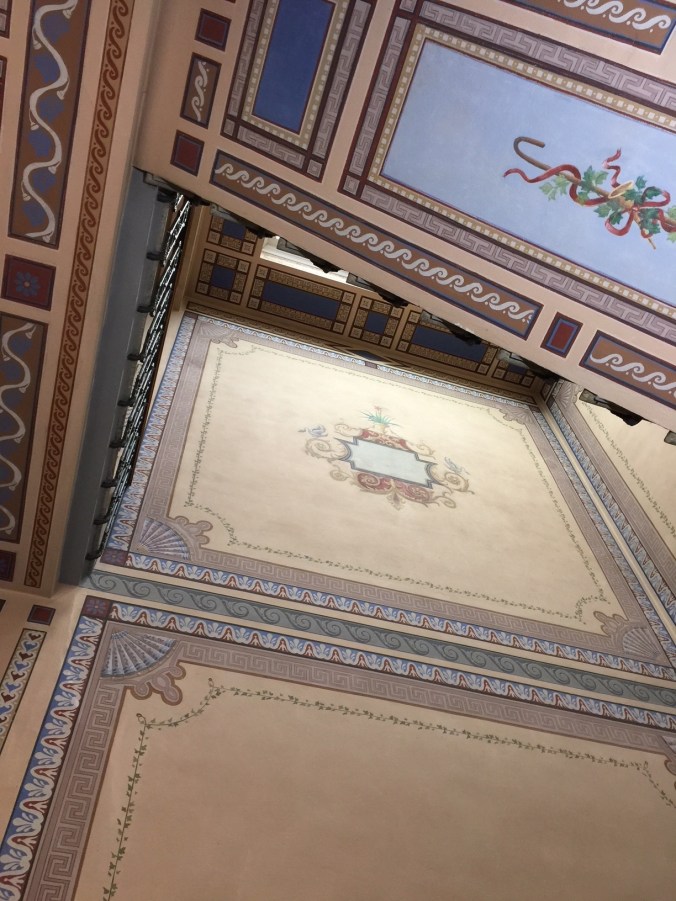
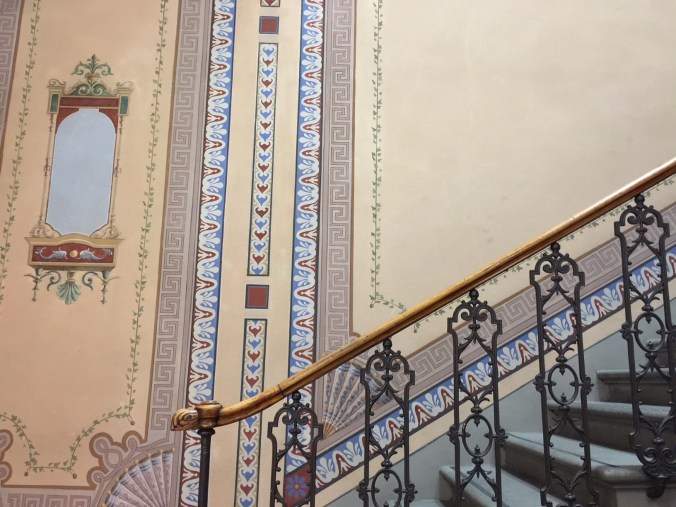
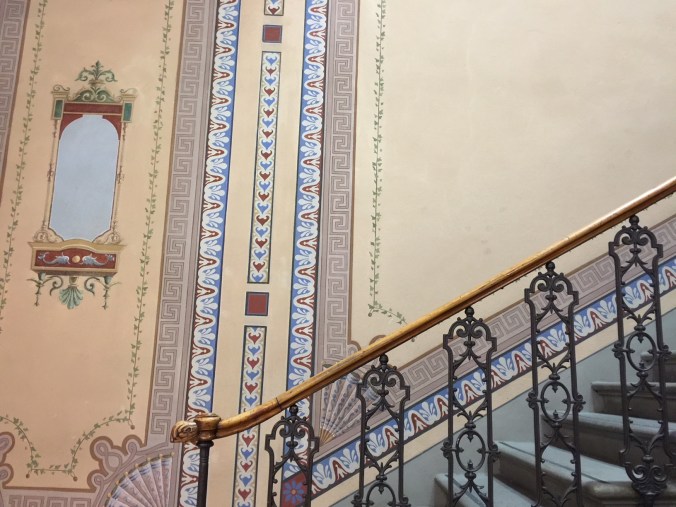
For reasons too long to go into, I needed a chest X-ray. I went today to the medical practice to get the X-ray, and this is the waiting room.
I mean, come on!
Opera: the quintessential Italian art form

If Pirandello is the archetypal Italian writer, then opera— packed with searing emotion expressed without reserve— is the quintessential Italian art form. Its origins, in the late sixteenth century, are exclusively Italian.
It grew out of the discussions and experiments of the Camerata, a group of Florentine writers, musicians and intellectuals whose main aim was to revive the blend of words and music that was known to have existed in classical Greek drama.
An Italian, Jacopo Peri, composed the earliest recorded opera, Dafne, which was first performed in 1598. And it was in an Italian city, Venice, that the first public opera house, the Teatro San Cassiano, was opened in 1637.
Hooper, John. The Italians (p. 66). Penguin Publishing Group. Kindle Edition.
 get back, lauretta!
You must be logged in to post a comment.