A caffe’ shakerato. It is the only way.
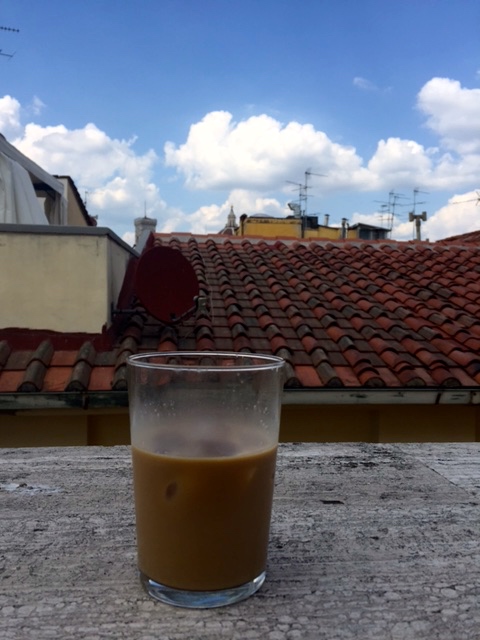
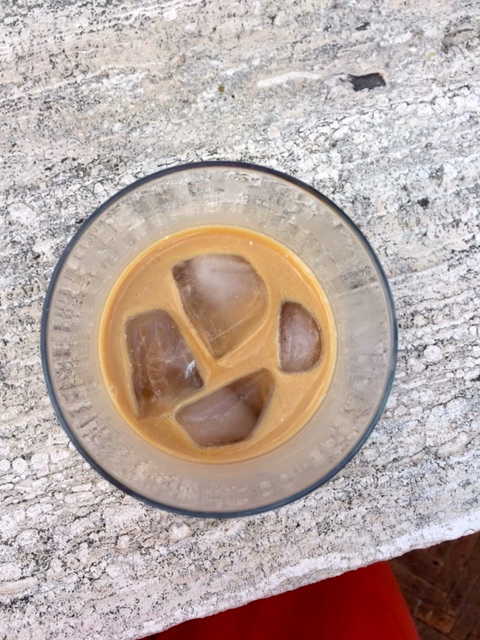
Kids, you may try this at home: (I leave out the sugar but add a splash of cold milk and a hit of cream)
A caffe’ shakerato. It is the only way.
Kids, you may try this at home: (I leave out the sugar but add a splash of cold milk and a hit of cream)
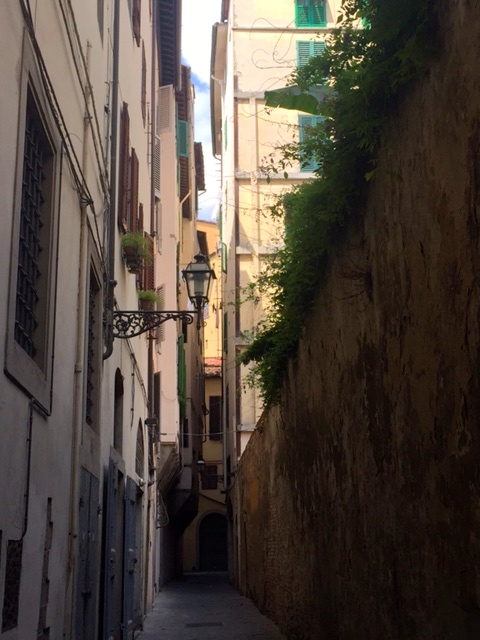
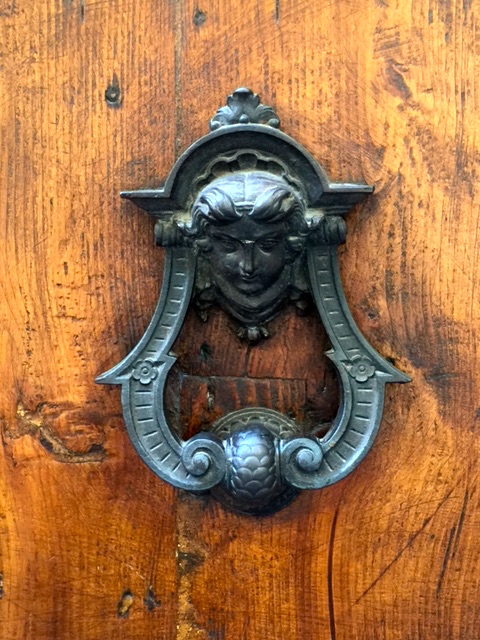
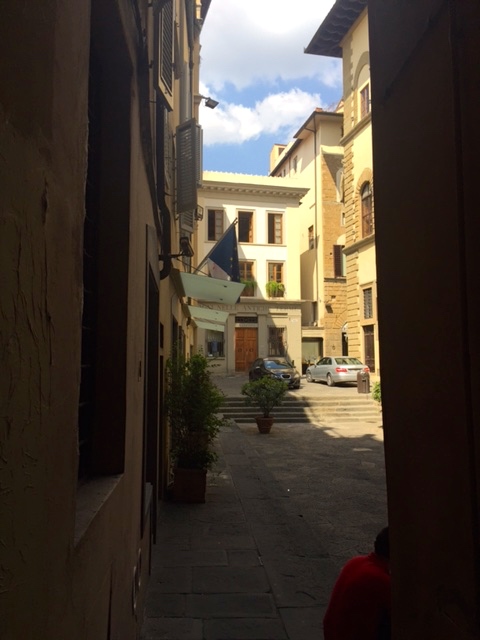
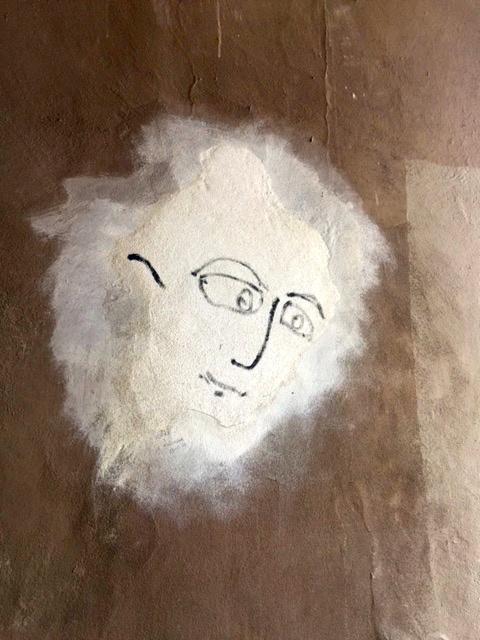
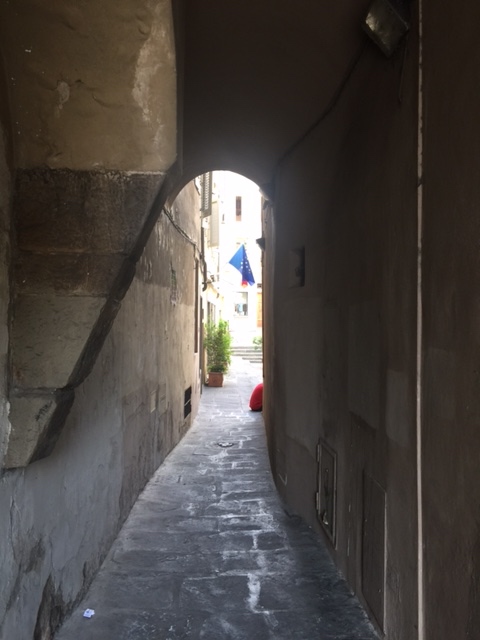
Random shots from a hot, random Saturday afternoon.
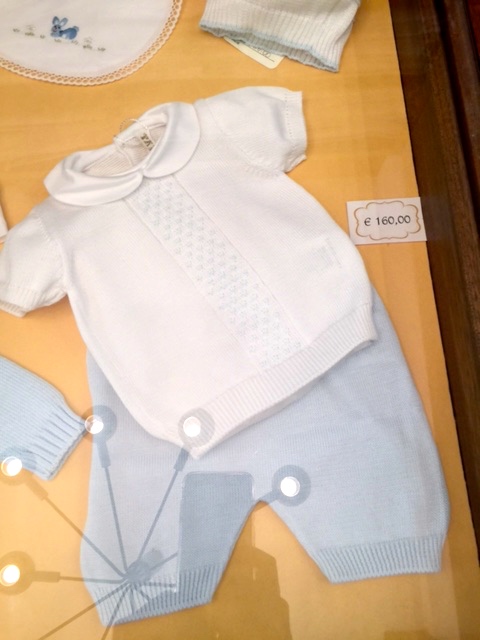
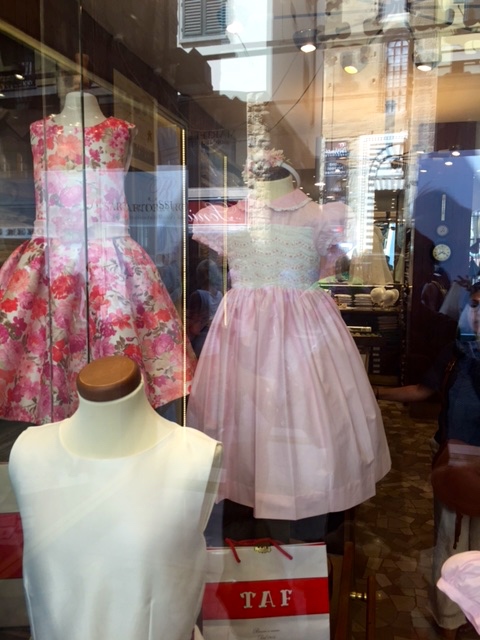
For my money, Italy has the best children’s clothing in the world. I also like French and Japanese i vestiti bambini, but Italy is tops. Here is today’s offering from the venerated TAF.

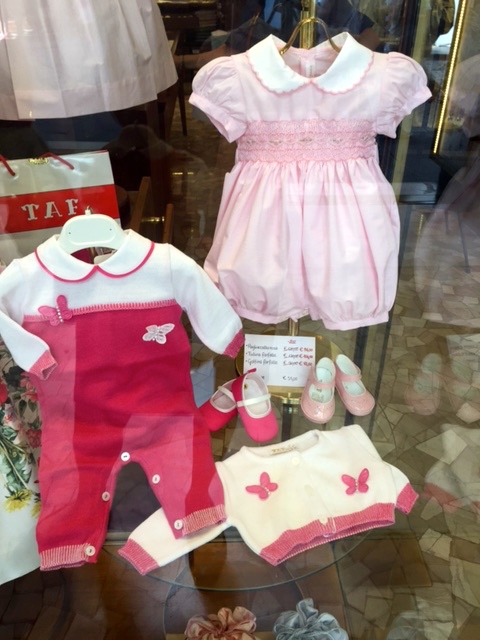
They have gorgeous frocks for older girls as well:

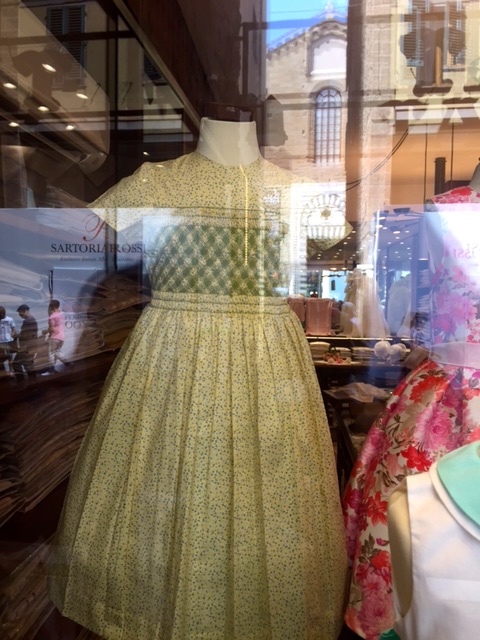
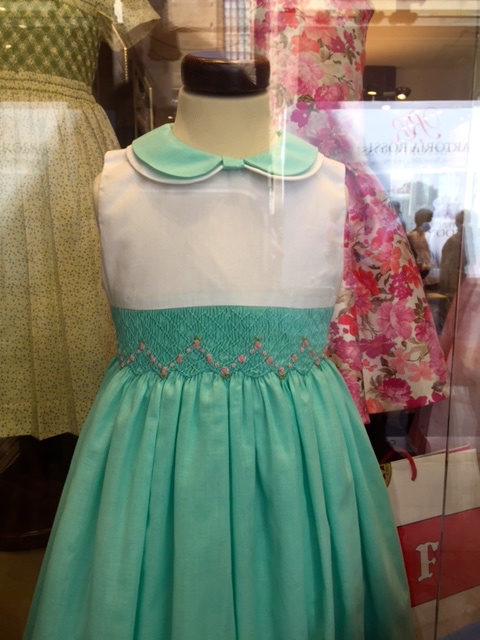
I love the collar and smocking on the dress below.
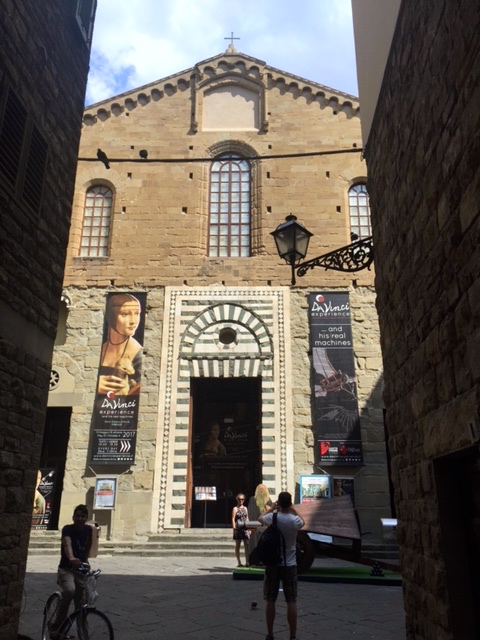
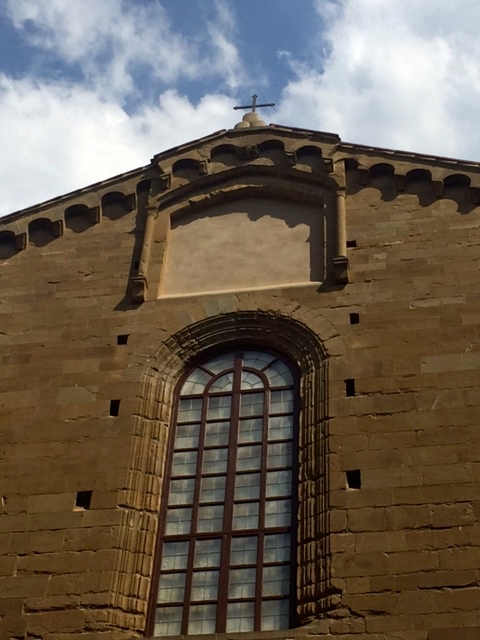
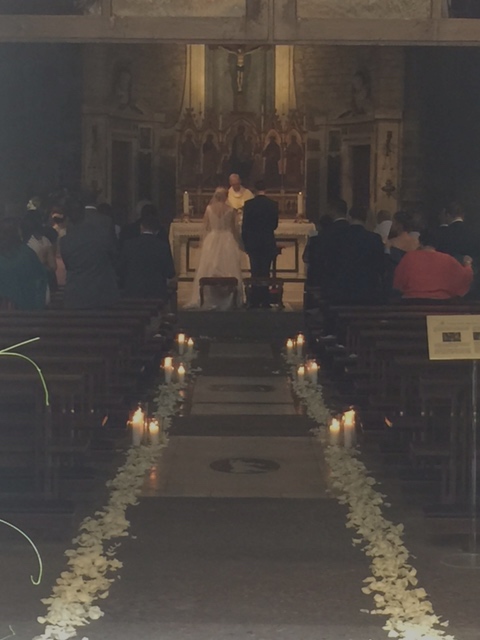
Outside the ancient church of Santi Apostoli, just down the street from my apartment, I happened upon a wedding today. It was about 3 pm and hotter than hades. All the guests in the church were fanning themselves with their programs.
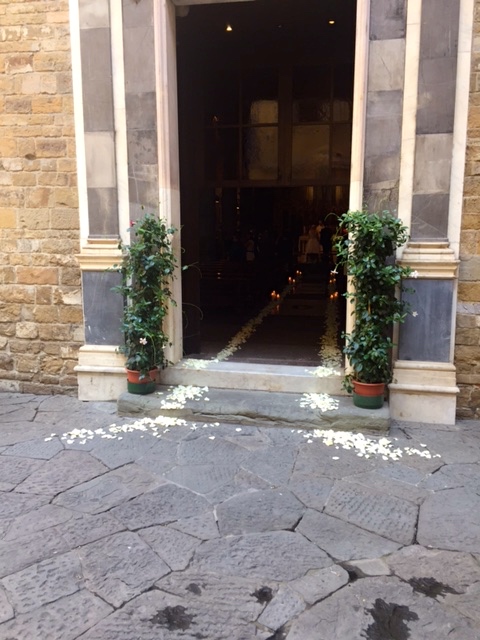
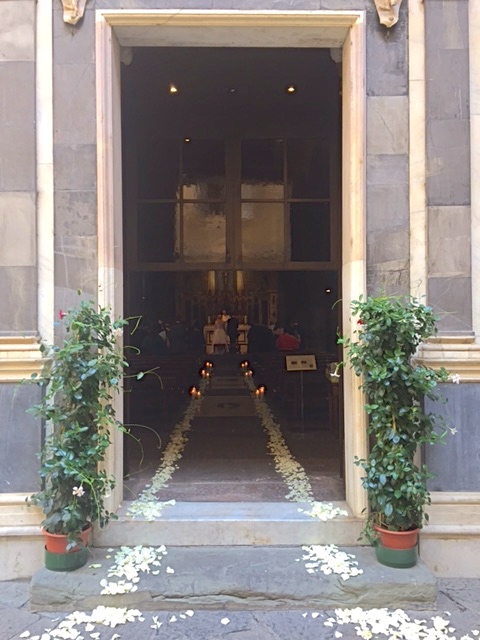
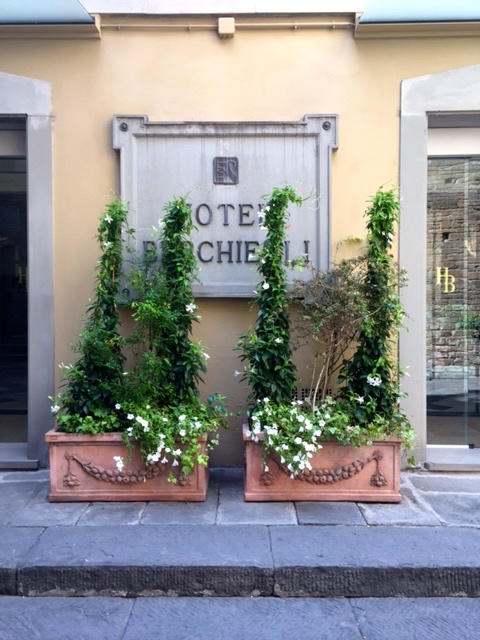
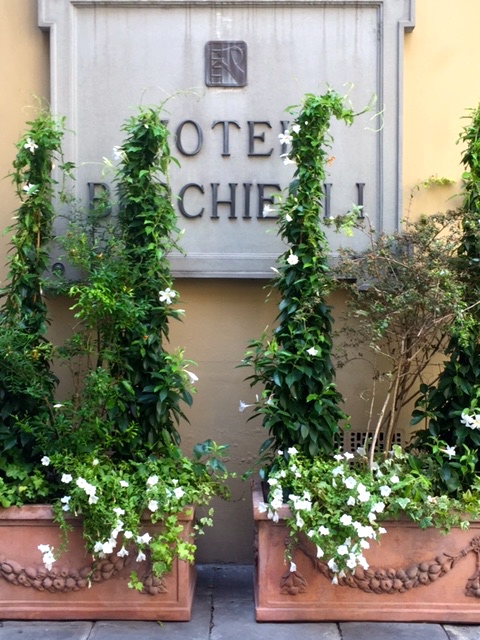
Across the Piazza del Limbo from the church, Hotel Berchielli seemed adorned in white as well. Very pretty!
Mid-August–October 1944
New York Times reporter Herbert Matthews observed that “Florence is no longer the Florence that the world has known for 400 years. . . . the heart of Florence is gone.” Of its six bridges—San Niccolò, alle Grazie, Vecchio, Santa Trinita, alla Carraia, and alla Vittoria, only the Ponte Vecchio survived. In fact, the Germans had rigged it with demolition charges as well. Some among the Allies theorized that the Germans had changed their plans at the last minute, perhaps concerned that the debris caused by the destruction of the two-story bridge would actually have facilitated an Allied crossing by providing enough rubble to form a new foundation in the low water of late summer.
[American Monumnet’s Man, Frederick Hartt described the horrifying scenes during the initial days of liberation:]
In the city there was no water, no light. . . . the mosquitoes came in clouds from the stagnant Arno, the heat was intense and the air suffocating with the odors from the broken sewers and gas mains, the unflushable closets [toilets], and the corpses still buried under the ruins along the Arno.
Fascist snipers from windows all over the town picked off civilians at random. During this period nearly four hundred persons, mostly civilians, were killed by the German batteries which continued to shell the town sporadically from Fiesole.
Edsel, Robert M.. Saving Italy: The Race to Rescue a Nation’s Treasures from the Nazis (pp. 188-189). W. W. Norton & Company. Kindle Edition.
De Rinaldis informed Cott that most of the works of art in Rome had been safely stored in the Vatican….the Vatican [itself] possessed one of the greatest collections of art in the world. [During the early 1940s, however, it housed as well] the temporary addition of works from the Brera Picture Gallery in Milan, Accademia in Venice, Borghese Gallery in Rome, Museo Nazionale in Naples, the holdings of dozens of less prominent museums, and many priceless riches from the nation’s churches, it now had few, if any, rivals anywhere on earth. Joining its remarkable collection were—to name just a few—the Caravaggios from Santa Maria del Popolo and San Luigi dei Francesi, and oversize canvases by Titian, Veronese, Tintoretto, and Tiepolo from Venice. Never before or again would the results of such creative genius be gathered in one place.
Edsel, Robert M.. Saving Italy: The Race to Rescue a Nation’s Treasures from the Nazis (p. 138). W. W. Norton & Company. Kindle Edition.


I honestly cannot laugh at “air conditionated” since I routinely make mistakes using Italian.
You never have to guess which avocado is ready to devour! You buy a big, beautiful Peruvian avocado, shipped by ship via South Africa (according to the label), in its own package.
The label assures you the avocado is ready to eat. And, in my experience, it is!
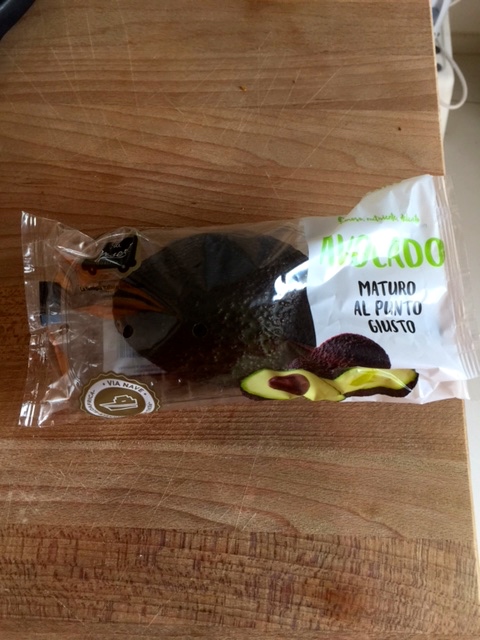
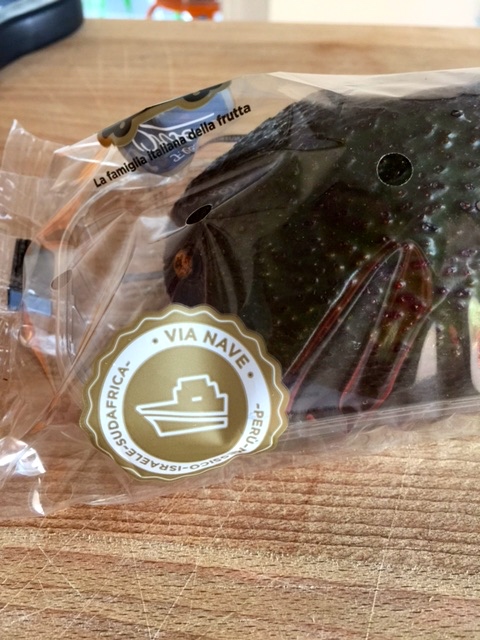
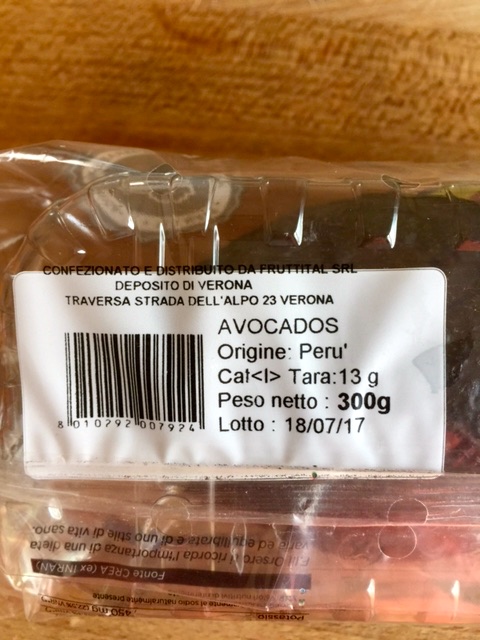
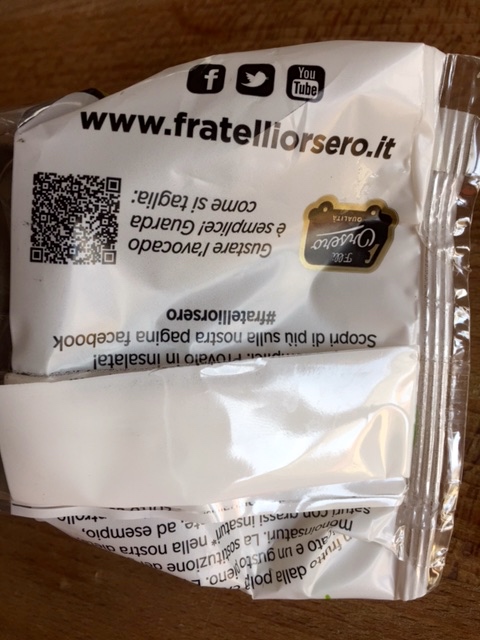
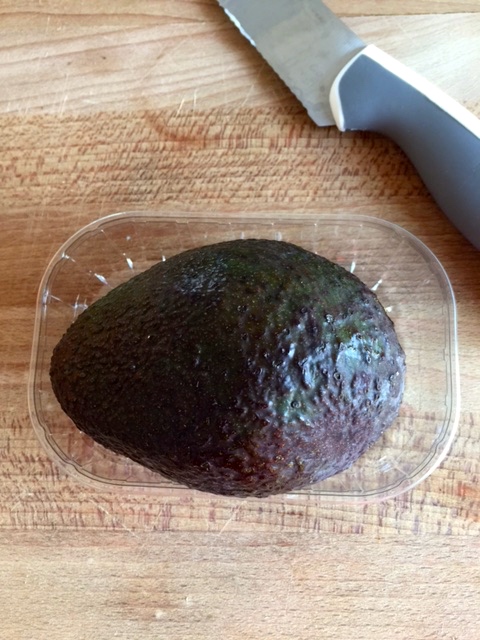
Perfectly ripe.
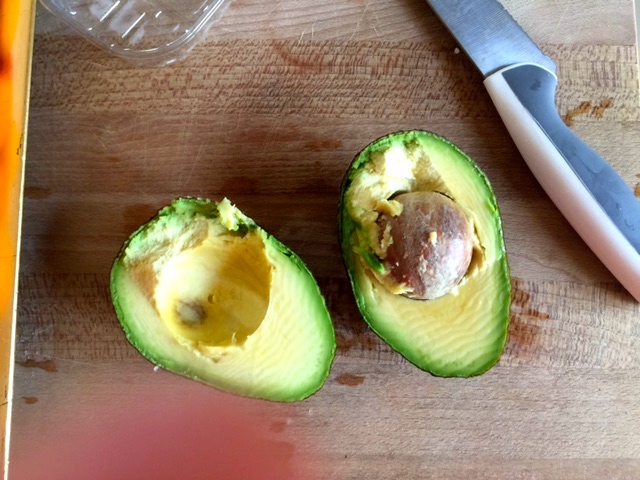
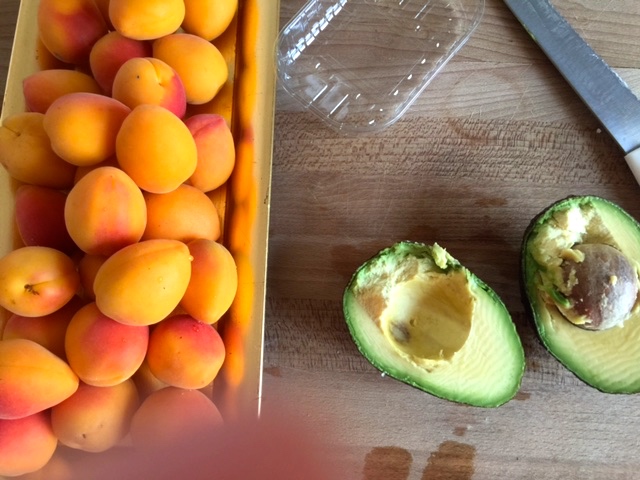
They aren’t inexpensive, but a good avocado is a thing of beauty!
Things didn’t go so well for Italy’s artistic treasures at the beginning of the Allied invasion. To wit:
No one wanted another embarrassing incident, such as the recent bombing of Pompeii. The Allies had flown at least eleven missions, dropping 156 bombs on suspected German command posts around the ancient archaeological site. This accomplished little beyond killing Pompeii’s dead, again and again. The southern portion of the site lay in rubble; the Pompeii Antiquarium was “half demolished” with “serious losses to the collection.” Adding irony to insult, the date of the first Allied raid—August 24—marked the 1,864th anniversary of the devastating eruption of Mount Vesuvius.
Edsel, Robert M.. Saving Italy: The Race to Rescue a Nation’s Treasures from the Nazis (pp. 61-62). W. W. Norton & Company. Kindle Edition.
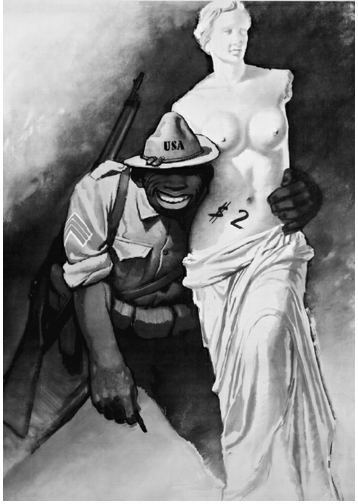
How the Germans presented the American/British interest in saving Italy’s art.
How the Allies presented the German point of view vis a vis taking care of Italy’s art treasures:
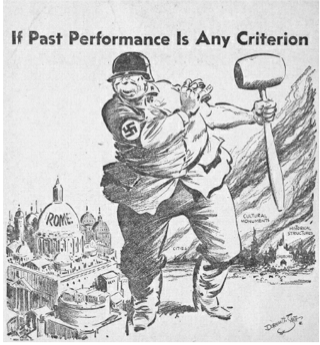
War is ugly. Thank god for the Monument Men.
 get back, lauretta!
You must be logged in to post a comment.