


Diane von Furstenberg: first wrap dress made in Florence.


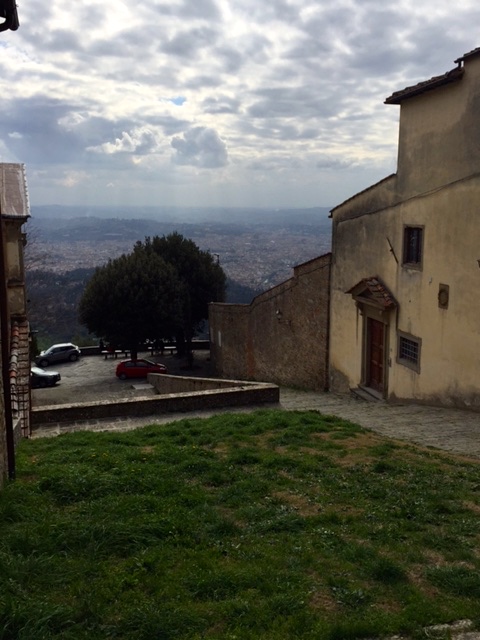
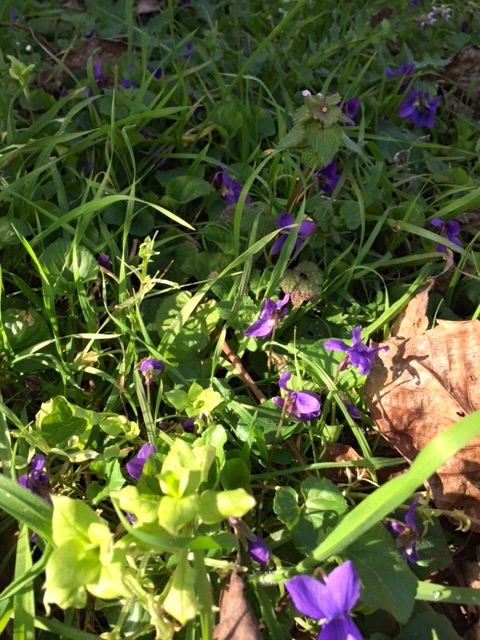
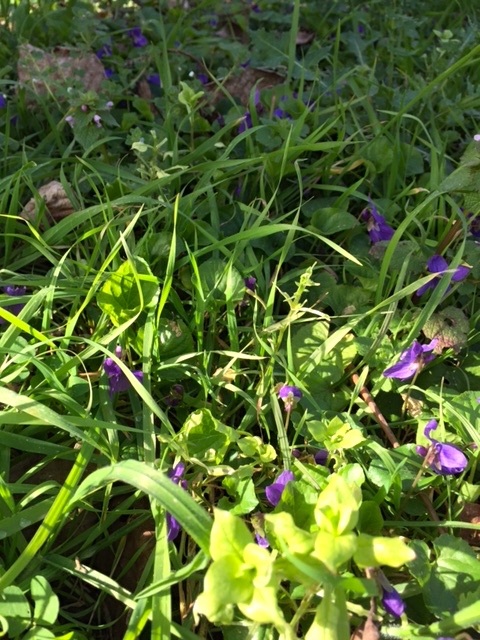
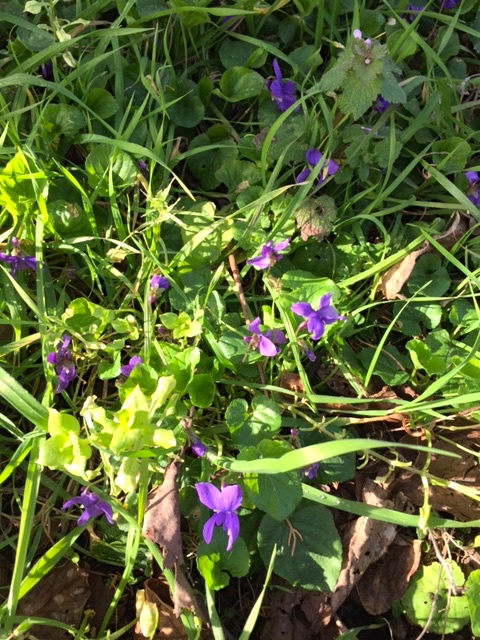
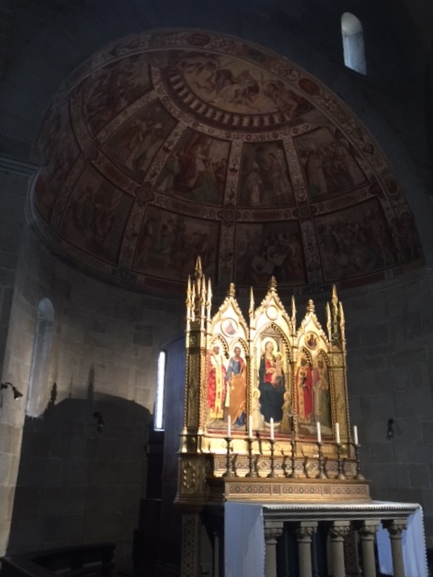
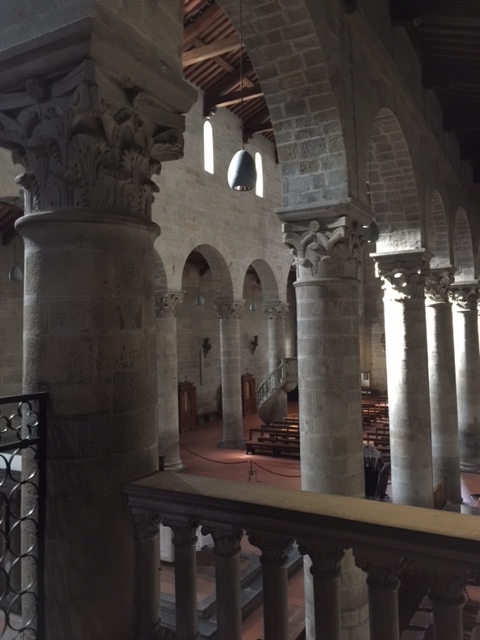
Fiesole in la primavera!
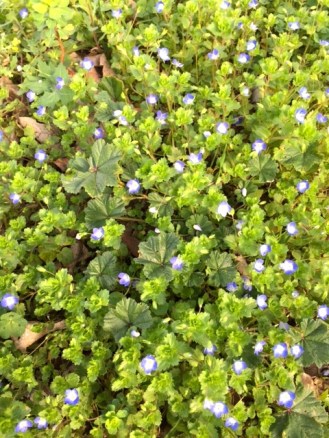
Bella Fiesole!
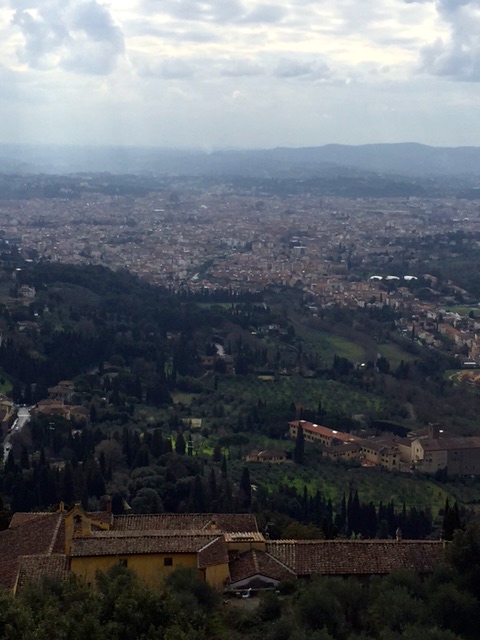
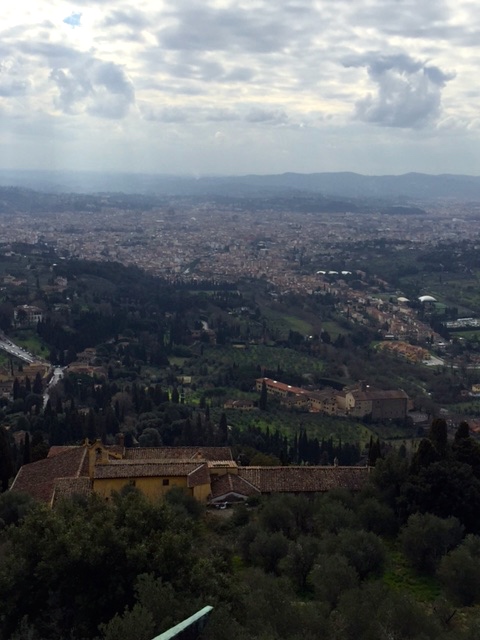
For there below us Florence was laid out like a glittering carpet of gold, wrought by
a thousand Persian infidels. The Duomo was now no tiger sentinel, but a warm
copper bell, the Arno a twisting ribbon of gilt. A city of fable and
infinite beauty in the brand-new light of the day. **
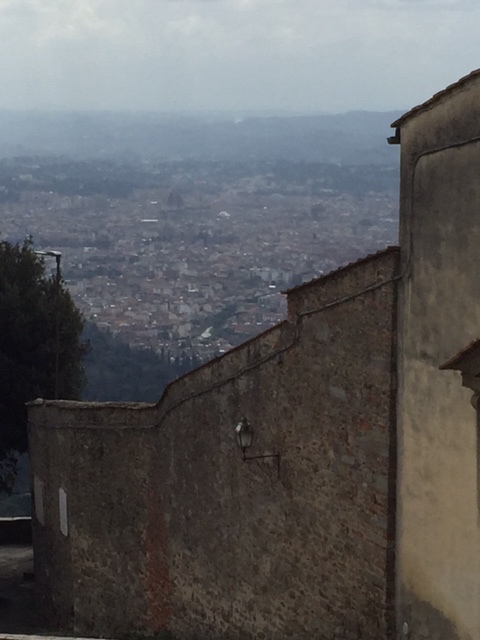
Fiesole was well established as an Etruscan stronghold in the 8th century BC, until the Romans were finally able to dominate, building a thriving town of their own over the remains.
For centuries it existed as a powerful rival to Florence, until once again it was subdued and its ruling nobles were forced to take up residence within the walls of the conquering city. In the 14th century, it became known as the new living quarters for the rich and famous Florentines looking for new territory to build their villas surrounded by cypress trees and spectacular gardens.
The hillside looms 295 meters above Florence, offering a special and stunning panorama of the Renaissance city. The city contains its historical museums, gardens & villas, picturesque streets, churches, trails and parks.
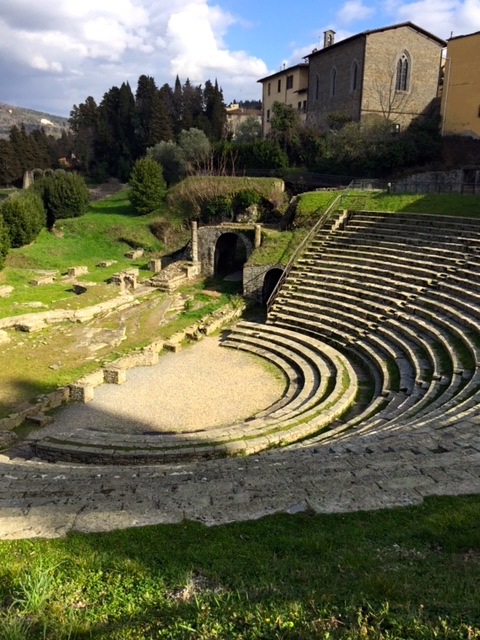
The Roman Theatre
Built into the natural rocks of one of the Fiesole’s hills, the Roman theatre has been extensively restored and still remains one of the best preserved buildings in Fiesole. It was built shortly after the reoccupation of the site in the first century BC and was situated along the Cardo, one of the Roman town’s main streets that led to the forum.
The best seats in the house, situated near the orchestra and tribunalia arcades were reached by a series of vaulted passages that ran under the cavea or rows of seats. Several flights of stairs that ran up through the cavea could be used for seating elsewhere. Each stairway consisted of three flights of ten steps. The original rightside staircase of the theatre are still visible today.
Only the foundations of the frons scenae or stage area remained. These are sufficient to show the three doors, actors used to access the stage. The most interesting area of the backstage is a semi circular room that would have been used to operate the mechanism that opened the theatre’s curtain.
The theatre was redecorated in the third century AD. Only a few fragments of the ornamentation of the multicoloured orchestra mosaics remains as well as marble reliefs of mythical scenes and deities, preserved in the site’s museum.
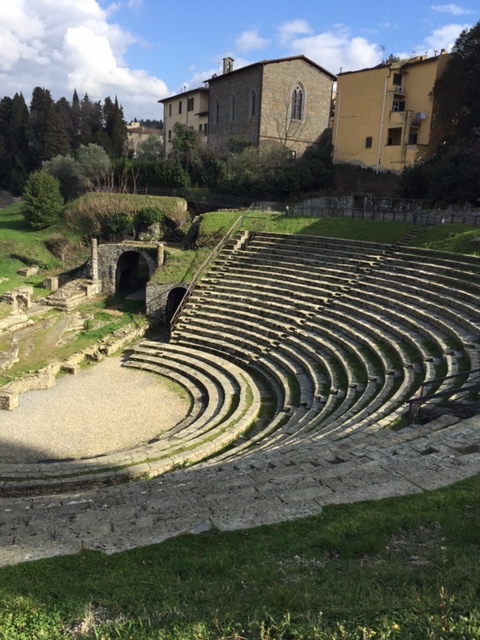
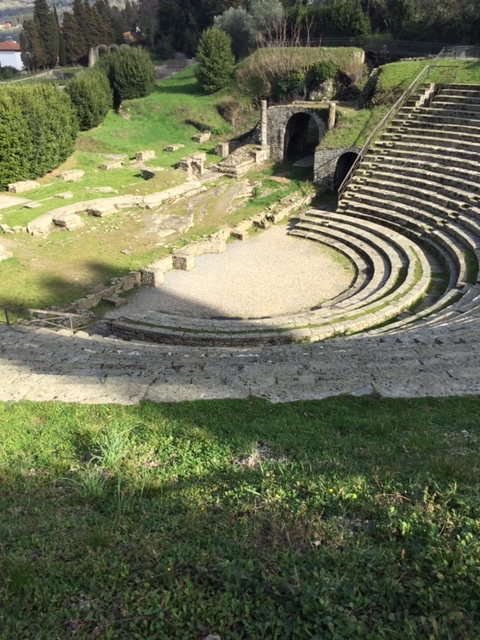
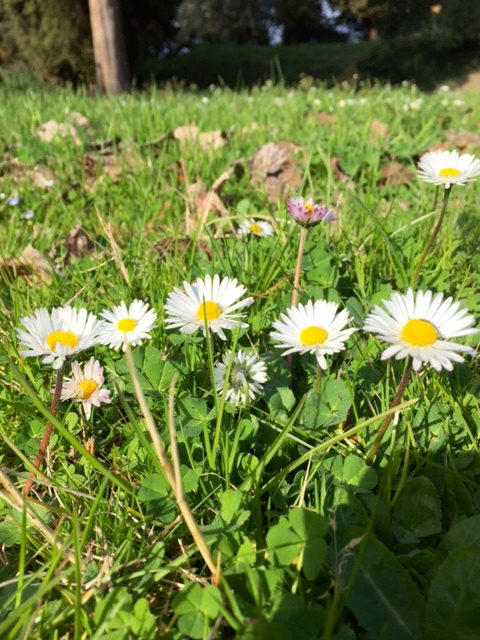
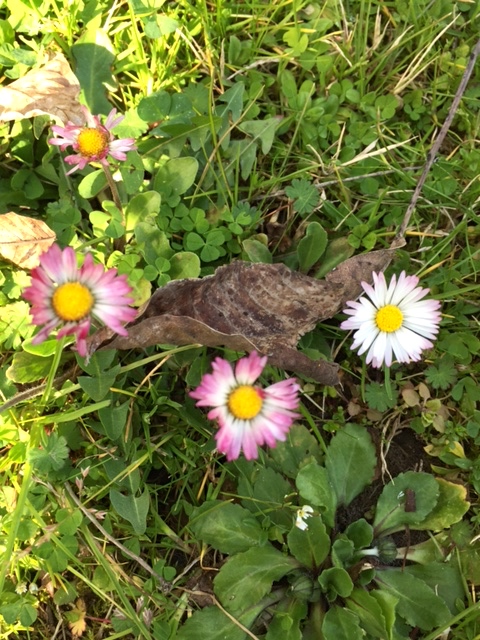
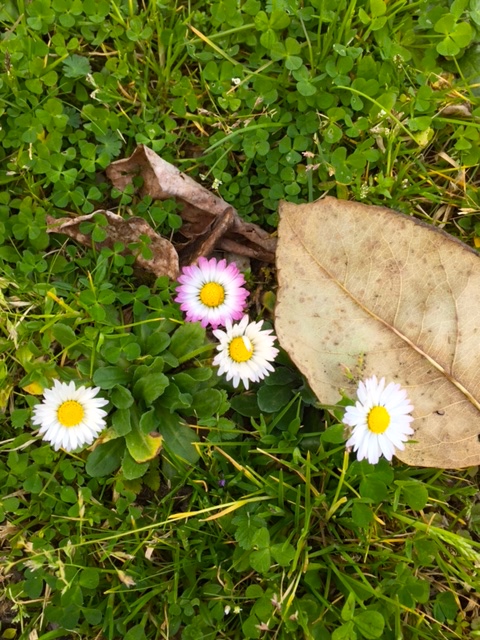
The mystical beauty of Fiesole, less than 10 km outside of Florence, encompasses centuries of history and it is amazing well preserved. Largely unknown by many, this small town hides a wealth of surprises: the massive stones that make up the Etruscan walls, the remains of Roman baths, the green hilltop where Leonardo da Vinci first experimented with the concept of flight, and the Roman amphitheater that still serves as a stage for the EstateFiesolana summer events. The small city center is home to a wide range of historical sites, churches and parks.
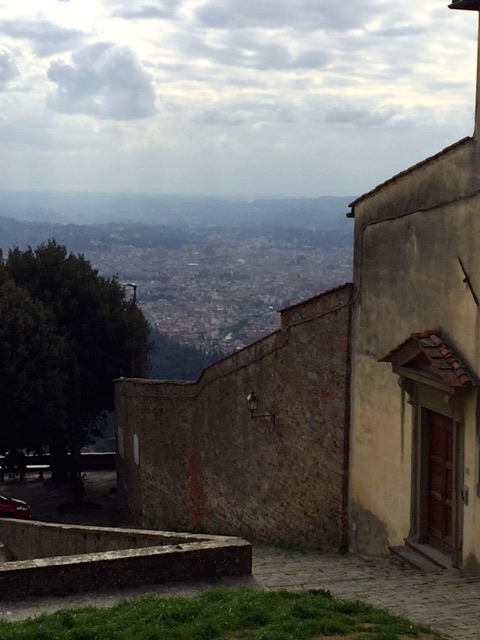
**Fiorato, Marina (2010-03-30). The Botticelli Secret (Reading Group Gold) (Kindle Locations 799-801). St. Martin’s Press. Kindle Edition.
Who are you?
“The privilege of a lifetime is to become who you truly are.” C. G. Jung
Palazzo Medici in early spring.
ly 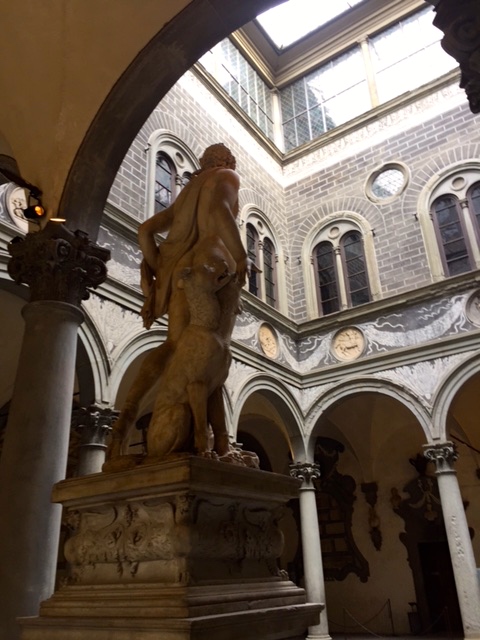

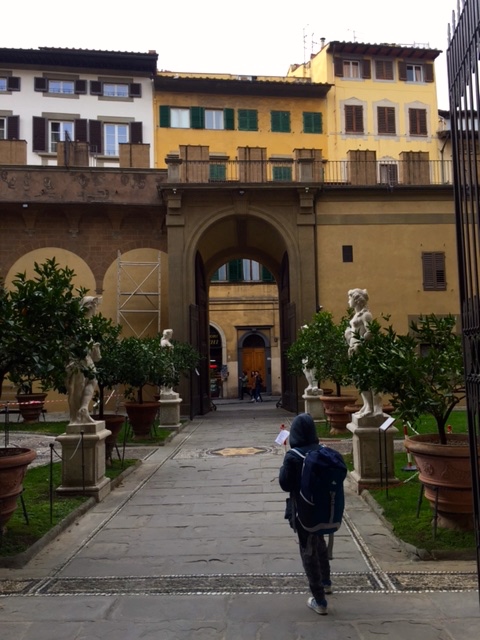
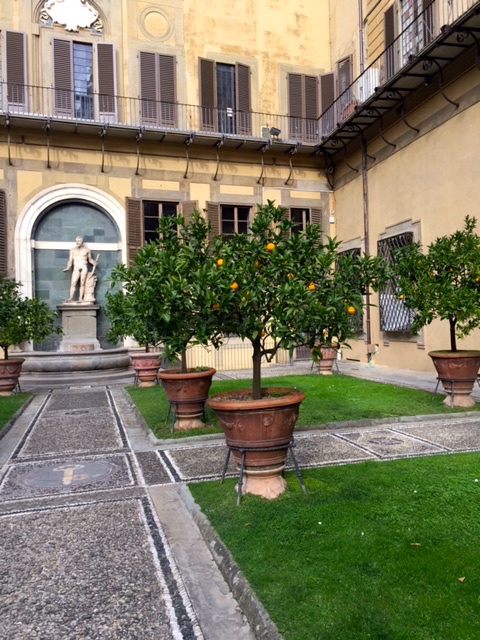

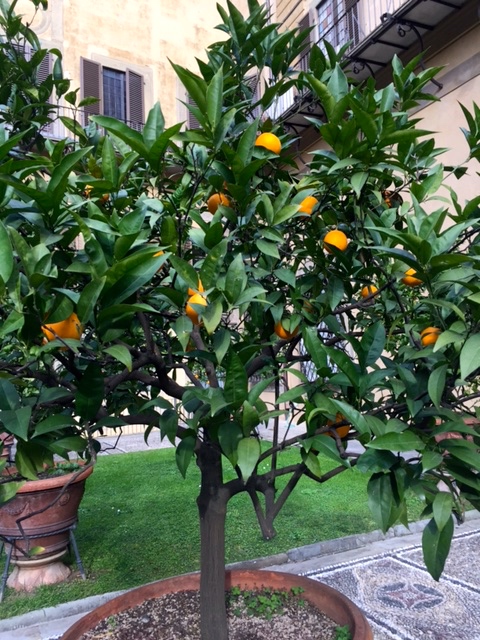
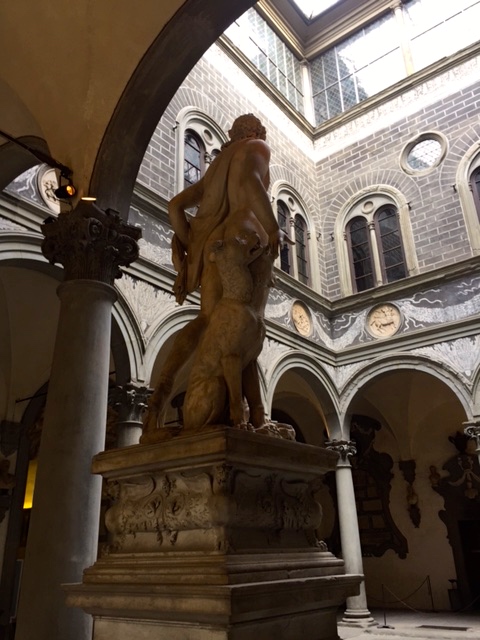
A gorgeous, warm, spring day in Florence
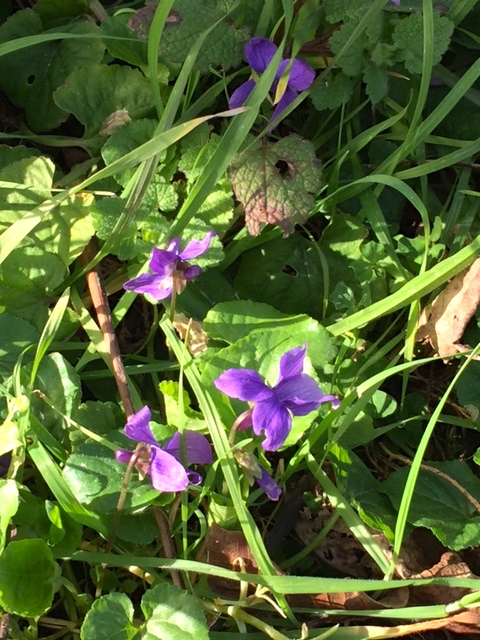
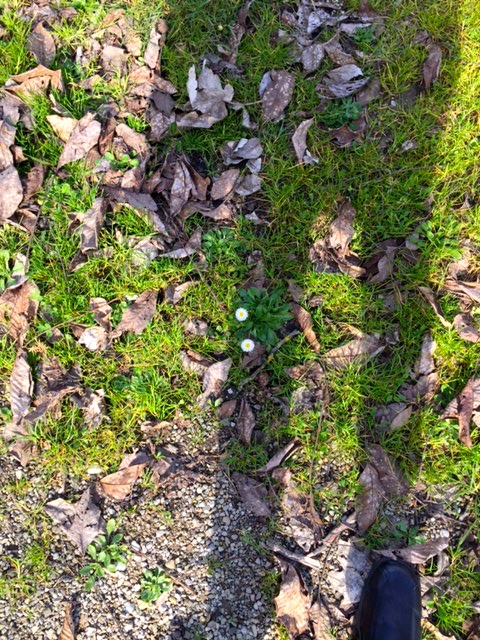
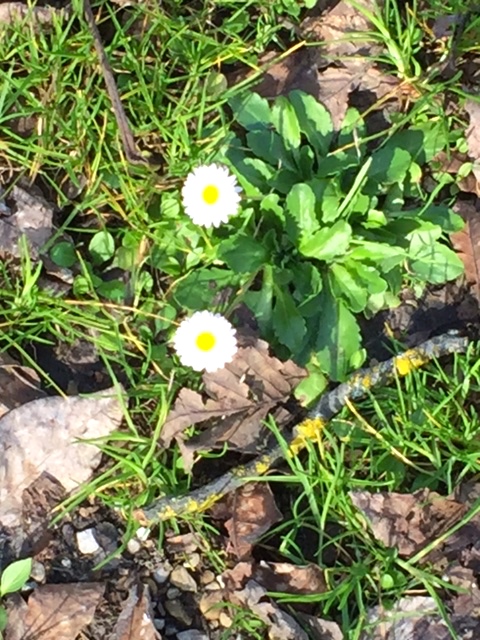
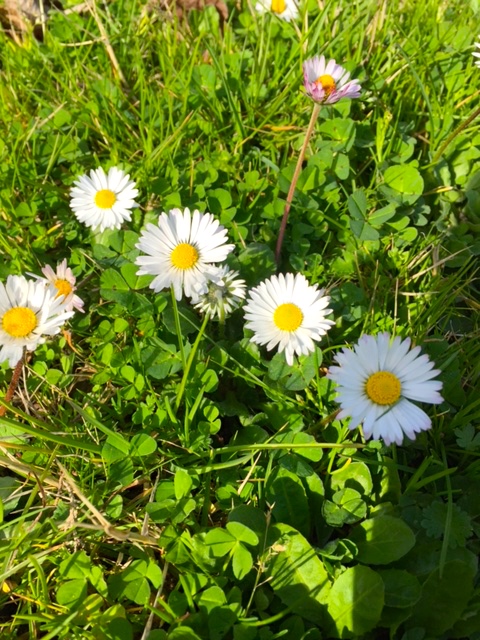
Do you see a theme?


My mind automatically goes to horticulture on nice spring days.
Some uncommon facts about the Piazza del Duomo, Florence.
If you’ve been to Florence, you’ve seen the Duomo. It looms large from every vantage point.

Above is the most recent vantage point from which (the roof top of the Ospedale deli innocenti) I photographed il Duomo. Not the best conditions for a great picture, but there it was, looming large. I do like the way the sun, hidden under clouds, still shine brightly in the sky over the dome.

So, since everybody knows the Duomo, I want to dig deeper into a few aspects connected to the piazza that surrounds it, that most people never even notice or know.
Cominciamo: Let’s begin:
Did you know?

-the cathedral sits on what was the north-east end of Roman Florentia?
-originally, the piazza was just a modest sized cemetery, surrounding the earlier (5th or 6th century) simpler Baptistry.
-it was towards the end of the 13th century that the piazza took on the dimensions we see today, growing in response to a Medieval need for more space to accommodate the growing city of Fiorenzia. The piazza grew at the same time the city walls were enlarged and work began on building the new Town Hall and other monumental churches, including Santa Maria Novella, Santa Croce, and the new Cathedral itself.
-the piazza is composed of way more than just the cathedral (and its below ground excavations) and the baptistry? It includes those two edifices, of course, but also Giotto’s campanile, the Bigallo Loggia, the Opera di Santa Maria del Fiore Museum, the Cathedral Rectories, and two porphyry columns borrowed from Pisa, and the Column of St. Zenobius.

So, there you have it: on Roman city plan, formerly a cemetery, and more than just the Duomo, Baptistry and Campanile.
Proof of spring
A beautiful pink magnolia tree burst into bloom this weekend!


And I saw my shadow in the grass. Does this mean spring is here? Or, does that only apply to groundhogs in the USA, I wonder.

And, in the market I found fresh strawberries from Spain. In the USA, many times our berries come from Mexico. Am I always to eat berries grown by the Spanish? Ha ha. In Seattle I consumed the finest berries known to man, grown in Washington state.

But these Spanish berries will do nicely for now, grazie mille!

It’s a miracle you never even noticed.

When walking through the Piazza del Duomo, most visitors walk right past a white marble column on a base of three stairs, just to the north of the Baptistry. The column is topped with bronze and capped by a cross.
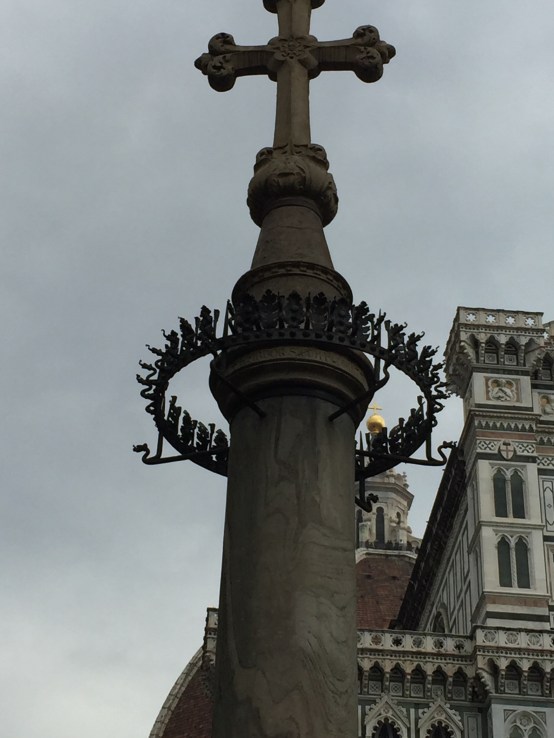
Overwhelmed by the magnificence of the other monuments in the square, few people give the column more than a passing glance.
But, once upon a time, a miracle supposedly took place on this very hallowed spot.
I first noticed this column myself, although I’ve walked through this piazza at least a zillion times, last January 27th. It was the flowers that attracted my attention. Red and white bedding plants surrounded the base.

I thought it was just a post-Christmas attempt to liven the place up. Boy, was I wrong. I suspect pretty much everything I take for granted in Florence has a deeper significance. It is my mission to uncover some of them. Mission accepted!
It turns out that every year on January 27, Florentines commemorate the anniversary of a particular miracle by decorating the base of the column with flowers and greenery.

The miracle was this: supposedly in 429 CE (although some scholars say it was much later, probably in the ninth century), the relics of the much loved and venerated first bishop of Florence, San Zanobi (337-417 CE), were transferred from the Church of San Lorenzo where he had been buried, to the new cathedral, the Church of Santa Reparata (the remains of which can still be seen today under the Duomo).
As the procession moved from borgo San Lorenzo into what was then the open field of Piazza San Giovanni, the bier brushed against the leafless winter branches of an elm tree. At that mere touch, the tree is said to have burst into bloom. Hence, the bronze relief on the column represents a tree in full leaf. Above it, the now fairly indecipherable Gothic script recounts the wondrous story.
So, who was Zenobius? Born into a noble Florentine family, Zenobius was the first in his family to become a Christian. Once ordained as a priest, his fame as a preacher soon spread. Pope Damasus I (366-86 CE) called him to Rome and, among other missions, sent him to Constantinople.
After the pope died, Zenobius returned to Florence and was made the city’s first bishop. He evangelised the city and surroundings, including Scandicci (he was named its patron saint in 1983). Renowned for his great humility and charity, he was known as the Apostle of Florence.
He is also said to have performed many miracles, including one in which he resurrected the dead child of a French pilgrim. This event is recorded on a plaque in Latin on the wall of Palazzo Valori-Altoviti in borgo degli Albizi, where the miracle is said to have occurred.
The saint’s relics now rest inside the Duomo in an urn inside a silver shrine, a masterpiece made by Lorenzo Ghiberti, the sculptor responsible for the ‘Gates.’
It is uncertain whether the trunk of the famous reblooming tree was used to make the cross currently found in the Church of San Giovannino dei Cavalieri in via San Gallo or whether the Maestro del Bigallo used it for his painting of Saint Zenobius with saints Eugene and Crescentius, today housed at the Museo dell’Opera del Duomo. Not surprisingly, many other artists depicted episodes from the life of the saint, including Sandro Botticelli, whose paintings of Zenobius grace the walls of the National Gallery in London and the Metropolitan Museum of Art in New York.
The original marble column was destroyed by the flood in 1333 and replaced in 1334; the inscription was added in 1375. In 1501, the cross fell to the ground and shattered. The replacement column has benefited from public policy since the area surrounding the Duomo was made into a pedestrian zone in October 2009.
In May 2012, the landmark was restored through the Florence I Care (FLIC) project, a public-private partnership to preserve not only the cultural heritage of Florence but also some of its important buildings. The restoration, paid for by a private company, took three months and cost 20,000 euro. It required a series of delicate operations to remove the effects of centuries of exposure to soot and smog.
After you find the column, look up above the central doorway of the Duomo.

You will see a statue of an elderly man with a beard, dressed in bishop’s vestments and mitre and holding a crook. That is San Zanobi, seemingly keeping an eye on his column.
Things are looking up.
Not that they were looking down before.
But now, when I look up, I see this beauty. It’s my ceiling!
Très belle! Even though it’s Italian.


 get back, lauretta!
You must be logged in to post a comment.