On my bucket list for decades, I finally made it to Paestum, this fascinating place where Greeks/Romans built/overtook some very important temples that are still extant!
In July of this year (2026), I was visiting a friend in nearby Irpinia and he took me to see Paestum. Here are some of my pictures of that fascinating site.
Paestum was established around 600 BCE by settlers from Sybaris, a Greek colony in southern Italy, under the name of Poseidonia (Ancient Greek: Ποσειδωνία). The city thrived as a Greek settlement for about two centuries, witnessing the development of democracy.
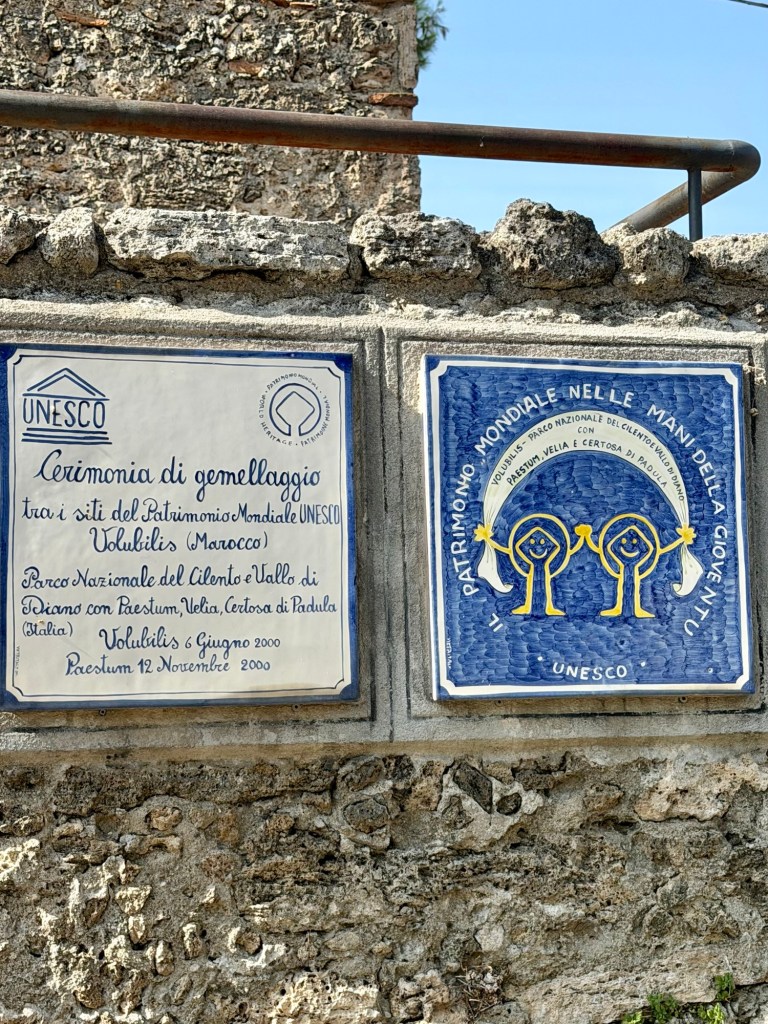
In 400 BCE, the Lucanians seized the city. Romans took over in 273 BCE, renaming it Paestum and establishing a Latin colony. Later, its decline ensued from shifts in trade routes and the onset of flooding and marsh formation. As Pesto or Paestum, the town became a bishopric (now only titular), but it was abandoned in the Early Middle Ages, and left undisturbed and largely forgotten until the 18th century.
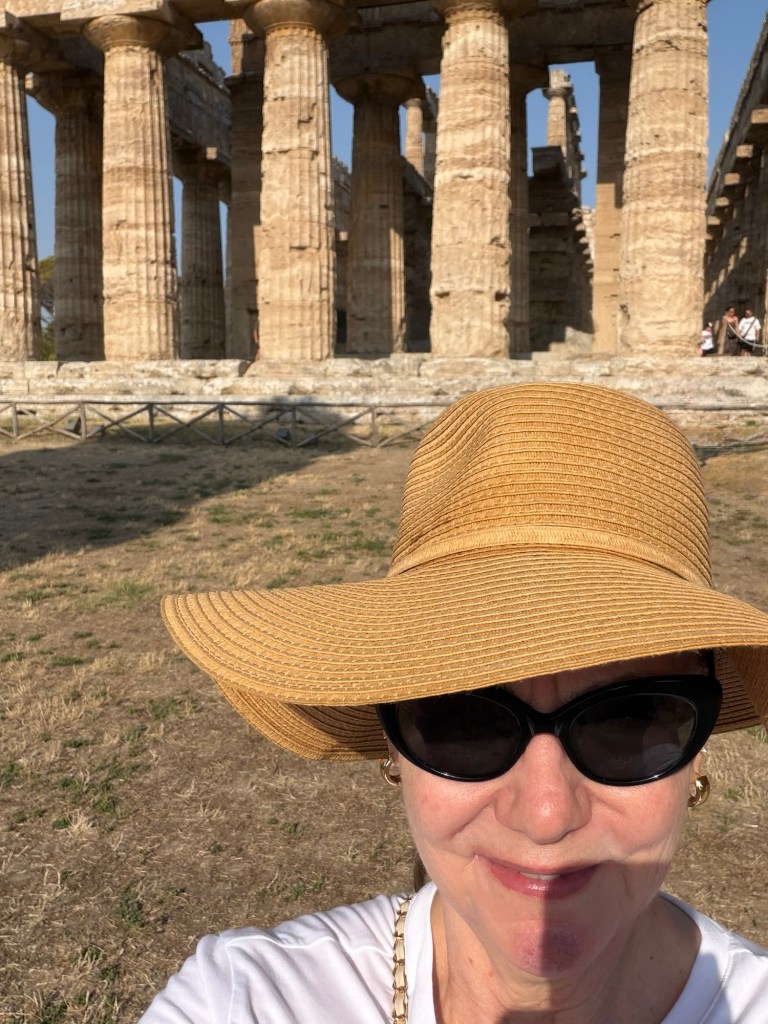
This post is dedicated to the first structure: The Temple of Apollo. In an upcoming post, I will discuss the history of this place, which was originally Greek colony, known as Poseidonia, named after the sea god.
But for now, let’s take a look at this mesmerizing ancient structure, which despite its losses, stands proudly and quietly proclaiming the excellence of the Greeks who first colonized this locale around 600 BCE.
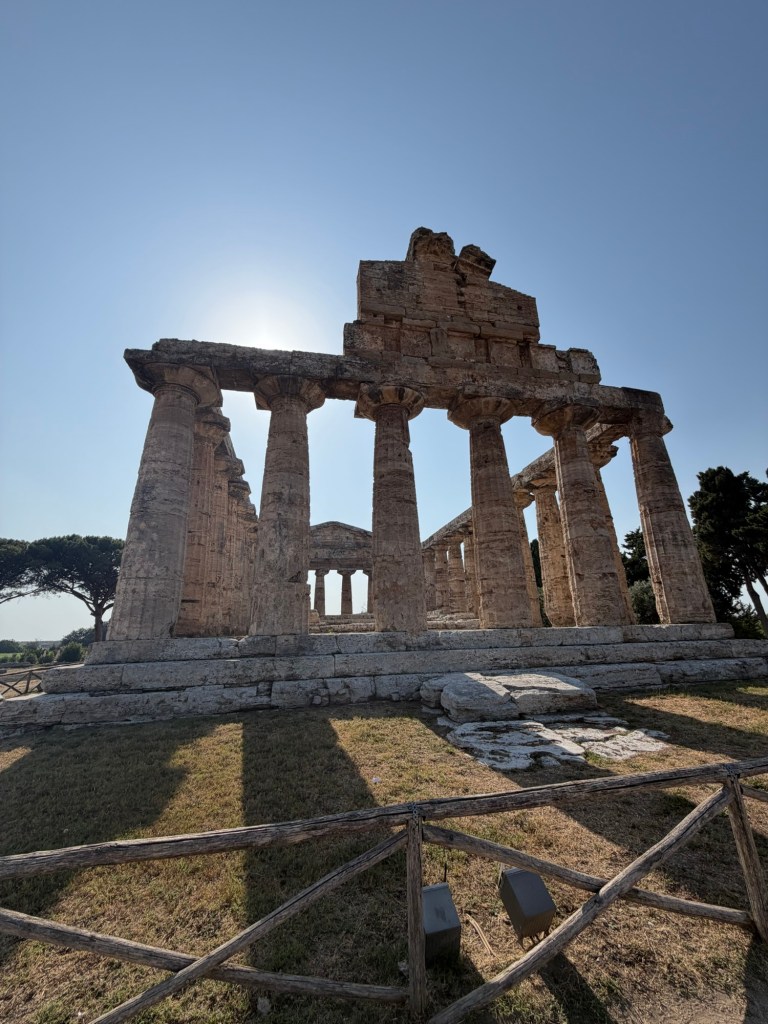
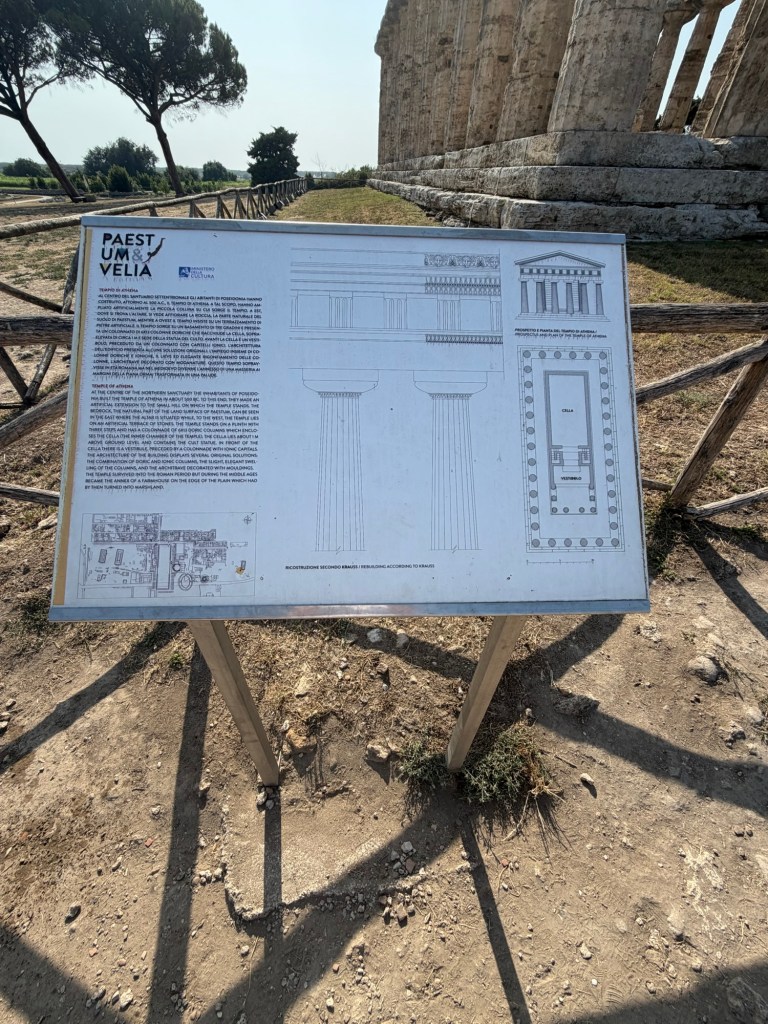
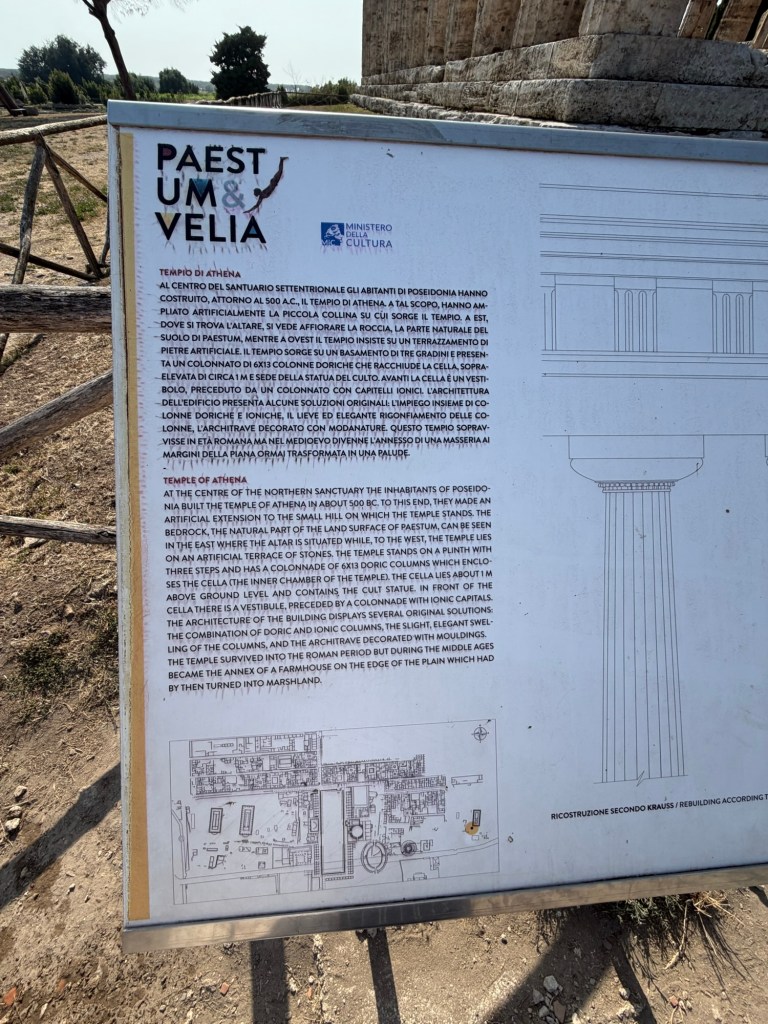
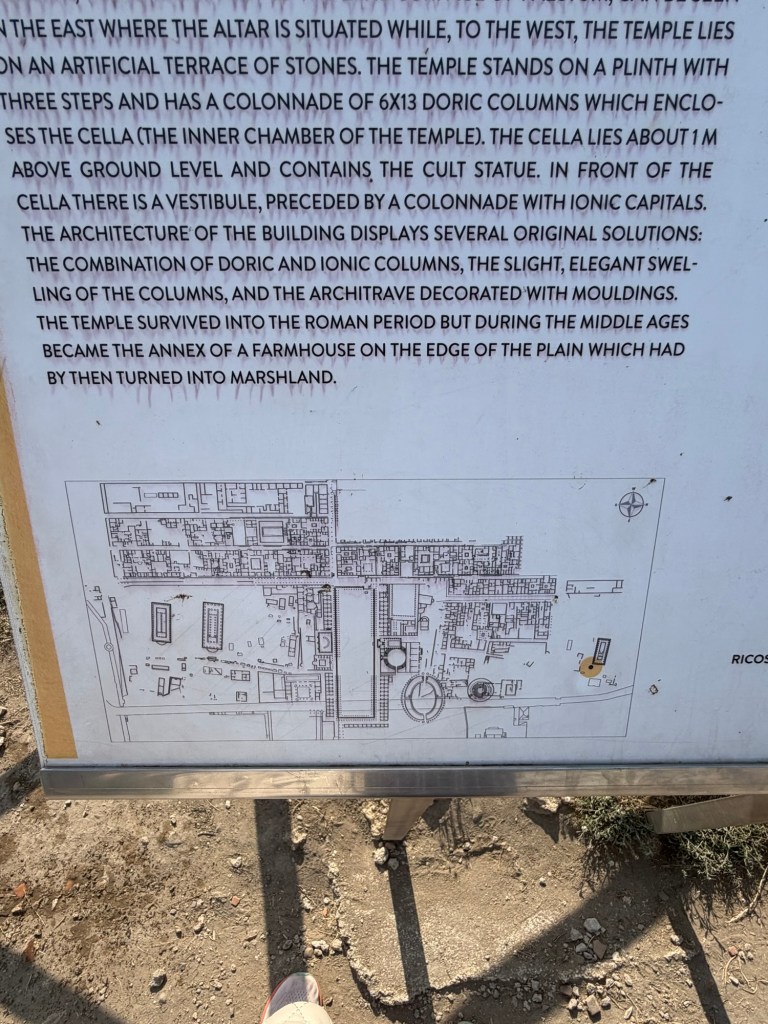
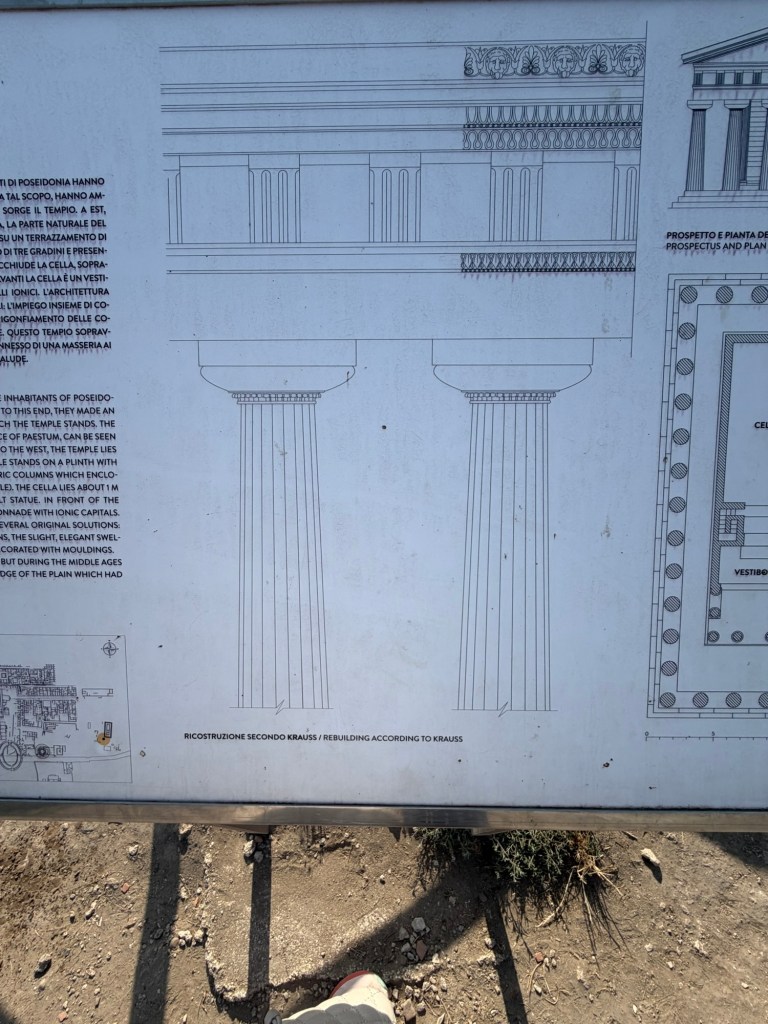
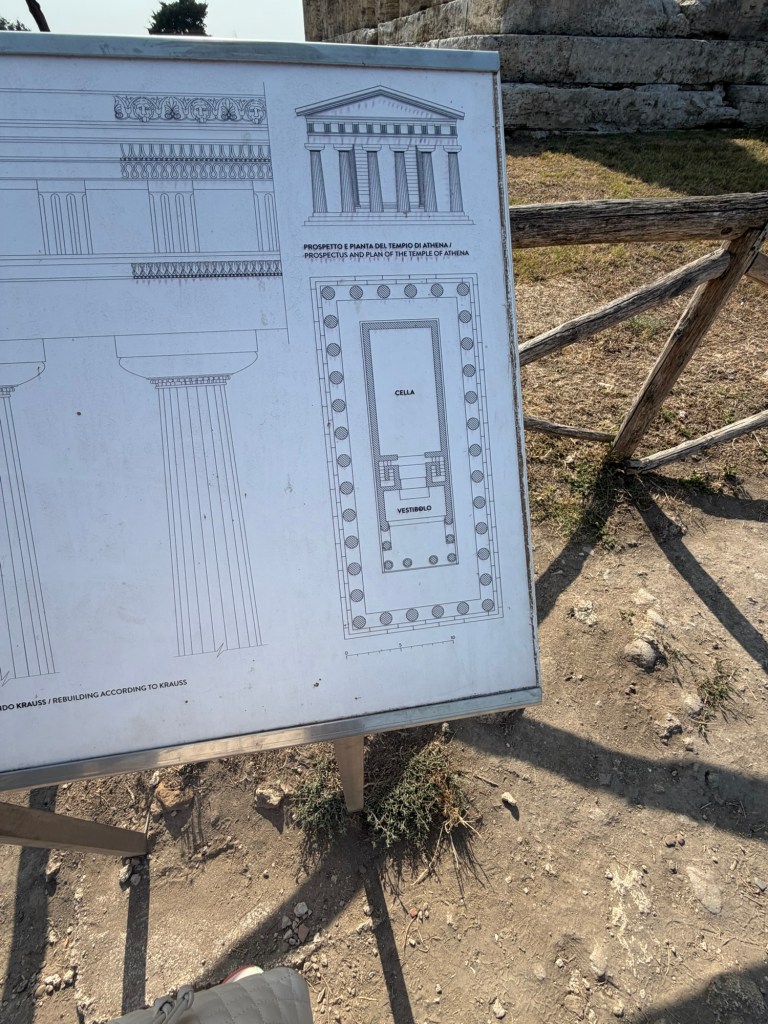
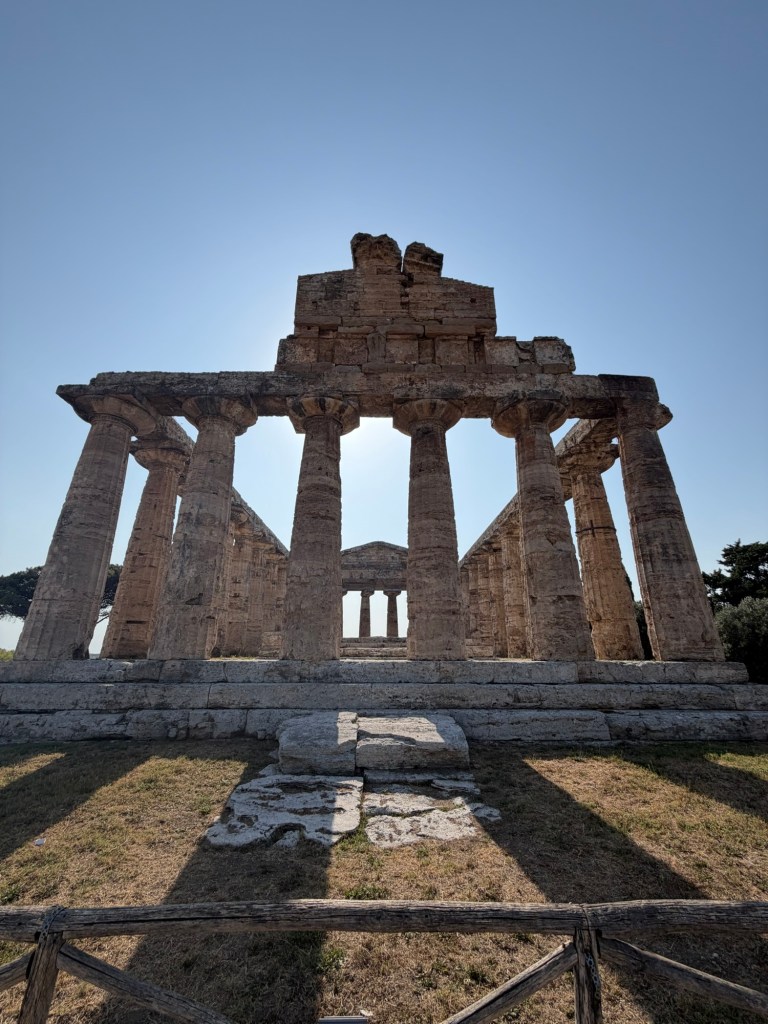
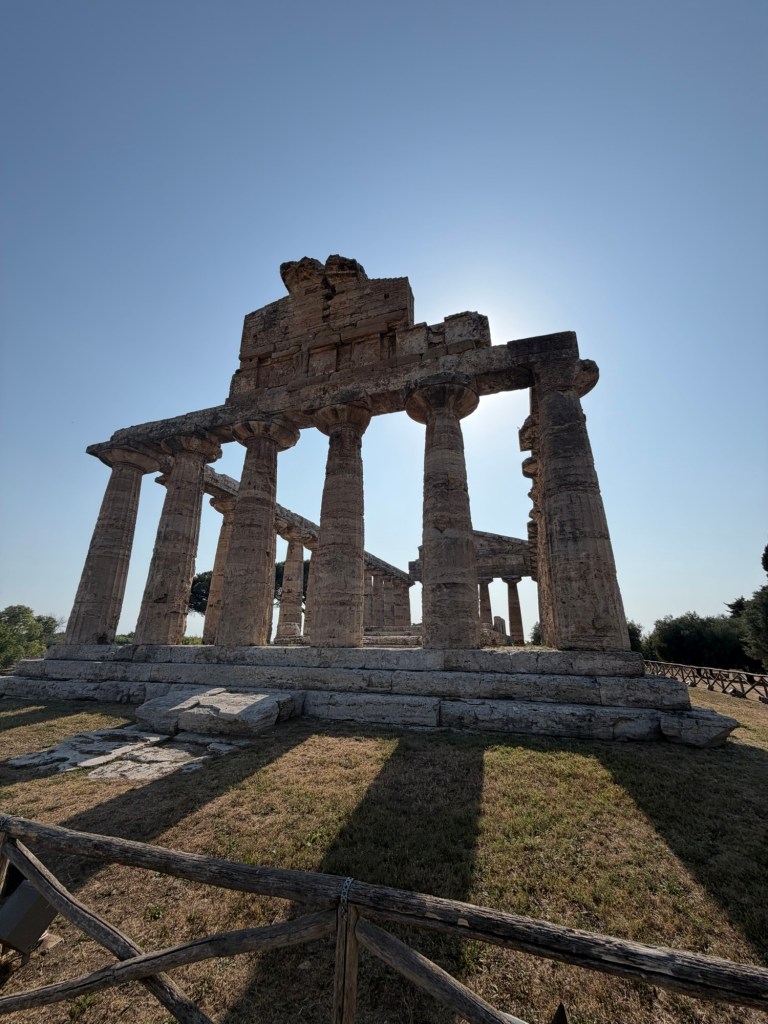
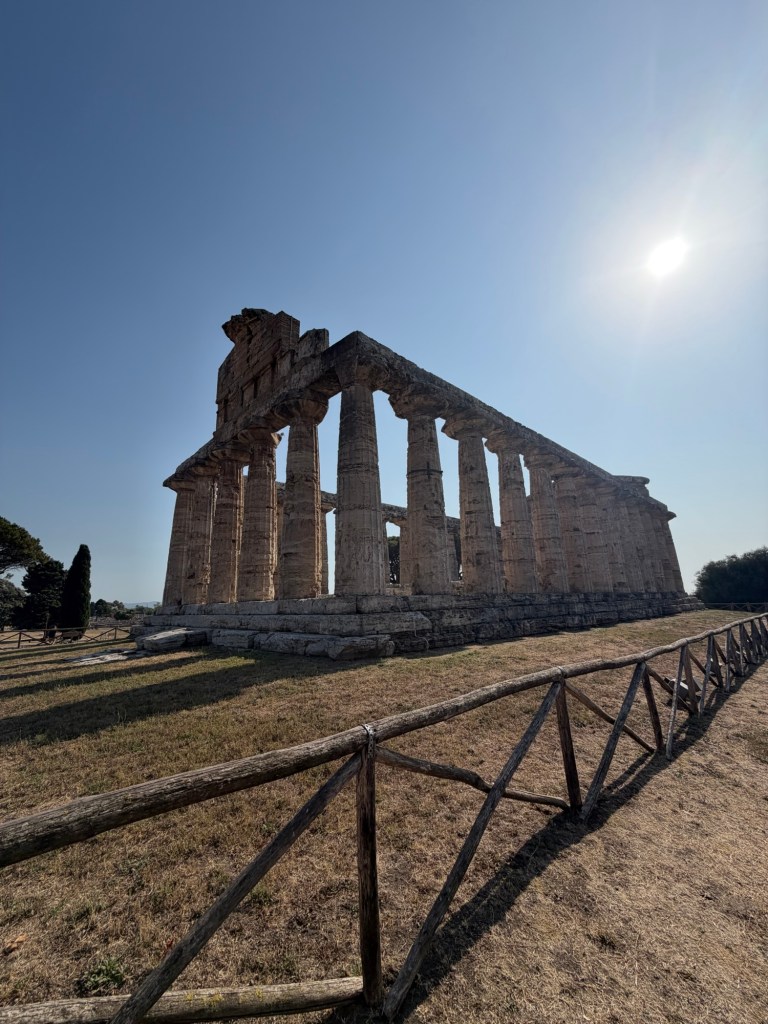
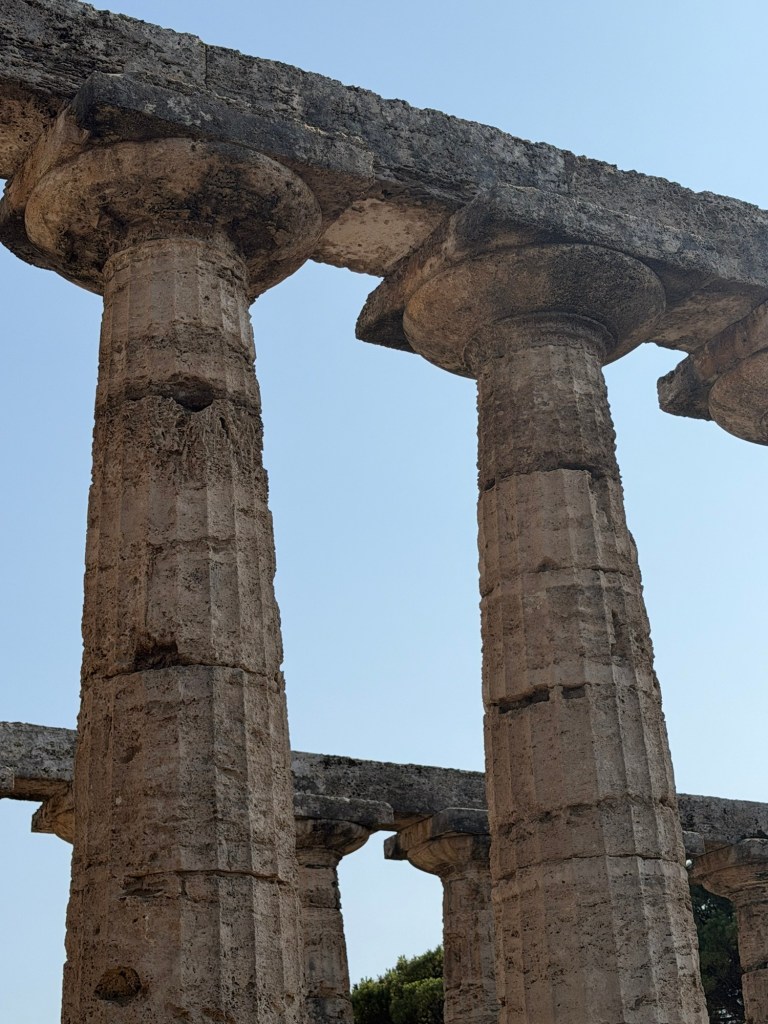
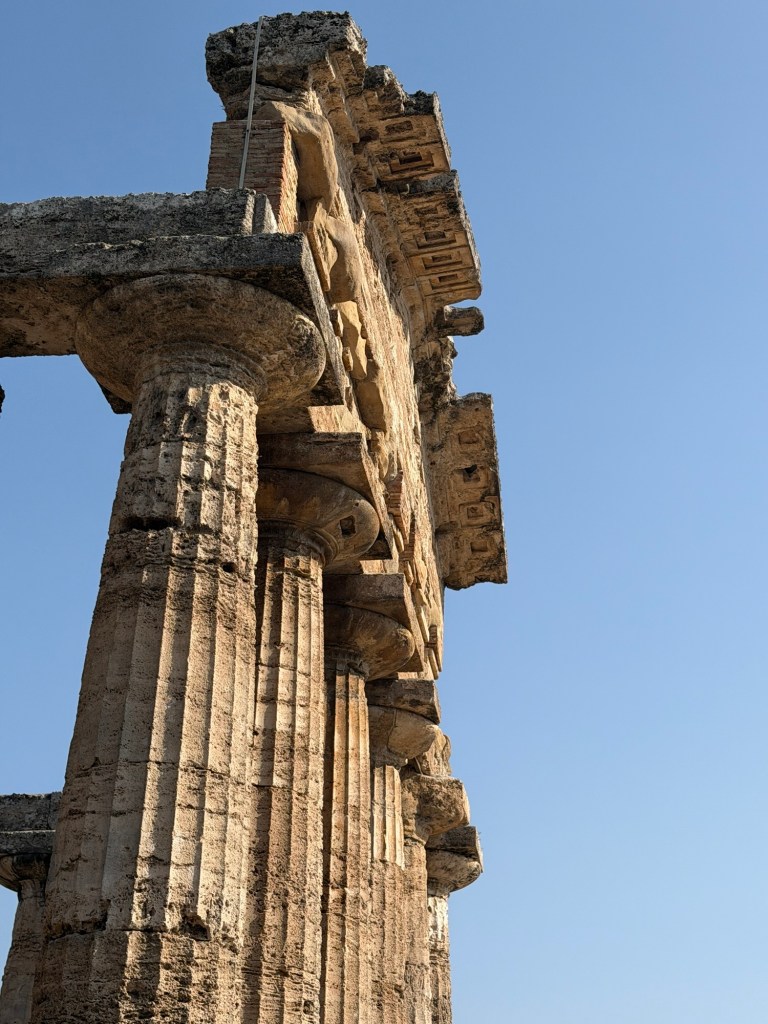
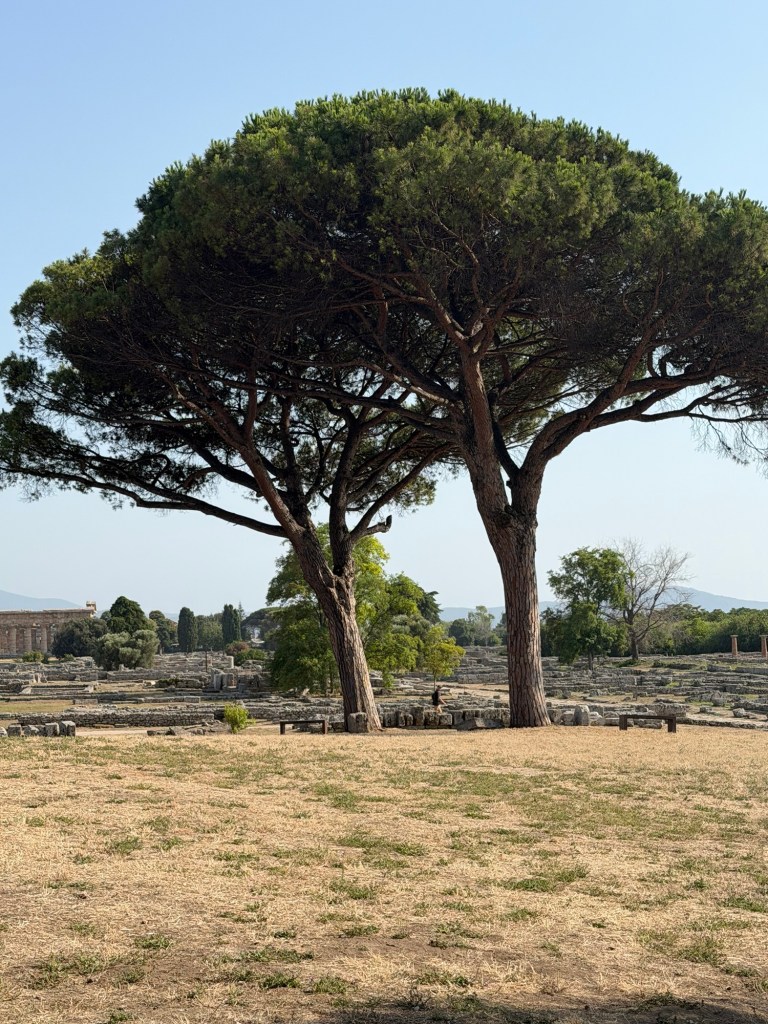
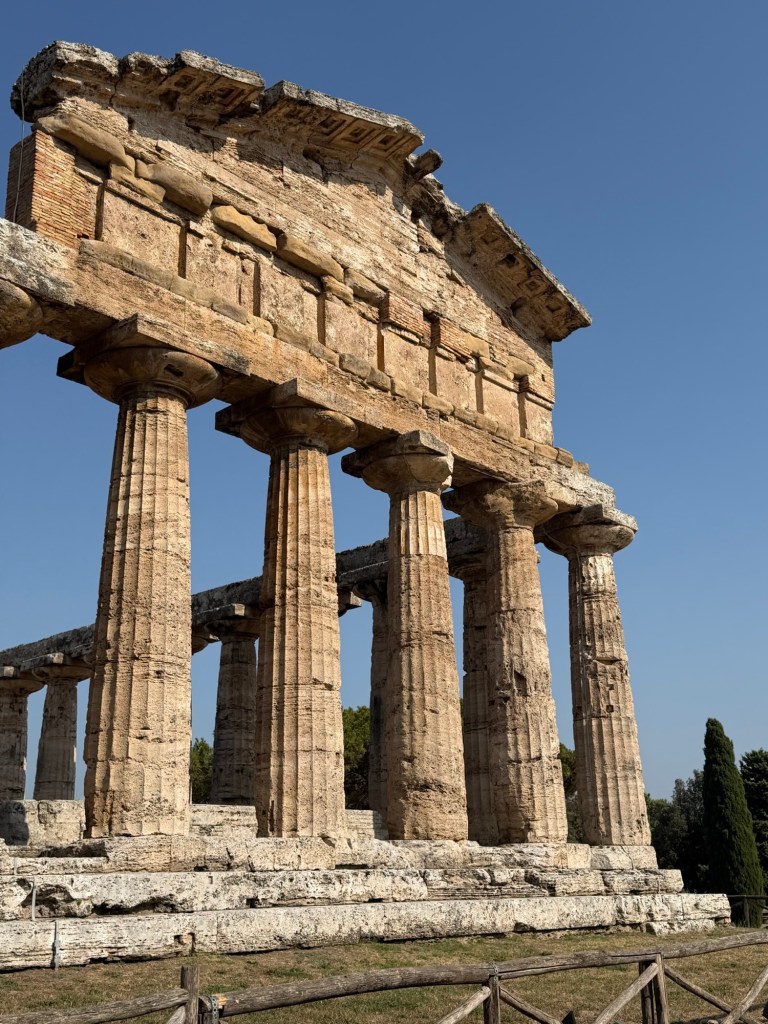
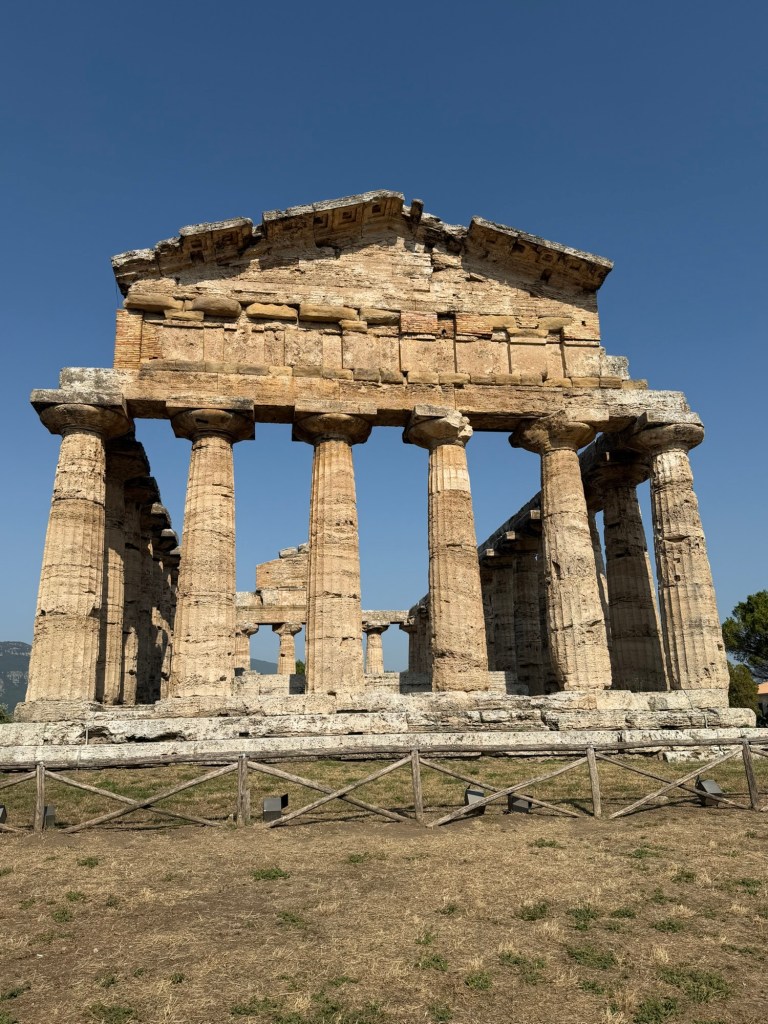
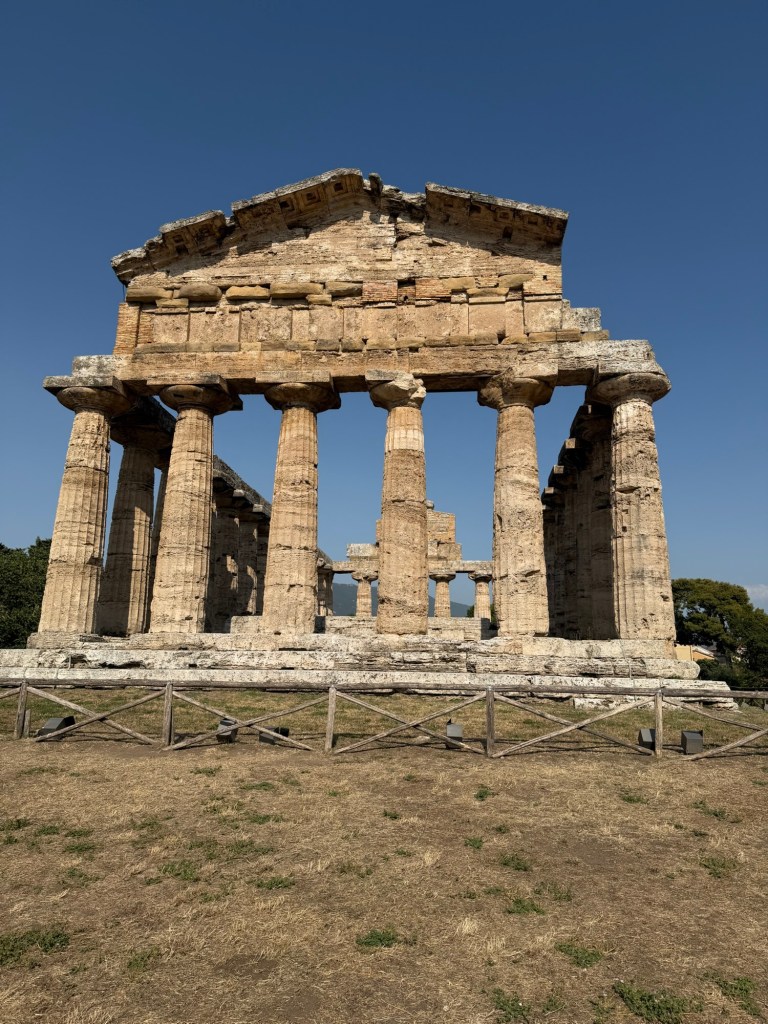
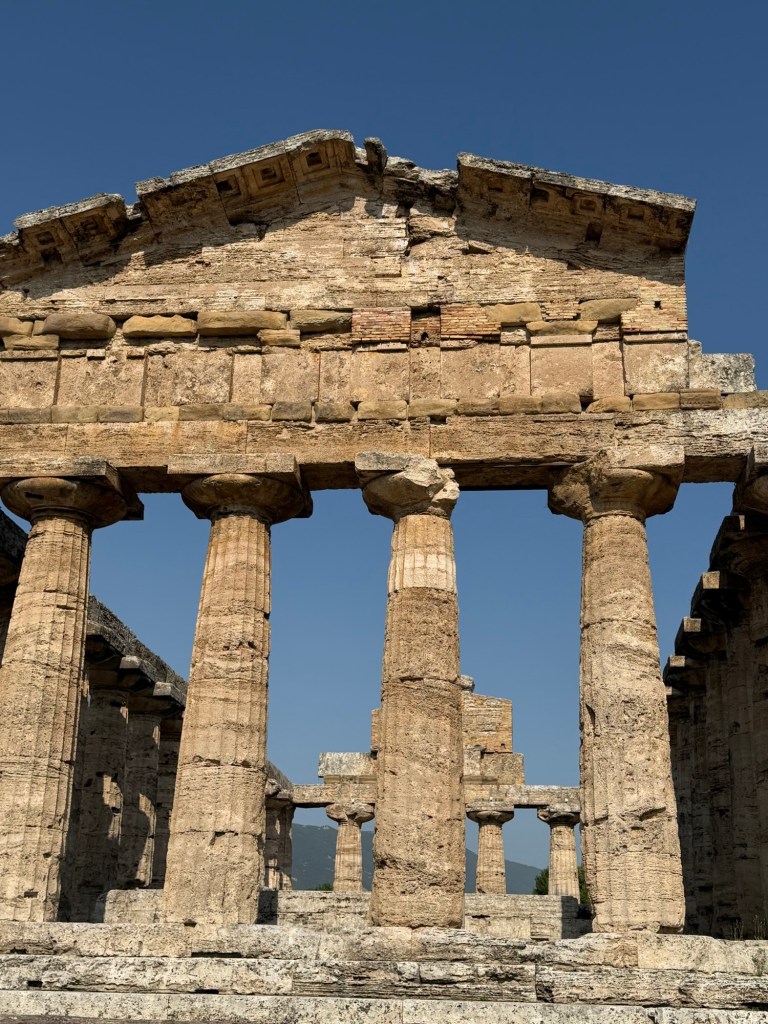
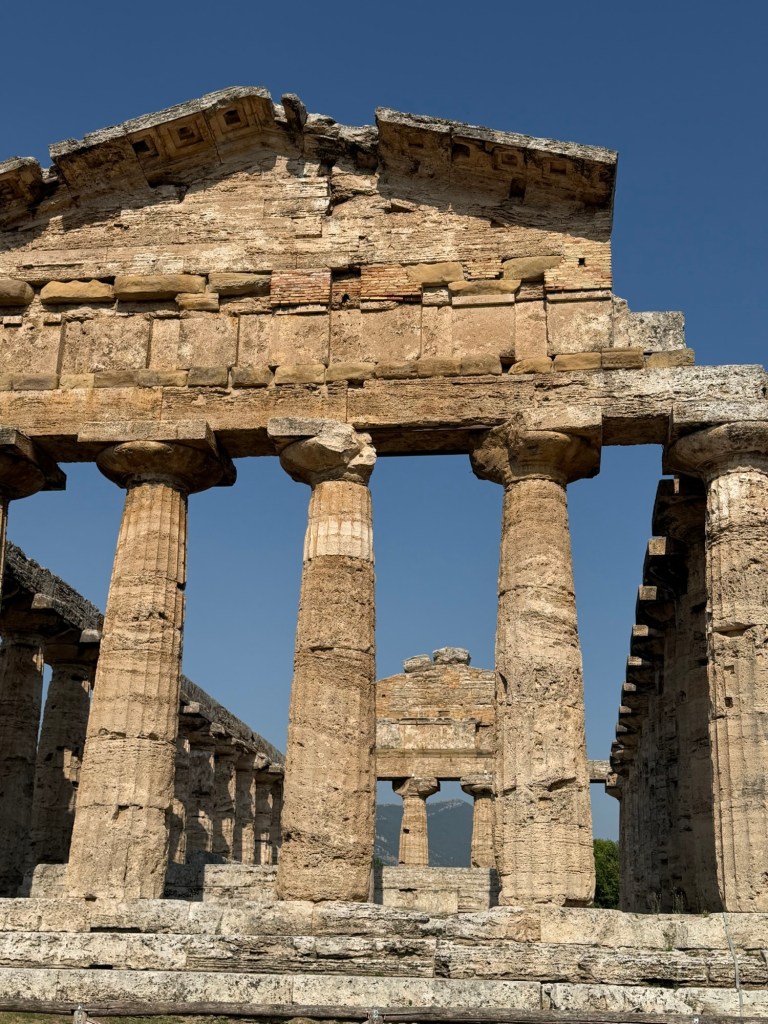
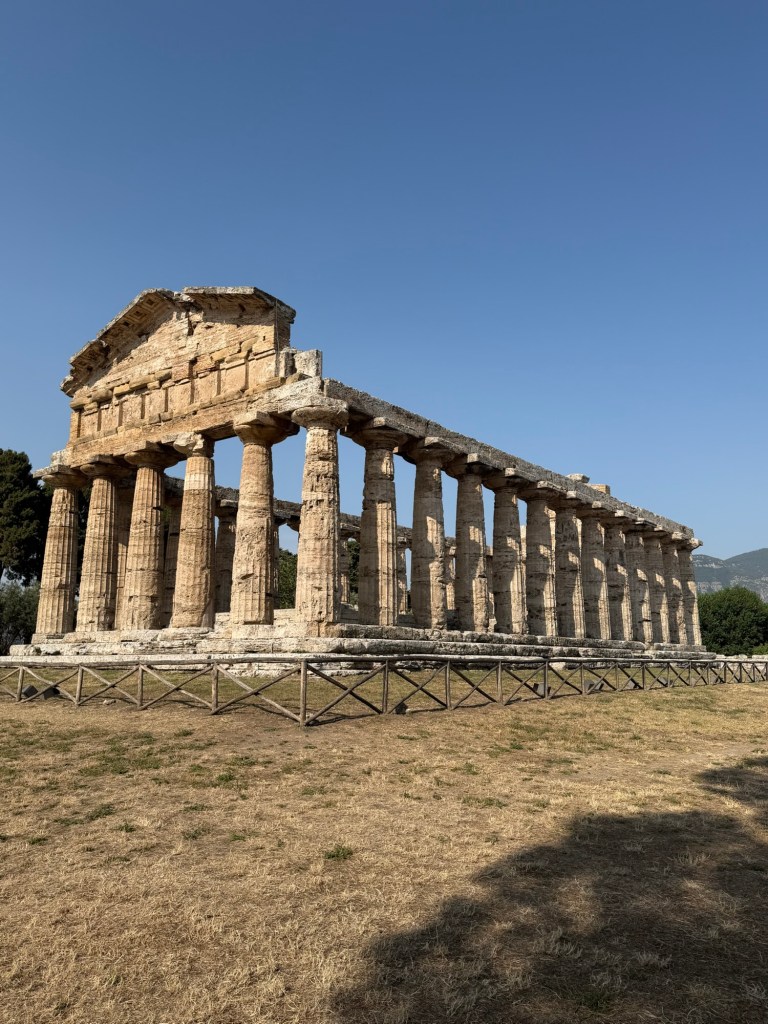
I am going to tell you the honest truth! As an art historian, I have taught college survey courses of world art history and lectured about this temple, but I have never had time before to research the site. I actually thought that the Temple of Athena was the entire site!
But wait, there’s a LOT more!
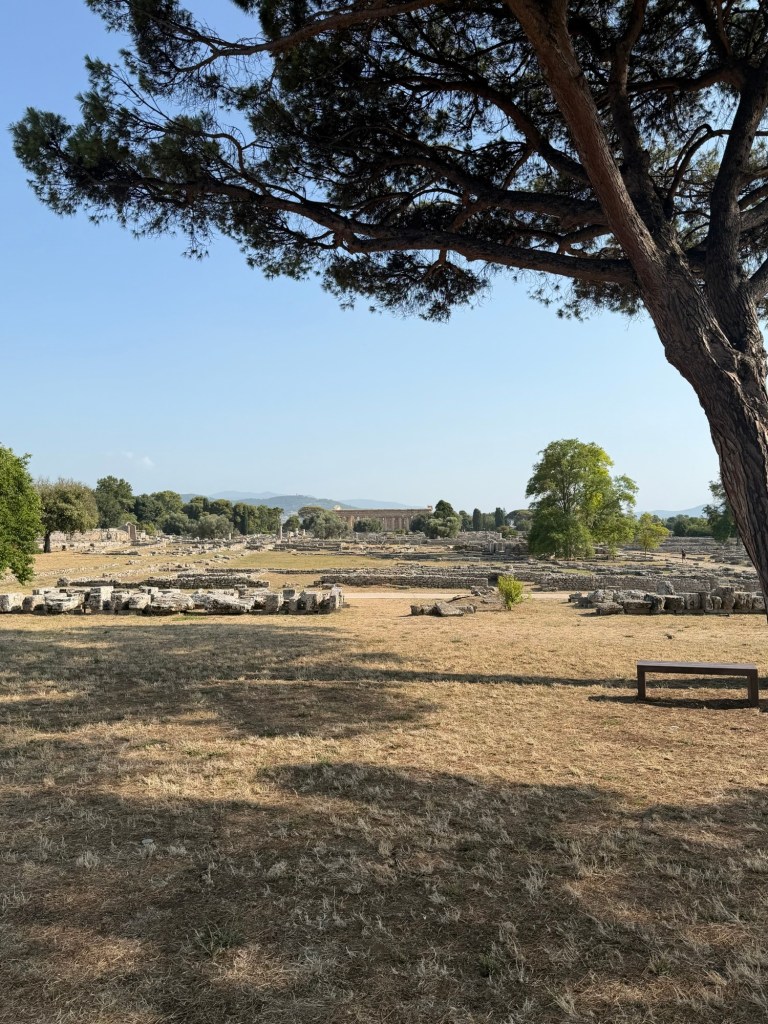
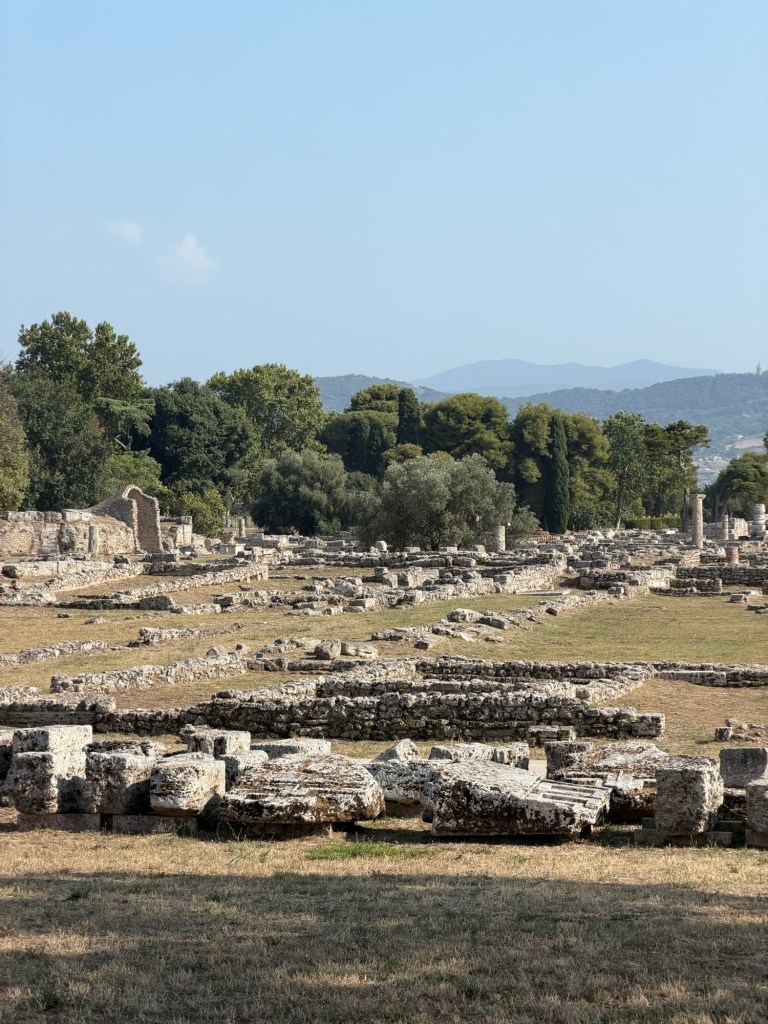
I’ll show you more soon! It’s vast and important!


Absolutely huuuge
Large and very majestic. The stories it could tell.