Author: get back, laurettadimmick
Piazzale di Porta Pia, Rome
The Capture of Rome on September 20, 1870, was the final event of the long process of Italian unification, known as the Risorgimento. It marked both the final defeat of the Papal States under Pope Pius IX and the unification of the Italian peninsula under King Victor Emmanuel II of the House of Savoy.
The capture of Rome ended the approximate 1,116-year reign (AD 754 to 1870) of the Papal States under the Holy See and is today widely memorialized throughout Italy with the Via XX Settembre street name in virtually every considerable town. Rome has a major thoroughfare named Via XX Settembre of course, and so does Florence. I happen to live on the Florence street.
Of course it was important for this important event to be memorialized in Rome and the Piazzale di Porta Pia was the result.
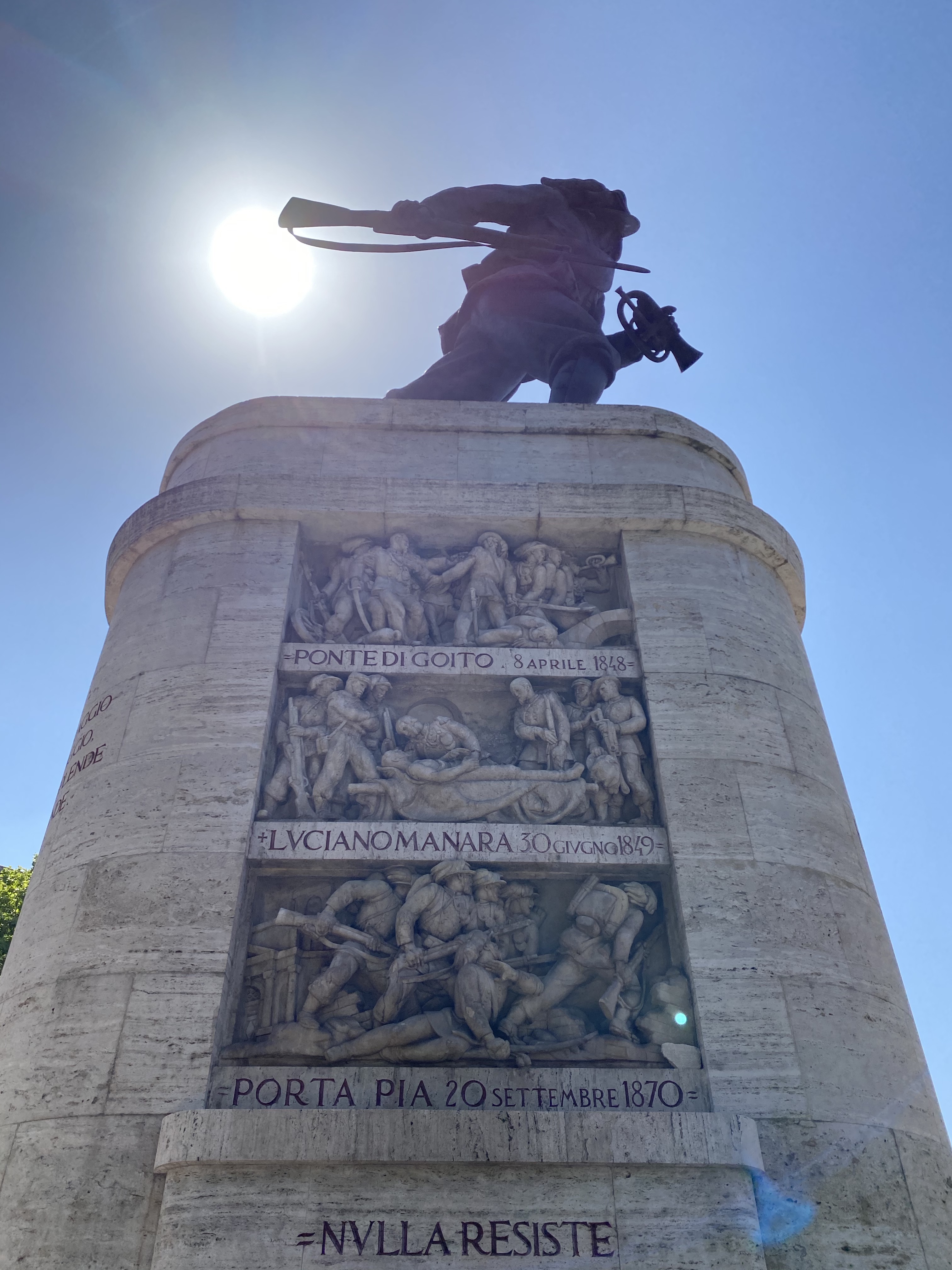
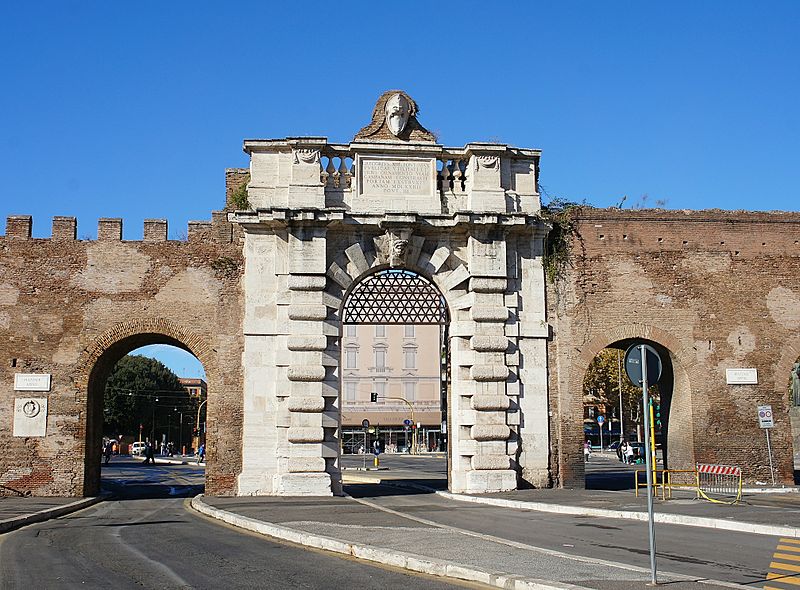
Just outside the Porta Pia stands the Monumento al Bersagliere, erected in 1932 by Publio Morbiducci on a commission from Mussolini. Moreover, the building between the two arches facades of the Porta Pia, the internal and external facades of the gate, houses the Historical Museum of the Bersaglieri, with the monumental tomb of Enrico Toti. The Bersaglieri (means sharpshooter in English) are a speciality of the Italian Army’s infantry corps.
A marble monument from 1920 and a commemorative column commemorate the event. Even today the signs of the fighting are visible on part of the Aurelian walls and on the door itself. In front of the external door, in eternal memory of the liberation of the city from the Austrian troops during the First World War, in 1932 a monument to the bersagliere was placed by the sculptor Publio Morbiducci.
HISTORICAL MUSEUM OF BERSAGLIERI
Between the two facades that make up the door, connected by small buildings originally having a defensive function, there is a small courtyard which now houses the Historical Museum of the Bersaglieri, inaugurated on 18 September 1932 , which preserves memorabilia and memories related to the institution and the evolution of the Bersaglieri body.
In the courtyard of the Museum there are bronze busts of the most illustrious representatives of the Corps, including that of Enrico Toti , hero of the Risorgimento. In the Hall of Honor, among the various precious memorabilia, there is the original Proposition, a handwriting written by La Marmora to obtain the constitution of the Corps from King Carlo Alberto. The ground floor houses the Shrinededicated to the over one hundred thousand fallen for the homeland. At the center of the room is the saber that La Marmora wielded on 8 April 1848 in Goito. In the rooms on the first floor, memorabilia are exhibited, such as uniforms, firearms and side arms, documents and memories relating to the campaigns of the Risorgimento, from 1848 to 1866. The upper floor is dedicated to the colonial campaigns , from the first landing of the bersaglieri to Massaua, on February 5, 1885, to conquer East Africa in 1936. The lower floor is dedicated to the 1st World War with plaques, photographs, department pennants, celebratory statues, portraits and medals of commanders and simple bersaglieri, Italian weapons and Austrian. To the 2nd World Warthe ground floor where the memorabilia and objects relating to the numerous operational theaters in which the bersaglieri fought are dedicated and dedicated.



The Good Lie, a great film I highly recommend
I rarely make recommendations, but recently saw this film and it is excellent. It is heart-breaking and heart-warming.

Paris before Covid
In January of 2020 I had the pleasure of spending 10 days in Paris. Looking back, these are some of my favorite videos of that time. Sigh….
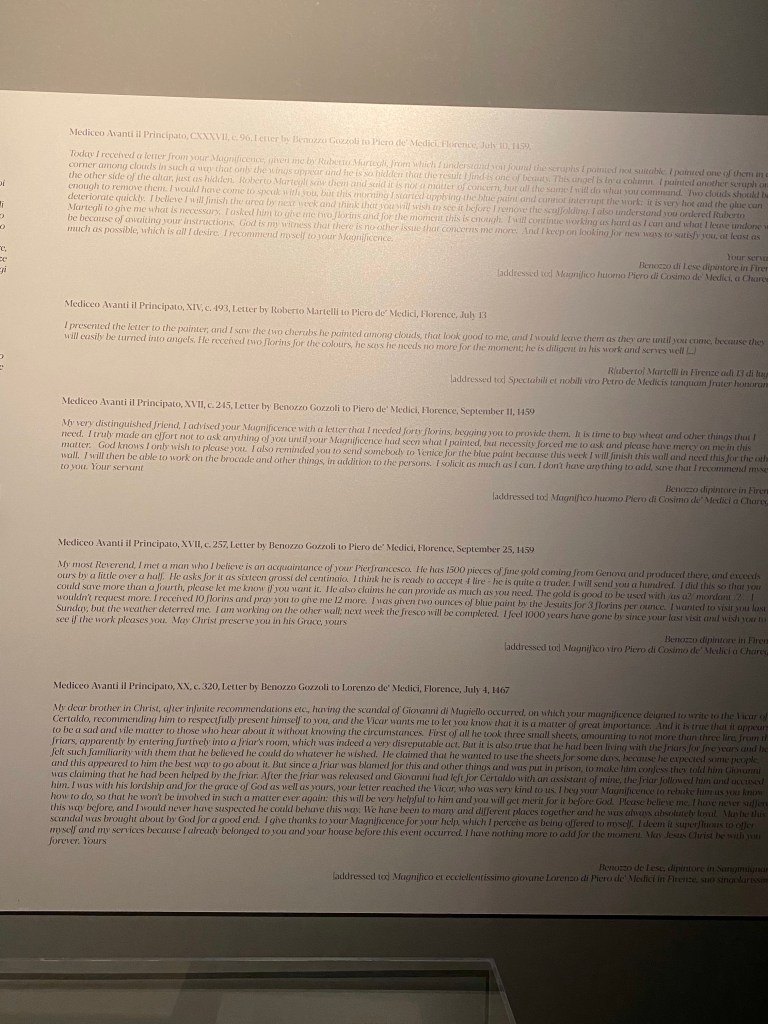
Benozzo Gozzoli and the Medici Chapel frescoes
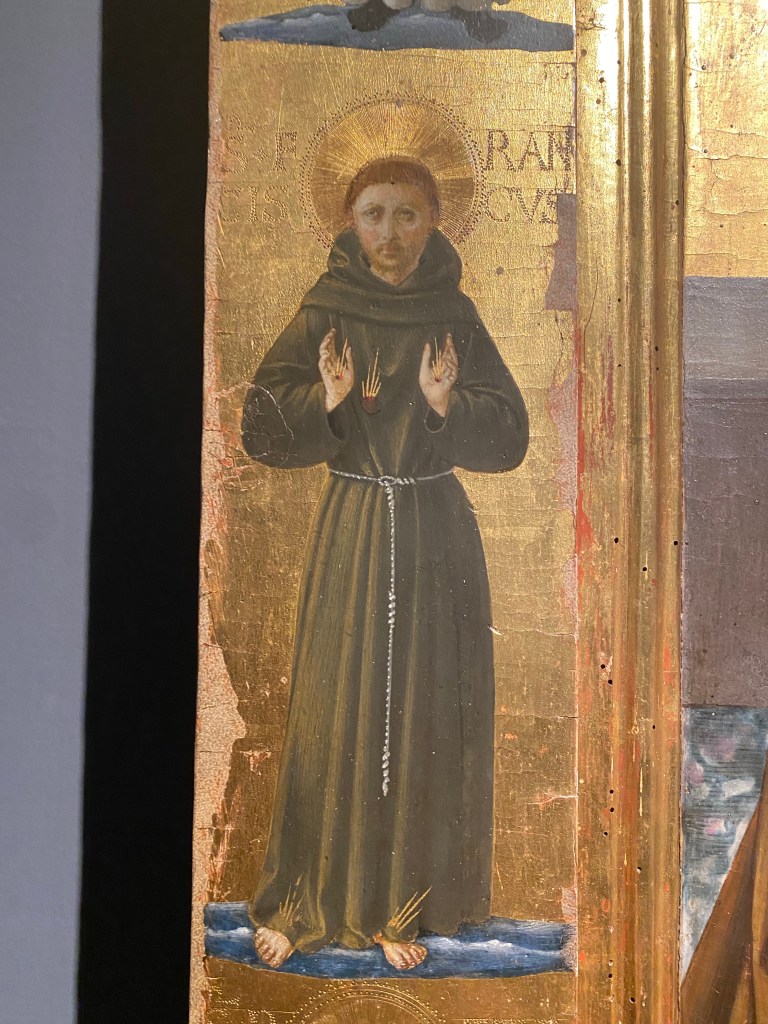
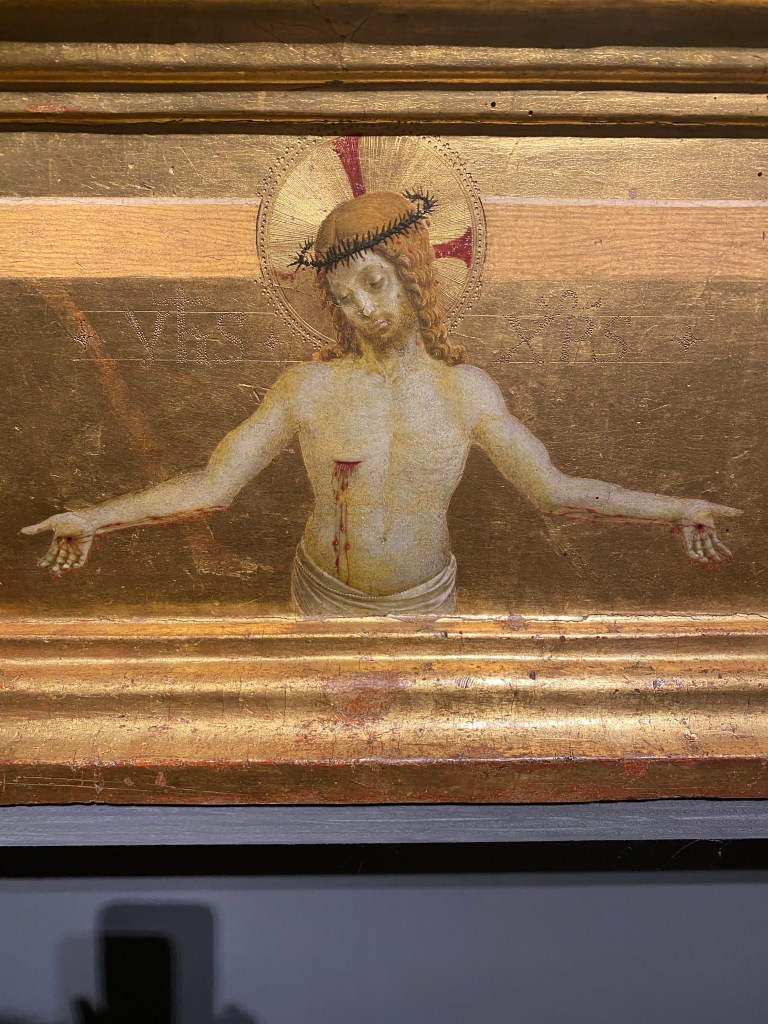
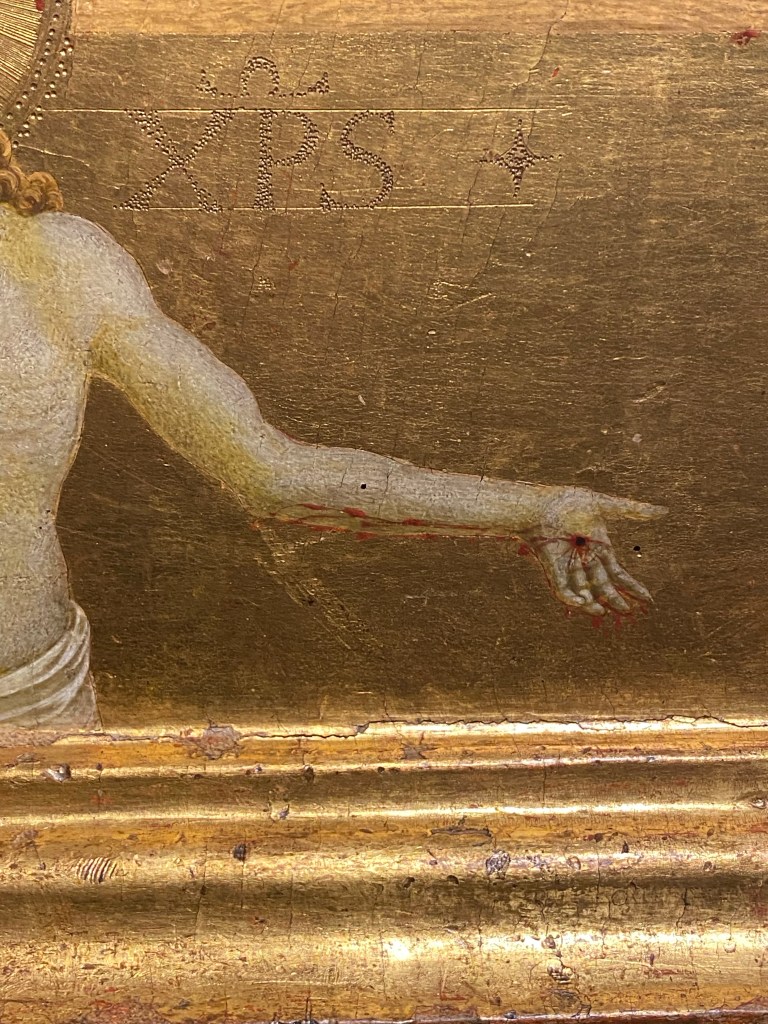
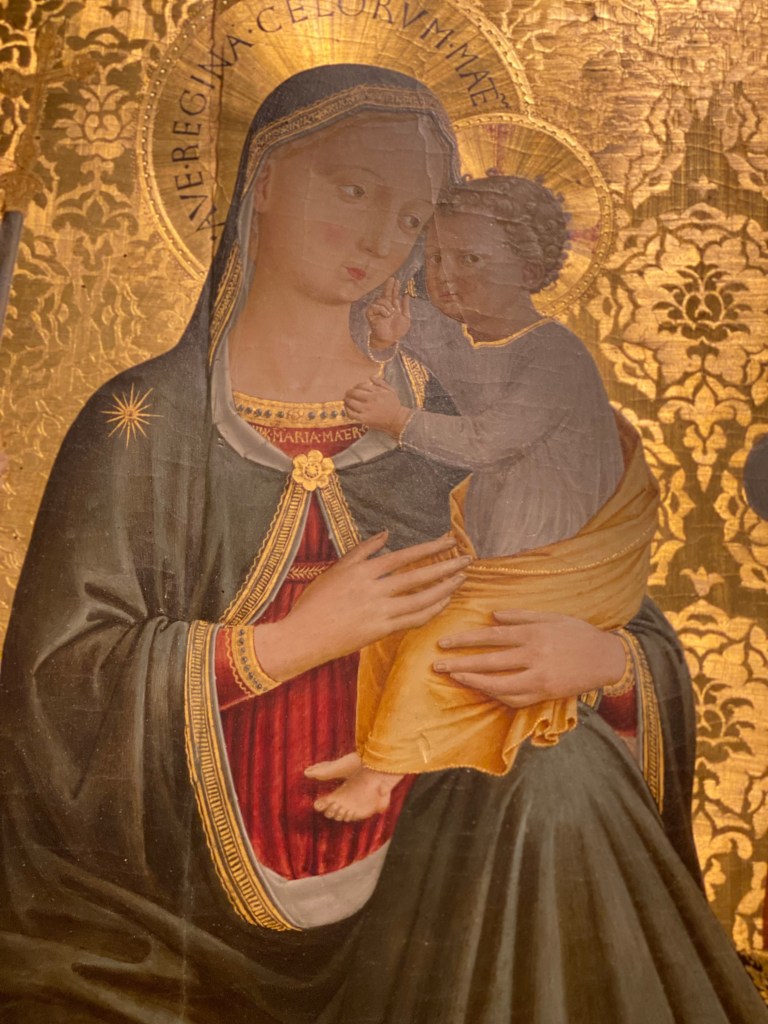
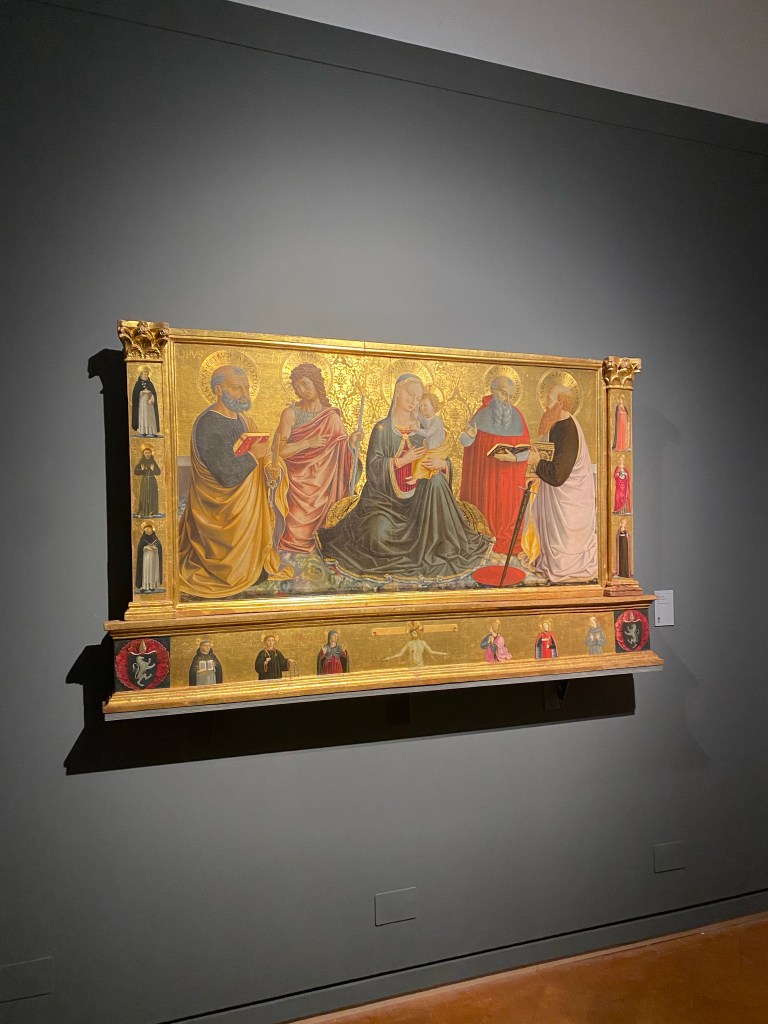
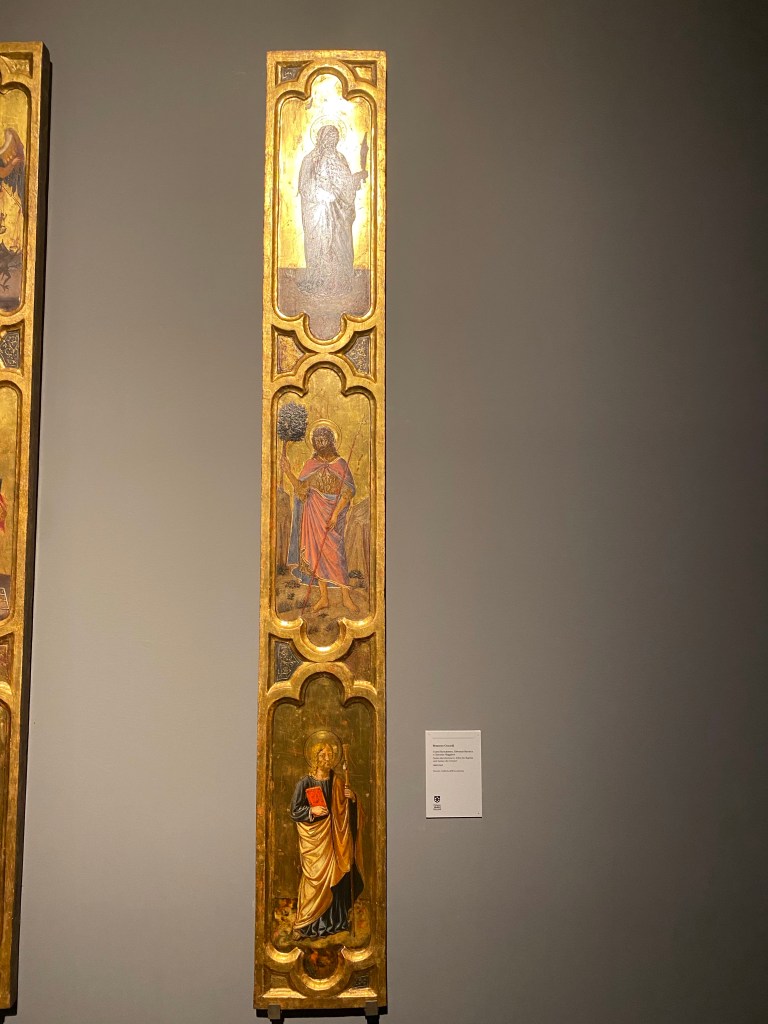
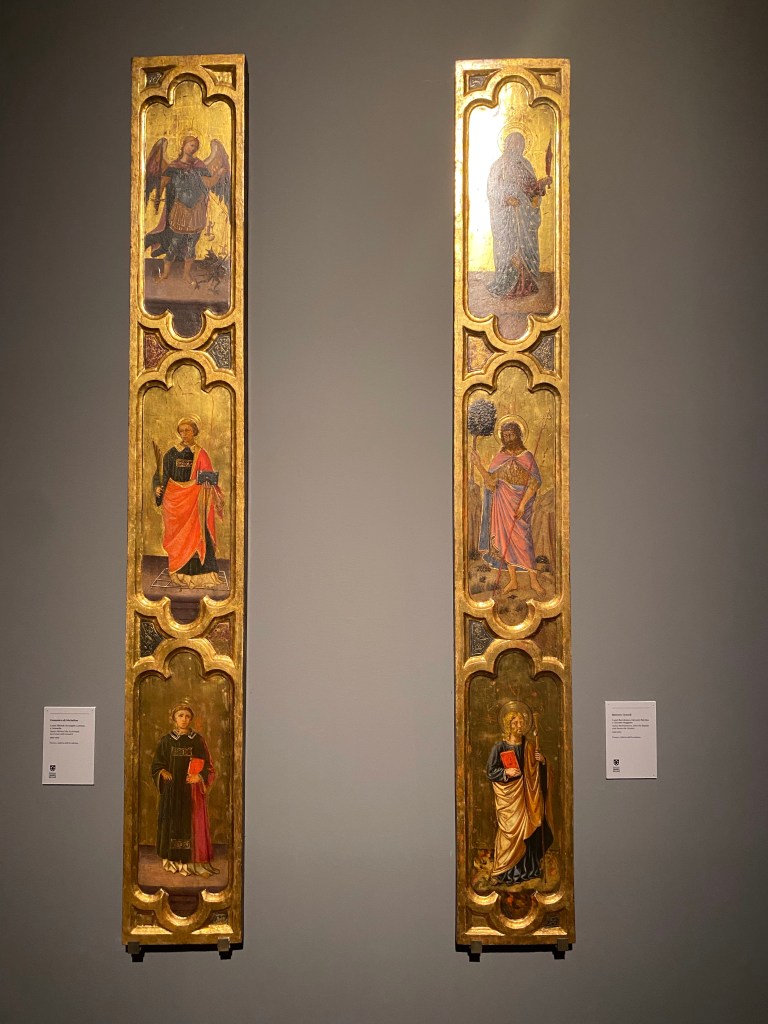
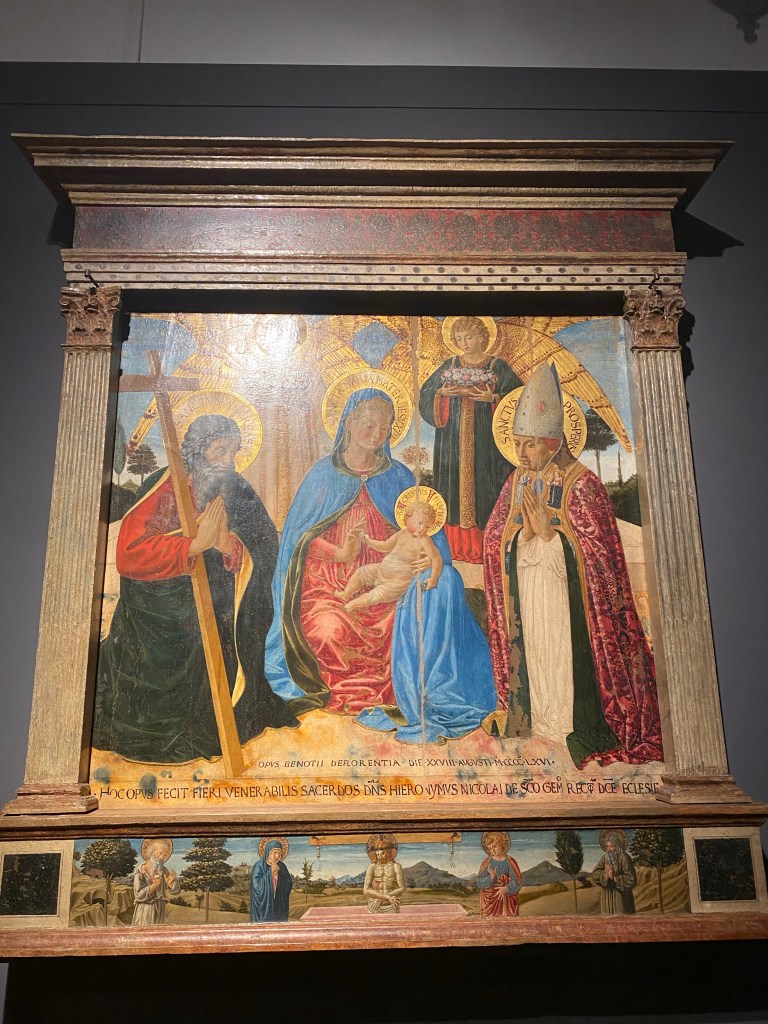
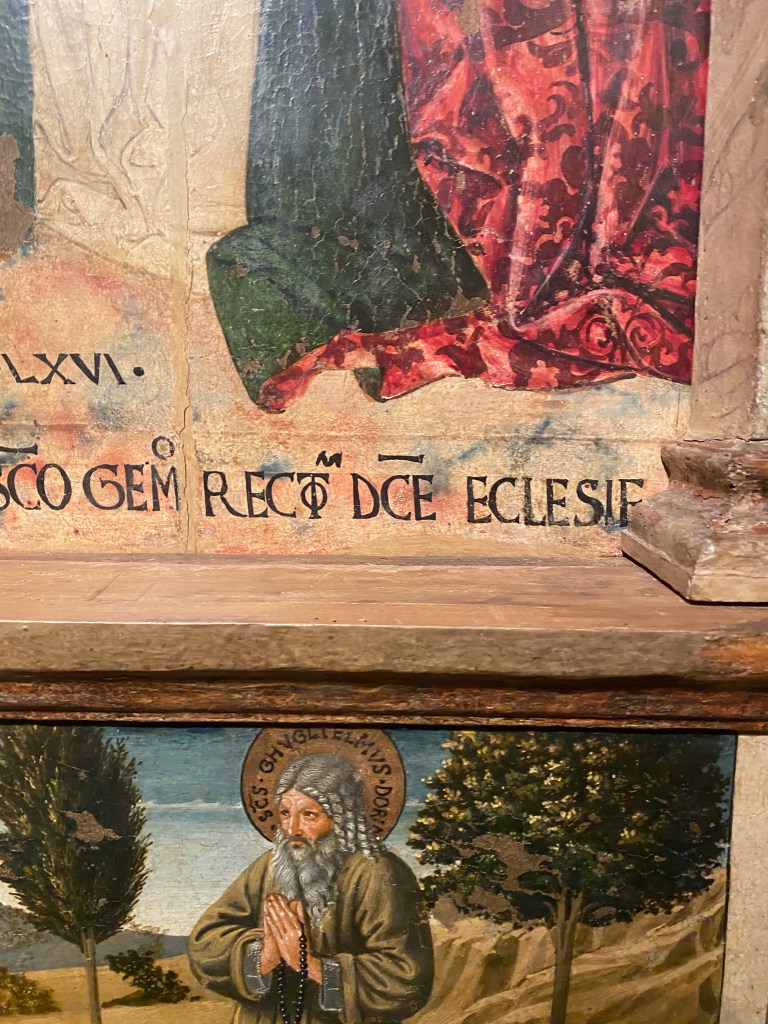
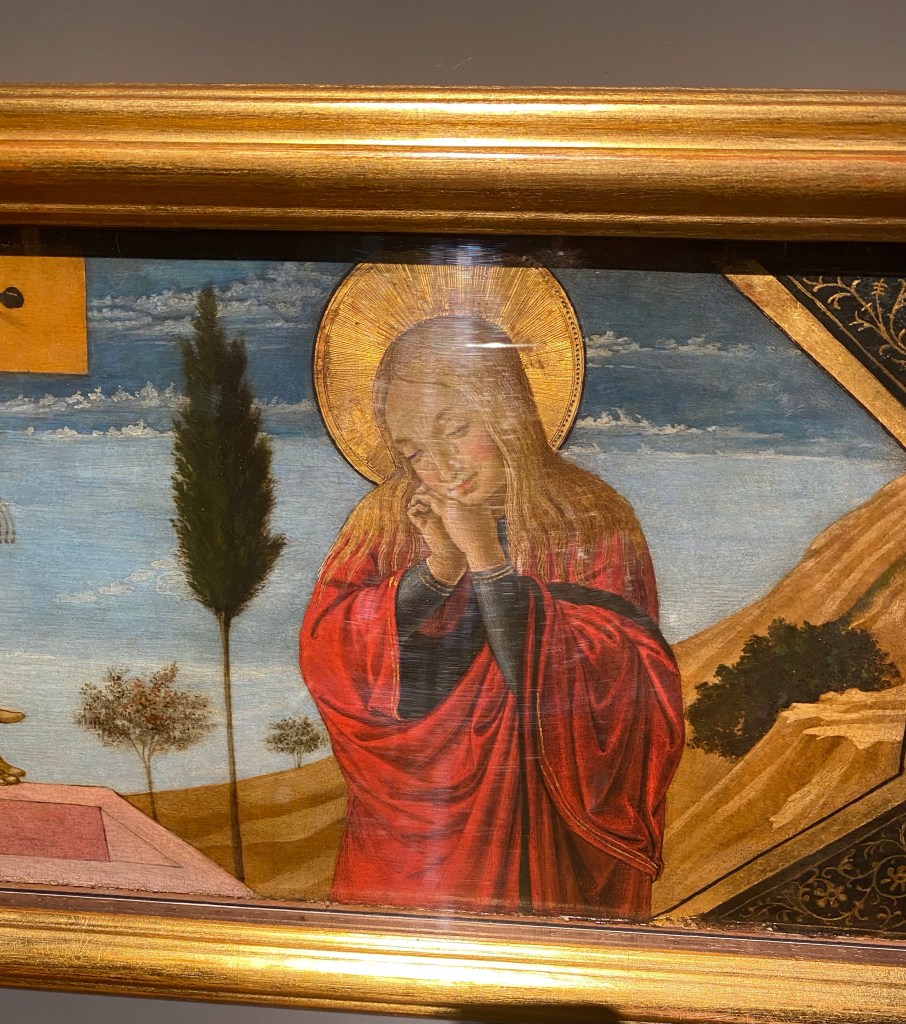
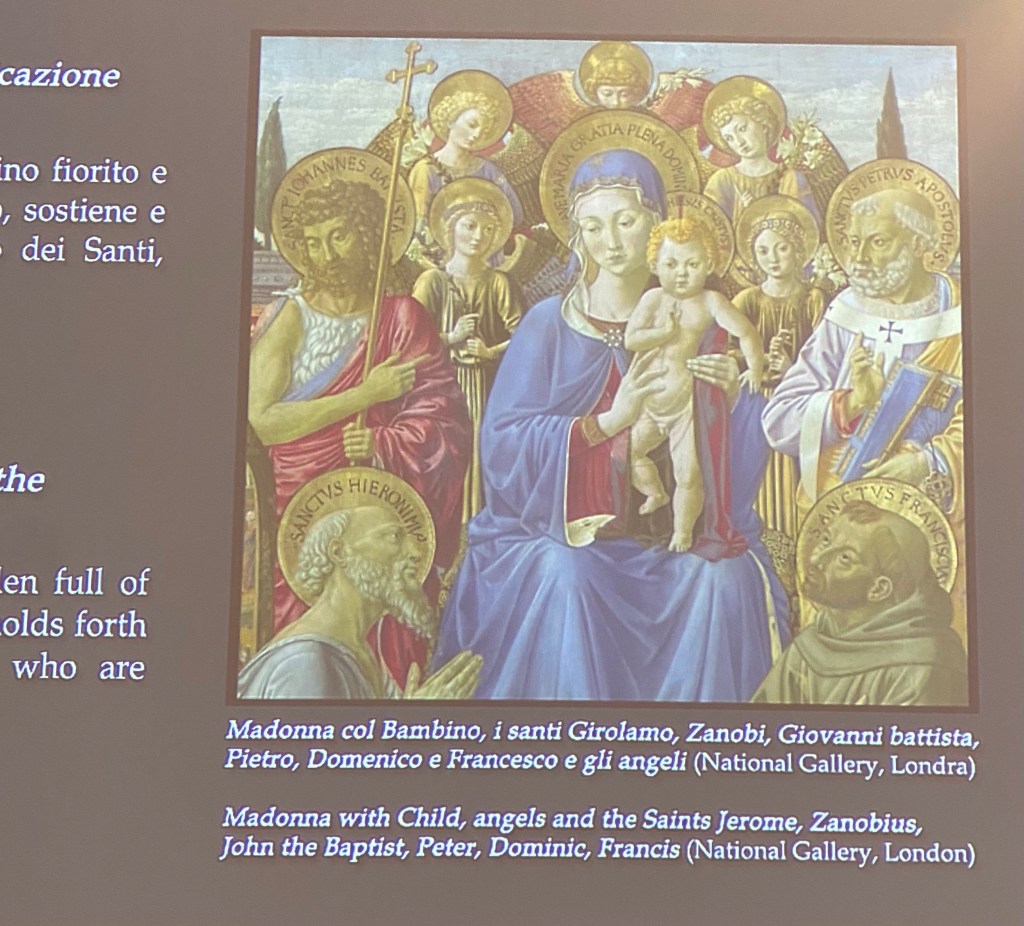
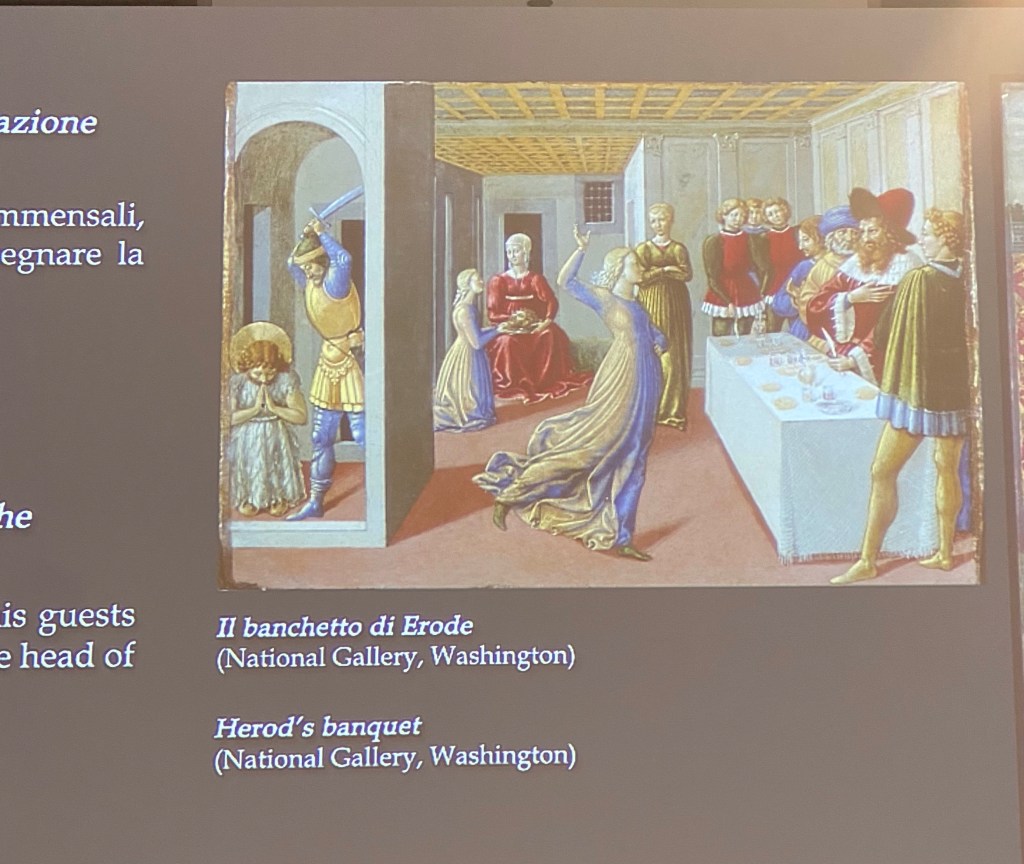
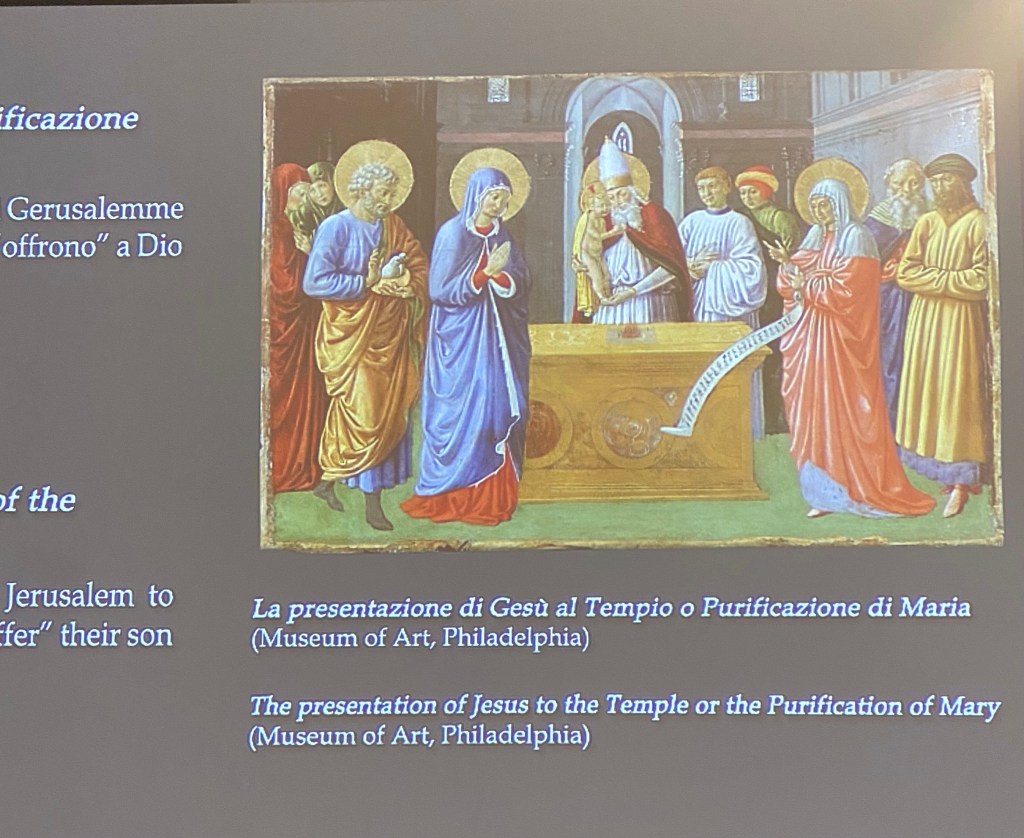
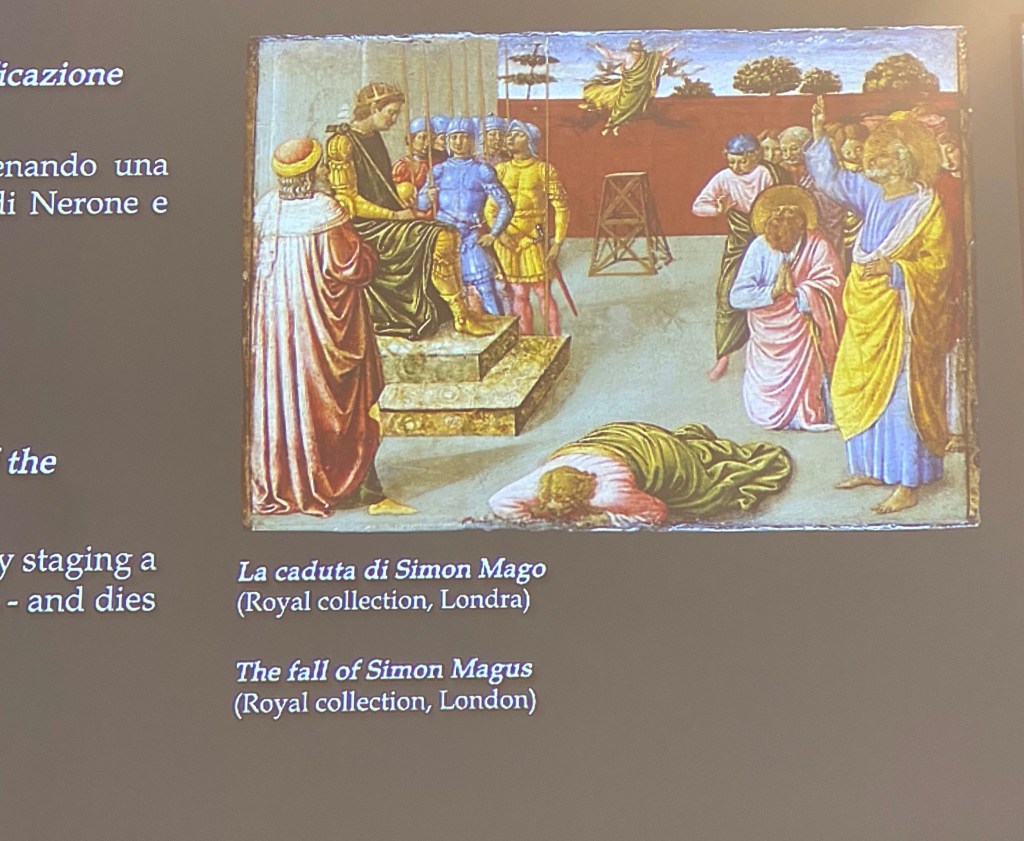
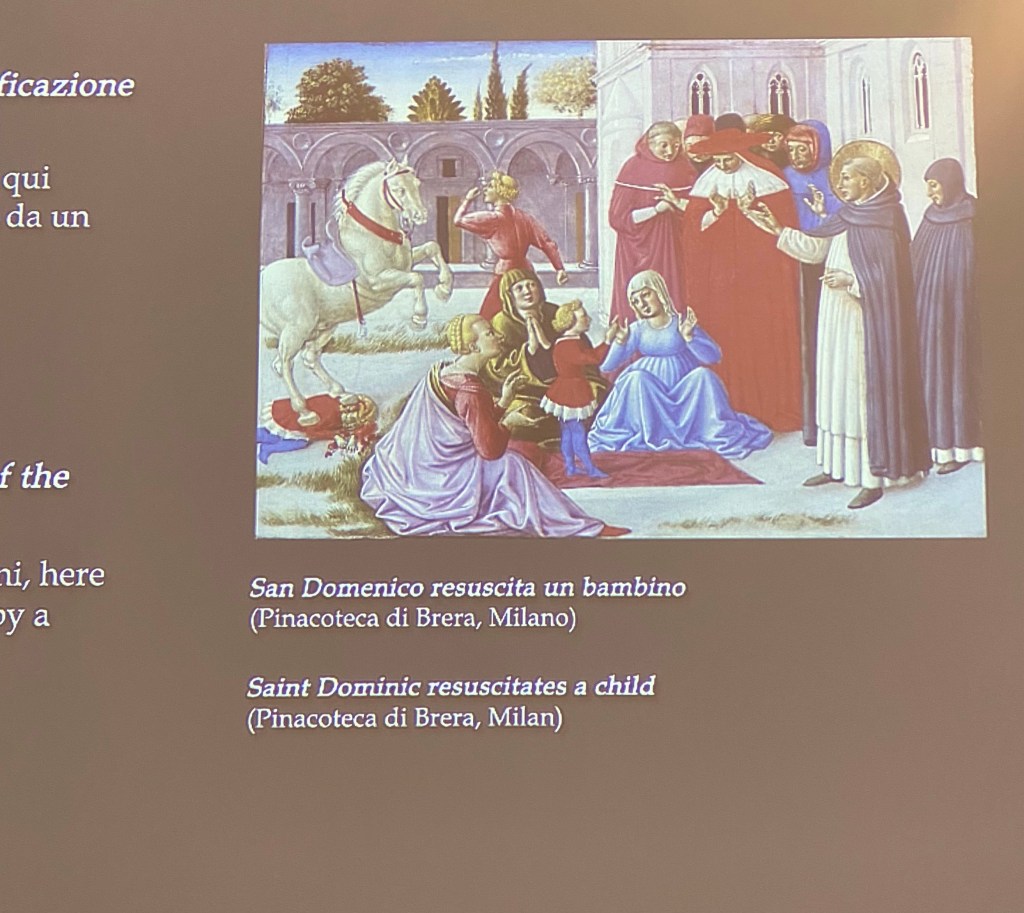
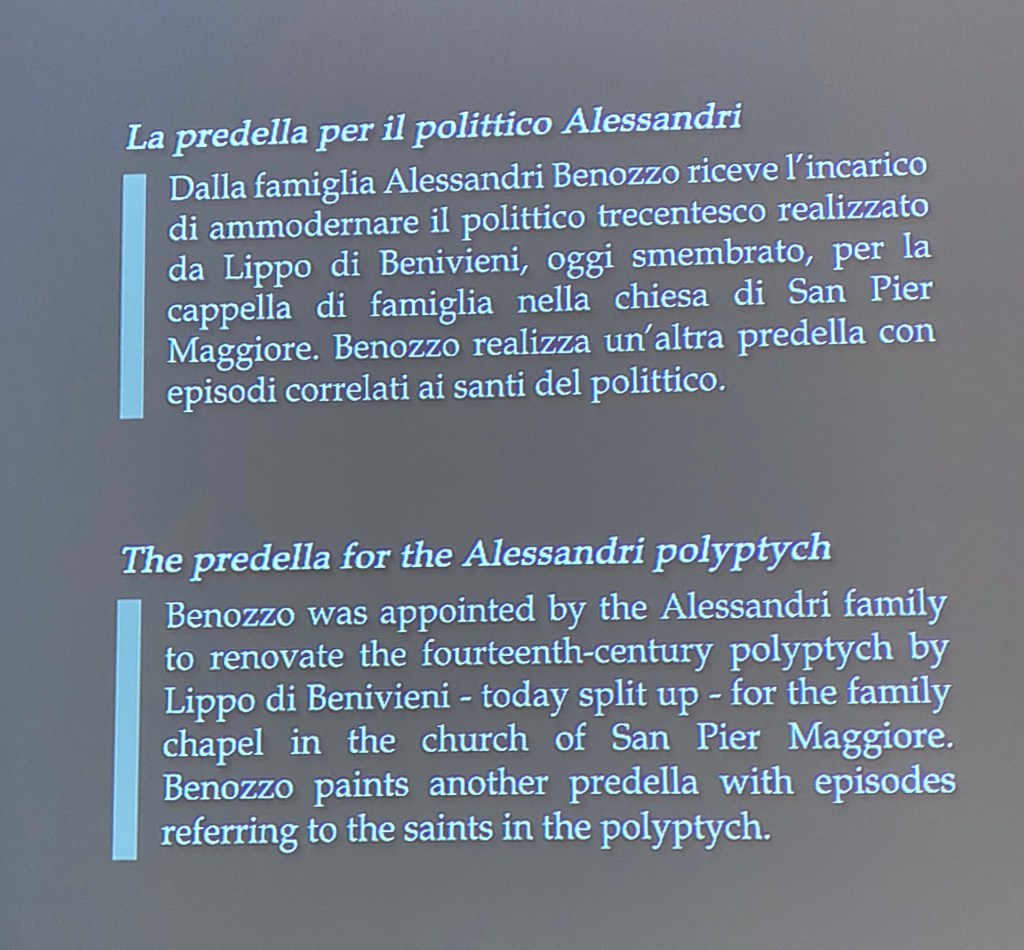
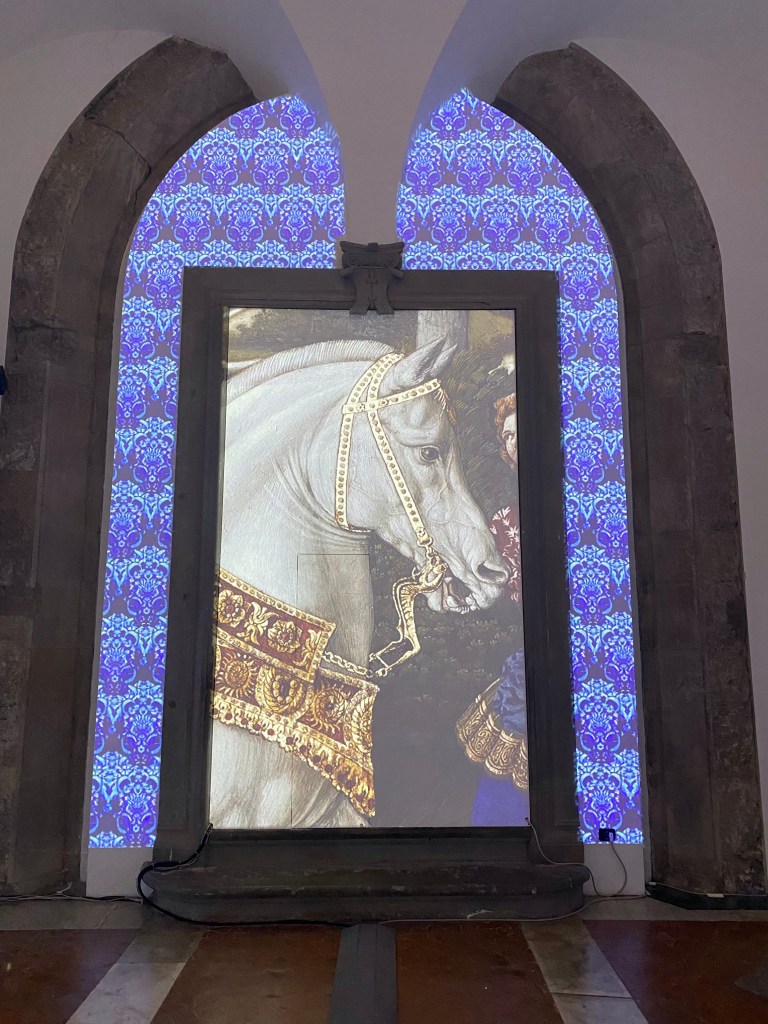
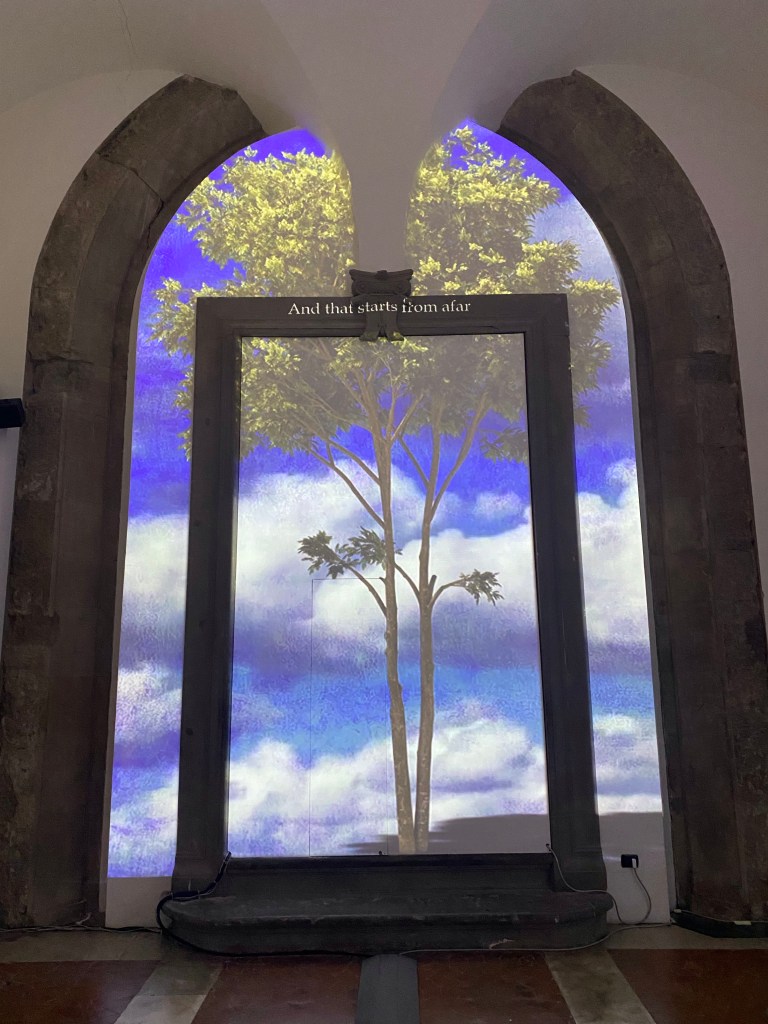
These videos attempt to capture the incredible multi-media show that was a part of the recent exhibition on Benozzo Gozzoli. They are followed by the photos I took in the chapel frescoes, the capolavoro di Gozzoli. Special exhibition or not, this chapel is for me one the highlightiest highlights or art in Italy!
First, a little background. The chapel is in the home of the Renaissance family, the Medici, and to have permission to have a home chapel, dispensation from the Pope was necessary. Sought and gained. And, isn’t the world a better place for this dispensation having been given!
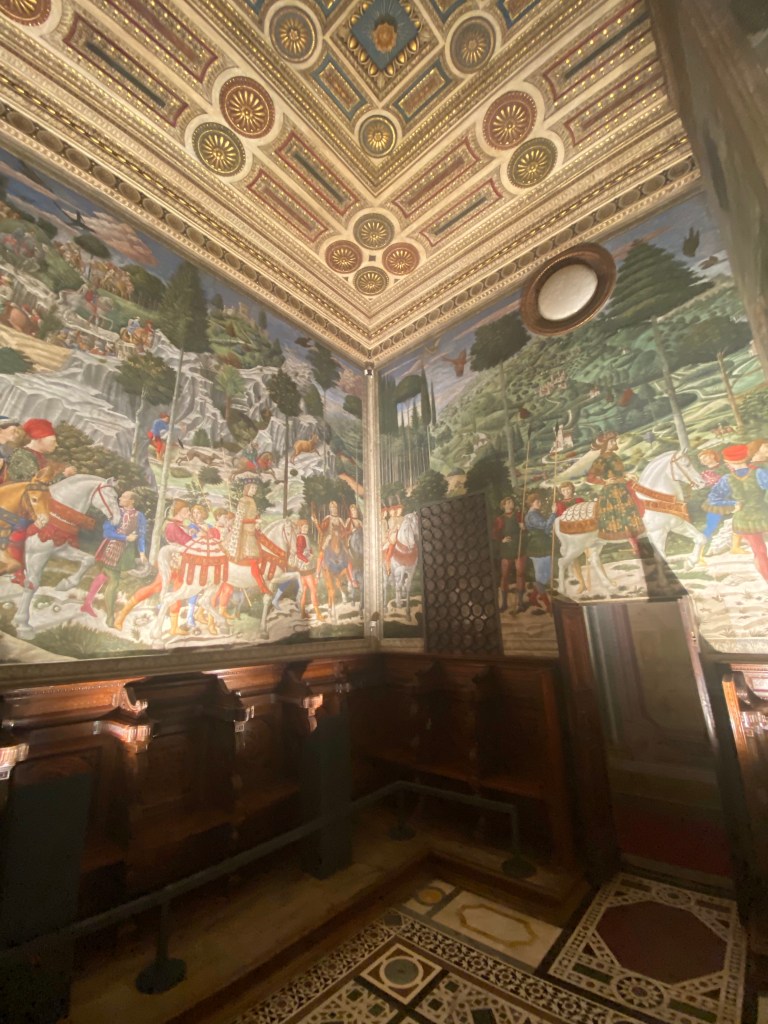
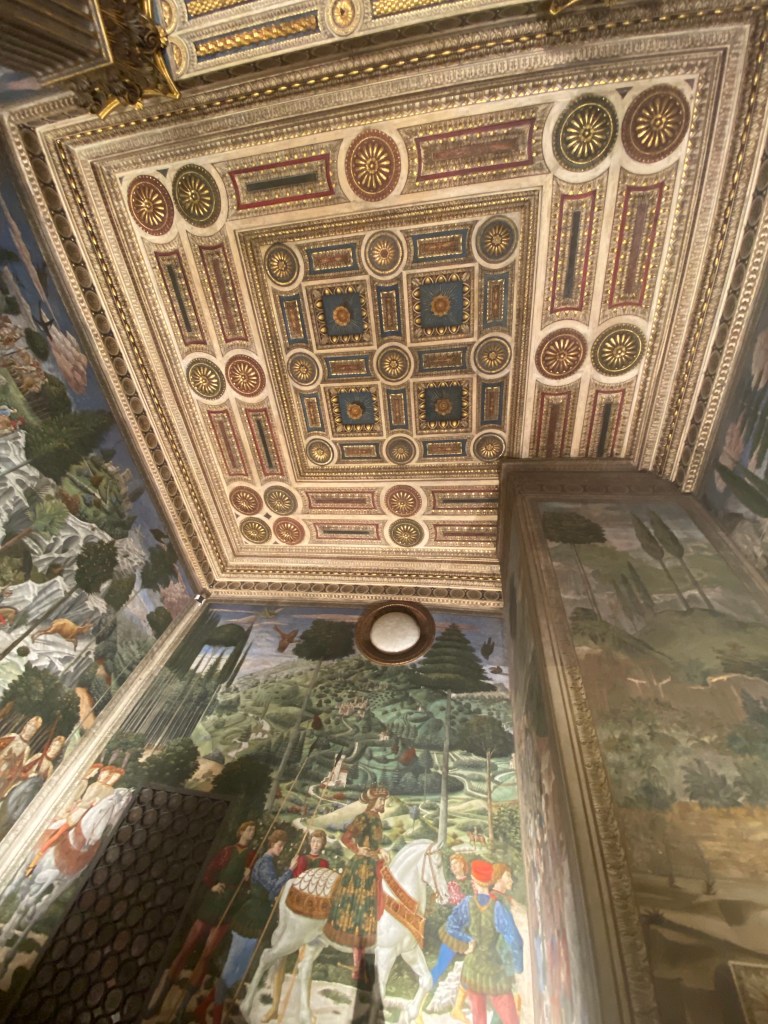

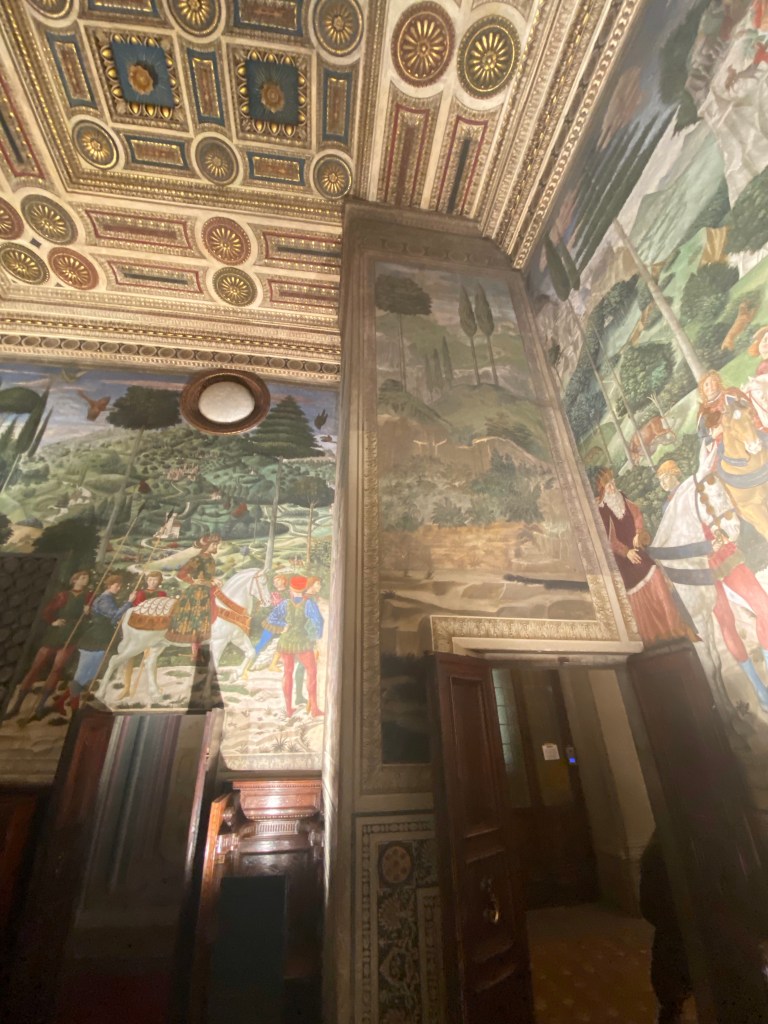

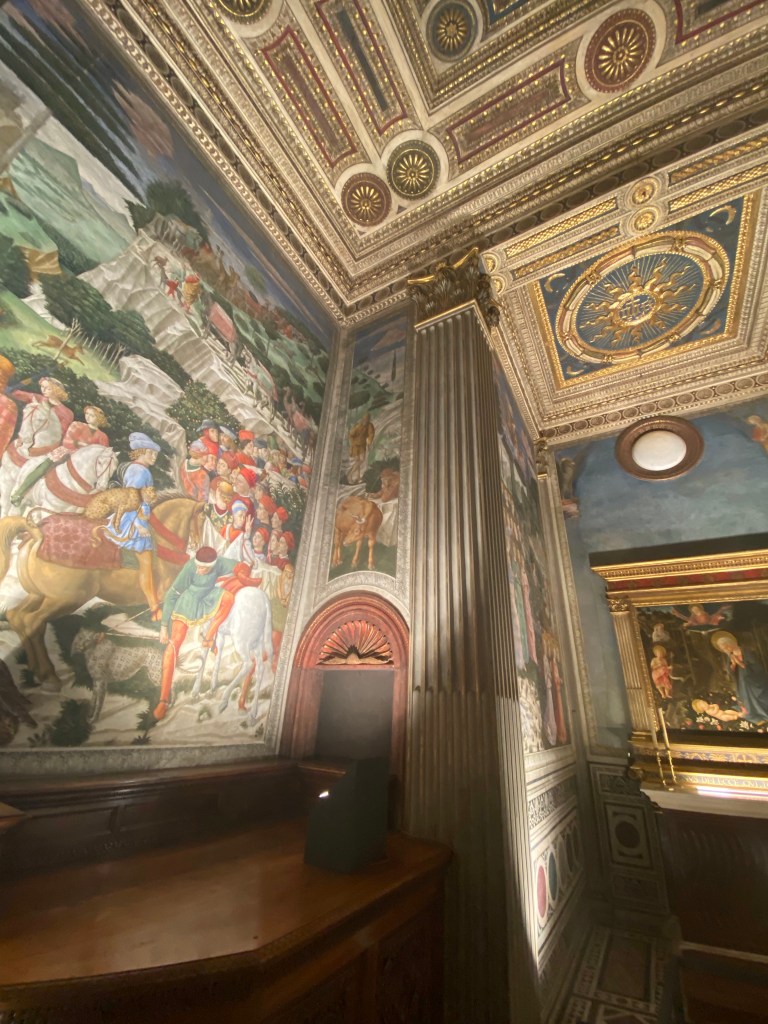
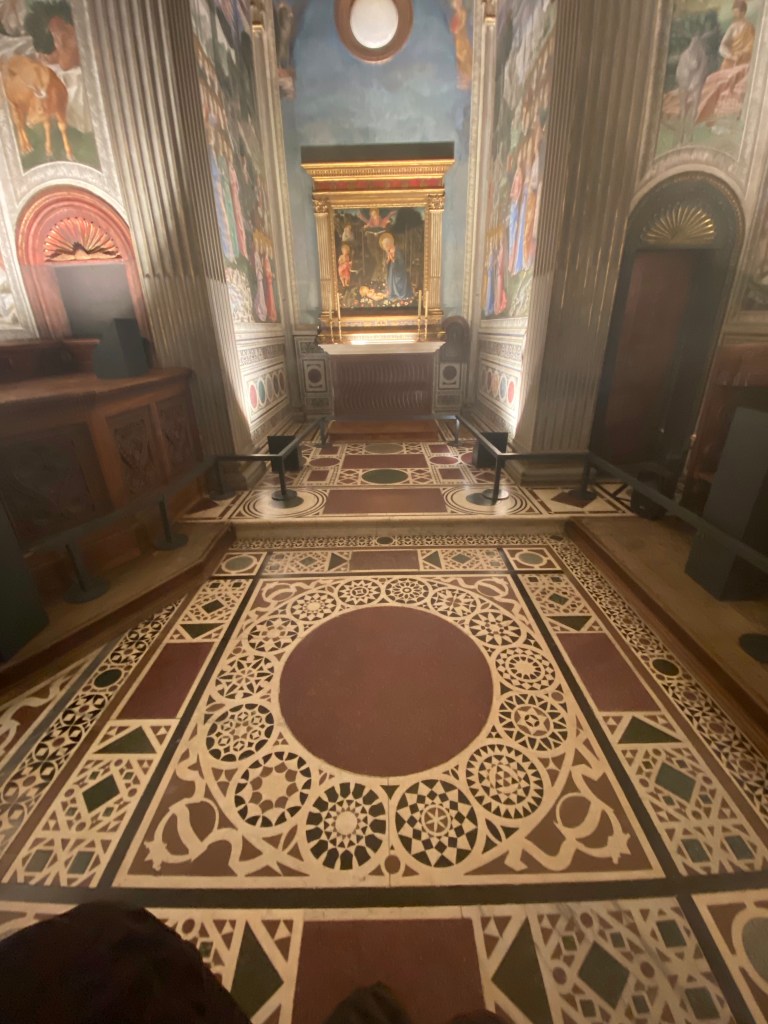
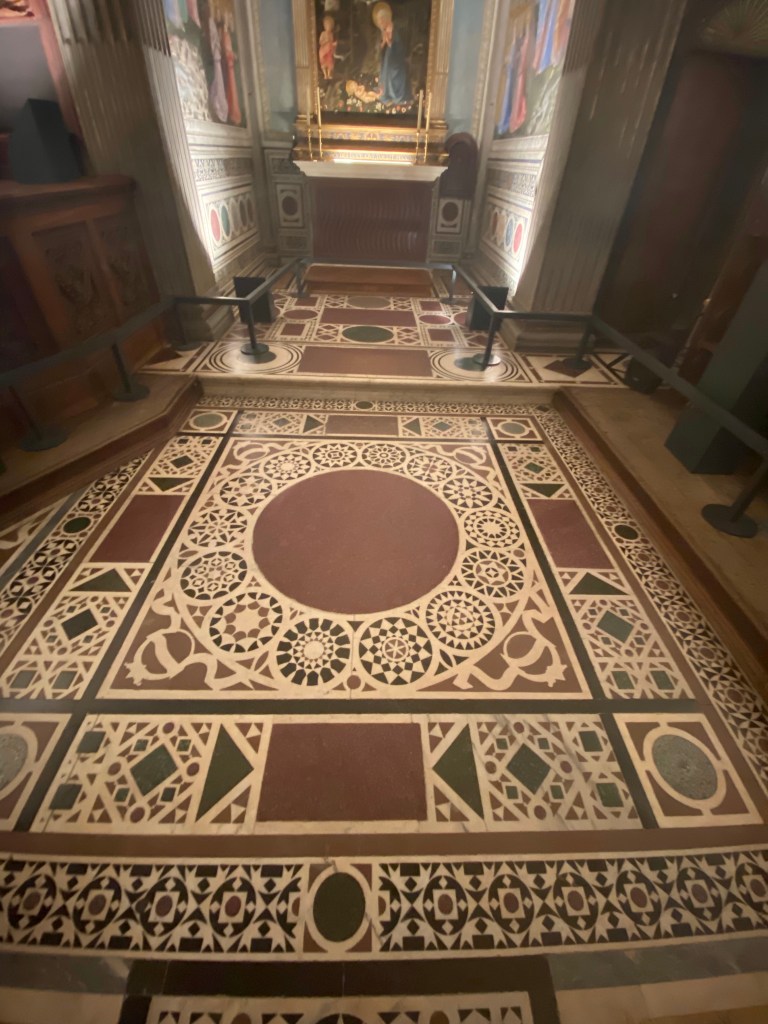
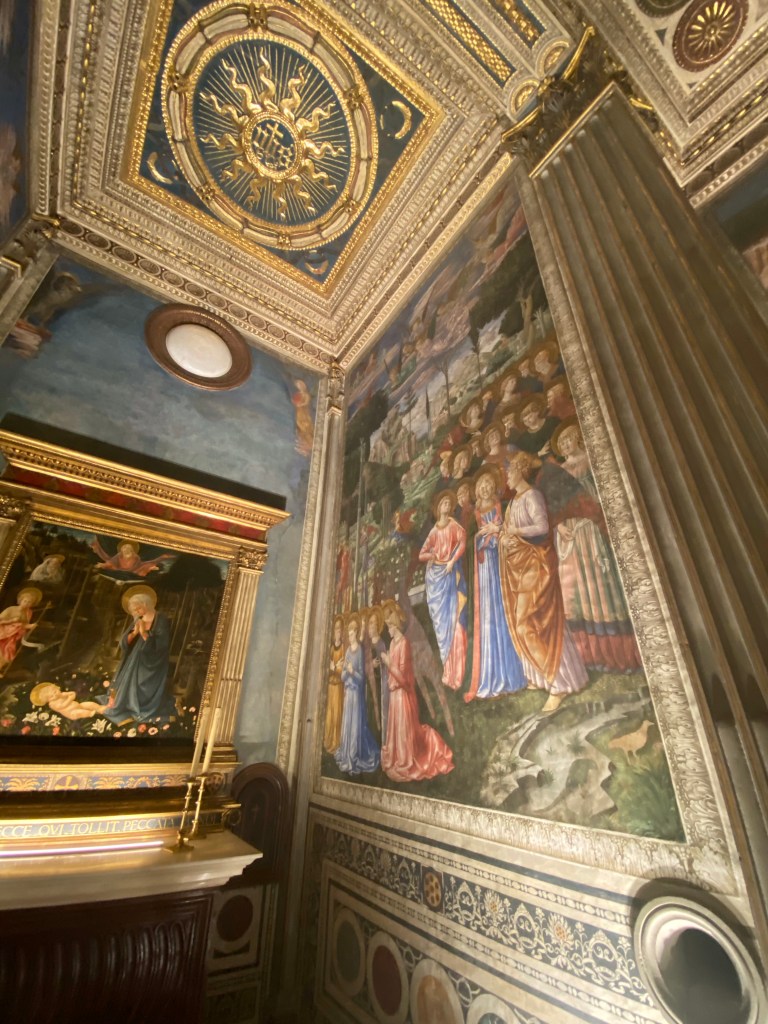
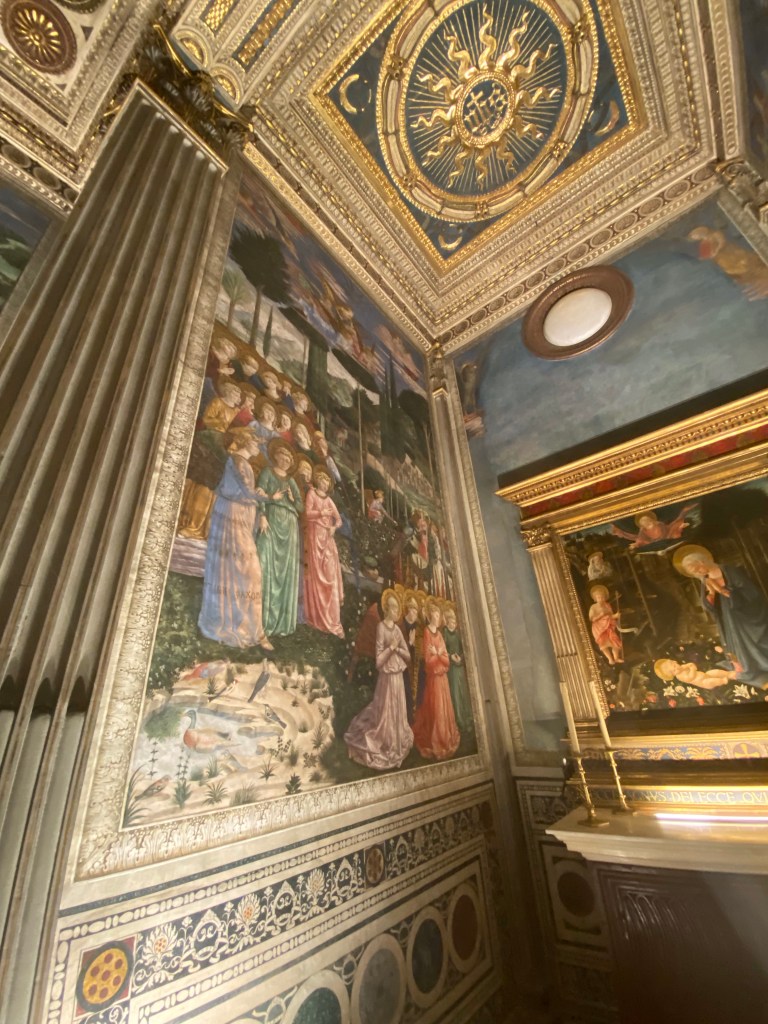
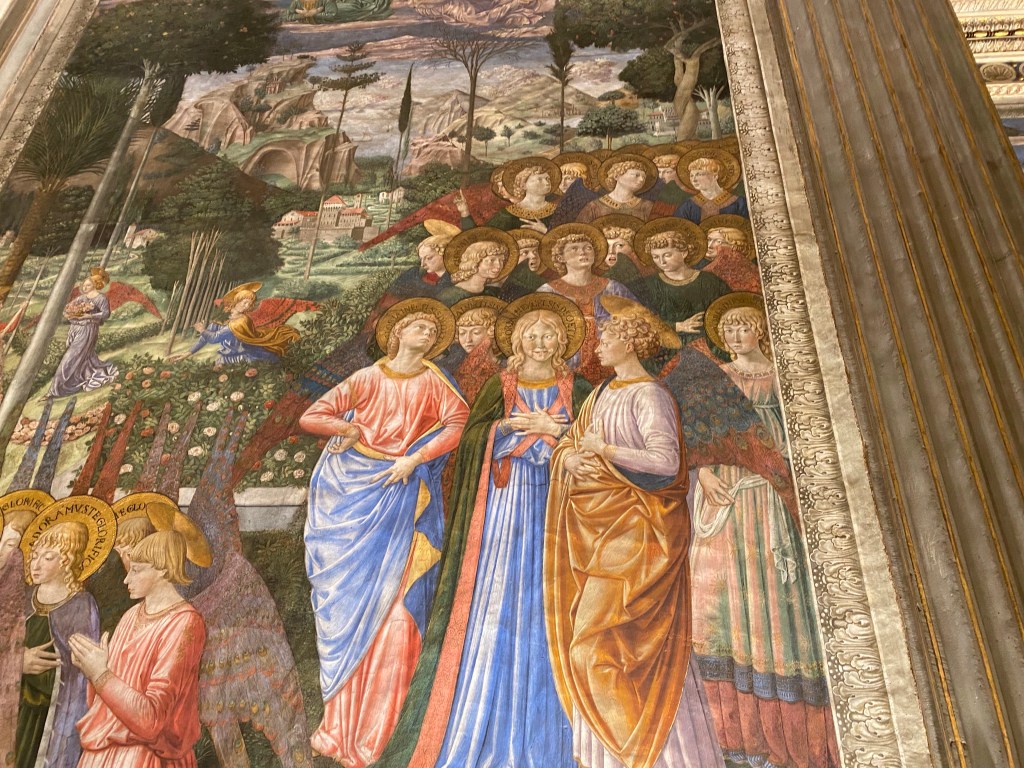
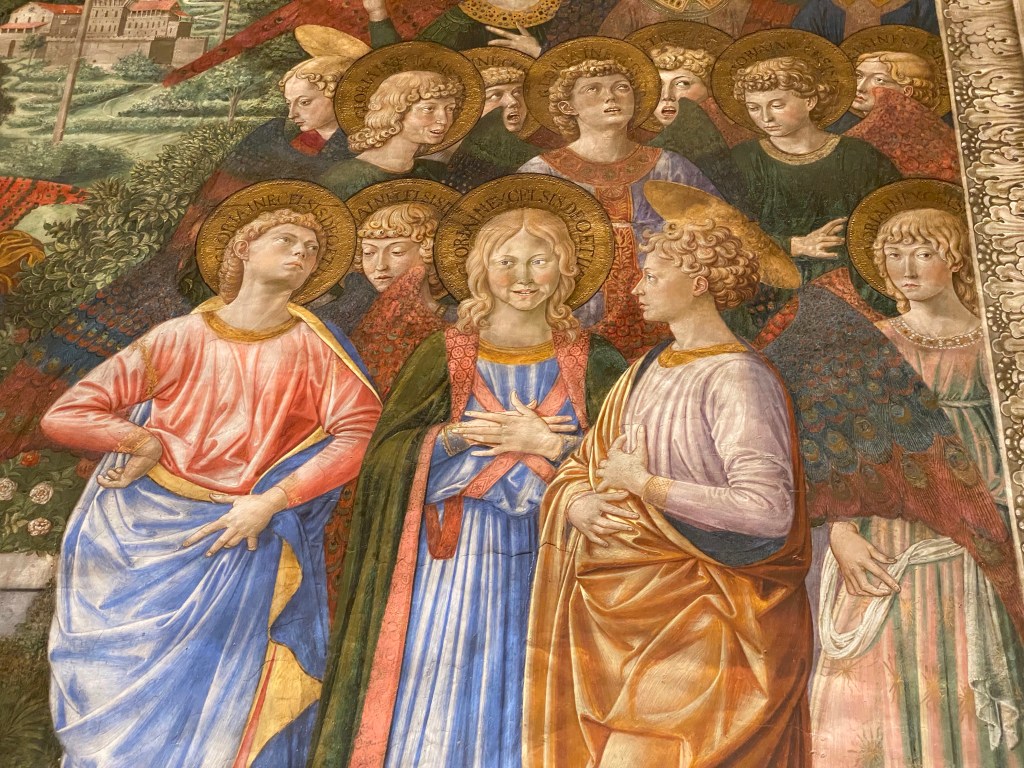

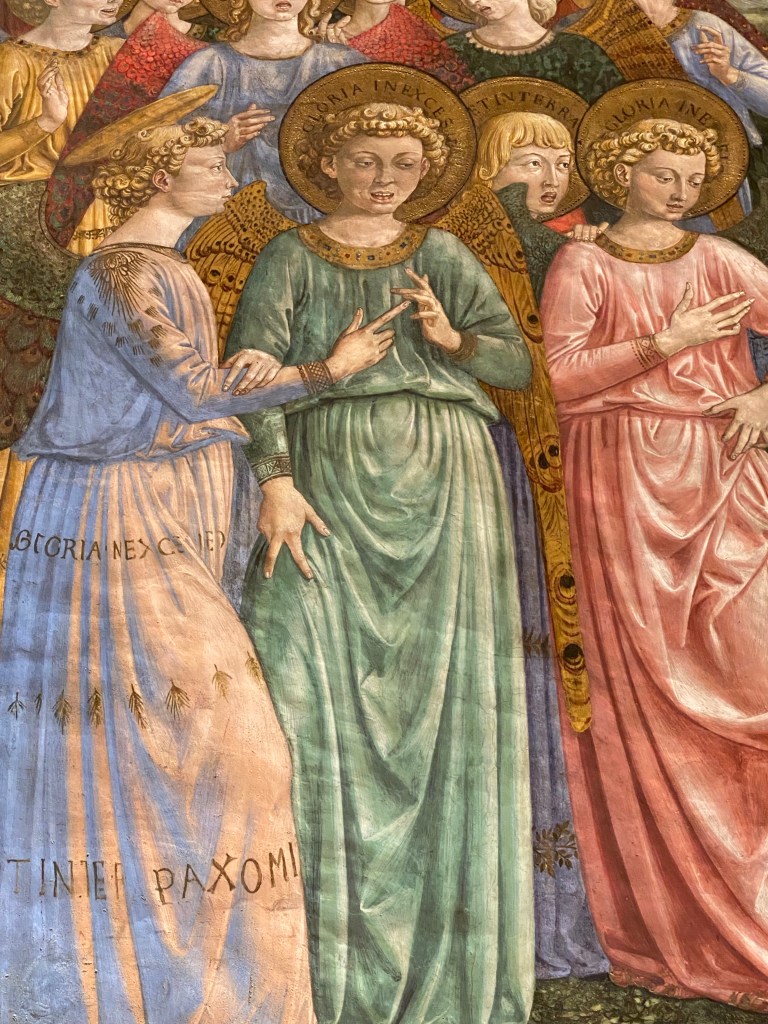
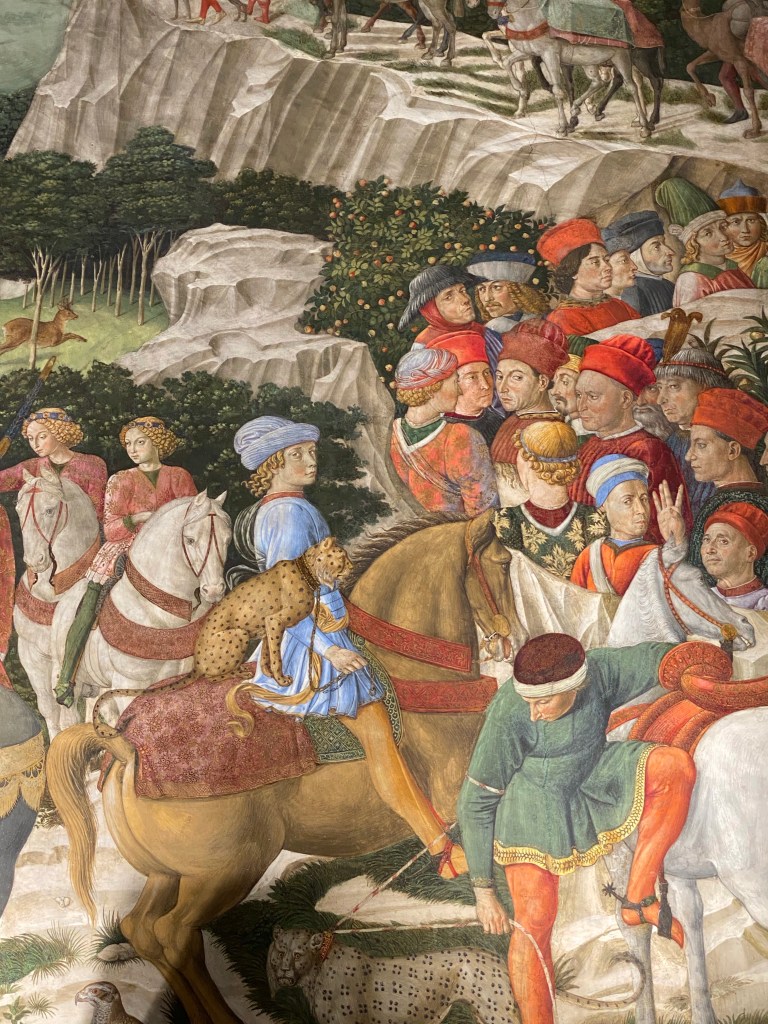
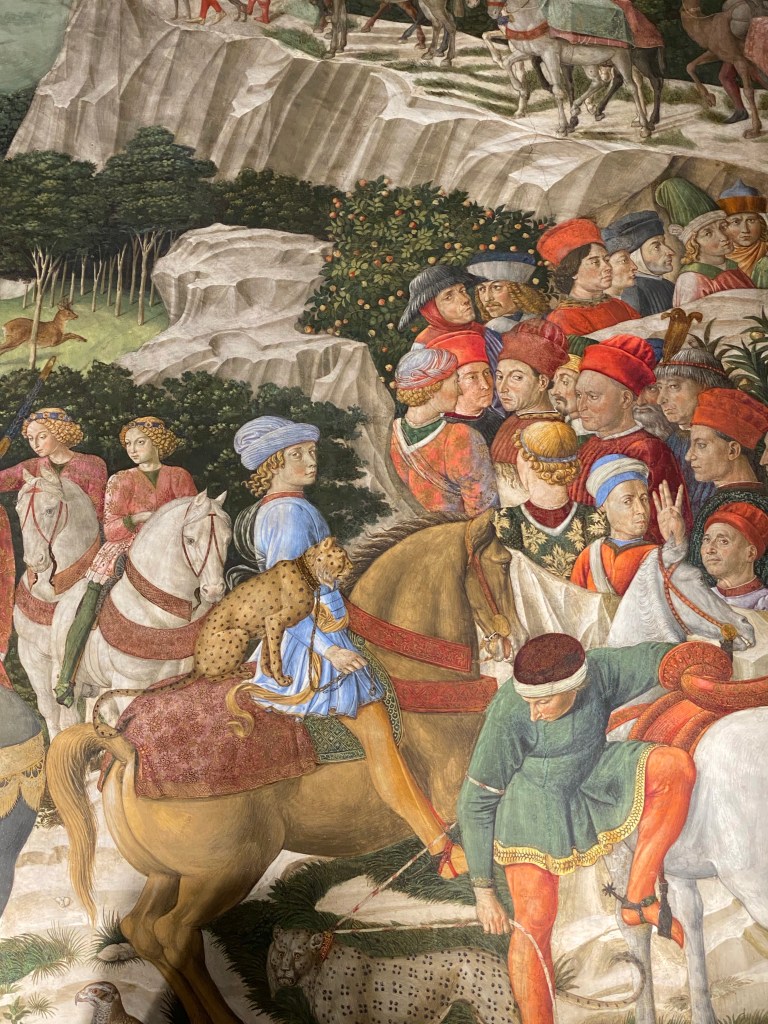

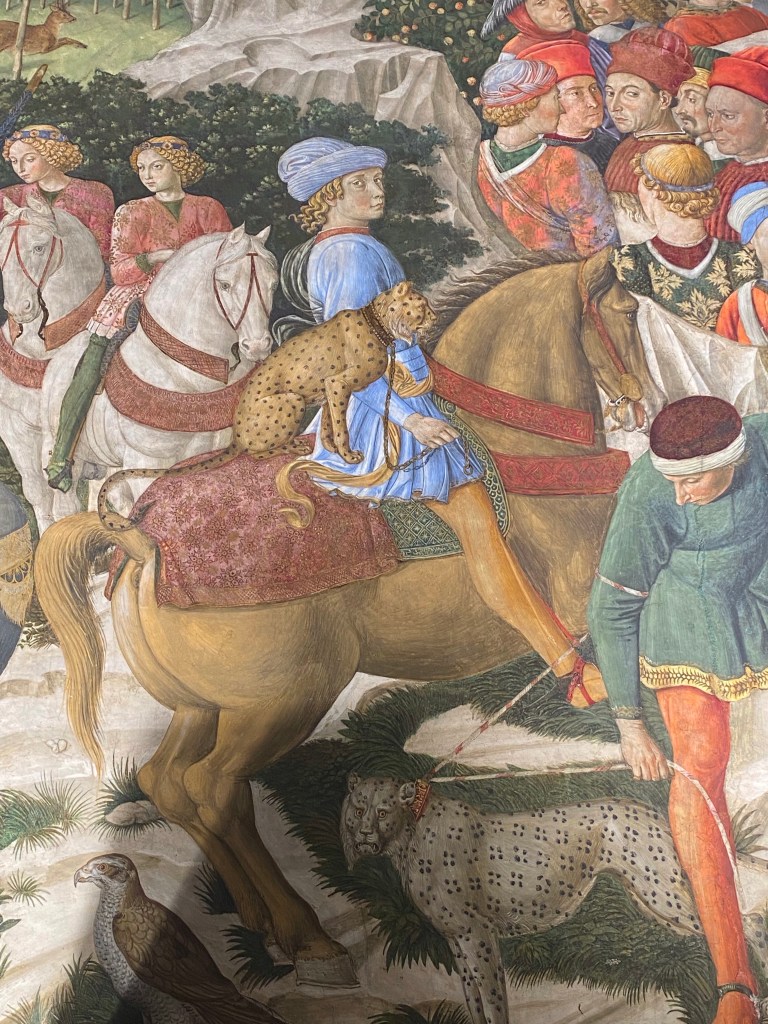
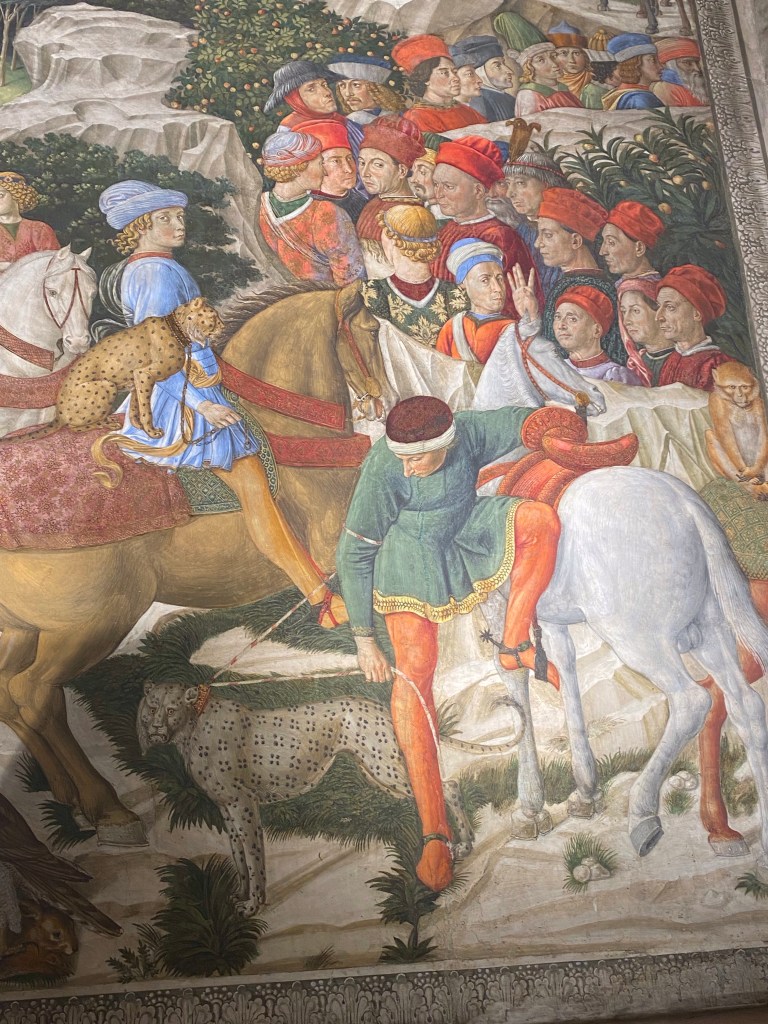
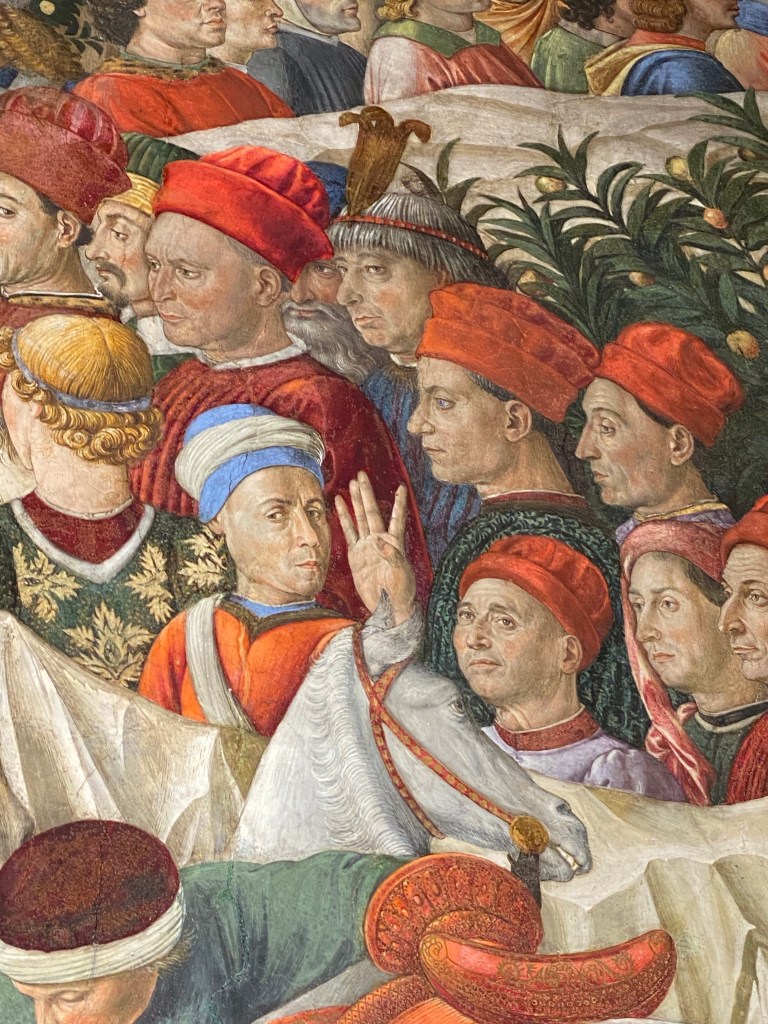


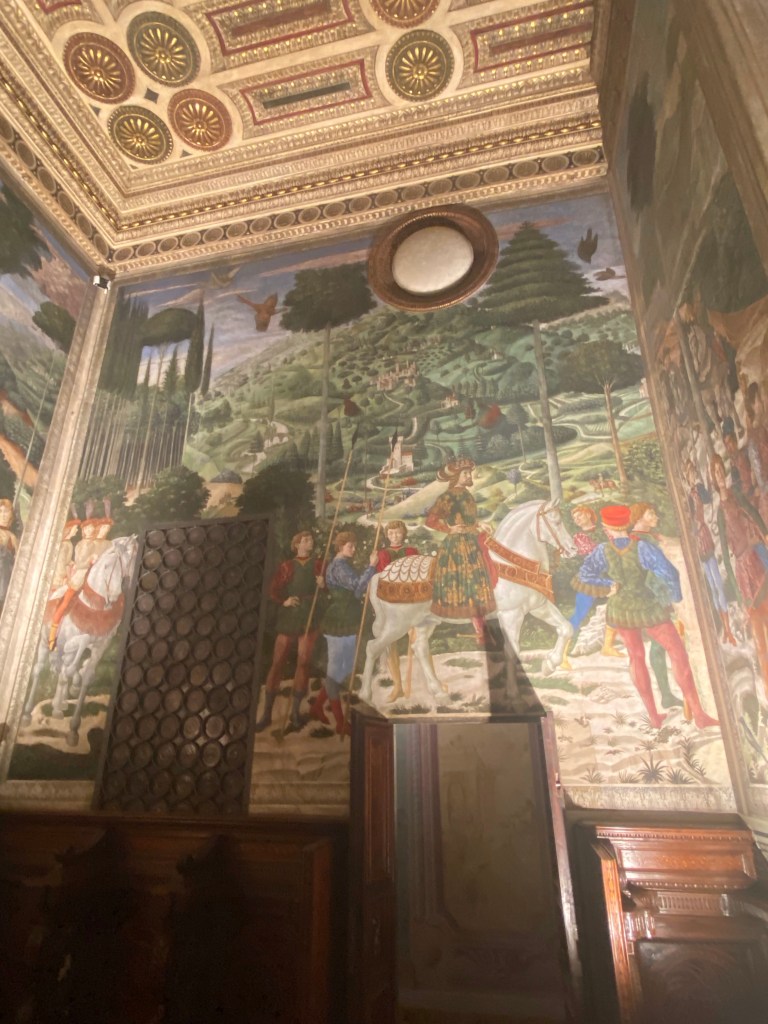
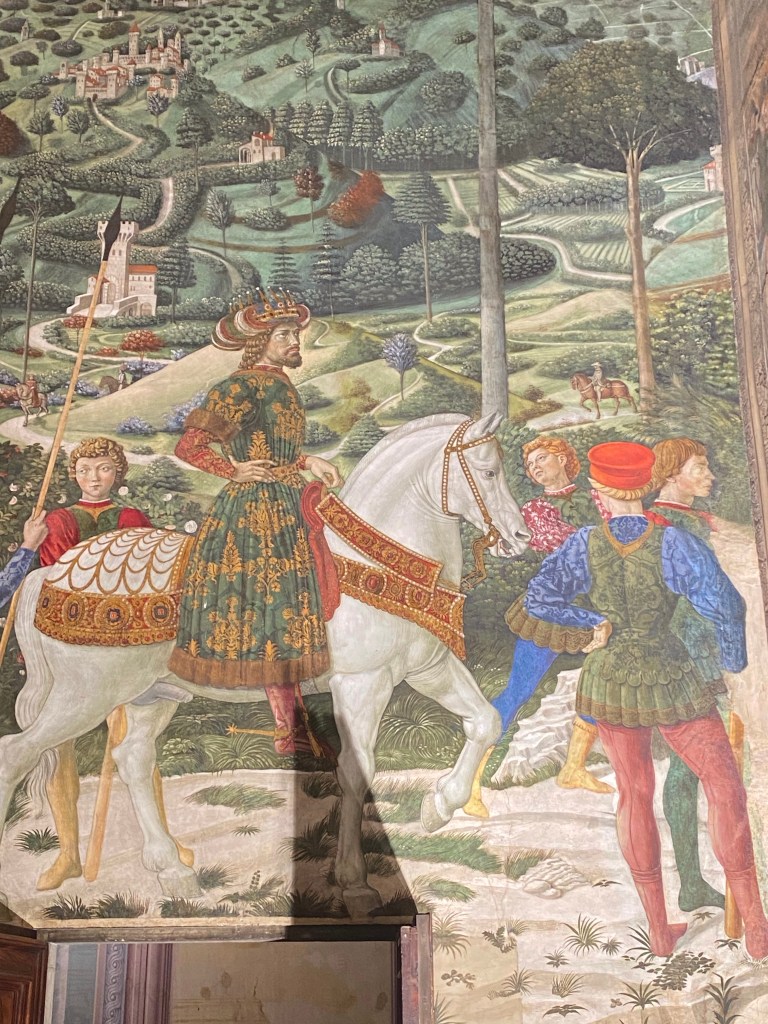
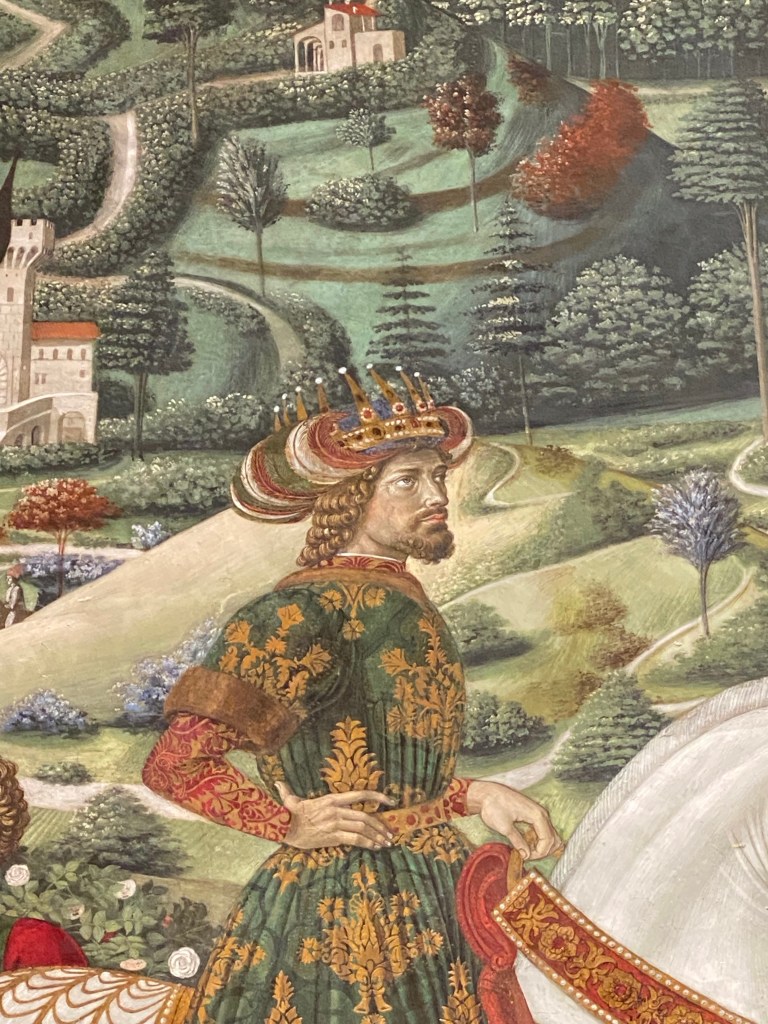


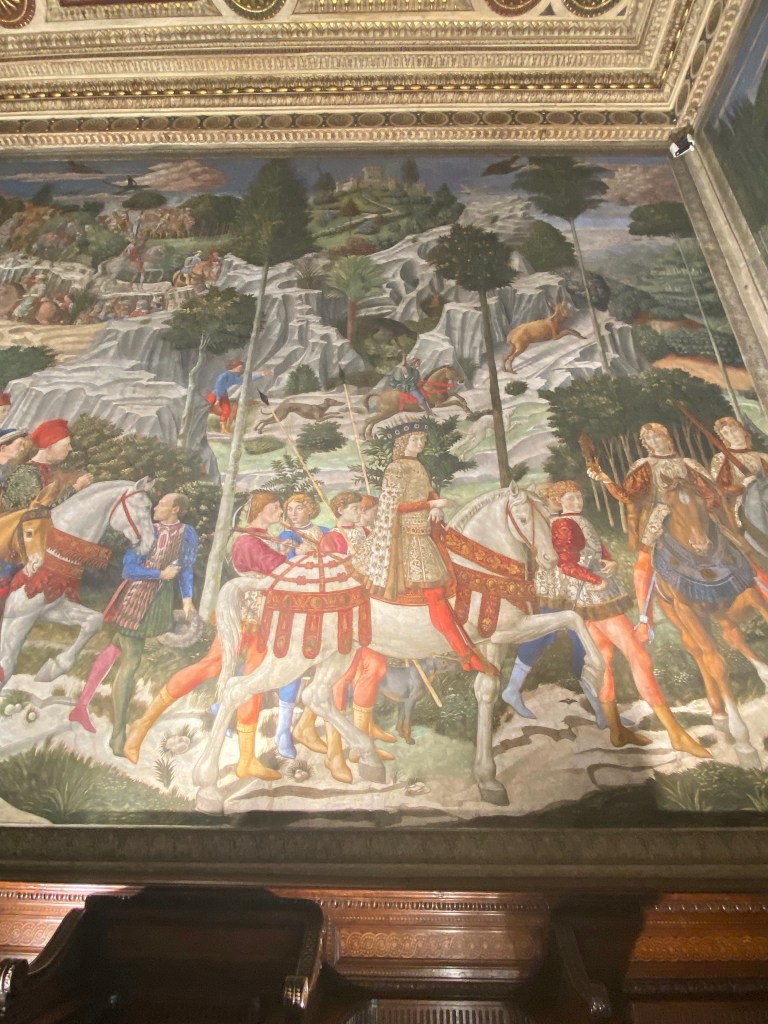

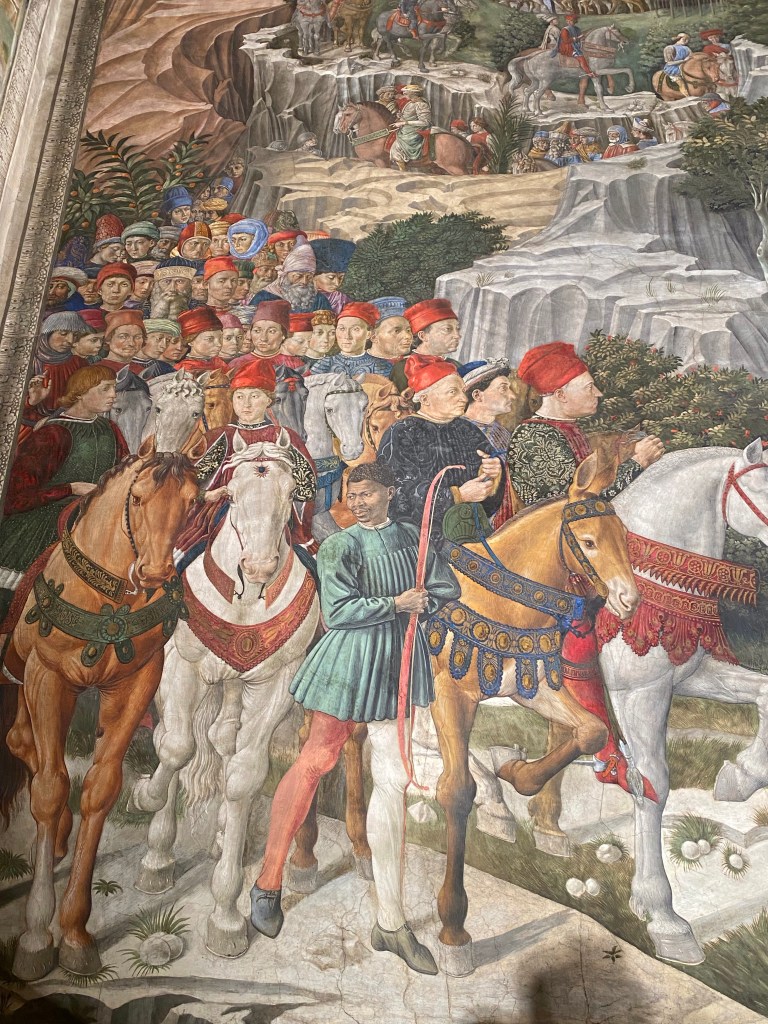
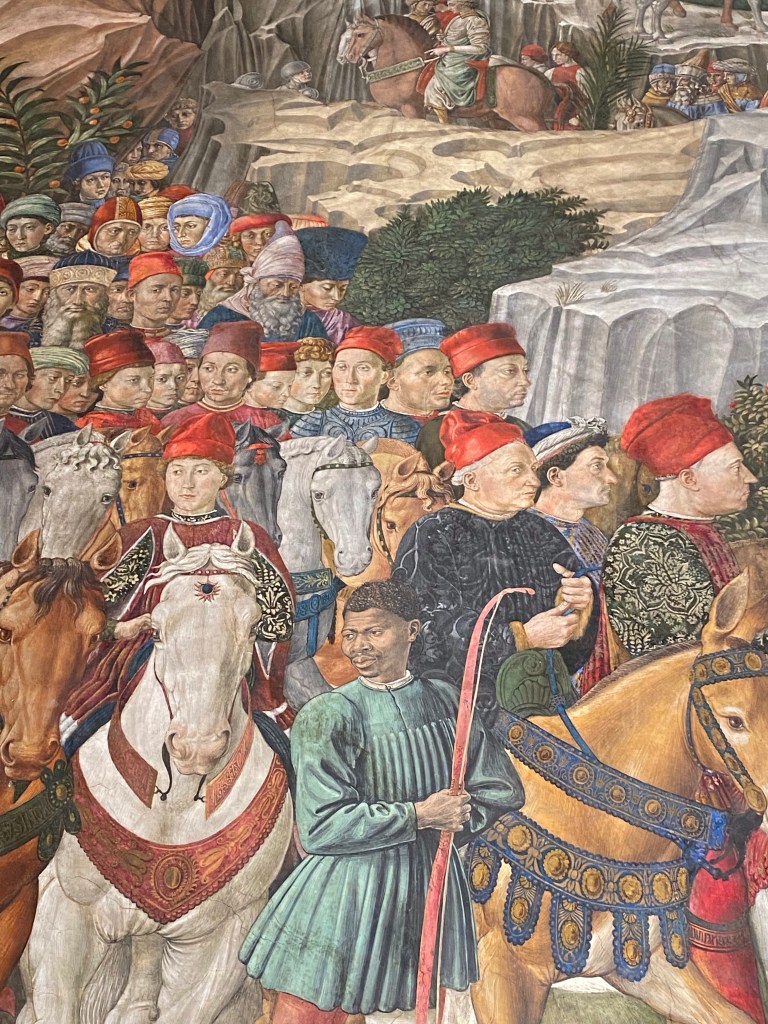

At the high altar, was the altar panel bearing Filippo Lippi’s Adoration in the Forest. This painting is now in Berlin after being sold in the 19th century, while a copy by a follower of Lippi remains in the chapel.
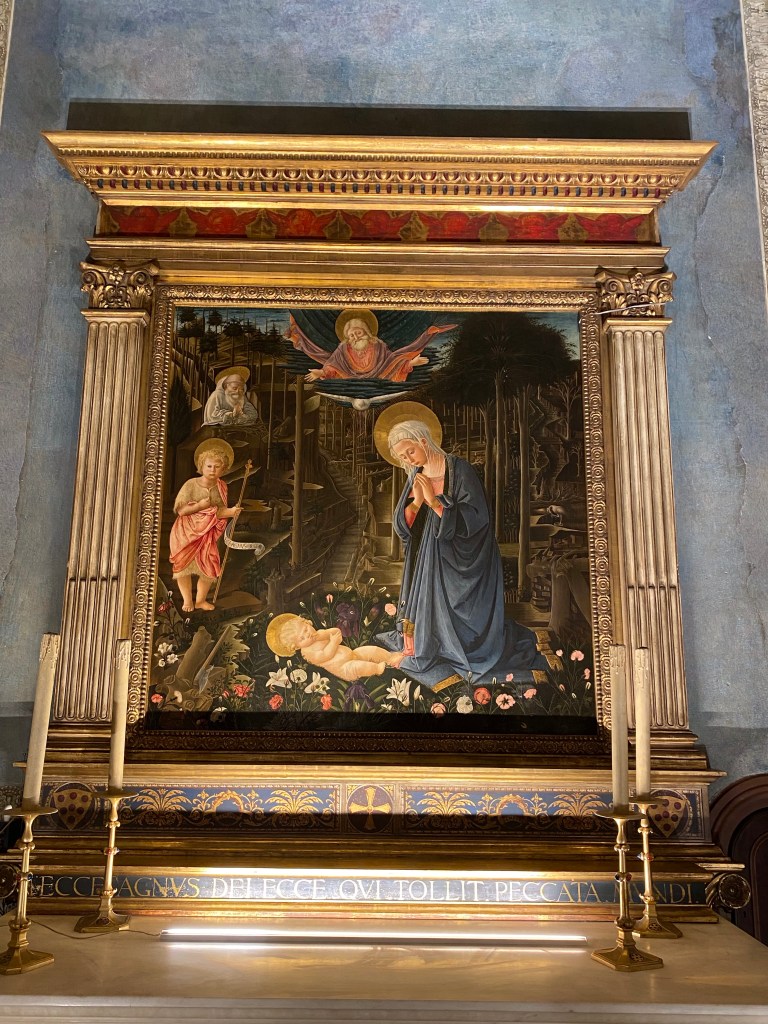
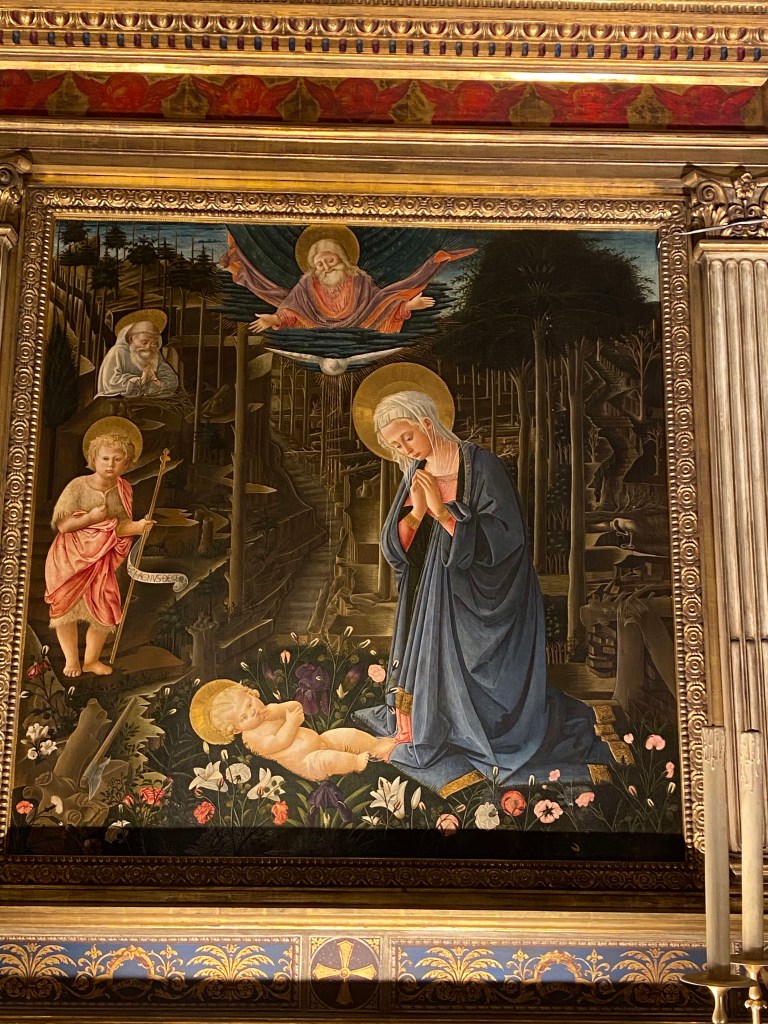
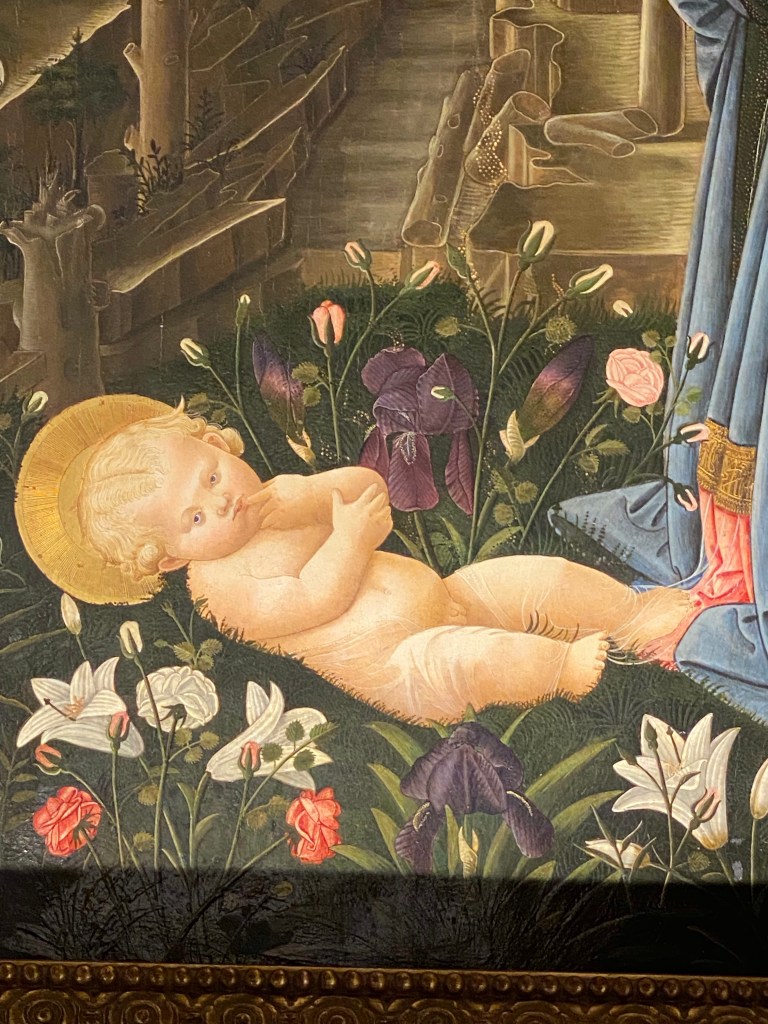
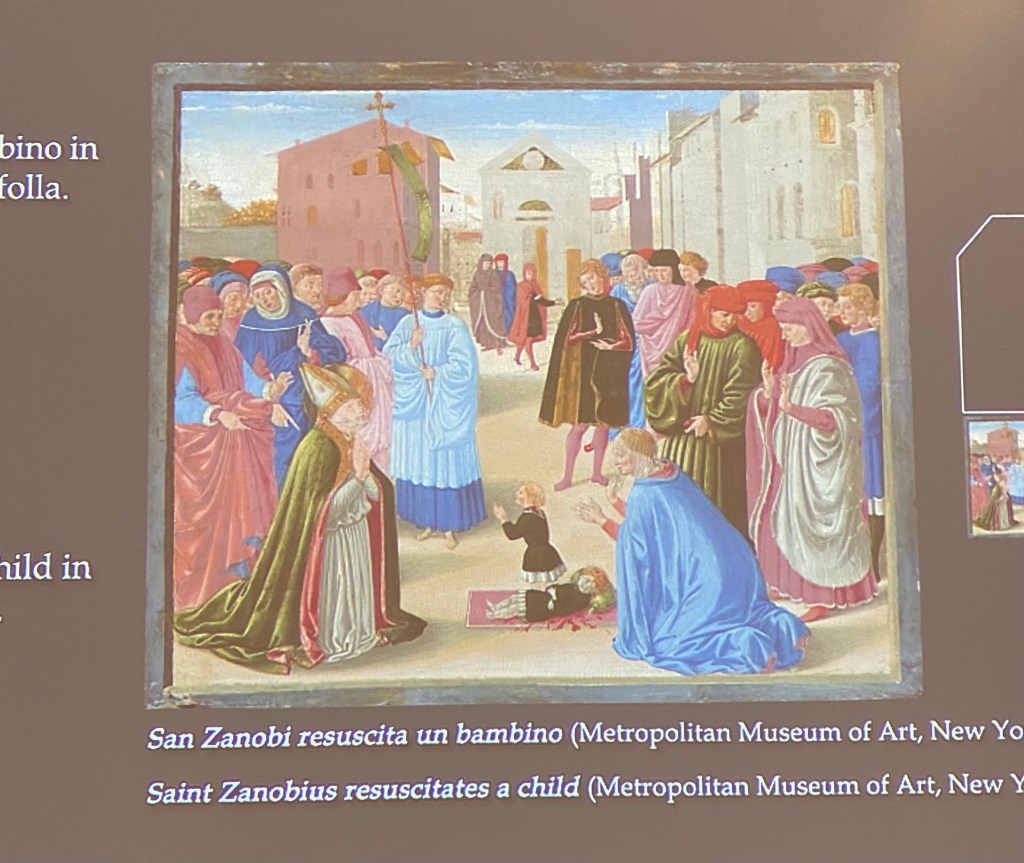
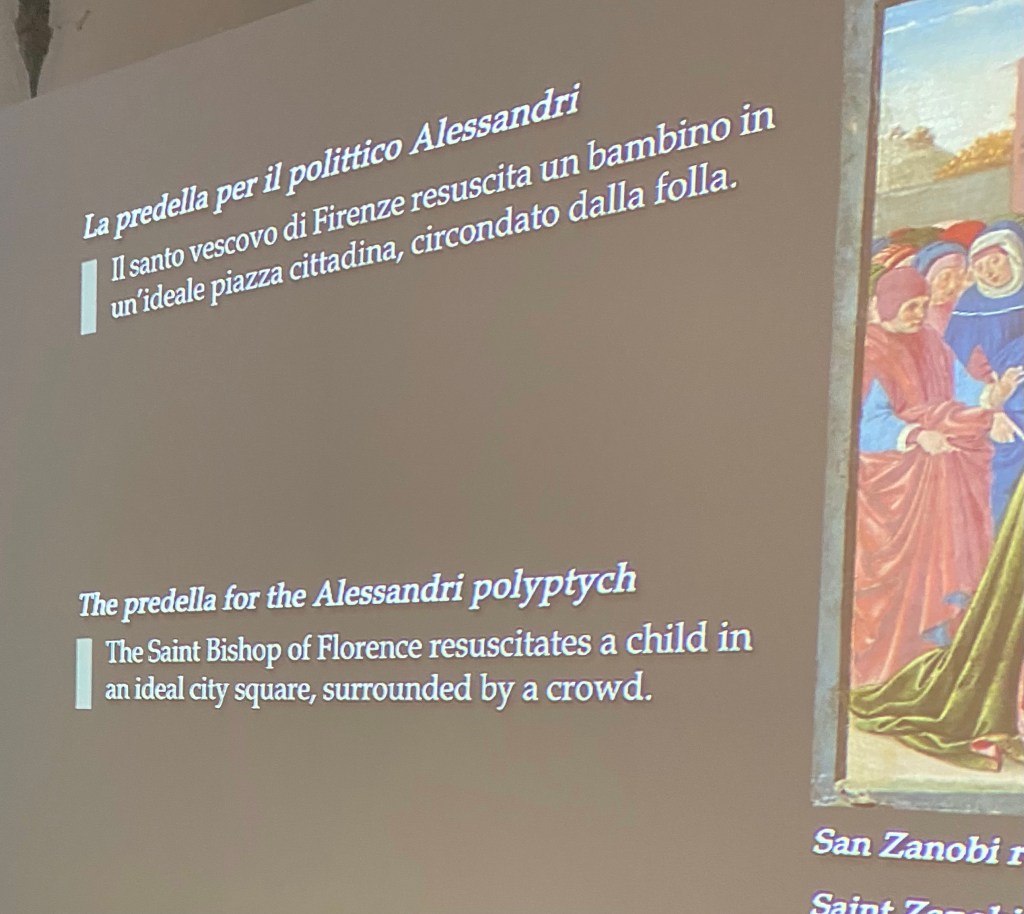
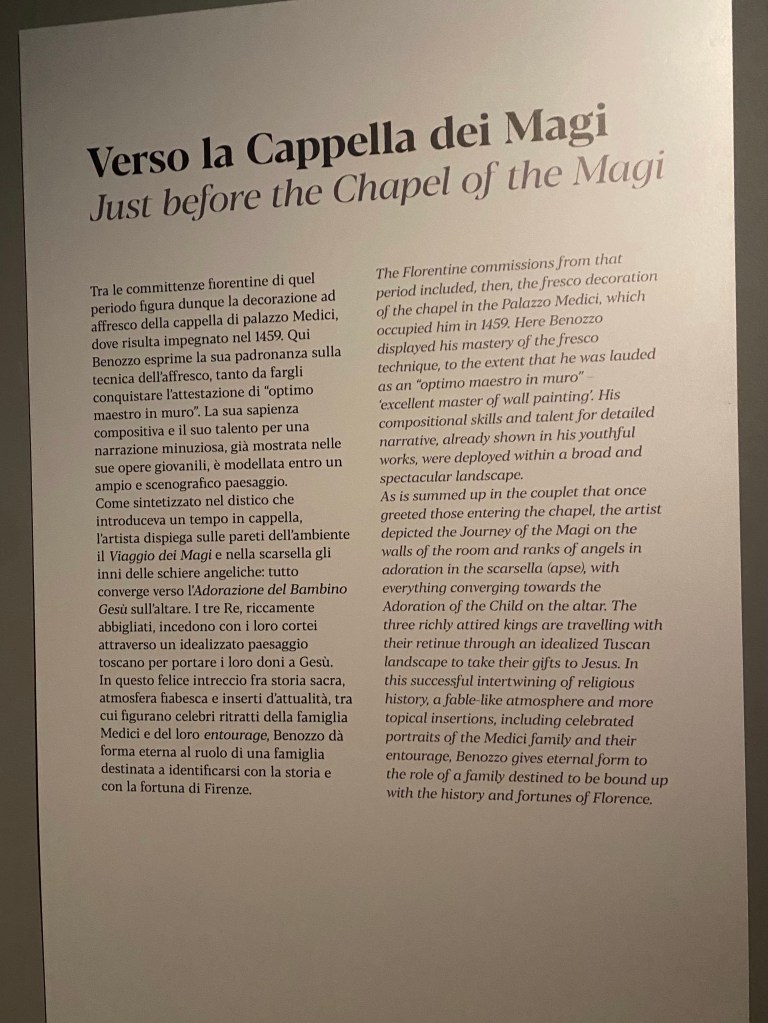
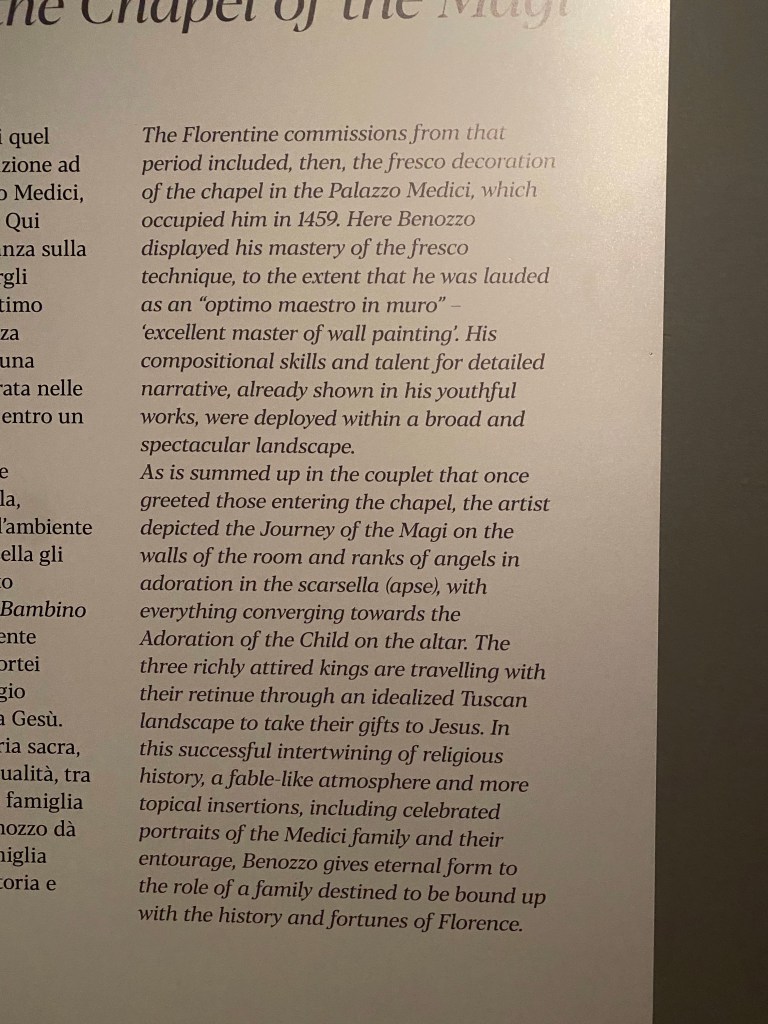
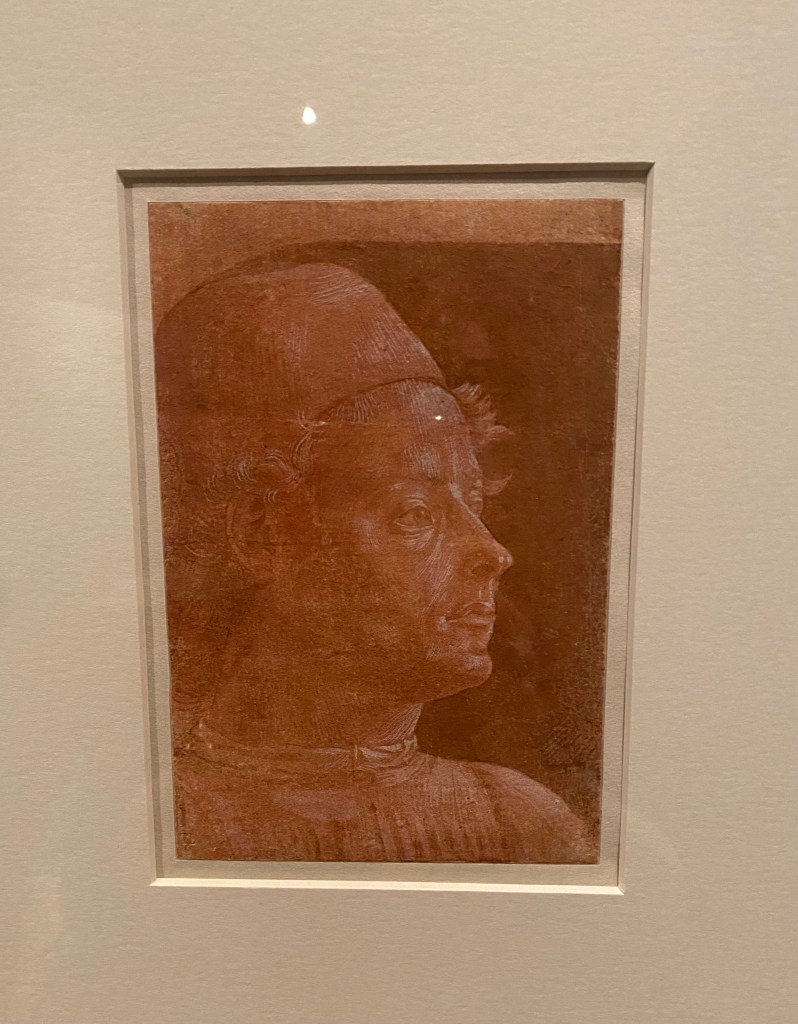
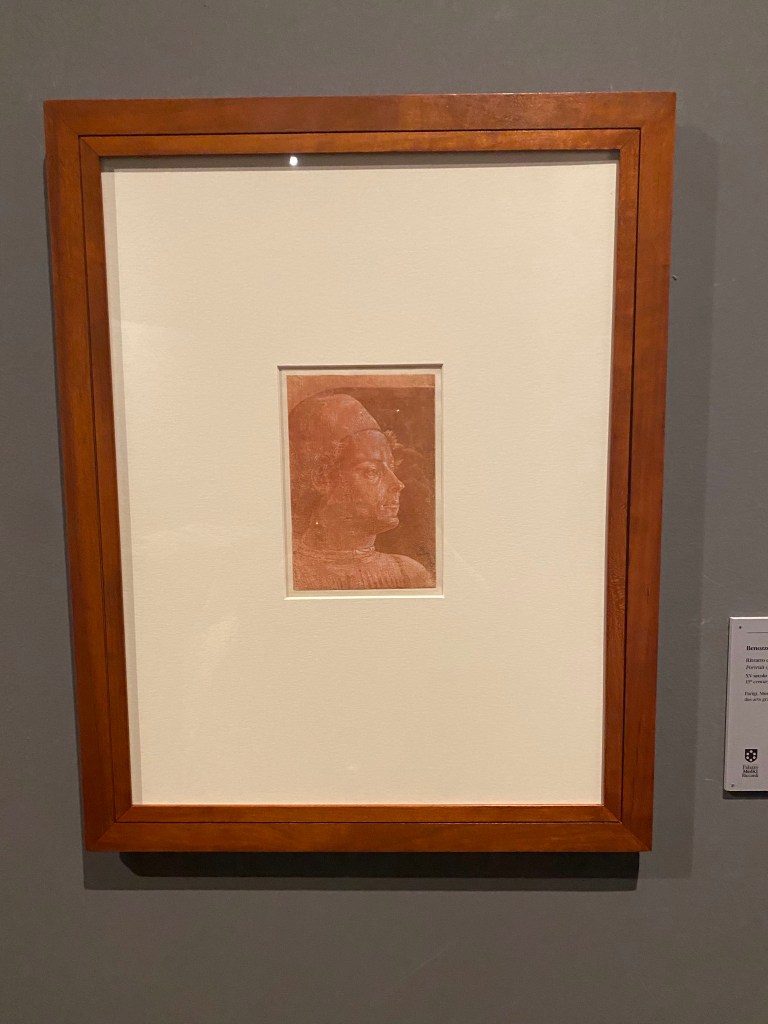
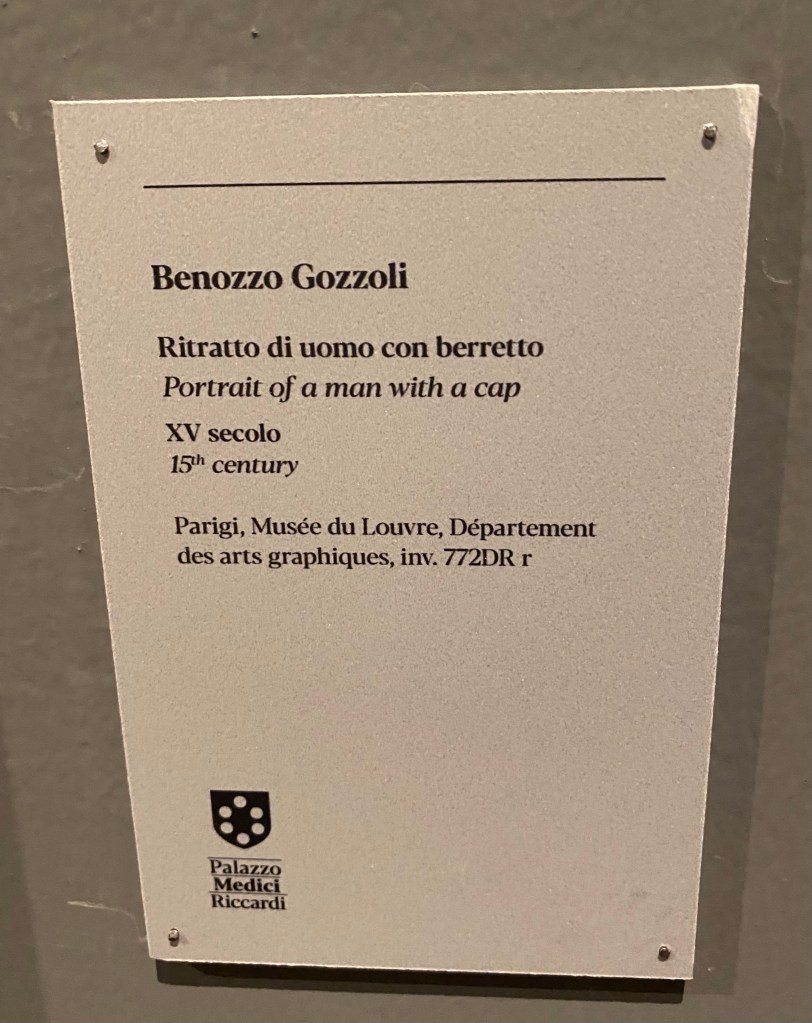
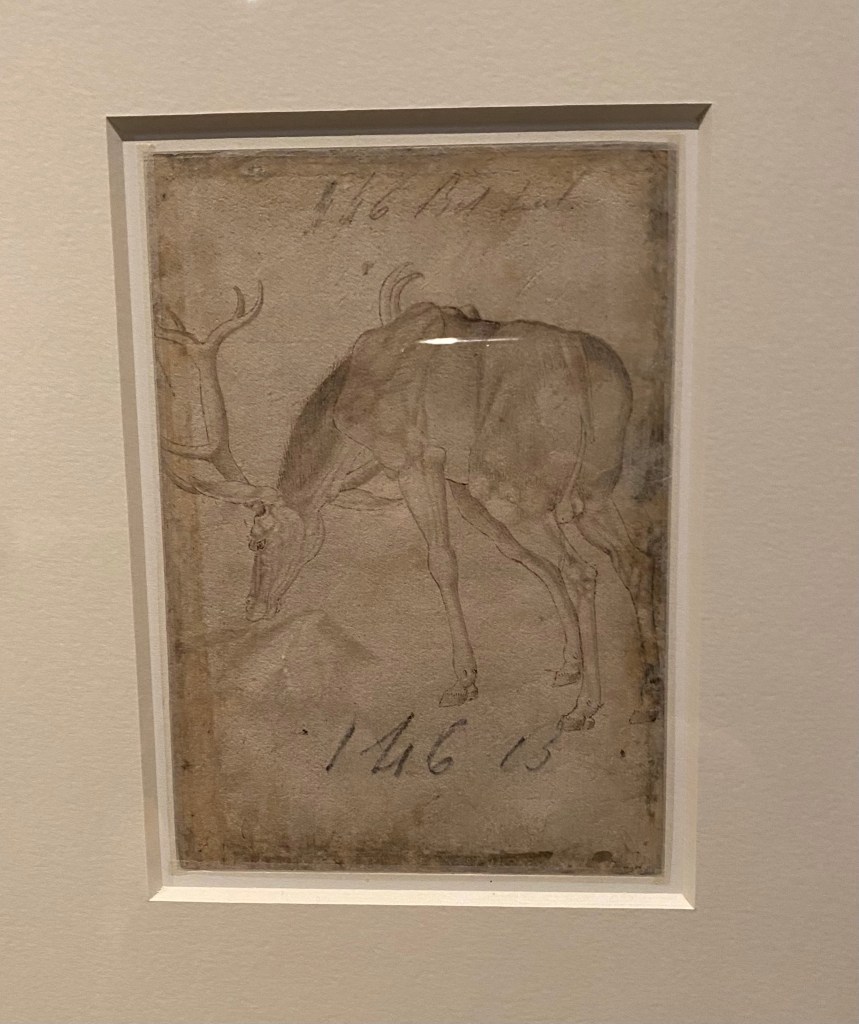
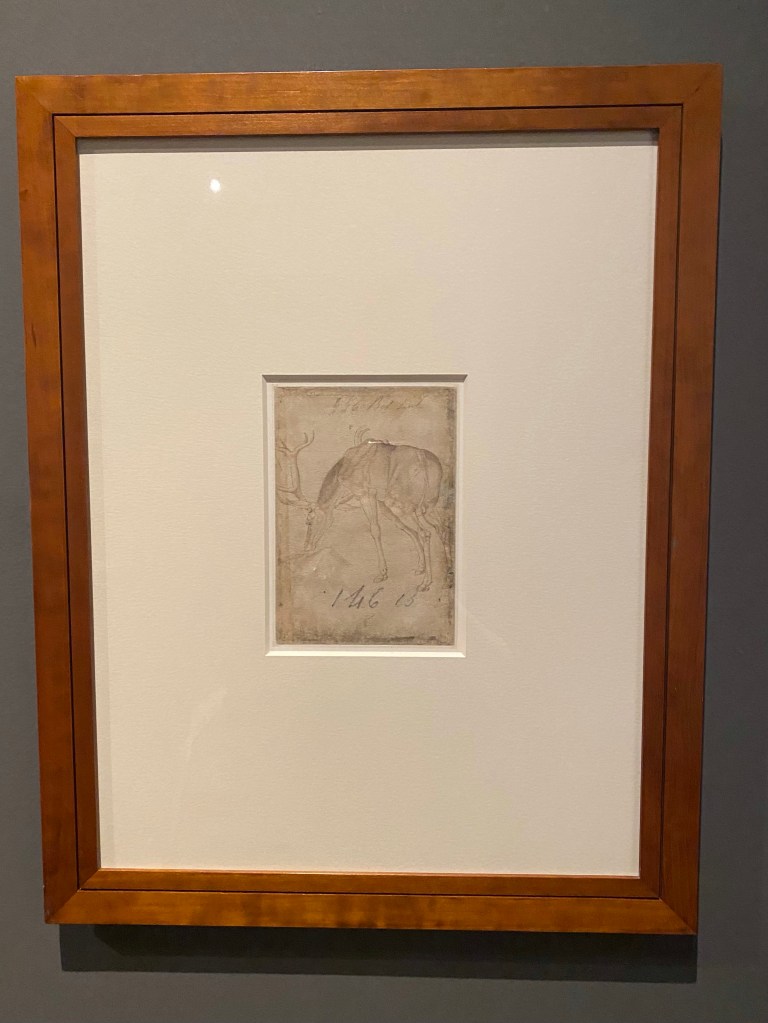
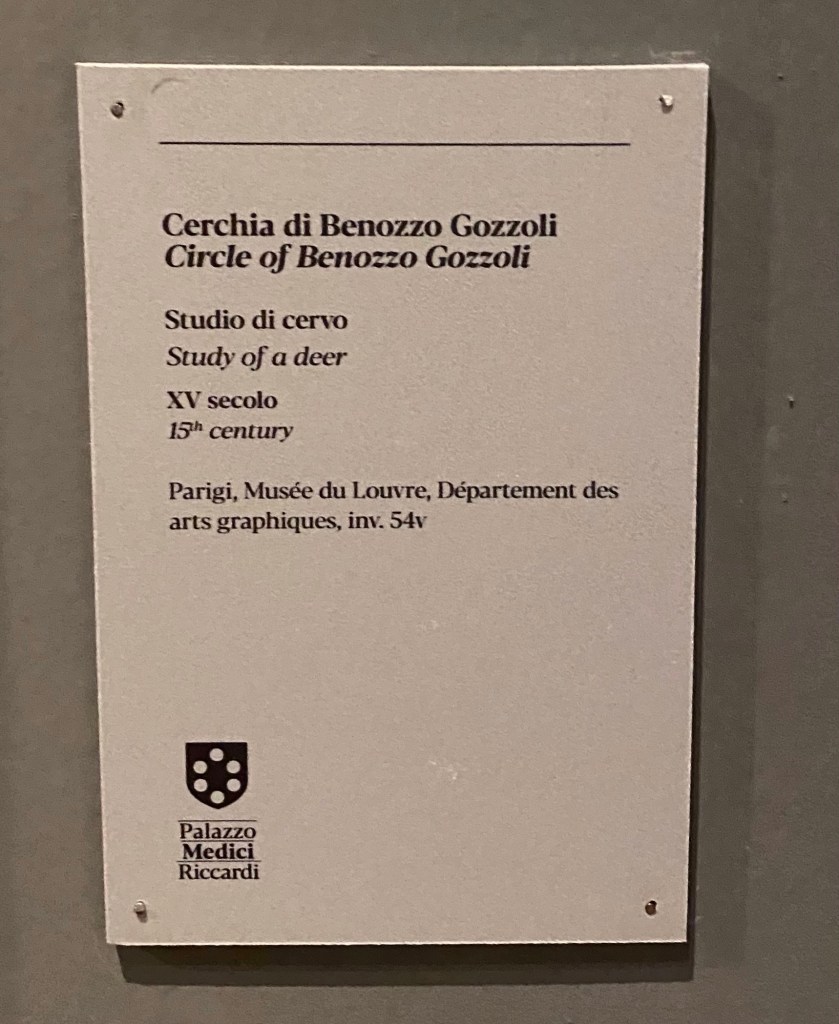
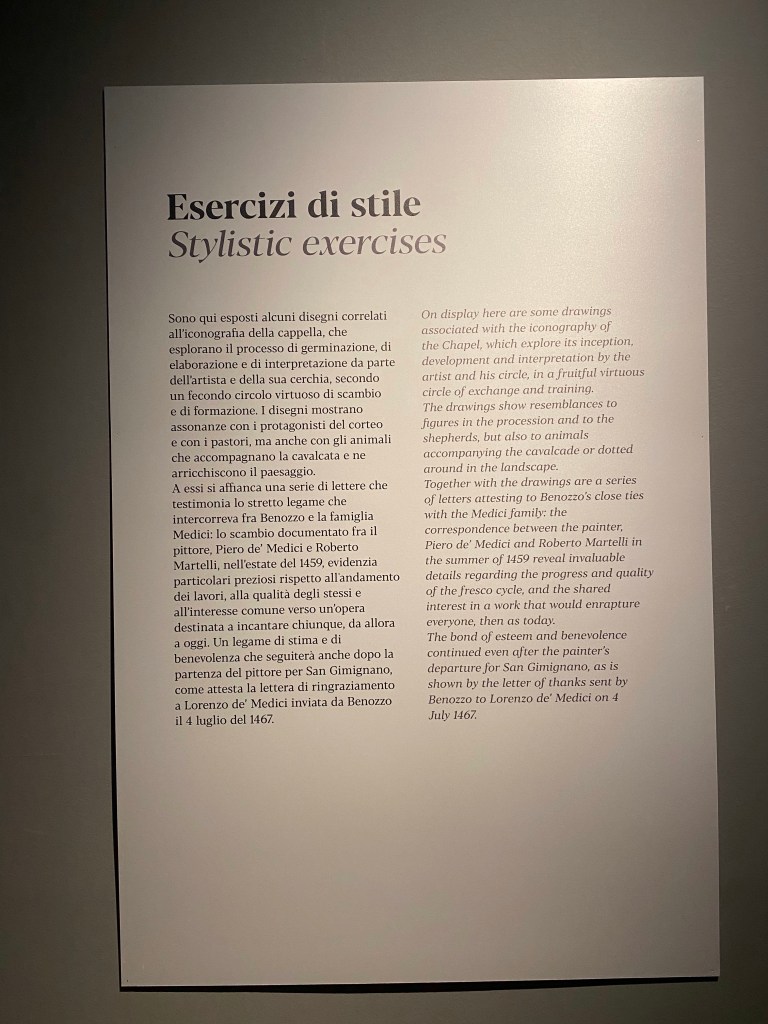
Benozzo Gozzoli and the Medici Chapel exhibition, Florence
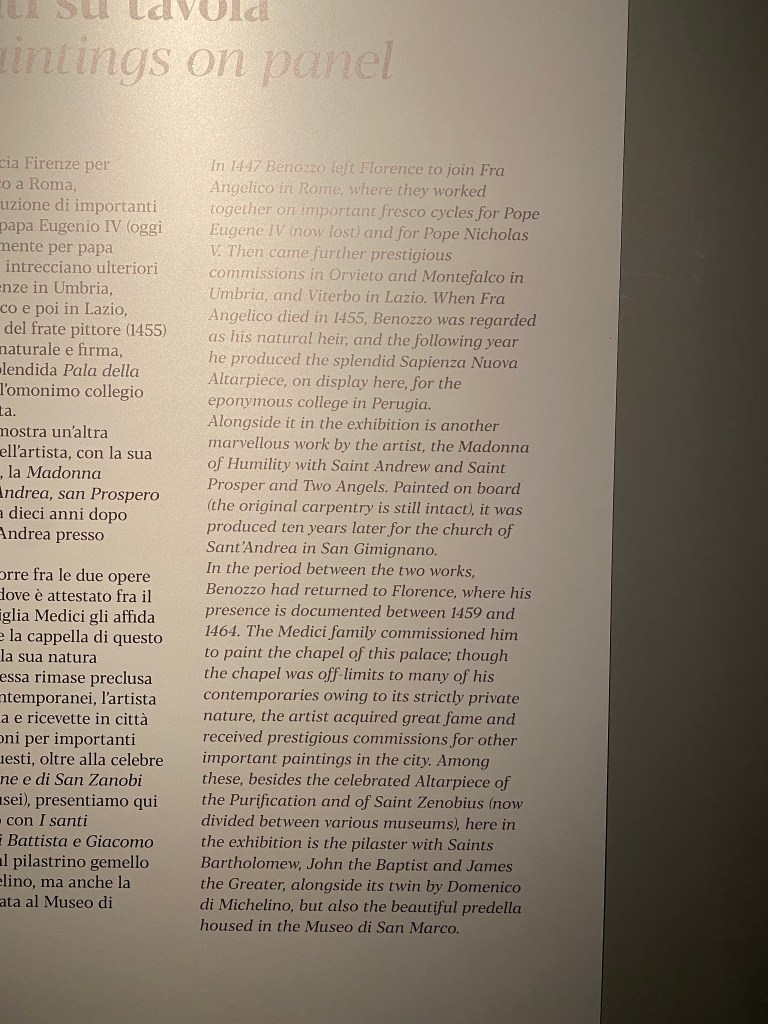
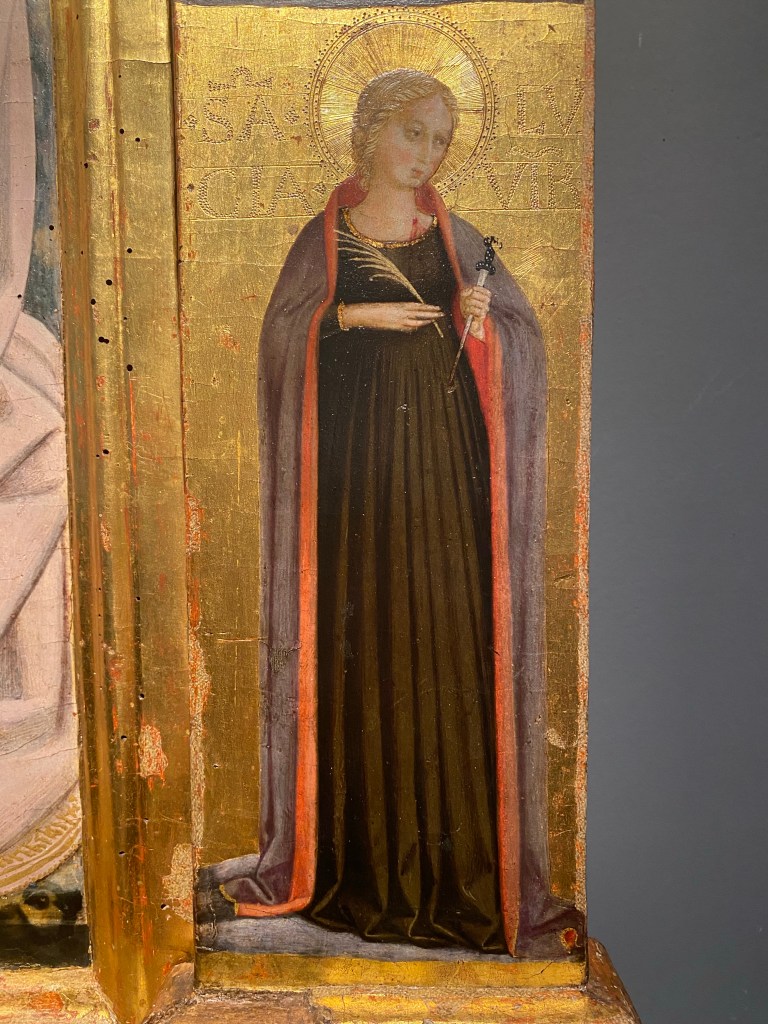
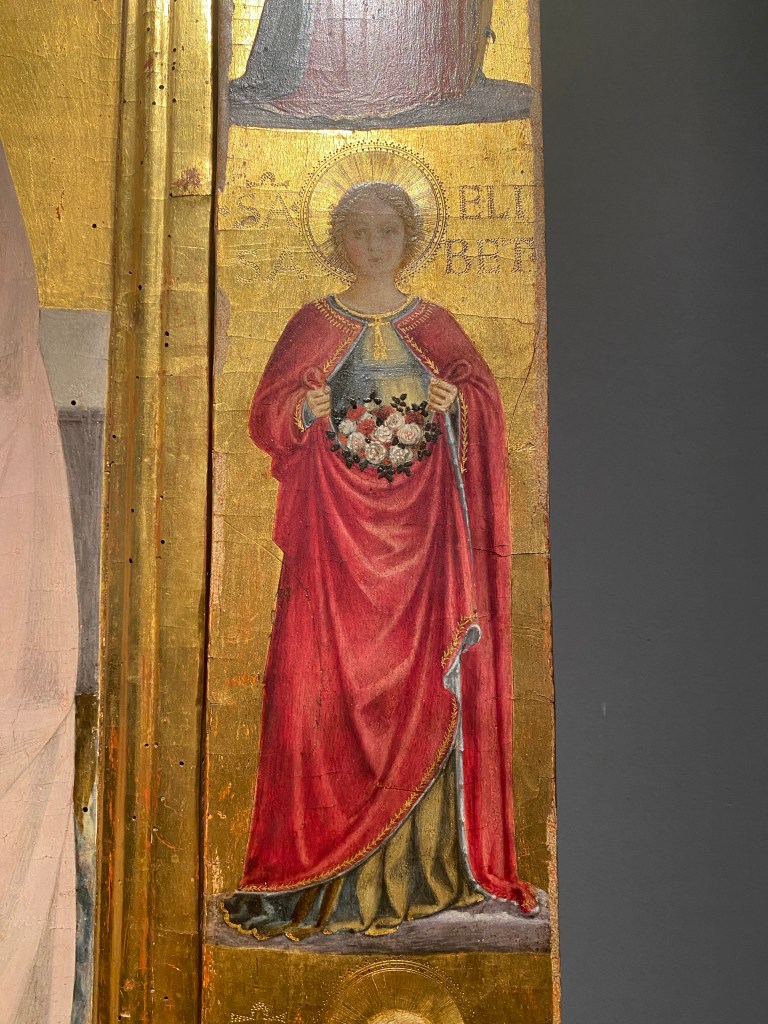
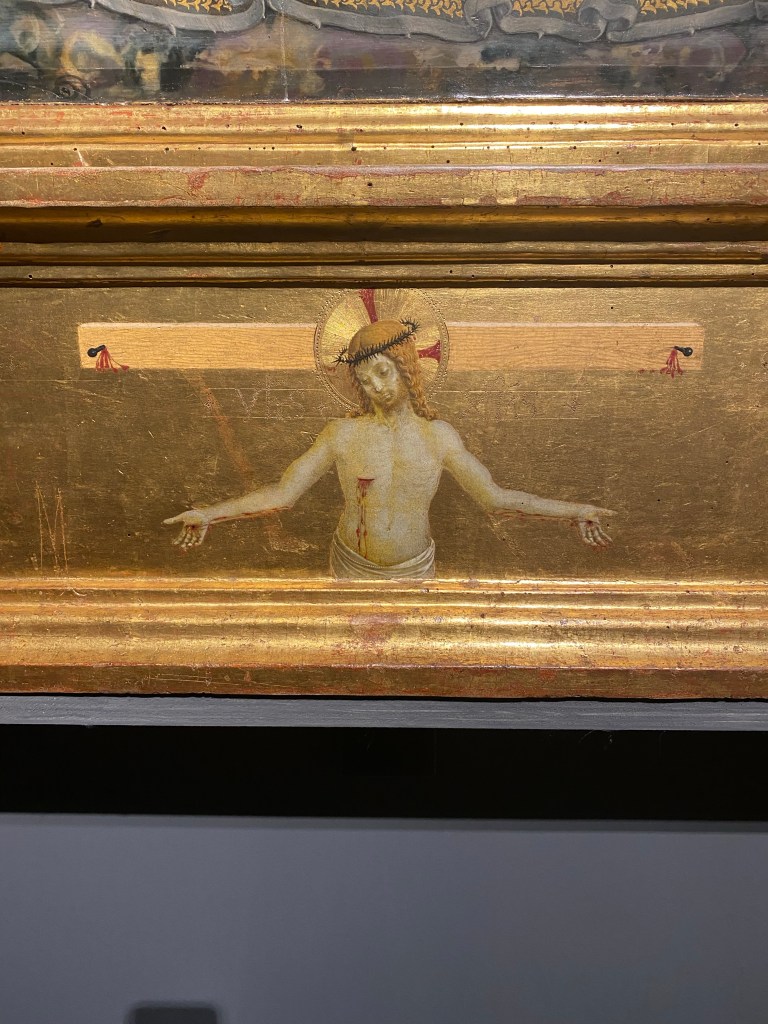
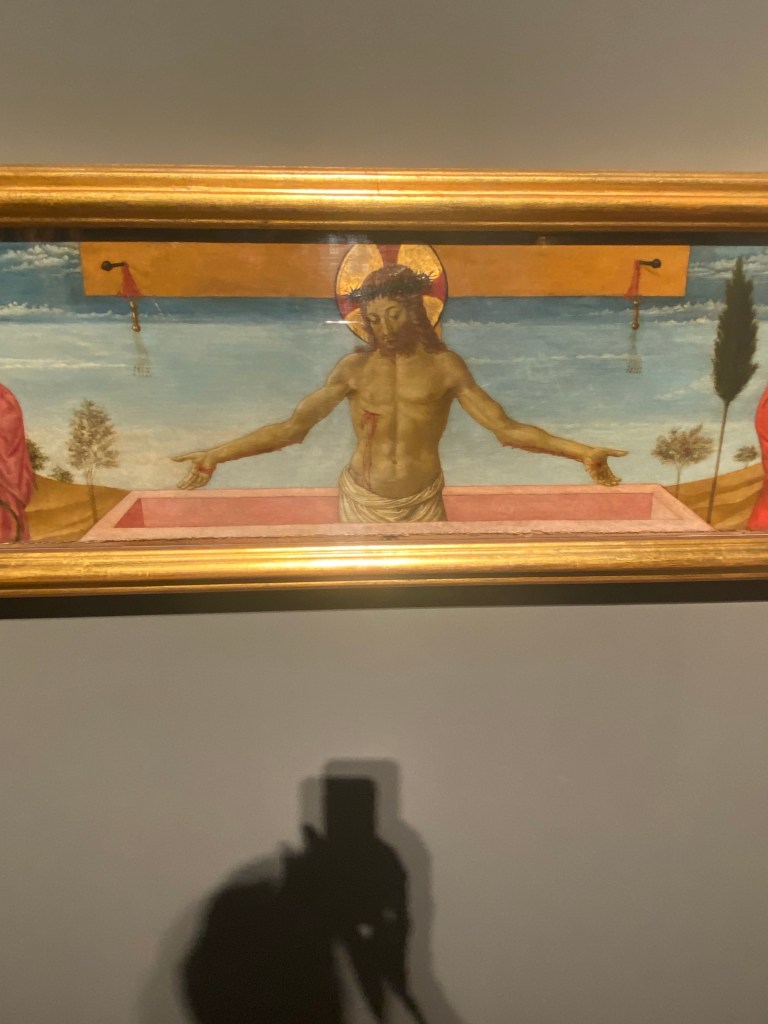
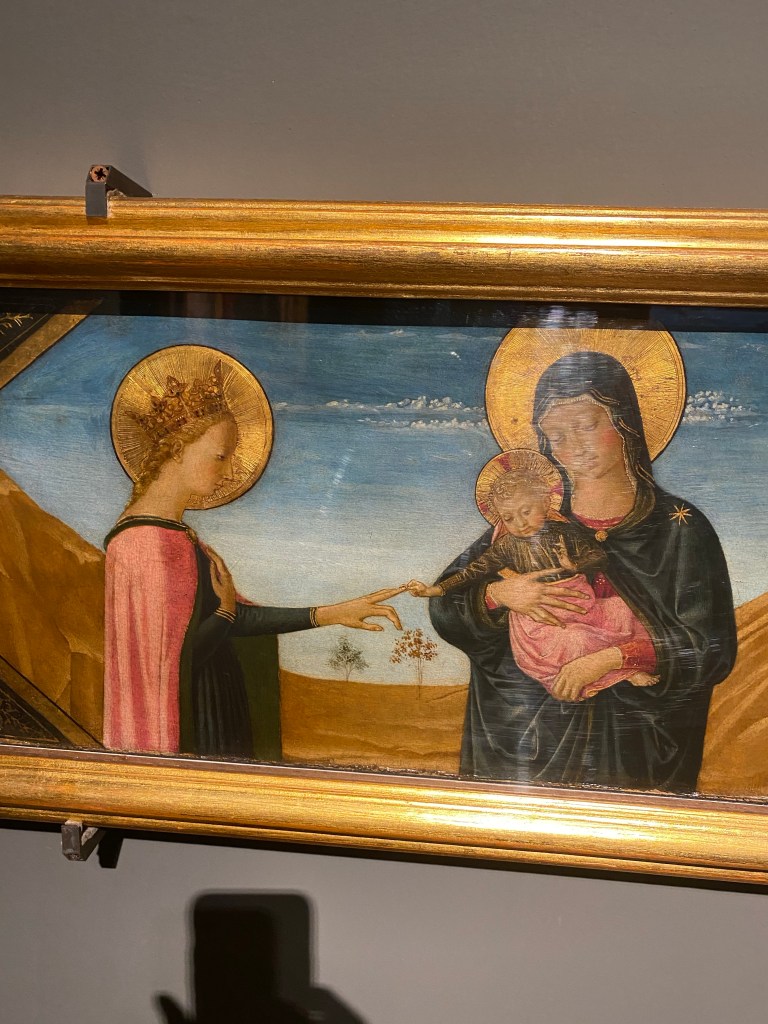
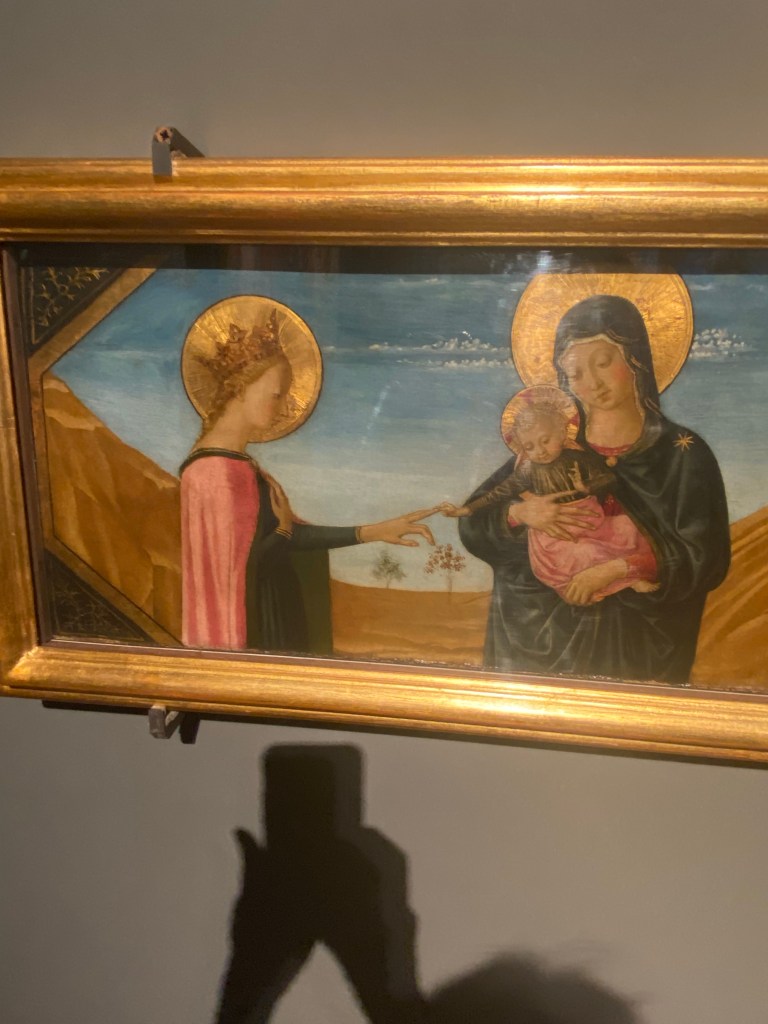
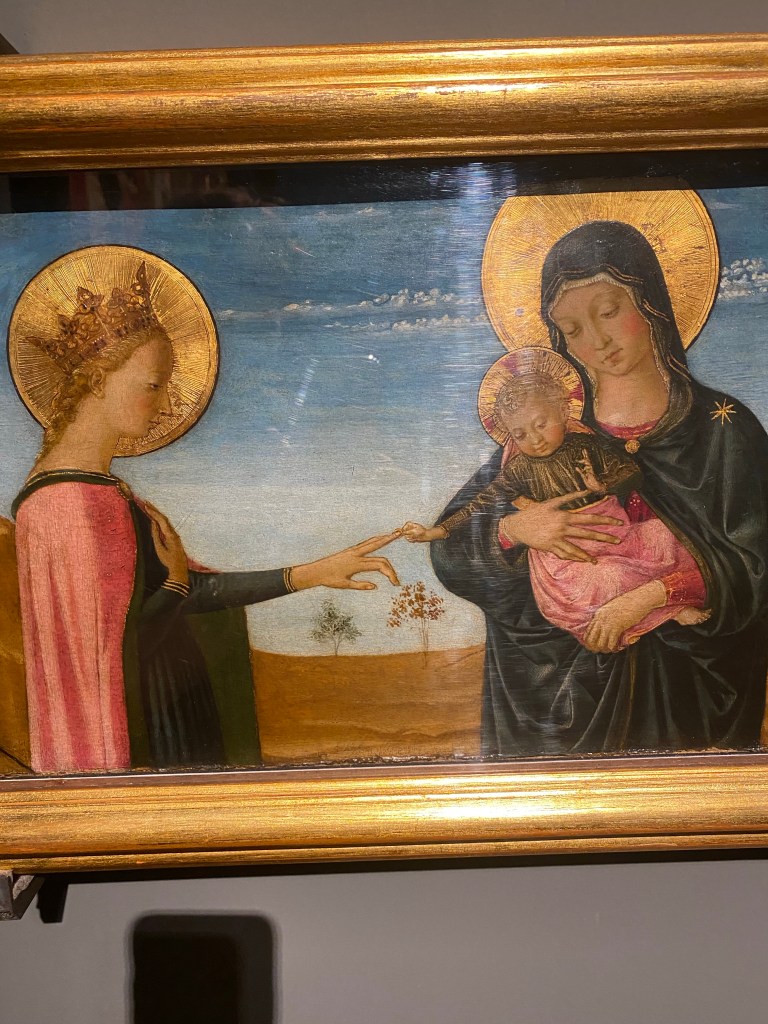
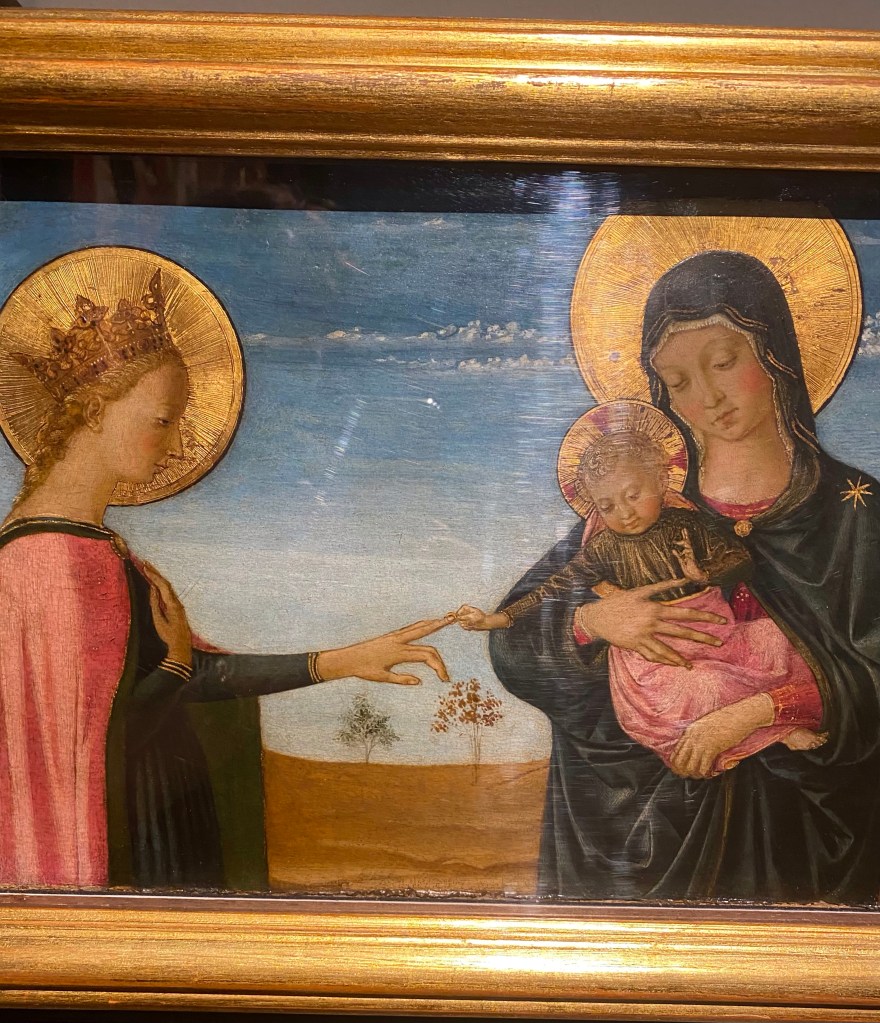
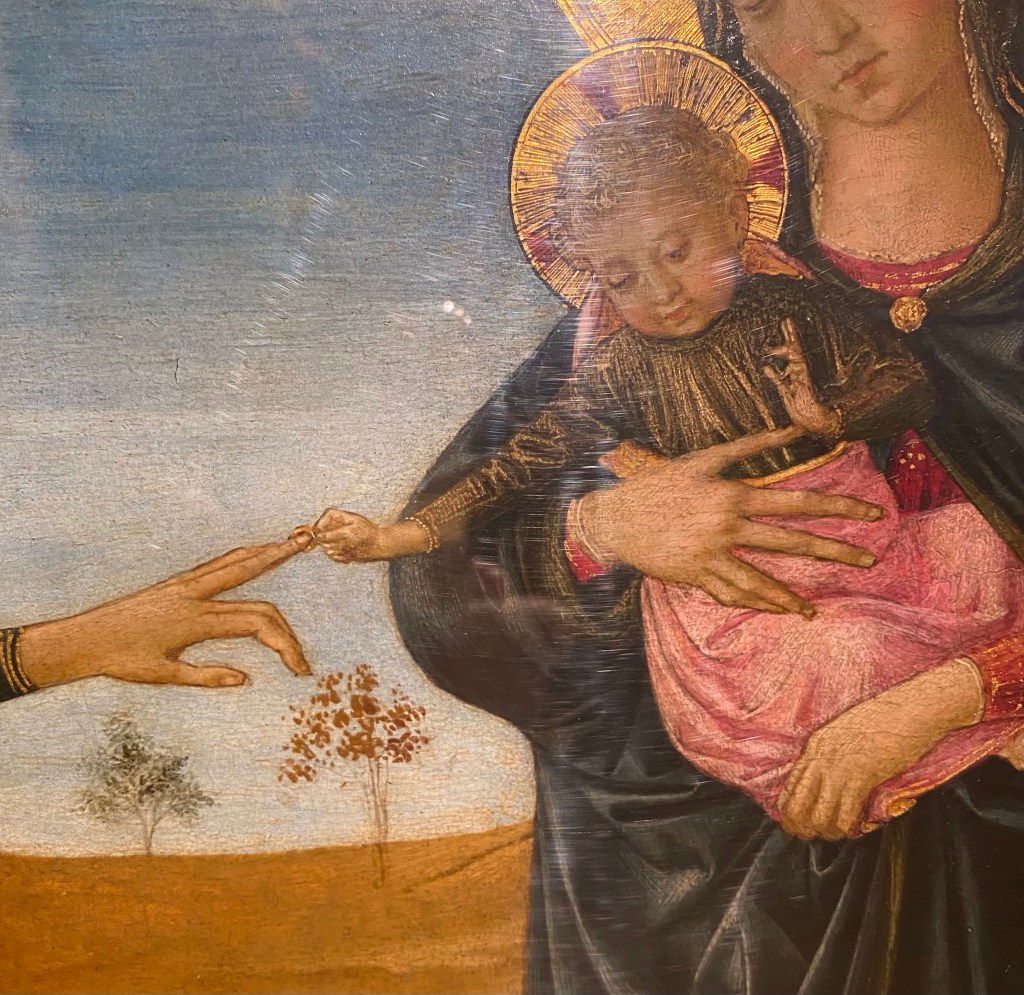
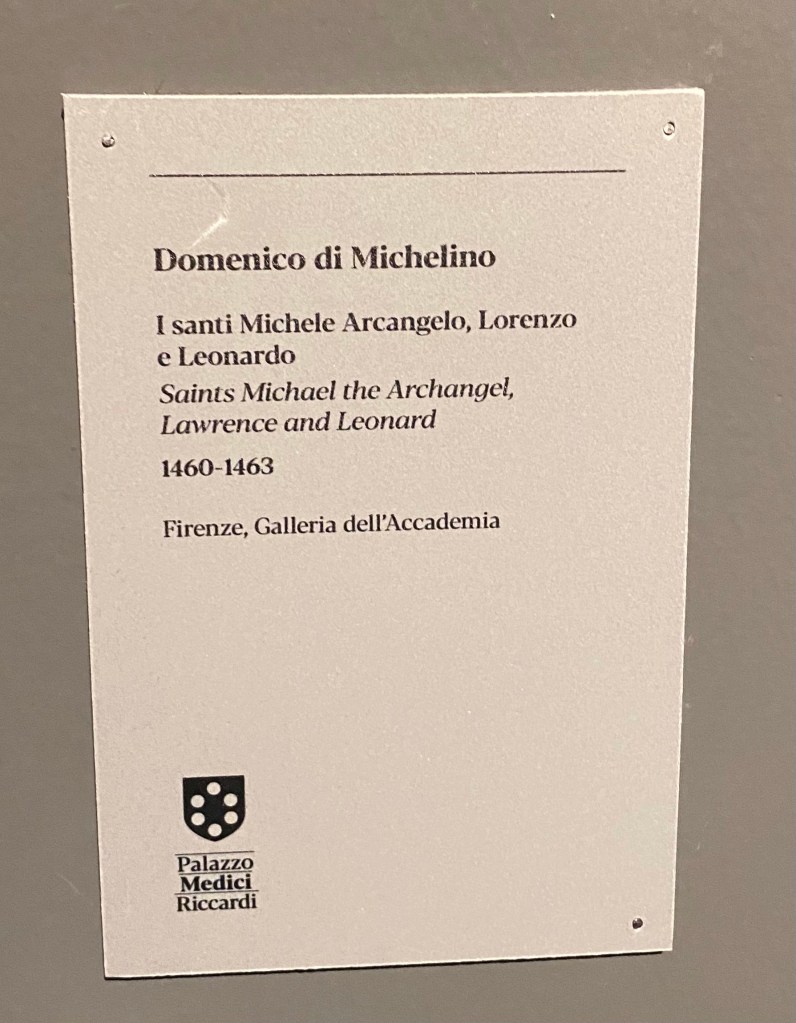
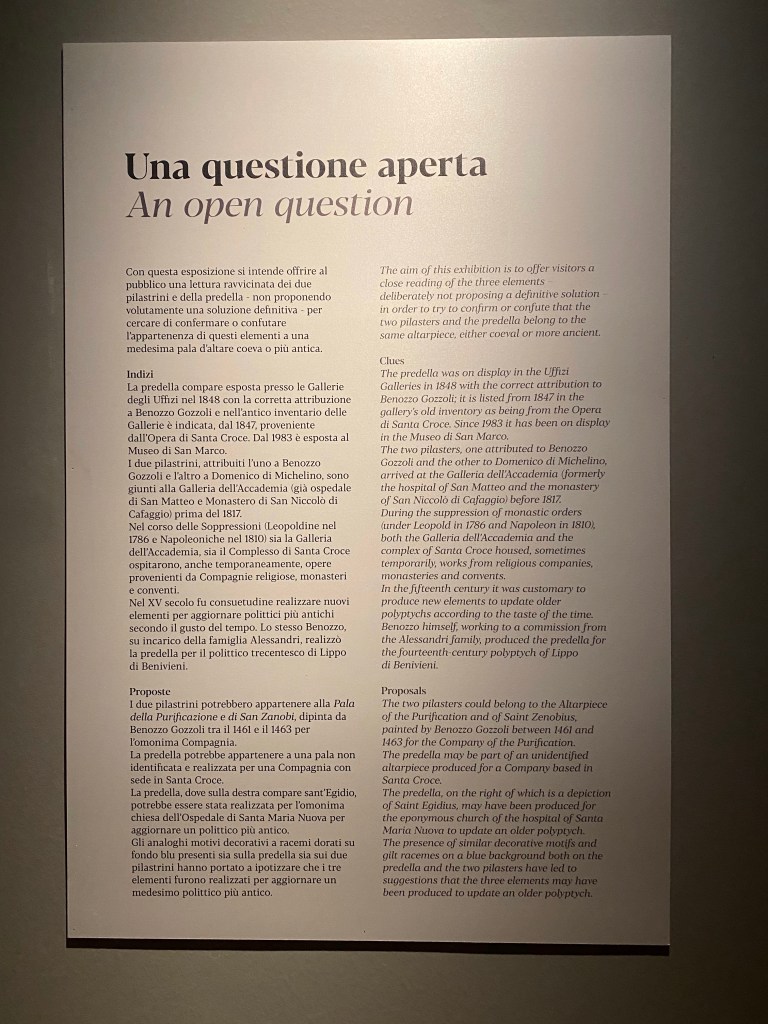
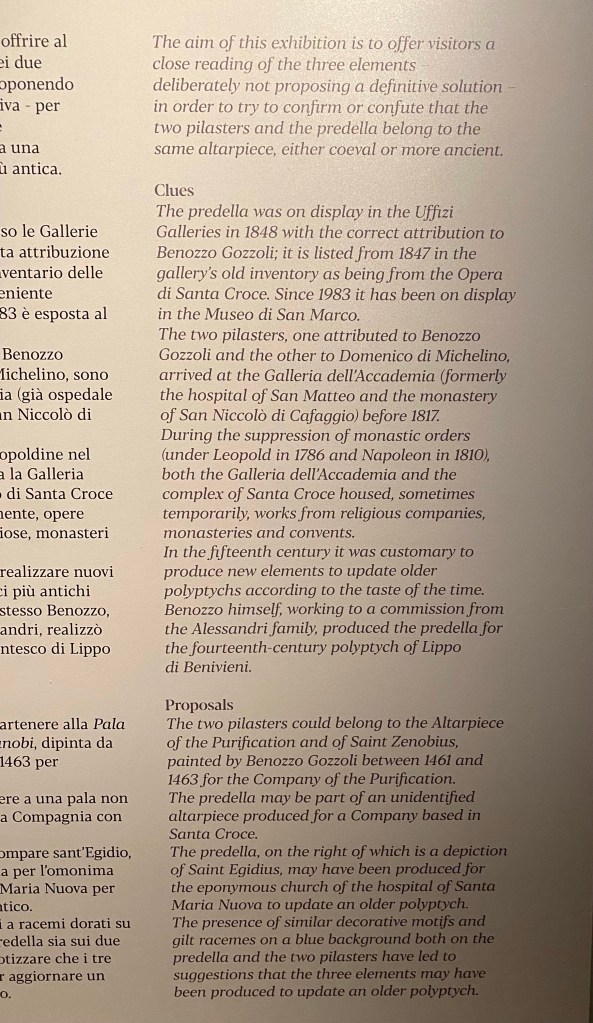
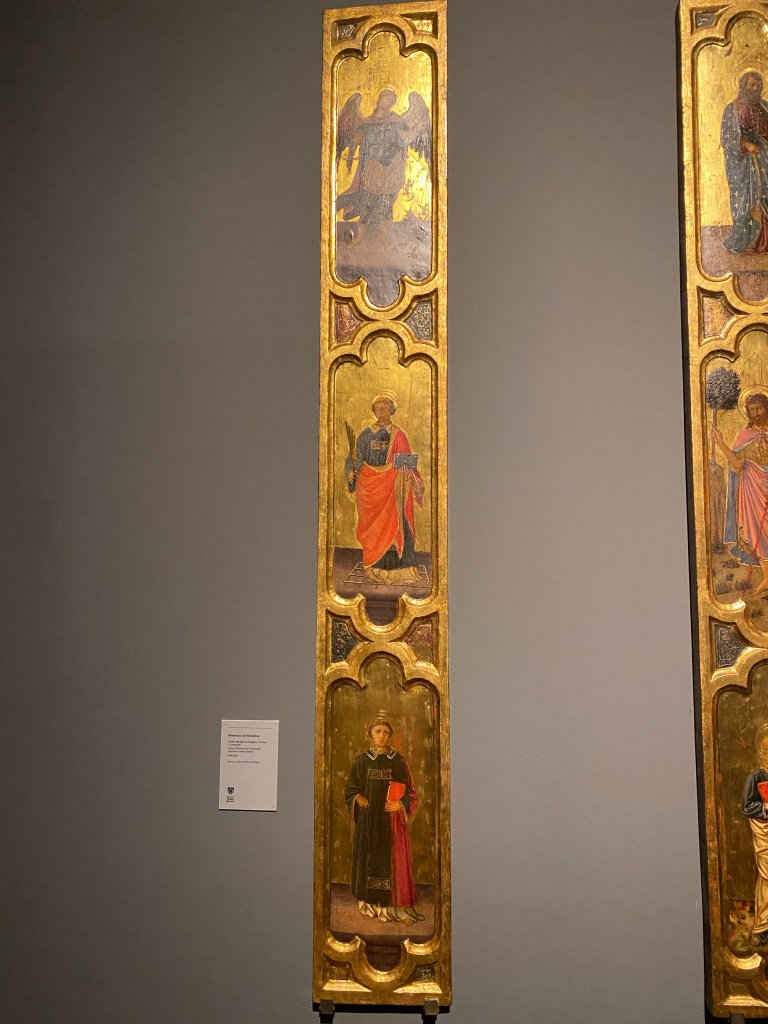
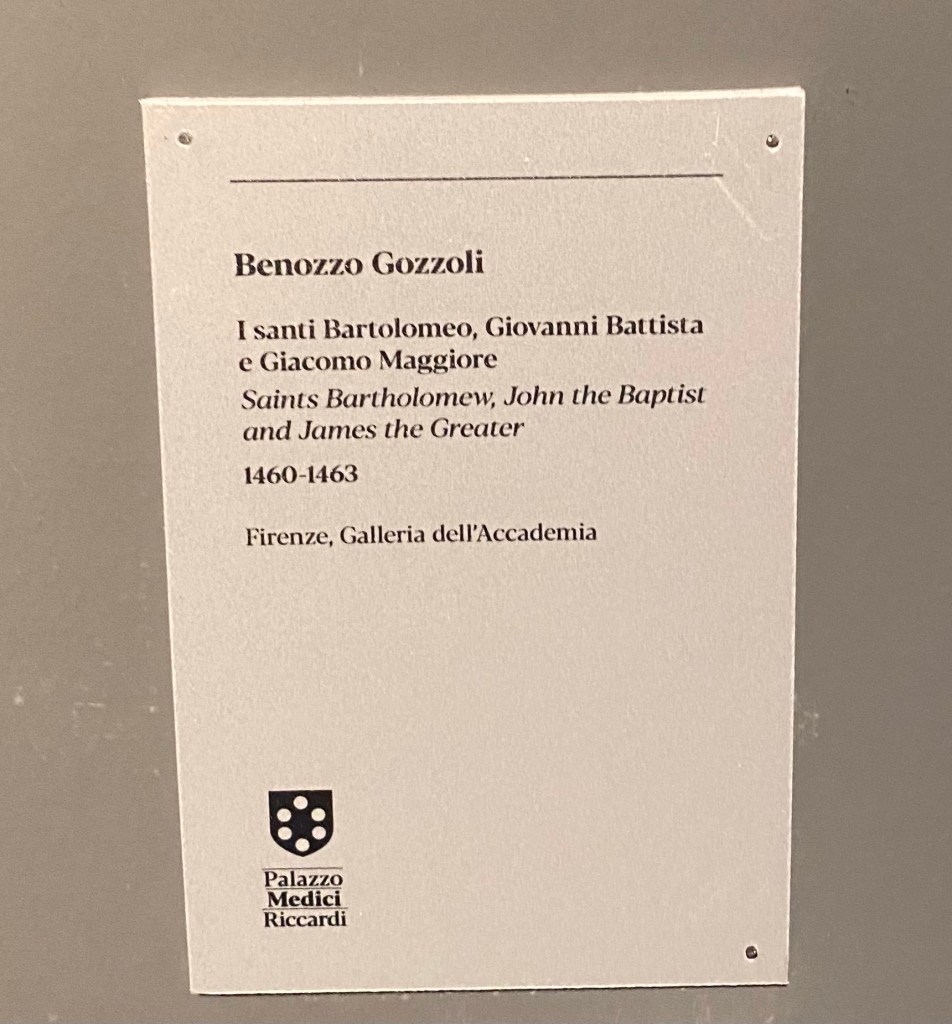
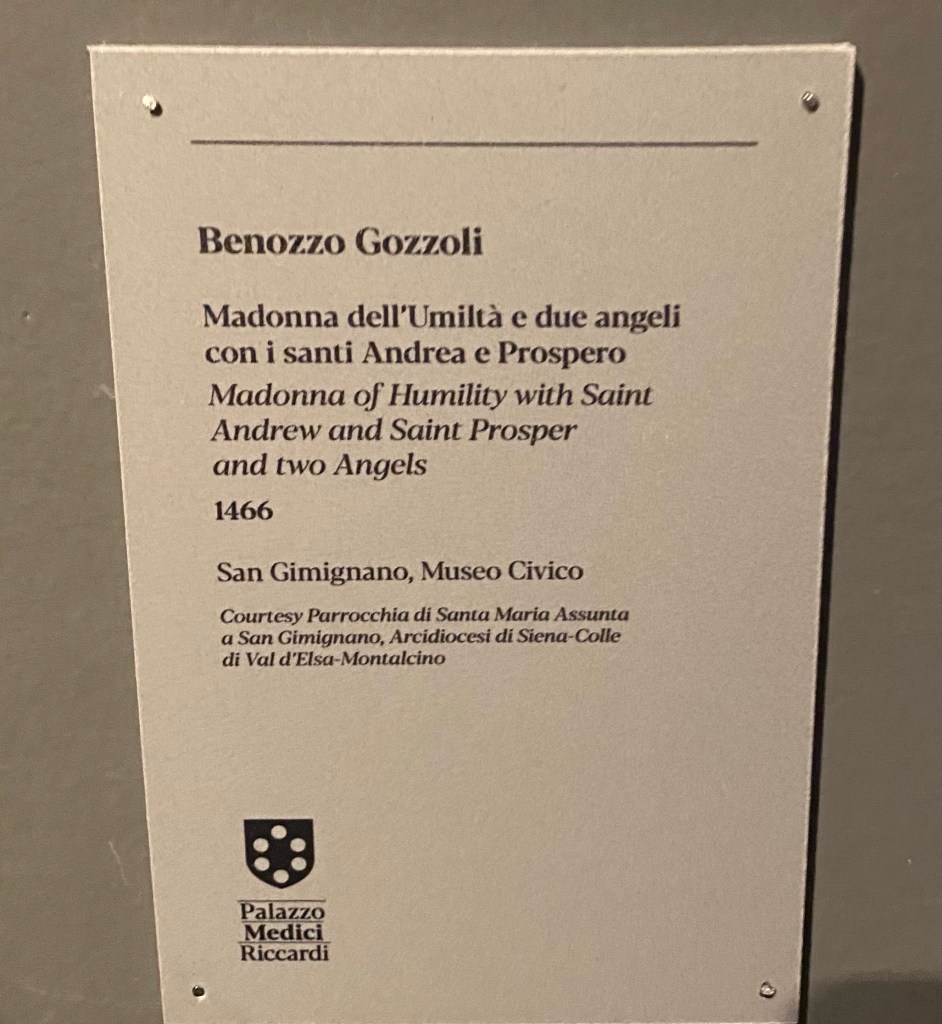
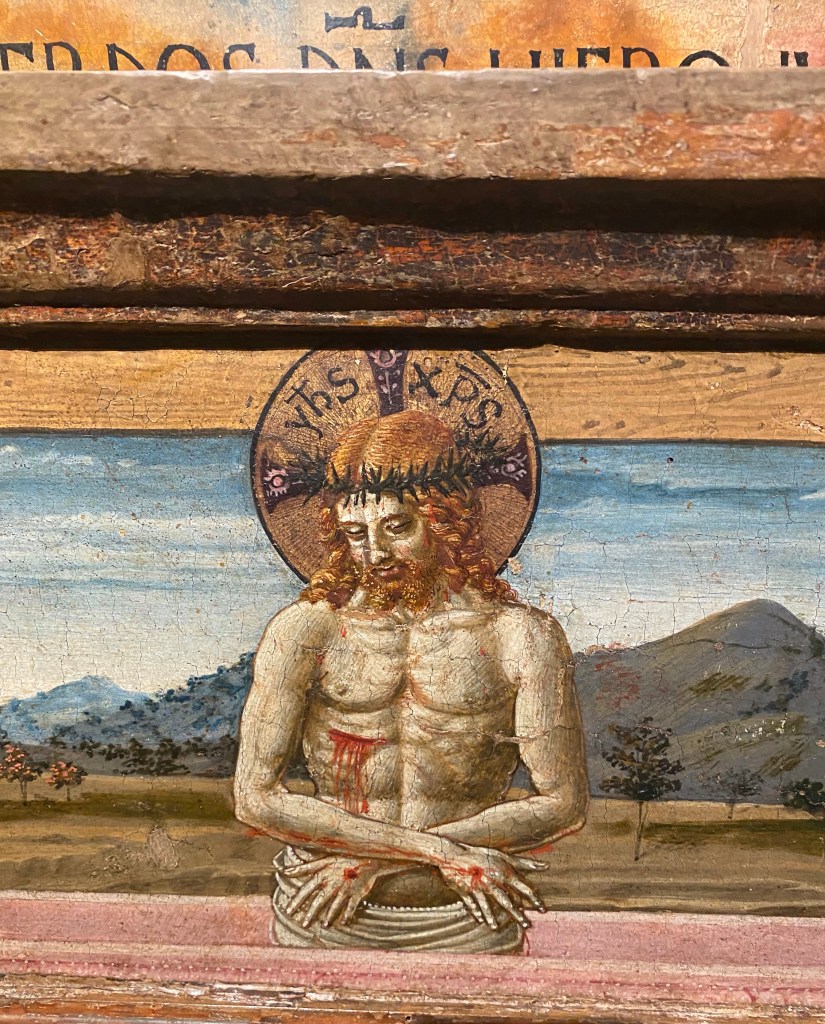
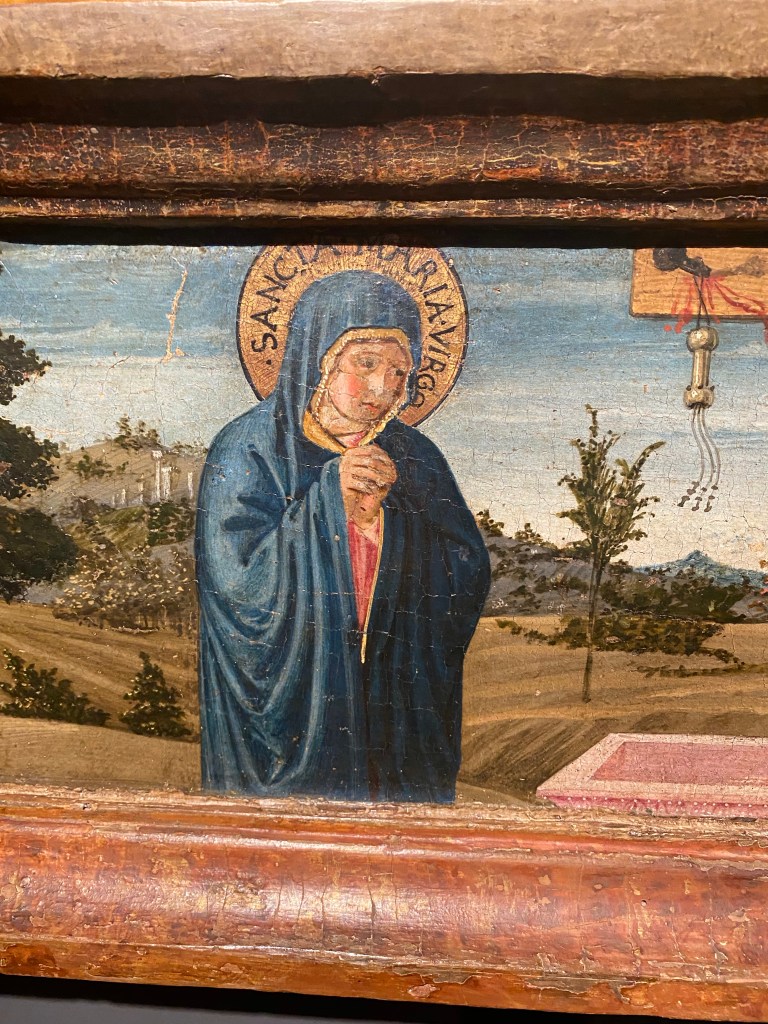
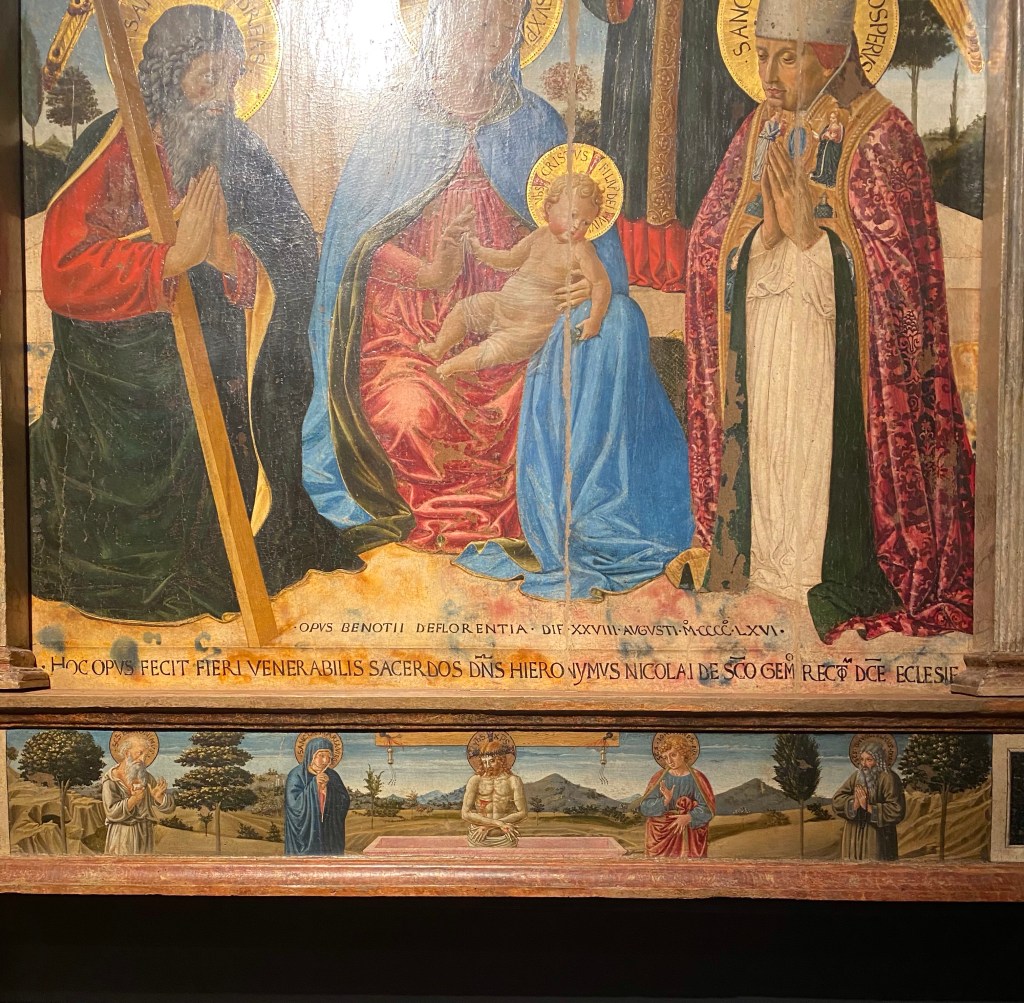
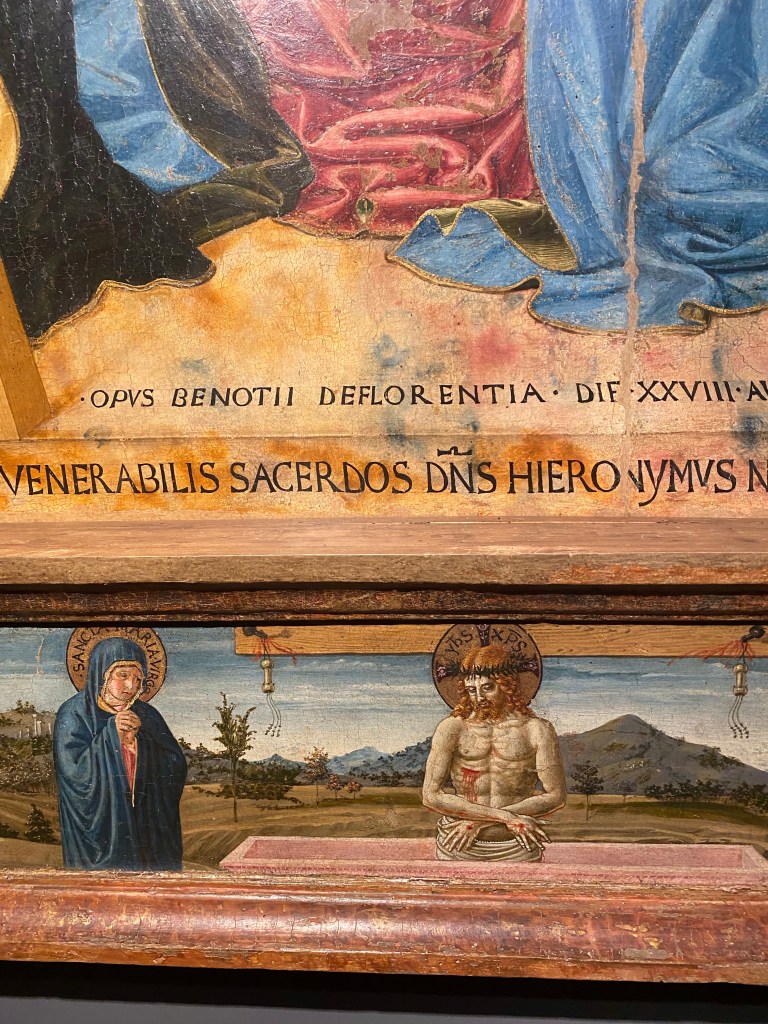
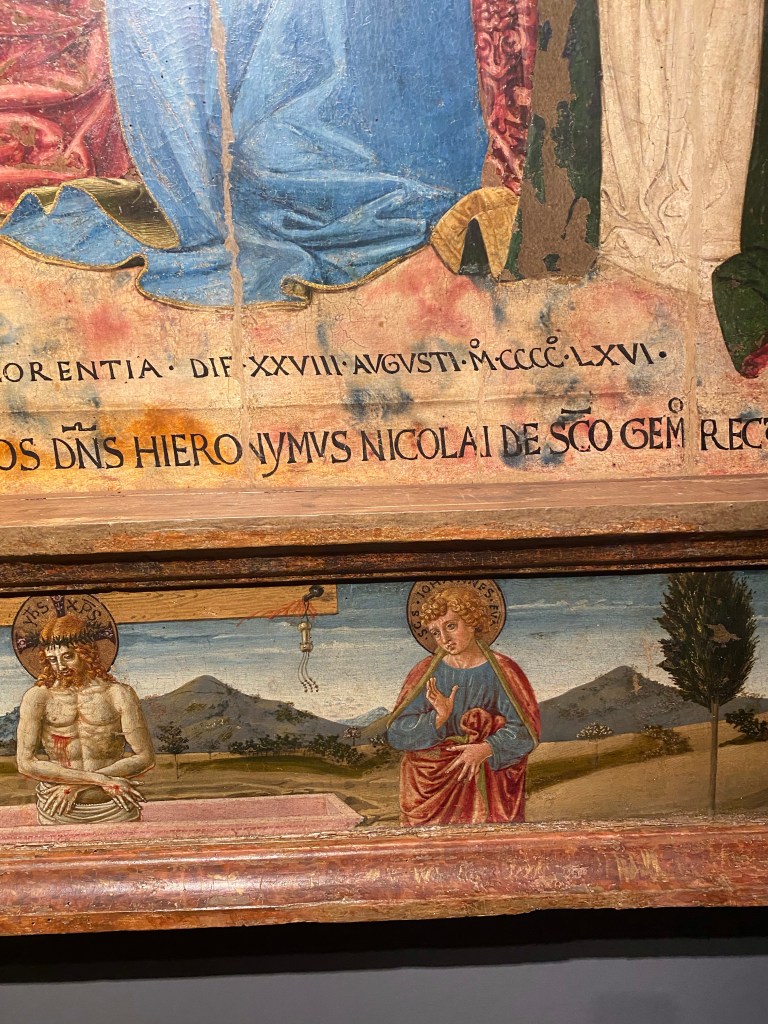
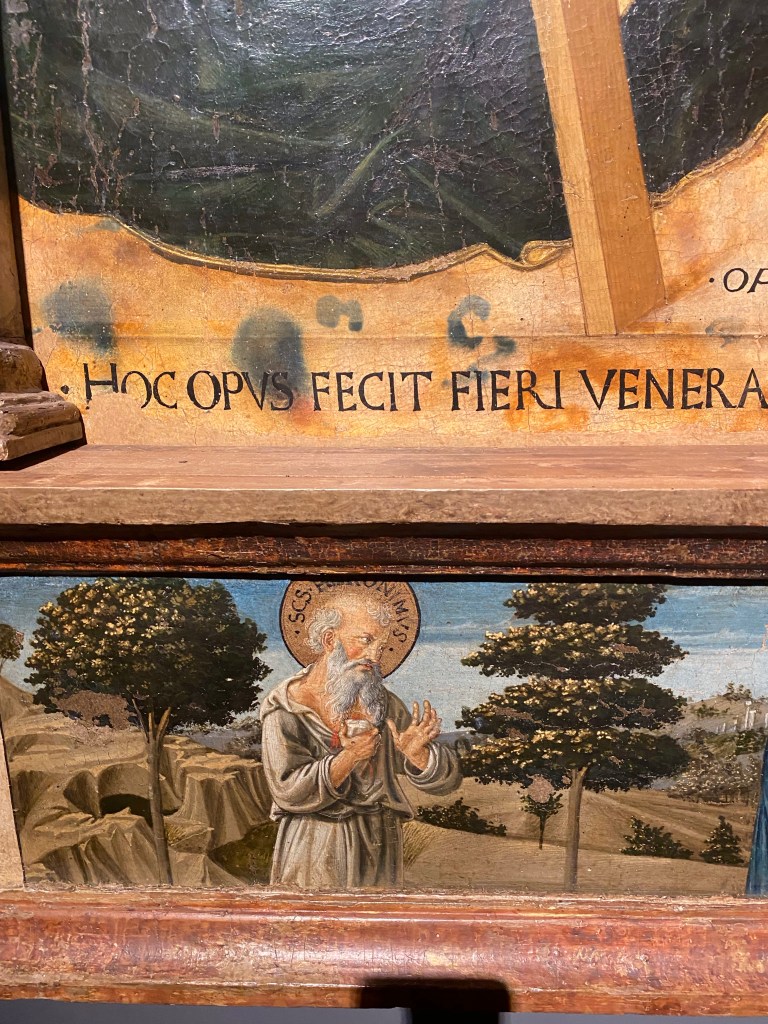
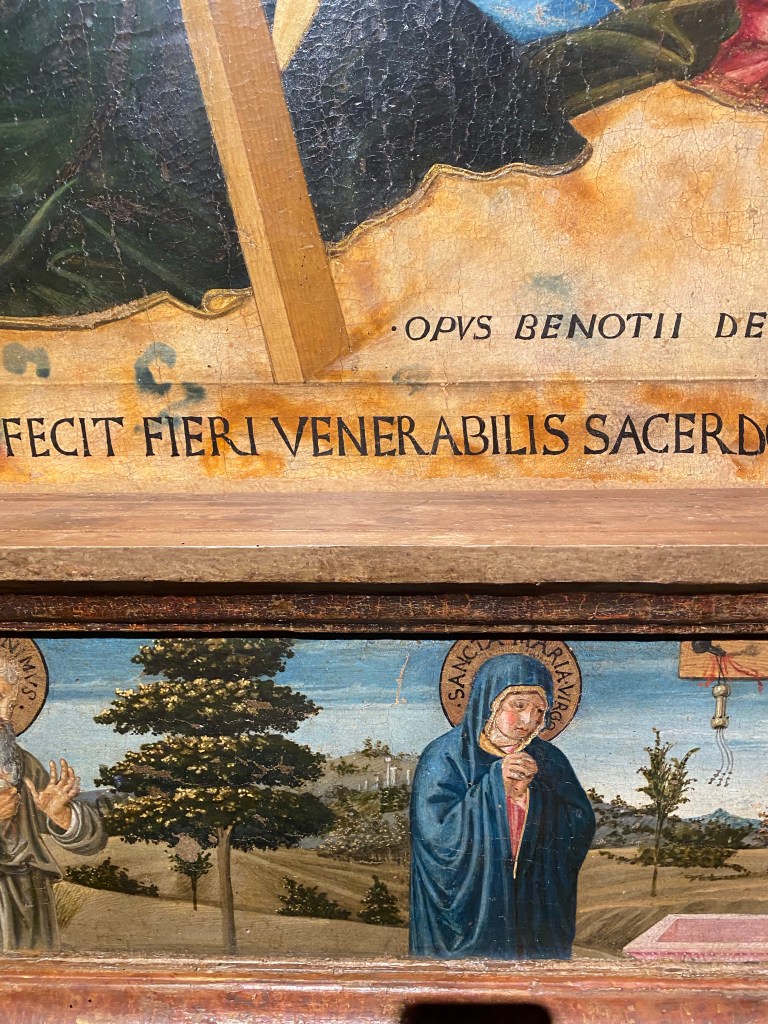
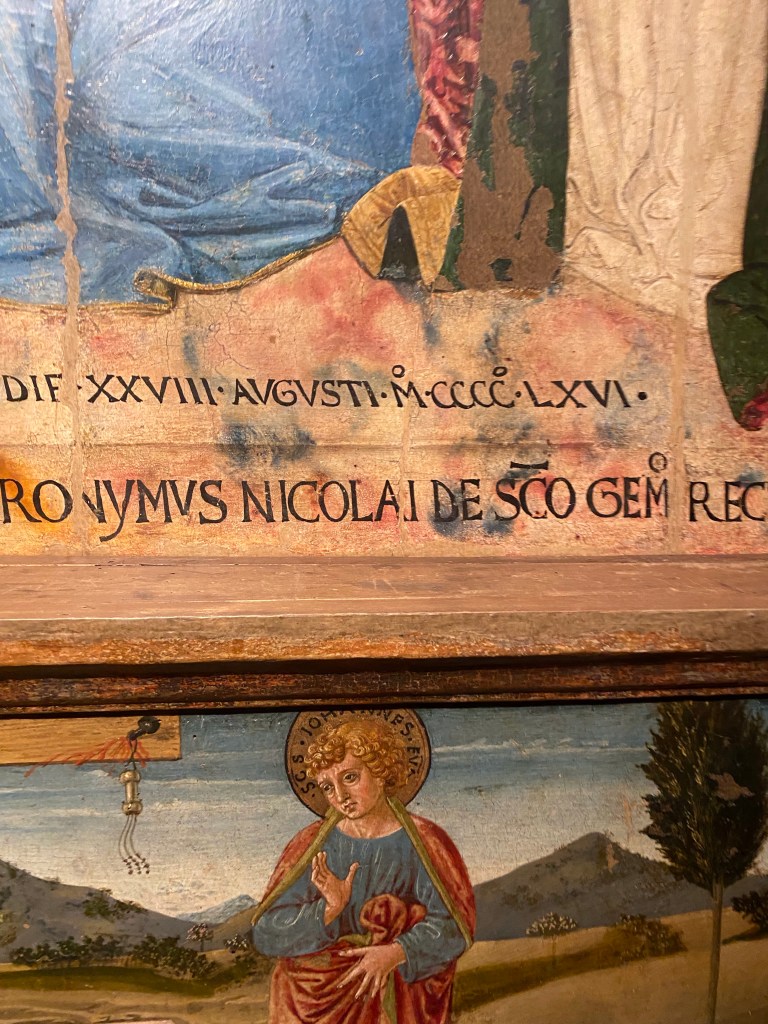
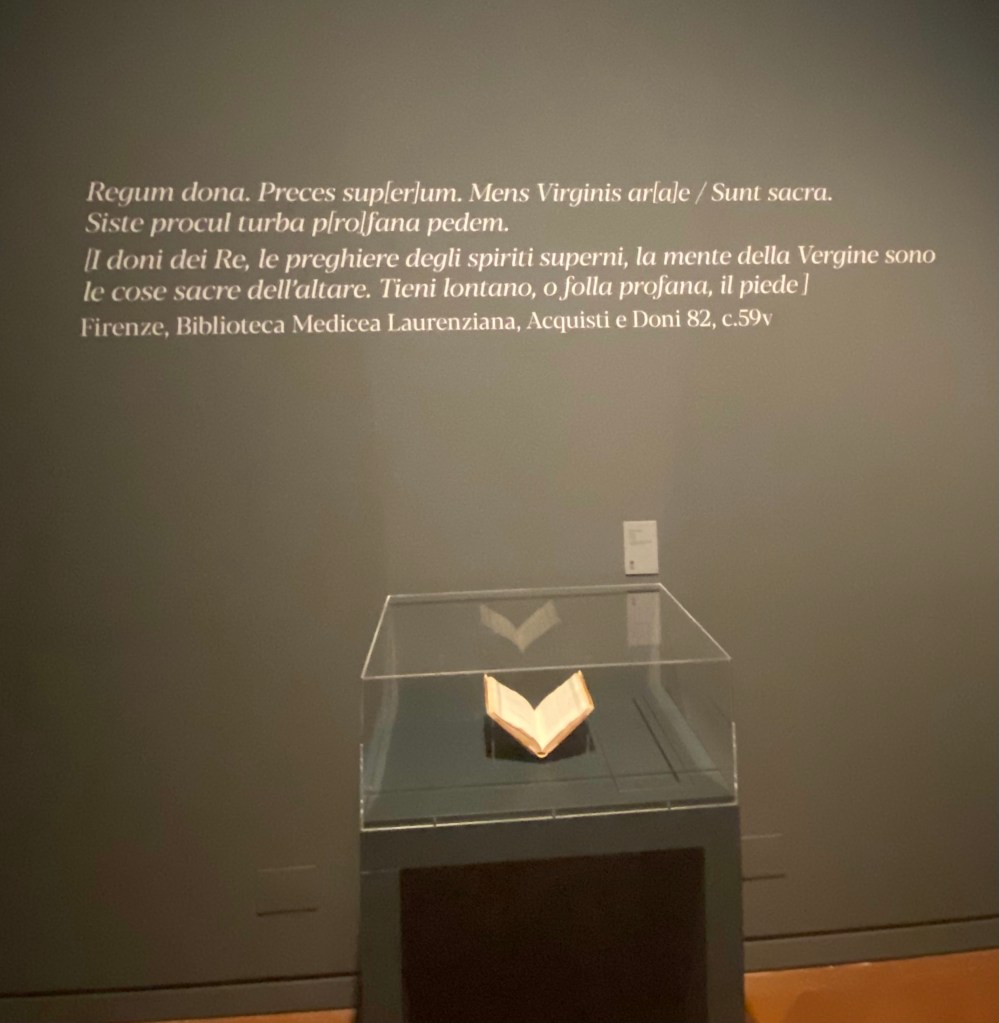
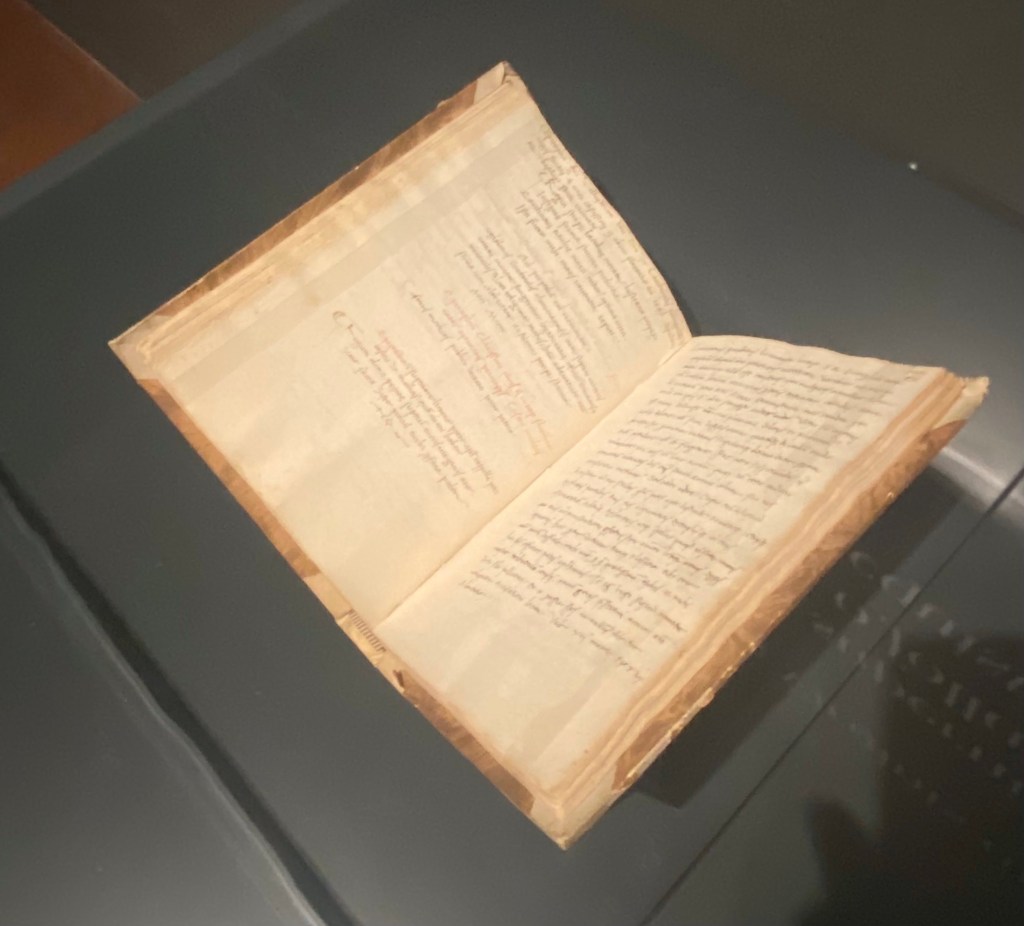
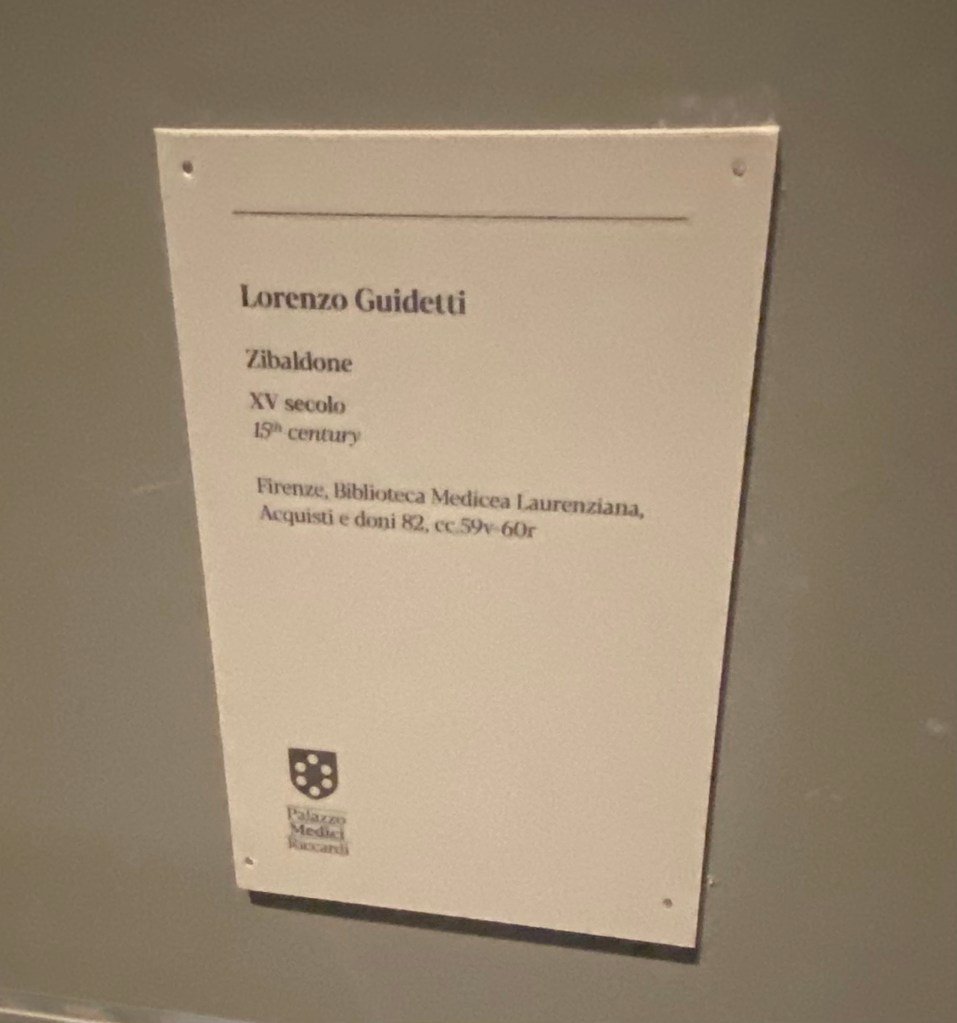
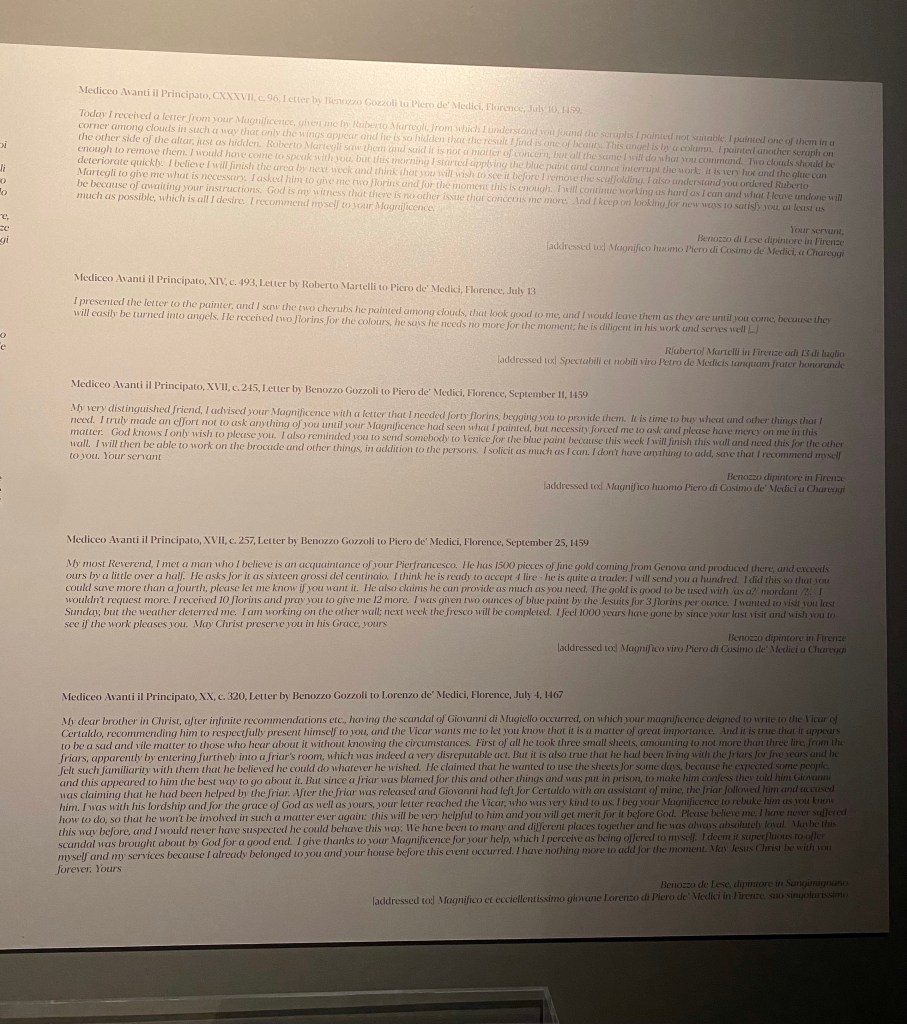
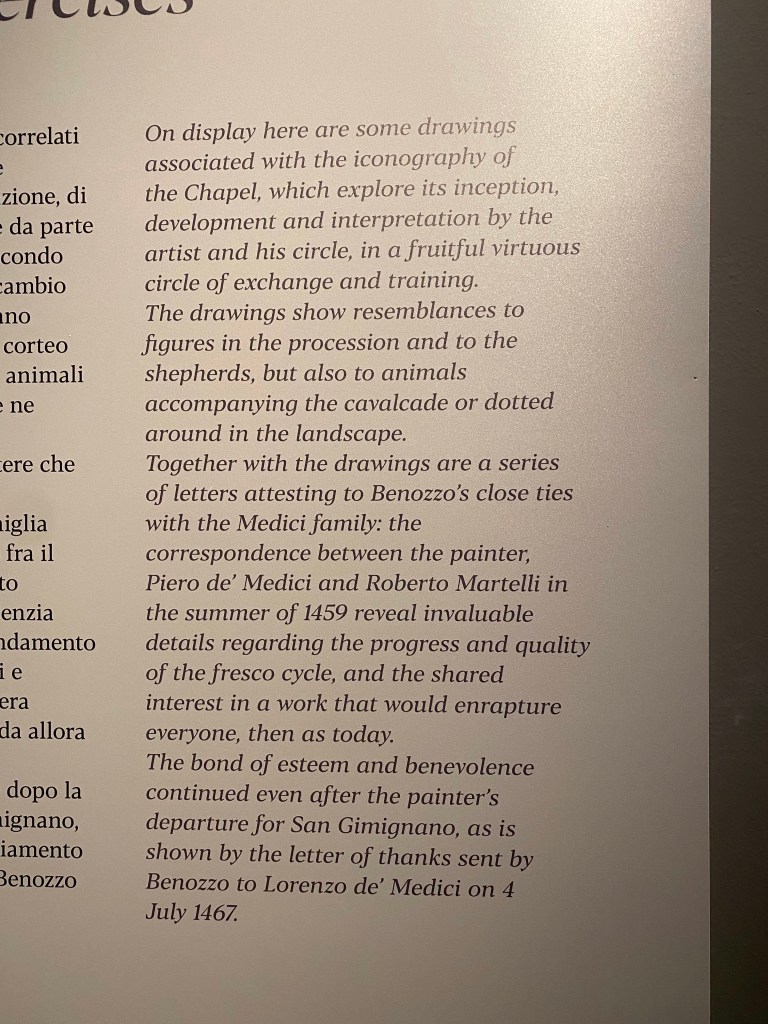
From December of 2021 through early March 2022, the Palazzo Medici hosted a lovely small exhibition on the work of Benozzo Gozzoli and the extraordinary chapel he painted in the palace. It was not to be missed!
Here are some of my photos of the exhibition. In a subsequent post, I will include pictures of the actual chapel, which is always a delight to visit, special exhibition or not. It is one of my favorite works of art in the world!
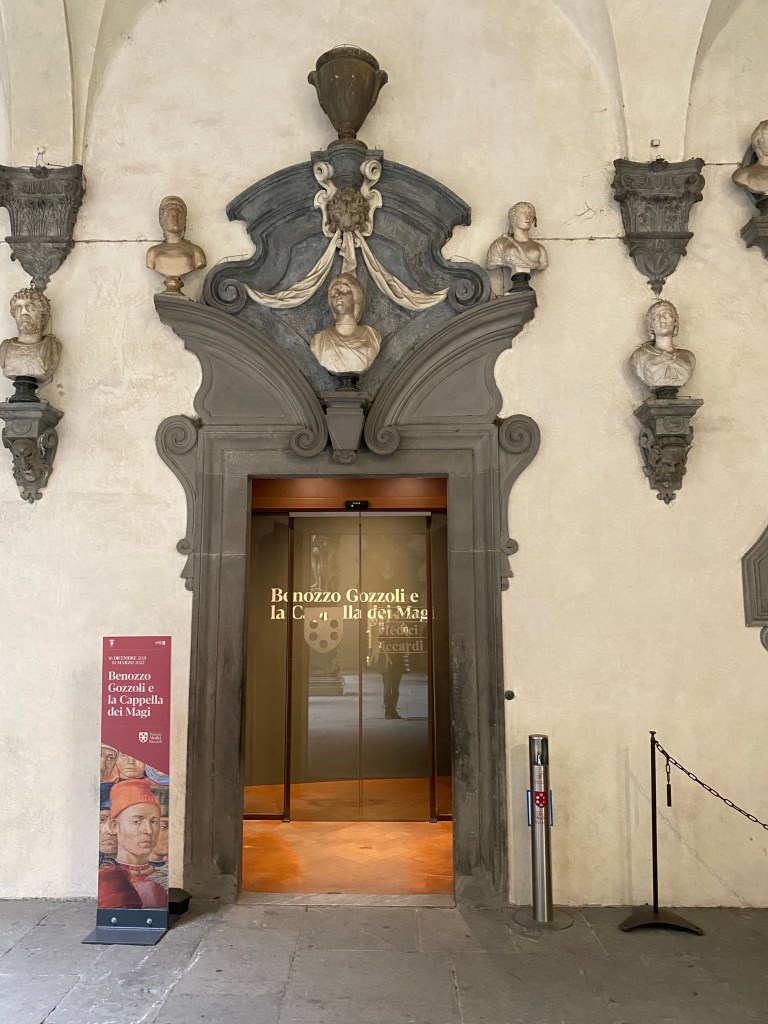
Please scroll to the end of this post for another video.
\
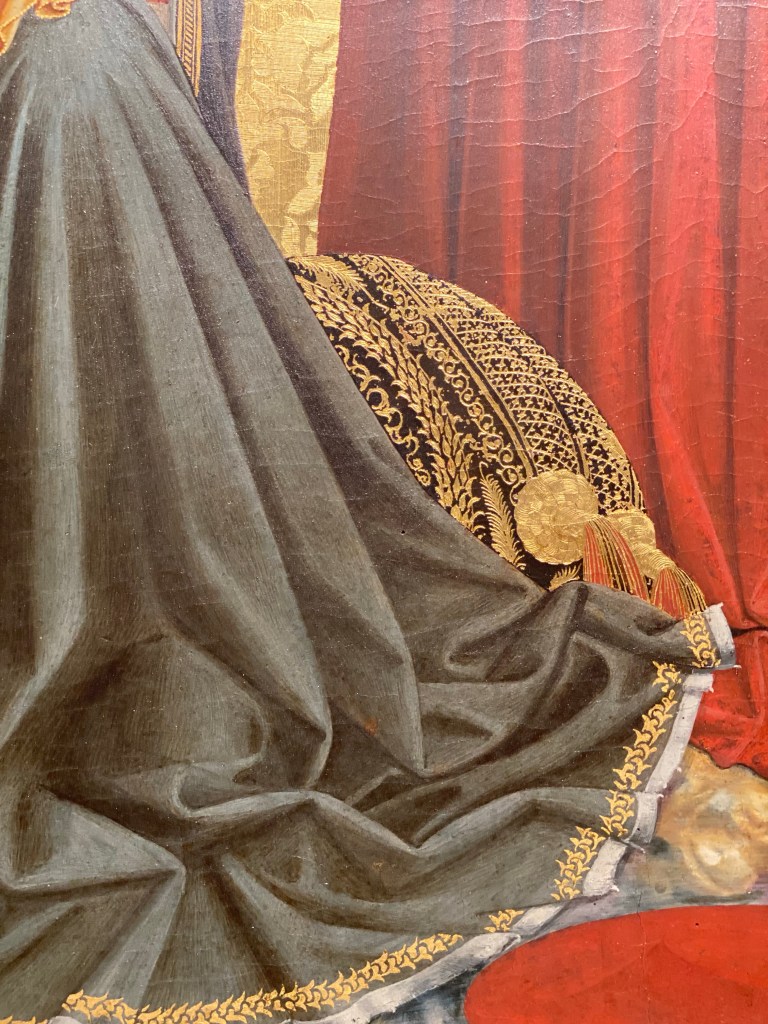
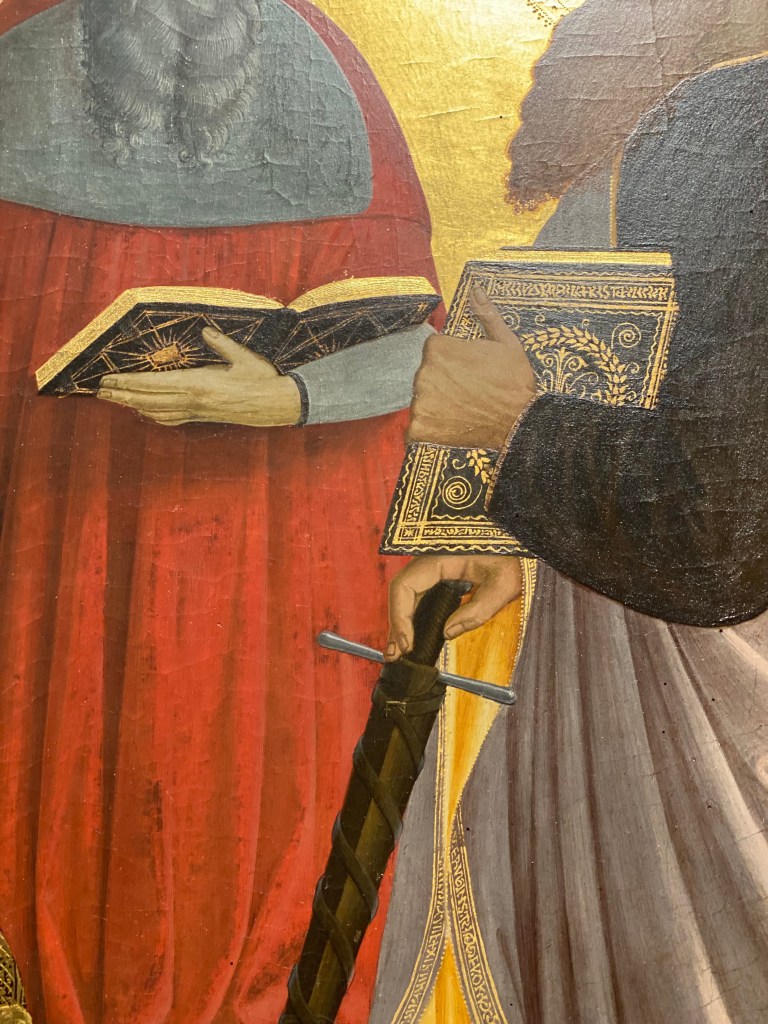
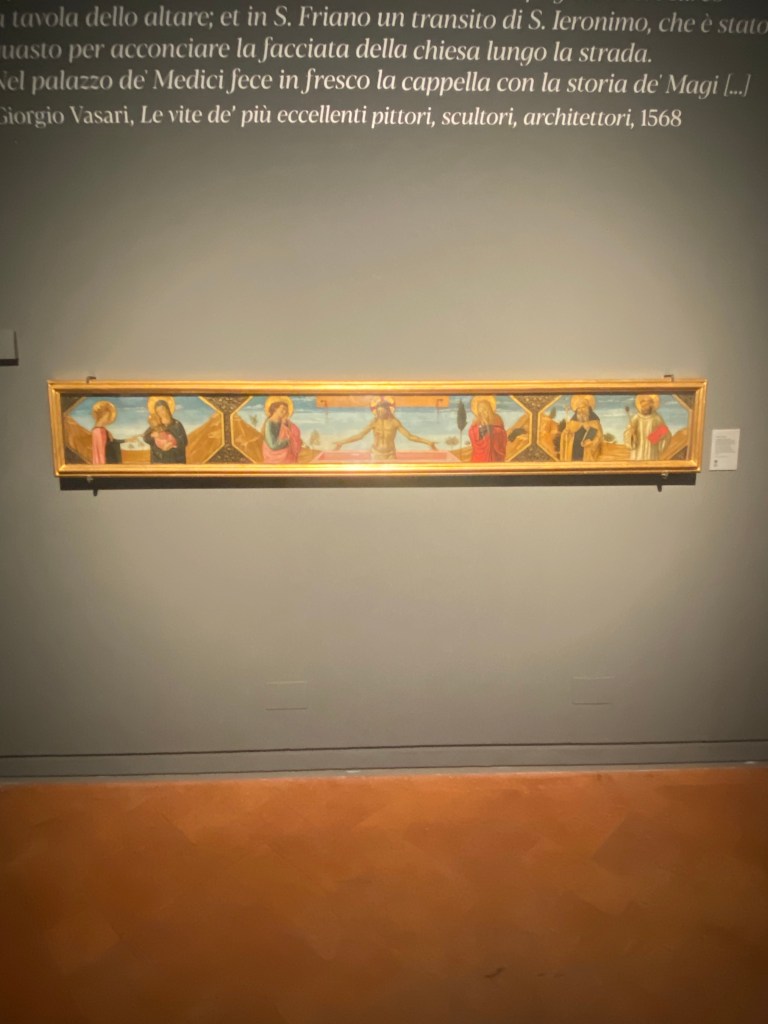
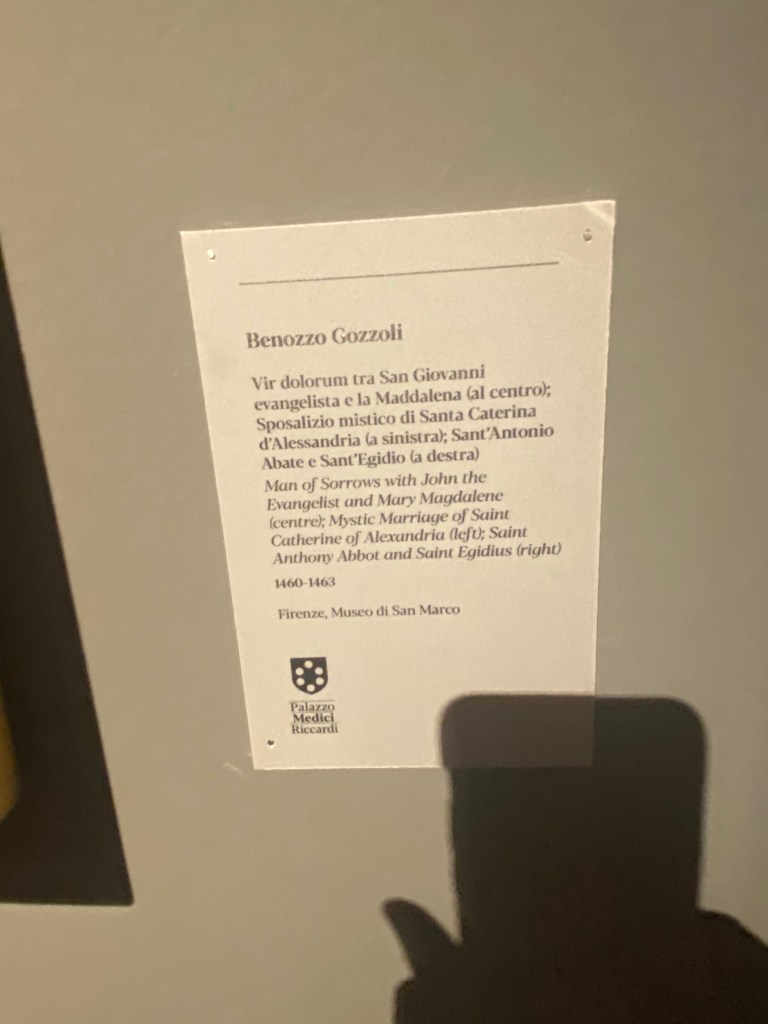
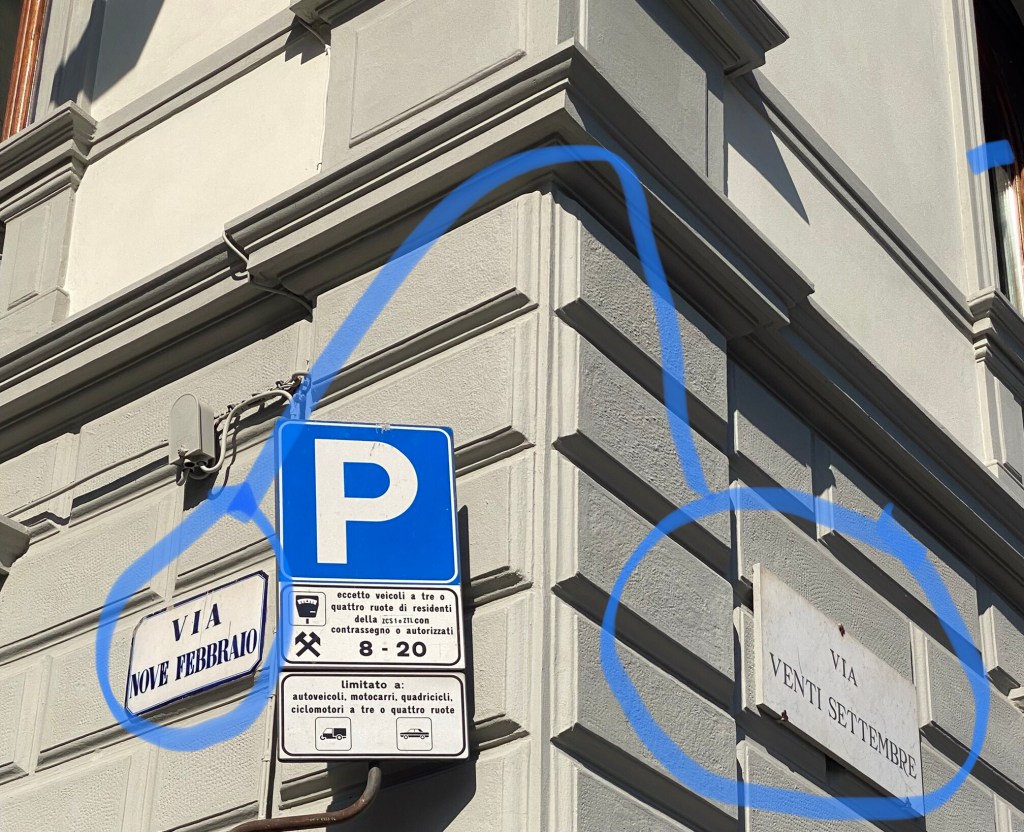
Italian street names are oftentimes dates
I don’t think we name streets in the states after key dates from American history, do we? I can’t think of any. Fourth of July Boulevard? Nah.
But here it’s common. I live on Via XX Settembre (September 20 street) and it intersects, as you can see below, with Via Nove Febbraio (9 February Street).
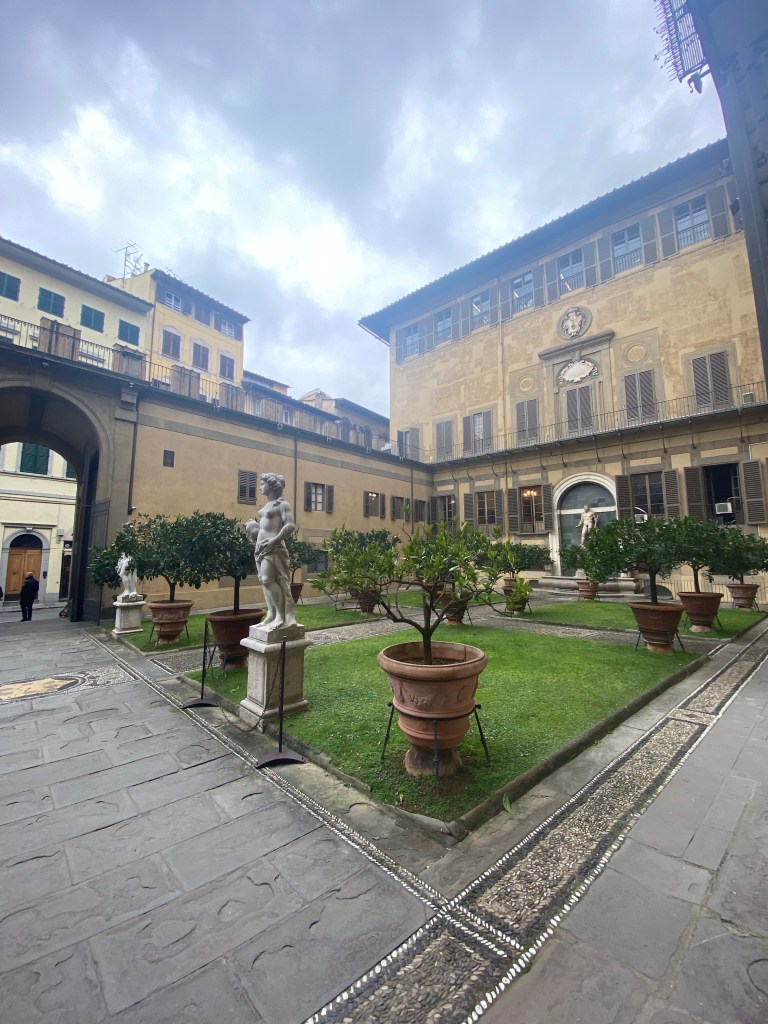
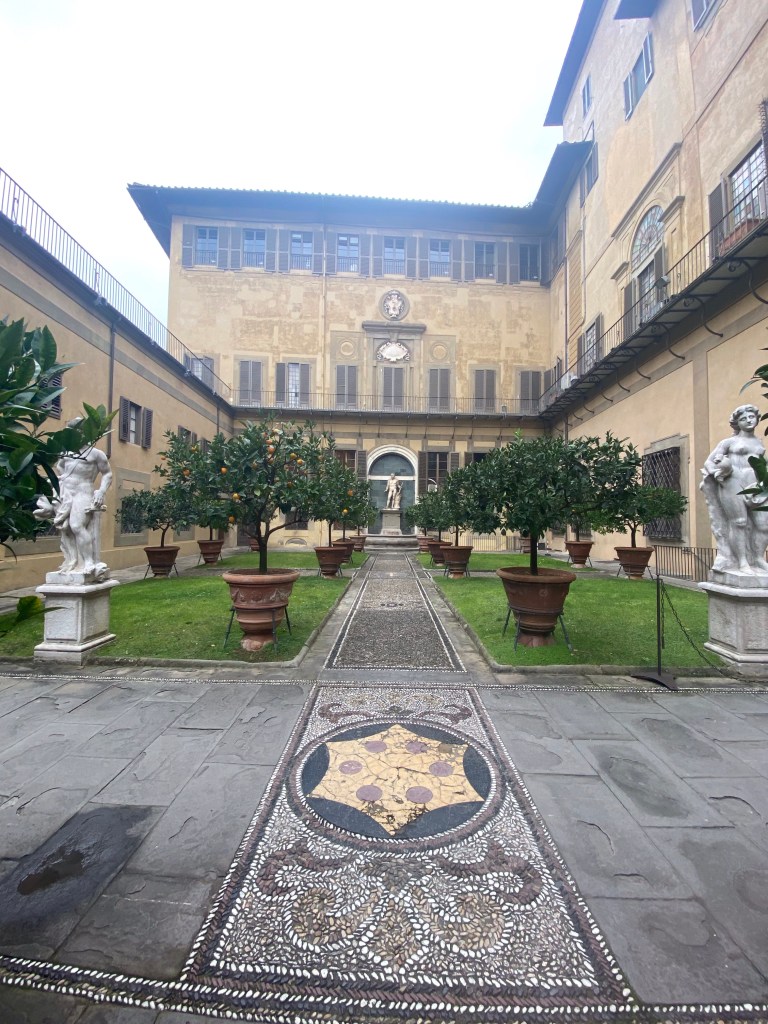
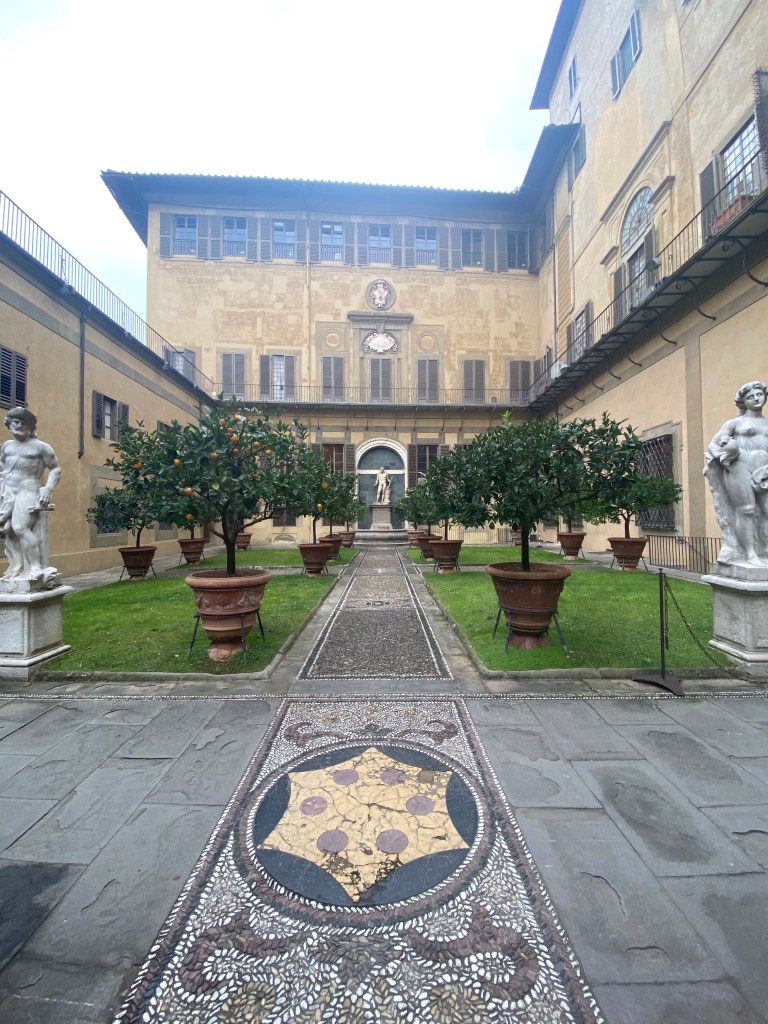
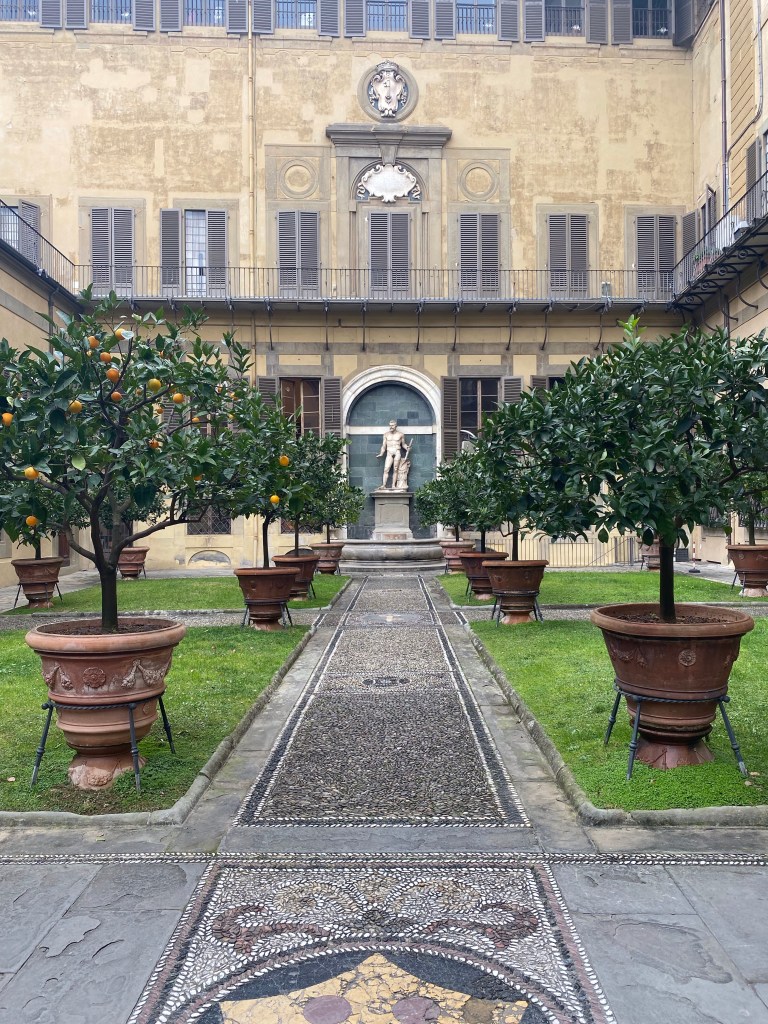
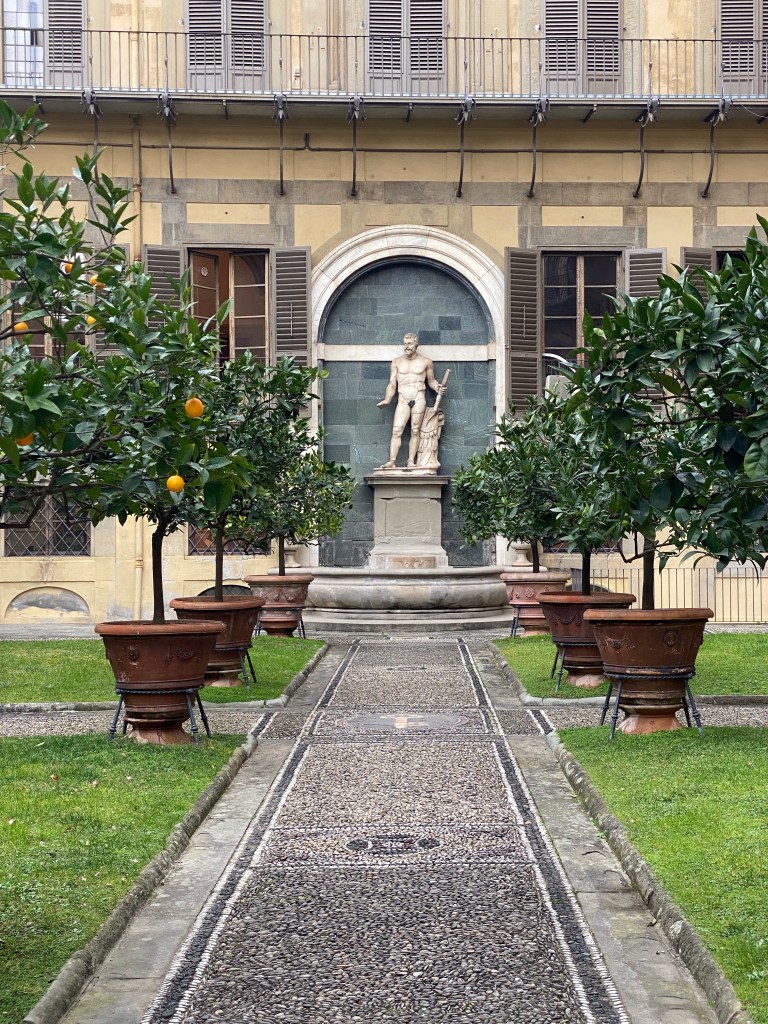
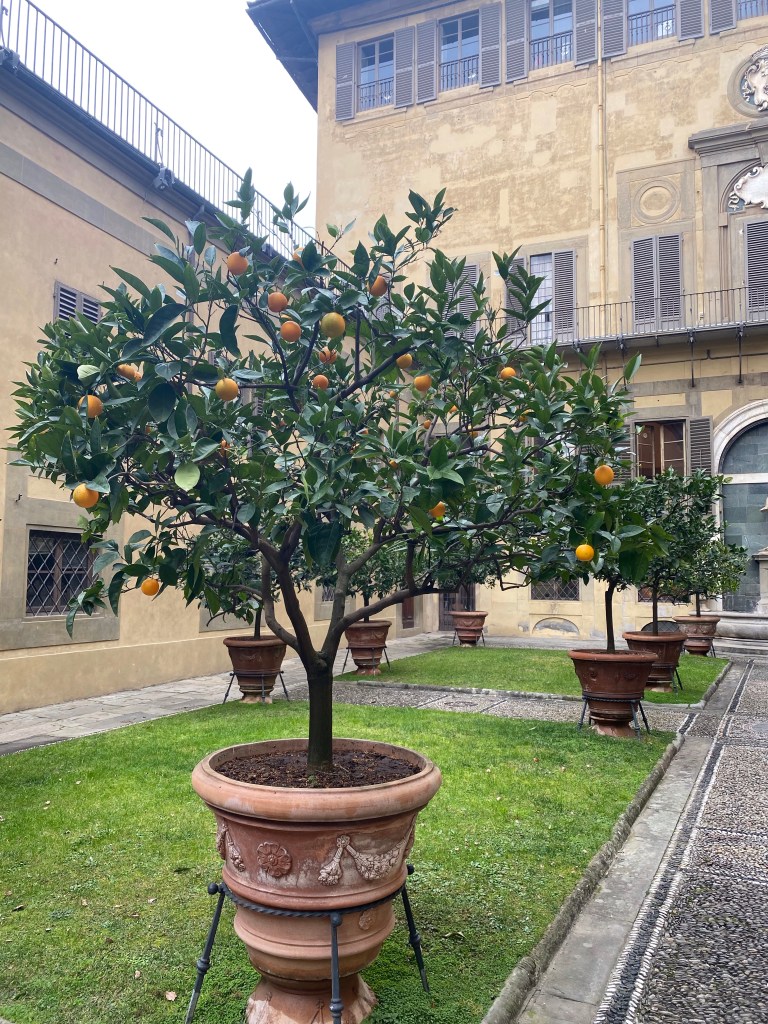
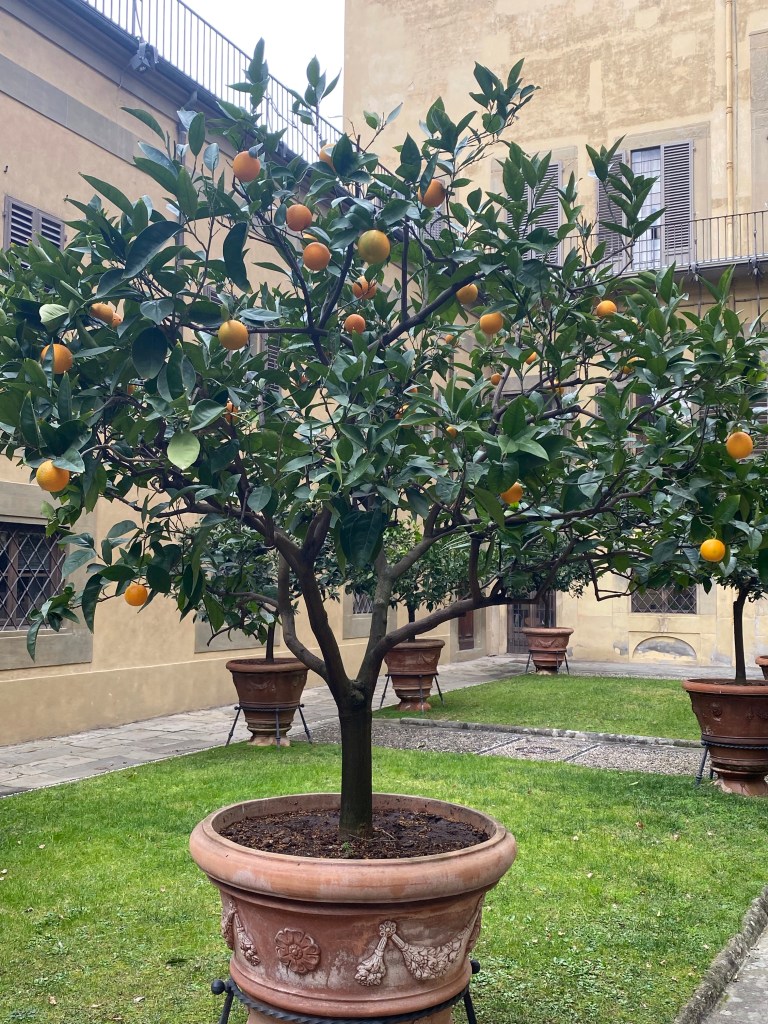
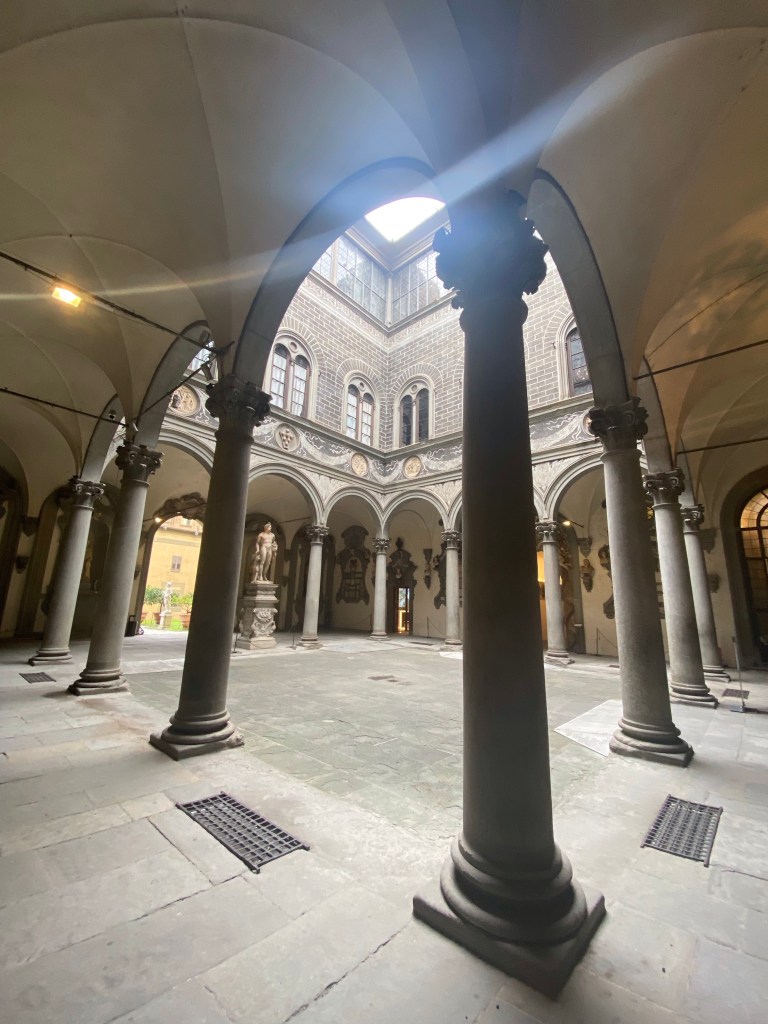
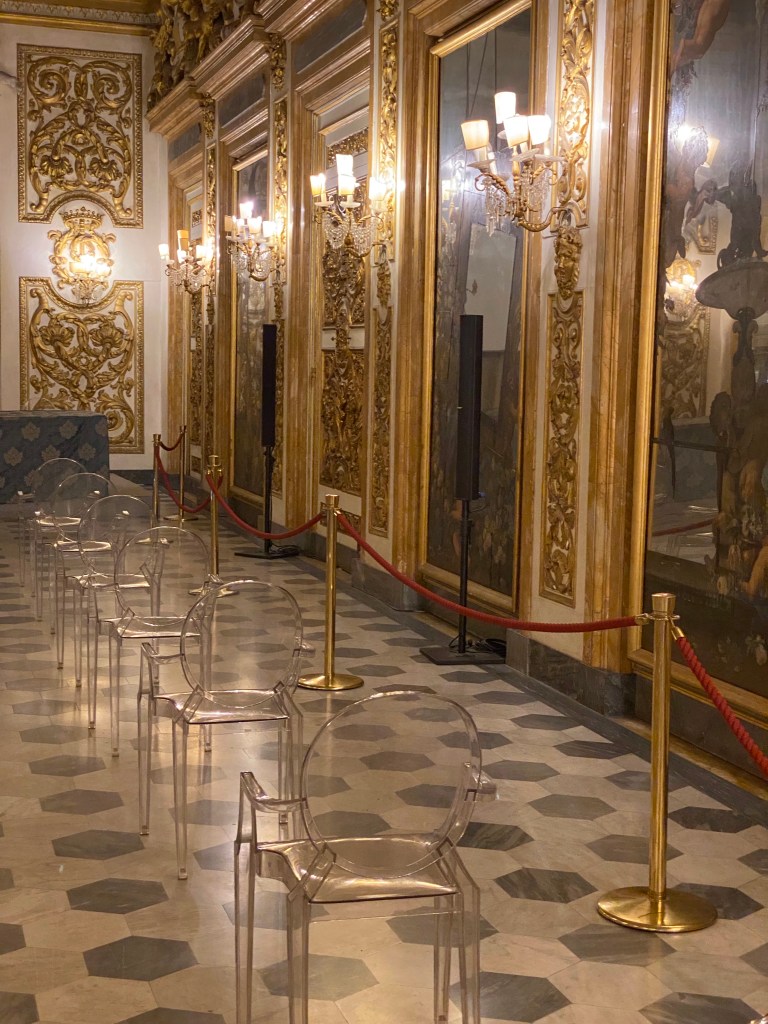
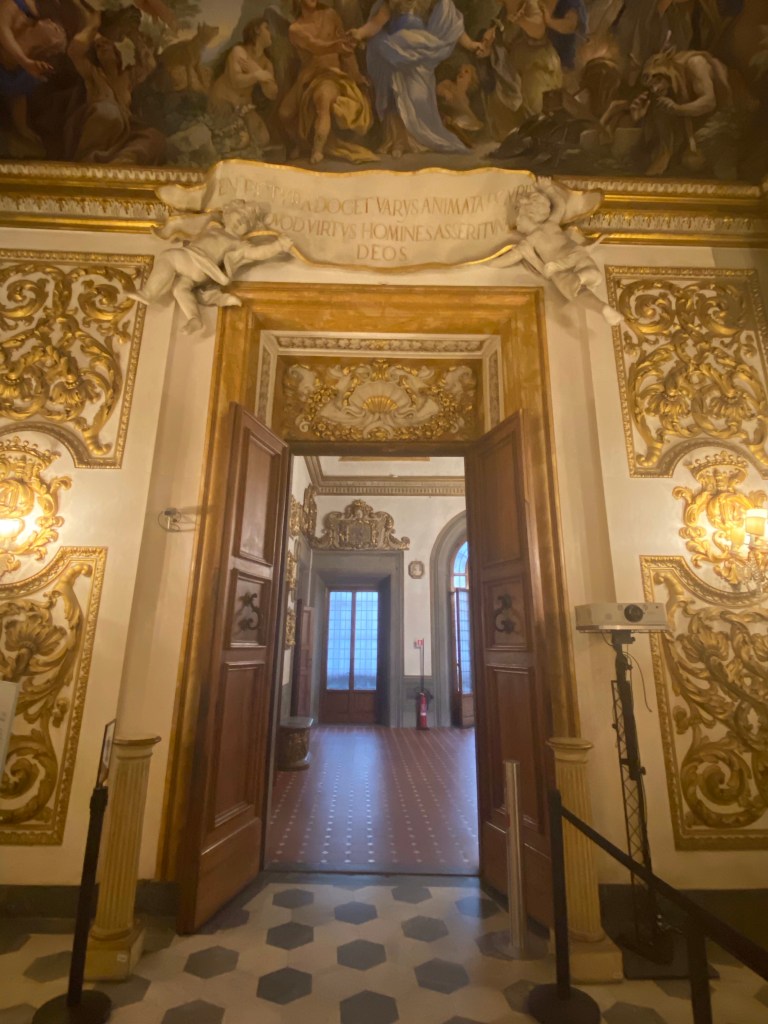
The Medici-Riccardi palace, Florence; garden, courtyard and interior
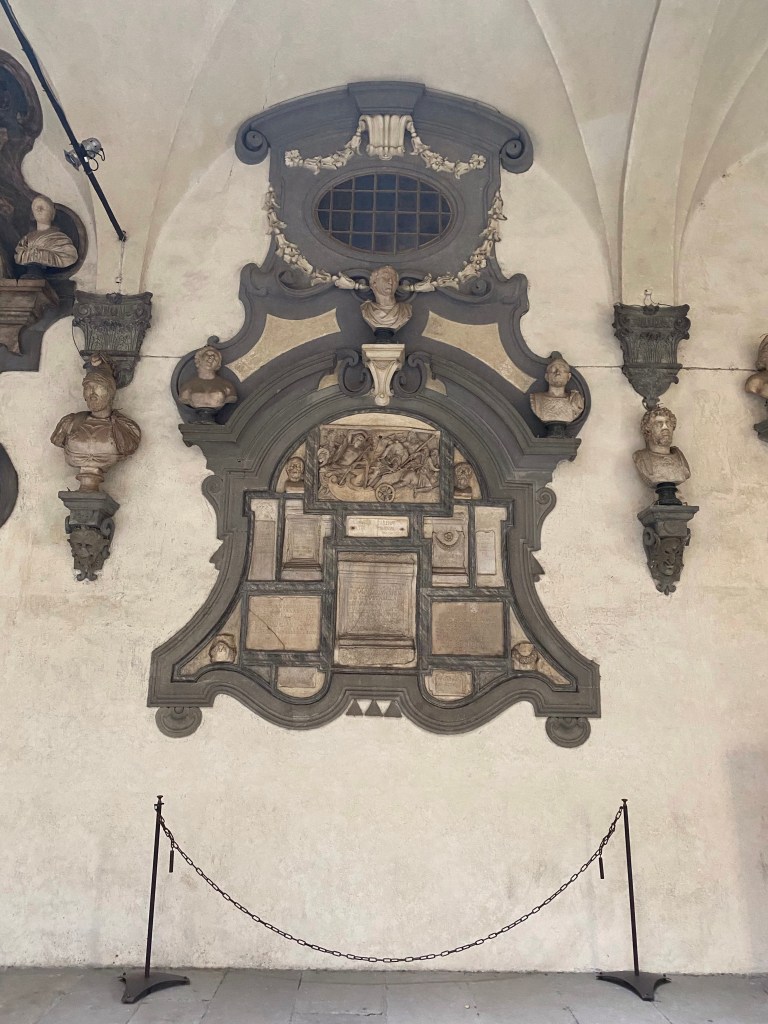
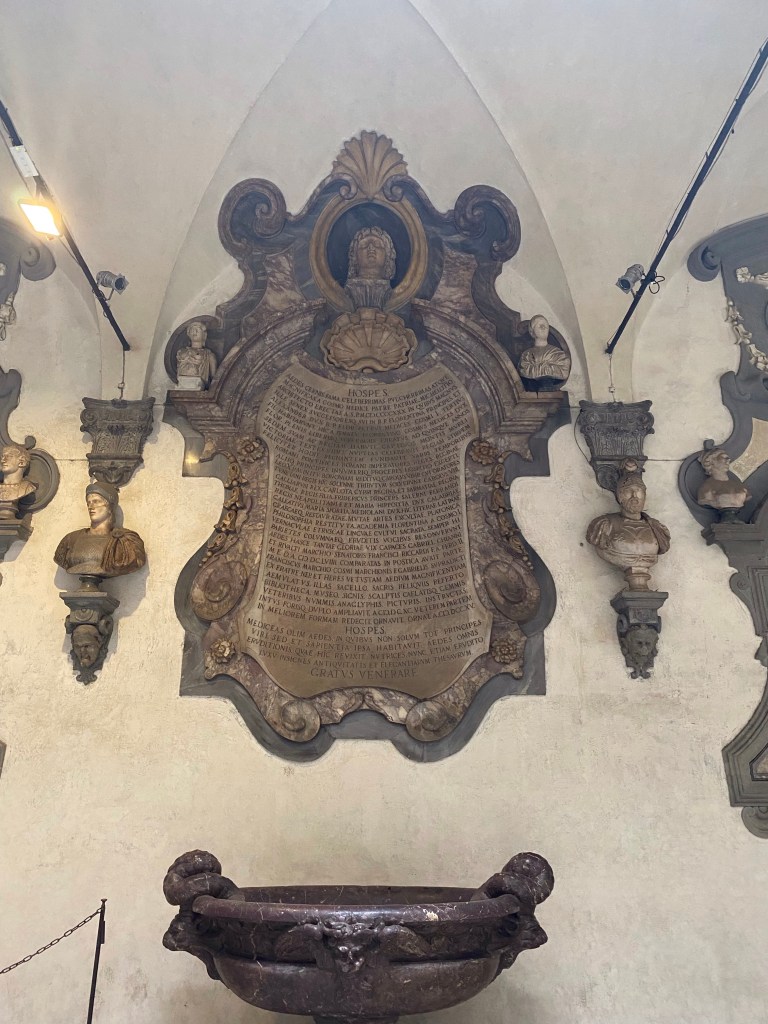

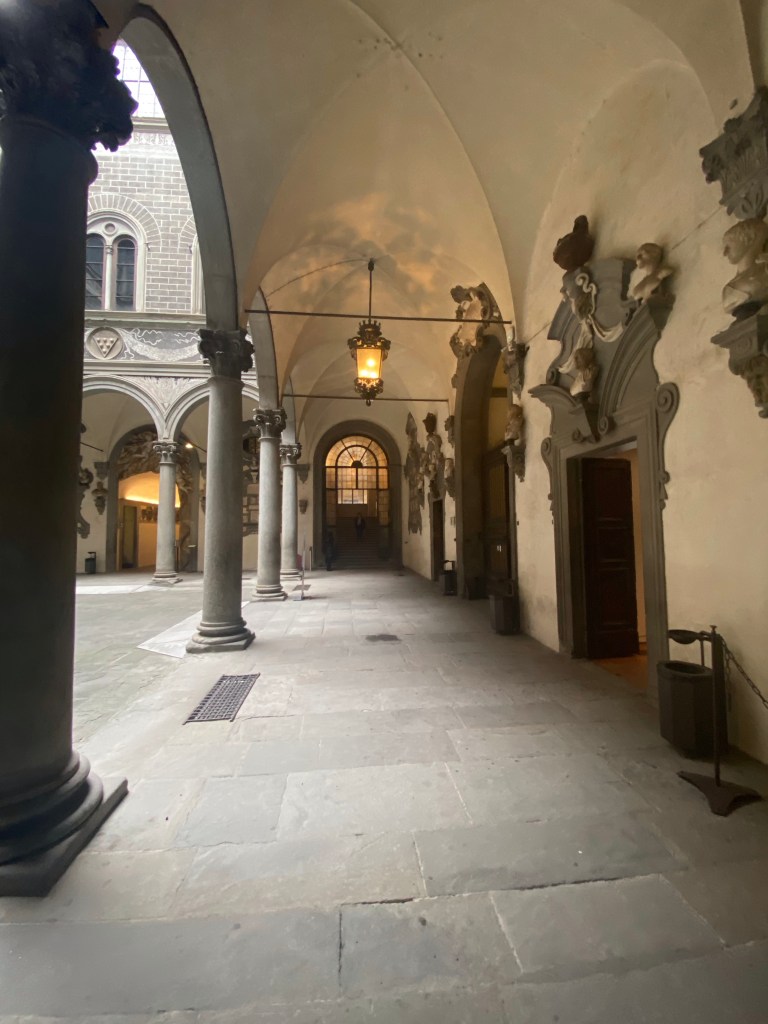
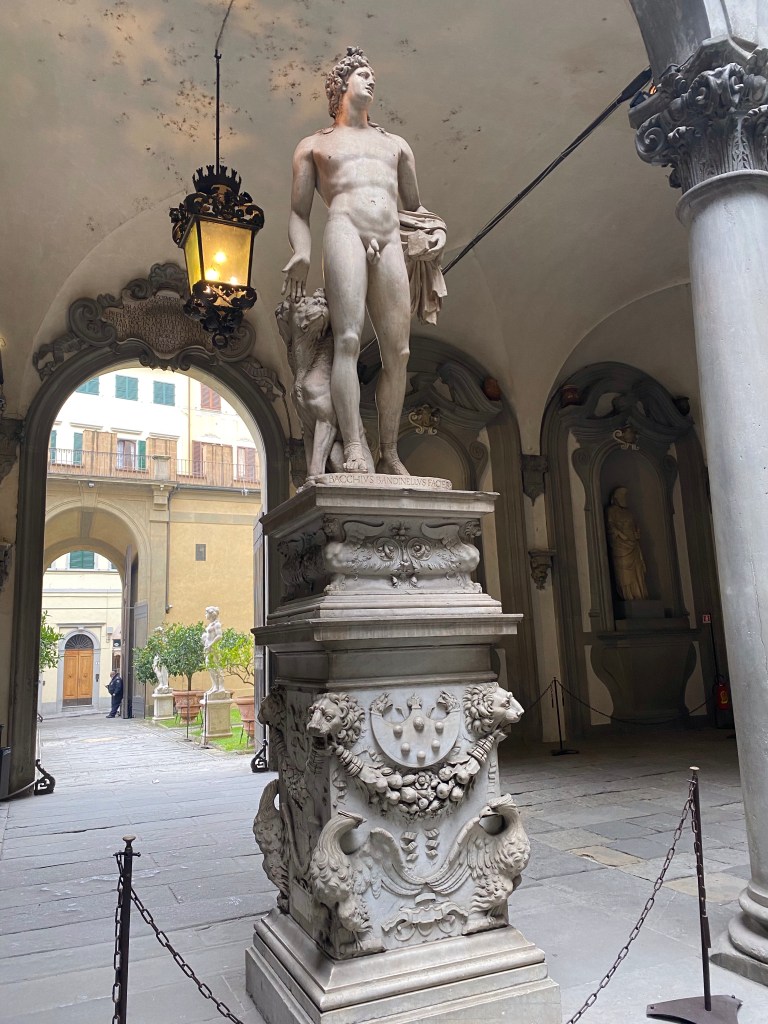
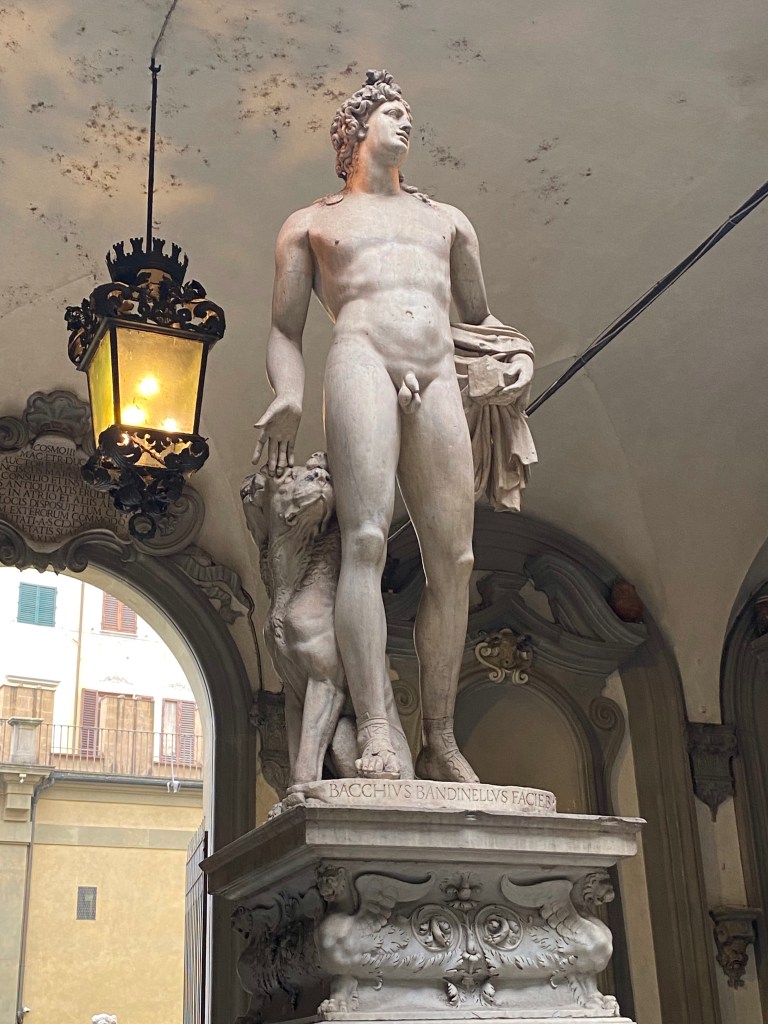
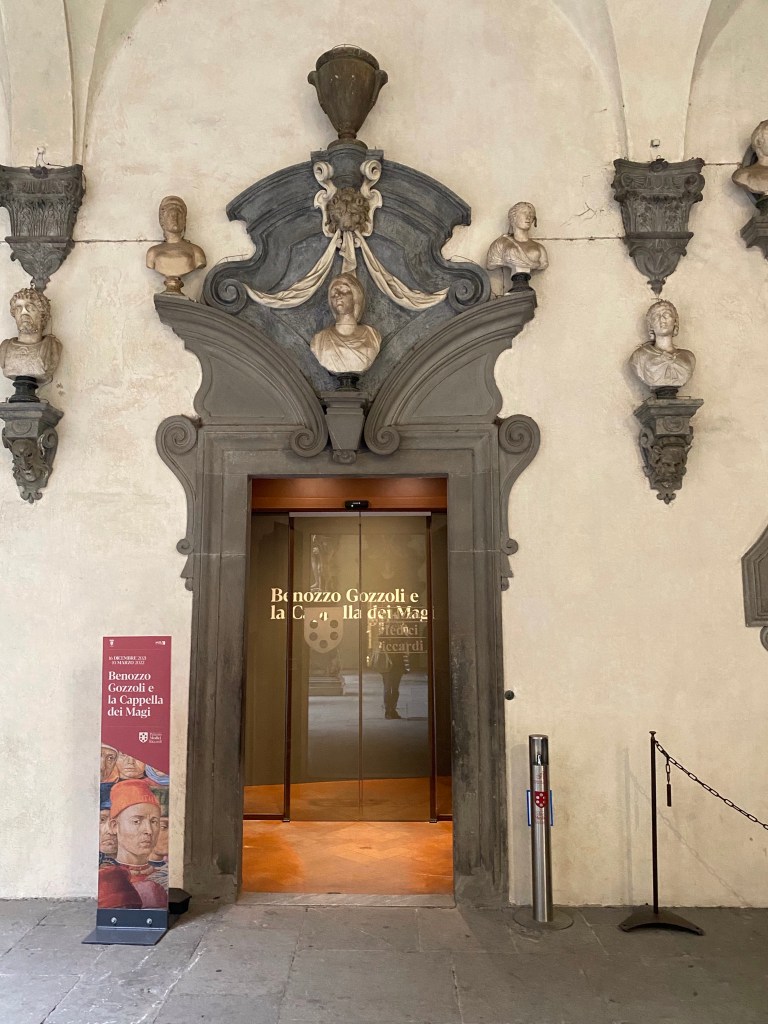
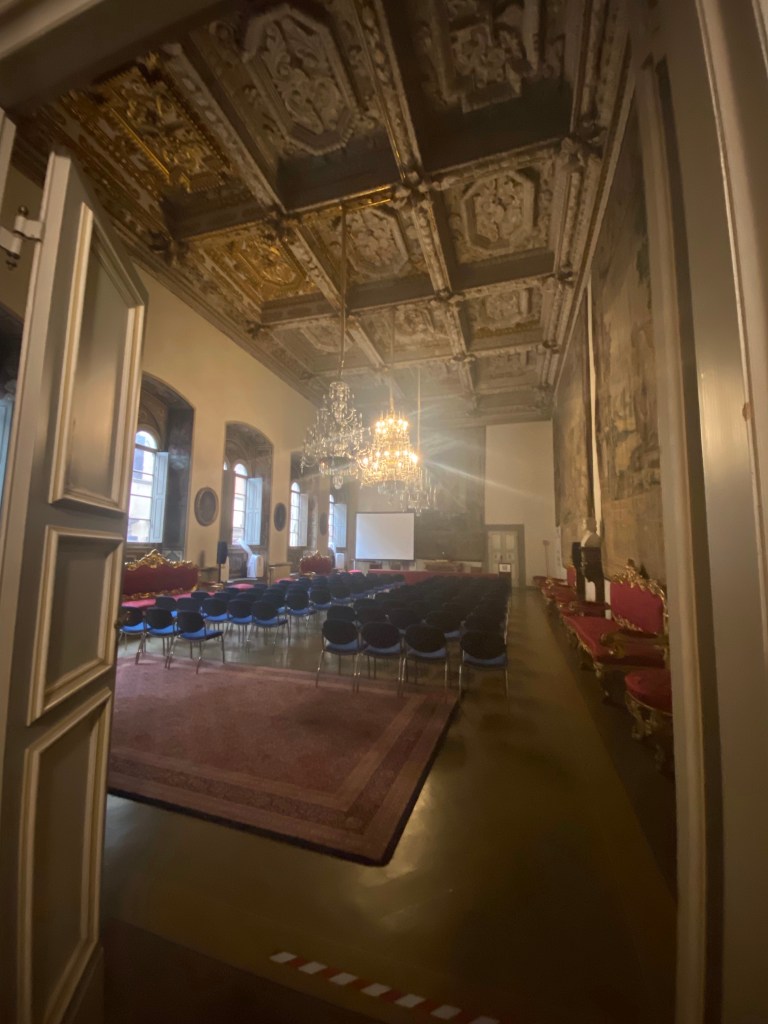
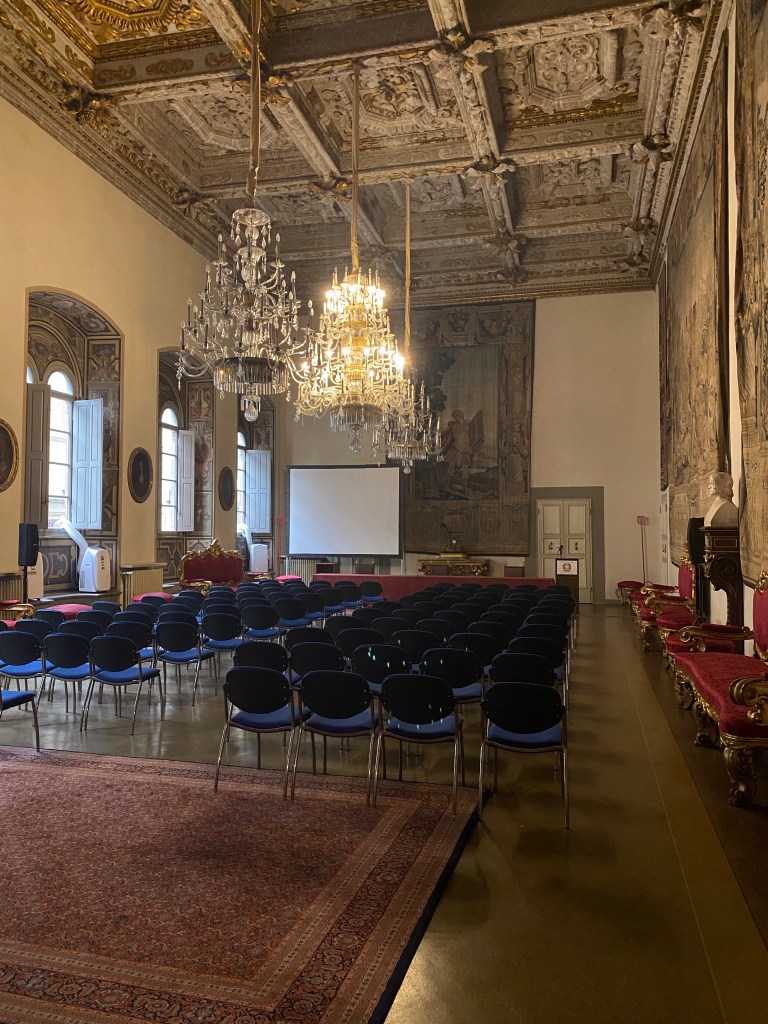
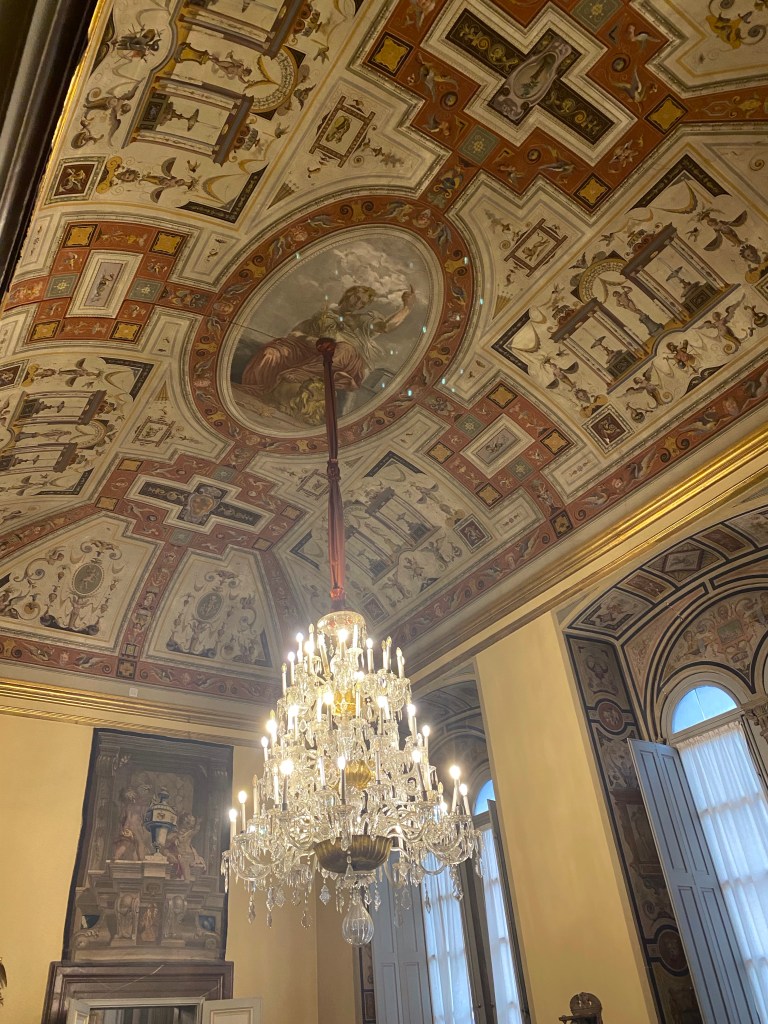
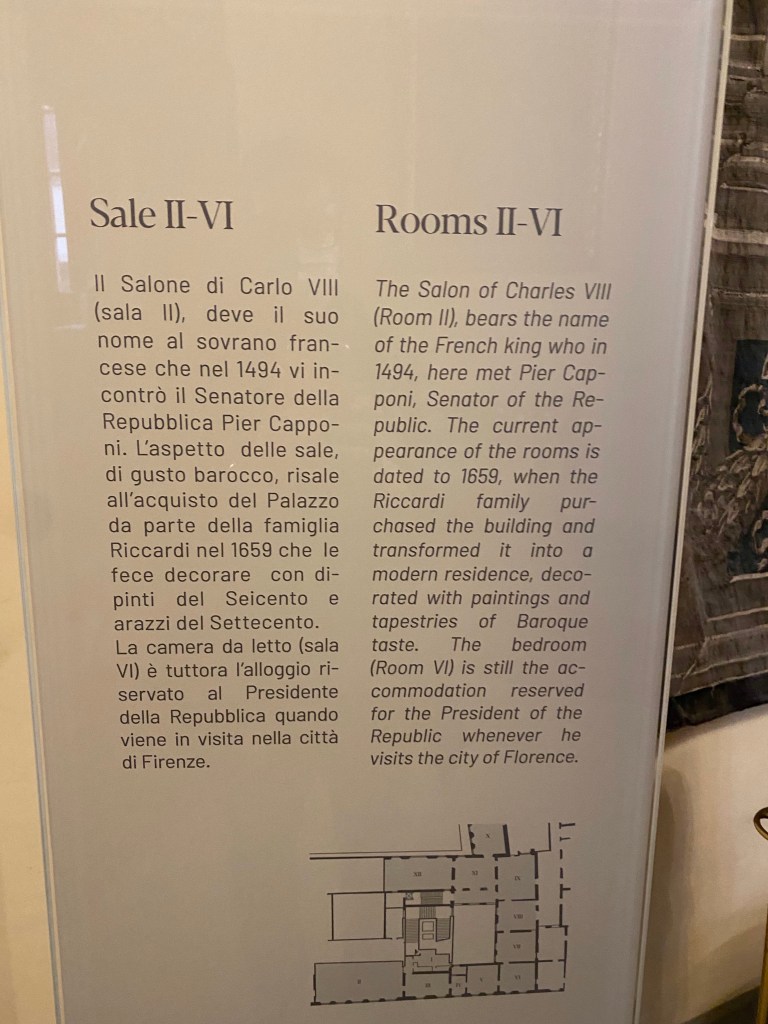
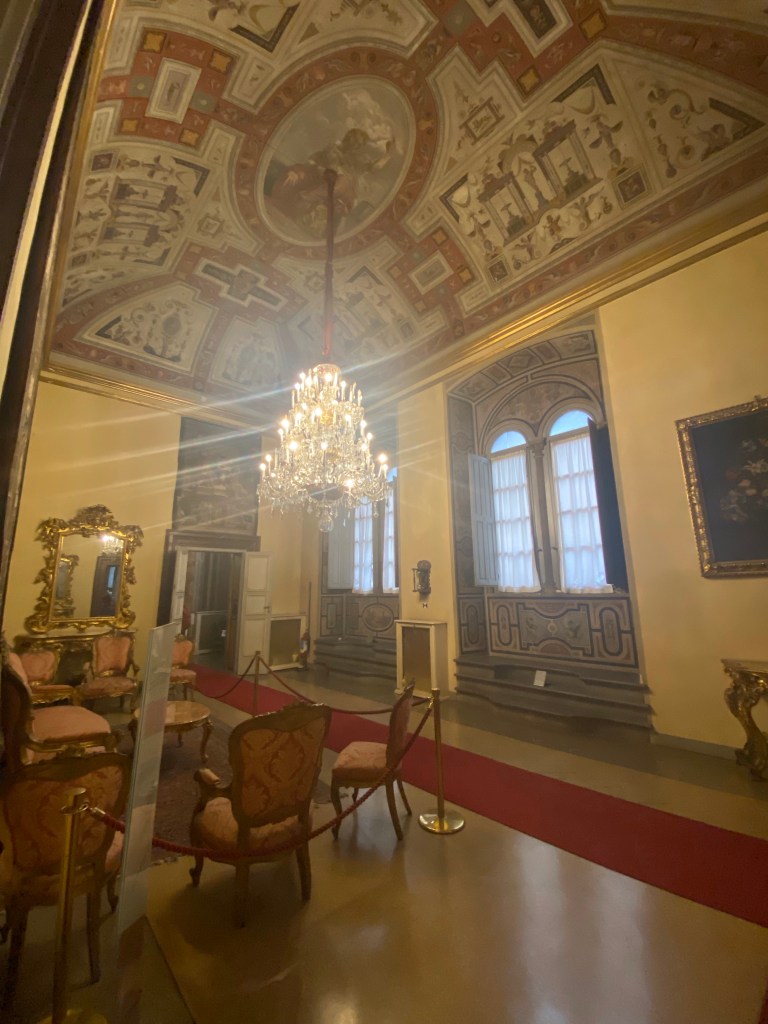
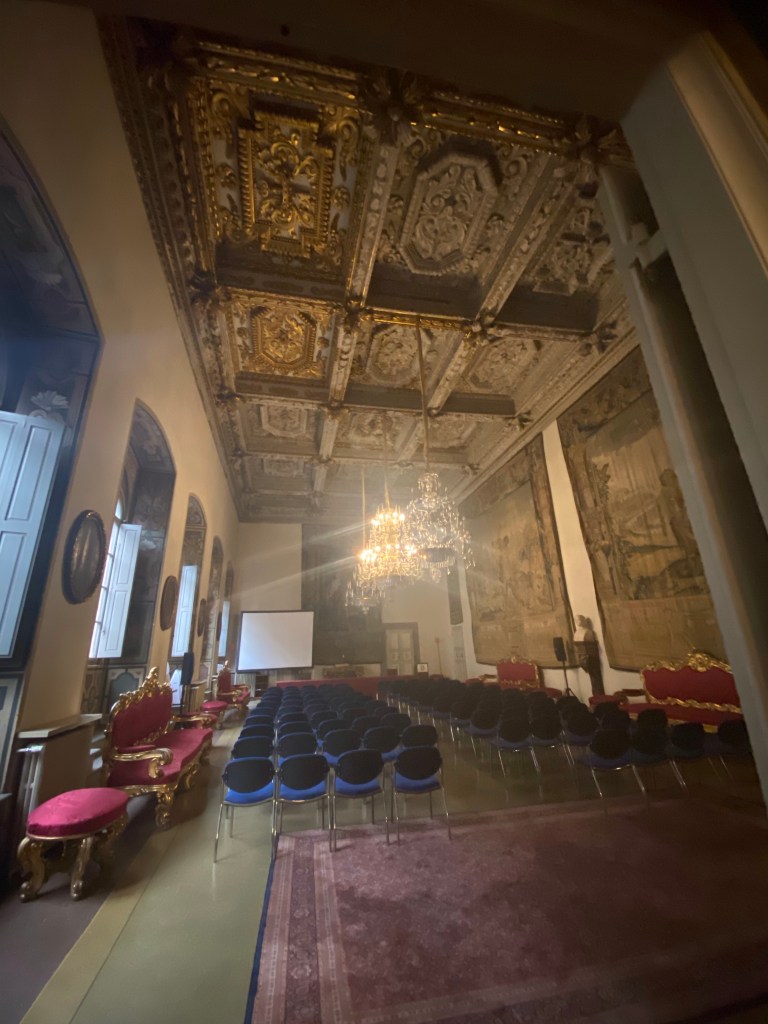
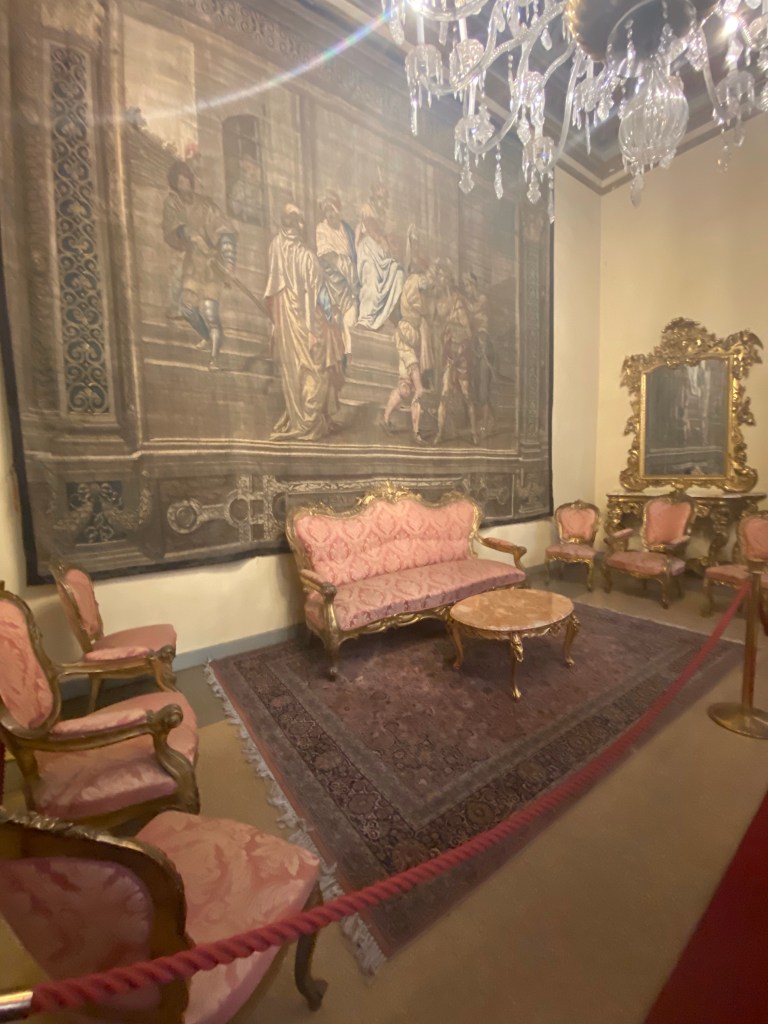
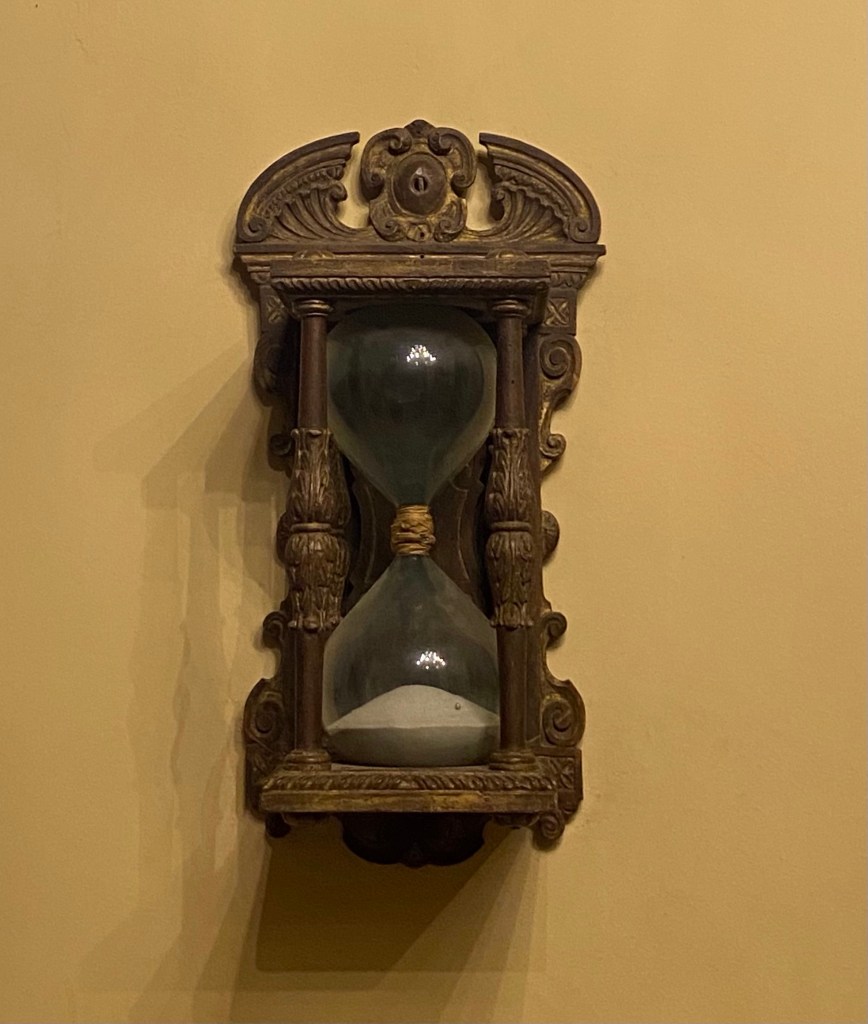
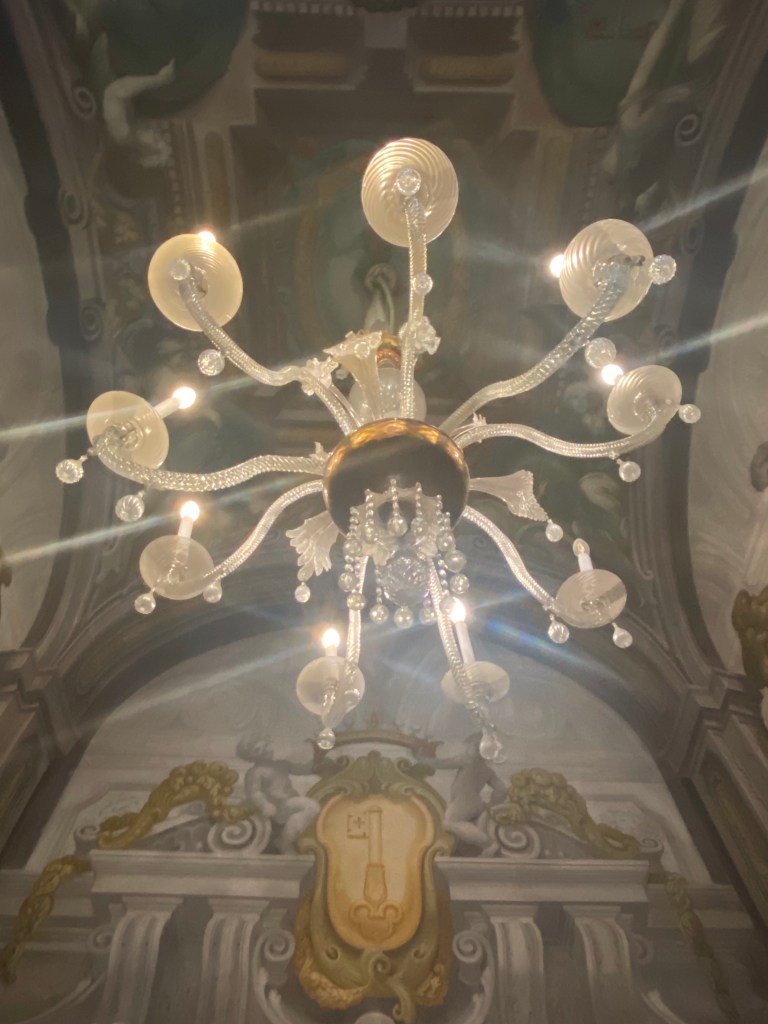
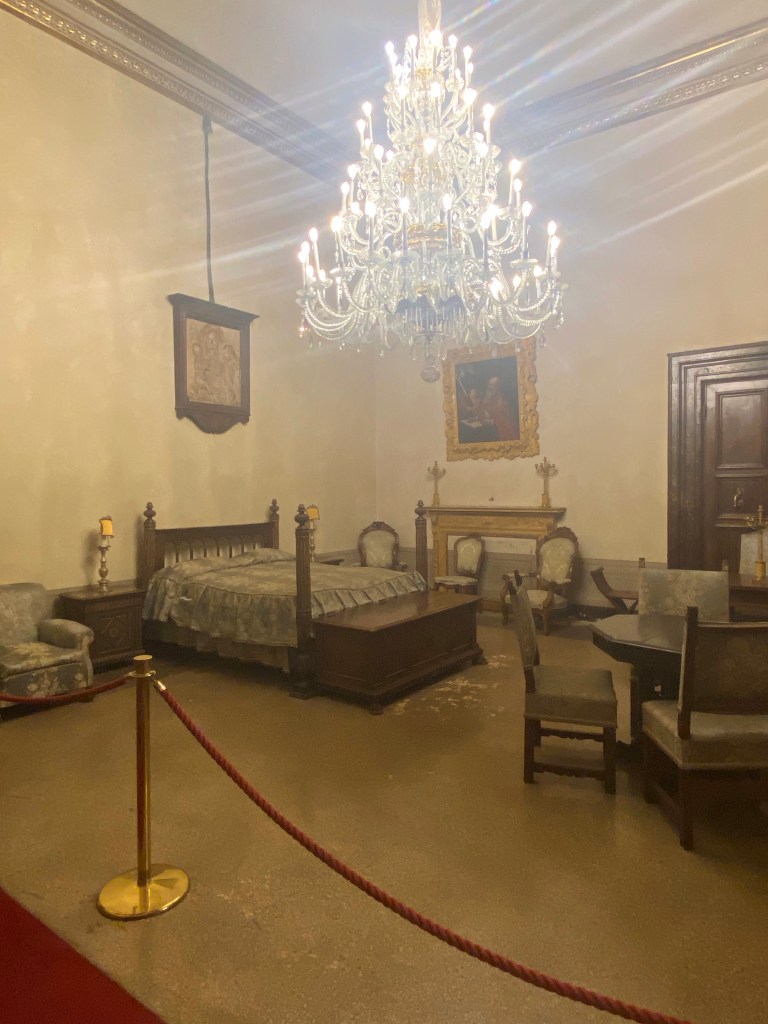
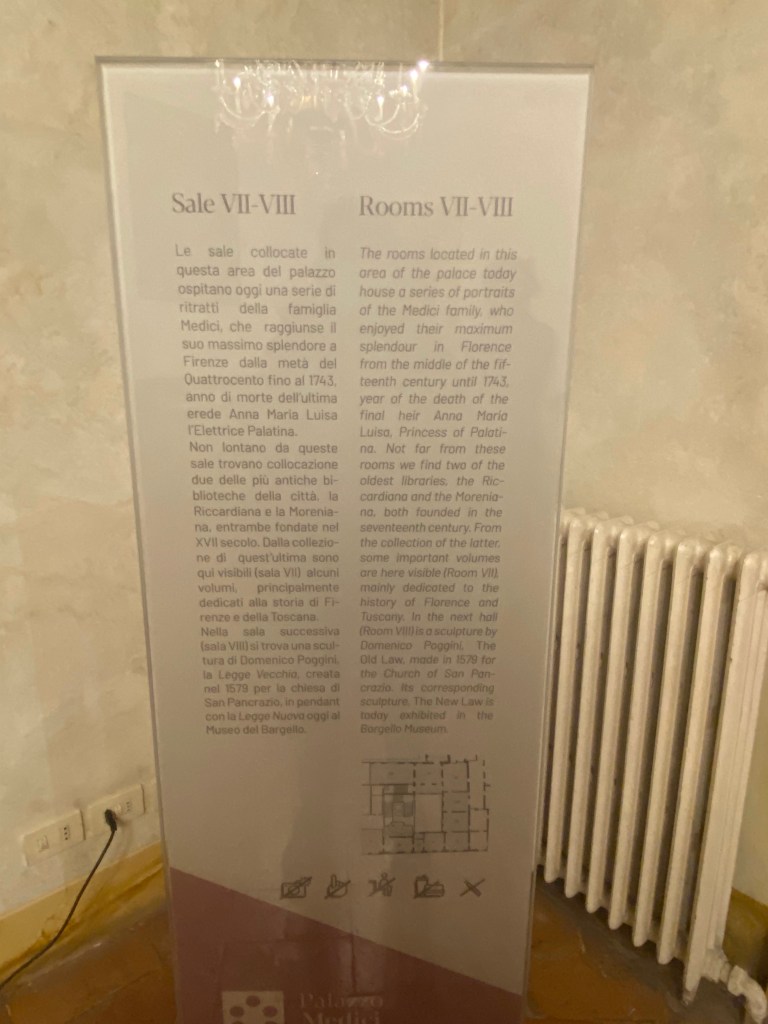
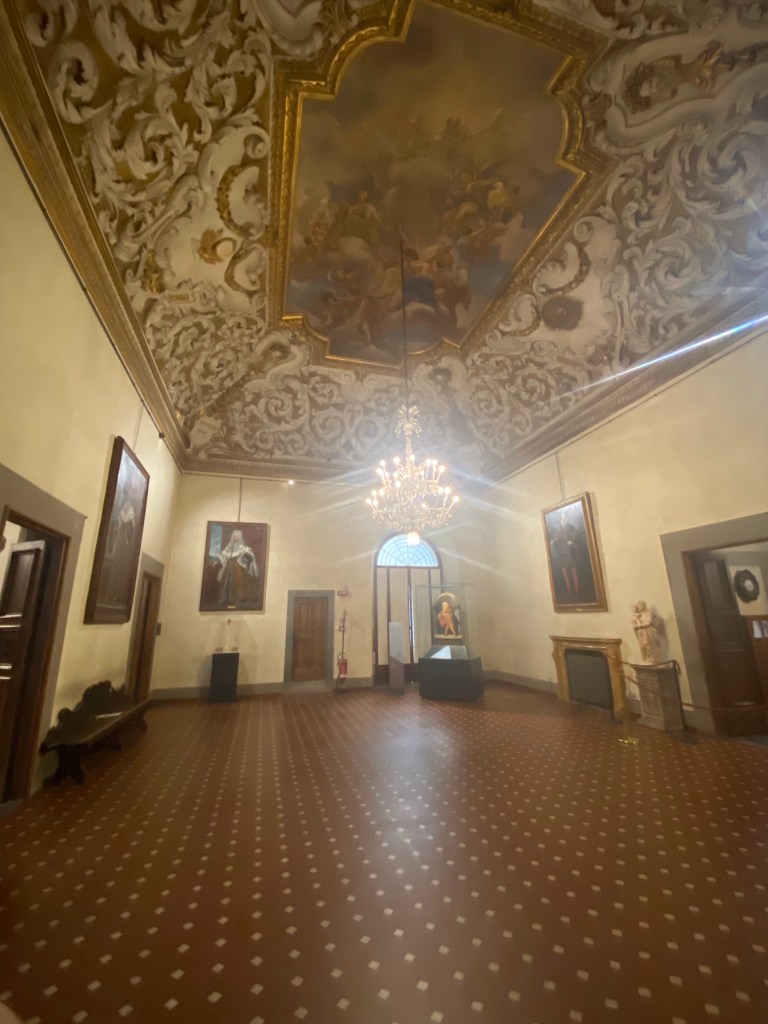
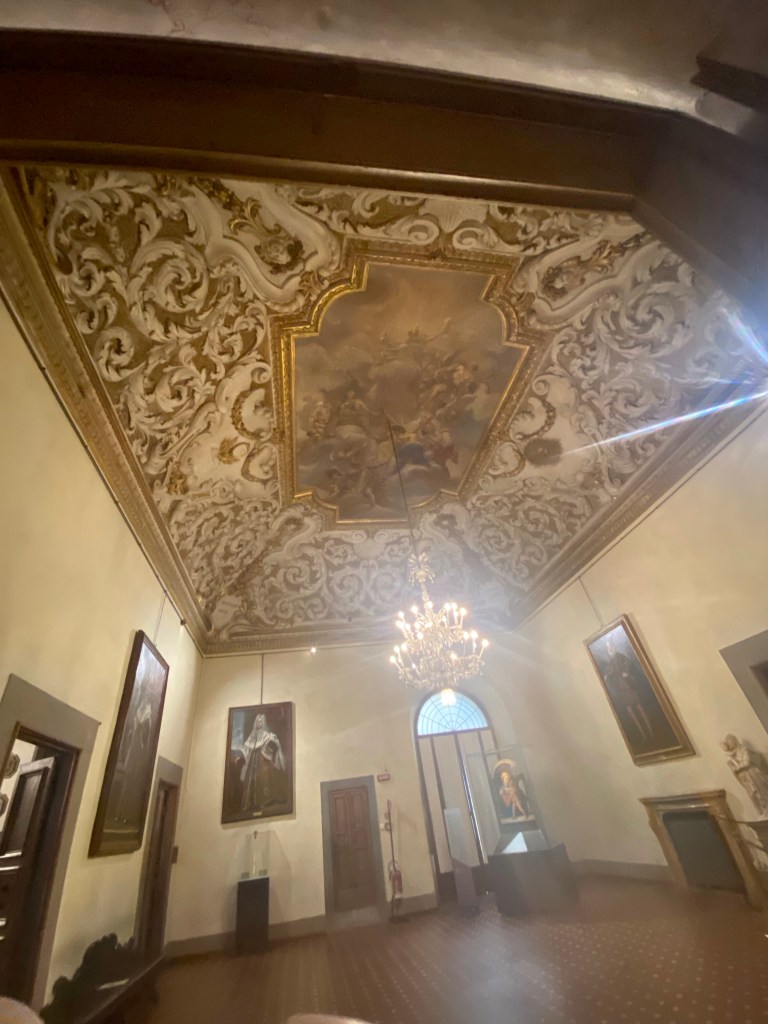
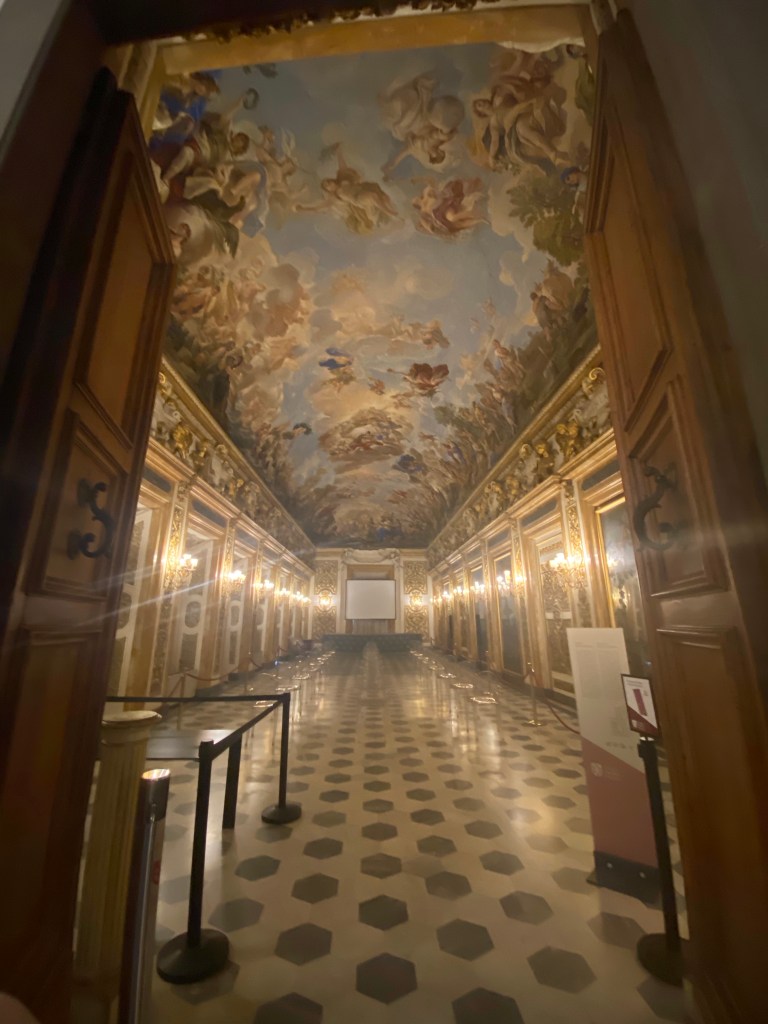
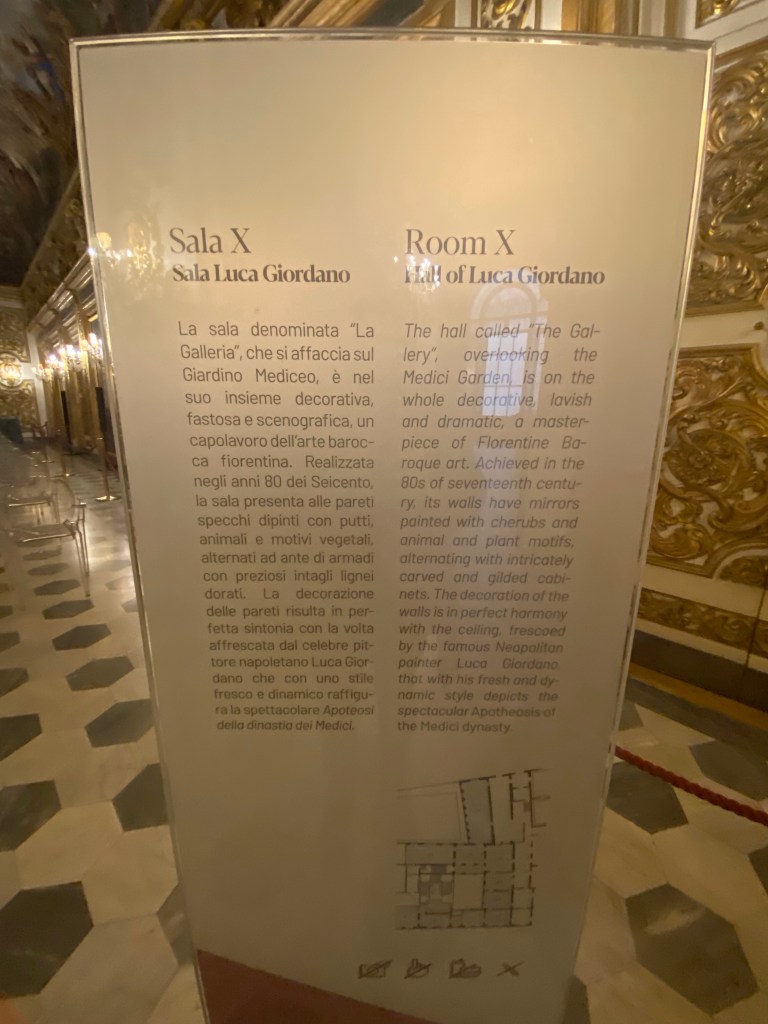
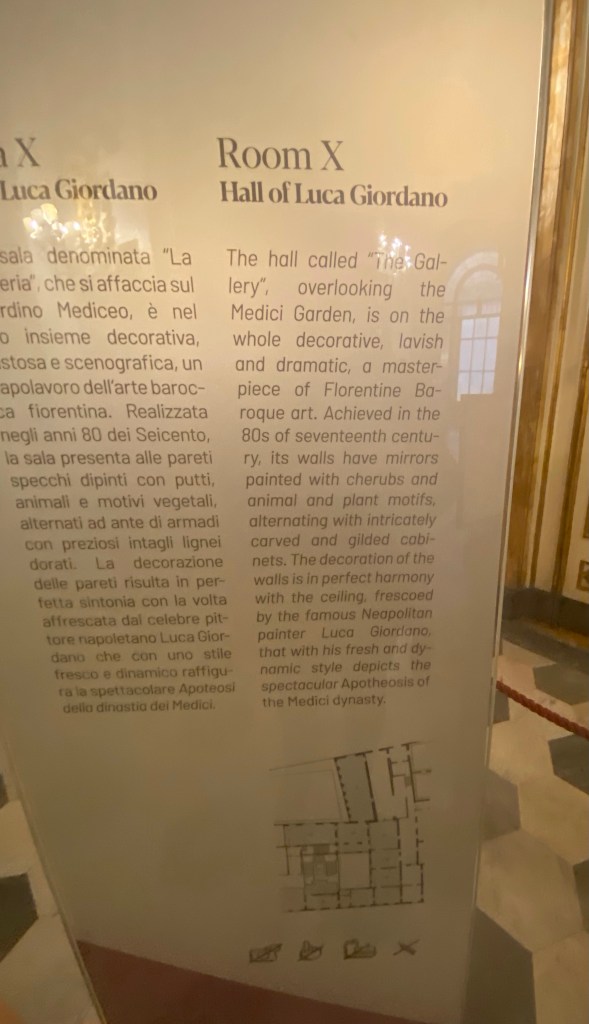
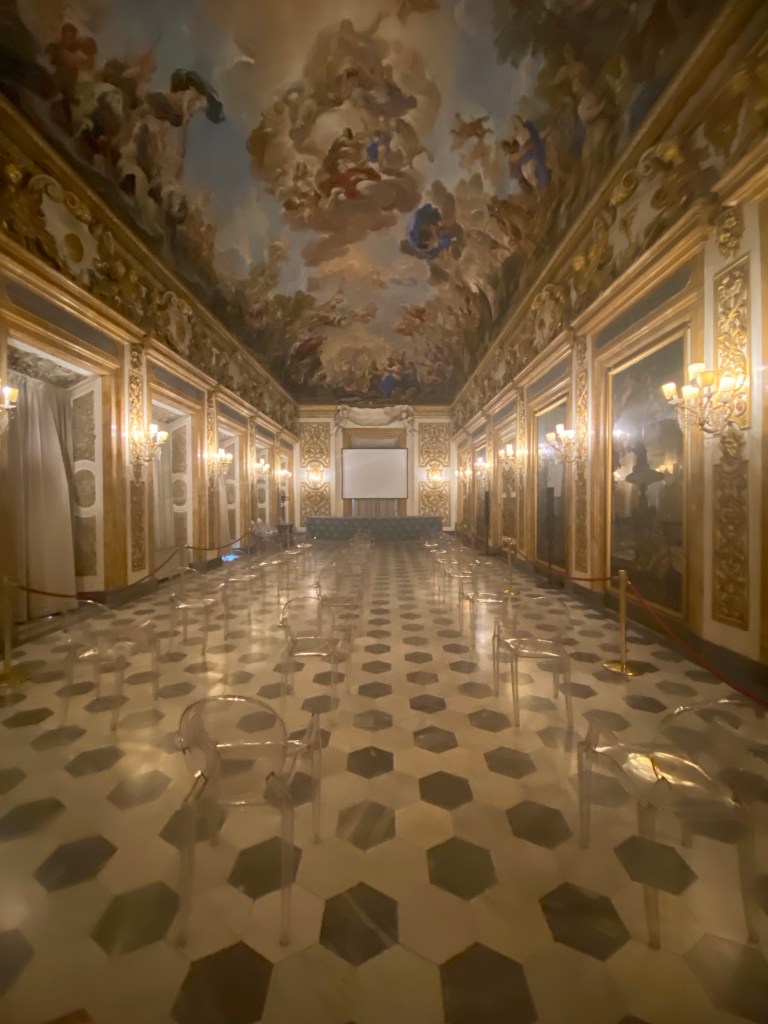
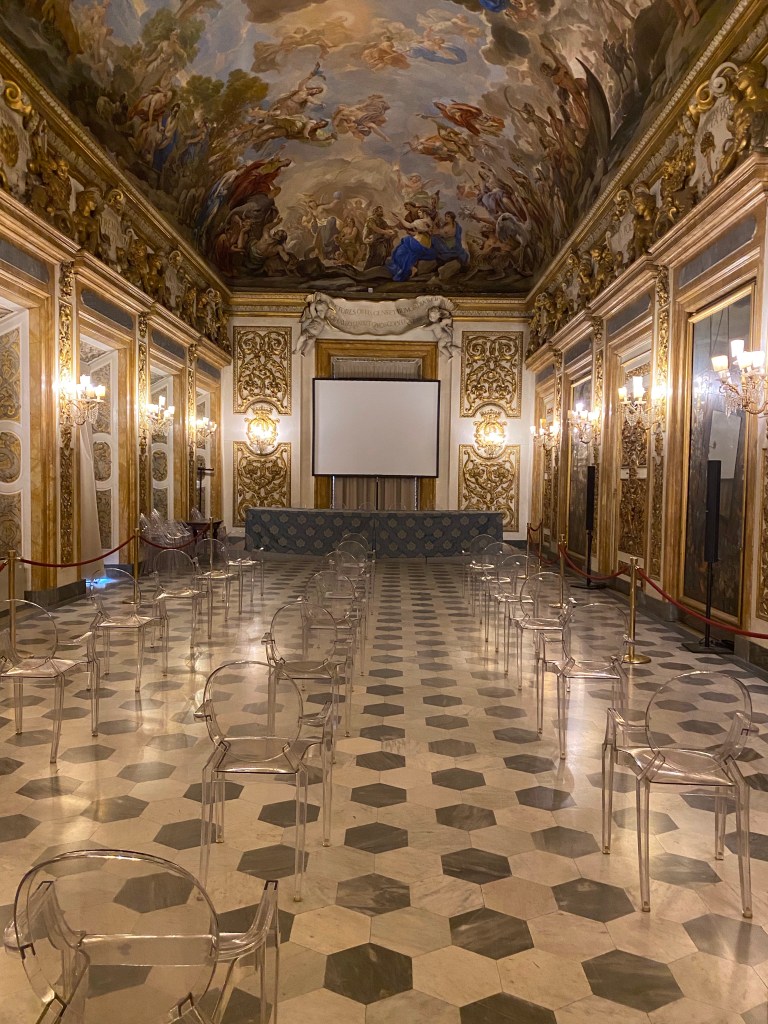
Everyday Florence in March
Wandering around Florence on a Sunday morning is a favorite pastime. First up, in Piazza della Liberta, stands a mighty Medieval gateway into the city from the north: Porta San Gallo. Nowadays it is fronted by an early 20th century fountain with a spritely figure in the center that does nothing to capture the majesty of the solid tower. But, at least it adds some movement and lightness.
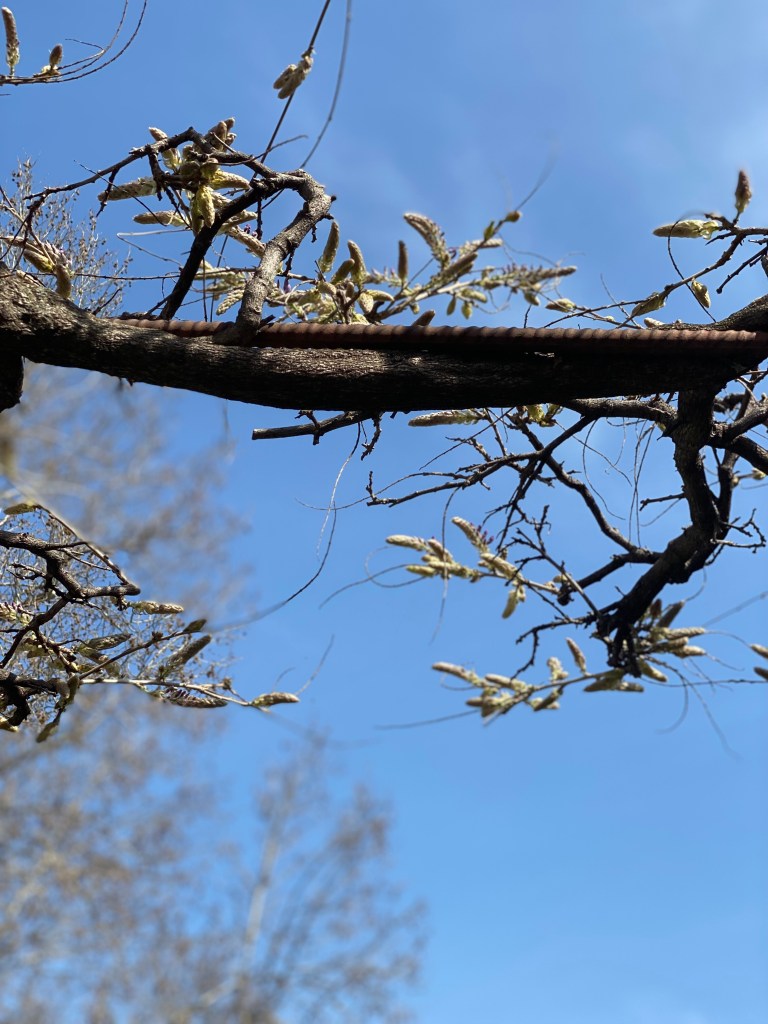
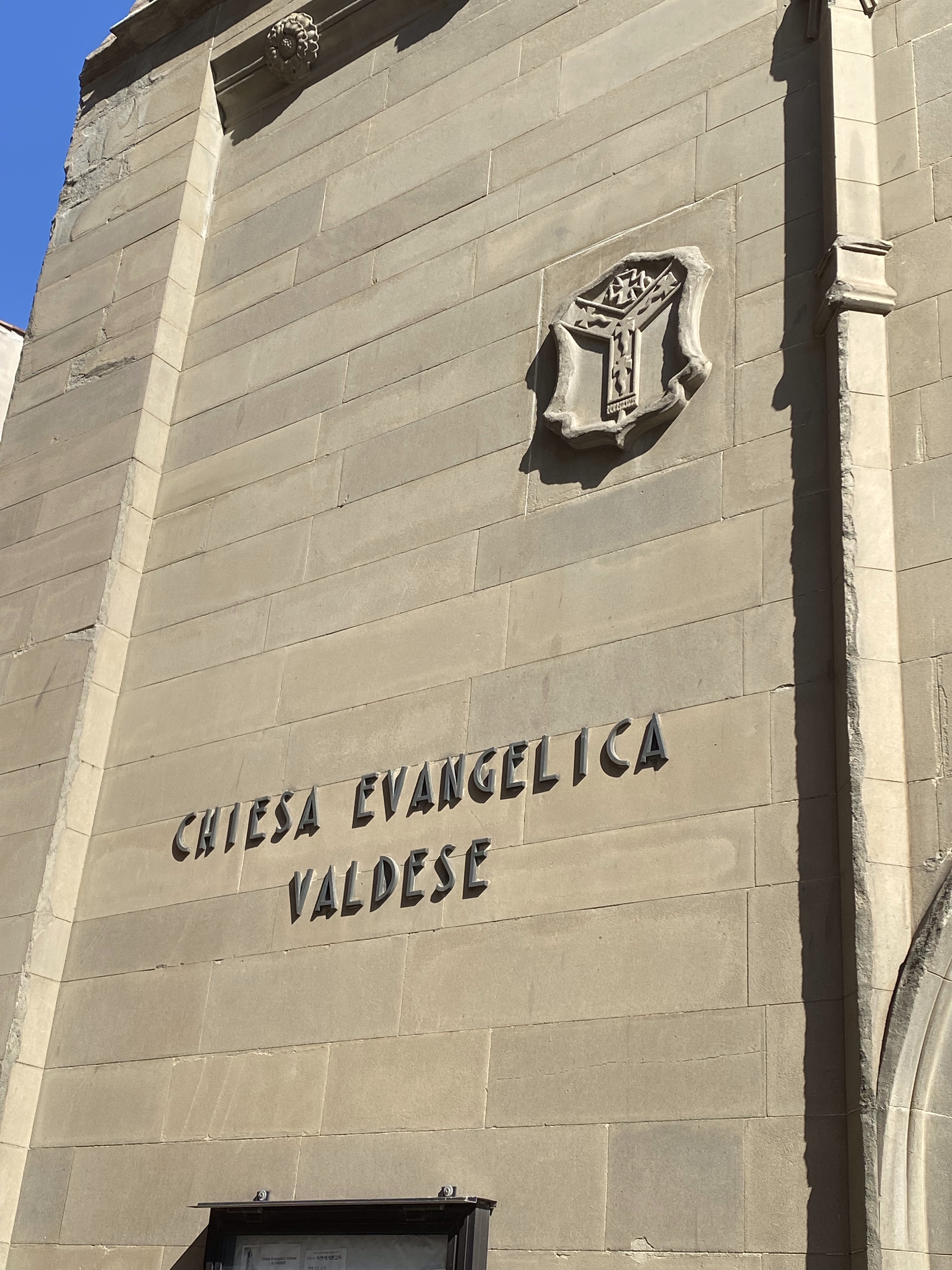
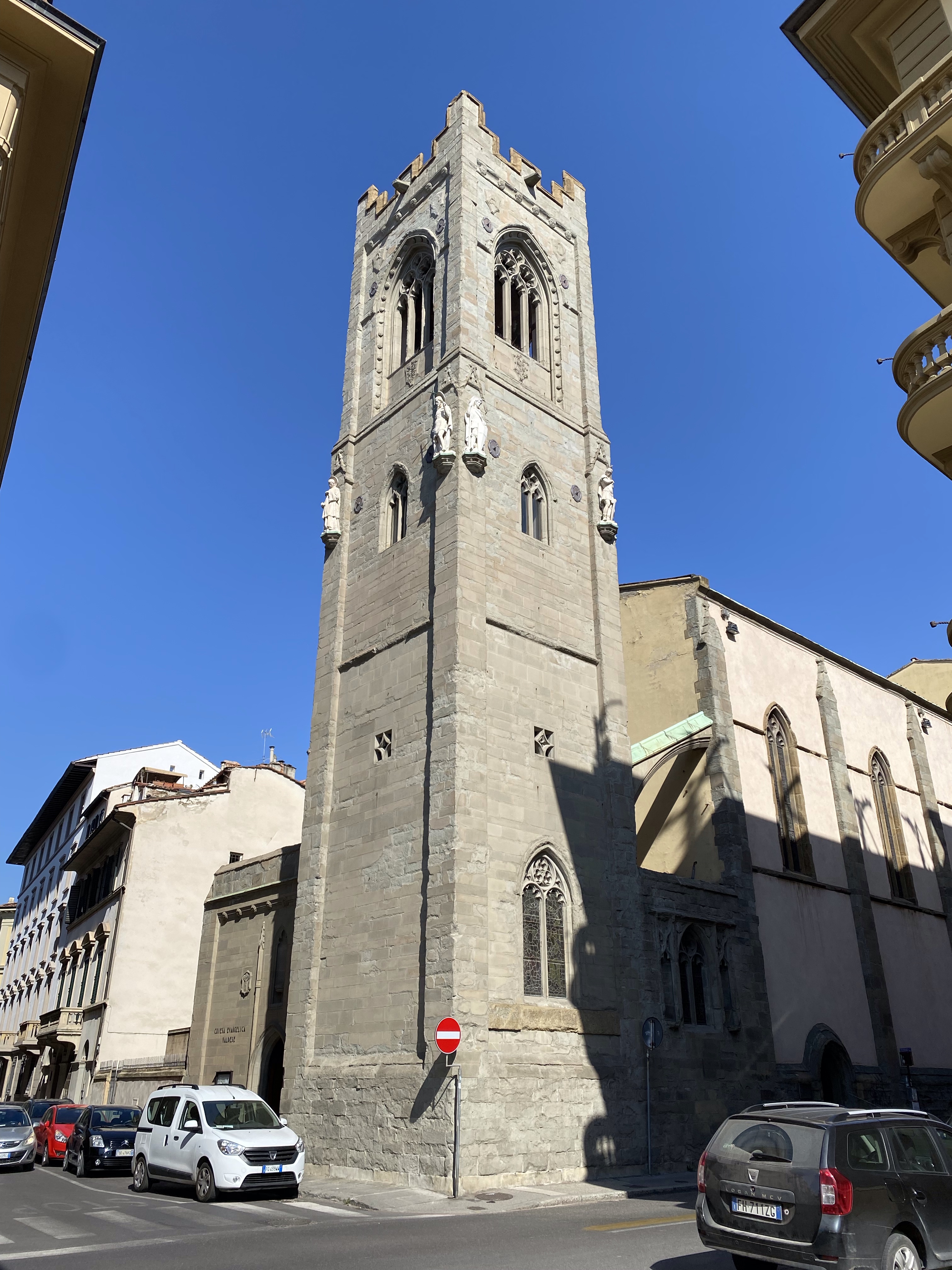
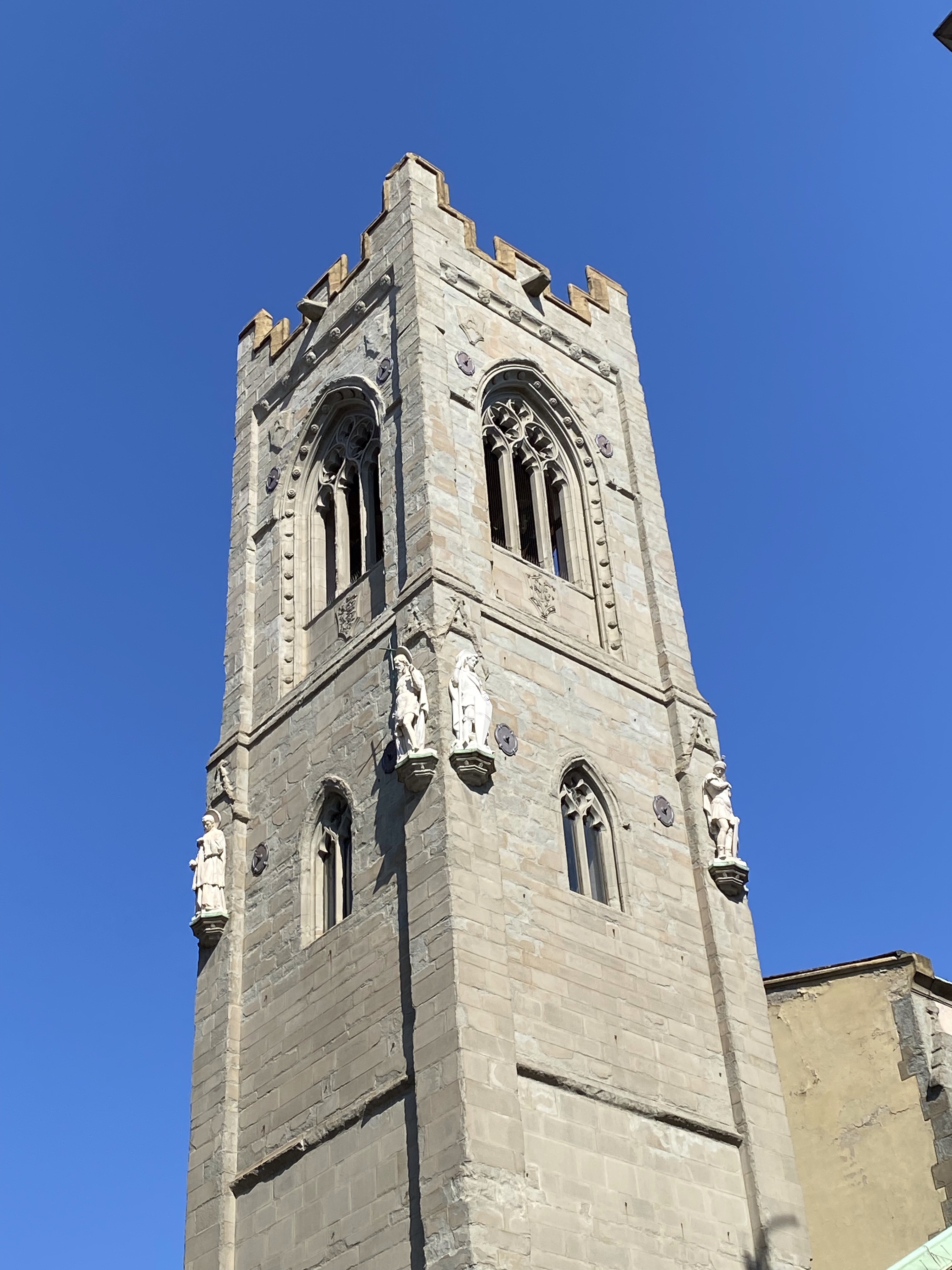
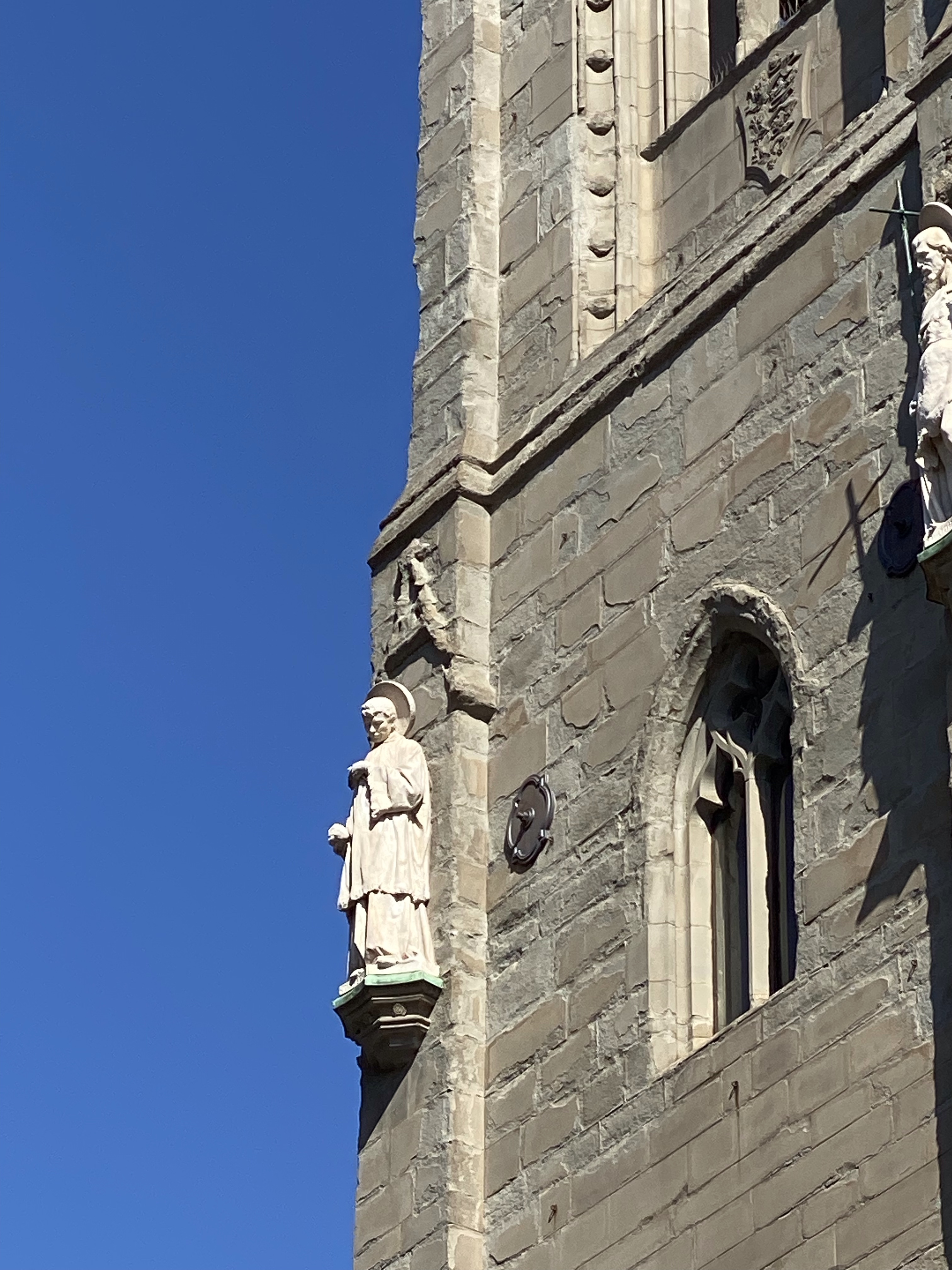
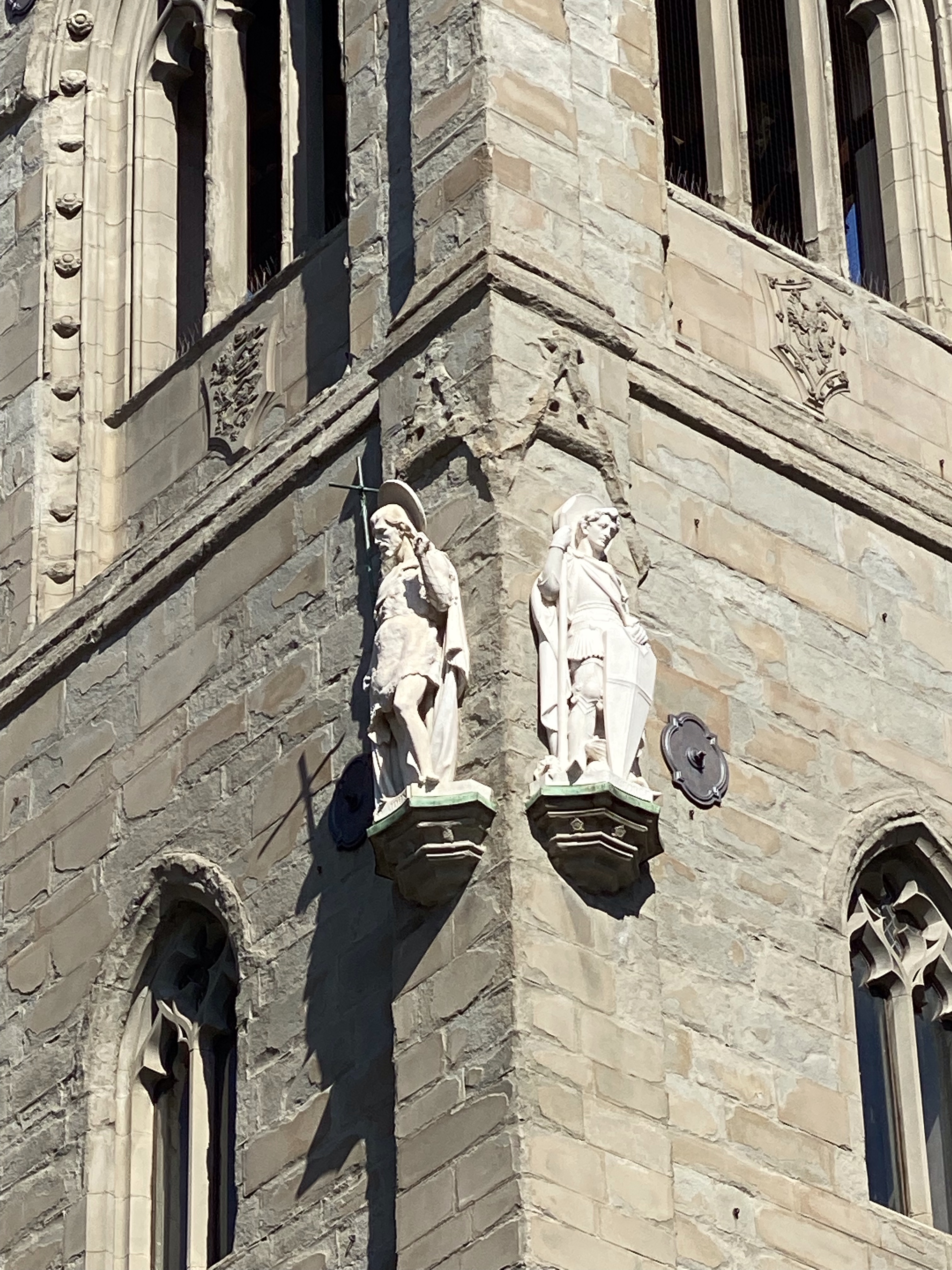
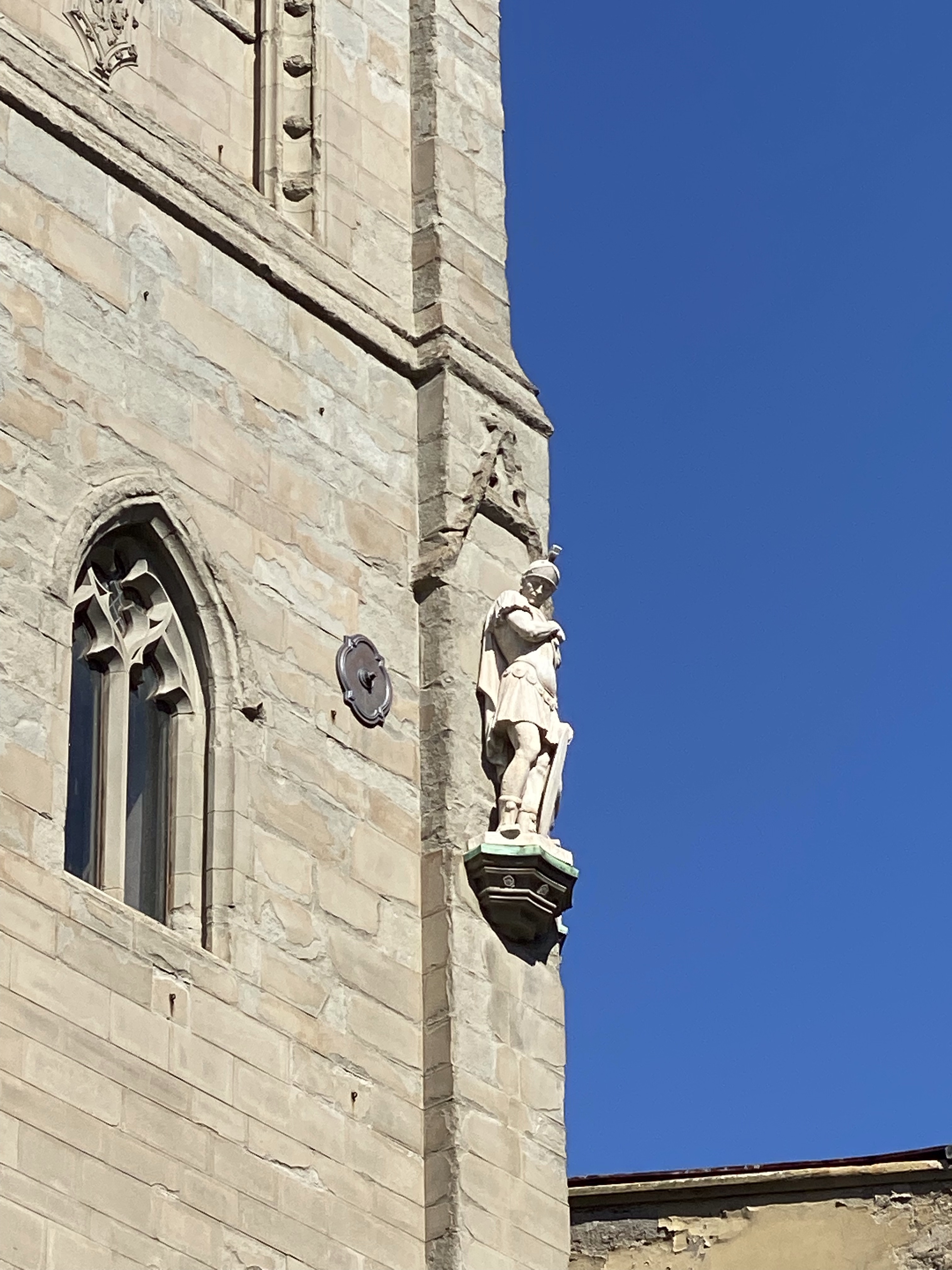
The church of the Valdese Evangelists is always a pretty sight, especially when set against a cloudless azure sky!
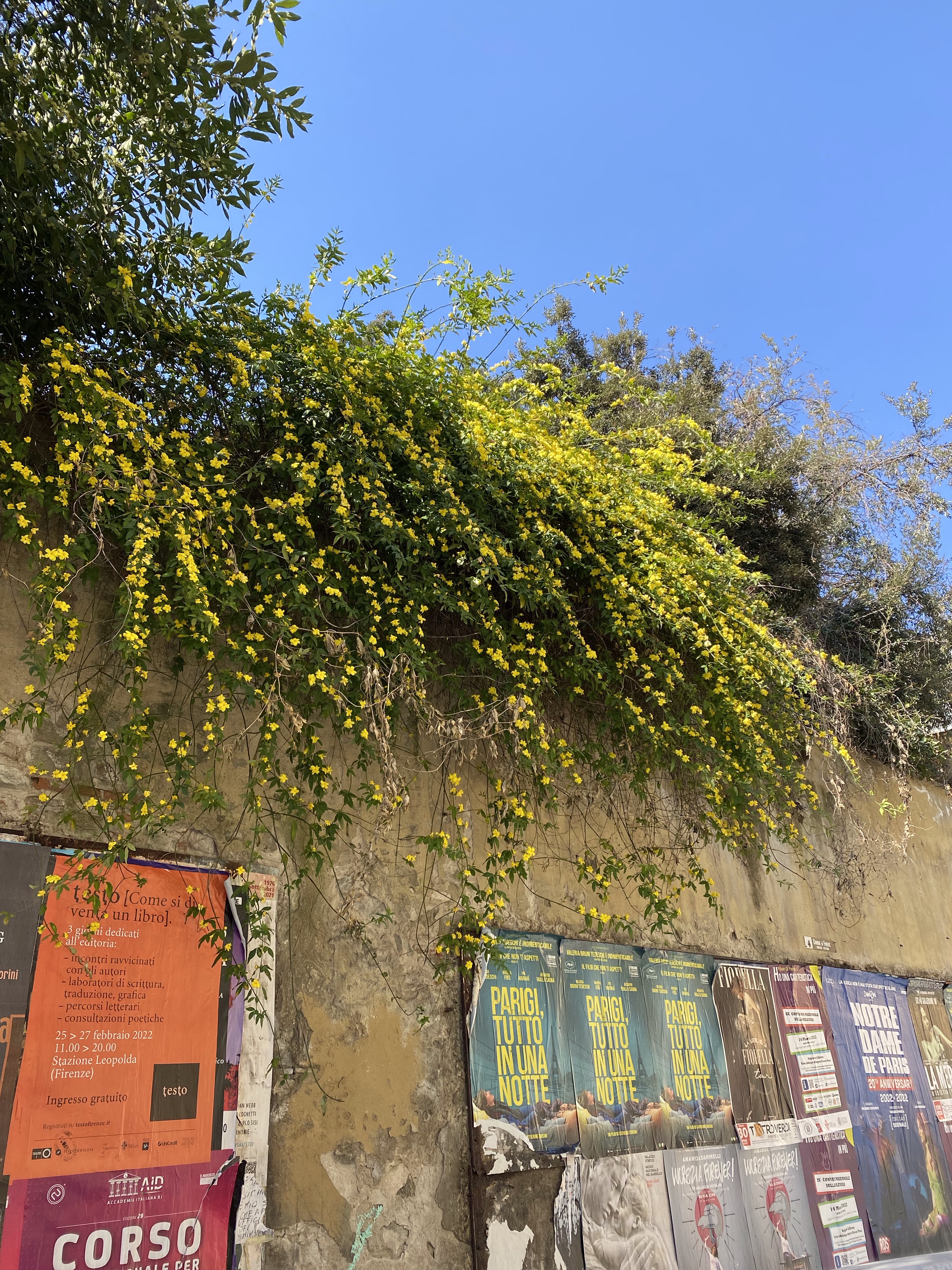
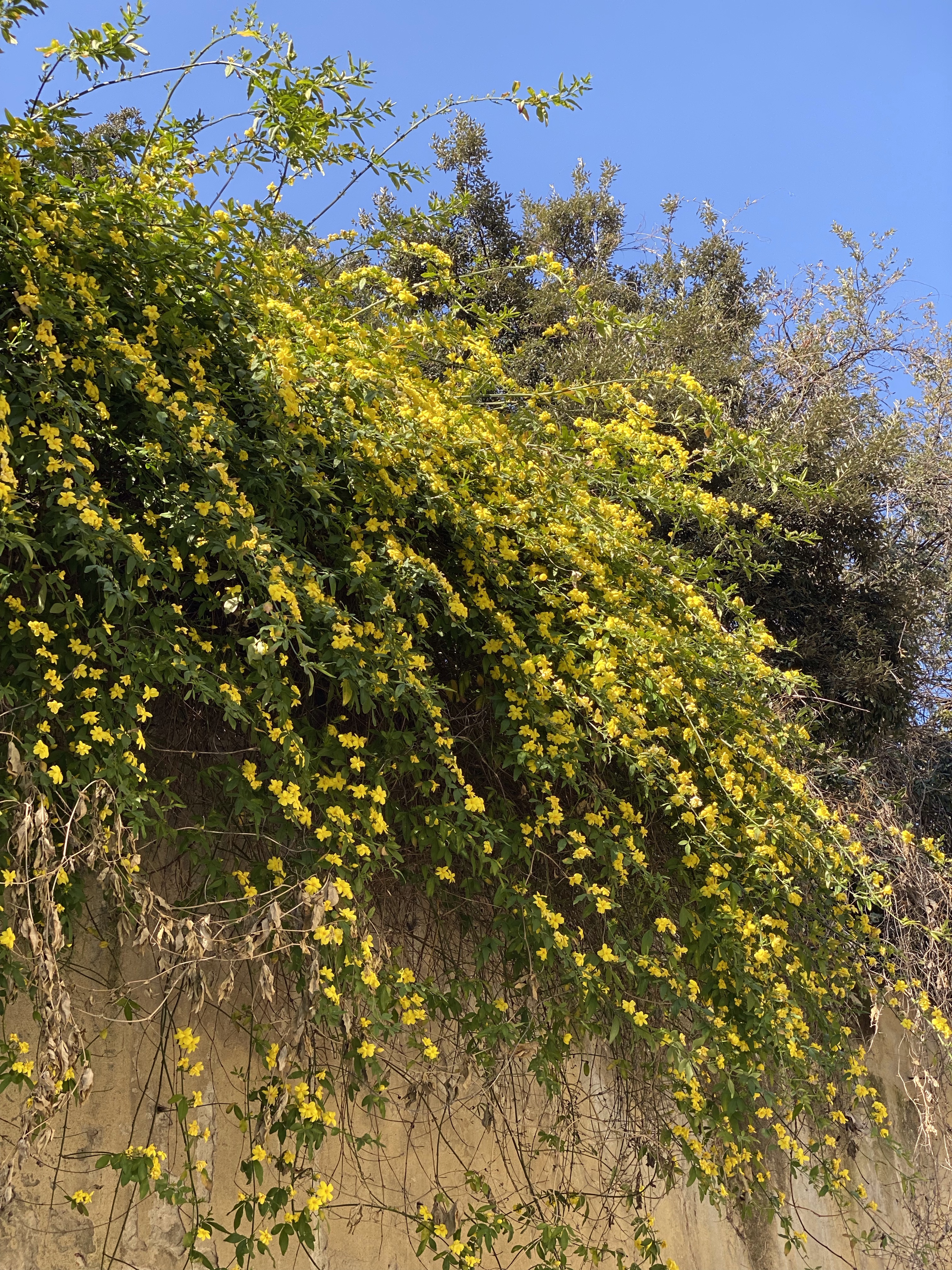
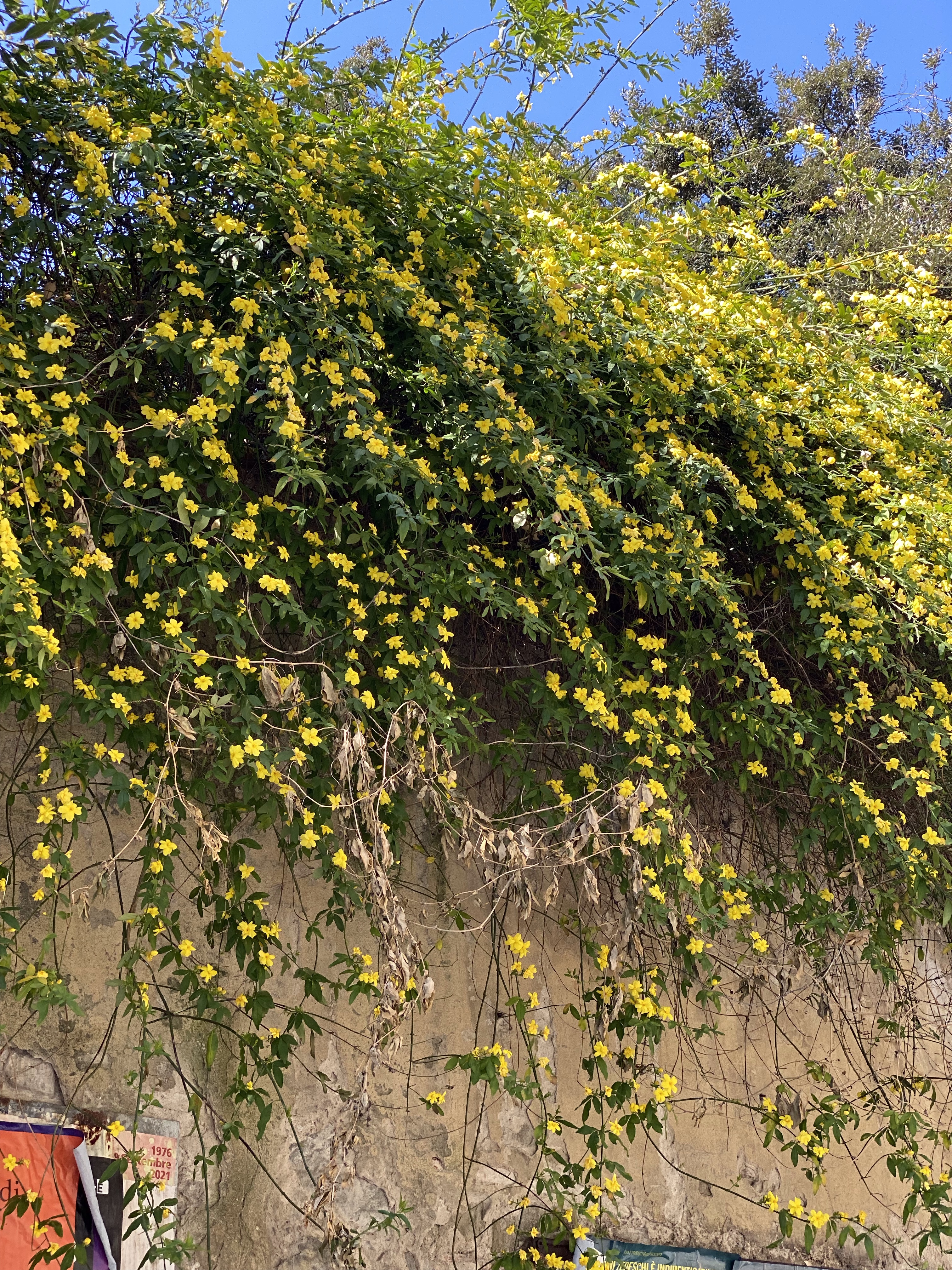
A sure sign of spring is this cascading yellow blossomed shrub, Rosa banksiae. Italians (or at least Florentines) use it to great effect to tumble over and soften the appearance of the ubiquitous walls in the city.
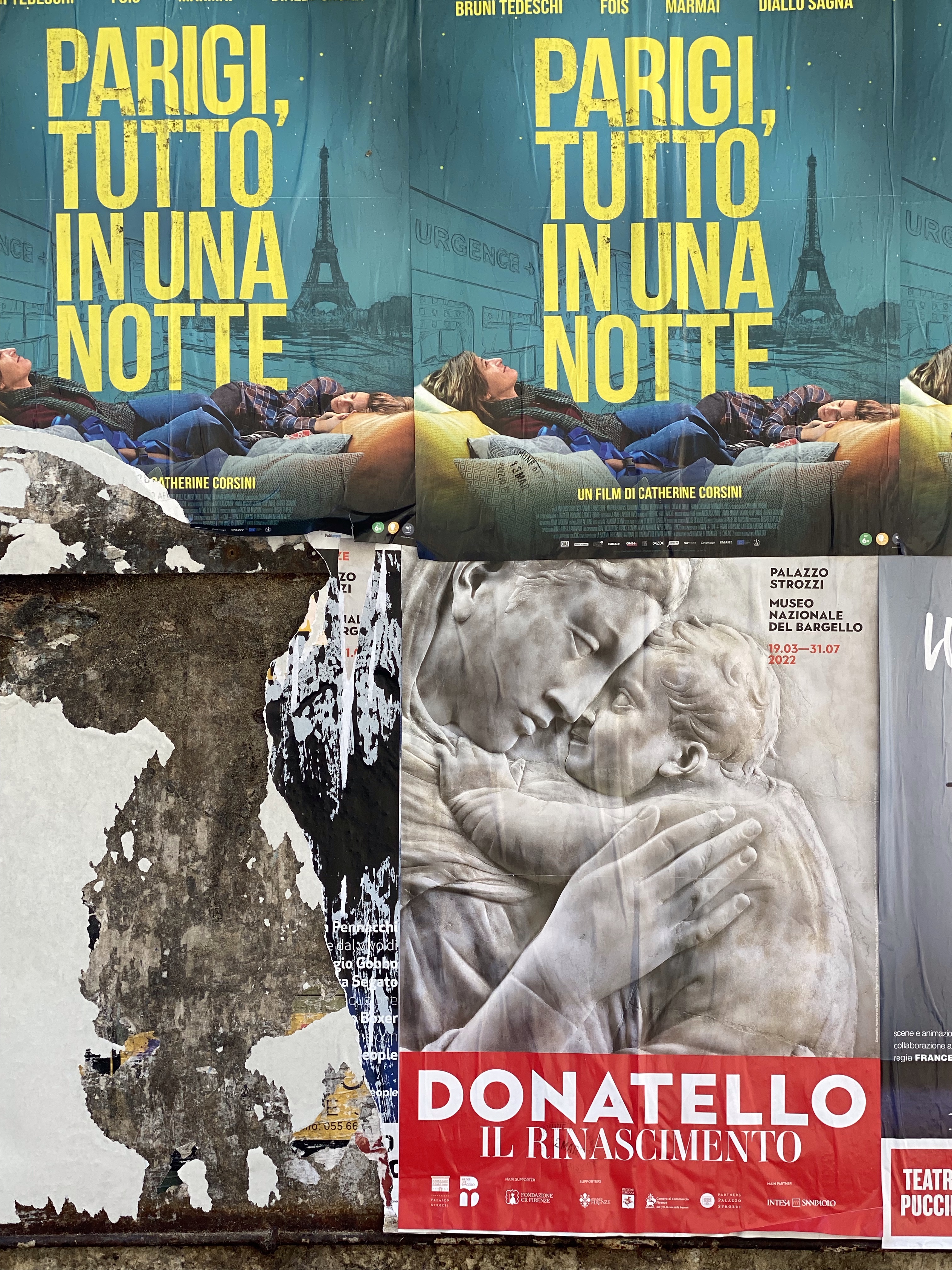
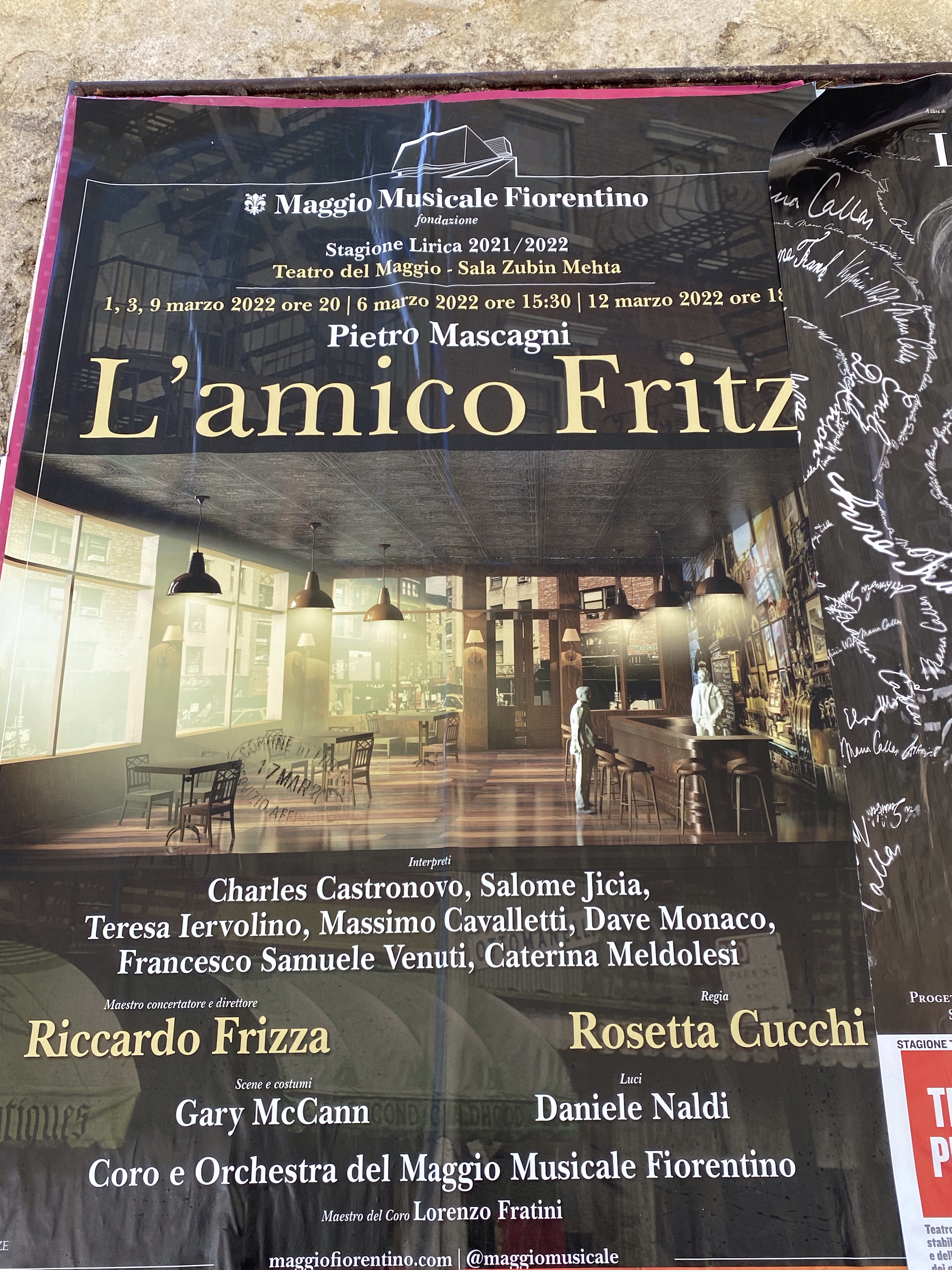
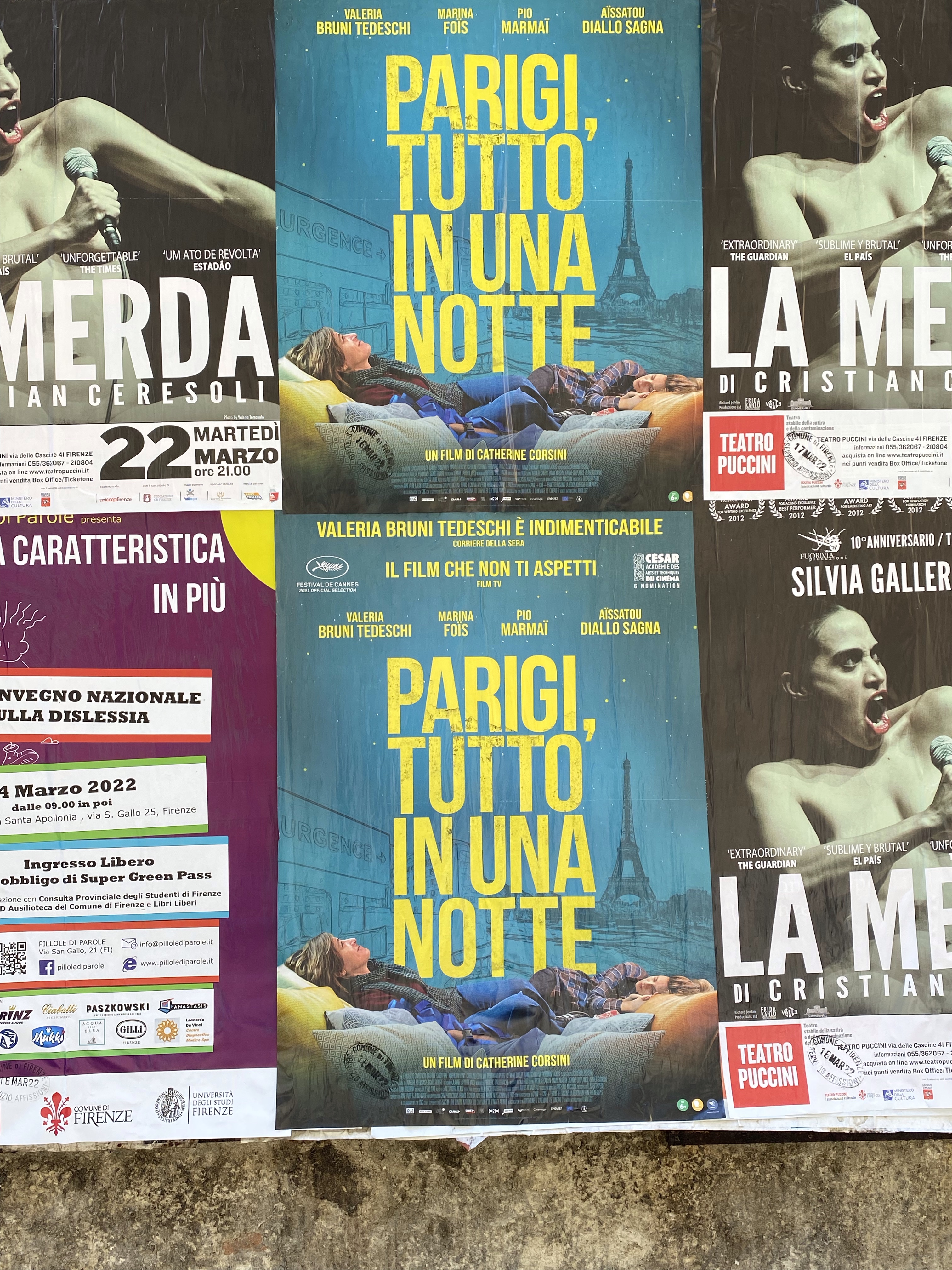
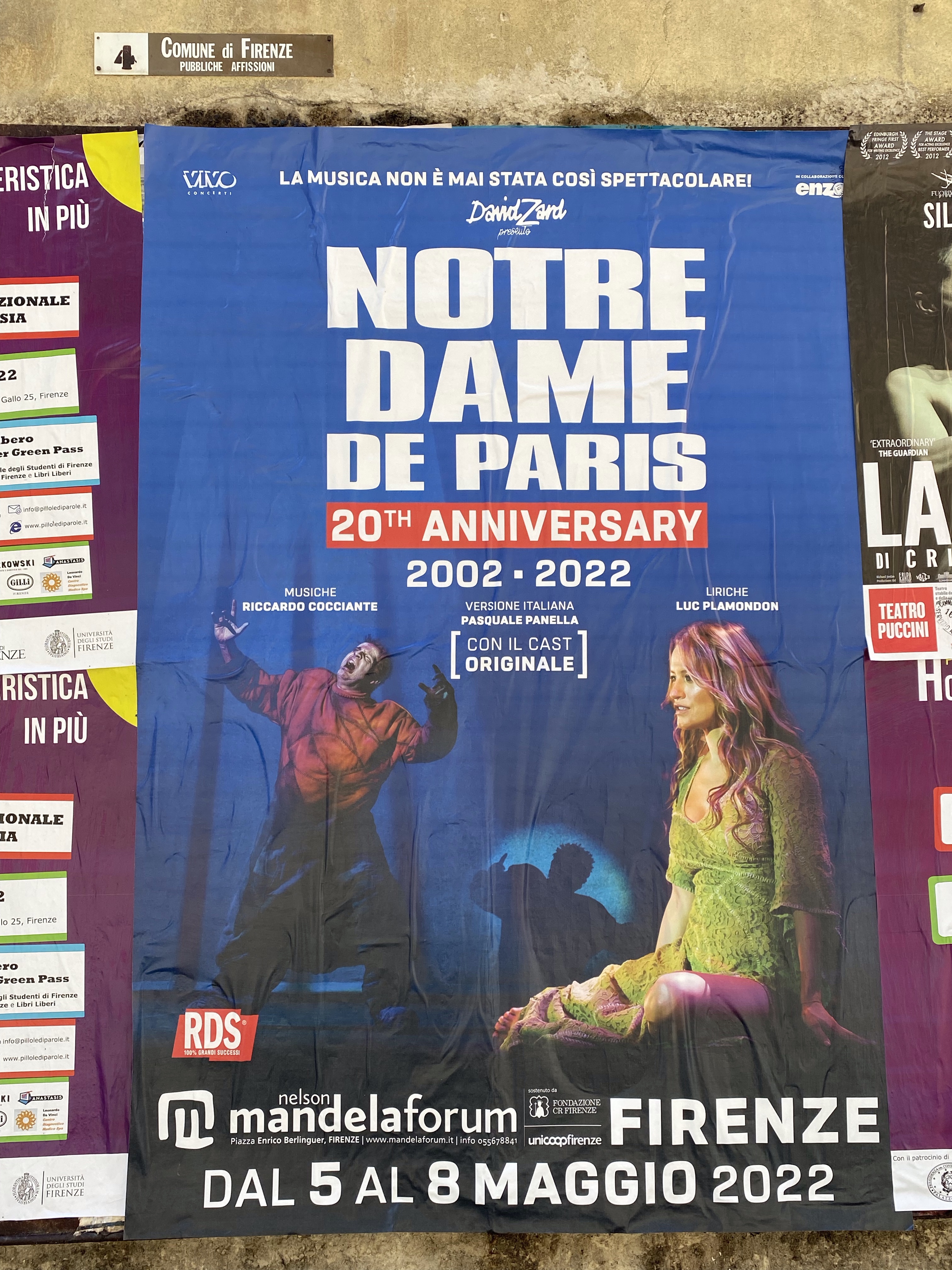
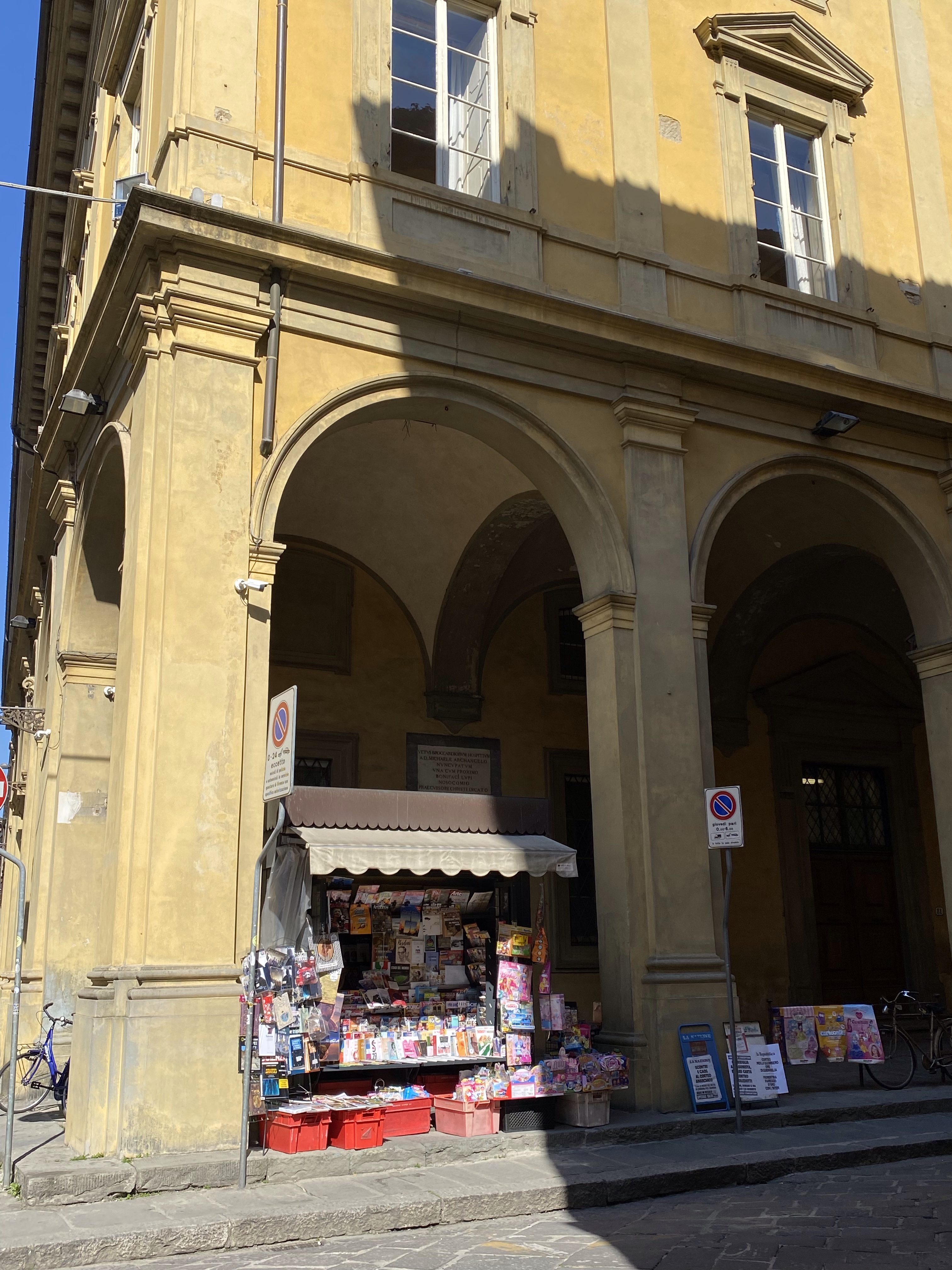
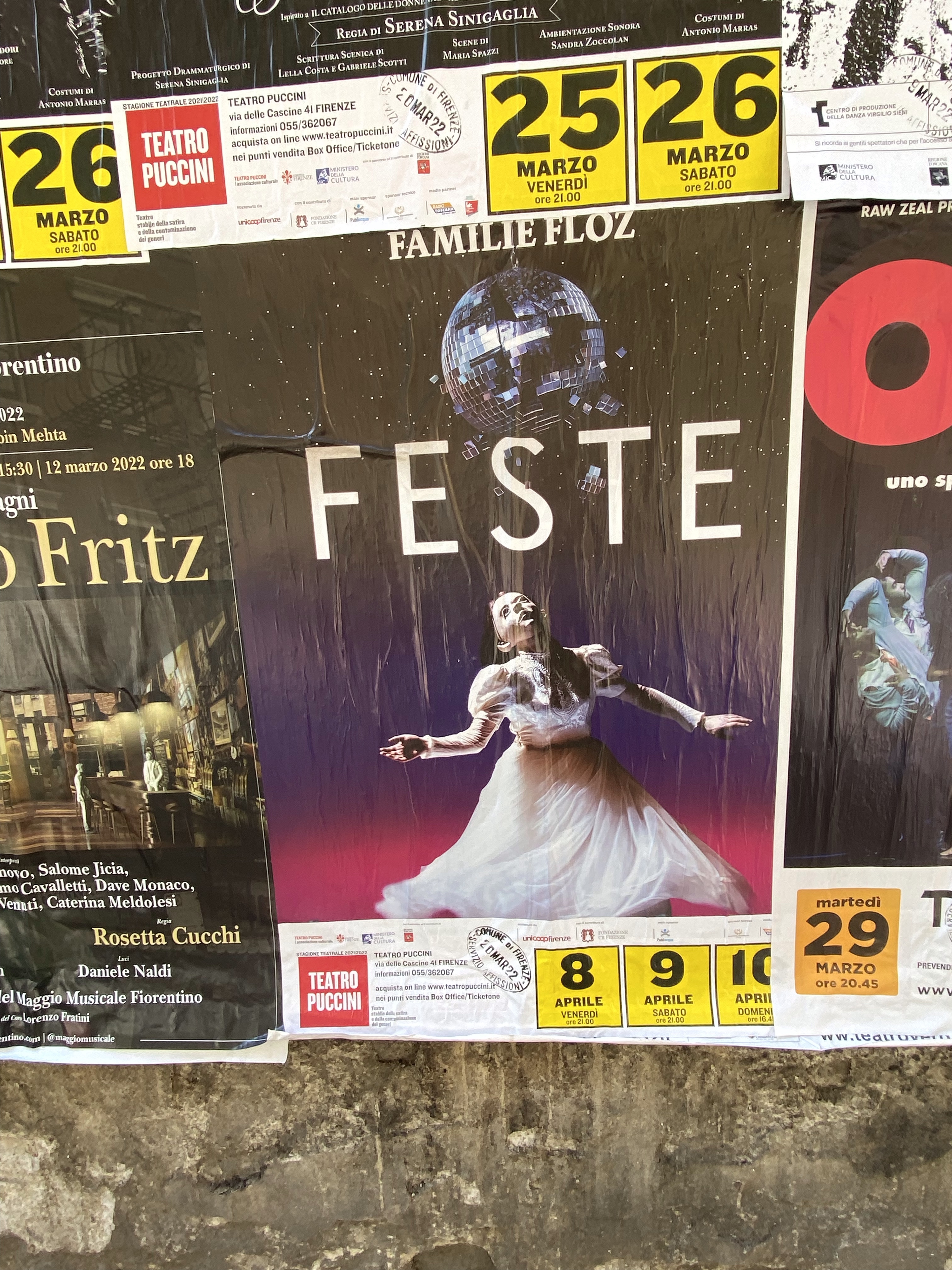
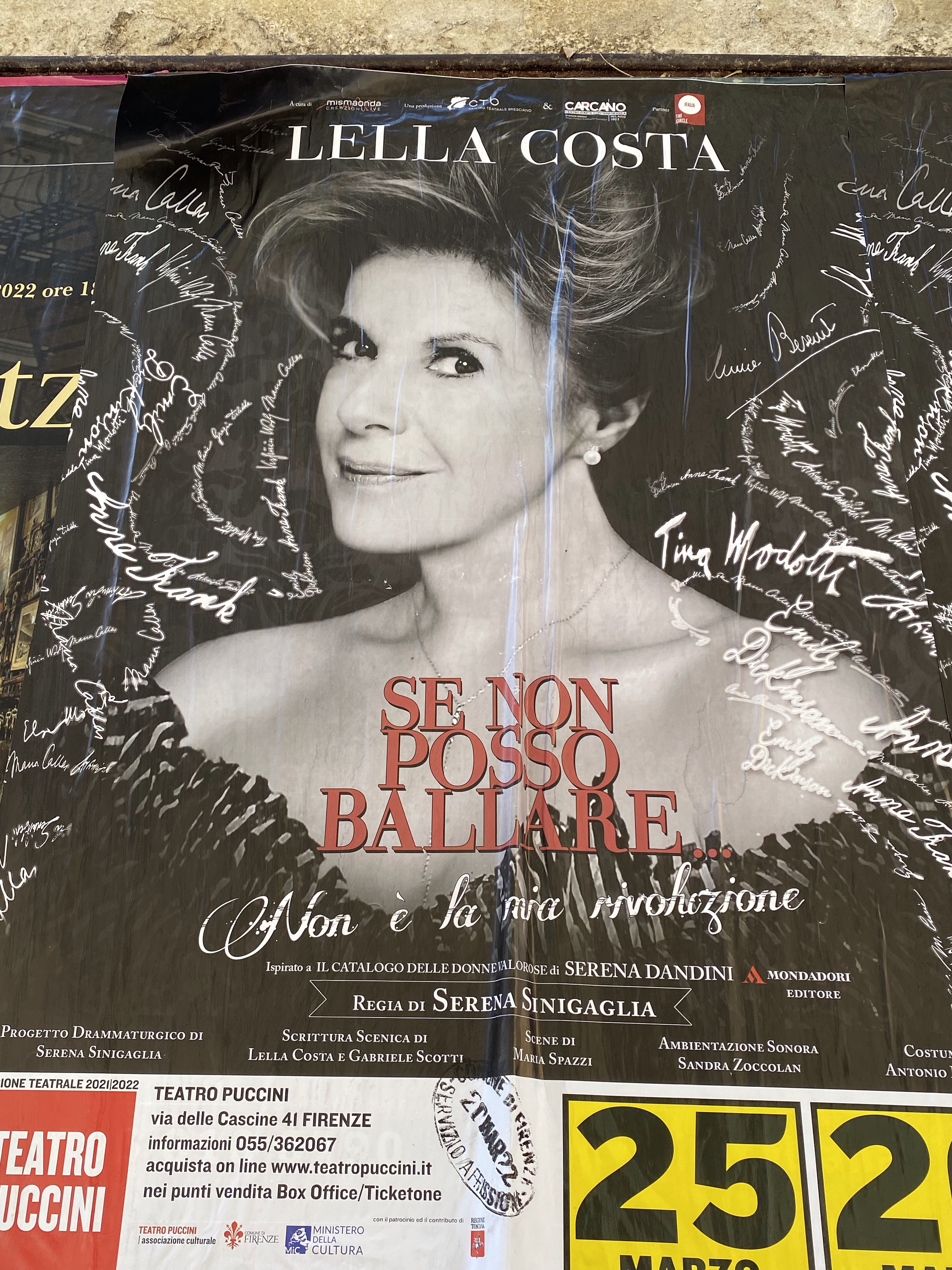
A wall of billboards advertise all kinds of museum exhibitions, shows and theatricals. One exhibition I don’t want to miss is the one at the Strozzi on Donatello, one of my favorite artists of all time.
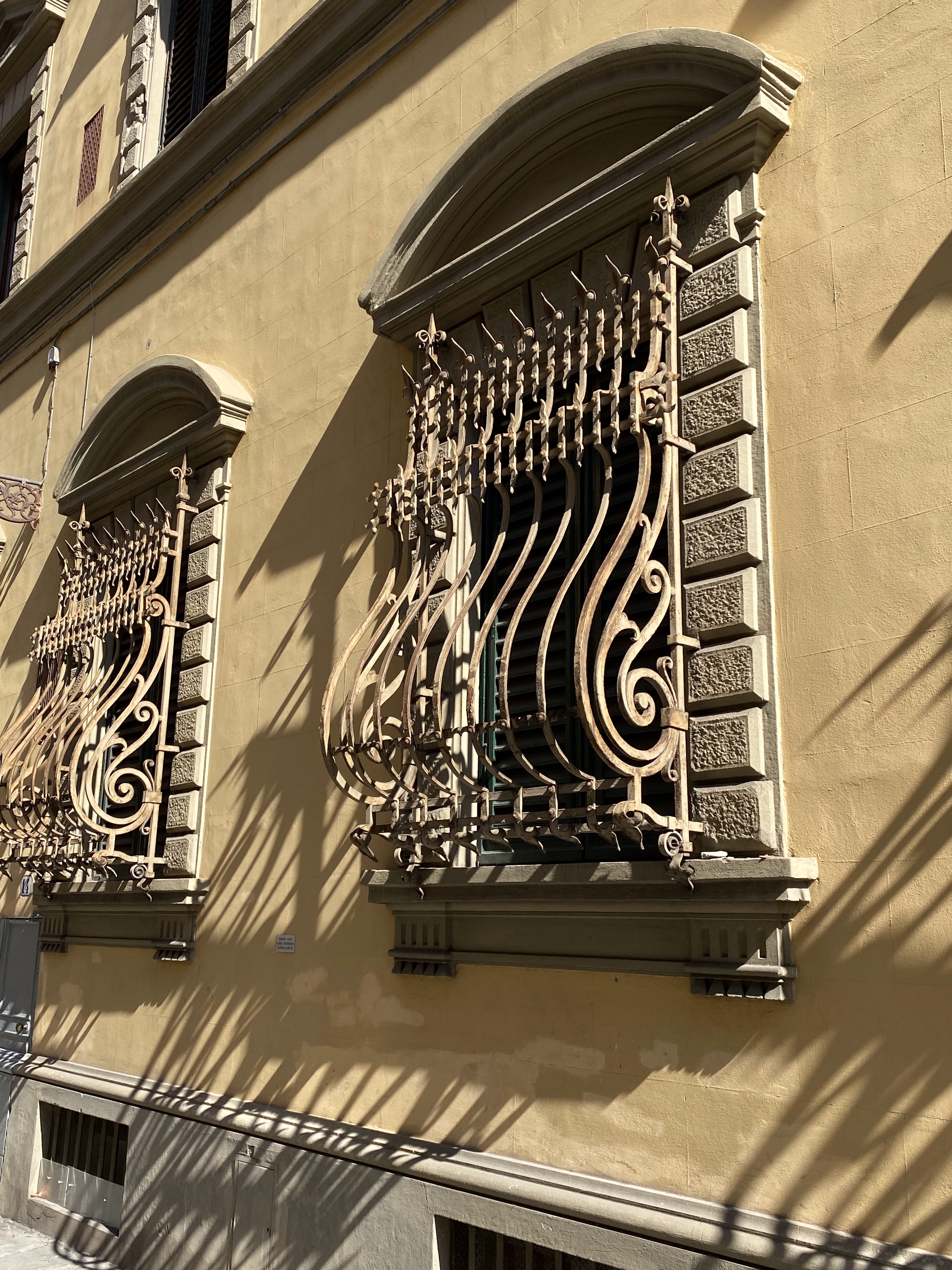
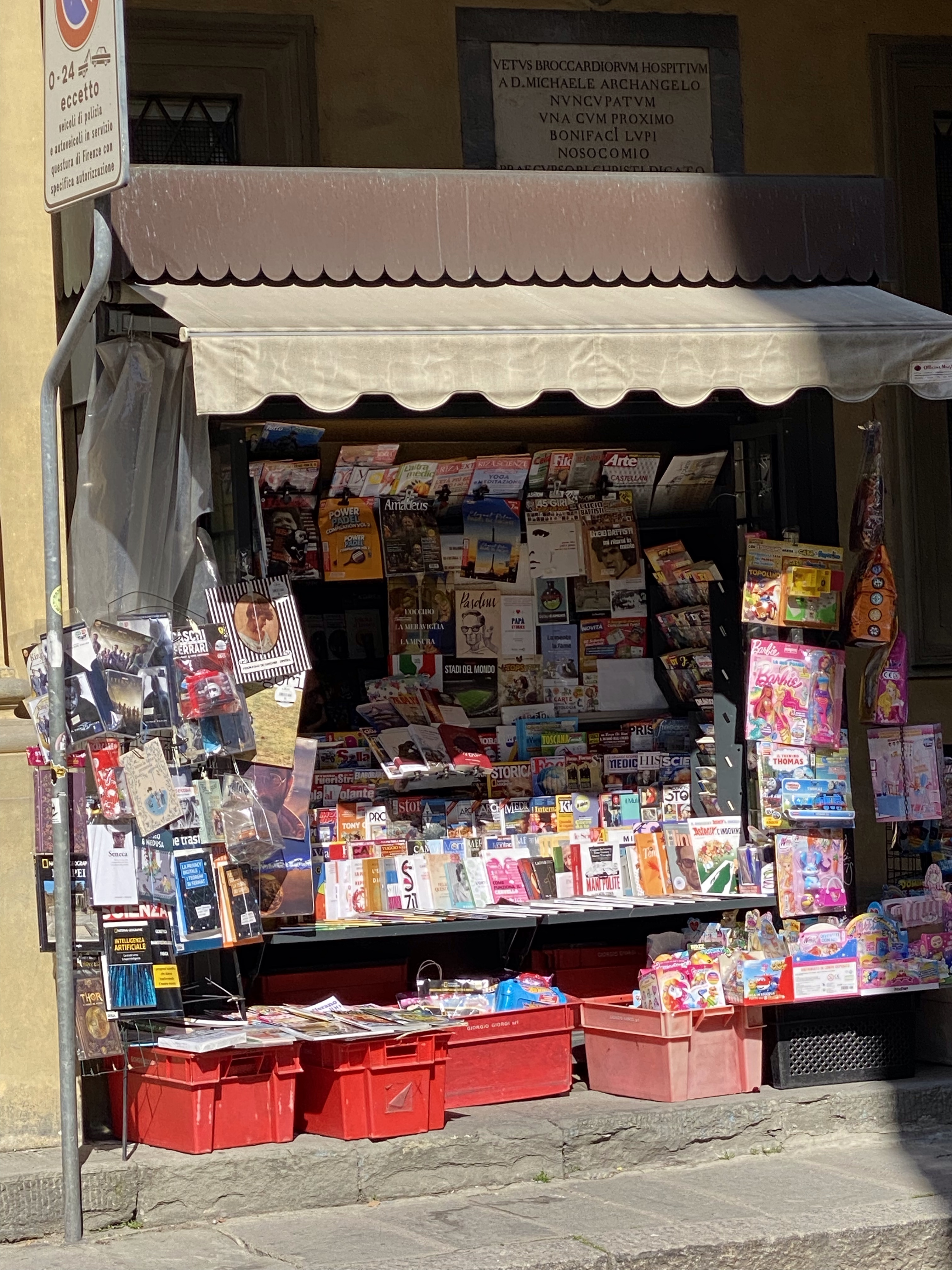
Above are the colors of Florence I see when I shut my eyes and conjure up the city. I get such a kick out of the newstand/toy stores that dot the streets. The one above is sheltered within an a couple hundred year old logia, new against old.
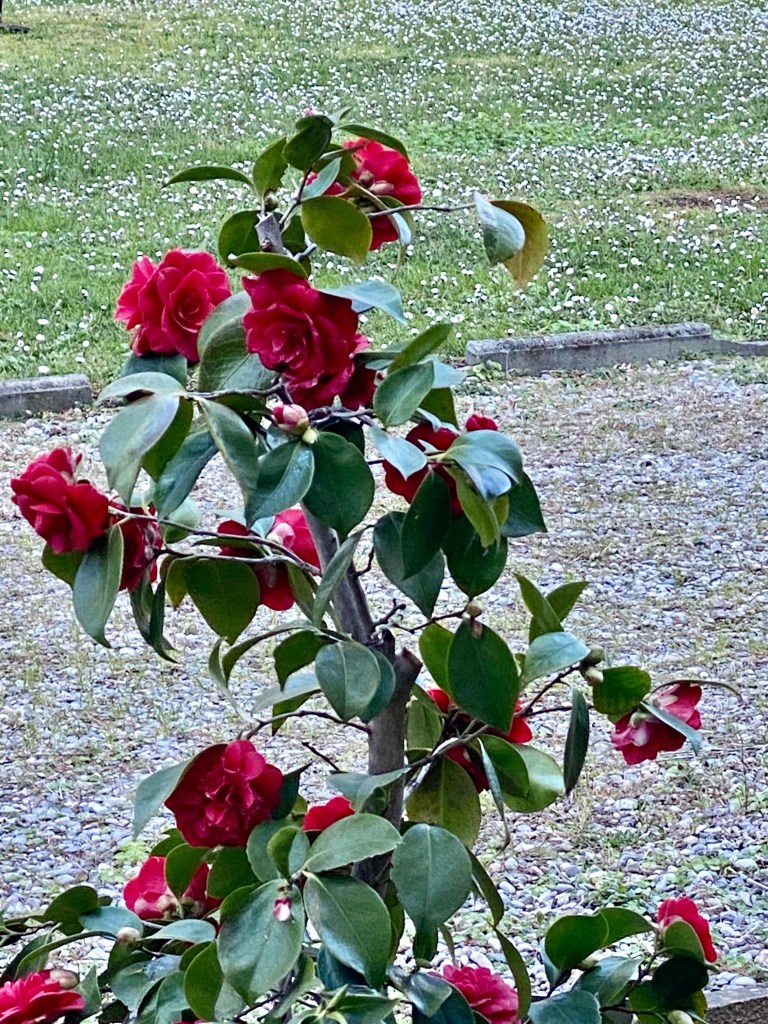
Ah, Florence! What is left to say?!
I have arrived!
You want to know how I can tell? In Venice a man assumed I was Italian and in Naples a Neapolitan woman asked me for directions on the subway! Me!
This may not seem like much to you, but for years every time I have spoken Italian in a restaurant or store in Florence, the response is always in English. So disheartening after all the work I’ve put in learning to speak Italian and blend in fashion wise.
And, I knew the answer for the woman on the Neapolitan subway!
I have arrived! Finally!
 get back, lauretta!
You must be logged in to post a comment.