Santa Croce, part 4, June 2020

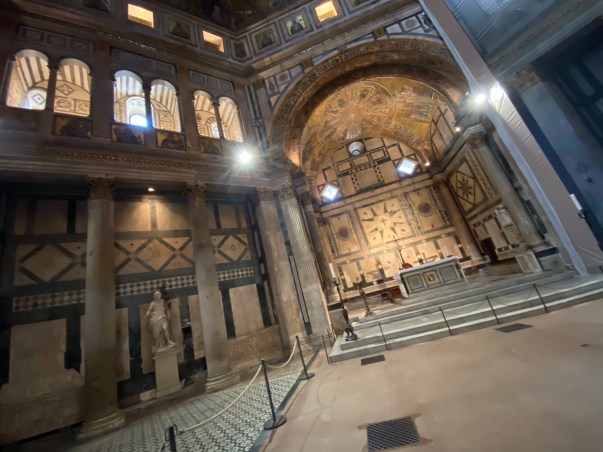
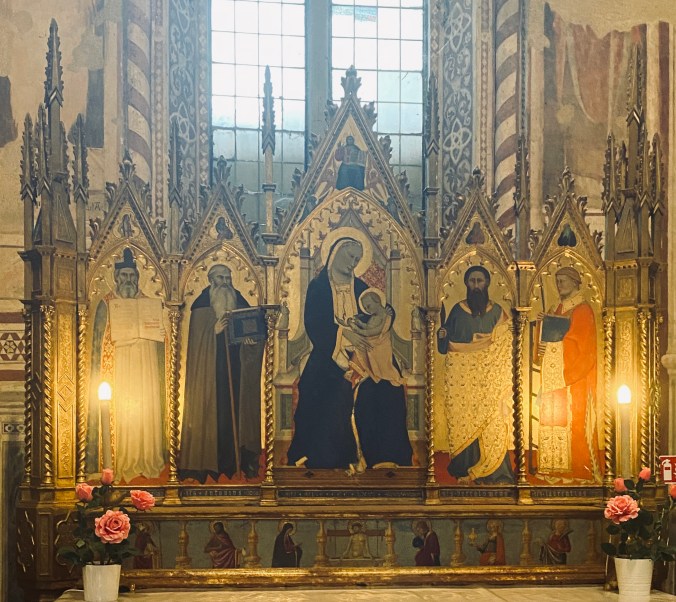
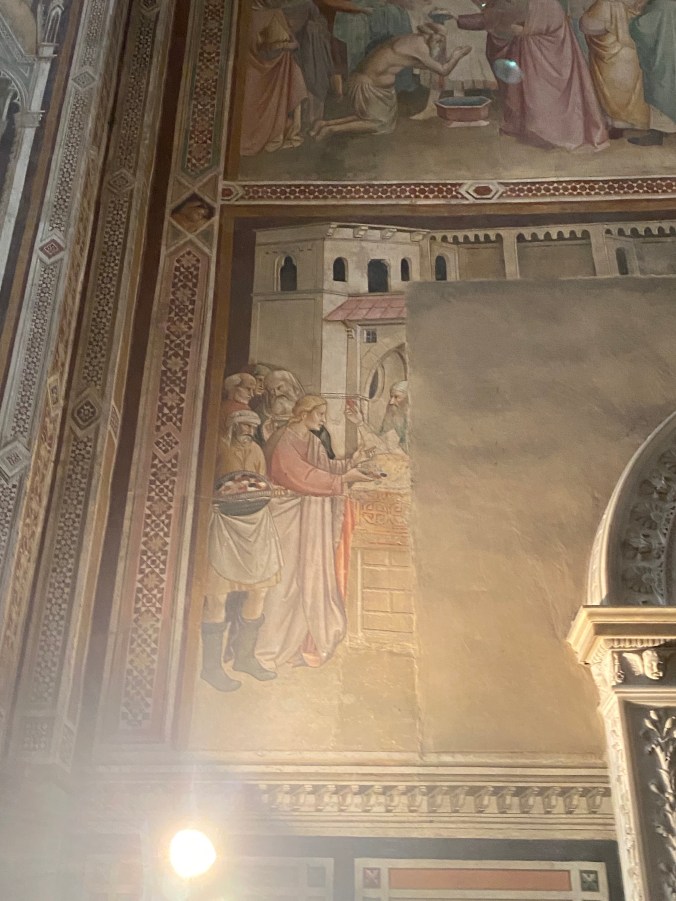
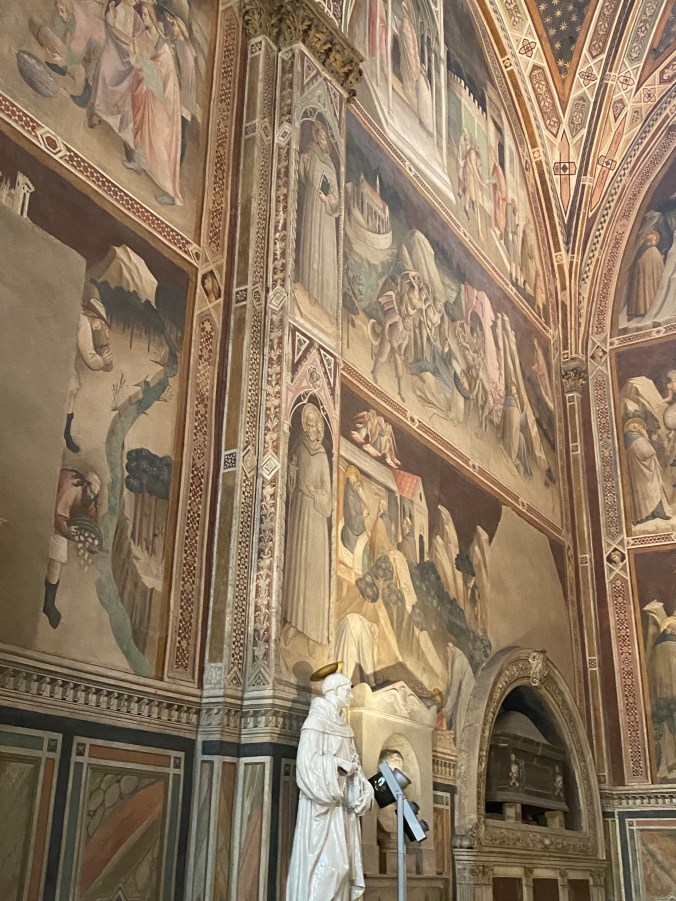
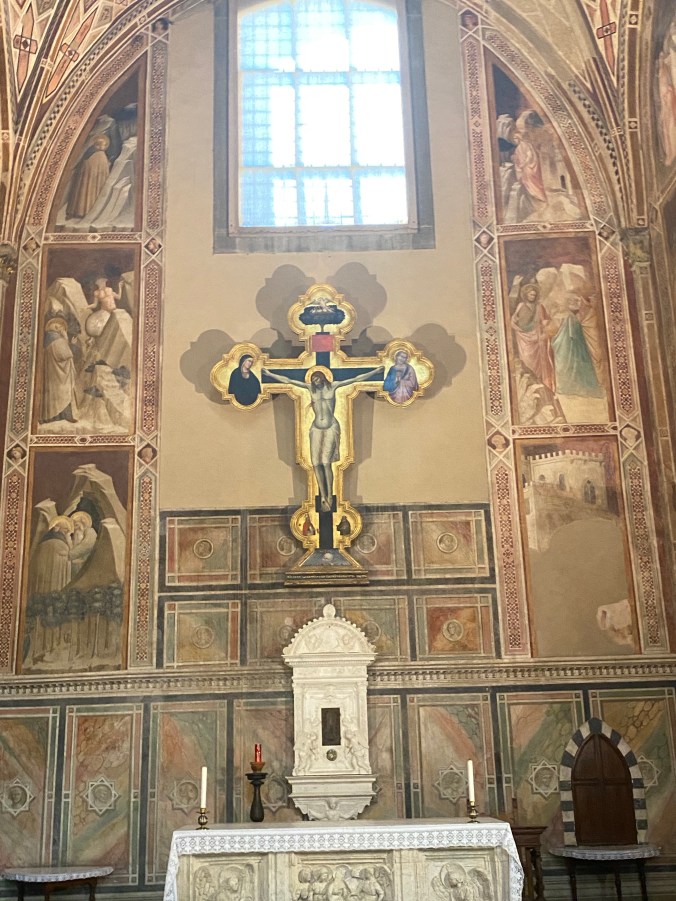
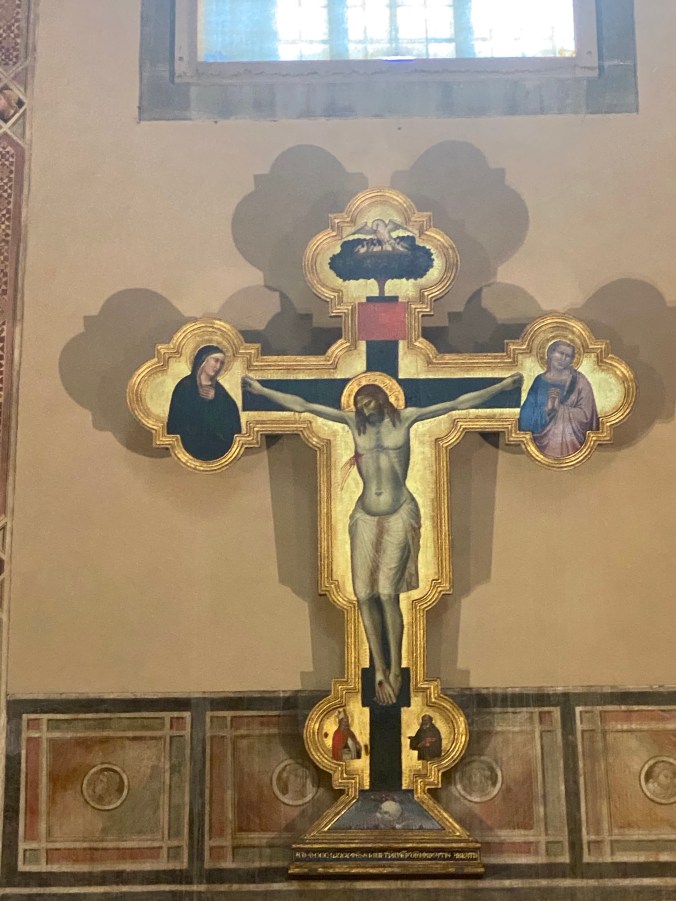
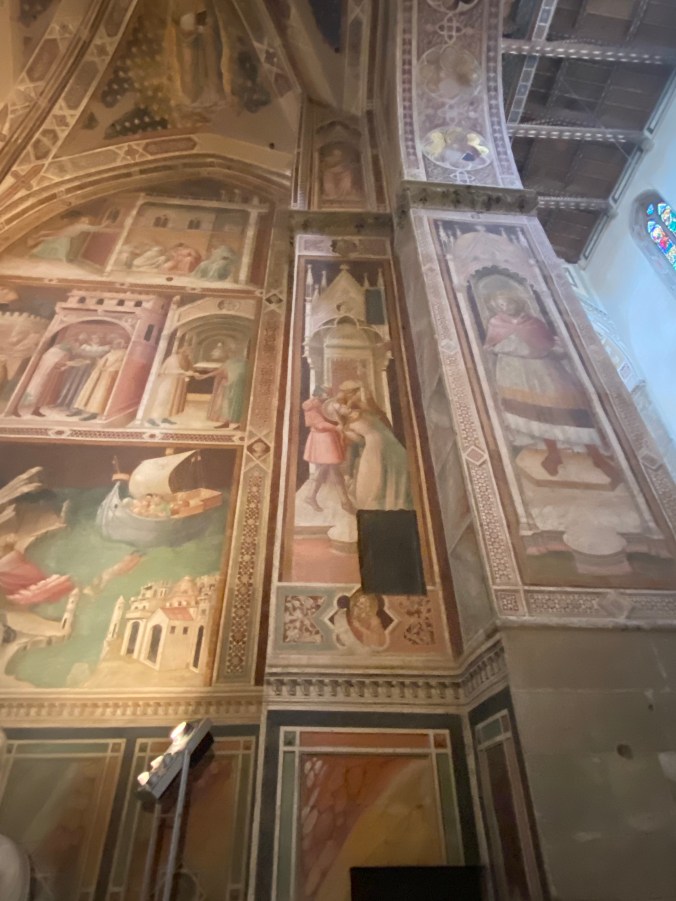
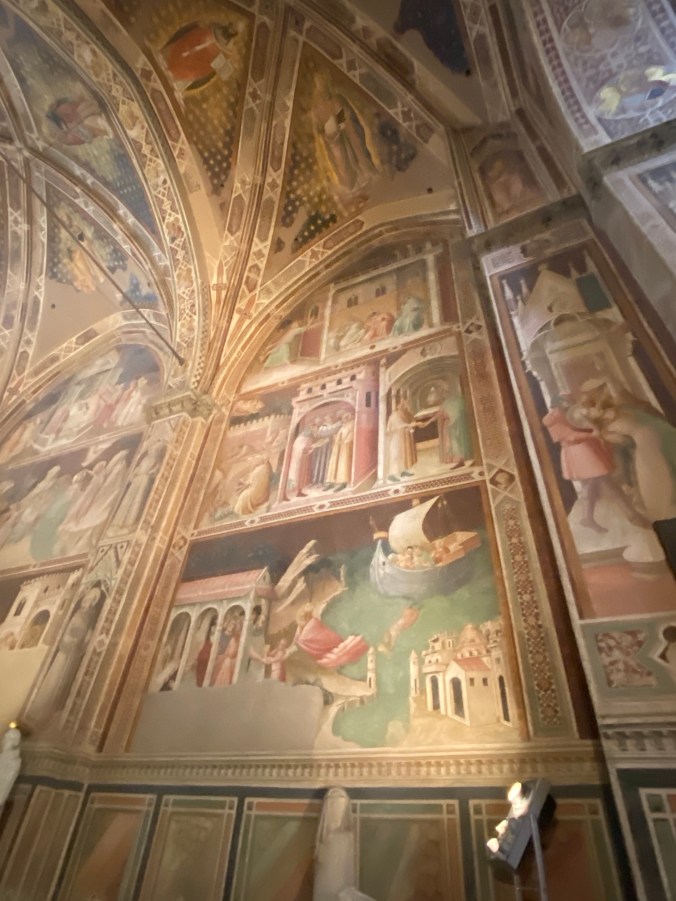
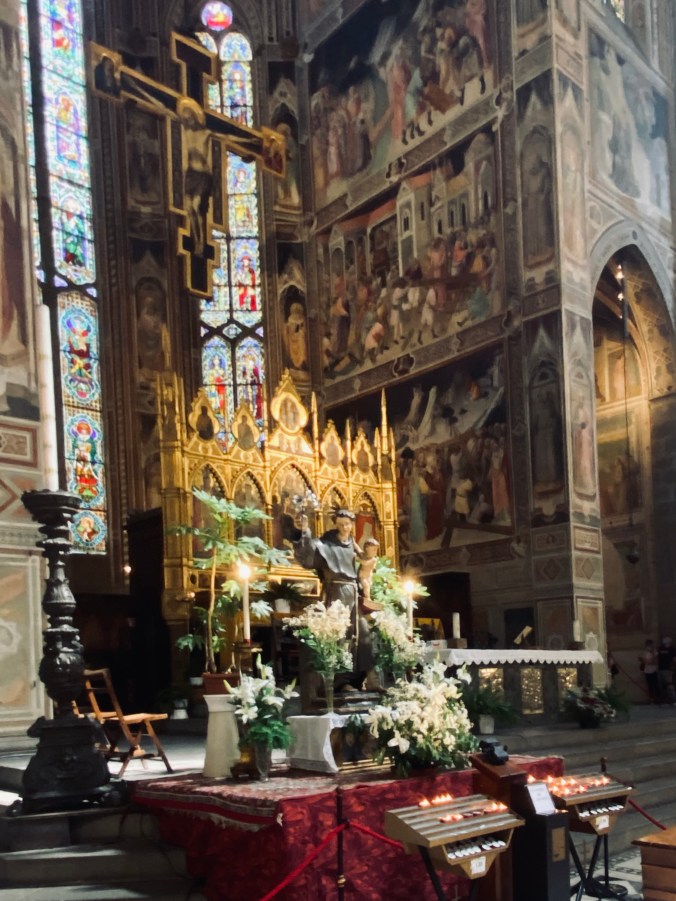
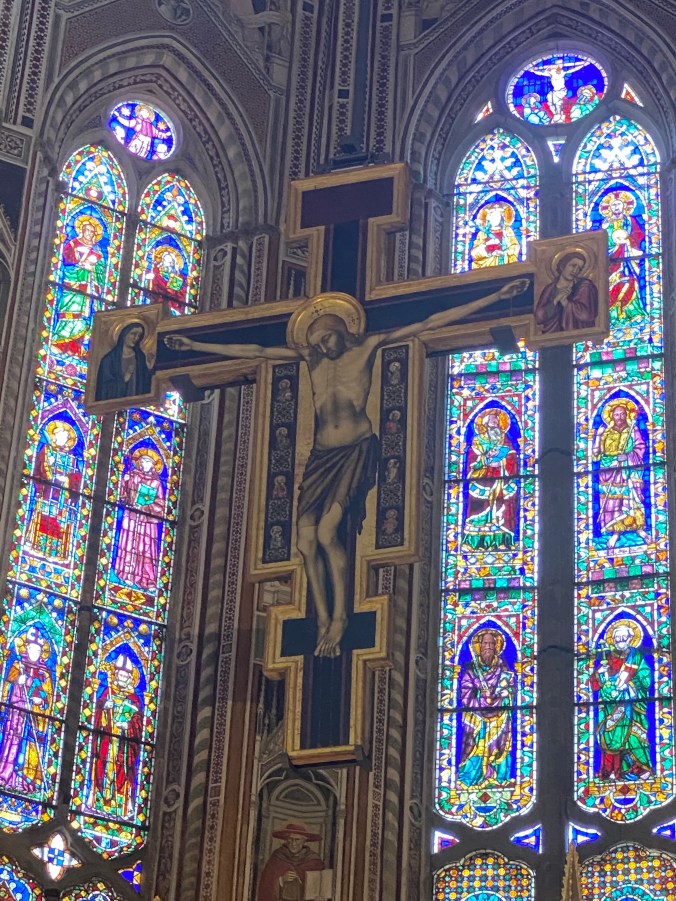
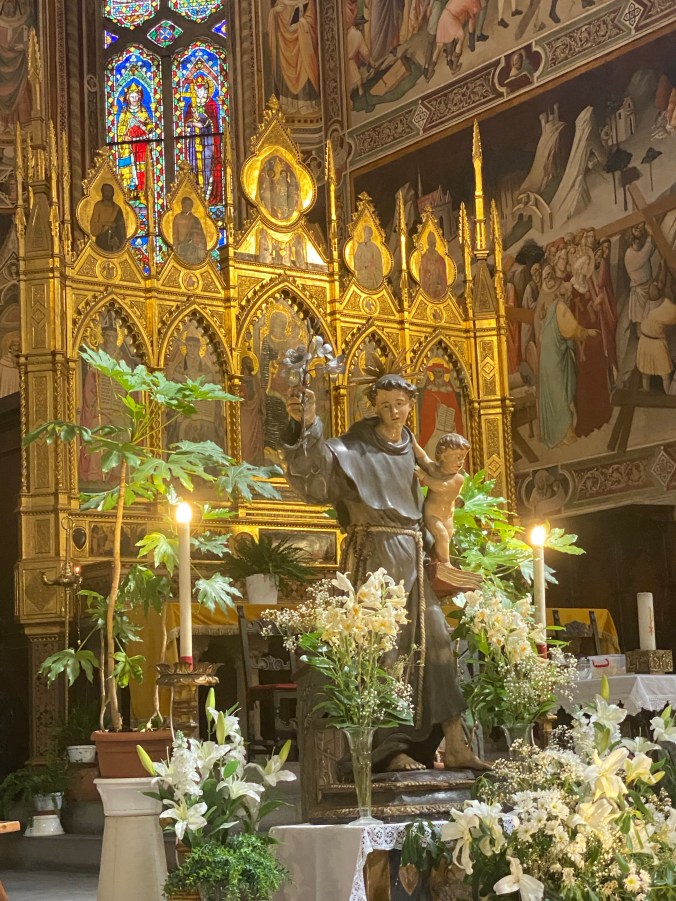
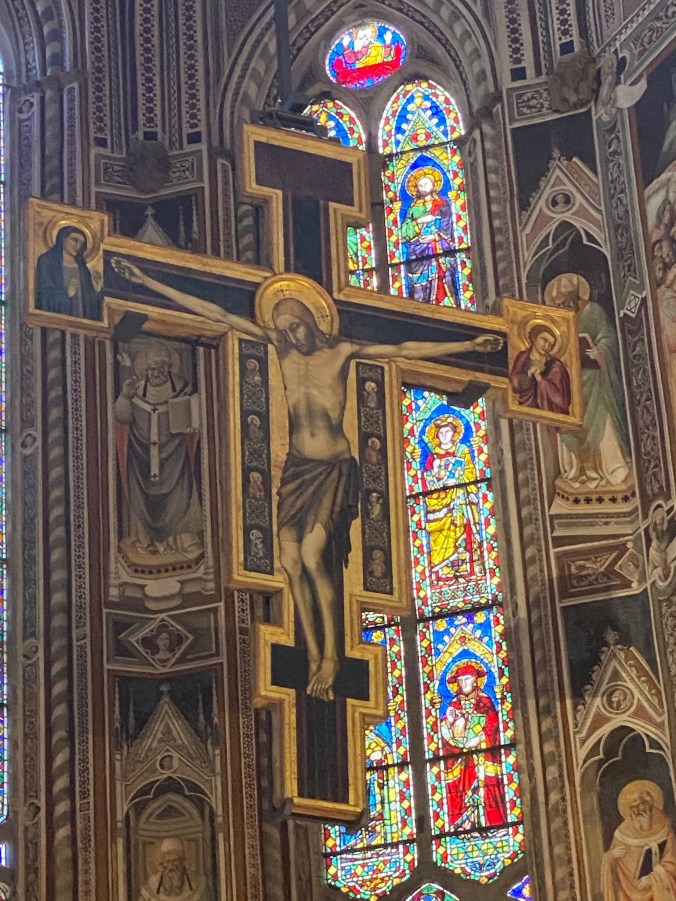
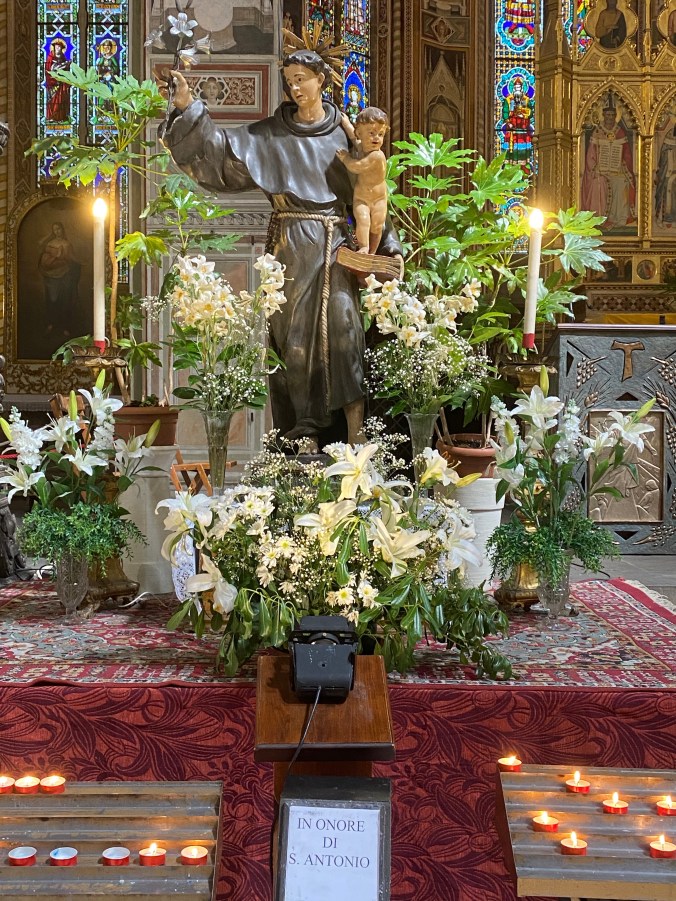
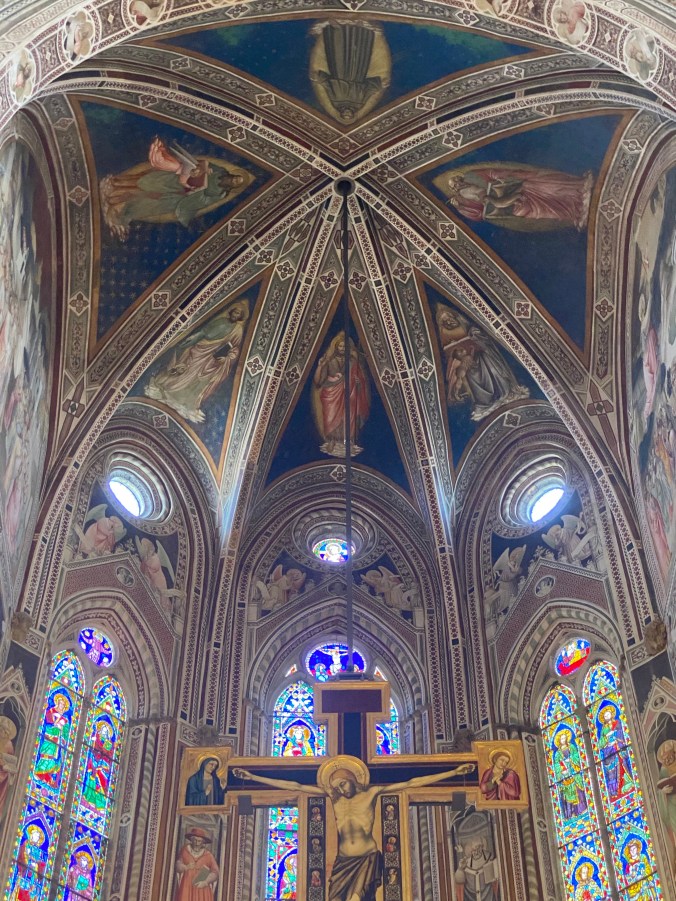
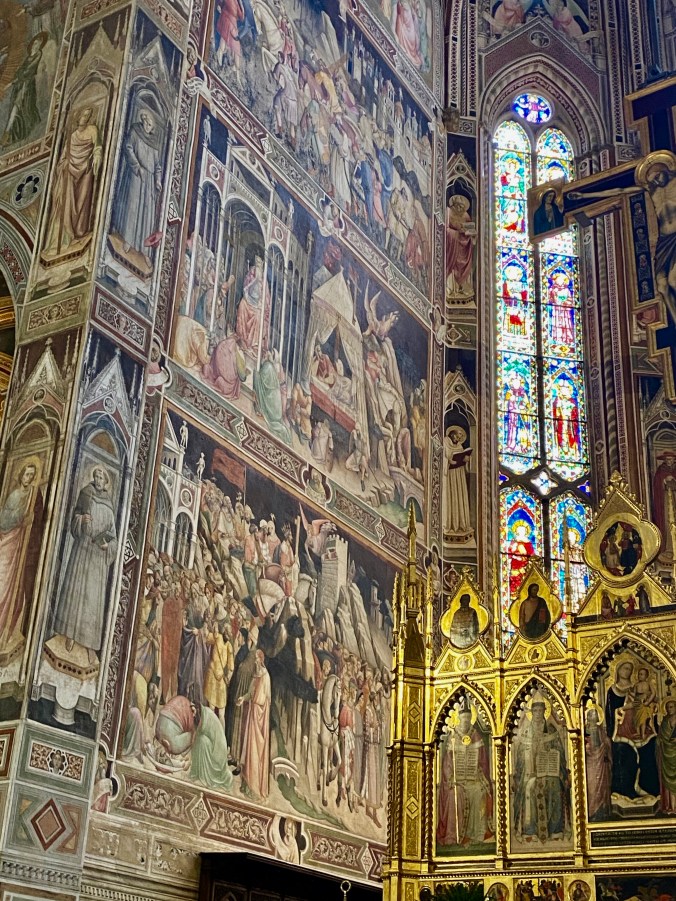
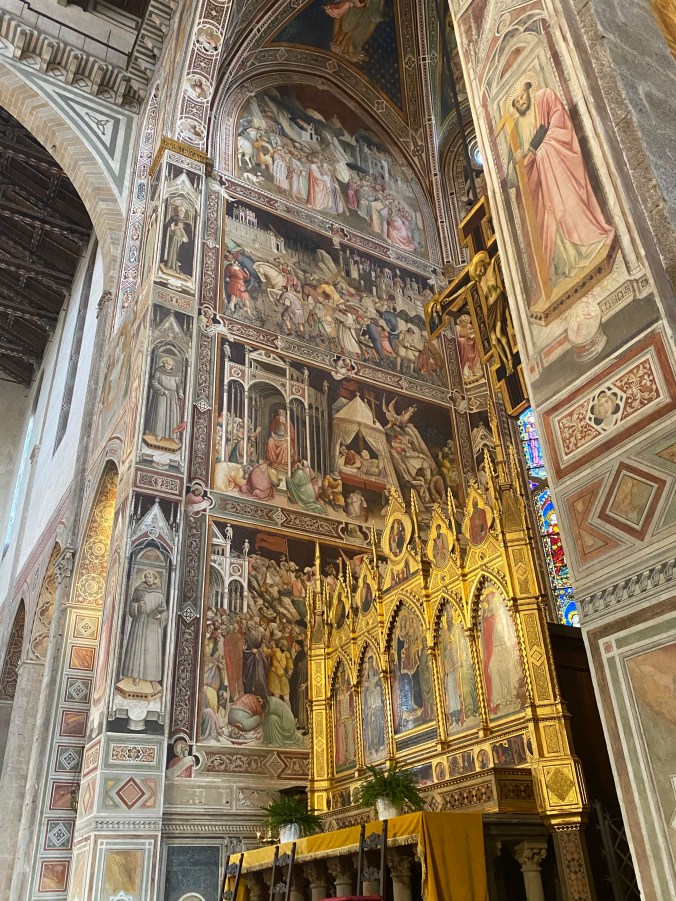
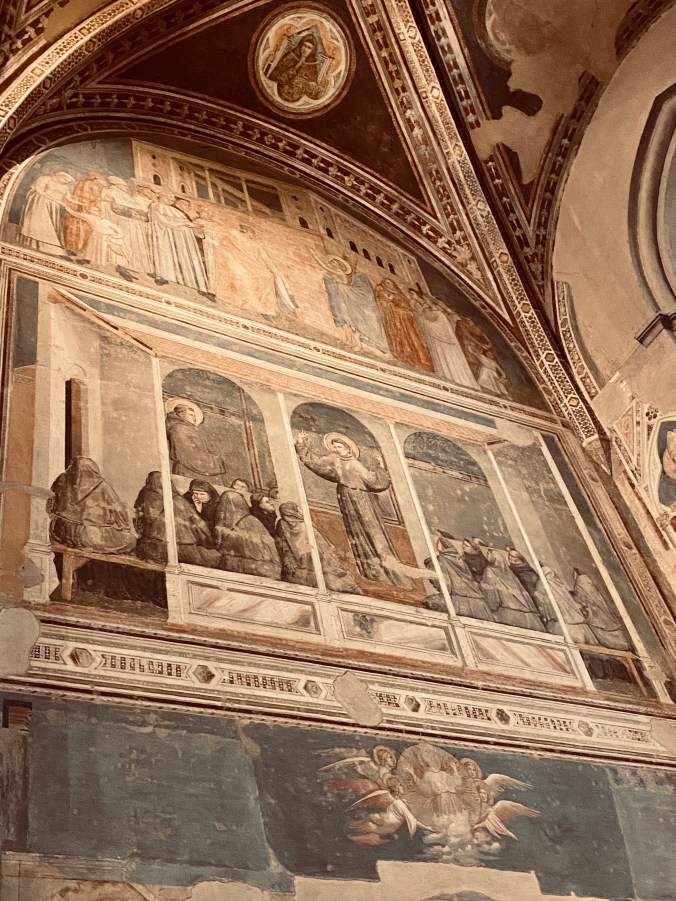
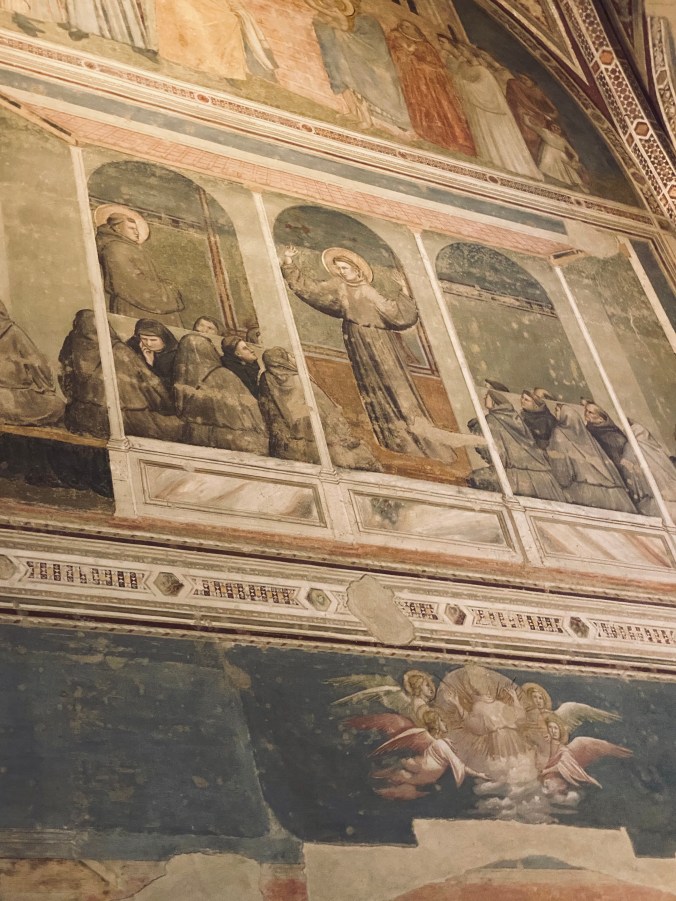
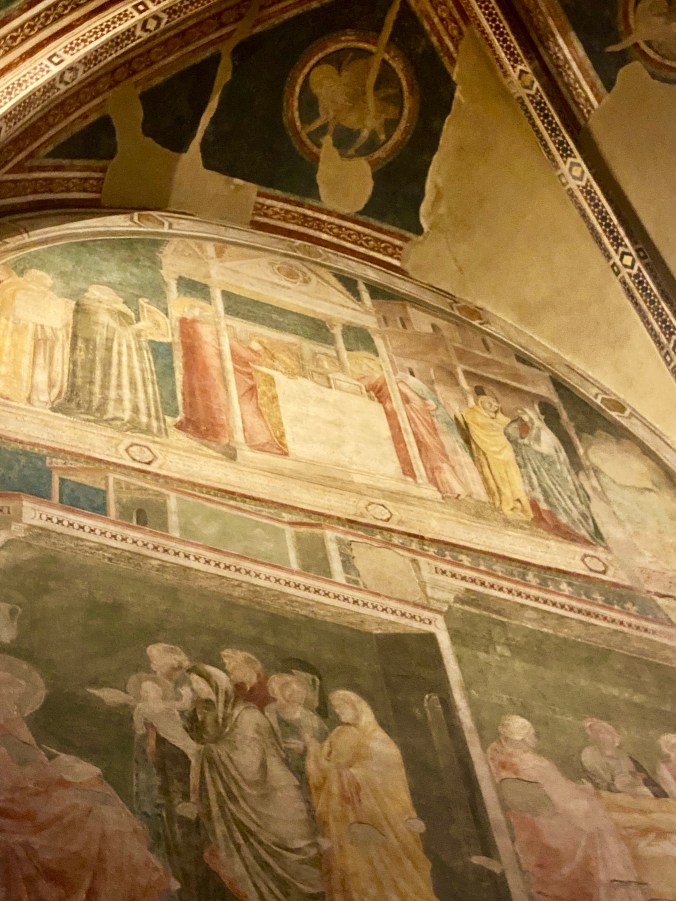
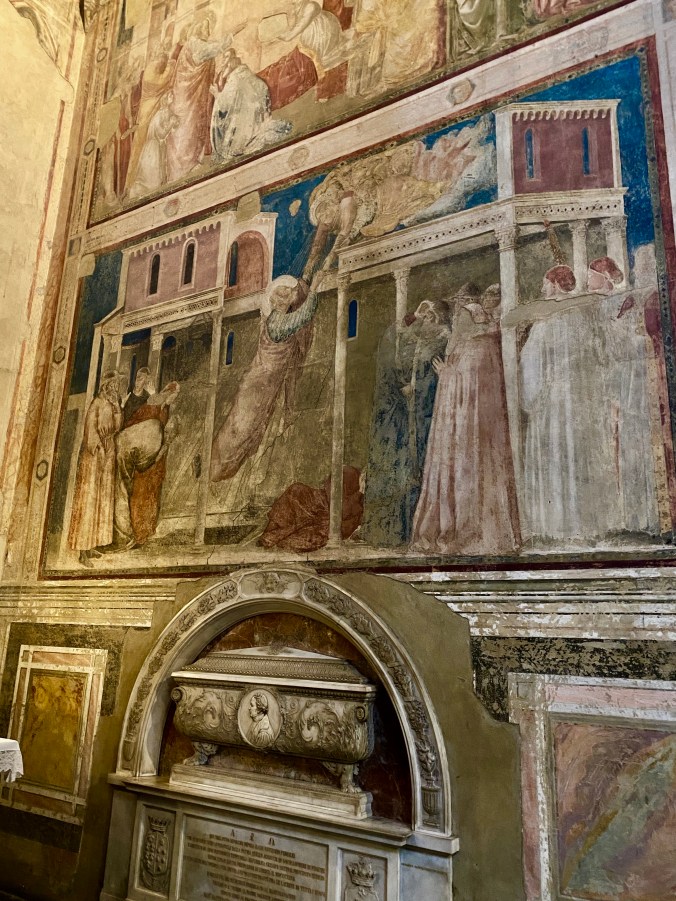
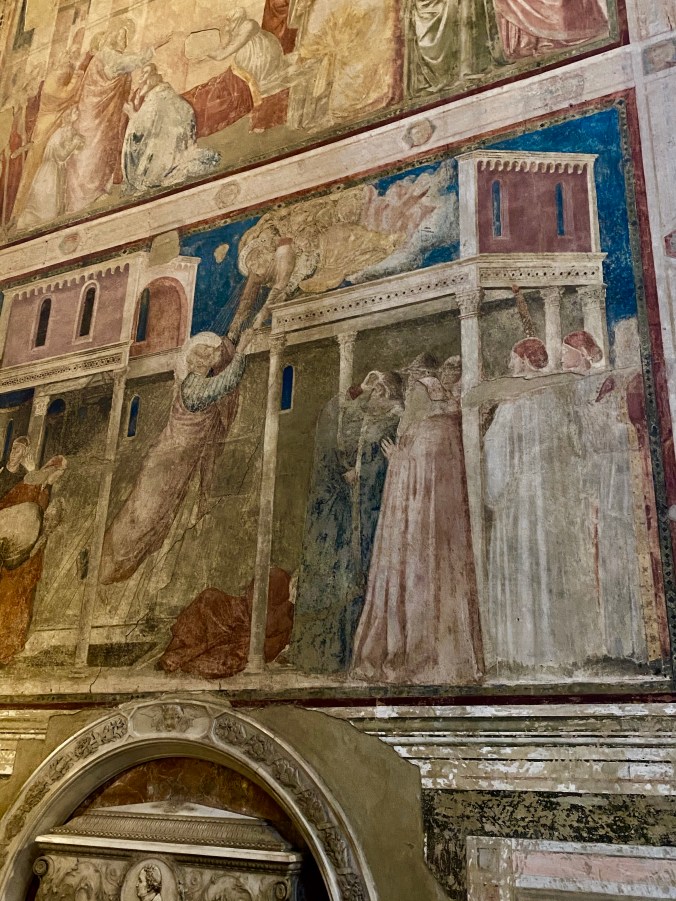
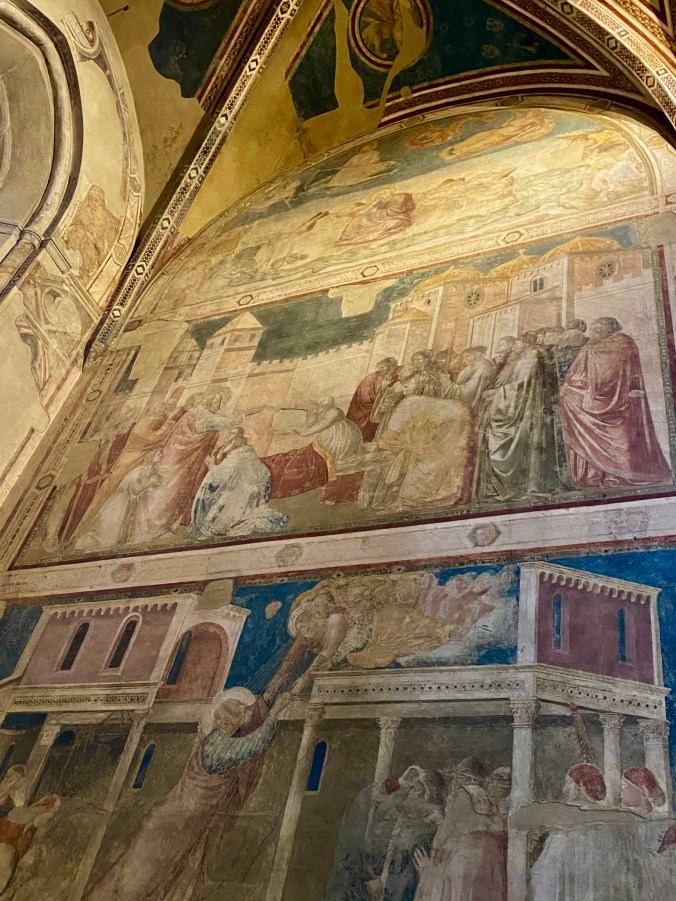
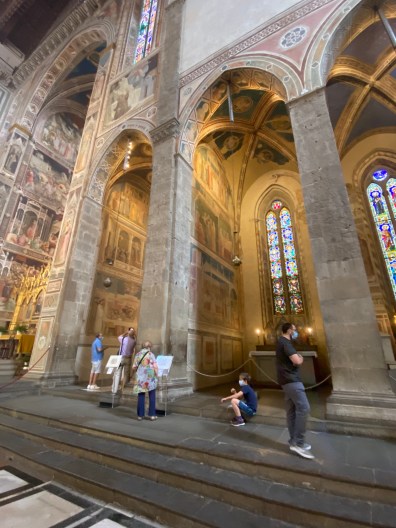
Following the recent reopening of this Franciscan basilica, I continue with my first visit of the church (for parts 1, 2 and 3 see here).  We begin here at the east end of the basilica, in the chapels to the right of the Peruzzi Chapel:

fullsizeoutput_34b6


KtRzaByKQvye1a6rtU+Rrw


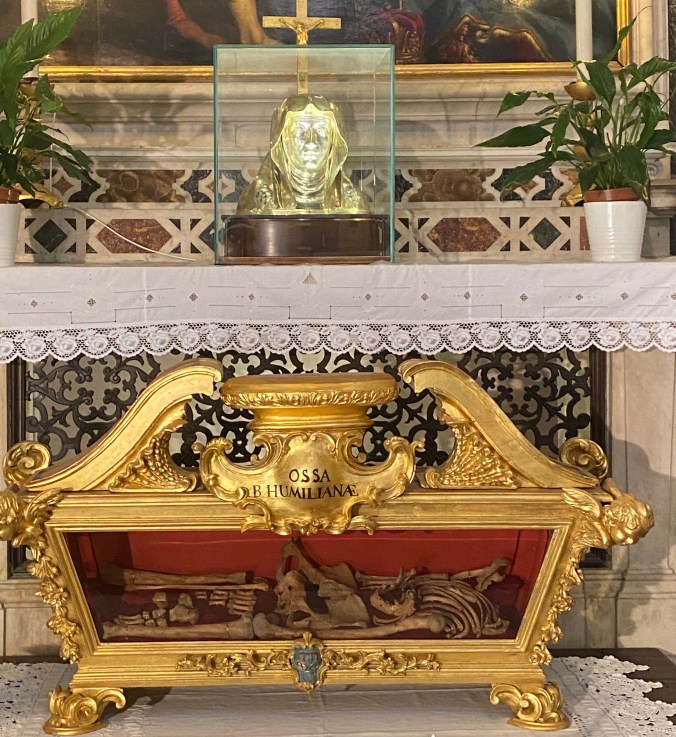
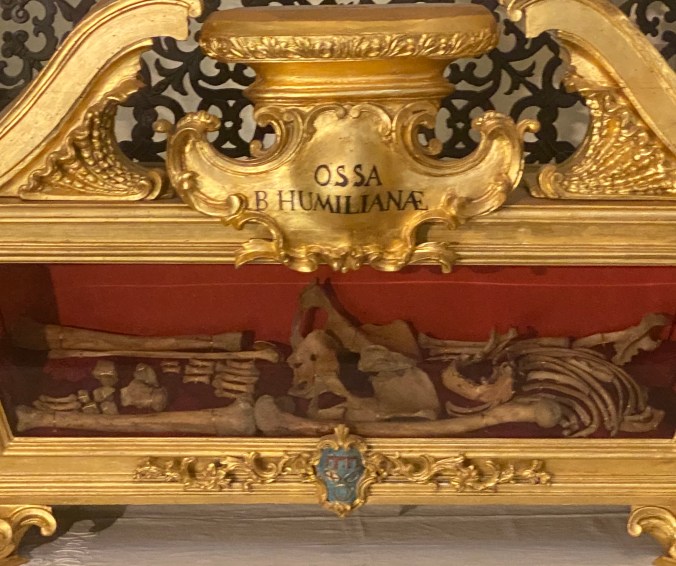
Below is a major reliquary.  I find this aspect of the Roman Catholic Church so strange.

fullsizeoutput_346f


fullsizeoutput_3471


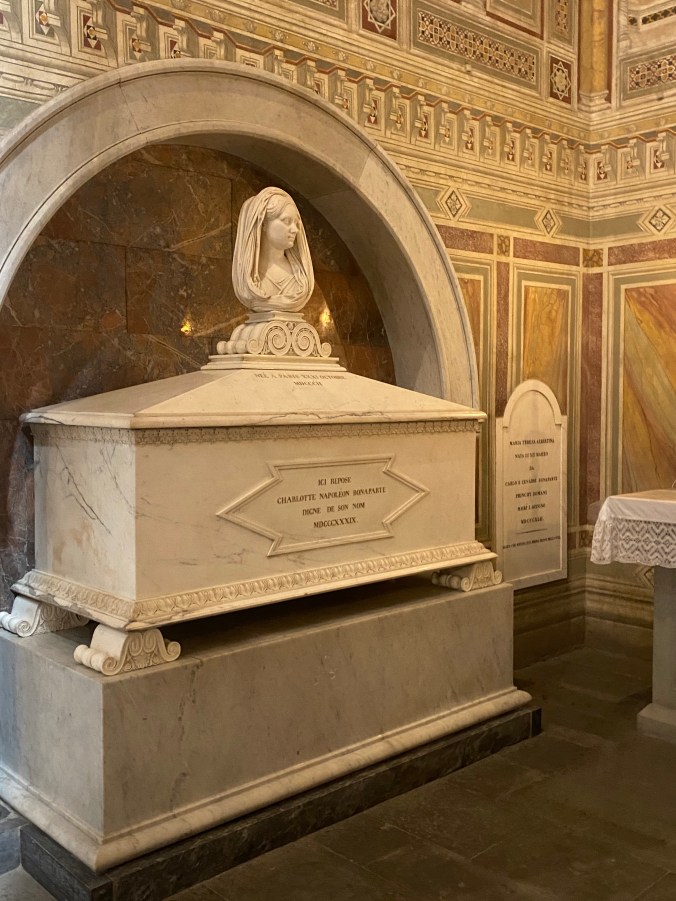
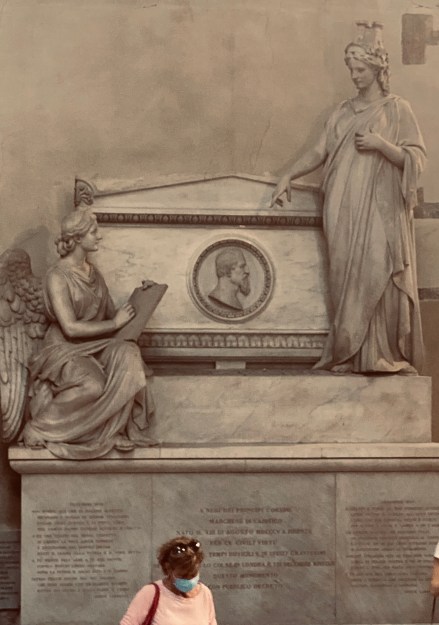
Looking west from the eastern wall, I see this neoclassical tomb.

fullsizeoutput_3473


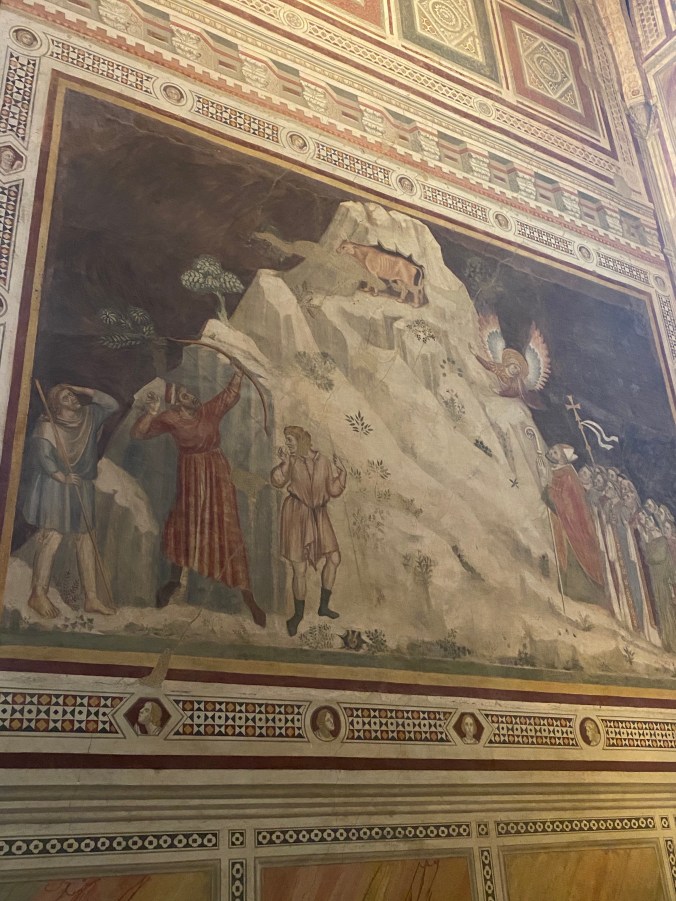
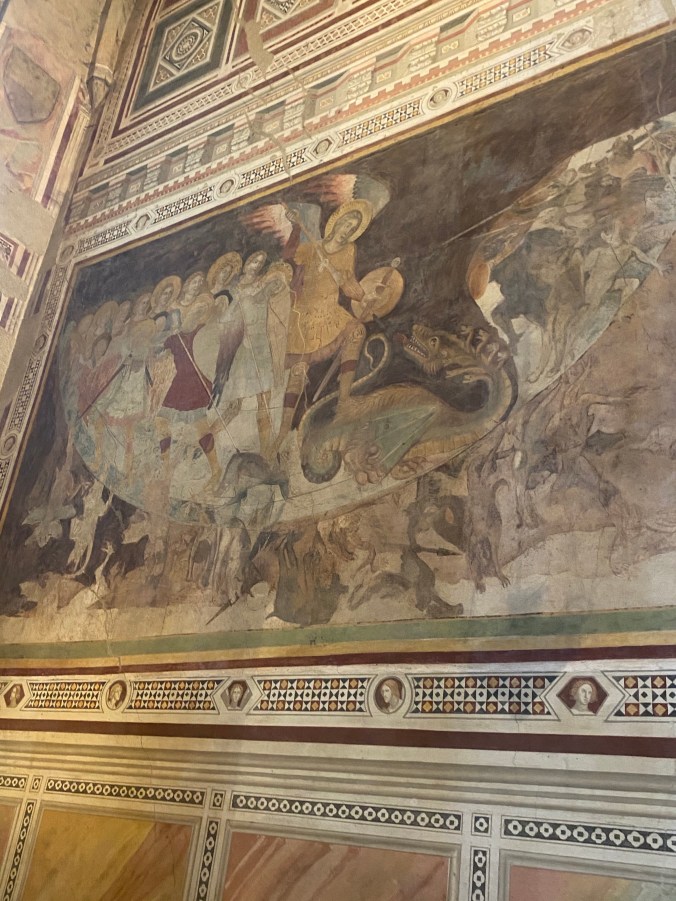
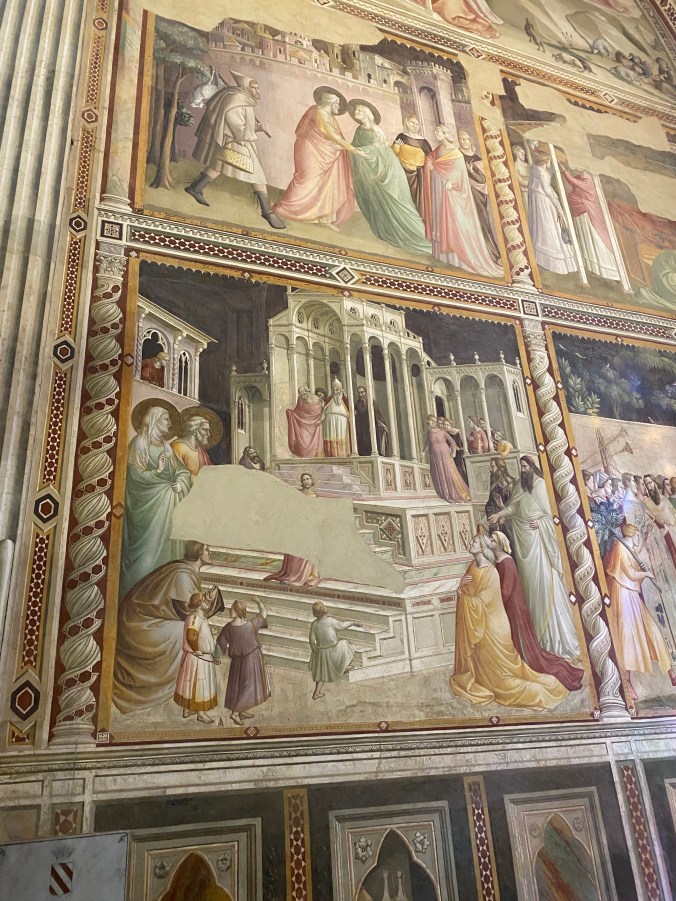
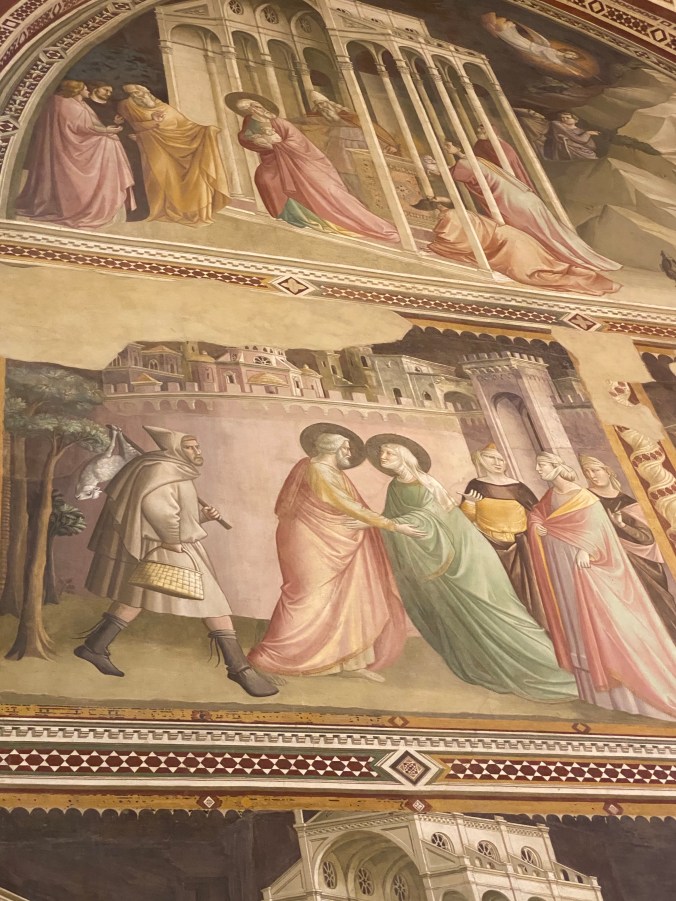
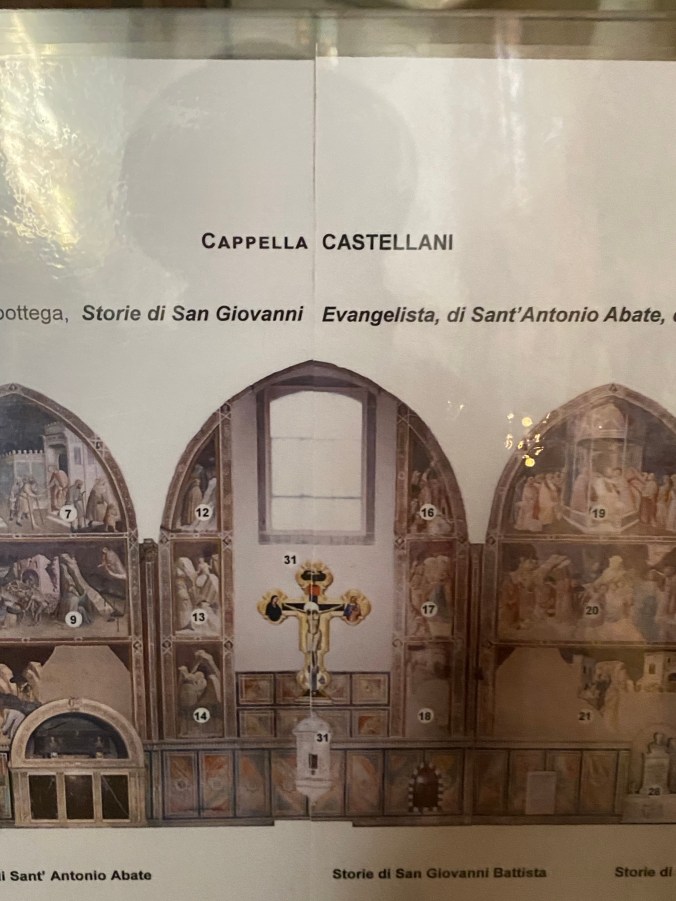
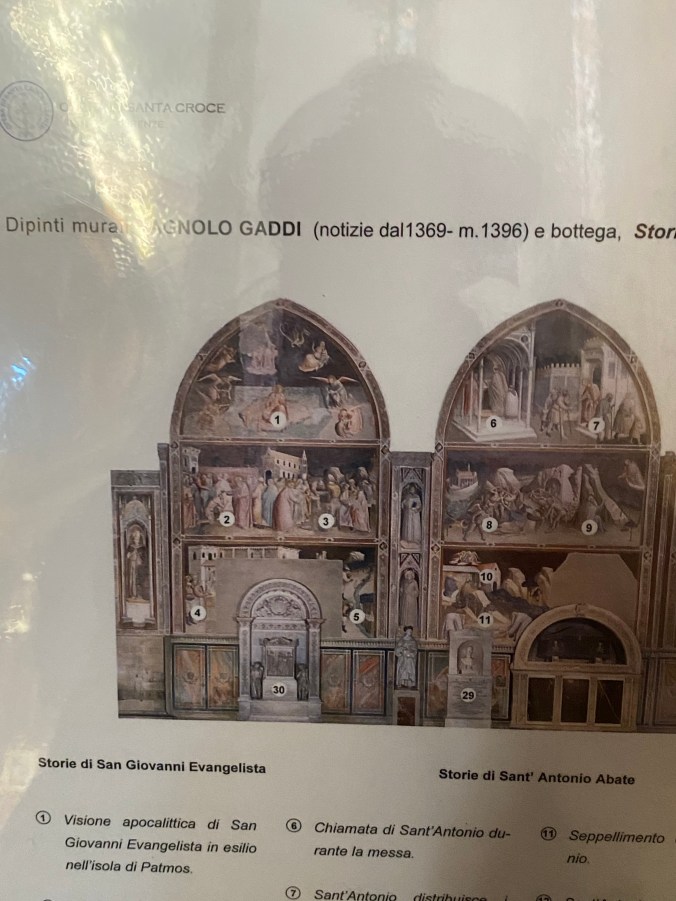
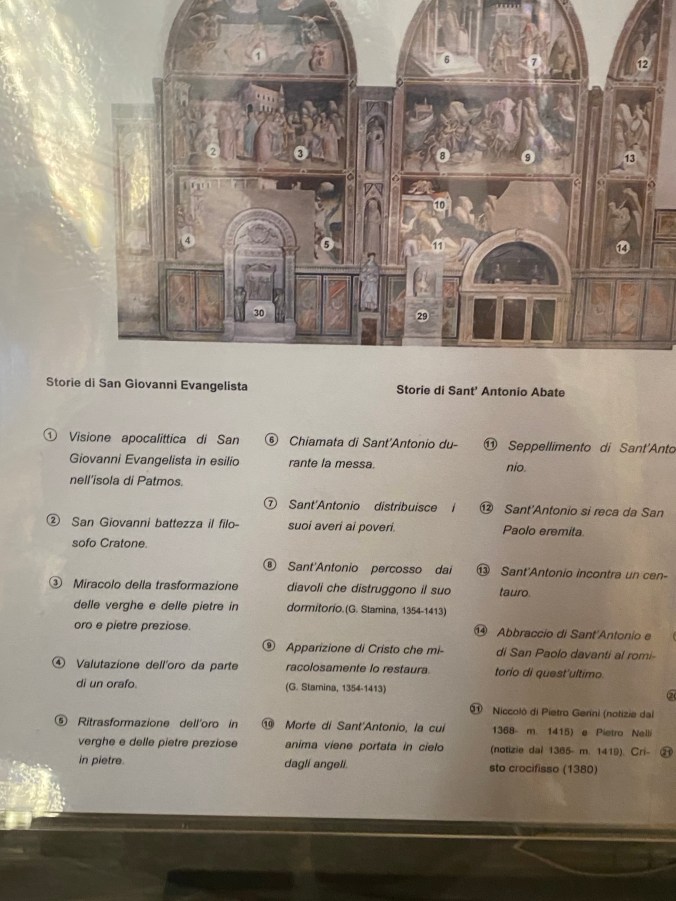
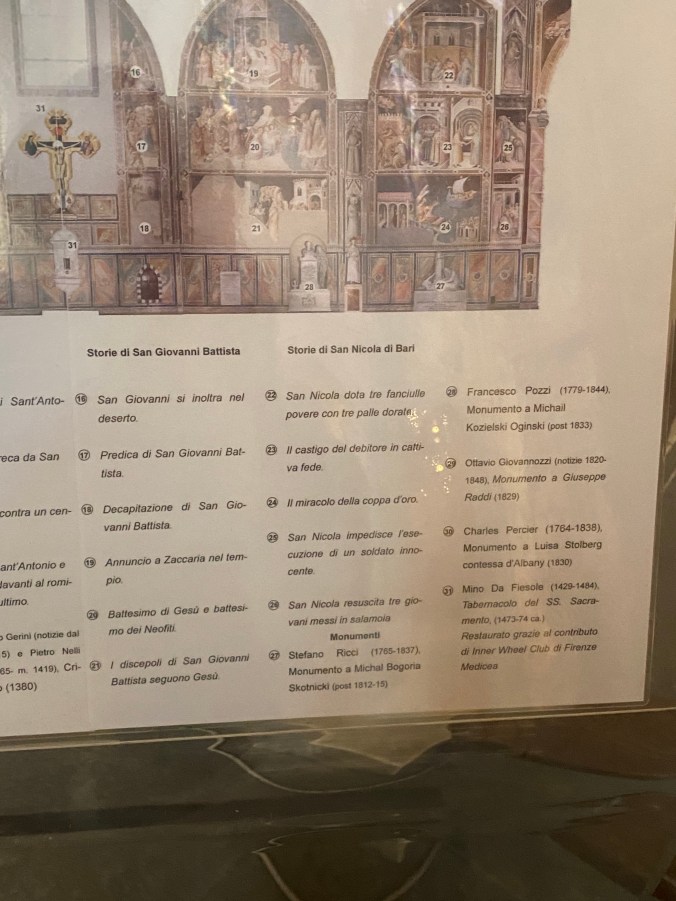
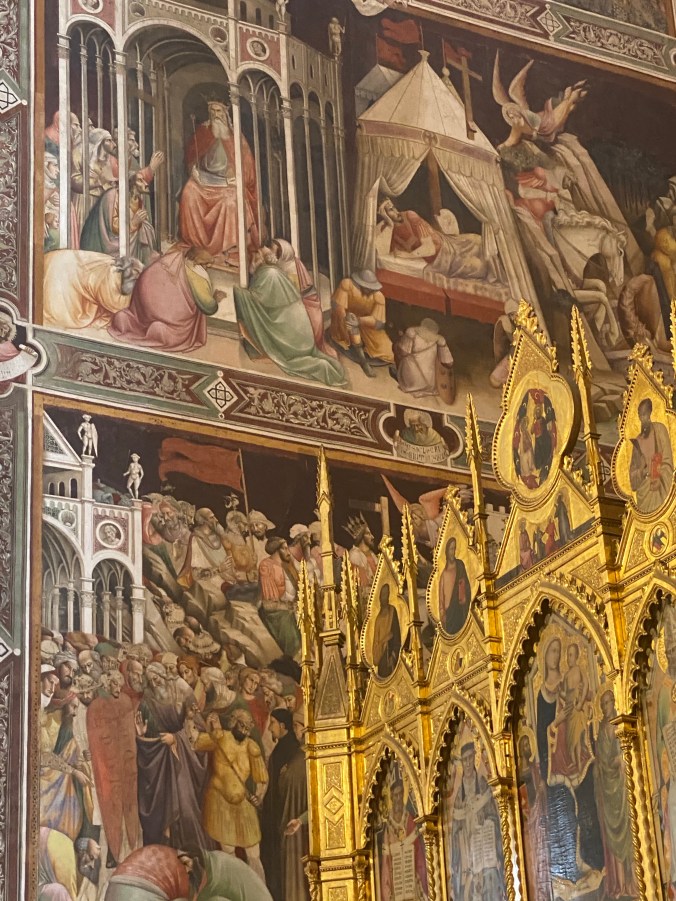
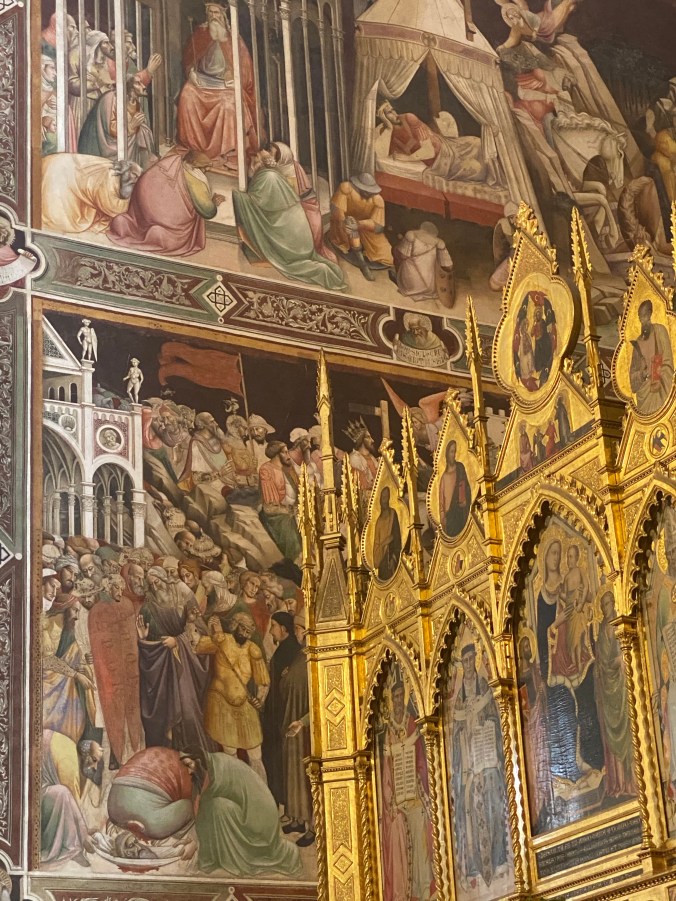
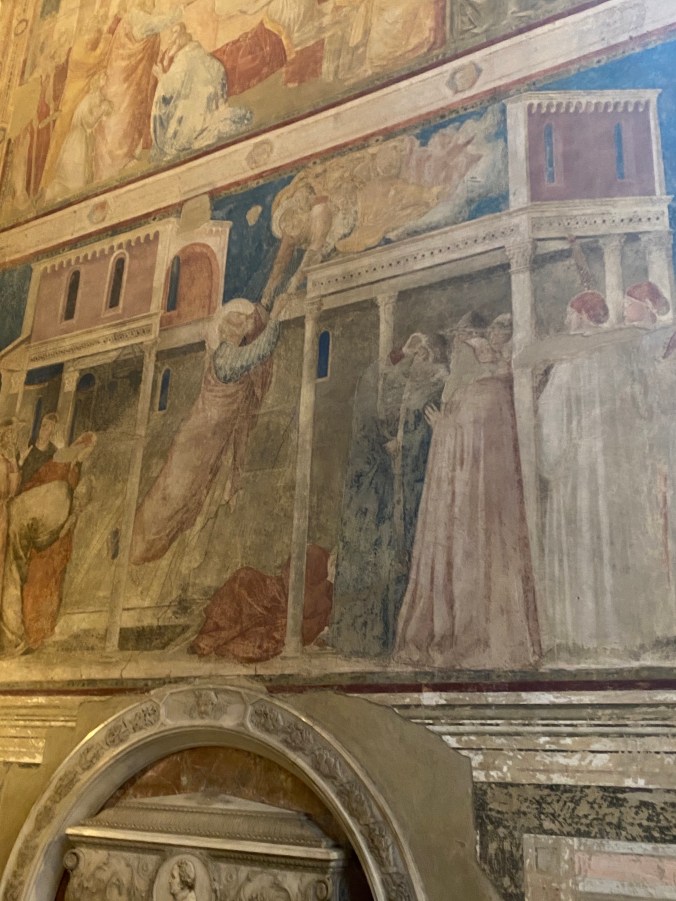
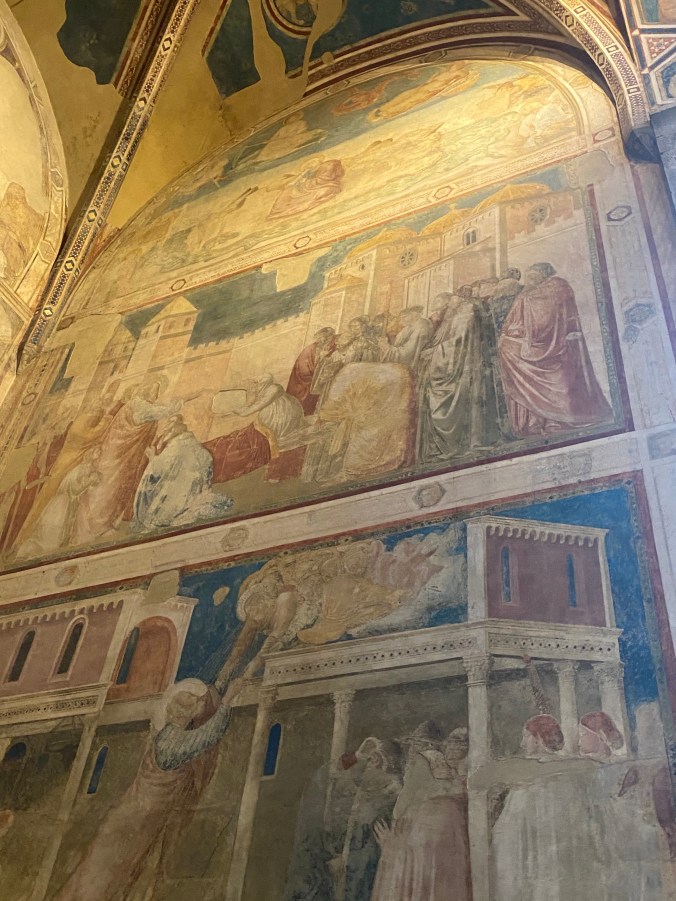
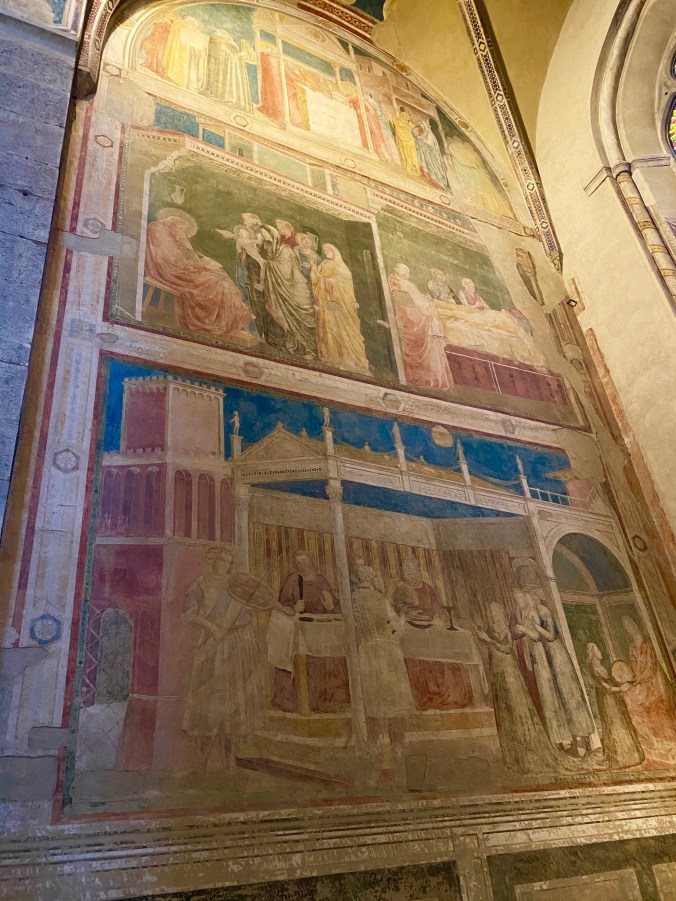
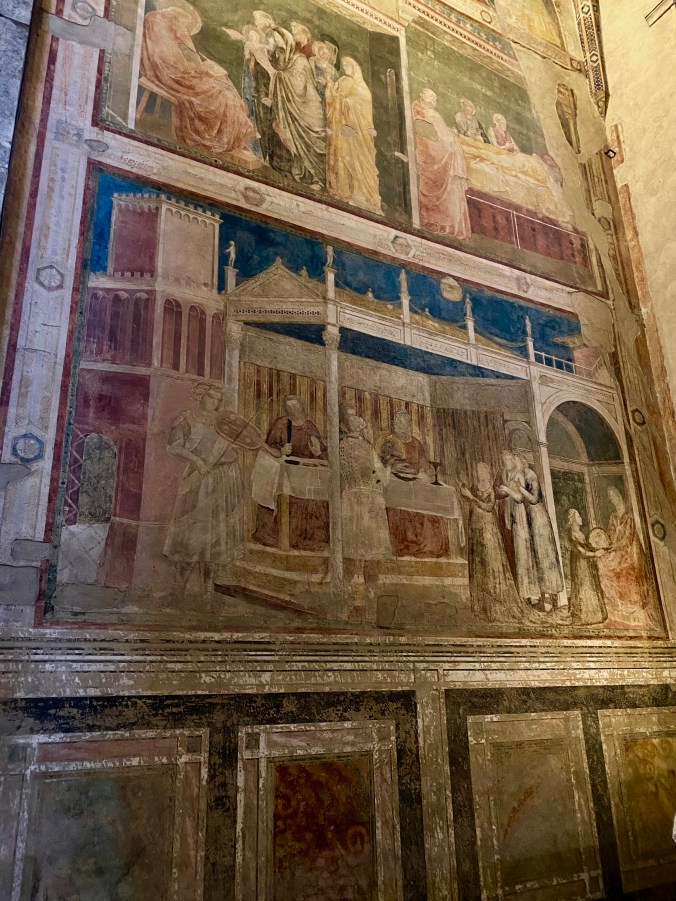
Castellani Chapel by Agnolo Gaddi and his workshop:

eIKdYzYVQoafhbe0AuTBgA


fullsizeoutput_3475


fullsizeoutput_347a


viyZGciWSF2GXb3U3t5dkw


fullsizeoutput_347b


fullsizeoutput_347d


jm40Eki2TpatpIT7oi8mbw


cdUDYZzRRa+ePrKLMxzaSw


Ougdn8MmQMi%DMAhb5roEw


LEYfucfcRVOioiXbntzuFw


Ev8v80KaSB+FoayKWR52jw


8xejta0JTguM6JZ95S2BlQ


IeeIKByBTbGEdDys5WP5wA


yO2mVXHwTN2tkCr2et+xUw


TugNgI7iSdK50aamCjaV6A


tsoyYC3SQtKQvaCc7QV1Aw


Iy9y9RCuRDWDt73fwXlqig


7Kd4vBB4R8mQ90QeoyrmvQ


rhej2NSsSaKPsjjMOuWZqw


PfHys3x0SBCDoMZTmXgq0g


5WSW7AVpRbW8a8sQRMxU0g


Santa Croce, part 3, June 2020

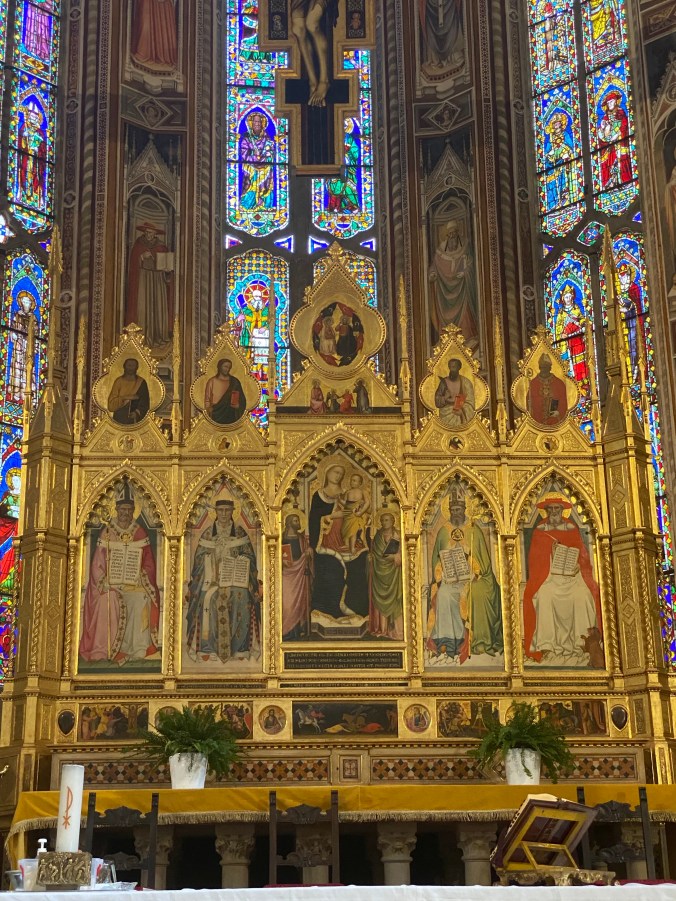
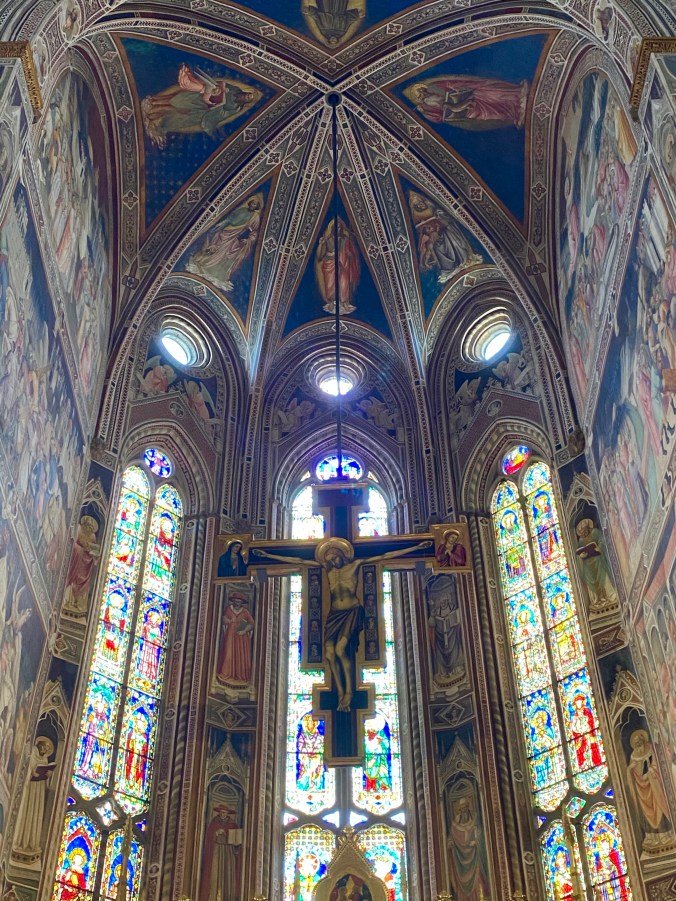
Following the recent reopening of Florence’s major Franciscan basilica, this is part 3 of my first visit of the church (parts 1 and 2 are here and here).  We have reached the altar end of the basilica and here it is in all its glory!

fullsizeoutput_3415

fullsizeoutput_34b6

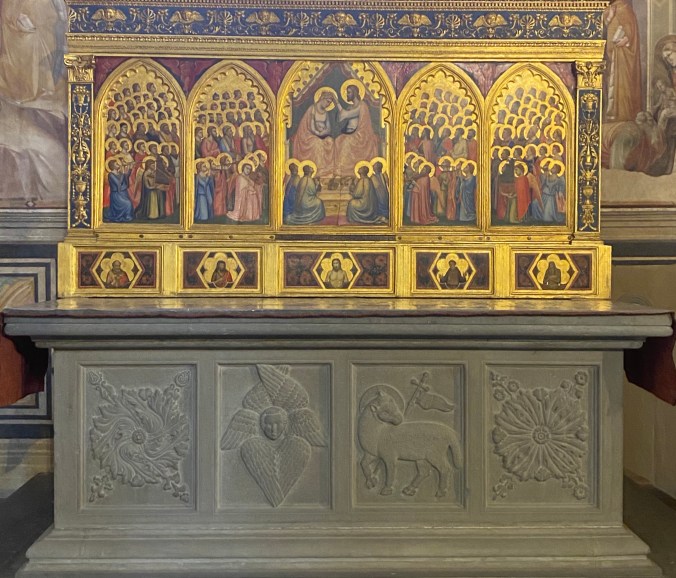
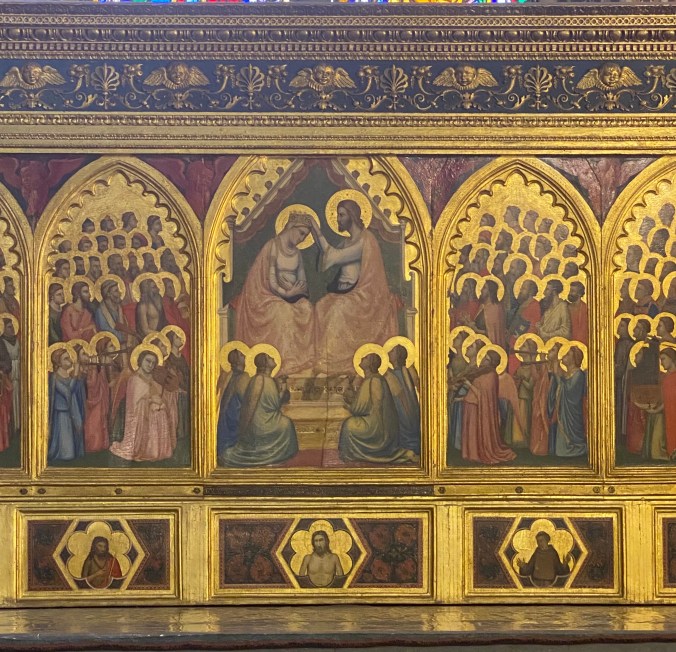
First, let’s have a detailed look at the altar in front of the apse:

fullsizeoutput_3463

w+OYYTNMQ6+yk6ErcEezNg

9sqA1xi6Qr6cSLEBnVRvYg


grsCH98+Qd6PjWbspjoOEQ


nrbh3wPzTFW4cQAmlDJ9cQ


hcfVzOi0RGK0HUWZgeoqcw


pFySFus3QACk7+G1xZF42Q


BvWpSEIYQUejGMCfveLJ8g


fullsizeoutput_35ac


fullsizeoutput_35ae


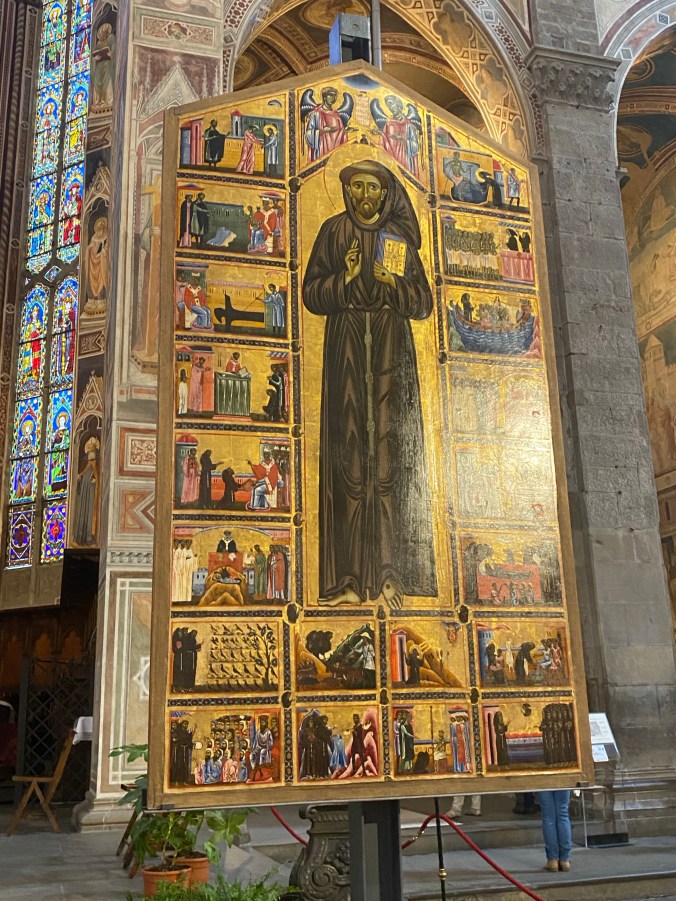
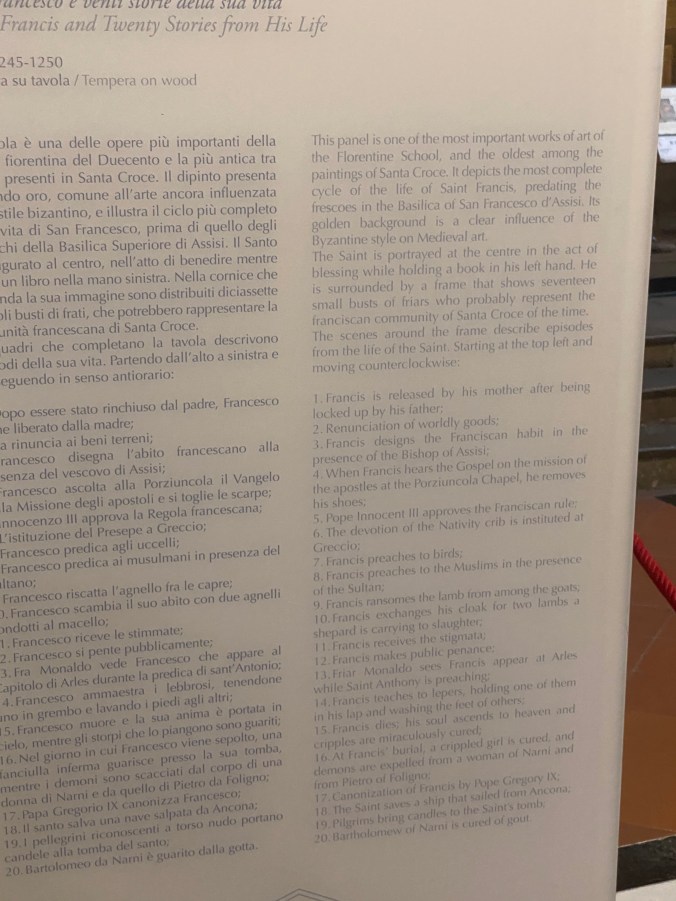
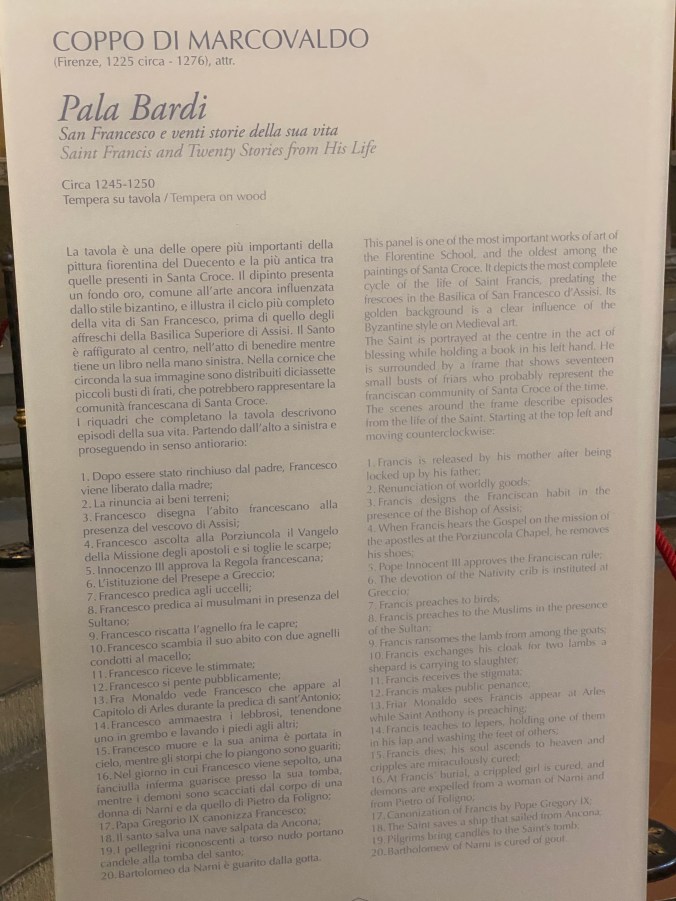
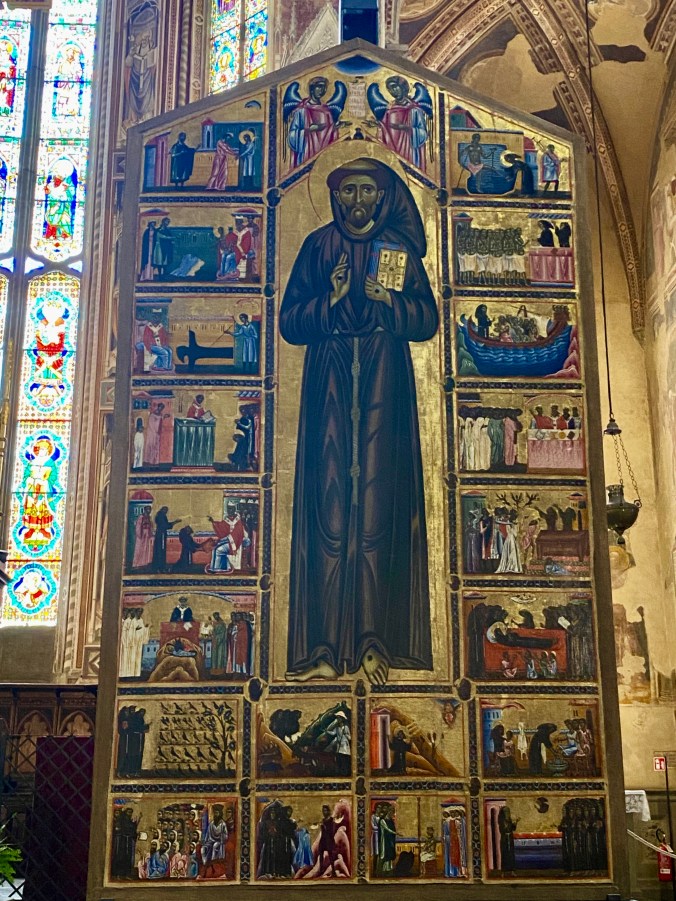
Also on display near the altar is this incredible Medieval painted altarpiece depicting St. Francis and scenes from his life:

o367pnJuS%q%+RilpCT1qA

fullsizeoutput_35b9

W60coa6fQKKci4WteWxXIQ


0njb5nLXSk2ZjPAK9EX+mw


OcVx7%YWRJ28sCLRada%Sw


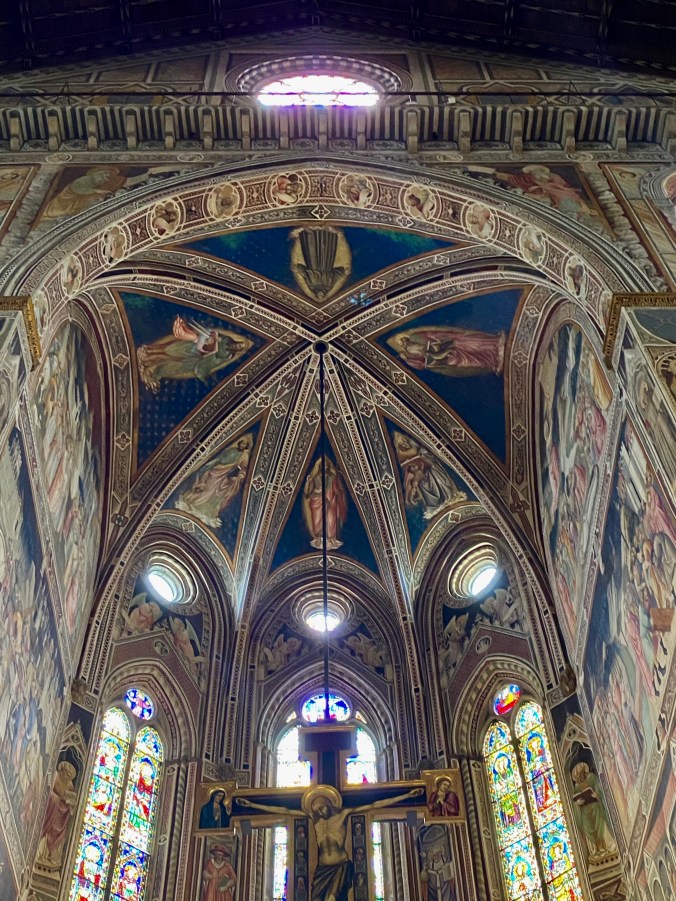
I will be writing a post on the frescoes in the main chapel behind the altarpiece.  Right now, they have it roped off and I couldn’t get into it to take decent pictures. Looking into the apse area behind the main painted altarpiece:

fullsizeoutput_35b2

ELV5QTKsQAaXxcfZ6tTPuw


F0Cn3NiKQy2RTLmo6AJTGg


AAn8LQCiTbKpbEZY3G66Xg


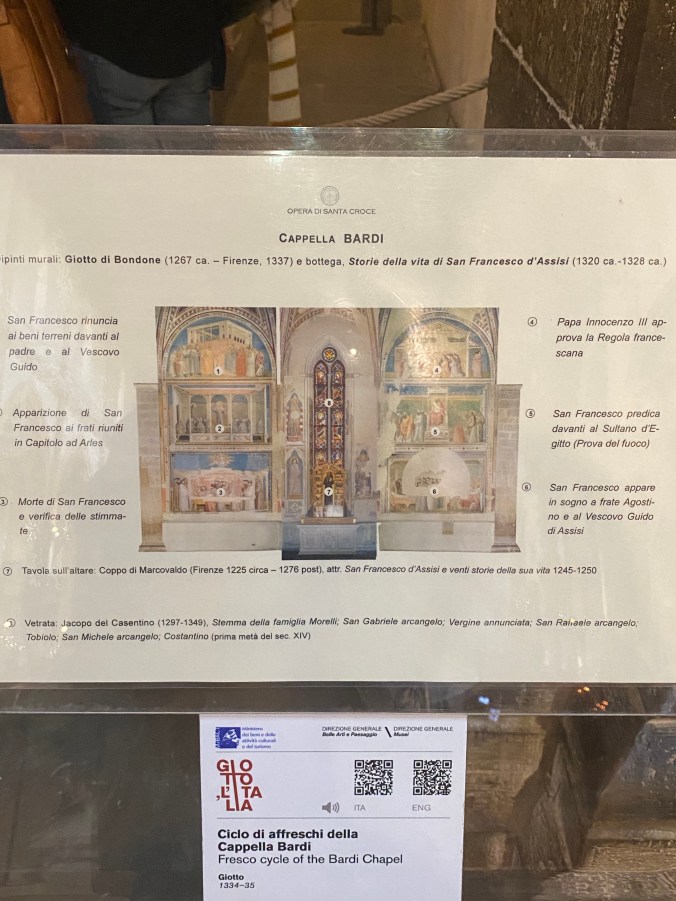
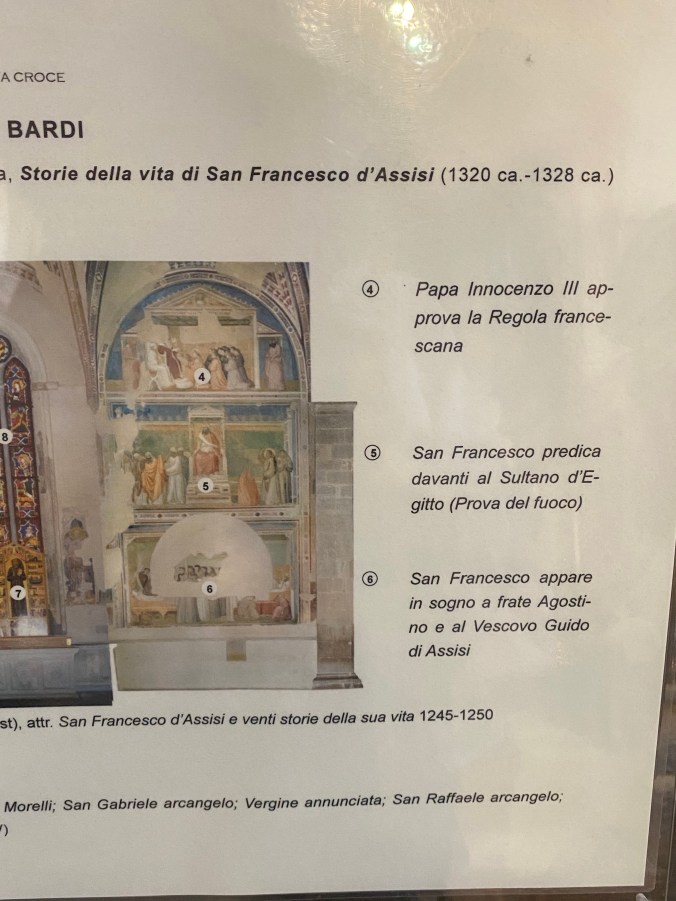
OK, so now we move into the big leagues as far as art historian are concerned.  Two of Giotto’s major works are to be found in adjoining chapels in Santa Croce.  They are the Bardi and Peruzzi family chapels. The first one is the Bardi chapel, depicting scenes from the life of St. Francis:

TgAsfx7uTI2J8I5aSzkFPw


fullsizeoutput_3465


fullsizeoutput_346a


A3GGNPlFTcOxHAPfSACDfQ


fullsizeoutput_346e


R+QJSvklTGm7fJpRBPSMag


w%2smJeLTyek4Bax6EoUrQ


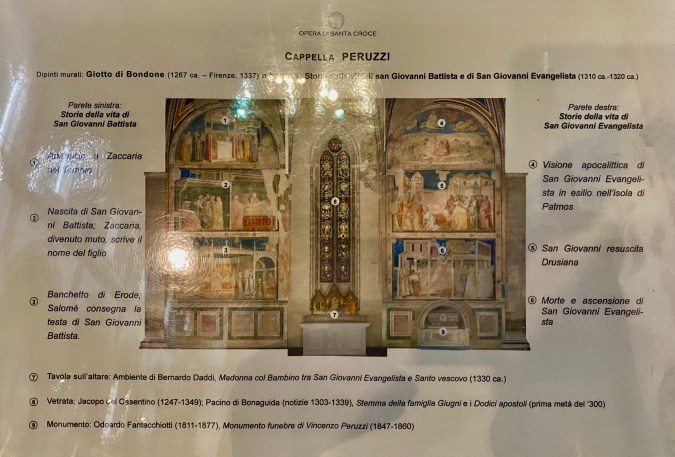
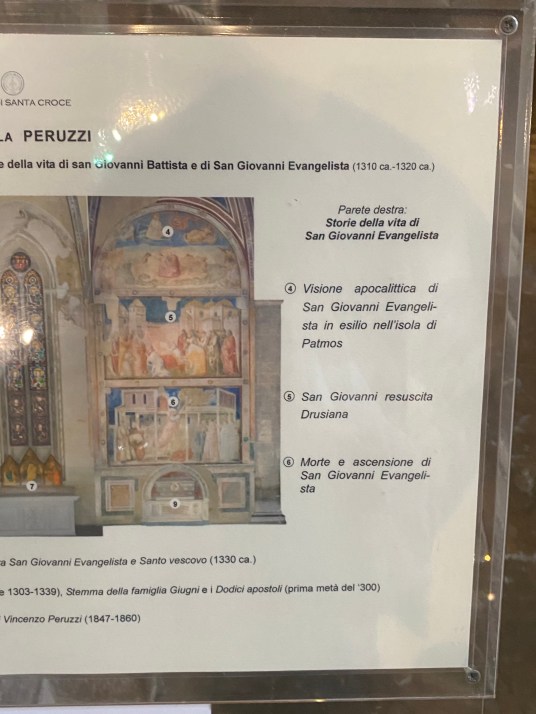
And now, the Peruzzi Chapel. Sadly, the frescoes are in very bad condition, having been partially painted a secco by Giotto, which means the true fresco technique did not allow the colors to become a part of the wall.  Plus, the frescoes were badly abused over the centuries, sometimes even being covered with white wash.

fullsizeoutput_3649

8CJ0AdReShezDQ2lkt766w


X9ReF8MKSWCMnjMzy%LaPQ


QEFtFX3VTYGq7D1qtvbrMw


WTu6Z8bcQGy9giICm+A1IA


G3rnjXtSQe66rINIb7lQQA


jojawYVYQq23%5JU9fSoSA


fullsizeoutput_35dd


fullsizeoutput_35df


fullsizeoutput_35e1


fullsizeoutput_35e3


fullsizeoutput_35e5


fullsizeoutput_35e7


fullsizeoutput_35e9


fullsizeoutput_35eb


Here’s an overall view of the 2 family chapels next to each other on the east end of the church. The Bardi is to the left, under the stained glass window, and the Peruzzi is to the right of it:

OZEgILRvT92C4hfo8XgQaw


The Florence cathedral’s art museum

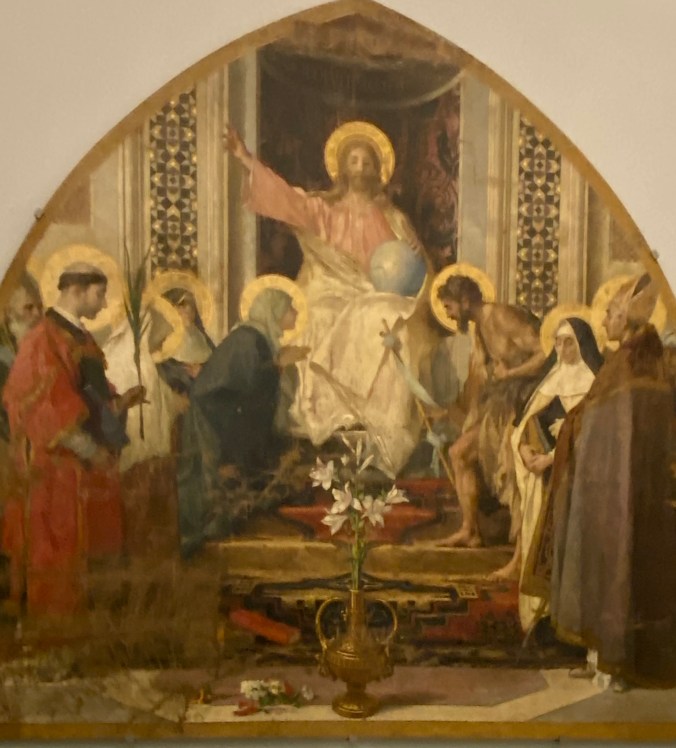
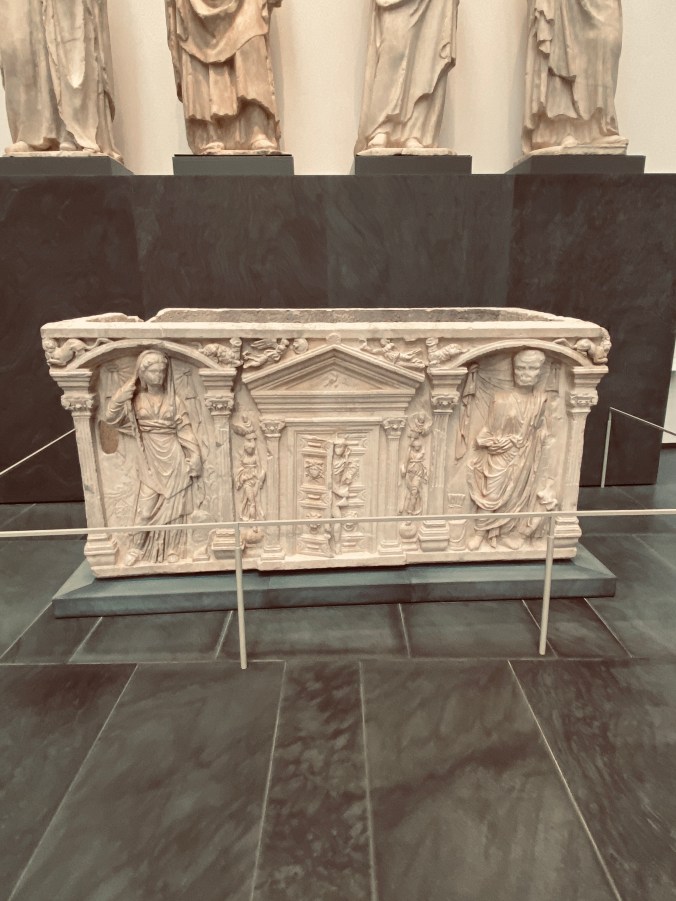
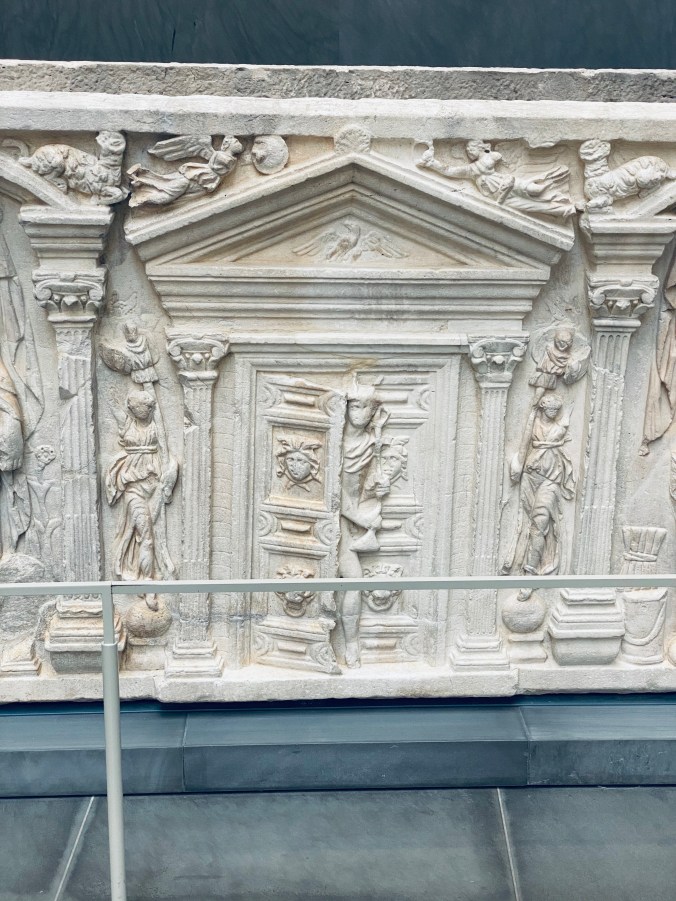
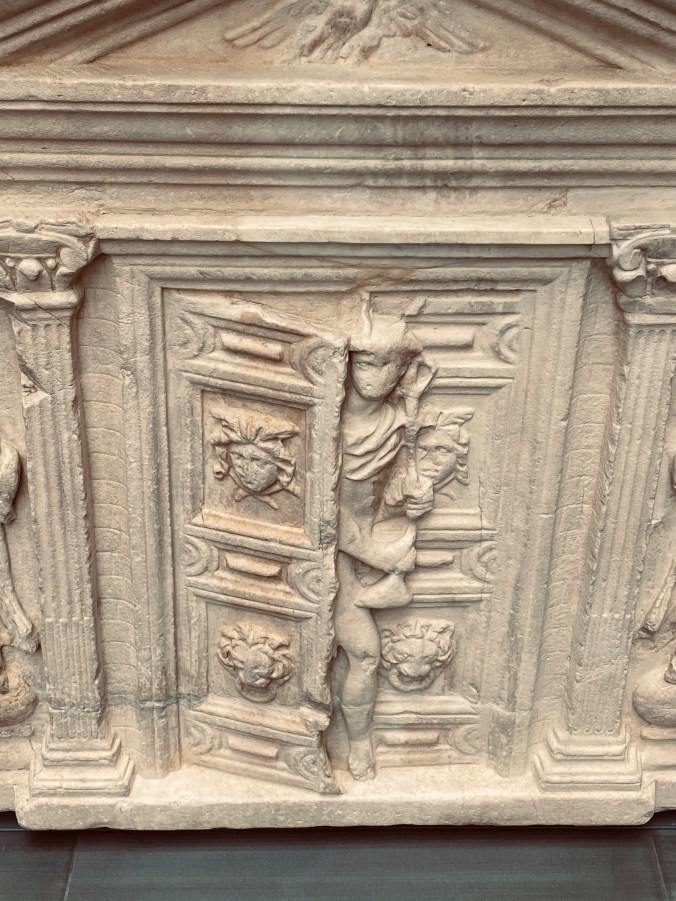
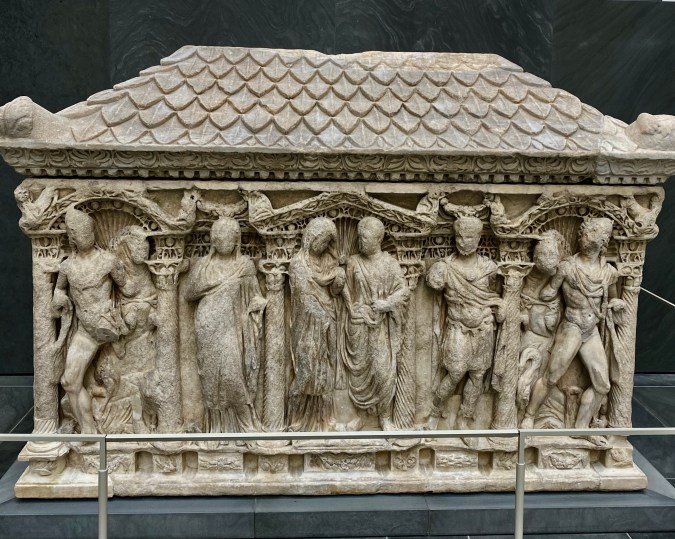
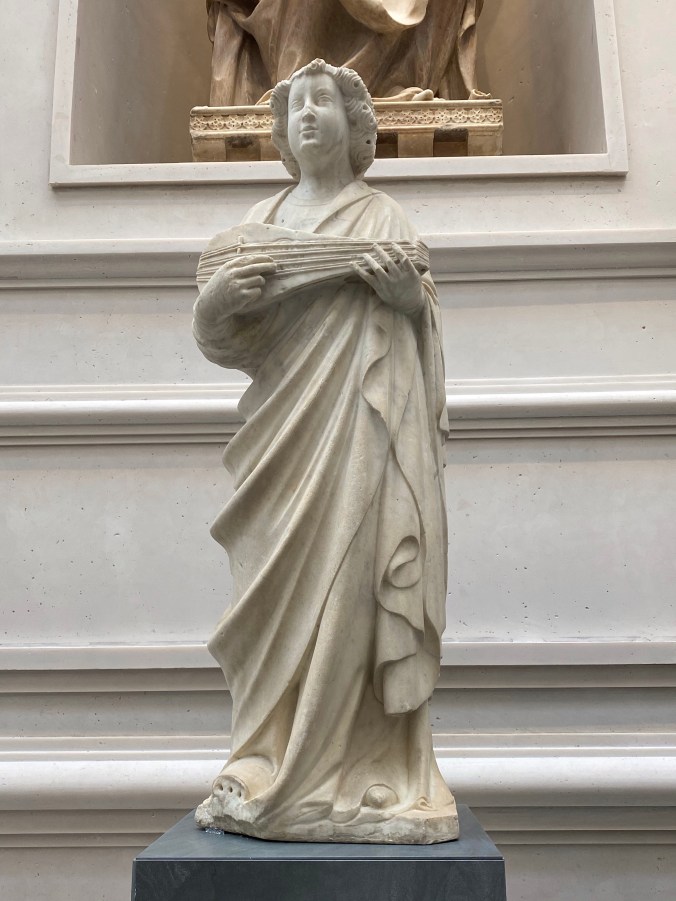
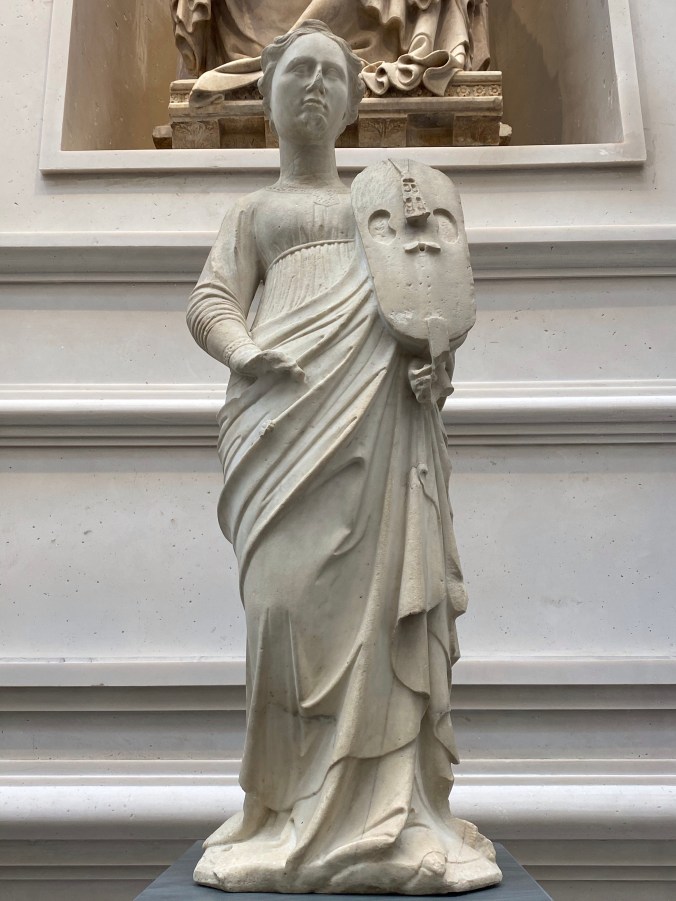
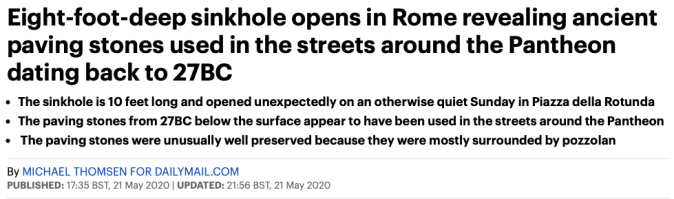
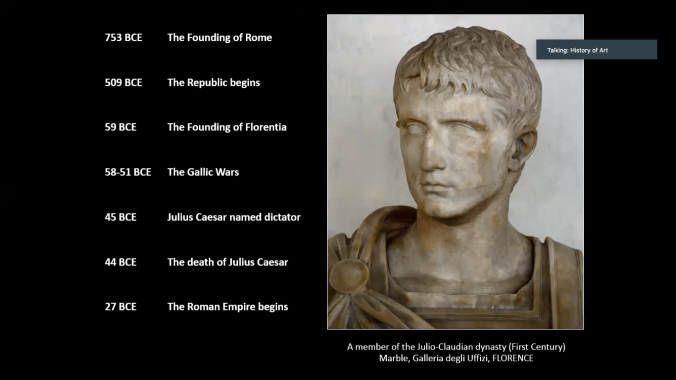
More artworks from my continuing visits of the art museum last week.  First up, some Roman art that was to be found in Florence during the Renaissance.  Always a source and inspiration for new artists.


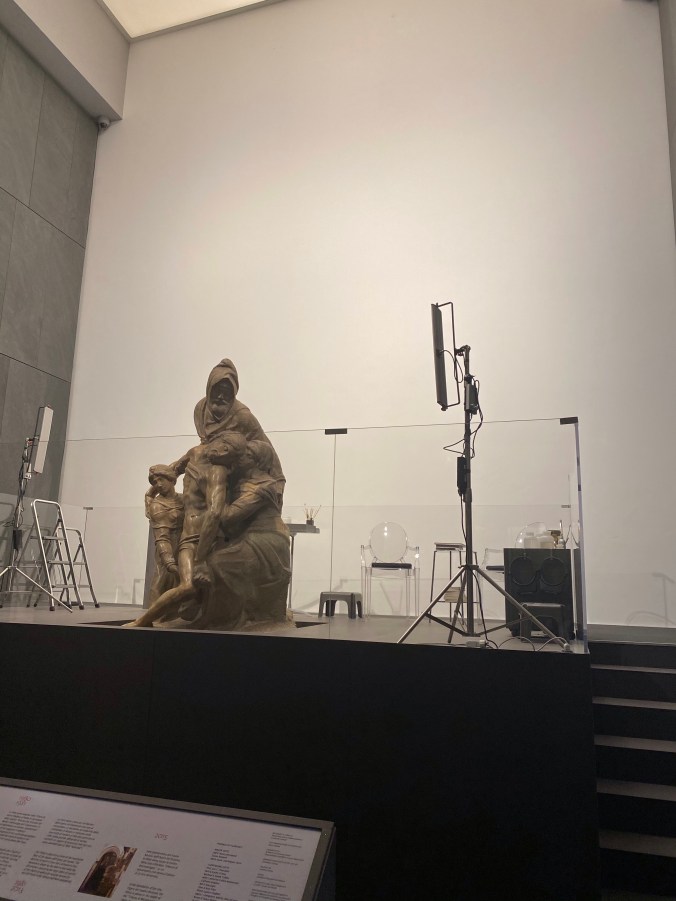
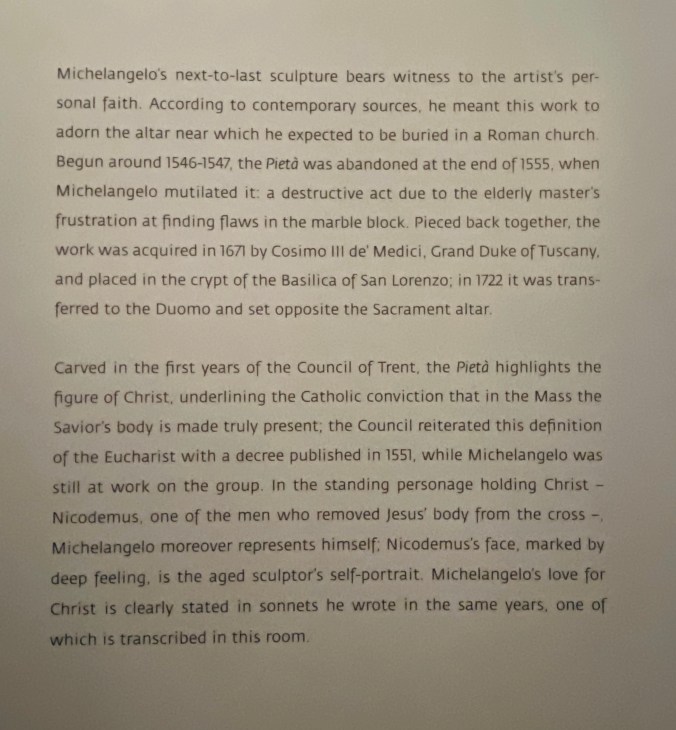
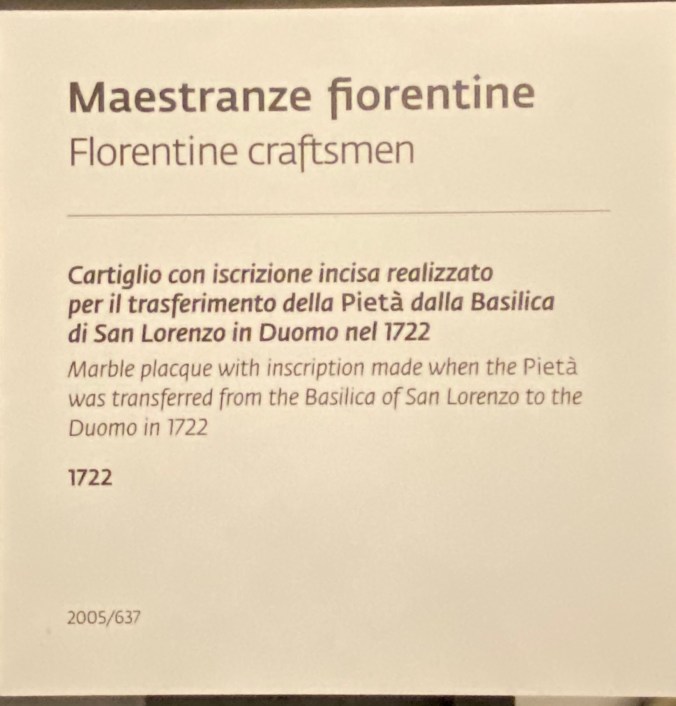
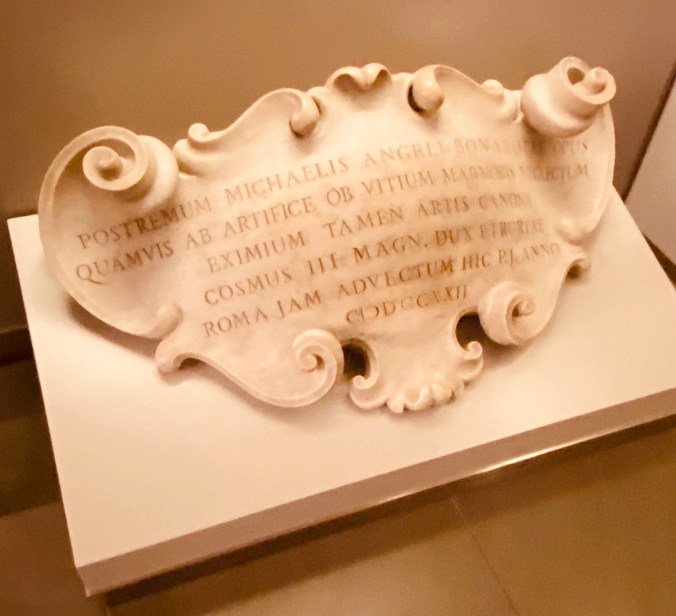
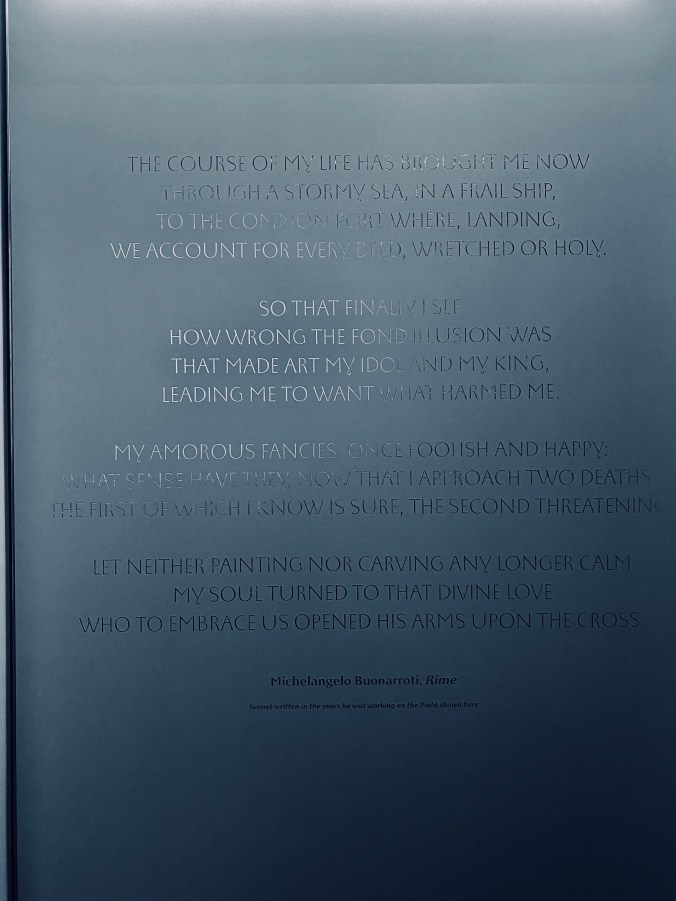
Michelangelo’s late Pieta is now undergoing restoration in the museum:


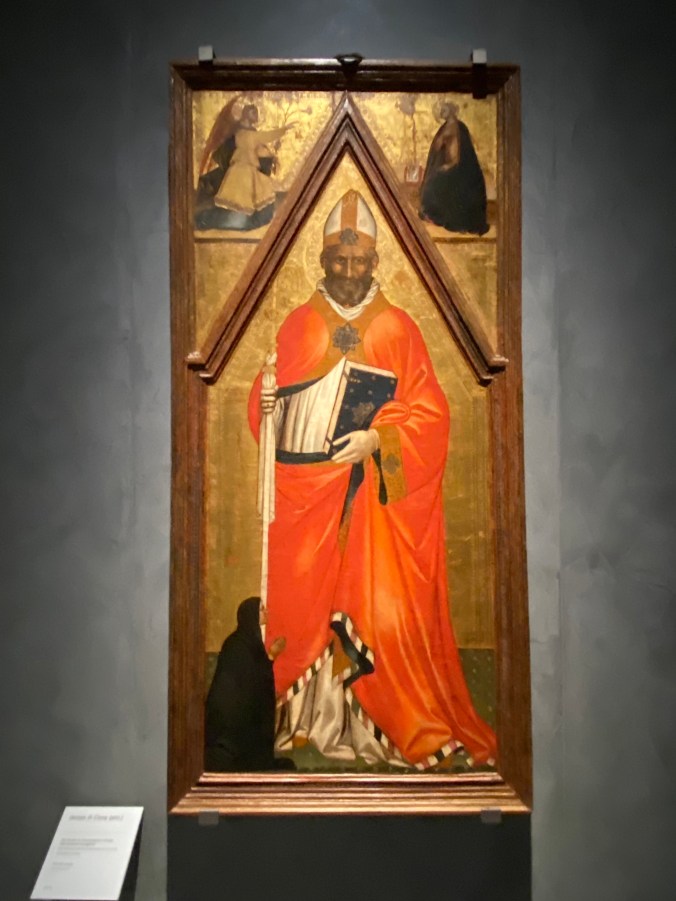
Some Medieval paintings in the museum:

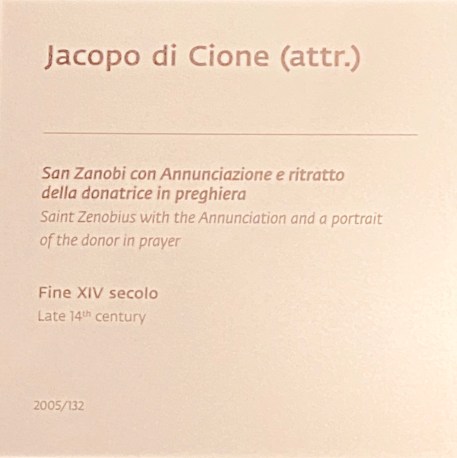
San Zanobi:


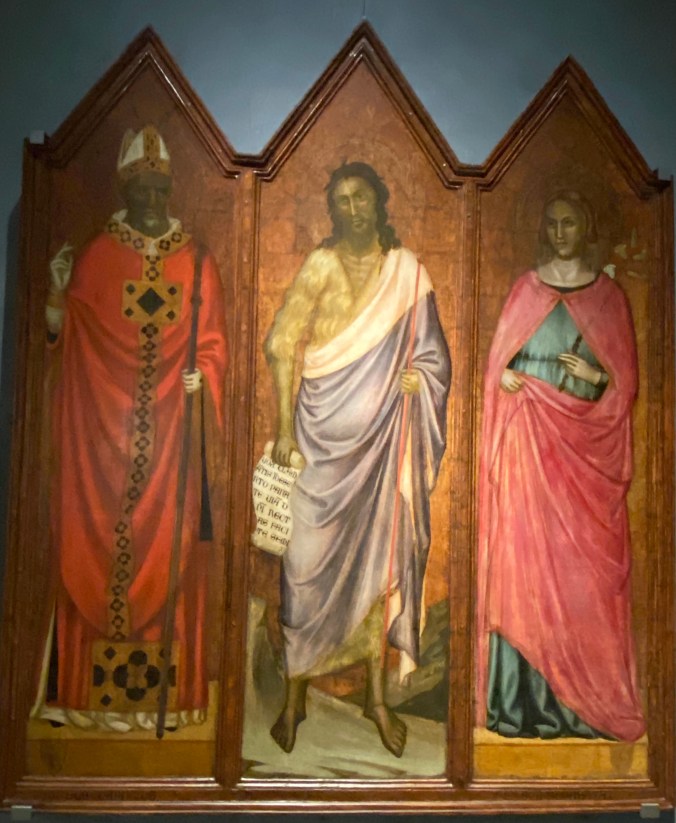
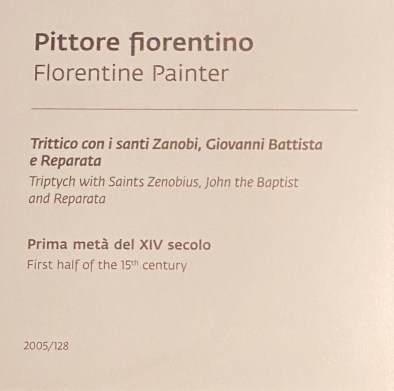
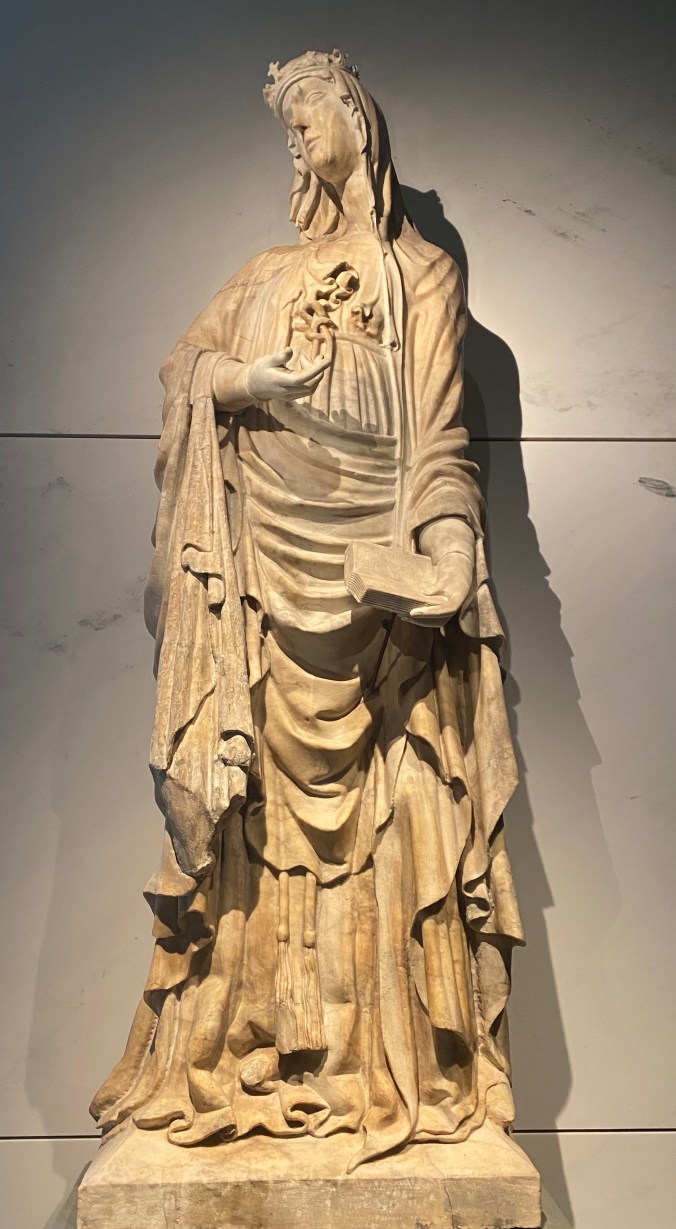
3 of Florence’s special saints: Reparata, San Zanobi, and St. John the Baptist:


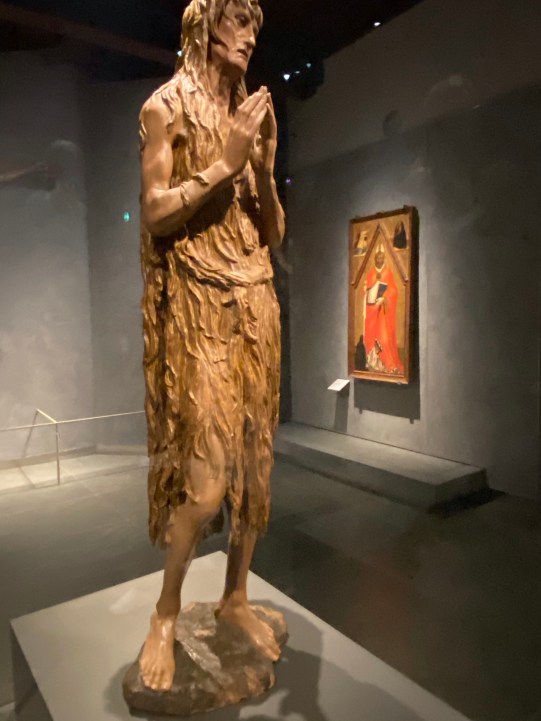
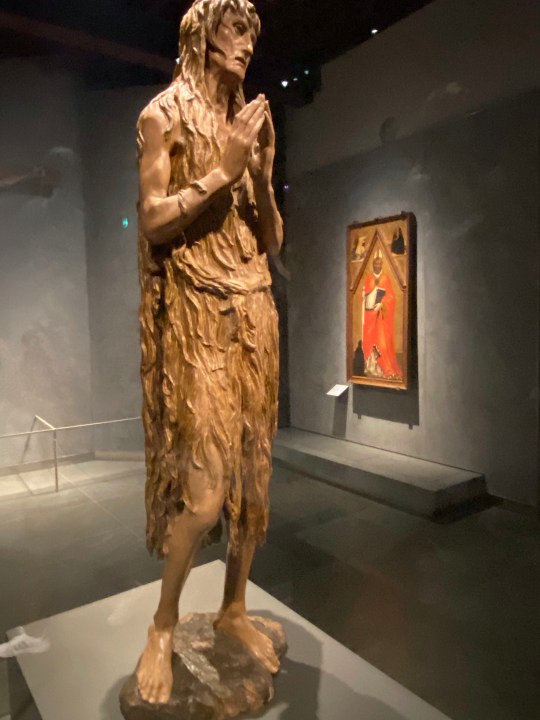
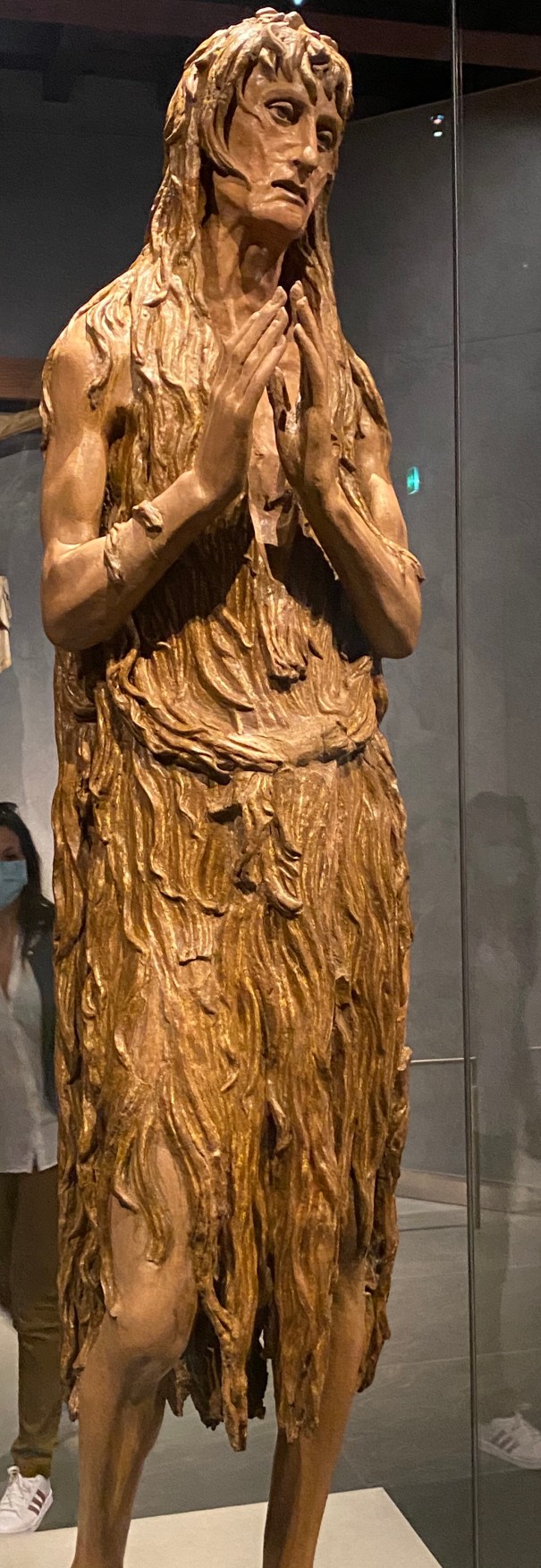
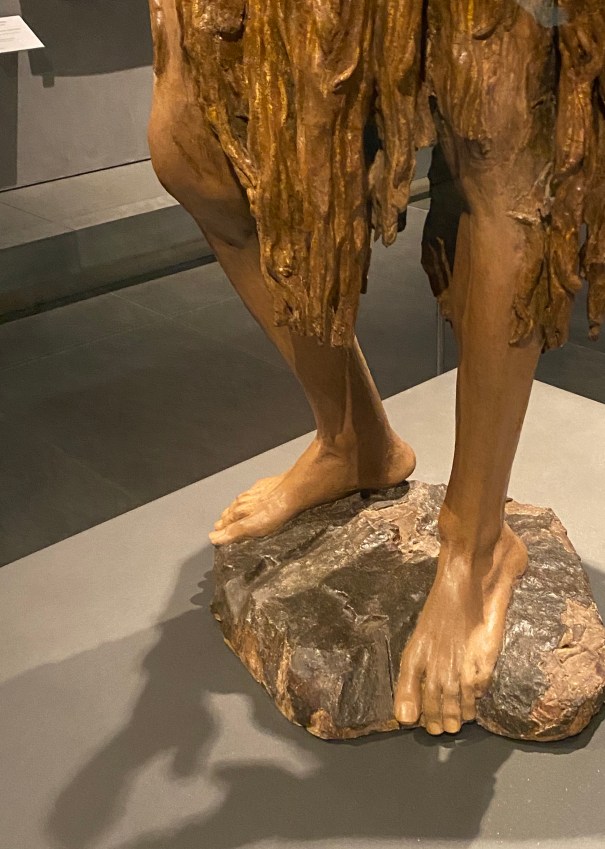
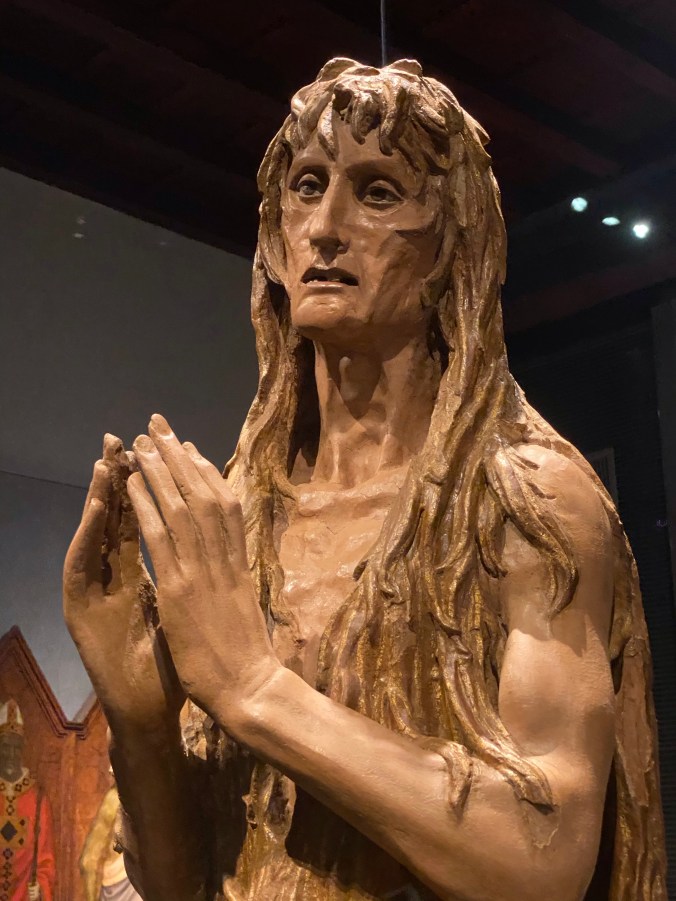
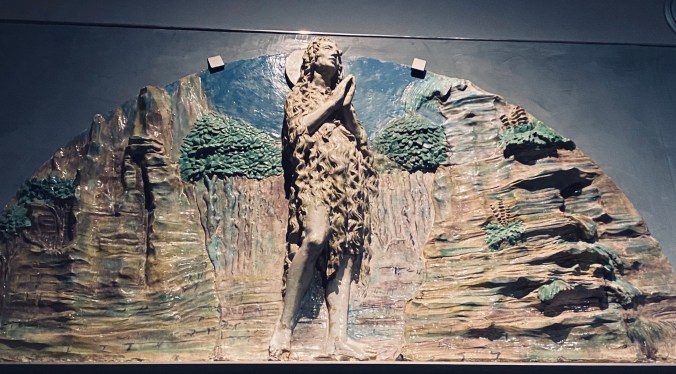
One of Donatello’s masterpieces: the Mary Magdalene:


A 2nd visit to the Duomo’s art museum

There is a lot to absorb in this incredibly rich museum and I decided to take it in chunks this week.  After two great visits, I still need to go back to take in more.  Soon.

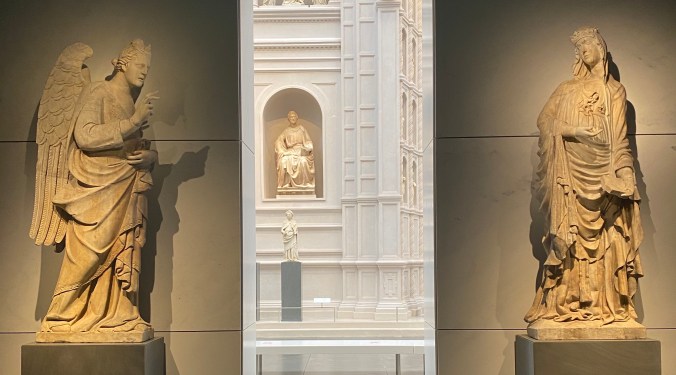
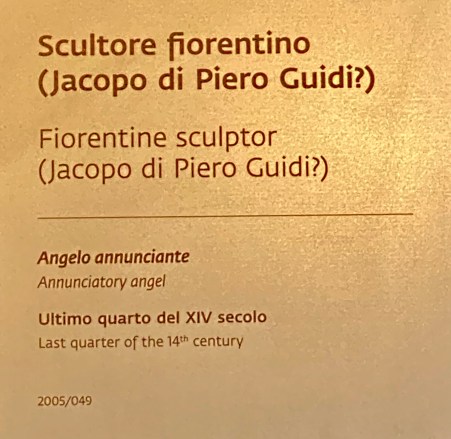
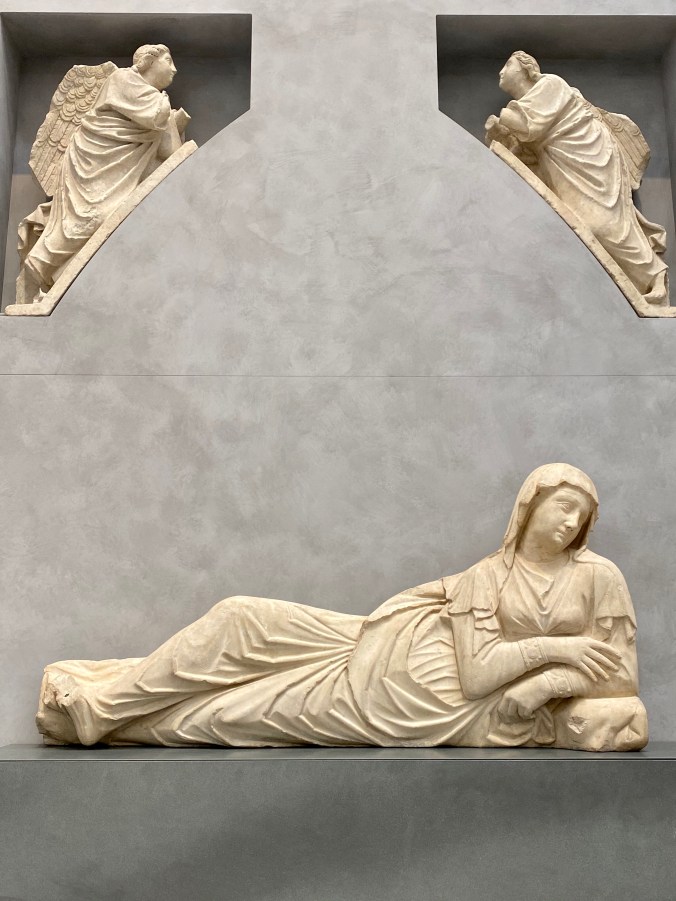
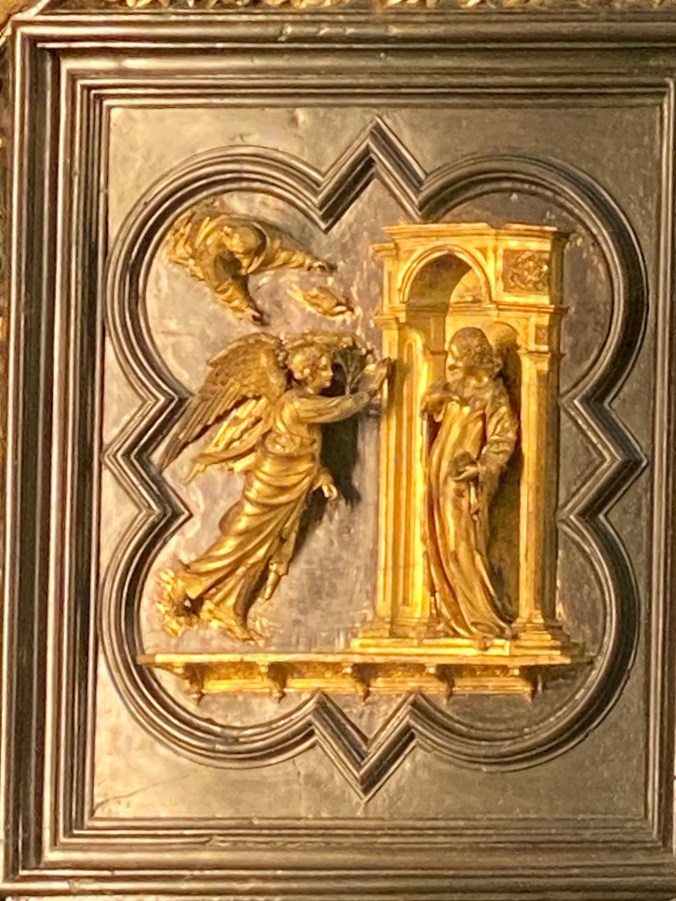
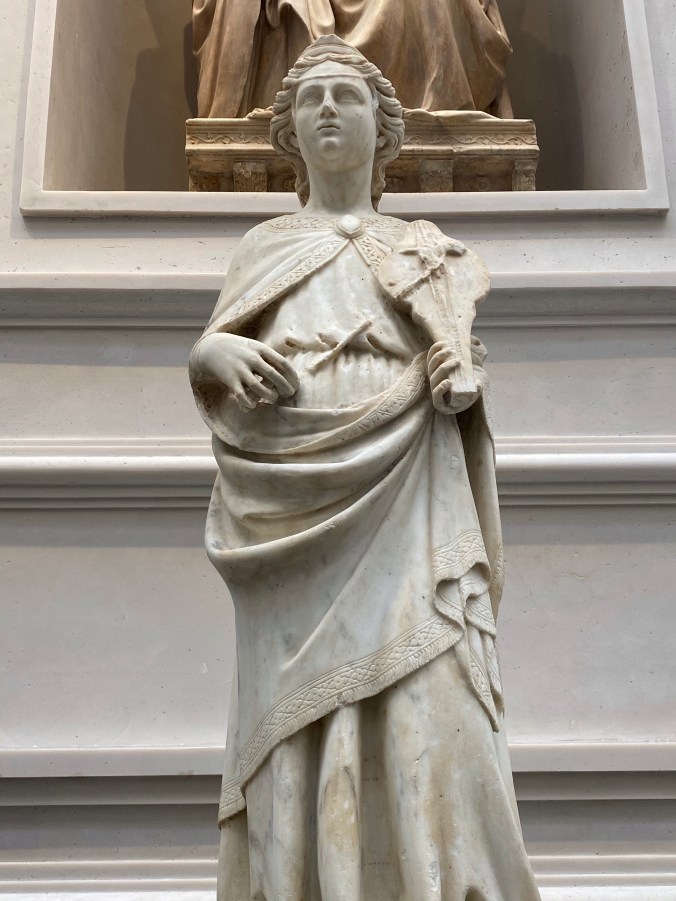
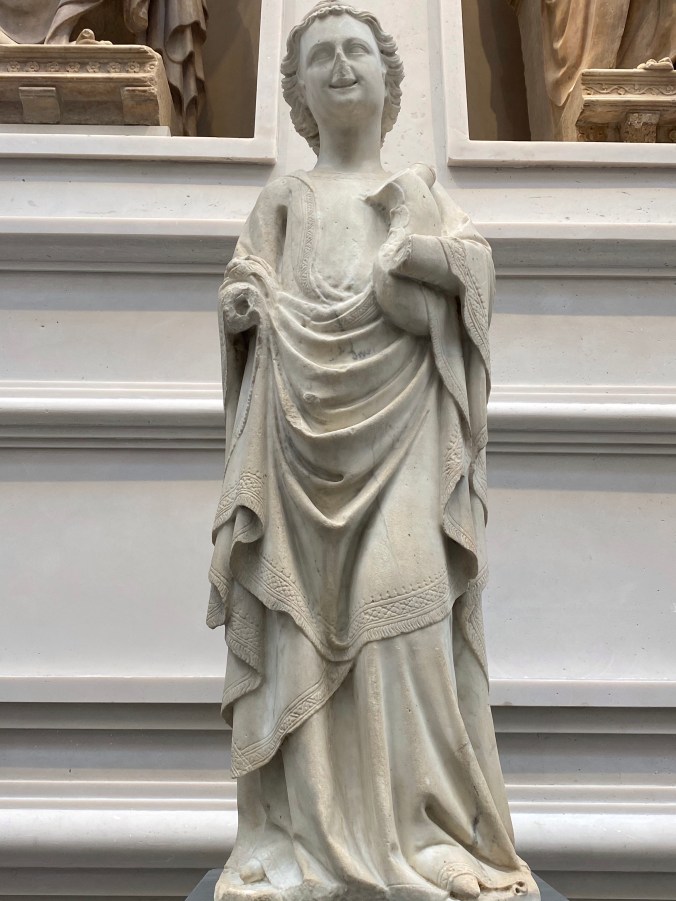
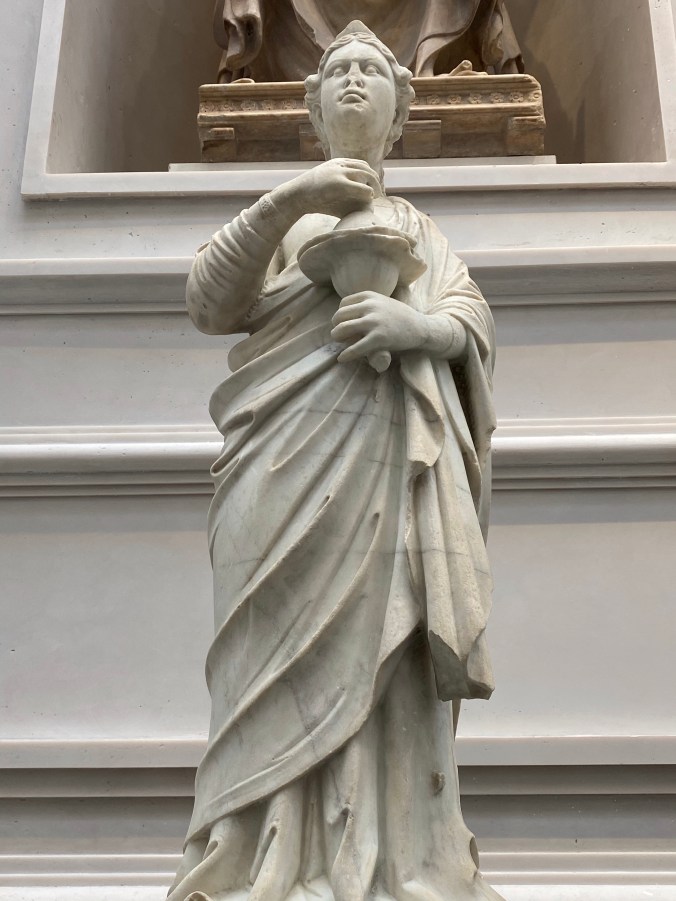
An elegant, Gothic period, sculptural pas de deux of The Annunciation. It has always been my favorite episode represented in Christian art.


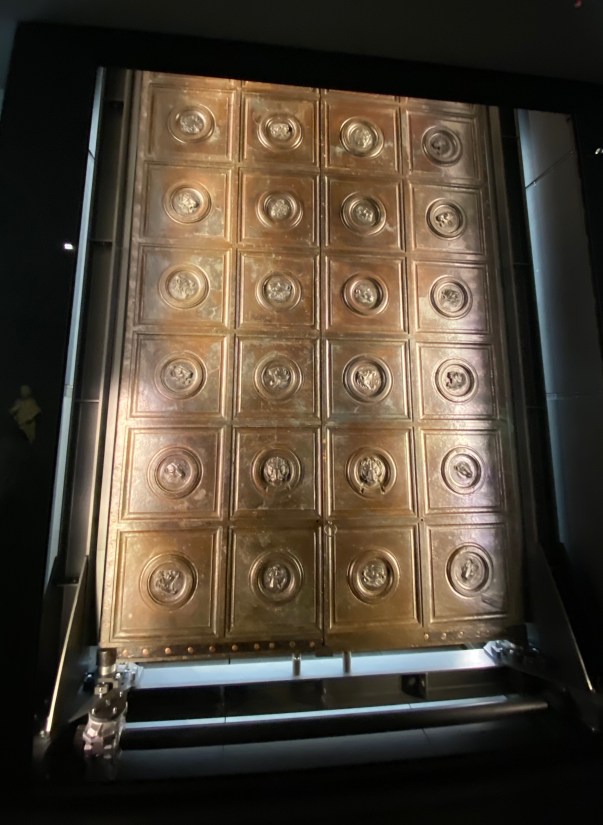
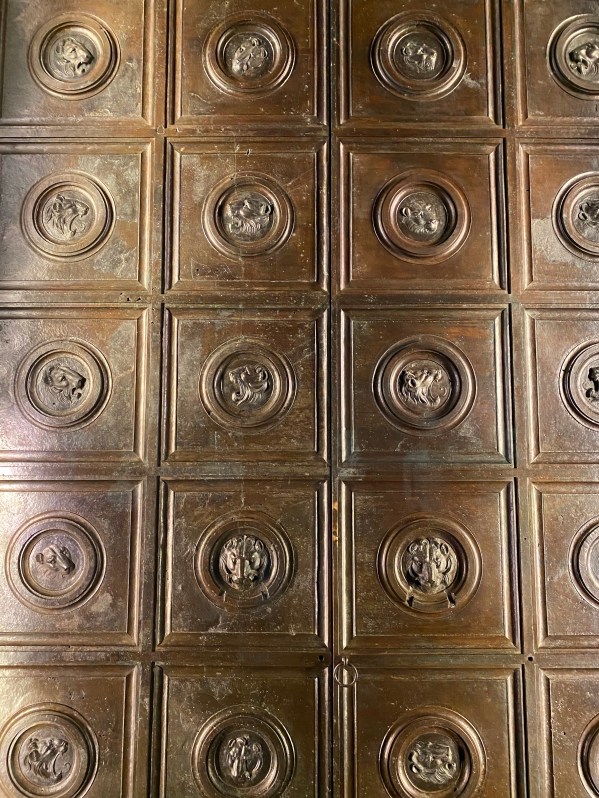
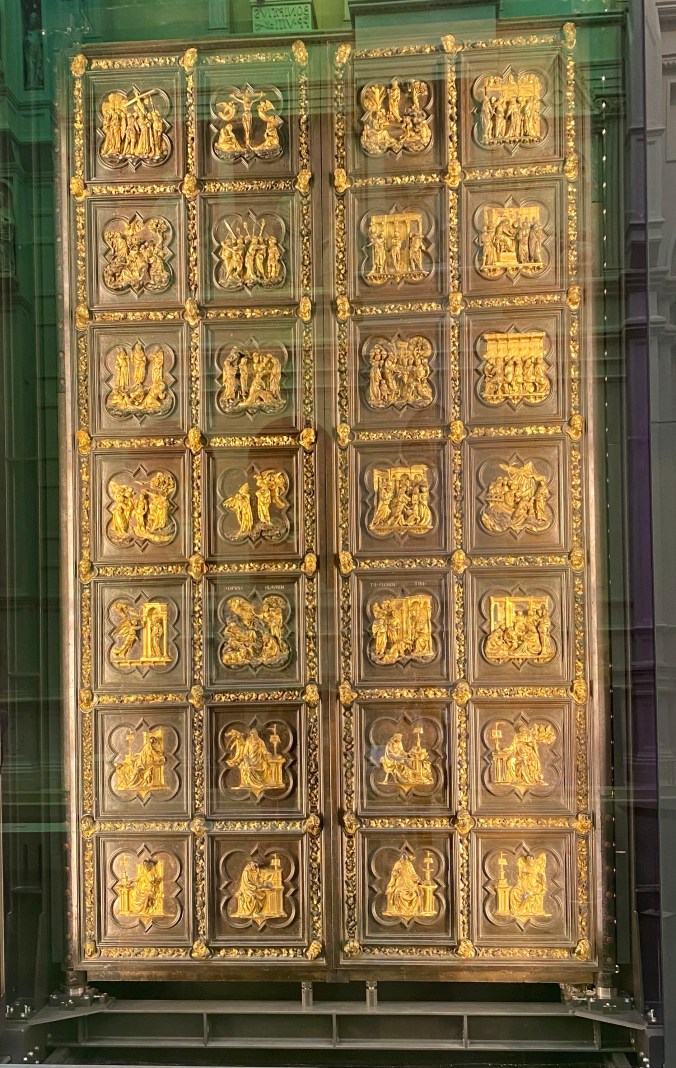
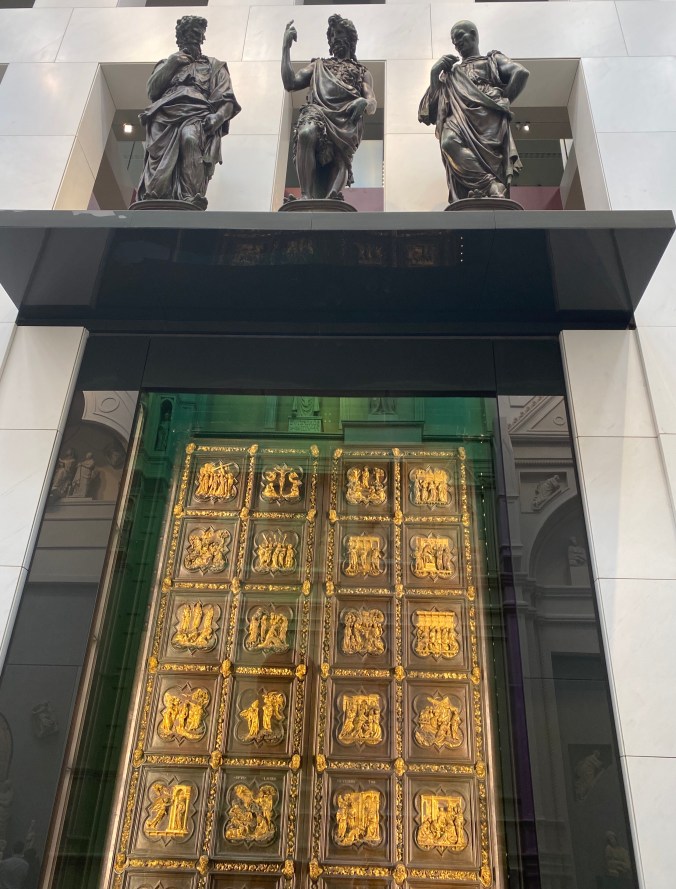
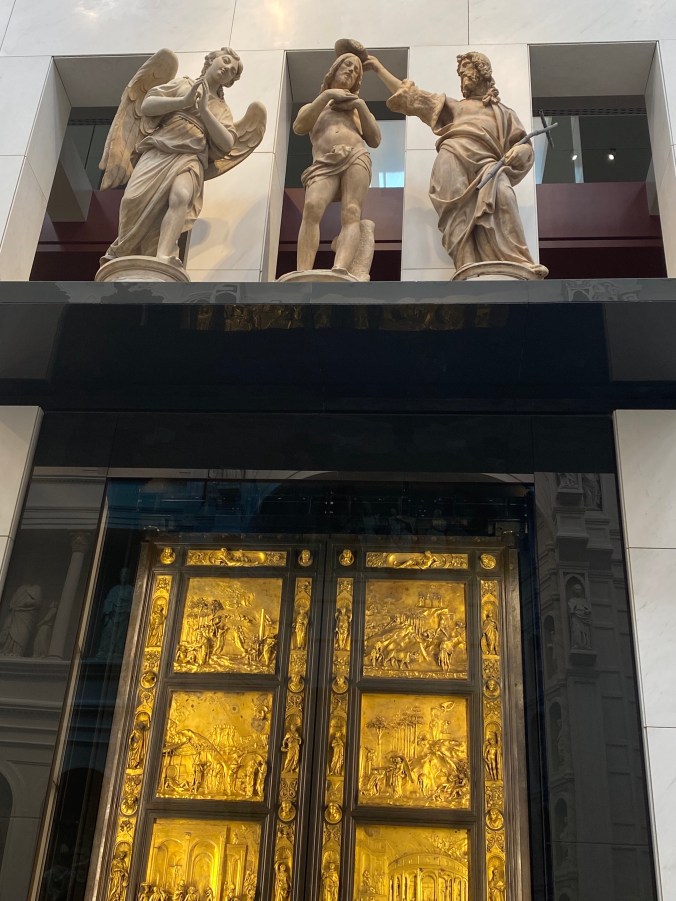
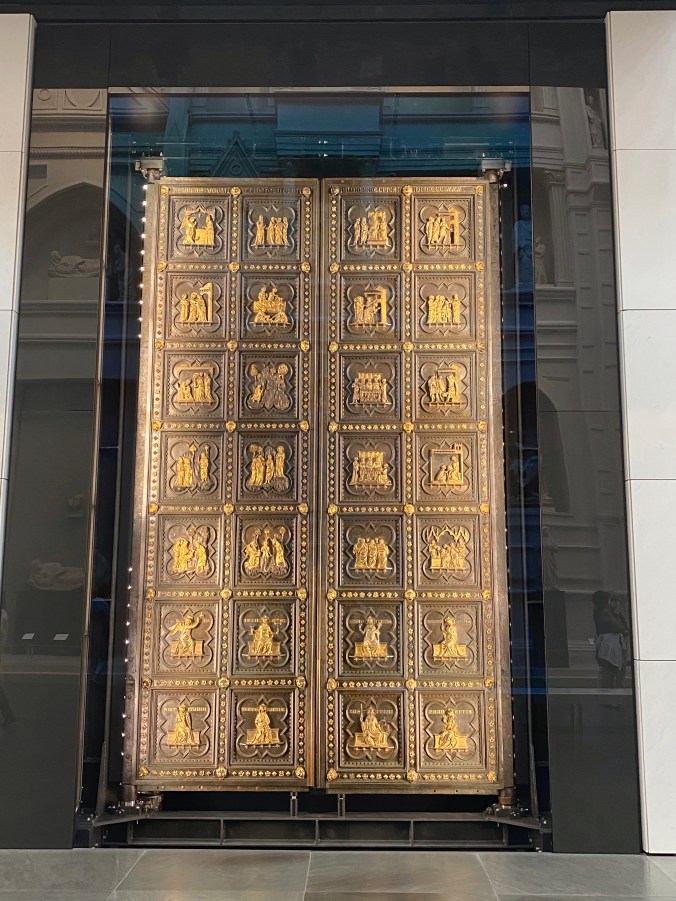
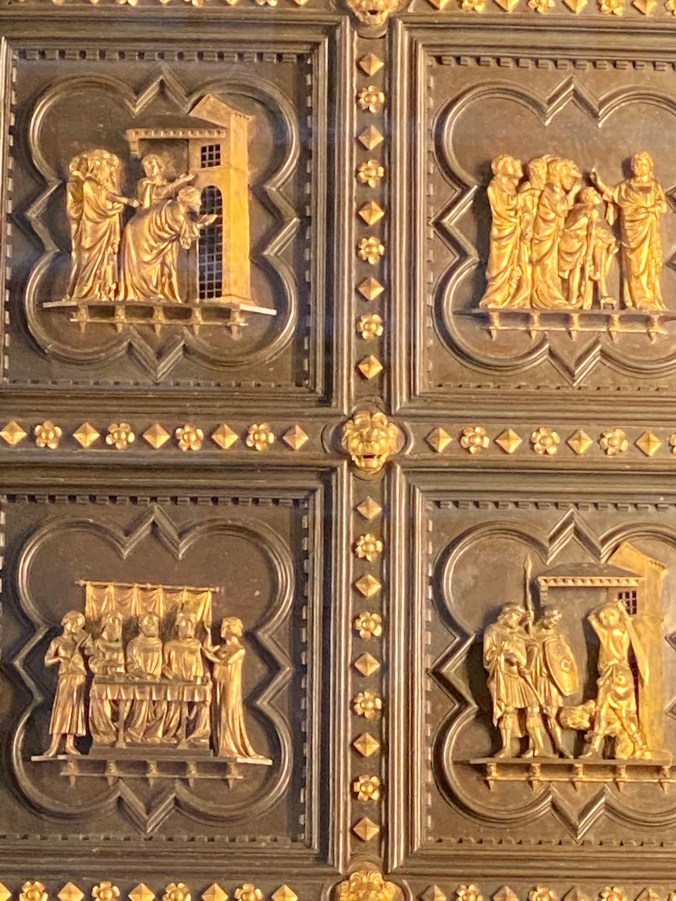
The museum has ingeniously set up the famous bronze doors of the Baptistery so that both the front and back sides can be viewed.


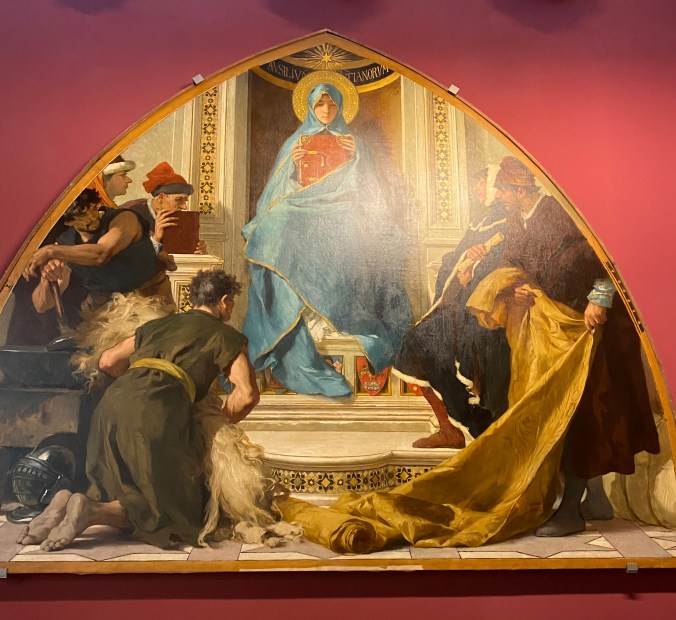
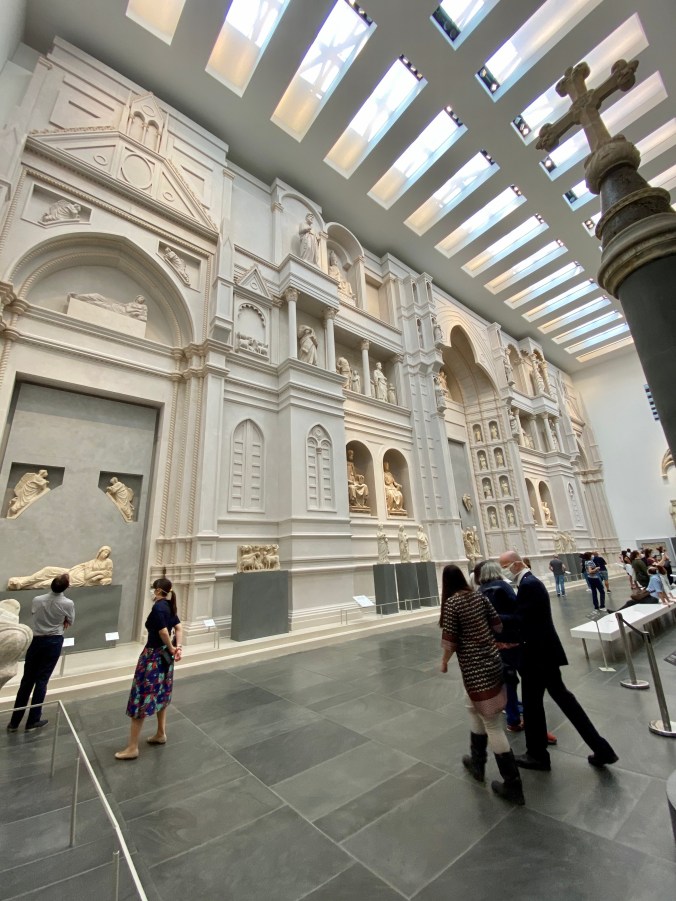
Entering the room that sets up the original, 15th century appearance of the duomo’s facade. Such an impressive feat for a museum.


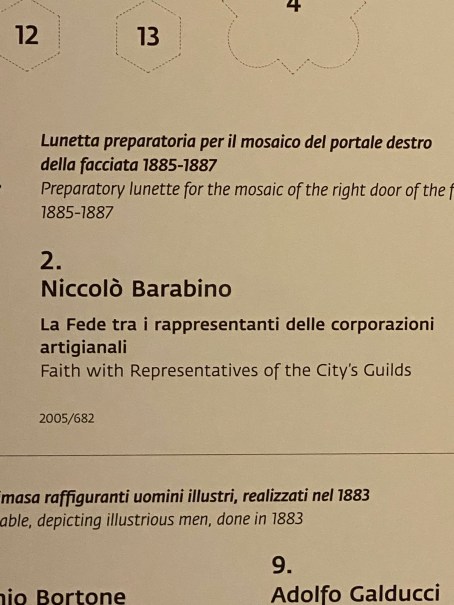
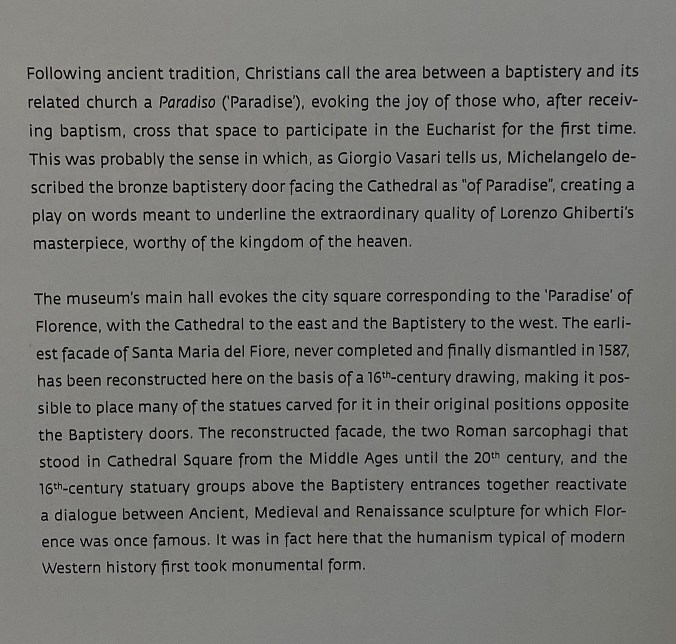
Great museum labeling provides context.  Below, it is explained how the area between the baptistery and the facade of a church was traditionally called a “paradise.” Therefore, Ghiberti’s “Doors of Paradise” so-named by Michelangelo, can be understood in situ.


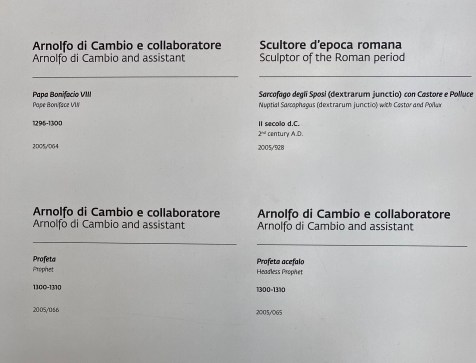
Below, Pope Boniface VIII by Arnolfo di Cambio, the duomo’s architect.


A reconstruction of the facade:


A plan of the facade:


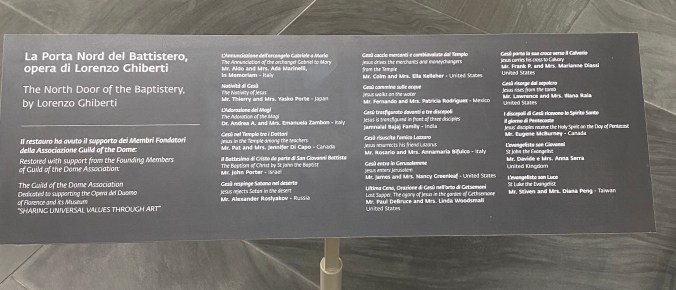
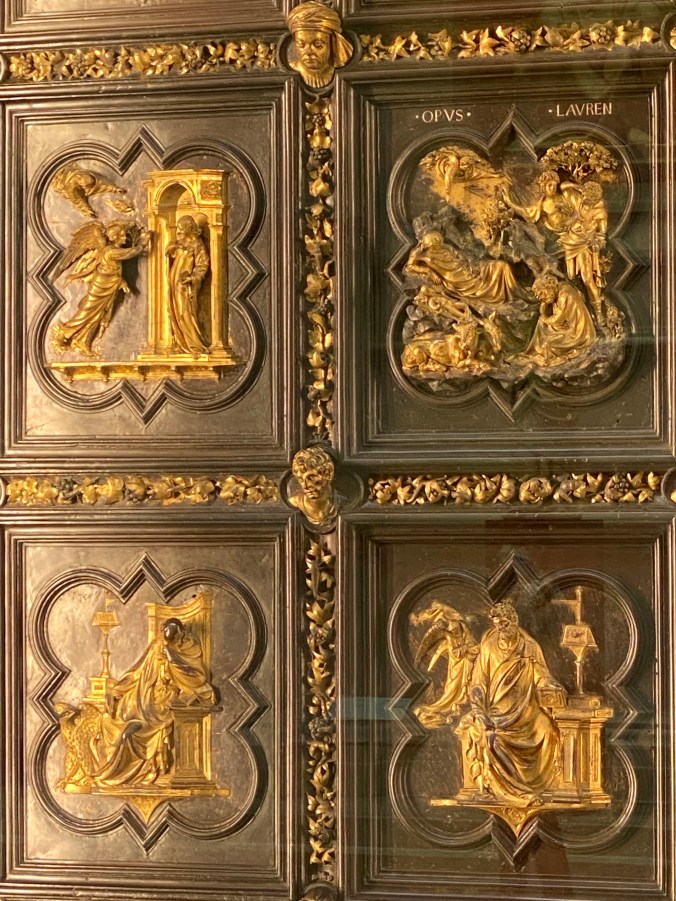
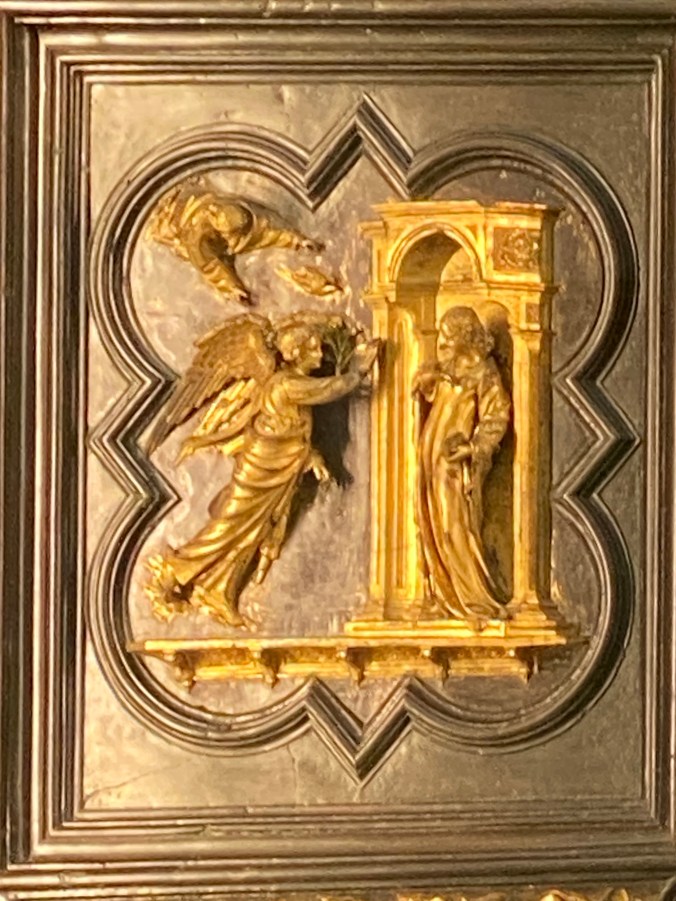
And now, the second set of doors, for the north side of the Baptistery by Ghiberti:


Above and below, the Annunciation by Ghiberti:


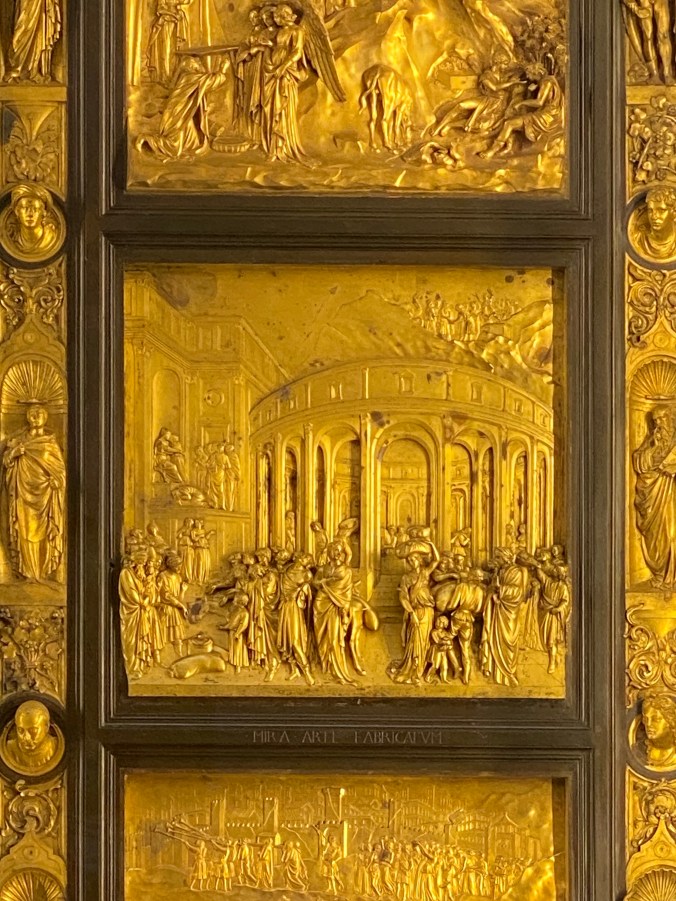
The Gates of Paradise by Ghiberti:


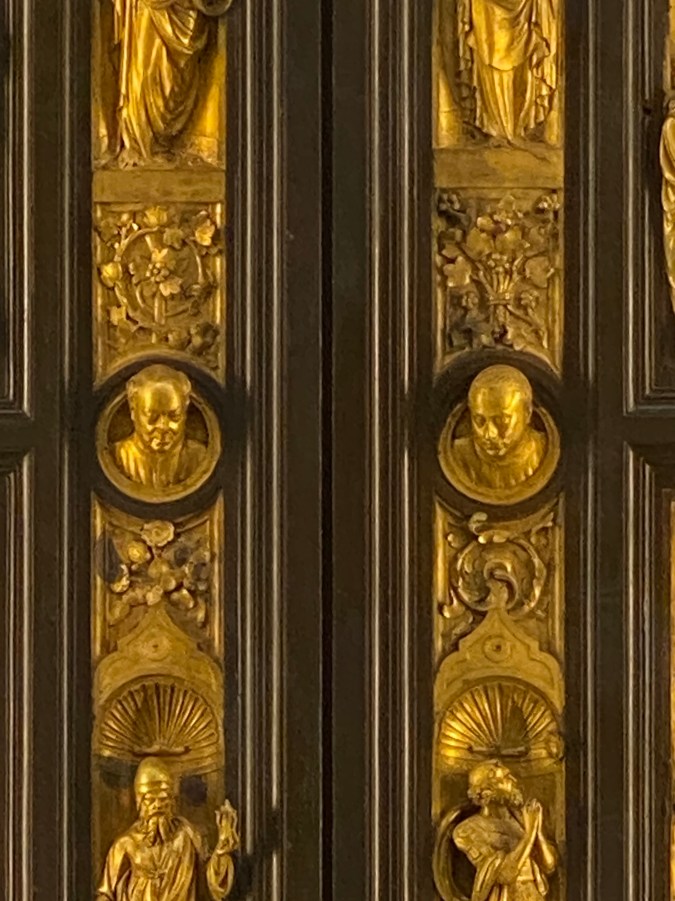
Above you see Ghiberti’s self-portrait in the bust that extend:


The doors by Andrea Pisano for south side of the Baptistery.  There were the first of the 3 sets to be done.


A view of the 3 sets of doors as displayed in the museum.

The medieval baptistery in Florence in open once again

As if to thank the residents of Florence for enduring the 2 month long lockdown, the government has given us free admission into the complex of the duomo.  As the 4 buildings of the baptistery, the bell tower, the cathedral and the museum reopen, we can, with reservations made online, visit these sites for free. Hallelujah!  I am seriously in  need of some artistic nourishment.

I was one of the first people to enter the baptistery on May 22 and, for a period of about 10 minutes, I had the entire place to myself.  Wow.  That’s an exceedingly rare experience and I’ll remember it forever.


fullsizeoutput_3110

This town and the baptistery are both dedicated to the patron saint of St. John the Baptist.

The next few pictures are of the ceiling and the altar itself in in the altar niche in the baptistery. First, Christ in Majesty in mosaic.

fullsizeoutput_3169

opposite: The Virgin and Child.

fullsizeoutput_316b


Below, the central medallion over the altar.

fullsizeoutput_316c


fullsizeoutput_316c


I really love the simple, medieval decoration of the back wall. It has not been “Renaissanced” up.

ndM4gWDAStid%g5%y4xn6Q


img_5494


img_5493


img_5503


img_5504


The exterior of the baptistery is so wonderful, with the striped patterns made up of creamy white and dark green veneers of marble:

8Wvs0glTRySsb3cu8E66PA


eJLVp5k7S7SE1GwFWzmFGA


22ECTzUwRGuNemzy07tIJA


LSR8nqBoRDOE+t80TAHgBQ


bAtHvUiTQl6j6VF7kAy+Vw


sTMMSilrQjaPP9C1OM6CIw


UXgyVYHDSHu1rAt6Mjd7rg


iG3S1SOKSVejnhYYqiwczQ


At4Pc9CITXWYEdelKceXcg


5z6rJM+iQ2qz82z4YeDesQ


7Odu0TEajmldGs53Rqg


5ZZ%xS5VQ0mQkVPxaRROaA


2BEDrYMyQGehXSm+frfRzg


w4blIgY9QHOEnMx+S4g0kw


E7ajggxQQO+7qZvqBkyXRQ


5lKj8FzwSA69NjUemUyUtQ

Back inside, the tomb of Pope Paul XXIII by Donatello is under cover for the moment.


Below, more details of the altar space:

fullsizeoutput_3164


fullsizeoutput_3166


fullsizeoutput_3168


And now, for the outstanding mosaic cycle in the domed space above. I’ll never forget confronting the face of Jesus when I made my first visit to Florence when I was 27.  I wasn’t prepared for this Byzantine visage, thinking Florence would be all-Renaissance, all the time.


fullsizeoutput_3161


fullsizeoutput_3163


fullsizeoutput_3139


fullsizeoutput_313b


fullsizeoutput_313d


fullsizeoutput_313e


fullsizeoutput_3140

A statue of St. John the Baptist above and below:

fullsizeoutput_3147


The eye wanders up to the dome again and again:

fullsizeoutput_3141


fullsizeoutput_3142


fullsizeoutput_3143


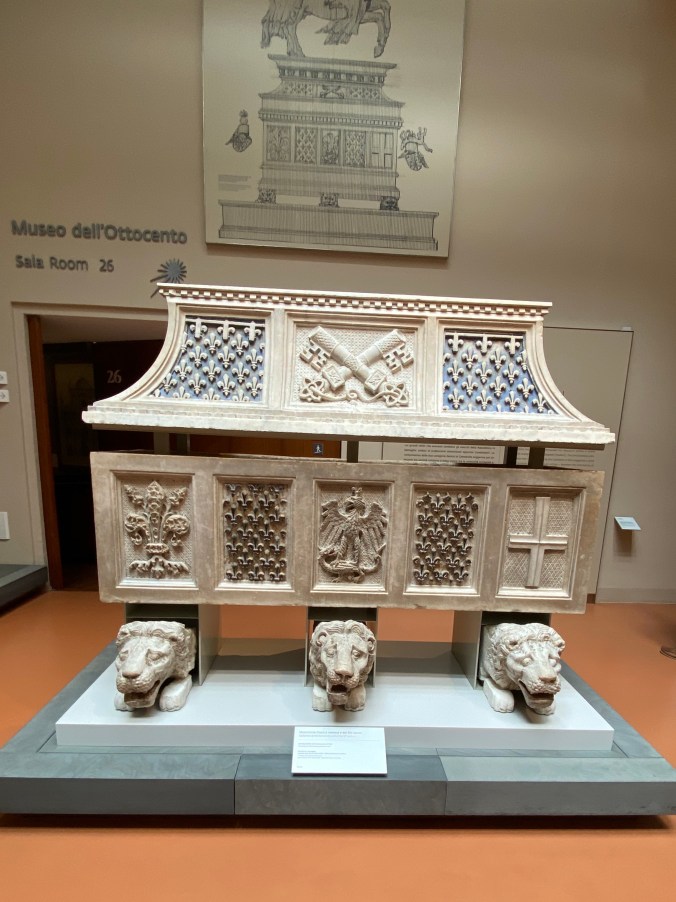
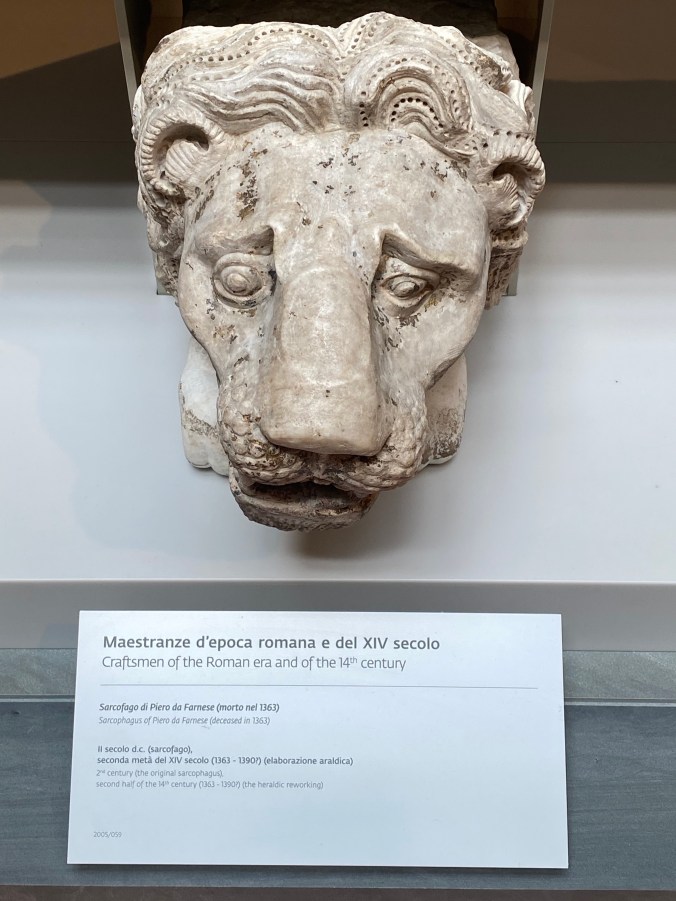
A sarcophagus that looks like it might be a recycled Roman era object, with a lid that clearly relates to Christianity.

fullsizeoutput_3145


I love looking at the gallery space, especially the inlaid ceilings:

fullsizeoutput_3148


The ceiling in the gallery space below is treated with mosaics as well.

fullsizeoutput_3149


And once more, looking up at the dome:

fullsizeoutput_314d


fullsizeoutput_314e


It is also worth looking down. The many-patterned pavement in this august building is superb:

fullsizeoutput_3115


And now for the font, the building’s raison d’être:


And now, one last look at the Baptistery with no one in it but Byzantine Jesus and me.


A


Things are so much clearer now

Oh, the pleasures of Florence without the crowds!  It was almost worth enduring the pandemic.

fullsizeoutput_2e54


The familiar places in this open-air museum speak to me in a new language without the tourists and hordes. The buildings appear smaller without the crowds.  I don’t know why that is true, but I notice it all the time.

tQv79MD5QUqGVtnObQFypg


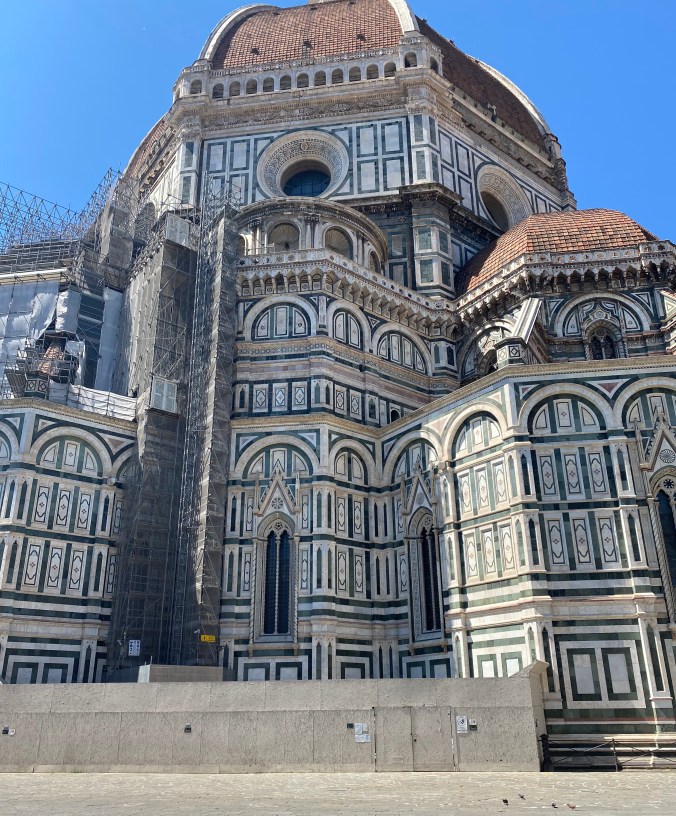
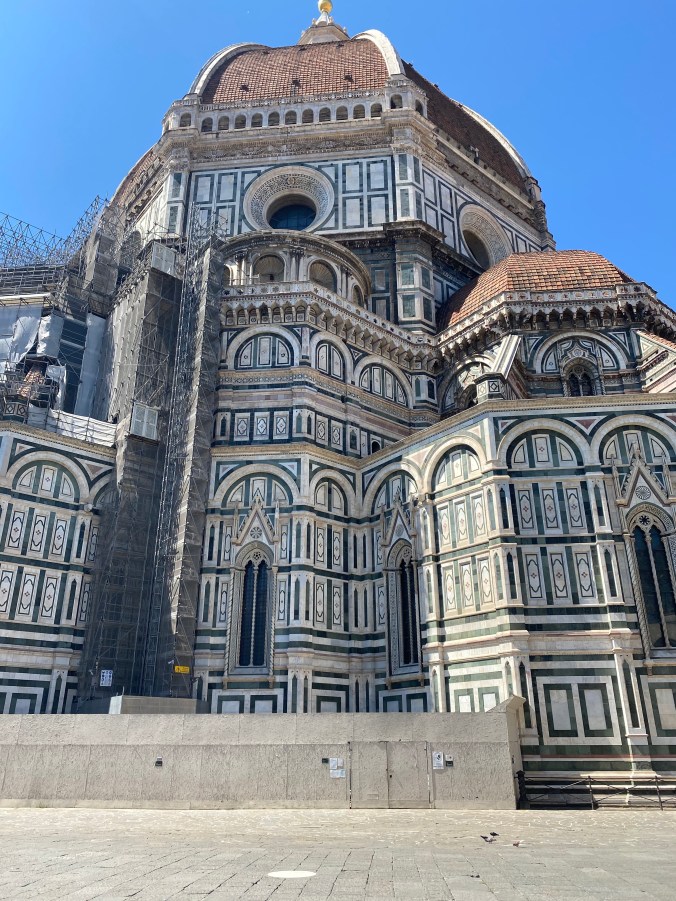
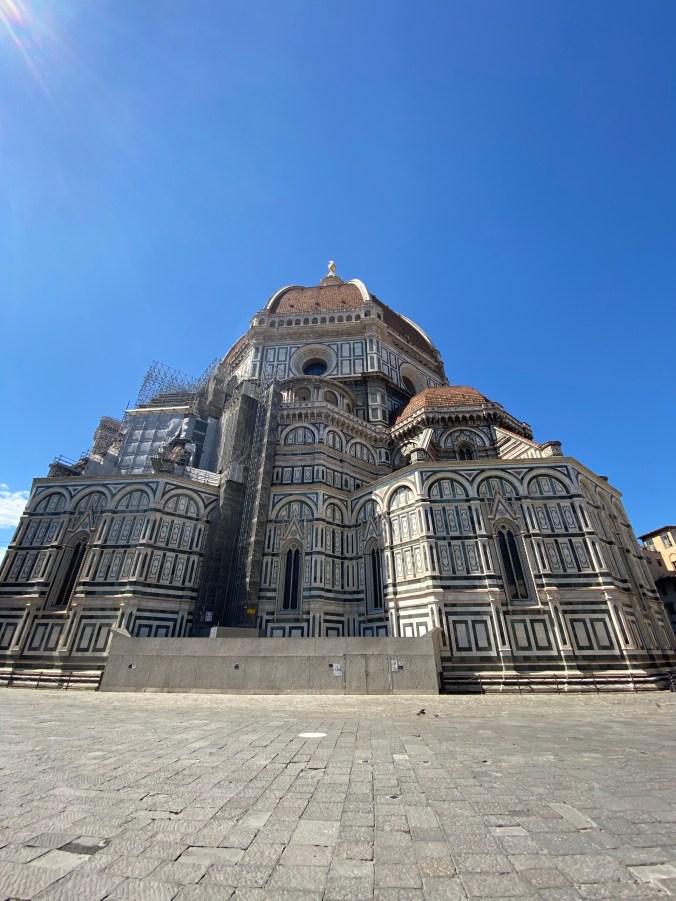
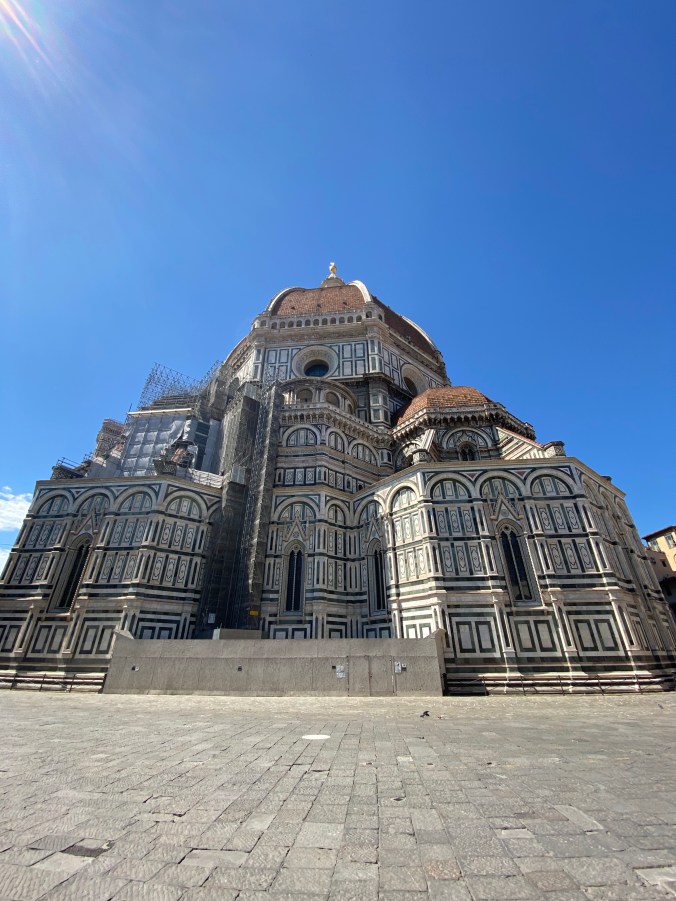
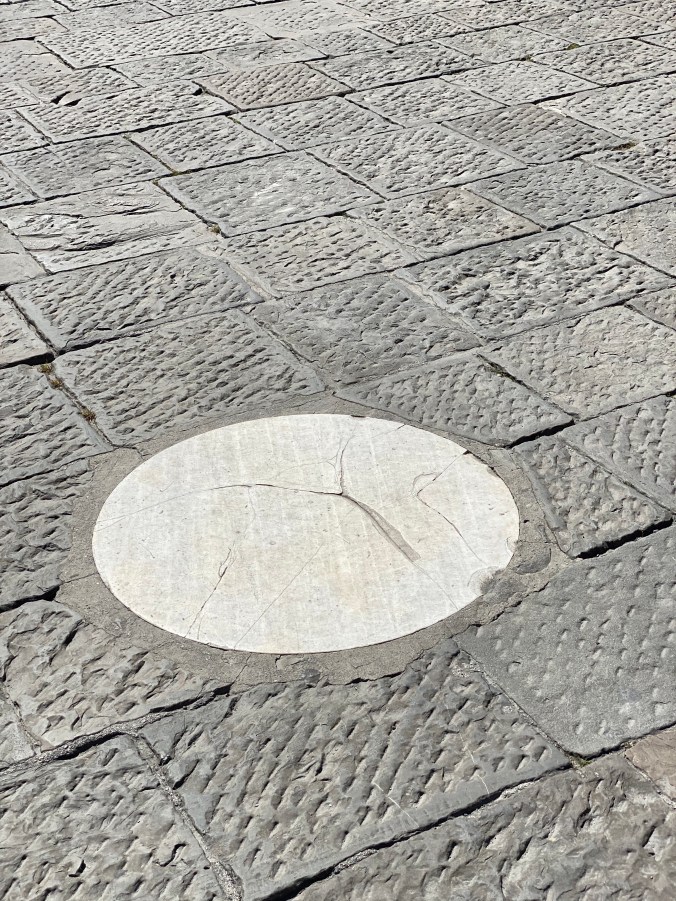
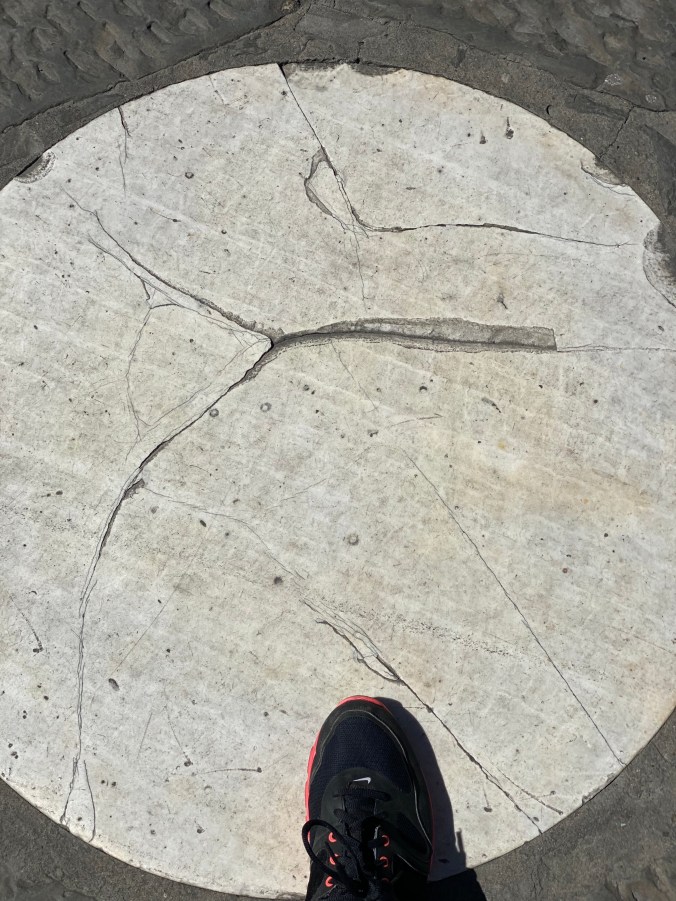
But also, I see things I didn’t see before.  For example, Verrochio’s golden ball was knocked off the top of the duomo in the 1600s. It was struck by lightening and fell to earth.  I had read that the spot where it landed in the piazza has a marker, but I’ve never found it even though I have asked lots of Florentines if they know where it is.


3l6UtimASvu0Y+6KN9E0fg

And then yesterday, approaching il duomo from the east, I saw it!  The white circle marks the spot.

YXKRRJeVT12W%fQSA%5IQw


bTJcQ9A8To2IdtP7Fc9uxw


“The golden ball of Santa Maria del Fiore Cathedral was built by Andrea del Verrocchio in 1468. Placed on the Cathedral on 27th of May in 1471, the ball immediately became a symbol for Florence citizens.

In particular on 8th of April in 1492 when, almost as premonition, of Lorenzo de Medici’s imminent death, lightning struck Verrocchio’s work.

On the night of 17th of January, 1601, when the golden ball, with its 2.30 meters in diameter and 18 tons in weight, was struck by lightning and fell down from the Cathedral. In order not to forget the danger and damage of lightning on the Cathedral and in the square, in the exact spot of the fall was marked by a slab of marble, still visible today.” http://www.manetti.com/en/2014/04/02/golden-ball-santa-maria-del-fiore/

Ri1PEXrPQGWZWiZ7h%uQKA
 

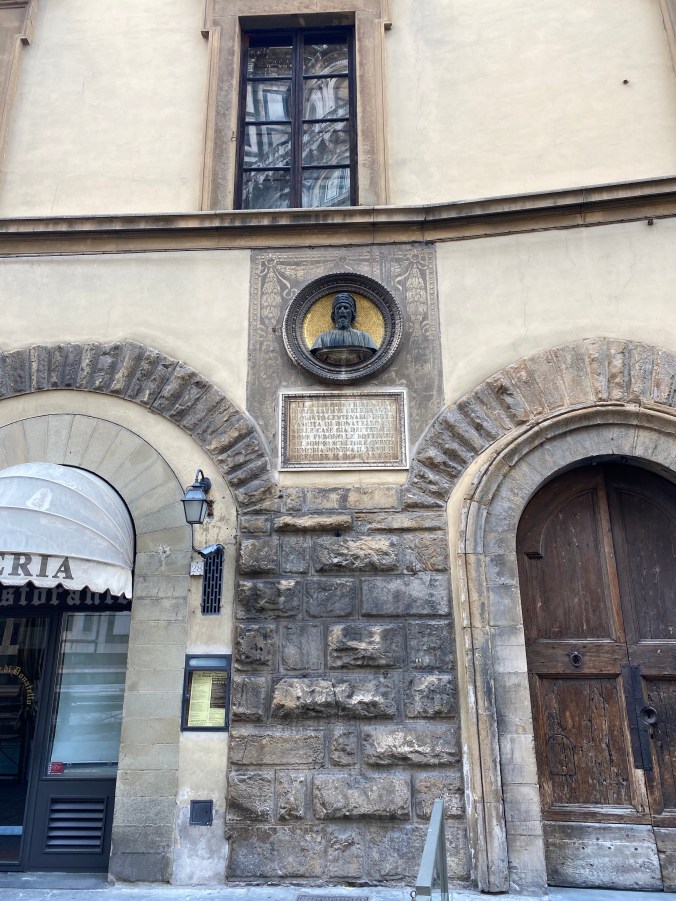
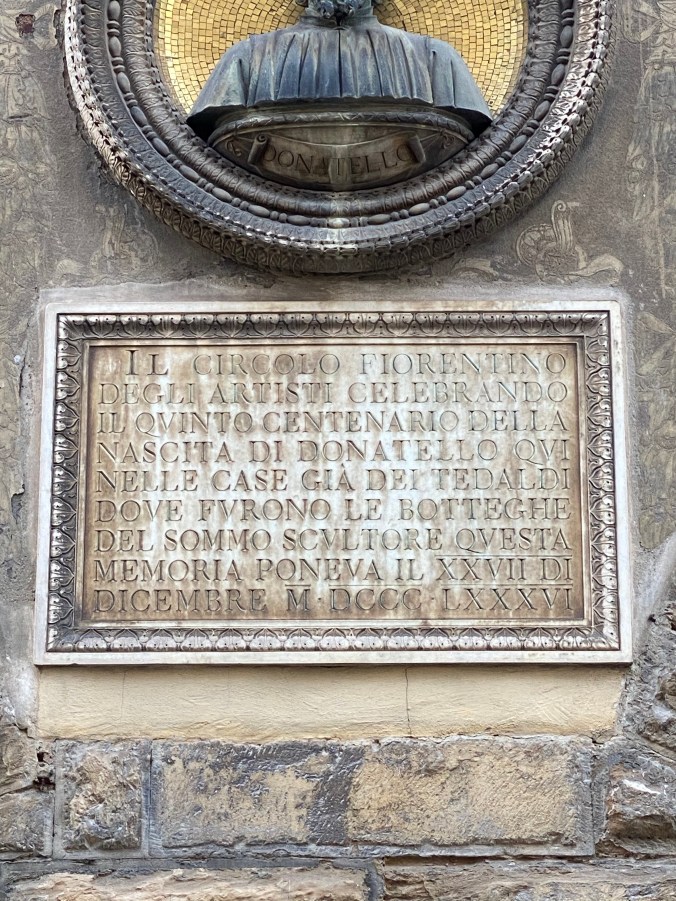
And then, check out the house nearby where Donatello had his studio. The plaques and bust mark the spot.

wNpTNUEIR0uznHWdMuzWcQ


qa+vtTZnSjCUTZCDDqH5RQ


XDPRA70tR1SDycth0U8GeA
 

Now, go back 3 pictures and look at the reflection of the beautiful duomo in the window above Donatello’s bust. Cool, right?