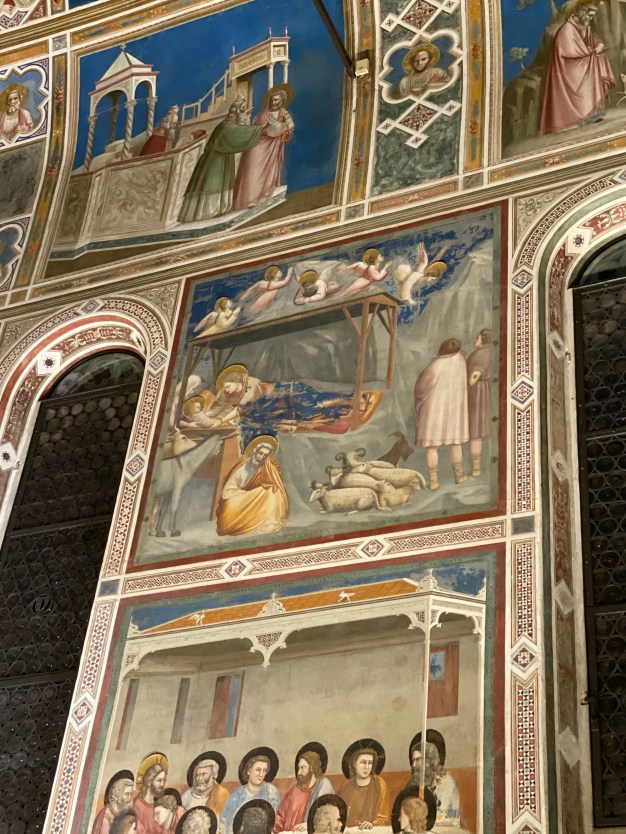
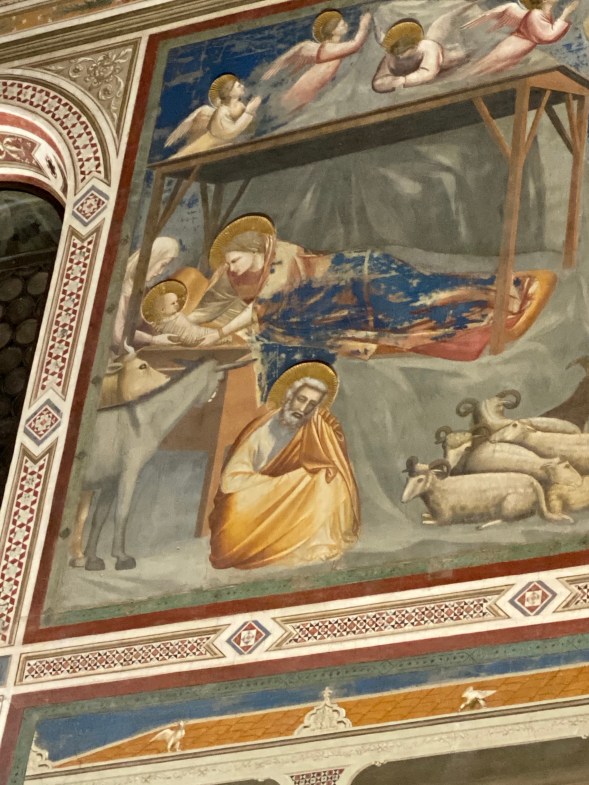
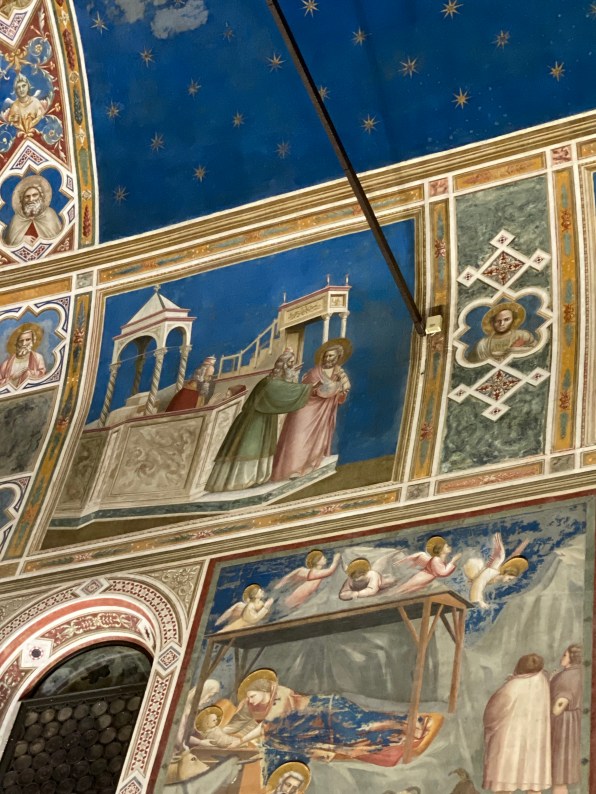
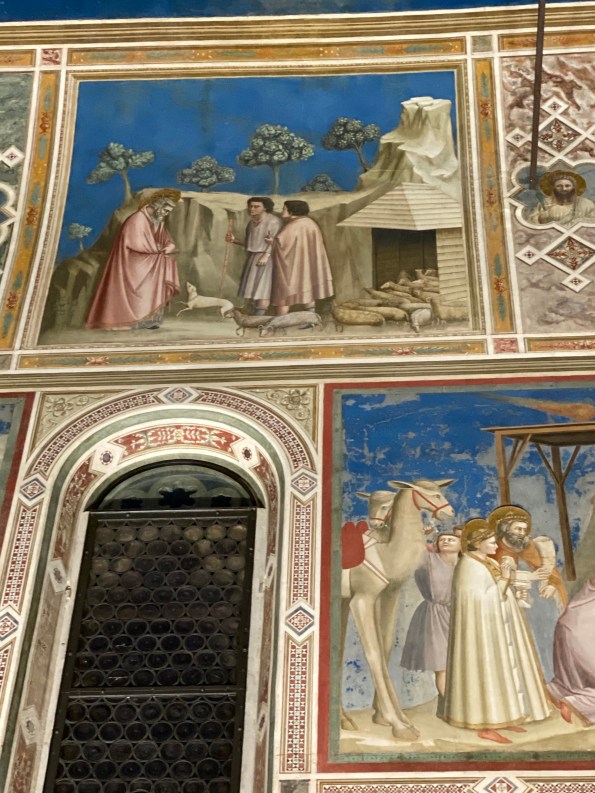
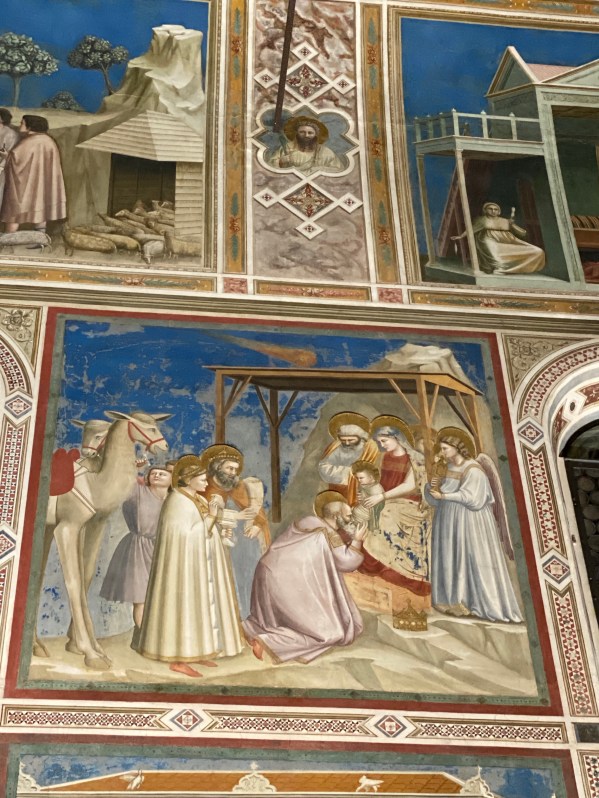
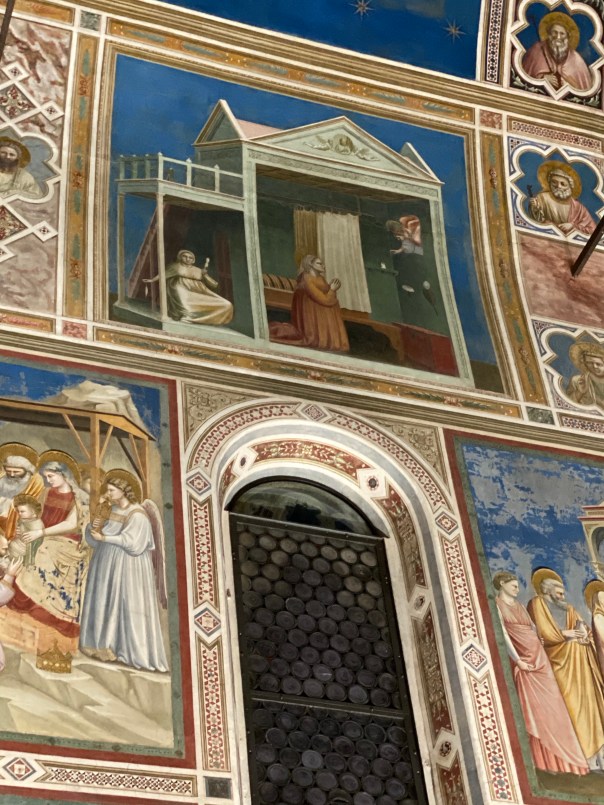
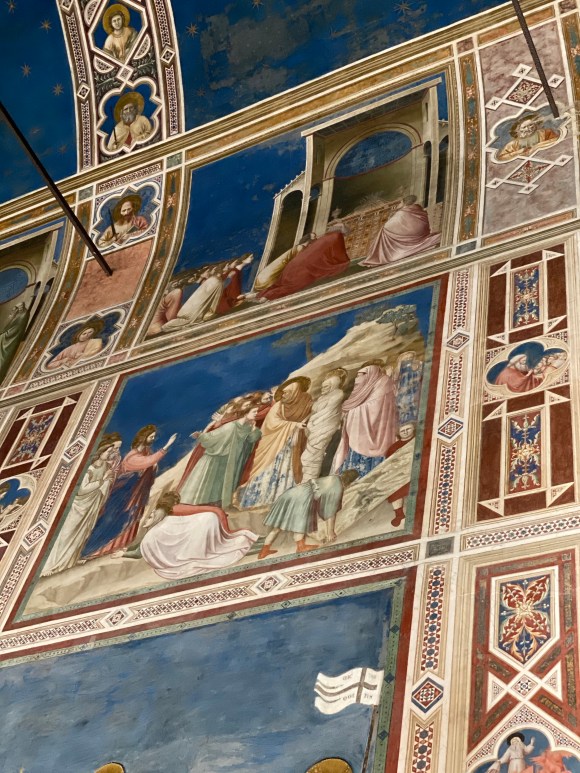
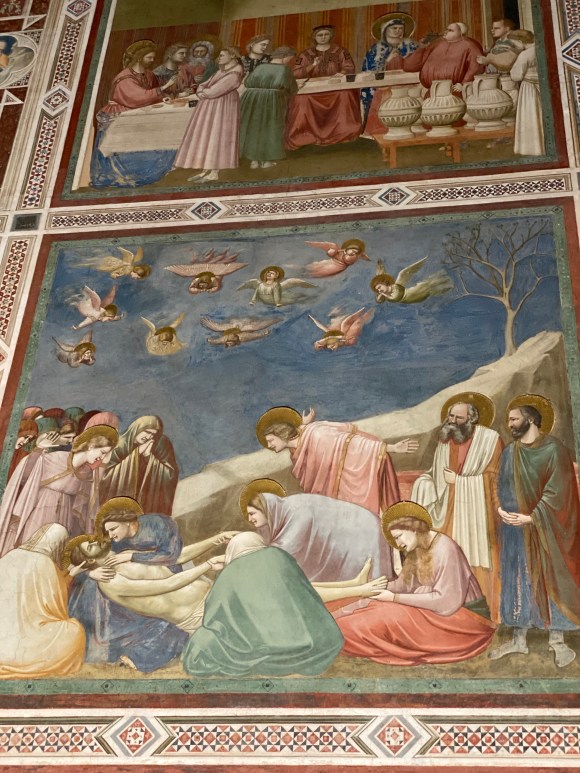
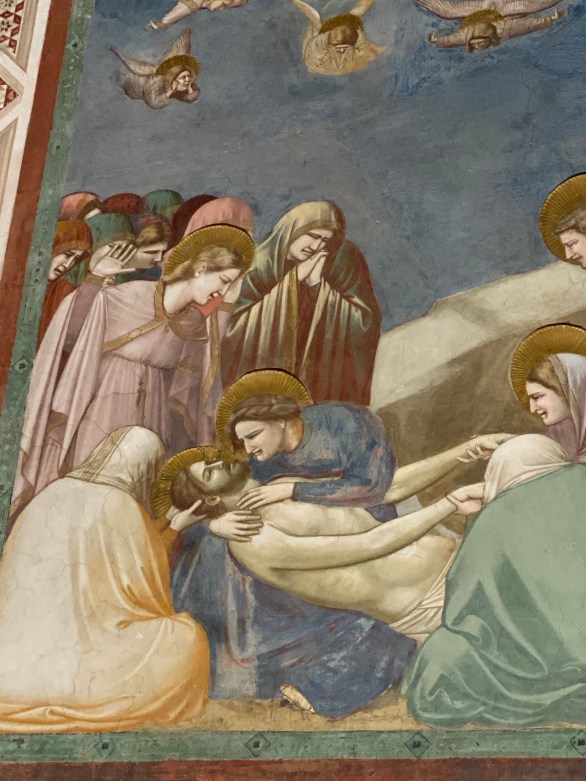
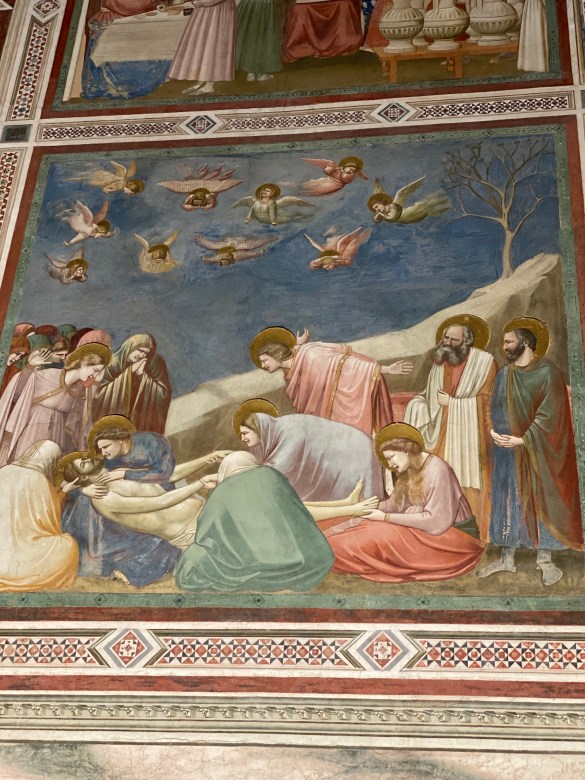
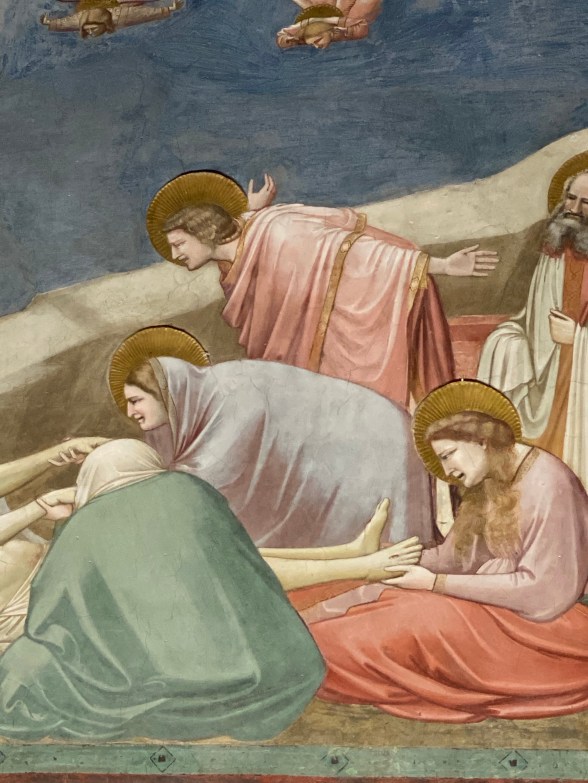
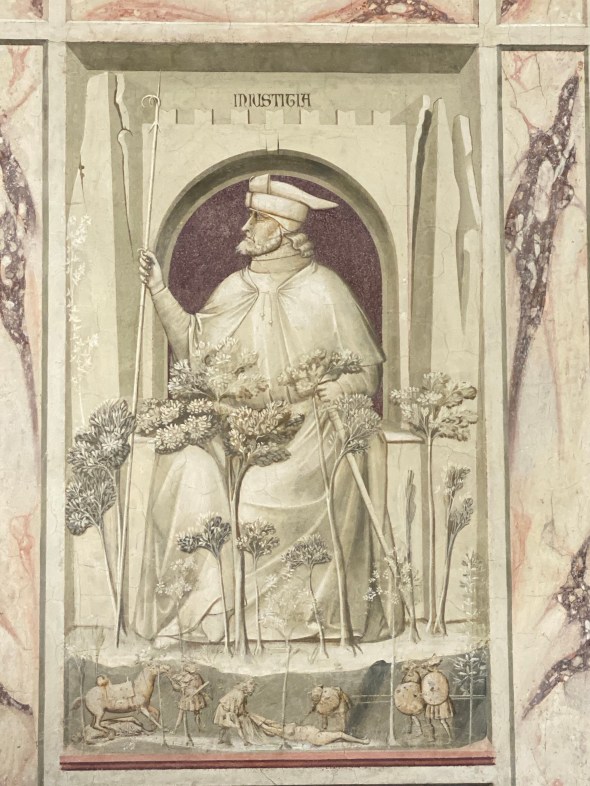
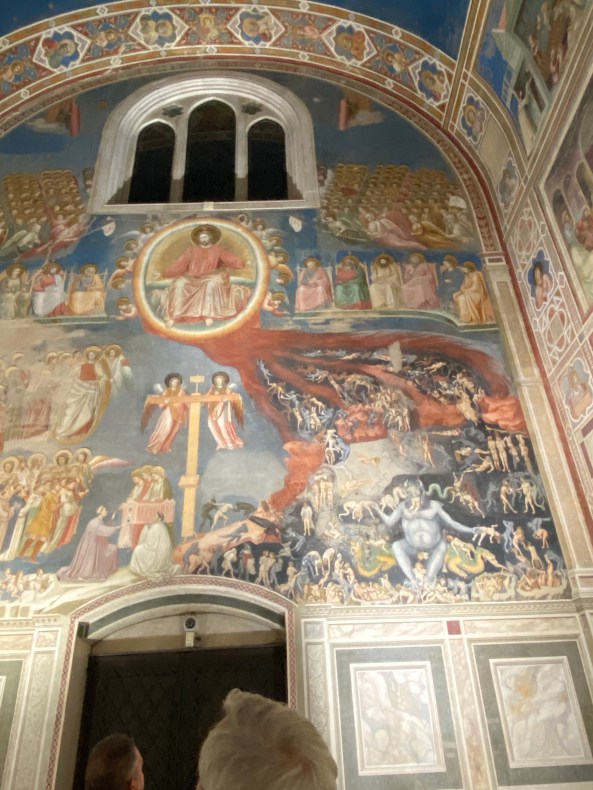
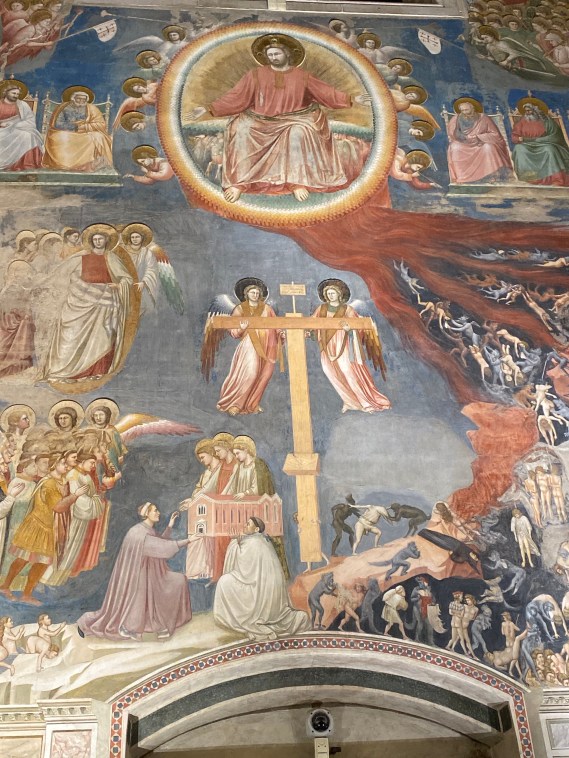
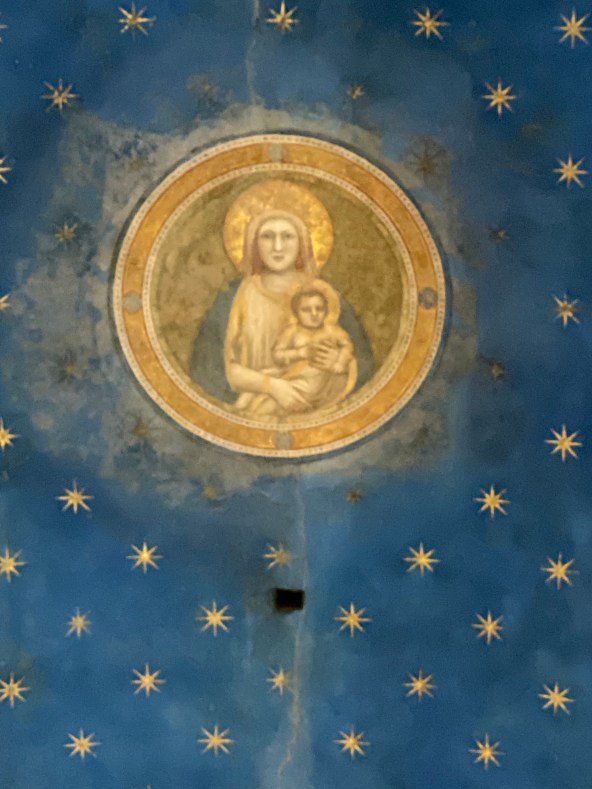
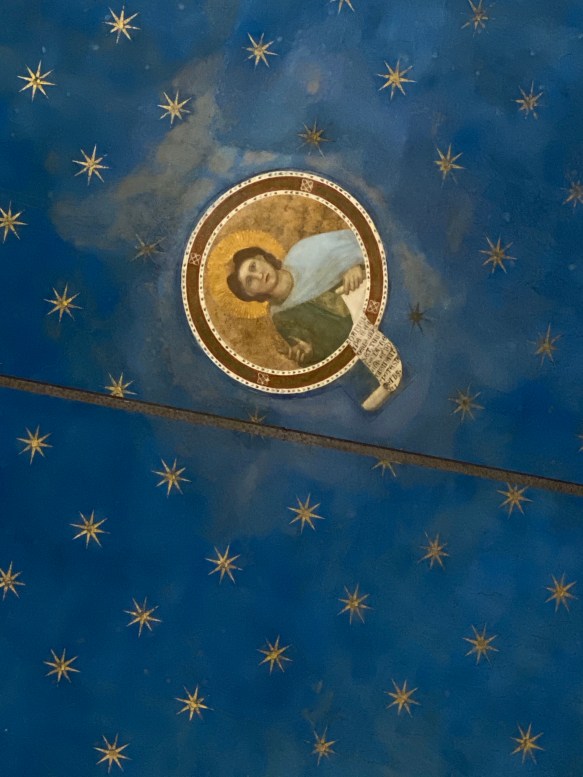
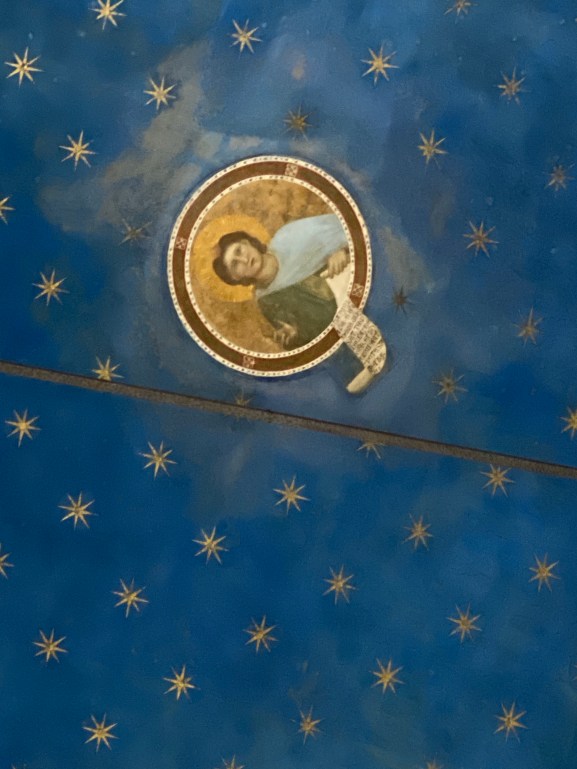
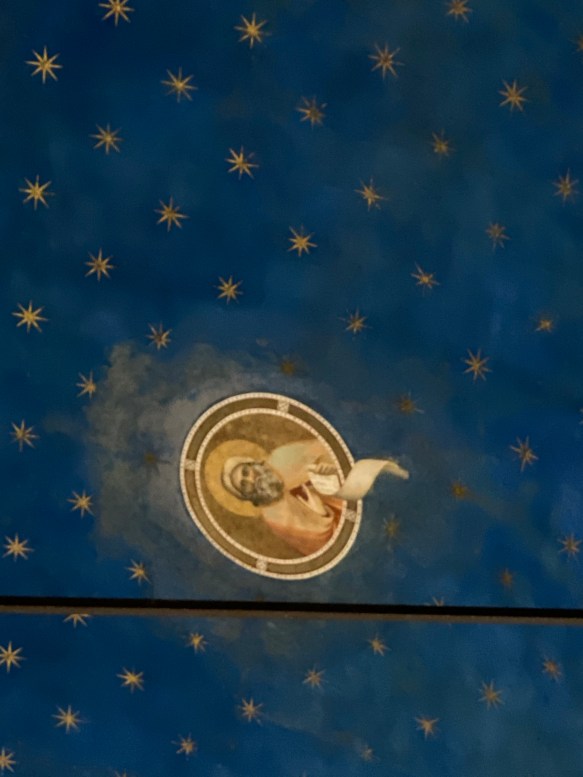
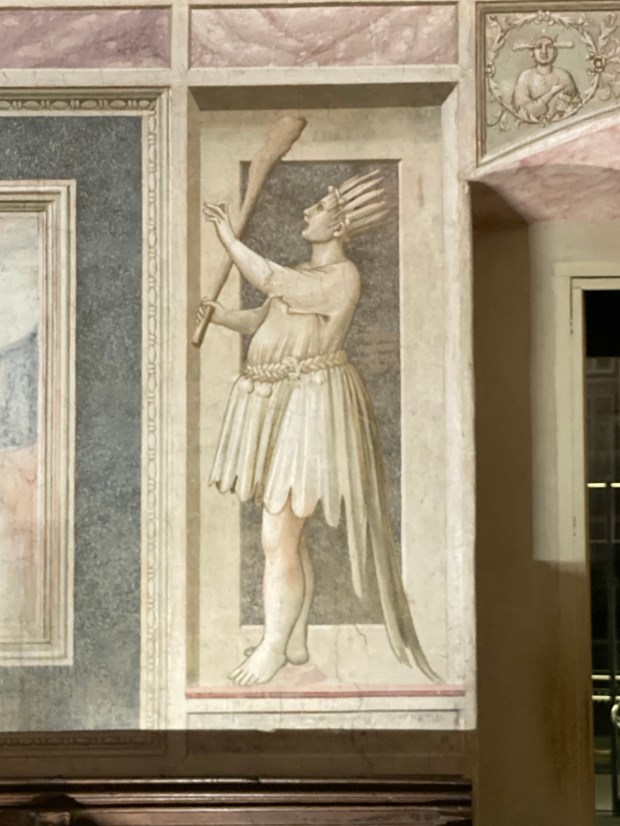
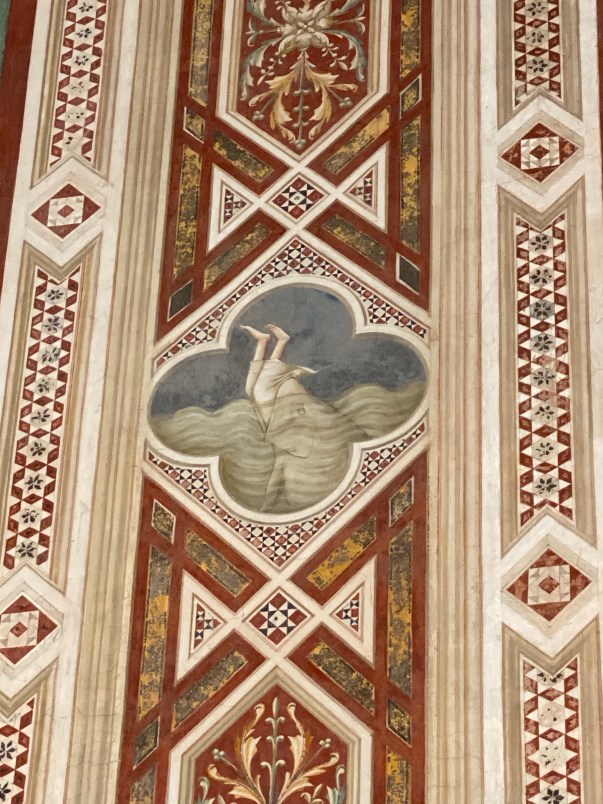
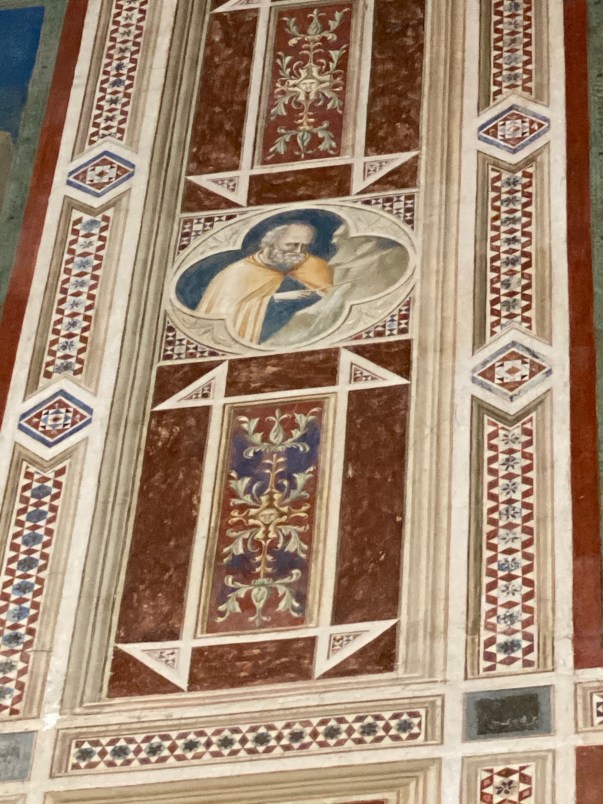
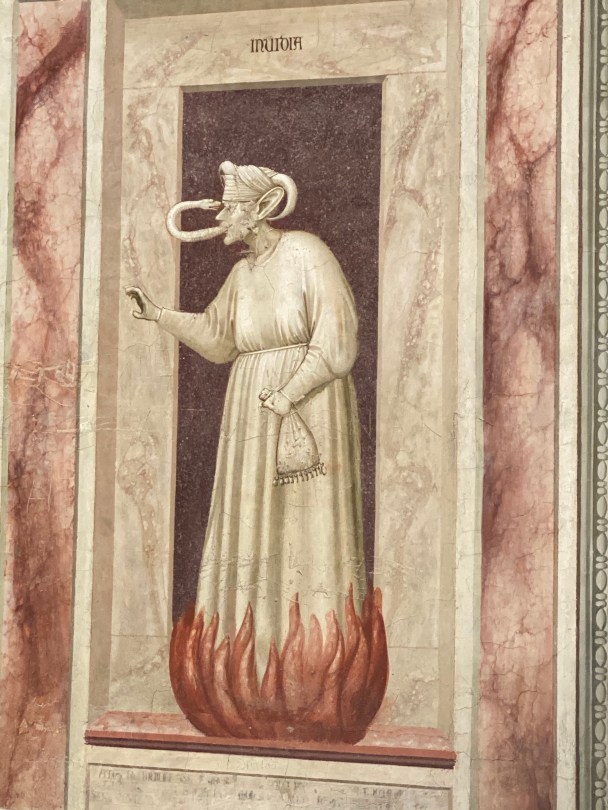
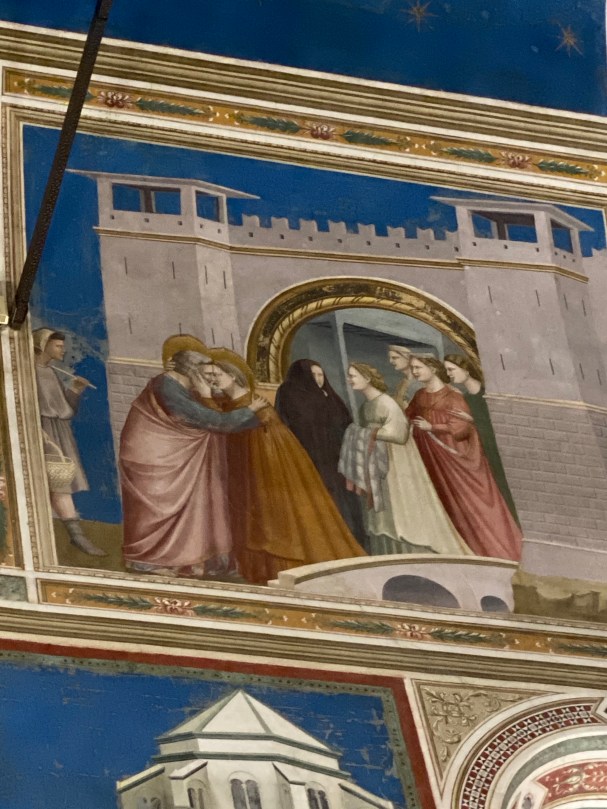
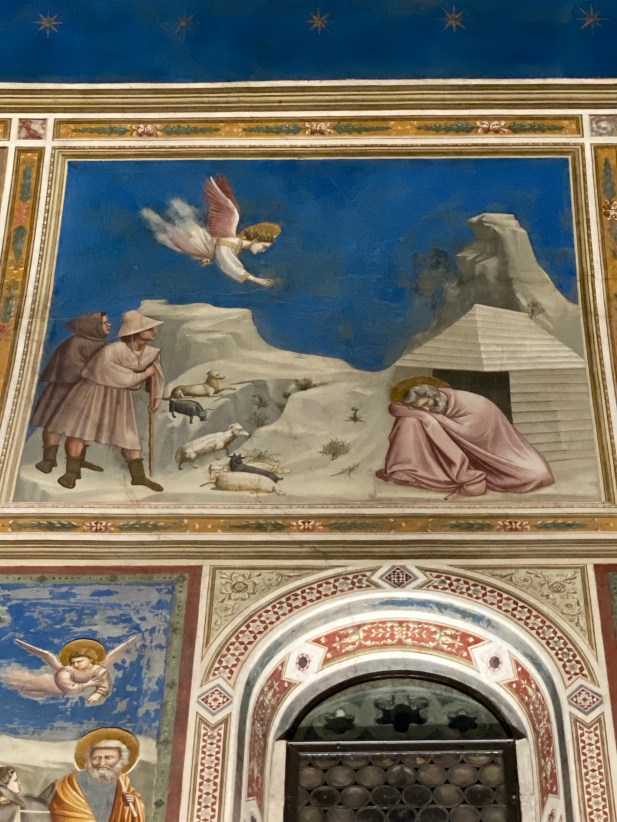
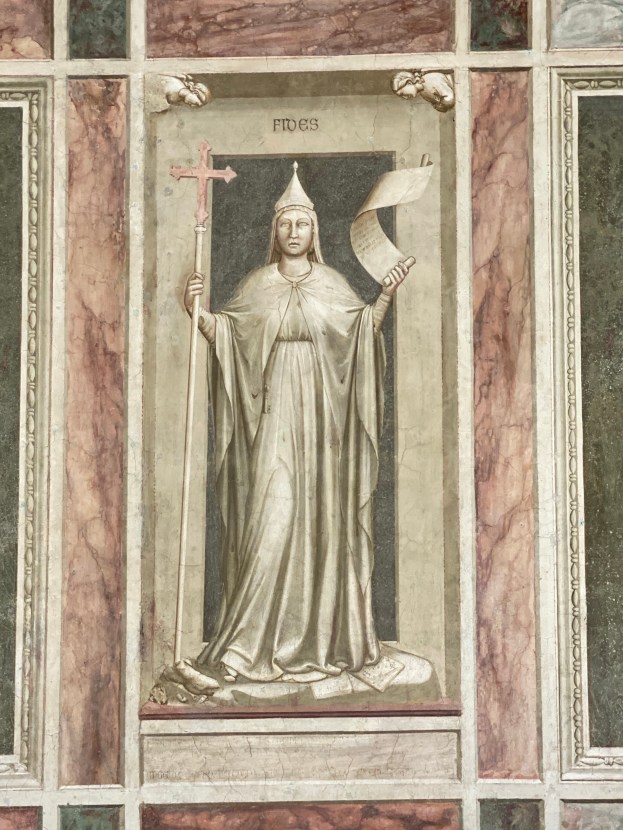
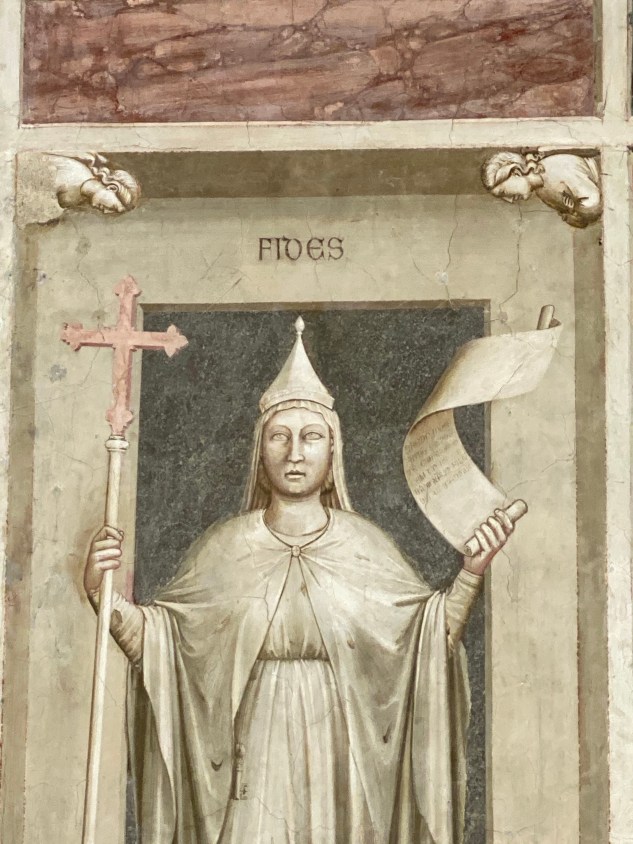
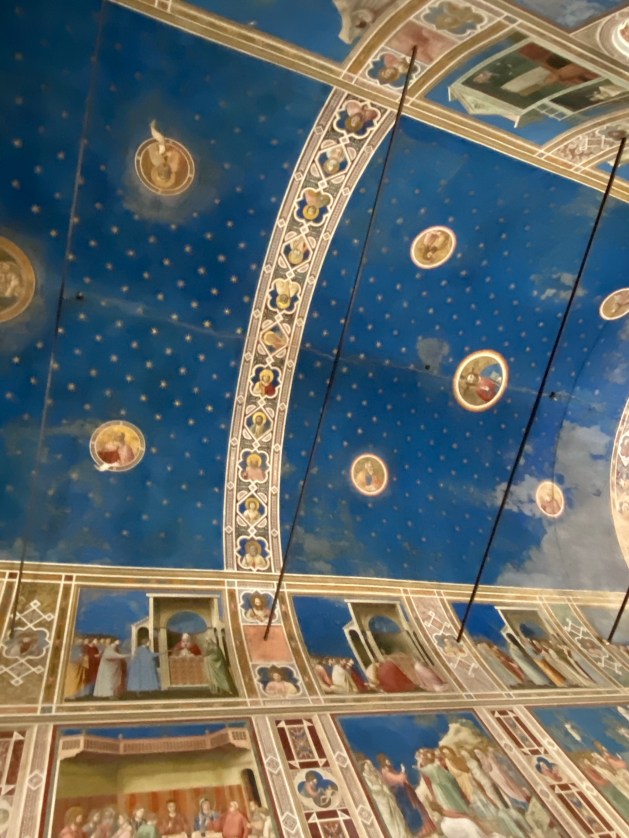
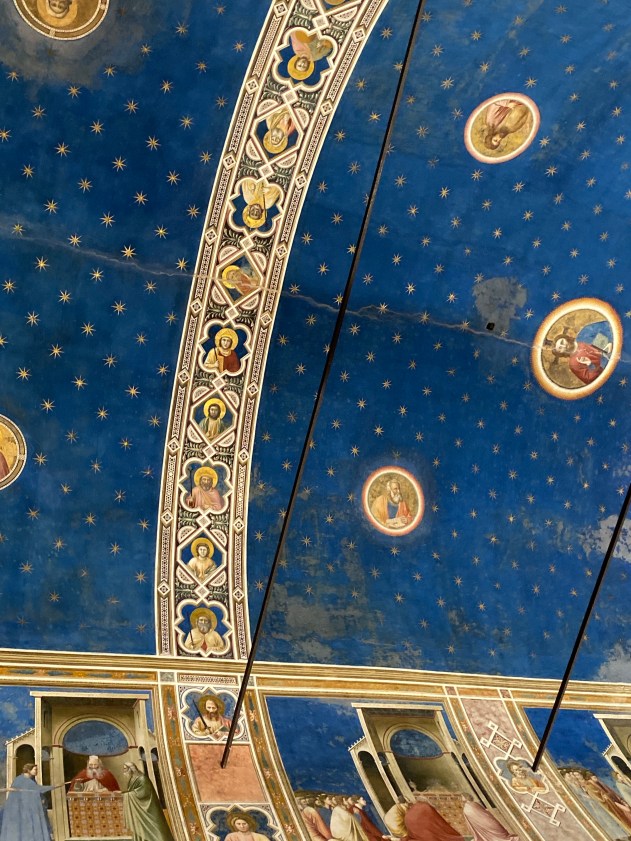
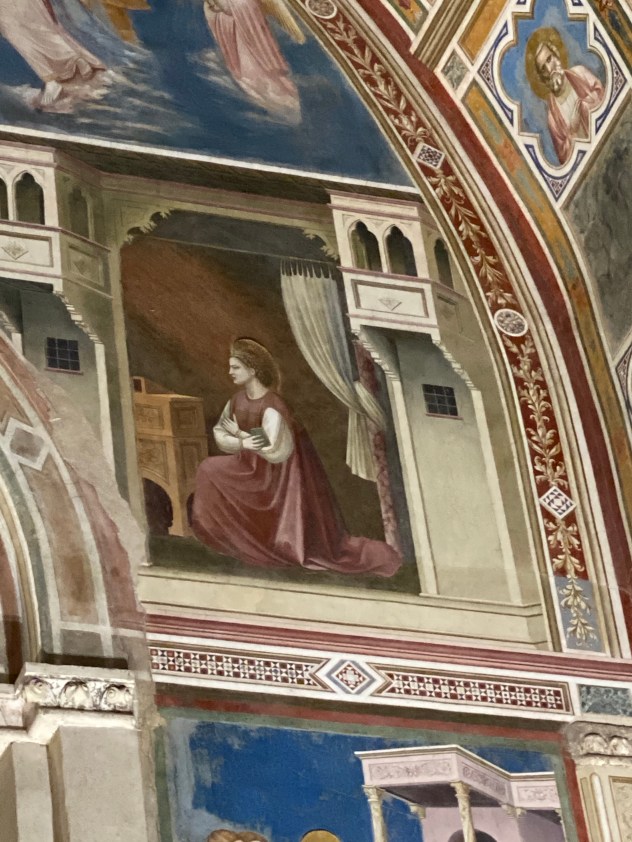
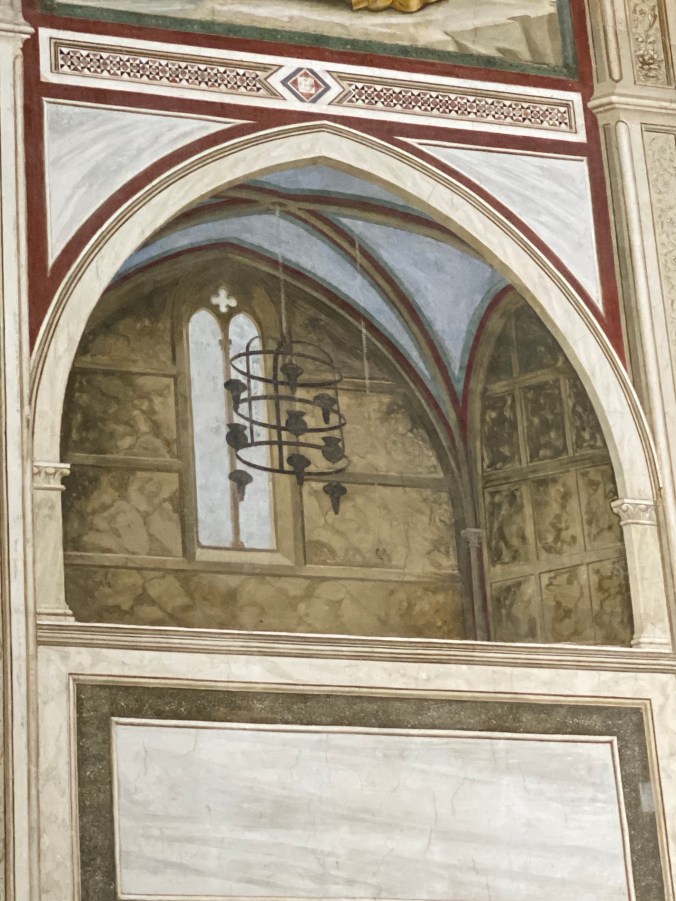
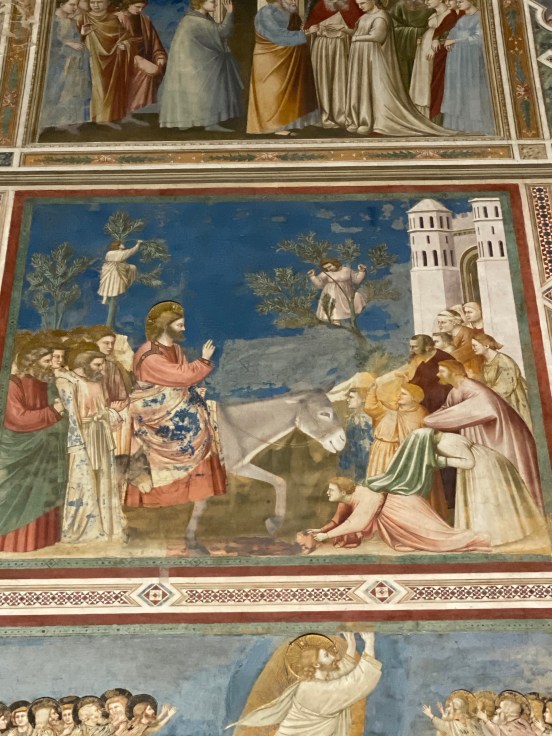
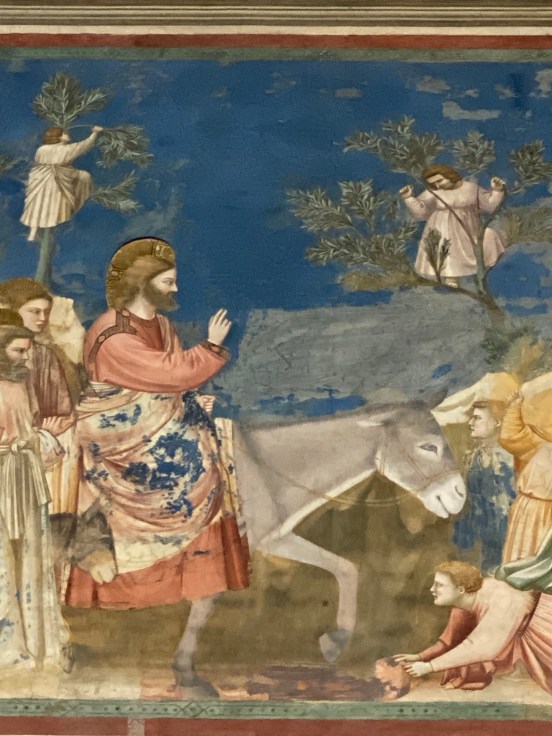
Giotto, Scrovegni Chapel, Padua; once is never enough


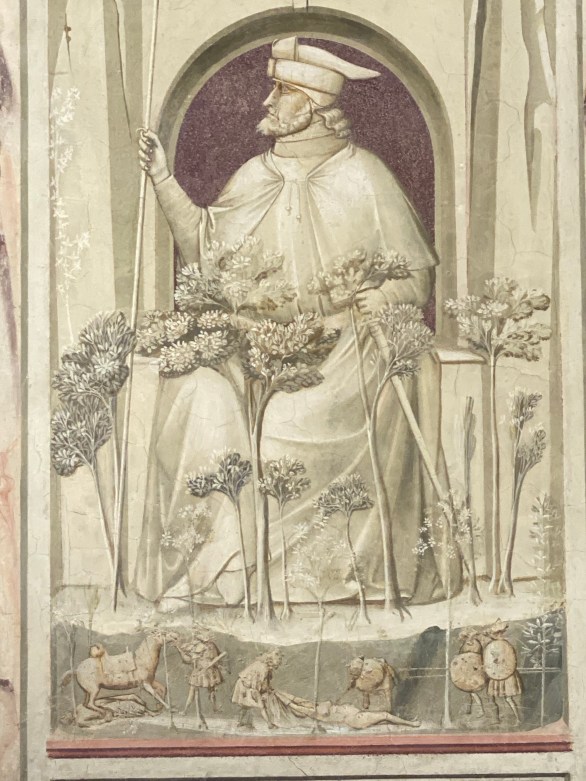
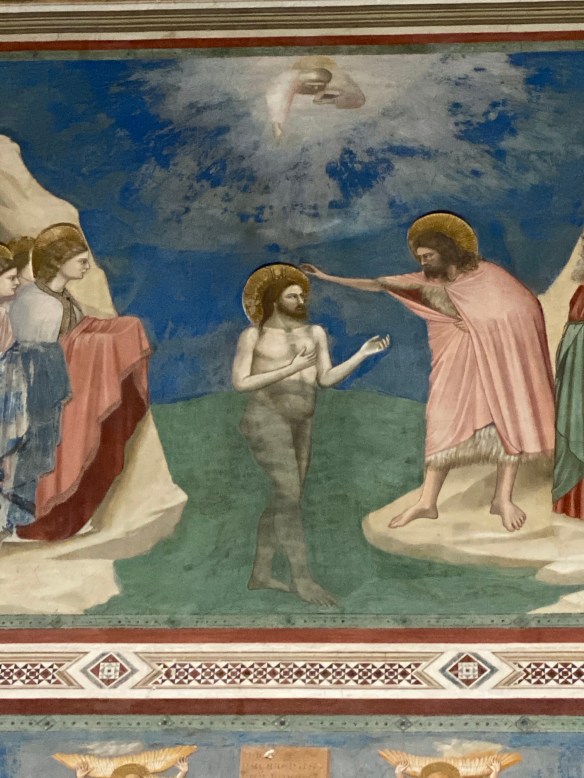
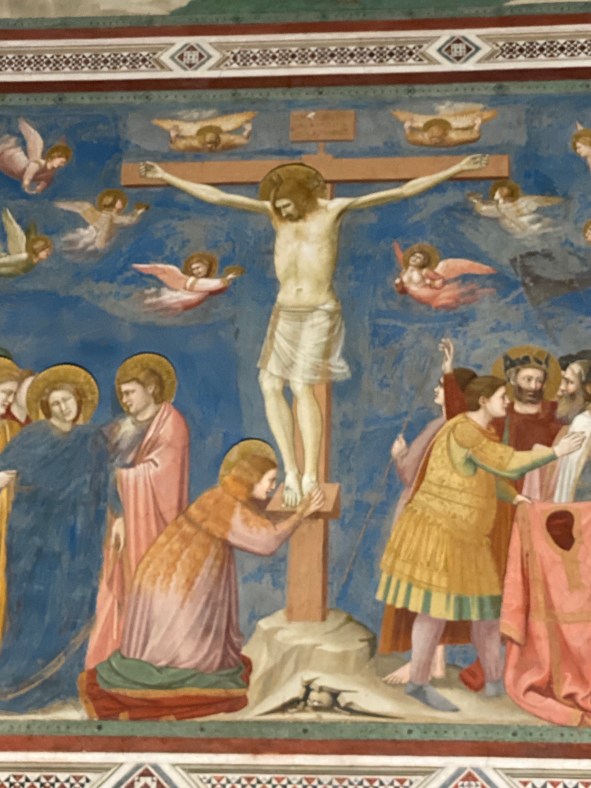
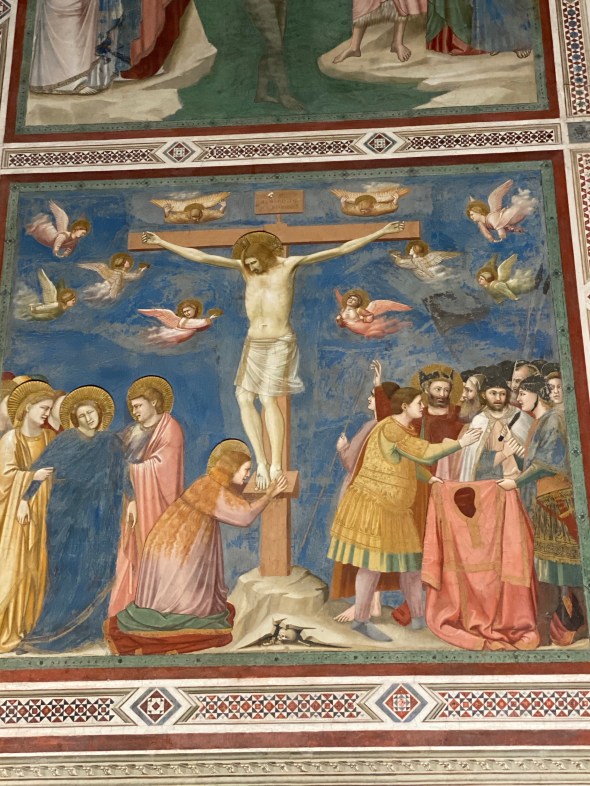
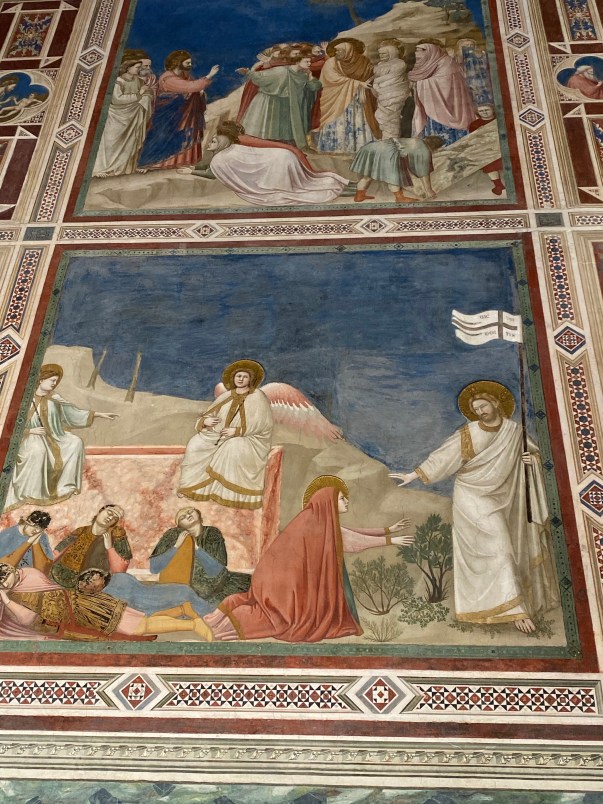
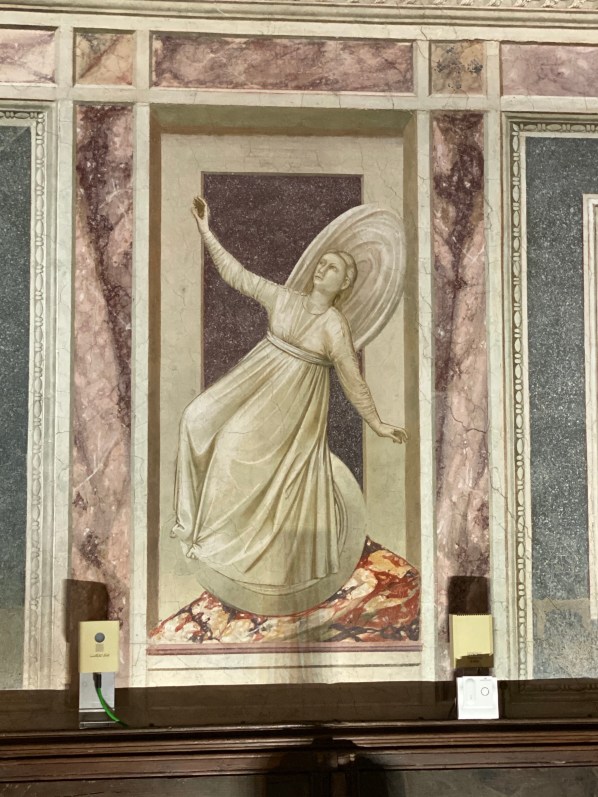
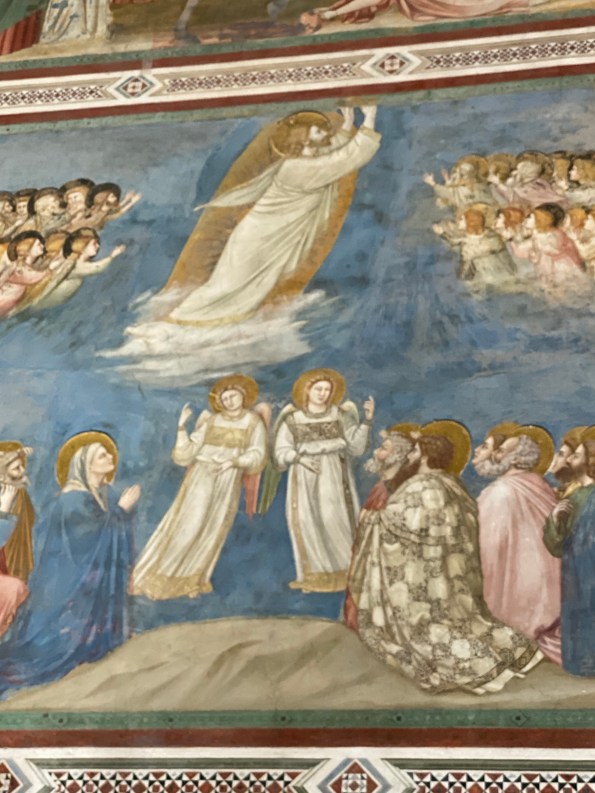
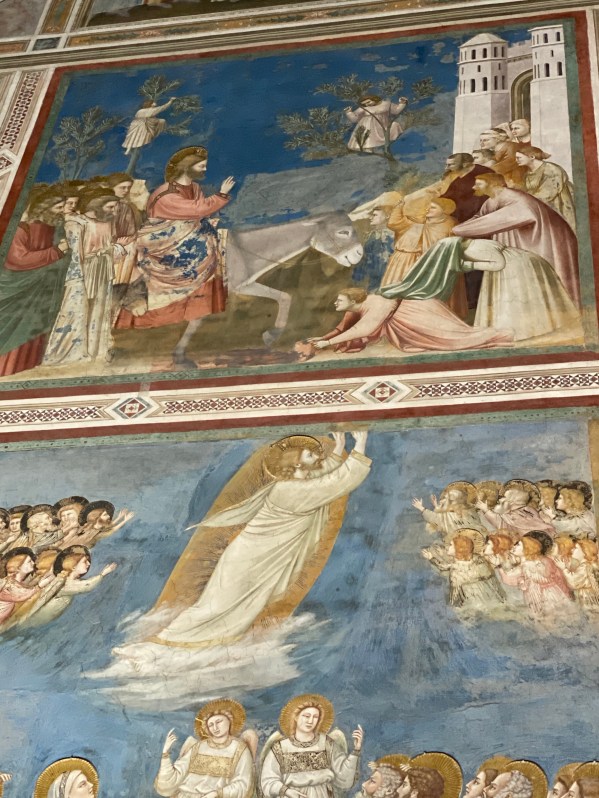
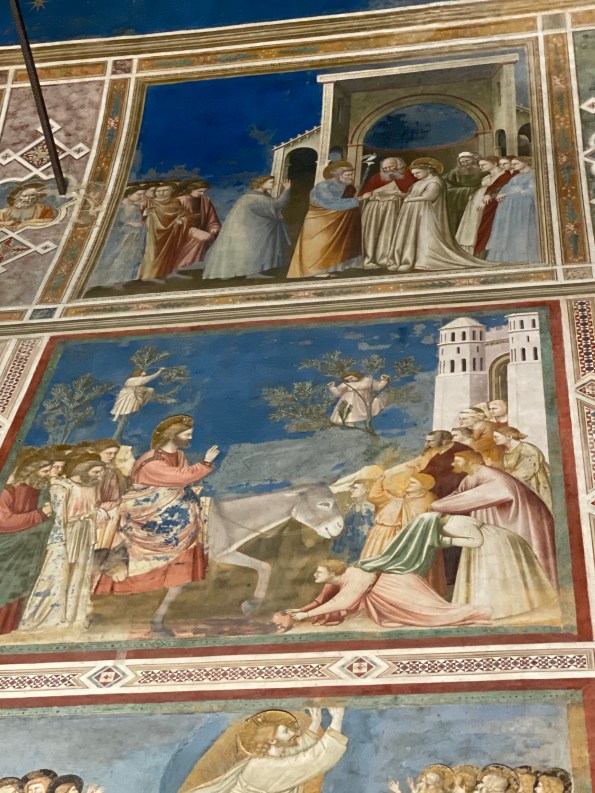
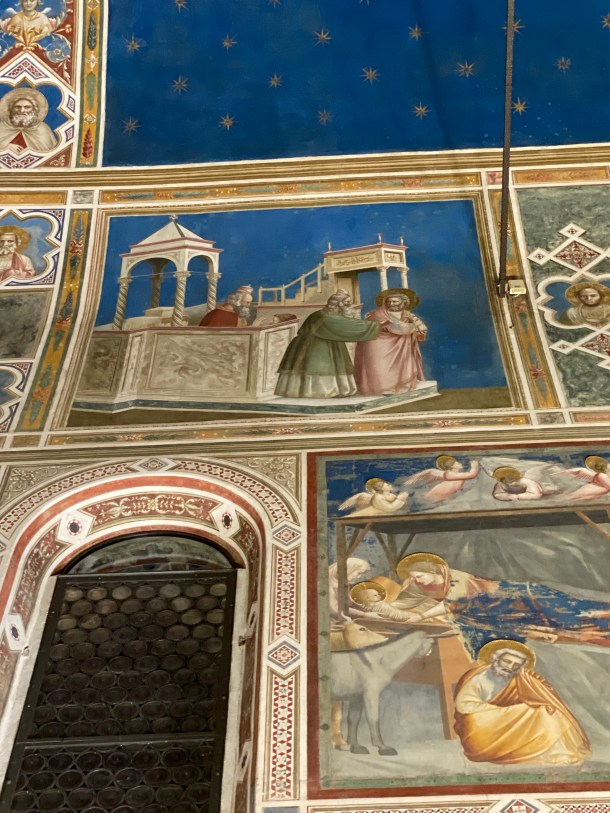
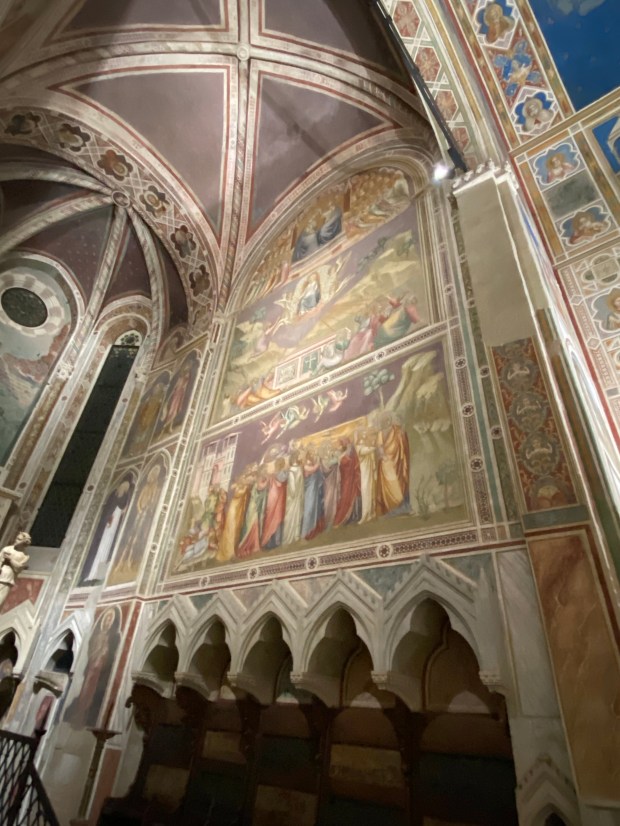
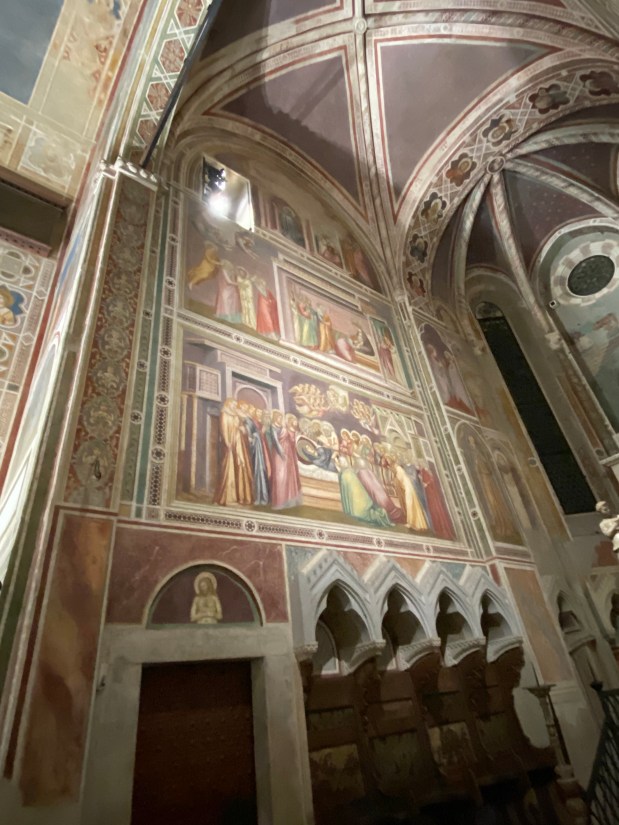
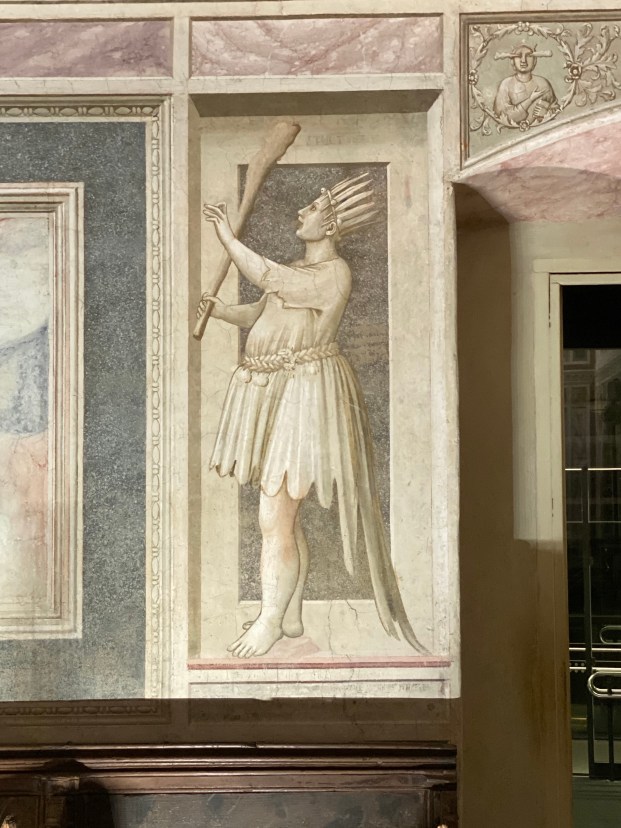
I had to go back to Padua to see the masterpiece of Medieval fresco painting and I’m so happy I did.  One, two, even three times in a lifetime is not enough.  I’m now at 4 times and counting.

AJH76ZWuQbO2eGhnU%yWLw


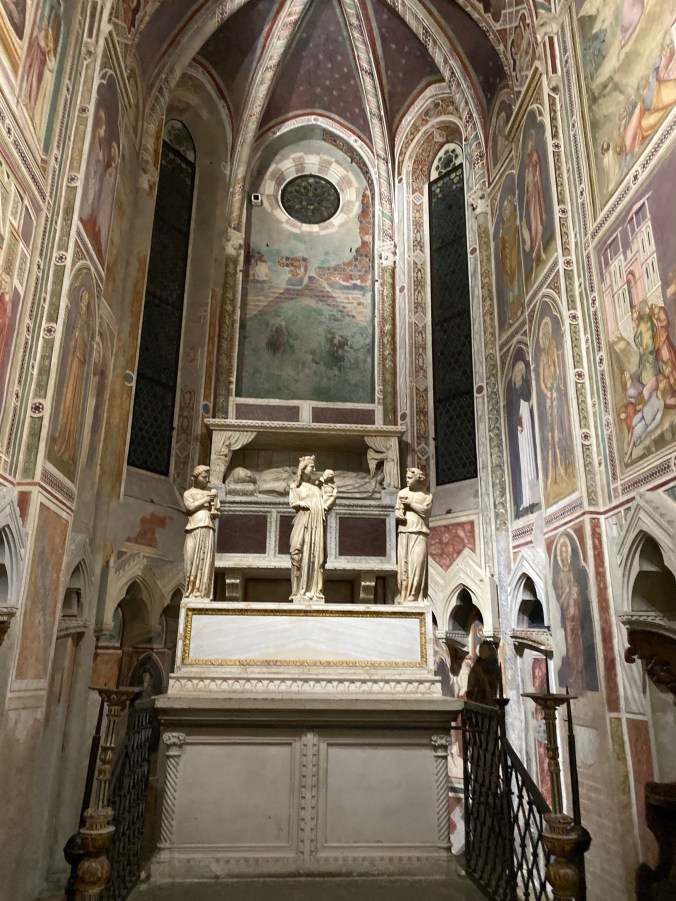
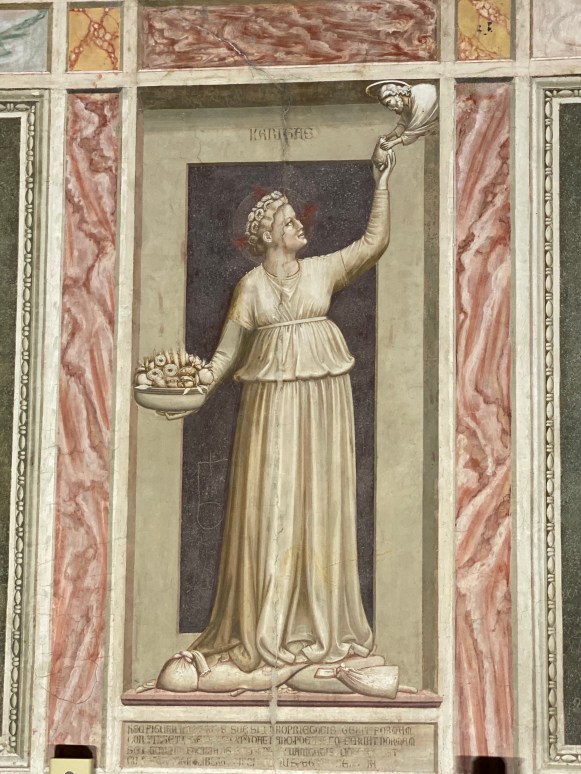
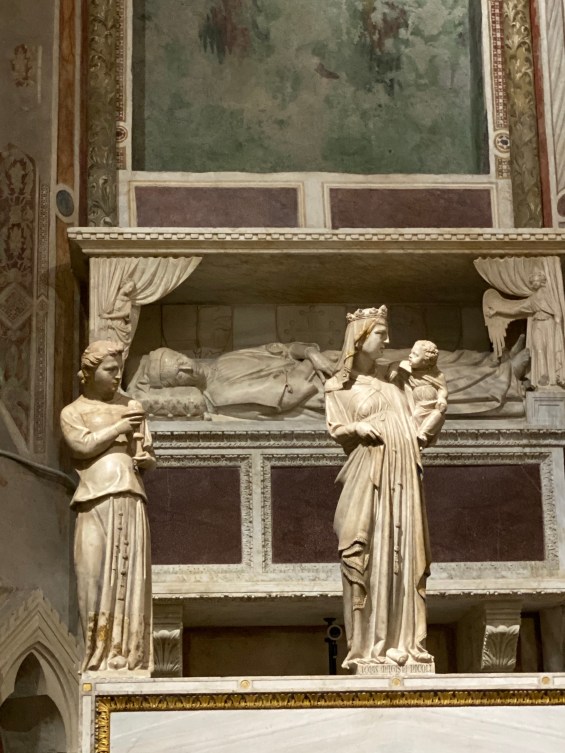
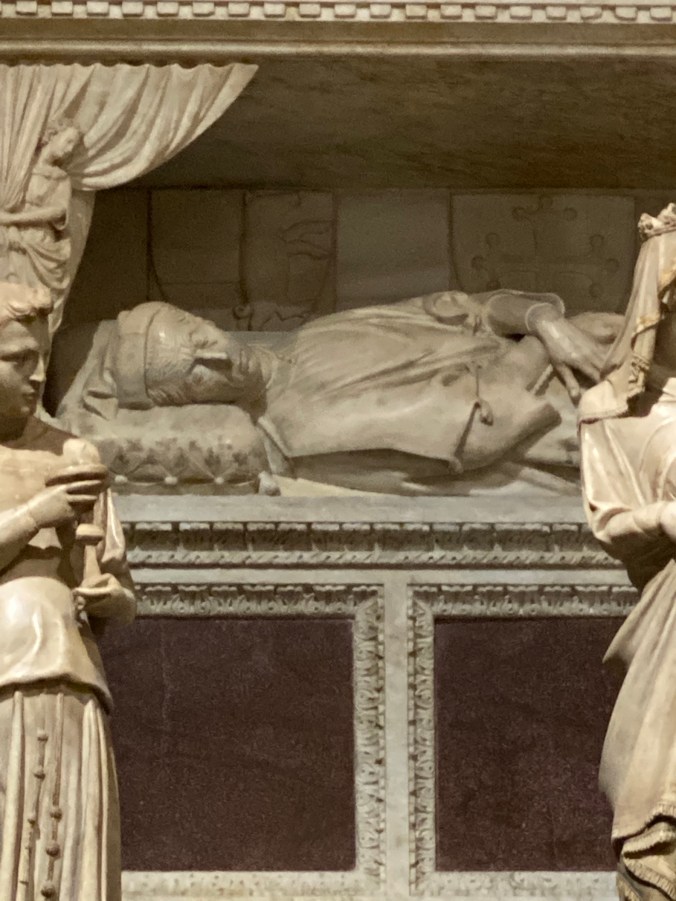
Tuscan sculptor, Giovanni Pisano, is also well-represented in the chapel.

GL52bo7vSWy2cpYTFOSLyw

LaIU+qYeR+aNDd%rjpU+OQ

jdkju5eMSkudhKGEEOoaCw


0FcsG%HgSa+bQN3aZ5ZFtA

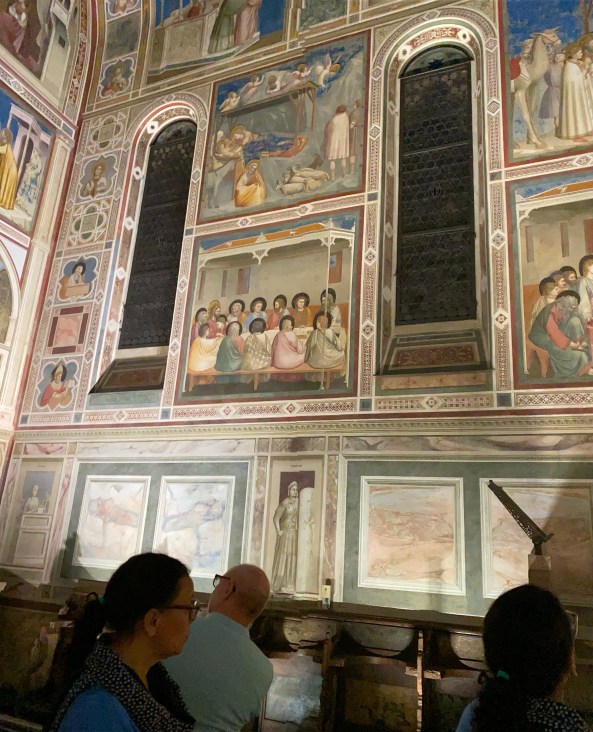
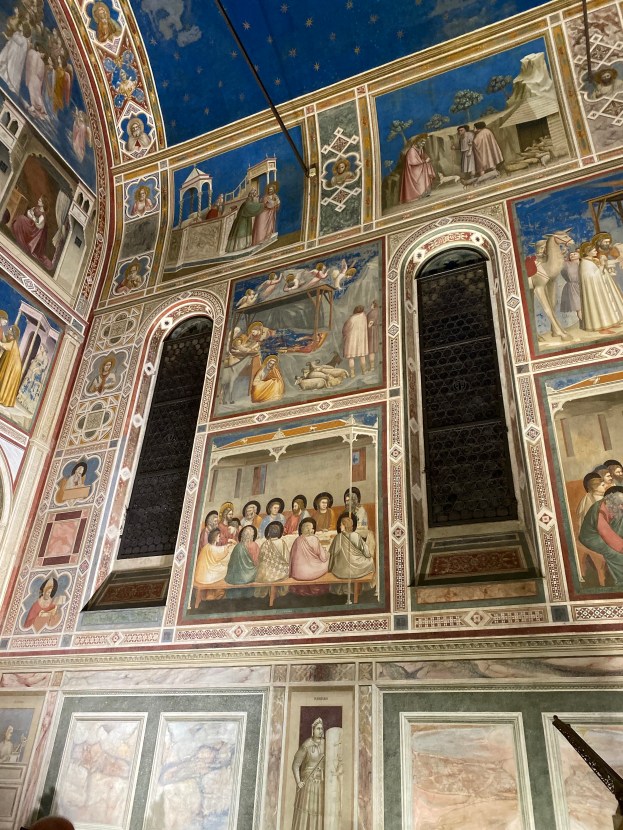
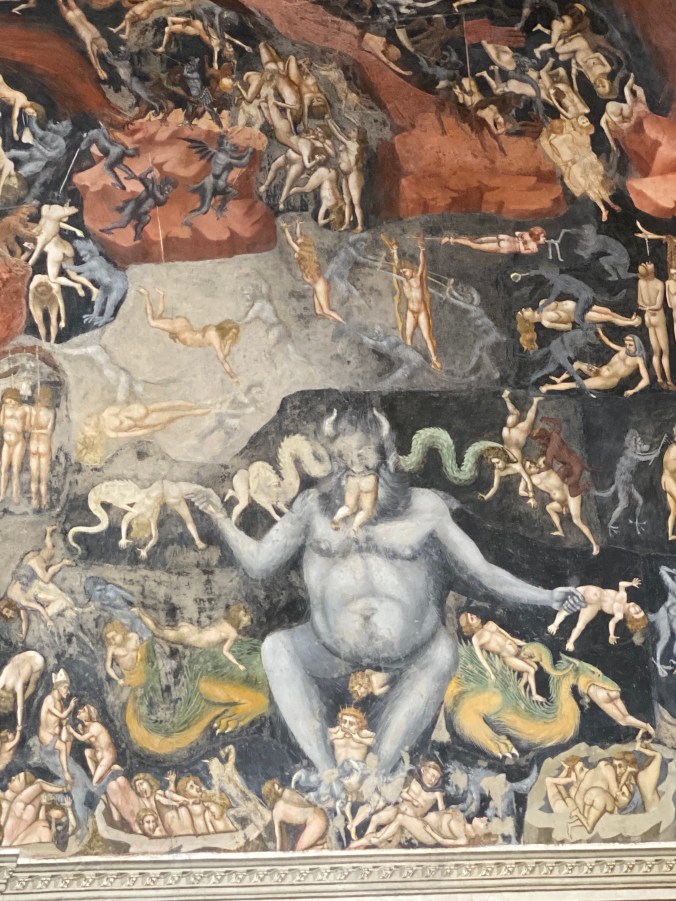
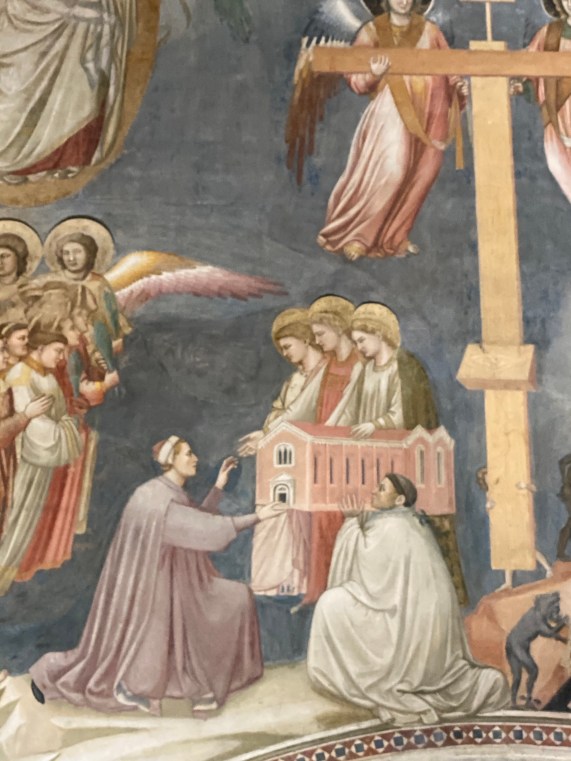
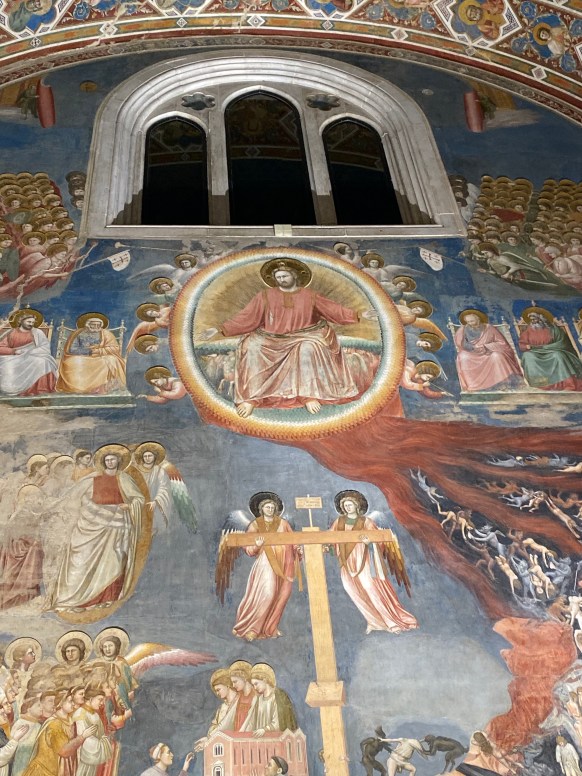
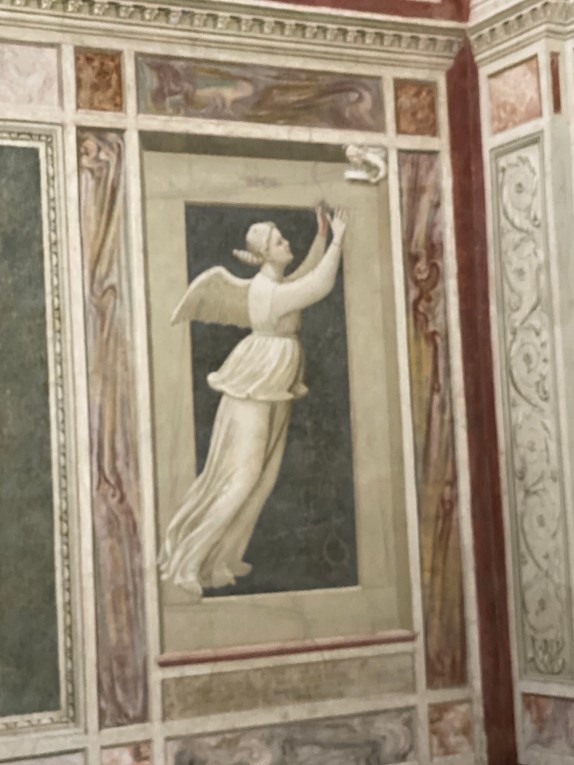
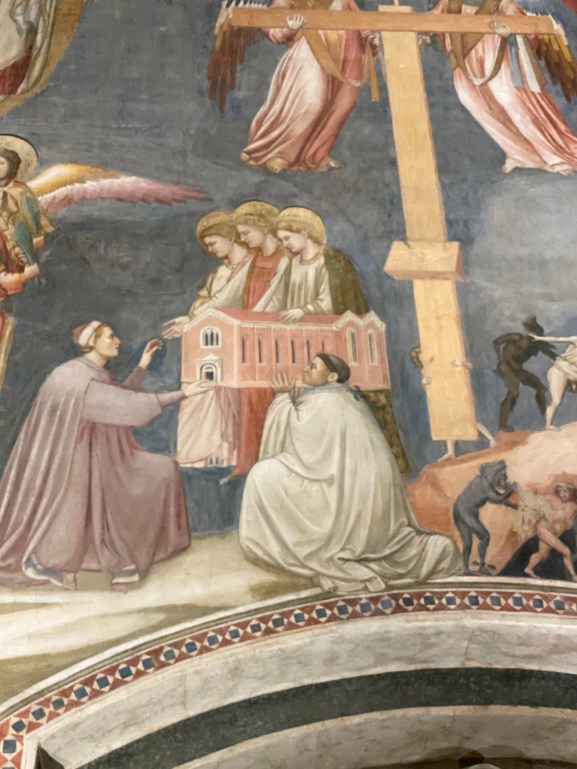
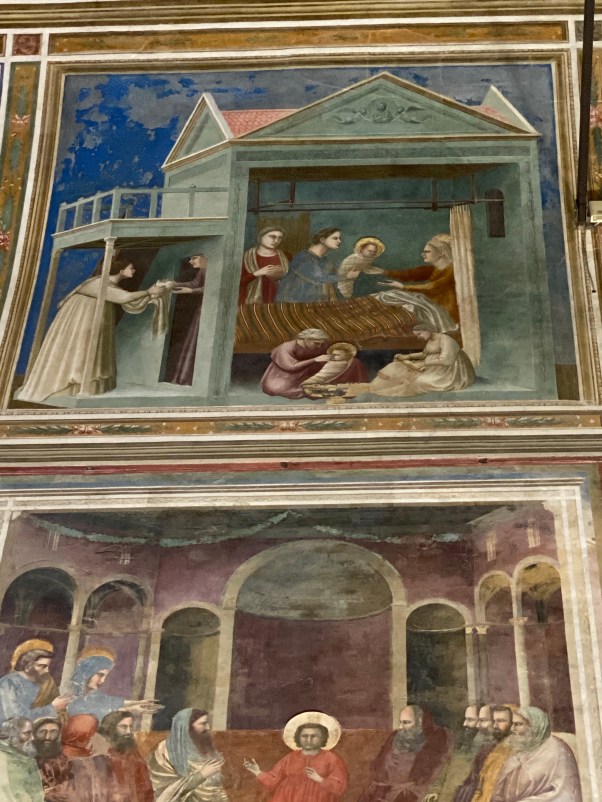
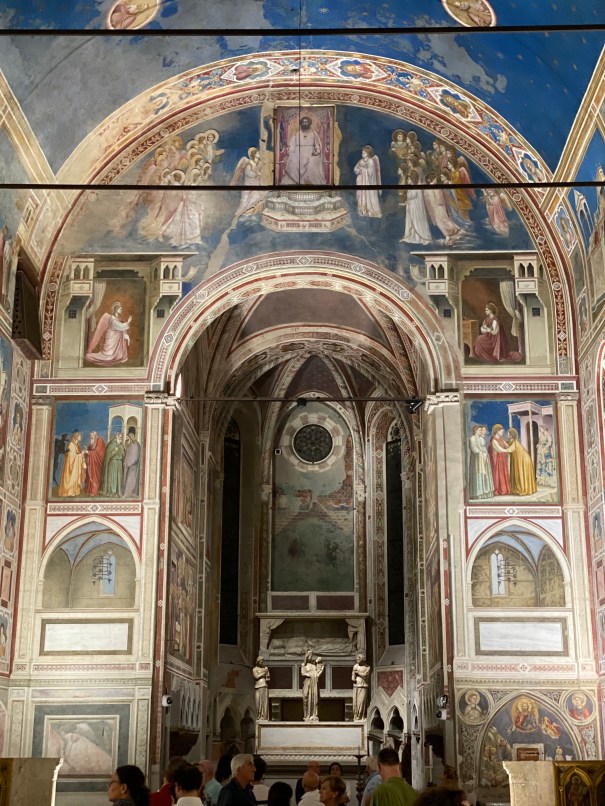
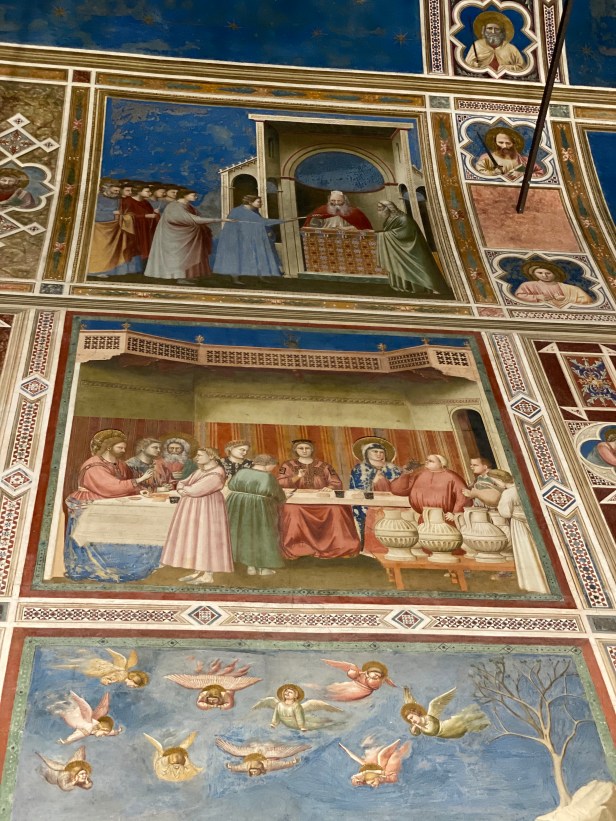
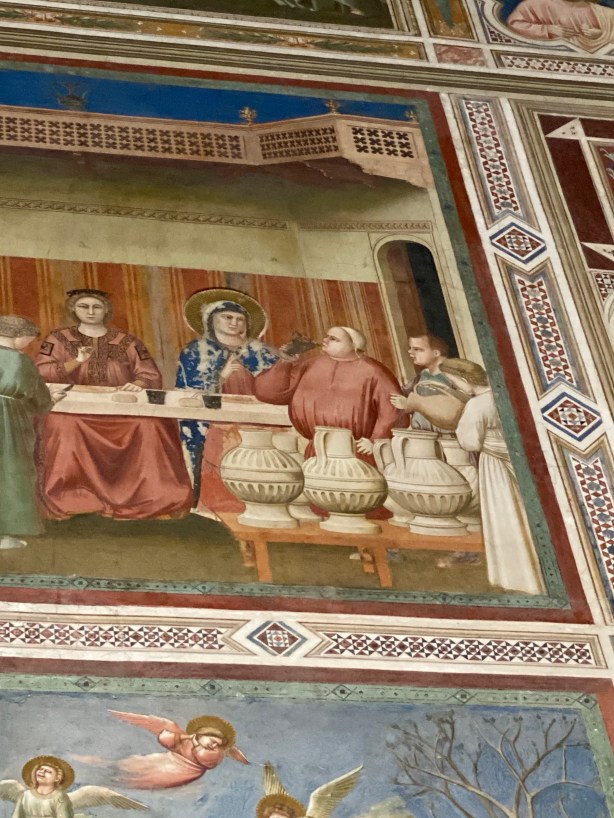
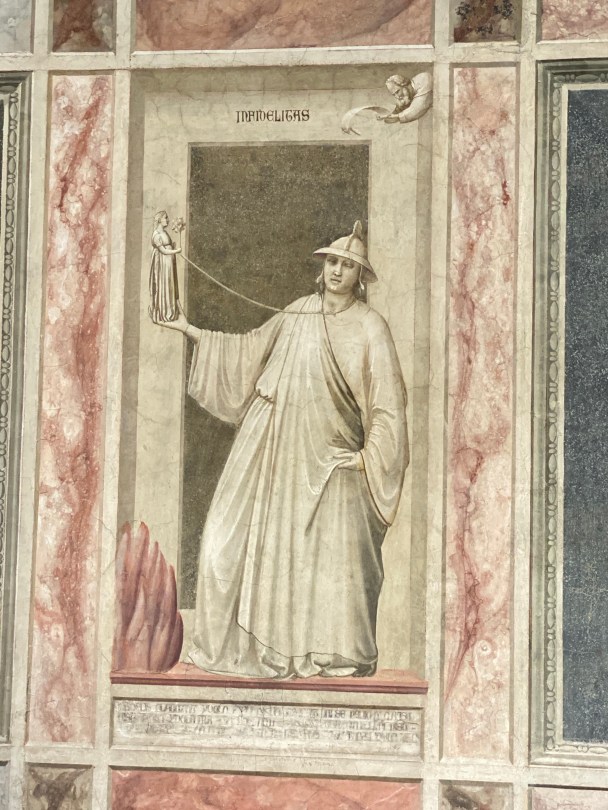
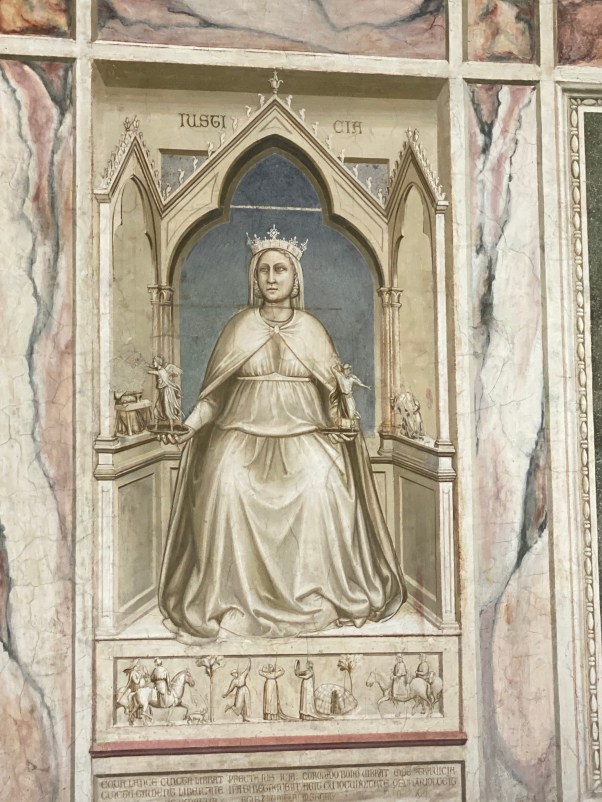
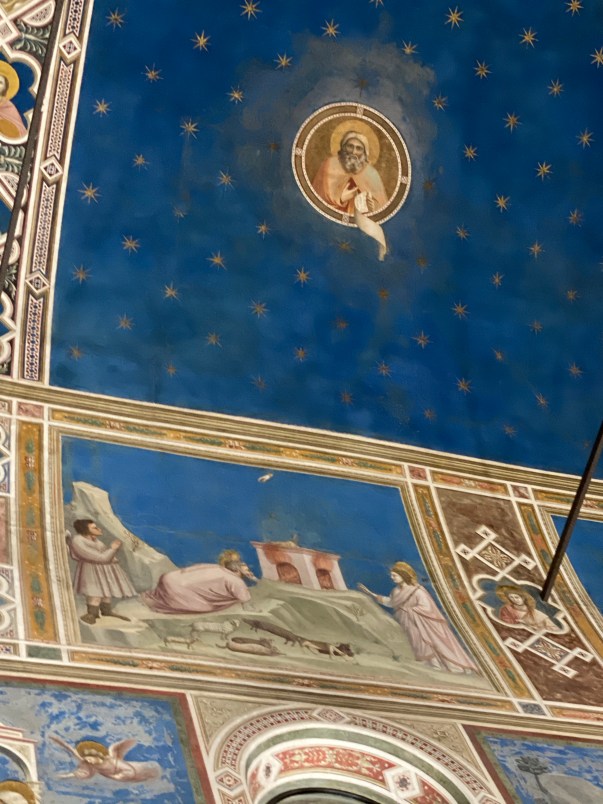
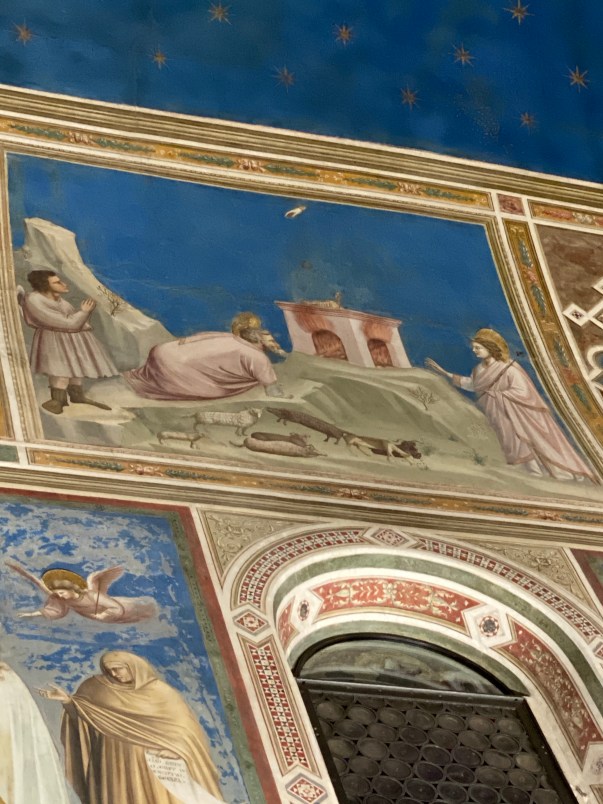
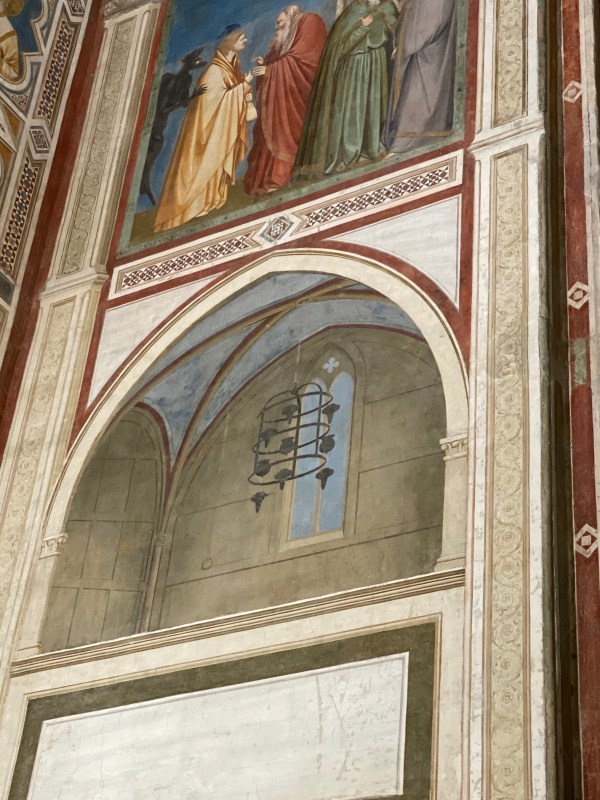
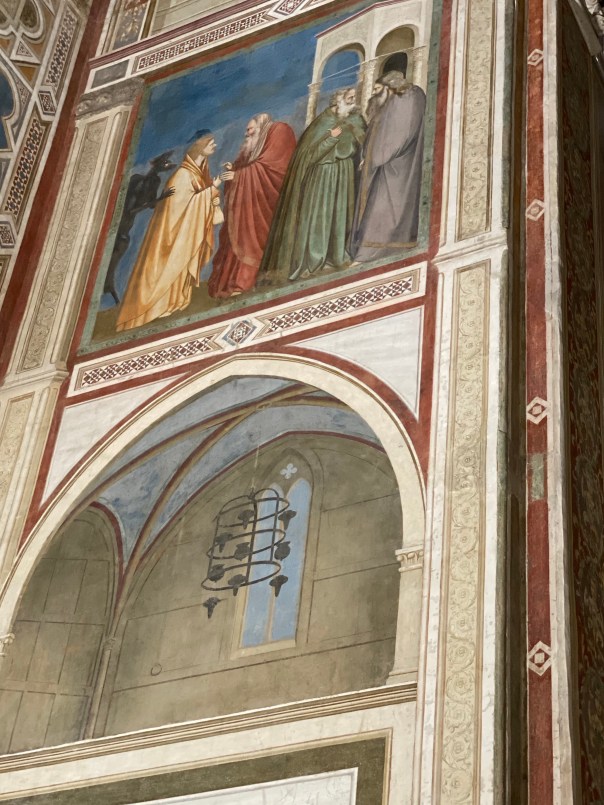
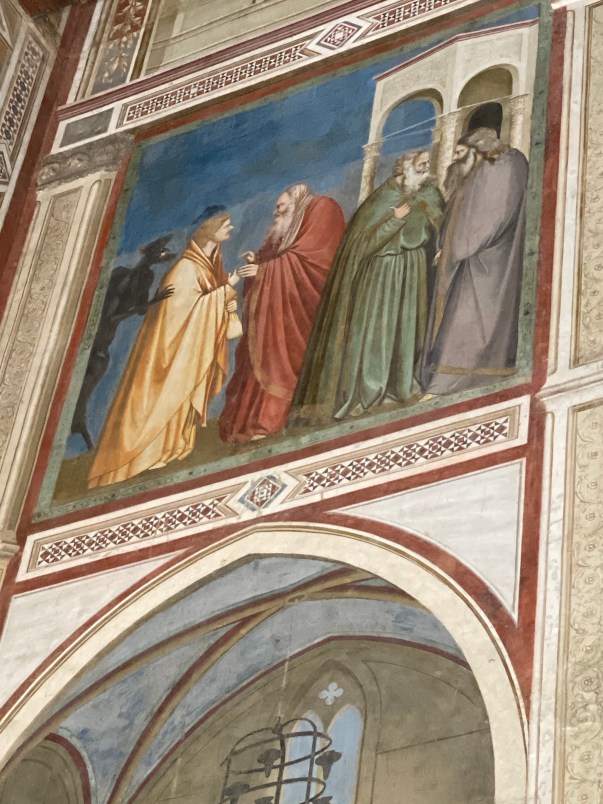
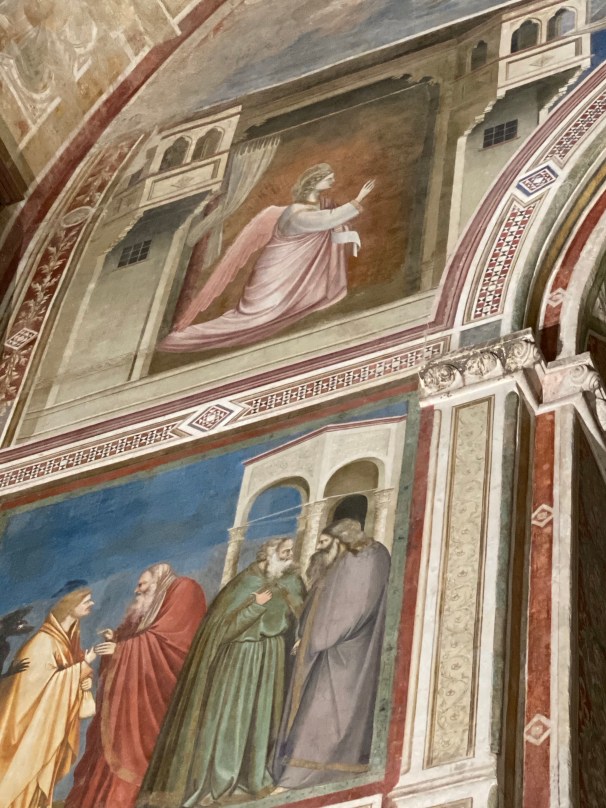
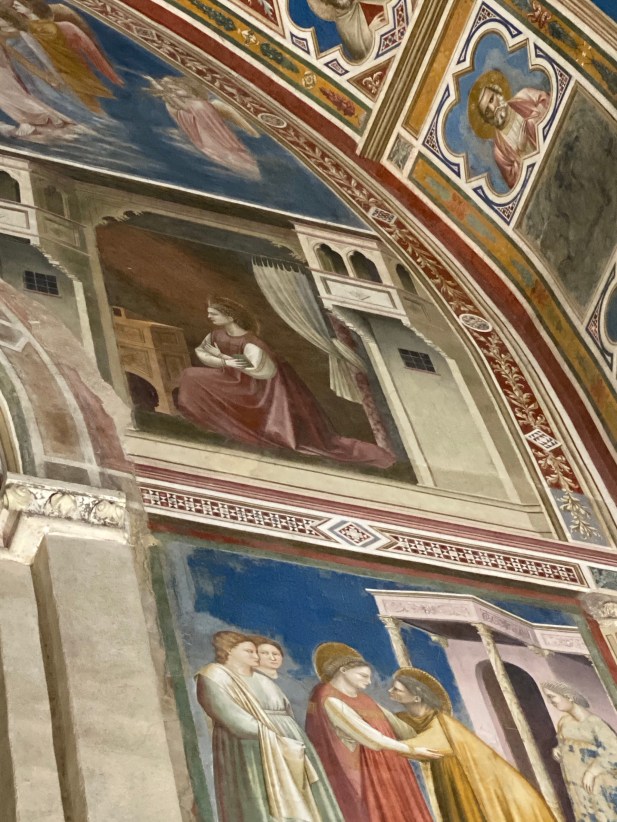
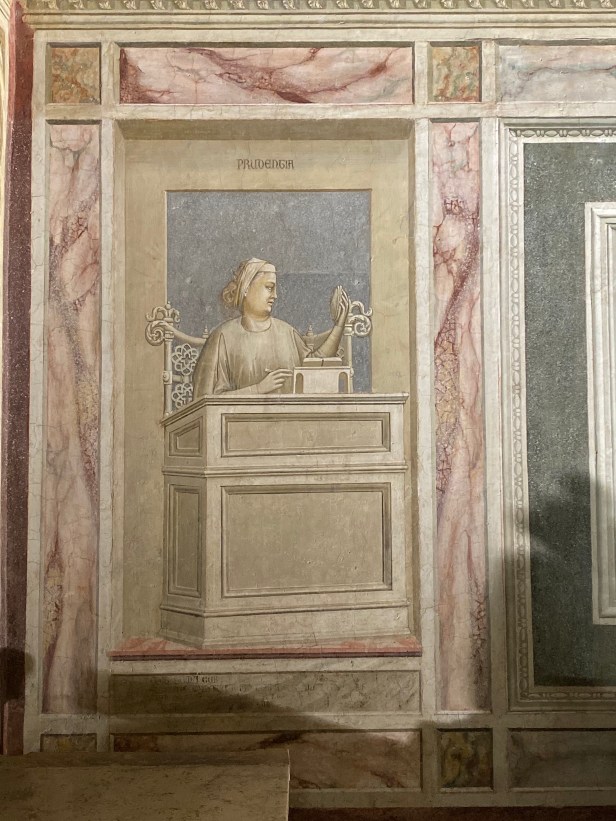
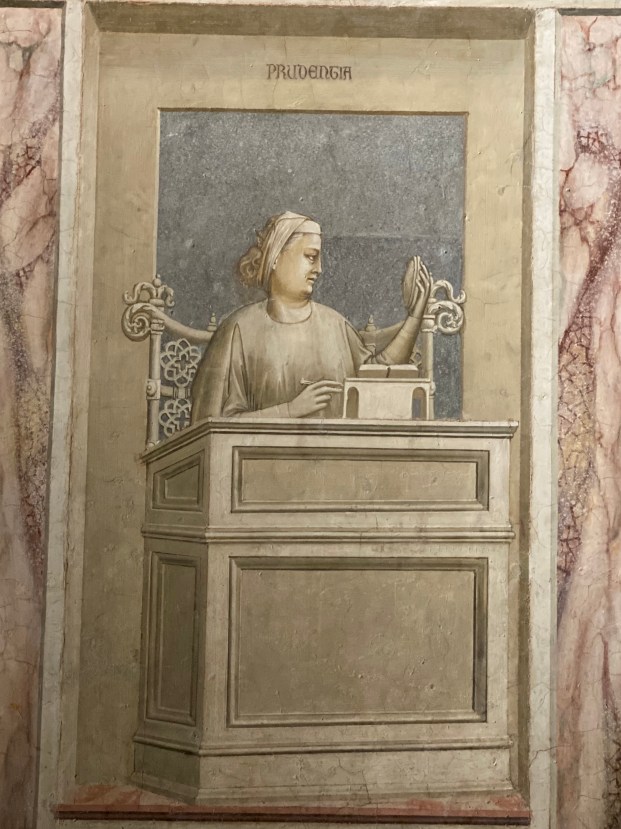
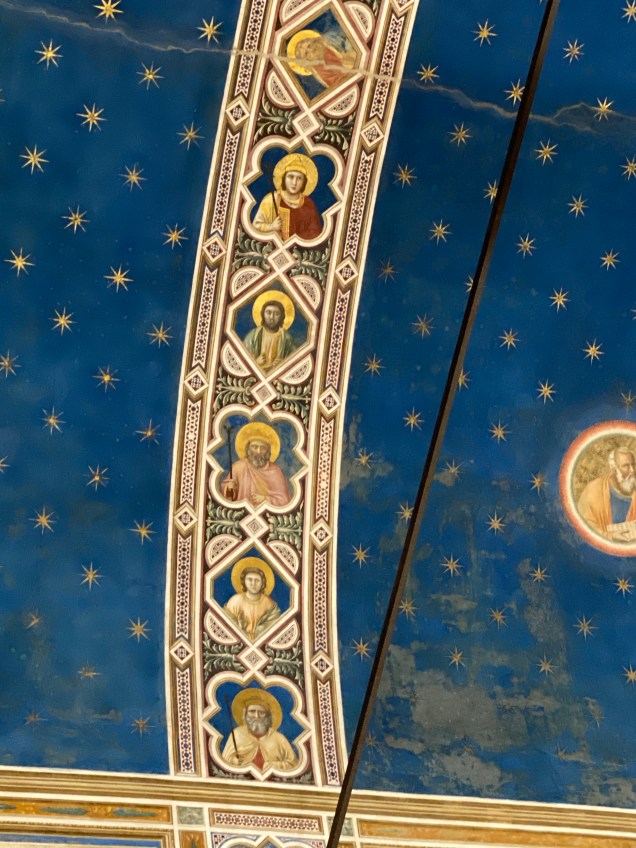
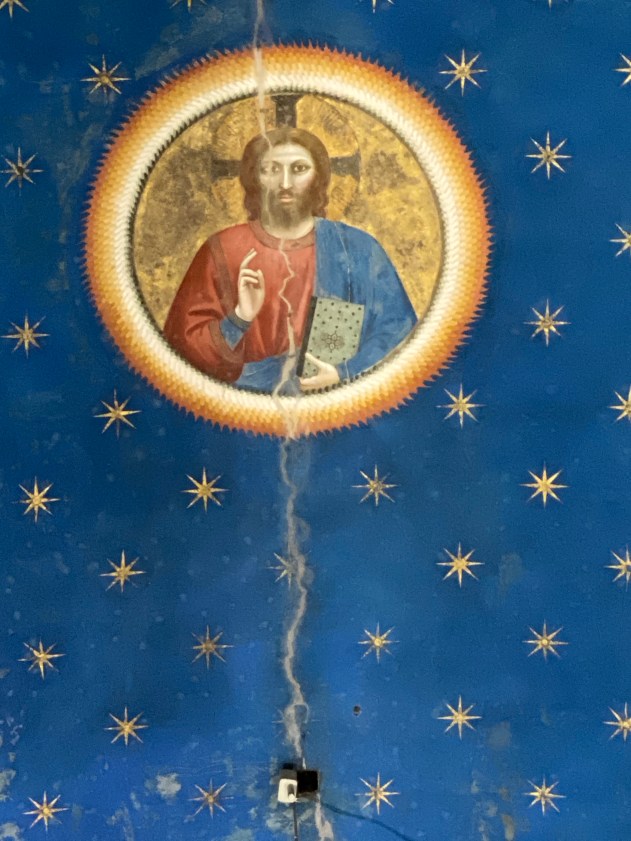
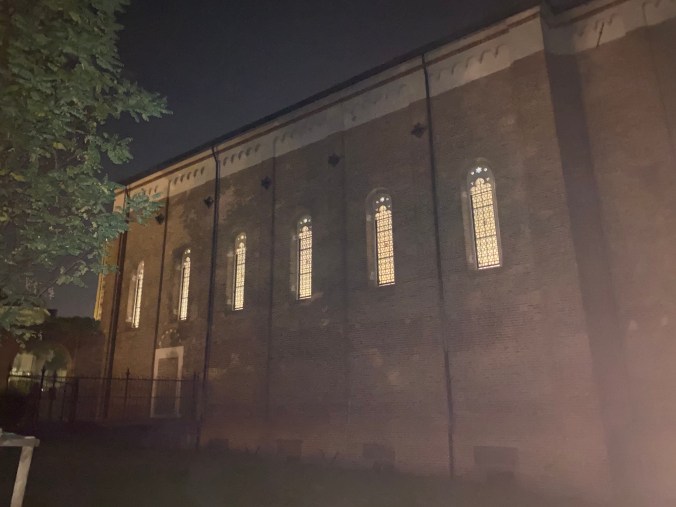
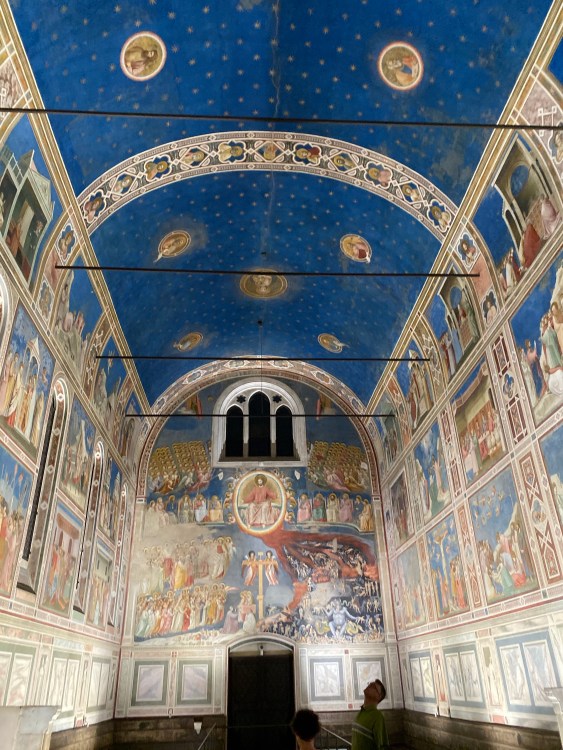
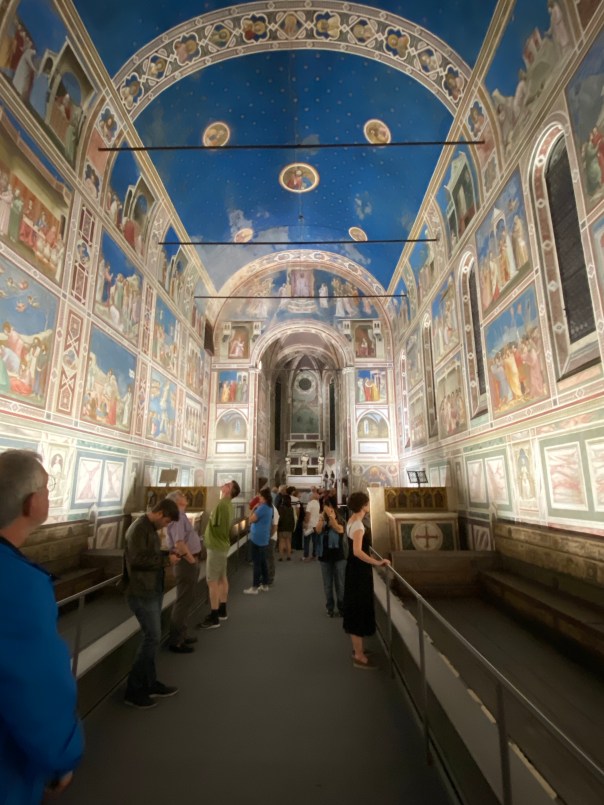
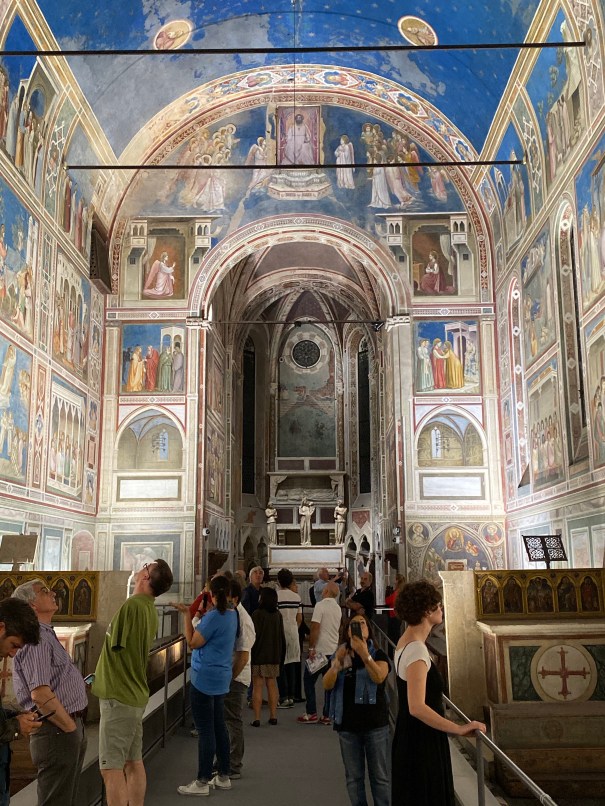
The brochure for the Chapel tells us this about the Scrovegni Chapel: “In 1300, the rich nobleman Enrico Scrovegni acquired the area of the Roman Arena [in Padova], on which he intended to build a fine town house.  Next to it, he had a chapel built and dedicated to the Holy Virgin, for the soul of his father Reginaldo, the usurer mentioned in the 17th canto of Dante’s ‘Inferno.’  Scrovegni commissioned Giotto to decorate the chapel with frescoes which, according to most reliable information, was done between 1303-05. The frescoes cover the interior walls and ceiling of the building completely.  The lower part of the blue star-spangled vaulted ceiling depicts the prophets and the important episodes in the lives of the Holy Virgin and Jesus Christ.  Above the main door is ‘The Last Judgment:’ Christ, as judge, is surrounded by the angels and the apostles; below him, to the right, are the Blessed; to the left, the Damned are depicted as suffering eternal punishment, according to medieval tradition.”

DG3LDrZxR6m+aJav1gytJQ


S2mt8rOASI+nm5sXFcTBLA


TxRGFELGTVqV+%w2XLsShQ


qMTLhQBZSN6idqK1N%i5Xw


s0+Bro%SSuOMWHqEaCj0mQ


xohrqp94Tea1OIfTERPBiQ


7pf49WfSQHm73zYMJvVjLg


1Dc7eiJSRsGGXDTOuY1CAA


44b9JPpvTfOHINfd5MQA5w


coWhRX14TE2J7YNHurq4nA


NfXtb3ftRMKEWcL4gIPMdw


9yIs4VlTQz+Jv3ztV82tIw

5G%evXVdSbOn7XIFRSy89A


5GgoydSTTOex2%6ZLXl2Eg


OUHOMfeUQRuE1DV2SEWezw


q8B88rcHQeWK6iQeTfeXxw


08gzuZXfR2Sd02VBFFLLCw


EkqmJn8BTVesm6Kv4gUhUw


N0eLHew0TTOXec02ahwYiw


lo5dh2o6QTivZJWU3N4M9A

INcrLouHQHaNdn+ArZvLRw


rzky5demSAmQiD7OBarMNQ


QYJbzj5GTVGtGgI1MeZmGQ


JLKGSOjlSD+2dOpnvAYUlQ


tjKE08UsSMeBCkVtQk831A


OWWddr2cQgejV9Bkh8vq9Q


9jj+Hs01RVyC9yNVwQL5CA


WMgQ3aYvSzyEBJkx0RLC5Q


rq59iEl8S+SaAIhTjxG%jA


gNVTeRLIRmKVTAheXLlQVg


rNySQhmgSkKEpmUvsJ9bIw


LYd+LCnMRqmaapQ1PnYLhg


sct9IGMDTdKWzkpgvINWFQ


fullsizeoutput_1907


fullsizeoutput_1908


9QPwScqOQKSjXSQ3m0DRZw


801pHHG2Ru6t6GhFxkMIzg


JYlsBviASKaa+ju6FB7gpA


j+UwnNQRR7ed6xq2WfR7fg


vqhseEDAT46EGG2hTV1Owg


5HEClRbYRGefQJGmBivjRg


NveAKBKMRjKl7%irJU5UXw


5JsYZhaQTKay6sCHVgueLg


7t75WRvjRTyshmpW4dJUKQ


w2CPTHvNSnK3M0B6r7qUwQ


MxGxijH+RiGVm6xFQU%Thg


XIf5eb%ZRoCjL+4opO0bQw


NmbFzTynQW6LtHqgj8LX5w


yif9VB%XTSSq9iCNPAkzPg


Y4OCRx%HTf+m2UYP%BSRzg


IC%ajiS+Sp+rB5%Dyfm1jQ


vCRS0QdiTN+3yLkFa4g


Qyw3o96QRKK5lPKZMTY8Zg


fullsizeoutput_1948


rJJOZVS2TF2yVMC4np3xrA


Ap5ueZ6nRJyNjj+5UrHk2g


cAMPfJkHRkyyUlu3VxkDDA


6+2FVbrQTNO8AJbv7NyAZQ


VS4OWV7yQheXjoFu5Ako3A


kyI1Ba8CSR6Cfyciw0x1wA


D3P4K7G2R6yNAyzMJekqIA


73M+VOvzRl6xsGE%vQI2GA


IGFlIXMjSgGctMImMYTuXA


wqVh7KynSdGgSFt%BUQcOQ


Tm61wa5uSjmYSOQAx4%exg


oWhfTASOSI6CJMquw3ZI+Q


k6P2aqL%Qpy8wG2326gK0Q


qzlTTCOiSZyPDEdus1Fqzw


yySzZC21SJS7ch3OmJL6ig


22XI664PShG7OKpV0O%GJg


CfWDnpDOT%m4mmv+k4oZaw


E3s3FlNSSimwGPi3GAMm9A


GMmAuCcfS8yzSByWdSAs%g


3j3aGG5dQuqZZNkvF75KGA


vUKEJA7IT224BVs1qXOT3Q


69djCDTaQ4Glb+XWr%5rhA


s+F9kVCLRJuVYsikFYh8bg


BrM2jn1+TDSwQZ0pmpLUkQ


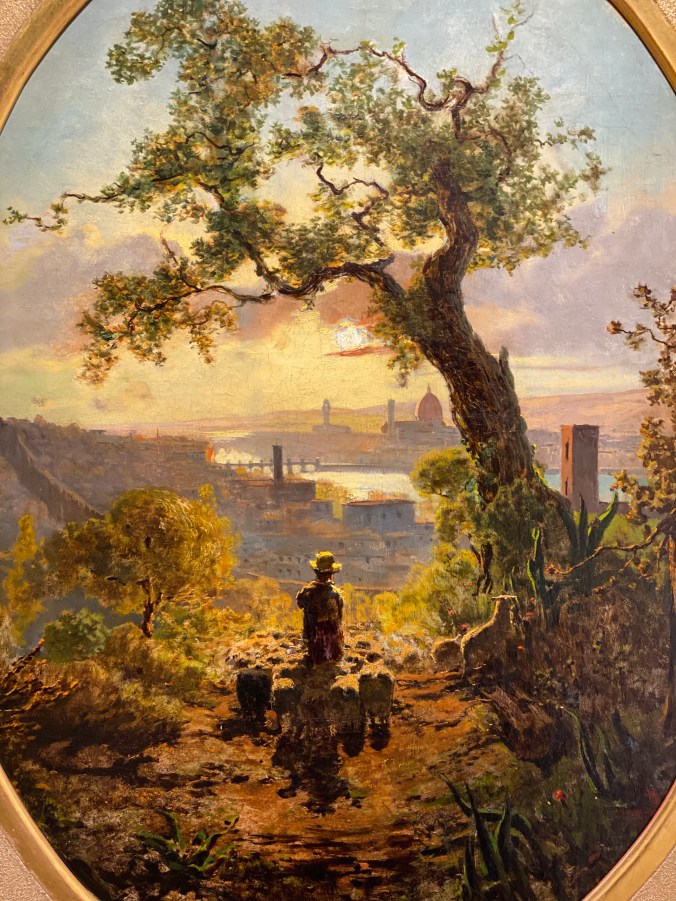
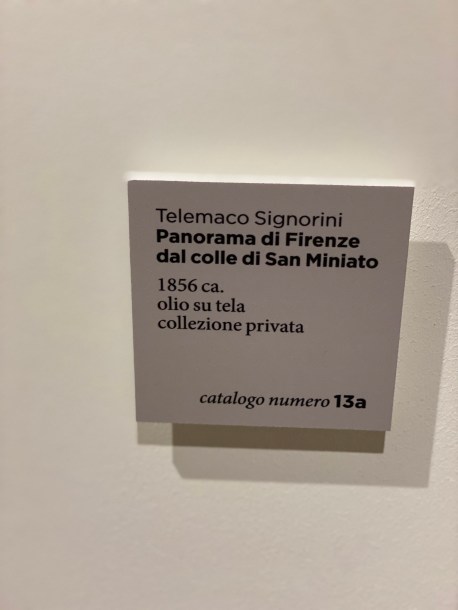
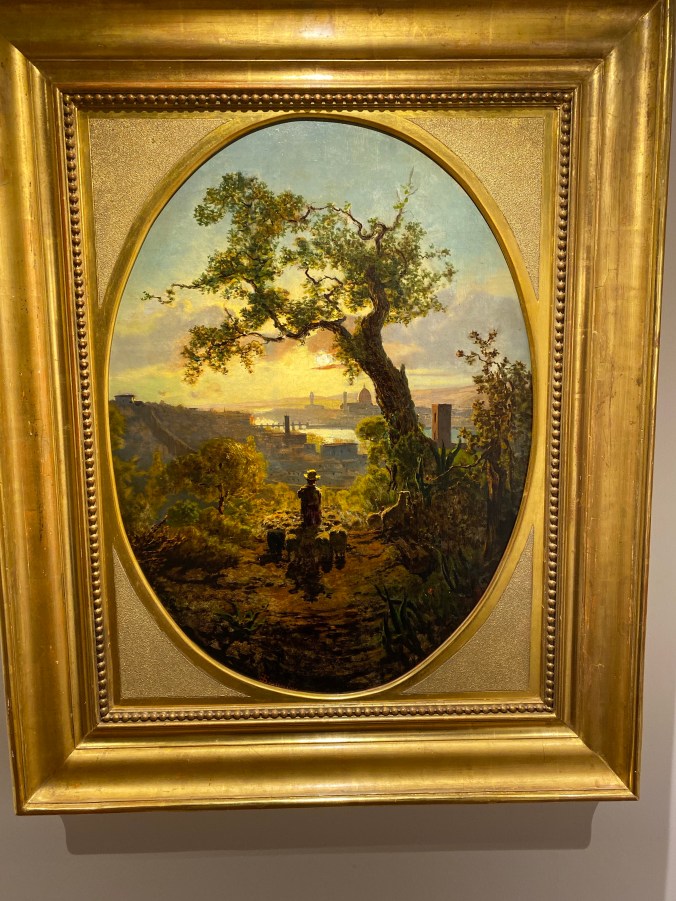
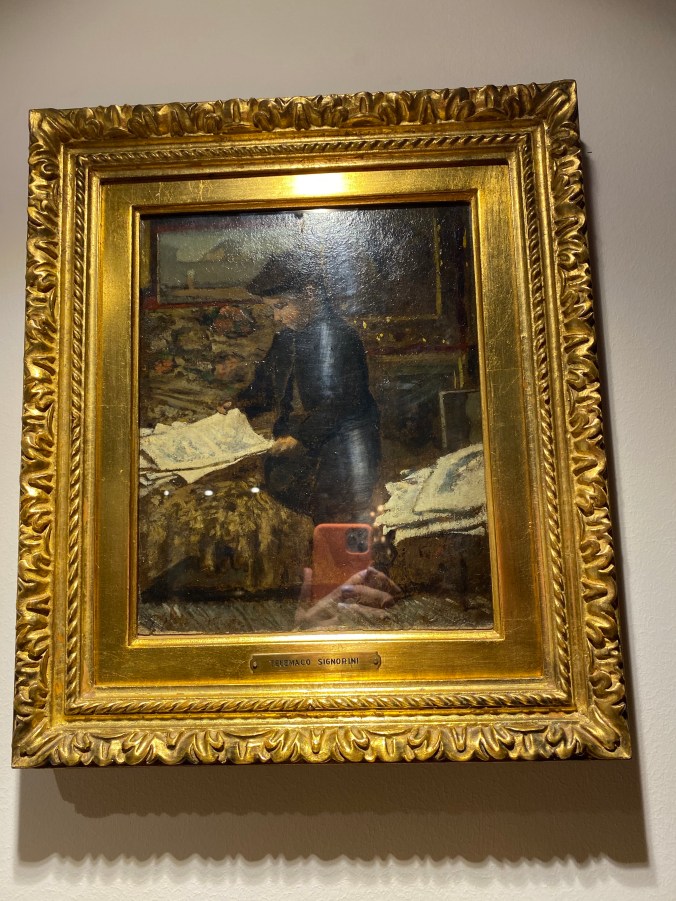
The Florence of Telemaco Signorini; exhibition at Palazzo Antinori

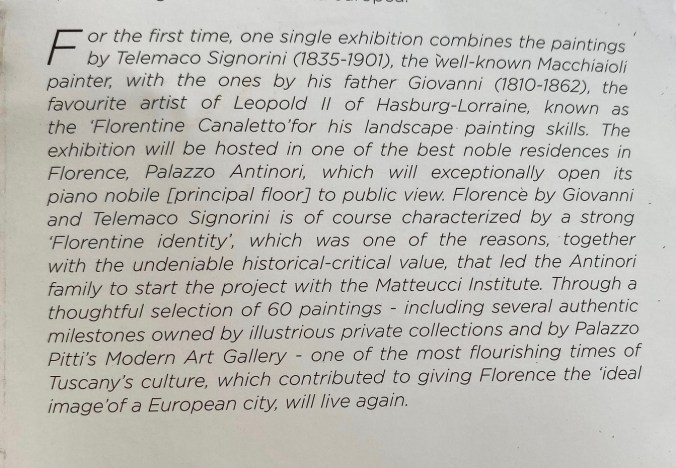
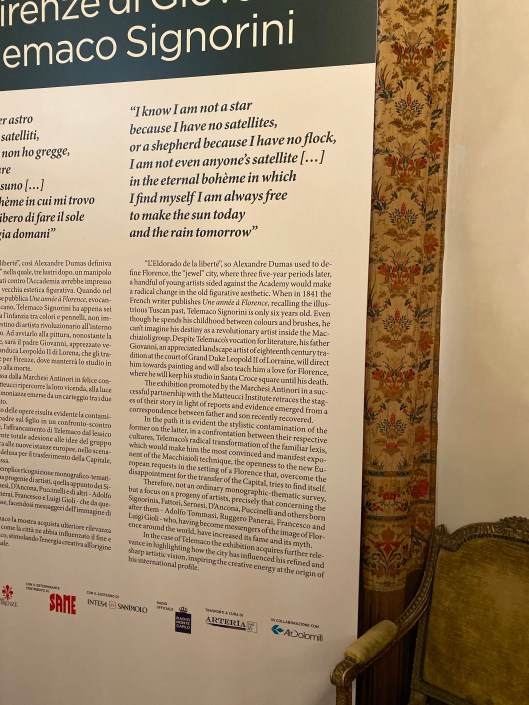
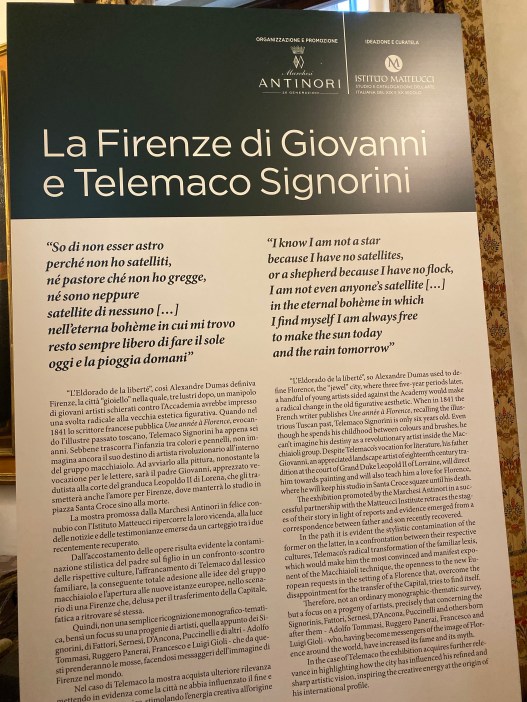
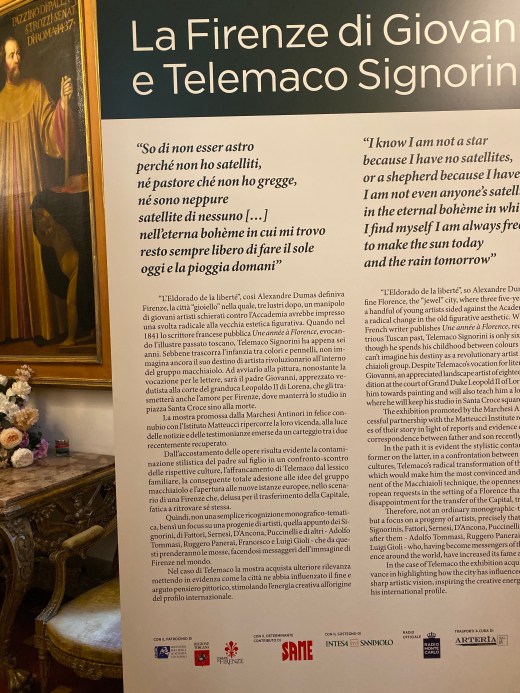
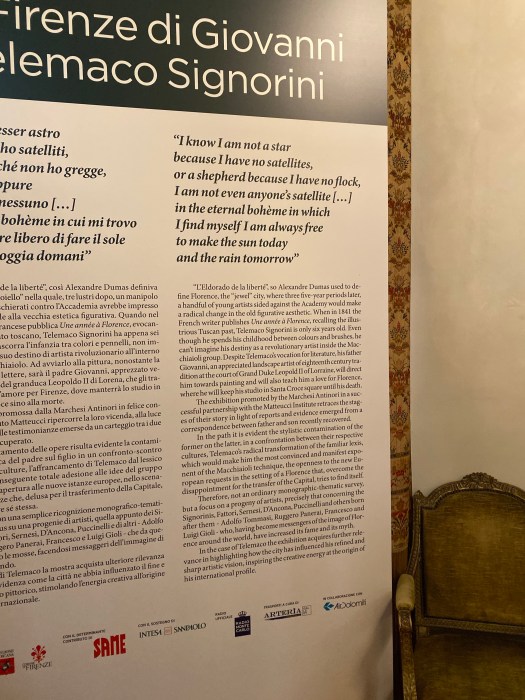
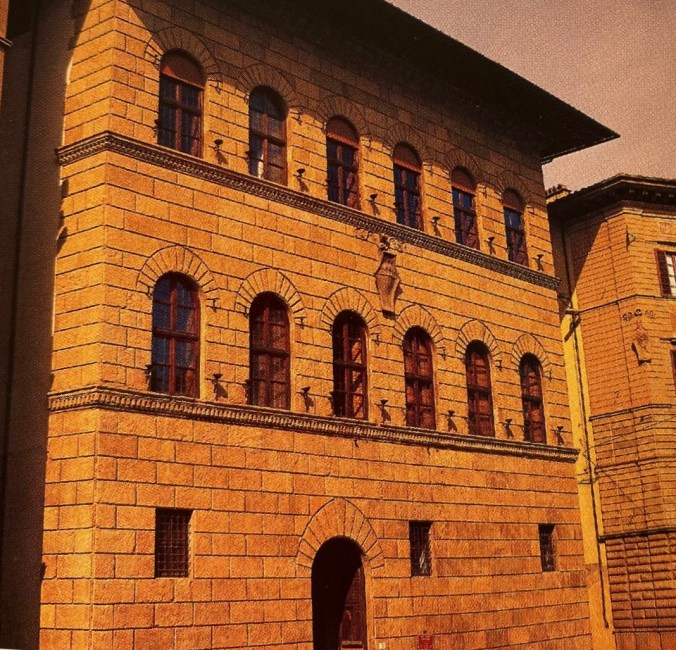
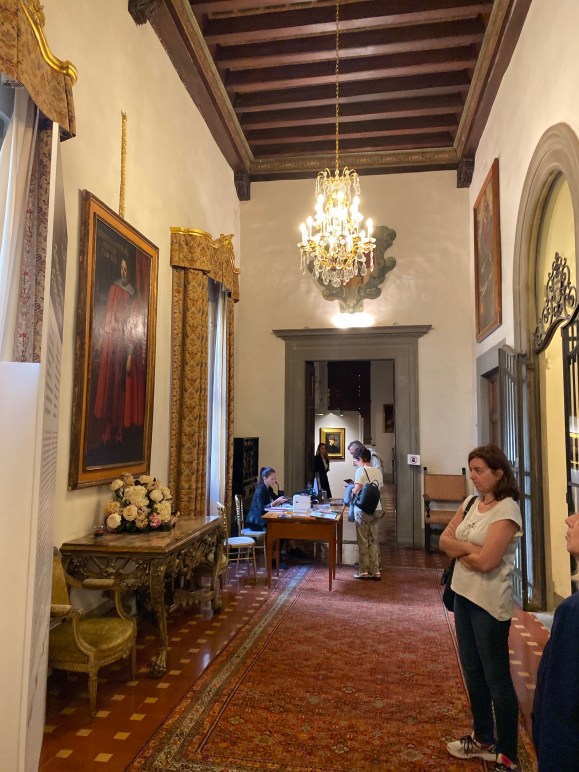
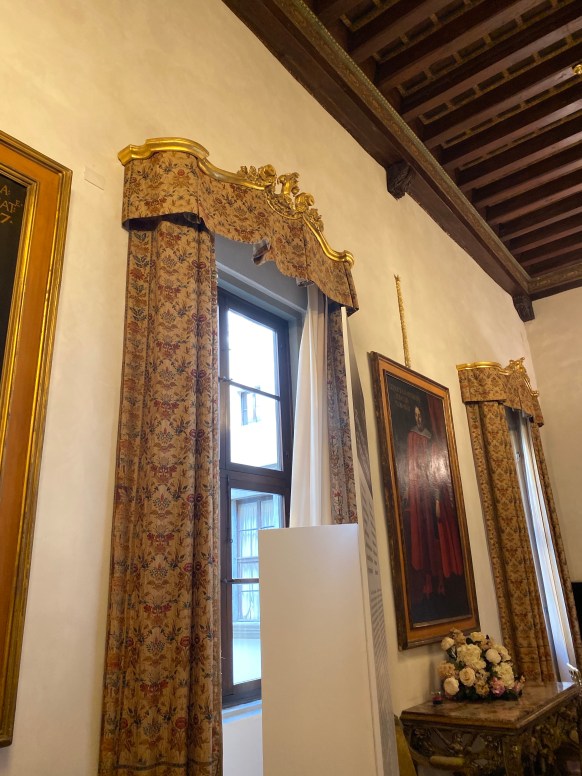
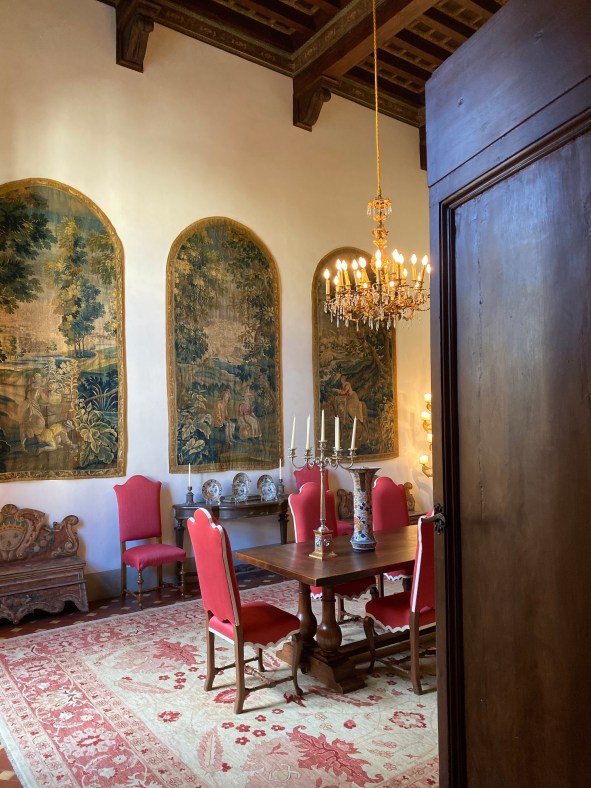
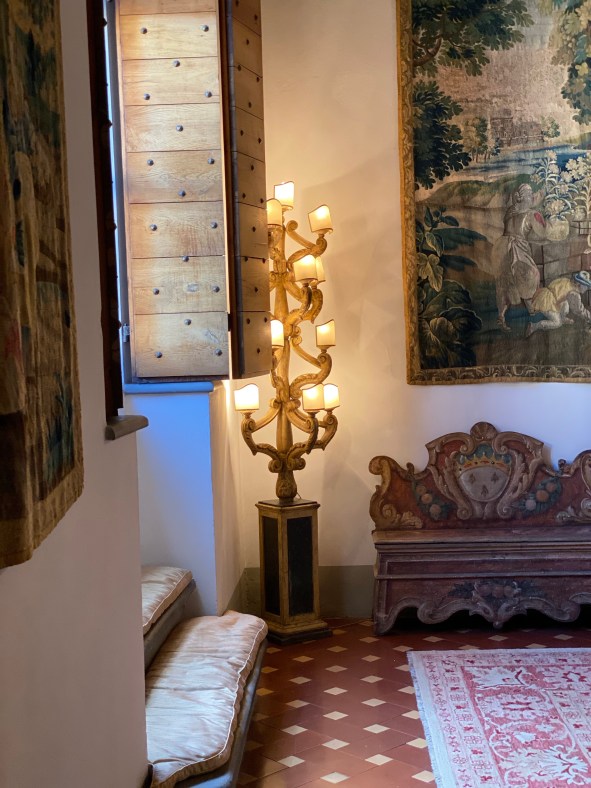
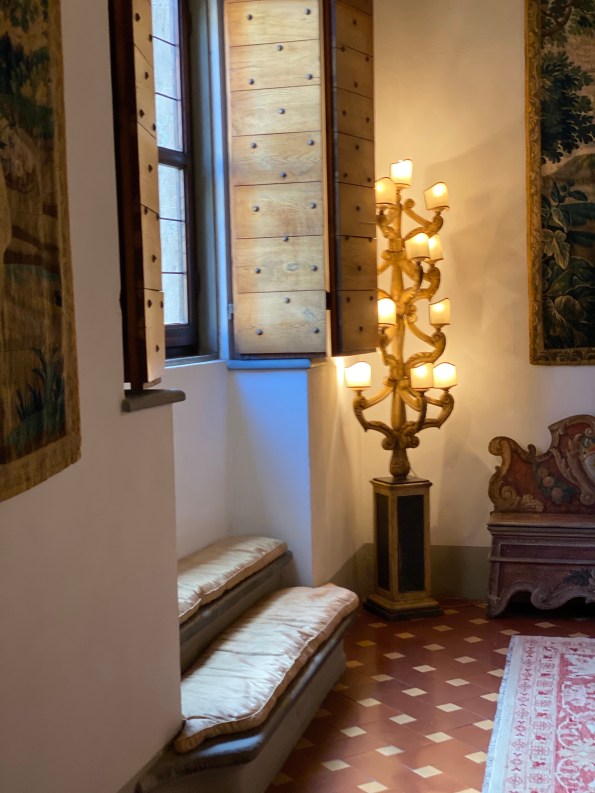
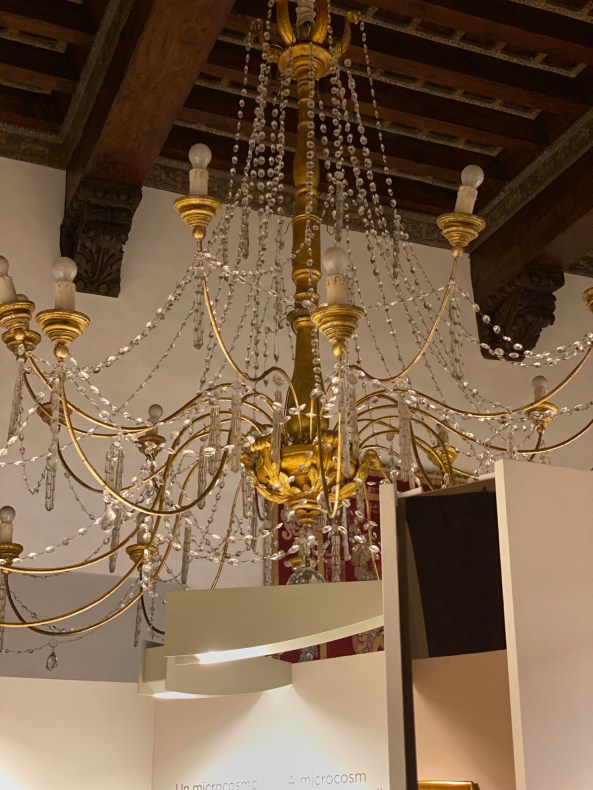
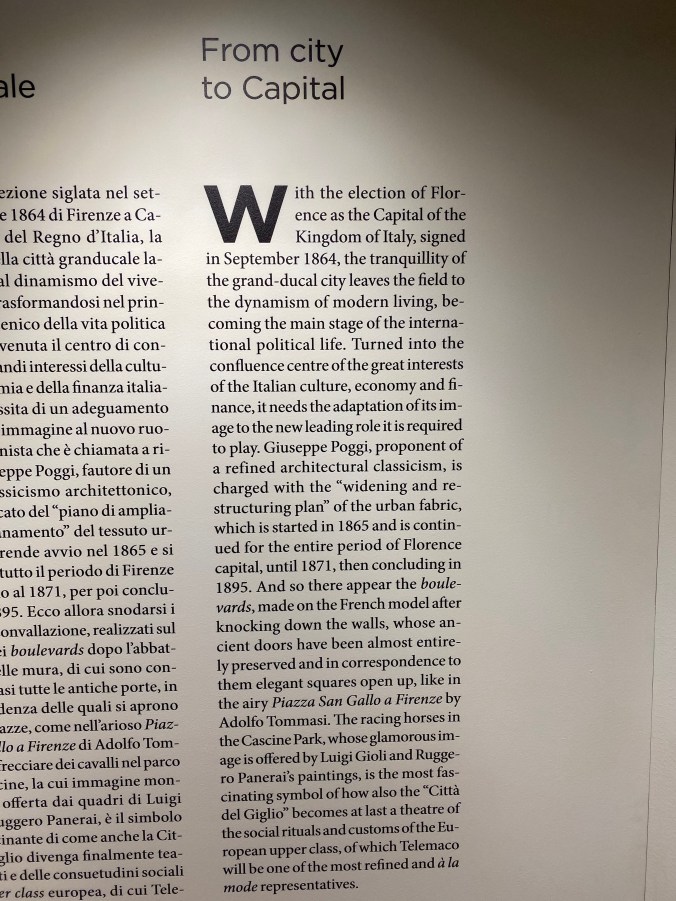
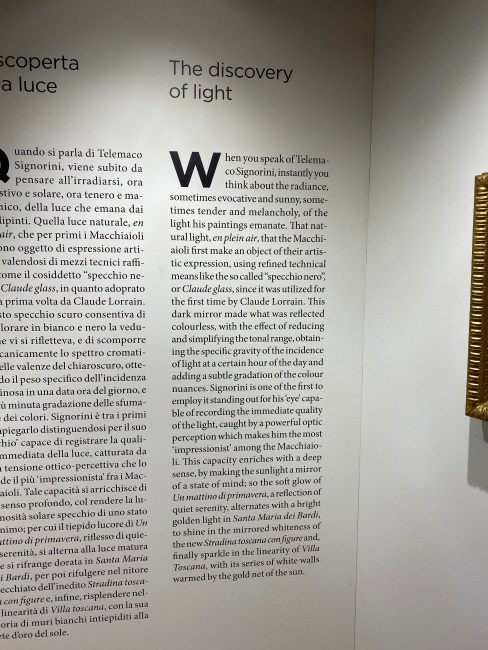
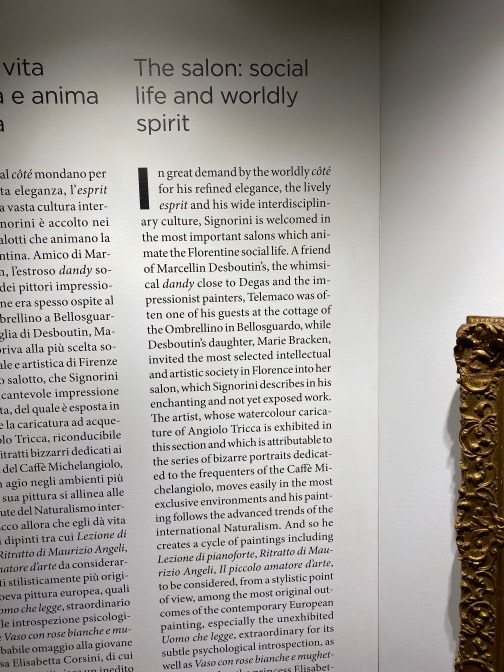
Lovers of the ottocento and of old Florence will love the current exhibition at the Palazzo Antinori.  Entitled “The Florence of Giovanni and Telemaco Signorini” (father and son), the show runs through 10 November 2019.  For people like me, it is a delightful experience to not only see the show, but to also have a look at the piano nobile of the Antinori Palace.

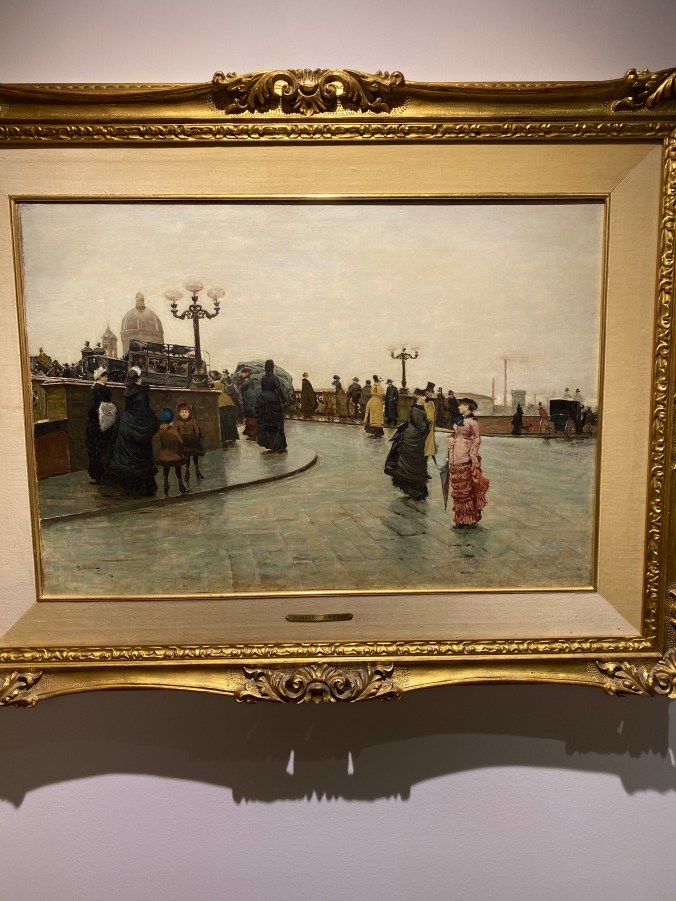
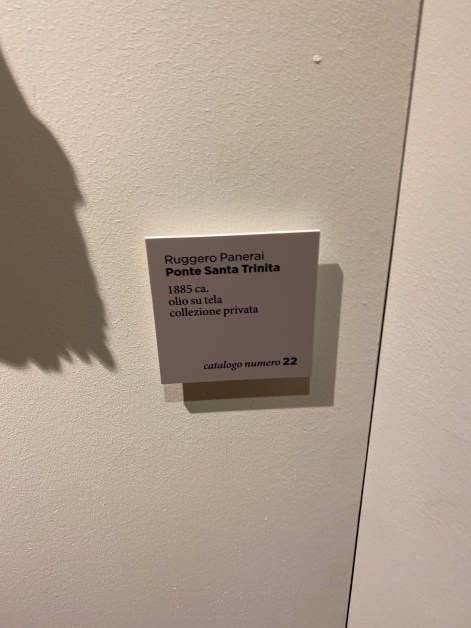
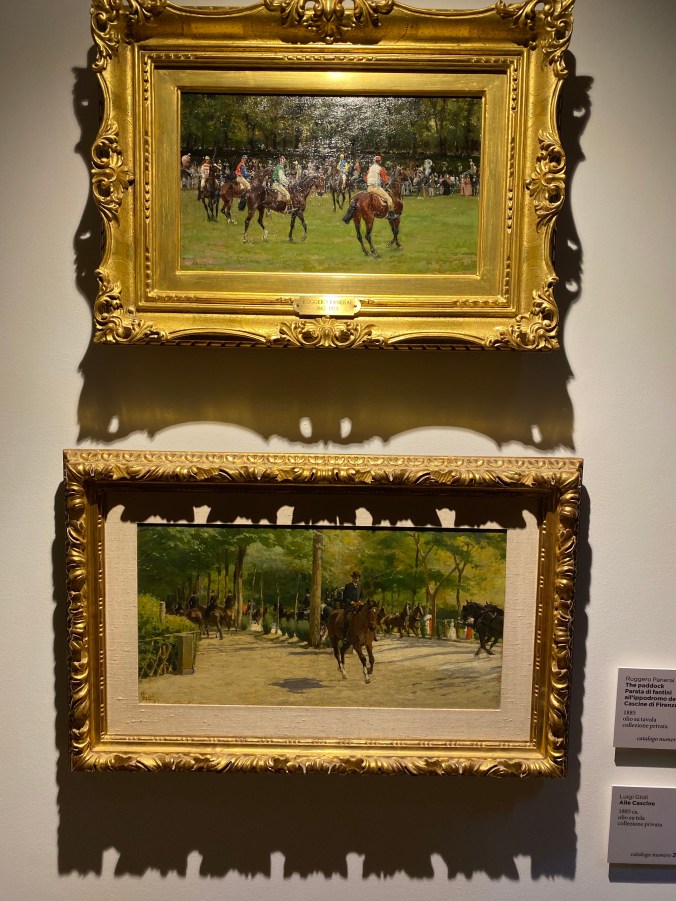
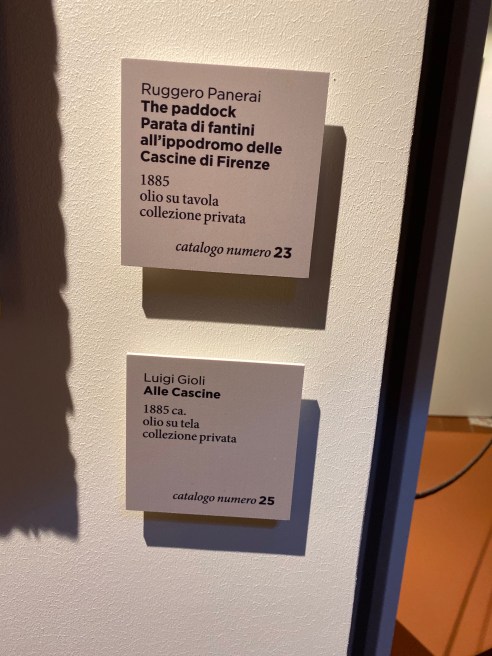
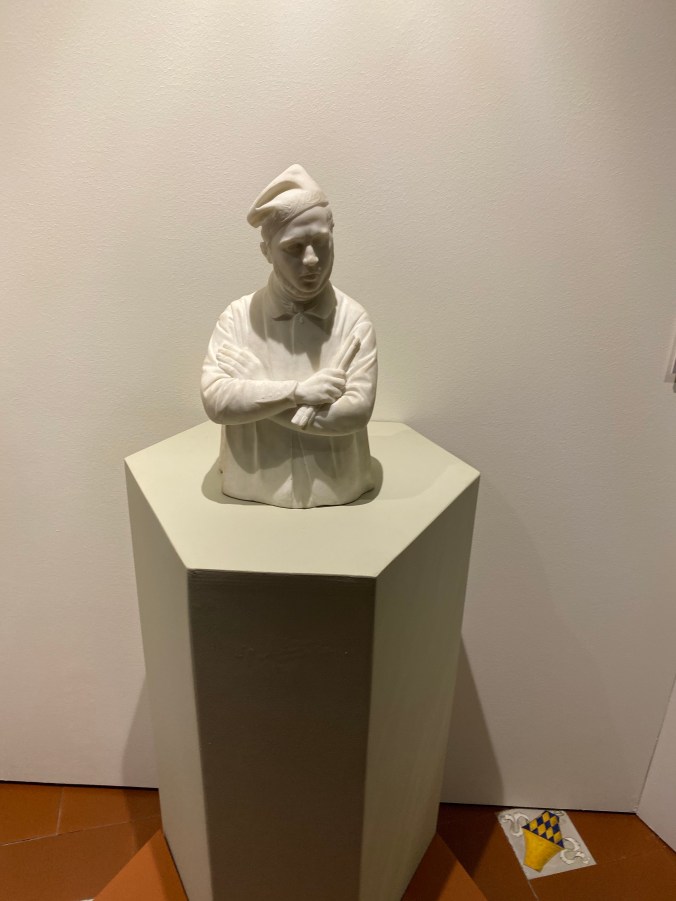
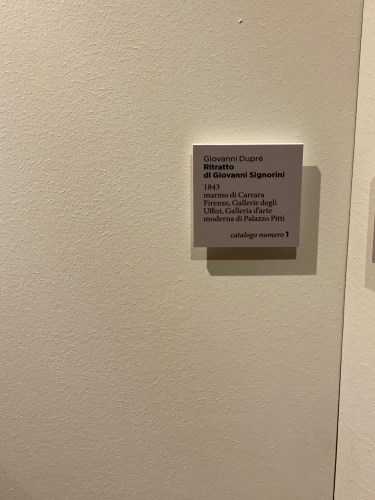
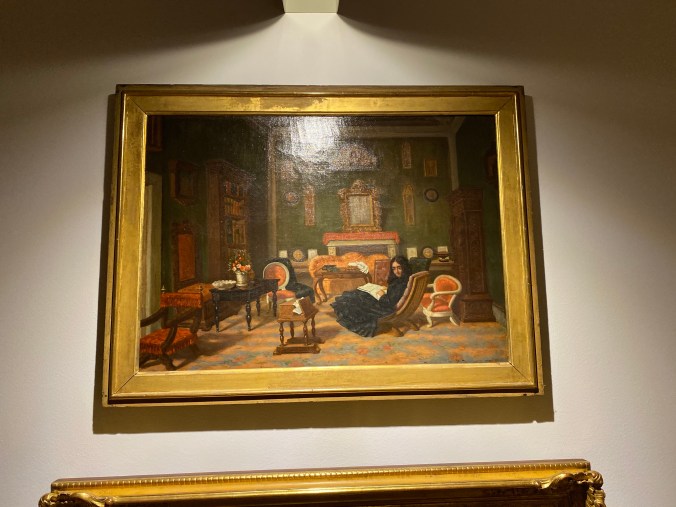
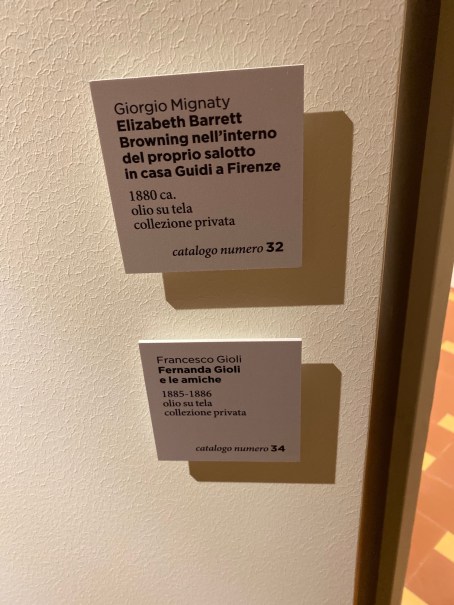
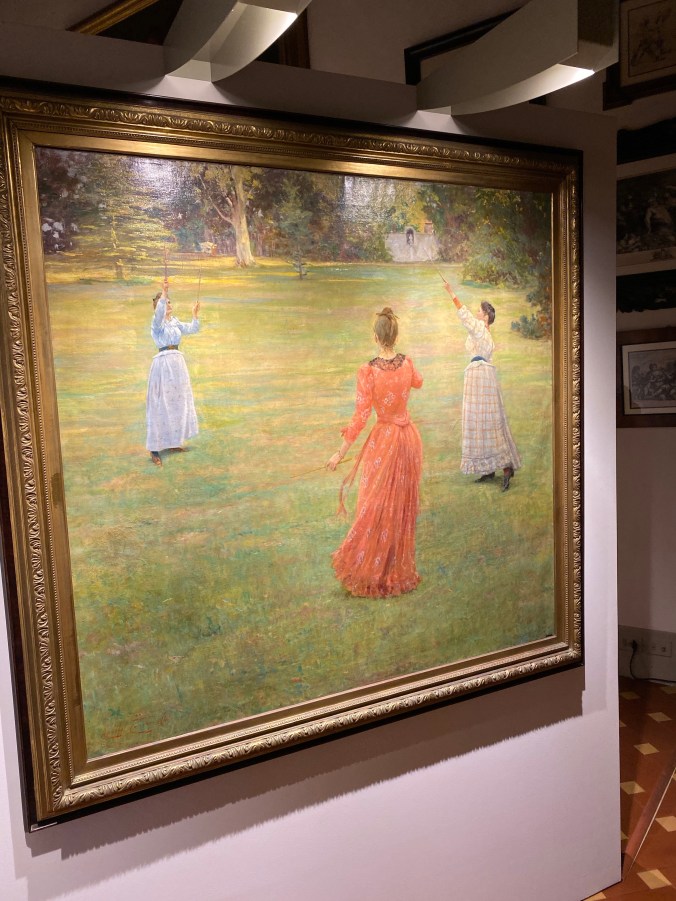
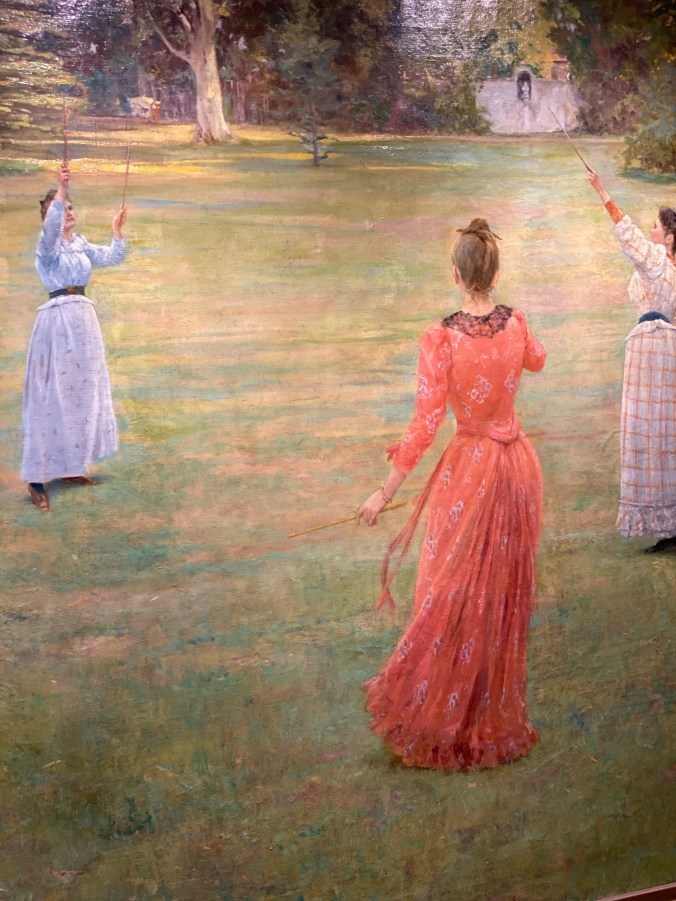
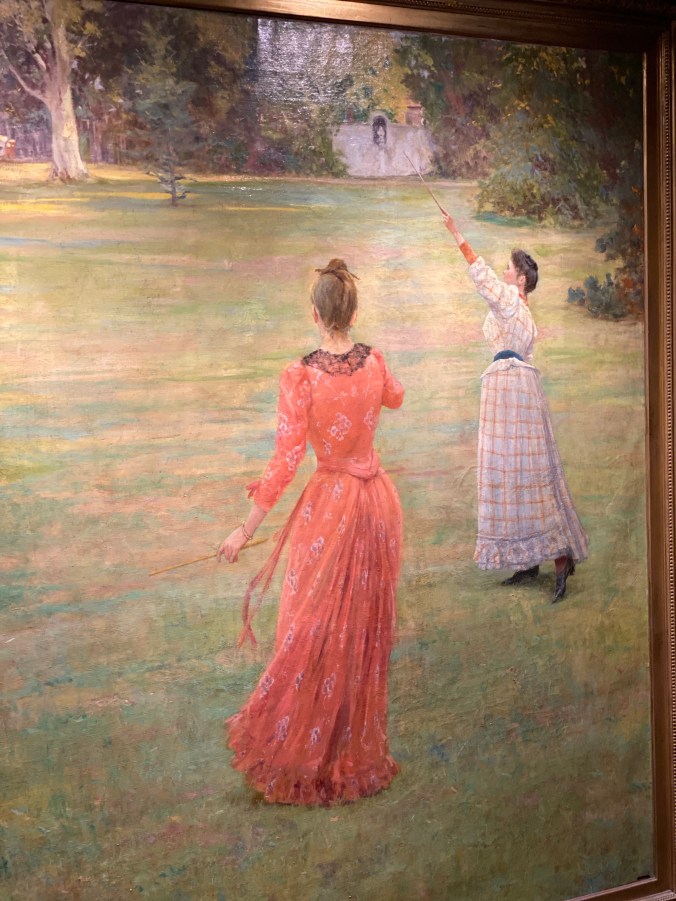
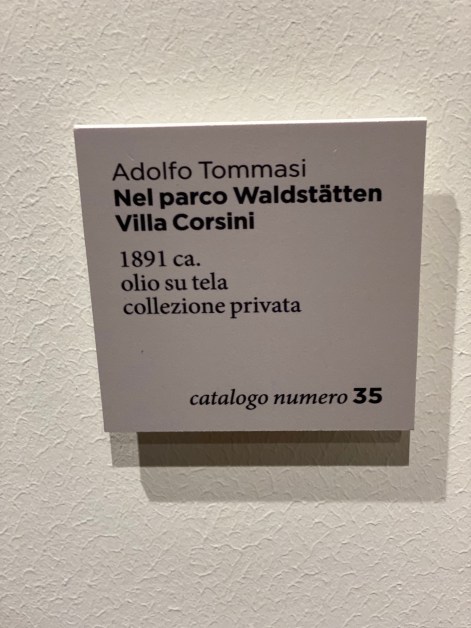
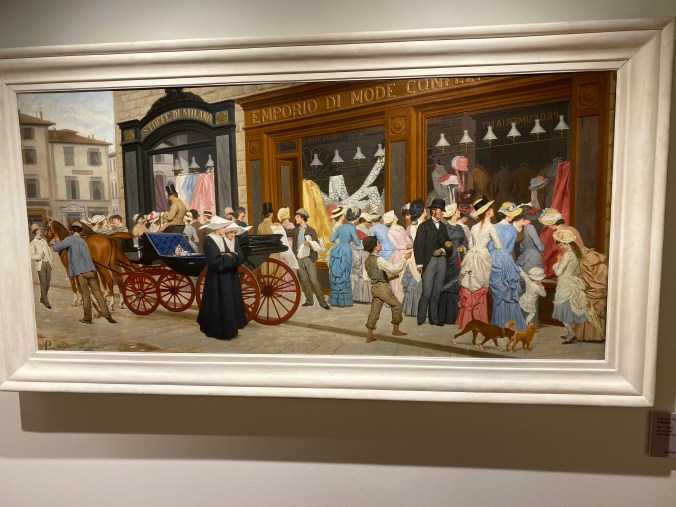
The exhibition also includes a few paintings by contemporaries of the Signorini father/son painters. It includes: Ruggero Panerai, Luigi Gioli, Francesco Gioli, Giorgio Mignaty, Adolfo Tommasi, and Antonio Puccinelli.  There is also a sculpted bust of Telemaco Signorini by Giovanni Dupre.

Here’s what the brochure announces about this exhibition:

fullsizeoutput_19b4

4%sliWHQSvuJmsnshdxzwQ


6Ktlh9BpTzOPgXrPa9moTg


YTO4Qf1gSzSCDLycbBejAw


1S9YklEeR6y3B1AsRq0+Bg


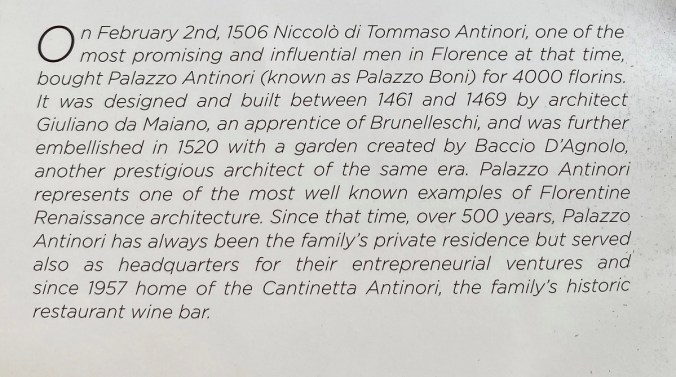
Regarding the beautiful palazzo itself:

fullsizeoutput_19b6

fullsizeoutput_19b3


sjAY6LAUQ%SXs93s4m76Bw


LbXfNj72T2i%lAP66Nd5eg


tBwsnz67QYSsFcntPlHEoA


or83e2n%SmOJSo2lIDMfzQ


LOszmgz7TJShWAFjVwZbzg


tIZiHUIxSMykLxNycJaQOw


7wfQMsIZQo+DTtQSfQZqfw


88VLN3hmTo2D+OPwpFryjA


dwUWKDW8RPCiInqYe2ZnOA


x%Wo32eRRm+%unbXh6YRaQ


q2fTf3I5SiWB%wotMJEODA


fullsizeoutput_18bb


fullsizeoutput_18c3


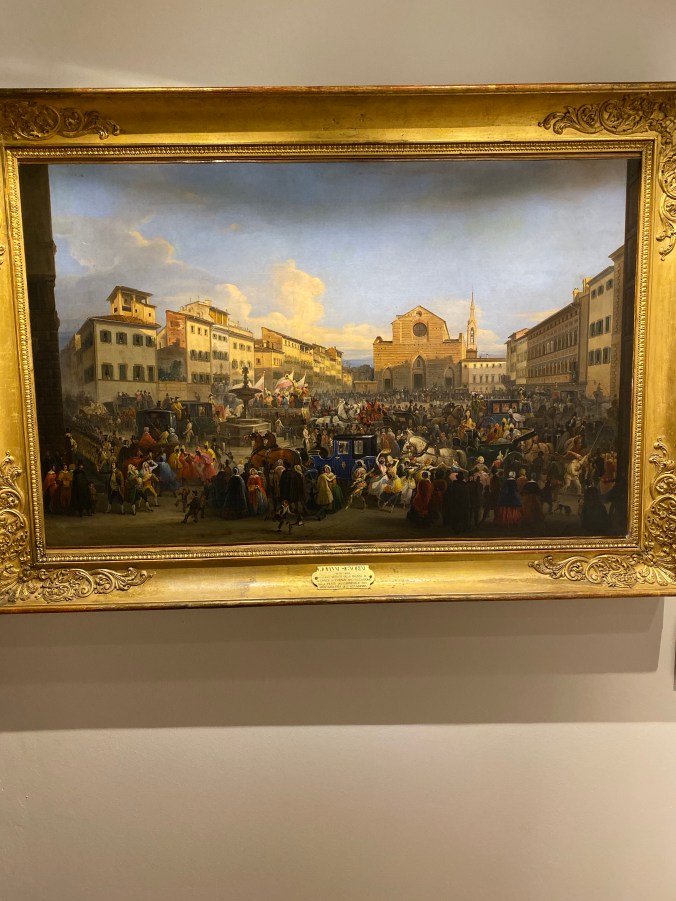
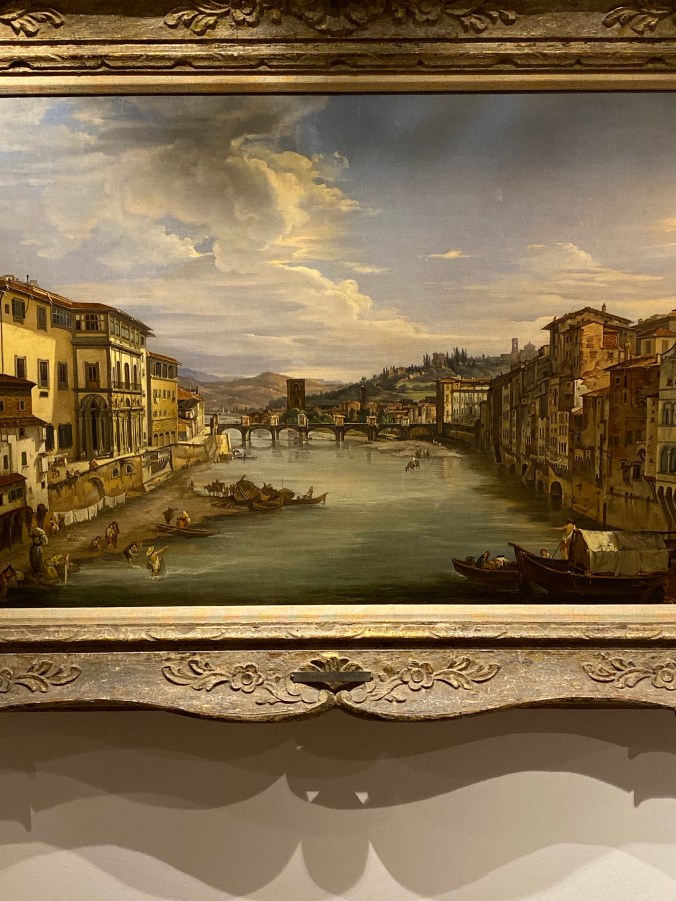
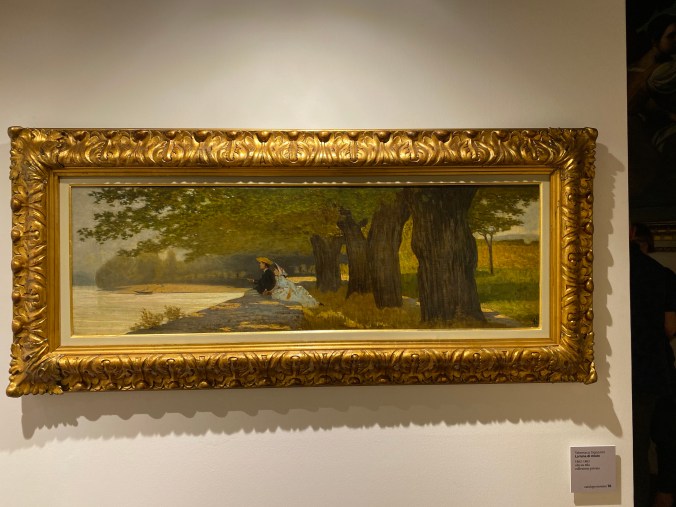
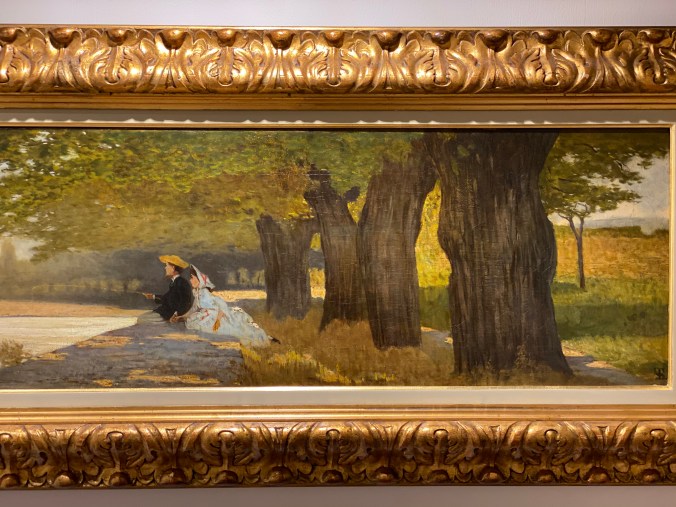
Allora, now that I am done being a voyeur for the palazzo itself, let us look at some of the paintings in the exhibition: First up, a few paintings by Giovanni Signorini

hecyG4VGRLSuf4jOqq6Ayg653Bb6LBSxCK5xAf6llWxAp5AqO0rQSQ6hvu%KHgnqlw


tny4FpzHSyKtnemqBgZzUQ

iaEu6WsTTxeuwUDA4uKMNA


srBtOjeVTYu5TvugmBlzFQ

fullsizeoutput_19b5

Above, Giovanni Signorini, Veduta dell’ Arno da Ponte alla Carraia, 1846


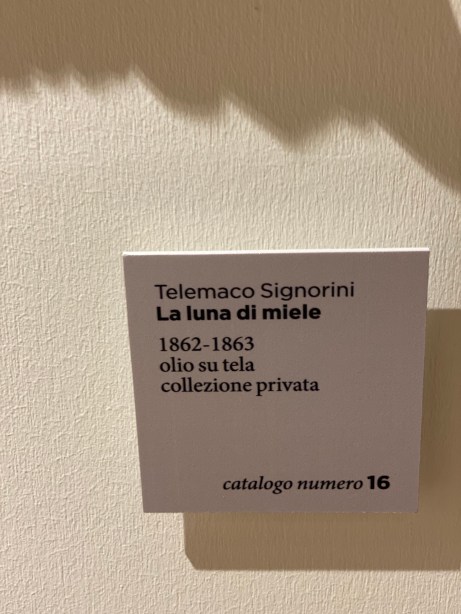
And now, for some paintings by Telemaco Signorini


fullsizeoutput_18b6

fullsizeoutput_18b1


4%PQGk4RSSy6isxiLaDoBw

fullsizeoutput_19b8

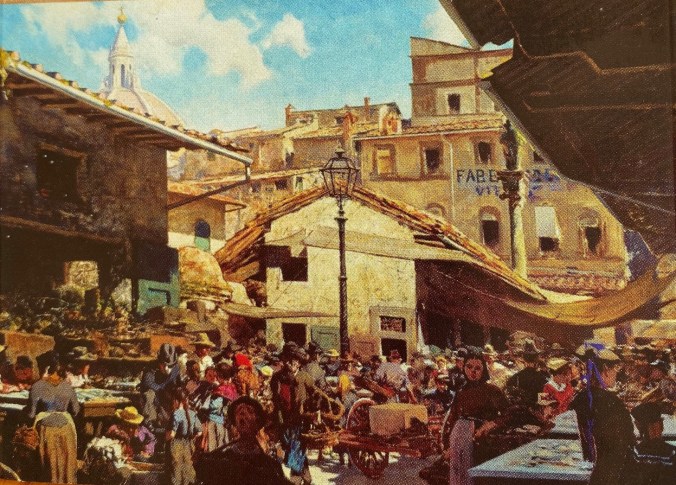
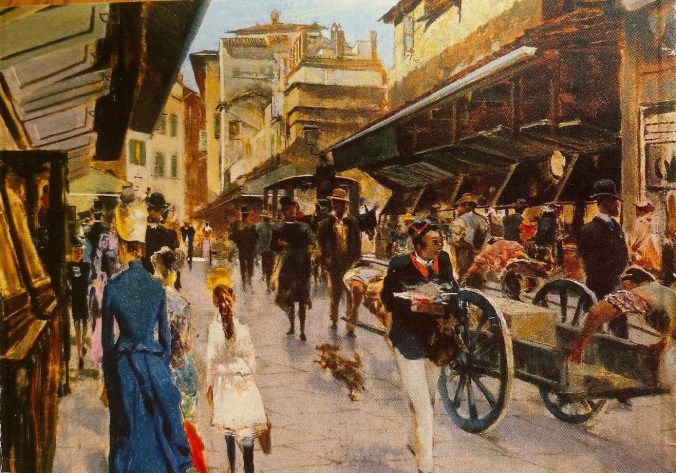
Above: Telemaco Signorini, Mercato Vecchio, 1882-83


fullsizeoutput_19b7

Above: Telemaco Signorini, Il ponte Vecchio a Firenze, 1880


79o3MIOzT5eKHW1r4ofYcw


fullsizeoutput_18a1


PySsE2+uS5uE31%7lJ5Myg


bbZfVoiXSZy9XQo1sG6++g


rMHg7iSISA+D2P24JXWXaA


s20KHTTsSTqvQi4VKG2Abg

jU7wB8eHSD+QRy9D2oGodw


ZE6pwL6MSjKvzjxYu4oKQA


+vJax8zxSMmG2DIxA6hqFA


oGxQ0s0BS9+jiZyFrUy+jwzjl3kfR9TQyNmq3pC5xenQ


fdTNYG9UTf2P%8+%paLr2w


L+MVcZIdQaG9oegO7mU7UA


fullsizeoutput_189e


r%kEfPMNSSCHleuVfWTd5w


6hjOgXpJSsGMAXBI4J7b+g


+7qNwh47TsCyGkeRd2Bv+QepnwyiL0RaaEMrD5BMdYUg


7aqC7YvdRqWwuOPzENI4NA


IqsuHAXbT1e6ZP+ZE6Z+5g


5YONsKoURy+VK+munkHjIA


MrA6oqs9TVWS0U321SUaSw


kawq9UeTSe6No8+z9Cy%qw


MeIeCHLgTv+rRfM5EK5qOw


FfZ8J2zESe6Om3nSQmPkEw


4roiu2LMRxWBUUpDQ7xdPw


kKilq2PkThy0X1PsWl8DZwJpDZI2TUSJWO3rVufVSpPw


n3Q5DhFoRo61GrOlSbiToQ

Some snapshots of Padua in September 2019 and playing around with my new camera

Last weekend I returned to Padua for another opportunity to see the Giotto frescoes at the Scrovegni Chapel.  Since the visits are only 20 minutes long, it takes me more than one trip to Padua to really see the frescoes as I want to see them.

But, I also wanted to return to Padua to enjoy more of the city, now that I have discovered it fully.  I went armed with my new fancy smartphone and its powerful camera.  Some of the pictures below are of pretty Padova and some are just experiments with my camera.

Screen Shot 2019-09-24 at 12.51.00


TLWWN1iwRiidvwy4420G7g

I love any city with a street named for one of my favorite sculptors, Donatello.


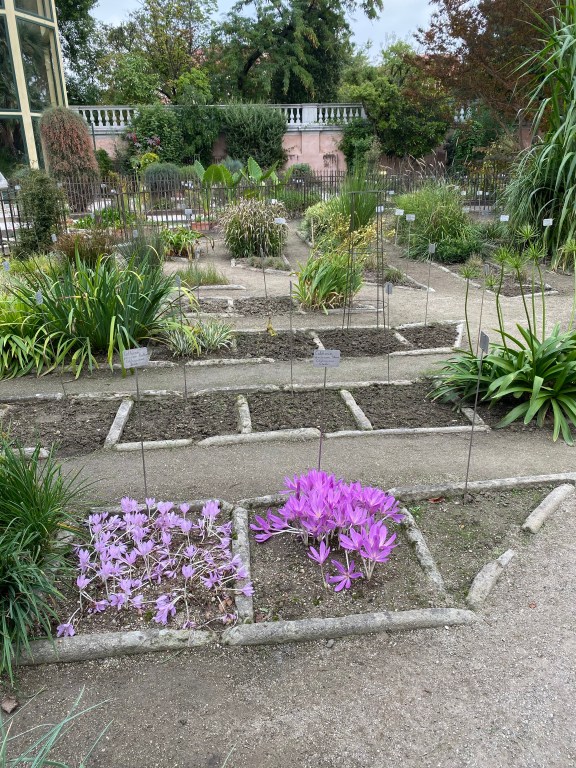
The Botanic Garden of Padua dates back to 1545 and is regarded as the most ancient university garden in the world. Founded to foster the growth of medicinal plants, in Italian called semplice, since the remedies were obtained directly from nature without any manipulation. The garden was named Hortus Simplicium. The first keeper of the garden was Luigi Squalermo called Anguillara.


GK8wHLvGQHmO4kAyfpvpmw

ZrdVzI8yR0y23vtTrg++CQ

ohQov5FeQ2a4mswAa0qq5Q

g+JHQVnxQVaMUKYYejA%Fg


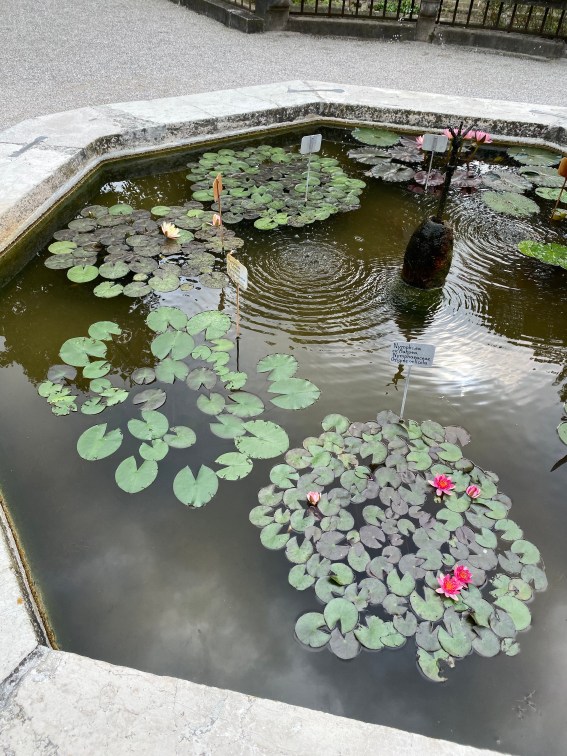
Nymphaea:

fullsizeoutput_18e8

fullsizeoutput_18f2

fullsizeoutput_18e9

7Ro39E%CRRe29TV0jOQpng

AG%%r74eQX2iCmnDY941dg

Y0rG9neeTai83NrWKI7gHw

fullsizeoutput_18fd


fullsizeoutput_18f7

mCQf1FUPSRuKAqT+6G8OTQ


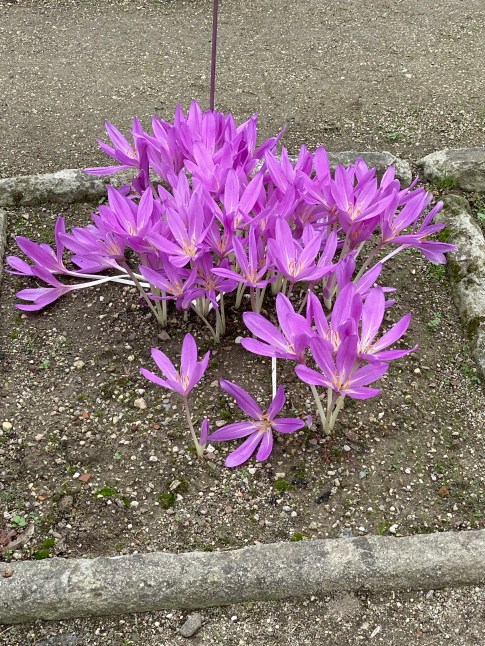
Below, fall blooming crocus:

UMbHERhiRVusEcKbR5Y4JQ

bKmxgmjMTK2C9qyJCH8L5Q

ljOQENdkS3KXzjs+IZNNDg


More water lilies:


fullsizeoutput_18ff


Random plant life:

fullsizeoutput_18ea

fullsizeoutput_18f6

fullsizeoutput_18f3

fullsizeoutput_18ef

fullsizeoutput_18fb

fullsizeoutput_18e6

lPAjG6ArQbycWo3XCk2vCw

MUFZ2OOuSXWCJqJh3+qKYQ


Nature with a background of Italian church bells:


Gigantic lily pads:

F%%H55ilSu2saGp129+oYA


The horticultural complex in Padua is very impressive and state of the art.

MIAN+TkeRmSAg431pXcs9A

fullsizeoutput_18ec

fullsizeoutput_18e3


fullsizeoutput_18eb


Porta Portello:

1BJT4PDXSIunASE38PgDww

Yswok8B1TcK0QLS+EHld6Q

sqIKOU9AReaKCBpCZK+Llg

r0OauTUUT56crn1POWl63g

8K%1sYz0Ro6E%6iLMecNgg

eobQQL3VRxG6HteyNGGxuw

+HGrtok+Q46VhwjQPqWZHA

dcflNQGkR5qq+OyhUzWZtQ

kosuDI7LTSeW2NIf+Kbtsg

8eUSLorUR06Wkjpr192MDw

slHrup5XTSyflGUQxSQCgw

BxDMJZXZTBmH95%UKKGNzQ


Reminders of the influence of Venice on Padua are everywhere in this city:

tPAPmSsBSWaGnTtVePvIiw


Padova is surrounded by water.  The canals make lovely views. I love to think back to the times when people and goods moved here by gondole, burci and mascarete, all typical boats, along internal canals, following the waterways and floating under bridges.

cAwKuprJTxy3NHVYPDiXRgJxlBwowoQFyxO5alzP12OA6IxvWEpwTdiqHzz8yVYTTQ1GFyYDR0QwWi8lmsKKxyawTZ1ApIp1TrevhHx8G835GA


Padua has a lot of beautiful architecture.  I want to make another trip there to enjoy and photograph all the great sculptural embellishments on the palazzi.

N+OXUR8YQKqC8OlIb+O0xA

BgPoRD4mQ4CypGqFVTqg9w

FgKlx4T9S1isEGkq1T0WOA

AtAE09ehQ6OxMtOsf0KPPg08yz5SRTRK+NUC9i3sY%QwtRcPlfENT6G83qVDDb7AJw+eumjTVKlJt7CZco1pAVcAzGIFYTB2TX3yudc4iWgN09Y5RSmTm+MHOAdMnDsRgCdaQICunTjqIxM%qTCNLQwpWy7cNa%RhWSGQpBgvDvQQnb6SgDLORby8Wo%KFLuFVQFoHlqN3jSjWU9v7PWhJRFwfullsizeoutput_190afullsizeoutput_1909


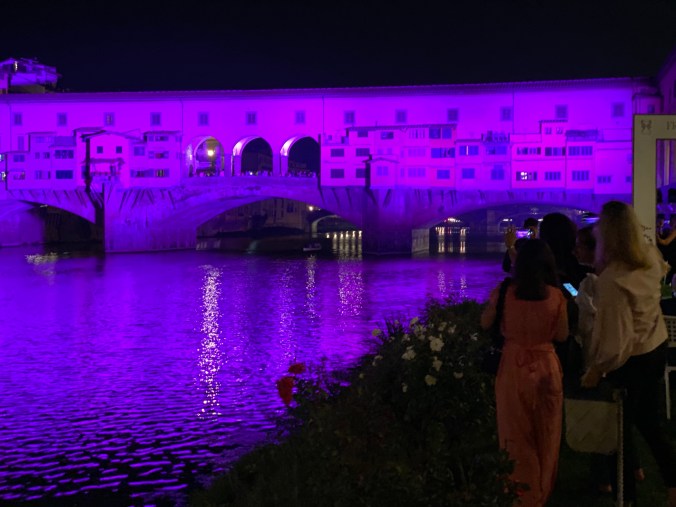
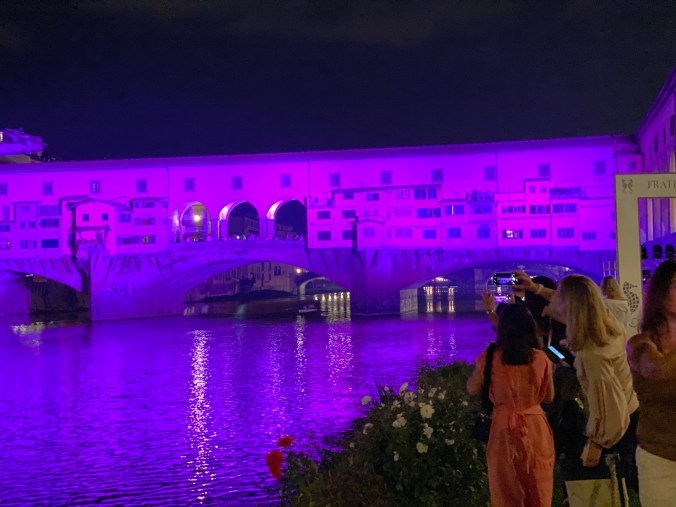
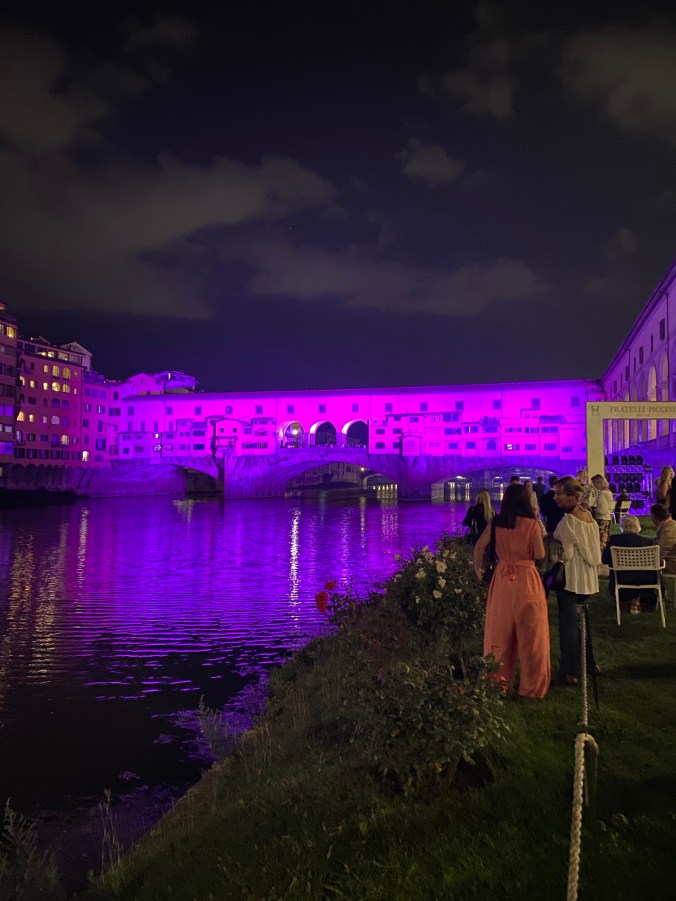
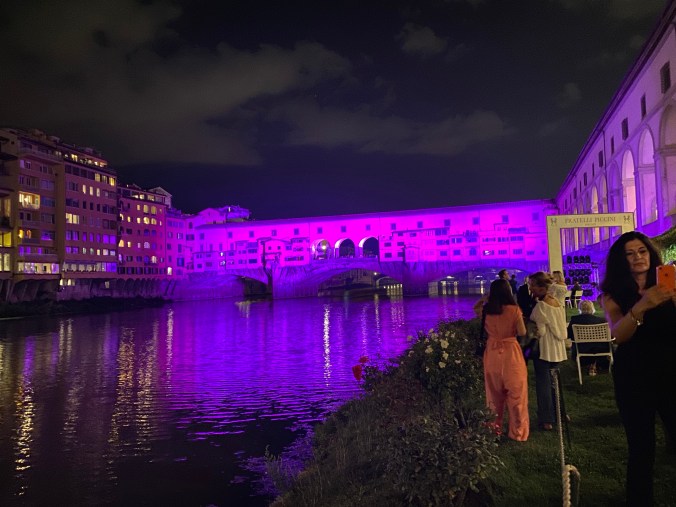
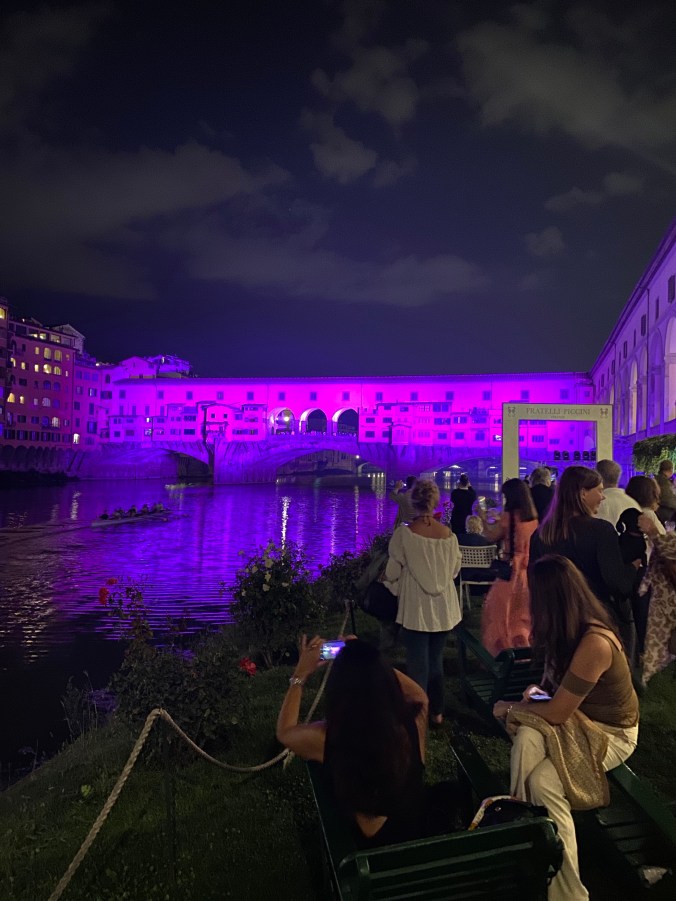
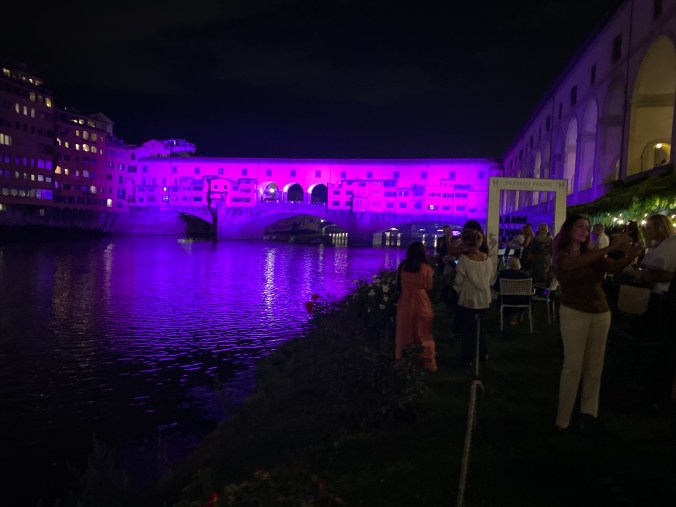
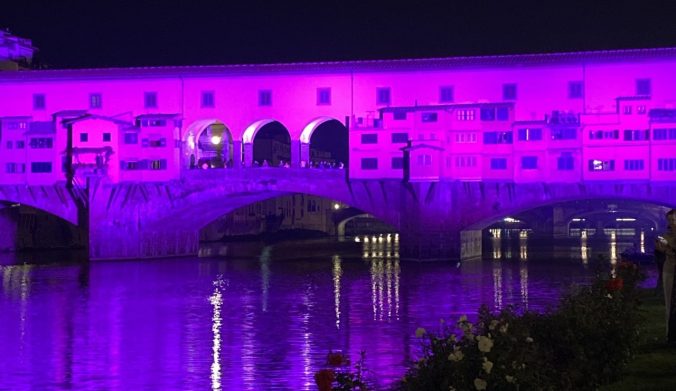
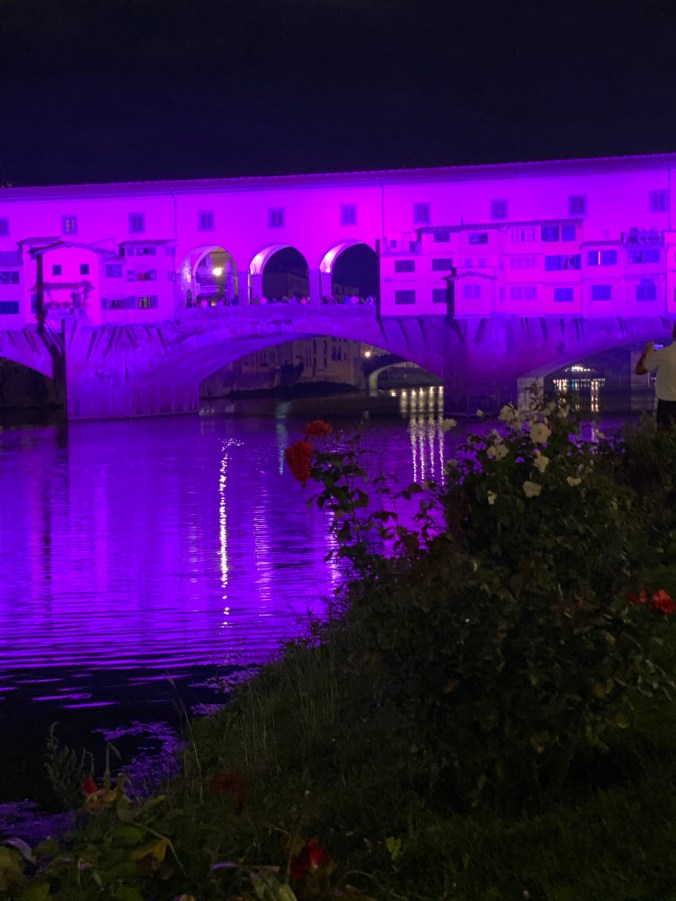
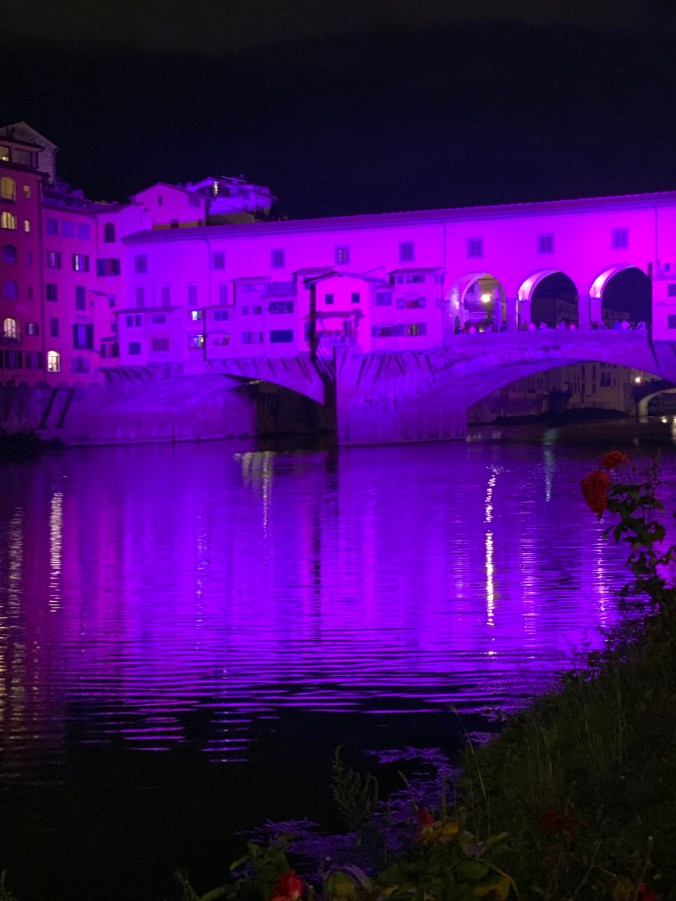
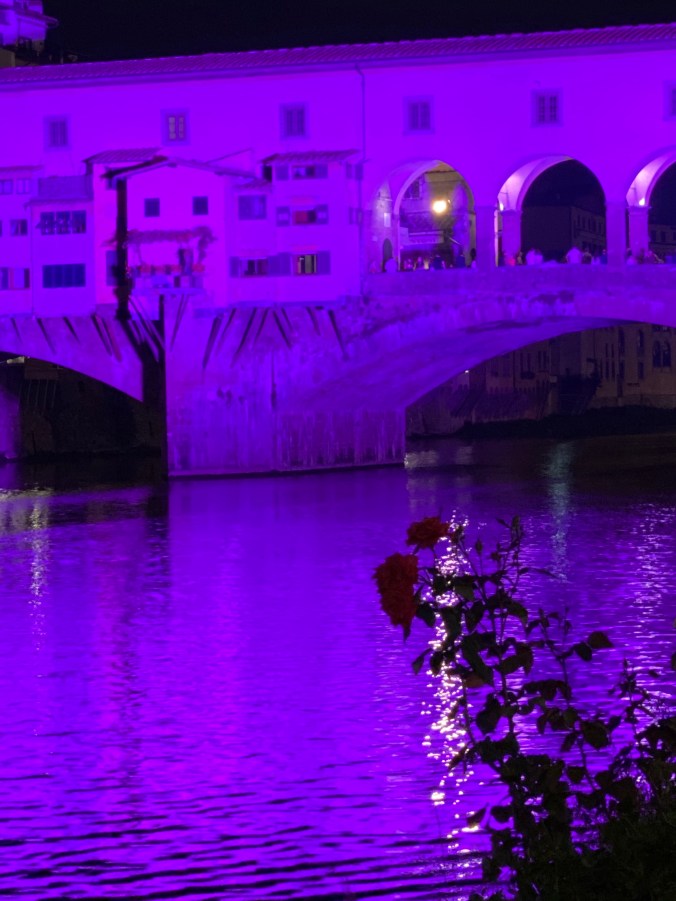
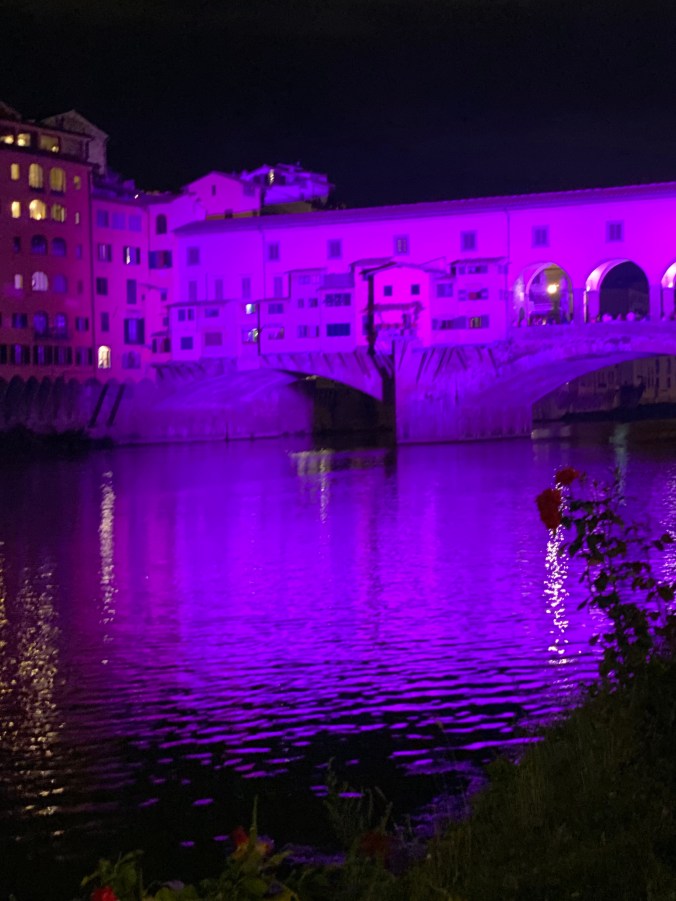
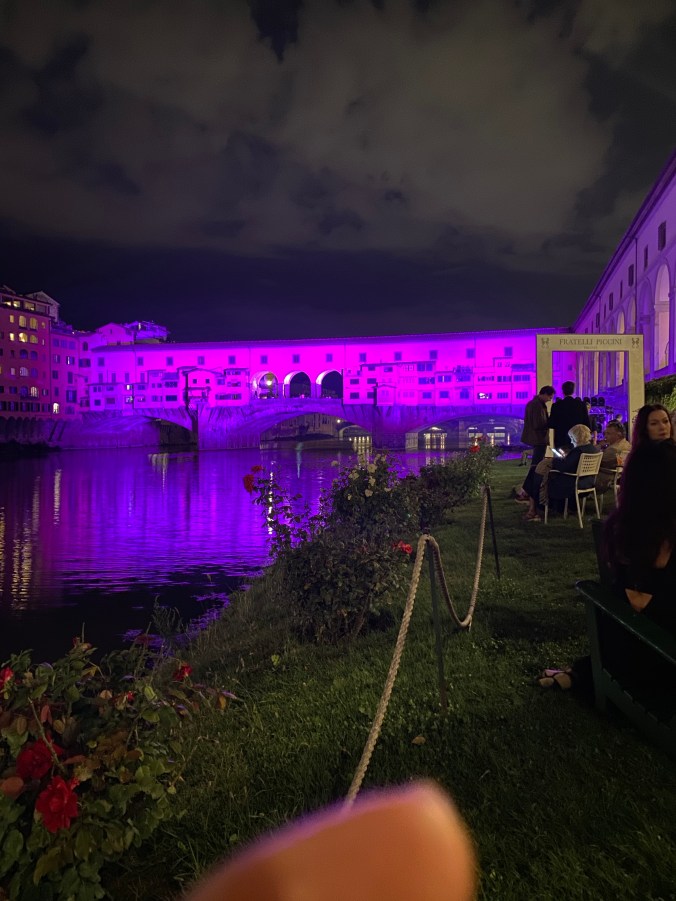
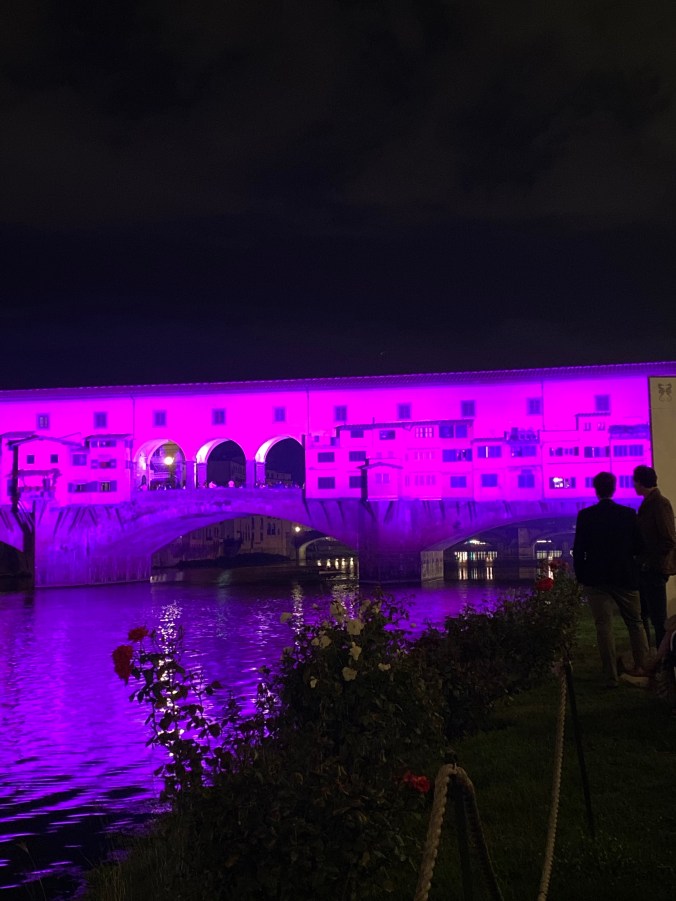
Ponte Vecchio, Florence, all lit up

etNpe+V0Rpma18MNvhCAfgOrZR0EXxSi2MEVhU8XPEbQqufckJuTQna3R+CQCSw6LwAuaJTu7BSoi7I6GdCbTN6g

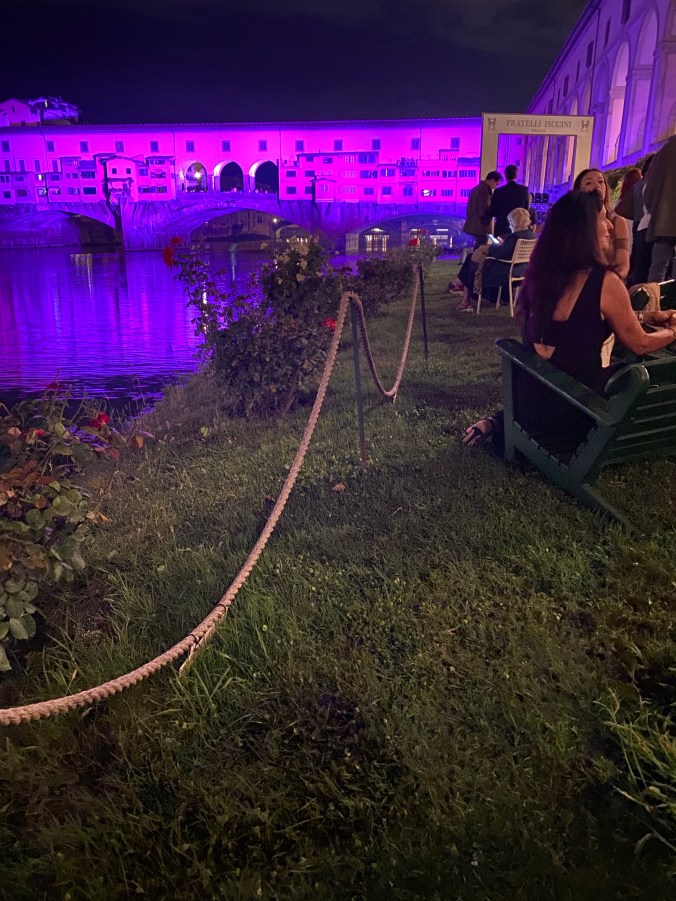
In early October, I had the good fortune to spend a lovely evening at La Società Canottieri   on the banks of the Arno in Florence.  The evening was spectacular enough, getting to visit this special place and watch afternoon fade into evening. I’ve posted about it here and here.

But, then, somebody somewhere flipped a switch the the Ponte Vecchio was illuminated in purple. We were all surprised and there were audible gasps of delight as we took in the bright lights on the old bridge.


ZGmbH5K+RV2p%+y3MPNCRw


2MKqs41kSEasC0V2Vd93WQ


cropped-cvmapkgwq4al7pnka6ikqa.jpgCvmaPKGWQ4aL7PNkA6IKQA

2VYLga8YR+iIV7weJQQhaAB4RPRPx0Q5mMiMXTnOZ6+gtg9fAI7NQOW18ge7RNkrRAXOxMQT76TuafU2staf+uIA55g7+DdkToaNgoiLOUjitg8VhyiVNMQkO58dEmVM6q8Q

s9O2WUhjRJCj3ocs5Mk8LA47EHfVyfRR6IDRkxV2mZHwQIg4xgPxQIOiVhxYOJqsHA


Piazza Sant’ Ambrogio, Florence and Pope Pius VII

I recently met a friend in front of the church in Piazza Sant’ Ambrogio, near Santa Croce, in a spot that is the terminus for 3 streets : via de’ Pilastri, via di Mezzo, and Borgo la Croce e via Carducci.

While waiting, I noticed for the first time, although I’ve been in this piazza a hundred times before, something new.
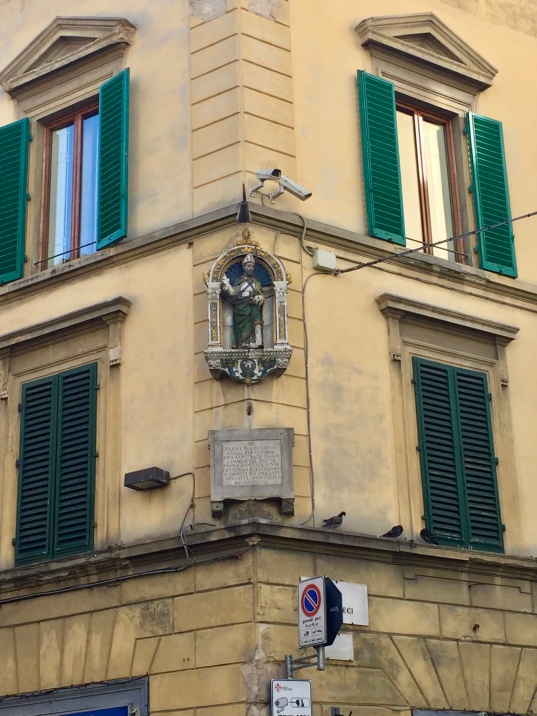
fullsizeoutput_1853

Looking a bit higher than I normally do, I saw a glazed terra-cotta tabernacle, in the style of the Della Robbia, of a figure that I assumed was a priest or even a pope, making a sign of blessing.
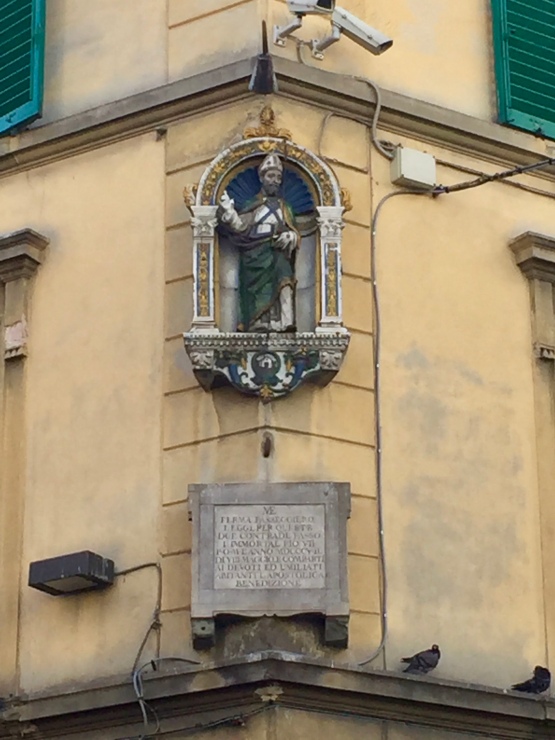
fullsizeoutput_1854

I ventured nearer to photograph the inscription below, and was rewarded with this information:
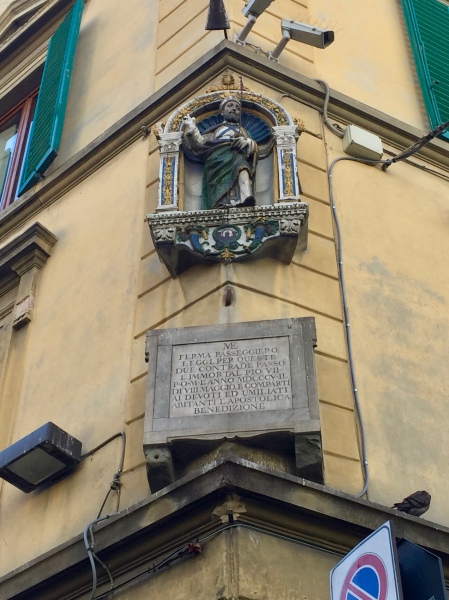
fullsizeoutput_1855

IMG_1394

Loosely translated, the inscription reads: “Stop, you passers by, and read this. Know that 2 neighborhoods were passed by the immortal Pope Pius VII on 8 May, 1807, where he devotedly and humbly gave an apostolic blessing to the inhabitants.”

I seldom have occasion to discuss the Catholic Church, that foundational stone of Italian culture, in my blog, so let’s do a little something about that now.

Who was Pope Pius VII?
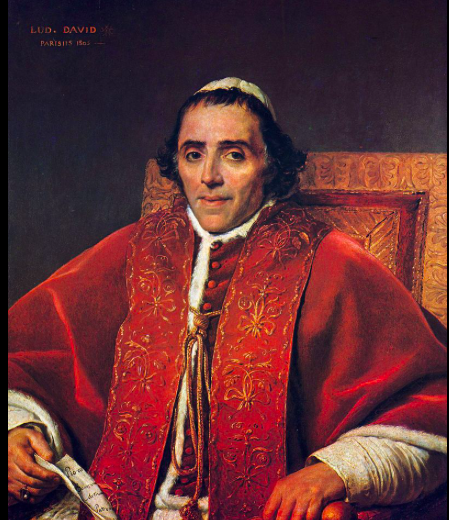
Screen Shot 2019-09-17 at 14.35.54

Portrait of Pius VII painted by Jacques-Louis David

He was born in 1742 as Barnaba Niccolò Maria Luigi Chiaramonti. He would rise all the way to head of the Catholic Church and ruler of the Papal States from 1800 until his death in 1823. Chiaramonti was also a monk of the Order of Saint Benedict in addition to being a well-known theologian and bishop throughout his life.

Chiaramonti was born in Cesena, about 30 miles south of Ravenna, in 1742, the youngest son of Count Scipione Chiaramonti (1698 – 1750) and Giovanna Coronata (d. 1777). His mother was the daughter of the Marquess Ghini; though his family was of noble status, they were not wealthy.

Like his brothers, he attended the Collegio dei Nobili in Ravenna but decided to join the Order of Saint Benedict at the age of 14 on 2 October 1756 as a novice at the Abbey of Santa Maria del Monte in Cesena. In 1758, he became a professed member and assumed the name of Gregorio. He taught at Benedictine colleges in Parma and Rome, and was ordained a priest on 21 September 1765.

In 1789, as the French Revolution took place, a series of anti-clerical governments came into power. During the French Revolutionary Wars, troops under Napoleon Bonaparte invaded Rome and took Pope Pius VI as a prisoner. He was taken as prisoner to France, where he died in 1799. The following year, after a sede vacante period lasting approximately six months, Chiaramonti was elected to the papacy, and took as his pontifical name Pius VII, in honor of his immediate predecessor.

He was crowned on 21 March 1800 in a rather unusual ceremony, wearing a papier-mâché papal tiara as the French had seized the tiaras held by the Holy See when occupying Rome and forcing Pius VI into exile. Pius VII then left for Rome, sailing on a barely seaworthy Austrian ship, the Bellona. The twelve-day voyage ended at Pesaro and he proceeded to Rome.
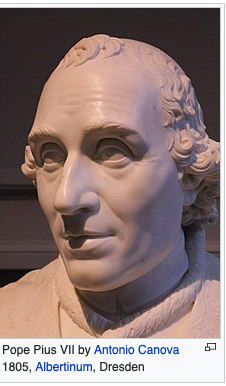
Screen Shot 2019-09-17 at 14.36.06

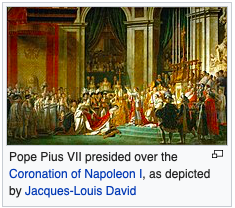
Pius at first attempted to take a cautious approach in dealing with Napoleon. He signed the Concordat of 1801, through which he succeeded in guaranteeing religious freedom for Catholics living in France, and presided over his coronation as Emperor of the French in 1804. Pius VII presided at the coronation of Napoleon I in 1804.
Screen Shot 2019-09-17 at 14.36.46

Once again, in 1809, Napoleon invaded the Papal States during the Napoleonic Wars; this earned him ex-communication. Pius VII was taken prisoner and transported to France. He remained there until Napoleon abdicated in 1813 and Pius VII returned to Rome.  He was greeted warmly as a hero and defender of the faith and immediately revived the Inquisition and the Index of Condemned Books.

His works, some notable, some to be regretted:

Pius VII joined the declaration of the 1815 Congress of Vienna, represented by Cardinal Secretary of State Ercole Consalvi, and urged the suppression of the slave trade. This pertained particularly to places such as Spain and Portugal where slavery was economically important. The pope wrote a letter to King Louis XVIII of France dated 20 September 1814 and to the King John VI of Portugal in 1823 to urge the end of slavery. He condemned the slave trade and defined the sale of people as an injustice to the dignity of the human person. In his letter to the King of Portugal, he wrote: “the Pope regrets that this trade in blacks, that he believed having ceased, is still exercised in some regions and even more cruel way. He begs and begs the King of Portugal that it implement all its authority and wisdom to extirpate this unholy and abominable shame.”

Under Napoleonic rule, the Jewish Ghetto had been abolished and Jews were free to live and move where they would. Following the restoration of Papal rule, Pius VII re-instituted the confinement of Jews to the Ghetto, having the doors closed at nighttime.

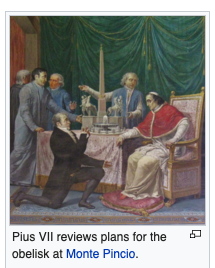
Pius VII was a man of culture and attempted to reinvigorate Rome with archaeological excavations in Ostia which revealed ruins and icons from ancient times. He also had walls and other buildings rebuilt and restored the Arch of Constantine. He ordered the construction of fountains and piazzas and erected the obelisk at Monte Pincio.
Screen Shot 2019-09-17 at 16.00.53

The pope also made sure Rome was a place for artists and the leading artists of the time like Antonio Canova and Peter von Cornelius. He also enriched the Vatican Library with numerous manuscripts and books.

 
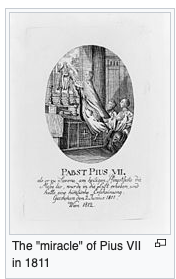
The so-called “miracle” of Pius VII. On 15 August 1811 – the Feast of the Assumption – it is recorded that the pope celebrated Mass and was said to have entered a trance and began to levitate in a manner that drew him to the altar. This particular episode aroused great wonder and awe among attendants which included the French soldiers guarding him who were in disbelief of what had occurred.
Screen Shot 2019-09-17 at 16.00.46

Relationship with the United States. On the United States’ undertaking of the First Barbary War to suppress the Muslim Barbary pirates along the southern Mediterranean coast, ending their kidnapping of Europeans for ransom and slavery, Pius VII declared that the United States “had done more for the cause of Christianity than the most powerful nations of Christendom have done for ages.”

For the United States, he established several new dioceses in 1808 for Boston, New York City, and Philadelphia. In 1821, he also established the dioceses of Charleston, Richmond and Cincinnati.

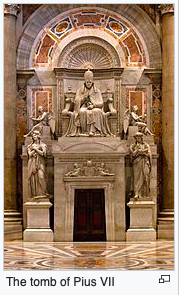
Pius VII died in 1823 at the age of 81. He was later buried in a monument in Saint Peter’s Basilica by the leading sculptor of the day, the Danish Bertel Thorvaldsen.
Screen Shot 2019-09-17 at 16.01.03

Celebrating women art patrons: Tōfukumon’in, Empress Consort of Japan

Tōfukumon’in (1607–1678)
Empress Consort of Japan

Screen Shot 2019-09-14 at 11.06.27
Following more than a century of civil war in Japan, Empress Tōfukumon’in played a pivotal role in shaping culture and aesthetic tastes in the peaceful Edo period. Tōfukumon’in used her endowment from Tokugawa leadership to rebuild prominent Kyoto temples and collect art by her era’s leading artisans. She dabbled in creative endeavors herself, writing poetry and experimenting with calligraphy, and she was particularly interested in fashion and textiles.

Together with her husband, Gomizunoo, Tōfukumon’in fostered more direct relationships between the imperial family and artisans. The empress collected pottery by famed ceramicist Nonomura Ninsei, paintings by Tosa Mitsunobu, and works by other prominent artists and workshops of the day, like Tawaraya Sōtsatu and the Kano and Tosa schools. Her chambers featured artworks that mingled classical styles with contemporary scenes featuring warrior figures and commoners.

Screen Shot 2019-09-14 at 11.06.41

Among her most notable commissions are six painted screens by court painter Tosa Mitsuoki that together comprise Flowering Cherry and Autumn Maples with Poem Slips (1654–81). Against the golden silk backdrop, the artist rendered slips of medieval poetry dangling from finely wrought leaves. The work merges Tōfukumon’in’s interests in literature and painting, and also represents the royal couple’s quest for cultural influence in an era when the feudal shogunate increasingly wrestled control from the imperial family.

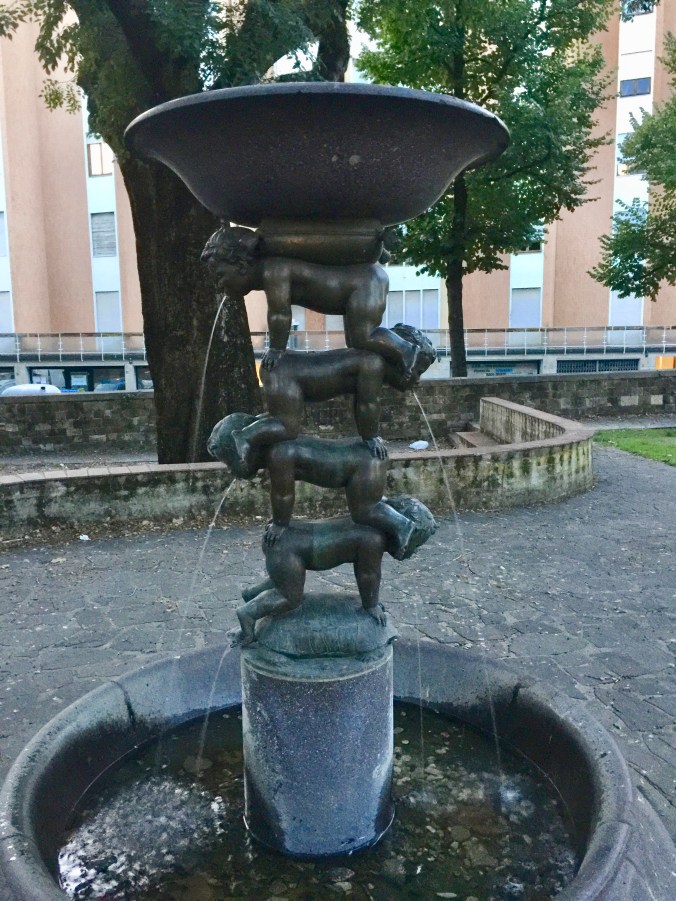
A bronze fountain composed of stacked toddlers

fullsizeoutput_1842

Poor Giorgio Vasari! I just don’t know what to make of the tiny little “piazza” that was named in Florence in his honor.  For the father of the history of art, I think he deserves something a little grander, don’t you?

Honestly, the piazza is such a throw away space that I can’t even make a screenshot of a Google Maps image to add to this post.  The location isn’t even marked, other than being a pinpoint on a short street called “Piazza Giorgio Vasari.”

So, because I am an intrepid searcher when it comes to arcane facts, here are the 3 things you should know about this unloved piazza on the north east side of Florence.

  1. It is named after Giorgio Vasari, who was a talented painter in his own right, but also the Father of Art History
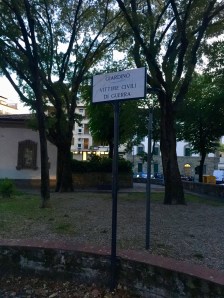
  2. It is graced with a marker dedicated to all the citizens who were victims of war (sometimes this marker has a laurel wreath placed over it)

fullsizeoutput_1841

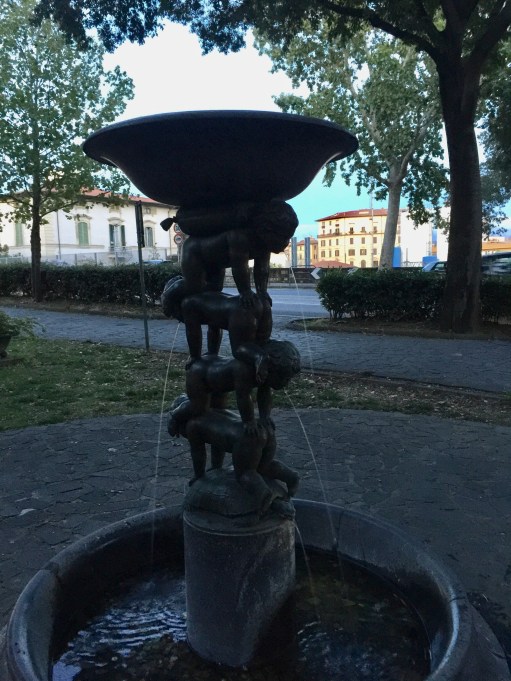
3. It has, at it’s center, a strange bronze sculpture of stacked toddlers

fullsizeoutput_183f


fullsizeoutput_1842


The next time I walk through the piazza, I will take a note on the foundry and artist markings on the fountain.  It was too dark this time.
Strange, but true, the fountain of stacked bambini marking the Piazza Giorgio Vasari!