In my random travels, hither and yon, through this British capitol city, I am constantly stopping to read all of these interesting signs. Oh, the stories they would tell. My mind is boggled. I love it when that happens!


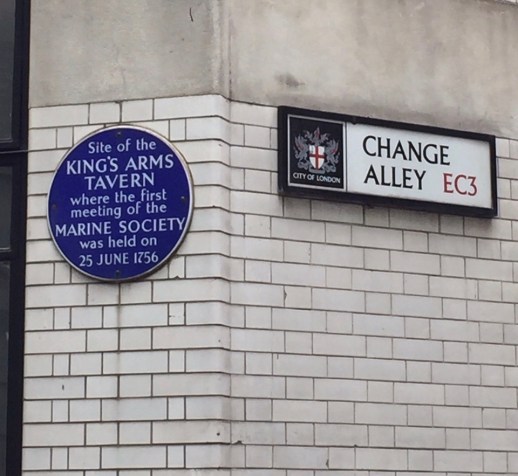

In my random travels, hither and yon, through this British capitol city, I am constantly stopping to read all of these interesting signs. Oh, the stories they would tell. My mind is boggled. I love it when that happens!

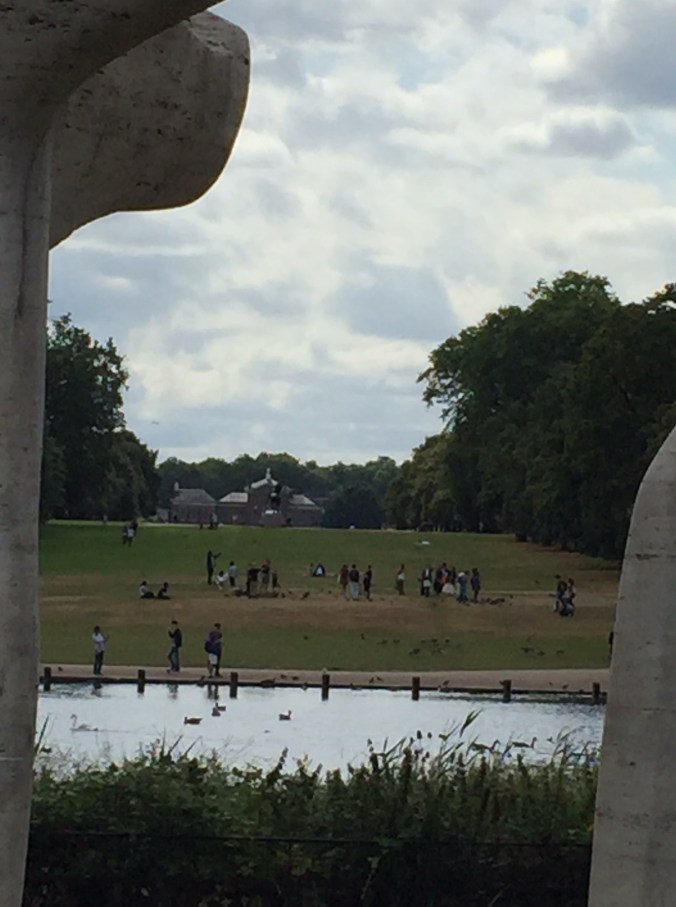
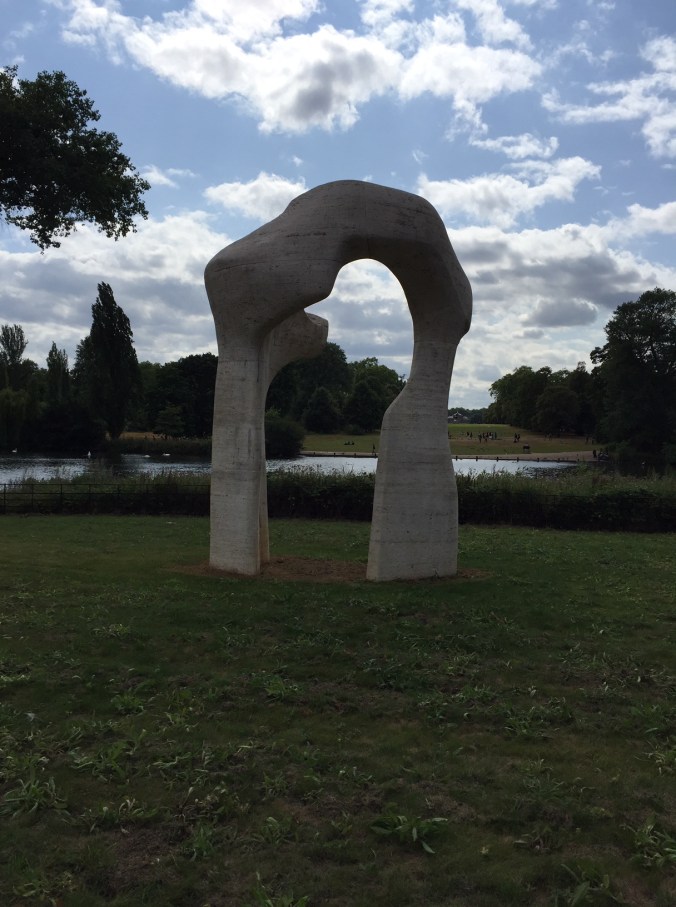
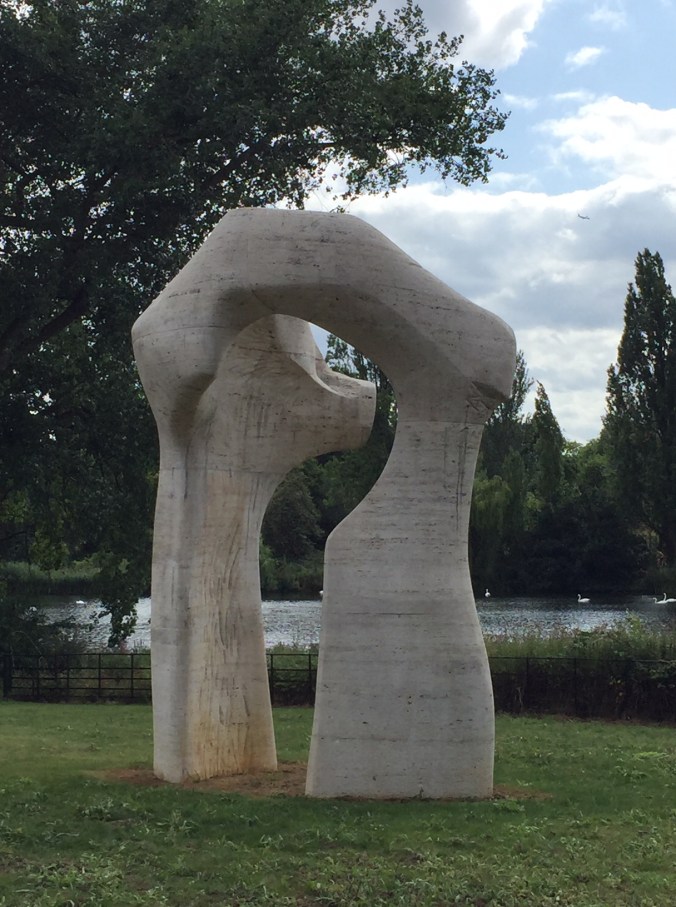
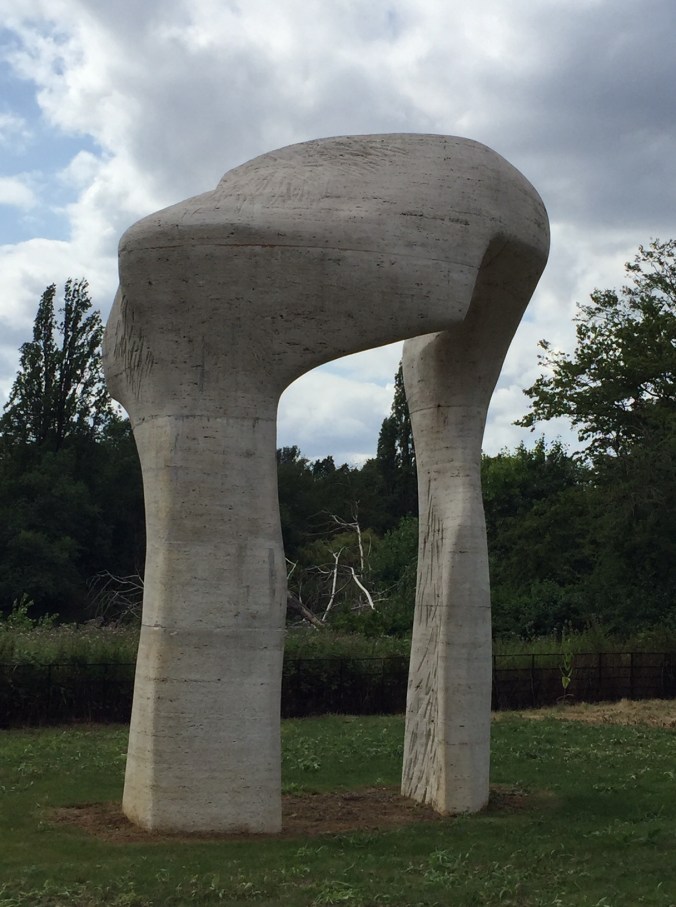
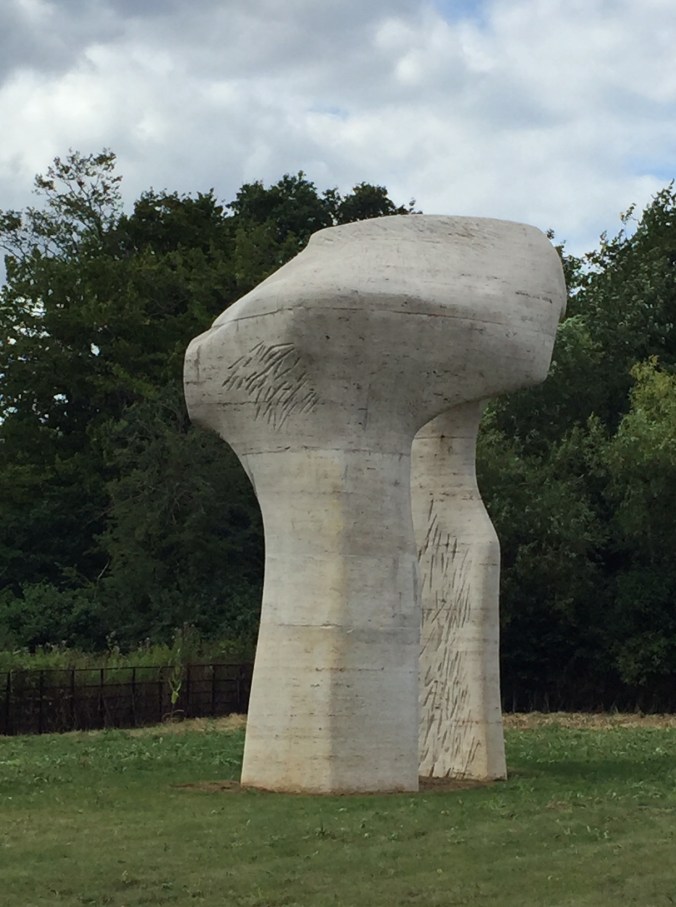
Moore’s “The Arch” stands proudly in the Gardens and, from a certain angle, perfectly frames the Kensington Palace.


I saw this yesterday in St. Paul’s Cathedral. It is beautiful.
RIP Igor Gurney.


You might know that almost the first place I would go once I got to London would be the “Italian Gardens!” Ma, certo! Like a bee to honey.
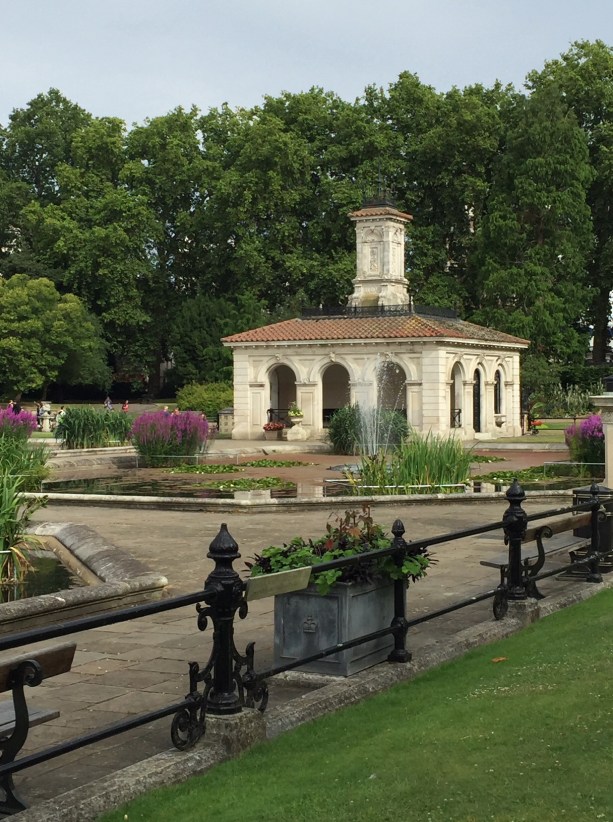
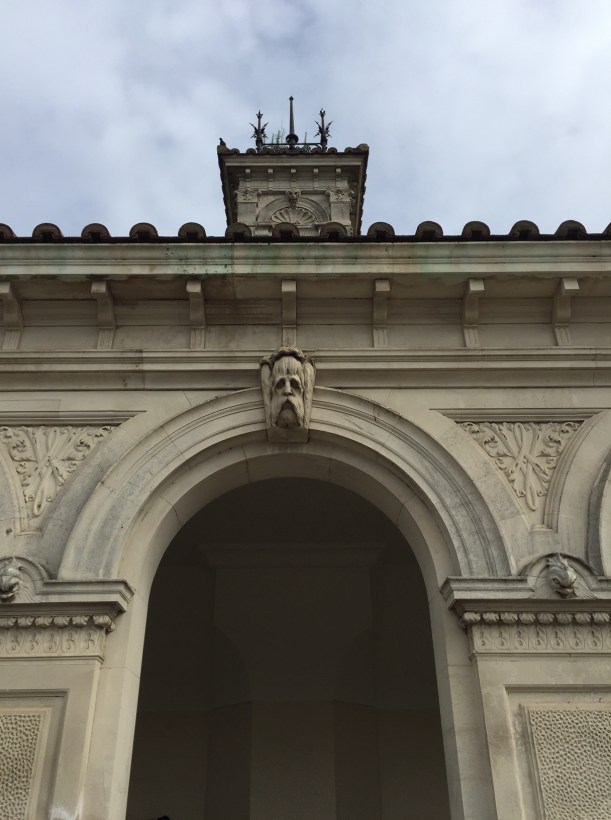
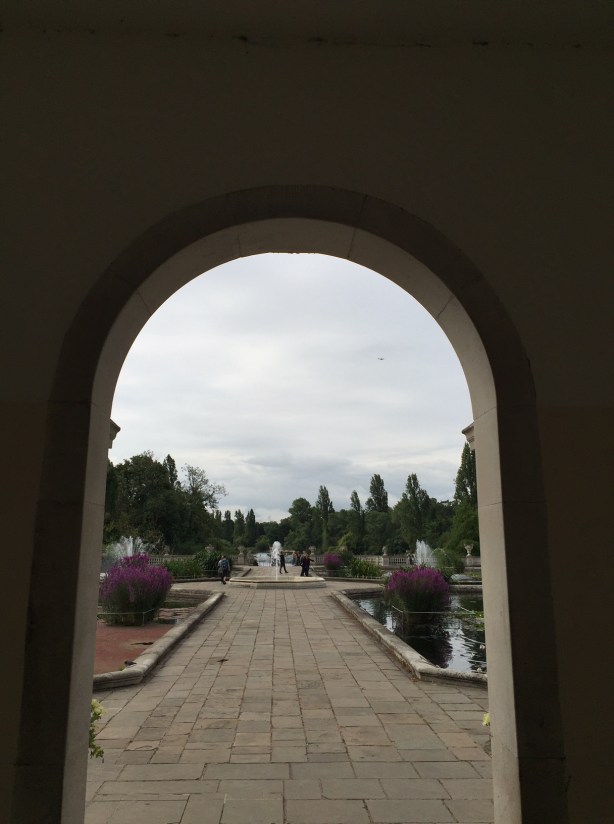

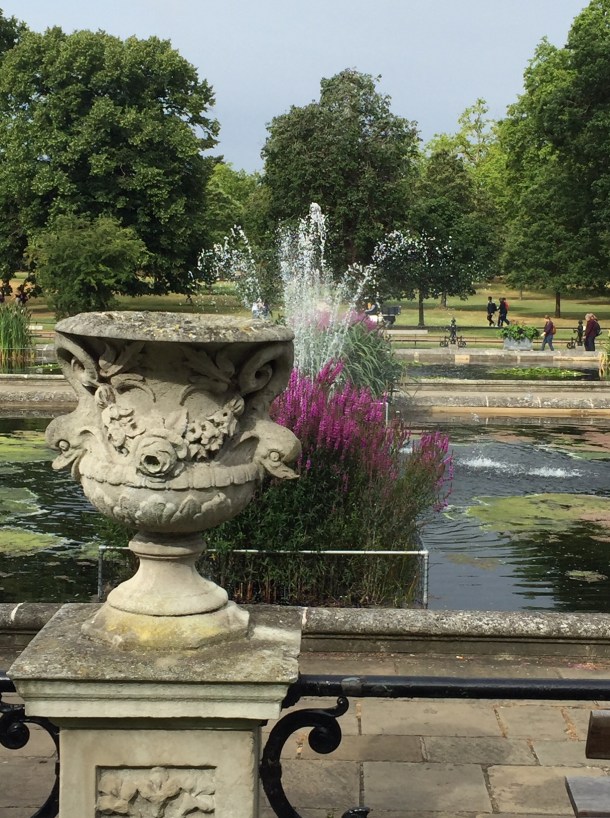
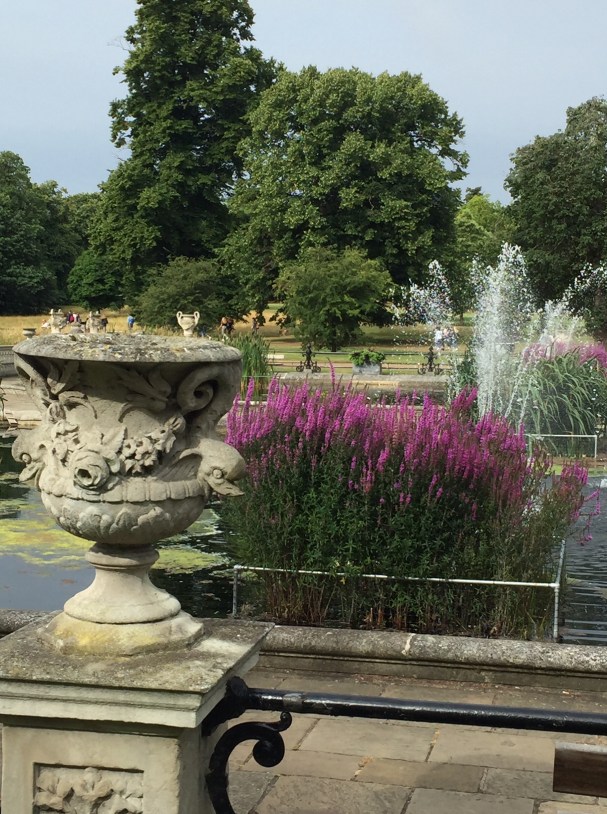
This lovely, smallish ornamental water garden was created in the 1860s and is to be found on the north side of park, near Lancaster Gate. It is believed the garden was a gift from Prince Albert (he died 1861) to his beloved wife, Queen Victoria. Regardless of the why, they are now recognized as a site of particular importance and are listed Grade II by Historic England.
Portraits of Victoria and Albert flank the 2 sides of the balustrades overlooking the lake.
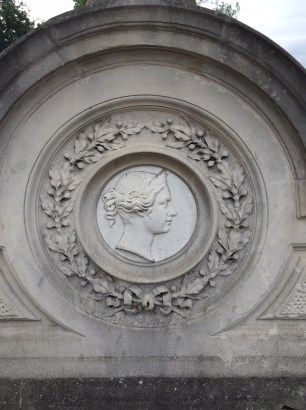
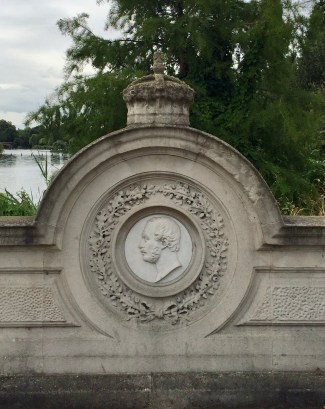
BTW, about once every six months while I am living in Italy I will see something in some work of art that causes me to say: “that’s a new one–I’ve never seen that before.” I love it when that happens.
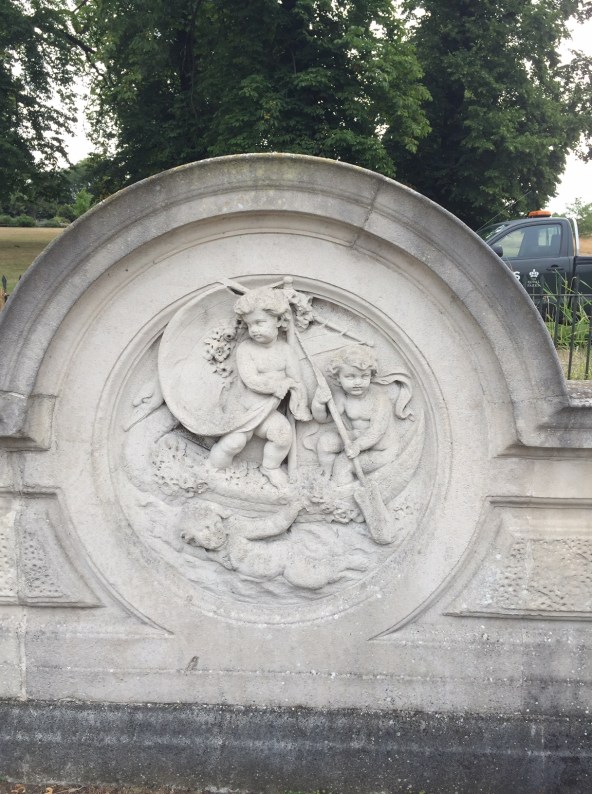
But, today, at the Italian Gardens, I had one of those moments, caused by the bas-relief below:
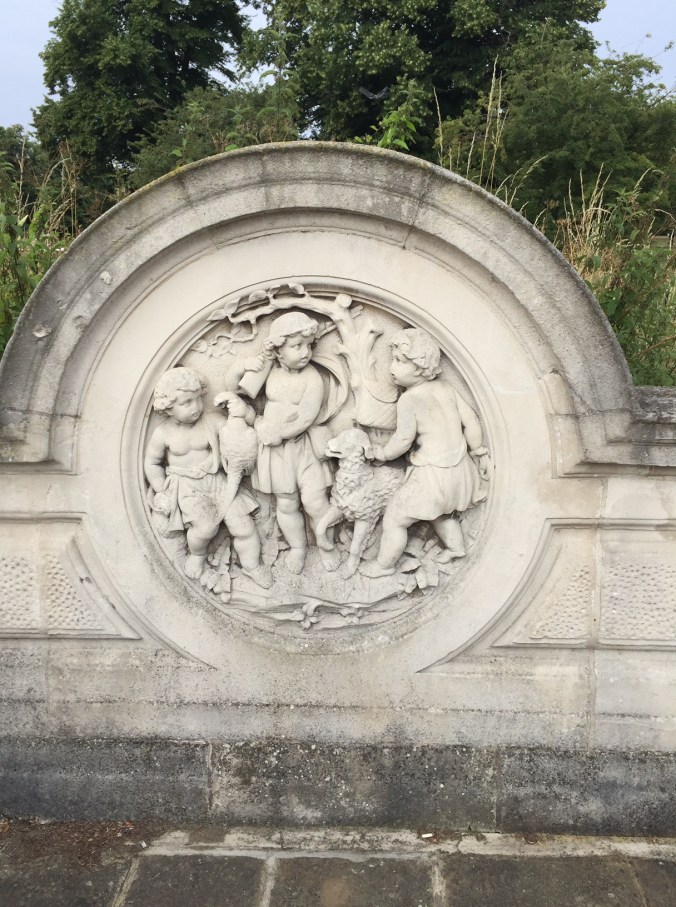
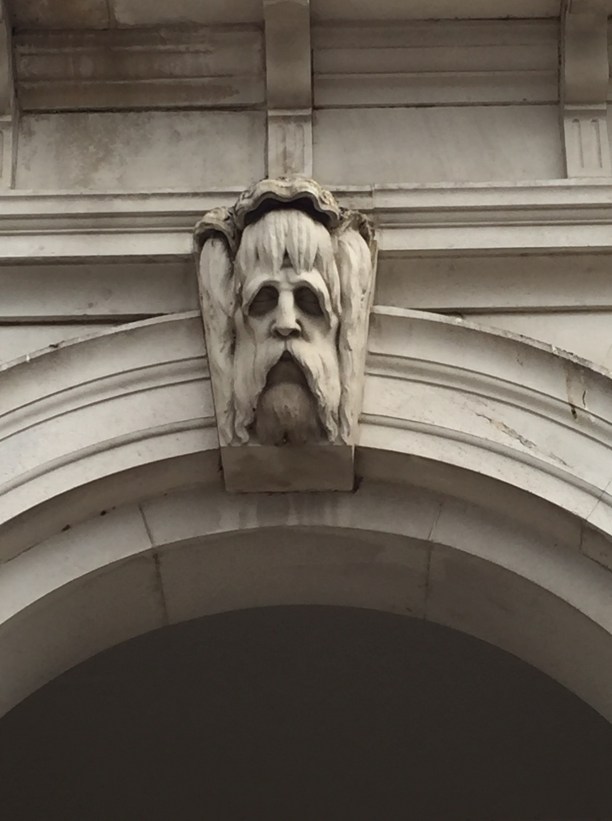
I’ve seen a lot of weird images captured in marble sculpture, especially in the form of putti of various stripes, but I have never seen a rifle in a Neo-classical sculpture before today! A detail of it is below:


The Italian Gardens are found within the grounds of Kensington Gardens; you can locate them at the top of the Serpentine River in the map below:

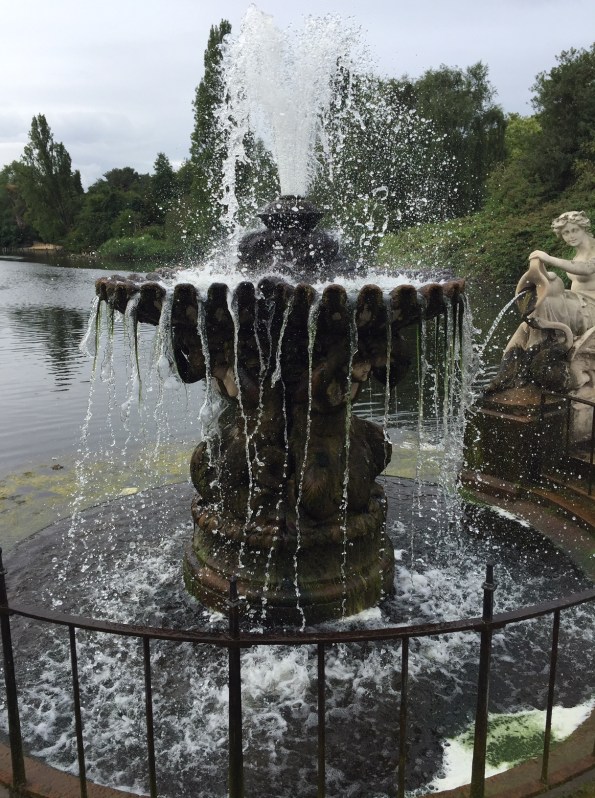
The Italian Gardens are an elaborate mix of four main basins. They feature central rosettes carved in Carrara marble, the Portland stone and white marble Tazza Fountain, and a collection of stone statues and urns. It’s fun to see if you can spot the five main urn designs – a swan’s breast, woman’s head, ram’s head, dolphin and oval.

Strengthening the supposition that this decorative complex was commissioned by Prince Albert is the fact that the layout of the Italian Gardens is very similar to that of Osborne House on The Isle of Wight, where the royal family spent holidays. Prince Albert was a keen gardener and took charge of the gardens at Osborne House, where he introduced an Italian garden with large raised terraces, fountains, urns and geometric flower beds.

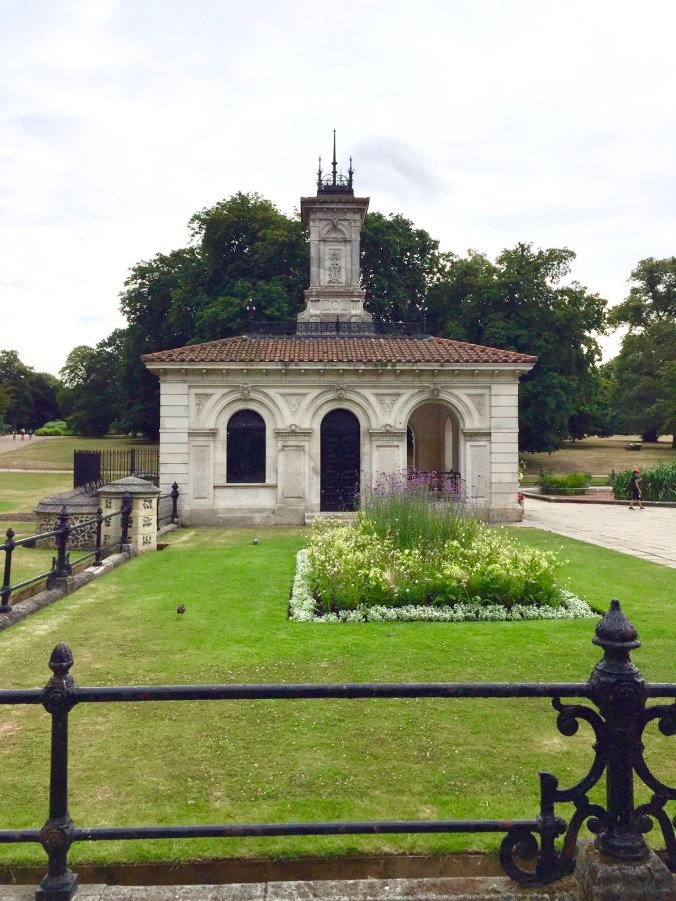
It’s thought that in 1860 he brought the idea to Kensington Gardens. The design by James Pennethorne includes many features of the Osborne garden.
The initials of Queen Victoria and Prince Albert can be found on one of the walls of the Pump House, at the north of the gardens.
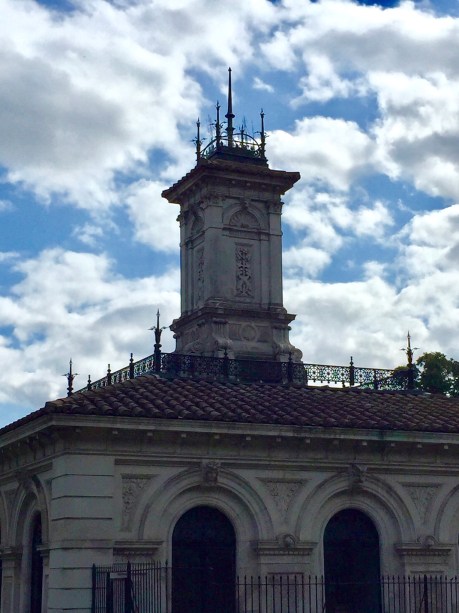
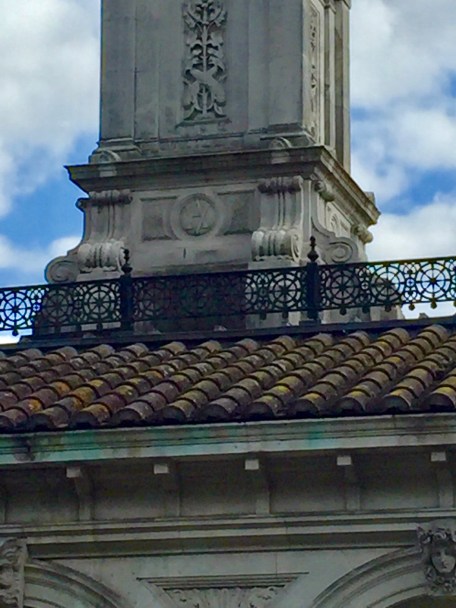 You can see the V & A monogram in this photo.
This building once contained a steam engine which operated the fountains – the pillar on the roof is a cleverly-disguised chimney. A stoker kept the engine running on Saturday nights to pump water into the Round Pond, so on Sundays there was enough water pressure to run the fountains.
In 2011, the gardens were restored to their original splendour. The project involved:
The restoration was funded by The Tiffany and Co. Foundation as part of a project to restore ornamental and drinking fountains across the eight Royal Parks, and known as Tiffany – Across the Water.
Also, just for fun, the Italian Gardens have provided a star location in several films.
A lot of the time I don’t know what the Brits are talking about! Case in point: I walked by this church yesterday and was amused by the sign, which tells the public that this is the home of the “centre” of “church planting and growth,” which just isn’t the way anyone would describe anything in the US.
Those odd (to me) words weren’t enough to stop me, until I saw the temporary sign posted on the church’s front door (see below):

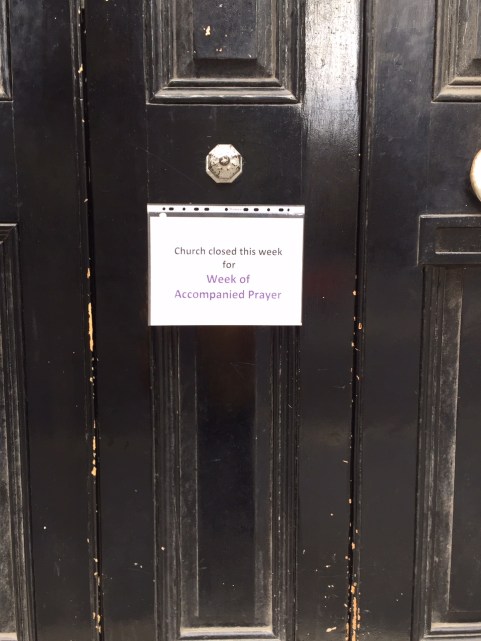
What on earth is the “week of accompanied prayer?” and why would you close a church over it? Wouldn’t this be the time to make sure the church is open?!$%#!!
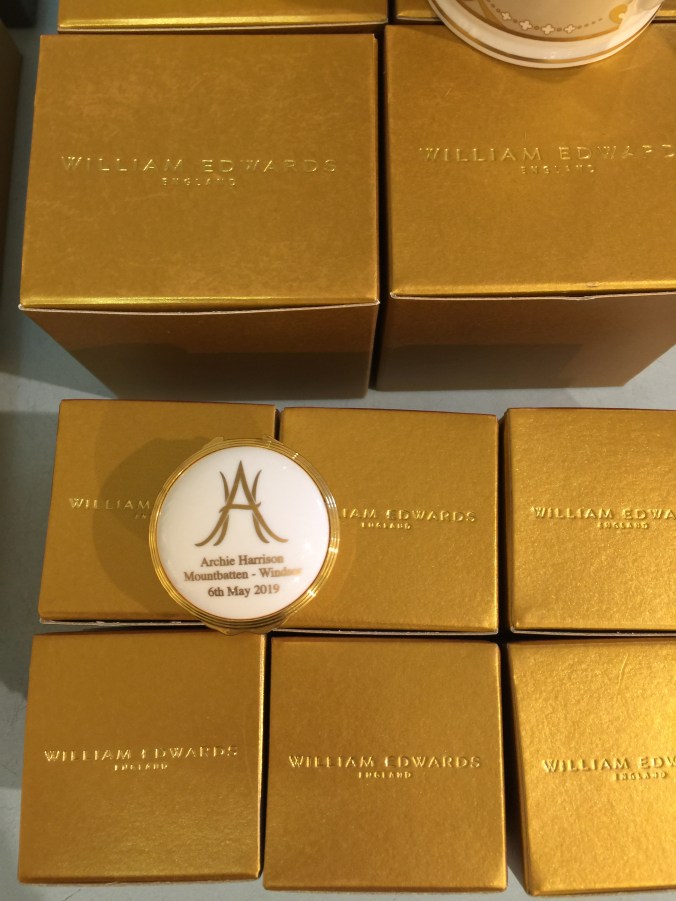
Archie arrived on May 6, 2019 and the gift shop at Kensington Palace is already brimming with related paraphernalia.

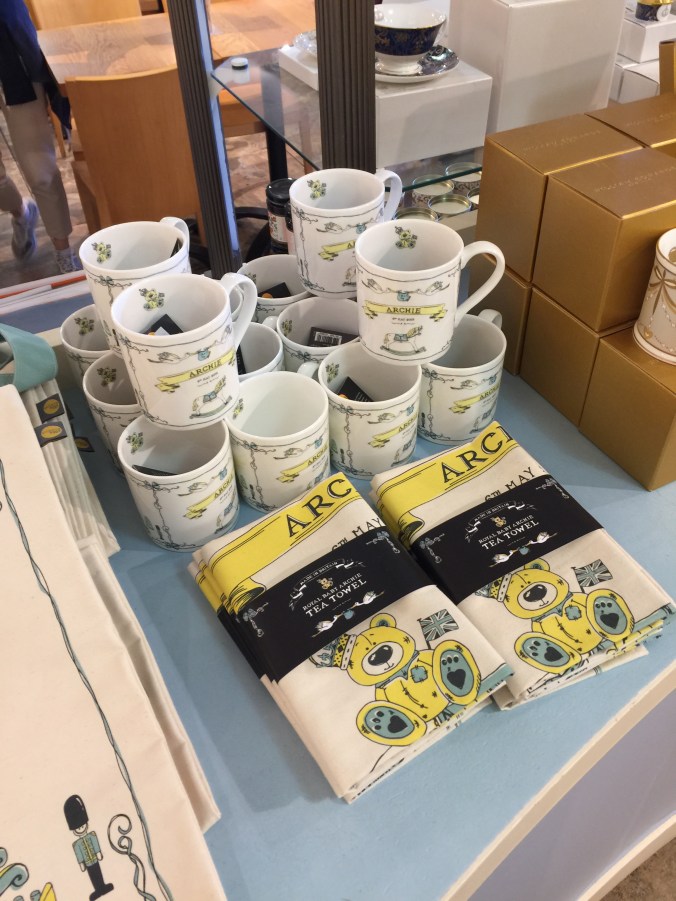
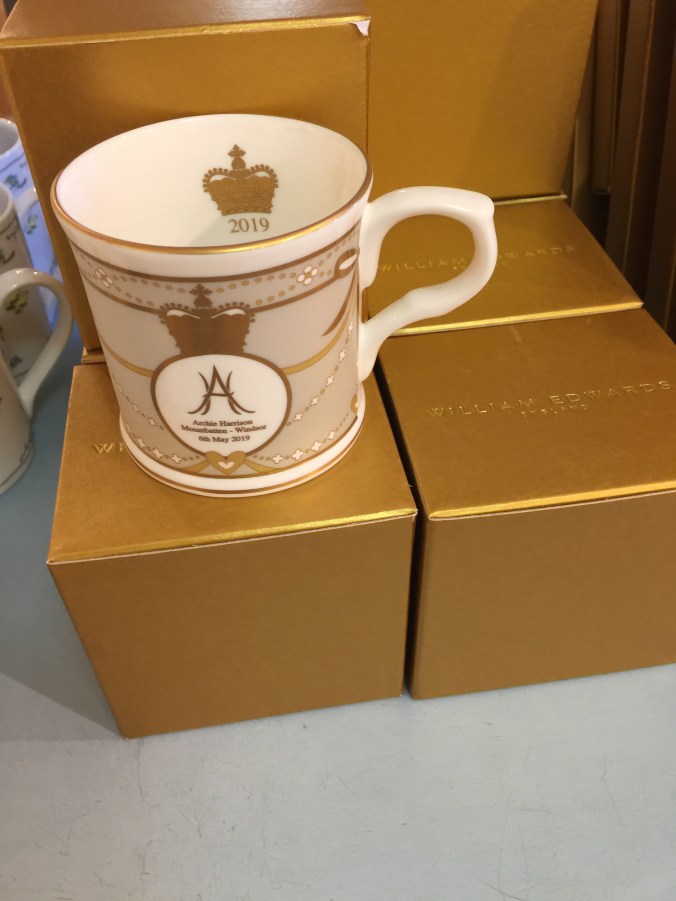
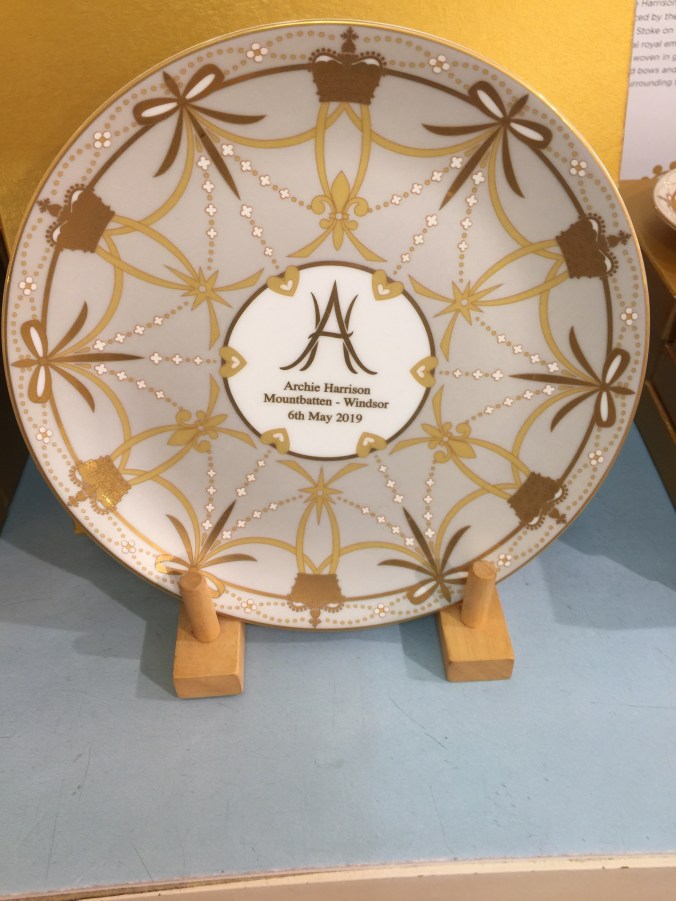

If you are a regular reader of my blog, you know that I rarely post images of the decorative arts. I am typically not a fan of fussy porcelains or fine cabinetry. I just don’t seem to have the gene that lets me appreciate that stuff.
But, today in London, I visited the Wallace Collection and it knocked my socks off. I mean, this place is crazy! The former mansion of the Wallace family was gifted to the country of Britain in the last years of the 19th century, and is still set up in a similar manner to the way in which the family lived.

As you might know, I’ve been to a few museums and house museums in my day, but this place is more opulent than any other.
All I can say is WOW! And then show you some (a lot, probably too many) pictures of this amazing place.
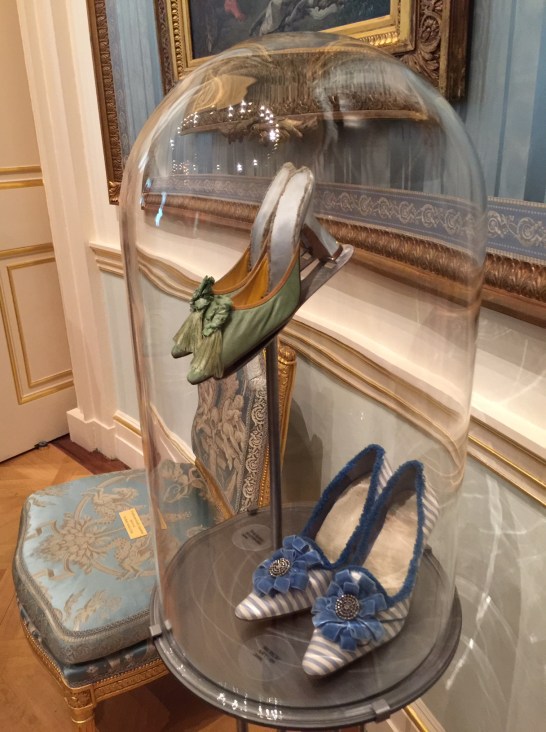
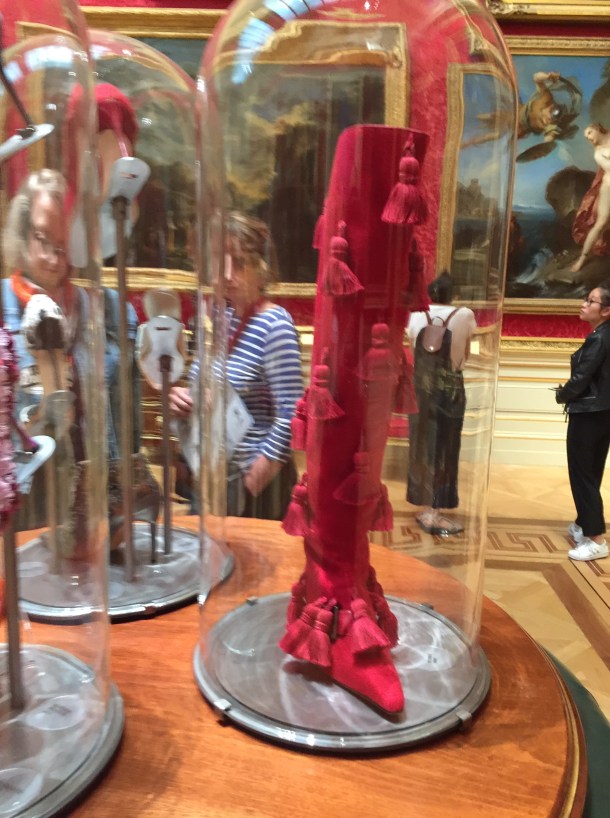
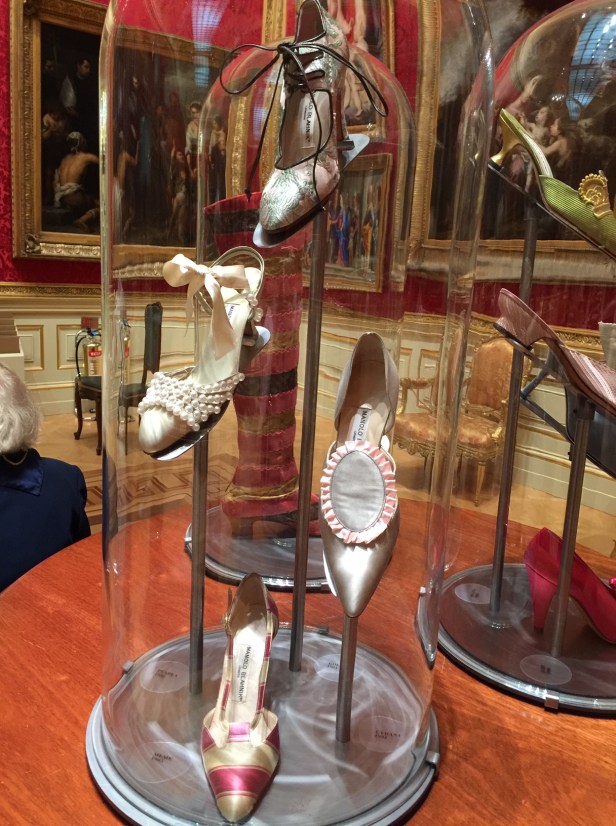
Oh, and p.s….Manolo Blanik shoes were also on display. I’ve never owned a pair and never will. But, to see the shoes interspersed with the collections added an element I’d not thought of before. My guide at the Wallace Collection told me that Blanik was an Anglophile and was particularly interested in the Wallace Collection. This is a new point of approach for me, and I could dig it!

Let’s go!
The first thing I heard in the excellent tour I joined, is that when this Japanese chest (and its matching partner) arrived in Europe, it absolutely blew the minds of connoisseurs. They were obsessed with the black lacquer and wanted to emulate it. They couldn’t, it turned out, because the plant that produces the lacquer did’t grow in the west.

Here’s my guide, standing in front of the Japanese chest.

That didn’t daunt them. The king of France set up a artisanal workshop, patronizing the best of the artistic producers known to France, and they experimented and experimented, trying to produce–if not lacquer itself–at least something that looked very close to it.

Above, King Louis XV, the king who developed the French fine arts.
This is the time period in which France is lifted by the decorative arts. France would no longer import fine luxury goods–they would produce them. It started then and is still going strong today.
The wardrobe below was produced in this workshop.


Before having a gander at the million photos I took today, introduce yourself to the Wallace Collection here with the director:
Now, please join me as I wander through the collection:


Can you say “opulence?”


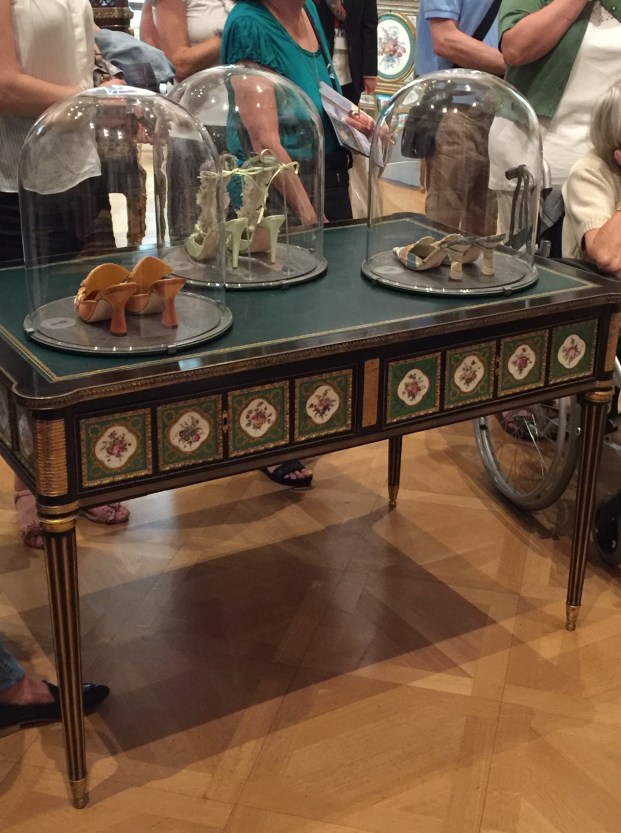
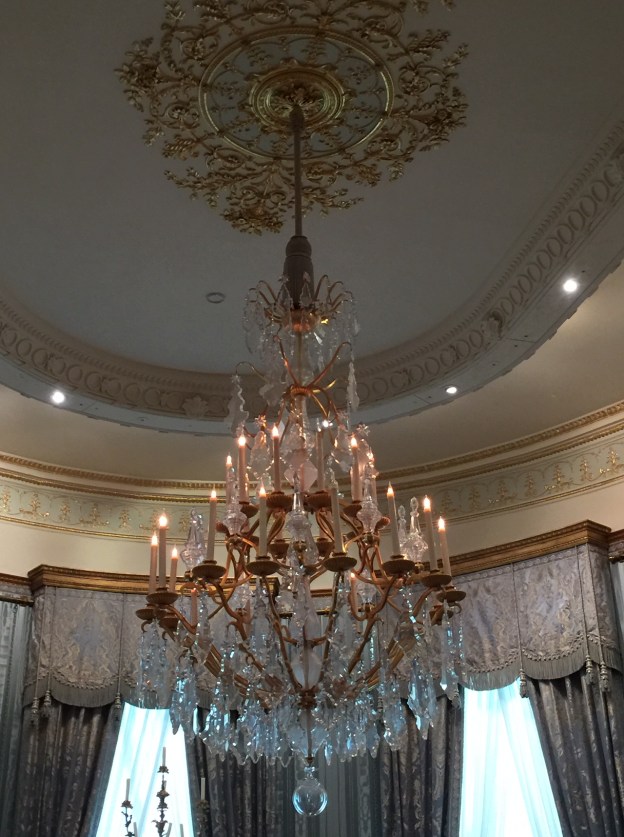


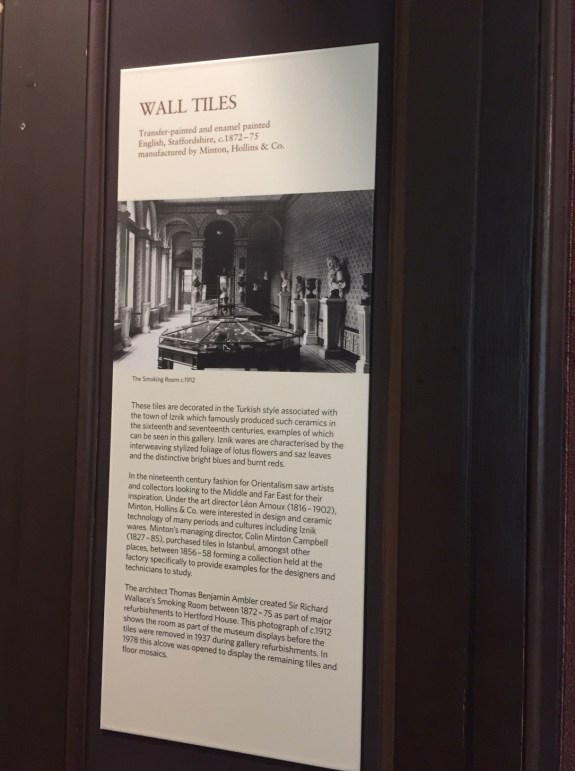
Also, the Wallace Collection has a lovely restaurant!

And then, on to the armor!


And to a Gothic crown. Because, why not?

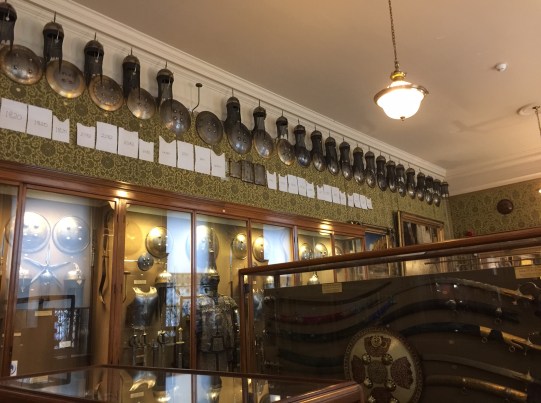
Check out the line of matching armor head pieces and shields.

Below: a portrait of Madame de Pompadour, commissioned by herself. My guide told the fascinating story of this woman and her involvement with the French king, and discussed the fascinating iconography of this portrait. Please note her tiny shoe peeking out from under her “Pompadour pink” gown, for which she set the fashion of the day. This is the type of detail by which Blanik was inspired. Looking at his shoes today, I could see it.




And, then there is this Jean-Honoré Fragonard masterwork: The Swing (1767).






You must be logged in to post a comment.