Street art in Paris
When I was in Paris recently, I noticed a lot of street art. That scene is alive and well in Paris!
In Montmartre, this composition took my breath away; it is incredibly vibrant and very attractive to my eye:


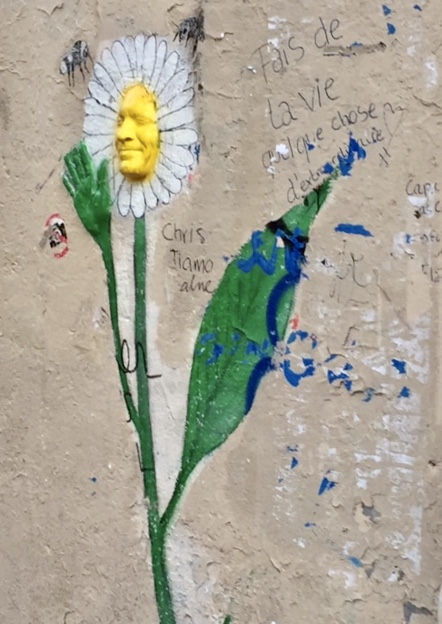
While this next picture is not of “street art” as it is normally conceived, but to me it was definitely street art and perhaps my favorite picture from my entire trip!
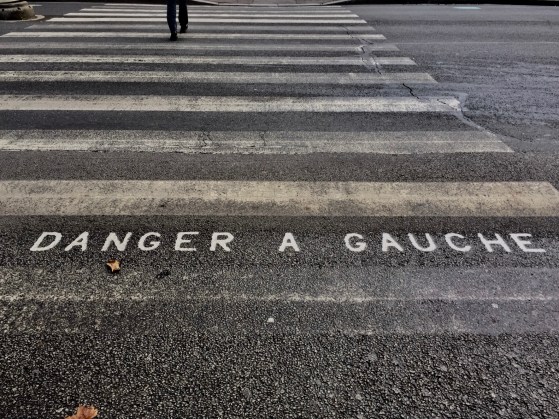
Okay, so in Montmartre, there were all these artists. I can’t tell you the names, except for Clet (whose work I know from Florence) because I was concentrating on other things, but couldn’t not take pictures anyway:
]]
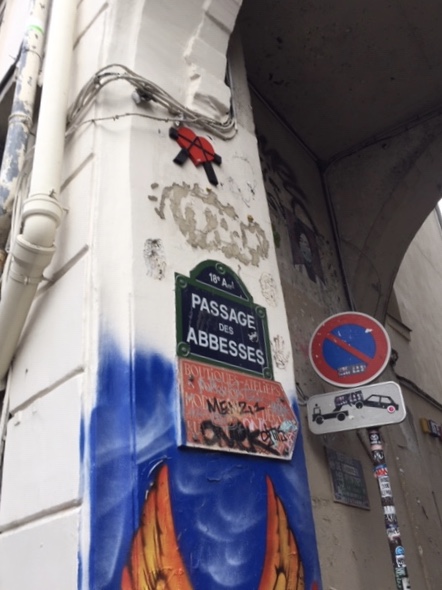
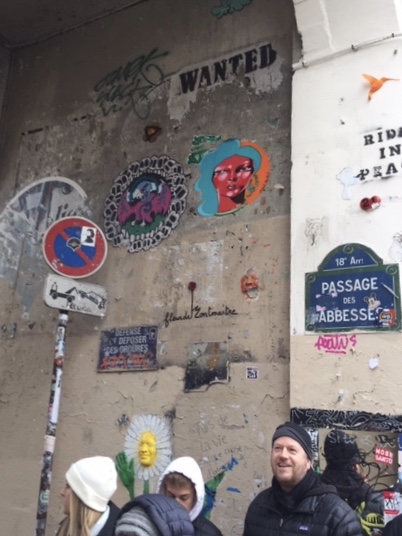

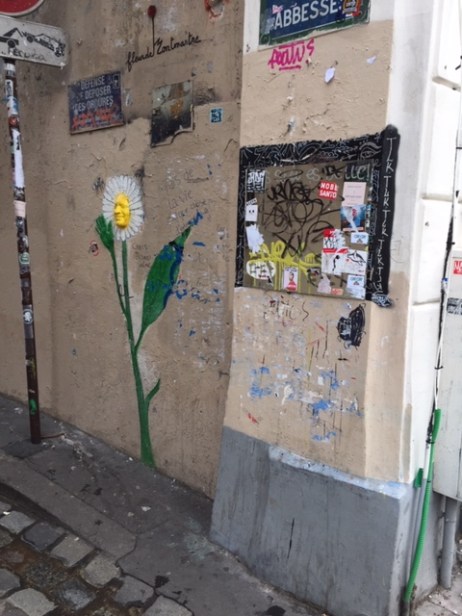

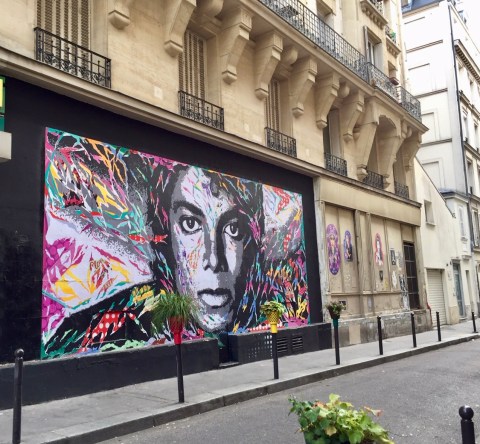
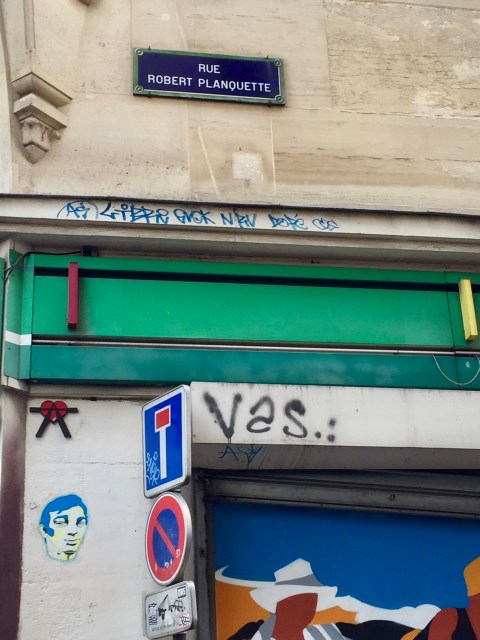
The picture below isn’t street art, but it is “art” on the street, so I include it:


Art nouveau church in Paris
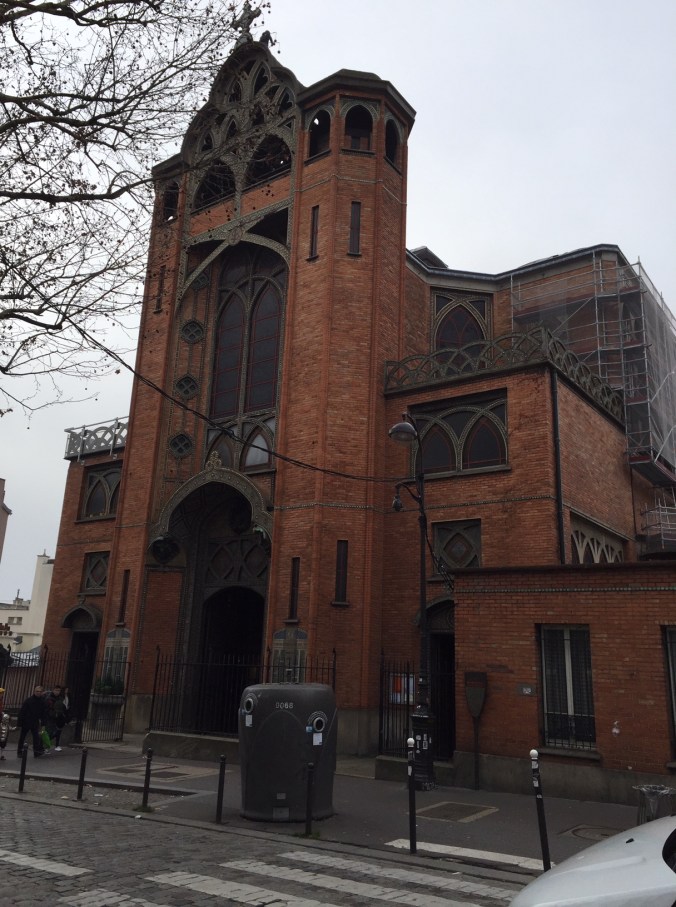
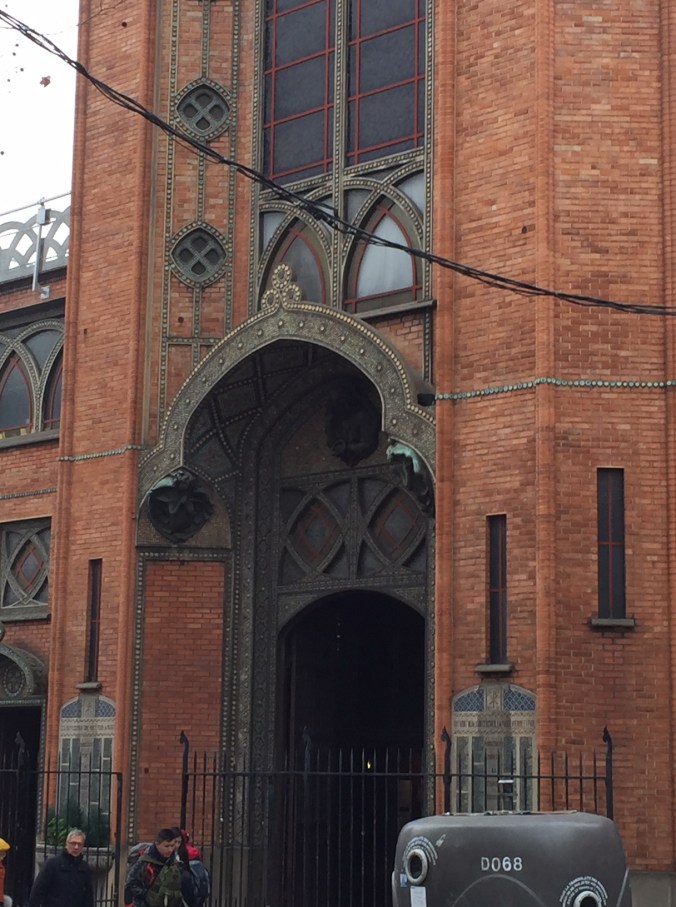
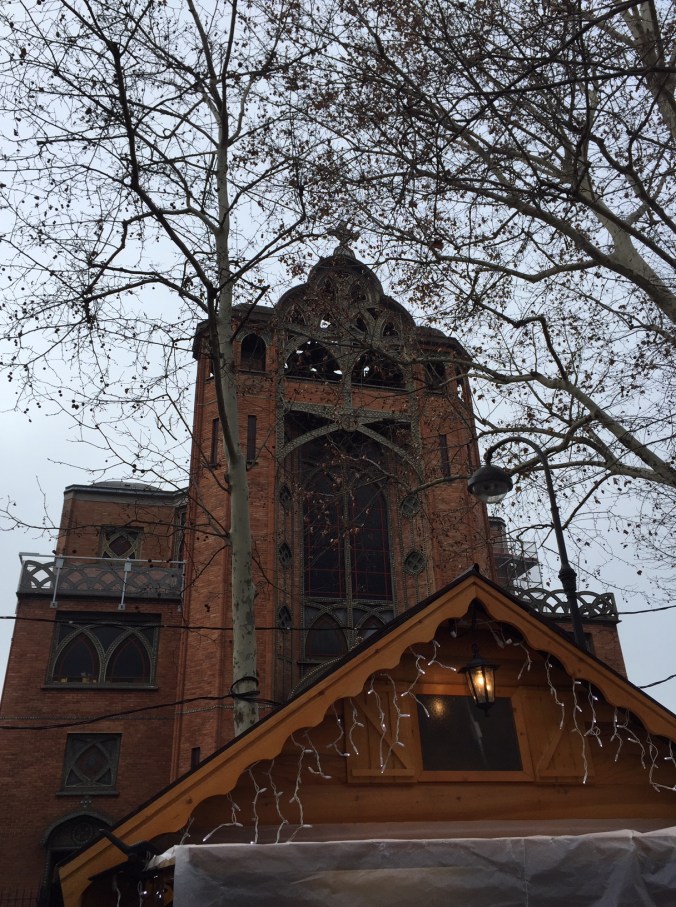
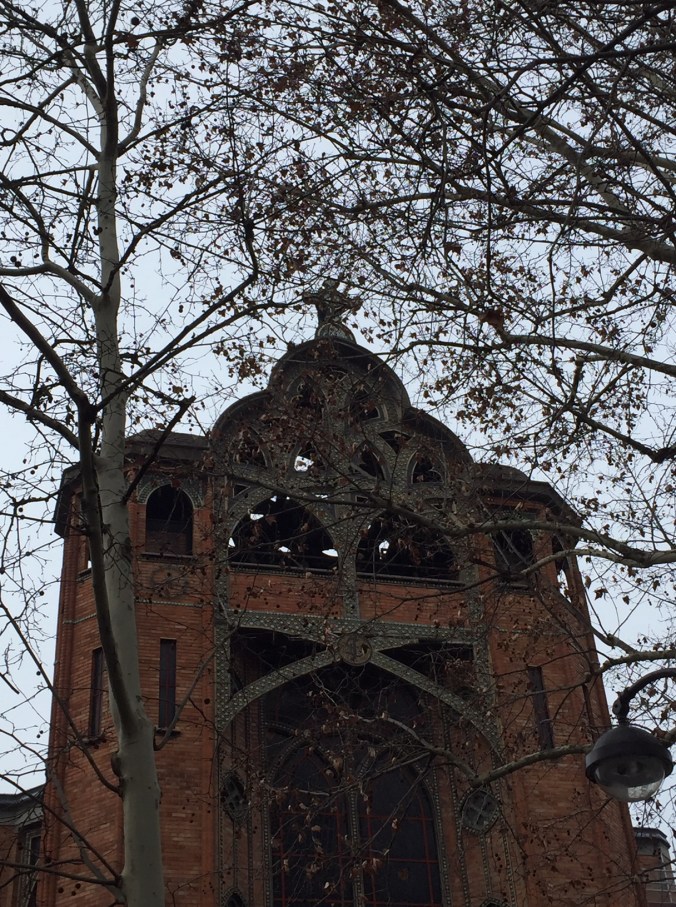
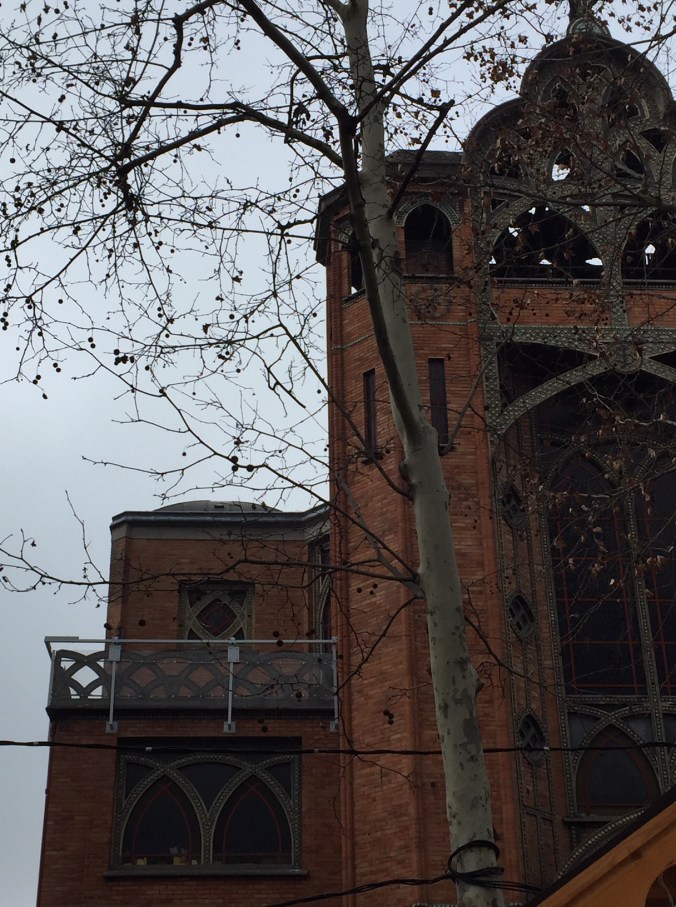
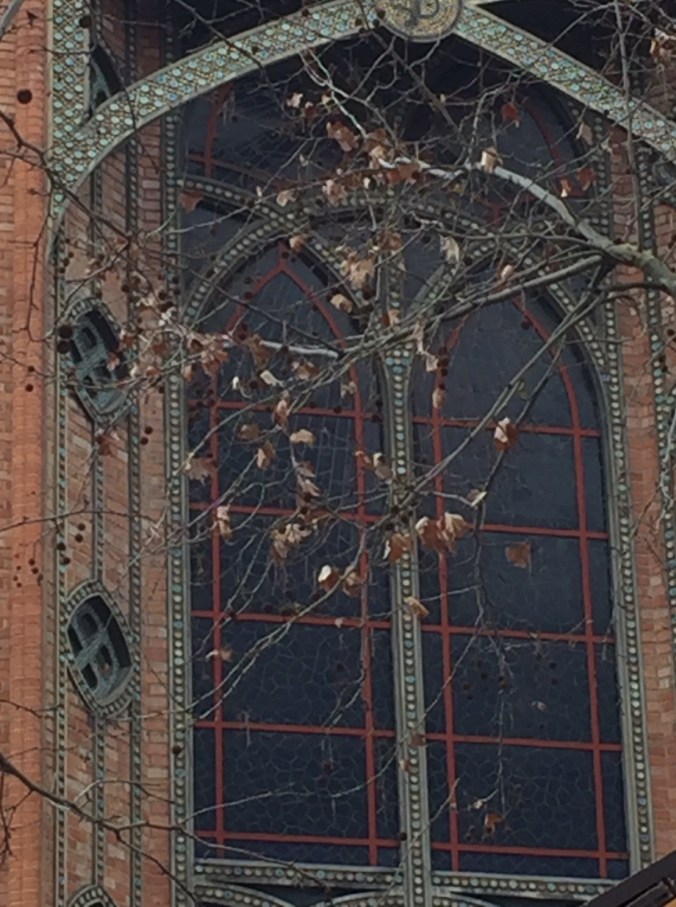
There’s a beautiful church in Montmartre that was a revelation (ha ha) to me on my recent visit in Paris. Here it is: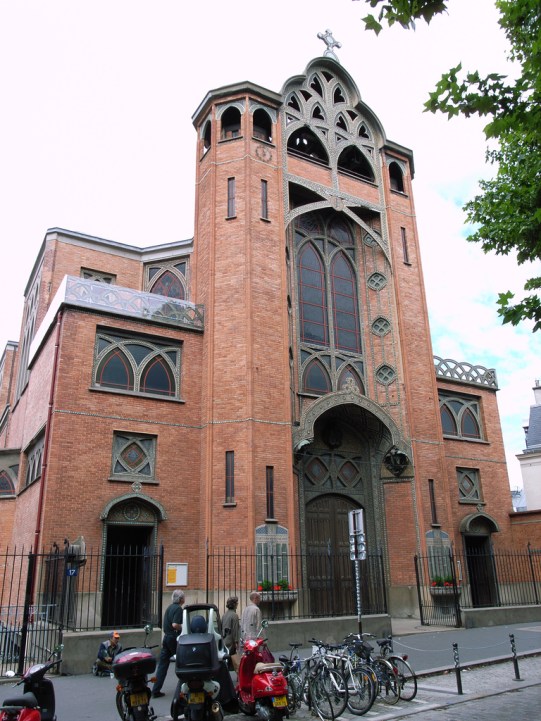
The church is Saint Jean de Montmartre.

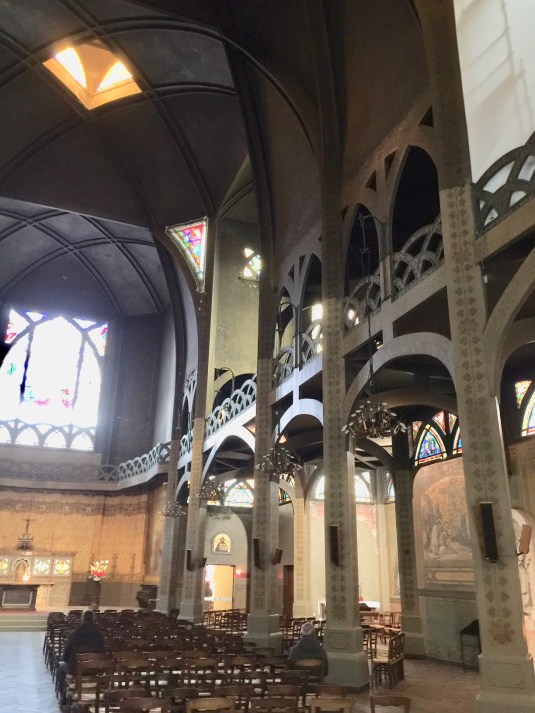
I think it is fair to say I’ve spent a lot of time visiting churches, to study Renaissance architecture, sculpture, and paintings. But, this church in Montmartre was the first ever Art Nouveau church I’ve ever seen and it was as lovely as it was interesting.

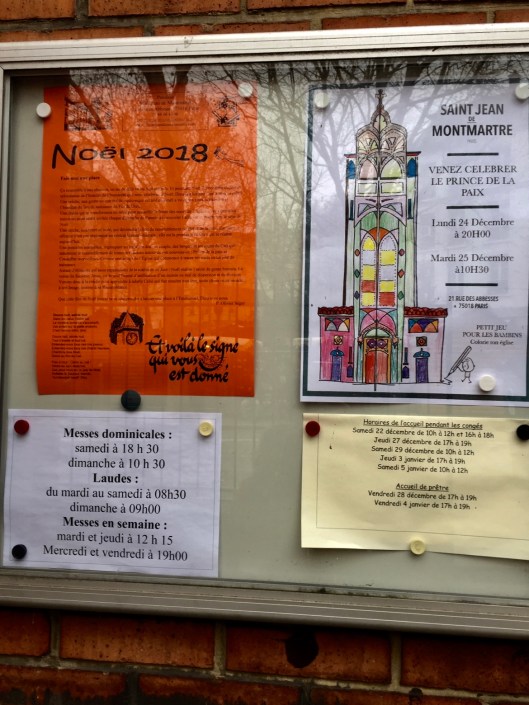
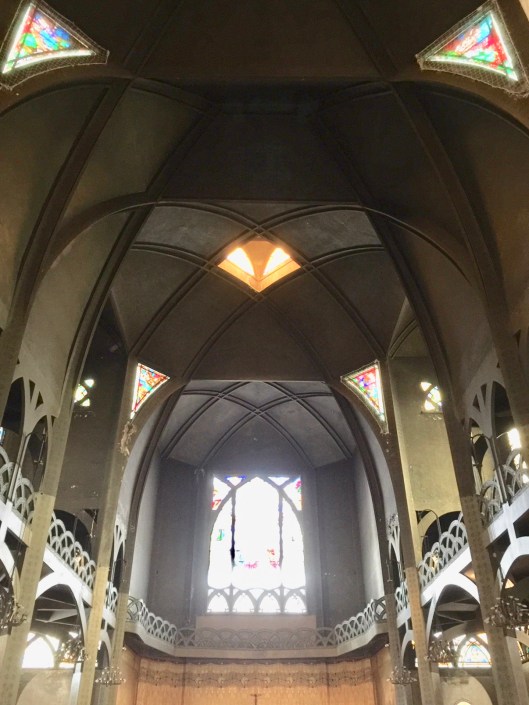
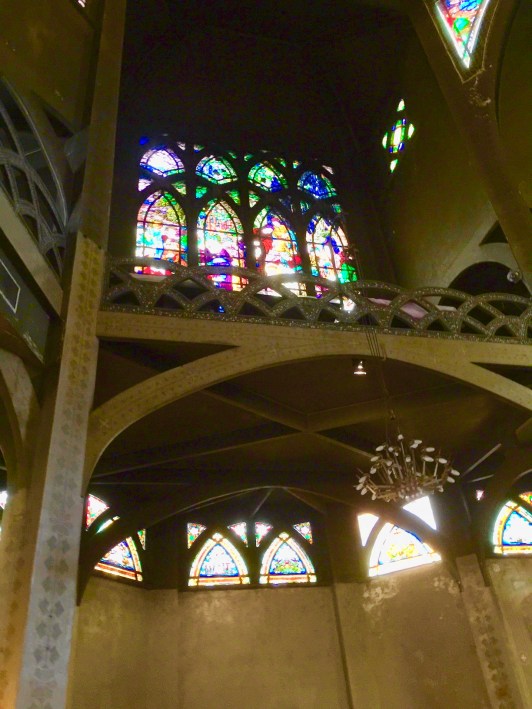
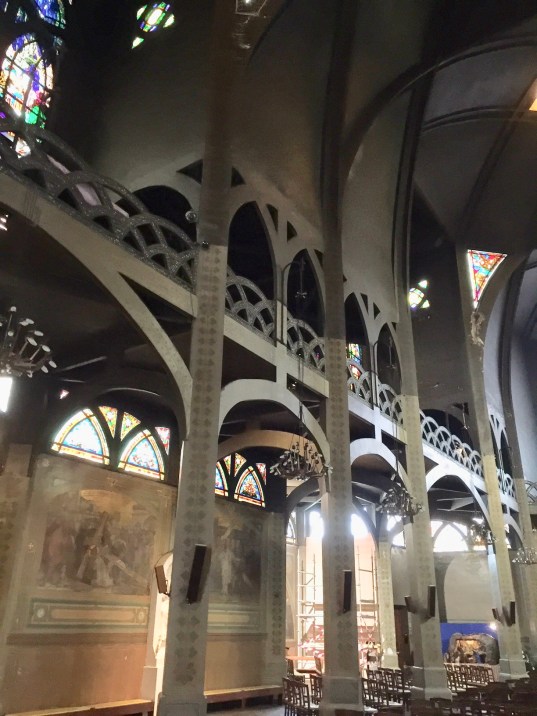

So, here’s what Wikipedia shares about this interesting church:
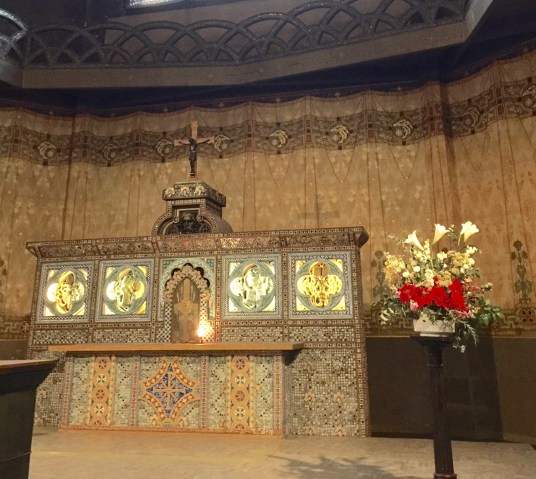
The Church of Saint-Jean-de-Montmartre is located at 19 Rue des Abbesses in the 18th arrondissement. Situated at the foot of Montmartre, it is notable as the first example of reinforced concrete in church construction. Built from 1894 through 1904, it was designed by architect Anatole de Baudot, a student of Viollet-le-Duc and Henri Labrouste. The brick and ceramic tile-faced structure exhibits features of Art Nouveau design while exploiting the superior structural qualities of reinforced concrete with lightness and transparency. The Art Nouveau stained glass was executed by Jac Galland according to the design of Pascal Blanchard. Interior sculpture was by Pierre Roche.
The reinforced concrete structure followed a system developed by the engineer Paul Cottancin. Construction was attended by skepticism over the properties of the new material, which violated rules laid down for unreinforced masonry construction. A lawsuit delayed construction, resulting in a demolition order that was not resolved until 1902, when construction was resumed.
There is a guided tour of the church on every fourth Sunday of the month at 4:00 PM.
The Church of Saint-Jean-Montmartre was commissioned by Montmartre priest Father Sobbeaux. The population of the town was growing and the only other abbey church, Saint-Pierre de Montmartre was too small. Saint-Pierre de Montmartre was located at the top hill of Montmartre, and could only serve those living up there. The new church was part of Fr. Sobbeaux’s personal mission to evangelize the population of the lower part of the hill, and he was responsible for raising all the funds for construction.
Using reinforced concrete on Saint-Jean-de-Montmartre resulted in the church being quite ahead of its time and, and building codes had not caught up yet. Cottancin’s system was so new and revolutionary, it was difficult for people to believe the structure would actually stand. Even other architects opposed the plan, and believed it would collapse.
The church was built in ten years, the reason for it taking so long was because construction had to be stopped as a result of a lawsuit filed in 1898 due to ” non-conformity of town planning”.
Next came an order for the demolition of the building. This resulted in the performance of innumerable tests to ensure the structural integrity of the building. To save the church, Baudot and Sobbeaux set up technical demonstrations. They recreated the pillars and flagstone floor in the garden of the church to prove the strength and stability of the building. This demonstration reassured the skeptics and the order for the destruction of the church was lifted.
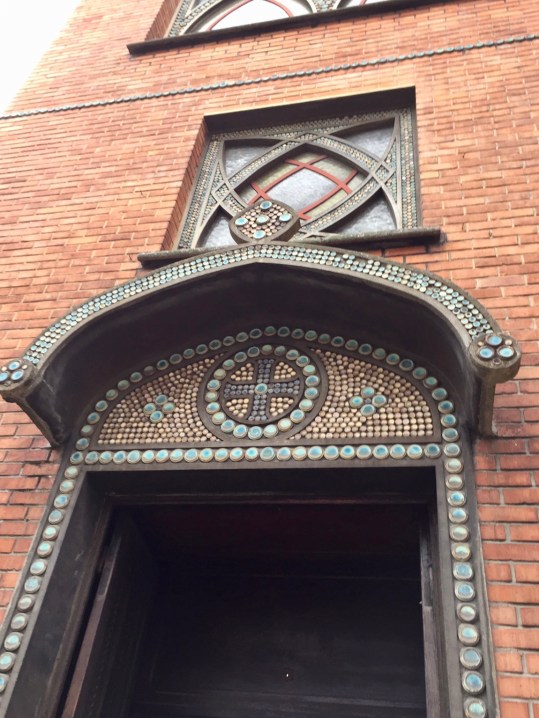
Saint-Jean-de-Montmartre is the first religious building to be made from concrete, understandably there was some concern over the aesthetic qualities of the material. The red brick facade, is used for decoration as well as additional support an insulation. The exterior is also embellished with geometric designs made from multicolored sandstone pearls. Saint-Jean-de-Montmartre is in the architectural style art nouveau, one of the few Parisian churches in this style.[6] The theme of the exterior and interior design is based off the writings of St. John- The fourth Gospel and the Apocalypse.
The harder I work, the luckier I get
“Opportunity is missed by most people because it is dressed in overalls and looks like work.” – Thomas Edison
Idealised home life in the 1950s
1954

Versailles in 3 minutes
Few tourists making their first trip to France go home without having seen Versailles. But why do so many want to see Versailles in the first place? Yes, its history goes all the way back to the 1620s, with its comparatively modest beginnings as a hunting lodge built for King Louis XIII, but much in Europe goes back quite a bit further. It did house the French royal family for generations, but absolute monarchy hasn’t been a favored institution in France for quite some time. Only the most jaded visitors could come away unimpressed by the palace’s sheer grandness, but those in need of a hit of ostentation can always get it on certain shopping streets in Paris. The appeal of Versailles, and of Versailles alone, must have more do with the way it physically embodies centuries of French history.
You can watch that history unfold through the construction of Versailles, both exterior and interior, in these two videos from the official Versailles Youtube channel. The first begins with Louis XIII’s hunting lodge, which, when the “Sun King” Louis XIV inherited its site, had been replaced by a small stone-and-brick chateau. There Louis XIV launched an ambitious building campaign, and the half-century-long project ultimately produced the largest chateau in all Europe.
Fashion from 1950s

Jean Patchett in Mainbocher jacket and floor-length skirt with velvet flowers at the knee.
Photo by Horst P. Horst, 1951

Dorian Leigh in evening dress by Jacques Fath.
Photo by Walter Carone, Spring 1954
A German hero in Florence during WWII
When I walk across the Ponte Vecchio, I often notice this marble plaque.
Who, I always wonder, was Gerhard Wolf?

Knowing that Germany occupied Florence during the war, I’ve been puzzled to find a German commemorated on the one bridge in Florence that wasn’t destroyed by German forces when they departed the city as the Allied Forces moved ever northward during the war.
It turns out that Wolf was the Consul in Florence and was a reluctant member of the Nazi Party. I read that he only joined the Party because it was necessary in order to be in the diplomatic corps.
Despite being German and a Nazi, Wolf risked his life while he rescued political prisoners and Jews during the barbarism of the War. Apparently he assisted the famous American, Bernard Berenson, who was Jewish, making it possible for Berenson to successfully hide from the Nazis. The plaque also says that Wolf was instrumental in the saving of the Ponte Vecchio.
Interestingly enough, I’ve read quite a lot about Florence during the war and, outside of this plaque, I’ve never read anything about the fact that Gerhard Wolf helped Berenson specifically or that he played a role in saving the Ponte Vecchio when the retreating Germans blew up all of the other Florentine bridges. I have no reason to not believe Wolf’s role in these things, but I am surprised I’ve never found this information anywhere else. Oh, well…live and learn. I’ll keep my eyes pealed for future references.
So, here’s a translation of what the plaque says: “Gerhard Wolf (1886–1971). German consul, born at Dresden—subsequently twinned with the city of Florence—played a decisive role in saving the Ponte Vecchio (1944) from the barbarism of WWII and was instrumental in rescuing political prisoners and Jews from persecution at the height of the Nazi occupation. The commune places this plaque on 11 April 2007 in memory of the granting of honorary citizenship.”
Here’s what Wikipedia adds to the Wolf story:
Wolf was born in Dresden, the 7th child of an attorney of family law. After serving in the military, he studied philosophy, art history and literature, and completed a doctorate in philosophy. In 1927, he joined the foreign ministry and was posted to Rome at the time Adolf Hitler came to power in 1933. He was first invited to join the Nazi Party that year, but he declined and did not join until 1 March 1939, after it became clear that his diplomatic work would be impossible otherwise.
Between 1940 and 1944, Wolf was the German Consul in Florence. After the German occupation of Italy in 1943, he worked to save many Jews from the Holocaust, including the famous art historian Bernard Berenson, who testified to that in 1946. In his efforts, he was supported by Rudolf Rahn, the deputy ambassador at Rome. Wolf, along with Ludwig Heinrich Heydenreich, director of the Kunsthistorisches Institut in Florenz, also saved many artworks from being spirited off to Germany. He also prevented the Ponte Vecchio from being destroyed.
In 1955, Wolf was made an honorary citizen of Florence. Ten years after his retirement, he died in Munich. In 2007, a marble plaque in his honour was unveiled on the Ponte Vecchio by the acting mayor of Dresden.


You must be logged in to post a comment.