The Poldi Pezzoli Museum, Milan

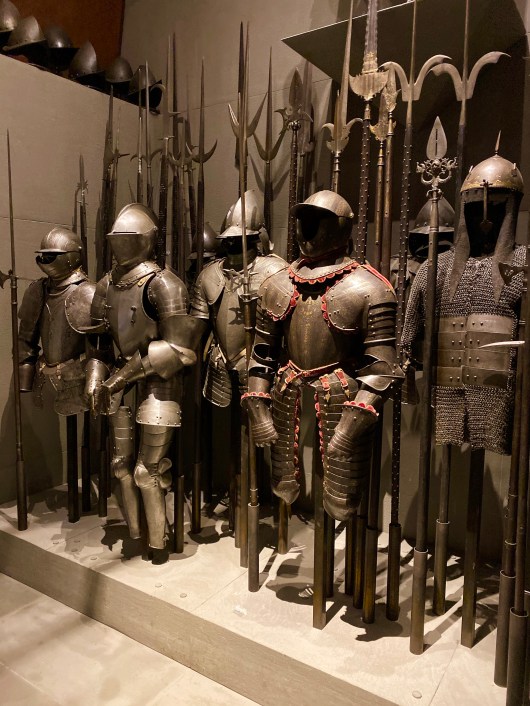
Yikes! Nothing like being met by an army! The outstanding collection of armor below is just one of the many parts of the Poldi Pezzoli Museum that will amaze you in Milan.

fullsizeoutput_277d

fullsizeoutput_2779

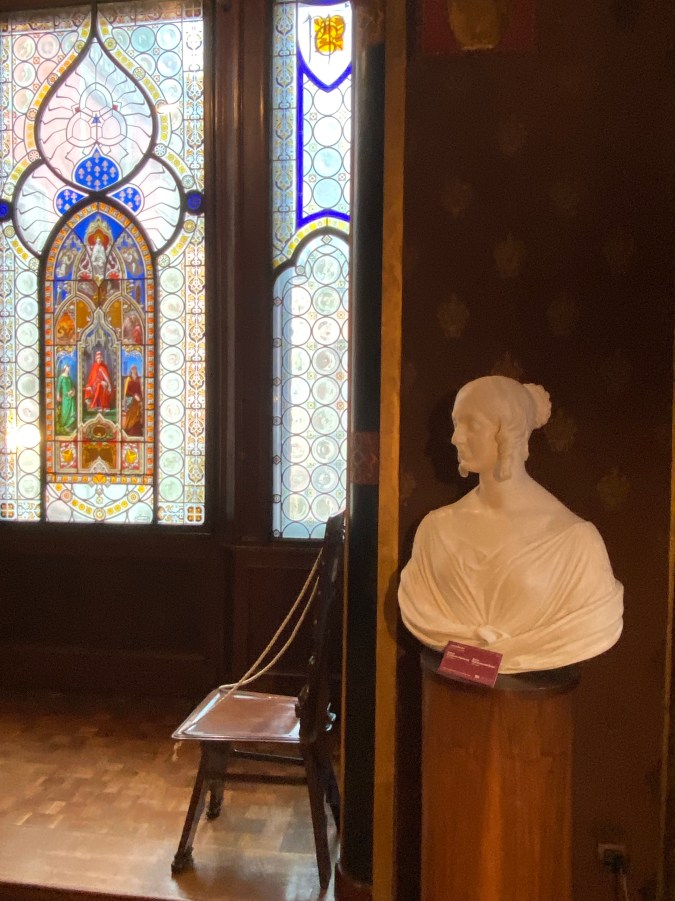
The Poldi Pezzoli Museum is housed in the original 19th-century mansion built by Milanese aristocrat, Gian Giacomo Poldi Pezzoli (1822-1879).  His parents and grandparents had already begun the family’s art collection and he built his palazzo in this tony section of Milan to house the collection it as he continued to enlarge it.  When he died, he left his collection and house to the Brera Academy. The Poldi Pezzoli Museum was opened to the public in 1881 on the occasion of the National Exposition in Milan and has since become an archetype for other famous collectors.

Screen Shot 2019-12-14 at 18.06.34

c2af768b069e4cd180c603a51f210404_400x400

The Poldi Pezzoli is one of the most important and famous house-museums in the world. Located near the landmark Teatro La Scala and the world-renowned fashion district, this house-museum is beloved by the Milanese and international public.

The Poldi Pezzoli is a member of the Circuit of Historic House Museums of Milan, a city network established in 2008 with the aim of promoting the Milanese cultural and artistic heritage.

During World War II, the museum was severely damaged and many paintings were completely destroyed. The palazzo itself was rebuilt and in 1951 it was reopened to the public.

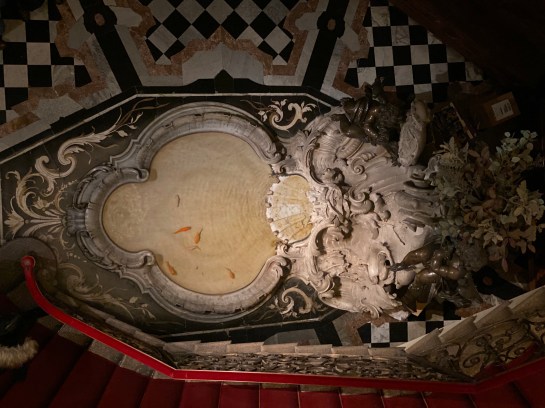
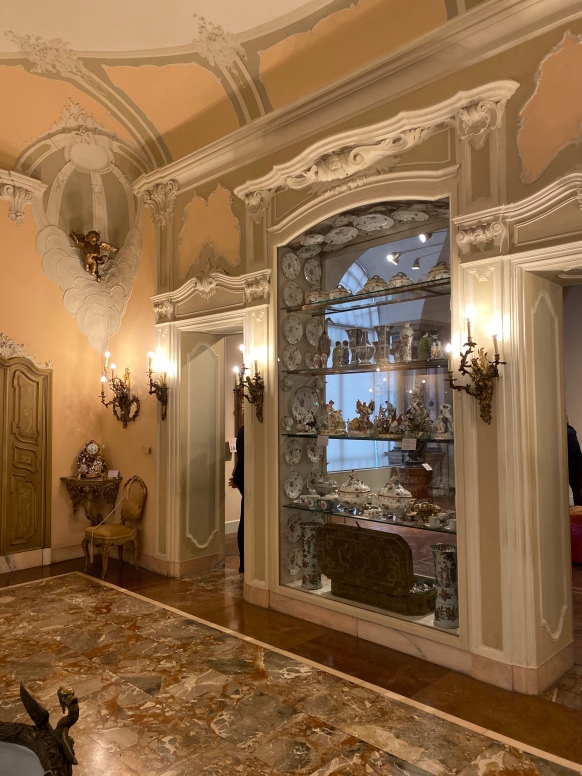
Not all of the house was restored as it appeared during Poldi Pezzoli’s life, but it was instead fitted out as a museum. The grand entryway, with its fountain filled with koi and its spiral staircase are original, as are at least 2 of the piano nobile galleries.  You’ll recognize them right away in the pictures below.

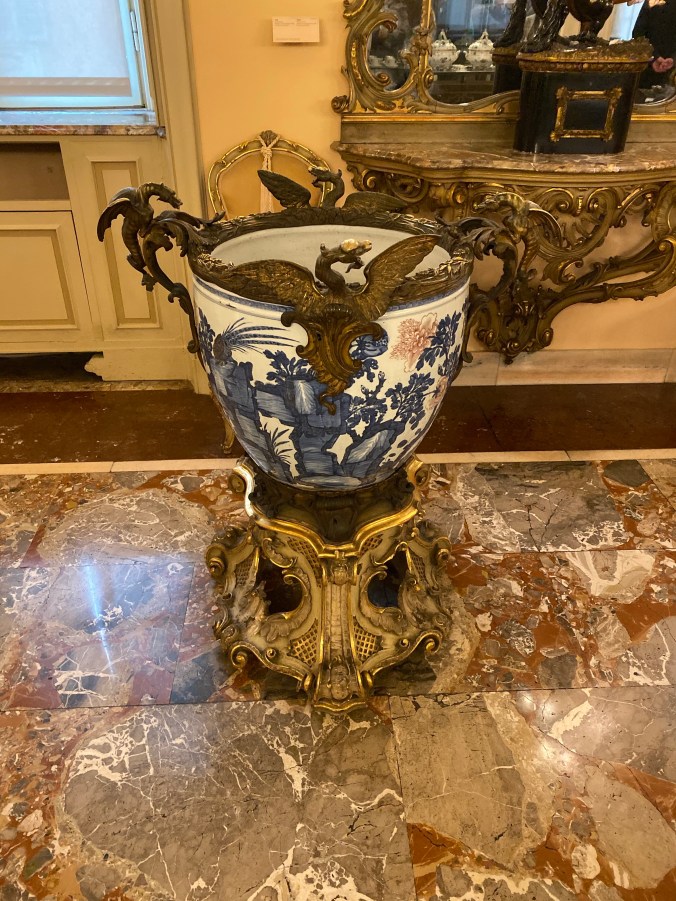
The outstanding collection includes objects from the medieval period to the 19th century, with the famous armor, Old Master paintings, sculptures, carpets, lace and embroidery, jewels, porcelain, glass, furniture, sundials and clocks: over 5000 extraordinary pieces.

Let’s begin at the entry way.  What a greeting!


Below: the view of the fountain from atop the staircase:


I was a bit obsessed by the fountain; can you tell?


Allora, moving on:

img_2806


YHd%s2tjTZipV%4qJnRlqg


Angels in the architecture:

S5P4afnARZW8hw97CfvzPw


Dragons on the pottery:

Zdt4u15WS8+HiAeGLvTJbw


QKg2ZlZmTWa9A1Jb8d25lg


fullsizeoutput_27b7


I love the way they display the ceramics: why not affix objets to the ceiling?  It is a wasted flat space otherwise.  Genius.

fullsizeoutput_27b3


5RRy7FG1SZCQcyTF1b9xkg


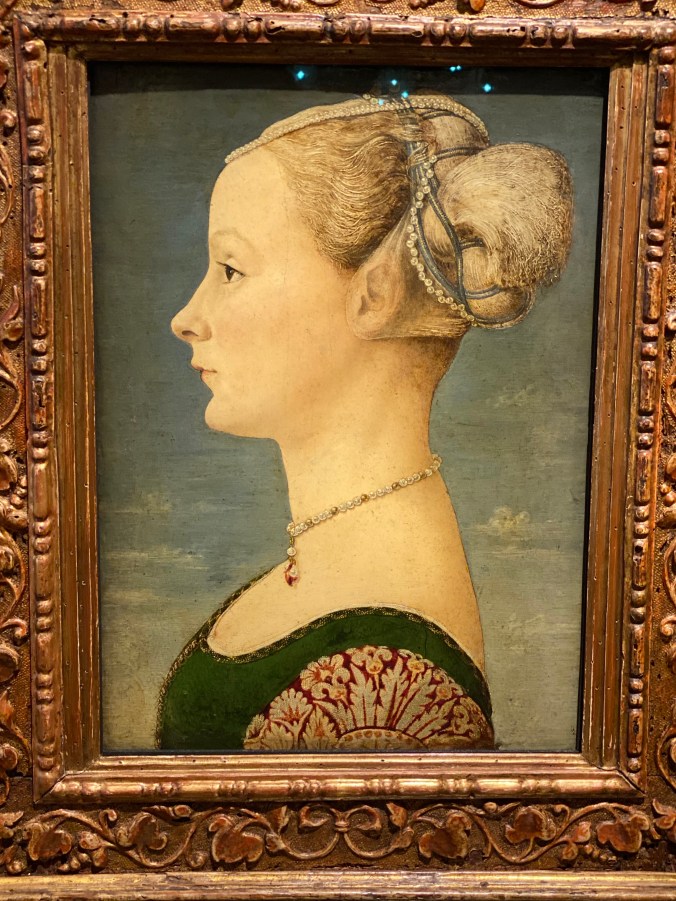
Moving on to the important objets: Piero del Pollaiuolo magnificent Portrait of a Young Lady.

fullsizeoutput_27b1


fullsizeoutput_280a


fullsizeoutput_27af


Botticelli’s The Dead Christ Mourned:

olskXBlhTY6LieIy%dg8EQ

fullsizeoutput_279e


Bellini:

fullsizeoutput_27a6

fullsizeoutput_27a2


6MhogjzwQCy5ueqVe90qhg


Q1nva4QvTfGpicIkkrVcTA


JV3uxtyqSBKRa1T26SgX1w


bcTe9zdJRNytyKdFseRrVA


l24I2suoTYG75TXaEXODEw


Ah, the glass.  It gets me every time:

fullsizeoutput_279a


YTjiGhygTxCSkyiMCdw+Yw


lNRmOuo4QCub3lEmyehJMA


fullsizeoutput_2798


fullsizeoutput_2794


fullsizeoutput_2792


VU4r8tp2Rl2MLzwHdfML9A


wdcTjLTJRH+UZ1xgGZiFfg


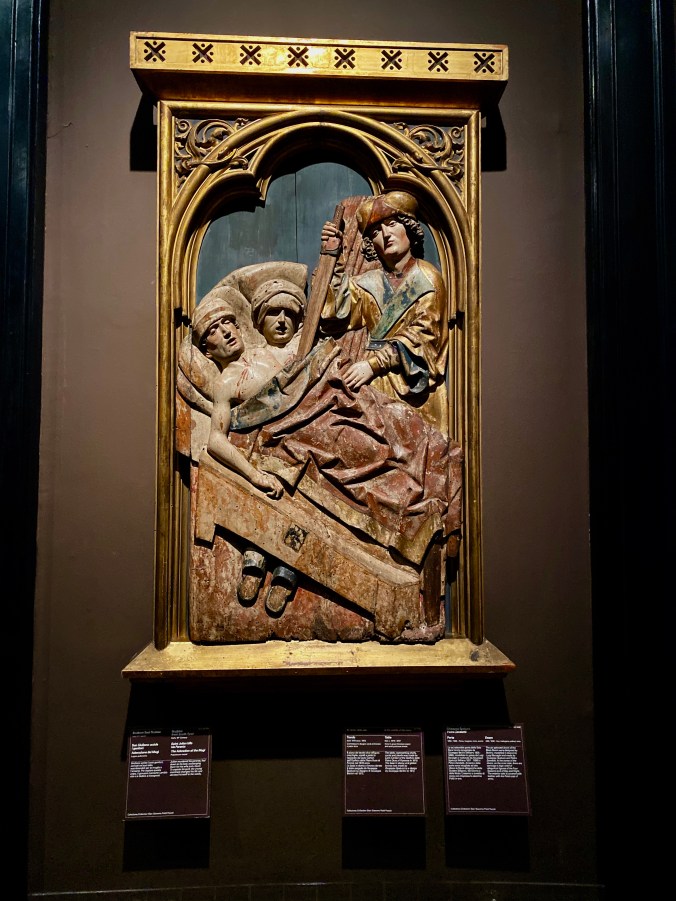
The panel below made me laugh.  I love how the sculptor included the slippers at the side of the bed! In this dastardly scene of homicide, don’t forget the slippers!
fullsizeoutput_278c


fullsizeoutput_278e


W%tbLkKwRheihzX5lKCFNg


fullsizeoutput_278a


fullsizeoutput_2788


fullsizeoutput_2786


fullsizeoutput_2784


5h1n1Fo8QOWrwYElE1rCoQ


DabU%gWCTKSdfesISEZtWQ


fullsizeoutput_268d


fullsizeoutput_2782


fullsizeoutput_2781


fullsizeoutput_277f


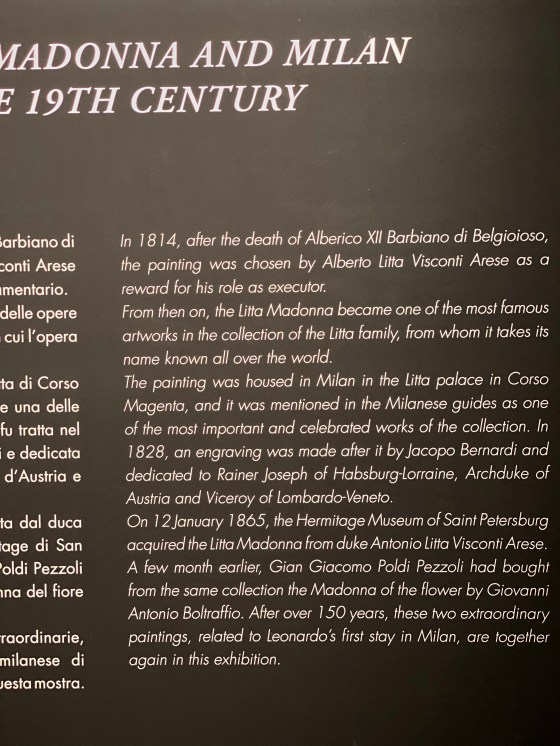
Since 2019 marks the 500th anniversary of Leonardo da Vinci’s death, the world is paying homage to the great artist with myriad exhibitions.  The Poldi Pezzoli joins them with a major painting, on loan from the Russian Hermitage Museum, just for the occasion. Leonardo painted this work during his time living in Milan.


img_2795


img_2796

img_2793

img_2797

img_2794

img_2798


Palazzo di Brera, Milano

Milano’s beautiful Palazzo di Brera was created along with the Accademia di Belle Arti in 1776 to serve the students studying at the University.

The Jesuits built the Baroque palace at the end of the 17th century as a convent (the word convent is used for monasteries in Italy). After they were unceremoniously expelled, the  Palazzo Brera was remodeled in the neoclassical style.

Napoleon took control of Italy and declared Milan the capital.  He filled the Brera with works from across the territory. As a result, it is one of the few museums in Italy that wasn’t formed from private collections, but rather by the Italian state.

When the Palazzo di Brera was taken away from the Jesuits by Queen Maria Teresa of Austria, it was meant to become one of the most advanced cultural institutions in Milan. It still lives up to that status today. Besides the Academy and the beautiful Art Gallery, the palazzo holds the Lombard Institute of Science and Literature, the Braidense National Library, the Astronomical Observatory and a Botanical Garden maintained since he 1700s.


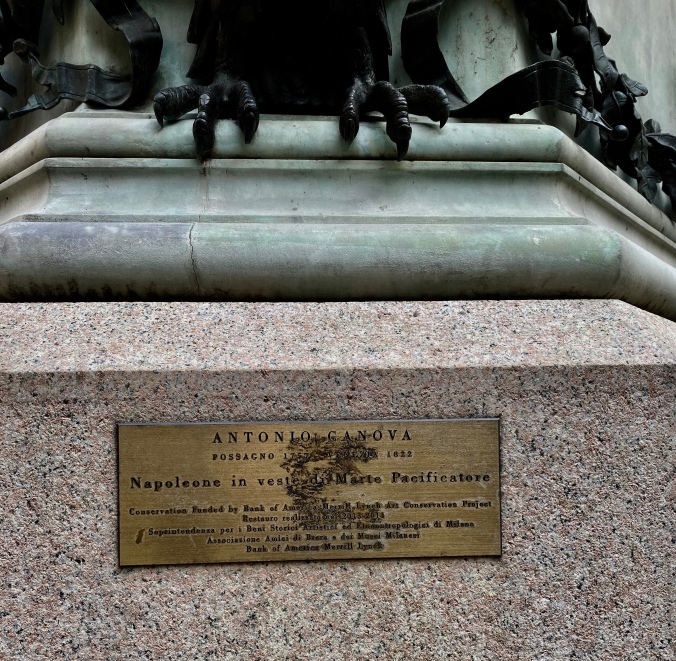
Inside the cortile, Canova’s heroic statue of Napoleon:


The entrance to the palazzo:


img_2739-1


There is a garden at the back of the palazzo.  The fortified walls and turrets of the building complex seen back here are massive and medieval, and very unlike the sophisticated facade of the palazzo. This Orto Botanico comprises a tiny corner of the hectic city has aromatic herbs, wildflowers and a small vegetable garden for research.


The Palazzo di Brera started life as a Jesuit college built on green land just outside the old city walls and its name reflects the location. In fact, the district, palace, and gallery all take their names directly from their locale as the Medieval dialect. The word “brayda” means “grassy clearing”. The word slowly evolved into “brera” or “bra;” it is also the root word of Vernona’s Piazza Bra.

Inside the Palazzo di Brera resides the beautiful Biblioteca Braidense:


More about Canova’s statue of Napoleon:


The plaster model for the bronze statue:

img_2746


What caught my eye at the Brera?  These works:


Andrea Solario, Madonna of the Carnations:

img_2749


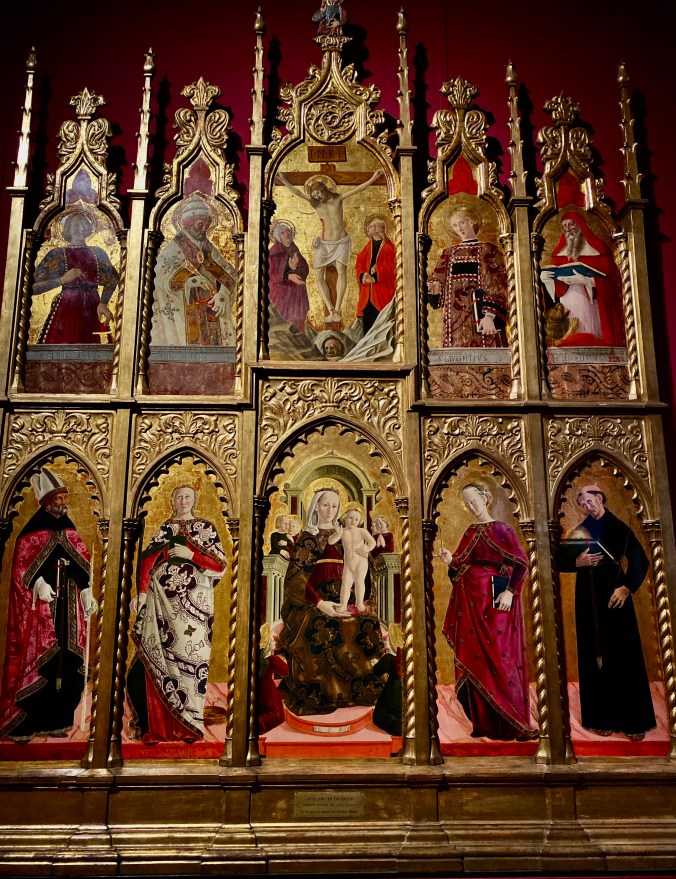
I loved Carlo Crivelli’s amazing panel paintings, which are actually somewhat 3-d.  I’ve not seen that before in paintings of these kinds:


Another luscious work by Carlo Crivelli: Madonna and Child.

img_2755


Some of the altarpieces in the Brera collection are sumptuously beautiful; breathtaking, actually.

img_2759


This random lion caught my eye and I don’t even remember from what painting!  I was a bit agog at the Brera. I started feeling the Stendhal syndrome, big time.


Raphael:


Piero della Francesca:


A ubiquitous scene, all over Europe:


Opificio delle Pietre Dure, Florence

Spend a little time in Florence, Italy, and you will soon discover that the work of fine arts restoration is very much alive and well in this magnificent city.  It just makes sense.

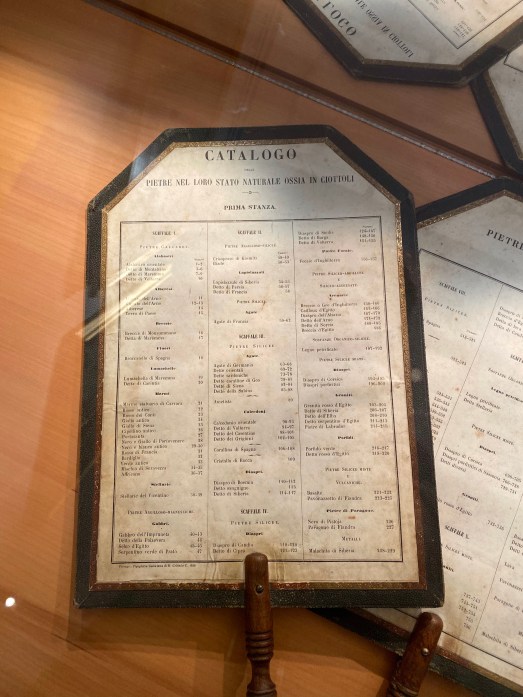
What you may not realize, is that one of the famous artistic workshops of the Italian Renaissance, the Opificio delle Pietre Dure, established in 1588 at the behest of Ferdinando I de’ Medici, is still functioning today.  Ferdinando sponsored the formation of this workshop to provide the elaborate, inlaid precious and semi-precious stoneworks that he so admired. And you can visit the premises.

And, what is this art of inlay? If you’ve been to Florence, chances are good that you’ve visited the Chapel of Medici Princes in San Lorenzo. That magnificent, opulent chapel is an example of the art of stone inlay at its most excessive.

The overall decoration of the Cappella dei Principi (Chapel of Princes) in the Basilica di San Lorenzo di Firenze takes the art form to a whole new level. The technique, which originated from Byzantine inlay work, was perfected by the Opificio masters under the Medici patronage and the artworks they produced became known as opera di commessi medicei (commesso is the old name of the technique, akin to the ancient craft of inlay) and later as commesso in pietre dure (semi-precious stones inlay).

Screen Shot 2019-11-26 at 08.52.43

The artisans performed the exceptionally skilled and delicate task of inlaying thin veneers of semi-precious stones, especially selected for their color, opacity, brilliance and grain, to create elaborate decorative and pictorial effects. Items of extraordinary refinement were created in this way, from furnishings to all manner of artworks. Today, artisans trained at the Opificio assist many of the world’s museums in their restoration programs.

I recently was introduced to a fantastic workshop in Florence, the Lastrucci. It was there that my interest in this typically Florentine art form originated.

img_2073

The Opificio workshops were originally located in the Casino Mediceo, then in the Uffizi and were finally moved to their present location in Via Alfani in 1796, or you know, slightly after the formation of the United States of America.  At the end of the 19th century, the institute’s activities moved away from the production of works of art and towards the art of restoration. At first specialising in hardstone carving, in which the workshops were and are a world authority, and then later expanding into other related fields (stone and marble sculptures, bronzes, ceramics).
The Opificio delle pietre dure, which literally means “Workshop of semi-precious stones,” is a public institute of the Italian Ministry for Cultural Heritage based in Florence. It is a global leader in the field of art restoration and provides teaching as one of two Italian state conservation schools (the other being the Istituto Superiore per la Conservazione ed il Restauro). The institute maintains also a specialist library and archive of conservation, as well as a very fine, small museum displaying historic examples of pietre dure inlaid  art and artifacts. A scientific laboratory conducts research and diagnostics and provides a preventive conservation service.


img_2055

img_2054


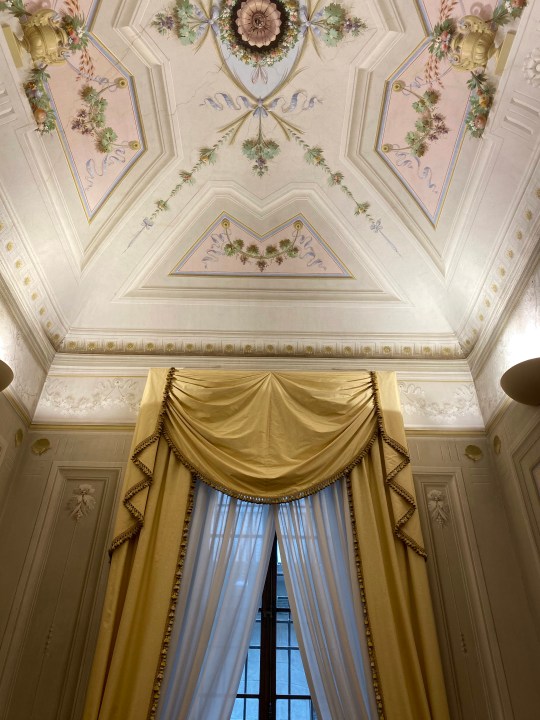
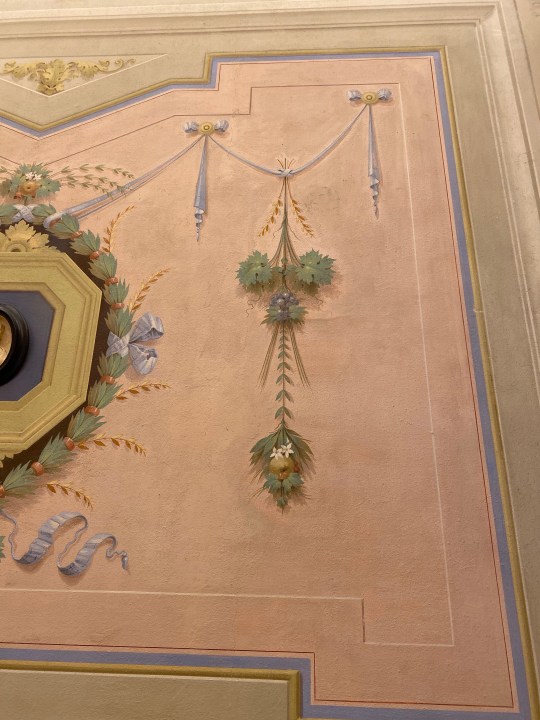
The frescoed halls within the museum are lovely in their own right:

img_2056

img_2057

img_2059

img_2060

img_2061


img_2062


img_2063


img_2064


img_2065


img_2066


img_2067


img_2068


But one comes here, after all, to see the stone work:

img_2069


img_2070


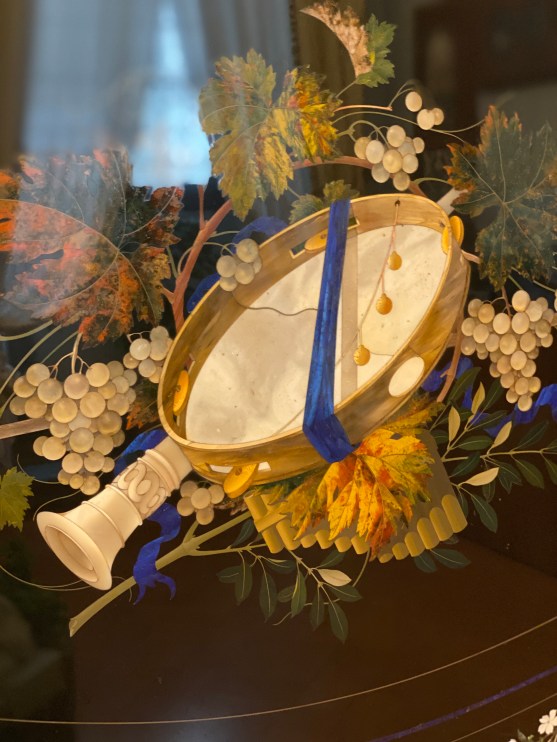
The museum displays extraordinary examples of pietre dure works, including cabinets, table tops and plates, showing an immense repertoire of decoration, usually either flowers, fruits and animals, but also sometimes other picturesque scenes, including a famous view of the Piazza della Signoria.

There is also a large baroque fireplace entirely covered in malachite, a dazzling and brilliant green stone as well as copies of painting executed in inlaid stone. Some of the exhibition space is dedicated to particular types of stone, such as the paesina, extracted near Florence, the grain and color of which can be used to create vivid landscapes.

There are vases and furnishings decorated with Art Nouveau designs of the late 19th and early 20th centuries, including a tabletop with a harp and garland by Emilio Zocchi (1849) and another decorated with flowers and birds by Niccolò Betti (1855).

While one is not able to visit the restoration workshops, a visit to the small museum is a must for understanding the fine art of semi precious stone inlay, which is itself a very Florentine tradition.

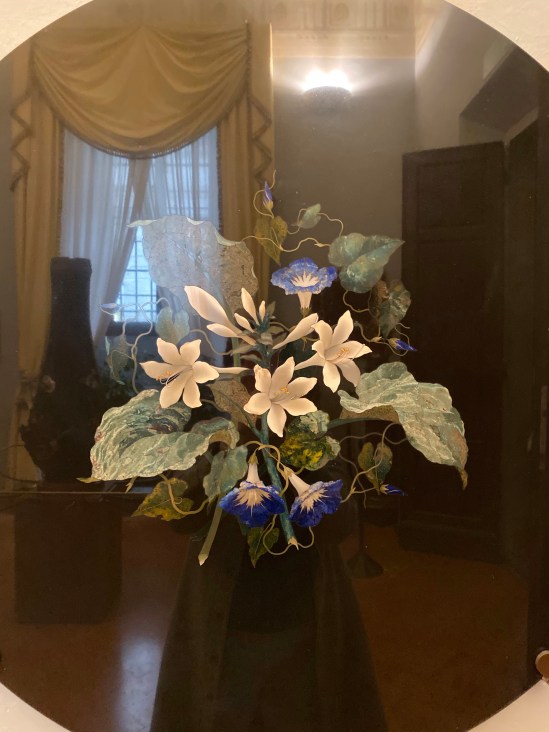
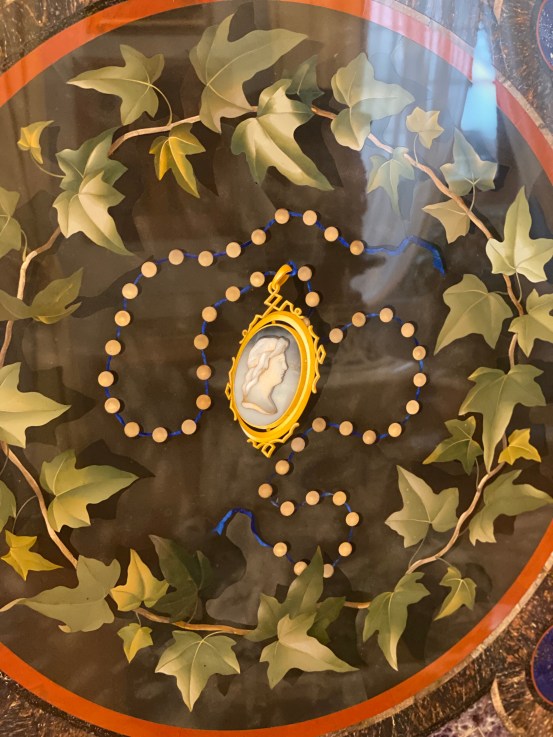
Here are some examples of pietre dure that caught my eye in the museum.


img_2071


img_2072


img_2073


img_2074


img_2075


Climbing to the museum’s 2nd floor, you know you are in a place that values stone when you see the back of each step: each step got its own stone type.  Extraordinary.

img_2076


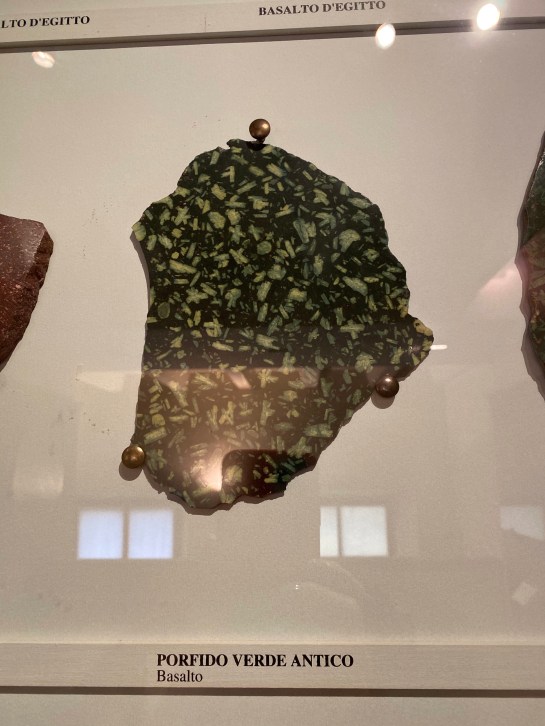
An exhibition of the technical processes of pietre dure works through history is found on the upper floor.

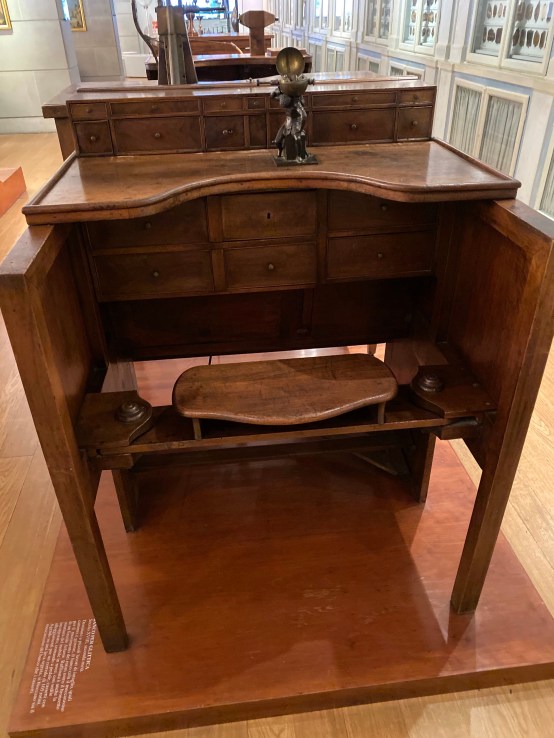
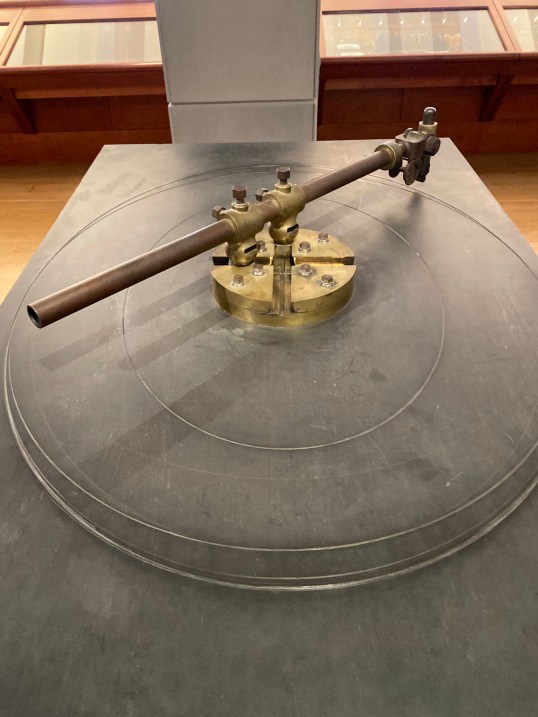
For me, the upper floor was the most interesting.  While I admire the workmanship and skill that goes into these incredible inlaid pieces, usually the artwork itself doesn’t move me.  But the upper floor has amazing didactic information, original casework furniture specifically designed for the artisans, and tools.  There is also a very informative film that tells the story very well.

img_2077


img_2078


img_2079


img_2080


img_2081


img_2082


img_2083


img_2084


img_2085


img_2086


img_2087


img_2088

Below, a few of the dental type tools used in the craft. Dazzling.

img_2089

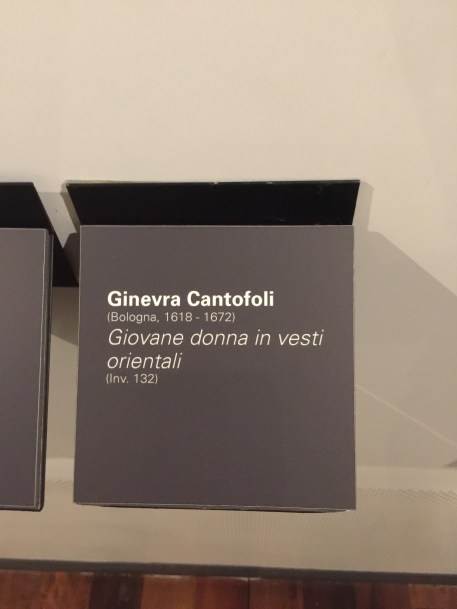
Ginevra Cantofoli, who are you?

On a recent visit to Padova, I was arrested by some paintings in the Museo Civici, both done by Ginevra Cantofoli.  I vowed to write a post on this intriguing painter, and here it is.  It isn’t much…I hope someday to add more.

IMG_1089IMG_1090IMG_1091IMG_1092

All I can add right now is this info from Wiki:

Ginevra Cantofoli
Born 1618

Bologna, Italy
Died 1672 (aged 53–54)
Nationality Italian
Known for Painting
Movement Baroque

Ginevra Cantofoli (1618–1672) was an Italian painter. She was active in the Baroque period.

Scena Allegorica. Date unknown.

Cantofoli was born in Bologna, Italy in 1618.

Cantfoli received her training as an artist from Elisabetta Sirani in Bologna. She painted works for several churches. These works included a Last Supper for the Church of San Procolo, a St. Thomas of Villanova for San Giacomo Maggiore, and a St. Apollonia for the Church of La Morte.

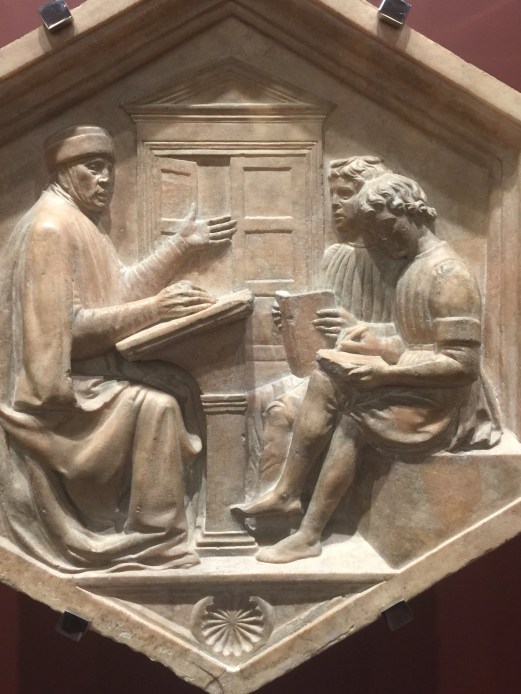
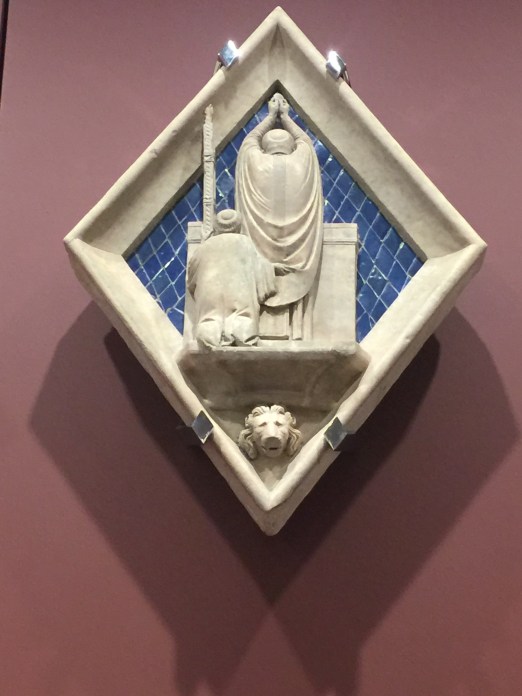
Museo dell’ Opera del Duomo, Florence

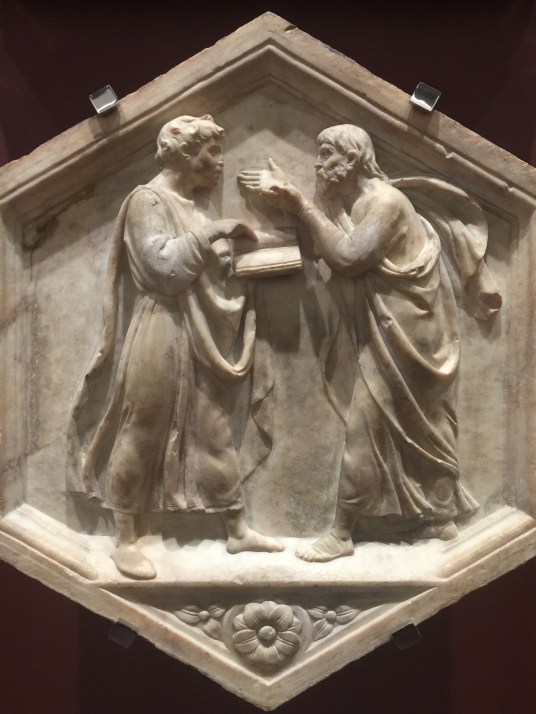
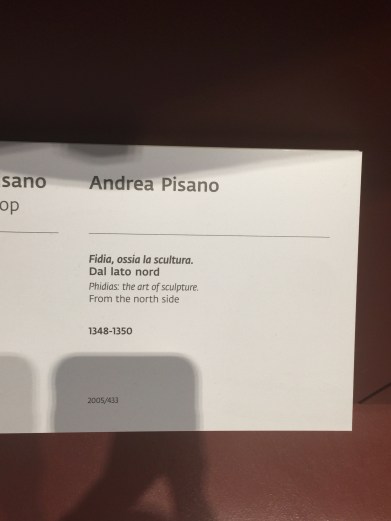
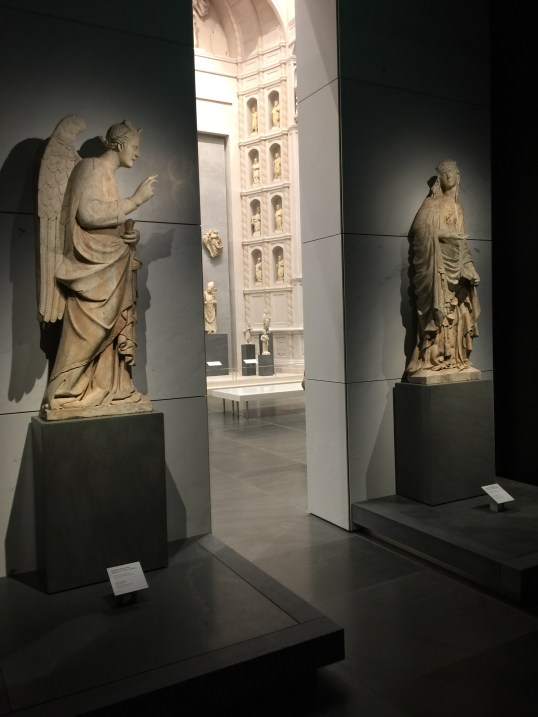
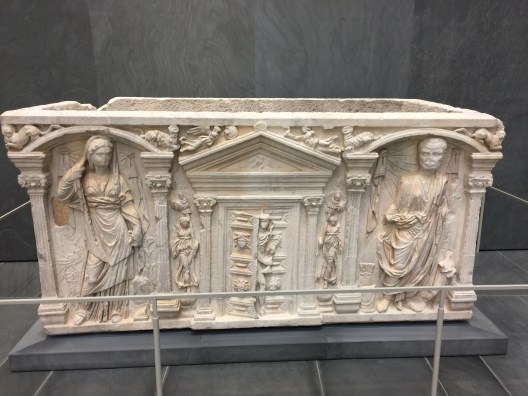
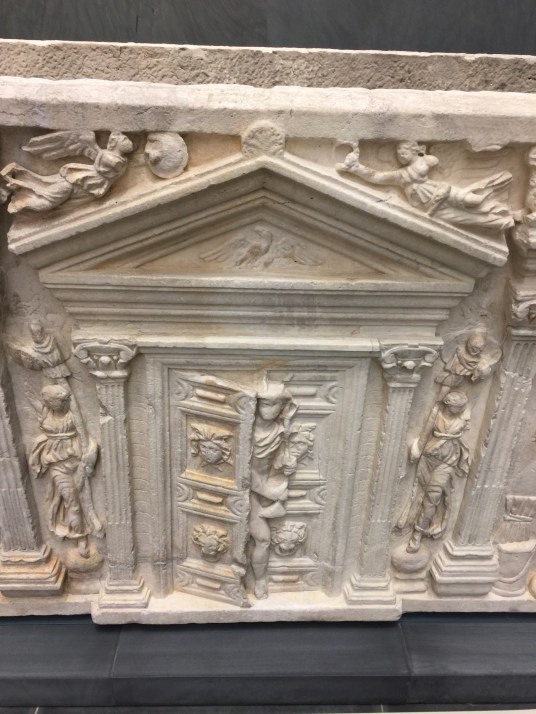
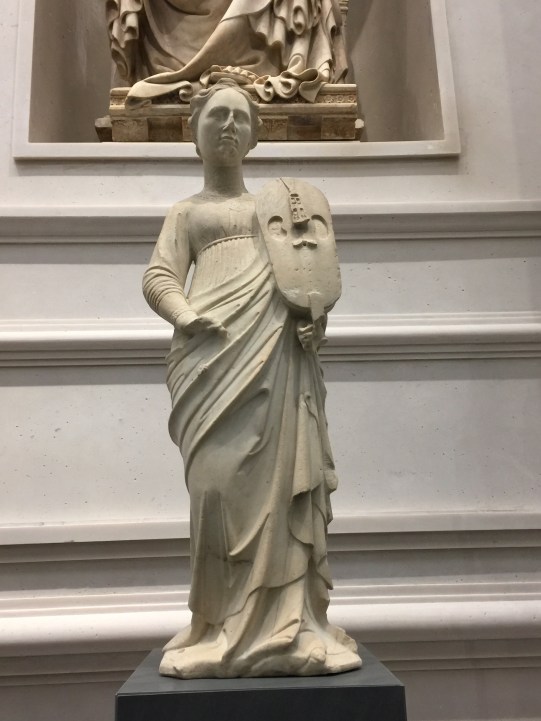
When I first started visiting Florence in the late 1970s, the museum connected to the duomo was housed in a very old, smallish palazzo behind the duomo.  About 4 years ago, the museum reopened after extensive renovations and it is one of the best museum spaces I’ve ever seen.  It is state of the art and a must-see for anyone who values Renaissance art.


These are just a few samples.

IMG_0933


IMG_0938


IMG_0937


IMG_0936


IMG_0935


IMG_0931


IMG_0934


IMG_0927


IMG_0928


IMG_0929


IMG_0926


IMG_0911


IMG_0912


IMG_0913


IMG_0914


IMG_0922


IMG_0923


IMG_0924


IMG_0925


IMG_0922


IMG_0921


IMG_0920

IMG_0919

Brenta Canal, Part 3

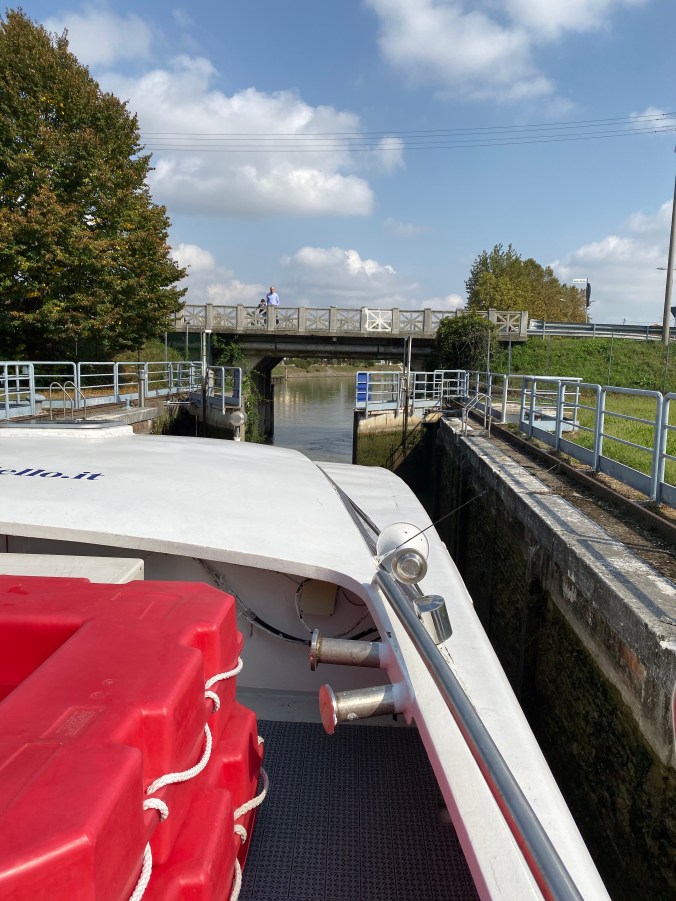
Back onboard the Burchiello, my cruise continued toward Venice from Stra.  First we had to sail through the Dolo Locks.

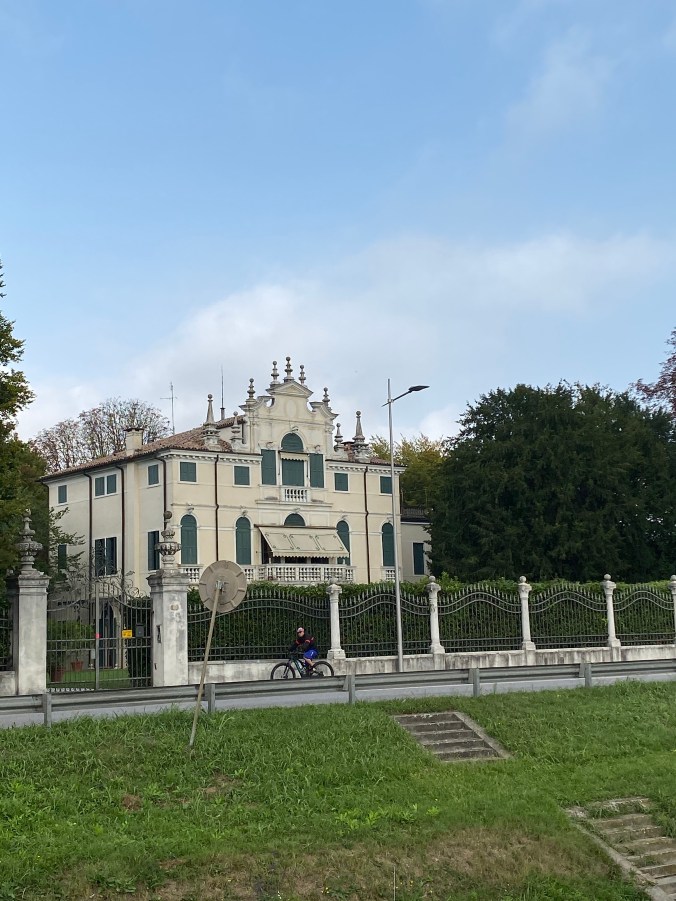
Soon we were passing many amazing ville, visible on the left and right banks of the canal.  This area is around Mira, and has a high percentage of villas per square mile!  We also passed very beautiful sections of the canals, with willow trees skimming the water and many fisherman catching their Sunday lunch.

It was smooth sailing and I had one of the best seats on the boat.

qCdsxDkTST+ewSW0mrRntg


E1qBchz0Qme3RCV9V9UQXgRziUQefASJCUjOMdLr2x+wysSqgfYdSkKo+52jHASEfQkQ59y8gMTVqv9Y9pCsCEeQxqEsgEfuSX2wp+vYcJS9ew9BlrMoZbRf6jXrV1p%BpEgonFd2+jfTfK72jzjk2L+2gnpxa1VXDQSC4EDu6C43cYgpm9E%h3xTjGNRFR2GS0pxg


%zDTEYc1S6SI2SNXodqUKwCk8pLXrkSwC5iEeoyJ26Qw+XC%cq3MTUapEK+S4%jVfgfcQluc6JS5CXWZm6ThihmQC8BoQukJTHmOUKopP5O73g8SgTHDF+QPWaQZtDHN0JfAhg5W8ds9Qau1CVkfnfTEFg


cNujEjfDTRyUNu8NSbL++QLK82liNpS4qSwr0JP9ZoTA2%JORJKEREGNZzXLZSx64Q


qQ1BRVMZRha+PxeSWCCmfAz4KzmFskTtmp5HCMSPuA0wfeQix3FwTjeZUp4z1TvbRQSb9L0V7qQ6ui9Av5yz3kaQ


vGh6Nic9Qs67DpmX7r+aTgtOQuHRD6RI+1x5U9HN2wOA


Next we passed through the Mira Locks.

zuUbGvReT9mKmWpq6YCuvQQfods%9JQ3uX5f4M0yvebwAIpa4dZsR7GKpA+HSOkCRgFs6WMwqbS0OAQiGgHZLaewnaJ9dCc8SgGvYON2Oih5ew


We stopped at Villa Widmann, said to be a typical 18th century residence (that is if you were a part of the aristocracy!).  It houses luscious frescoes and has lovely gardens.


Fs6WMwqbS0OAQiGgHZLaewnaJ9dCc8SgGvYON2Oih5ewrXfCcPy0RyOG9z3USAiBfwrv1VGMXhRFedy8xfY5Z0aA8EXJeRr6FOR+YaWFUVg%TS1vcUXTr6X6Sgca098TwXWRaBfCVRvWxVaJS0m46CABDbv5tz5SGKhYwWZ1LSLLAVknHqjFYQreYMkJ0Y79apAFLM0kuRMR%u8HDuq%uNwwAK%tbDrEnQLyPKeMoT6nrfQ+VOA3RieI2xNLOmxBRQ

A6MOQZ4rTumWpiQU3V2JzwqaRms5bzSZKAaGtIe329PAovE+z%iNR+2F71ClBVCKYw+z%GMxkTQfqzl4ehvehLAQn3r4tjrSSDir43ZA3%LV8wMr35uFUsQHKHGrbRS+LgOAGwQRAeo9QwO+5v1T%K%Nig3XEsJ1UpTxSdBt0ypWU4ggxluRsylOTROqDEJ6m2f5Ow4zr7Oe9PSOGZzZ6ZKuBupAkmdkmAuGSfamBEnyAkg9cgrNuQ0IxrScqIUM5Yc58Qfg


To be continued.


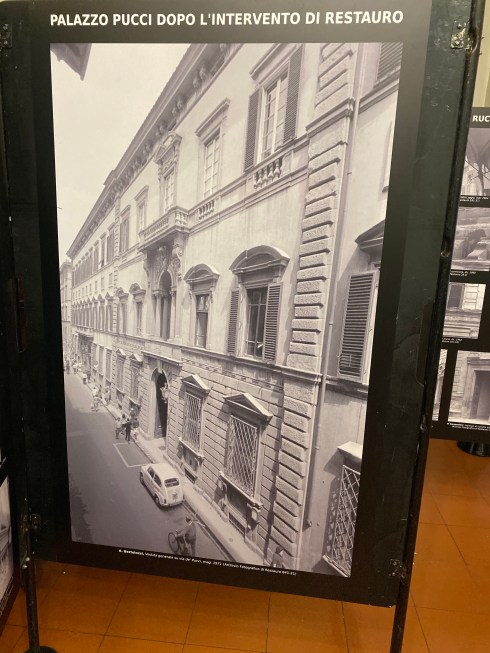
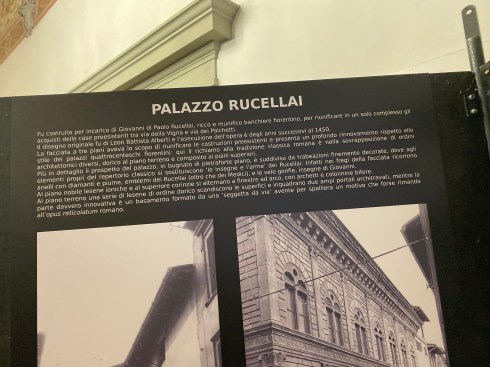
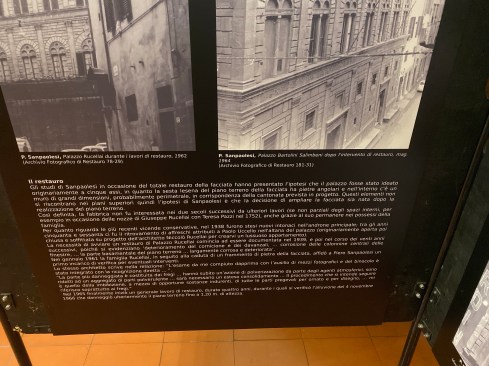
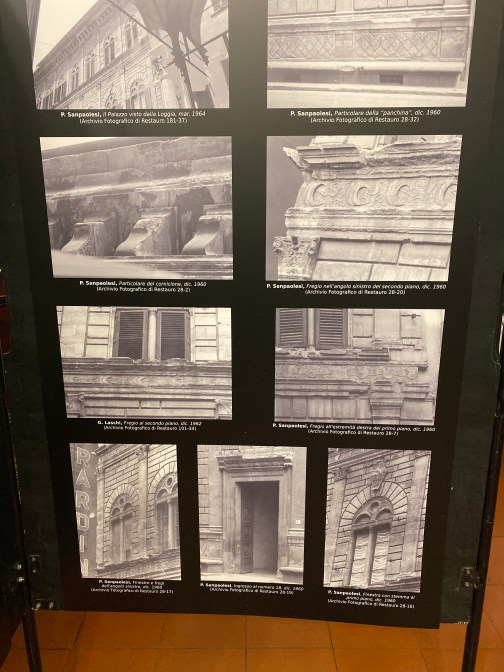
The restoration of some famous Florentine palazzi

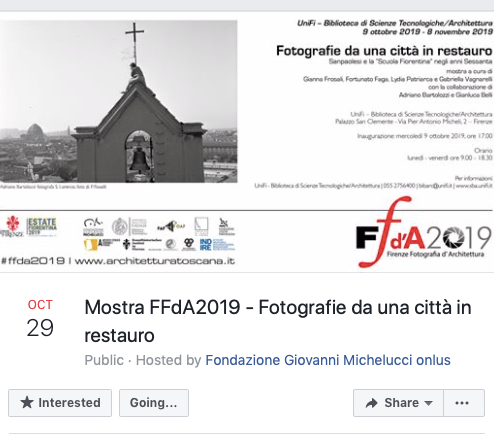
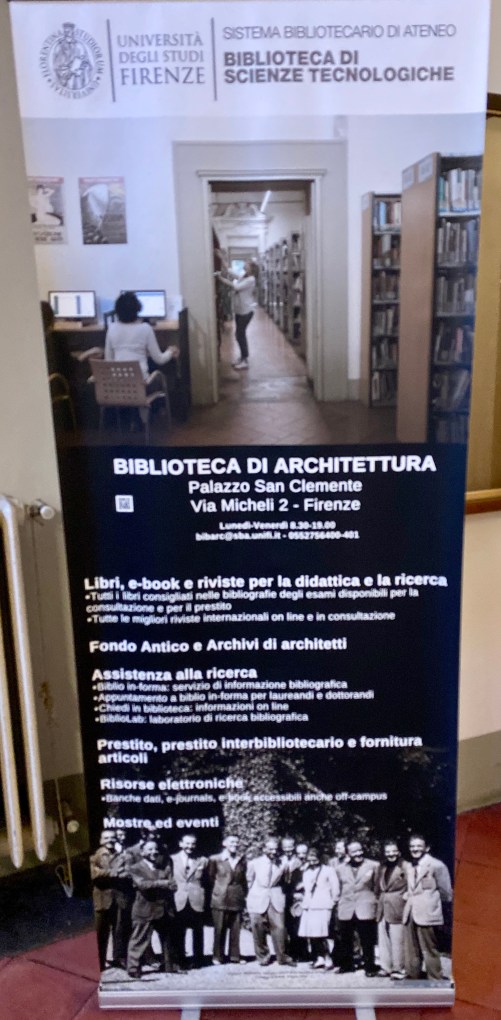
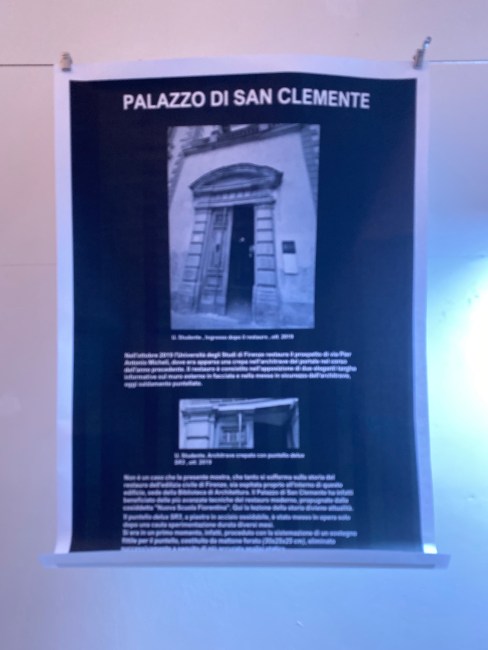
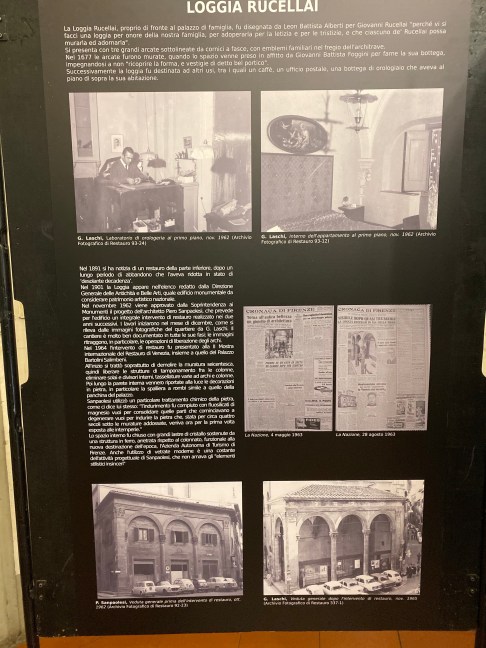
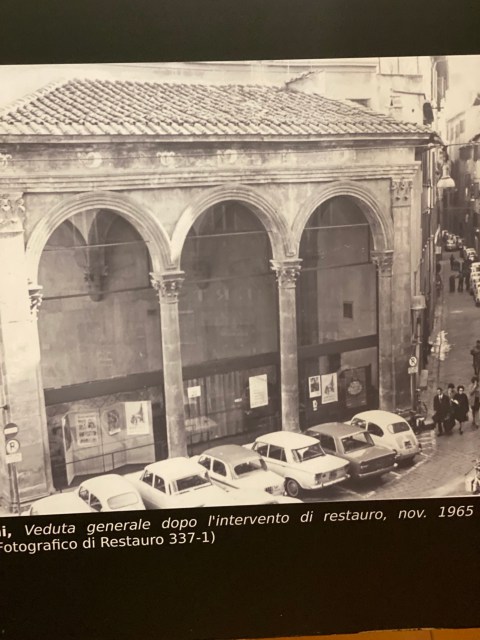
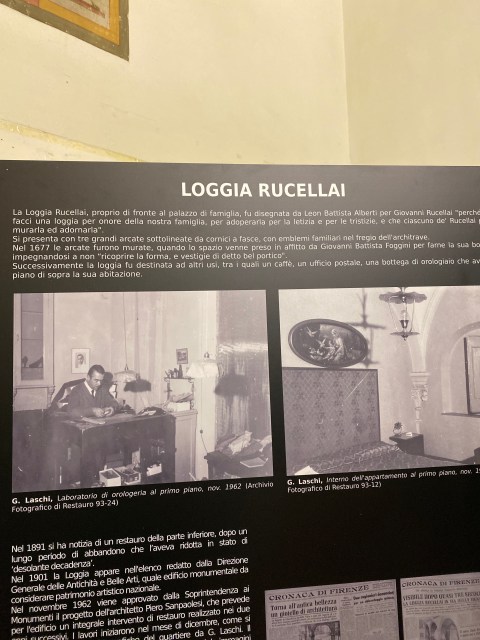
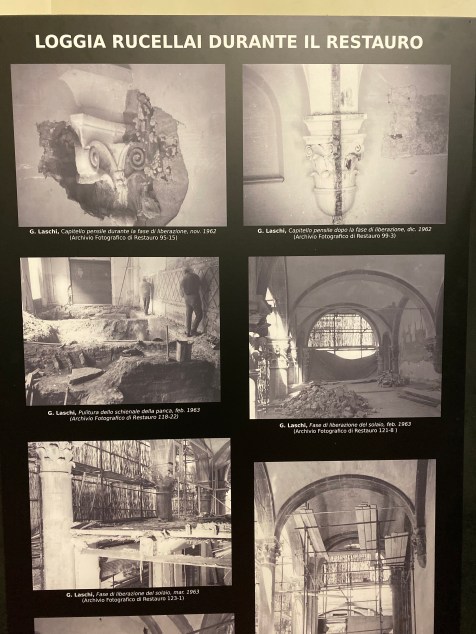
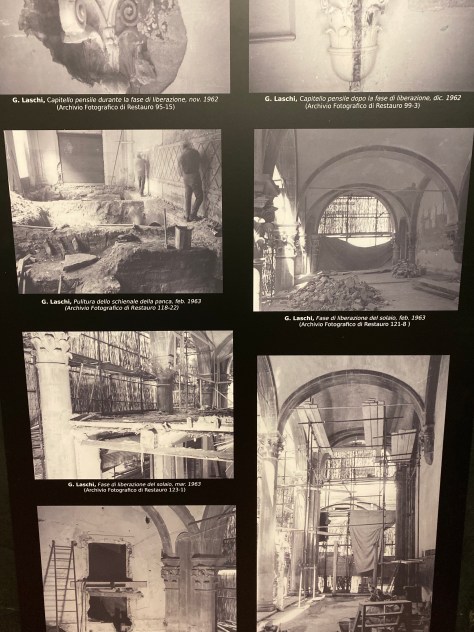
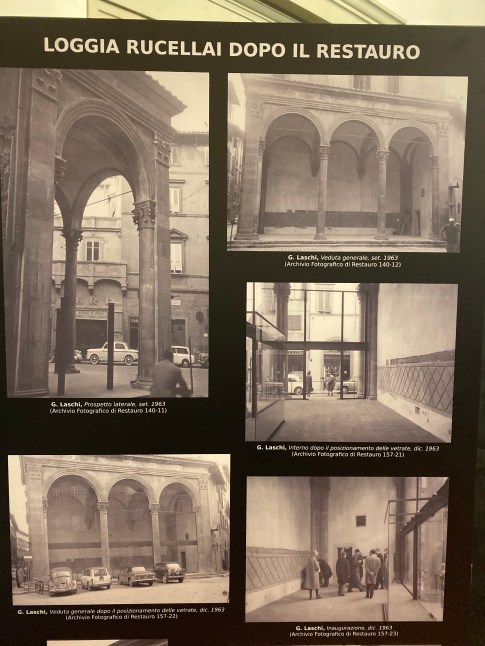
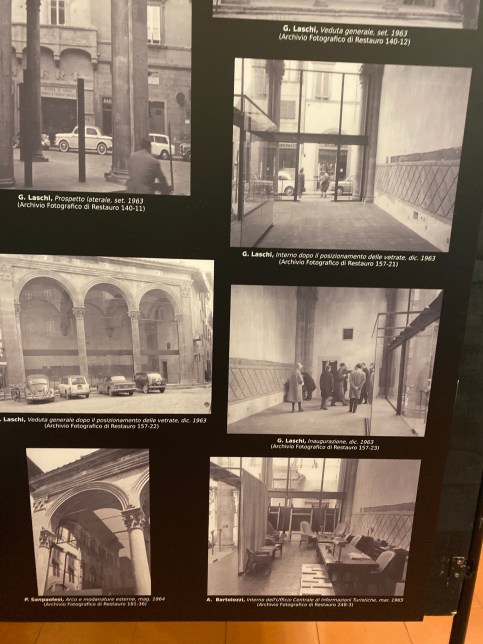
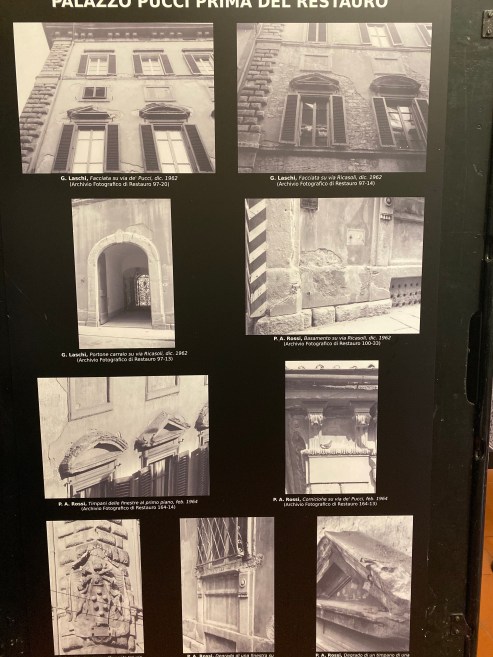
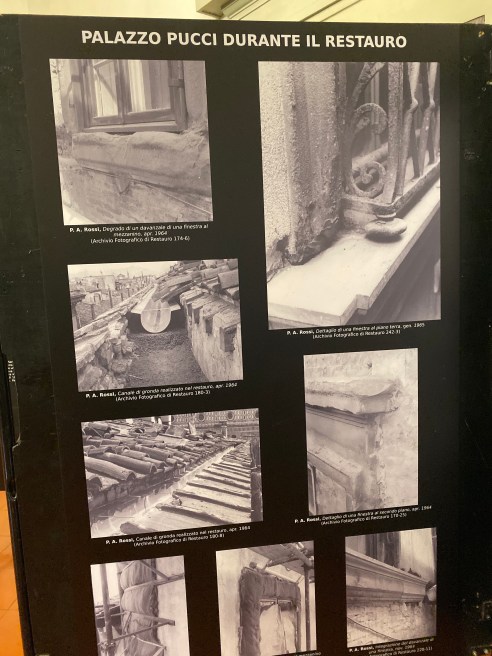
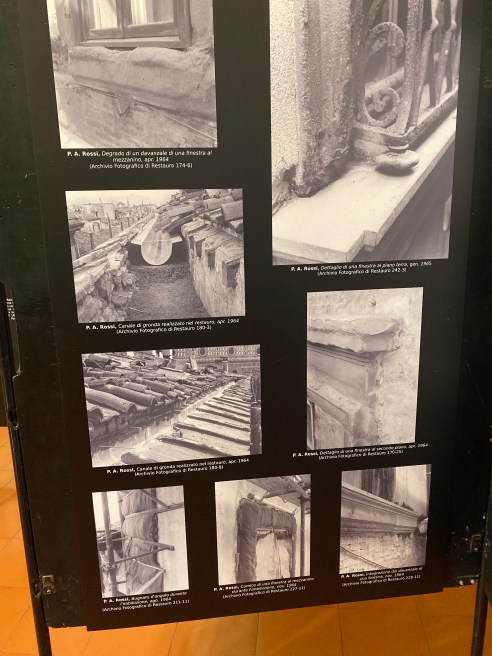
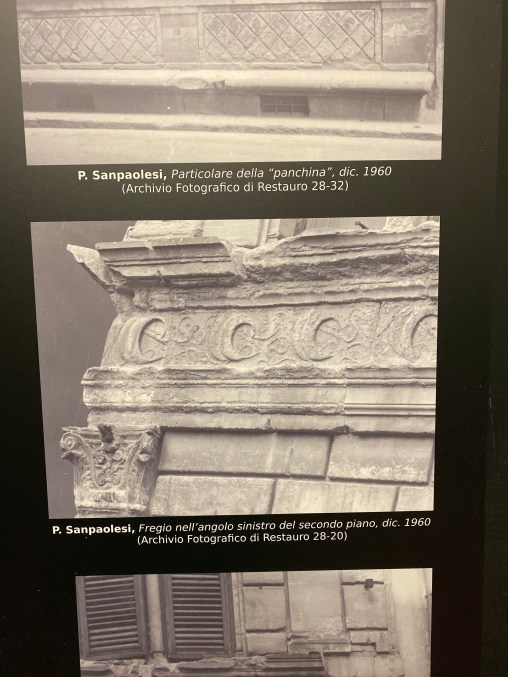
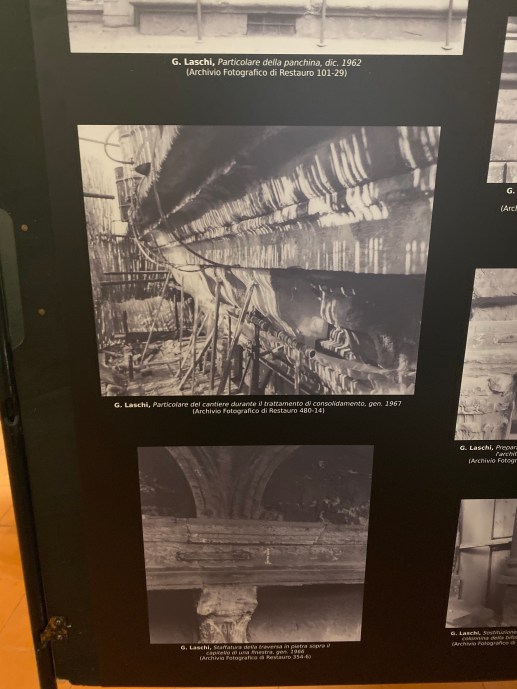
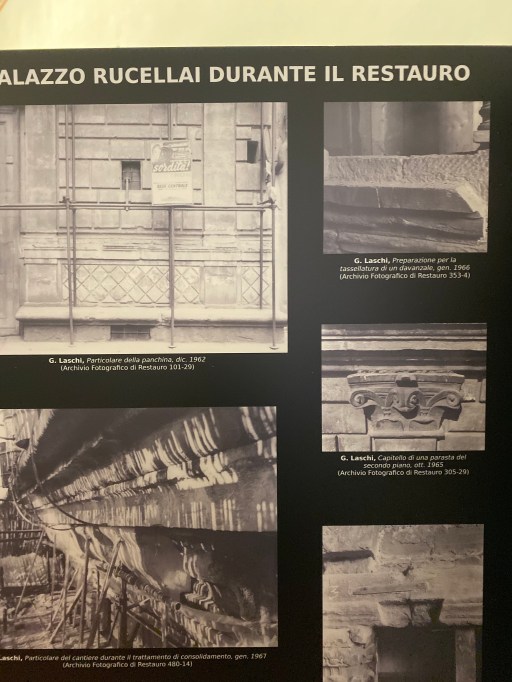
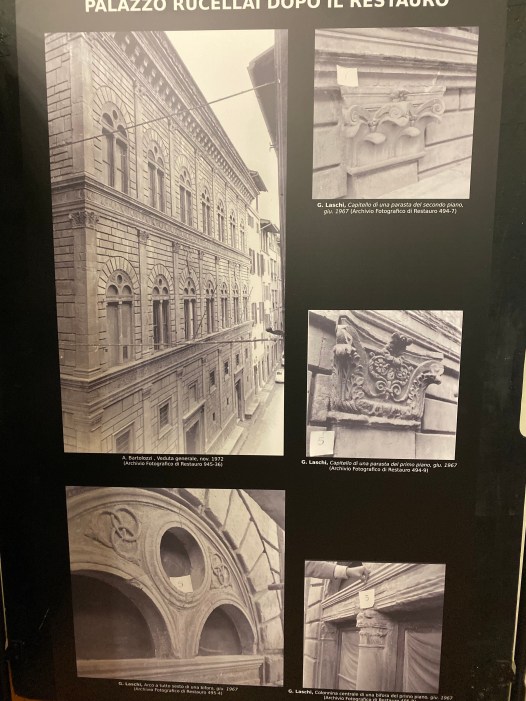
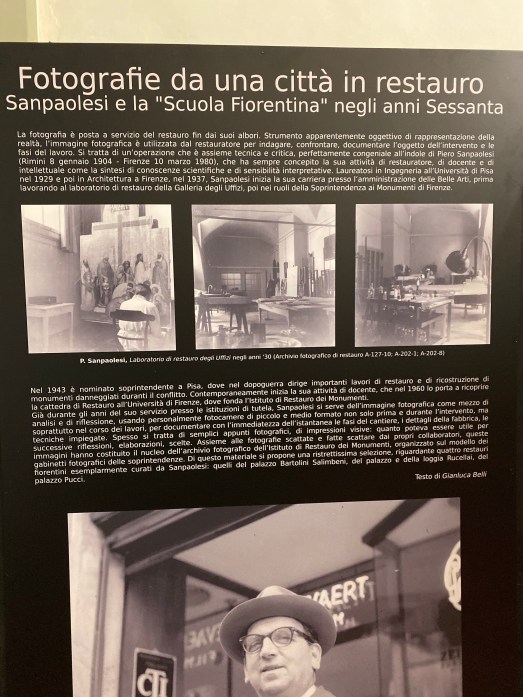
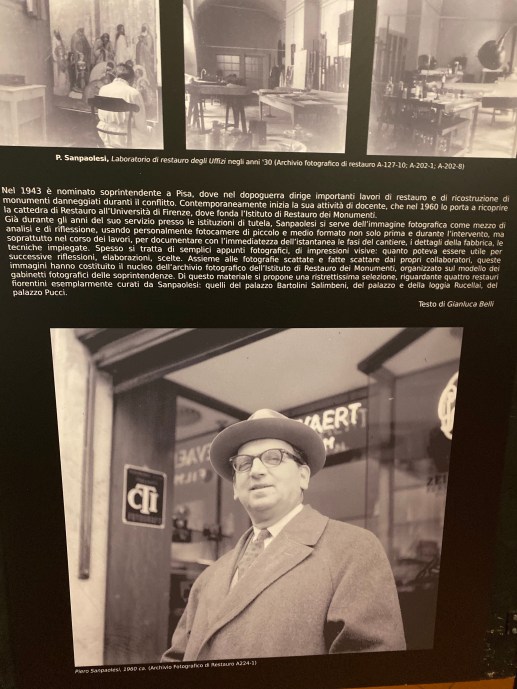
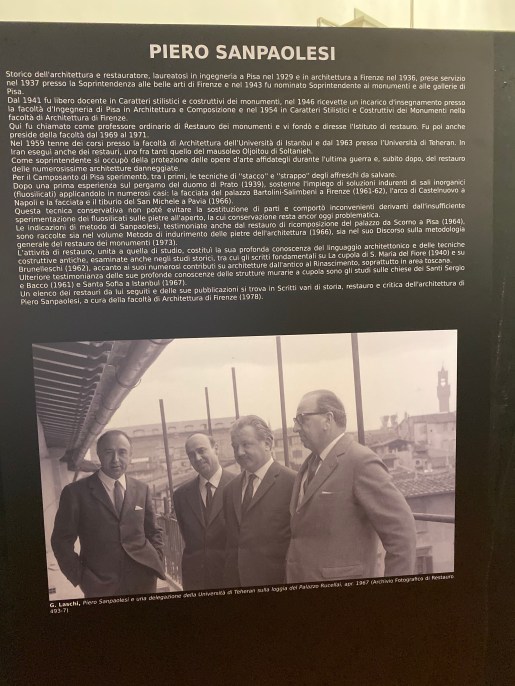
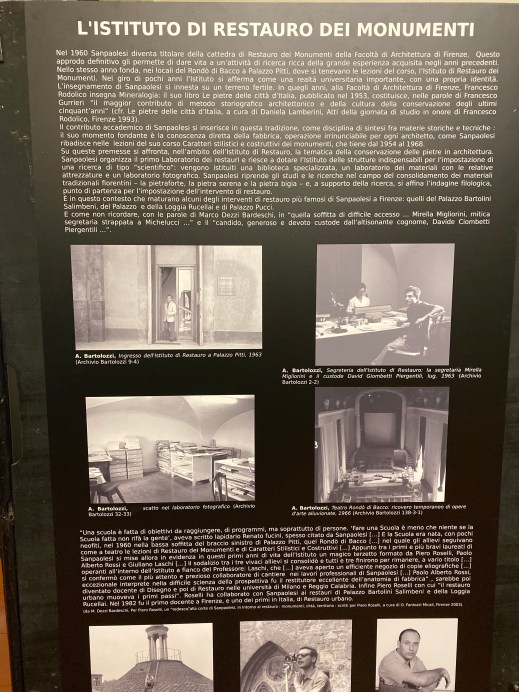
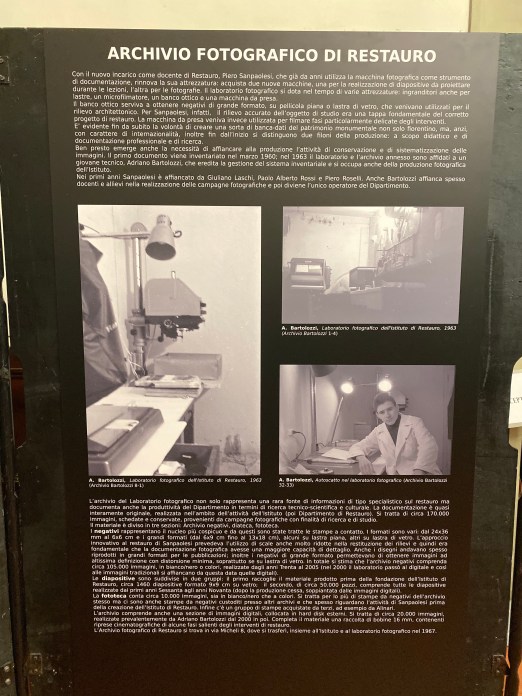
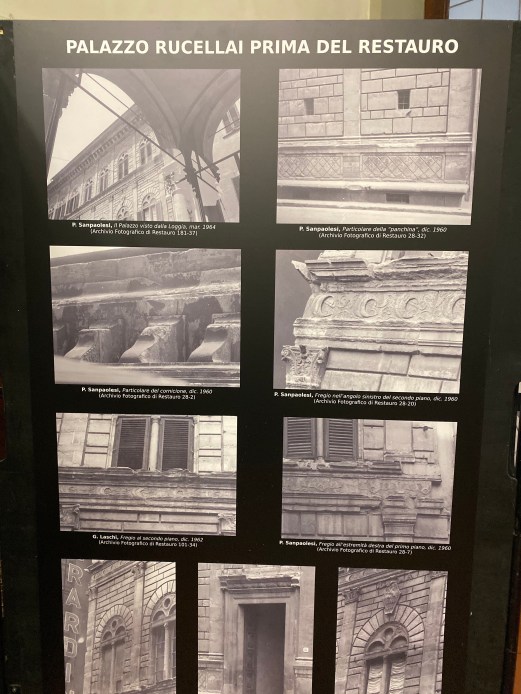
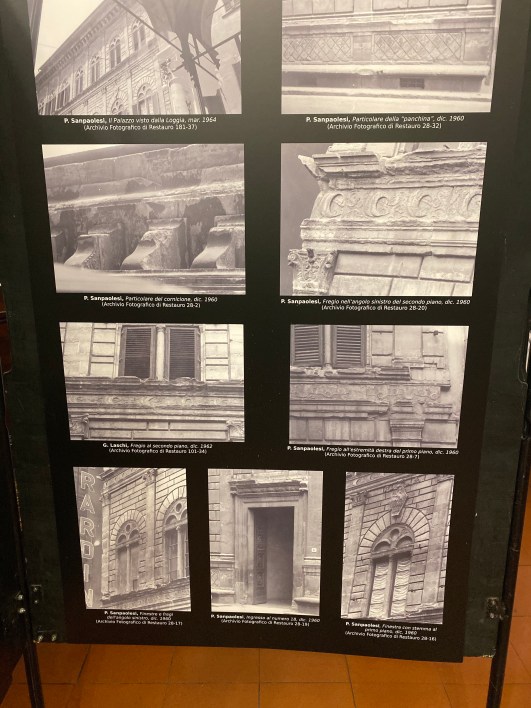
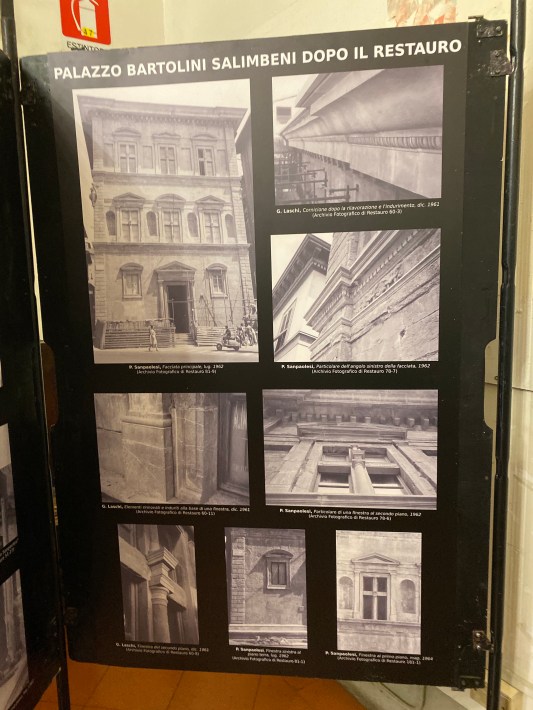
There’s an interesting exhibition of vintage photography documenting the restoration of some famous Florentine palazzi on view currently at Library of Science/Technology Architecture.

Screen Shot 2019-10-29 at 08.09.54


Screen Shot 2019-10-29 at 08.07.59

It’s a small show and in a rather dark room, so my photographs below are not great. However, they show some great pictures of before and after shots of some of the wonderful Florentine palazzi.  This library would be a great source for any scholar working in the fields connected to the city of Florence.


fullsizeoutput_1e51


xyeQ68rAQ120Ovv+tWavGg


TwneLwGYQtGwhOjgCgX+SA


tGbTiBeRTWyj2PRFO2OwzQ


5iBBIZf5S1WbQpJZlDVsSw


HK%+uB0LTkywQUkYXgg


2x4oBfZORMWzLp7tZFCS0g


rlsP7h7xTdSVeVOshWswWg


beJfxQJHQUmXAA1GZqMILg


h5wxnVr+TQCojfYwlhITvg


xn2biPJpQ3mFnIPdrRO5eg


+ZjsHtUXS5CEQUT72CIbtA


%HBnZ9icRe6s6Fykie3FbA


VJU6u3ZNTqGdetgYH+WaqA


6TTjRXF9T1WbU2xfuC5jbg


dUVuERScTnacvbXIzOZfew


onJ7q%2wSuWcdzdkjocljw


ACqm9dAHQWqzTronV9LTLg


itXKRezrQJmRGChDugG%qA


0oq5QeVOQYOIJ+475xTXjg


ucajiztARBGZaSqa3SvI1A


CQ%ayJ3OTn6INJUiio8Spg


7m6xiMlMTcqSdw+BICAR9A


pN5cBxd1R5aTs9UGRWMwwQ


K4YxCcHPQLmozO+G%NLgRQ


mAoIi6U7QrKTO8R6RsIe5w


iHxIisV6RLS4g5HNgA6OVg


WPbgjYSjR5qYfPgp+6QLlA


roizNSoesB68uNSQ


WAVRTf5DQqmzRV8NelmyYg


ZvuletfkTu2gCba8RHAljw

0oq5QeVOQYOIJ+475xTXjg


ucajiztARBGZaSqa3SvI1A


AvNSmvJ6Q3Gm28BrqyJ7ZA


G5t1o50rTZy%yB1kP3PfRw